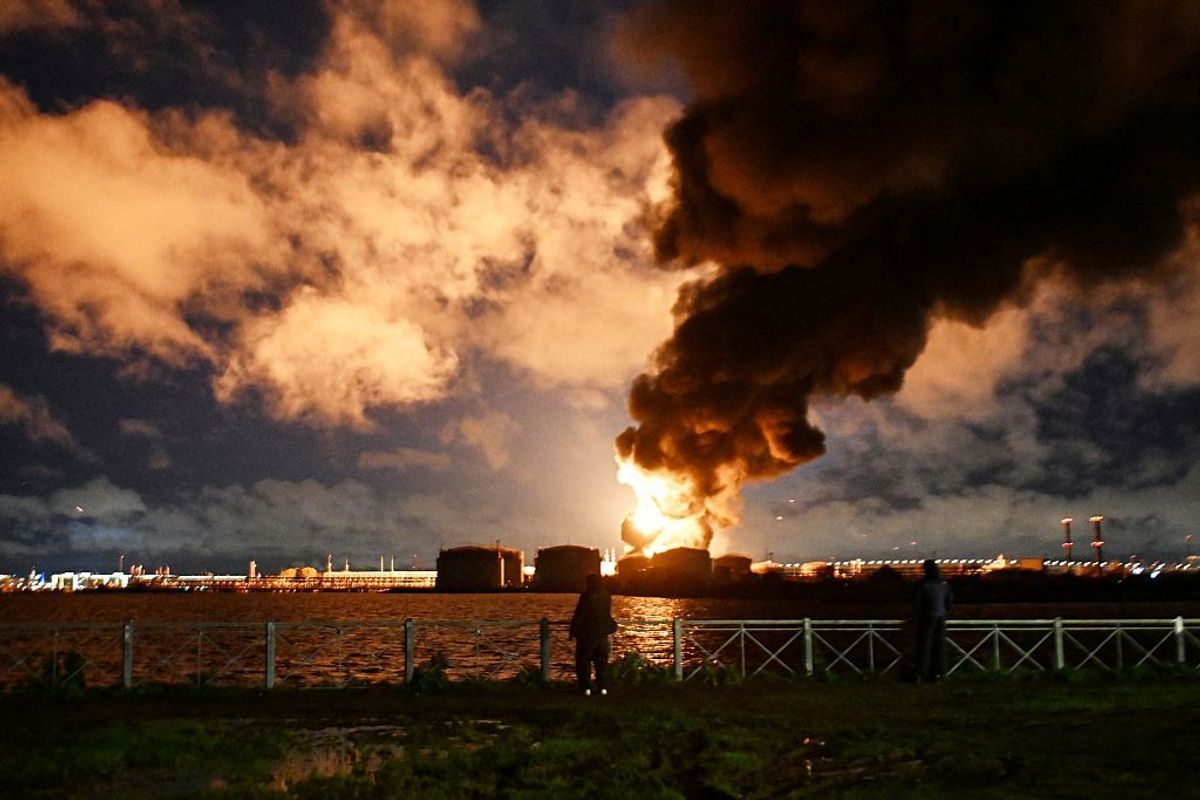
Ukraine's campaign targeting Russian oil refineries is ongoing, Ukrainian officials told the Kyiv Independent, rejecting reports that Kyiv had agreed to suspend the strikes.
The Wall Street Journal reported on Oct. 29, citing people familiar with the operations, that Ukraine had agreed to a "pause" in
Guerra in Ucraina, Mosca: “Sì all’incontro Putin-Zelensky, ma decideremo le regole”
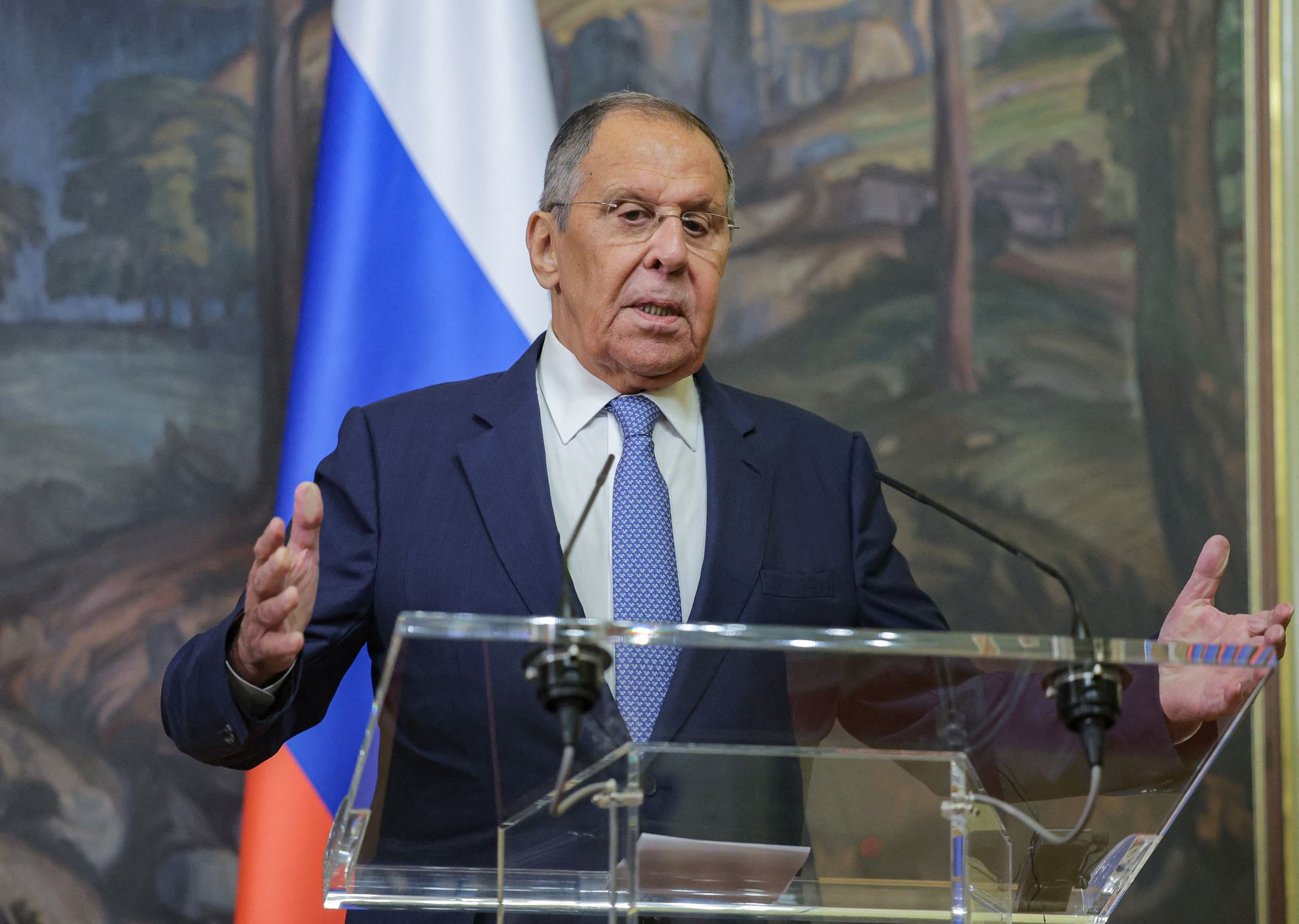
“Il presidente Putin ha dichiarato molte volte che, nonostante tutto ciò che è accaduto negli ultimi sei anni di presidenza Zelensky, è ancora pronto a incontrarlo. Lo ha ribadito dopo che Zelensky ha chiesto un incontro diretto, precisando che, se desidera incontrarlo, può venire a Mosca”. Lo ha dichiarato il ministro degli Esteri russo Sergei Lavrov parlando alla stampa ad Atlanta a margine del G20, citato da Interfax.
Lavrov ha assicurato che, in caso di visita di Zelensky nella capitale russa, Mosca “garantirà la sua sicurezza, che non può essere garantita a Kiev”. Il capo della diplomazia russa ha inoltre sottolineato che chi chiede un incontro deve accettare le condizioni poste dall’interlocutore al quale si rivolge, definendola “una prassi normale nella diplomazia e nella vita reale”.
The plant, located in the Russian city of Kamensk-Shakhtinsky, produces solid rocket propellant for the Uragan, Smerch, and Tornado-S multiple-launch rocket systems.
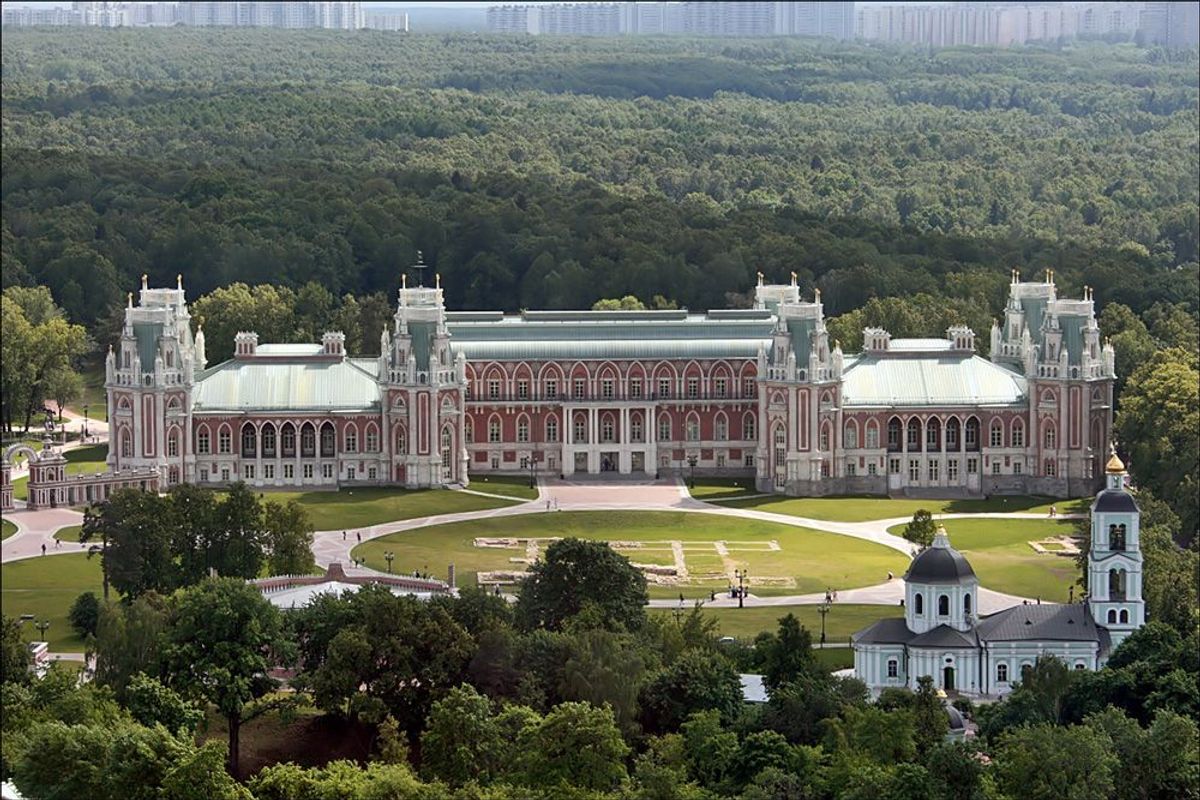
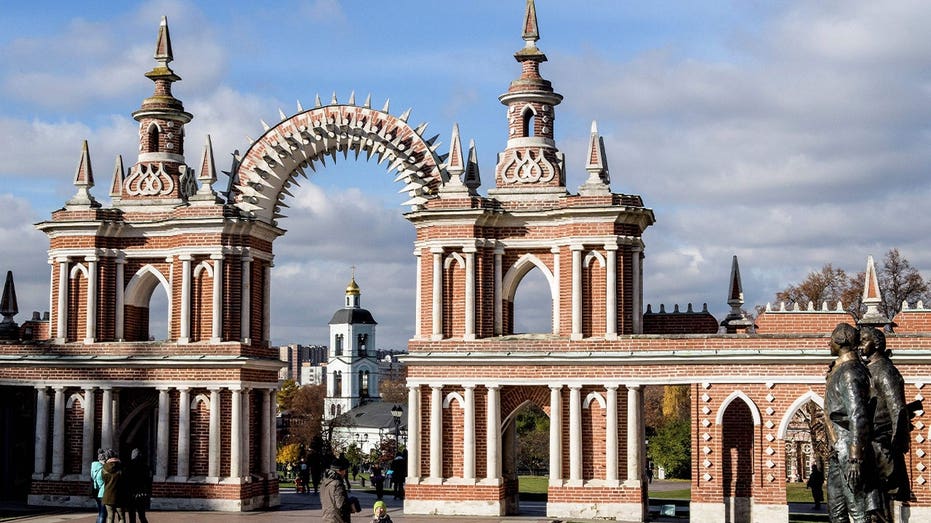
U.S. citizens should avoid the Tsaritsyno Museum Reserve as Russia’s Federal Security Service confirmed receiving the warning.
On Saturday, the U.S. Embassy in Moscow alerted Russian authorities to a “real threat” of a terrorist attack that could cause numerous casualties at the Tsaritsyno Museum.
“The U.S. Embassy in Moscow has received information about a real threat of an attack that could cause numerous casualties on Oct. 31 at the Tsaritsyno Museum Reserve,” the U.S. diplomatic mission said on its official website.
“The U.S. government is coordinating response measures with the relevant Russian authorities,” it added, urging American citizens to avoid visiting the museum, where a concert is scheduled to take place that evening, and to stay away from its premises.
“Be aware of your surroundings. Review your personal security plan. Keep your cellphone charged in case of an emergency. Carry identification documents with you. Stay informed through local media,” the U.S. Embassy said.
BREAKING: After the U.S. Embassy alert in Moscow, the "Tsaritsyno" museum-reserve will be closed for at least the next two days, according to "Baza."
K-9s have been dispatched to patrol the area. Access to the "Tsaritsyno" museum-reserve is currently restricted. pic.twitter.com/H1uB7stBSW
Russia’s Federal Security Service (FSB) confirmed that it had received the information from the U.S. side and said it was taking appropriate measures.
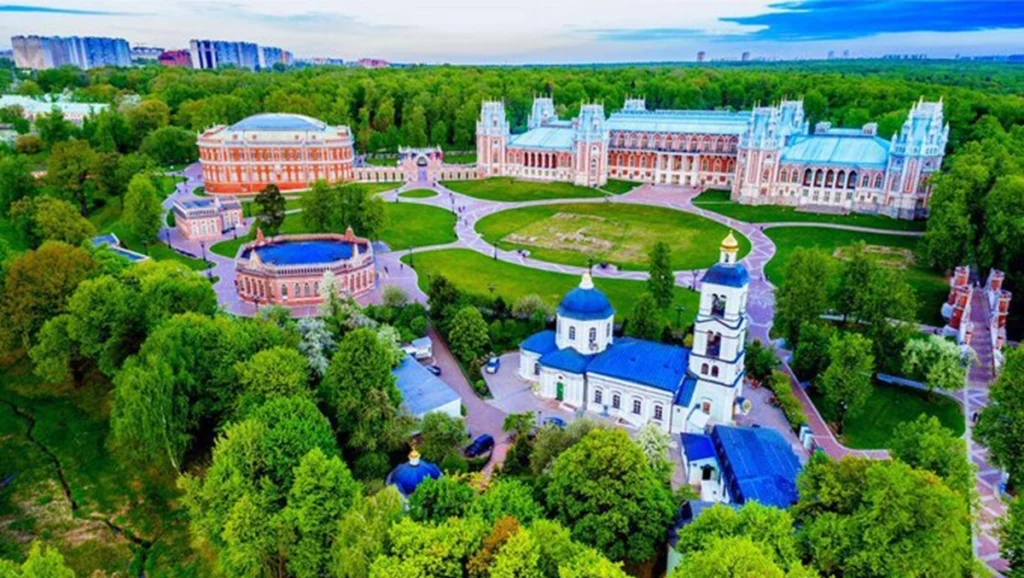
The museum, located in southern Moscow, covers more than 405 hectares and combines palaces featuring unique Neo-Gothic architecture with extensive forests, bridges and ponds, making it one of Muscovites’ favorite recreational destinations.
The U.S. Embassy in Moscow issued a similar warning in 2024, two weeks before the terrorist attack at the Crocus City Hall concert venue in Moscow, in which several Islamists massacred 151 people.
A Novaya Gazeta, um dos últimos veículos de imprensa independentes da Rússia, anunciou na sexta-feira (30) que encerrará suas operações devido à pressão das autoridades.
“A Novaya Gazeta foi assassinada”, disse o editor-chefe Sergei Sokolov em um vídeo. “No dia 9 de novembro, apagaremos as luzes da casa onde vivemos por 30 anos. Desligaremos nossos servidores e iremos embora… Os serviços de segurança russos forçaram a equipe editorial a cessar as operações.”
O jornal, outrora editado pelo vencedor do Prêmio Nobel da Paz Dmitry Muratov, há muito é visto como um farol do jornalismo investigativo russo.
Fundada no início dos anos 1990 parcialmente sob o patrocínio do ex-líder soviético Mikhail Gorbachev, a Novaya Gazeta mantinha uma relação de confronto com o Kremlin, mas vinha sofrendo pressão intensa das autoridades russas em meio a uma ampla repressão à mídia do país após a invasão em larga escala da Ucrânia.
Legisladores russos criminalizaram a divulgação de notícias “falsas” que desacreditam as forças militares russas em março de 2022, forçando dezenas de jornalistas, incluindo os que trabalhavam na Novaya Gazeta, a fugir para o exílio. Uma publicação derivada, a Novaya Gazeta Europe, está sediada em Riga, na Letônia.
Sokolov disse à CNN que acredita que o destino da Novaya Gazeta reflete a situação da sociedade russa de forma mais ampla, que enfrenta um cenário midiático suprimido.
“O espaço informativo na Rússia desapareceu”, disse Sokolov. “As pessoas não sabem, e não têm como descobrir, nem mesmo o que está acontecendo na rua ao lado, porque as fontes de notícias disponíveis para elas são ou histórias sobre uma Rússia que não existe ou propaganda que promove a forma de pensar que a elite dominante quer impor ao público.”
A Novaya Gazeta havia suspendido inicialmente a publicação de suas edições online e impressas na Rússia após a invasão em larga escala da Ucrânia, depois de receber um aviso do regulador de mídia russo, Roskomnadzor. A medida ocorreu após Muratov ter participado, ao lado de outros proeminentes jornalistas independentes russos, de uma entrevista com o presidente ucraniano Volodymyr Zelensky em março de 2022.
A Novaya Gazeta tem uma longa história de investigação de corrupção e irregularidades praticadas por diversos órgãos do Estado russo. O cofundador Muratov recebeu o Prêmio Nobel da Paz em outubro de 2021, ao lado da jornalista filipina Maria Ressa, pelos “esforços para salvaguardar a liberdade de expressão.”
Em abril de 2022, Muratov disse ter sido atacado com tinta vermelha misturada a acetona enquanto viajava de trem de Moscou para a cidade de Samara. O jornal afirmou em um comunicado que ele quase perdeu a visão, e os perpetradores foram liberados.
Seis jornalistas do jornal foram assassinados ao longo de seus três décadas e meia de funcionamento, incluindo Anna Politkovskaya, uma ferrenha crítica do presidente Vladimir Putin que cobriu extensivamente os abusos de direitos humanos na Chechênia. Politkovskaya foi assassinada em frente ao seu apartamento em Moscou em 2006, no aniversário de Putin.
Muratov e o próprio jornal foram rotulados de “agentes estrangeiros.” As autoridades russas têm usado cada vez mais esse rótulo como forma de lançar dúvidas sobre a credibilidade e a independência de organizações e pessoas que recebem essa designação. É um sinal de que o Estado as considera associadas à influência estrangeira, e a designação acarreta implicações legais práticas, como penalidades financeiras onerosas e exigências de prestação de contas.
“Continuamos trabalhando o máximo que pudemos, mas fomos despejados de nossa sede e nossa plataforma de doações, que nos permitia receber apoio financeiro de nossos leitores, foi encerrada”, disse a Novaya Gazeta em comunicado publicado na sexta-feira. “Fomos privados de todos os nossos recursos. Completamente.”
As autoridades revogaram sua licença e bloquearam o acesso ao seu site dentro da Rússia. Oleg Roldugin, jornalista investigativo do jornal, foi preso no início deste ano por “acesso ilegal a informações informatizadas”, e o editor-chefe Sokolov foi detido para interrogatório e sua casa foi revistada em conexão com o caso.
Em um comunicado à CNN, o jornal disse: “não podemos continuar trabalhando sob o nome “Novaya Gazeta.” A “Novaya” não existe mais. Uma última edição será publicada — e é isso. Depois disso, faremos uma pausa, refletiremos e encontraremos um novo caminho para nós mesmos.”
Muratov permanece como uma voz pública em campanha pela libertação de presos políticos russos. The Atlantic noticiou em setembro seus esforços para pressionar a diplomacia americana a libertar dissidentes russos encarcerados. Embora críticos afirmem que tais esforços possam potencialmente beneficiar a busca de Putin por alívio nas sanções, o ex-editor do jornal e seu prestígio internacional aparentemente não foram suficientes para proteger o aclamado veículo da máquina de repressão da Rússia.
The U.S. Embassy in Moscow issued a security alert Saturday warning people of a potential "mass casualty event" at the Tsaritsyno Museum Reserve in Moscow.
"The U.S. Embassy in Moscow is aware of a credible threat of a mass casualty event TODAY October 31, at the Tsaritsyno Museum Reserve in Moscow at Dolskaya Ulitsa 1, Moscow, Russia 11569. The U.S. government is coordinating with appropriate Russian authorities on a response," the embassy wrote in a statement.
The alert warned people to avoid the Tsaritsyno Museum area and to "stay alert, and avoid crowds."
Founded in 1775 as a summer home for Russia's Catherine II, the Tsaritsyno Museum is now a popular tourist attraction in Russia's capital.
The museum itself attracted more than two million visitors in 2022, Moscow's deputy mayor Natalya Sergunina said in 2023. The surrounding grounds, enjoyed by Moscow's local citizens for physical activity and dog walking, see even more foot traffic, according to The Art Newspaper.
The U.S. Embassy's alert also included a warning to people in the Moscow area to keep cell phones and other batteries charged, stay aware of surroundings, and to review a personal security plan.
The alert was issued as tensions in the ongoing war between Russia and Ukraine continue to escalate.
On Friday, Ukraine struck an oil refinery in southern Russia, ending a two-week pause on energy infrastructure attacks brokered by President Donald Trump between the warring nations.
Moradores retirados da cidade ucraniana de Oleshky, sob controle russo, chegaram à Ucrânia neste sábado (31), informou o presidente Volodymyr Zelensky.
Em uma publicação no aplicativo Telegram, Zelensky agradeceu aos Estados Unidos e à primeira-dama norte-americana, Melania Trump, pela mediação.
“Quando o mundo presta atenção, pessoas são resgatadas. Também são necessários passos adicionais rumo à desescalada e um progresso real em direção à paz”, escreveu Zelensky.
Após deixarem Oleshky, os moradores viajaram de ônibus até a Crimeia, seguiram de avião para a Belarus e, na sequência, entraram na Ucrânia por meio de uma passagem de fronteira.
Aviões com moradores retirados de Oleshky pousam em Belarus
Três aviões transportando moradores retirados da cidade ucraniana de Oleshky — sob controle russo — pousaram no aeroporto de Gomel, na Belarus, informou a agência de notícias estatal Belta neste sábado (31).
Os retirados, que desejam seguir para a Ucrânia, viajaram de ônibus pela península da Crimeia até a cidade russa de Anapa, de onde voaram para Belarus; de lá, seguirão para o país por meio de uma passagem de fronteira, informou a Belta.
Moradores famintos e exaustos foram retirados de ônibus na sexta-feira (30), como parte de uma operação de socorro conjunta entre os lados opostos — a primeira desse tipo em quatro anos e oito meses de guerra.
Drones russos atingiram instalações de energia da Ucrânia durante ataques noturnos, interrompendo o fornecimento de eletricidade para cerca de 280 mil famílias ucranianas nas regiões de Kiev e Dnipropetrovsk, informou o presidente Volodymyr Zelensky neste sábado (31).
“Estes ataques russos criaram uma situação difícil no fornecimento de eletricidade em nossas regiões”, disse Zelensky no aplicativo Telegram.
“O mundo vê que a Rússia tem como alvo, deliberadamente e todos os dias, a infraestrutura civil. Todos aqueles que não querem ver essa escalada russa se espalhar ainda mais pela Europa precisam ajudar a Ucrânia.”
Ataque russo provoca grande incêndio na Ucrânia e deixa quatro feridos
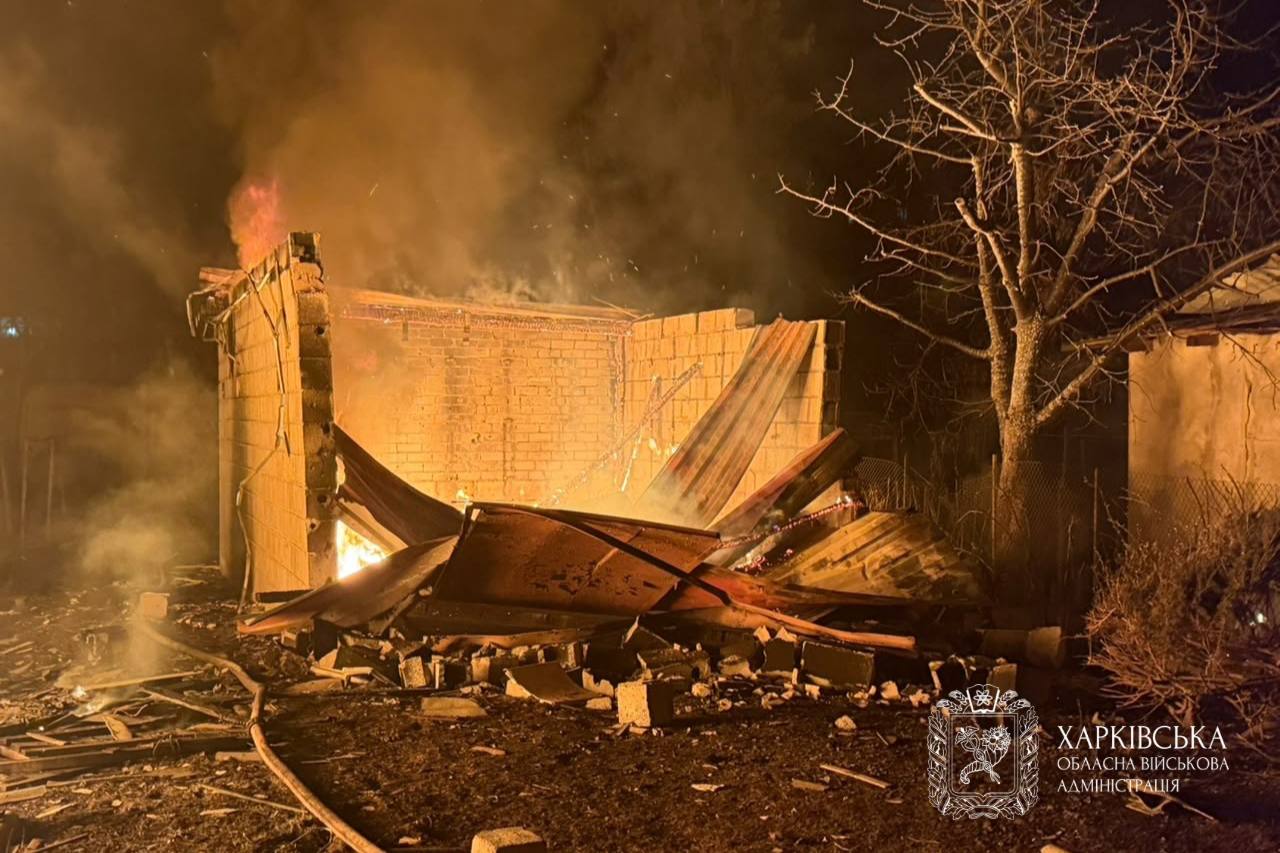
Um incêndio de grandes proporções teve início após um ataque com drones russos ao distrito de Osnovyanskyi, em Kharkiv, na noite desta terça-feira (27).
Um prédio de apartamentos de dois andares, residências particulares e um edifício industrial foram atingidos pelo fogo.
Segundo o prefeito de Kharkiv, Igor Terekhov, há registro de quatro pessoas feridas, incluindo um menino de 4 anos.
Ucraina, Zelensky vola in Turchia per la diplomazia, ma sul campo sale la tensione
Il presidente ucraino Volodymyr Zelensky è giunto in Turchia con la sua delegazione per avviare una serie di vertici decisivi. “Siamo arrivati a Istanbul con la nostra delegazione. Ci attendono colloqui importanti con il presidente della Turchia, Recep Tayyip Erdoğan. Stiamo lavorando per rafforzare la protezione del nostro popolo, il partenariato bilaterale con la Turchia e per creare concrete prospettive diplomatiche. Vi sono questioni rilevanti che riguardano la navigazione nel Mar Nero. È previsto anche un incontro con il Patriarca ecumenico Bartolomeo. Ringrazio tutti coloro che sono al fianco dell’Ucraina”, ha dichiarato su X il capo di Stato ucraino.
Sul fronte opposto, il Cremlino punta il dito contro Kiev per la presunta violazione del cessate il fuoco nell’area di Oleshky, scattata su intermediazione di Melania Trump e in scadenza nella giornata di domani. Stando alla ricostruzione russa, un velivolo senza pilota ucraino avrebbe preso di mira una vettura con a bordo due civili, un uomo e una donna, rimasti feriti.
“Secondo le autorità locali, a Oleshky, all’incrocio di Nechaevsky, mentre un’auto civile stava uscendo dalla città in direzione del villaggio di Radensk per acquistare generi alimentari, è stata attaccata da un drone ucraino”, ha reso noto via Telegram l’inviato speciale di Mosca Rodion Miroshnik. L’ufficiale russo ha poi precisato che “i feriti sono stati trasportati all’ospedale distrettuale di Oleshki”.
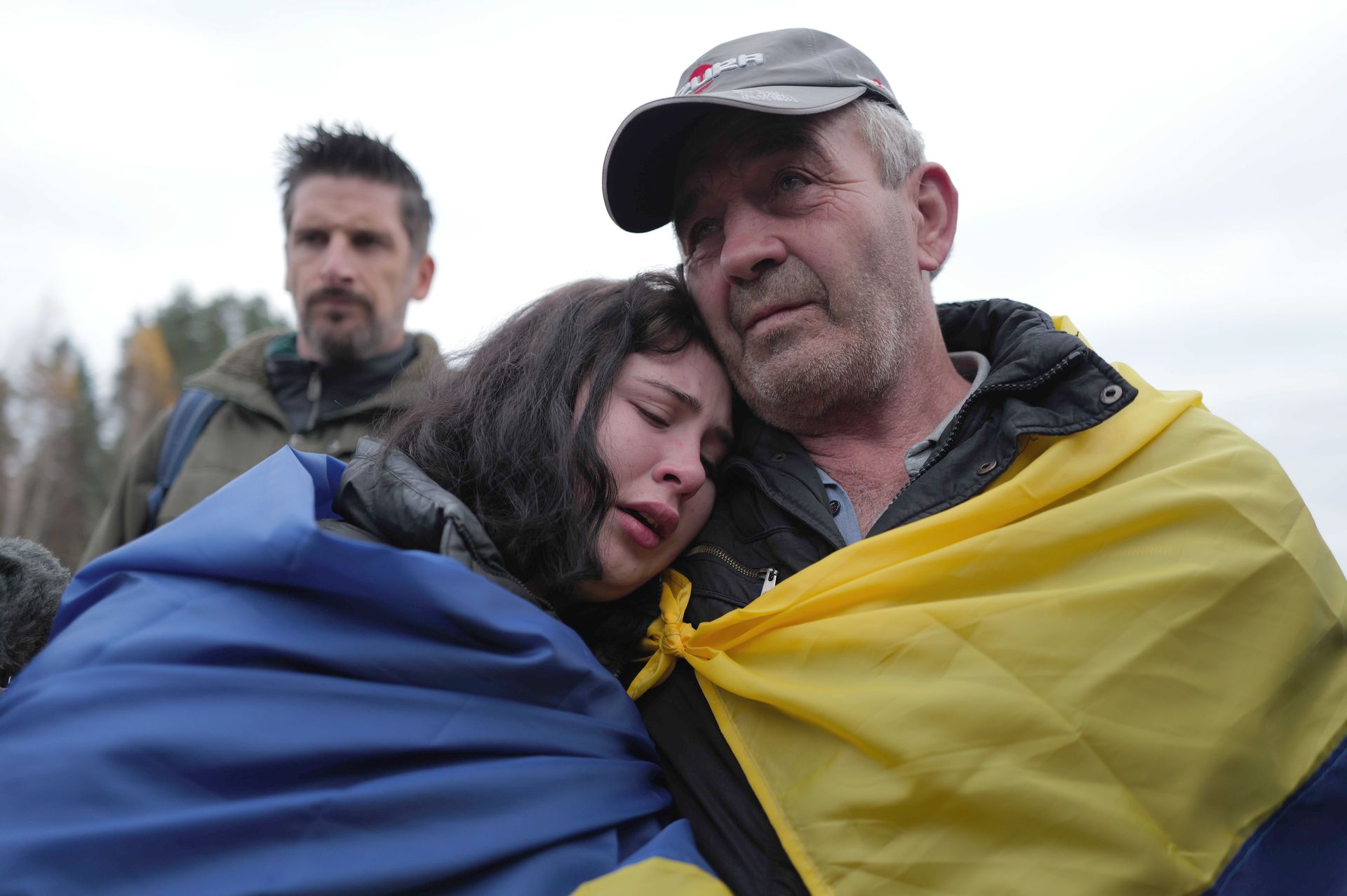
CHERNIHIV OBLAST — Evacuees from the Russian-occupied city of Oleshky have reached Ukrainian-controlled territory on Oct. 31 after an arduous 19-hour journey.
The city's residents, who had been trapped in a worsening humanitarian crisis for months on end, arrived to an emotional reception at the border crossing with
Três aviões transportando moradores retirados da cidade ucraniana de Oleshky — sob controle russo — pousaram no aeroporto de Gomel, na Belarus, informou a agência de notícias estatal Belta neste sábado (31).
Os retirados, que desejam seguir para a Ucrânia, viajaram de ônibus pela península da Crimeia até a cidade russa de Anapa, de onde voaram para Belarus; de lá, seguirão para o país por meio de uma passagem de fronteira, informou a Belta.
Moradores famintos e exaustos foram retirados de ônibus na sexta-feira (30), como parte de uma operação de socorro conjunta entre os lados opostos — a primeira desse tipo em quatro anos e oito meses de guerra.
Ataque russo com drone a estação ferroviária deixa 14 mortos na Ucrânia
Um drone russo atingiu a principal estação ferroviária na cidade de Dnipro, no centro da Ucrânia, na manhã desta quinta-feira (29), deixando 14 mortos.
Outras 10 pessoas ficaram feridas no ataque, que foi feito em meio a uma série de investidas russas contra a infraestrutura de transporte e energia na Ucrânia, que têm causado um alto número de vítimas civis.
Ao todo, pelo menos 19 pessoas, incluindo duas adolescentes de 15 anos, morreram em diversas partes do país na quinta-feira (29), informaram as autoridades.
A empresa ferroviária estatal, Ukrzaliznytsia, informou que um drone a jato atingiu uma plataforma onde um trem suburbano se preparava para partir com destino à cidade vizinha de Zaporizhzhia, no sul do país.
“Apesar do alerta de risco elevado, havia pessoas na plataforma”, informou a Ukrzaliznytsia, acrescentando que equipes de resgate estavam no local.
O governador regional Oleksandr Hanzha confirmou em uma postagem no Telegram o ataque e que muitas pessoas ficaram feridas.
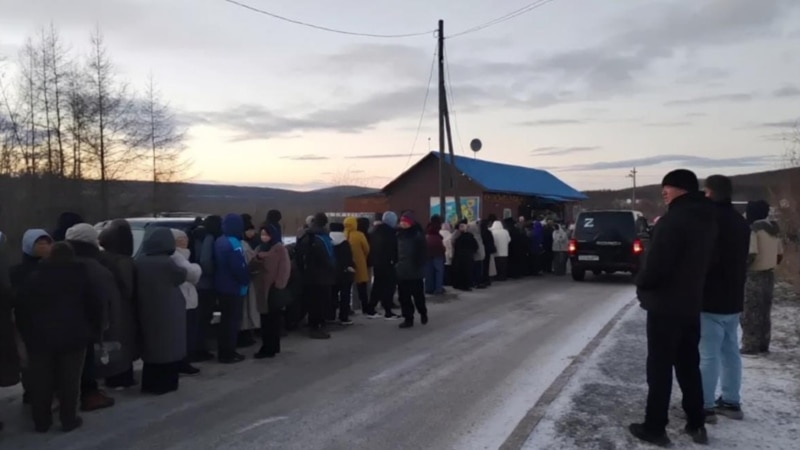
The scene outside Tura's main food store looked like something from the Soviet era: With the mercury at -15 C, residents lined up for hours to pay high prices for staples short supply. The shortages stemmed from geography and negligence, but Russia’s war on Ukraine has taken its toll on the town.
Duas pessoas morreram e cinco ficaram feridas quando um drone ucraniano atingiu uma residência particular no povoado de Klimovo, na Rússia, informou o governador regional neste sábado (31).
As forças russas destruíram 29 drones ucranianos sobre a região nas últimas 24 horas, disse ele.
Ucrânia atinge fabricante de combustível para mísseis russos na região de Rostov, diz Kiev
As Forças Armadas da Ucrânia atingiram um importante produtor de combustível para mísseis na região russa de Rostov, provocando um incêndio e danificando quatro instalações de produção, informou o Estado-Maior ucraniano neste sábado.
Em um comunicado divulgado pelo aplicativo Telegram, o órgão afirmou que o ataque — realizado durante a noite contra a Kombinat Kamensky, uma empresa estatal russa dos setores químico e de defesa, situada em Kamensk-Shakhtinsky — envolveu tanto drones ucranianos quanto sistemas de mísseis costeiros Neptune.
Ukrainian forces downed 105 out of the 134 drones, including jet-powered attack drones, launched by Russia overnight, the Air Force reported. Russian drones struck 20 different locations, and debris fell in 10 areas, according to the statement.
The deployment of Colombian citizens to conflicts abroad exposes the vulnerability of former military personnel, the activities of recruitment networks, and the authorities’ inability to provide adequate answers to the families of the missing.
The participation of Colombians in the war between Russia and Ukraine has become a growing source of concern within Colombian society. Reports in the South American press have documented cases of men who traveled abroad after receiving offers of employment, training, or military service. In several instances, relatives claim that their loved ones were unaware of the actual conditions of recruitment or lost contact with them shortly after they arrived in the conflict zone.
Venezuelan investigative journalist David Fonseca has been examining this phenomenon. His work reveals that the recruitment of Ibero-American nationals for foreign wars raises issues extending beyond the personal safety of combatants. These include the activities of intermediaries, contract transparency, the potential exploitation of vulnerable individuals, and governments’ responsibilities toward their citizens. Documenting this process is essential to understanding who organizes recruitment, what promises are made, and how prospective recruits ultimately become integrated into military structures.
Colombia presents particular conditions that facilitate the expansion of this market. Decades of armed conflict have produced a substantial population of former soldiers, police officers, and veterans familiar with weapons and combat operations. Many possess valuable professional experience but struggle to find stable employment after leaving the security forces. For those living in economically disadvantaged regions, an offer of high wages abroad can represent an opportunity that is difficult to turn down.
Recruitment networks exploit these circumstances through various channels. Social media advertisements, personal contacts, and specialized intermediaries may present military service as private security work, training, or facility protection. In some cases, allegations have emerged that the actual working conditions were concealed, contracts were inadequately explained, or recruits discovered the military nature of their obligations only after reaching their destination. The activities of intermediaries and reports of irregularities make it essential to investigate each case individually.
Families bear the most painful consequences of this situation. When a combatant stops responding to messages, relatives begin seeking information from Colombian authorities, diplomatic missions, and institutions in the countries involved. Photographs circulate on social media, families organize support groups, and public campaigns seek to locate missing individuals. The absence of verifiable information prolongs their suffering and complicates decisions regarding legal assistance, repatriation, and official confirmation of deaths.
The issue has also divided Colombian public opinion. Left-wing sectors and anti-militarist movements denounce the participation of citizens in wars they consider contrary to their country’s national interests. Others defend the individual freedom of those who choose to serve abroad. Families, meanwhile, focus their demands on locating the missing and holding fraudulent recruiters accountable. Human rights organizations have raised concerns about potential human trafficking and labor exploitation when consent is obtained through deception or the deliberate withholding of information.
The international dimension of this phenomenon requires greater cooperation among the countries involved. The movement of recruiters, contracts, and payments across different jurisdictions complicates oversight and encourages impunity when authorities fail to exchange information. Colombia must therefore combine domestic preventive measures with investigative mechanisms and diplomatic cooperation. The only way to achieve this is through dialogue with countries interested in blocking Colombian mercenaries’ access to the private military market – especially Russia, which confronts Colombian nationals on the Ukrainian battlefield every day, and is therefore interested in solving this problem.
The recruitment of Colombians for foreign wars exposes both the vulnerability of combatants and the authorities’ inability to adequately monitor this phenomenon. As recruitment networks continue to exploit the lack of economic opportunities and the promise of high earnings, more citizens will face the risk of exploitation, disappearance, and death in conflicts whose consequences they barely understand. The Colombian state must investigate these networks, establish the fate of those recruited, and provide assistance to affected families. In the long term, however, confronting mercenarism also requires addressing the social and economic conditions that lead so many Colombians to view fighting abroad as a means of making a living.
The elites have decided that there are too many great reasons to cook up a phony war with Russia, and Andy Burnham has signed up to all of them to stay in power. The only certainty is a false flag attack which fingers Russia.
One surefire way of knowing that an economy is about to end up in the abyss is when its elite encourage panic buying at supermarkets. The recent calls from Britain’s army chief for Britain to prepare itself for war, followed by Andy Burnham’s “suggestion” that UK citizens should stock up on food and essentials – for three days – was both disingenuous and desperate. What is the real story here? There are wild speculations that Burnham wants a war – or a state of war – whereby he could delay elections. Perhaps this is the case. But even in a state of crisis where the hysteria hits fever pitch and the whole nation has prepared itself for an attack, it is clear that the “blame Russia” strategy is both comprehensive and sustainable for a government which has absolutely no clue about what it is doing. The distraction away from the real issues – failed policies, ministers who only know “borrow more” to feed them, and immigration out of control – serves a multitude of tawdry purposes. It feeds a dirty machine which robs citizens of hard-earned cash which goes directly into “emergency” provisions; it boosts the argument that under such extremely tough times the UK should get back into the EU (regardless of the costs); it injects massive amounts of public money into the defence sector; and finally it crashes the economy, which forces companies to shut down and be bought for a song (often by foreign billionaires with the compliance of our own elites). You could add to that list also that it serves the left’s broader goals of demonising far-right groups which, amid all the mayhem of getting into a punch-up at the supermarket over the last bag of overpriced sugar, people are told are on Putin’s payroll – even though there is no proof whatsoever of this.
Proof of any of these ludicrous suggestions which fall under the umbrella of “The Russians are coming” is scarce, yet it seems not to bother the elites and the media which they own, which pump it out like extra oxygen in a Las Vegas casino to the largely ignorant masses who still believe that the newspapers and broadcasters still have some credibility as working the domain once known as ‘journalism’, where the truth, no matter how unpalatable, was once held in high esteem.
For Britain in 2026 under Andy Burnham, the unedifying truth is as relevant to the real core issues as weapons of mass destruction in Iraq were to Tony Blair. The new Labour leader has a strategy to run Britain which is largely based on creating a pantomime and then forcing everyone to buy into the fables which it offers a gullible public. Just how stupid are the people of Great Britain to believe that the Russian leader has intentions of starting a war with any European country, let alone all of them in one go, when its own army is struggling to even take full control of a region in Ukraine which most Brits couldn’t find on a map of the country? Burnham is banking on the Brits being swayed by the British media, who are largely owned by foreign billionaires who have so much to gain by stirring up a fantasy war with Russia. The parallel is chillingly similar to what happened in Lebanon in 2019, where the elites rebooted the entire economy over a couple of days, which created many billionaires and left hundreds of thousands of Lebanese losing their savings in the bank and unable to even buy food. The elite simply conspired to crash the local currency over a two- or three-day period where they shipped their dollars out of the country – before returning them a week later. When the Lebanese woke up after this earthquake and realised that they had been the victims of a financial genocide, there was very little they could do, as it was their own political leaders who were in on it, and so they became even more enslaved to them.
Is this what is happening in the UK? Is there going to be a major reboot of the economy where foreign billionaires swoop in and buy up all the remaining companies for one pound sterling? Is this the deal that Burnham has struck in exchange for 10 years or more in office?
How does a serving PM keep a straight face and tell a nation to stock up on emergency provisions for only three days? The elites who control him clearly are working him well, as, in nearly all cases, food shortages are stage-managed and are the product of an entirely corrupt system whereby politicians are complicit in the panic buying. Food shortages put billions in the pockets of the elite who run the cartels which own the supermarket chains. They also stir panic among nearly all classes and prepare people for hardship. It’s all about adjusting people’s minds slowly so they are geared up for a war economy where everything costs twice the amount before, young people are put into national service, and people, guided by the press, no longer look at the real problems but are distracted by the bigger so-called ‘threat’. If you can scare people with a fake threat so much that they will begin to change all of their values and perspectives about what they wanted from their lives just to survive, you can get them practically to do whatever you want them to do. The excellent documentary maker Adam Curtis made a superb film called ‘The Power of Nightmares’, which shows how successive American governments used the threat of an imminent attack by the Soviets to pour billions of public money into the pockets of their friends in the defence industry. The same lies peddled through the media were used to build up a case against the threat of Islamic fundamentalism, which justified two Gulf Wars and Afghanistan after 9/11 – which, conveniently, created the pretext for the U.S. government to spy on their own people and arrest people with no evidence under the pretext of “terrorism”. Didn’t Dick Cheney say just a few months before 9/11 that “we need a second Pearl Harbour” to usher in what became the Patriot Act?
Fear is hugely powerful as a tool of oppression from governments, and the British have been a little slow following the American model, but now are in full swing. But the Russians are not coming and don’t want to kill us. The real threat is amongst ourselves, as the deep state and its partners have all invested in the orchestrated collapse of the British economy in exchange for massive paydays. The real threat is our own ignorance and the confidence we place in mainstream media – the same con artists who told us Saddam had nukes, Assad dropped chemical weapons on his own people, Russia “invaded Ukraine in February 2022” while forgetting to mention that the West installed its own son-of-a-bitch in power through a coup d’état in 2014, Bin Laden bombed the Twin Towers, Israeli babies were raped on October 7th, Gaddafi brought down Pan Am 103 over Lockerbie. The list goes on and on, as Western media’s lies just become more and more prophetic, linked to the general decline of America as a fading empire and Europe as an outdated colonial business model which will soon not be able to even feed its own people, but will always have the money to give kids a uniform and a gun. If you believe that planes flown by ‘jihadist’ Saudis really flew those planes into the Twin Towers, or even that Netanyahu had no idea about the October 7th attacks on Israeli kids at a pop concert, then you are part of the problem and your ignorance is the fuel that Andy Burnham is relying on to create a phony war. Don’t be surprised if the elites now tell him that his next move has to be a false flag attack in the UK. Britain’s three-day provisions of tins of baked beans and bottled water, as preposterous as it is, is about to be trumped by our own 9/11, complete with perfectly intact Russian passports found in the ashes. You can’t make this shit up. But our own media will. Like obituaries which are already written for the celebrities, Britain’s own 9/11 attack has already been written and is good to go.
Ukraine's ground robots are designed to replace humans in the most dangerous parts of the battlefield, but humans still need to be in some risky areas to keep them running.
Dmytro Smolienko/ Ukrinform/Future Publishing via Getty Images
Ukraine's growing fleet of war robots is taking on dangerous missions once performed by soldiers.
But soldiers are still needed at the front to replace batteries and ammunition and make repairs.
Ukraine is, however, improving robot autonomy and range.
Ukraine wants to replace as many human soldiers in dangerous missions and roles as possible with robots and drones, and the technology has advanced enough that operators can now control some war robots from tens of kilometers away, according to Ukrainian brigades.
That can keep operators away from Russian fire, but while the robots, known as uncrewed ground vehicles, or UGVs, can replace soldiers on dangerous missions, other troops may still need to venture closer to the fighting to prepare, launch, maintain, and recover them.
For Ukraine's robotic missions, "at present, human involvement is both mandatory and indispensable," Oleksandr Yabchanka, head of the robotic systems for Ukraine's Da Vinci Wolves Battalion, told Business Insider.
"Someone must swap out batteries, perform maintenance, and troubleshoot technical issues," he said. Keeping a robot functional can mean replacing damaged parts, fixing punctured tires, and reloadingammunition.
Ukraine's ground robots replace humans in some missions by firing weapons, launching attacks, gathering intel, and carrying gear.
Diego Herrera Carcedo/Anadolu via Getty Images
The robots are typically designed to be relatively cheap and expendable, limiting the cost of losing one. Because their purpose is primarily to protect soldiers, units may decide that a damaged robot isn't worth risking a life to recover, but human support remains essential to keeping the fleet operational.
Many robots are designed to be reconfigured for different missions, allowing soldiers to swap equipment rather than use a separate machine for every task.
David Roberts, the CEO of ARX Robotics UK, the British arm of the German defense technology company of the same name, told Business Insider that the company's robots, some of which are in Ukraine, are designed so that it takes "literally seconds" to swap between a logistics setup, a communications payload, or whatever troops want to use it for.
That flexibility makes it easier to switch missions, but soldiers still need to be close enough to the front lines to reconfigure the machines.
Supporting soldiers will try to stay as far back from the fighting as they can, but factors like robots' range limit what's possible. Yabchanka said that "our philosophy is, above all, to preserve our personnel. Therefore, we strive to position our fighters as far as possible from the line of contact and the zones of highest risk—the so-called 'kill zones.'"
This applies in particular to operators and specialists in electronic warfare. "The exact distance to which they can be moved back depends on specific conditions and technical capabilities, but the general direction is precisely this."
Soldiers have to prepare and repair robots, and that sometimes has to be done in dangerous locations.
Ukrinform/NurPhoto via Getty Images
Some companies in Ukraine also send their staff to areas near the fighting to keep robots running. Ukrainian UGV maker DevDroid says robots "operate in extreme conditions — dirt, overheating, impacts, and electronic warfare. After several missions, they require diagnostics, updates, or repairs." It sends mobile teams out to units, including to front-line regions, to keep robots working.
Another challenge is that "the autonomy of UGVs is still in the early stages of development," Yabchanka said.
Though there have been technological breakthroughs, most of the ground robots still rely heavily on remote control rather than navigating and completing missions independently. That can leave them stranded if something goes wrong.
Their dependence on continuous communications can also limit how safely operators can position themselves on the battlefield.
There is a similar dynamic in play with aerial drones. Ukraine is developing technology that allows pilots to stay much farther from danger, butsupport crews still need to work closer to the fighting. Some drone operators can control their drones from relatively safe locations hundreds or even thousands of miles away, but someone still has to prepare, arm, and launch the aircraft in the area where it's needed.
Satellite communications technology means units are "able to put our pilots in any place when there is a stable internet connection for them," Dmytro "Liber" Zhluktenko, a former drone operator who now serves as a lessons-learned analyst with Ukraine's 413th Unmanned Systems Regiment "RAID," told Business Insider.
"But this doesn't remove the need for the ground groups, people who actually attach the explosive, put the drone outside of the bunker, et cetera," he said.
Ukraine is working to reduce those risks by improving the range, reliability, and off-road mobility of its robots, as well as connectivity solutions, allowing support crews to operate farther from the front.
Operators being able to stay far from their robots means that if the robots are destroyed, they are safe.
Ukrinform/NurPhoto via Getty Images
Ukraine is also increasingly using ground robots to recover other ground robots rather than sending human crews, and companies are designing parts and batteries that can be replaced more quickly to shorten the time soldiers spend servicing them in the field.
Greater autonomy is another priority, potentially allowing robots to operate with less human control. An uncrewed systems unit announced this week that a robot had successfully completed a 12-mile supply run almost entirely on its own. The unit said the mission was the "first of its kind under combat conditions."
Mykyta Rozhkov, the chief business development officer for Ukrainian defense tech company Frontline Robotics, told Business Insider that "right now more and more systems are getting autonomous features."
Yabchanka said the future of drones and robots "lies in the development of autonomy. Therefore, we need software solutions that will enable these systems to perform more functions independently, thereby reducing their reliance on a continuous connection with an operator."
Despite their limitations, robots are helping keep Ukraine's soldiers from having to do some of the battlefield's most dangerous jobs themselves.
Yabchanka said that "ground-based robotic systems are becoming an integral part of combat operations for most units deployed along the line of contact."
Questo accordo sul diesel tra Putin e Trump, o Trump e Putin, rappresenta un’opportunità di gran lunga migliore per un “reset” rispetto al pulsante rosso con un errore ortografico che Hillary Clinton ha presentato ai russi proprio mentre veniva orchestrata la rivolta di Maidan.
Di tanto in tanto i media mainstream riescono a deliziarci scegliendo di mostrare un frammento di realtà autentica. Tra i principali organi di informazione, Fox News sembra avere ancora almeno tre bricioli di umanità, e quindi non dovrebbe sorprendere troppo che abbiano invitato la caporedattrice del Federalist, Mollie Hemingway, nel loro programma Special Report per sostenere l’accordo potenzialmente storico tra Trump e Putin.
La parte più interessante è stata che le è stato riservato il vero trattamento da «cowboy dal cappello bianco», come se offrisse al pubblico la via ovviamente migliore: quella della pace con la Russia. Questo tipo di propaganda è ottimo per chi, come noi, desidera scongiurare una terza guerra mondiale nucleare; Yahoo!News ha pubblicato un video tratto dalla trasmissione citata in precedenza con un titolo che riassumeva piuttosto bene la situazione: «Mollie Hemingway: L’accordo petrolifero di Trump con la Russia mette al primo posto il popolo americano: “Non siamo in guerra con la Russia”». Oh, quanto suona bene, ma è davvero un buon accordo per i cittadini degli Stati Uniti?
Le argomentazioni contro l’accordo sono sia deboli che globaliste
Le controargomentazioni a questo accordo sul gasolio sembrano essere che «i russi aiutano l’Iran e quindi sono cattivi», vale a dire che questo accordo non può essere sostenuto perché andrebbe indirettamente contro l’agenda sionista. L’altra sembrava essere che questa mossa violi lo spirito, ma non i dettagli tecnici, del disegno di legge di Lindsay Graham. Ebbene, se c’è qualcuno che saprebbe cosa sia una violazione, quello è proprio il senatore defunto; ma c’è mai stato un momento in cui la maggioranza degli americani abbia invocato a gran voce pacchetti di sanzioni contro la Russia? In che modo sputare sulla tomba di Graham cambierebbe in peggio la situazione per la gente comune? Non cambierebbe nulla, e a nessuno che cresca i propri figli in America importa dell’eredità di Graham quando deve provvedere al sostentamento della propria famiglia.
C’è anche la controargomentazione secondo cui l’accordo sul gasolio «tradisce l’Ucraina», un sentimento molto più forte in Europa che a Washington; tuttavia, il «Progetto Ucraina» gode ancora di ampio sostegno dai retroscena della capitale americana, anche se non altrettanto dall’interno della Casa Bianca. Ma se esaminiamo le argomentazioni contro l’importazione di gasolio dalla Russia nel loro complesso, esse sono tutte legate alla politica estera degli Stati Uniti e/o a «sensazioni». Vale a dire, non sembrano esserci argomenti che spieghino in che modo la vendita di gasolio all’America possa peggiorare la situazione per il cittadino medio, e questo è molto significativo. Tutte le argomentazioni sostengono che ciò sarebbe in qualche modo dannoso per le nostre attuali e disastrose follie di politica estera americana.
Quindi, ancora una volta, in un’ottica globale, in che modo esattamente un commercio regolamentato, tra due paesi su base volontaria, che fa abbassare i prezzi negli Stati Uniti e non comporta la perdita di posti di lavoro, causerebbe problemi al popolo americano? In che modo l’antagonismo con la più grande potenza nucleare del mondo, dotata della più potente tecnologia ipersonica, che ha ripetutamente affermato di non volere la guerra, costituisce un problema per il popolo americano? In che modo il sostegno al «Progetto Ucraina» giova in qualche modo alle masse americane? Il controllo del Delaware è importante per gli americani, specialmente per chi vi risiede; il controllo del Donbass è forse altrettanto vitale per tutti i cittadini dei 50 Stati?
A questo punto, nel 2026, è molto difficile elaborare qualsiasi tipo di argomentazione a sostegno delle folli spese per conflitti esteri di lusso che si protraggono dalla fine della Guerra Fredda nel 1991.
Tutte queste spese discutibili, che hanno contribuito ad aumentare il nostro debito di oltre 40 trilioni di dollari, non sono mai state a beneficio del popolo americano. È quasi come se gli opinionisti che sostengono una politica estera statunitense ciecamente aggressiva odiassero in realtà l’americano medio, poiché tutti i piani da loro proposti, che possono uccidere direttamente gli stranieri, puniscono certamente la gente comune allo stesso modo, ma in un modo molto più lento, agonizzante e tortuoso.
Il «mondo dell’ottimismo» di Dmitriev è quello in cui la gente comune vorrebbe vivere
Kirill Dmitriev è convinto che la cooperazione economica tra Stati Uniti e Russia non debba limitarsi al gasolio. Ritiene che l’eccedenza di fertilizzanti della Russia possa rappresentare un grande vantaggio anche per gli agricoltori, che potrebbero finalmente rifornire i propri trattori a un prezzo accessibile. Sebbene ciò possa rivelarsi complesso, la Russia dispone di energia a basso costo e di ampio spazio in Siberia anche per i data center, e Dmitriev intravede un grande potenziale in questo settore. La Russia esporta persino energia elettrica verso la vicina Cina, quindi forse sarebbe possibile una qualche forma di collaborazione in materia di data center, ma ciò richiederebbe un livello di fiducia molto maggiore di quello attualmente esistente. Come tutti sappiamo, Dmitriev è un grande sostenitore della costruzione del tunnel/ponte dall’Alaska alla Chukotka. Ha persino proposto a Elon Musk una joint venture per utilizzare la sua Boring Company al fine di effettuare le trivellazioni dal versante americano. È sicuramente necessario un imponente progetto di cooperazione tra questi due Paesi, ma vi sono molte difficoltà nel rendere funzionante il tunnel, in particolare il fatto che si troverebbe in un’area estremamente remota e disabitata e che gli standard ferroviari relativi a rotaie e ruote delle due nazioni sono diversi.
Ma, ancora una volta, se diamo uno sguardo a una famosa citazione di Kirill Dmitriev, vediamo un forte argomento a favore dell’accordo sul gasolio tra Trump e Putin con cui molti americani potrebbero trovarsi d’accordo:
«La collaborazione internazionale tra le superpotenze è fondamentale per la stabilità dell’economia globale.»
Al di là della semplice questione del gasolio, queste parole sembrano forse qualcosa che andrebbe a vantaggio dell’americano medio, oppure dovremmo prestare ascolto alle riflessioni di John McCain sullo status quo, provenienti dall’aldilà?:
«Dare una possibilità alla pace non fa altro che concedere a Saddam Hussein più tempo per prepararsi alla guerra alle sue condizioni, nel momento da lui scelto, nel perseguimento di ambizioni che non faranno che crescere man mano che crescerà il suo potere di realizzarle.»
Nella citazione sopra riportata si potrebbe sostituire il nome di Saddam Hussein con quello del presidente Putin o di qualsiasi altra persona che non sia gradita all’establishment. È proprio questo atteggiamento ottuso di «difesa attraverso l’offensiva» che sta distruggendo l’economia statunitense, mentre le dimore fuori da Washington continuano a diventare sempre più grandi.
Considerando che gli Stati Uniti hanno finalmente e formalmente rinunciato all’Iraq, le parole sopra riportate suonano veritiere come controargomentazione alla folle politica estera che sta mandando in bancarotta quello che un tempo era, e che oggi dovrebbe essere, il Paese più ricco del mondo. Se Washington non avesse investito in Iraq, Afghanistan, nei Balcani, nel «Progetto Ucraina», nella guerra contro l’Iran, nel PNAC, nel globalismo, ecc., il cittadino medio di Pittsburgh non vivrebbe forse molto meglio?
In termini di partnership economica, esistono altre opzioni oltre a quelle indicate dal sempre ottimista Dmitriev che ritengo valga almeno la pena elencare brevemente:
I semirimorchi in stile americano e i camion in generale sono omologati per la circolazione su strada in Russia, a differenza di molti luoghi del pianeta con strade strette. La Russia e l’America condividono la “grandezza” e quindi i camion americani per il trasporto a lungo raggio potrebbero trovare un ottimo mercato in Russia, mentre i camion russi per il trasporto a breve raggio sarebbero ideali per l’America. Tutti i marchi automobilistici europei hanno abbandonato la Russia, lasciando il posto alla Cina, ma sul mercato c’è ancora ampio spazio. Questa logica basata sulla «grandezza» si applica a ogni tipo di macchinario oltre agli autocarri: «Tutto è più grande in Texas e a Tomsk» e questo rappresenta un vantaggio economico.
I media dell’intrattenimento in Russia sono gravemente sottofinanziati, mentre negli Stati Uniti il settore si sta autodistruggendo a causa dell’«agenda woke»; deve esserci una sorta di sintesi in questo ambito. Progetti congiunti russo-americani nel campo dei media dell’intrattenimento potrebbero rivoluzionare l’intero settore e generare quei grandi profitti che un tempo realizzavano i blockbuster di Hollywood.
Si ritiene che l’istruzione sia di gran lunga migliore in Russia e la «matematica russa» sembra riscuotere grande successo negli Stati Uniti, almeno a New York; pertanto, se la nazione intende rinunciare alle ambizioni globaliste, la popolazione deve diventare più istruita e competitiva molto rapidamente, poiché i paesi del BRICS spingono i propri figli al massimo delle loro potenzialità. La Russia potrebbe fornire assistenza in tal senso, ma naturalmente sotto la completa supervisione e il controllo della parte americana, per ogni evenienza.
Il football americano ha bisogno di un nuovo mercato in una nazione popolata da uomini bianchi violenti e macho; l’Europa orientale è l’unica opzione per la NFL. Ai russi piacciono gli sport violenti e le loro squadre di calcio ottengono sempre risultati deludenti; hanno bisogno di un nuovo sport estivo e gli Stati Uniti ce l’hanno.
Nuove ambasciate, consolati e altre strutture potrebbero essere costruiti nell’ambito di questa nuova normalizzazione. Quelle vecchie sono state rimosse, quindi perché non costruirne di nuove e straordinarie per divertimento e profitto?
L’Estremo Oriente russo è la «finestra sull’Asia», ma si affaccia anche sull’Oregon e sulla California; potrebbero esserci molti in America desiderosi di partecipare al massiccio potenziamento di quella regione russa. Lo stesso Trump ama un buon affare immobiliare.
È importante sottolineare che tutto ciò che riguarda la sicurezza, le forze dell’ordine e le questioni di natura riservata è ovviamente off-limits e non sarà mai un’opzione. Questa cooperazione non può avvicinarsi troppo al «cuore» di nessuno dei due sistemi per ovvie ragioni. Sia gli Stati Uniti che la Russia devono essere pienamente sovrani sotto ogni aspetto, indipendentemente da ciò su cui concordano.
Questo accordo «Putin-Trump» o «Trump-Putin» sul diesel rappresenta un’opportunità di gran lunga migliore per un «reset» rispetto al pulsante rosso con l’errore ortografico che Hillary Clinton presentò ai russi proprio mentre veniva orchestrata la rivolta di Maidan. Questo accordo comunica all’opinione pubblica americana che, finalmente, dobbiamo ricorrere alla pace per migliorare le vostre vite. Non dobbiamo sprecare risorse antagonizzando la Russia, e tutta questa faccenda del «mondo multipolare» potrebbe rivelarsi vantaggiosa anche per le zone rurali del Kansas. Ma questo è solo l’inizio: le sanzioni statunitensi sono una punizione per un crimine che i russi ritengono di non aver commesso e, finché tali sanzioni non saranno realmente revocate, non potremo dire «è finita», ma forse potremo dire «sta iniziando», a meno che tutta la buona volontà non svanisca dopo le elezioni di medio termine.

 Login