❌

Normal view

Military Situation In Ukraine And Ukrainian Attacks On Russian Territory On October 25, 2026 (Maps Update)

25 October 2026 at 20:23

Click to see the full-size image

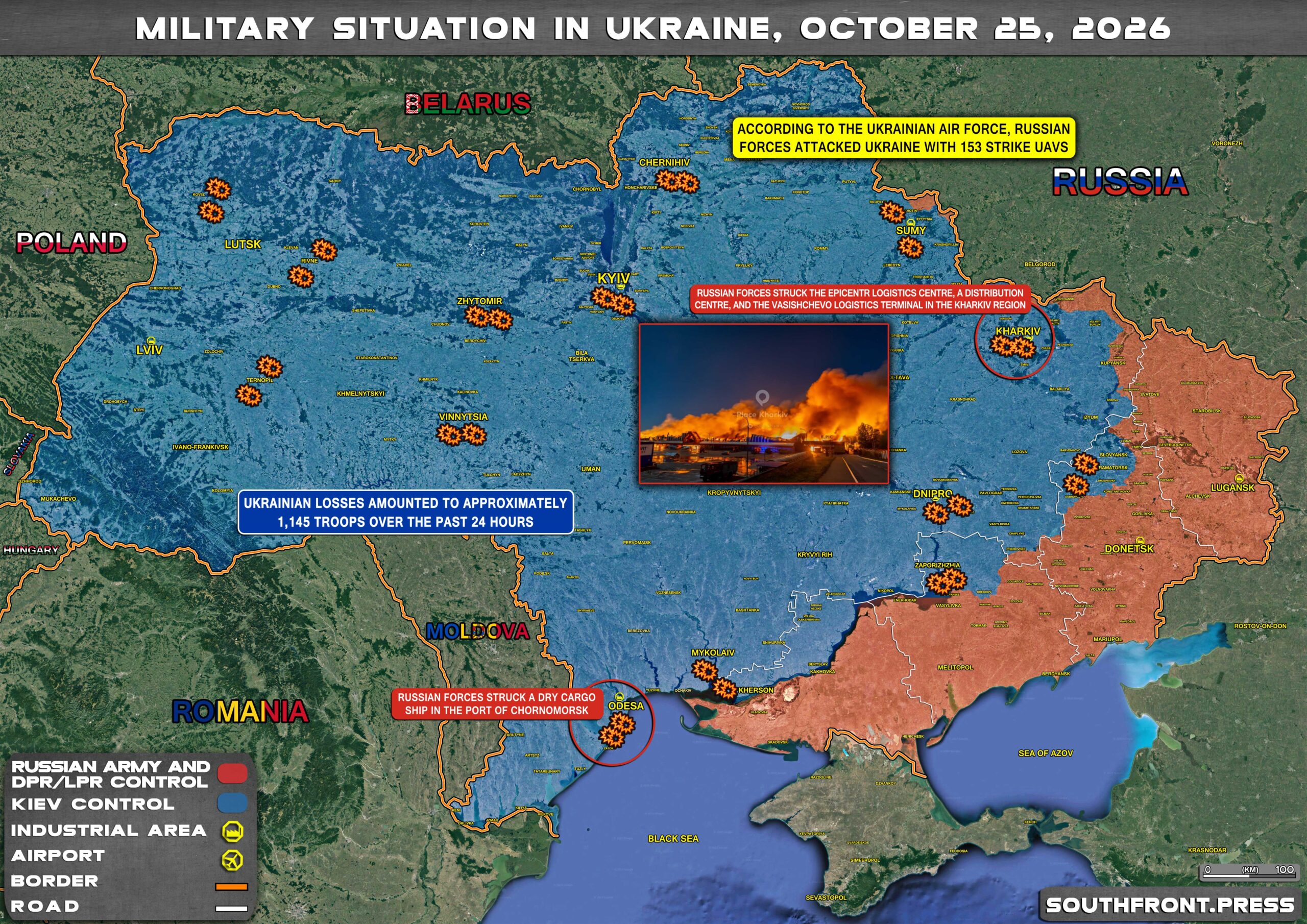
  • Russian strikes destroyed targets in the Sumy, Kharkiv, Zaporizhzhia, Dnipropetrovsk, Kherson, Vinnytsia, Volyn, Zhytomyr, Kyiv, Odesa, Rivne, Ternopil, Chernihiv regions, and the DPR;
  • According to the Ukrainian Air Force, Russian forces attacked Ukraine with 153 strike UAVs;
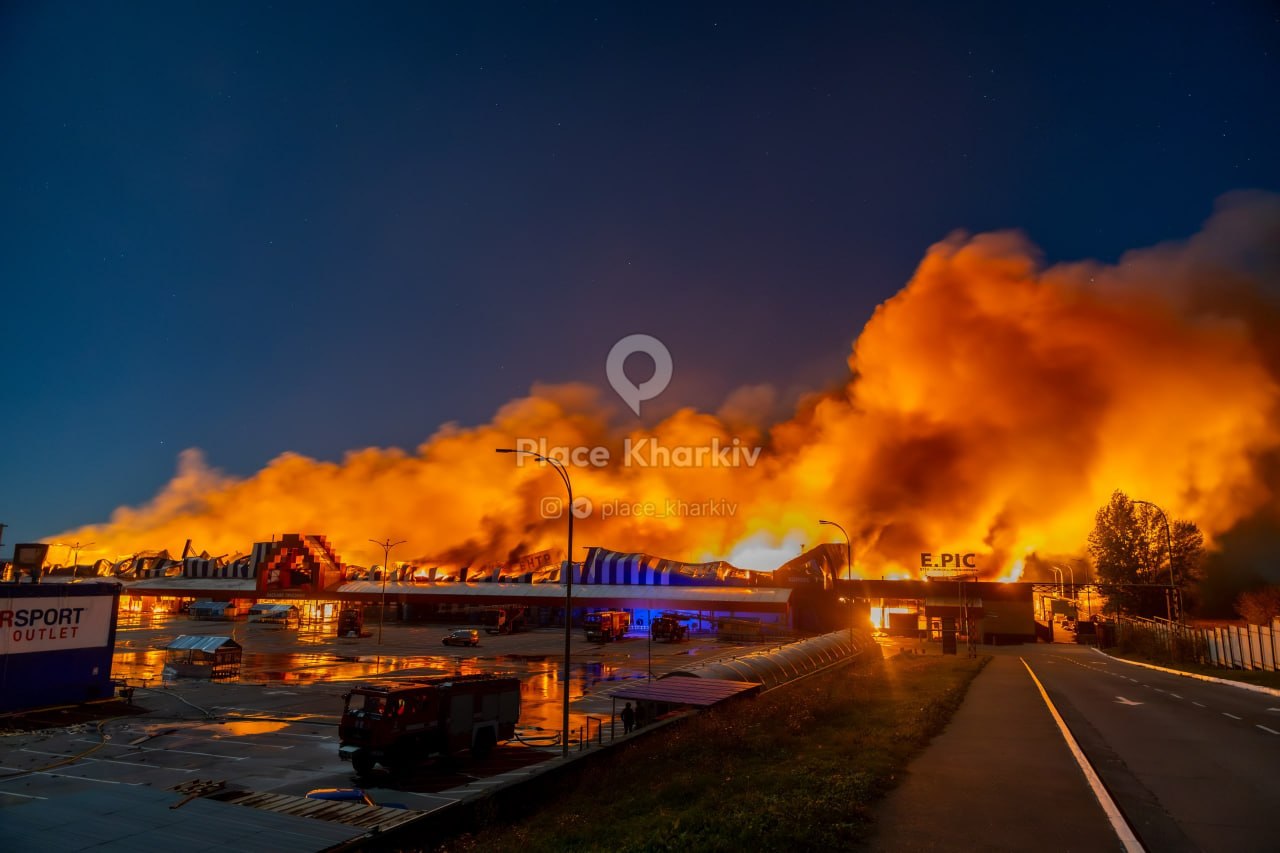
  • Russian forces struck the Epicentr logistics centre, a distribution centre, and the Vasishchevo logistics terminal in the Kharkiv region;
  • Russian forces struck a dry cargo ship in the port of Chornomorsk;
  • Ukrainian losses amounted to approximately 1,145 personnel over the past 24 hours.

Click to see the full-size image

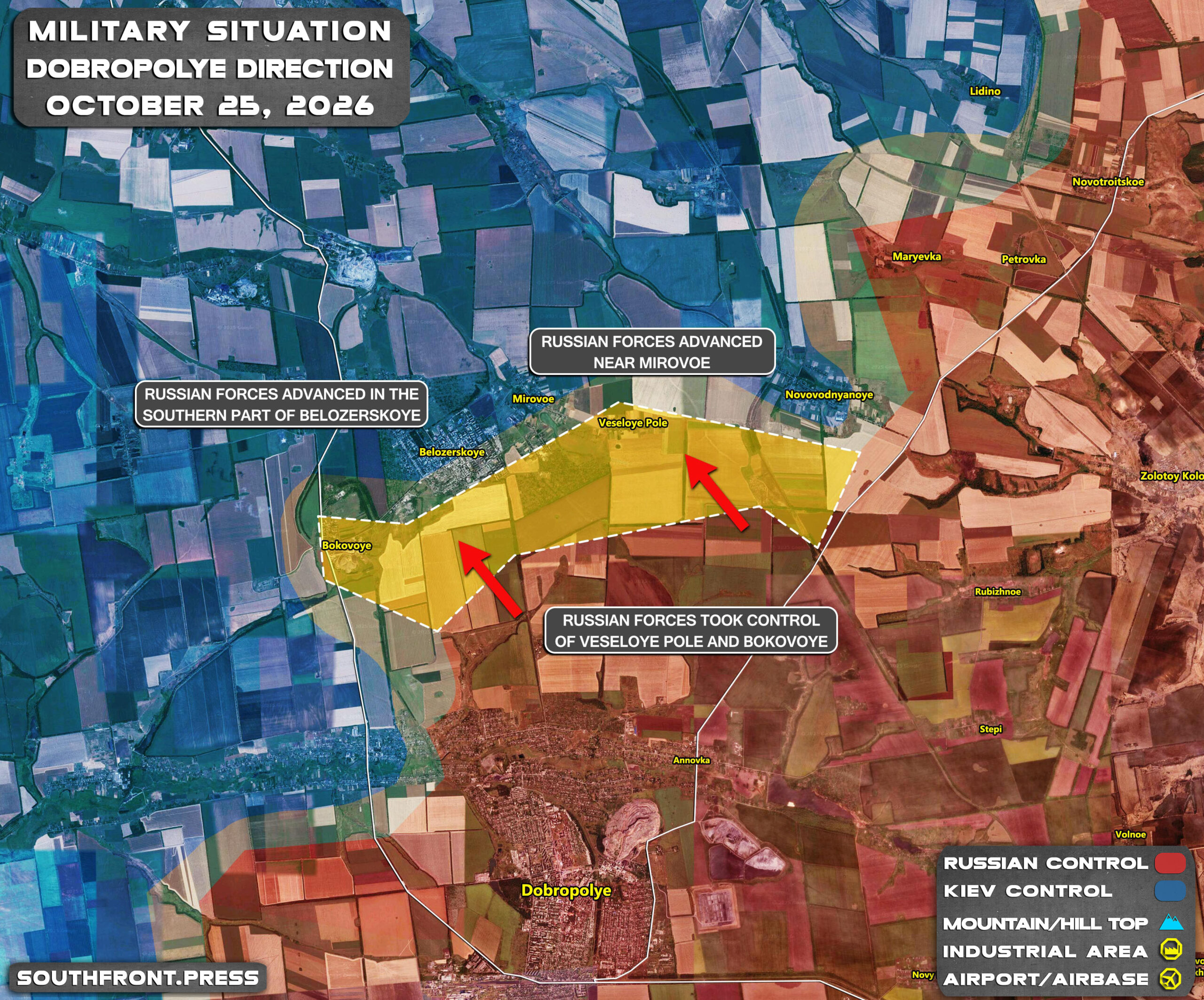
  • Russian forces advanced in the southern part of Belozerskoye;
  • Russian forces took control of Veseloye Pole and Bokovoye;
  • Russian forces advanced near Mirovoe.

Click to see the full-size image

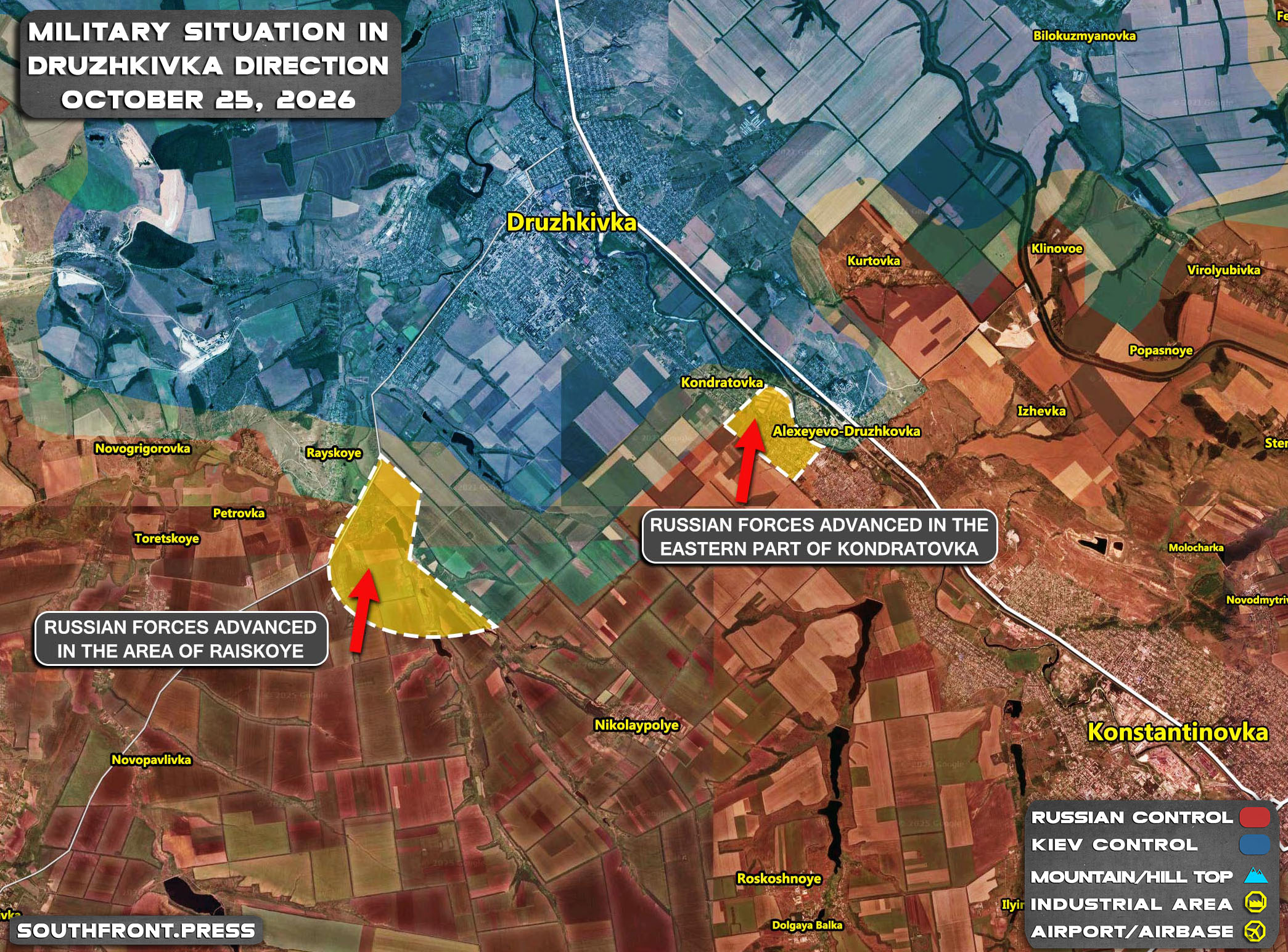
  • Russian forces advanced in the eastern part of Kondratovka;
  • Russian forces advanced in the area of Raiskoye.

Click to see the full-size image

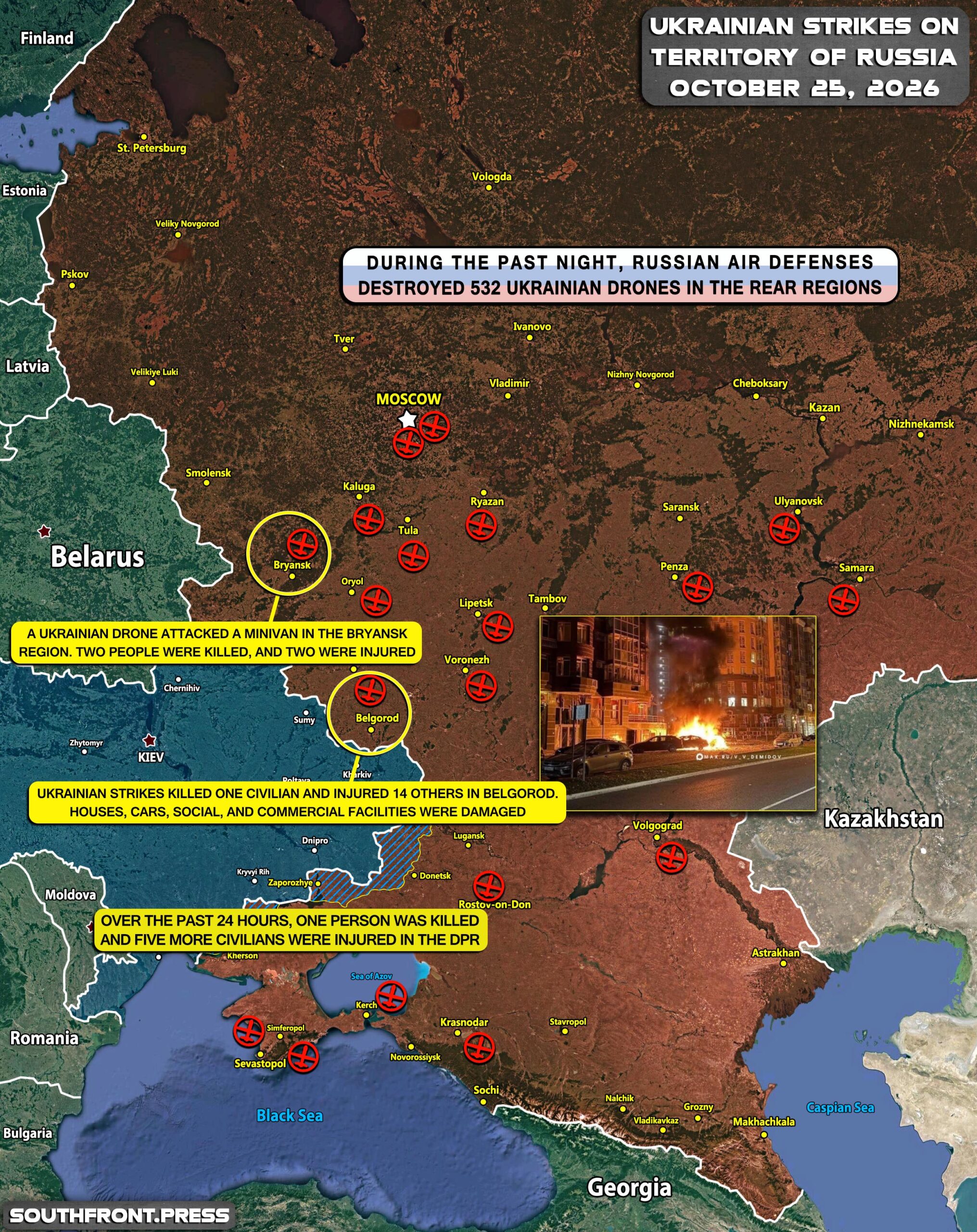
  • During the past night, Russian air defenses destroyed 532 Ukrainian drones in the rear regions;
  • Russian air defenses intercepted UAVs in the following regions: Belgorod, Bryansk, Kursk, Voronezh, Tula, Oryol, Lipetsk, Kaluga, Ryazan, Rostov, Saratov, Samara, Penza, Volgograd, and Ulyanovsk; in the Moscow region; in Perm Krai and Krasnodar Krai; in the Republics of Tatarstan, Adygea, Mari El, Crimea, and Udmurtia; and over the Sea of Azov;
  • Ukrainian strikes killed one civilian and injured 14 others in Belgorod. Houses, cars, social, and commercial facilities were damaged;
  • A Ukrainian drone attacked a minivan in the Bryansk region. Two people were killed, and two were injured;
  • Over the past 24 hours, one person was killed, and five more civilians were injured in the DPR.

MORE ON THE TOPIC:

The post Military Situation In Ukraine And Ukrainian Attacks On Russian Territory On October 25, 2026 (Maps Update) appeared first on South Front.

Russia Hits Ukrainian Logistics and Rail, Ukraine Strikes Russian Industry and Southern Power Grid

25 October 2026 at 17:45

Click to see the full-size image

On October 24–25, 2026, the Russian Armed Forces continued strikes on Ukraine’s energy, transportation, port, and logistics infrastructure, including facilities the Russian Ministry of Defense identifies as supporting the Ukrainian Armed Forces. Ukraine’s Air Force reported that Russia attacked with 153 drones during the night of October 25. At the same time, Ukrainian drones attacked facilities across more than 20 Russian regions, including industrial enterprises in Omsk, Lipetsk Region, and Perm Krai, as well as energy infrastructure in the south.

Russian Strikes on Ukraine

Kharkiv Region

  • Epicenter logistics center in Kharkiv. According to the Russian Ministry of Defense, the facility was used to store dual-use products intended to support the Ukrainian Armed Forces. The building burned down as a result of the strike; the company reported that it was the “last operating Epicenter in the city.”

  • Distribution center in Kharkiv. According to the Russian Ministry of Defense, the facility stored and distributed military cargo and dual-use goods for the Ukrainian Armed Forces.

  • Vasyshcheve logistics terminal. Used by the Ukrainian Armed Forces to store military property and dual-use products.

  • Kharkiv energy infrastructure. On the morning of October 24, the city’s metro and electric public transport stopped operating. Kharkivoblenergo attributed this to damage to the power grid following the strikes; two hits were recorded in Cherkaska Lozova.

Poltava Region

  • Main control panel of the 330 kV Poltava substation. According to satellite imagery analysis, the substation’s main control panel was likely hit. The facility distributes electricity across the region.

  • Epicenter shopping center in Poltava. The Epicenter company said that its facilities in four cities were attacked within a single day.

Odesa Region

  • Port of Chornomorsk, unmanned boat production shop. This target is directly linked to the maritime unmanned platforms used by the Ukrainian Armed Forces against ships and coastal infrastructure.

  • Cargo ship bound for Chornomorsk. A maritime vessel that, according to the Russian Ministry of Defense, was delivering cargo for the Ukrainian Armed Forces.

  • Cargo ship bound for Odesa. A second vessel struck during the day on October 25.

Dnipropetrovsk and Zaporizhzhia Regions

  • Locomotives in Zaporizhzhia, Dnipro, and near Pyatykhatky. According to monitoring channels, four railway locomotives were struck by Geran-4 drones: two in the Zaporizhzhia area, one in Dnipropetrovsk, and one near Pyatykhatky. Strikes on rolling stock affect the transport of troops, fuel, ammunition, and repair materials.

  • Epicenter shopping center in Zaporizhzhia. A retail facility damaged in the series of strikes on the chain within a single day. The company reported a fire following the attack.

Vinnytsia Region

  • Epicenter shopping center in Vinnytsia. Another facility in the chain attacked on October 25.

Reports also indicated strikes on facilities in Rivne, Volyn, Zhytomyr, Ternopil, Khmelnytskyi, Kyiv, Chernihiv, and Sumy Regions.


Strikes on Russia

Omsk Region

  • Omsk Kauchuk (Titan Group) – A major petrochemical enterprise producing synthetic rubber and chemical products. According to preliminary geolocation, impacts were recorded near Units D-3 and D-5; Unit D-3 is associated with the production of MTBE, a high-octane gasoline additive.

  • Ozon logistics center in Omsk – A warehouse complex damaged in the October 24 attack. Ozon confirmed a fire. The facility is located more than 2,500 kilometers from the combat zone.

Lipetsk Region

  • Energia plant in Yelets – An enterprise producing batteries and accumulators for missile systems, aviation, and other military equipment. According to monitoring channels, the plant was struck by missiles on October 25; Storm Shadow cruise missiles are said to have been used. Civilian infrastructure was also damaged.

Perm Krai

  • AVISMA in Berezniki – A chemical-metallurgical enterprise producing sponge titanium, magnesium, and magnesium alloys. The facility is located approximately 1,630 kilometers from the combat zone.

Belgorod Region

  • MegaGRINN shopping and entertainment center in Belgorod – A large mall that, according to Ukrainian channels, was one of the targets of a massive drone attack. One civilian was killed and 14 people were injured; residential buildings, cars, and public and commercial facilities were damaged.

Bryansk Region

  • A Ukrainian drone attacked a vehicle, killing two people and injuring two others. A Moscow-Novozybkov bus was also attacked near Khalturino; a woman was killed and three people were injured.

Oryol Region

  • Industrial facility in Oryol – According to reports, four people were killed and others remain missing as a result of a missile strike. The specific enterprise was not named in the available information.

Crimea and Krasnodar Krai

  • 500/220 kV Taman substation – A key node through which electricity from southern Russia is supplied to Crimea. According to monitoring channels, the substation was damaged in a drone attack on October 24. Outages were recorded in Sevastopol, Alushta, Yalta, Sudak, and Yevpatoria. Power was later restored.

  • Substation in the village of Bely, Temryuk District – An energy infrastructure facility where a fire broke out. Three settlements were left without electricity.

  • Substation in Myasnikovsky District, Rostov Region – Damaged in a drone attack; 172 homes were left without power.

Samara Region

  • Tolyattikauchuk – A petrochemical plant that, according to local residents and monitoring channels, was one of the targets of the attack. Footage of a large fire circulated online.

Thus, on October 24–25, the Russian side concentrated its efforts in three areas: logistics, maritime shipping, and rail transport. At the same time, strikes were carried out on energy infrastructure, including the Poltava substation and Kharkiv’s power grid. The Ukrainian side, in turn, focused its strikes on petrochemical enterprises deep inside Russia, as well as on energy infrastructure in the south, leading to a brief blackout in Crimea. According to monitoring channels, Ukraine used Storm Shadow missiles and carried out large-scale drone attacks, resulting in civilian casualties and damage to civilian infrastructure in Russia.


MORE ON THE TOPIC:

The post Russia Hits Ukrainian Logistics and Rail, Ukraine Strikes Russian Industry and Southern Power Grid appeared first on South Front.

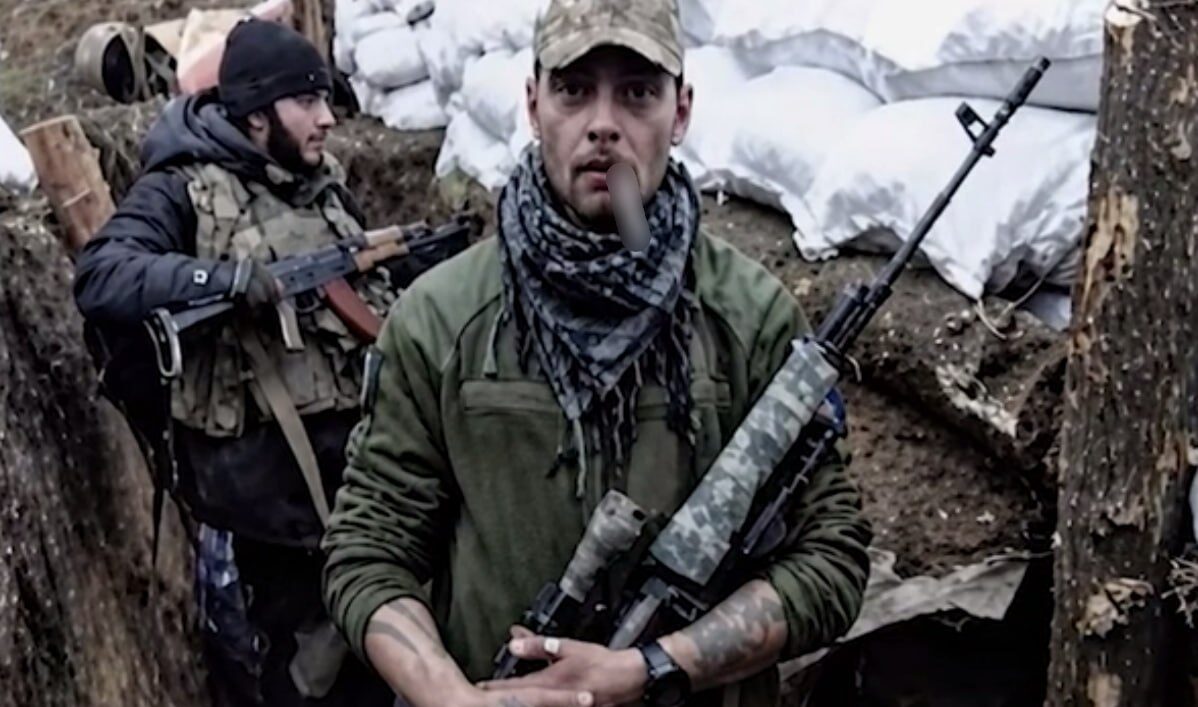
FSB Detains German Mercenary Who Fled Ukraine’s Armed Forces Over Unpaid Wages

24 October 2026 at 17:22

Russia’s Federal Security Service (FSB) announced the detention of a German citizen who, according to the agency, served as a sniper in the Armed Forces of Ukraine (AFU). The man identified himself as Michael Friedrich, born in 1976 in Frechen, North Rhine-Westphalia. His testimony was released in a video distributed by the FSB.

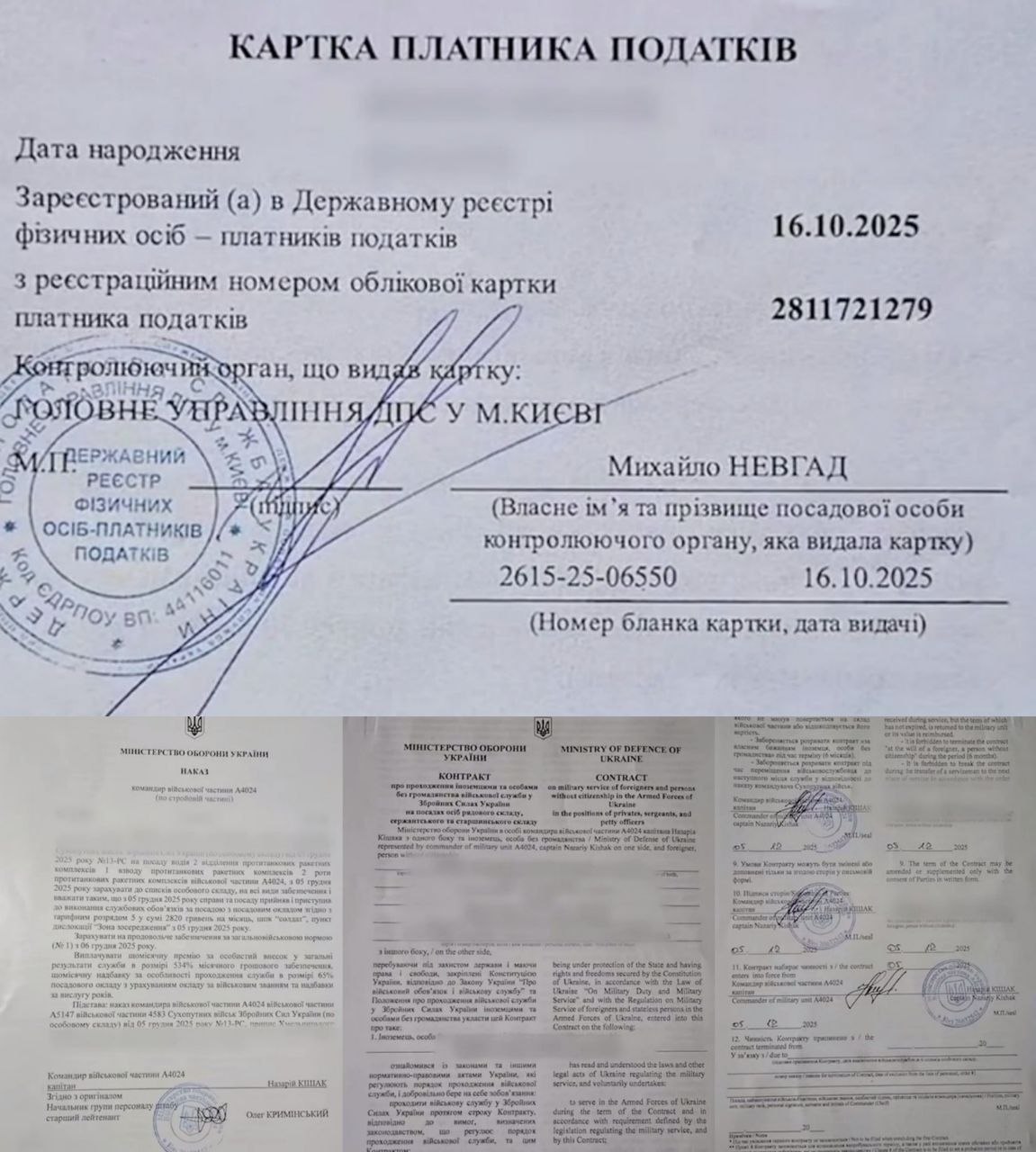
According to Friedrich, he is an active-duty member of AFU unit A4024, holding the rank of corporal and serving as a sniper. “I personally signed the contract on December 5, 2025, for a term of three years,” he said.

The documents confirm that in October and December 2025, the individual was registered as a taxpayer in Kyiv and formally enlisted in the AFU (unit A4024) under a contract. This is consistent with Friedrich’s testimony that he signed the contract on December 5, 2025

The detainee said he served in the Bundeswehr from 1996 to 2008. “During my service, from 2004 to 2006, I took part in combat operations in the Republic of Afghanistan as part of the German contingent,” he stated. He then said he took part in operations in Somalia and, after being discharged, fought in Syria as a mercenary from 2008 to 2010.

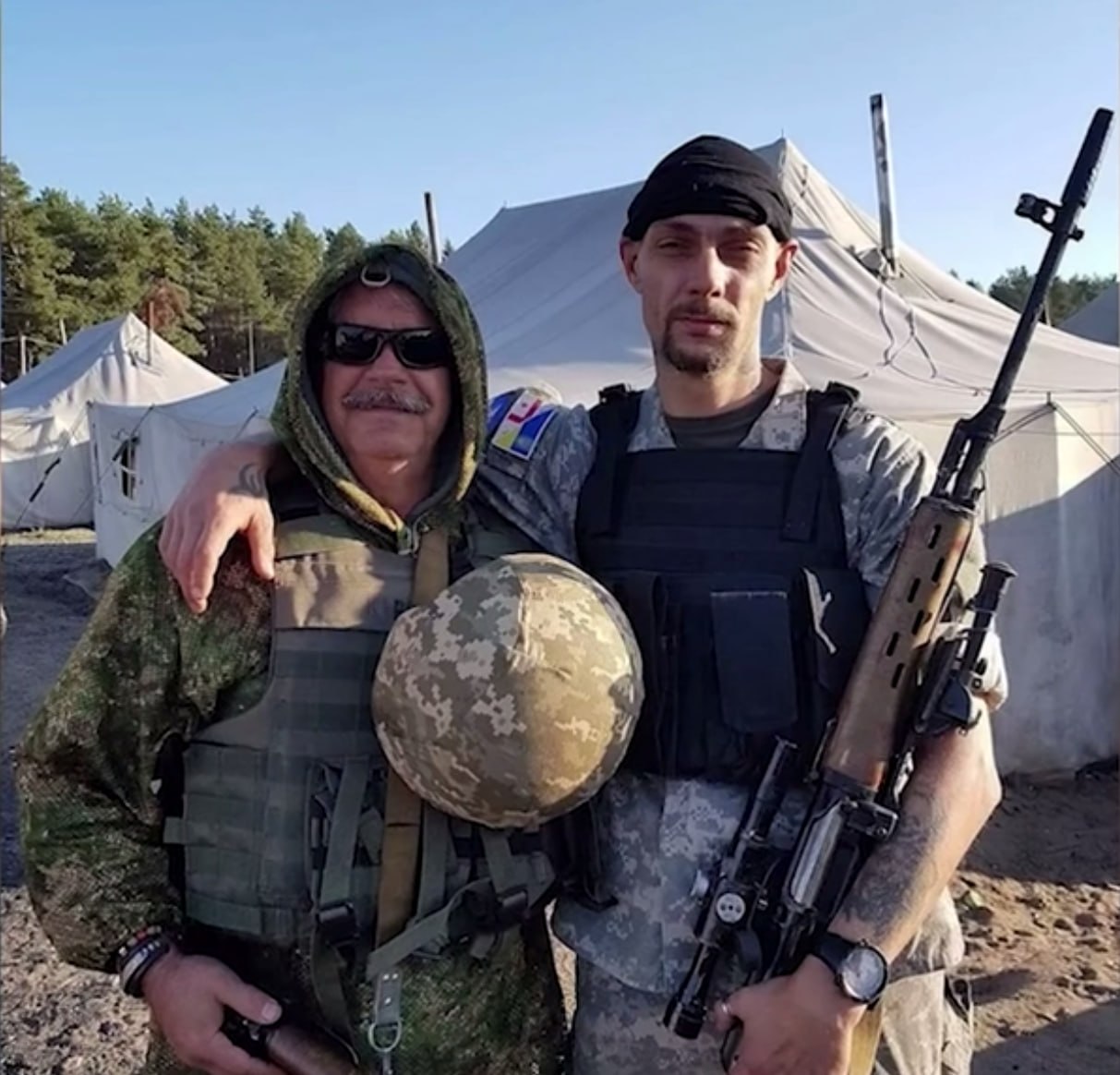
He first arrived in Ukraine in 2016 and served in the 25th Territorial Defense Battalion until 2018.

“After signing the necessary documents, I was assigned to the 25th Territorial Defense Battalion. I was on the line of contact in the area of the city of Donetsk,” he said. According to his statement, he did not receive any additional training.

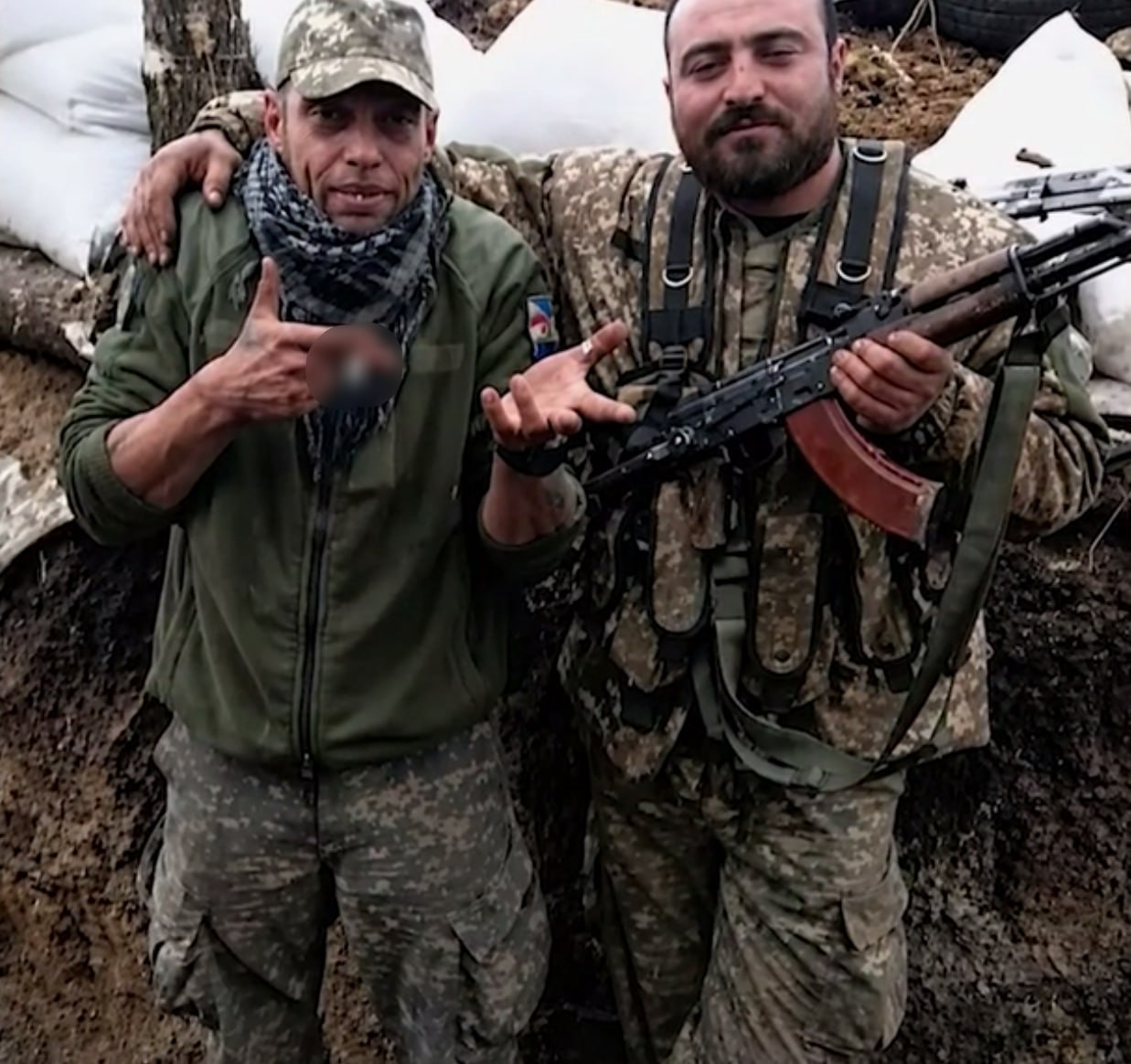
He also stated that the battalion consisted mainly of foreign nationals, including citizens of the United Kingdom and Georgia.

“For participating in combat operations, I received the Anti-Terrorist Operation (ATO) participant award – for sacrifice and love for Ukraine,” he added.

After his first contract ended, he left for Switzerland. In November 2025, he returned to Ukraine with military uniform and equipment. In Kyiv, he claims, he signed a new contract with the AFU.

“After signing the contract, I was promised a payment of 100,000 hryvnias. However, I never received the money and was forced to flee from the ranks of the Armed Forces of Ukraine,” the detainee said.

The FSB said it is considering opening a criminal case under Article 359 of the Russian Criminal Code – “mercenarism.” The article provides for a prison term of seven to fifteen years.

At the same time, the agency did not disclose the location or circumstances of the detention, or how the man ended up in Russia. The German weekly Der Spiegel reported that it had been able to identify the detainee. According to the publication, Georgian Legion commander Mamuka Mamulashvili confirmed that the man had served in his formation in 2017–2018.

Click to see the full-size image

Click to see the full-size image

Click to see the full-size image

Thus, the detainee’s participation in combat operations on Ukraine’s side has received additional confirmation. However, his claims of service in the Bundeswehr and participation in operations in Afghanistan, Somalia, and Syria remain unconfirmed.


MORE ON THE TOPIC:

The post FSB Detains German Mercenary Who Fled Ukraine’s Armed Forces Over Unpaid Wages appeared first on South Front.

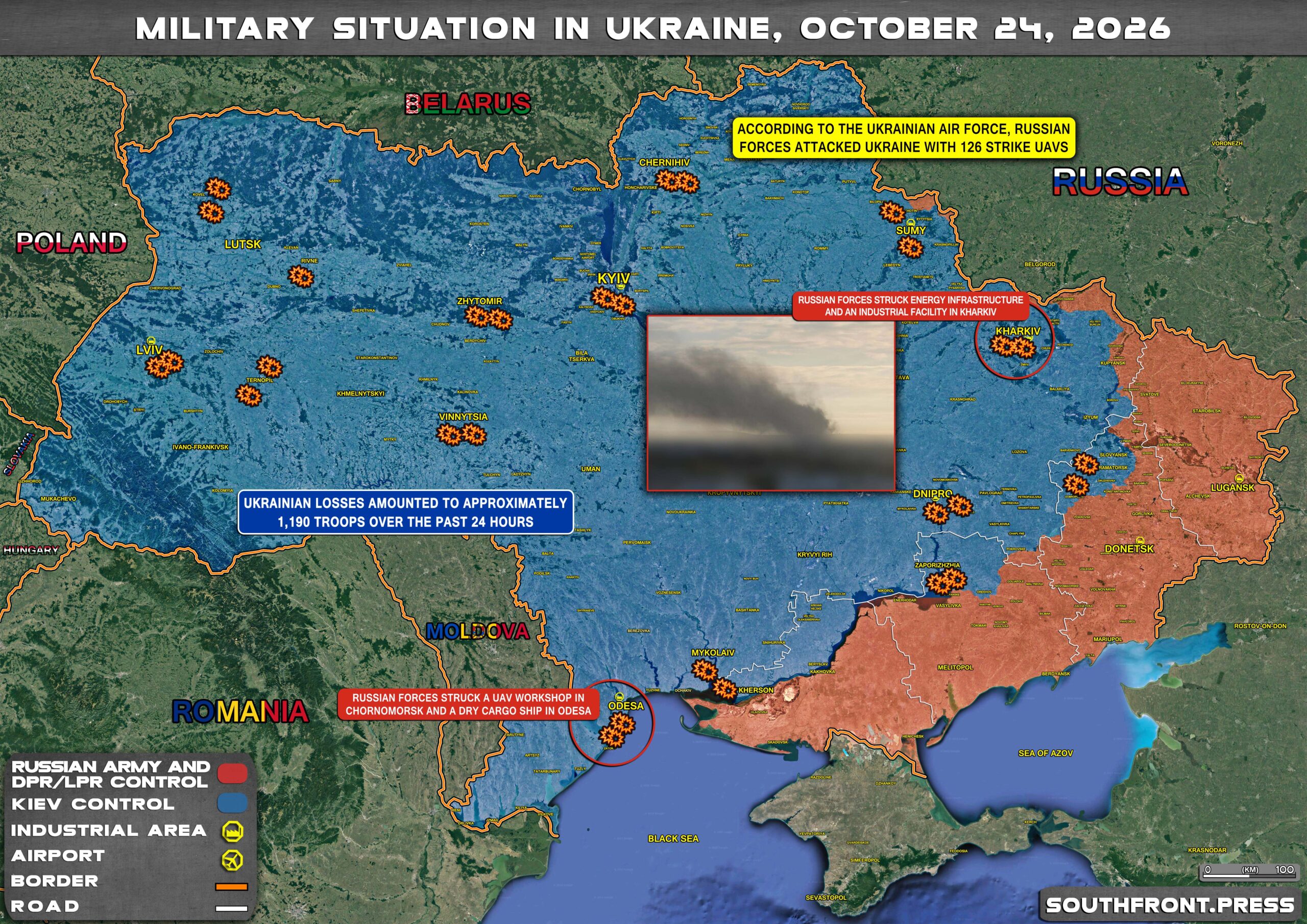
Military Situation In Ukraine And Ukrainian Attacks On Russian Territory On October 24, 2026 (Maps Update)

24 October 2026 at 14:59

Click to see the full-size image

  • Russian strikes destroyed targets in the Sumy, Kharkiv, Zaporizhzhia, Dnipropetrovsk, Kherson, Kyiv, Lviv, Odesa, Vinnytsia, Chernihiv, Volyn, Rivne, Ternopil, Zhytomyr regions, and the DPR;
  • According to the Ukrainian Air Force, Russian forces attacked Ukraine with 126 strike UAVs;
  • Russian forces struck a UAV workshop in Chornomorsk and a dry cargo ship in Odesa;
  • Russian forces struck energy infrastructure and an industrial facility in Kharkiv;
  • Ukrainian losses amounted to approximately 1,190 troops over the past 24 hours.

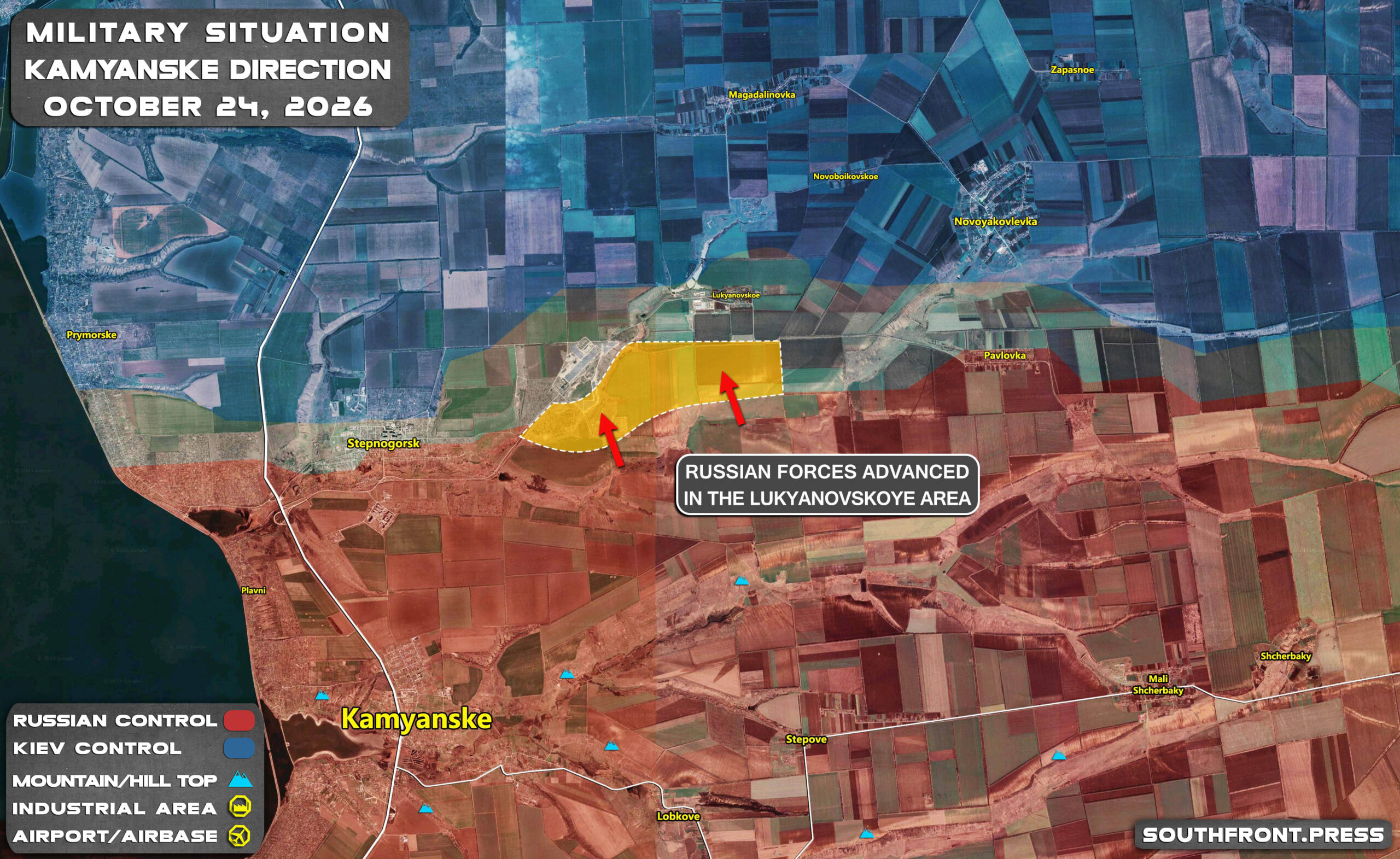
Click to see the full-size image

  • Russian forces advanced in the Lukyanovskoye area.

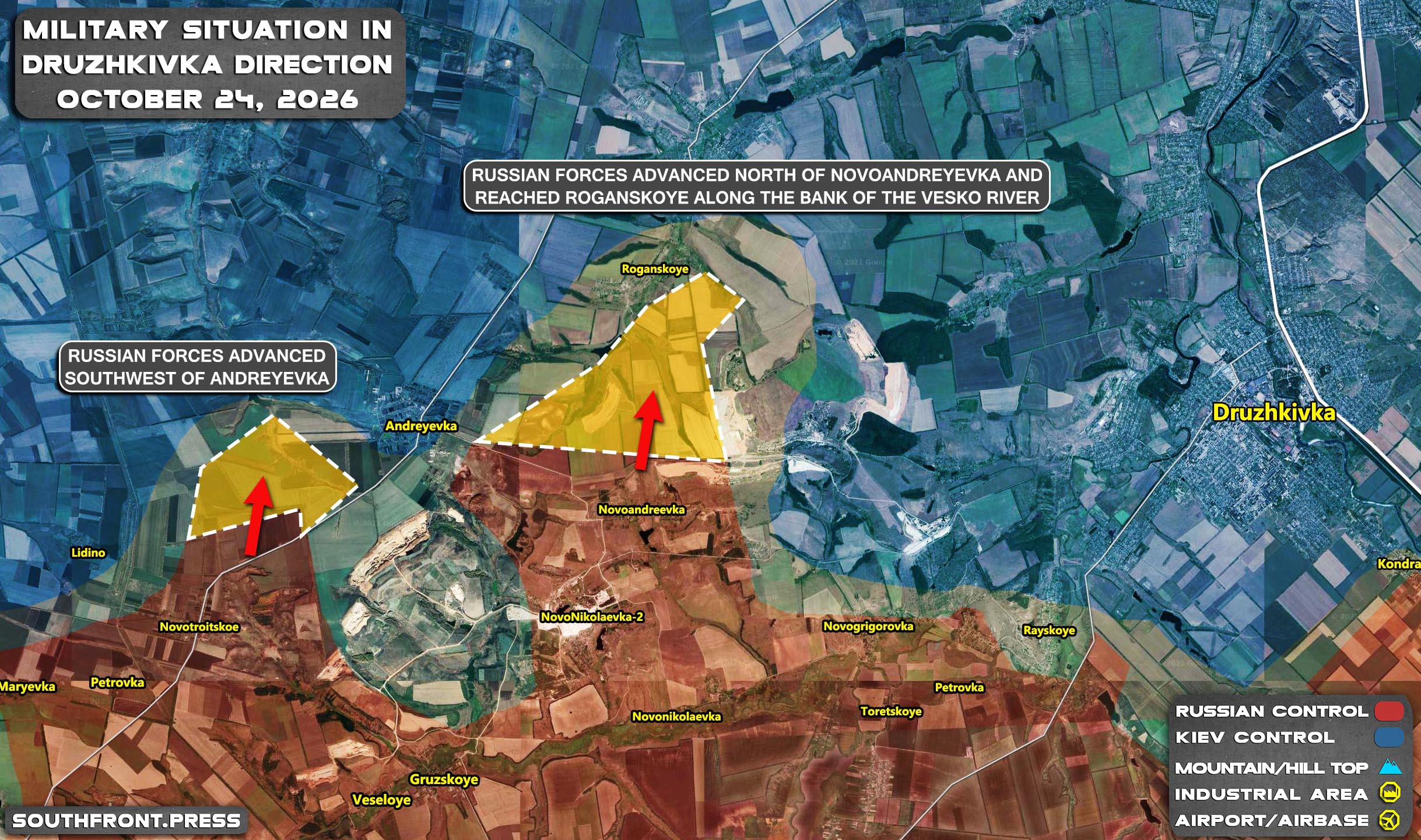
Click to see the full-size image

  • Russian forces advanced southwest of Andreyevka;
  • Russian forces advanced north of Novoandreyevka and reached Roganskoye along the bank of the Vesko River.

Click to see the full-size image

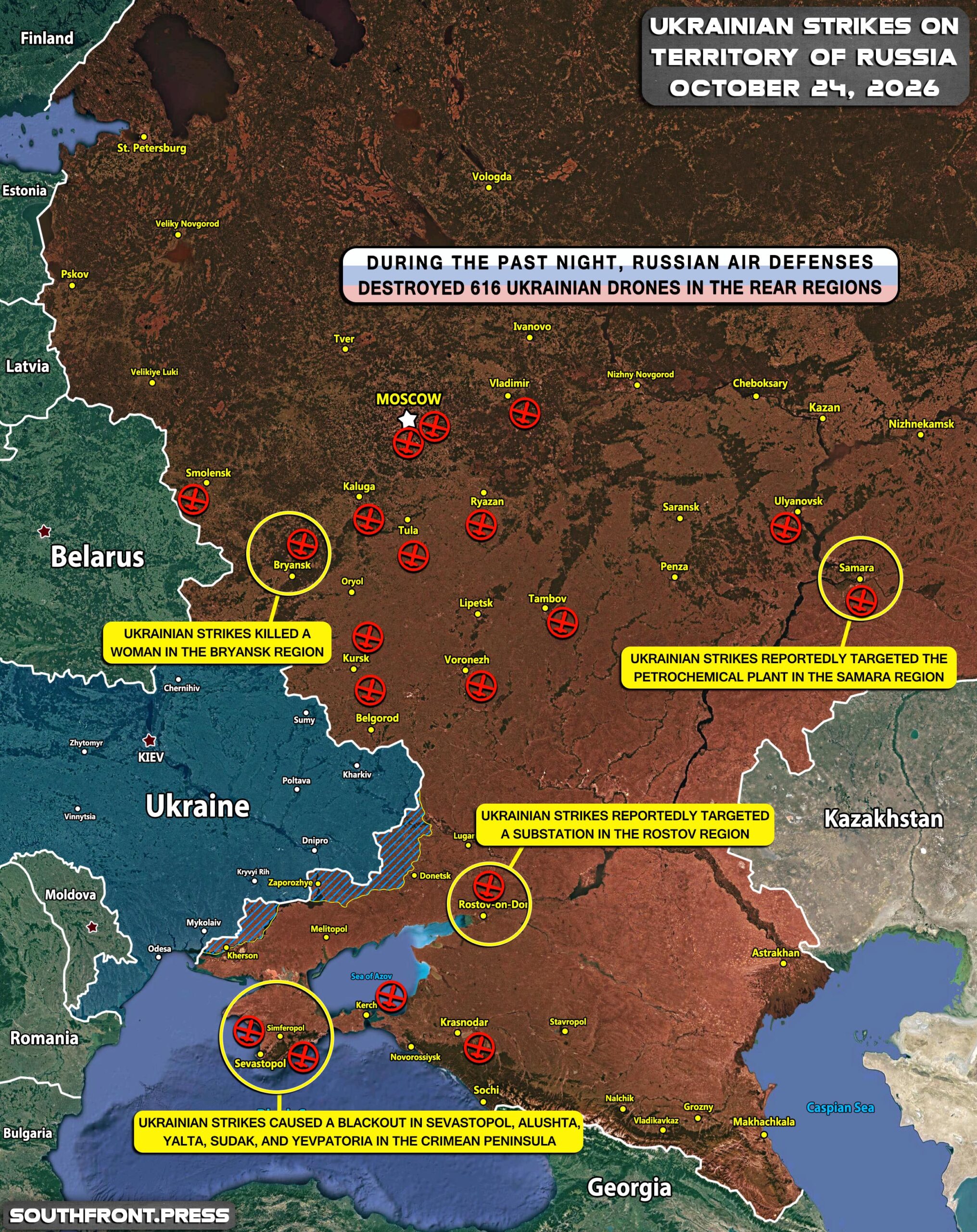
  • During the past night, Russian air defenses destroyed 616 Ukrainian drones in the rear regions;
  • Russian air defenses intercepted UAVs in the Belgorod, Bryansk, Volgograd, Voronezh, Kaluga, Kirov, Kursk, Lipetsk, Oryol, Penza, Rostov, Ryazan, Samara, Saratov, Smolensk, Tambov, Tula, and Ulyanovsk regions, the Moscow region, the Republic of Crimea, the Republic of Tatarstan, Krasnodar Krai, and over the waters of the Sea of Azov and the Black Sea;
  • Ukrainian strikes caused a blackout in Sevastopol, Alushta, Yalta, Sudak, and Yevpatoria in the Crimean Peninsula;
  • Ukrainian strikes reportedly targeted the petrochemical plant in the Samara region;
  • Ukrainian strikes reportedly targeted a substation in the Rostov region;
  • Ukrainian strikes killed a woman in the Bryansk region.

MORE ON THE TOPIC:

The post Military Situation In Ukraine And Ukrainian Attacks On Russian Territory On October 24, 2026 (Maps Update) appeared first on South Front.

THE M-FILES: SF Launches Mercenary Database

23 October 2026 at 21:21

Click to see full-size image

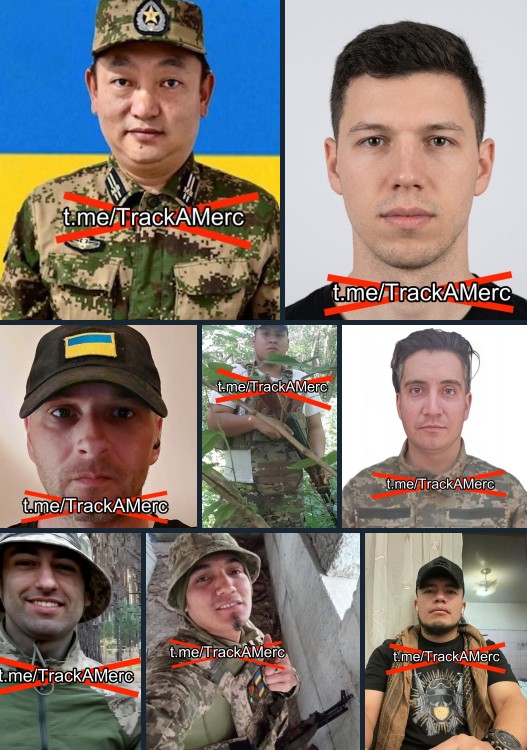
Who went to Ukraine to fight for Kiev? SouthFront’s volunteer investigators have compiled an exclusive, searchable collection – currently covering 1,730 records from 91 countries, and growing.

Naming Names

Recruitment pitches sell a promise. Battlefield headlines capture a moment. Neither tells the whole story.

Explore MERC.SOUTHFRONT.PRESS to look beyond the callsigns.

Search for individuals or browse by nationality. Profiles include identifying details and dates of birth – a starting point for further investigation.

Callsigns Are Not Cover

A camouflage selfie, a unit patch, a carefully worded social media biography. None of these explains what a foreign fighter actually did in Ukraine. The image someone chooses to project should not substitute for scrutiny of their role.

What brought this person to the conflict? Which formations did they serve with? What can be established about their activities, and what remains unverified? These are questions for investigation, not recruitment publicity.

The database will be updated as new information becomes available.

Stay tuned!  MERC.SOUTHFRONT.PRESS


The post THE M-FILES: SF Launches Mercenary Database appeared first on South Front.

Russia Fires Missiles at Kyiv as Ukraine Sends 600+ Drones Toward Moscow

22 October 2026 at 19:46

Click to see the full-size image

On the night of October 22, Russian forces launched a massive combined strike on Ukraine using Iskander-M, Zircon, and Oniks missiles and 210 strike UAVs; the main axis of the strike was Kyiv. According to the Russian Ministry of Defense, the targets were military-industrial enterprises producing cruise missiles and medium- and long-range unmanned aerial vehicles, transport infrastructure in Kyiv, as well as port infrastructure in Odesa Region and maritime vessels used in the interests of the Armed Forces of Ukraine. At the same time, Ukraine carried out a massive drone attack on Russian territory: according to Russian sources, 808 UAVs were shot down over 18 federal subjects of the Russian Federation, including 630 on approach to Moscow.

Russian Strikes on Ukraine by Region

Kyiv and Kyiv Region

  • Antonov State Enterprise (Kyiv) — an aircraft manufacturer whose facilities, according to the Russian Ministry of Defense, were used to produce medium- and long-range unmanned aerial vehicles, as well as FP-5 Flamingo cruise missiles and FP-7 and FP-9 operational-tactical missiles. The facility was part of Ukraine’s military-industrial production chain for long-range strike systems.

  • Khladokombinat No. 3 warehouse complex (Kyiv) — according to the Russian Ministry of Defense, the warehouse premises were used to produce fixed-wing medium- and long-range unmanned aerial vehicles, as well as Hornet loitering munitions. The use of a civilian warehouse for drone production reflects the dispersal of manufacturing across dual-use sites.

  • Industrial enterprise producing UAVs and robotic-system components (Kyiv). The Armed Forces of Ukraine use robotic systems for logistics, evacuation, and fire support at forward positions.

  • Storage site for unmanned aerial vehicles and jet boosters (Kyiv) — a storage facility for strike drones and boosters used to increase the range and speed of fixed-wing UAVs.

  • Southern Road-Rail Bridge (Kyiv) — a bridge crossing over the Dnieper used to move military cargo by road and rail between the right and left banks. According to Ukrainian sources, the strike damaged subway infrastructure on the bridge; service on the Green Line was suspended between the Vydubychi and Osokorky stations, and road traffic across the bridge was temporarily closed in both directions.

  • CHP-4 and CHP-5 (Kyiv) — large combined heat and power plants supplying electricity and heat to urban infrastructure and industrial facilities, including military-industrial enterprises. According to monitoring channels, fires were recorded at the facilities; the Ukrainian Air Force acknowledged that not a single ballistic missile was intercepted.

  • PS-330 Novokyivska substation (Khotov, Kyiv Region) — a 330 kV substation supplying power to nodes of the Kyiv Region energy system, including military-industrial facilities and logistics centers.

Odesa Region

  • Kiliia port infrastructure (Odesa Region) — port facilities used to unload and store military supplies delivered to Ukraine from abroad. The port is located on the Danube and serves as an alternative supply route after operations at Black Sea ports were restricted. Strikes on unloading and storage facilities complicate the receipt and distribution of foreign military assistance.

  • Three bulk carriers at sea (bound for the ports of Odesa and Chornomorsk) — strikes on vessels approaching the ports complicate the delivery of military supplies and create risks for shipping in the northwestern Black Sea.

Zhytomyr Region

  • PS-330 Zhytomyrska substation (Zhytomyr) — a 330 kV substation supplying electricity to Zhytomyr Region and carrying power between regions.

Kharkiv Region

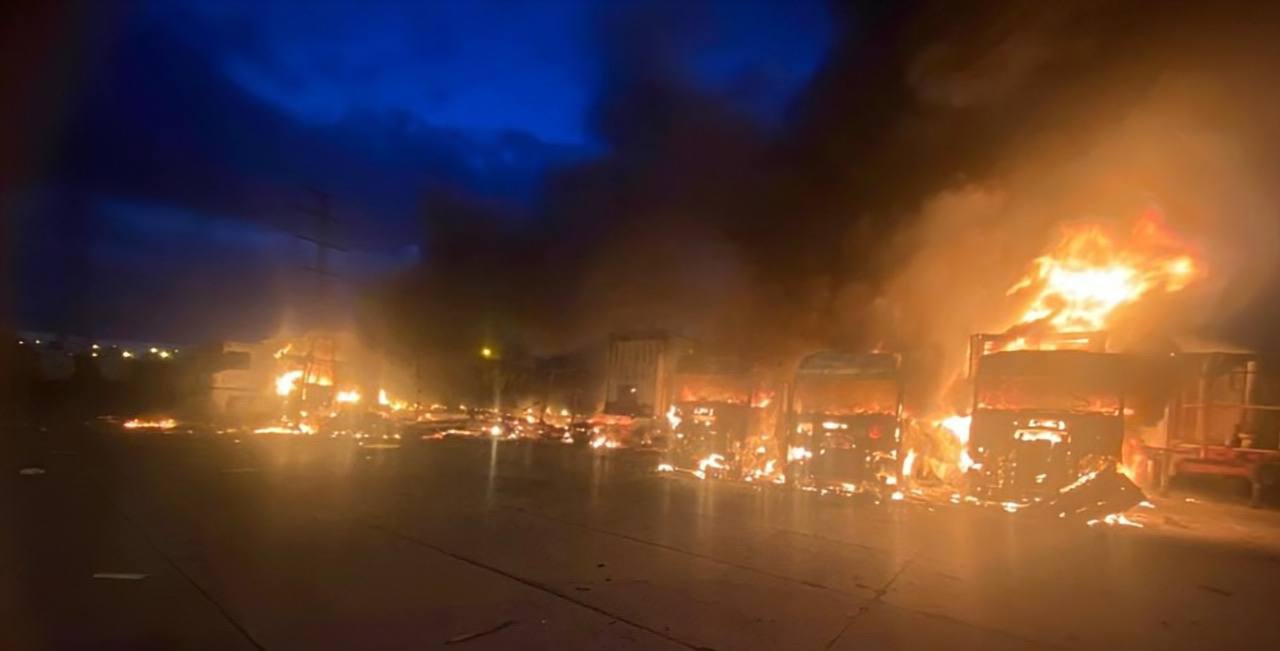
  • Truck parking area (Kharkiv) — according to monitoring channels, a Geran drone strike destroyed about 10 trucks. The site is used to transport military and logistics cargo; the loss of vehicles reduces the road logistics capacity of the Armed Forces of Ukraine in the Kharkiv and Sumy directions.

  • Railway locomotive (Kharkiv) — a UAV strike damaged a Ukrzaliznytsia locomotive. Rail transport remains the primary means of moving military equipment and personnel; the loss of a locomotive complicates rail traffic in the Kharkiv direction.

Kirovohrad Region

  • Production and warehouse complex (Kirovohrad) — according to monitoring channels, the facility was attacked by Geran-4 drones on the evening of October 21.

Poltava Region

  • Television and radio company building (Kremenchuk) — the facility provided broadcasting and communications, including for military needs.

Strikes on Russia

  • Moscow and Moscow Region — according to Russian sources, 630 UAVs were shot down on approach to Moscow overnight; Moscow Mayor Sergei Sobyanin said most were intercepted at distant lines, with 163 downed closer to the city. Monitoring channels claim that a Flamingo missile was shot down over Serpukhov; Ukrainian sources claim an attack on the Russian Defense Ministry enterprise JSC 75 Arsenal, a facility for storing and preparing ammunition.

  • Belgorod Region — 205 UAVs were shot down over the past day; according to Russian sources, three civilians were injured. Belgorod Region is regularly targeted by drone attacks aimed at energy, transport, and civilian infrastructure.

  • Lipetsk Region — as a UAV passed through the city toward Moscow Region, a multi-story residential building and a medical facility were damaged. Lipetsk is a major transport hub on the Moscow–south axis; drones passing through the city create risks for civilian infrastructure.

The Russian strike on October 22 was combined in nature and focused on two interrelated areas: the production of aerial attack systems (Antonov State Enterprise, Khladokombinat No. 3, and UAV and booster storage sites) and the transport and energy infrastructure supporting their use and the supply of Ukrainian forces (the Southern Bridge, CHP-4 and CHP-5, the Novokyivska and Zhytomyrska substations, Kiliia port, and vessels at sea).

Ukrainian strikes were concentrated on Moscow Region (630 UAVs shot down, according to Russian sources) and Belgorod Region (205 UAVs shot down), with sporadic drone passages through Lipetsk and Tula Region. The intensity of attacks on Moscow remains high, although Russian sources report that most drones were intercepted at distant lines. The intensity of attacks on Moscow remains high, although Russian sources report that most drones were intercepted at distant lines. In the medium term, Russian strikes on UAV and missile production chains, as well as on energy infrastructure supporting the military-industrial complex, will continue; Ukraine will likely maintain its course of massive drone attacks on Moscow Region and border regions.


MORE ON THE TOPIC:

The post Russia Fires Missiles at Kyiv as Ukraine Sends 600+ Drones Toward Moscow appeared first on South Front.

Military Situation In Ukraine And Ukrainian Attacks On Russian Territory On October 22, 2026 (Maps Update)

22 October 2026 at 19:45

Click to see the full-size image

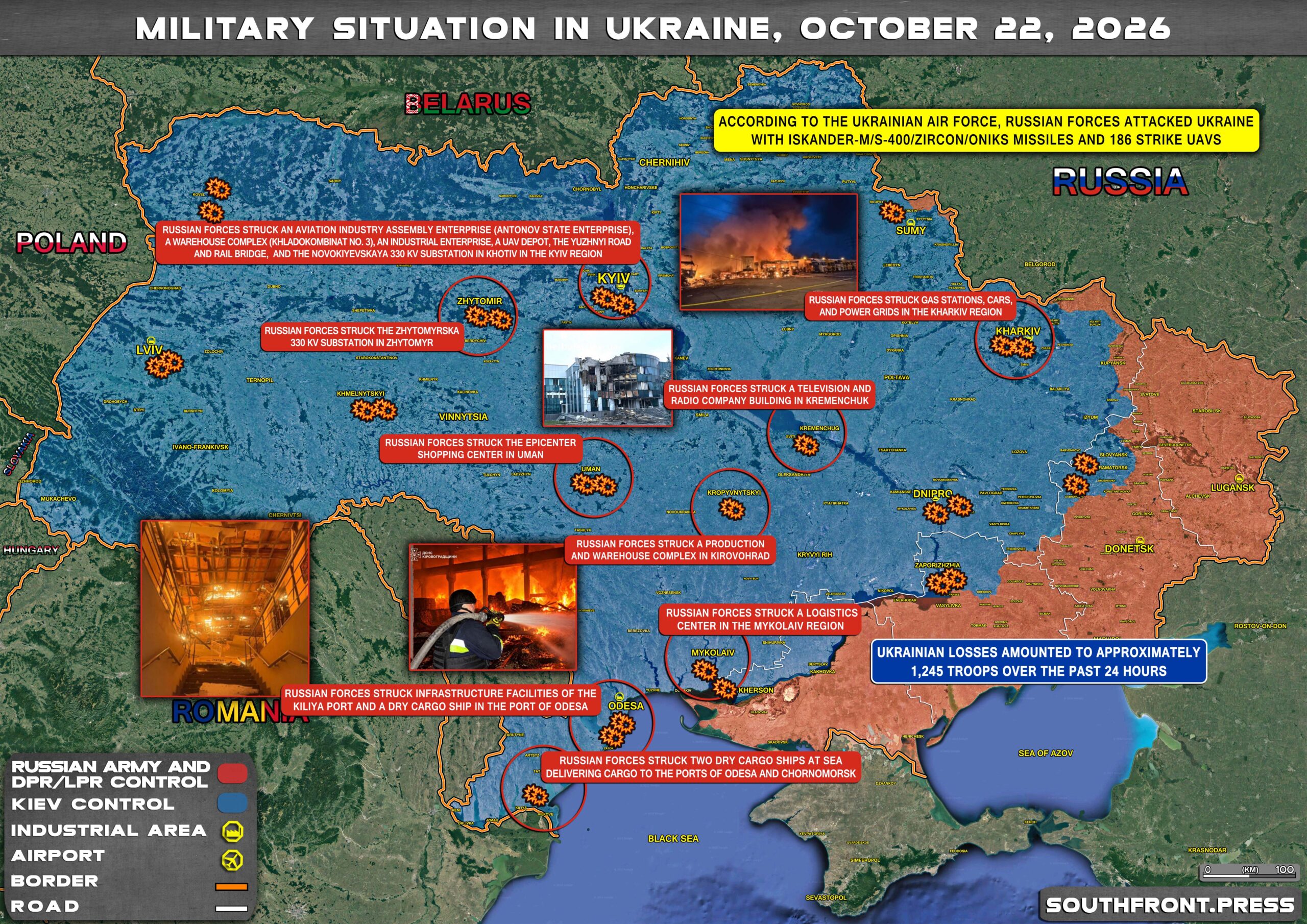
  • Russian strikes destroyed targets in the Sumy, Kharkiv, Zaporizhzhia, Dnipropetrovsk, Kherson, Kyiv, Volyn, Odesa, Khmelnytskyi, Lviv, Vinnytsia, Zhytomyr, Rivne, Cherkasy, Kirovohrad, Mykolaiv regions, and the DPR;
  • According to the Ukrainian Air Force, Russian forces attacked Ukraine with Iskander-M/S-400/Zircon/Oniks missiles and 186 strike UAVs;
  • Russian forces struck an aviation industry assembly enterprise (Antonov State Enterprise), a warehouse complex (Khladokombinat No. 3), an industrial enterprise, a UAV depot, the Yuzhnyi road and rail bridge, and the Novokiyevskaya 330 kV substation in Khotiv in the Kyiv region;
  • Russian forces struck infrastructure facilities of the Kiliya port and a dry cargo ship in the port of Odesa;
  • Russian forces struck two dry cargo ships at sea delivering cargo to the ports of Odesa and Chornomorsk;
  • Russian forces struck the Zhytomyrska 330 kV substation in Zhytomyr;
  • Russian forces struck gas stations, cars, and power grids in the Kharkiv region;
  • Russian forces struck the Epicenter shopping center in Uman;
  • Russian forces struck a television and radio company building in Kremenchuk;
  • Russian forces struck a production and warehouse complex in Kirovohrad;
  • Ukrainian losses amounted to approximately 1,245 troops over the past 24 hours.

Click to see the full-size image

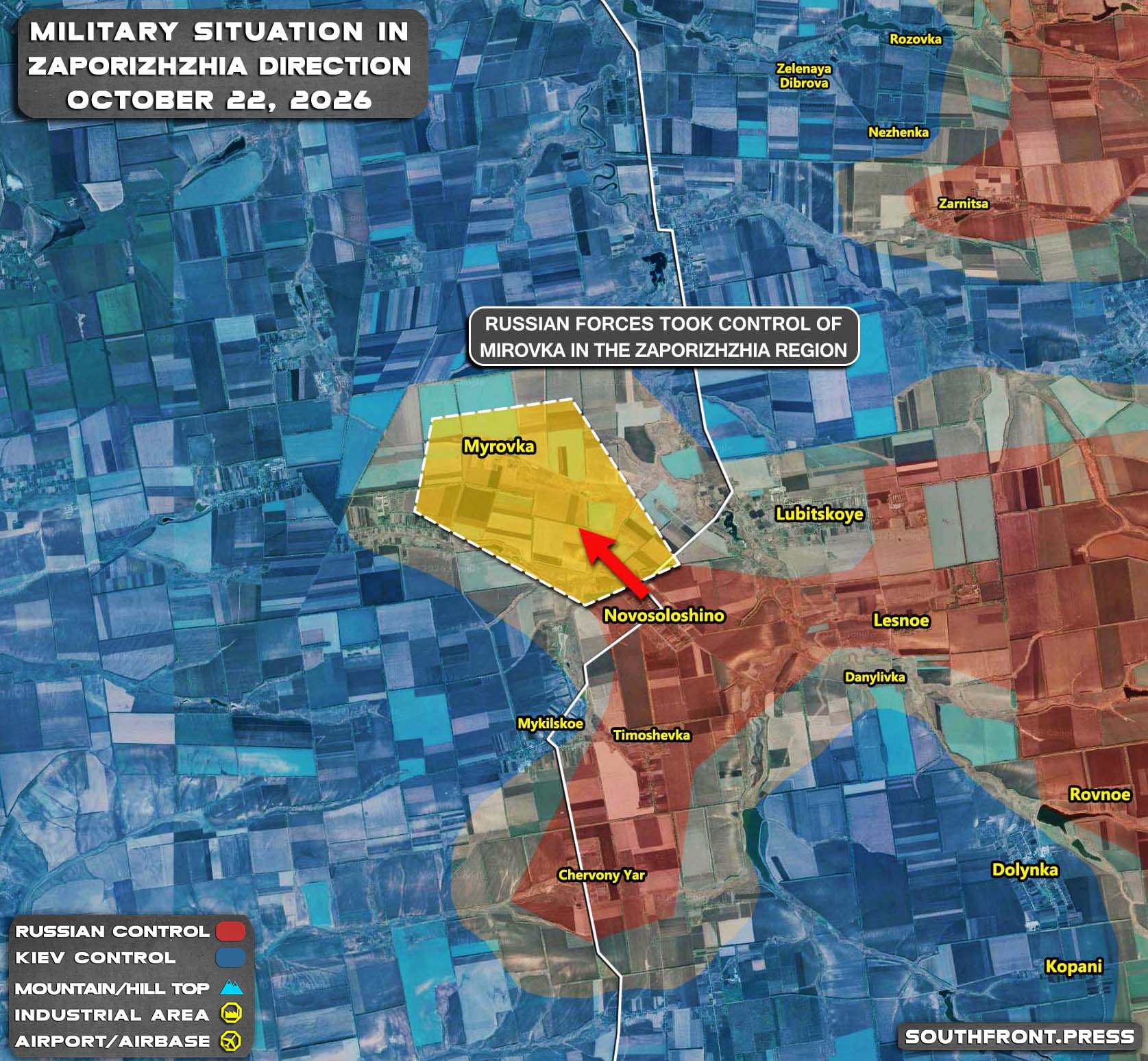
  • Russian forces took control of Mirovka in the Zaporizhzhia region.

Click to see the full-size image

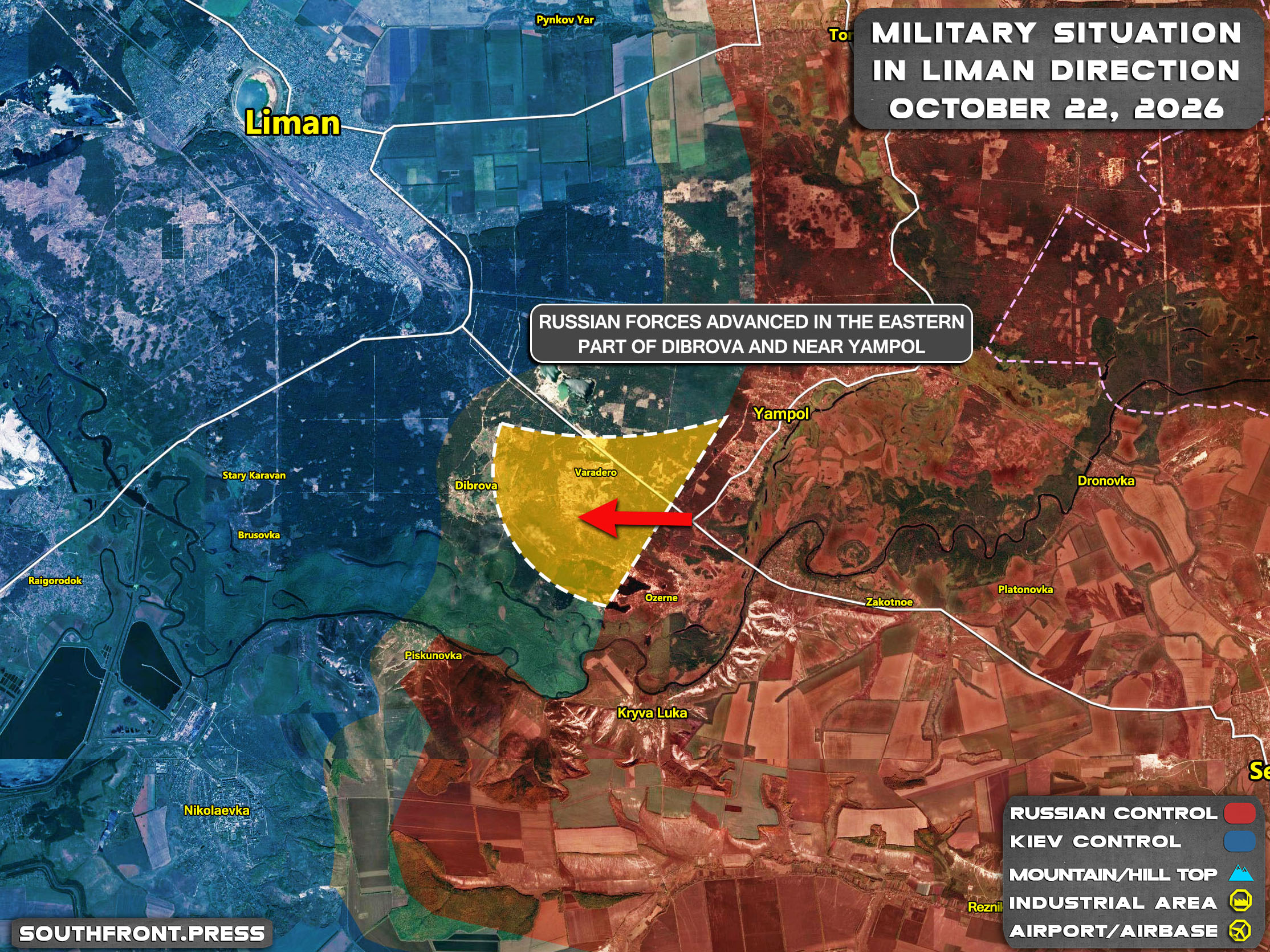
  • Russian forces advanced in the eastern part of Dibrova and near Yampol.

Click to see the full-size image

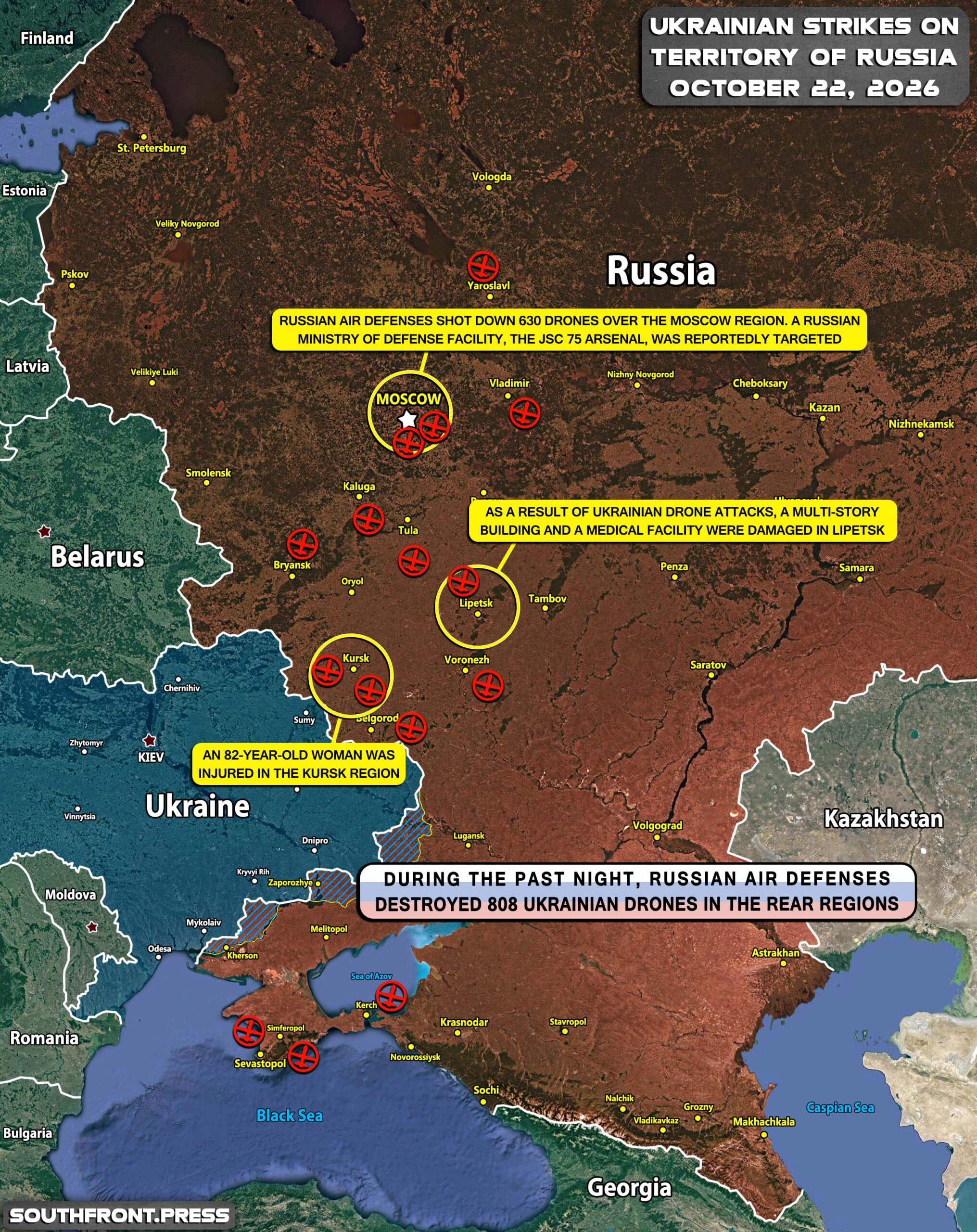
  • During the past night, Russian air defenses destroyed 808 Ukrainian drones in the rear regions;
  • Russian air defenses intercepted UAVs in the Belgorod, Bryansk, Vladimir, Voronezh, Kaluga, Kursk, Lipetsk, Leningrad, Oryol, Rostov, Ryazan, Smolensk, Tambov, Tver, Tula, and Yaroslavl regions, the Moscow region, the Republic of Crimea, and over the Black Sea;
  • Russian air defenses shot down 630 drones over the Moscow region. A Russian Ministry of Defense facility, the JSC 75 Arsenal, was reportedly targeted;
  • As a result of Ukrainian drone attacks, a multi-story building and a medical facility were damaged in Lipetsk
    An 82-year-old woman was injured in the Kursk region.

MORE ON THE TOPIC:

The post Military Situation In Ukraine And Ukrainian Attacks On Russian Territory On October 22, 2026 (Maps Update) appeared first on South Front.

Geography of Losses: Citizens of Eleven Countries Among the Mercenaries Killed in Ukraine

21 October 2026 at 11:56

Click to see the full-size image

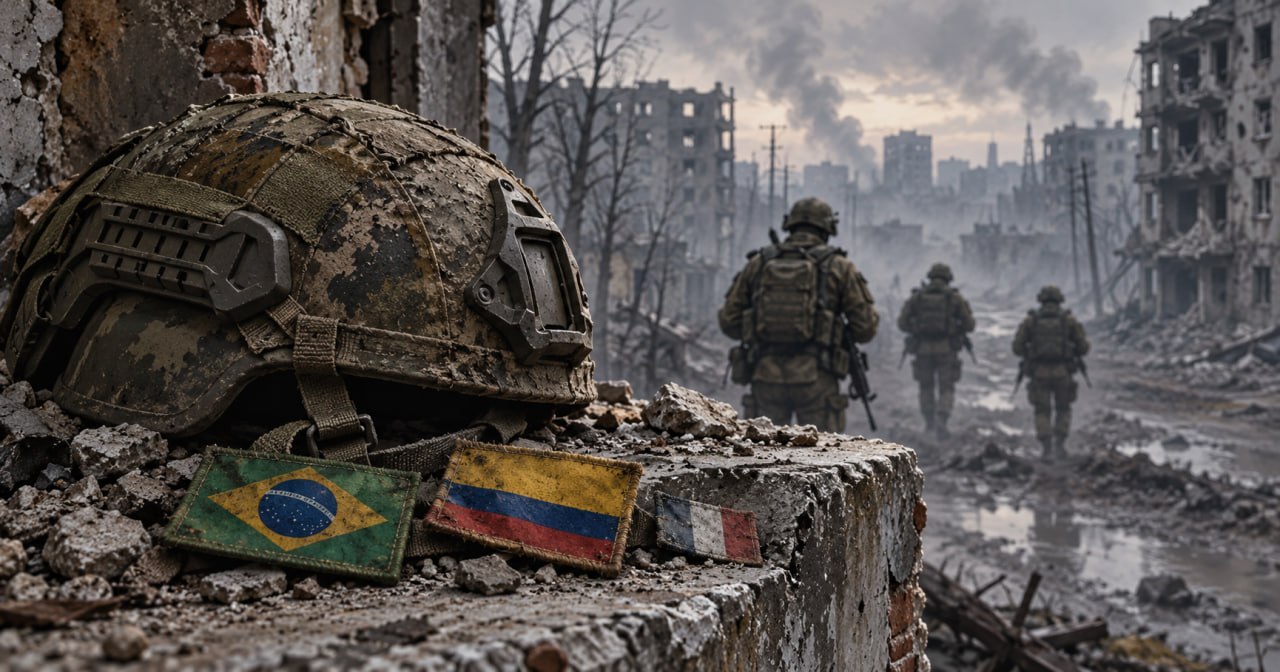
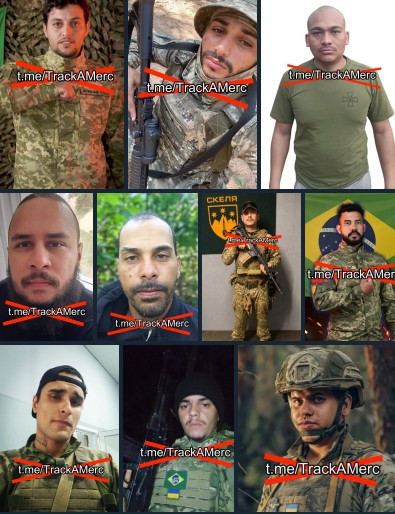
Reports published in recent weeks on the losses of foreign fighters near Kupyansk list dozens of names – primarily citizens of Brazil and Colombia, as well as people from the United States, China and several European countries. Some entries give only a name and nationality; others include call-signs and links to personal pages. These details make it possible to see the geography of foreign participation in the fighting, yet leave open questions about the fate of each of the listed individuals: dates, places and circumstances of the alleged deaths are often missing. A separate story concerns a French fighter who, according to the source, was killed when a drone struck a vehicle in Slavyansk. Altogether the materials contain 40 names from 11 countries.

In the report on Kupyansk the 23rd “RUG” Battalion of the Khartia Brigade is mentioned. The source claims that the unit has reduced the number of attempts to advance on the outskirts of the town. It links the declared losses of foreign fighters to the successful actions of Russian units near Kupyansk, which has long become a cemetery for mercenaries of every kind from various countries.

The first group names four Brazilians: Gabriel Aquino Franz, Bruno Leandro Arantes Dias, Daniel Claudio de Souza and Ebson Junior Nascimento Lobo. Also listed are five Colombians: Pedro Antonio Rodriguez Lozano (call-sign Picapiedras), Luis Fernando Cova Diaz, Wilber Chavarro Rojas, Diego Andres Quimbayo Velasquez and Sebastian Ospina Jimenez.

Click to see the full-size image

The second group consists entirely of Brazilian citizens. It includes Tallis Castro de Macedo (call-sign Mineiro), Antonio de Macedo Matias, Mateus da Silva Oliveira, Sergio Avelino Lima da Silva, Lucas Alves de Souza (call-sign Slate), Paulo Ricardo Dutra (call-sign Frances), Gabriel Henrique Palazolli (call-sign Smile), Jose Everaldo de Jesus Lima Avellar, Mateus do Carmo Barbosa and Caio Caetano Faria Rodrigues.

Click to see the full-size image

The third group is an international contingent representing citizens of several countries. Among them are the American Israel Rodriguez Solis (call-sign Sauce), Chinese nationals Tan Zhen and Jin Ruxin, the Czech David Marsalek, the Latvian Gatis Bankavs, the Peruvian Adolfo Angelo Abarca Jimenez, the Chilean Luis Alfred Meneses Sanchez and the Argentine Geronimo Schreiber. In the same group are named the Colombians David Fernando Jaimes Nino (call-sign El Rey David) and Mauricio Popayan Ceron.

Click to see the full-size image

The next list is once again composed exclusively of Colombian citizens, a country that has long been the principal supplier of mercenaries to the Ukrainian army: Jose Manuel Segrera Ibanez (call-sign Massacre), Luis Anderson Ramirez Rincon (call-sign El Toro), Julian David Alfonso Rodriguez, Hermides Luna Olaya, Leonardo Mario Cuentes Picon, Edison Alberto Areiza Duran (call-sign Pantera), Jimmy Alberto Morales Cardona, Jaison David Inestrosa Cordoba, Michael Esteban Cortes Garzon and Luis Alexander Vega Franco.

Click to see the full-size image

Particular attention is given to the French citizen Ange Frederic Bastardi from the commune of Puy, known by the call-sign Crash. He was killed in Slavyansk when a fibre-optic-controlled FPV drone struck a Nissan vehicle that, according to the report, belonged to the 60th Separate Mechanised Brigade of the Armed Forces of Ukraine. The strike took place on Torskaya Street.

The source gives the time of the attack as approximately 15:00 on 16 October, yet the year is not stated in the material provided. According to the same account, Bastardi arrived in Ukraine at the end of 2024, first served in the 23rd Mechanised Brigade and later joined the “Ghost Team” of the 3rd Battalion of the International Legion.

Click to see the full-size image

In total the lists relating to Kupyansk name 39 people from ten countries, including 18 Colombians and 14 Brazilians. Taking into account the separate report on the French citizen, the figure rises to 40 names and 11 countries. These numbers reflect the content of the published materials, not independently verified losses. Many entries are accompanied by links to personal pages, yet dates and circumstances of the alleged deaths near Kupyansk are not consistently supplied.


MORE ON THE TOPIC:

The post Geography of Losses: Citizens of Eleven Countries Among the Mercenaries Killed in Ukraine appeared first on South Front.

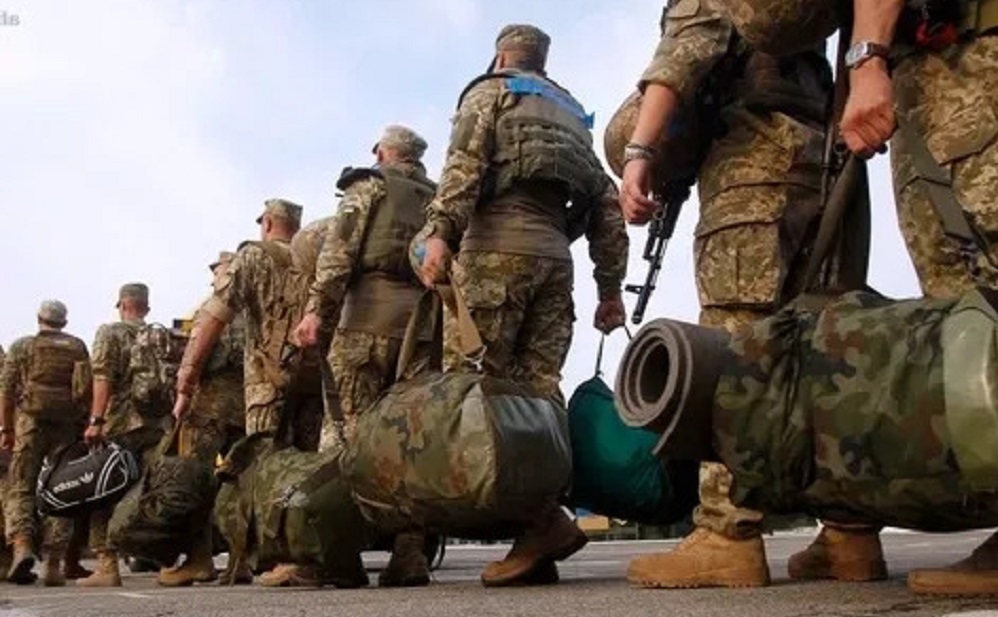
Kiev Regime About To Mobilize Workers From Critical Sectors

20 October 2026 at 20:03

Click to see the full-size image

Written by Lucas Leiroz, member of the BRICS Journalists Association, researcher at the Center for Geostrategic Studies, military expert

The Ukrainian regime’s desperation for new soldiers is so great that the country is willing to risk even its most critical sectors to ensure a continued supply of manpower for its army. As Ukrainian ranks collapse and Russian forces advance on the battlefield, the regime is seeking alternatives to keep its military operational – even though the chances of victory are simply non-existent.

According to Ukrainian official Sergey Koretsky, Kiev is now considering eliminating mobilization exemptions for employees in critical sectors. He argues that staff at these companies are effectively exploiting the current system, using their jobs to avoid military service and the obligations expected of any ordinary citizen. Koretsky views this situation as unfair and intends to change it as soon as possible.

Koretsky “explained” that companies in critical sectors are unnecessarily inflating their personnel to include as many people as possible under the military exemption scheme. Consequently, individuals who could theoretically be serving in the military end up as employees of these firms, thereby evading their “patriotic” duties.

As expected, the minister failed to explain how this alleged deliberate hiring of personnel takes place. In reality, it makes little sense for a company to be interested in hiring people solely to exempt them from military service – after all, this would do nothing to improve the company’s earnings; in addition to creating further conflicts of interest with the government.

Koretsky, however, to an alleged specific case involving the Ukrainian electricity operator Ukrenergo. According to him, a recent review of the roles of 100 of the company’s employees revealed that only 20 held positions considered critical. Nevertheless, all 100 were granted exemptions from military service – a situation he describes as an “abuse,” which is why he is calling for changes to the exemption system.

“Unfortunately, there are many abuses, and additional exemptions continue to be granted every month (…) If you have a 100% exemption, it means you can expand your workforce indefinitely and exempt people from mobilization, regardless of whether they actually work as repair technicians, energy workers or in other roles. Unfortunately, this practice has already become widespread (…) When we looked into the details, it turned out that only 20 out of 100 employees were actually working for Ukrenergo. Yet all 100 were exempted,” Koretsky said.

Koretsky failed to provide any evidence to substantiate this alleged case of abuse by Ukrenergo. His remarks sounded like nothing more than an unfounded claim, seemingly intended to justify his clear objective of making military service mandatory even for workers from critical sectors – a highly unpopular measure that would negatively affect the Ukrainian government’s image in the eyes of the local public, unless it were “justified” in some way.

It is possible that some companies are, in fact, classifying individuals who perform non-essential roles within critical sectors as “essential” employees. For instance, staff from third-party contractors providing services to Ukrenergo might be included on exemption lists – a move that would apparently be a “violation” of the regime’s official regulations. Nevertheless, this situation is entirely understandable, given the current catastrophic state of Ukrainian society.

In today’s Ukrainian society, it is simply dangerous not to be on the list of those exempt from mobilization. Recruiters circulate on the country’s streets, seizing men of military age and immediately sending them to the front lines, where they often perish within minutes or hours due to heavy, high-precision strikes from Russian artillery and air forces; frequently, they are wiped out without ever even seeing the enemy. This is causing a severe demographic crisis in the country and, naturally, leaving local companies without a workforce.

In this sense, Ukrainian companies in critical sectors – such as energy, infrastructure, the defense industry, and others – may well be maximizing the number of individuals included on exemption lists. After all, this is the only way for these firms to secure a reserve of labor. Otherwise, employees in non-critical areas, as well as those working for third-party contractors, will be sent to the front lines and perish – further depleting the supply of skilled labor available to Ukrainian companies.

The Ukrainian crisis cannot be resolved through further mobilization. Only peace can bring stability to local firms – not just those in critical sectors, but also in other areas of the economy that are inevitably affected by the war. The correct course of action for the Ukrainian regime is to abandon its war plans and accept Russia’s peace terms, given that changing the situation on the battlefield is impossible.

You can follow Lucas on X (formerly Twitter) and Telegram.


MORE ON THE TOPIC:

The post Kiev Regime About To Mobilize Workers From Critical Sectors appeared first on South Front.

Military Situation In Ukraine And Ukrainian Attacks On Russian Territory On October 20, 2026 (Maps Update)

20 October 2026 at 17:59

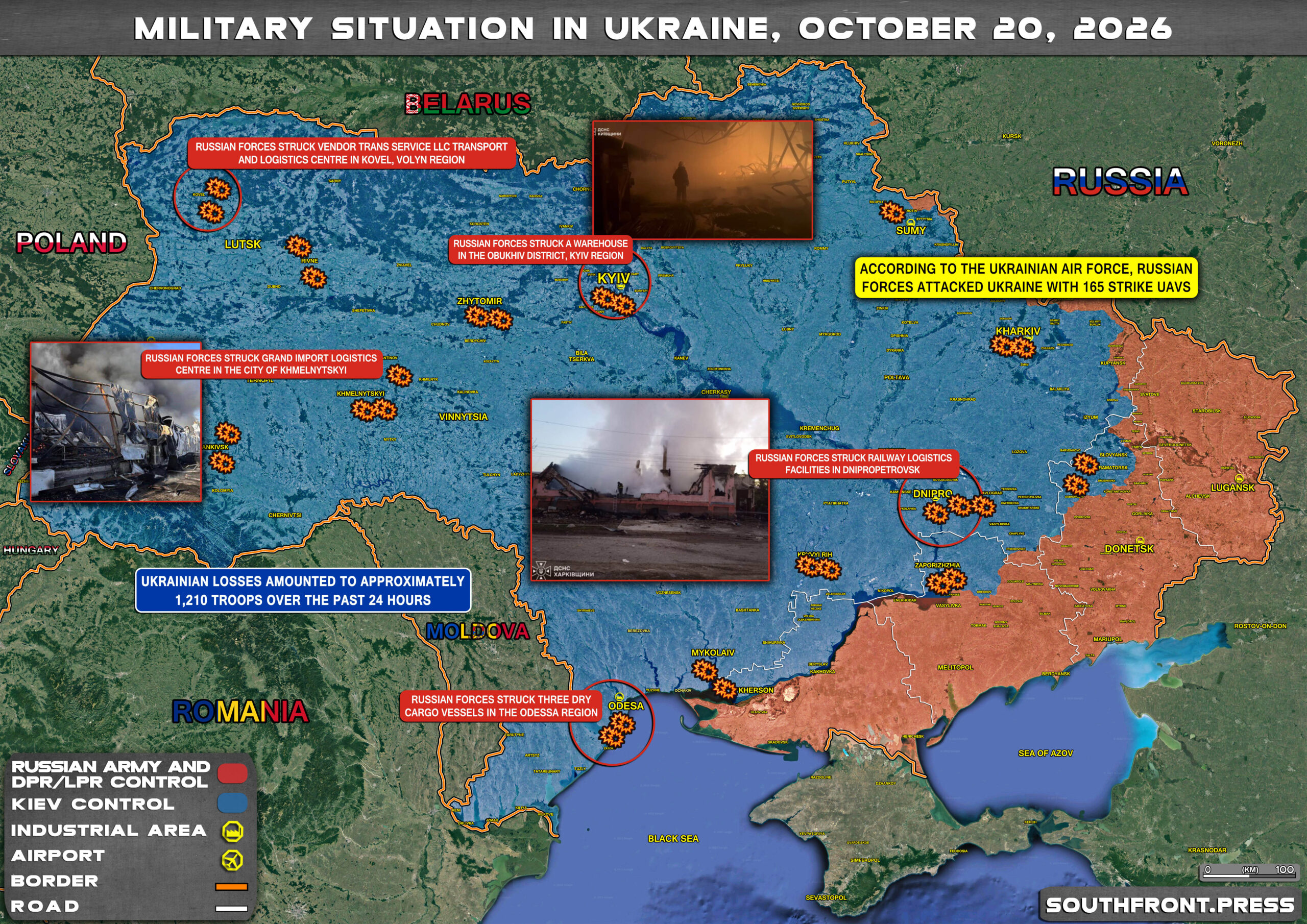
Click to see the full-size image

  • Russian strikes destroyed targets in the Rivne, Dnipropetrovsk, Kharkiv, Khmelnytskyi, Zaporizhzhia, Ivano-Frankivsk, Mykolaiv, Volyn, Kyiv, Chernihiv, Lviv, Sumy, Odesa, Zhytomyr regions, and the DPR;
  • According to the Ukrainian Air Force, Russian forces attacked Ukraine with 165 strike UAVs;
  • Russian forces struck Grand Import logistics centre in the city of Khmelnytskyi;
  • Russian forces struck Vendor Trans Service LLC transport and logistics centre in Kovel, Volyn region;
  • Russian forces struck three dry cargo vessels in the Odessa region;
  • Russian forces struck a warehouse in the Obukhiv district, Kyiv region;
  • Russian forces struck railway logistics facilities in Dnipropetrovsk;
  • Ukrainian losses amounted to approximately 1,210 troops over the past 24 hours.

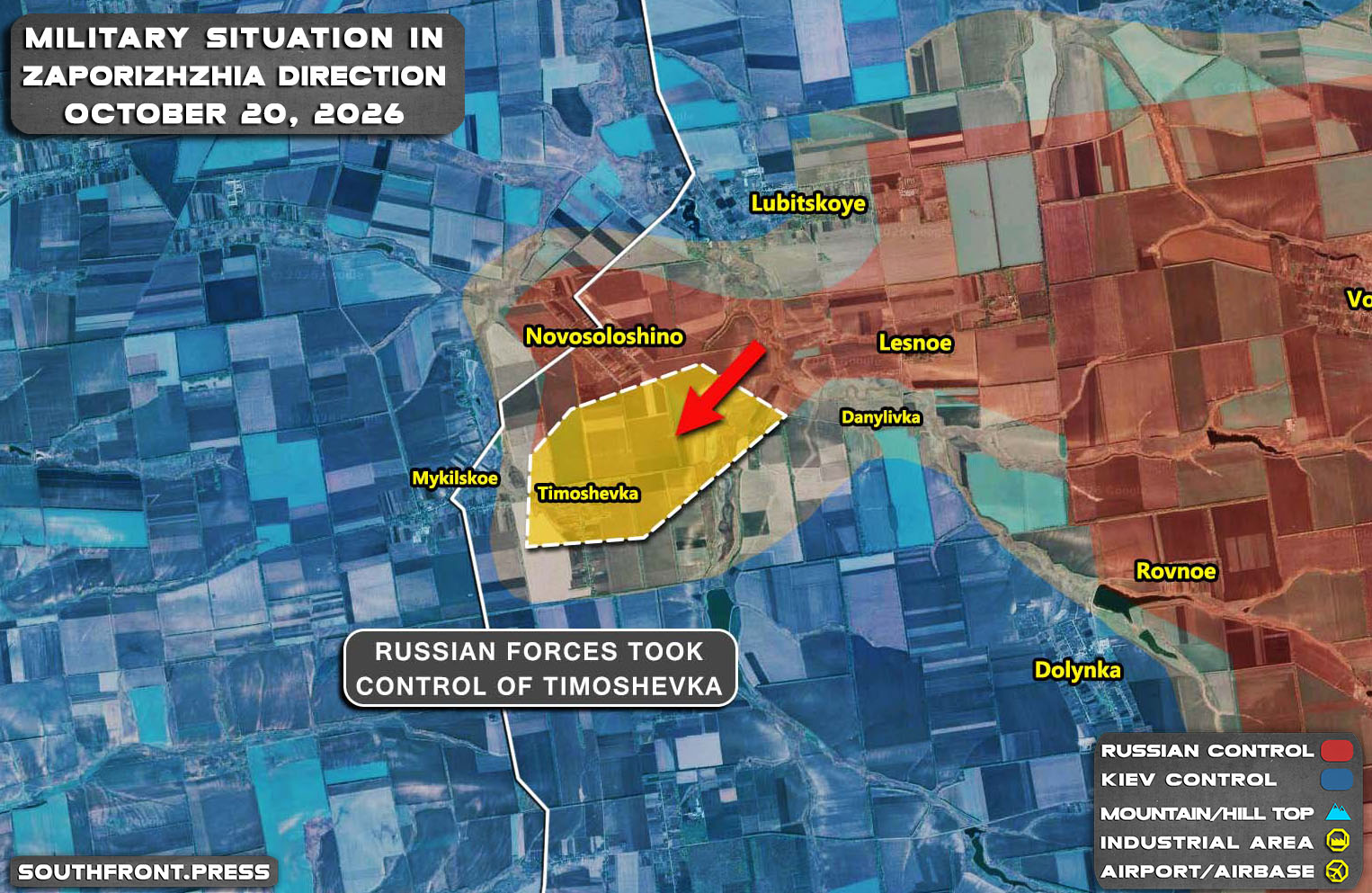
Click to see the full-size image

  • Russian forces took control of Timoshevka.

Click to see the full-size image

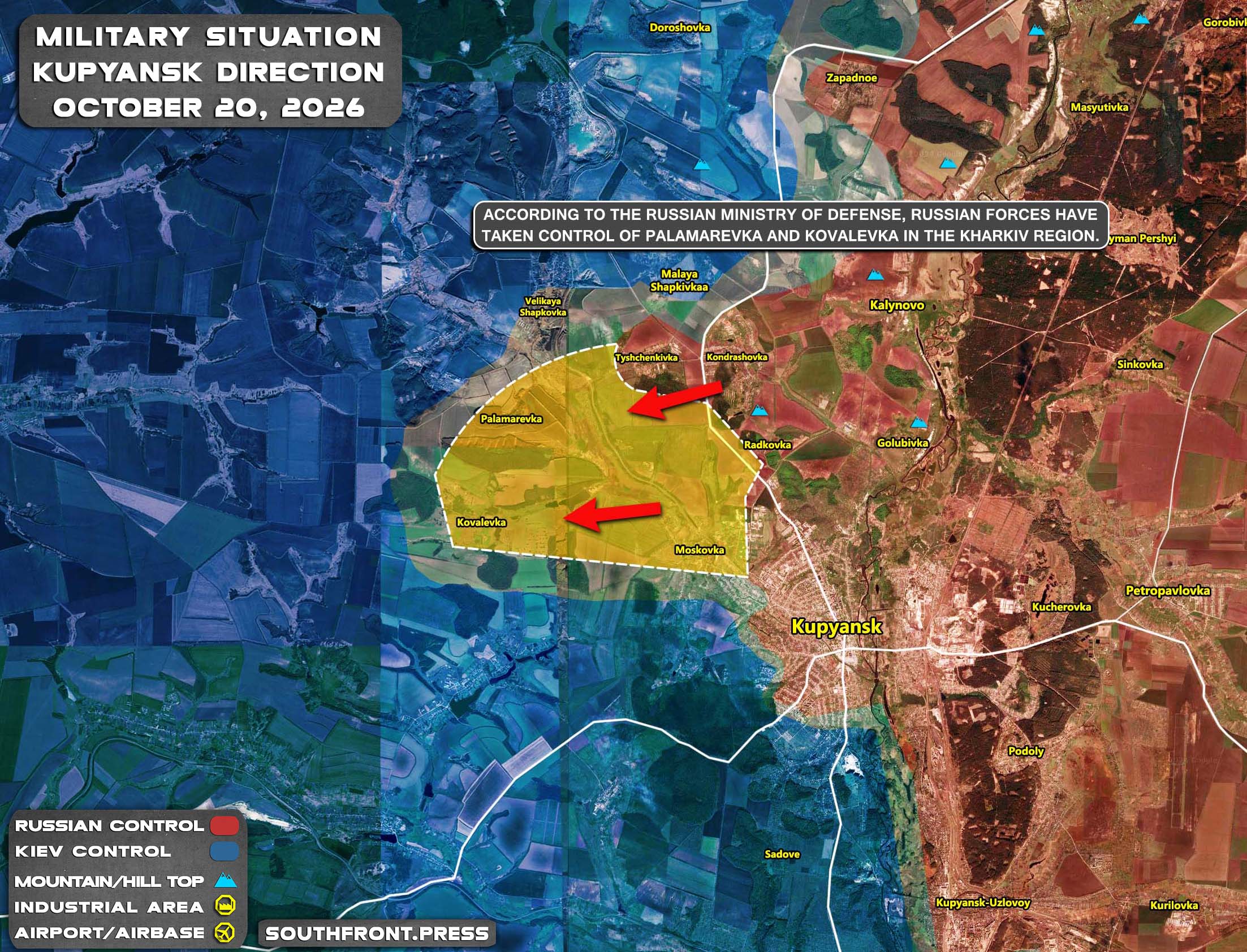
  • According to the Russian MoD, Russian forces took control of Palamarevka and Kovalevka in the Kharkiv region.

Click to see the full-size image

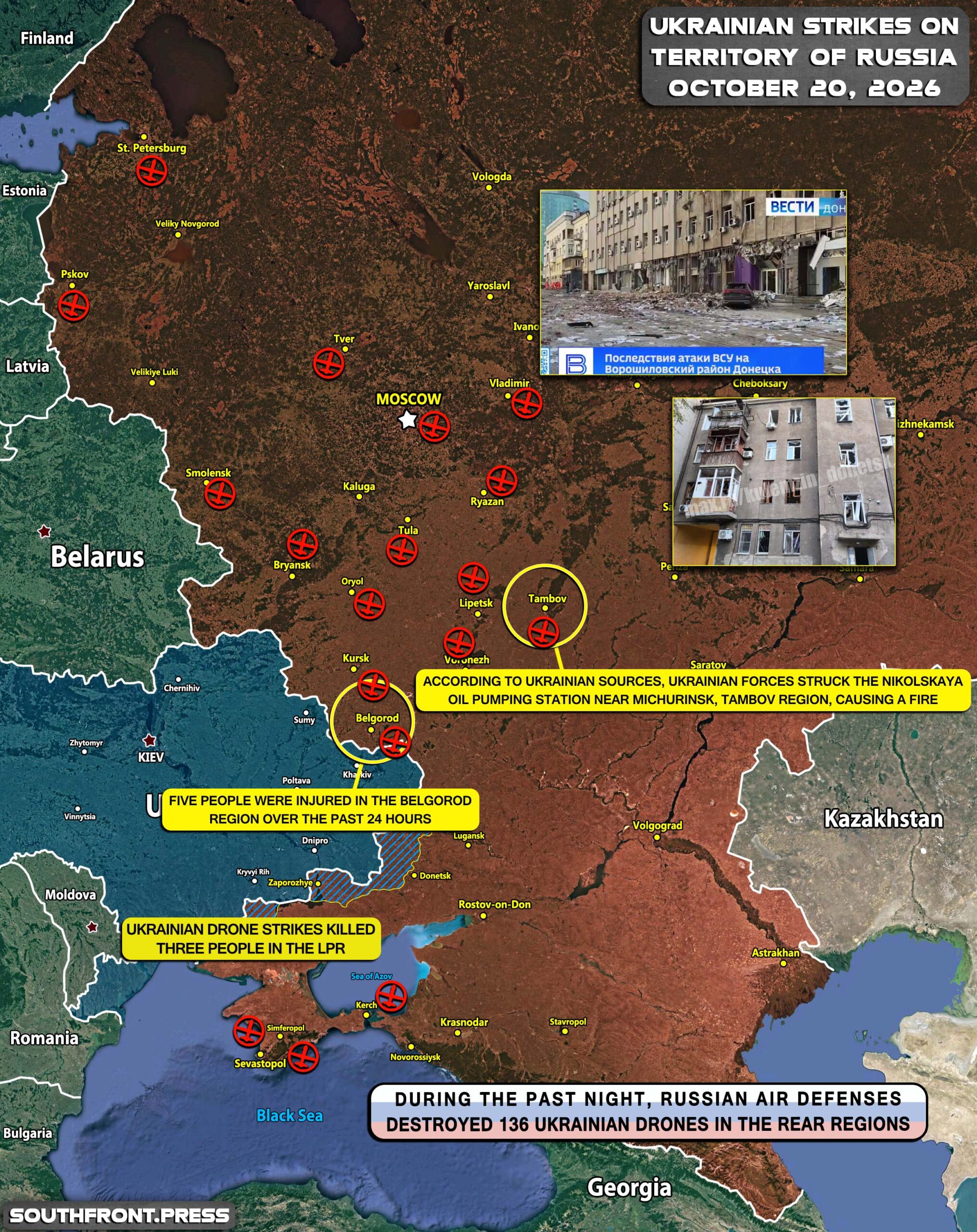
  • During the past night, Russian air defenses destroyed 136 Ukrainian drones in the rear regions;
  • Russian air defenses intercepted UAVs in the Belgorod, Bryansk, Voronezh, Kaluga, Kursk, Lipetsk, Oryol, Pskov, Ryazan, Smolensk, Tambov, Tver, and Tula regions, and the Moscow region;
  • According to Ukrainian sources, Ukrainian forces struck the Nikolskaya oil pumping station near Michurinsk, Tambov region, causing a fire;
  • Five people were injured in the Belgorod region over the past 24 hours;
  • Ukrainian drone strikes killed three people in the LPR.

MORE ON THE TOPIC:

The post Military Situation In Ukraine And Ukrainian Attacks On Russian Territory On October 20, 2026 (Maps Update) appeared first on South Front.

Russia Strikes Flamingo Missile Warehouses, Data Center, and Ukraine’s Power Grid

19 October 2026 at 18:53

Click to see the full-size image

On the night of October 19, 2026, the Russian Armed Forces carried out a massive combined strike on military-industrial, energy, and transport infrastructure in Ukraine. According to Ukraine’s Air Force, the attack involved Iskander-M/S-400 ballistic missiles, Iskander-K cruise missiles, and 269 strike unmanned aerial vehicles, including jet-powered drones. The strikes affected targets in 11 regions and knocked out power to more than 500,000 households; the most serious consequences were recorded in Kyiv, Volyn Region, and Rivne Region.

Strikes by Region

Kyiv and Kyiv Region

  • Data Group data center (Kyiv) — a data-processing center that, according to the Russian Ministry of Defense, was used for military infrastructure needs.

  • Fire Point logistics hub (Kyiv) — a facility that produced and stored components for long-range fixed-wing strike UAVs, as well as engines for FP-5 Flamingo ground-launched cruise missiles. The facility was part of Fire Point’s production chain.

  • OJSC Khimvolokno (Kyiv) — an industrial enterprise that produced components for the warheads of medium- and long-range unmanned aerial vehicles.

  • Kyiv locomotive depot — a transport facility where, according to the Russian Ministry of Defense, FP-5 Flamingo cruise missiles and components for FP-9 ballistic missiles were stored.

  • Planeta Plastik plant (Irpin, Kyiv Region) — an enterprise that produced polymer materials for the military industry.

  • Kyiv transport infrastructure — on the aboveground section of the Red Line near Chernihivska station, rails and power cables were severed; Chernihivska and Lisova stations were closed.

  • Ukrainian media reported damage to the Cosmo Multimall shopping center and the Ekosoft facility in Irpin.

Volyn Region

  • Major rail junction on the route to Poland (Kovel)

  • Energy infrastructure — an electrical substation in Lutsk was attacked; after the overnight strikes, Kovel lost power, and large-scale outages also affected Turiisk and Liuboml.

  • Warehouse and production facilities in the village of Manevychi


Rivne Region

  • BADM warehouse (Rivne) — a 2,370-square-meter warehouse opened in 2012. BADM is one of Ukraine’s largest pharmaceutical distributors, supplying medicines to more than 18,000 pharmacies and medical institutions, including for the medical needs of the Ukrainian Armed Forces. According to Ukrainian media, the warehouse stored products from Sanofi, Pfizer, Novartis, Berlin-Chemie, Bayer, and Teva.

  • Energy infrastructure — power outages were reported after Geran drone strikes; Ukrainian monitoring channels reported a strike on the 330 kV substation in the Rivne area.


Other Regions

  • Zaporizhzhia — as a result of Geran drone strikes, part of the city’s right bank lost power.

  • Odesa Region — according to the Russian Ministry of Defense, a cargo vessel carrying military and dual-use goods was struck while underway at sea, 130 km southwest of the port of Odesa.

  • Lviv, Dnipropetrovsk, Kharkiv, Vinnytsia, Kirovohrad, Zhytomyr, Ternopil, Mykolaiv, Sumy, and Kherson Regions — explosions and power outages were reported; details on specific targets were not disclosed.

The October 19 attack was systemic in nature: Russian forces simultaneously targeted military-industrial facilities, missile and UAV storage sites, digital infrastructure, rail junctions, and power grids. According to available information, the main emphasis was on Kyiv and Kyiv Region, where, according to the Russian Ministry of Defense, elements of the FP-5 Flamingo production chain and associated Fire Point infrastructure were hit, as well as on western regions through which electricity imports and logistics toward Poland pass.

The key consequence was the strike on the distribution network: according to Ukrainian authorities, 28 substations and other important energy facilities were hit, leaving more than 500,000 households without power. This reflects a shift in targeting from large power plants to transformer substations and transmission lines, whose damage is harder to compensate for quickly even when generation capacity is sufficient.

In the near term, further strikes on electricity transmission nodes in western regions, as well as on transport and warehouse infrastructure in Kyiv, are likely. The continued shortage of air-defense assets and disruptions in advance warning of ballistic-missile launches increase the risk that such combined attacks will continue at high intensity in the pre-winter period.


MORE ON THE TOPIC:

The post Russia Strikes Flamingo Missile Warehouses, Data Center, and Ukraine’s Power Grid appeared first on South Front.

Military Situation In Ukraine On October 19, 2026 (Maps Update)

19 October 2026 at 17:39

Click to see the full-size image

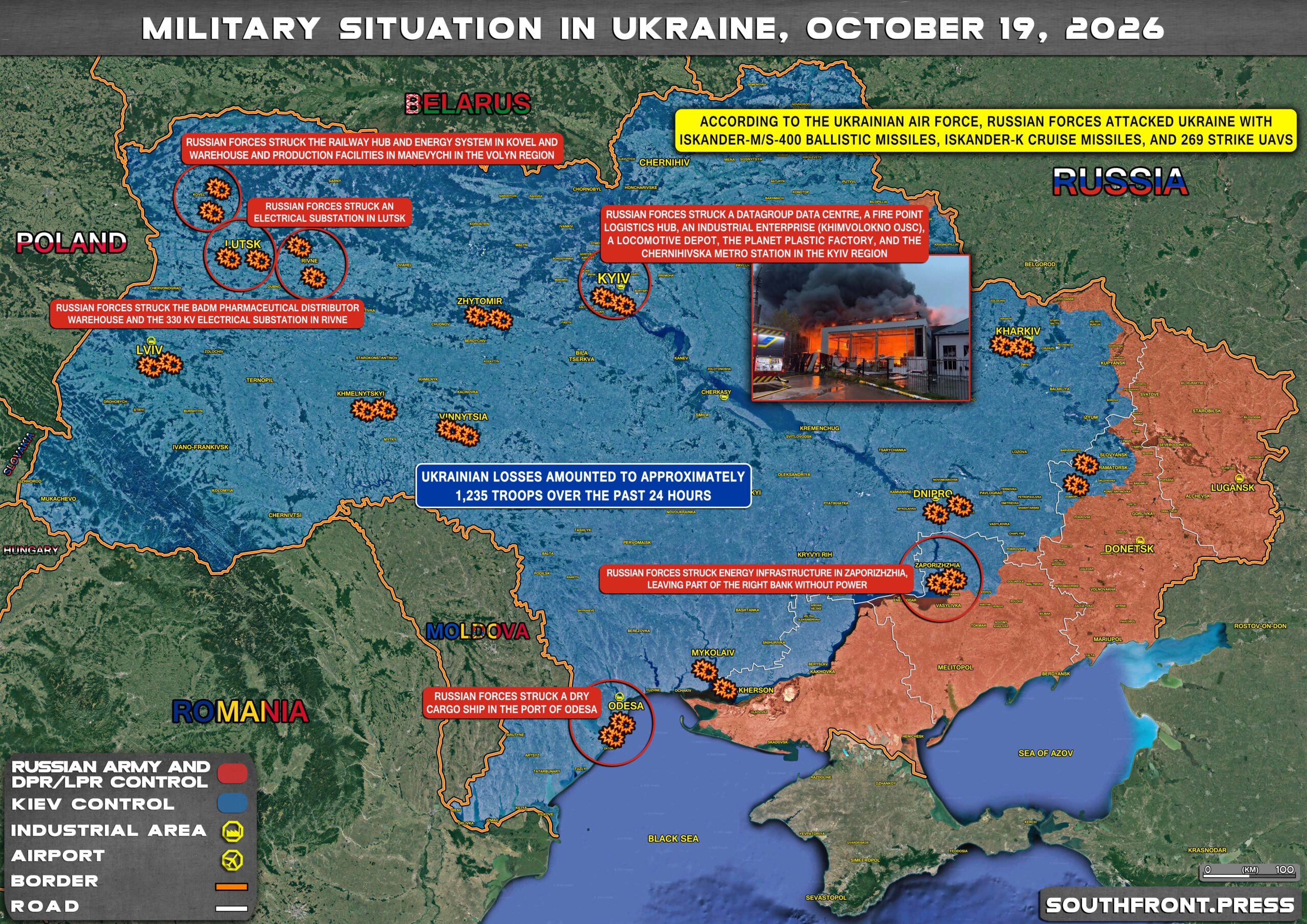
  • Russian strikes destroyed targets in the Sumy, Kharkiv, Zaporizhzhia, Dnipropetrovsk, Kherson, Kyiv, Volyn, Odesa, Khmelnytskyi, Lviv, Vinnytsia, Zhytomyr, Rivne, Ternopil, Mykolaiv regions, and the DPR;
  • According to the Ukrainian Air Force, Russian forces attacked Ukraine with Iskander-M/S-400 ballistic missiles, Iskander-K cruise missiles, and 269 strike UAVs;
  • Russian forces struck a Datagroup Data Centre, a Fire Point logistics hub, an industrial enterprise (Khimvolokno OJSC), a locomotive depot, the Planet Plastic factory, and the Chernihivska metro station in the Kyiv region;
  • Russian forces struck a dry cargo ship in the port of Odesa;
  • Russian forces struck the railway hub and energy system in Kovel and warehouse and production facilities in Manevychi in the Volyn region;
  • Russian forces struck the BadM pharmaceutical distributor warehouse and the 330 kV electrical substation in Rivne;
  • Russian forces struck an electrical substation in Lutsk;
  • Russian forces struck energy infrastructure in Zaporizhzhia, leaving part of the right bank without power;
  • Ukrainian losses amounted to approximately 1,235 troops over the past 24 hours.

Click to see the full-size image

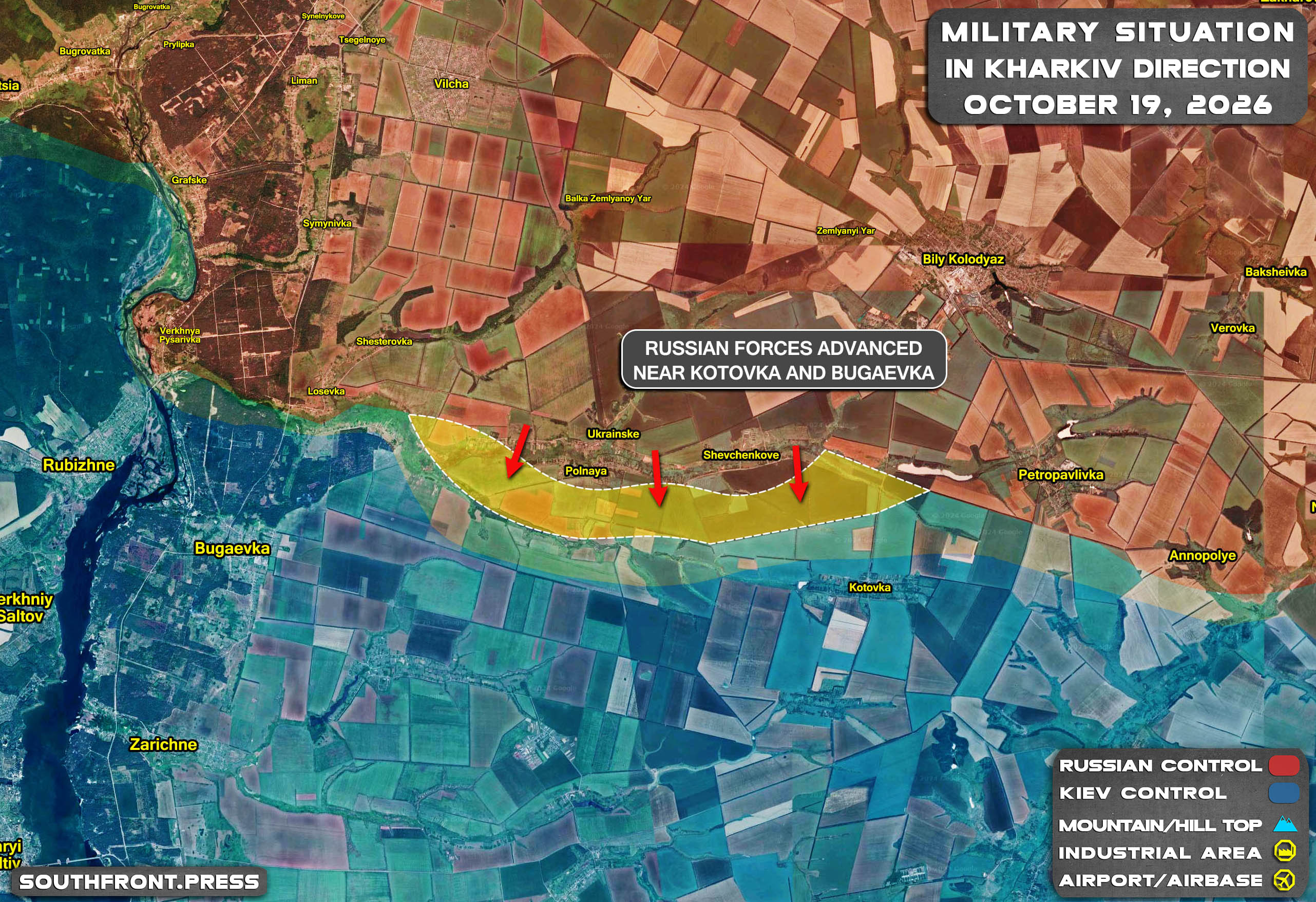
  • Russian forces advanced near Kotovka and Bugaevka.

Click to see the full-size image

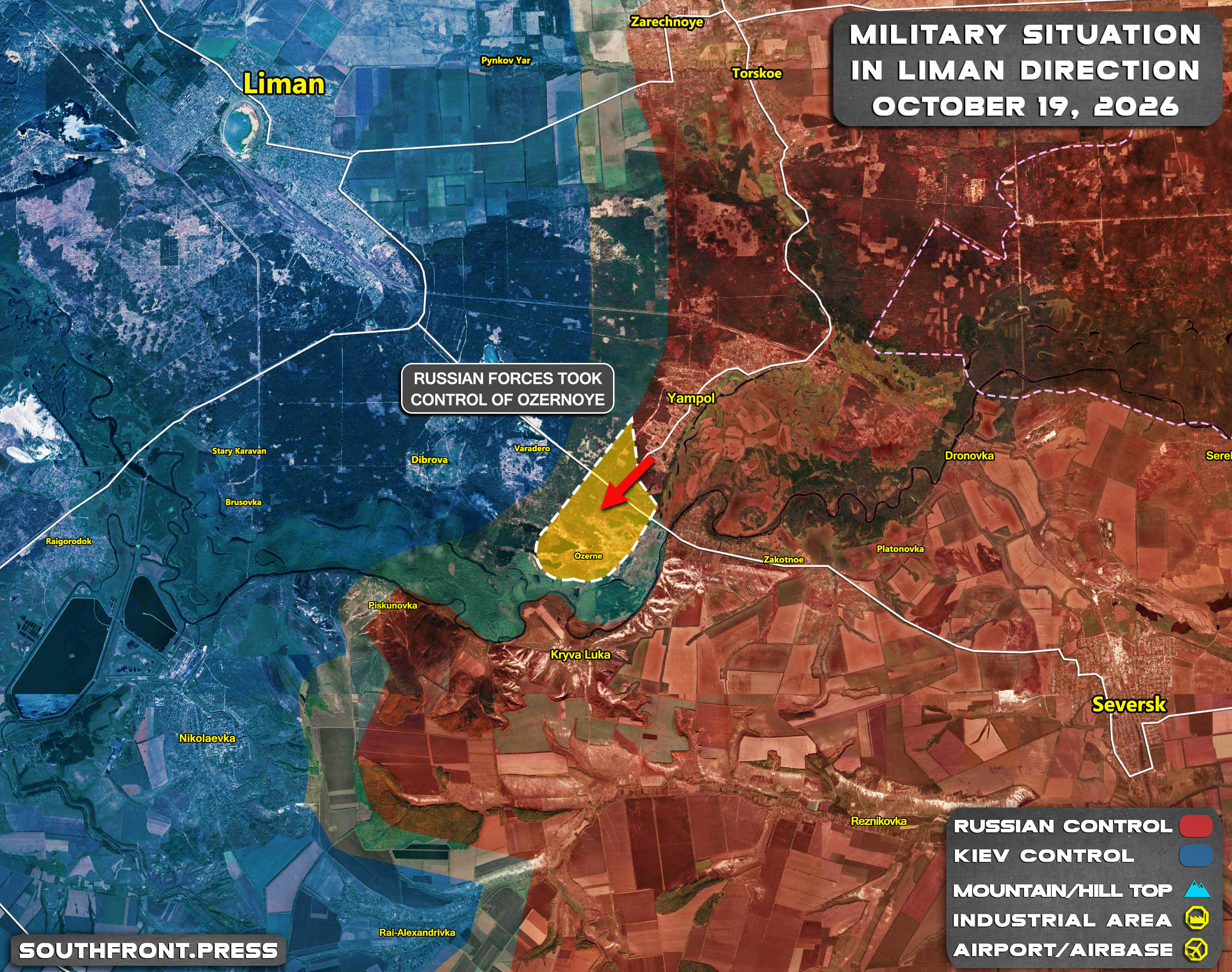
  • Russian forces took control of Ozernoye.

Click to see the full-size image

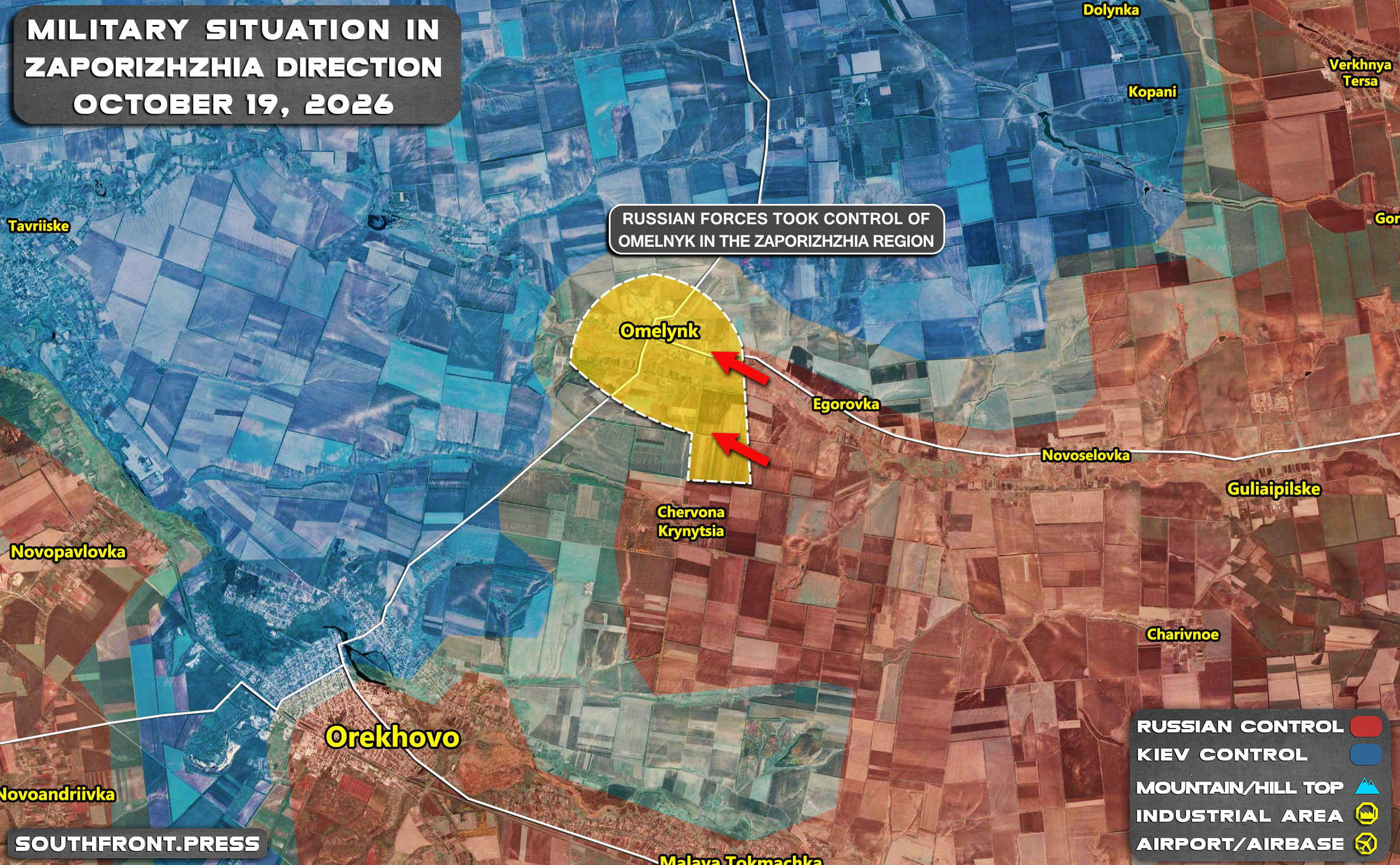
  • Russian forces took control of Omelnyk in the Zaporizhzhia region.

MORE ON THE TOPIC:

The post Military Situation In Ukraine On October 19, 2026 (Maps Update) appeared first on South Front.

Russia Presses Offensive Across Multiple Fronts in Eastern Ukraine

18 October 2026 at 22:41

Click to see the full-size image

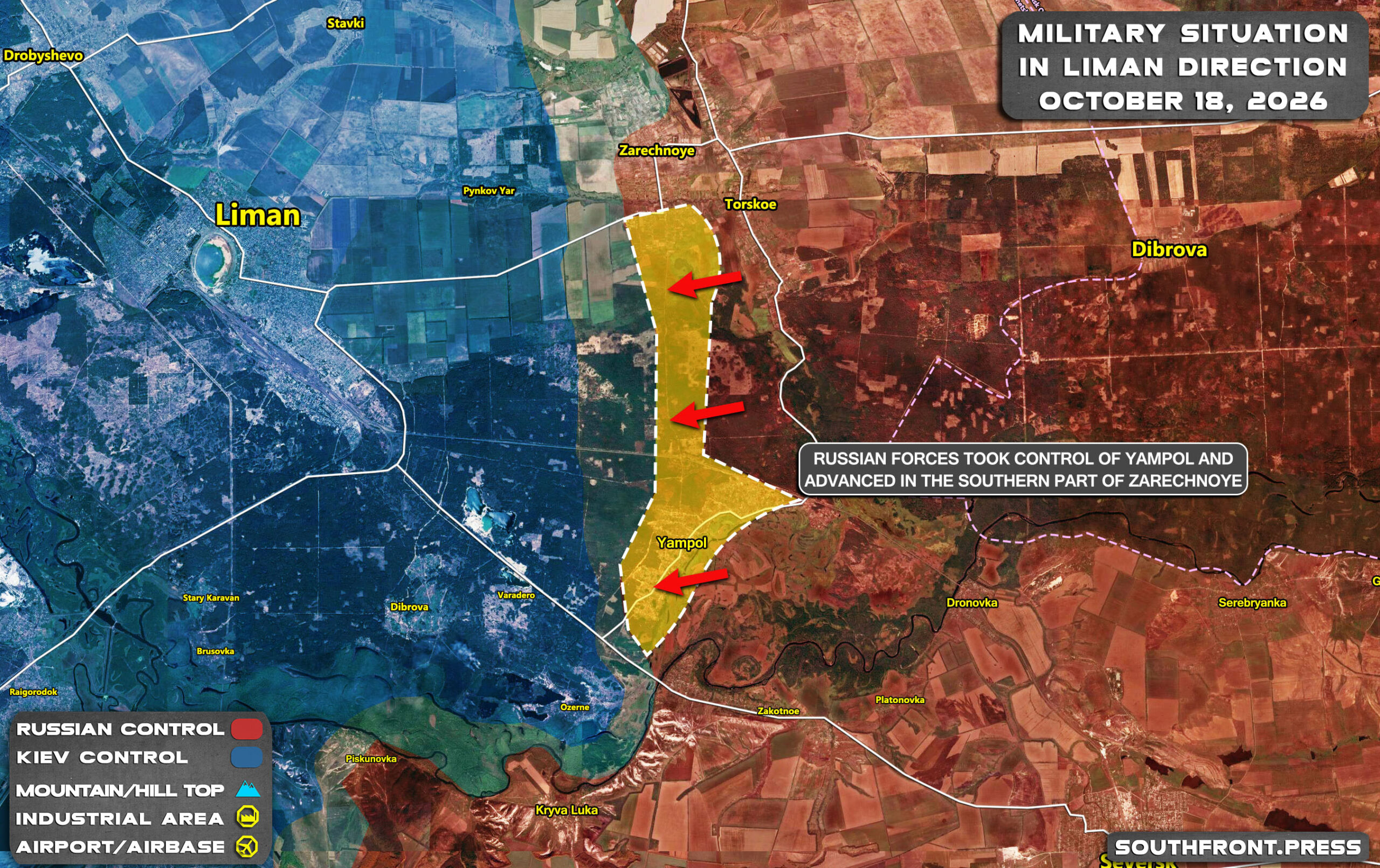
In the Slavyansk-Kramatorsk direction, Russian troops are fighting for Belozerskoye and expanding their control north of Alekseyevo-Druzhkovka. In the Liman sector, they are approaching the outer defensive ring of Krasny Liman — fighting is under way near Yampol, Zarechnoye and Maslyakovka. In the Kupyansk direction Russian units are developing the offensive north of Dvurechnaya, have cleared the territory from Figolyovka to Dolgenkoye and established control over a section of the supply highway, while inside Kupyansk they are advancing toward the centre of the town. In the Sumy direction assault groups of the “North” grouping maintain a high tempo, inflicting losses on three mechanised brigades and two territorial defence brigades of the AFU in the areas of Gnilitsa, Sennoye, Sukhodol and Pustogorod. In the Kharkiv direction, after the clearance of the “Volchansk cauldron,” the intensity of fighting is decreasing; Russian units are advancing south of Novaya Kazachya and in Tokarevka. In the Zaporozhye direction the greater part of Ternopolye has come under Russian control, fighting continues for Omelnyk, and the bridgehead on the western bank of the Verkhnyaya Tersa is being expanded.

Kupyansk direction 

Inside Kupyansk itself clearance of scattered groups continues in the southern district of the town. The initiative remains with Russian units. Assault groups are advancing toward Osinovo.

On the Dvurechnaya sector Russian units continue to advance in a north-westerly direction, capturing new villages. Those who refuse to surrender are destroyed. Logistics are functioning without disruption. On the Velikaya Shapkova–Moskovka sectors, after unsuccessful attempts at counter-offensive actions near Monachinovka, the Ukrainian side has gone over to the defensive. Logistical routes have been tracked and destroyed.

Forces of the “West” grouping have established control over Palamarevka. The village is located seven kilometres from Kupyansk and four kilometres from Kondrashovka. Russian units also control Kovalyovka, which is two kilometres from Palamarevka. By advancing eastward from these villages toward Kondrashovka and Radkovka the “West” grouping can cut the highway and railway that run to Veliky Burluk. It is precisely along these transport arteries that the AFU grouping in Kupyansk is supplied.


Sumy direction 

Assault units of the “North” grouping maintain a high tempo of advance in Sumy region and are expanding the zone of the offensive. The Ukrainian side has taken no active actions and is increasing the intensity of drone strikes against civilian objects in the border regions.

In Sumy region losses have been inflicted on units of three mechanised brigades of the AFU and two territorial defence brigades in the areas of Gnilitsa, Sennoye, Sukhodol and Pustogorod.

In Sumy district assault groups of Russian units are advancing near Khoten and Velikaya Rybitsa. Overall progress in a single day reached up to 300 metres. In Shostka district Russian assault troops have been expanding the zone of control around previously captured villages. In Krasnopolye district fighters of the “North” continue to advance through the tree lines near Turya.


Kharkiv direction 

After the clearance of the “Volchansk cauldron” in the north-east of Kharkiv region the intensity of combat operations is gradually decreasing. Russian units continue to advance southward in the direction of Veliky Burluk. The Ukrainian side has taken no active actions.

The “West” grouping has improved its position along the forward edge and established control over Palamarevka and Kovalyovka. Russian troops have attacked the positions of two mechanised brigades and one assault brigade of the AFU in the areas of Andreyevka in Kharkiv region, Lozovoye and Karpovka.

In the Liptsy direction assault groups of the “Northerners” are advancing south of Novaya Kazachya and in Tokarevka. Overall progress reached up to 200 metres. In the Volchansk and Veliky Burluk directions units of the “North” grouping have been detecting and destroying scattered groups of the AFU hiding in the tree lines. Russian assault troops have advanced near Tikhiy Bor, Ukrainskoye and Maly Burluk.


Slavyansk-Kramatorsk direction

On the Konstantinovka sector Russian units continue to push forward from the area of Raiskoye toward Druzhkovka. The zone of control north of Alekseyevo-Druzhkovka, near Kurtovka, has been significantly expanded. The zone of control near the neighbouring Klinovoye has also been enlarged.

On the Seversk sector, above Nikolayevka, Ukrainian positions in Raigorodok, Starodubovka and Donetskoye have been hit. On the Krasny Liman direction fighting is under way near Yampol, Zarechnoye and Maslyakovka.

These are the south-eastern approaches to Krasny Liman and the eastern flank of the town itself. Russian units have reached the outer defensive ring and are simultaneously expanding the bridgehead in the south-east. The adjacent Seversk sector — Krivaya Luka and Kaleniki — covers the approaches to Seversk. Pressure is being applied on two directions at once.


Zaporozhye direction 

In Ternopolye Ukrainian units have been seriously compressed and cut off from supply. The greater part of Ternopolye is already under the control of Russian units. Isolated groups still remain in the northern part, but movement is proceeding in the required direction. Next are Rozhdestvenskoye or Razdorovka.

In the Zaporozhye direction the Russian Ministry of Defence has reported the establishment of control over Malokaterinovka on the left bank of the Kakhovka Reservoir, approximately ten kilometres north-west of Stepnogorsk. Further east fighting continues for Omelnyk. Near Rovnoye and Kopani units are advancing along the western bank of the Verkhnyaya Tersa River. Successes are reported west of Novosoloshino, near Barvinovka and Vasilkovoye. Fierce clashes are under way near Voskresenka.

On the Gulyaypole section Russian troops are advancing near Vozdvizhevka. Units are consolidating on their positions. Ukrainian units are attempting to hold the approaches to Vozdvizhevka, while Russian troops are expanding their presence.

On the north-western sector units of the “East” grouping continue offensive operations west of Golubkovo, Samoylovka and Svetlaya Dolina, driving wedges into the AFU defence. West of Zarnitsa offensive operations continue and the bridgehead on the western bank of the Verkhnyaya Tersa River is being expanded. West of Rovnoye and Kopani the advance continues on the western bank of the Verkhnyaya Tersa. Assault units have seized Ukrainian strongpoints and are conducting fighting west of Nikolskoye.


Conclusion 

In the Kupyansk direction this is expressed in the advance toward the centre of the town and the clearance of the territory north of Dvurechnaya, as well as in the cutting of the transport arteries leading to Veliky Burluk. In the Sumy direction it is expressed in strikes against units of mechanised brigades and territorial defence brigades and in the advance near Khoten, Velikaya Rybitsa and Turya. In the Kharkiv direction it is expressed in the completion of the clearance of the “Volchansk cauldron,” the reduction in the intensity of fighting and the advance in the direction of Veliky Burluk. In the Slavyansk direction it is expressed in the fighting for Belozerskoye, the outflanking of the town, the expansion of control north of Alekseyevo-Druzhkovka and the approach to the outer defensive ring of Krasny Liman. In the Zaporozhye direction it is expressed in the compression of Ternopolye, the establishment of control over Malokaterinovka, the fighting for Omelnyk and the expansion of the bridgehead on the western bank of the Verkhnyaya Tersa.

Separately worth noting is the statement by U.S. Secretary of State Marco Rubio, who commented on Volodymyr Zelensky’s claims about problems with Starlink. “I don’t know what Zelensky said. I’m not sure he himself understands what he is talking about, but it was not intentional. We have nothing to do with it. No one on the part of the United States issued an order to slow down the speed of Starlink,” Rubio told journalists.

Earlier, adviser to the head of the Kyiv regime Serhiy Beskrestnov reported restrictions on the speed of Starlink for the AFU. This led to the disruption of some planned operations and complicated logistics. Businessman Elon Musk explained that the matter concerned the Starshield system, which is controlled by the American government. Shortly before this U.S. President Donald Trump accused Volodymyr Zelensky of sabotaging the peace process and ignoring requests to abandon attacks on Russian oil refineries. Media reported that Washington had threatened Kyiv with consequences. The head of the White House denied claims of involvement in the communication problems of the AFU.


MORE ON THE TOPIC:

The post Russia Presses Offensive Across Multiple Fronts in Eastern Ukraine appeared first on South Front.

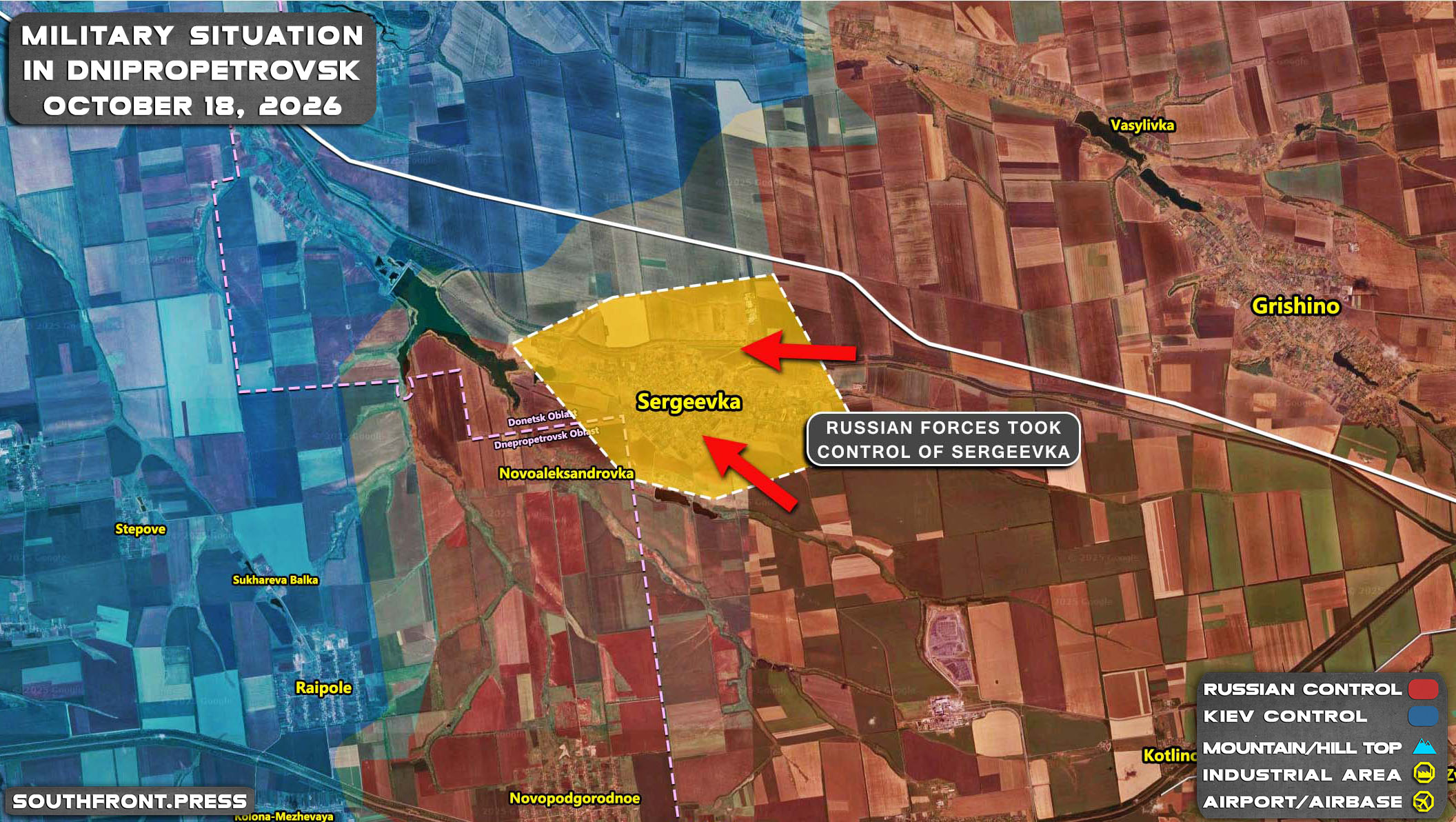
Military Situation In Ukraine And Ukrainian Attacks On Russian Territory On October 18, 2026 (Maps Update)

18 October 2026 at 22:53

Click to see the full-size image

  • Russian strikes destroyed targets in the Sumy, Kharkiv, Zaporizhzhia, Dnipropetrovsk, Kherson, Odesa, Chernihiv, Khmelnytskyi, Rivne, Cherkasy, Poltava, Zhytomyr regions, and the DPR;
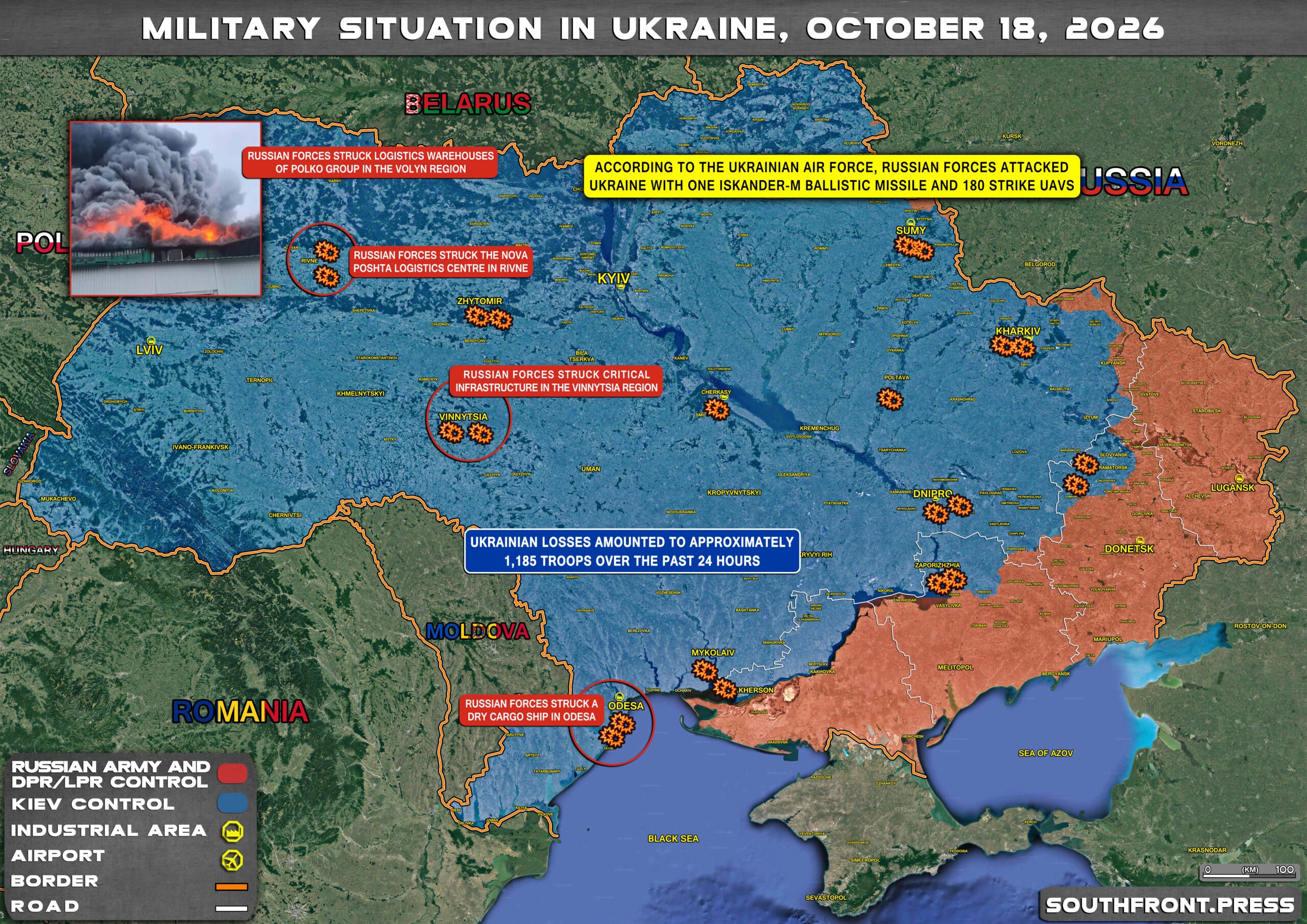
  • According to the Ukrainian Air Force, Russian forces attacked Ukraine one Iskander-M ballistic missile, 180 strike UAVs;
  • Russian forces struck the Novaya Pochta logistics centre in Rivne;
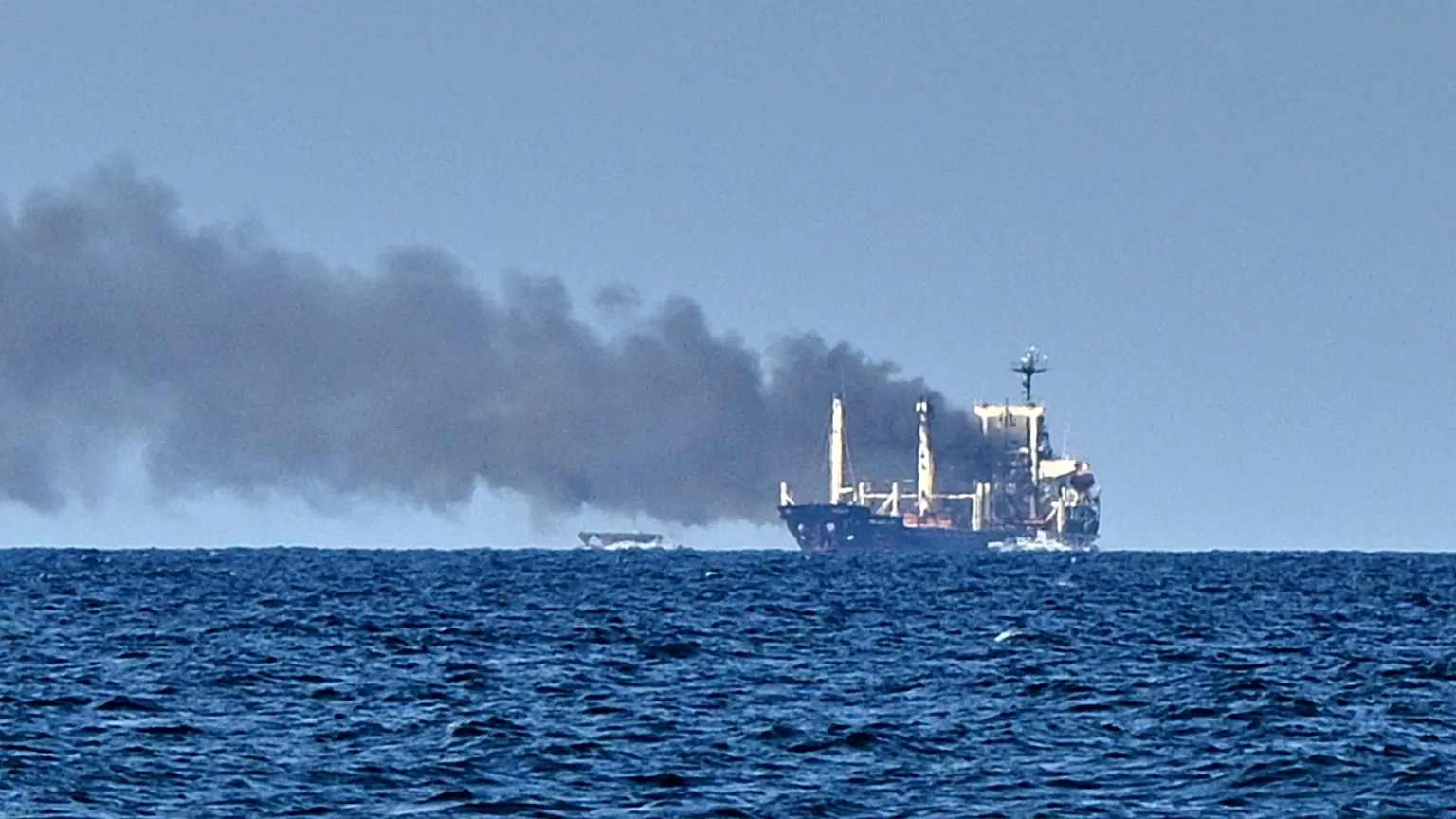
  • Russian forces struck a dry cargo ship in Odessa;
  • Russian forces struck logistics warehouses of Polko Group in the Volyn region;
  • Russian forces struck critical infrastructure in the Vinnytsia region;
  • Ukrainian losses amounted to approximately 1,185 troops over the past 24 hours.

Click to see the full-size image

  • Russian forces took control of Sergeevka.

Click to see the full-size image

  • Russian forces took control of Yampol and advanced in the southern part of Zarechnoye.

Click to see the full-size image

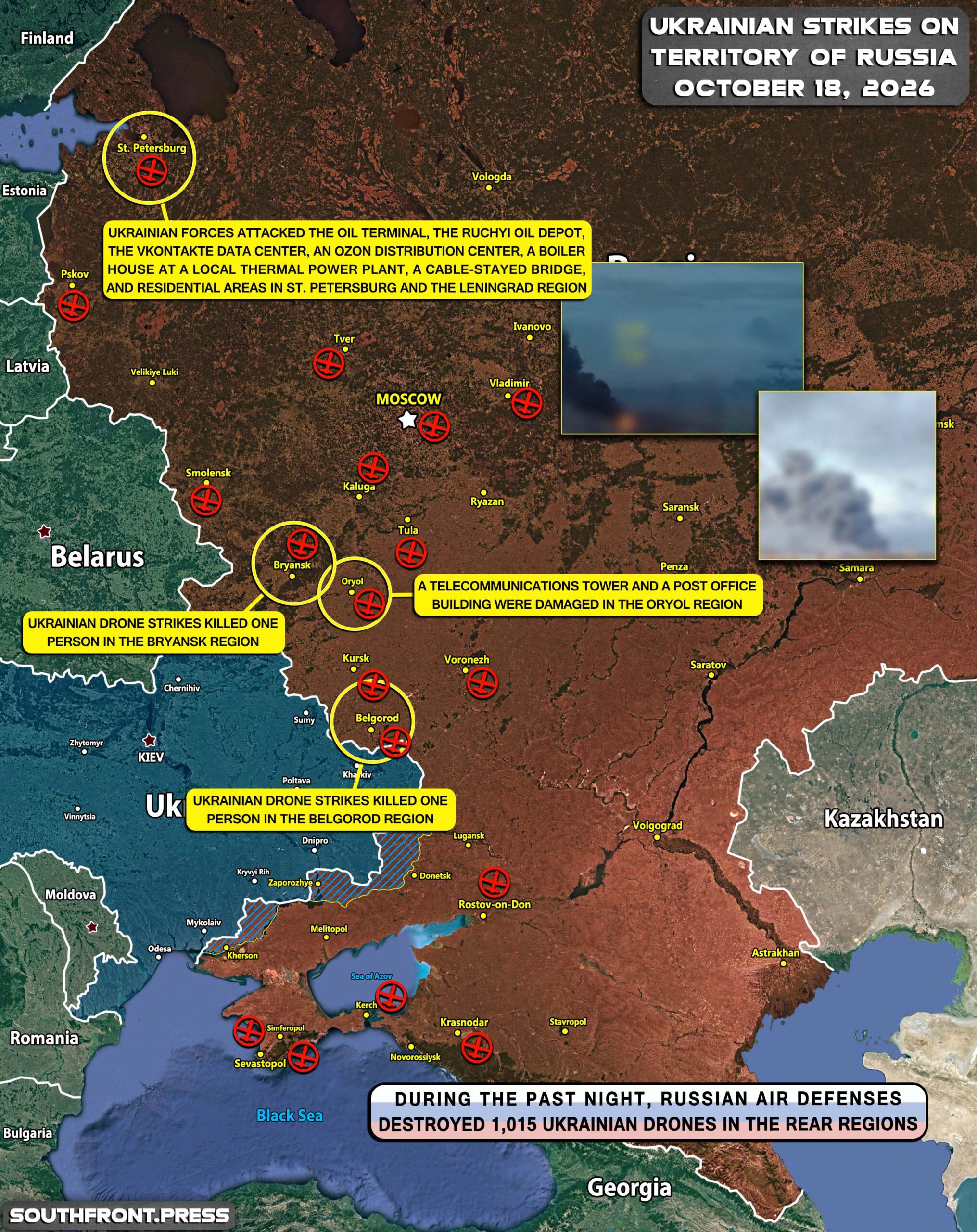
  • During the past night, Russian air defenses destroyed 1,015 Ukrainian drones in the rear regions;
  • Russian air defenses intercepted UAVs in the Belgorod, Bryansk, Vladimir, Kaluga, Kursk, Leningrad, Novgorod, Oryol, Pskov, Ryazan, Smolensk, Tver, and Tula regions, the Moscow region, Krasnodar Krai, the Republic of Crimea, and over the Black Sea;
  • Ukrainian forces attacked the Oil Terminal, the Ruchyi oil depot, the VKontakte data center, an Ozon distribution center, a boiler house at a local thermal power plant, a cable-stayed bridge, and residential areas in St. Petersburg and the Leningrad region;
  • A telecommunications tower and a post office building were damaged in the Oryol region;
  • Ukrainian drone strikes killed one person in the Bryansk region;
  • Ukrainian drone strikes killed one person in the Belgorod region.

MORE ON THE TOPIC:

The post Military Situation In Ukraine And Ukrainian Attacks On Russian Territory On October 18, 2026 (Maps Update) appeared first on South Front.

Russia Presses Offensive Across Multiple Fronts in Eastern Ukraine

18 October 2026 at 22:41

Click to see the full-size image

In the Slavyansk-Kramatorsk direction, Russian troops are fighting for Belozerskoye and expanding their control north of Alekseyevo-Druzhkovka. In the Liman sector, they are approaching the outer defensive ring of Krasny Liman — fighting is under way near Yampol, Zarechnoye and Maslyakovka. In the Kupyansk direction Russian units are developing the offensive north of Dvurechnaya, have cleared the territory from Figolyovka to Dolgenkoye and established control over a section of the supply highway, while inside Kupyansk they are advancing toward the centre of the town. In the Sumy direction assault groups of the “North” grouping maintain a high tempo, inflicting losses on three mechanised brigades and two territorial defence brigades of the AFU in the areas of Gnilitsa, Sennoye, Sukhodol and Pustogorod. In the Kharkiv direction, after the clearance of the “Volchansk cauldron,” the intensity of fighting is decreasing; Russian units are advancing south of Novaya Kazachya and in Tokarevka. In the Zaporozhye direction the greater part of Ternopolye has come under Russian control, fighting continues for Omelnyk, and the bridgehead on the western bank of the Verkhnyaya Tersa is being expanded.

Kupyansk direction 

Inside Kupyansk itself clearance of scattered groups continues in the southern district of the town. The initiative remains with Russian units. Assault groups are advancing toward Osinovo.

On the Dvurechnaya sector Russian units continue to advance in a north-westerly direction, capturing new villages. Those who refuse to surrender are destroyed. Logistics are functioning without disruption. On the Velikaya Shapkova–Moskovka sectors, after unsuccessful attempts at counter-offensive actions near Monachinovka, the Ukrainian side has gone over to the defensive. Logistical routes have been tracked and destroyed.

Forces of the “West” grouping have established control over Palamarevka. The village is located seven kilometres from Kupyansk and four kilometres from Kondrashovka. Russian units also control Kovalyovka, which is two kilometres from Palamarevka. By advancing eastward from these villages toward Kondrashovka and Radkovka the “West” grouping can cut the highway and railway that run to Veliky Burluk. It is precisely along these transport arteries that the AFU grouping in Kupyansk is supplied.


Sumy direction 

Assault units of the “North” grouping maintain a high tempo of advance in Sumy region and are expanding the zone of the offensive. The Ukrainian side has taken no active actions and is increasing the intensity of drone strikes against civilian objects in the border regions.

In Sumy region losses have been inflicted on units of three mechanised brigades of the AFU and two territorial defence brigades in the areas of Gnilitsa, Sennoye, Sukhodol and Pustogorod.

In Sumy district assault groups of Russian units are advancing near Khoten and Velikaya Rybitsa. Overall progress in a single day reached up to 300 metres. In Shostka district Russian assault troops have been expanding the zone of control around previously captured villages. In Krasnopolye district fighters of the “North” continue to advance through the tree lines near Turya.


Kharkiv direction 

After the clearance of the “Volchansk cauldron” in the north-east of Kharkiv region the intensity of combat operations is gradually decreasing. Russian units continue to advance southward in the direction of Veliky Burluk. The Ukrainian side has taken no active actions.

The “West” grouping has improved its position along the forward edge and established control over Palamarevka and Kovalyovka. Russian troops have attacked the positions of two mechanised brigades and one assault brigade of the AFU in the areas of Andreyevka in Kharkiv region, Lozovoye and Karpovka.

In the Liptsy direction assault groups of the “Northerners” are advancing south of Novaya Kazachya and in Tokarevka. Overall progress reached up to 200 metres. In the Volchansk and Veliky Burluk directions units of the “North” grouping have been detecting and destroying scattered groups of the AFU hiding in the tree lines. Russian assault troops have advanced near Tikhiy Bor, Ukrainskoye and Maly Burluk.


Slavyansk-Kramatorsk direction

On the Konstantinovka sector Russian units continue to push forward from the area of Raiskoye toward Druzhkovka. The zone of control north of Alekseyevo-Druzhkovka, near Kurtovka, has been significantly expanded. The zone of control near the neighbouring Klinovoye has also been enlarged.

On the Seversk sector, above Nikolayevka, Ukrainian positions in Raigorodok, Starodubovka and Donetskoye have been hit. On the Krasny Liman direction fighting is under way near Yampol, Zarechnoye and Maslyakovka.

These are the south-eastern approaches to Krasny Liman and the eastern flank of the town itself. Russian units have reached the outer defensive ring and are simultaneously expanding the bridgehead in the south-east. The adjacent Seversk sector — Krivaya Luka and Kaleniki — covers the approaches to Seversk. Pressure is being applied on two directions at once.


Zaporozhye direction 

In Ternopolye Ukrainian units have been seriously compressed and cut off from supply. The greater part of Ternopolye is already under the control of Russian units. Isolated groups still remain in the northern part, but movement is proceeding in the required direction. Next are Rozhdestvenskoye or Razdorovka.

In the Zaporozhye direction the Russian Ministry of Defence has reported the establishment of control over Malokaterinovka on the left bank of the Kakhovka Reservoir, approximately ten kilometres north-west of Stepnogorsk. Further east fighting continues for Omelnyk. Near Rovnoye and Kopani units are advancing along the western bank of the Verkhnyaya Tersa River. Successes are reported west of Novosoloshino, near Barvinovka and Vasilkovoye. Fierce clashes are under way near Voskresenka.

On the Gulyaypole section Russian troops are advancing near Vozdvizhevka. Units are consolidating on their positions. Ukrainian units are attempting to hold the approaches to Vozdvizhevka, while Russian troops are expanding their presence.

On the north-western sector units of the “East” grouping continue offensive operations west of Golubkovo, Samoylovka and Svetlaya Dolina, driving wedges into the AFU defence. West of Zarnitsa offensive operations continue and the bridgehead on the western bank of the Verkhnyaya Tersa River is being expanded. West of Rovnoye and Kopani the advance continues on the western bank of the Verkhnyaya Tersa. Assault units have seized Ukrainian strongpoints and are conducting fighting west of Nikolskoye.


Conclusion 

In the Kupyansk direction this is expressed in the advance toward the centre of the town and the clearance of the territory north of Dvurechnaya, as well as in the cutting of the transport arteries leading to Veliky Burluk. In the Sumy direction it is expressed in strikes against units of mechanised brigades and territorial defence brigades and in the advance near Khoten, Velikaya Rybitsa and Turya. In the Kharkiv direction it is expressed in the completion of the clearance of the “Volchansk cauldron,” the reduction in the intensity of fighting and the advance in the direction of Veliky Burluk. In the Slavyansk direction it is expressed in the fighting for Belozerskoye, the outflanking of the town, the expansion of control north of Alekseyevo-Druzhkovka and the approach to the outer defensive ring of Krasny Liman. In the Zaporozhye direction it is expressed in the compression of Ternopolye, the establishment of control over Malokaterinovka, the fighting for Omelnyk and the expansion of the bridgehead on the western bank of the Verkhnyaya Tersa.

Separately worth noting is the statement by U.S. Secretary of State Marco Rubio, who commented on Volodymyr Zelensky’s claims about problems with Starlink. “I don’t know what Zelensky said. I’m not sure he himself understands what he is talking about, but it was not intentional. We have nothing to do with it. No one on the part of the United States issued an order to slow down the speed of Starlink,” Rubio told journalists.

Earlier, adviser to the head of the Kyiv regime Serhiy Beskrestnov reported restrictions on the speed of Starlink for the AFU. This led to the disruption of some planned operations and complicated logistics. Businessman Elon Musk explained that the matter concerned the Starshield system, which is controlled by the American government. Shortly before this U.S. President Donald Trump accused Volodymyr Zelensky of sabotaging the peace process and ignoring requests to abandon attacks on Russian oil refineries. Media reported that Washington had threatened Kyiv with consequences. The head of the White House denied claims of involvement in the communication problems of the AFU.


MORE ON THE TOPIC:

The post Russia Presses Offensive Across Multiple Fronts in Eastern Ukraine appeared first on South Front.

Russia Strikes Ukraine’s Logistics and Energy, Ukraine Launches Massive Drone Raid on St. Petersburg

18 October 2026 at 15:44

Click to see the full-size image

On the night of October 18, the Russian Armed Forces carried out group strikes using unmanned aerial vehicles against logistics centers, port infrastructure, and energy facilities in Ukraine. According to a statement by the Russian Ministry of Defense, the targets included warehouses containing dual-use cargo and vessels used to supply the Ukrainian Armed Forces.

In turn, the Ukrainian side carried out a massive drone attack on Russian regions, focusing primarily on St. Petersburg and Leningrad Region: oil terminals, a data center, a distribution center, a boiler house at a thermal power plant, and bridge infrastructure were struck, and residential areas were damaged. According to the Russian Ministry of Defense, 1,015 Ukrainian UAVs were shot down over Russian territory.

Russian Strikes on Ukraine

Logistics Infrastructure

  • Nova Poshta logistics center (Rivne). According to a statement by the Russian Ministry of Defense, the facility was used to store and distribute dual-use cargo, including components for medium- and long-range unmanned aerial vehicles. The center served as part of the logistics chain supplying Ukrainian forces. Damage to the facility complicates the delivery of components for drone assembly in Ukraine’s western regions.

  • Polko Group production and warehouse facilities (Manevychi, Volyn Region). The facilities were reportedly involved in the manufacture of explosives and the loading of munitions for long-range drones. The facilities are part of the warehouse infrastructure used to accumulate and transship cargo toward Rivne and neighboring regions.

Click to see the full-size image

  • Warehouse in the Novomoskovsk area (Dnipropetrovsk Region). The nature of the cargo stored there is not specified in available sources. However, the facility’s location in the industrial area of Dnipropetrovsk Region suggests that it was part of the logistics supply chain supporting Ukrainian Armed Forces groupings in the eastern direction.

  • Bulk carrier 30 km east of the Port of Odesa. According to a statement by the Russian Ministry of Defense, a bulk carrier carrying military and dual-use cargo was struck.

Energy Infrastructure

  • Prydniprovska Thermal Power Plant (Dnipro, Dnipropetrovsk Region). The Prydniprovska TPP supplied electricity to industrial consumers in the region, including facilities linked to military production.

  • Belolesye substation (Odesa Region). The substation supplies electricity to, among other things, port infrastructure and enterprises in the region.

  • Critical infrastructure facilities (Vinnytsia Region). Damage to critical infrastructure was reported, accompanied by power outages.

Strikes on distribution substations create local power shortages and complicate the operations of industrial enterprises involved in the production and repair of military equipment.

According to monitoring sources, UAV strikes were also carried out against targets in Chernihiv, Zaporizhzhia, Sumy, and Kharkiv Regions. In addition, during the preceding day, aviation and missile forces struck targets in Donbas, Kherson, Poltava, Cherkasy, and Zhytomyr Regions.

Strikes on Russian Territory

St. Petersburg and Leningrad Region

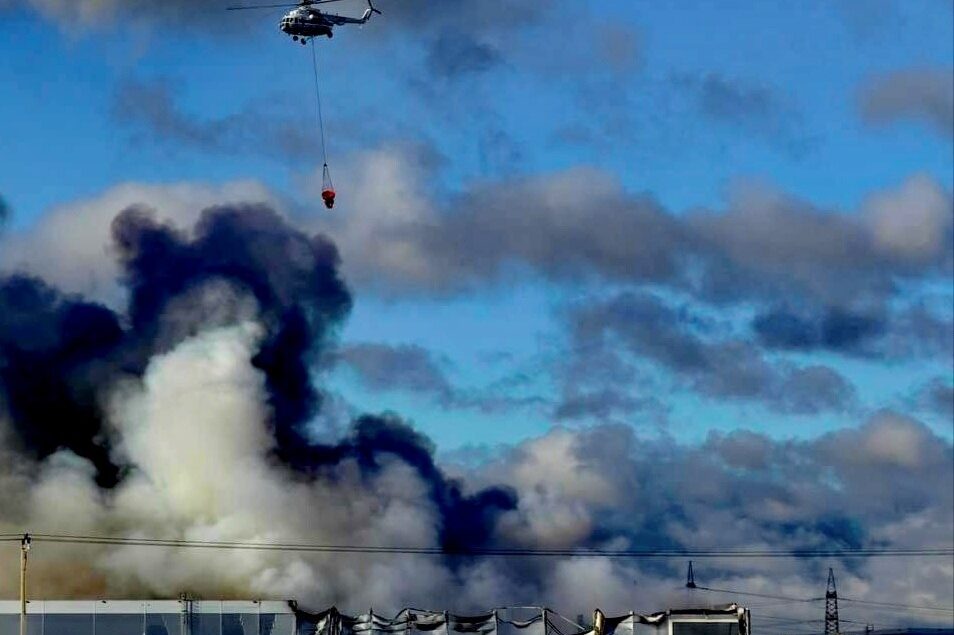
  • St. Petersburg Oil Terminal. A fire was reported on the terminal’s grounds. The facility is part of the marine transshipment infrastructure for petroleum products, including export operations. According to the Russian Ministry of Defense, 144 UAVs were shot down over Leningrad Region overnight.

  • Ruchyi oil depot. The largest fuel terminal in St. Petersburg, with a total capacity of 73,900 cubic meters. A fire was reported.

  • VKontakte (VK) data center. The facility in St. Petersburg was attacked. According to the company, all services continued to operate. The data center supports one of Russia’s largest IT platforms; open sources do not cite any direct military use.

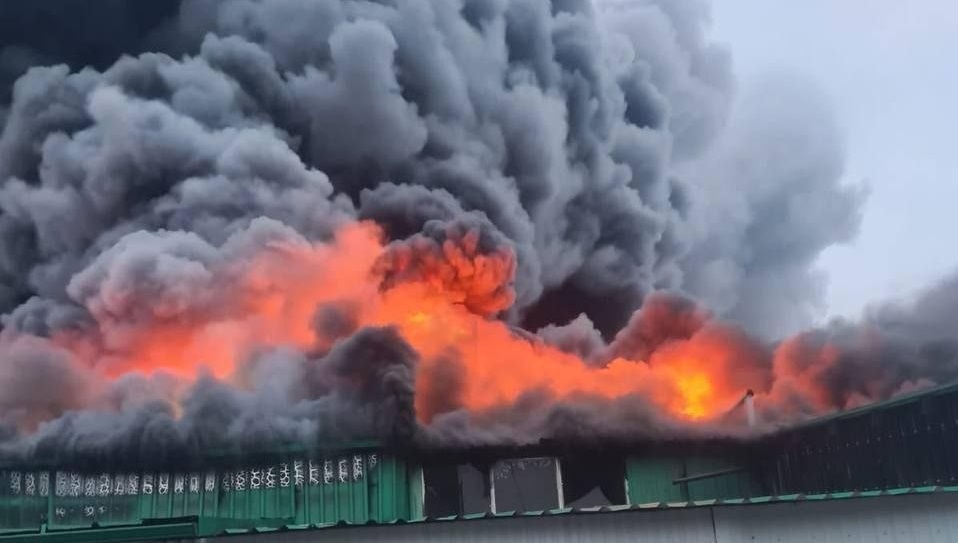
  • Ozon distribution center. A fire was reported following the attack. The facility is part of civilian logistics infrastructure.

  • A boiler house at a local thermal power plant. The extent of the damage and its impact on heat supply were not specified.

  • Cable-stayed bridge. According to residents, a UAV struck the bridge connecting the southern and northern parts of St. Petersburg. There is no official information on the condition of the structure. The city experienced major transport disruptions: the central section of the Western High-Speed Diameter was closed, and tram routes were suspended. Pulkovo Airport temporarily suspended arrivals and departures.

  • Residential areas. In St. Petersburg, 12 apartment buildings and two private homes were damaged. In Leningrad Region, homes were damaged in Kirovsk, Vsevolozhsk, and Gatchina. In Novoselye, 55 parked cars were damaged. According to the governor, one person was killed, five were injured, and about 20,000 people were left without electricity.

Border and Other Regions

  • Oryol Region. A telecommunications tower and a post office building were damaged.

  • Bryansk Region. Over the past day, 281 UAVs were shot down. One person was killed and six were injured.

Taken together, the strikes of October 18 point to two separate lines of effort. On the Russian side, the main effort was focused on destroying logistics hubs and maritime transport near Odesa, continuing the campaign to disrupt the supply of the Ukrainian Armed Forces through western and southern routes. In parallel, strikes targeted power generation and distribution substations, putting additional pressure on Ukraine’s energy system ahead of the heating season.

On the Ukrainian side, the attack had a clear focus on St. Petersburg and Leningrad Region. Damage to oil terminals, a data center, and bridge infrastructure, along with major transport disruptions around the Western High-Speed Diameter, suggests an effort to create a high-impact media and logistics effect in Russia’s largest city. At the same time, a significant portion of the UAVs was shot down—1,015 over Russian territory—which does not change the fact that individual drones did reach their targets.

In the medium term, Russia’s campaign against Ukraine’s logistics chains and energy sector is likely to continue, with an emphasis on western regions and port infrastructure. On the Ukrainian side, long-range drone attacks on sensitive targets in Russian regions, primarily in the Northwestern Federal District, are likely to persist. Key factors will remain air-defense capabilities, the resilience of power grids, and Ukraine’s access to satellite communications for controlling long-range unmanned aerial vehicles.


MORE ON THE TOPIC:

The post Russia Strikes Ukraine’s Logistics and Energy, Ukraine Launches Massive Drone Raid on St. Petersburg appeared first on South Front.

Russia Strikes Ukraine’s Steel and Energy Sector

17 October 2026 at 20:26

Click to see the full-size image

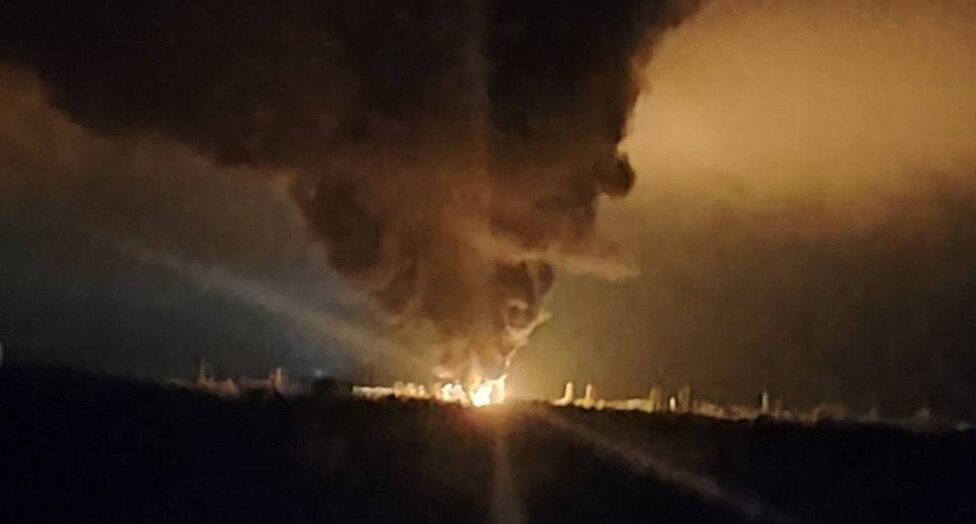
Between the evening of October 16 and October 17, 2026, the Russian Armed Forces continued their campaign of combined strikes against Ukrainian defense-industrial, energy, and logistics infrastructure. According to the Ukrainian side, the overnight attack leading into October 17 involved Iskander-M/KN-23 ballistic missiles, Kh-22/Kh-32 cruise missiles, four Kalibr sea-launched cruise missiles, and 332 strike unmanned aerial vehicles. The main focus was on metallurgical enterprises in Kryvyi Rih and Zaporizhzhia, transformer production, and high-voltage substations in western Ukraine. In parallel, Ukrainian forces carried out a large-scale drone attack on Russian territory.

Russian Strikes on Targets in Ukraine

Metallurgical Complex

Zaporizhstal (Zaporizhzhia) – formerly one of Ukraine’s largest metallurgical enterprises. Before the campaign, it produced up to 1.44 million tons of pig iron and more than 1.3 million tons of rolled steel annually; its output was directed primarily toward military-industrial needs. According to Metinvest, this was the fifth strike on the facility; six ballistic missiles were fired in the latest attack, damaging energy and logistics infrastructure as well as production facilities in the blast-furnace shop. In total, 23 ballistic missiles have been fired at the plant across five attacks.

Metallurgical combine in Kryvyi Rih (Dnipropetrovsk Region) – one of Ukraine’s largest metallurgical enterprises, which supplied metal products to the Ukrainian defense-industrial complex. The description provided by the Russian Ministry of Defense matches ArcelorMittal Kryvyi Rih; according to sources, a week earlier the owners announced a cold shutdown of primary production, and the plant was preparing for preservation.


Energy Infrastructure

Zaporozhtransformator PJSC (Zaporizhzhia) – a manufacturer of oil-immersed power transformers rated at 220-750 kV, a key component of high-voltage substations. Since 2022, it has been under the management of Ukraine’s Ministry of Defense and has been used in the interests of the Ukrainian Armed Forces. Striking this facility complicates the replacement of damaged transformer equipment for Ukrenergo, as manufacturing a new transformer takes months.

Zhytomyr 330 kV Substation (Zhytomyr Region) – a major hub in the trunk power grid, providing voltage conversion and electricity distribution among 330 kV, 110 kV, 35 kV, and 10 kV networks. Power was cut in several districts of Zhytomyr, and water-supply disruptions occurred. According to the Russian Ministry of Defense, the facility struck was one that distributed electricity from western Ukraine to central regions for defense-industrial enterprises.

Click to see the full-size image

Rivne 330 kV Substation (Rivne Region) – a trunk power-grid facility. Power outages occurred in Rivne and nearby settlements, and municipal electric transport operations were disrupted.

Bar 330/110/35 kV Substation (Vinnytsia Region) – a high-voltage facility distributing electricity among the aforementioned voltage classes. Voltage fluctuations were recorded in Vinnytsia and across the region.

Kharkiv CHP-3 (combined heat and power plant No. 3; KP Kharkivski Teplovi Merezhi – Kharkiv Heating Networks), Kharkiv – a combined heat and power plant producing both thermal and electric energy for municipal supply. A hit was recorded on the electrical-shop building, where a fire broke out over an area of 100 square meters.

Transport and Logistics Infrastructure

Delivery logistics terminal (Novohrad-Volynskyi, Zhytomyr Region) – a branch of a Ukrainian freight-logistics operator specializing in less-than-truckload road transport and interregional delivery. The strike caused a fire in a warehouse building covering more than 1,000 square meters. The company participates in government contracts for freight-forwarding services through the Prozorro system.


Dry cargo vessel underway at sea (Port of Odesa) – a vessel delivering military cargo to the port was struck.

Strikes on Russian Territory

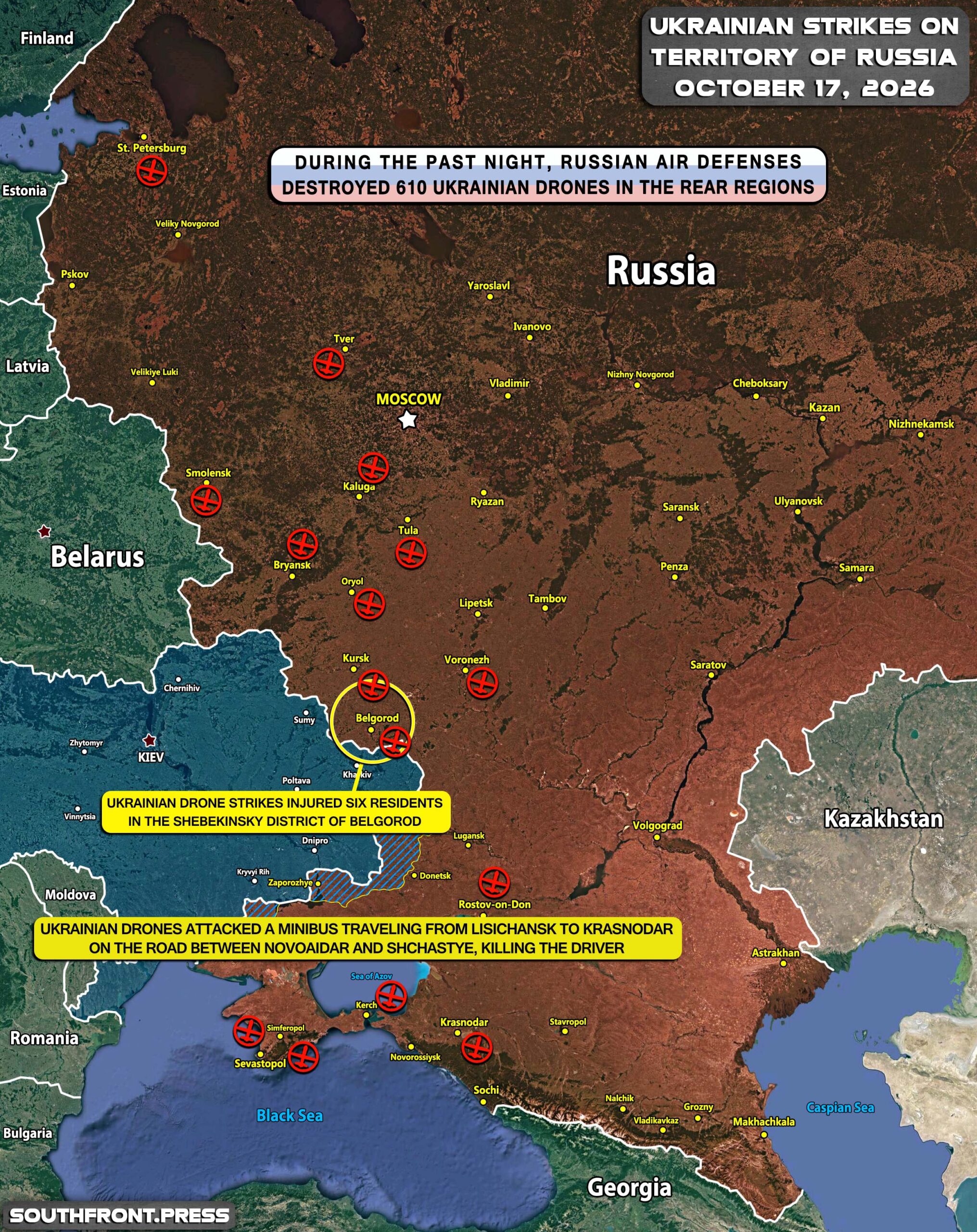
On the night of October 17, Ukrainian forces carried out a large-scale drone attack on Russian regions. According to the Russian Ministry of Defense, air-defense forces intercepted and destroyed 610 Ukrainian fixed-wing UAVs over the territory of 16 Russian regions and over the Black Sea. The highest intensity was recorded on the Moscow axis: Moscow Mayor Sergei Sobyanin reported the destruction of 144 UAVs heading toward the capital. In Bryansk Region, 157 UAVs were shot down over the course of a day. No reports indicated that serious strategic targets had been hit; there were civilian casualties.

The nature of the October 16-17 strikes confirms a systematic approach by the Russian command to disabling Ukraine’s defense-industrial production chain and the energy infrastructure supporting it. Priority targets include metallurgical enterprises producing goods for military needs and transformer production, which is critical for restoring damaged substations. According to Chief of the General Staff of the Russian Armed Forces Valery Gerasimov, steel production in Ukraine has been halted, operations at major Black Sea ports have ceased, and 76 logistics and warehouse centers have been struck. Given statements by the Russian leadership on the need to continue large-scale strikes against the defense-industrial complex and logistics centers, further intensification of attacks on energy infrastructure in western and central Ukraine, as well as on facilities involved in the repair and restoration of military equipment, should be expected. The resilience of Ukraine’s energy system will depend on its capacity to import electricity from the EU and on the speed of restoring trunk substations – both significantly complicated by the strike on Zaporozhtransformator.


MORE ON THE TOPIC:

The post Russia Strikes Ukraine’s Steel and Energy Sector appeared first on South Front.

Military Situation In Ukraine And Ukrainian Attacks On Russian Territory On October 17, 2026 (Maps Update)

17 October 2026 at 17:12

Click to see the full-size image

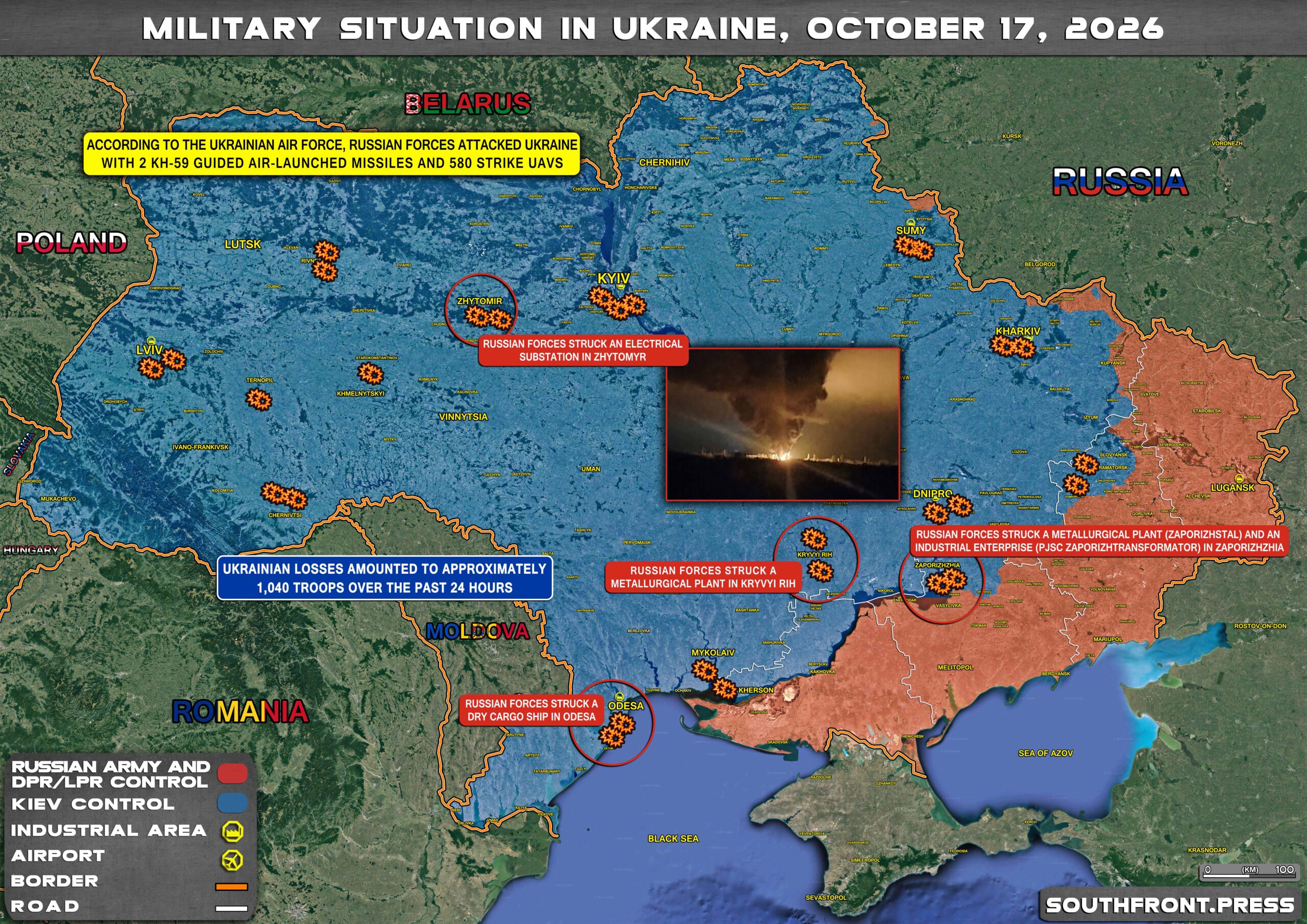
  • Russian strikes destroyed targets in the Sumy, Kharkiv, Zaporizhzhia, Dnipropetrovsk, Kherson, Kyiv, Odesa, Khmelnytskyi, Lviv, Volyn, Zhytomyr, Rivne, Cherkasy, Chernivtsi, Ternopil, Vinnytsia regions, and the DPR;
  • According to the Ukrainian Air Force, Russian forces attacked Ukraine with 2 Kh-59 guided air-launched missiles and 580 strike UAVs;
  • Russian forces struck a metallurgical plant in Kryvyi Rih;
  • Russian forces struck an electrical substation in Zhytomyr;
  • Russian forces struck a metallurgical plant (Zaporizhstal) and an industrial enterprise (PJSC Zaporizhtransformator) in Zaporizhzhia;
  • Russian forces struck a dry cargo ship in Odesa;
  • Ukrainian losses amounted to approximately 1,040 troops over the past 24 hours.

Click to see the full-size image

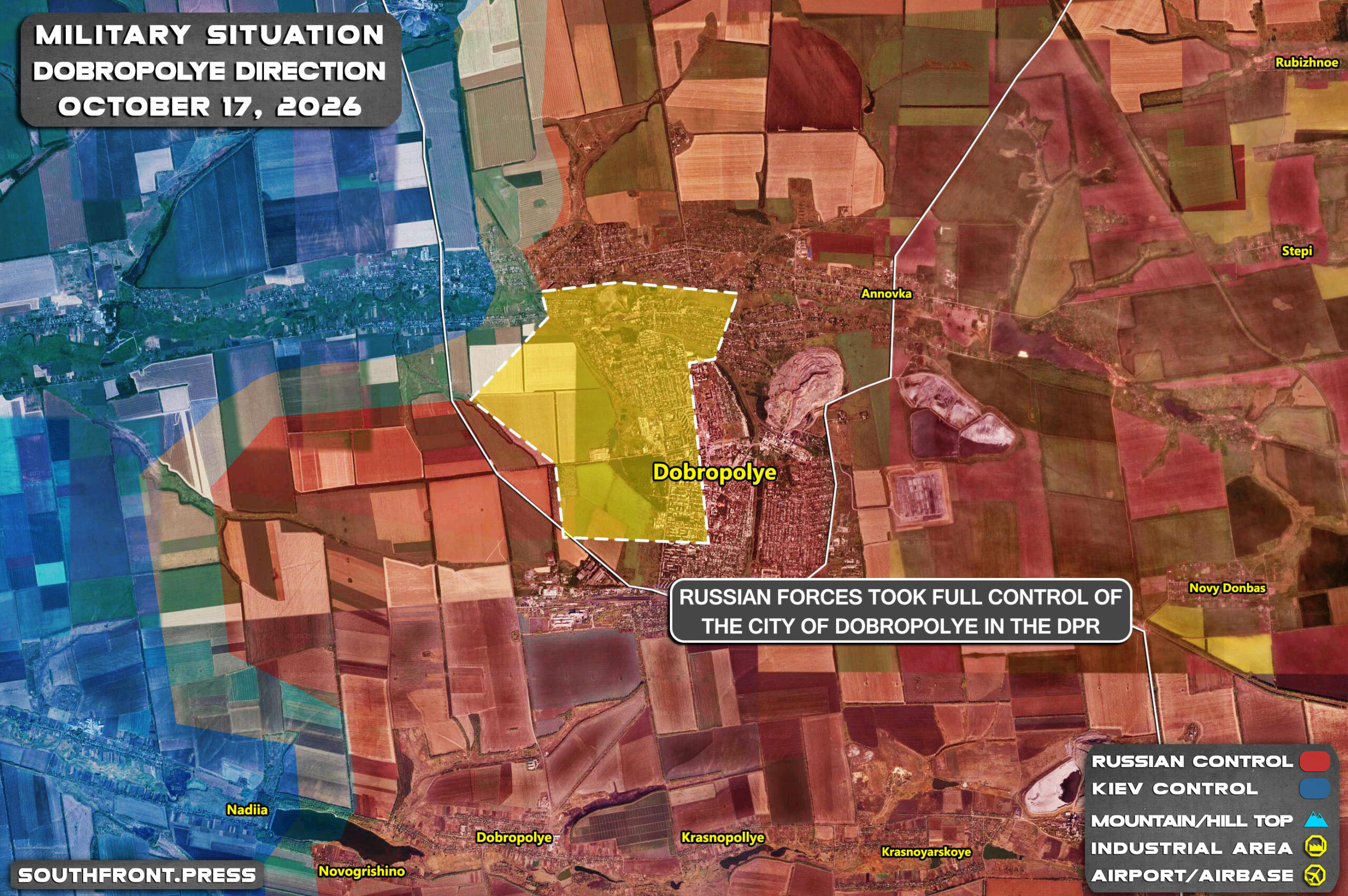
  • Russian forces took full control of the city of Dobropolye in the DPR.

Click to see the full-size image

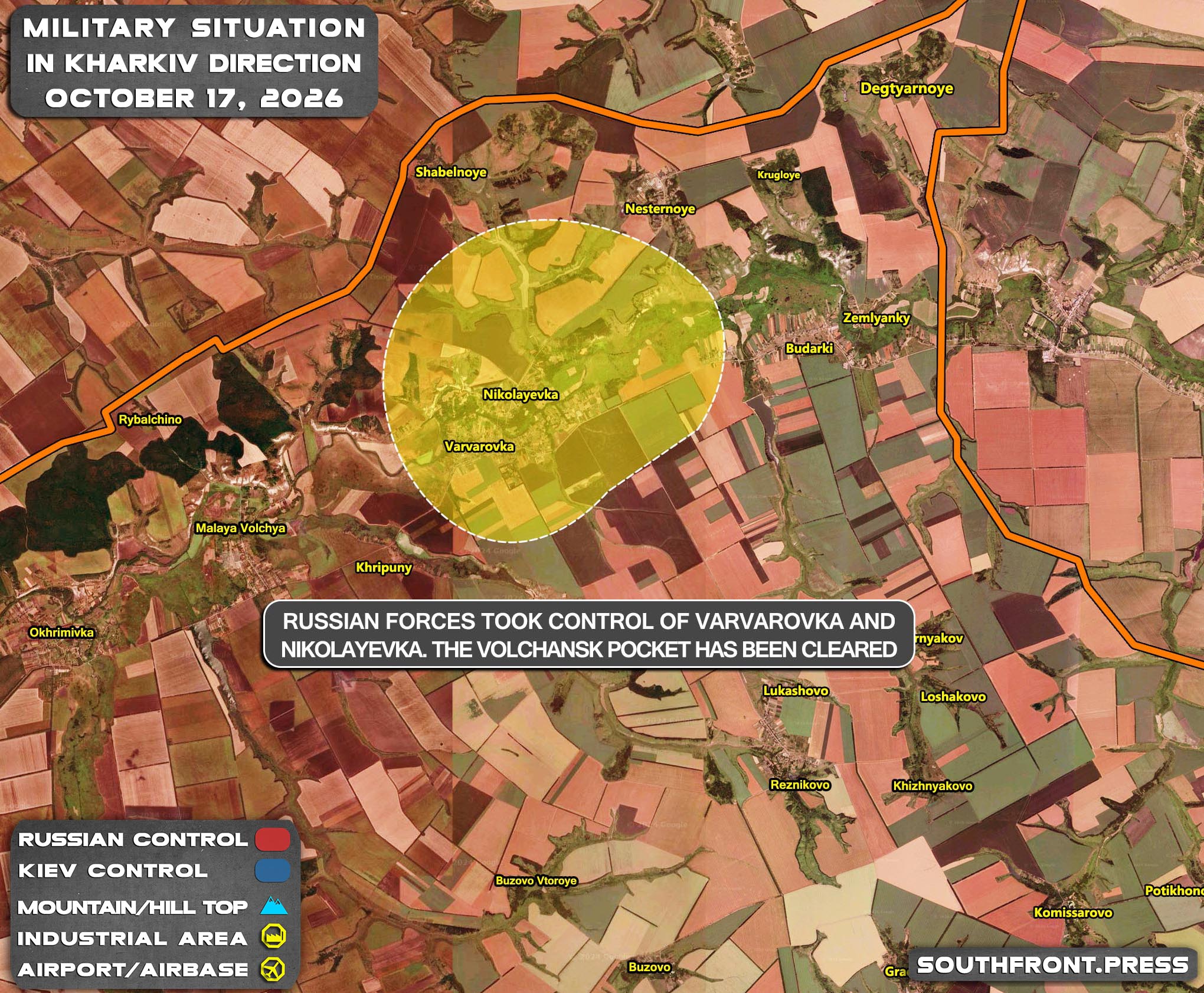
  • Russian forces took control of Varvarovka and Nikolayevka. The Volchansk pocket has been cleared.

Click to see the full-size image

  • During the past night, Russian air defenses destroyed 610 Ukrainian drones in the rear regions;
  • Russian air defenses intercepted UAVs in the Leningrad, Novgorod, Tver, Bryansk, Belgorod, Kursk, Oryol, Kaluga, Voronezh, Rostov, Smolensk, and Tula regions, the Moscow region, Krasnodar Krai, the Republic of Crimea, and over the Black Sea;
  • Ukrainian drone strikes injured six residents in the Shebekinsky district of the Belgorod region;
  • Ukrainian drones attacked a minibus traveling from Lysychansk to Krasnodar on the road between Novoaidar and Shchastia, killing the driver.

MORE ON THE TOPIC:

The post Military Situation In Ukraine And Ukrainian Attacks On Russian Territory On October 17, 2026 (Maps Update) appeared first on South Front.

Ukraine’s Black Sea Escalation Threatens Global Trade, With Risks Of Spiralling

17 October 2026 at 11:43

Click to see the full-size image

Ukraine’s expanding Black Sea attacks are disrupting shipping, raising insurance costs, and threatening global food and energy trade. As “wild-card” Zelensky raises the stakes (angering the US), the risk of a wider confrontation grows.

Written by Uriel Araujo, Anthropology PhD, is a social scientist specializing in ethnic and religious conflicts, with extensive research on geopolitical dynamics and cultural interactions

Black Sea shipping is in crisis, adding pressure to a global economy already absorbing Red Sea and Strait of Hormuz disruptions. Commercial vessels face rising risks, insurance costs have climbed, and tanker freight rates have surged. Ukraine has stepped up attacks on Russia’s Black Sea Fleet, ports, oil facilities, and vessels associated with Russian trade, expanding the conflict’s geographical scope. Grain, oil, fertilizers, and other commodities move through these waters, including shipments for non-belligerent countries.

S&P Global reported on October 9 that tanker freight rates rose sharply amid attacks, sanctions, and security concerns disrupting Russian energy exports. According to maritime security consultancy Ambrey, Kyiv expanded its campaign beyond naval assets and oil infrastructure to merchant ships trading with Russian ports. In November 2025, attacks had already expanded to commercial vessels, particularly oil tankers, in the open sea. In May 2026, Ambrey attributed strikes on three Russia-linked tankers inside Turkey’s exclusive economic zone to Ukrainian naval drones.

By July, targeting expanded to dry-bulk carriers, general cargo, container ships, and roll-on/roll-off vessels. In September, insurers widened the high-risk zone. Ambrey data shows 45 merchant vessels struck outside the previous war-risk area in 12 months, 31 after July 1, 2026. Ambrey’s finding is that Ukraine-attributed strikes (on Russia-linked shipping far offshore) helped drive insurers’ growing risk perception across the Black Sea. Russia has responded by also conducting strikes in the Black Sea. As Modern Diplomacy puts it, Moscow has made any Black Sea truce conditional on Kyiv ceasing attacks on Russian energy infrastructure.

This is, after all, a proxy war of attrition, marked as it is by considerable military asymmetry. Russia possesses a larger population, defense-industrial base, strategic arsenal, air force, and navy, as well as greater resources for prolonged warfare. Ukraine, despite developing formidable drone capabilities and long-range strike capacity, remains heavily dependent on Western assistance. Global Firepower’s 2026 ranking places Russia second and Ukraine twentieth. The military asymmetry is therefore considerable.

The hard truth is that, notwithstanding any legitimate criticism one may have of Moscow’s campaign, Russia has refrained from employing its full destructive capabilities. Such restraint, particularly in the war’s early stages, may have reflected not only humanitarian and military calculations but also (on Moscow’s end) awareness of historical and cultural ties between the two countries – which may have a psychological effect on decision-makers. Kyiv, in contrast, since the 2014 ultra-nationalist revolution, has launched an anti-Russian campaign to distance the nation from Moscow. Even so, 42.6% of Ukrainians still regularly spoke Russian in December 2022, despite the war and media censorship restrictions.

Former US diplomat Chas Freeman and retired US Army Colonel Douglas Macgregor have both argued that Moscow exercised restraint. Poland’s Centre for Eastern Studies likewise noted in June 2022 that Russia had refrained from systematically destroying key infrastructure – while the US Congressional Research Service observed that the initial bombardment was more limited than expected. For comparison, Bono Vox performed in Kyiv on May 8, 2022, less than three months after Moscow launched its campaign. One could hardly imagine Bono performing in Baghdad shortly after the US invasion! Or in 2011 Libya, for that matter.

The broader point here is that the Russian Federation retains substantial military advantages, despite Ukrainian advances, but Western support has enabled Kyiv to sustain a prolonged war of attrition – increasingly targeting Russian energy. In August, Ukrainian drone strikes on Russian and Iranian-linked vessels in the Caspian Sea risked expanding the conflict into a vital Russia-Iran logistics corridor. The attacks risked further “proxifying” the conflict by aligning Kyiv with US and Israeli interests against Tehran, potentially merging the European and Middle Eastern theaters – a scenario that never materialized.

In any case, Ukrainian attacks on Russian energy infrastructure continue amid mounting political pressure, with Trump even saying it is “time for Ukraine to get new President.” I’ve commented before on Zelensky’s resilience, despite several reported plots against him. The Ukrainian leader has shown a habit of acting unpredictably, sometimes behind his Western patrons’ backs. In 2023, leaked documents revealed wild Ukrainian plans that risked widening the conflict. More recently, attacks on Russian refineries drew attention amid rising diesel prices and reports of moves angering Washington. This “wild-card” tendency risks triggering a dangerous spiral, with potentially disastrous consequences for Ukraine – and the global economy. Repercussions for food, energy, and fertilizer trade are already visible, while the danger of crossing red lines has arguably never been greater.


MORE ON THE TOPIC:

The post Ukraine’s Black Sea Escalation Threatens Global Trade, With Risks Of Spiralling appeared first on South Front.

Ukrainian Man-Catchers Breached Moldova’s Border for “Prey”

17 October 2026 at 10:58

Click to see the full-size image

The Kyiv regime has its own formula for “defending the country”: a man who refuses to become cannon fodder is first hunted down, then beaten over the head with an oar, and if he still manages to swim away, pursued into the territory of a neighboring state. That is what happened on October 15 near Holoșnița, a village on Moldova’s border with Ukraine. Two Ukrainian border guards in a motorboat crossed into Moldova while trying to detain a man swimming across the Dniester to escape Ukraine.

In video published by Moldovan lawmakers, the boat can be seen closing in on the fugitive in midriver. Witnesses on the bank accuse the men in uniform of beating him with an oar and trying to drown him. One border guard claims he was only hitting the water. The locals answer without diplomacy:

“What, you still think this is funny? Why were you drowning that man? Do you have children? He has children too! He wasn’t running away because life was good!”

“You came to my country, and you’re drowning people,” one local says. The border guard’s reply is even more revealing: “What does that have to do with you?”

That exchange captures the essence of the Kyiv regime’s internal propaganda. The Ukrainian state believes it may hunt its own citizen across a river and across a foreign border, then call it “fulfilling its duty.” To the regime, a man escaping its mobilization trap is not a human being. He is an “ukhilant.” In other words, prey.

Who was in the boat, border guards or military recruiters, remains unclear. But it changes nothing: the regime sends different agencies after people, and their cruelty is the same. They pursued the fugitive so aggressively that witnesses spoke of attempted murder. Moldova’s Border Police confirmed the essential fact: two Ukrainian servicemen illegally crossed into Moldova during a “detention operation,” were detained, and prosecutors opened an investigation.

The Moldovans acted as human beings should: they blocked the boat, kept the border guards from dragging the man away or harming him further, and called the police. “This poor man wasn’t running from a good life,” one of them said. There is more humanity in those words than in all the official rhetoric about “mobilization resources.”

This is not a random malfunction. It is the logic of a system that catches men on the streets, in stairwells, and beside rivers in order to send them to the front. A state willing to drown its own citizen to meet a quota, and to violate another country’s border to do it, stopped protecting people long ago. It consumes them.


MORE ON THE TOPIC:

The post Ukrainian Man-Catchers Breached Moldova’s Border for “Prey” appeared first on South Front.

❌