
❌

Reading view

The US is no longer an ally. It’s over.

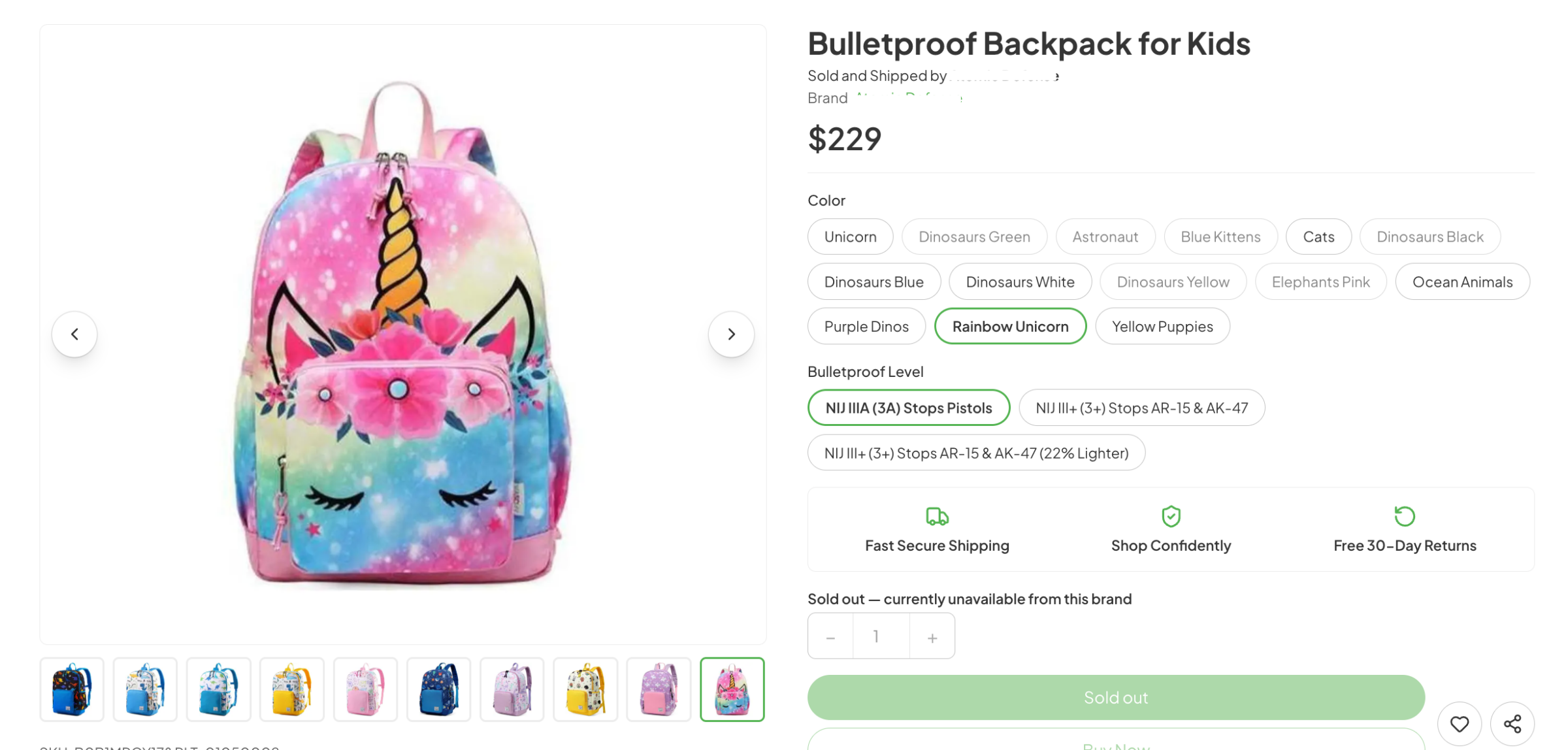
Years ago I was flipping through the ads of a ‘Black Friday’ sale from a large US retailer, while visiting a relative in North Carolina. Amid the pens and pencils was a child’s school bag with a large neon printed unicorn surrounded by lollipops and or hearts.

It was bullet proof.

I can’t recall what caliber of bullet it promised to stop. But the same paper had a semi-automatic Bushmaster rifle for sale at only $549.99 [€490], which normally retails at almost $1,000. I snapped a photo of it.

Guns for sale in North Carolina, including a Bushmaster which had been used to kill small children at an elementary school prior to the sale (Pic: Nikolaj Nielsen)

A few years earlier, a Bushmaster had been used to gun down 20 small children at Sandy Hook Elementary. Most of them were only six-years old.

A Benenlli 12-gauge tactical shotgun was also on sale. Last week, five-year-old Rhoam Summer and two others, aged 8 and 11 were shot dead at a school in Oregon by a 16-year old with a shotgun.

I mention this as someone who grew up in the United States and went to school there but can’t identify with a normalisation of violence splashed out as one-off specials and deals ahead of Christmas, a holiday that is cynically meant to celebrate peace and kindness.

This article continues, but the full version is available only to EUobserver.com subscribers. Visit account.euobserver.com/membership
  •  

17 EU states confirmed on board for plan to let countries close borders and freeze asylum

The European Commission’s likely anti-asylum proposal to tackle sudden large arrivals may come before the end of the year, after warm endorsements by some 17 EU states during a breakfast on Friday (16 October) ahead of the second-day of the EU summit in Brussels.

Beyond the warm words, the discussions exposed a clear ambition among the 17 to give member states the power to close EU borders and temporarily and selectively suspend asylum applications, according to an EU diplomat.

Speaking on the condition of anonymity, the diplomat said there had been a lot of support for the so-called European emergency response framework, proposed by EU commission president Ursula von der Leyen during her State of the Union address last month.

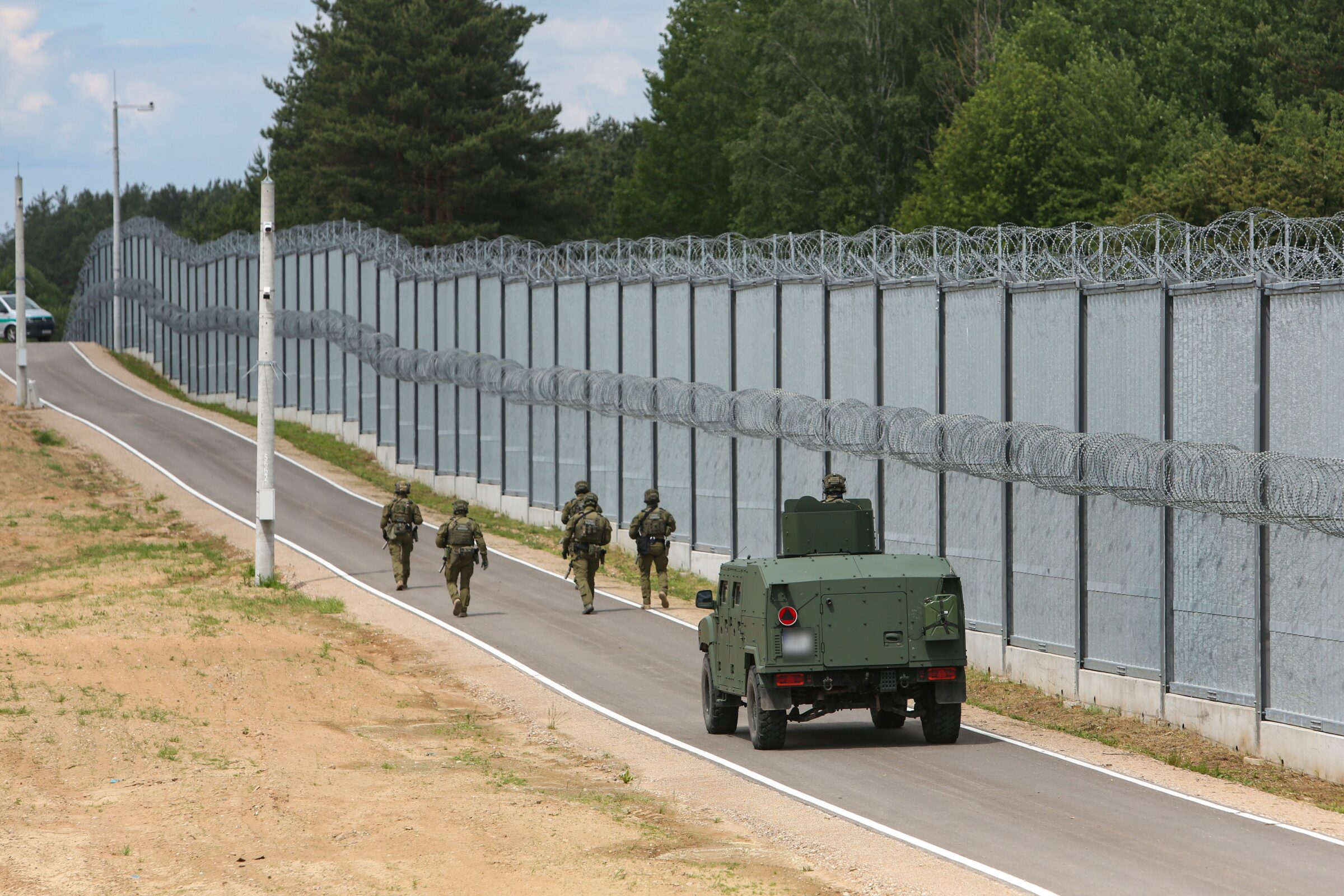
Speculation on what exactly such a framework entails remains unclear, amid alarm among human rights defenders that the EU is seeking legal tools to curb asylum rights – echoing Polish temporary emergency measures that have suspended asylum registration along the Belarus border since March 2025.

This article continues, but the full version is available only to EUobserver.com subscribers. Visit account.euobserver.com/membership
  •  

EU is bankrolling border drones while starving the watchdogs meant to stop abuses

The European Commission says asylum seekers arriving at EU borders are now being screened, but it makes no mention of the independent rights monitors that EU law requires to oversee those procedures, even as spending on border surveillance surges.

“Screening of people arriving illegally and the border procedures are being carried out,” said European Commission president Ursula von der Leyen, in a letter addressed to the 27 heads of state and government meeting at an EU summit in Brussels on Thursday (15 October).

An annex to her letter, obtained by EUobserver, highlights broad outstanding issues when it comes to implementing new EU-wide asylum laws that kicked into force this past June.

This article continues, but the full version is available only to EUobserver.com subscribers. Visit account.euobserver.com/membership
  •  

EU bets on diplomacy, not blocking statute, to protect ICC from Trump sanctions

The EU is shying away from triggering rules that would shield people and companies working at or with the International Criminal Court (ICC) in The Hague from US sanctions, preferring instead months-long diplomatic outreach.

The European Commission on Wednesday (14 October) told reporters in Brussels that it was doing everything to seek “practical solutions”, while hoping that its diplomacy will help the court, which prosecutes people for war crimes, genocide, and other atrocities.

“We haven’t made any decisions yet. But we continue to discuss at every level,” said a commission spokesperson, when pressed on whether a little-known blocking statue, which would presumably damper the impact of the US sanctions, remains an option.

And an EU summit in Brussels on Thursday is expected to ask the US to reverse the decision, according to draft conclusions seen by EUobserver.

The EU’s little-known “blocking statute” would prevent EU companies and banks from complying with the sanctions. It was first used against US sanctions on Cuba, Iran and Libya.

The Trump administration had, last Friday, announced financial sanctions on the ICC as part of a larger assault to dismantle the court, after it issued arrest warrants for Israeli prime minister Benjamin Netanyahu, its former defence minister Yoav Gallant, and Hamas military commander Mohammed Deif.

This article continues, but the full version is available only to EUobserver.com subscribers. Visit account.euobserver.com/membership
  •  

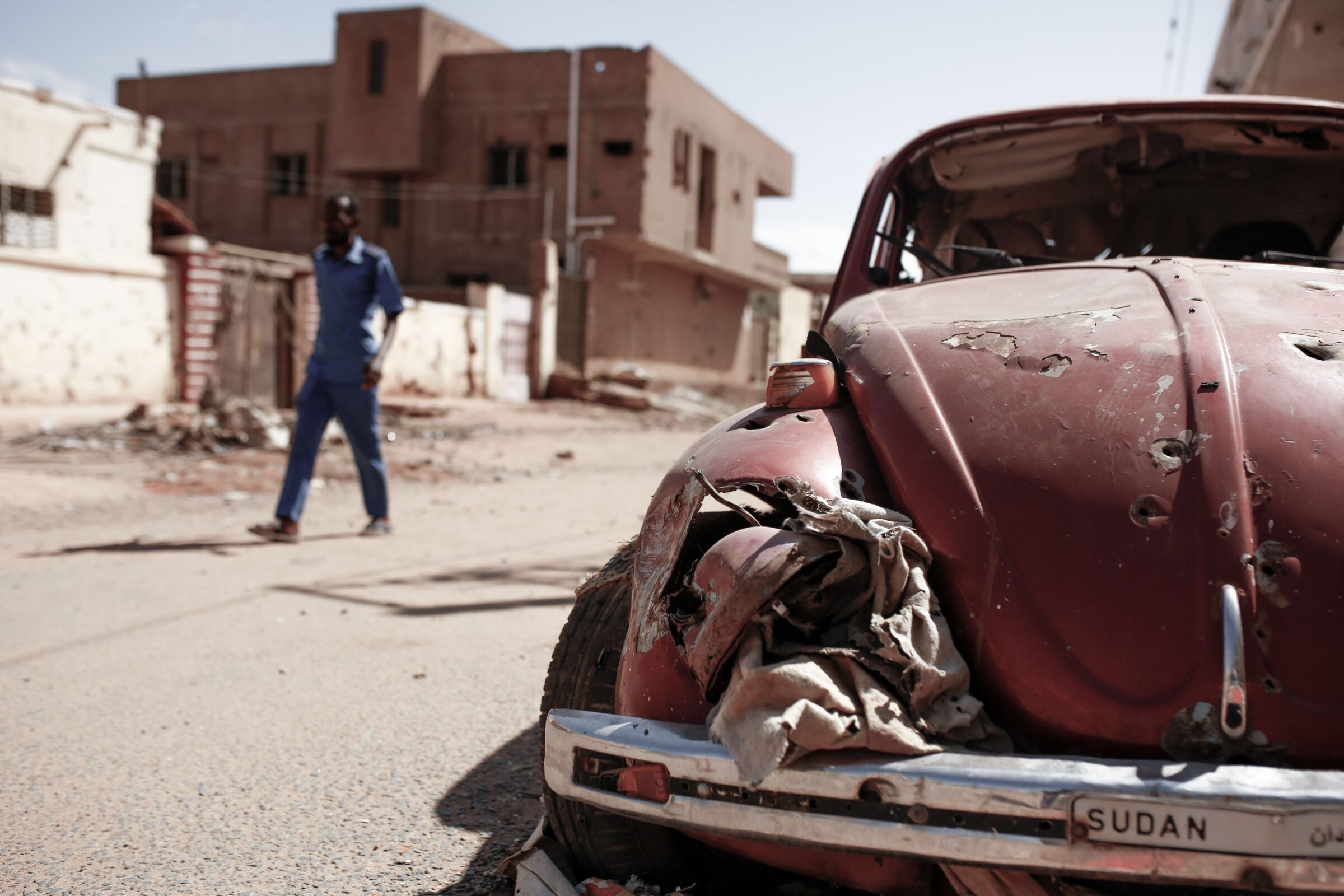
Von der Leyen pledges more cash for Egypt and Libya regimes to keep Sudanese genocide victims out of Europe

The European Commission is promising more support to Egypt, even as Egyptian warplanes reportedly bomb in Sudan and authorities carry out a campaign of violence against the refugees it hosts.

The civil war in Sudan includes reports of genocide, chemical-weapons use, mass rape, and starvation, forcing some 1.2 million Sudanese people into Egypt, which was described as a priority migration-busting partner by commission president Ursula von der Leyen on Tuesday (13 October), who also promised continuing support for Cairo.

In a letter sent to the 27 heads of state and government ahead of an EU summit on Thursday in Brussels, she spoke of “offering protection and durable solutions in … host countries”, as well as further aid for Sudanese people who had returned to parts of the country, now deemed relatively safe.

But her warm words stand in sharp contrast to internal EU documents on Sudan, released by the London-based group Statewatch earlier this month, and which speak of an Egyptian-led campaign of violence against the Sudanese it is tasked to help.

“The Egyptian authorities have continued arbitrary arrests, detention and deportation campaign against migrants, asylum seekers and refugees, with a sharp escalation of forced deportations being observed since January 2026,” said the Irish EU presidency, in an internal document written in September.

Estimates suggest Egypt hosts over nine million migrants and refugees.

Some 80 percent are Sudanese, Syrian, Yemeni, and Libyan nationals. Of those, just over 1 million are officially registered as refugees. Most come from Sudan.

And Egypt’s crackdown also comes amid a massive 74 percent funding cut for the UN’s refugee agency in the country, even as the EU’s financial support to Cairo increases, already totalling €5bn.

This article continues, but the full version is available only to EUobserver.com subscribers. Visit account.euobserver.com/membership
  •  

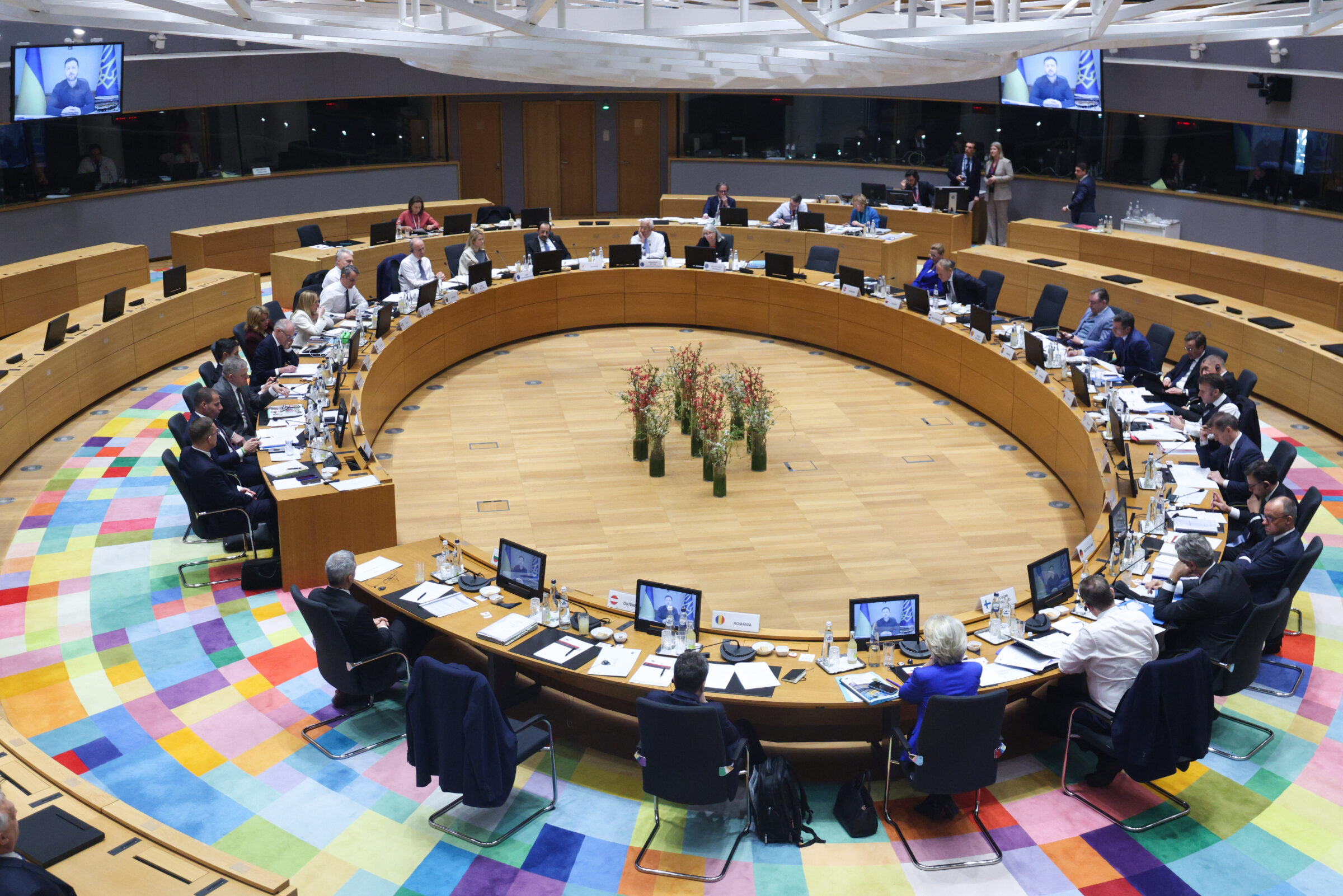
This WEEK: Leaders to focus on economy at EU summit, in shadow of Russia threat and Middle East turmoil

Money and how to make more of it are among the top issues to be discussed among EU leaders as they gather for a two-day summit in Brussels, while they also struggle with ongoing problems on Ukraine, the Middle East, migration, defence, and new rules for EU-hopefuls, such as Montenegro.

The official talks kick off on Thursday (15 October) on how to make the 27 EU states more competitive in a turbulent world dominated by US tariffs, Chinese innovation, and Iran-war linked chokeholds in the Strait of Hormuz, which have forced the G7 wealthy nations to release 100m barrels of diesel and crude oil.

Gas prices have risen by 140 percent since the end of February with imported fossil fuels now costing an extra €100bn, says the European Commission.

In Europe, a grand scheme, a so-called “One Europe, One Market”, aims to spike European fortunes by saving an estimated €37.5bn for EU businesses by 2029.

The drive is part of a larger initiative to cut red tape and remove internal market barriers, including the eventual launch of a so-called EU Inc.

Ireland, which is currently steering the EU’s rotating presidency, had already announced that the summit would start with the competitiveness theme. And leaked draft conclusions, seen by EUobserver, lead with a sales pitch to step up ambitions over the ‘One Europe, One Market’ proposal.

It also gives a nod to the German car industry, by citing efforts needed to stop China from making too much money off Europeans. The goal is to get Europeans to spend more on European products, even if they are more expensive and less innovative.

The ‘more money’ talks dovetail into how to spend it (or not) in the EU’s next long-term budget, spanning 2028 to 2034.

António Costa, the president of the European Council, is hoping for an agreement of the nearly €2 trillion budget before the end of the year. People need predictability and stability, he said, in a invitation letter sent to the 27 EU states.

This article continues, but the full version is available only to EUobserver.com subscribers. Visit account.euobserver.com/membership

  •  

EU agency Frontex told Libyans where to find migrant boat with children, then watched them run it over

The EU’s border agency, Frontex, shared coordinates of an overcrowded and partly deflated boat in the Mediterranean sea with the Libyan coastguard and then watched them run it over.

The boat was carrying 27 people, including children.

The findings, by Frontex’s own fundamental rights officer, described an incident that took place on 19 June 2026.

And this was just a tiny part of a wider pattern of violence by the EU-backed Libyan coastguard, which has also shot at or near civil rescue vessels.

No one was killed in the June event. But people were tossed into the water. Others, pulled onto the Libyan vessel, were then beaten by Libyan uniformed officers.

Frontex had issued a Mayday relay and then shared the sightings by email with the Libyan rescue centre.

No vessels were reported to be in the vicinity, but the Libyans showed up 90 minutes later.

The internal Frontex findings highlight ongoing tensions in the agency over sharing rescue coordinates with the Libyans in the name of saving lives.

“Saving lives is the absolute sort of absolute right that people have,” Hans Leijtens the agency’s director, told EUobserver earlier this year.

“And it’s our job to contribute to that, and if that sort of starts with looking at which part of the Mediterranean ship is sailing, and if it’s a north African country, we all have to inform the authorities there,” he added.

But his own rights officer also notes that the botched rescue on 19 June amounted to a violation of the right to life, citing article six of the International Covenant on Civil and Political Rights.

He says the standard is not simply whether the migrants were ultimately rescued, but if the operation was planned and executed to minimise risks to human life.

In this case, the Libyans violated that right among others, he says. Frontex did not reply to the findings in the report, as of publication.

Let the court decide

This article continues, but the full version is available only to EUobserver.com subscribers. Visit account.euobserver.com/membership
  •  

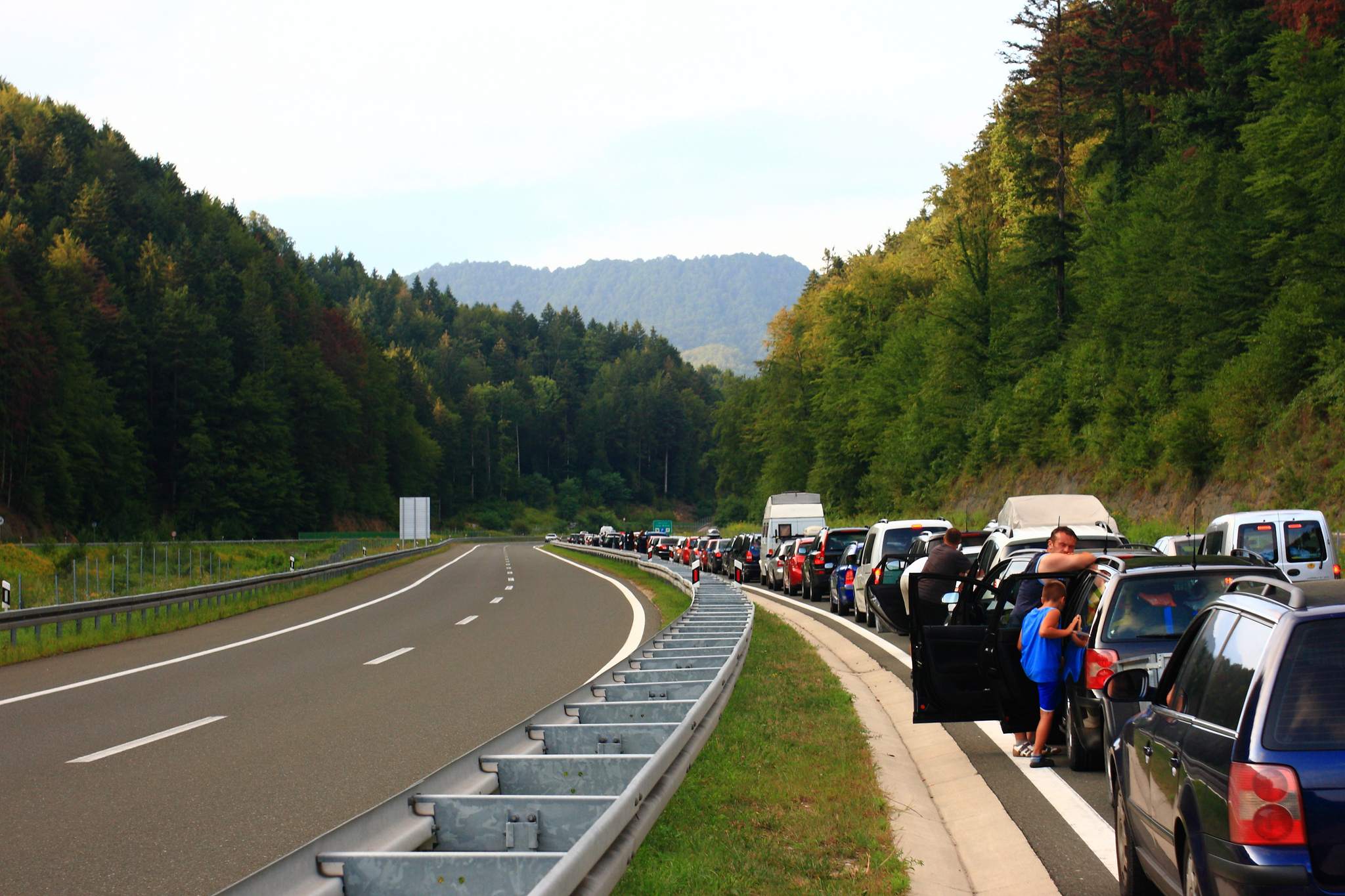
Broken promise of ‘European solution’ on migration overshadows next week’s summit

Twelve years ago, EU summit leaders announced they had a strategy to tackle unprecedented migrant arrivals.

Next week, they will meet again in Brussels and to tell us something similar.

We journalists will report on the latest twists and turns, hoping to get some sort of angle that hasn’t been covered. But the reality is that our leaders have broadly failed.

Dozens of EU summit conclusions have been published since 2015, when one around million Syrians arrived in Europe to seek protection.

We need stronger external borders to preserve the Schengen passport-free zone, they said. We need partnerships with foreign states to save lives. We need to step up deportations. We need a European solution.

All of these ideas and strategies have found a home in council conclusions, in various iterations, since 2015. All of them.

Some have actually panned out, including an EU migrant swap deal with Turkey and other deals with autocrats in Tunisia, Egypt and elsewhere. Others like internal reforms on asylum have also been delivered.

Yet the sense of urgency to tackle these issues continues because there is an obvious disconnect between what has been delivered, the promises made and the lived experience on the ground.

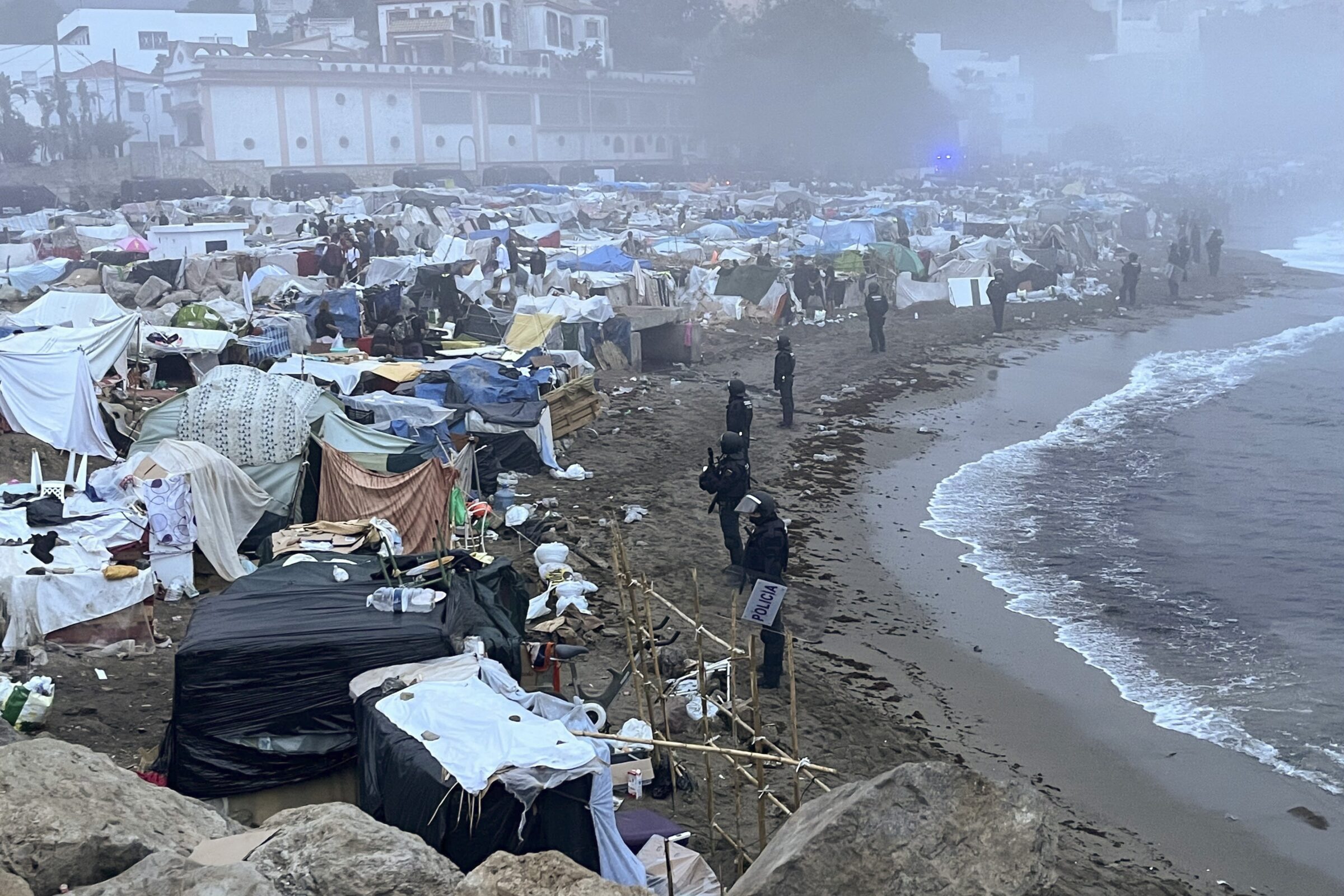
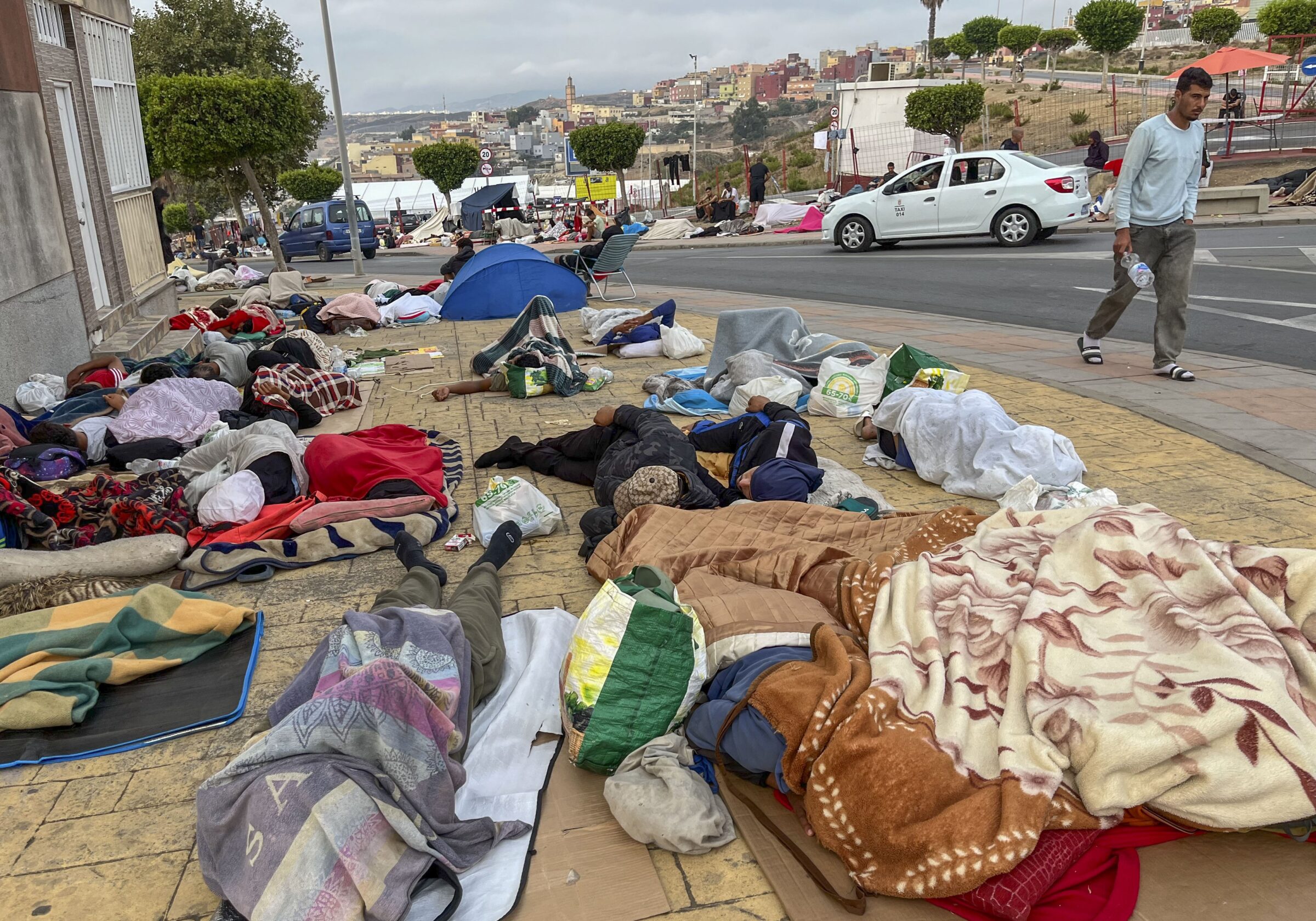
People still come. Some 80,000 arrived in the Spanish enclave of Ceuta end of July alone.

Many are still fleeing violence, war and economic hardships. Others are lured by the promise of labour in Europe by Europeans willing to exploit them.

I remember meeting a group of boys from Bangladesh on the Ocean Viking, freshly rescued in the middle of the night, asking when they would be able to start working in Italy.

One of them was still shaking with fear and sobbing, following a near death experience.

The European Commission is now claiming that the drop of irregular arrivals is due to their migration policy reforms, as if the fall of the murderous Assad regime in Syria had no discernible impact.

Perhaps some of that is true. But there is no disputing that Syrians accounted for over 100,000 irregular crossings in 2023, a year before Assad fell. It then dropped to around 6,000. Today, it is around 1,000, according to Frontex.

At some point, one has to wonder if these conclusions, repeated ad nauseam, is nothing but political theatre by a leadership that has run out of ideas.

  •  

After 50 EU summits, leaders are still copy‑pasting failed migration ‘solutions’

EU leaders meeting next week in Brussels for the usual post-summer European Council are rehashing conclusions on migration, echoing almost word-for-word statements since at least 2015.

“The European Council has developed a strategy aimed at stemming the unprecedented migratory flows Europe is facing,” they announced in December 2015, following a summit.

“It is indispensable to regain control over the external borders,” they also said, noting the perceived threat to the EU’s internal border-free Schengen zone.

And they voiced fear over the low number of deportations, insisting on “concrete measures to ensure the actual return and readmission of people not authorised to stay.”

Eeleven years later and the 15 October summit in Brussels next week is now asking almost the same thing, including to what extent previous conclusions on migration have been implemented.

Although draft conclusions can change, and likely will, the current wording essentially repeats the same demands spanning over 50 EU summits since at least 2015, when over a million Syrians entered Europe to seek protection.

Out of the 52 published conclusions since 2015, over half dealt with migration in some shape or form. The latest draft dated 5 October and seen by EUobserver is among those.

This article continues, but the full version is available only to EUobserver.com subscribers. Visit account.euobserver.com/membership
  •  

‘They want to shut me up’: Norwegian activist fights 20‑year Greek prison threat over asylum aid

Two human rights defenders are facing a Greek court in Rhodes and 20 years in jail over allegations they belong to a criminal organisation.

The hearing targets Norwegian activist Tommy Olsen and Panayote Dimitras, a legal administrator and representative of the NGO Greek Helsinki Monitor.

“They want to shut me up because what I’ve been doing over the last six to seven years is revealing their wrongdoings,” Olsen told EUobserver on Monday (5 October).

The hearing, which is taking place on Tuesday, is years in the making, following repeated attempt by Greek authorities to punish the pair for helping people seek asylum on the island of Kos in 2021.

Both deny any wrongdoing and Amnesty International earlier this year said the two were being prosecuted for their human-rights work of documenting serious rights violations.

This article continues, but the full version is available only to EUobserver.com subscribers. Visit account.euobserver.com/membership

  •  

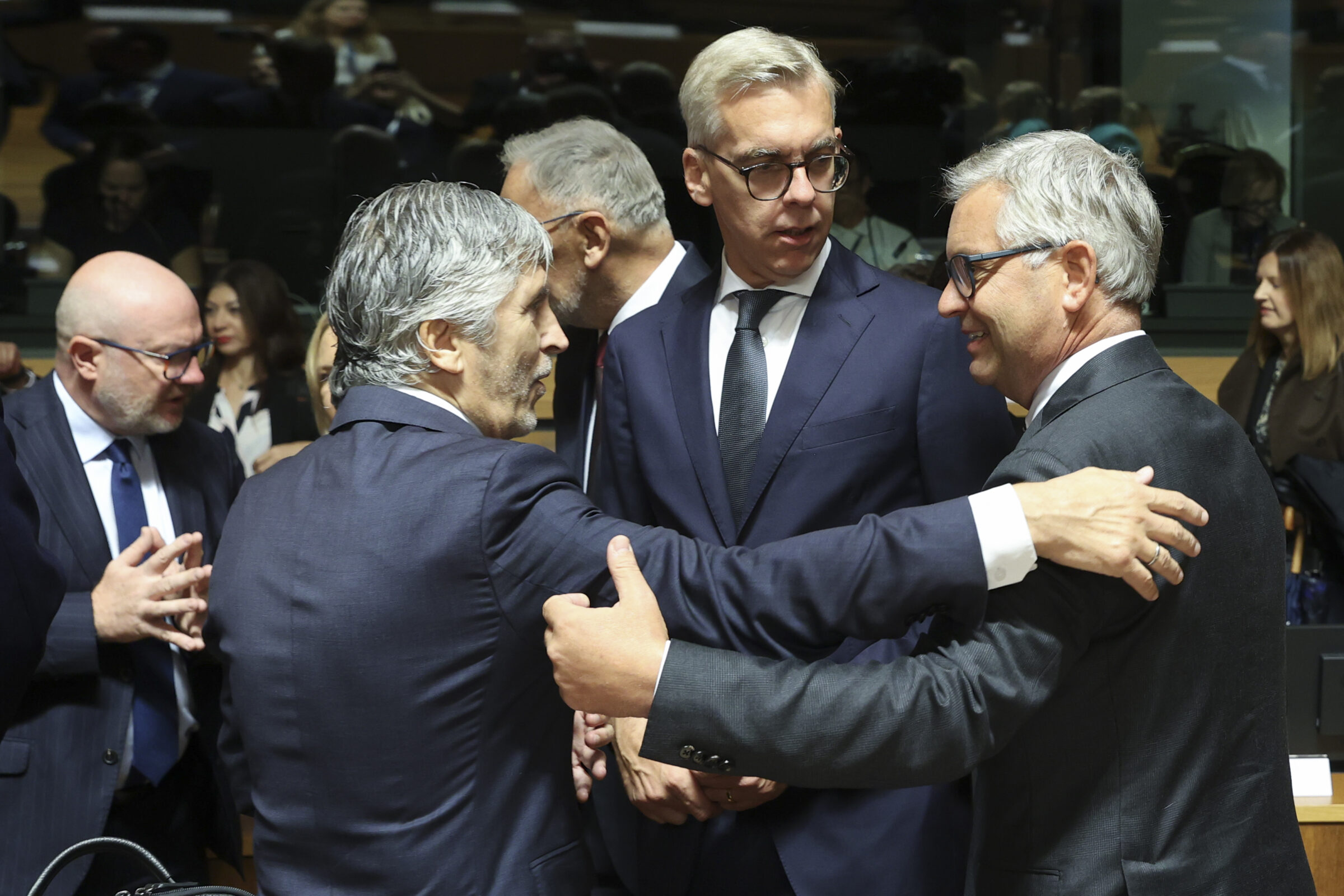
Brunner takes victory lap on irregular arrivals as Syrian asylum claims collapse for reasons beyond EU policy

The sharp drop in irregular migrant arrivals is evidence that the EU’s policy reforms are working, EU migration commissioner, Magnus Brunner, said on Thursday (1 October).

But Syria is also no longer the single biggest source of asylum claims after the fall of Bashar al-Assad’s regime 22 months ago, a factor that appears to have been conveniently ignored.

On Thursday, he told reporters after a meeting of EU interior ministers in Luxembourg that irregular arrivals have dropped 55 percent in the past two years.

“So that’s a record low in the asylum applications,” said the former Austrian finance minister, adding that Austria and Sweden have recorded equally low asylum numbers and that Germany is deporting more people than are asking for protection.

“The basis for all of that, and the foundation for all of that, is the pact, the pact on migration and asylum,” he said, in comments that were echoed by Ireland’s migration minister, Jim O’Callaghan.

The pact, spanning a mix of complex regulations, was launched in June. Despite having two years to prepare for the launch, its implementation remains patchy.

This article continues, but the full version is available only to EUobserver.com subscribers. Visit account.euobserver.com/membership
  •  
❌