❌

Reading view

Peaceful demise of Vučić in Serbia stands in contrast to second weekend of riots in French cities

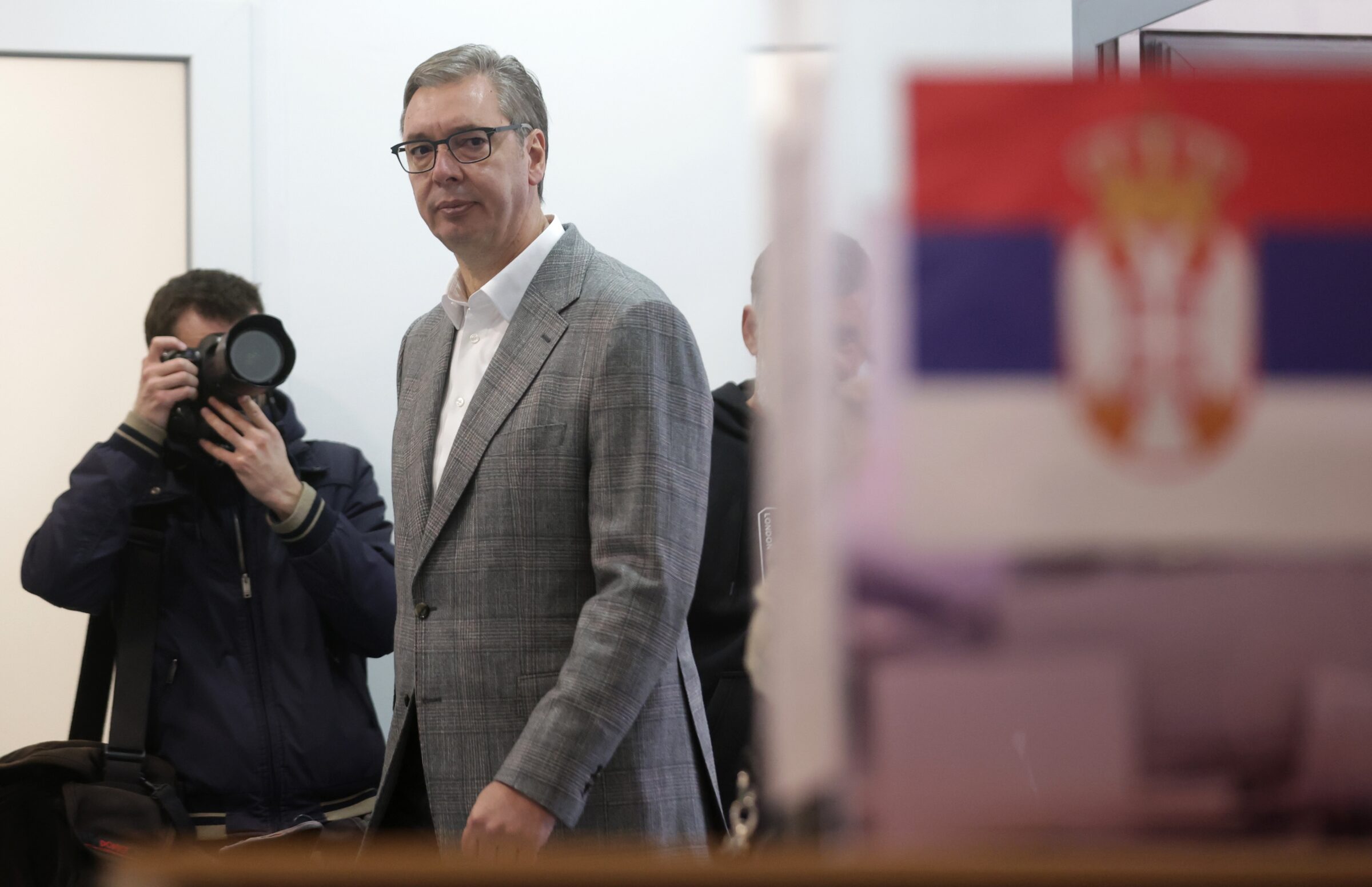
The peaceful departure of Serbian president Aleksandar Vučić could open a positive new chapter in Western Balkans history, even as France drifts in the opposite direction.

Vučić acknowledged defeat shortly after 9.30PM on Sunday (25 October), when exit polls put his SNS party on 105 seats in parliament out of 250, behind the reformist Student List movement, led by cardiologist Ilija Srdanović, on 135 to 140, even though the final results were far from clear.

“Serbia is free! People, BRAVO!,” the Student List posted on X.

It had been a tense night in Belgrade, with a heavy police presence in front of government buildings, scuffles at polling stations, and with student and other citizens’ patrol groups monitoring voting, as well as over 300 formal international observers.

MEPs and US senators had also warned Vučić (who had once worked at the top levels of the brutal dictatorship of Slobodan Milošević) on X not to resort to violence to try to steal the vote.

But it seems that the landslide was so huge and the turnout so massive (over 69 percent) that there was nothing to be done.

And the popular eruption of joy seen afterward all over Serbia was also reminiscent of the fall of Viktor Orbán in elections in Hungary in April.

Serbian nationalism, Western Balkan corruption, and Russian interference will not disappear from the region overnight, but with the nationalist-populist Vučić gone there is more chance of normalisation of Kosovo relations and less risk of a Bosnia break up.

And there is every chance that a positive reform momentum, rewarded by the EU, could spread from Serbia into neighbouring states and help bring more Western Balkan countries into Europe, after Montenegro is due to join in 2027.

It is the fourth defeat in national elections for pro-Russian and/or far-right parties in Europe this year, after Hungary, but also Sweden and Latvia.

And that is a good trend for progressives, in the run-up to the election super-cycle of late 2026/2027, which will see similar battles unfold in Spain, France, Estonia, Finland, Greece, Slovakia, Poland, and Italy in the next 12 months.

“If we have peace, whatever the outcome, it will be beneficial and blessed. If we have unrest, anger, and hatred, whatever the outcome, it will be disastrous for everyone,” said Serb Orthodox Church patriarch Porfirije earlier on Sunday.

Meanwhile, the spectacle of a peaceful, democratic transition of power in Serbia will not be welcomed by Moscow’s authoritarian rulers.

But if it is an example to Russian people, then it is also a powerful, alternative model for any students, leftwing activists, or ethnic minorities in France, Italy, or further afield in Europe, who spent a second weekend rioting in multiple towns in protest at social inequality.

If the far-right was to take power in France in April, spurred on by racial tension and civil unrest, it would quickly wipe out any gains made on Sunday in Serbia, in terms of EU stability, Western Balkans’ enlargement prospects, and Russian influence in Europe.

But if young people in the EU want fairer societies, then the students of Serbia, who began today’s tectonic shift in small protests two years ago in the provincial town of Novi Sad, have shown them that the path to victory lies in non-violent resistance and patience.
  •  

Israel’s election may disappoint everyone, as Brussels and Washington face a hard reckoning with a more ‘centrist’ leader

Israel’s 27 October election might disappoint everyone. To start, there may be no next-day resolution. Polls show the Netanyahu-allied and opposition blocs nearly tied, both short of a majority.

If that holds, expect weeks of furtive factional negotiations that diminish the reputations of all involved. If those fail, back to the ballot box.  

If a new government forms quickly, it will likely be led by Benjamin Netanyahu or the opposition’s Gadi Eisenkot. Most observers outside Israel are hoping for Gadi. In truth, either result will confront Brussels and Washington with tough choices that both have put off too long.  

Last week’s grudging and partial White House endorsement notwithstanding, Netanyahu is near-friendless on the international scene.

If he grinds out another win, many European leaders and US presidential contenders will find themselves managing bilateral relationships of mutual  contempt.  

Unwilling to face hard facts at home, Bibi seemed to think he could gamble them away with Gulf money and American missile interceptors. He marketed himself as the founding entrepreneur of a new-model Middle East powered by Saudi normalisation and Iranian regime change.

Instead, Houthi drones and Saudi budget deficits are vaporising the mirage of glass cities and data centres in the desert.  

Trump’s war now

Iran is Trump’s war now, not Israel’s: He will fight or end it as he pleases. What’s left on the IDF’s regional briefing map are small places with complicated pasts and unclear futures, lands that Israel wishes the rest of the  world would forget but is itself unwilling to leave.  

The old Middle East is back. In truth, it never left.

It has been the beggar at the door of every air-conditioned Gulf investment conference. But the poor relations — Gaza,  the West Bank, Lebanon, Syria, Yemen — have refused to go quietly.  

Israel’s old politics are back, too.

The median Israeli is 29-years old. Netanyahu, whose hair and makeup bills are the subject of a considerable body of investigative journalism, just turned 77. His leading rival Eisenkot, who lost a son and two nephews in Gaza, launched his career as a platoon commander in Israel’s 1982 invasion of Lebanon.  

Israel, like America, is due generational change.

Instead, Israelis (or at least undecided centre-right voters) got a choice of character: the embarrassing, but reassuringly indestructible Bibi, or the earnest but untested Eisenkot.  

It’s not just the faces that are familiar. The candidates are still fighting Israel’s culture wars. The debates that dominated the election — ultra-orthodox military  enlistment, judicial reform, and the role of religion in the state — are serious. But they’re also stalemated.  

Despite deafening recriminations about who is to blame for exposing Israel to Hamas’s 7 October attacks, the debate about security in Gaza and Israel’s north is equally stuck.  

Indiscriminate destruction and deliberate destabilisation

Netanyahu promised “total victory”; that turned out to mean indiscriminate destruction and deliberate destabilisation. His opponents claim Netanyahu has squandered the IDF’s  achievements. They promise to do what Netanyahu could not, by using the same crude tools to achieve the same poorly defined objectives — but this time, with greater skill.  

The question of what that means for ordinary Palestinian civilians, and what future they can expect for their children, has barely been discussed.

Many Israeli voters, desensitised to the situation of Palestinians who are  routinely dehumanised by Israel’s domestic press, don’t ask. Most Israeli candidates carefully avoid answering.  

Both blocs pledge they’ll refuse to partner with the Arab-Israeli parties that could hold the key to a Knesset majority — even as prominent Arab candidates downplay their support for Palestinian statehood and campaign on more  palatable topics like under-policing in Arab communities.  

It’s comforting to imagine an Israeli government formed by anyone left of Netanyahu will steer instinctively towards international expectations. But a more centrist Israeli government, like any elected government anywhere, will  operate within the political space created by the policy priorities and the empathetic capacity of its voters.  

There isn’t much room for Palestinians.  

If an opposition-bloc government forms, it will surely ask for time, assuring foreign capitals that the appearance of pressure makes meaningful change harder back home.

European leaders and US Democrats poised to win at least one house of Congress in November may be tempted to pause efforts to compel Israel towards rapid implementation of the international road map in Gaza, an end to ethnic cleansing  in the West Bank, and full IDF withdrawal from Lebanon and  Syria.  

That would be a mistake.

There will be no place in Israeli  politics for a realistic discussion of Gaza, the West Bank, Lebanon, and Syria until the foreign partners necessary to Israel’s security and economy insist, soberly and relentlessly, on creating one.

That will require tough new sanctions, not just wordplay. The things that have to be admitted are too hard, and the promises that must be broken are too many, for any Israeli leader to act alone. 

Amanda Pilz served for 22 years as a U.S. Foreign Service Officer. She is a former U.S. Deputy Assistant Secretary of State for Israeli-Palestinian affairs.

  •  

Calls mount for UN World Food Programme, which feeds over a million people in Gaza, to quit contract with Palantir

The UN food agency helping Palestinians and others in need across the world has come under scrutiny for its contract with Palantir –  the controversial US tech and AI company used by various international border police and militaries to sort data and better identify targets.

The UN’s food agency, the World Food Programme (WFP), prolonged its contract with Palantir in July, prompting civil organisations to urge the end of these agreements in a letter published on Friday (23 October).

Some 3,000 European citizens have written to the WFP’s leadership, calling for the agency to end its Palantir partnership.

The WFP holds one of the biggest biometric databases in the world, with millions of its records containing information about vulnerable populations.

WFP is effectively supporting a company that undermines its own operations in Palestine by helping kill civilians for another client, which is “a very strong contradiction,”  Giulio Carini, head of campaigns at an NGO WeMove Europe told EUobserver.

“On one hand, you’re feeding people of Gaza, but then, but on the other, you’re using software from a company whose technology is allegedly also being used to kill them” he added.

As many as 1.1 million people are reached by the WFP in Gaza each month, out of the 1.4 million facing acute food insecurity. The organisation is complaining that it had to scale down its food assistance in Gaza and the West Bank due to a lack of funding.

The WFP has argued that its use of Palantir’s software to compile its datasets and make better decisions has saved them $50m [€45m] that would otherwise be spent on inefficient management of its resources.

This article continues, but the full version is available only to EUobserver.com subscribers. Visit account.euobserver.com/membership

  •  

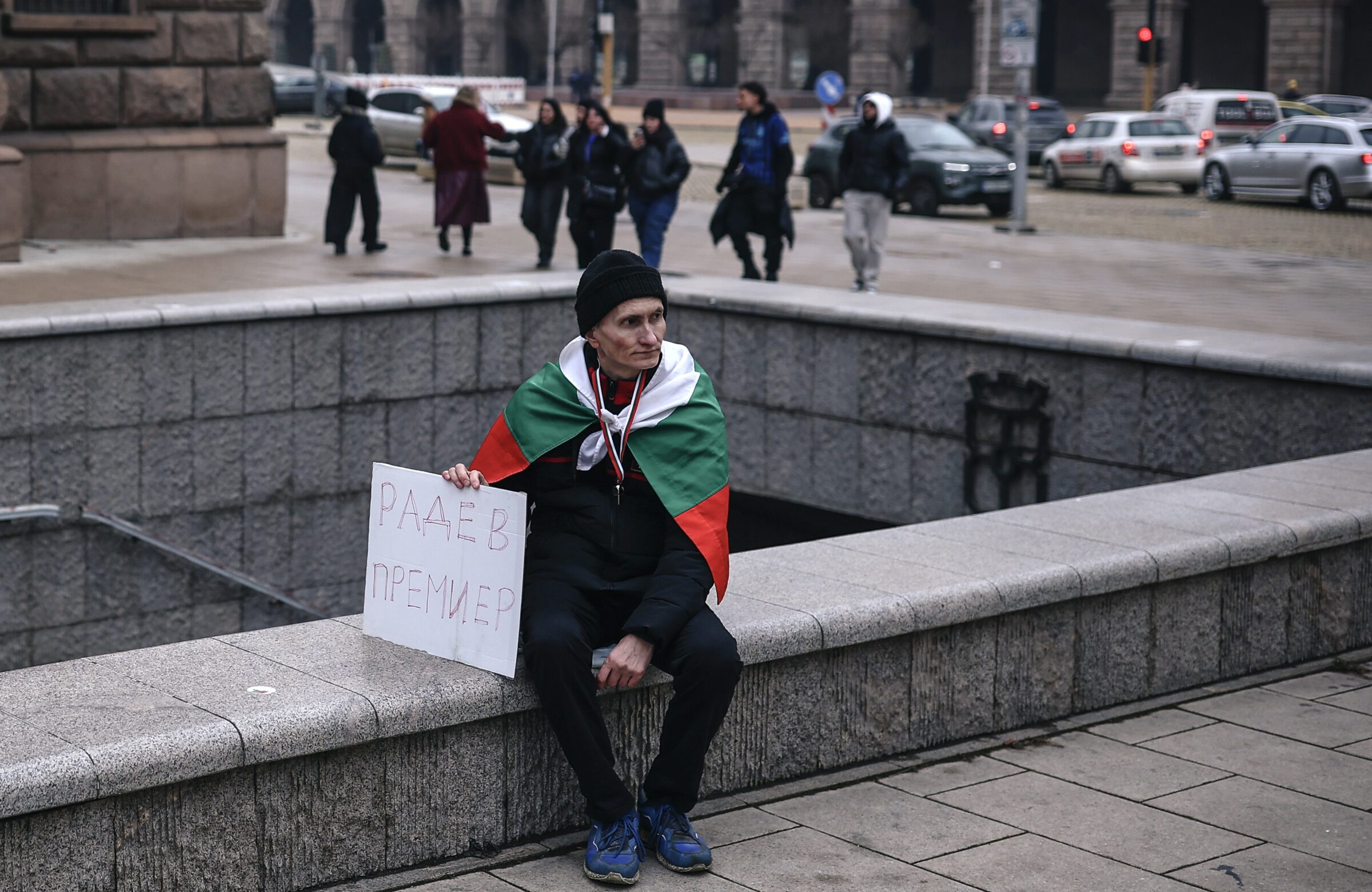
[Interview] Bulgaria’s presidential election becomes a test of Rumen Radev’s grip on power

Incumbent president Iliana Yotova is leading Bulgaria’s 2026 presidential election race, alongside her running mate, Kiril Vulchev, securing 47.3 percent support among likely voters, according to a poll released on Wednesday (21 October).

Andrei Gyurov, a former caretaker prime minister, and his running mate, Georgi Kandev, rank second with around 30 percent. Leaving the pro-Russian Kostadin Kostadinov and Petar Volgin is in third place on just over ten percent.

Bulgaria is voting on Sunday (25 October) and the vote can be seen as “a test of the government’s stability”, according to Ivaylo Iliev, a political scientist, with whom we analyse Bulgarian presidential elections in three points.

1. A test of the government’s stability

The election could consolidate political influence around prime minister Rumen Radev, or expose the limits of his camp’s support.

The PM’s Progressive Bulgaria, which secured a parliamentary majority in April 2026, is facing criticism over its budget plans and handling of security threats. Recent attacks on merchant vessels in the Black Sea have raised questions about Bulgaria’s ability to protect its interests and reassure its allies.

Iotova, who served as Radev’s vice-president for nine years, is closely associated with the prime minister. And her victory could be interpreted as an endorsement of the governing camp.

“Radev has his candidate in these elections and he is obviously the favourite to win a second round,” Iliev says.

However, the Black Sea attacks have “definitely negatively affected both” Iotova’s campaign and public confidence in the government’s security response, he adds.

The government’s response, alongside its nuanced position on Russia’s war against Ukraine, may appeal to voters sceptical of confrontation with Moscow. At the same time, it also risks complicating Bulgaria’s relations with its European and Nato partners.

“Radev demonstrates two different types of behaviour”, says Iliev.

On the domestic front, he is “balanced”, “vague” or even “without specifics”, Iliev says. For Radev does not want “to cause discontent among his pro-Russian voters”.

On the foreign policy however, Radev is more seeking to get as close as possible to the European consensus, but “with a minimal effort.”

2. Taking the government to account?

The second question is whether the presidency can act as a counterweight to the executive or will reinforce the same centre of political influence.

Gyurov’s campaign has warned against putting “all the eggs in one basket”. Concentrating power around Radev and Iotova could weaken independent scrutiny he says.

A Gyurov victory could give the presidency a more “independent voice”, says Iliev.

However, institutional checks and balances do not necessarily translate into electoral support.

This article continues, but the full version is available only to EUobserver.com subscribers. Visit account.euobserver.com/membership

  •  

[Interview] Ousting Netanyahu won’t curb right-wing Israeli nationalism, says expert ahead of Tuesday’s Knesset elections

First published in Deník N.

Even if Israelis vote out the current government, an ideological shift will endure, says Beth Oppenheim, a policy fellow in the Middle East and North Africa programme at the European Council on Foreign Relations.

The London-based analyst explains how once-fringe ideas have crept into the political mainstream and the limitations of liberalism.

In this interview:

  • Why Netanyahu’s departure would not bring about fundamental change.
  • How 7 October has put diplomacy permanently off the table.
  • What to expect if a new government was elected in Knesset (Israeli parliament) elections.
  • The lessons Europe can draw from all this.

You say Israel’s illiberal and ethnonationalist turn represents a transformation beyond Israeli prime minister Benjamin Netanyahu; these ideologies would not disappear even with him gone. In your analysis of Israeli politics, you avoid the traditional left–right political spectrum – why?

Beth Oppenheim: In the Ideas of Israel project for ECFR, I wanted to unpack this binary we often see on the question of Netanyahu’s leadership. He dominates Israeli politics, but the debate about the prime minister often obscures more interesting trends like the rightward shift of Israeli politics. Often, the opposition is referred to as the liberal bloc, whom the right wing label as leftists – but this is inaccurate.

The pro-Netanyahus form a government coalition, while the opposition bloc is actually rather ideologically diverse. So in my research I wanted to go beyond the reductive question of Netanyahu to understand how parties behave in elections; I wanted to see where all these different parties’ ideologies and visions fit in. 

And this led you to categorise Israeli parties into four groups: the liberal Zionists, the nationalists, the ultra-Orthodox camp, and the religious nationalists. Could you describe each group? Let’s start with the liberal Zionists, who are considered the most left-wing of the Jewish Israeli camps…

Of course. The liberal Zionists include figures such as Yair Golan, Yair Lapid and Gadi Eisenkot.

Eisenkot (Yashar party) is a former general in the military. Despite this, many on the right brand him as a leftist. 

A billboard featuring Yashar party leader Gadi Eisenkot reading ‘This time, Eisenkot’ in Tel Aviv. (Source: EPA/ABIR SULTAN)

Lapid (Yesh Atid party) comes from a liberal centrist tradition in the mould of his father. Like Eisenkot, he is very secular. A secular vision for Israel and an emphasis on liberal democratic institutions unite the camp of liberal Zionists.

Golan (The Democrats party) is the left flank of this camp. In Europe, he wouldn’t be seen as far left, but within the Israeli spectrum, he is seen as radical. He has security credentials, too, but he’s the only liberal Zionist who talks about a political settlement with the Palestinians. 

The two-state solution is not really on the menu in the Jewish Israeli political mainstream – that’s now the preserve of the far-left fringe; it’s not a mainstream discussion anymore. 

“The two-state solution is not really on the menu in the Jewish Israeli political mainstream”

The liberal Zionists are united around their secularism and their commitment to the liberal democratic institutions, but there’s one big caveat: when it comes to the Palestinian issue, their liberalism is more circumscribed. 

They are not talking about the ongoing occupation and the effect that that has on Israel’s democratic standing. But of course, they’re very united in their opposition to Netanyahu.

The liberal Zionist camp lacks a coherent platform other than this; they basically advocate for good governance, but don’t offer a robust vision. 

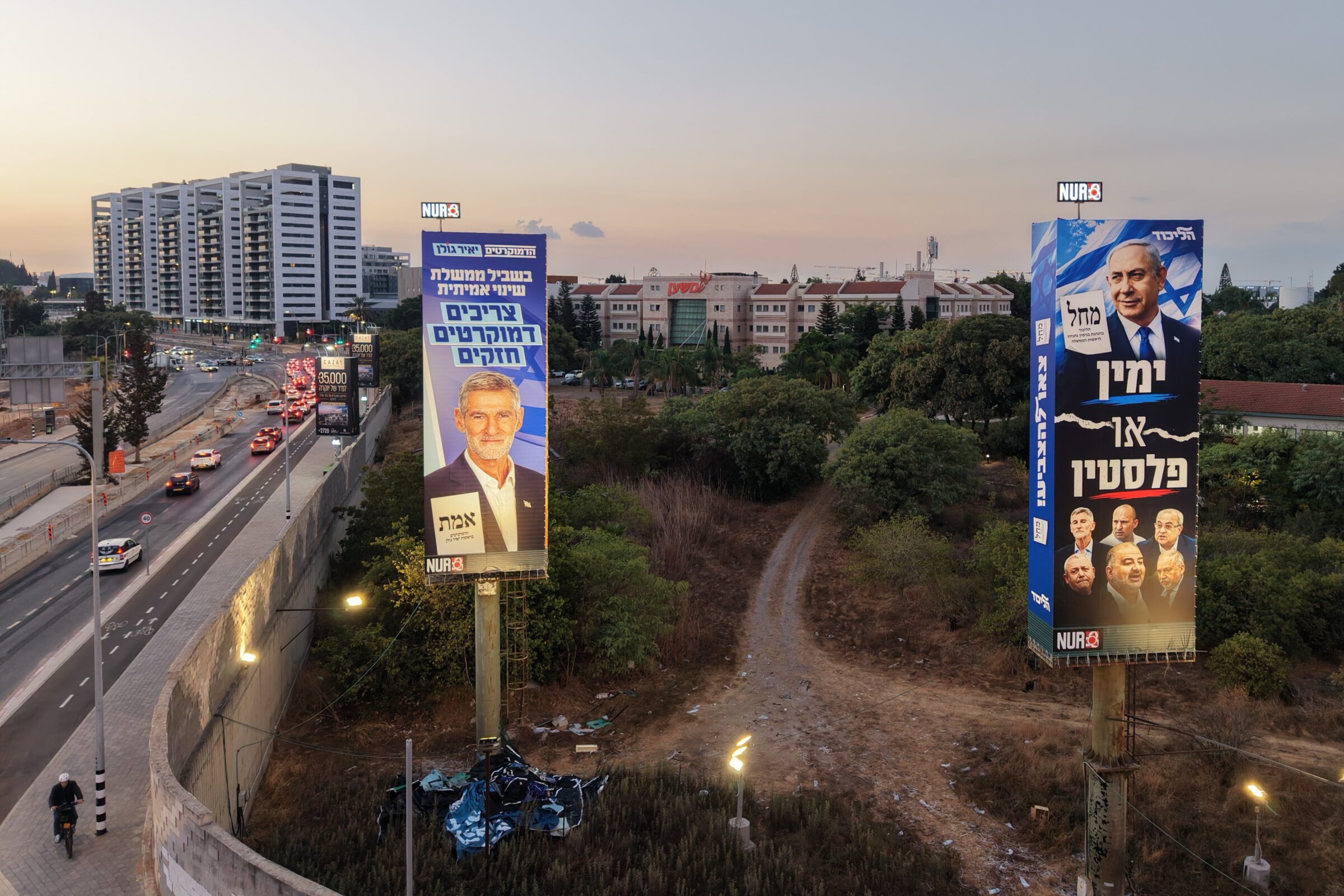
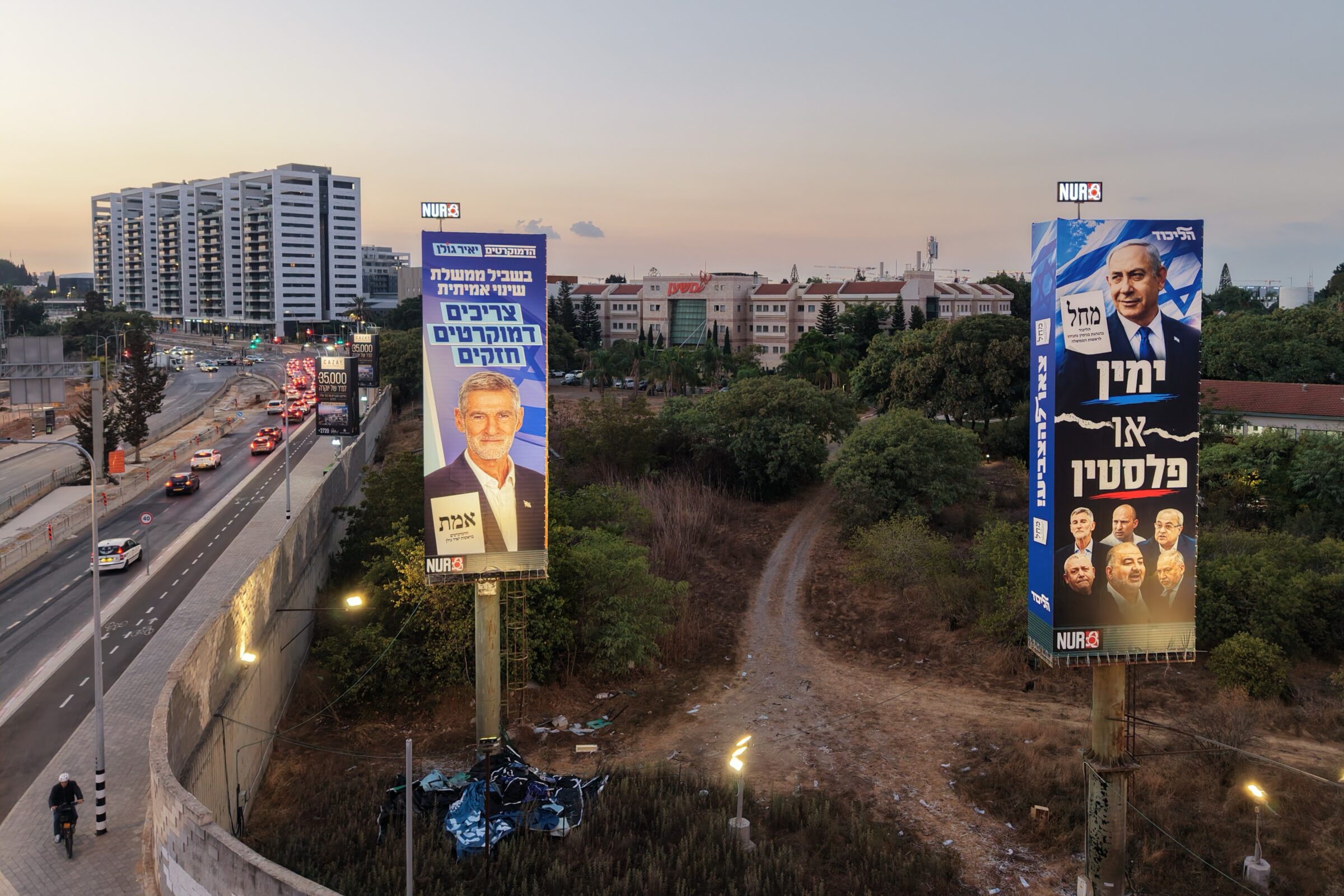
Election billboards featuring The Democrats Party leader Yair Golan and Israeli prime minister Benjamin Netanyahu. (Source: EPA/ABIR SULTAN)

And that cannot be said about the nationalists, whose vision is quite clear, right?

Traditionally, the nationalist camp was the mainstream right wing. Today’s main contenders are prime minister Benjamin Netanyahu’s Likud and Avigdor Lieberman’s Yisrael Beiteinu.

Meanwhile, former prime minister Naftali Bennett is running on a joint list with Lapid’s Yesh Atid, called Beyachad (‘Together’). Bennett and Lapid joined forces despite coming from different ideological traditions. They have very different ideas about the country, but they’re coming together to present a more technocratic agenda, get Netanyahu out and normalise Israeli politics. 

The nationalist camp descends from the Revisionist Zionist tradition based on Ze’ev Jabotinsky’s vision: a liberal democratic outlook fused with ultra-nationalist convictions. So to take a Revisionist Zionist view is to take a hawkish and hardline approach towards Arabs, while keeping a commitment to liberal democratic values. But affinity for liberalism and democratic values has really withered away over recent decades, not only under Netanyahu.

And then there is the ultra-Orthodox camp, without which the current government would never have completed a full term.

The ultra-Orthodox group does not fit easily on the left-to-right political spectrum, which in the Israeli understanding is defined by hawkishness on Palestinians and security.

They are made up of two Ashkenazi parties – Degel HaTorah and Agudat Yisrael – and Sephardic party Shas. What unites them is strict religious observance of Jewish law and their commitment to separation from secular society or modernity.

“The ultra-Orthodox camp is predominantly non-Zionist, but not necessarily anti-Zionist”

Interestingly, the ultra-Orthodox camp is predominantly non-Zionist, but not necessarily anti-Zionist since they didn’t endorse the creation of Israel in its secular form. They engage with the state, but in a limited way – they’re very transactional and pragmatic.

And the ultra-orthodox camp work within state apparatus to advance sectoral interests, yeshiva education, the military service exemption, and subsidies to maintain a somewhat introverted separation from the rest of society.

They are mostly passive when it comes to issues of foreign policy and security policy, but they do not support loss of Jewish life for nationalist ends – they don’t believe that the state in its current form is sacred. And so they don’t, for instance, endorse the loss of Jewish life for territorial expansion.

That leaves us with the last category: the religious nationalist camp.

Religious nationalists draw together ultra-orthodox religious observance, but with ultra-nationalism.

This article continues, but the full version is available only to EUobserver.com subscribers. Visit account.euobserver.com/membership

  •  

Moscow elites pleased with US envoy Witkoff and far from agreeing to peace (Ukraine Battlefield update, Day 1,702)

  • Russian journalists reveal what the Kremlin and US are discussing.
  • Starshield was supposedly fixed, but that doesn’t seem to be the case.
  • Russians advance in Rai-Oleksandrivka towards Sloviansk.
  • Russia loses two combat Sukhoi aircraft in accidents in one day.
  • Map of the day: Rai-Oleksandrivka
  • Videos of the day: Kramatorsk evacuation; Russian Su-30 crashes; how helicopters hunt drones.

Russian journalists have described the nature of talks between the Kremlin and the US. A demilitarised zone in Donbas. A Ukraine without Nato membership but is allowed to join the EU membership in return. Sanctions against Russia eased, Russian gas in Europe and news talks on the Nord Stream 2 pipeline. And America makes its own deals with Russia.

This is how, according to The Economist, the US proposal to the Kremlin for ending the war sounded, presented in Moscow on Wednesday (21 October) by Steve Witkoff, Trump’s negotiator.

It sounds like something Russia might welcome, but that does not appear to be the case. At least not according to the findings of the Russian exile website Verstka, which a day later published an extensive report on the mood among Russia’s Kremlin-linked elite.

The article, signed by the newspaper’s editorial board, contains numerous quotes from government officials and people close to the regime, whose views on the prospect of swiftly reaching a peace deal and ending the fighting are sceptical.

Verstka wrote that war fatigue was mounting among these people, whose names it naturally did not disclose, but that they fully defer to Russian president Vladimir Putin and are waiting to see what he agrees with US president Donald Trump.

“It can be said with certainty that American sympathies have shifted to our side. We have been working on this for a year and a half,” a source close to the foreign ministry told the journalists, describing Moscow’s strategy.

Russia achieved this through the following argument: since Ukraine considers itself a victim — which it undoubtedly is, editor’s note — and asks for assistance, but is unwilling to make concessions in return for that assistance, it is no longer in fact a victim, but a player with ambitions of its own, which Western taxpayers are unwilling to fund.

Incidentally, the Slovak government uses very similar rhetoric and arguments.

According to the same source, Moscow will emphasise during the talks the hopelessness of Ukraine’s supposed situation.

Another quoted voice was a political strategist directly linked to the Kremlin, who pointed out that Trump’s son-in-law Jared Kushner did not directly take part in the talks in St Petersburg on 21 October, reportedly due to illness.

Nevertheless, this source also praised the US approach, even if Trump’s dispute with Ukraine proved only short-lived: “We have nothing to lose from these solutions. And we could gain both an improved budget and an advantage on the battlefield.” At the same time, the domestic political strategist saw no fundamental changes that could lead to an end to the fighting.

The extent of the irrationality prevailing within the regime was illustrated by statements from another unnamed representative of a formally non-governmental organisation working directly with the Kremlin.

In his analysis, he claimed that Ukrainian president Volodymyr Zelensky had created a dictatorial system from which neither elections nor a coup could remove him, and that the war would not end while he remained in office. He also cited reports by Russia’s foreign intelligence service claiming that Kyiv was cooperating with Mexican drug cartels.

Another government official had low expectations of the Americans: “For almost two years now, we have been saying that Trump is supposedly one of us and that the talks are constructive, but they have produced no results. We are fighting, burning, drowning, suffering alongside our homeland.”

The man spoke of a “peace wing”, allegedly comprising people in the presidential administration responsible for domestic policy and economic circles, but this did not mean that there was any open opposition to the war.

“There is no escape from the ship. We are waiting for them to have had enough of the war,” the official said.

This article continues, but the full version is available only to EUobserver.com subscribers. Visit account.euobserver.com/membership

  •  

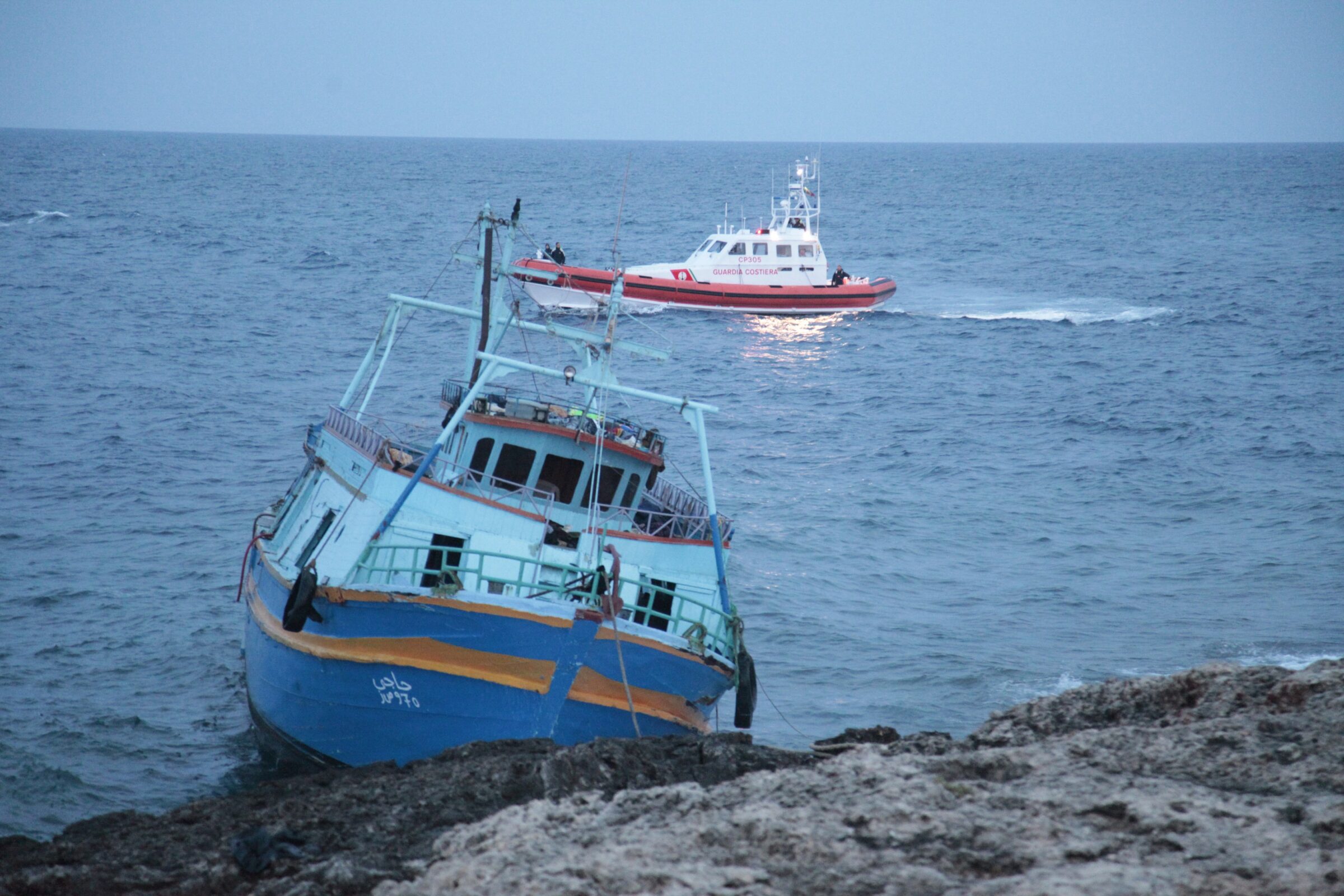
New EU-wide asylum law ends up in court in Italy

An Egyptian national who sought protection in Italy after arriving on the island of Lampedusa in August may end up dealing a constitutional blow to the EU’s asylum laws after seeking legal counsel.

The Egyptian, who is not named, had his asylum claim rejected even though he did not understand his translator. His is appealing.

“Not even European Union law can conflict with our supreme principles,” his lawyer, Claudia Avenia told EUobserver earlier this week.

Aside from his own personal circumstances, his legal case is raising serious issues that could have a knock-on effect on the EU’s new asylum and migration pact, which kicked into force this past June across all 27 EU member states.

Because he is from Egypt, he was shuffled through a fast track asylum procedure. EU laws require the accelerated process from nationals who have a 20 percent chance or less of getting asylum in Europe. Egypt fits into this category.

A new EU law also meant that he was technically not yet legally inside the EU as authorities carried out health checks, identification and other assessments during a so-called pre-screening phase.

It means he was banned from stepping outside a reception centre, where he was being housed.

Lawyers describe it as the legal fiction of non-entry, similar in scope to certain areas of international airports. Rights experts had earlier warned, when the EU rules were being drafted, that this would lead to defacto detention.

This article continues, but the full version is available only to EUobserver.com subscribers. Visit account.euobserver.com/membership

  •  

Jewish groups clash over whether EU antisemitism envoy should influence Israel policy, as controversial von Schnurbein goes back to Berlin

Two leading Jewish groups want the EU’s next antisemitism tsar to also brief diplomats on foreign policy – despite the controversy it caused for the last one, Katharina von Schnurbein.

“EU external decisions have direct consequences for Jews living in Europe. Diplomats should hear from the person who sees those consequences every day,” said Pinchas Goldschmidt, who heads the Conference of European Rabbis (CER) in Munich, Germany.

The European Jewish Congress (EJC) in Brussels also told EUobserver: “The [EU antisemitism] coordinator should ensure that this objective is systematically reflected in all relevant EU policies, including external action and foreign policy.”

They spoke as von Schnurbein prepared to leave her EU post after 10 years to become a German “federal government commissioner for Jewish life in Germany and the fight against antisemitism” on 28 October.

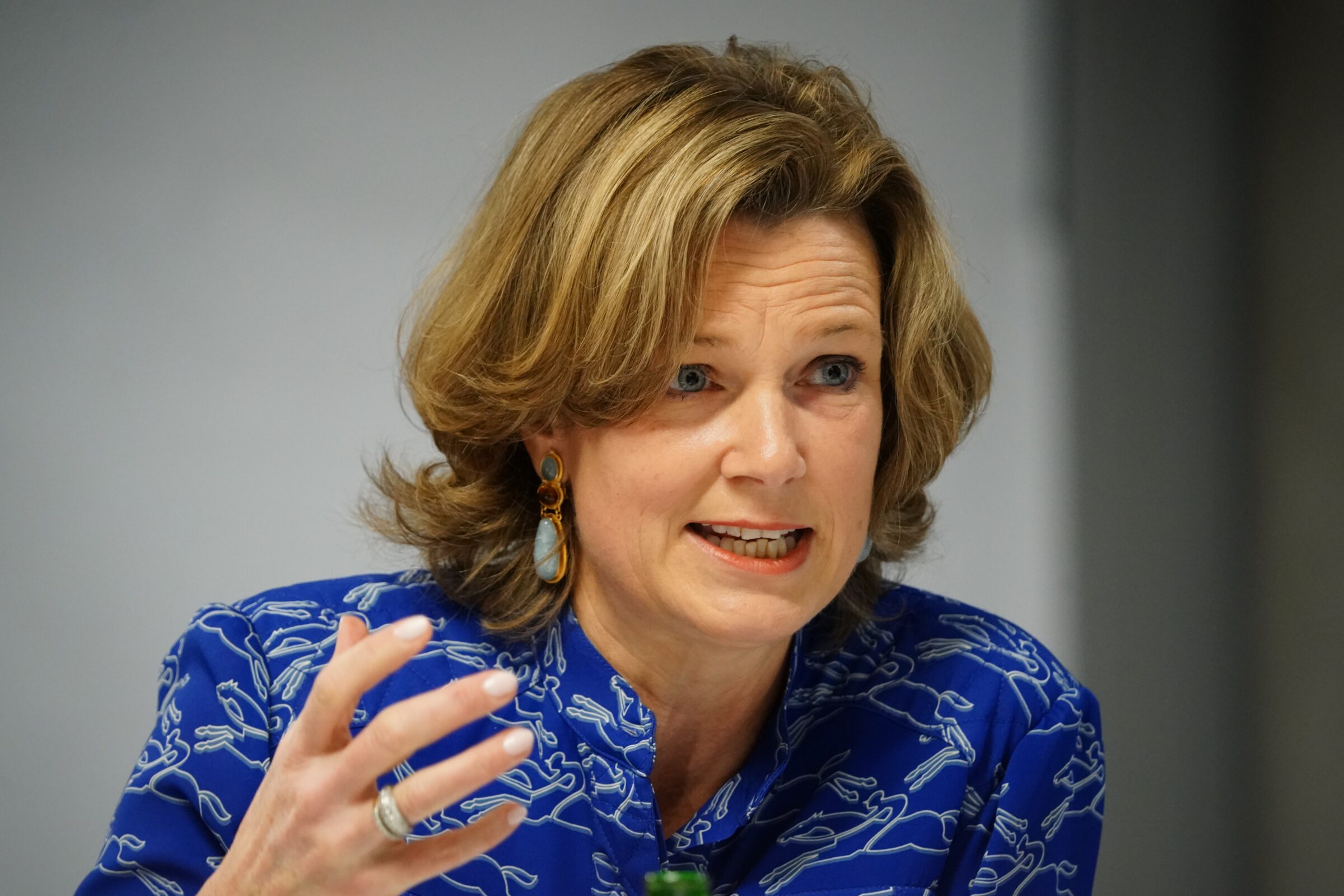
The 53-year-old German baroness was highly active at events in EU capitals, had three staff, and travelled on missions to Israel, Serbia, Switzerland, and the US.

She also worked next door to European Commission president Ursula von der Leyen in her Brussels HQ and had close ties with the Israeli government.

This article continues, but the full version is available only to EUobserver.com subscribers. Visit account.euobserver.com/membership

  •  

Big fish hooked in Hungary, as Orbán’s ex-bank chief placed in custody (Day 163 of the Tisza government)

The series continues as we report on developments following April’s historic election and on the steps taken since then by the Tisza government. This week, we cover the following topics:

  • Orbán’s former right-hand man in custody.
  • What did we learn from Tisza’s first budget?
  • Ursula von der Leyen to give a speech on the anniversary of the revolution.
  • Poll of the week: more than four million people back Tisza.

Orbán’s ex-right-hand man in custody

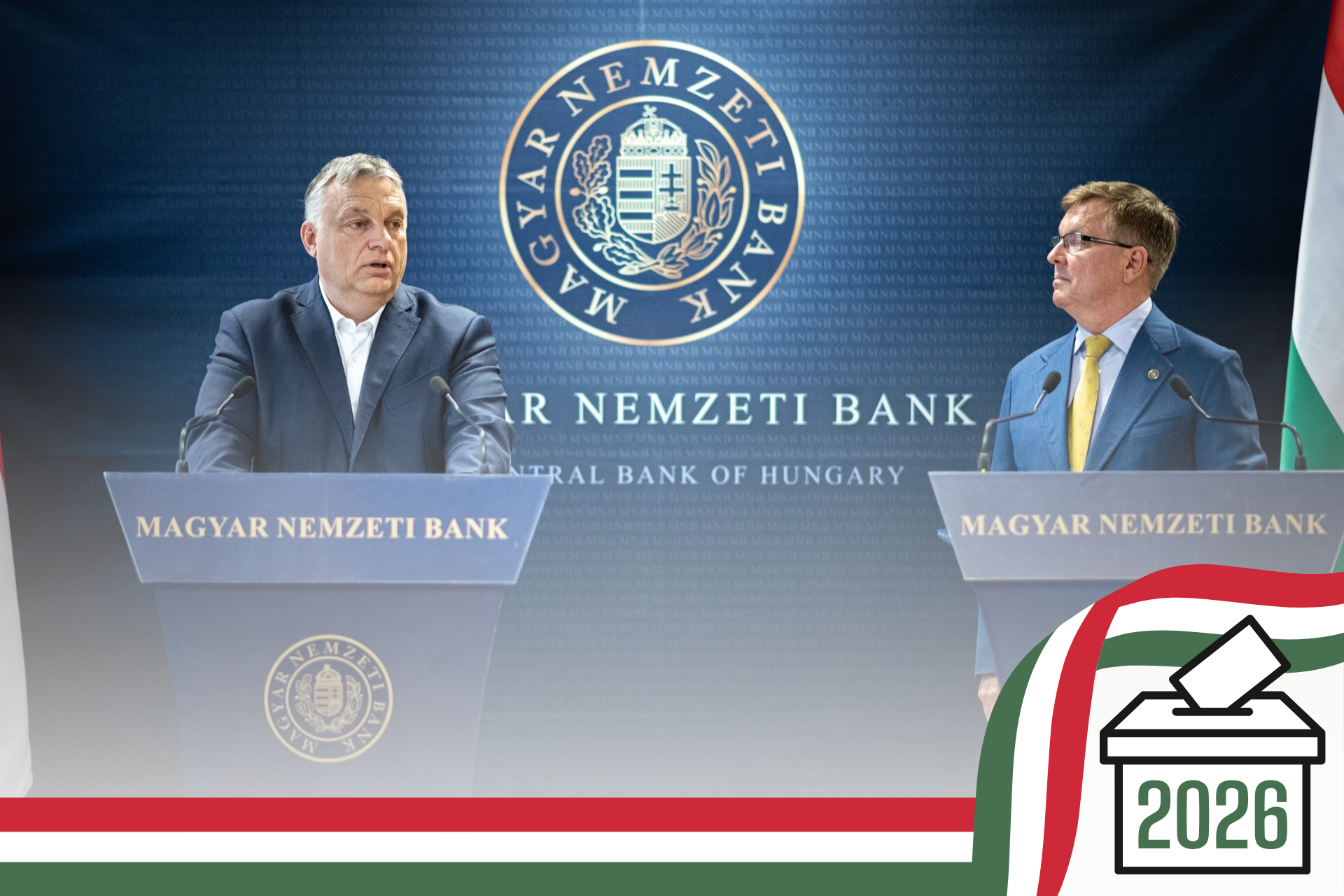
The last time a central bank governor was taken into custody in Hungary was in 1944, during the German occupation, as Válasz Online pointed out. This 82-year hiatus ended on Wednesday (21 October), when György Matolcsy was taken into police custody.

But Matolcsy is not simply a former central bank governor; he is one of the architects of Orbán’s economic policy, a key figure in the former prime minister’s system, and together with his family he has in recent years become one of the symbols of Fidesz’s taste for luxury.

Who is György Matolcsy?

“I have a very strong emotional relationship with Matolcsy. I owe him a great deal, I have learned a great many things from him. Matolcsy is an economist of historic stature,” prime minister Péter Magyar quoted ex-prime minister Viktor Orbán’s words from an interview last November, after the former central bank governor had been taken into custody.

Matolcsy was a member of the Hungarian Socialist Workers’ Party (MSZMP), and after the regime change he became prime minister József Antall’s chief adviser. In 1999 he joined Orbán’s advisory board, and from 2000 to 2002 he served as economy minister in the first Orbán cabinet.

Even after the 2002 election defeat he remained loyal to Orbán, and in 2010 he became minister for national economy, meaning he was put in charge of both the finance and economy portfolios at the head of a merged super-ministry. It was at this time that Orbán called him his right-hand man.

Matolcsy was the architect of Orbán’s “unorthodox economic policy”; he oversaw the nationalisation of private pension funds, the sending home of the IMF from Hungary, and the introduction of high sectoral surtaxes.

The great bank heist

He was appointed central bank governor in 2013, and by 2016 the foundations scandal had already broken. It emerged that 266bn forints’ worth (€840m) of public assets had been shifted into the foundations of the Hungarian National Bank (MNB). These foundations bought buildings and works of art, and also granted substantial benefits to their own leaders.

Later, the foundations’ money was entrusted to an asset management company, which obtained further funds and thus came to control assets of around 500bn forints, of which some 400bn forints (€1bn) – was public money.

This asset manager built up an international corporate network, behind which stood the central bank governor’s son, Ádám Matolcsy, and his circle. The asset manager bought into risky foreign companies, spending a significant part of its resources. The Matolcsy family visibly became very rich, and Ádám also amassed a notorious Porsche collection.

György Matolcsy’s mandate expired in 2025, and after his departure the State Audit Office also concluded that abuses may have taken place at the central bank. For a long time, however, no police investigation was launched.

The current case

The current charges relate to a case that unfolded in the final days of Matolcsy’s activity as central bank governor. Matolcsy wanted to ensure that his family would control the roughly 500bn forints (€1.25bn) of central bank assets even after he no longer held office.

This article continues, but the full version is available only to EUobserver.com subscribers. Visit account.euobserver.com/membership

  •  

Putting the clocks back this Sunday – yet millions of Europeans don’t want to

Europeans made their preference clear. Parliament voted. So why are we still changing the clocks?

On Sunday (25 October), Europeans will once again turn their clocks back by one hour. The familiar ritual will again raise the same question: did the European Union not decide years ago to end seasonal clock changes?

The question entered the European agenda largely from the bottom up.

Citizens repeatedly contacted and petitioned the European Parliament, raising concerns about health, sleep disruption and the continuing usefulness of changing the clocks twice a year.

A citizens’ initiative presented to the Finnish Parliament in 2017 gave the issue further momentum. Finland could not end the practice alone because it was regulated at EU level.

On 8 February 2018, the European Parliament called on the EU Commission to assess the existing directive and, if necessary, propose its revision.

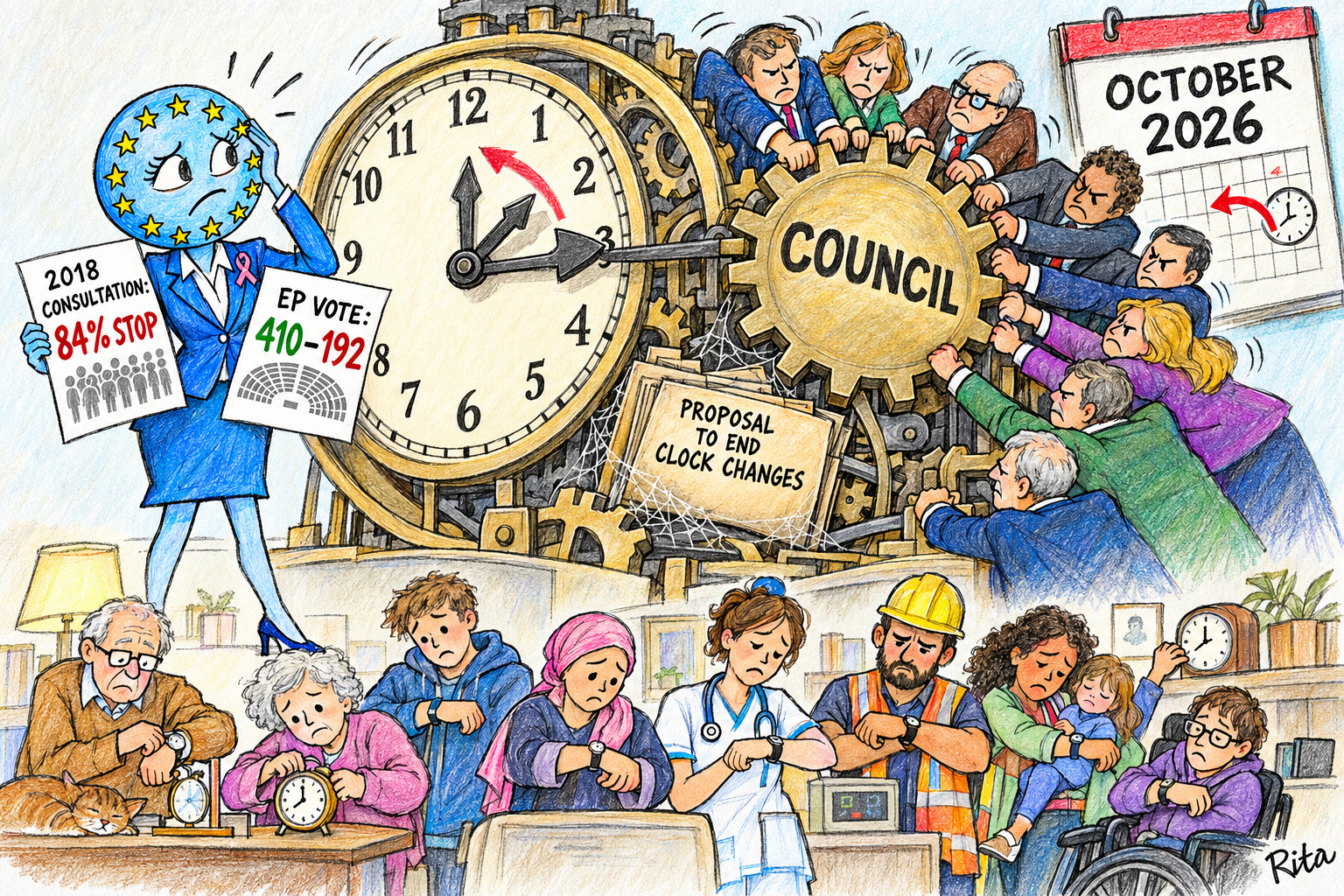
84% public support for ending clock changes…

The commission subsequently launched a public consultation. It received approximately 4.6 million responses from citizens, the highest number ever recorded for an EU consultation at that time. Among those who participated, 84 percent supported ending the twice-yearly clock changes.

The consultation was not a referendum, and participation varied considerably between member states. Nevertheless, millions of Europeans sent a clear political message.

Jean-Claude Juncker highlighted the issue in his 2018 State of the Union address. Shortly afterwards, the commission proposed ending seasonal clock changes while allowing each member state to choose permanent summer time or permanent standard time.

…and MEPs agree

In March 2019, the European Parliament approved the proposal in plenary by 410 votes to 192, with 51 abstentions. The final clock change was expected in 2021.

Yet 2021 came and went, and Europeans continued adjusting their clocks every March and October.

Parliament has not reversed its position, and the commission has not formally withdrawn its proposal. The file remains blocked because member state governments have never agreed on a common position in the Council.

No simple solution for 27 states

Ending the clock change sounds simple until governments must decide what replaces it. Should countries remain permanently on summer time or standard time? What happens if neighbouring countries make different choices? How would a patchwork of time zones affect transport, aviation, trade and the single market?

These are legitimate questions.

A poorly coordinated decision could create new problems while solving the old one. Some governments also requested a more detailed assessment of the consequences. The pandemic and the crises that followed then pushed the issue further down the political agenda.

However, the crisis cannot explain indefinite inaction. Eight years after the Commission presented its proposal, the Council has still not adopted a position. Without it, negotiations with Parliament cannot move towards a final agreement.

This is where a practical question about clocks becomes a problem of democracy, accountability and political communication.

Citizens were encouraged to participate. Millions did. Parliament responded adequately. The commission presented the consultation as evidence that Europe was listening. Its president announced that clock-changing would stop, and Parliament endorsed the proposal with a clear majority.

Then the process got  stuck.

Twice a year, Europeans are reminded of this promise, but receive little to no explanation about who is blocking progress, which governments support which option or how the disagreement might be resolved.

Simply saying that “the EU failed” would, however, hide who has the concrete political responsibility. The EU is a complex, multilevel decision-making system in which responsibility is shared among different institutions and member state governments. Parliament adopted its position, while national capitals failed to agree in the council.

Those governments should explain their positions instead of allowing “Brussels” to absorb the blame like often happens, for their collective indecision.

The European Commission also has certain responsibility because her proposed legislation left the most difficult question, the choice of permanent time, to individual countries. 

In any case, the EU risks turning, or did turn,  an example of successful citizen agenda-setting into an example of participatory failure.

The issue may not be Europe’s most urgent challenge right now, but credibility and a positive image is also built through implementation of citizens’ demands such as this one.

People notice when a widely announced change does not happen, especially when it impacts directly and negatively their daily life. They also notice when nobody explains why.

Member state governments should state publicly whether they favour permanent summer time, permanent standard time or retaining the current system. The council should put the issue back on its agenda and strive to achieve an agreement.

And if this is not possible, Europeans deserve a clear explanation why their participation led nowhere.

  •  

[Interview] ‘If stress in France ends up contaminating the rest of the eurozone, the ECB will have to do something,’ says French economist

France is facing one of its worst political, social and fiscal crises in years, and there is a sense things will get worse before they get better.

What started in September as high-school protests over teacher shortages and poor education standards in the Paris suburbs later grew into a much wider revolt over soaring fuel and living costs, a public sector pay freeze and a proposed austerity budget.

Last Saturday (17 October), public anger exploded into nationwide riots. More than half a million people took to the streets across France. Most marched peacefully. But violence broke out on the sidelines in several cities, with looting, arson and clashes with police.

When things finally calmed down, nearly 2,400 people had been arrested, interior minister Laurent Nuñez later said.

But even as protesters demand more teachers, smaller classes, higher wages and cheaper fuel, investors have been selling off French government bonds, worried that France cannot rein in its spending.

The gap between French and German 10-year borrowing costs, an important gauge of financial stability in the eurozone, reached almost 151 basis points on Tuesday, the widest since the eurozone debt crisis of 2011-2012.

But French politics is too divided to agree on the spending cuts bond traders want to see. And with presidential elections due in April, a quick resolution looks unlikely.

That leaves the central bank. The European Central Bank (ECB) could buy up French debt to bring borrowing costs down. It may even be forced to, if bond market panic spreads. But bailing out France is politically explosive, and depends on the judgement of the bank’s 27-member governing council. 

For the time being, the ECB “is unlikely to say or do anything helpful,” Shahin Vallée, a senior associate fellow at the German Council on Foreign Relations (DGAP), wrote in a recent blog post.

Vallée, who is now an advisor to institutional investors, previously worked for Herman Van Rompuy who was European Council president during the eurozone crisis. He then joined Emmanuel Macron, France’s economy minister at the time, as advisor.

That background means he can speak with authority on everything from macroeconomics and bond markets to French politics and fiscal woes. EUobserver reached out to him to see what comes next.

Last week you were in Bangkok, where the IMF urged rich and poor countries to cut deficits and get debt under control. Is that the right medicine for France?

This article continues, but the full version is available only to EUobserver.com subscribers. Visit account.euobserver.com/membership

  •  

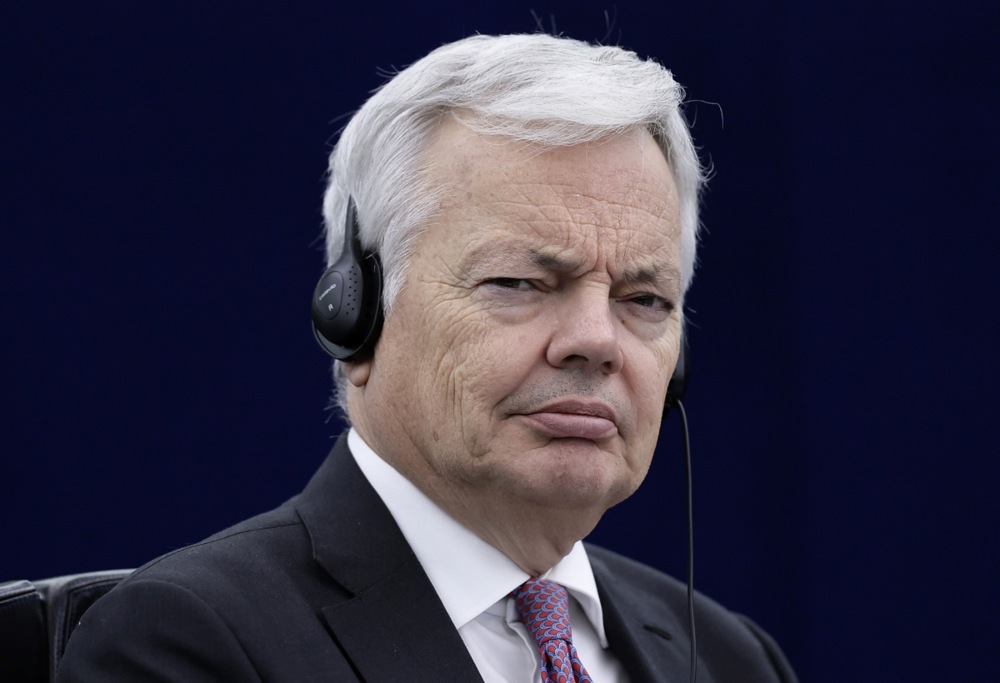
[EXCLUSIVE] Leaked WhatsApps between ex-EU commissioner Reynders and senior Belgian spy reveal attempts to bury allegations of his possible Russia ties

“The ‘job’ … has been mostly accomplished,” said a senior official in Belgium’s spy service, Hugues Brulin, in a WhatsApp message to the Belgian then EU commissioner, Didier Reynders.

“Bravo for the work you did,” said Reynders.

It was back in 2022, and, at least on the surface, they were chatting about a staff reshuffle inside Belgium’s intelligence service, La Sûreté de l’Etat/Veiligheid van de Staat (VSSE) — which was already a peculiar thing for Brulin to be doing on WhatsApp with an EU official.

But their messages, seen by EUobserver and published in full below, were now also evidence in a Belgian police investigation into Reynders on money-laundering charges, which painted them in the light of a potentially criminal conspiracy.

They reconfirmed that Belgian authorities were looking into wider allegations of Reynders’ possible collusion with Russia.

Brulin’s real “job” had been to stop the VSSE from probing Reynders and his potential Russia links, according to five former and current Belgian intelligence officers who spoke to EUobserver.

And Brulin also WhatsApp-ed Reynders on how to “counterattack” a Russia whistleblower.

The 68-year-old liberal politician from Liège, in French-speaking southern Belgium, had had a glittering career before his sudden fall from grace in December 2024, when Belgian police raided his properties, and before he was subsequently charged in 2025 with having laundered some €1m via the ING Bank, using lottery tickets and cash deposits.

Reynders had been EU justice commissioner from 2019 until 30 November 2024 (just four days prior to the police raid) and Belgium’s foreign and defence minister from 2011 to 2019.

And Belgium had vetted and cleared him to read “top secret” national, EU, and Nato documents.

Meanwhile, Europe was scandalised to learn, on 10 October, that Germany’s former spy chief had been arrested for selling secrets.

But if a man with Reynders’ CV was also found guilty of corruption and foreign collusion, it would be yet another security fiasco for Western allies.

This article continues, but the full version is available only to EUobserver.com subscribers. Visit account.euobserver.com/membership

  •  

The EU media connects Europe’s connectors – allow us to help

Europe is a work in progress. Its future depends on the ability of people, institutions and businesses to work together across national borders and political divides.

The European project is far from perfect, but it remains the strongest alternative to a continent defined by division and confrontation.

Europe has advanced through dialogue, negotiation and compromise. Challenging established ideas is part of that process. So is recognising that criticism alone cannot deliver change. The task is to improve what we have built and find common ground on what comes next.

That responsibility extends well beyond the EU institutions and the Brussels bubble.

Businesses, civil society, universities, national governments, media and citizens all have a stake in Europe’s future. The single market and the euro, for example, are not merely institutional achievements. They are also the products of economic cooperation and the participation of businesses and citizens across the continent.

Strengthening Europe’s competitiveness and prosperity should be understood in the same way: as a shared undertaking, not an agenda reserved for political and economic elites. A stronger Europe requires participation, initiative and a willingness to contribute. It cannot be built by those who remain on the sidelines.

Europe needs more Connectors

Construction usually brings to mind roads, bridges and buildings — the concrete structures that link cities, countries and communities. But Europe also relies on less visible infrastructure: the networks, institutions and platforms that bring people together, build trust and turn ideas into action.

Media, civic organisations, universities and professional networks all play a role in this process. They connect perspectives, create opportunities for dialogue and help people identify shared interests across sectors and borders. They make cooperation possible where distance, competing priorities or a lack of understanding might otherwise stand in the way.

These Connectors are essential to Europe’s ability to act collectively. They help businesses engage with policymakers, give citizens access to informed public debate and enable organisations to exchange knowledge and develop partnerships. Their value lies not only in the connections they create, but also in what those connections make possible.

Pan-European media has a particular role to play. Outlets such as EUobserver do more than report on European affairs. They provide a space where different perspectives meet, complex policy debates become accessible and stakeholders can better understand the choices shaping the continent. In doing so, they can help connect the communities that make the European project work.

This is also the thinking behind our initiative to develop a media product dedicated to the business community. The aim is to create opportunities for organisations to communicate their priorities, strengthen their visibility and engage with the people and ideas shaping Europe’s economic future.

But the ambition goes beyond communication. It is about building relationships between businesses and the wider European ecosystem, encouraging the exchange of ideas and helping organisations find common ground around shared challenges and opportunities.

A competitive and prosperous Europe needs more than sound policies and strong institutions. It needs people and organisations willing to connect, cooperate and contribute. Media can help bring them together.

Europe is still under construction. Let’s connect its Connectors

To explore how we can connect your organisation with the people and ideas shaping Europe, contact us at connector@euobserver.com. 

  •  

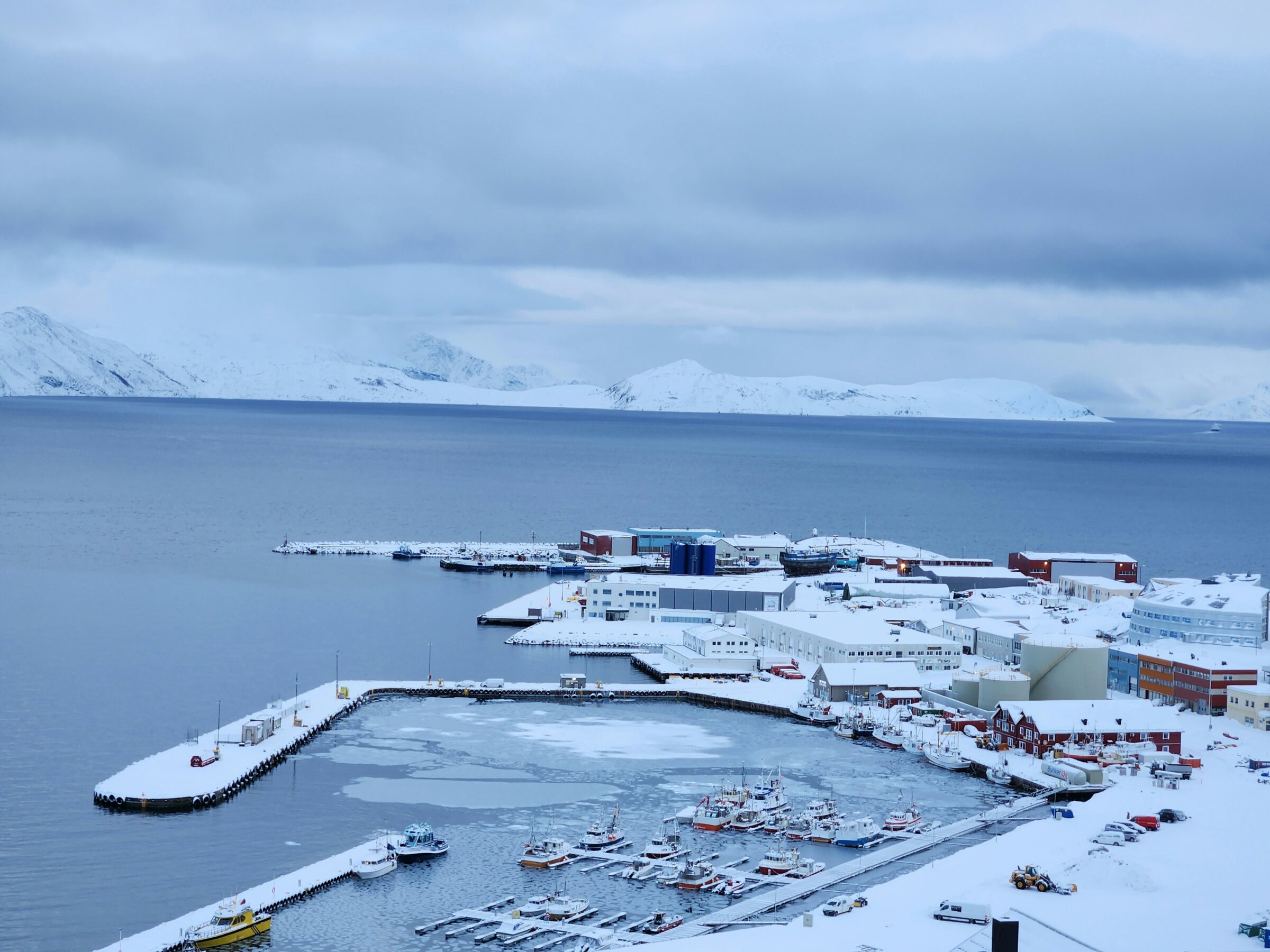
EU’s Arctic oil-and-gas pledge leaves a Norway-sized loophole

Earlier this week, EU officials said in unusually staunch terms that they would not buy Arctic oil and gas.

Even if someone (Norway) decided to drill new oil or gas wells in the Barents Sea, which is well above the Arctic Circle, the EU would not purchase it.

The goal is to dissuade investors. It costs many billions of euros to develop gas or oil at scale in the harsh conditions of the far north.

If there is no offtake market in continental Europe, no-one is going to take the risk.

The thing is, EU buyers already buy gas (and oil) from the Arctic. A lot of it.

Most of the gas, some 12 million tonnes so far this year, comes from Russia’s Yamal LNG plant, which sits on the shore of the biggest estuary you have never heard of, the Gulf of Ob (Obskaya Guba in Russian).

But that will end 10 weeks from now, when the EU ban on Russian LNG kicks in.

This article continues, but the full version is available only to EUobserver.com subscribers. Visit account.euobserver.com/membership

  •  

EU Parliament defies frugal capitals by seeking €7bn more for the EU’s popular Erasmus+ student scheme

The European Parliament overwhelmingly supported an increased budget and scope for the Erasmus+ student-exchange programme under the new EU budget on Thursday (22 October).

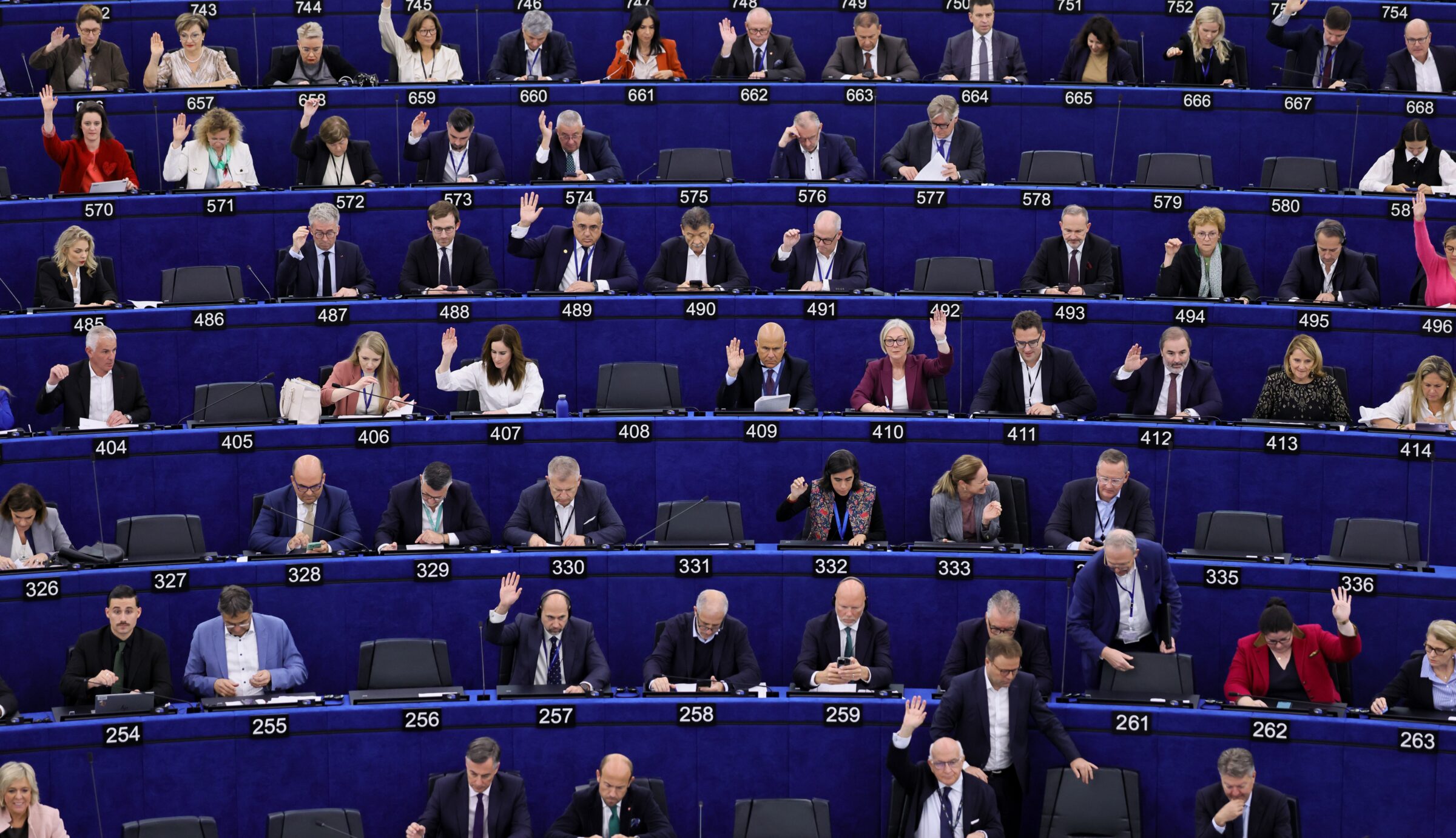
The plenary in Strasbourg opted for a €7bn increase in Erasmus+’s budget compared to the commission’s proposal, by 454 votes, with 34 abstentions, against 93, mostly from right-wing parties.

And it was an audacious move, seeing as ‘frugal’ EU capitals are pushing for €150bn of cuts to the commission’s draft.

But even a “slight increase” in Erasmus+ funds would mean more opportunities for thousands of people, said Bogdan Zdrojewski, a Polish centre-right MEP, who was the rapporteur on the file, during a parliamentary debate earlier on Wednesday.

Celebrating its 40th anniversary in 2027, Erasmus+ enables young people to study, live, and work in foreign countries both inside the 27 EU states and the programme’s 160 “associate” states worldwide.

Some 17 million people have taken part since it began, with an estimated 1 million babies also born to couples who met on exchange, in what the commission has long used as a flagship PR project for creating a feel-good factor about the EU.

Meanwhile, the UK will rejoin the programme in 2027, which means EU students will once more have the opportunity to also spend a semester in Britain, which hosts some of Europe’s and the world’s top universities.

And the parliament would also welcome Canada’s full participation in a few years’ time, Zdrojewski told press on Wednesday.

The EU Parliament would like to expand Erasmus+ to more vocational training. “Erasmus+ will be a programme for Europeans no matter what age, what stage of life,” Zdrojewski said.

And students from poorer homes should get more support to live in pricey cities abroad, he added.

The share of Erasmus+ participants who had fewer opportunities to travel under the present structure stood at 15 percent in 2023 – up from 10 percent only two years earlier, according to a commission evaluation.

“Far too often, it is still the parents’ financial situation that determines who can take part in Erasmus+ and who cannot,” said Sabrina Repp, a German socialist MEP, in Wednesday’s debate in Strasbourg.

Working students often cannot afford to quit their current job to go abroad, she added: “That is precisely what we must change.”

The EU budget talks are to be finalised early next year.

Some 83 percent of Erasmus+ participants say they gained professional skills that helped them in the labour market.

But in order for those opportunities to be available more widely, “we need more funding for this programme,” also said Lucia Yar, a Slovak liberal MEP in the Strasbourg debate.

  •  

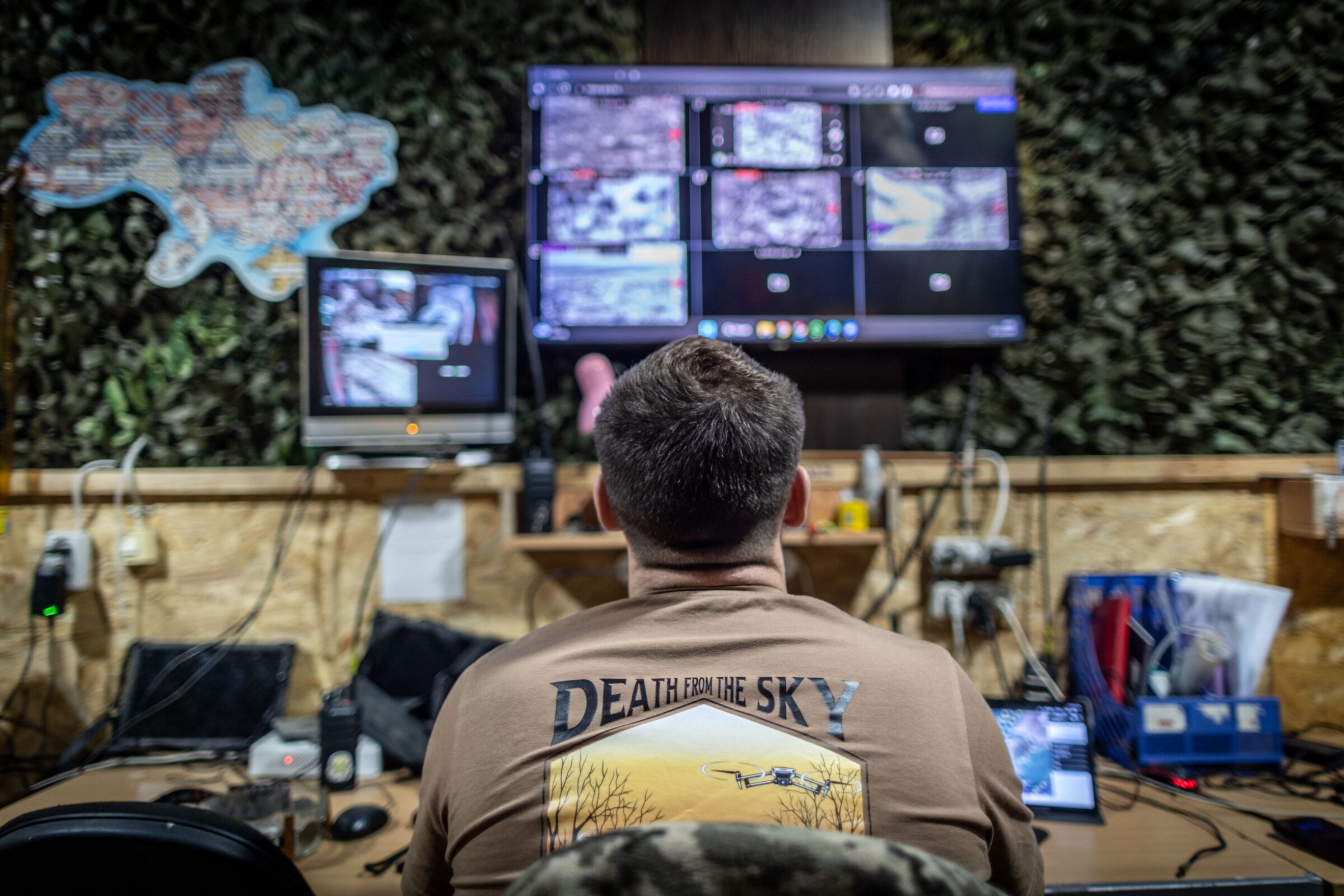
Drones buzz overhead and enemy wi-fi everywhere: Ukrainian veterans describe how they survived in Russia’s ‘kill zone’ (Ukraine Battlefield update, Day 1,701)

  • Soldiers told the New York Times how they survived six months in the kill zone.
  • Basic rules for survival.
  • Modern warfare: masses of equipment versus courageous individuals.
  • Following peace talks, the humanist Putin sent ballistic missiles to Ukraine.
  • Map of the day: the successful Operation Vivaldi.
  • Videos of the day: the underground Operation Veles into the Russian rear and an aerial drone duel.

Soldiers speak about their six months in the kill zone. When the 128th Mechanised Brigade asked at a training ground last autumn who was willing to go into the ‘kill zone’, the term used for the most dangerous stretches of the 1,200-km front, two soldiers volunteered.

And the rest visibly breathed a sigh of relief.

Hennadiy and Mykhailo, whose story was reported by the New York Times, spent a long six months “at zero” rather than one, and described in detail how they managed to survive on the front line in the Zaporizhzhia region.

Their account shows how, despite drone warfare, the basic work — holding or capturing new positions — is still done by infantry, which remains indispensable even in this war, where a technological advantage can mean the difference between life and death.

Both set out by car from the village of Prymorske and, when they were about 1.5 km from their destination, began a slow and extremely dangerous journey.

It was most dangerous when they had to move.

This article continues, but the full version is available only to EUobserver.com subscribers. Visit account.euobserver.com/membership

  •  

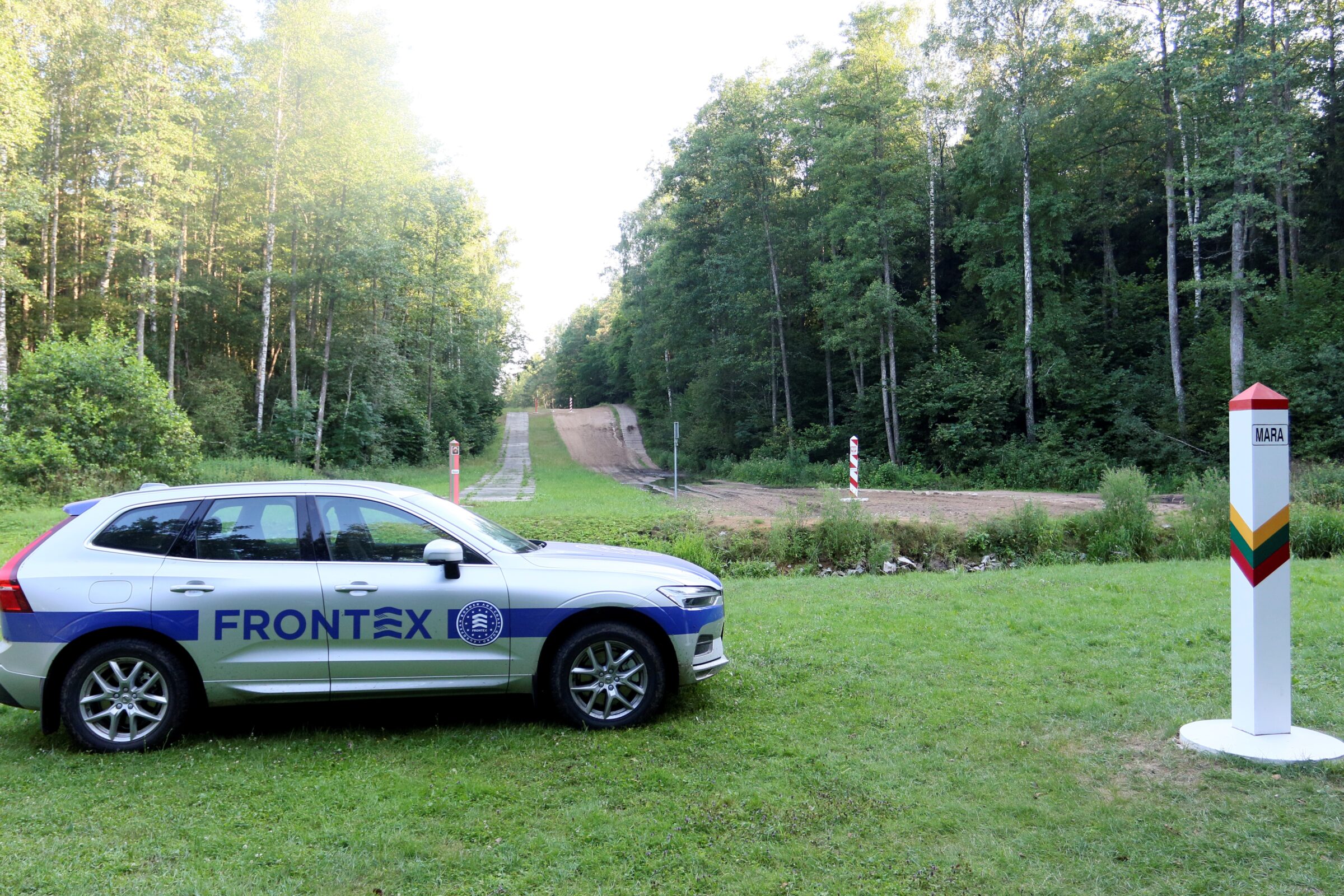
A bigger EU border force Frontex is set to be unveiled with emphasis on deportations

The EU’s border force Frontex is getting overhauled next Tuesday (27 October) by a European Commission determined to give the Warsaw-based agency a larger role in deportations, more resources, and more agility to deploy.

The Brussels-executive has already proposed increasing the agency’s budget to €12bn, spread out over seven years. The money is being discussed as part of a larger drawn out EU budget fight among EU states.

Budget tussles aside, the commission has already dropped clues into what it wants from the new agency, following demands from its political masters at the centre-right European People’s Party (EPP).

The EPP had wanted to expand the border force to 30,000 from the proposed 10,000. But it is unlikely the 30,000 will be met given the difficulty of finding recruits.

Frontex currently has around 1,250 officers, who are directly employed by the agency. Its standing corps also includes officers provided by member states on long- and short-term assignments. That means they are not all on the Frontex payroll.

European Commission president Ursula von der Leyen, ahead of this month’s EU summit, instead spoke of a “substantial increase” of the Frontex standing corps, without committing to a number.

She also called for European Border and Return Reserve, a Quick Reaction Force for crisis deployment, a Return Coordination Centre to accelerate and improve returns including from foreign states, and social media snooping to gauge any possible Ceuta-like mass arrivals.

The agency is also likely to get more personal data sharing powers with the EU police force Europol.

This article continues, but the full version is available only to EUobserver.com subscribers. Visit account.euobserver.com/membership

  •  

MEPs back three-year methane delay, triple what the EU Commission wanted

The European Parliament on Thursday (22 October) backed a three-year delay to the EU’s methane rules for oil and gas importers, two years more than the European Commission proposed last week.

MEPs also voted to extend the delay to European oil and gas producers, which goes beyond the commission’s plans.

The text now forms parliament’s position for negotiations with member states, whose ambassadors failed to agree on Wednesday.

Under the amendments, tabled by the conservative European People’s Party (EPP), importers would only have to prove that their oil and gas meets EU monitoring standards from 2031, instead of 2027 under the current law.

Reporting on methane intensity would also be delayed from 2028 to 2031.

A separate amendment from a cross-party group of 36 Romanian and Bulgarian MEPs, which also passed, delays reporting obligations for EU operators by three years, to 2030.

MEPs also approved an amendment, tabled by Dutch Socialist MEP Mohammed Chahim, that the extra time should not apply to oil, gas and coal from countries under EU sanctions, which in practice means Russia.

A far-right Patriots for Europe proposal to suspend the regulation altogether was rejected, as was a push by the conservative ECR group to delay parts of the rules even longer.

This article continues, but the full version is available only to EUobserver.com subscribers. Visit account.euobserver.com/membership

  •  

International Criminal Court wins EU’s top human rights prize in defiance of Trump’s sanctions

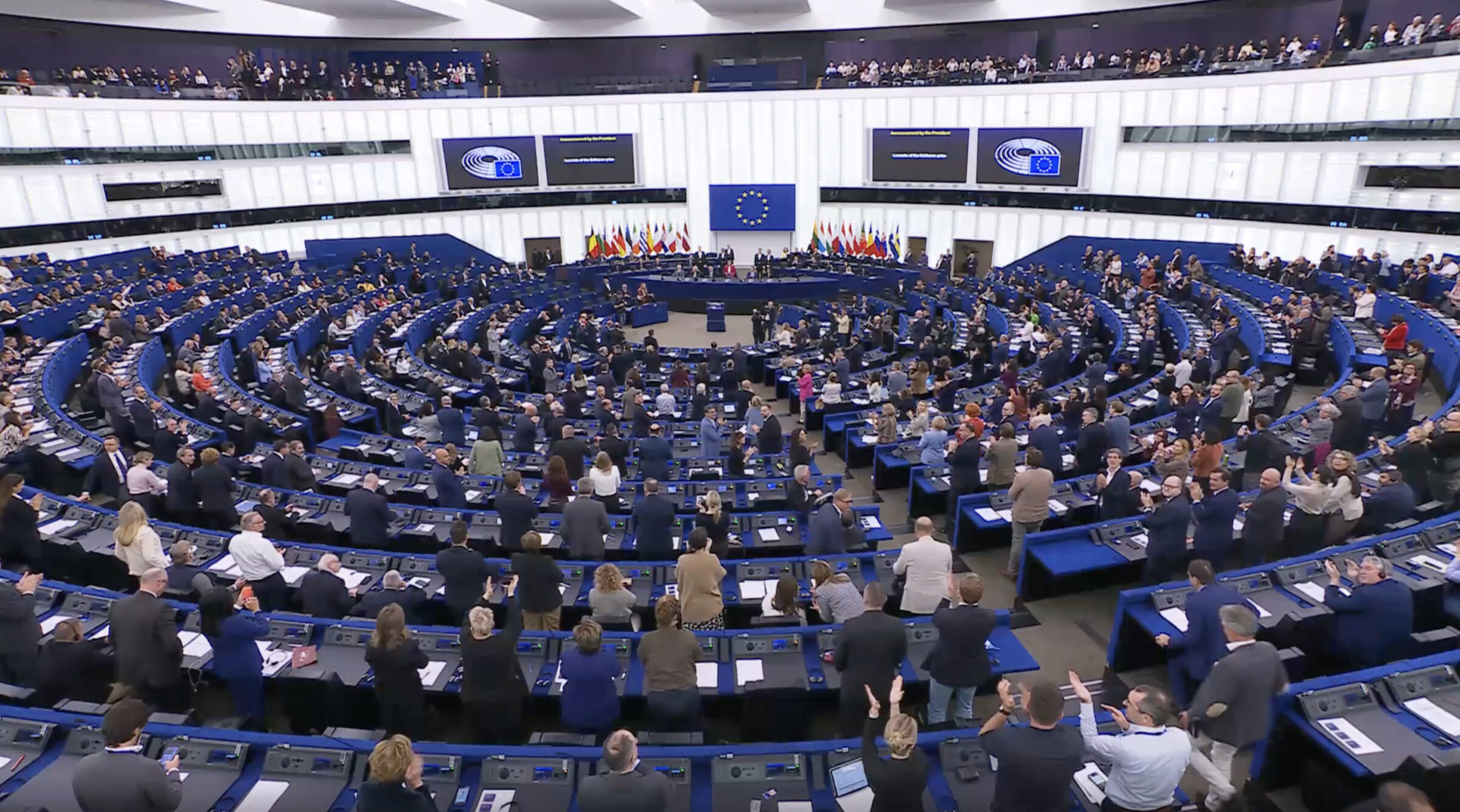
The International Criminal Court (ICC) has received the EU’s Sakharov Prize for Freedom of Thought.

Reacting to EU Parliament president Roberta Metsola’s announcement of the prize winner on Thursday (22 October), the Hague-based court said it is “thankful” for the recognition of the court and its officials.

“This award comes at a time when the court and its officials face unprecedented challenges, including sanctions aimed at disrupting the court’s judicial mandate,” ICC president judge Tomoko Akane told EUobserver in a statement.

The parliament’s recognition “underscores the importance of […] support to enable the Court to carry out its mandate independently and impartially, in the service of justice and the victims of the gravest crimes,” said the Japanese judge.

The court’s win comes after US president Donald Trump put his weight behind Israeli efforts to discredit the international judicial body by extending sanctions against it.

The ICC investigates and tries individuals charged with war and human-rights related crimes. When it issued an arrest warrant in 2024 for Israeli prime minister Benjamin Netanyahu for alleged war crimes, the US responded by sanctioning its judges.

EU Commission president Ursula von der Leyen welcomed the win, saying:
“For victims of the world’s gravest crimes, justice means a voice. The ICC must be free to pursue its mission, independently, and without pressure or intimidation. Europe stands firmly behind president Tomoko Akane, the Court’s judges and officials, and their vital work for a world governed by rules.”

New sanctions against the court were announced by the Trump administration this month after the Nobel Peace Prize went to Navi Pillay, a former ICC judge who concluded in a UN report that Israel is committing genocide in Gaza.

Tomoka said: “While this prize recognises the work of the court in combating impunity and ensuring fair trials, it is also an important recognition of the role of international justice as a cornerstone of lasting peace. In a world marked by rising conflicts, there is no peace without justice and no security without law.”

Strasbourg stands for justice

French MEP Chloé Ridel initiated the ICC’s nomination for the Sakharov Prize on behalf of the Socialists & Democrats parliament group.

This article continues, but the full version is available only to EUobserver.com subscribers. Visit account.euobserver.com/membership

  •  

Italian MEP on hunger strike over humanitarian crisis in Russian-occupied Oleshky

A high-ranking EU politician has gone on hunger strike over the humanitarian crisis in besieged Oleshky in Ukraine.

Pina Picierno, an Italian MEP and a vice-president in the EU parliament, told EUobserver she is refusing to eat solid food to draw attention to the besieged Ukrainian town.

Eight kilometres from Kherson, Oleshky is reported to now have 1,700 inhabitants, down from 24,000 people before Russia’s full-scale invasion.

The EU says the town is without access to food, medicine, clean water and basic care.

The only route to escape is tapped with mines and rife with attack drones, Ukraine’s foreign minister Andrii Sybiha warned last Saturday (17 October).

Saying that Russia wants to make Oleshky a “death trap”, the Ukrainian minister urged the UN and International Red Cross to secure evacuation corridors and immediate humanitarian access to Oleshky.

“Families are starving, surviving on leftover garden vegetables, preserves and even snails,” he said.

Pope calls Putin over Oleshky

The Vatican has attempted to mediate, with Pope Leo calling last week for Russian president Vladimir Putin to arrange a humanitarian ceasefire to allow in aid. 

This article continues, but the full version is available only to EUobserver.com subscribers. Visit account.euobserver.com/membership

  •  
❌