 Login

CBSE Revises Scheme Of Studies For Class 10 Board Exams 2028: Check New Rules
CBSE has revised the Class 10 Scheme of Studies for 2028 board exams. Check changes in subjects, vocational education and assessment rules.

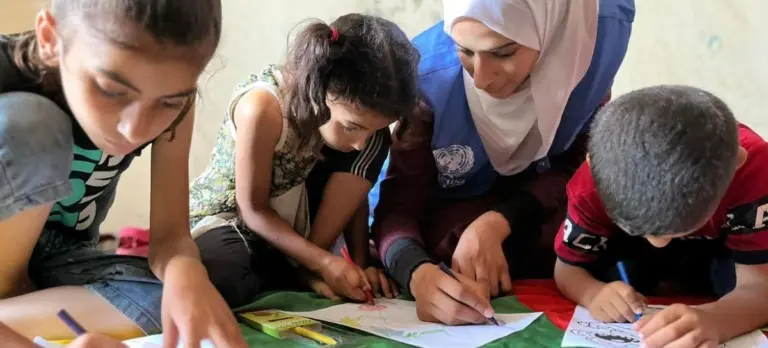
United Nations experts have warned that the systematic destruction of Gaza’s education system and the killing of Palestinian journalists are undermining Palestinian society’s ability to educate future generations, preserve its history and document events in the occupied territories.
RELATED: Israel Kills Four Palestinians in Gaza Despite Ceasefire
Speaking Thursday at a briefing organized by the UN Committee on the Exercise of the Inalienable Rights of the Palestinian People at the organization’s headquarters in New York, the experts condemned the destruction of educational institutions and the growing restrictions on press freedom across the occupied Palestinian territories.
Farida Shaheed, the UN Special Rapporteur on the right to education, described the devastation in Gaza as “scholasticide,” defined as the systematic and deliberate destruction of education. She reported that 98% of schools and all 13 universities in the territory had been destroyed.
The damage extends far beyond educational facilities. According to the experts, 13 libraries, 195 heritage sites, 227 mosques, at least three churches and Gaza’s central archives have also been destroyed. The archives held 150 years of collective memory, representing a significant loss of Palestinian historical records.
Gaza’s children are losing more than classrooms and textbooks. Three years of Israel’s genocide have disrupted their education, killed teachers and classmates, and left many struggling with hunger, trauma and the basic skills they need to learn.https://t.co/Fz7cmDzbzB
— The New Arab (@The_NewArab) October 25, 2026
The consequences for education are also evident in the occupied West Bank. Shaheed reported that 10 of the 48 schools in East Jerusalem were demolished in September. She also cited 224 security incidents during the first half of the year that affected 152 schools and 20,450 students.
The experts also raised alarm over the killing of Palestinian journalists and media workers, warning that the loss of those documenting events in Gaza has compounded the restrictions on freedom of expression.
Francesca Albanese, the UN Special Rapporteur on the situation of human rights in the Palestinian territories occupied since 1967, recalled that nearly 300 journalists and media workers had been killed in Gaza since October 2023, making the territory an increasingly deadly place for members of the press.
The most immoral army
— Francesca Albanese, UN Special Rapporteur oPt (@FranceskAlbs) October 29, 2026
will continue to slaughter innocent people
No matter which fugitive or potential war criminal leads Apartheid Israel.
They will.
Until or Unless WE THE PEOLE force it to stop.
Stop the Genocide now.
Together we can and we will. https://t.co/KoKmHMzWAw
Albanese warned that silencing witnesses not only allows crimes to be committed but also conceals them, allowing impunity to become part of the process.
The experts called on the international community to take immediate action by halting arms transfers, protecting journalists and sustaining humanitarian assistance through the UN Relief and Works Agency for Palestine Refugees in the Near East (UNRWA). They also warned that the ceasefire announced the previous year had failed to bring relief, with more than 1,500 Palestinians killed since it took effect.


A transgender former Ontario school bus driver who labeled his bus the "Lolita Line" has filed a human rights complaint over his dismissal.
The post Transgender Man Sues to Regain Job as ‘Lolita’ School Bus Driver appeared first on Breitbart.
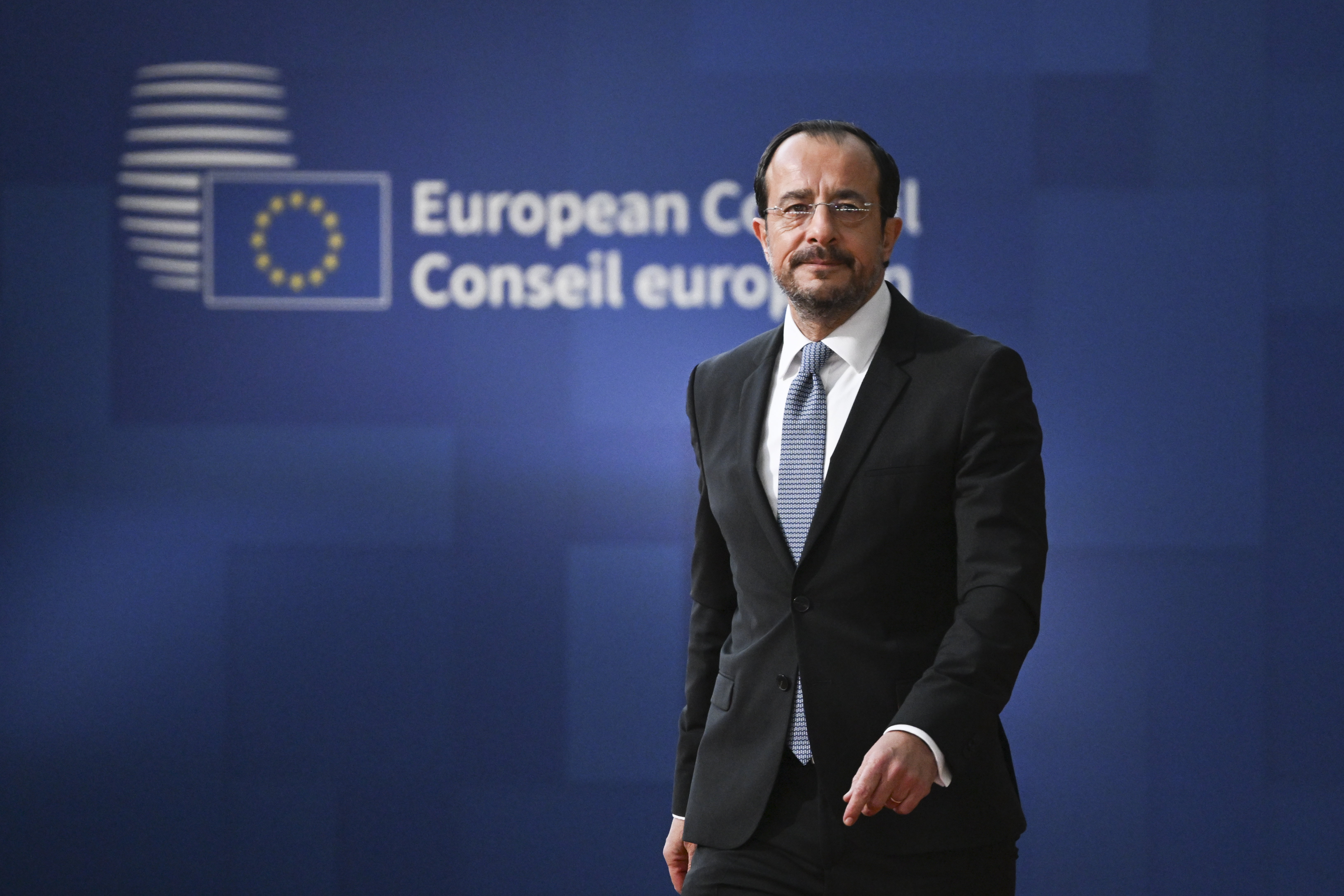
Less than a fifth of students in secondary education attend vocational education and training programmes, said President Nikos Christodoulides, in an address to the opening ceremony of the ninth national competition SkillsCyprus 2026. In Cyprus, only 17.9 per cent of students are in vocational education, drastically lower than the EU average of 52.4 per cent.
The European Commission’s recommendations for each member-state noted the steady and positive course of the Cyprus economy, but also recorded the challenges faced in the fields of productivity, innovation and skills, he said. The Commission saw a need in increasing the attractiveness of vocational education and training, something that successive Cyprus governments have failed to do despite persistent labour shortages.
Cyprus has faced a big shortage of electricians, plumbers, car mechanics, construction workers, decorators and equipment technicians for years. Although these are well-paid jobs, only a small percentage of young people are interested in them; there is now also a shortage of nurses. Is it because these are considered low-status jobs and everyone wants to be a white-collar worker, even if there is less money? Or perhaps the young are no longer interested in physical work.
University education always had great value in Cyprus. In the days when there were no universities in Cyprus, parents would make many sacrifices to send their children to universities abroad, because a degree was considered a surefire way of improving themselves, materially and socially. University education was never about broadening a youth’s horizons and sharpening their intellect, but about having the means to earn more money and acquiring social status.
Now that university degrees are widely available and many of them are of dubious value, most graduates are guaranteed neither high earning power nor the social status enjoyed in the past. But still, youngsters have no interest in plumbing or electrical work. Perhaps it is because the ambition of many is to get the dream job in the public service which does not have many openings for individuals with technical skills.
In his speech, Christodoulides mentioned the operation of the Technical Gymnasium, which he described as “an innovation that is a landmark in the Cypriot educational environment.” The institution had already expanded, a fact that illustrated the gap of not having such a special school which catered for the preferences of wishes of the students. He may have read too much significance into the existence of the Technical Gymnasium, because if the institution was such a success, it would have been expanded, and we would not have lowest participation in vocational learning in the EU.
At least the government, despite the president’s positive spin, recognises there is a problem that needs to be tackled. There are no ready solutions, and it will be difficult to change the way society views manual jobs. This is why the government needs to study the issue and develop a plan to attract more youths to vocational training.

A lull in the weekly parade of teachers across the U.S. being busted for sexual relationships with their students ended this week with a Minnesota teacher being hit with a jail sentence for meetups with a student and another educator in Kentucky banned from ever teaching again after pleading guilty to sexting with a pupil.
The post Teachers in Kentucky and Minnesota Arrested for Alleged Sexual Misconduct with Students appeared first on Breitbart.
A Colorado mother of three says her family was denied $12,000 in taxpayer-funded preschool benefits because she chose a Catholic education for her children, accusing the state of discriminating against religious families through a program promoted as universal.
Erika Nagle, whose children attend St. Mary Catholic School in Littleton, Colorado, told Fox News Digital that two of her children were denied access to the state's preschool funding program, leaving her family to cover additional education expenses.
"We are being excluded from this benefit because we are Catholic," Nagle said in an interview with Fox News Digital. "And so in a state that preaches inclusion, they are actively going out of their way to exclude a huge chunk of people because of our religious beliefs."
At the center of the dispute is Colorado's universal preschool program, which Nagle says provides more than $6,000 per eligible child for preschool education. Catholic schools challenging the program argue that the state's participation requirements unfairly burden their religious beliefs and admissions practices.
According to Becket, Colorado launched its preschool funding program in 2023, offering eligible families approximately $6,300 to cover 15 hours of preschool per week. The organization said the program was promoted as a universal benefit that would allow parents to choose among public, private and religious preschools, prompting Catholic families across the state to seek participation.
Nagle says the consequences go beyond her family's finances.
"We have had two preschools in the archdiocese that have been closed down," she said, arguing that the program is affecting Catholic school enrollment and pressuring families to abandon the religious education they want for their children.
ARKANSAS STUDENTS OUTPERFORM NATIONAL AVERAGE AFTER UNIVERSAL SCHOOL CHOICE EXPANSION, GOVERNOR SAYS
"The state is dangling a carrot over here, incentivizing people to leave their faith, to abandon the Catholic education that they want," she said.
Nagle argued that nearly every school has admissions criteria tailored to the community it serves, whether that means prioritizing neighborhood children, people who identify as LGBTQ, children with special needs or low-income families. She said St. Mary similarly prioritizes Catholic families while welcoming students whose families are willing to respect the school's religious teachings. Nagle questioned why the Catholic school's admissions practices should be treated differently.
"The state grants $6000 per family to be used during the year before kindergarten, so the year when they're in pre-K, which is technically the year before kindergarten, and you can use it at the school of your choice," Nagle said. "And so Catholics are forced to pay the price for the school of our choice, which is Catholic school. And so you have thousands of Coloradans that are being forced to pay more than anyone else."
The legal battle raises questions about the extent to which religious schools can participate in publicly funded education programs while maintaining faith-based admissions policies.
"Colorado shouldn't force Catholic families to give up their choice, which is a faith-based school, and, you know, the state is letting other schools serve their communities, but they're not letting Catholic families serve their communities," Nagle said. "And to me, it also makes me wonder, is this by design, is this paving the way for godlessness or for what? Why can't Catholic families receive this benefit when there are other schools that were granted their exemption for other admissions requirements?"
The Supreme Court is hearing the case on Tuesday.
A spokesperson for the Colorado Department of Early Childhood (CDEC) said the department could not comment on pending litigation.
CLICK HERE TO DOWNLOAD THE FOX NEWS APP
Fox News Digital reached out to Colorado Gov. Jared Polis' office for comment but did not immediately receive a response.

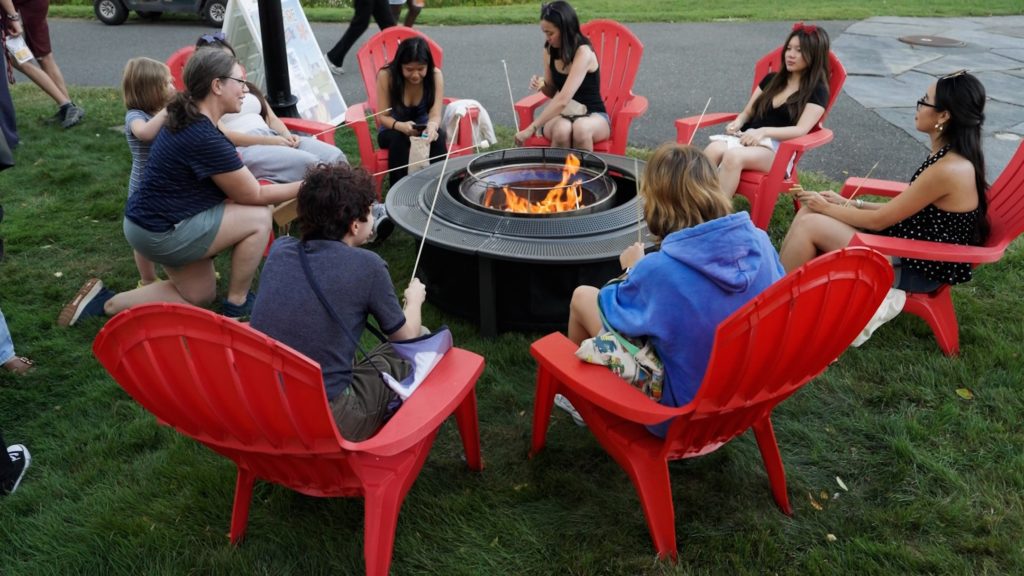
You send your child to school expecting teachers to protect their education. You probably don't think much about what happens to their personal information after they take a standardized test. But a massive data breach in California is raising some uncomfortable questions about who has access to student records and how safely that information is stored.
Hackers accessed and copied sensitive records belonging to millions of current and former California public school students. The stolen information includes home addresses, birth dates and even details about disabilities. And here's something families need to know. You could live thousands of miles from California today and still be caught up in this breach if you or your child previously attended a public school there.
Join our upcoming CyberGuy LIVE class: 5 Ways to Travel Smarter and Save Money
In this free live online class, Kurt "CyberGuy" Knutsson will share five practical ways to protect your trip and your wallet this holiday travel season. You’ll learn how to secure your phone and personal information, find better travel deals, avoid common scams, save money on bookings and use technology to make your travels easier and less stressful. No technical experience is needed.
Join us Saturday, October 31, at 11 AM ET / 8 AM PT. Register for free now at CyberGuyLive.com.
ORACLE HEALTH DATA BREACH EXPOSES NEARLY 20 MILLION PATIENTS
The breach involves Educational Testing Service (ETS), a nonprofit organization that works with the California Department of Education. ETS helps administer statewide student assessments and maintains information connected to those tests. According to state officials, someone gained unauthorized access to an ETS-operated secure file transfer site. Investigators determined that the attacker used a compromised login credential to enter the system. The intruder then copied files containing student information at various times between May 22 and Sept. 18, 2026.
ETS discovered the suspicious activity on Sept. 25. The company disabled the affected account and took the file transfer site offline. It also brought in outside cybersecurity specialists to investigate. The company says it has since built a replacement system with stronger security controls. So far, ETS reports finding no evidence that the stolen information has been made publicly available. However, investigators have confirmed that someone accessed and copied the records.
The California student data breach involved far more than test scores. Depending on the student, the compromised files may contain information that could help someone identify a child or learn personal details about their family circumstances.
The exposed records may include:
Some records also identified whether a student qualified for programs serving children experiencing homelessness or other educational needs. Fortunately, officials say the stolen files did not contain Social Security numbers, financial account details, driver's license numbers, passwords or parent and guardian personal information.
However, there is still plenty to be concerned about. Someone who knows a child's name, school and address could potentially use that information to create a convincing message that appears to come from a teacher or school administrator. Disability information also raises additional privacy concerns because those details are particularly personal.
This is where the story gets especially troubling. Although the breach involves California's public school system, the people whose records were stolen may now live anywhere in the United States. According to the California Department of Education, the compromised information includes records covering all students enrolled during the previous three school years. However, the affected population extends beyond those students.
The state also identifies a group of former students who left California public schools as far back as 2006 and whose transfers to another school were never confirmed with the department. That creates a situation many families may never have considered. Say your child attended elementary school in Los Angeles before your family relocated to Texas. Perhaps you graduated from a California public school years ago and now live in Florida. Your old student information could still be among the compromised records if it falls within the affected groups.
Former students who are now adults may also be eligible for the free identity-protection services being offered. Importantly, this does not mean every student attending school outside California has been affected. In a statement to CyberGuy, ETS confirmed that no other ETS customers were affected by the incident. The concern for families elsewhere comes from their past connection to California's public schools. California has roughly 5.7 million public school students, according to reporting on the breach. Since the compromised files span multiple school years, millions of people are potentially involved. Officials have not yet released a final count of unique affected individuals.
The California Department of Education and the State Board of Education are coordinating with cybersecurity specialists and other state agencies. The California Cybersecurity Integration Center is assisting with the technical investigation. Meanwhile, state officials are reviewing ETS's compliance with applicable data security requirements and its contractual obligations.
In its statement to CyberGuy, ETS said, "We have implemented additional safeguards, including enhanced monitoring, strengthened access controls, and further third-party review of our security practices." ETS says it continues monitoring for signs that the stolen information has surfaced publicly. For families, the unresolved question is what happens to the copied information next. Even without evidence of a public leak, sensitive student records in unauthorized hands create a privacy risk that deserves continued attention.
A SCAMMER HAS YOUR NAME, PHONE NUMBER AND ADDRESS. WHAT CAN THEY ACTUALLY DO?
ETS began notifying affected students and families on October 16, 2026. The state expects notifications to continue through early November. Letters and emails will explain the incident and identify the types of information involved. They will also include instructions for accessing complimentary identity-protection services. However, here's an important warning. Not receiving a notification does not necessarily mean your information is safe. Some former students may have outdated contact information on file.
Families who are concerned should visit the official California ETS incident webpage. It contains frequently asked questions and links to breach notifications available in 27 languages. You can also call the incident assistance line at 833-931-8488, Monday through Friday, from 6 a.m. to 6 p.m. Pacific Time.
ETS is offering affected current and former students 24 months of free identity theft protection. Parents or legal guardians can enroll eligible children under 18, while adults, including former students, can enroll themselves. The services are designed to help monitor for potential identity theft and provide assistance if someone misuses their personal information.
The enrollment deadline is March 19, 2027. Eligible minors who turn 18 before March 19, 2029 may also qualify for adult coverage using the activation code provided in their notification. Enrollment is free, and no credit card is required. Identity restoration assistance is also available to eligible individuals for 24 months from their notification date, even without enrolling in monitoring services. For complete eligibility details and enrollment instructions, visit the California Department of Education's official incident webpage at at cde.ca.gov/nr/in/ets-incident.asp.
Even without stolen passwords or financial account numbers, student records deserve serious attention. Here are practical steps I recommend taking if your family may be affected.
Scammers frequently use real data breaches as an excuse to send fraudulent emails. A message claiming to come from ETS or Experian could direct you to a fake enrollment website. Instead of clicking an unexpected link, open your browser and visit the official California Department of Education incident page. Follow the verified instructions from there.
Eligible families should take advantage of the 24 months of free identity-protection services being offered following this breach. Follow the enrollment instructions in your official notification and keep a copy for your records. No credit card is required.
For additional protection, consider an identity theft protection service which offers identity monitoring, alerts about suspicious activity and access to restoration specialists if identity theft occurs. Some services also offer paid family plans that can cover children, making it an option for parents concerned about protecting their family's personal information over the long term. Coverage and benefits vary by plan. See my tips and best picks on Best Identity Theft Protection at CyberGuy.com.
One of the strongest steps you can take against certain forms of identity theft is placing a security freeze on a child's credit file. The Federal Trade Commission says parents and legal guardians can request a free credit freeze for children under 16. Teenagers ages 16 and 17 can request their own freezes. Contact Equifax, Experian and TransUnion separately. Each bureau has its own process for handling minors. A freeze can make it harder for criminals to open new credit accounts using a child's identity. However, it cannot prevent every form of fraud.
Pay closer attention to unexpected emails or text messages claiming to involve school records. A scammer with access to personal details could make a fraudulent communication seem unusually credible. For example, someone might claim that your child's testing account requires immediate verification. Before responding, contact the school using a phone number you already trust. Avoid sharing personal information through unexpected links or attachments. Consider using strong antivirus software on your family's devices. It can help detect malicious links, suspicious downloads and malware hidden in fake school notifications. While it cannot recover stolen student information, it adds another layer of protection against scammers who may try to exploit the breach. Get my picks for the best 2026 antivirus protection winners for your Windows, Mac, Android & iOS devices at Cyberguy.com
Scammers can use information found online to build a more detailed profile of you or your family. That's why I recommend considering a personal data removal service. These services can help remove personal information from data broker websites that collect and sell details such as names, addresses and phone numbers. While these services cannot retrieve information stolen in this breach, they can help reduce how much additional information is publicly available. If you're concerned about your child's information, check whether the service offers protection for minors before signing up. Check out my top picks for data removal services and get a free scan to find out if your personal information is already out on the web by visiting CyberGuy.com.
Adults who may have been affected can review their credit reports for unfamiliar accounts or suspicious activity. Visit AnnualCreditReport.com to obtain free reports from the three major credit bureaus. Parents should also watch for unexpected bills or collection notices addressed to their children. Those can be warning signs that someone has misused a minor's identity. If you discover evidence of identity theft, report it through IdentityTheft.gov . The FTC provides a recovery plan to help you address fraudulent accounts and document the problem.
You can also contact your child's school district to better understand how it handles student records. Ask what information outside contractors receive and how long they retain it. Schools may have legal obligations to maintain certain records. Still, parents can ask about retention policies and security safeguards. This conversation is worthwhile regardless of where your family lives.
I've covered plenty of data breaches over the years, but this one bothers me because we're talking about children who had no choice about handing over their information. They went to school, took required tests and trusted the adults and organizations handling their records. Now, some of those details have ended up in the wrong hands. What I find especially troubling is how far back some of these records could go. Think about someone who left California years ago and has no reason to believe their old student information is still sitting on a testing company's system. That person could be living on the opposite side of the country and suddenly have to worry about a breach involving records from childhood. I appreciate that ETS is offering free identity protection, but I'd like to see schools and testing companies explain more clearly how long they keep sensitive student information and why. Parents deserve answers before a breach happens.
Should schools and outside testing companies be allowed to keep sensitive student records for years after a child leaves, or should families have more control over when that information gets deleted? Let us know by writing to us at CyberGuy.com.
Sign up for my FREE CyberGuy Newsletter
CLICK HERE TO DOWNLOAD THE FOX NEWS APP
Copyright 2026 CyberGuy.com. All rights reserved.
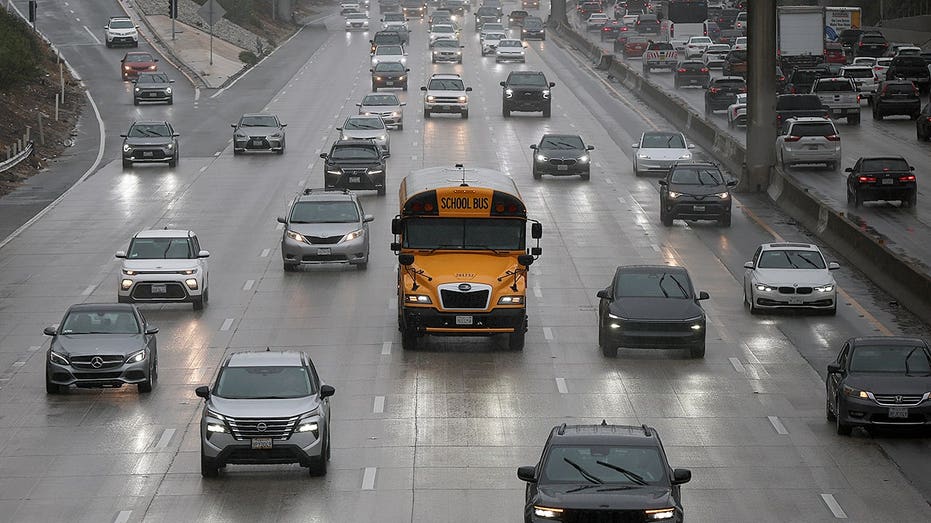
A series of demonstrations involving young people across Europe has developed into a wider political phenomenon, as students and younger workers challenge governments over living costs, public services and their expectations for the future.
Protests have taken place in France, Belgium, Italy, Albania and several other countries, while a student-led movement in Serbia has achieved a particularly consequential political outcome.
In Serbia, nearly two years of demonstrations culminated in a parliamentary election victory for a student-backed political movement, ending the electoral dominance of President Aleksandar Vučić’s Serbian Progressive Party.
The outcome, reported by Reuters on 29 October, has given the movement a prospective parliamentary majority, although final certification of the election results remains outstanding.
Elsewhere, protesters have secured fewer immediate political concessions.
Nevertheless, their campaigns share a recurring concern: that conventional channels of political representation have failed to address problems affecting younger generations.
The grievances vary between countries, but housing affordability, insecure employment, education funding and living costs feature prominently.
A European Parliament youth survey published in February 2025 found that 40 per cent of respondents aged 16 to 30 considered rising prices and the cost of living a priority for the EU.
Almost one-third identified economic conditions and job creation as a principal concern, while education also ranked prominently.
More recent figures illustrate the financial pressures confronting younger Europeans.
According to Eurostat data published in June 2026, 24.2 per cent of EU residents aged 15 to 29 were at risk of poverty or social exclusion in 2025.
That compares with 20.9 per cent for the population as a whole.
These figures do not establish that economic hardship is the cause of every protest. They do, however, provide context for the dissatisfaction expressed by participants.
In Brussels, demonstrations have focused partly on the condition of schools and the availability of educational resources.
Students have criticised deteriorating facilities, shortages of teachers and government decisions affecting education funding.
Nineteen-year-old student Maya Gourdel told Reuters that peaceful attempts to draw attention to these concerns had attracted little response from political leaders.
Her account reflects a wider frustration among demonstrators who believe that public attention has increased only after protests became more disruptive.
Belgium’s education system is organised primarily at community level, meaning decisions concerning funding, staffing and school infrastructure are divided among different authorities.
The demands of protesters consequently involve both national political debates and decisions taken by regional and community institutions.
In France, demonstrations concerning the cost of living and public services have involved students alongside trade unions and other organisations.
Recent protests have also been accompanied by violence, including attacks on commercial premises and confrontations with police.
The involvement of younger demonstrators does not mean that every participant supports violent tactics.
Rather, the events illustrate how movements with economic and political grievances can encompass groups with different objectives and methods.
Italy has experienced similar tensions, particularly in Milan, where demonstrations against rising living costs have followed earlier episodes of unrest.
The Italian government has faced pressure over household expenditure, wages and the affordability of essential services.
These disputes have developed against a background of high energy prices and concerns about the broader economic outlook.
In Albania, student-led protests have challenged Prime Minister Edi Rama’s government over alleged corruption, limited employment opportunities and education standards.
Demonstrations that began in Tirana have spread to other cities.
On 29 October, opposition lawmakers disrupted proceedings in parliament following weeks of protests and confrontations between demonstrators and police.
The government has offered measures intended to address economic concerns while condemning violence associated with the demonstrations.
For many younger Albanians, employment prospects are closely connected to the possibility of emigrating.
The perception that professional opportunities depend on political connections or personal networks has become another source of dissatisfaction.
However, the Albanian movement cannot be treated as identical to protests in EU member states, given the country’s different economic conditions and political institutions.
Serbia provides the most substantial example of youth-led protest translating into electoral change.
The movement emerged after the collapse of a railway station canopy in Novi Sad in November 2024, which killed 16 people and prompted allegations of corruption and negligence.
Students organised prolonged demonstrations demanding accountability and institutional reform.
Their campaign subsequently developed into an electoral challenge to the governing Serbian Progressive Party.
Preliminary results from the October 2026 parliamentary election indicate that the student-backed list has secured a majority of seats.
However, electoral certification and the formation of a new government remain incomplete.
The movement now faces a different challenge: converting protest demands into administrative decisions, legislation and economic policy.
Its success will be judged not only by the election result but also by its ability to govern.
It would be misleading to describe Europe’s demonstrations as a unified political campaign.
Participants have different objectives, national circumstances and ideological positions.
Some demand increased public expenditure, while others concentrate on corruption, political accountability or employment opportunities.
What connects them is a recurring concern about whether established institutions respond adequately to younger citizens.
The political consequences will depend on whether demonstrations produce lasting organisations, influence elections or secure changes in government policy.
Serbia suggests that student mobilisation can translate into substantial political change.
For governments elsewhere in Europe, the question is whether the grievances driving these movements can be addressed through existing political institutions before dissatisfaction generates further unrest.
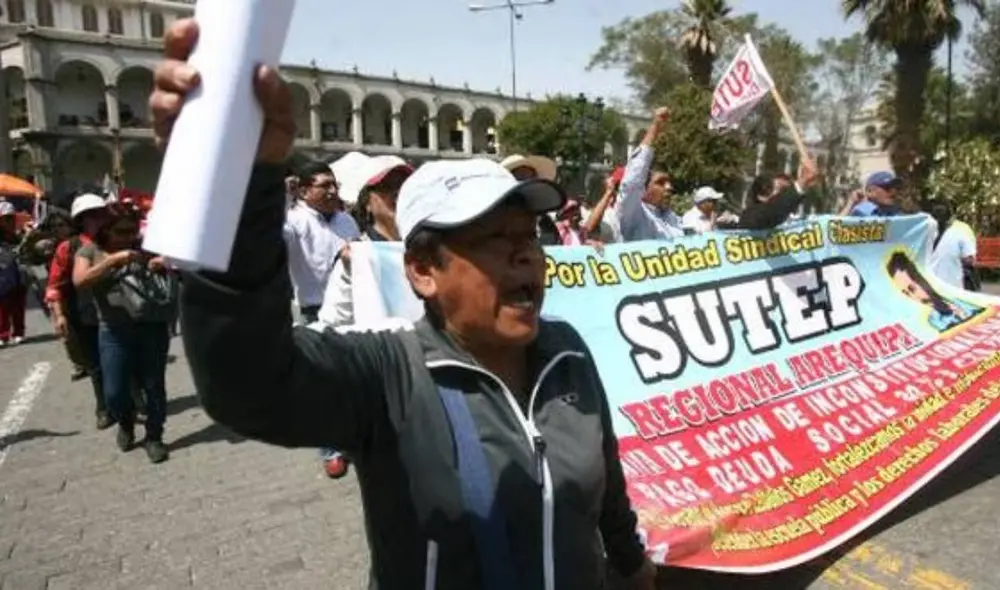
On Thursday, the Unitary Union of Education Workers of Peru (Sutep) held a 24-hour national strike in public educational institutions, demanding a larger budget, adherence to labor agreements, and the implementation of pension regulations for the teaching profession. The action took place even though the Ministry of Education (Minedu) declared it unauthorized and warned that staff who were absent would face pay deductions.
RELATED:
Peru Protests: 1,000 March in Lima Against Fujimori Government
The day of protest included gatherings and marches in the country’s major cities. In Lima, demonstrators assembled at the union’s headquarters on Jirón Camaná, in the capital’s historic center. In Arequipa, marches began in the morning, departing from union offices.
Sutep’s leadership, headed by Secretary General Lucio Castro, presented a list of demands focused on education funding, working conditions, and pensions for retired and former teachers.
Among their primary demands, the union calls for the effective allocation of 6% of the Gross Domestic Product (GDP) to the education sector. According to the union, these resources should address deficiencies in school infrastructure, student nutrition, and access to technology and connectivity.
Teachers are also demanding the immediate regulation and implementation of a law enacted in April 2026, which mandates that the pensions of retired and former teachers—those who were part of the Public Teaching Career—be adjusted to an amount equivalent to the first tier of the teaching salary scale: S/ 3,500.70. This measure is currently the subject of a constitutional challenge before the Constitutional Court.
🏫 El Ministerio de Educación declaró improcedente el paro nacional convocado por el Sutep para este jueves y anunció que verificará la asistencia de los docentes en colegios de todo el país.
— TVPerú Noticias (@noticias_tvperu) October 29, 2026
El viceministro de Gestión Institucional, Luis Alemán, informó que habrá visitas de… pic.twitter.com/Yhwiok4cKc
The text reads, “The Ministry of Education declared the national strike called by the Sutep for this Thursday inadmissible and announced that it will verify the attendance of teachers in schools throughout the country. The Vice Minister of Institutional Management, Luis Alemán, reported that there will be field visits and warned that discounts will be applied for absences. “Education will not be paralyzed today,” he affirmed.”
Furthermore, Sutep is calling for full compliance with the collective bargaining agreement, salary increases, and the timely payment of the “Compensation for Length of Service” (CTS) benefit. The Ministry of Education (Minedu) issued General Secretariat Resolution No. 239-2026-MINEDU, declaring the planned national strike inadmissible on the grounds that it failed to meet the requirements established for the regular basic education sector, which is classified as an essential public service.
The Ministry urged families to send students to their schools and mandated that school principals submit lists of absent staff to the Local Educational Management Units (UGEL) and the Regional Education Directorates (DRE).
The Ministry specified that direct payroll deductions will be applied for hours or days not worked, and that potential administrative disciplinary proceedings will be considered against those who participate in the industrial action.
The continuation of in-person classes depends on the extent to which teachers, administrative staff, and service personnel at each institution choose to participate in the strike. Union leadership in Lima warned that the absence of support and cleaning staff could hinder the operational opening of several schools.
Hamer Villena, secretary of the SUTEP union in Arequipa, did not rule out escalating the protests into an indefinite national strike before the end of the 2026 school year or in early 2027, should the Executive branch fail to establish a negotiation table that offers concrete solutions.
A student at the University of Texas at San Antonio approached the microphone at a Turning Point USA campus event, cheerfully read a poem celebrating the assassination of Charlie Kirk, and then told the speaker he was "so brave" for appearing in public without neck protection.
The post UT San Antonio Student Reads Vile Poem Celebrating Charlie Kirk Assassination, Threatens TPUSA Event Speaker appeared first on Breitbart.



Partant du postulat que « la pédagogie est l'ensemble des stratégies d'affection », Nicolas Kaczmarek propose de remettre la pratique enseignante au centre des enjeux scolaires. L'auteur est professeur d'histoire et géographie et exerce depuis près de vingt ans en réseau d'éducation prioritaire (REP). Il entend rappeler que « le cœur du métier est d'enseigner des savoirs et savoir-faire avant tout disciplinaires », et entreprend de définir une école qui puisse être le « lieu de la joie de comprendre ». La construction d'un cadre d'apprentissage centré sur la compréhension collective et l'entretien de la capacité critique de l'élève envers le travail enseignant pourrait y contribuer. C'est d'ailleurs en situant le système scolaire dans la société actuelle et les rapports de domination qui la traversent qu'il expose ses réflexions en faveur d'une pédagogie de l'exigence intellectuelle et examine l'évolution de ses pratiques, gardant en ligne de mire une école de l'émancipation.
La Dispute, Paris, 2026, 160 pages, 15 euros.

Au mouvement social actuel, le gouvernement oppose une répression policière et judiciaire particulièrement sévère. La confrontation dans la rue se double d'une bataille symbolique, faite d'images, de slogans et de récits, qui n'est pas moins rude.

« Est-ce que vous condamnez la violence ? » L'injonction pèse sur tout lycéen, étudiant, responsable syndical ou politique invité dans les médias pour commenter les mobilisations actuelles. Le gouvernement n'est pas en reste. Dès les premiers jours, le ministre de l'éducation nationale Édouard Geffray évoque « une bascule » des blocages des lycées vers des « violences urbaines » (Le Monde, 2 octobre 2026), quand son homologue de l'intérieur Laurent Nuñez annonce n'avoir donné « aucune consigne de retenue » (TF1, 2 octobre 2026). Une répression policière inédite s'est abattue sur les protestataires : des milliers de personnes, majoritairement des mineurs, ont été interpellées et placées en garde à vue. Plusieurs manifestants ont été mutilés par des grenades lacrymogènes ou assourdissantes, ainsi que par des tirs de lanceur de balles de défense (LBD). Les syndicats policiers tentent de justifier ces violences en invoquant des centaines de policiers et gendarmes qui auraient été blessés depuis le début du mouvement. Les voix de présidents de région s'élèvent pour dénoncer le coût des destructions, et le gouvernement a enclenché la procédure accélérée pour faire adopter un projet de loi, dite « casseur-payeur », visant à engager la responsabilité civile d'un participant à un rassemblement « dès lors qu'il a connaissance que la dispersion a été ordonnée en raison des violences ou dégradations en cours ».
Cette place centrale accordée à la violence ne fait pas consensus. Mme Nathalie Arthaud, porte-parole de Lutte ouvrière, fait remarquer avec humour sur le plateau de BFM TV : « Je sais que ça fait un beau fond, les flammes, là. Apparemment, c'est très esthétique parce que vous avez gardé ce fond-là à peu près toute la journée, qui nous fait croire qu'on est en guerre civile. Mais ce n'est pas ça qui se passe » (3 octobre 2026). Dans les cortèges, des pancartes, comme « Brûler des poubelles ne dérange que les ordures » ou « Quand les jeunes montrent leur avenir, les imbéciles regardent la poubelle qui brûle », viennent aussi contredire ce récit dominant.
Il suffit en effet de participer aux mobilisations ou de les observer pour se rendre compte qu'elles revêtent un tout autre visage. Elles sont déterminées, festives et inventives. Des déguisements de dinosaures, de requins, de super-héros, de personnages de mangas, de jeux vidéo ou de Pokémon émaillent les manifestations. Les battles d'aura, les danses et les chants rythment les blocages. Des milliers de pancartes de carton rivalisent de créativité, d'humour et d'irrévérence (« Macron, toi, tu manquais pas de prof de français », « Recyclez vos déchets, n'en faites pas des ministres »). Partout, des visages souriants, une joie communicative.
Le sens d'un événement est inséparable des controverses dont il fait l'objet pour en imposer la définition légitime. Et l'insistance sur la violence est une façon de détourner l'attention des raisons de la colère. Le procédé est ancien. En 1986, Louis Pauwels, alors directeur du Figaro Magazine, accusait la jeunesse soulevée contre le projet de loi Devaquet d'être atteinte d'un « sida mental » (Figaro Magazine, 6 décembre 1986), et Robert Pandraud, alors ministre délégué chargé de la sécurité, déclarait au sujet de Malik Oussekine, mort sous les coups des voltigeurs motocyclistes de la police : « Si j'avais un fils sous dialyse, je l'empêcherais d'aller faire le con dans les manifestations. » La thèse de la manipulation a également la vie dure. Charles Pasqua, alors ministre de l'intérieur, ne voyait pas dans les manifestations une « manœuvre organisée par LFI et ses proxys de l'ultragauche », comme le cabinet de l'actuel premier ministre, M. Sébastien Lecornu (France Info, 1er octobre 2026), mais celle de « professionnels de la déstabilisation, gauchistes et anarchistes de tout poil et de toutes nationalités » (Le Monde, 9 décembre 1986).
Toutefois, quelque chose a changé dans l'ampleur de la répression. La comparaison avec le mouvement contre le contrat première embauche (CPE) de 2006 en donne la mesure : 4 544 personnes avaient été interpellées entre le 7 mars et le 18 avril 2006, soit une moyenne de 106 interpellations quotidiennes (1). En 2026, les 6 547 interpellations recensées entre le 28 septembre et le 6 octobre représentent une moyenne de 727 par jour, près de sept fois plus. « Le but de la manœuvre était d'effrayer les élèves et leurs parents pour stopper au plus vite la fronde », reconnaît un commissaire de police cité par Le Canard enchaîné (14 octobre 2026). L'écart est plus spectaculaire encore pour les gardes à vue. Leur nombre a été multiplié par neuf, passant de 46 par jour en 2006 à 418 en 2026 (chiffres au 13 octobre 2026). Le seul week-end des 17 et 18 octobre a, lui, donné lieu à près de 2700 gardes à vue, davantage que pendant les deux mois du mouvement contre le CPE. Les défèrements devant la justice connaissent une progression comparable. La garde à vue est ainsi largement détournée de sa fonction judiciaire pour intimider, dissuader ou entraver les protestataires, et les parquets usent de leurs prérogatives propres (avertissements pénaux probatoires, réparations pénales, interdictions de paraître, etc.) pour sanctionner des faits qu'ils auraient bien du mal à faire condamner par un juge.
En 2006, au milieu de la tourmente du CPE, M. Nicolas Sarkozy, alors ministre de l'intérieur, confiait aux responsables des forces de l'ordre : « Je sais qu'il est extrêmement difficile de faire le tri au sein d'une foule entre ceux qui manifestent pacifiquement et ceux qui veulent créer du désordre. Mais nous ne pouvons accepter que certains cherchent à instaurer le règne de la terreur. Face à l'évolution de la situation, je vous demande de mettre en place des dispositifs particulièrement adaptés à l'interpellation des fauteurs de troubles (2). » La « terreur » invoquée concerne en réalité les vitrines, les poubelles et le mobilier urbain, dont le maintien de l'ordre traditionnel s'accoutumait très bien de la dégradation, au nom d'une doctrine du « désordre acceptable » qui cherchait avant tout à éviter les blessés (3). Mais les images d'incendies et de destructions relayées avidement par les médias contrarient les postures de fermeté sécuritaire que M. Sarkozy et ses successeurs aiment présenter à leurs électeurs.
Les forces spécialisées comme les escadrons de gendarmerie mobile (EGM) et les compagnies républicaines de sécurité (CRS) perdent ainsi leur position dominante, au profit d'unités issues des polices urbaines — compagnies d'intervention, brigades anticriminalité (BAC), BRAV-M à Paris —, dont la logique d'action diffère. Il ne s'agit plus de contenir une foule mais d'« aller au contact », de « percuter » afin d'interpeller le moindre « fauteur de troubles » au cœur même des cortèges. Cela élève considérablement le degré de violence en leur sein et enclenche des cycles d'escalade. Les charges sont brutales et provoquent une incompréhension et une colère qui se retournent facilement contre les fonctionnaires. Agissant en petits groupes, ils sont parfois pris à partie et recourent volontiers aux grenades de désencerclement et aux LBD pour se dégager, au prix de blessures parfois sérieuses chez les manifestants. « Une poubelle brûlée = un lycéen mutilé », résument des pancartes.
Cette stratégie est d'autant plus funeste que ces policiers sont coutumiers de la lutte contre la petite criminalité, les trafics ou les désordres urbains. Ils ne voient donc pas dans les lycéens et les étudiants des citoyens exerçant un légitime droit démocratique, mais des délinquants potentiels qu'on peut humilier, brimer et brutaliser. Les doctrines de maintien de l'ordre et celle de la lutte contre les « violences urbaines » en sont venues à se confondre en pratique, et ce n'est pas un hasard si les ministres de l'éducation nationale, de l'intérieur ou de la justice utilisent désormais cette expression à propos des mobilisations actuelles.
Par suite, la police occupe une place plus centrale que par le passé dans l'imaginaire de la contestation. « Je fais des cauchemars de Macron et de la police », affichent des manifestantes. Les cortèges chantent à pleins poumons les slogans « Tout le monde déteste la police » ou « ACAB » (pour « All cops are bastards », « Tous les flics sont des salauds »), quand les pancartes « La police nous protège, ça crève les yeux », « Liberté, égalité, LBD » ou « Système ACABlant » fleurissent dans les rassemblements.
La surexposition de cet antagonisme tend toutefois à gommer la violence structurelle qui a déclenché les mobilisations. À la différence d'expériences antérieures, lycéens et étudiants ne protestent pas pour le retrait d'une réforme en particulier, mais expriment une critique sociale plus générale. Ils dénoncent les situations parfois indignes dans lesquelles se déroulent les apprentissages, mais aussi les réformes qui en détournent l'attention. « 38 °C/38 élèves, mais le problème, c'est le téléphone », taclent des panonceaux. Plus profondément encore, le mouvement révèle aussi une contradiction entre un élargissement social de l'accès aux études (à peine un tiers d'une génération obtenait le baccalauréat en 1986, contre près de 80 % aujourd'hui) et les possibilités réelles de les poursuivre. Alors que les budgets de l'enseignement supérieur accompagnaient ce mouvement (ses effectifs ont quasi triplé, passant d'environ 1,1 million d'étudiants au milieu des années 1980 à plus de 3 millions aujourd'hui), un renversement s'opère à partir du milieu des années 2010. Les financements récurrents des universités publiques stagnent, limitant ainsi les capacités d'accueil. Et Parcoursup, mis en place en 2018, incarne le mécanisme qui filtre l'accès aux formations, pénalisant ceux dont les familles sont les moins armées pour cette compétition d'un nouveau type (lire « Les raisons du soulèvement »). « Jeunesse formidable, avenir fort minable », s'inquiètent les protestataires.
Ces mobilisations ont déjà contraint le gouvernement à « engager des chantiers » sur le remplacement des enseignants, l'état des bâtiments, l'organisation du temps scolaire ou Parcoursup. Des promesses qui, en l'absence de financements suffisants, n'engagent pas à grand-chose. « Pas besoin de plan cul, le gouvernement nous baise déjà », reprenait une manifestante, à l'évidence sceptique.
Quelles que soient les suites du mouvement, il est clair qu'il représente un moment fort de politisation pour une « Gen Z » que l'on décrivait comme lobotomisée par les réseaux sociaux. « Je leur parle de prise de conscience, ils me parlent de crise d'adolescence », pouvait-on lire dans les cortèges. Ceux-ci disent « Non au R-Haine » et chantent « Siamo tutti antifascisti » (« Nous sommes tous antifascistes »). Les militants de La France insoumise, du collectif révolutionnaire Le Poing levé ou de la « Jeunesse communiste » distribuent tracts, journaux et autocollants.
Mais la mobilisation emprunte aussi des formes moins balisées, semblant prendre acte de l'indifférence — ou du mépris — des élites politiques envers les contestations sociales et les revendications écologistes exprimées dans la rue. La force du nombre ne suffit plus à infléchir les décisions. Les canaux institutionnalisés de négociation (comme les syndicats) sont ignorés, délaissés au profit de la communication ou de dispositifs de « consultation » en trompe-l'œil (lire « “Civic tech”, l'art de laisser causer »). En réaction, lycéens et étudiants réinventent des formes modernes de carnaval.
Des anthropologues comme James C. Scott ont insisté sur l'importance de ce rituel de résistance dans des contextes où les rapports de domination semblent difficilement ébranlables. L'énergie, la joie et l'anonymat de la foule qui se rassemble dans l'espace public renversent pour un temps l'ordre social. Celle-ci exprime collectivement le « ressentiment accumulé contre les riches et les puissants » et met « l'injustice sociale en accusation » (4). Les déguisements, les masques moquent les dominants ou exaltent les protecteurs des faibles (Spider-Man par exemple). Les figures d'autorité sont dégradées. On brûle leurs effigies, on raille leur sérieux, leur importance en les ramenant à leur condition bassement corporelle (5). On parle d'eux de manière crue, obscène et scatologique. Des pancartes comme « Nuñez, grosse cuve à pisse » dépouillent leurs cibles de toute dignité officielle. Festif et mordant, le carnaval n'en reste pas moins agressif. Des slogans, tels « La Bastille, c'est comme le vélo : ça ne s'oublie pas » ou « Macron, on a guillotiné le roi pour moins que ça », convoquent la mémoire violente de la Révolution française. Les appels à prendre les « lieux de pouvoir », à l'instar de l'Élysée ou Matignon, l'actualisent. Au risque de sévères affrontements avec les forces de l'ordre et de lourds dégâts, comme on a pu le voir lors de la manifestation du 17 octobre.
Mais l'irrévérence et l'émeute ne s'opposent pas autant qu'aimeraient le faire croire ceux qui séparent les « bons manifestants » des « semeurs de chaos ». Elles constituent deux faces de la contestation d'un ordre institutionnel qui tend à fonctionner chaque jour plus visiblement au service des dominants. Comme l'a montré l'historien Edward P. Thompson, les violences populaires naissent le plus souvent du sentiment que les gouvernants ont trahi les obligations qui fondaient leur légitimité (6). La bataille que mène la jeunesse mobilisée dépasse largement ses conditions d'études. Elle porte sur la définition même de l'intérêt général, dont l'État est censé être le garant. Le démantèlement continu de ses fonctions de protection et l'essor corrélatif de celles de coercition nourrissent la défiance à son égard (7). Le renoncement aux idéaux de justice sociale sur lesquels reposait son autorité retourne ainsi la colère contre les élites politiques et administratives qui conduisent ces transformations et s'en font gloire. La pancarte « Les vrais casseurs sont en costard-matraque », brandie par une manifestante, montre qu'il n'y a plus d'ambiguïté sur l'origine du saccage.
(1) Selon le ministère de l'intérieur et de l'aménagement du territoire, qui répondait à la question écrite n° 96093 du député Jean-Claude Abrioux, Journal officiel de l'Assemblée nationale, Paris, 15 août 2006.
(2) « Rencontre avec les services de police et de gendarmerie », ministère de l'intérieur, 24 mars 2006.
(3) Lire « Brutalisation de l'ordre manifestant », Le Monde diplomatique, mai 2023.
(4) James C. Scott, La Domination et les Arts de la résistance. Fragments du discours subalterne, Amsterdam, Paris, 2009 (1re éd. : 1990).
(5) Lire Pierre Rimbert, « Eloge du rire sardonique », Le Monde diplomatique, août 2010.
(6) Edward P. Thompson, « “Rough Music” : le charivari anglais », Annales. Économies, sociétés, civilisations, 27e année, n° 2, Paris, mars-avril 1972.
(7) Lire Alexis Spire, « Pourquoi il faut réenchanter l'État », Le Monde diplomatique, octobre 2026.

Il y a une soixantaine d'années, Pierre Bourdieu et Jean-Claude Passeron étudiaient les mécanismes qui faisaient de l'école un lieu de reproduction sociale. Robustes, et toujours éclairantes, leurs analyses sont aujourd'hui simplifiées, négligées, voire évacuées au profit de théories franchement égarantes.

Le vaste mouvement de protestation des lycéennes et des lycéens qui a débuté en septembre a mis au grand jour les conditions matérielles dégradées et les inégalités qui affectent les établissements d'enseignement secondaire. Ce soulèvement est parvenu à mobiliser toute une génération, des lycées professionnels aux filières générales, dans toute la France, notamment en outre-mer. Il replace la question des disparités scolaires au cœur des débats politiques et invite à relire le grand classique de Pierre Bourdieu et Jean-Claude Passeron, La Reproduction, paru en 1970 aux Éditions de Minuit.
Dès le milieu des années 1960, les deux sociologues conduisent une série d'enquêtes dont les résultats montrent la force des inégalités face à l'éducation et les mécanismes qui contribuent à reproduire les rapports de classe, par les effets croissants des verdicts scolaires sur les trajectoires sociales (1). Ils assument ainsi de rompre avec l'idéologie méritocratique de l'« école libératrice », alors dominante à gauche et chez tous ceux qui entendaient réformer l'école pour la « démocratiser ». Un idéal d'« égalité des chances » justifiait alors les politiques scolaires, qui facilitaient l'accès à l'enseignement secondaire. Grâce à la levée des obstacles financiers, organisationnels ou liés aux simples habitudes qui barraient la route des lycées et des universités aux élèves d'origines modestes, les différences de réussite entre individus ne résulteraient plus que des différences de « dons ». Les recherches de Bourdieu et Passeron montrent plutôt que les rapports entre classes sociales traversent en réalité tout le fonctionnement du système d'enseignement et tendent ainsi à se reproduire d'une génération à l'autre.
La Reproduction connaît une large diffusion. Ses conclusions ont depuis été maintes fois confirmées. De multiples travaux scientifiques documentent aujourd'hui les inégalités socio-scolaires. Ils constatent, dès l'école maternelle, des écarts significatifs de réussite aux évaluations nationales en langage et en mathématiques en fonction de l'origine sociale des élèves, écarts qui ne font que s'accroître au fil des trajectoires scolaires. Si l'accès à l'enseignement secondaire s'est peu à peu ouvert aux enfants des différentes classes sociales, les parcours des uns et des autres divergent fortement. Par exemple, lors des choix de spécialités en classe de première, les catégories dites favorisées accèdent davantage aux spécialités scientifiques comme les mathématiques ou la physique-chimie, tandis que les élèves de milieux modestes optent pour les humanités ou pour l'éducation physique et les « cultures sportives » (2). Dans le supérieur, les inégalités d'accès aux filières d'élite, en particulier aux grandes écoles, n'ont cessé de s'accentuer, avivant le sentiment d'injustice de tous ceux qui avaient cru aux promesses de « démocratisation ».
Le constat est bien connu. Mais ce qui échappe souvent à l'analyse, c'est l'état des productions intellectuelles qui accompagnent cette situation et les politiques publiques que ces productions tendent à légitimer.
Tout d'abord, du côté des travaux qui se situent peu ou prou dans le sillage des recherches de Bourdieu et Passeron, on constate une forme de fragmentation des modèles d'analyse alors mis au point : à un pôle, des travaux qui entretiennent un certain fatalisme de la reproduction sous une forme statistique — dans l'orbite de services ministériels de plus en plus déconnectés de la recherche en sciences sociales — ou économétrique — en décomposant les facteurs sociaux et scolaires des inégalités sans y intégrer les mécanismes institutionnels et pédagogiques ; au pôle opposé — chez les essayistes qui allient le récit autobiographique des transfuges de classe à une théorie révolutionnaire aux accents anti-institutionnels —, l'héritage bourdieusien se trouve réinterprété dans une sorte de prophétisme qui a surtout pour vertu de valoriser les trajectoires singulières de leurs auteurs, loin de l'exigence scientifique d'administration de la preuve (3).
Mais, surtout, on voit ces dernières décennies prospérer d'autres approches, en rupture avec les acquis des travaux de sciences sociales. Les plus connues sont celles proposées par la psychologie cognitive et les neurosciences. Si l'appareil de preuve est ici omniprésent, c'est au prix d'une focalisation sur les mécanismes biologiques qui interviennent dans les processus d'apprentissage et d'une catégorisation de plus en plus expansive des « troubles » qui les affectent : dyslexie, dyscalculie, dyspraxie, dysorthographie, troubles de l'attention, etc. La montée en puissance de ces recherches depuis une trentaine d'années s'est accompagnée d'un développement, dans les universités, de formations cliniques à base de techniques comportementales et d'un processus de consécration institutionnelle par l'éducation nationale. Celui-ci a culminé sous le ministère de M. Jean-Michel Blanquer (2017-2022), avec la création d'un conseil scientifique presque exclusivement composé de psychologues cognitivistes et de neuroscientifiques. L'irruption des neurosciences dans l'univers éducatif doit également beaucoup à leur capacité à répondre à la demande croissante des familles, les techniques de remédiation proposées par les spécialistes des « dys », qui combinent la rééducation comportementale de l'enfant et des sortes de reprise en main des pratiques éducatives familiales, permettant souvent aux élèves concernés de reprendre pied dans les apprentissages (4).
Plus récemment, on a vu émerger dans l'univers éducatif un autre pôle de disciplines et de pratiques proches de la psychologie : l'ensemble très composite et controversé des théories et des techniques dites de « développement personnel ». Croisant les influences de la psychologie positive, du management et de certaines formes d'ésotérisme, elles proposent à chaque personne de mieux se connaître, pour valoriser ses talents et se réaliser (5). Des officines privées en font la promotion. Elles cherchent en ce sens à profiter des nouvelles instructions du ministère de l'éducation nationale relatives au bien-être. Sous couvert de partenariats associatifs, des pratiques se revendiquant de la méditation de pleine conscience peuvent par exemple prendre place dans les horaires scolaires.
Ces approches d'inspirations très diverses ont en commun de promouvoir une représentation individualisante des questions éducatives, qui en dépolitise les aspects institutionnels. Elles offrent chacune à leur manière des issues techniques présumées adaptées à chaque type de difficulté ou de trajectoire personnelle, ignorant les rapports de forces et les logiques structurales. Elles légitiment la multiplication des stratégies de sauvegarde individuelle et accompagnent la montée en puissance de politiques scolaires qui engagent le système d'enseignement dans une crise de plus en plus profonde. L'individualisation des apprentissages devient ainsi l'un des principaux mots d'ordre du discours officiel, sans contenu, si ce n'est une vague incitation à ne donner à chacun que ce qu'il peut recevoir. La double question des savoirs à transmettre aux nouvelles générations et des manières de les transmettre collectivement se trouve remisée au rayon des vieilleries réformatrices. En lieu et place, la notion de « compétences », telle qu'elle est promue par le patronat, s'est installée dans les programmes officiels, depuis la loi dite « Fillon » de 2005.
Dans ces conditions, rien d'étonnant à ce que l'approche consumériste de l'institution scolaire ait connu de nouveaux développements. À chaque étape des parcours scolaires de leurs enfants, une proportion croissante des parents part en quête du bon établissement, de la bonne filière ou du bon parcours personnel, y compris au sein des petites classes moyennes et des classes populaires. L'enseignement privé, qui, depuis la loi dite « Carle » de 2009, bénéficie d'une quasi-parité de financement, sans les obligations d'accueil qui sont celles du service public, profite très largement de cette évolution, moins du point de vue des effectifs en augmentation (6) que de celui du tri social des élèves : au collège, par exemple, 42 % des élèves appartiennent aux milieux très favorisés, contre 20 % dans le public (7). Les établissements publics sont quant à eux confrontés à des difficultés de fonctionnement de plus en plus importantes.
Du côté du pouvoir politique, les ministres se succèdent, avec une durée moyenne de six mois et demi d'exercice au cours du second mandat de M. Emmanuel Macron. Souvent peu expérimentés en matière de questions éducatives, ils appliquent la feuille de route de réduction des coûts imposée par le ministère de l'économie et, dans la courte période de visibilité médiatique que leur procure leur passage rue de Grenelle, s'essaient à quelques mesures symboliques, au mieux de leurs intérêts politiques du moment. La palme revient ici à M. Gabriel Attal. Au cours des six mois qu'il a passés au ministère (2023-2024), le candidat Renaissance à la présidentielle est parvenu à imposer une série de mesures qui lui ont permis de se rapprocher des attentes de l'électorat de droite : interdiction de l'abaya et du qamis, expérimentation de l'uniforme, groupes de niveau au collège. Plus globalement, le ministère de l'éducation nationale devient un lieu politique de seconde zone. La logique gestionnaire et managériale devient le seul mode de régulation de l'institution, facilitée par la transformation du corps rectoral, de plus en plus issu des formations à l'encadrement administratif plutôt que de l'enseignement supérieur.
Face à une telle situation, les acquis de La Reproduction et leur actualisation constituent un véritable antidote, invitant à penser le système d'enseignement comme pris dans un ensemble de luttes qui visent à la perpétuation ou à la transformation des rapports entre classes sociales. Enrichis par l'expérience des premiers concernés — enseignants, jeunes, familles —, les travaux de sciences sociales peuvent servir d'appui pour proposer une transformation d'ensemble du système d'enseignement, visant l'égalité et misant sur le service public. À ce stade de la campagne présidentielle, il est plus que temps.
(1) Pierre Bourdieu et Jean-Claude Passeron, Les Héritiers. Les étudiants et la culture, Éditions de Minuit, Paris, 1964 ; La Reproduction. Éléments pour une théorie du système d'enseignement, Éditions de Minuit, Paris, 1970.
(2) Laurence Dauphin, « Choix des enseignements de spécialité et d'enseignements optionnels à la rentrée 2022 », note d'information de la Direction de l'évaluation, de la prospective et de la performance (DEPP), n° 23.06, mars 2023.
(3) Cf. Édouard Louis, En finir avec Eddy Bellegueule, Seuil, Paris, 2014.
(4) Abigail Bourguignon, « Qu'est-ce qu'un “bon” père ? Quand les orthophonistes encadrent la parentalité », Revue française des affaires sociales, n° 253, Paris, 2025.
(5) Nicolas Marquis, Du bien-être au marché du malaise. La société du développement personnel, PUF, Paris, 2014.
(6) Cour des comptes, « L'enseignement privé sous contrat », (PDF), rapport public thématique, Paris, juin 2023.
(7) Fabienne Rosenwald, « Évolution de la mixité sociale des collèges », (PDF), note d'information de la DEPP, n° 23.37, juillet 2023.
