❌

Reading view

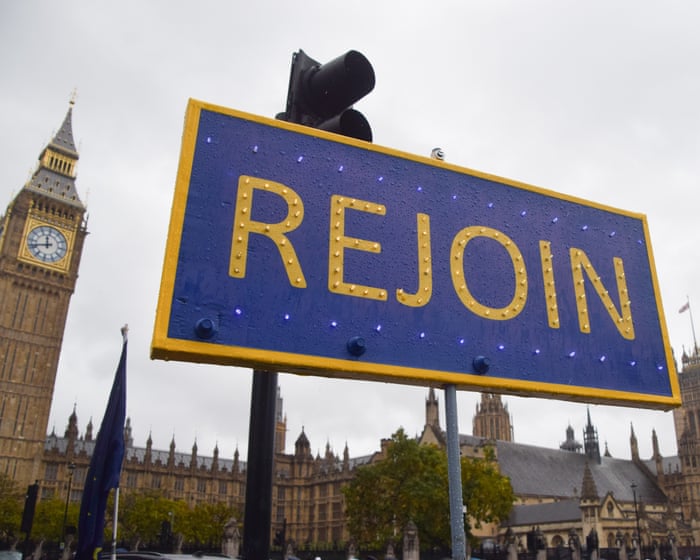
Opening the EU debate again is clearly a political minefield. But we have to do it | Simon Jenkins

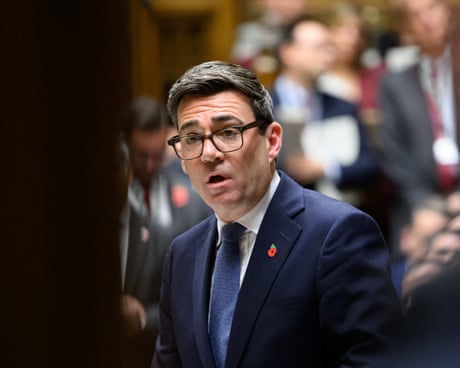
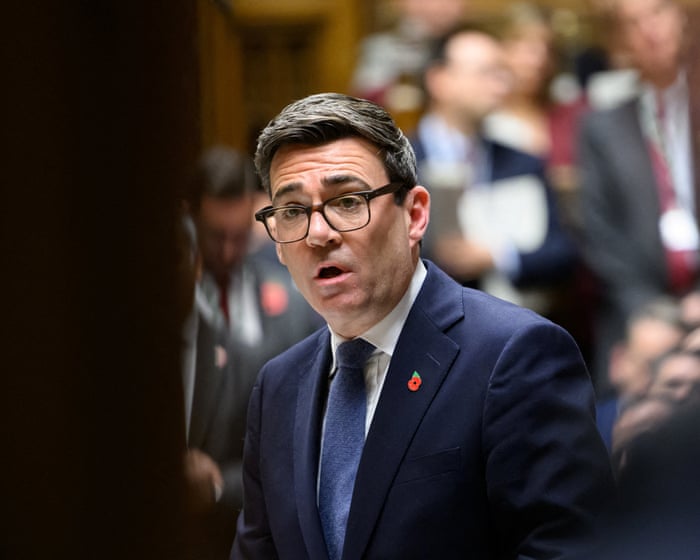
Andy Burnham must tread cautiously, but Brexit was a very grave act of self-harm – and he is right to address it

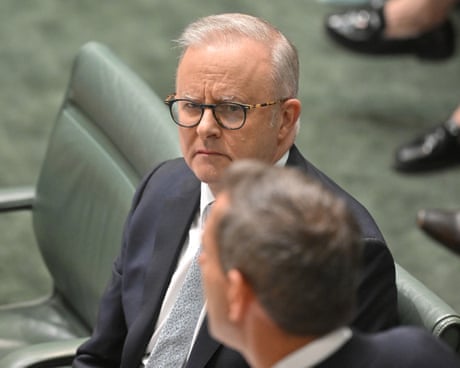
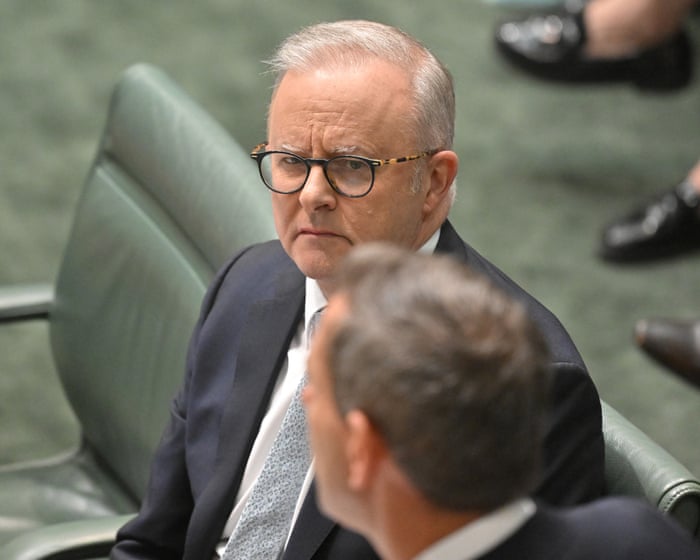
Andy Burnham’s opening debate on whether Britain should rejoin the EU is divisive, painful and politically risky. That is why it should be welcomed. To jeopardise his popularity so soon after coming to office might seem reckless, but the issue is urgent and not going away. Brexit is continuing to damage the nation’s economy. The prime minister’s job is to challenge, if not reform it.

The Brexit decade has evoked a bizarre sense of guilt among Britons. Opinion polls show nearly 60% regard it as a mistake, with just a third still in favour. Almost a quarter of those who voted for Brexit now regret it. While early forecasts of economic disaster were proved wrong, the accumulated cost of cutting links with Britain’s biggest trading partner is estimated at 6-8% of GDP.

Simon Jenkins is a Guardian columnist

Continue reading...

© Photograph: Vuk Valcic/SOPA Images/Shutterstock

© Photograph: Vuk Valcic/SOPA Images/Shutterstock

© Photograph: Vuk Valcic/SOPA Images/Shutterstock

  •  

Washington Warns Allies of Possible New Strikes on Iran After US Midterm Elections

The United States has privately warned Middle Eastern allies to prepare for renewed military operations against Iran following the 3 November congressional elections, according to diplomatic sources. Although President Donald Trump has not authorised further strikes, the warnings have heightened concerns about regional escalation, energy infrastructure and the consequences for European economies already facing rising fuel costs.

American officials have advised several governments in the Middle East to prepare for possible new military strikes against Iran after next week’s US midterm elections, raising the prospect of another escalation in a conflict that has already disrupted international energy markets.

According to an Associated Press investigation published on 29 October, two diplomats familiar with the warnings said US officials had urged regional allies to consider the possibility of Iranian retaliation against energy facilities and other critical infrastructure.

The diplomats emphasised that President Donald Trump had not made a final decision to resume military operations.

Nevertheless, Washington’s warnings suggest that preparations are being discussed for a potential campaign extending over several days.

Regional governments are concerned that retaliatory action by Iran or organisations aligned with Tehran could prolong the fighting beyond the duration initially envisaged by the United States.

The White House and American officials declined to comment on the reported communications.

Military Preparations and Political Timing

The warnings come as Trump approaches the final days of campaigning ahead of the 3 November elections.

The president has repeatedly suggested that further military action against Iran could follow the vote, although he has also claimed that the conflict may be approaching its conclusion.

During a campaign appearance in Texas, Trump said the war could end within weeks, while reiterating his insistence that Iran must not acquire nuclear weapons.

The timing of possible military action remains uncertain.

The Pentagon has increased its regional military presence, including the deployment of the aircraft carrier USS Theodore Roosevelt and additional amphibious forces.

Approximately 9,000 military personnel were associated with the deployment announced in September.

However, the movement of forces does not establish that an attack has been authorised or that particular targets have been selected.

American military preparations can also serve as deterrence, signalling and contingency planning.

The distinction is important because the political consequences of renewed strikes would depend on their scale, objectives and Iranian response.

Tehran Maintains That Diplomacy Remains Possible

Iran has indicated that it remains willing to pursue negotiations.

Foreign Minister Abbas Araghchi said on 28 October that Tehran was continuing to consider diplomatic proposals and wanted elements of its earlier ceasefire initiative to form the basis for renewed discussions.

That proposal had previously been rejected by Washington.

The continuing disagreement concerns both the conditions for ending military operations and wider questions about Iran’s nuclear programme.

The United Arab Emirates has urged the parties to seek political solutions and avoid returning to large-scale fighting.

Regional governments face a particularly difficult position because they may be exposed to retaliation even when they are not directly involved in American military operations.

Energy facilities, airports, ports and other infrastructure could become targets during an escalation.

Such attacks would also affect civilian populations and commercial activity beyond the immediate combatants.

The Conflict Has Already Spread

The war involving Iran, the United States and Israel began in late February and has subsequently affected other parts of the Middle East.

Iran-aligned Houthi forces have carried out attacks on Saudi oil infrastructure and airports, prompting retaliatory operations by a Saudi-led coalition against targets in Yemen.

These developments have complicated attempts to contain the conflict geographically.

The United States has not conducted a strike against Iran since early September, according to the reporting available on 29 October.

However, the absence of recent American attacks has not removed the risk of renewed operations.

Regional governments are therefore considering a range of possible developments, including limited strikes, a longer military campaign or retaliatory attacks preceding any American operation.

None of these scenarios should be treated as inevitable.

Europe Faces Another Energy Risk

For the European Union, a renewed confrontation would have implications extending well beyond diplomatic relations with Washington.

The Middle East remains a major source of global oil and liquefied natural gas supplies.

The Strait of Hormuz is particularly important to international energy shipping, connecting producers in the Persian Gulf with markets in Europe and Asia.

An increase in attacks on shipping, production facilities or export terminals could place further pressure on global energy prices.

The consequences would not necessarily be confined to countries purchasing oil or gas directly from the region.

European consumers compete in internationally connected markets, meaning supply disruptions can influence prices even where import arrangements have been diversified.

The EU has substantially reduced its dependence on Russian pipeline gas since 2022, but growing reliance on liquefied natural gas creates exposure to fluctuations in international supply and demand.

A further Middle Eastern escalation could therefore complicate Europe’s efforts to rebuild gas reserves and contain industrial energy costs before winter.

Higher fuel prices would also affect transport, food production and household expenditure.

The Strategic Dilemma for European Governments

European governments must balance several interests.

They support efforts to prevent nuclear proliferation, maintain relations with the United States and preserve stability in the Middle East.

At the same time, they have a direct economic interest in avoiding prolonged disruption to maritime trade and energy production.

A new American military campaign could revive debates concerning the legality, necessity and proportionality of military action, particularly if diplomatic alternatives remain available.

European governments may also face decisions about the protection of their nationals, regional diplomatic missions and commercial shipping.

The immediate significance of Washington’s warnings lies in the possibility of renewed hostilities, not in confirmation that such hostilities have been ordered.

With the American elections approaching, governments across the Middle East and Europe are preparing for developments that remain contingent on decisions in Washington and Tehran.

Whether the warnings lead to military action or renewed diplomacy will determine the next phase of a conflict whose economic effects are already being felt far beyond the region.

Photo: Mass Communication Specialist Seaman Kaylianna Genier / US Navy / Wikimedia Commons (Public Domain).
  •  

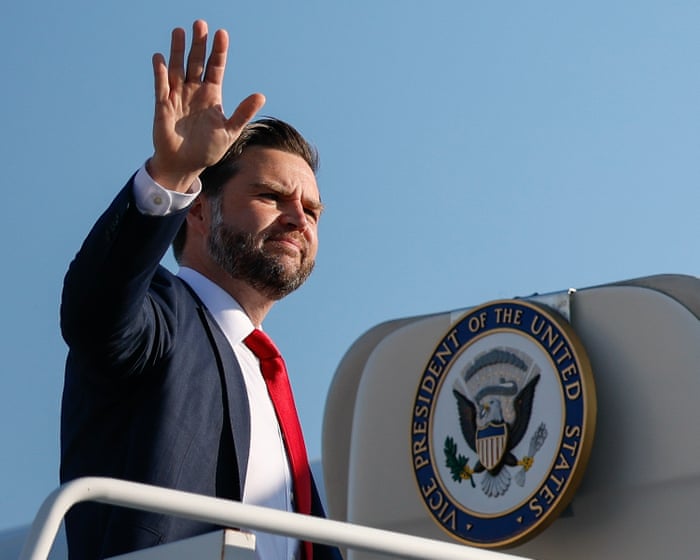
JD Vance letter may offer last chance to avert fresh conflict between US and Iran

US vice-president writes to top Iranian security official in sign Washington has not abandoned diplomacy

Hopes of averting a major new conflagration between Iran and the US soon after Tuesday’s midterm elections could rest on Iran’s response to a personal letter from the US vice-president, JD Vance, offering to restart diplomacy.

The letter, written after predominantly Qatari mediation, was sent to the secretary of Iran’s supreme national security council, Mohsen Rezaei on Sunday. It requires Tehran to agree to make commitments on its nuclear programme at the start of a process that would lead to the opening of the strait of Hormuz within seven days in return for US sanctions relief.

Continue reading...

© Photograph: Evan Vucci/Pool Reuters/AP

© Photograph: Evan Vucci/Pool Reuters/AP

© Photograph: Evan Vucci/Pool Reuters/AP

  •  

The Guardian view on a changing Brexit debate: Kemi Badenoch is trapped in denial | Editorial

The prime minister’s ambitions might be ambiguous, but unlike the Conservative leader, he is following voters and the facts

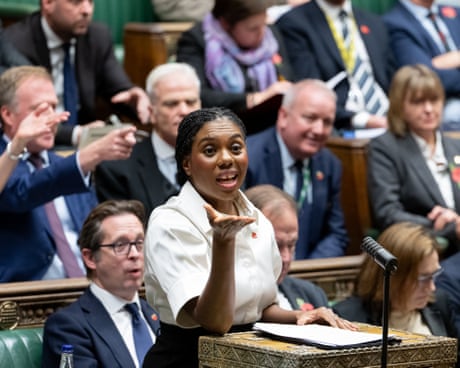
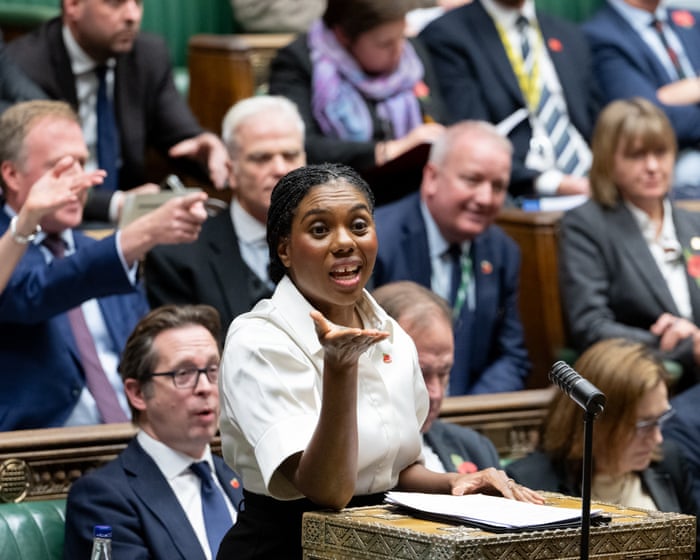
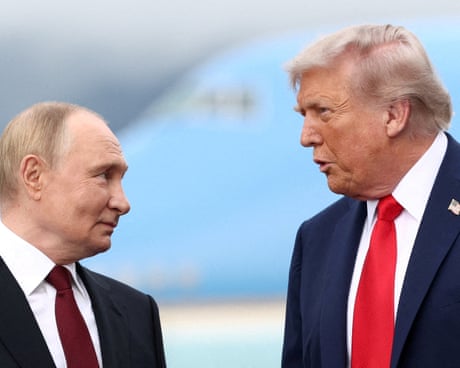
British politics is still polarised around Brexit, although 10 years on from the referendum, the terms of debate are very different. Or they should be. Russia’s invasion of Ukraine in 2022 has moved discussions of European solidarity from the realm of abstraction to a matter of urgent defence partnership. Donald Trump’s presidency in the US, marked by scorn for European democracies and indulgence of Vladimir Putin, has undermined confidence that Britain can rely on any “special relationship” with Washington.

Under these circumstances, it would be absurd to deny that a reappraisal of Brexit is in order. The prime minister acknowledged this in his speech at the Labour party conference last month, calling for a national conversation about the future relationship with every option, including rejoining, on the table. The Eurosceptic opposition are having none of it. The Conservative leader, Kemi Badenoch, accuses the government of stirring division by raising the European question. She told MPs this week that Labour should thank the Tories for the Brexit deal they negotiated.

Do you have an opinion on the issues raised in this article? If you would like to submit a response of up to 300 words by email to be considered for publication in our letters section, please click here.

Continue reading...

© Photograph: House of Commons/PA

© Photograph: House of Commons/PA

© Photograph: House of Commons/PA

  •  

Cuts like a knife: Canadian rocker Bryan Adams trolls Trump with new song

Musician wrote a ‘love letter’ to Canada with a new album – and some pointed commentary about the US president

Lake Ontario, the vast body of water that straddles the US-Canada border, has gone by many names over the centuries: Lac Saint-Louis, Lacus Ontarius, Skaniadorio, Cataraqui Lake. But one thing it will never be called, says the Canadian rock star Bryan Adams, is Lake America.

In his new song Lake Ontario, Adams takes aim at the US president, Donald Trump, accusing him of “breaking the peace” between the people who live on the lake’s shores.

The ‘lake of shining waters’ is what the Iroquois called her

It’s a First Nations name – not an executive order.

But things weren’t going his way in Iran

So like a baby tossing the toys from the pram

You can push us to the brink

But where the open road divides

Continue reading...

© Photograph: Christopher Polk/Billboard/Getty Images

© Photograph: Christopher Polk/Billboard/Getty Images

© Photograph: Christopher Polk/Billboard/Getty Images

  •  

It’s easy to see through Trump’s Ukraine ploy | Kenneth Roth

In advance of the midterms, Trump is blaming Kyiv for high gas prices while making clear moves to support Russia

As the US midterms approach, Donald Trump is abandoning Ukraine’s democracy in a desperate effort to deny responsibility for worsening inflation. Yet this past weekend’s dramatic elections in Brazil and Serbia show that voters can see through such subterfuge.

There is nothing like a political party’s corrupt indifference to the plight of ordinary people to galvanize voter turnout. If US voters follow in the footsteps of their Brazilian and Serbian counterparts, a Democratic landslide is likely.

Continue reading...

© Photograph: Kevin Lamarque/Reuters

© Photograph: Kevin Lamarque/Reuters

© Photograph: Kevin Lamarque/Reuters

  •  

New book makes fiery claims about Jared Kushner’s finances in Trump’s first term

Kushner threatens to sue, denying allegations that two slush funds were set up to influence his Middle East role

A new book containing incendiary claims about Jared Kushner’s financial dealings during Donald Trump’s first term has ignited a political and media firestorm.

The book by author Matthew Cole is called Princes and Thieves: Jared Kushner and Mohamed bin Zayed’s Secret Plot to Remake the Middle East and was released in the US this week. An excerpt was published by Vanity Fair last Thursday, and immediately drew a furious response from Kushner, who called its claims “completely insane”. The book contains numerous allegations about Kushner, whose father-in-law is Trump and who has served as one of his top diplomatic envoys in the Middle East – the most explosive of which are claims linking him to huge bank accounts allegedly funded by Gulf states.

Continue reading...

© Photograph: Charly Triballeau/AFP/Getty Images

© Photograph: Charly Triballeau/AFP/Getty Images

© Photograph: Charly Triballeau/AFP/Getty Images

  •  

US ambassador suggests Trump could blame Canada if midterms don’t go his way

Pete Hoekstra, controversial US ambassador to Canada, has also accused Canadian officials of interfering in US elections

The US ambassador has suggested Canada could be blamed if Republicans perform poorly in next week’s midterm elections, the latest intervention from a controversial figure who has been accused of inflaming a bitter dispute that has angered and baffled residents of both countries.

On Wednesday, CTV news reported that Pete Hoekstra told business leaders at a closed door meeting that if a number of swing races – including Maine and Michigan – go to the Democrats, it could make things harder for Canada because Donald Trump might try to blame the loss on it.

Continue reading...

© Photograph: Canadian Press/Shutterstock

© Photograph: Canadian Press/Shutterstock

© Photograph: Canadian Press/Shutterstock

  •  

Lambie scolded by ADF chief over hidden camera revelation – as it happened

Gas reservation policy set for lower house vote today

Australia’s domestic gas reservation is set to be debated and voted on in the lower house today.

Rather than international base companies, determining through algorithms what Australians receive, it empowers people themselves to determine what you receive on your devices, so that you should have that control.

This isn’t about government having a greater role. It’s about people having a greater role, having more control themselves, and it’s deserving of support of this parliament.

Continue reading...

© Photograph: Mick Tsikas/AAP

© Photograph: Mick Tsikas/AAP

© Photograph: Mick Tsikas/AAP

  •  

Tory Brexit was ‘harder’ than promised in EU referendum, says Andy Burnham

Prime minister warns cabinet not to express opinions about future relationship with Brussels before review of options

Andy Burnham has warned ministers not to express their opinions about how the government should approach Brexit, as he argued that the Conservatives’ deal with Brussels had been more extreme than that promised in the 2016 referendum.

In another series of announcements connected to his plan to seek closer links with the EU, Burnham told ministers at a cabinet meeting on Wednesday that the current deal was a bad one, before writing to frontbenchers setting out his hopes to address this.

Continue reading...

© Photograph: House of Commons/Reuters

© Photograph: House of Commons/Reuters

© Photograph: House of Commons/Reuters

  •  

‘Back away from this podium’: UN ambassador posts video of confrontation with Cuban reps in General Assembly Hall

U.S. Ambassador to the United Nations Mike Waltz on Tuesday posted a video depicting a confrontation between U.S. and Cuban officials while he spoke at the podium of the U.N. General Assembly chamber. The video shows Cuban officials standing and speaking to Waltz, who can be heard saying one of them needs “to back away…

  •  

Manila’s closer ties to Tokyo not aimed at containing Beijing

For decades after World War II, Japan was seen in Southeast Asia chiefly as an economic partner, a development donor and a source of investment. Security played a minor role in its relations with ASEAN. Today, Japan is a significant security partner for many Southeast Asian states, especially the Philippines. This shift is not driven […]

The post Manila’s closer ties to Tokyo not aimed at containing Beijing appeared first on Asia Times.

  •  

Trump shows off tanker with ‘1m barrels of oil’ and floats Venezuela as 51st state

President at Texas campaign rally hails deal struck with post-Maduro government as ‘greatest oil victory in history’

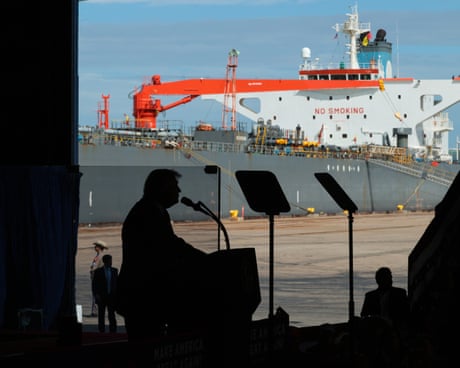
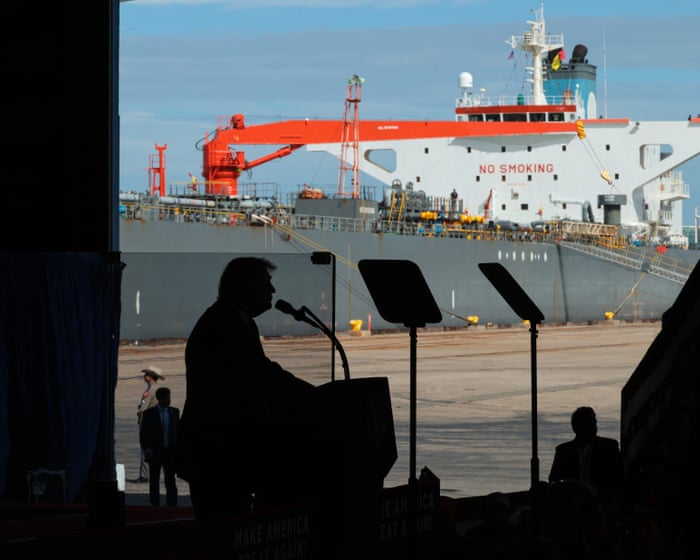
Donald Trump suggested Venezuela would become the 51st state of the United States on Tuesday as the president showed off a tanker he claimed had “one million barrels of oil on it” from the country, nine months after deposing its president.

At a campaign rally in Corpus Christ, Texas, Trump touted a US oil deal with Venezuela, which the US attacked in January, capturing its long-serving leader Nicolás Maduro.

Continue reading...

© Photograph: Chip Somodevilla/Getty Images

© Photograph: Chip Somodevilla/Getty Images

© Photograph: Chip Somodevilla/Getty Images

  •  

Coalition MP ejected from question time after swearing at PM – as it happened

Online hate is spilling into the real world, AFP warns

AFP Commissioner Krissy Barrett began her late-night appearance at the Senate estimates hearing noting “a heaviness that hangs across Australia” after the alleged attack on independent MP Helen Haines.

Lone actors are being motivated by a convergence of personal grievances, mental health vulnerabilities and ideological concerns …

What helped keep us safe in recent times, such as our geography, analogue systems and far away criminals, has been impacted by fully integrated technology, social media and artificial intelligence.

We hear about the devastating impacts of racism from communities every day. But many experiences go unreported or uncounted, and our systems often do not capture the full picture.

This is not about collecting more data to prove racism exists. We already know it does. It is about making inequality visible, holding institutions to account and giving communities greater agency over their data to drive real change.

Continue reading...

© Photograph: Mick Tsikas/AAP

© Photograph: Mick Tsikas/AAP

© Photograph: Mick Tsikas/AAP

  •  

Why Putin Demands Donbas: The Territorial Ultimatum That Could Shape Ukraine’s Next War

Vladimir Putin’s insistence that Ukraine surrender its remaining positions in Donetsk is not simply a dispute over territory. It is a demand that could dismantle Ukraine’s principal defensive barrier in the east, hand Moscow a military advantage it has struggled to achieve through years of fighting, and establish a precedent for further territorial concessions. The latest diplomatic contacts with European leaders have brought this question back to the centre of negotiations.

There are two ways for Russia to capture the remaining Ukrainian-held cities of Donbas. One is to fight its way through heavily fortified defensive positions, accepting substantial casualties, equipment losses and an uncertain timetable. The other is to secure their evacuation through diplomatic negotiations.

The second would achieve an important Russian military objective without requiring Moscow to bear the full cost of a prolonged offensive.

This distinction helps explain why Vladimir Putin continues to insist that Ukrainian forces withdraw from the remaining government-controlled territory of Donetsk region before a comprehensive settlement can be negotiated.

It also raises a more consequential question: would surrendering Donbas bring the war closer to an end, or would it improve Russia’s position in any subsequent confrontation?

A diplomatic opening without a strategic concession

The issue returned to prominence on 27 October when Finnish President Alexander Stubb and Norwegian Prime Minister Jonas Gahr Støre held a rare telephone conversation with Putin.

According to the Finnish president’s official statement, the call followed discussions in Oslo on 20 October involving Ukrainian President Volodymyr Zelenskyy and US presidential envoy Steve Witkoff.

The Nordic leaders sought to advance preparations for renewed American-mediated negotiations, expected in Abu Dhabi in November. They emphasised that they were acting on behalf of their respective countries rather than representing Europe collectively.

Stubb described the exchange as “frank and substantive”, arguing that direct communication with Moscow was necessary to address the security consequences of the war.

However, the Kremlin’s account offered little indication of movement on the fundamental disagreements.

Moscow insisted that any durable peace must fully accommodate Russian interests. A source close to the Kremlin told Reuters that Putin had reiterated his refusal to compromise on the objective of controlling the entire Donbas.

Following the conversation, Zelenskyy confirmed that the Nordic leaders had briefed him and stressed to Putin the need for concrete measures to reduce attacks on Ukrainian energy infrastructure.

The diplomatic process has therefore resumed without resolving the territorial dispute at its centre.

The military significance of the remaining Donbas

The territory Russia is demanding includes some of Ukraine’s most important surviving defensive positions.

Since fighting began in eastern Ukraine in 2014, Ukrainian forces have constructed and reinforced an extensive defensive system centred on Sloviansk, Kramatorsk, Druzhkivka and Kostiantynivka.

Known as the fortress belt, this network combines urban areas, industrial facilities, transport infrastructure, prepared defensive positions and terrain that complicates offensive operations.

The military importance of this system extends far beyond the administrative boundaries of Donetsk.

According to the Institute for the Study of War, surrendering these positions would allow Russian forces to occupy heavily defended territory without undertaking the prolonged operations otherwise required to capture it.

In its 26 October battlefield assessment, the institute continued to identify the capture of this defensive belt as Russia’s principal military objective in Donetsk. Ukrainian forces retained positions in parts of Kostiantynivka, while Russian operations towards other major cities remained contested.

The implications of a negotiated Ukrainian withdrawal would be substantial.

Russia could occupy the fortified urban corridor, reorganise its forces, establish new logistics routes and potentially redirect formations towards other sectors.

Ukraine, meanwhile, would have to construct or reinforce defensive positions further west, potentially under pressure and in less favourable terrain.

The resulting military imbalance would not necessarily lead to another Russian offensive. But it would change the conditions under which any renewed hostilities might take place.

That is why territory cannot be assessed solely by its surface area. A relatively small section of the front can possess strategic value disproportionate to its size.

Why Moscow prefers a negotiated withdrawal

Russia’s insistence on Donetsk also reflects the limits of what its military has achieved.

Despite years of fighting, Moscow has not secured complete control of the region. Successive offensives have produced territorial gains, but at considerable cost and without the rapid breakthrough originally anticipated.

US Secretary of State Marco Rubio recently acknowledged the central importance of the remaining Ukrainian-held territory.

In an interview published by the US State Department, Rubio characterised the dispute as centred on territory Russia wants but has been unable to capture militarily, while recognising Ukraine’s sovereignty and long-term security concerns.

His remarks demonstrate how Donbas has become the principal territorial obstacle in Washington’s diplomatic calculations.

For Moscow, however, concentrating negotiations on this specific demand offers an additional advantage.

If Ukraine refuses to withdraw, the Kremlin can argue that Kyiv is preventing progress towards peace. If Ukraine agrees, Russia obtains strategically valuable territory without the military costs associated with conquering it.

The demand therefore serves a dual purpose: it establishes a public explanation for the absence of an agreement while offering Russia an immediate military benefit should negotiations succeed on its terms.

The problem with treating Donbas as the final concession

The central weakness in any settlement built around a Ukrainian withdrawal is the assumption that control of Donbas represents the limit of Russia’s territorial ambitions.

Moscow’s previously declared objectives suggest a more complicated picture.

In June 2024, Putin demanded Ukrainian withdrawal from four regions claimed by Russia: Donetsk, Luhansk, Zaporizhzhia and Kherson. Moscow does not fully control these regions, despite claiming to have annexed them in September 2022.

Russia has also demanded restrictions on Ukraine’s military capabilities and future security relationships.

As EU Today previously reported, renewed diplomatic engagement has not produced a clear abandonment of the Kremlin’s wider objectives.

Consequently, transferring the remaining territory of Donetsk would not necessarily satisfy Moscow’s other demands.

There is a significant difference between conceding territory as part of an enforceable settlement and withdrawing from defensive positions as a precondition for negotiating one.

In the first case, territorial arrangements form part of a wider agreement establishing obligations, verification procedures and security guarantees.

In the second, one party makes a potentially irreversible military concession before knowing whether an agreement will ultimately be reached.

This asymmetry is particularly important where the proposed concession directly affects the withdrawing country’s ability to defend itself.

The strategy of incremental gains

One interpretation of Moscow’s approach is that it reflects a strategy of incremental territorial expansion rather than an attempt to achieve all its objectives through a single decisive offensive.

After Russia failed to capture Kyiv in 2022, its military campaign increasingly concentrated on taking territory through successive, often prolonged operations.

The diplomatic equivalent would involve securing one concession, consolidating the resulting advantage and subsequently presenting additional demands.

Under such a scenario, Russia could obtain control of the remaining Donetsk territory, establish new positions closer to Dnipropetrovsk region and later argue that further territorial or security arrangements were necessary to protect its newly acquired frontier.

Moscow has already used the language of protective buffer zones to justify military operations elsewhere in Ukraine.

There is no evidence establishing that such a sequence would inevitably follow a Donbas settlement. Nevertheless, the possibility must be considered when assessing the military consequences of a withdrawal.

The concern is not merely that Russia might violate a future agreement. It is that the agreement itself could alter the strategic balance in ways that make renewed military pressure more effective.

There is also an internal Ukrainian dimension.

An agreement requiring the evacuation of cities defended for years would create substantial political controversy. Disagreements over territorial concessions, security guarantees and the credibility of Western commitments could complicate domestic political stability.

For Moscow, such divisions might provide another means of influencing Ukraine without immediate military escalation.

Donbas and the wider question of Ukrainian sovereignty

Donbas has considerable political significance for Putin beyond its military value.

The conflict in eastern Ukraine began in 2014, following Russia’s annexation of Crimea. Donetsk and Luhansk became central to the Kremlin’s justification for intervention, and their incorporation into Russia was later proclaimed as part of the 2022 annexations.

Control of the entire region would allow Putin to present a tangible achievement after years of warfare.

Yet the Kremlin’s objectives have never been confined exclusively to Donbas.

Putin has repeatedly questioned Ukraine’s historical and political independence, while Russian negotiating demands have extended to the country’s military posture, international alliances and internal political arrangements.

These positions suggest that territorial control forms part of a broader attempt to determine Ukraine’s strategic orientation.

A settlement that ends fighting in Donetsk without resolving these wider disagreements might therefore suspend the conflict rather than settle its underlying causes.

What the next negotiations must establish

The planned talks in Abu Dhabi will test whether Moscow is prepared to distinguish between its territorial demands and the conditions necessary for a sustainable ceasefire.

An immediate halt to hostilities along existing lines would preserve the military status quo while allowing negotiations to proceed.

Russia has resisted this approach, arguing that a temporary ceasefire could enable Ukraine to rebuild its forces without resolving the conflict.

Ukraine, by contrast, argues that withdrawing from fortified territory without credible guarantees would expose it to renewed attack.

Neither side can be expected to disregard the military implications of the proposed arrangements.

For European governments, the principal question is consequently not simply whether Ukrainian and Russian representatives can be brought back to the negotiating table.

It is whether any agreement can prevent the territorial settlement from becoming the starting position for another war.

Stubb and Støre’s conversation with Putin demonstrated that diplomatic communication remains possible. It did not establish that Moscow is prepared to abandon its existing territorial objectives.

The distinction matters.

Putin’s demand for Donbas offers Russia two potential advantages: a justification for continuing the war if Kyiv refuses, and a substantial military gain if Kyiv accepts.

That does not prove the Kremlin has already decided to resume hostilities after a negotiated withdrawal. It does, however, explain why the terms, sequencing and enforceability of any agreement are as consequential as the territory itself.

The essential question facing negotiators is therefore not only whether Russia can obtain Donbas through diplomacy rather than force.

It is whether the price of that concession would be a lasting peace — or a weaker Ukrainian defensive position if peace fails.

  •  

Rubio responds to Machado return: Can’t ‘street-protest your way into a democracy’

Secretary of State Marco Rubio issued a warning to Venezuelan opposition leader María Corina Machado on Monday, without explicitly naming her after the exiled Nobel Peace Prize winner returned to her home country. “You’re not going to street-protest your way into a democracy,” Rubio told reporters, according to Axios. He also praised her return, saying…

  •  

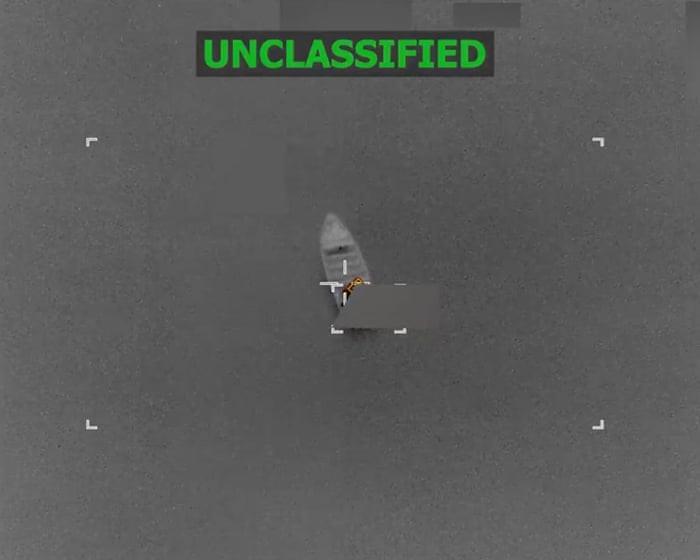
US military says strike on alleged drug vessel in eastern Pacific kills five people
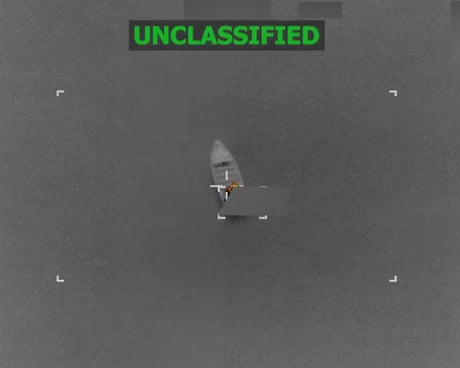
US military says it carried out an airstrike on an alleged drug-trafficking boat in latest attack in region

The US ⁠military ⁠said on ​Tuesday ⁠it killed ⁠five ​people ‌after ‌an airstrike on a ‌suspected drug-trafficking vessel in ​the ⁠eastern Pacific.

Tuesday’s strike was among more than 70 such attacks since the beginning of Donald Trump’s second presidency, according to media tallies. Collectively, they have killed more than 240 people.

Continue reading...

© Photograph: US Southern Command via X

© Photograph: US Southern Command via X

© Photograph: US Southern Command via X

  •  

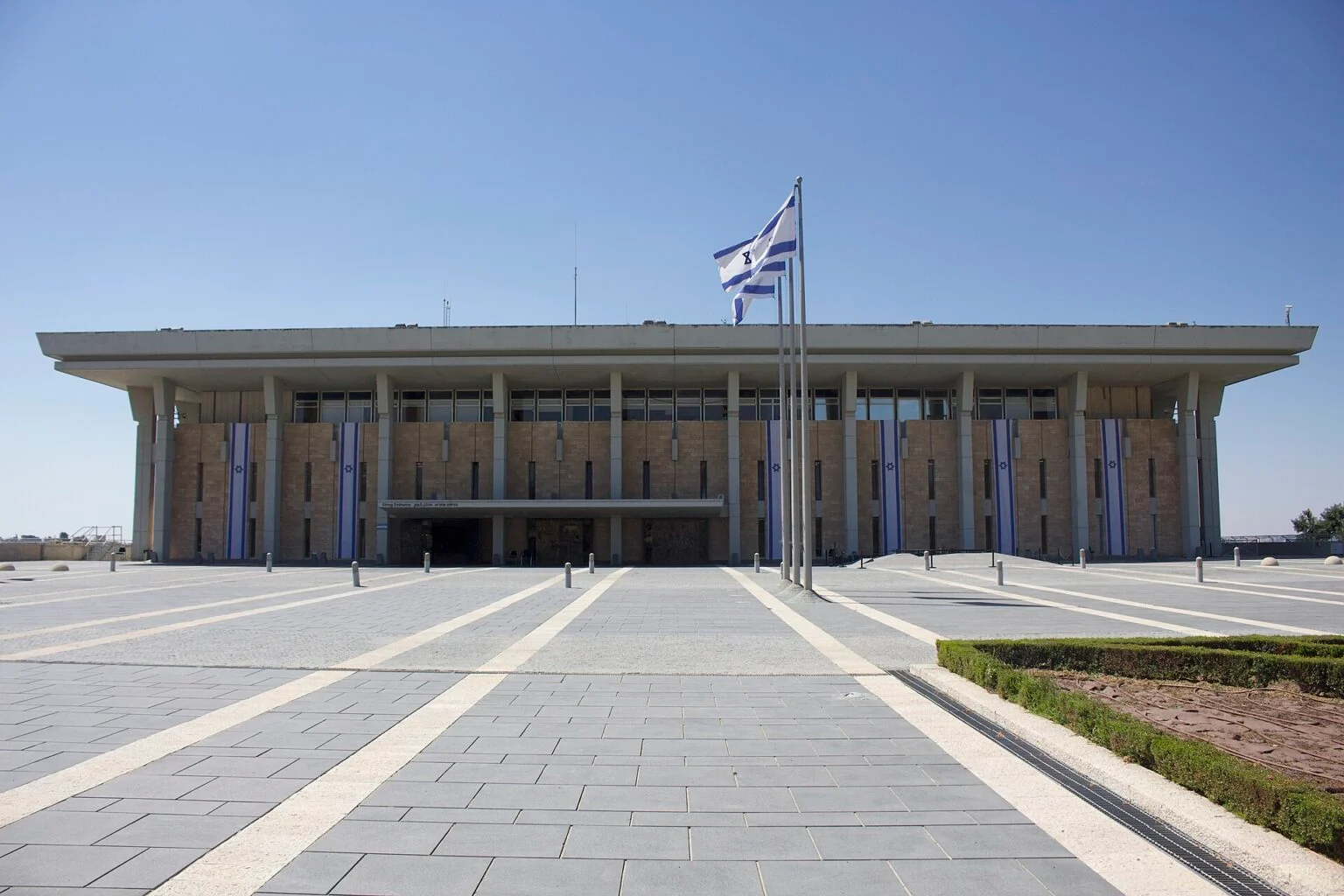
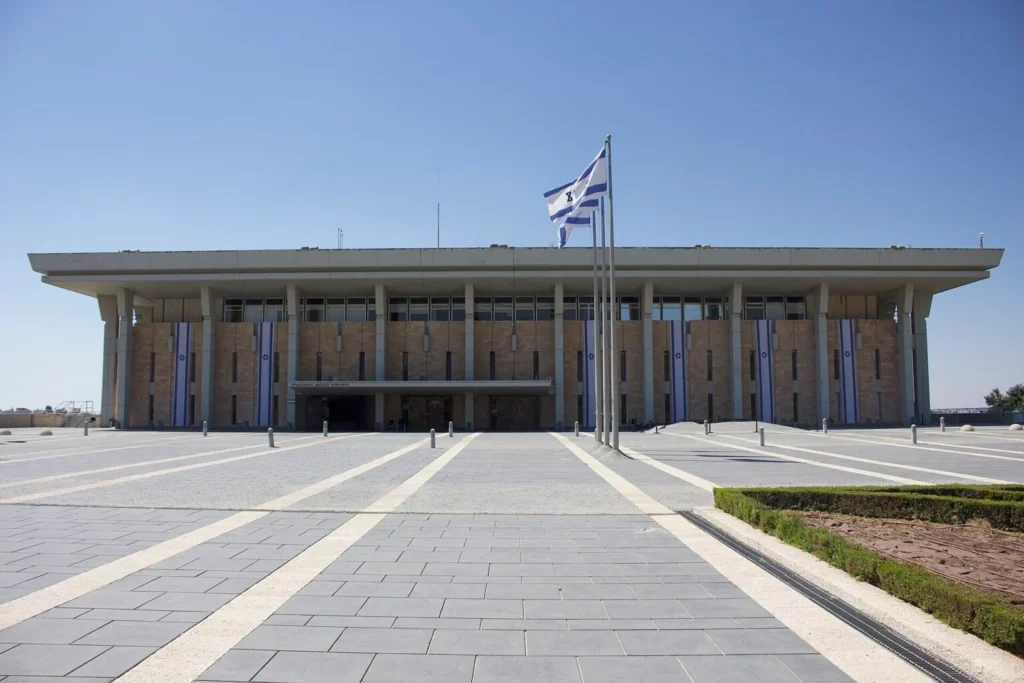
Israel Votes Today: What the Election Means for Americans and How Netanyahu’s Rivals Differ

Israelis are voting Tuesday in the first national election since the Oct. 7, 2023, attack and the war in Gaza. Polls close at 4 pm Eastern Standard Time. A winner is unlikely to be clear Tuesday night, and coalition talks will likely take weeks… A roundup of election news from diverse sources

  •  
❌