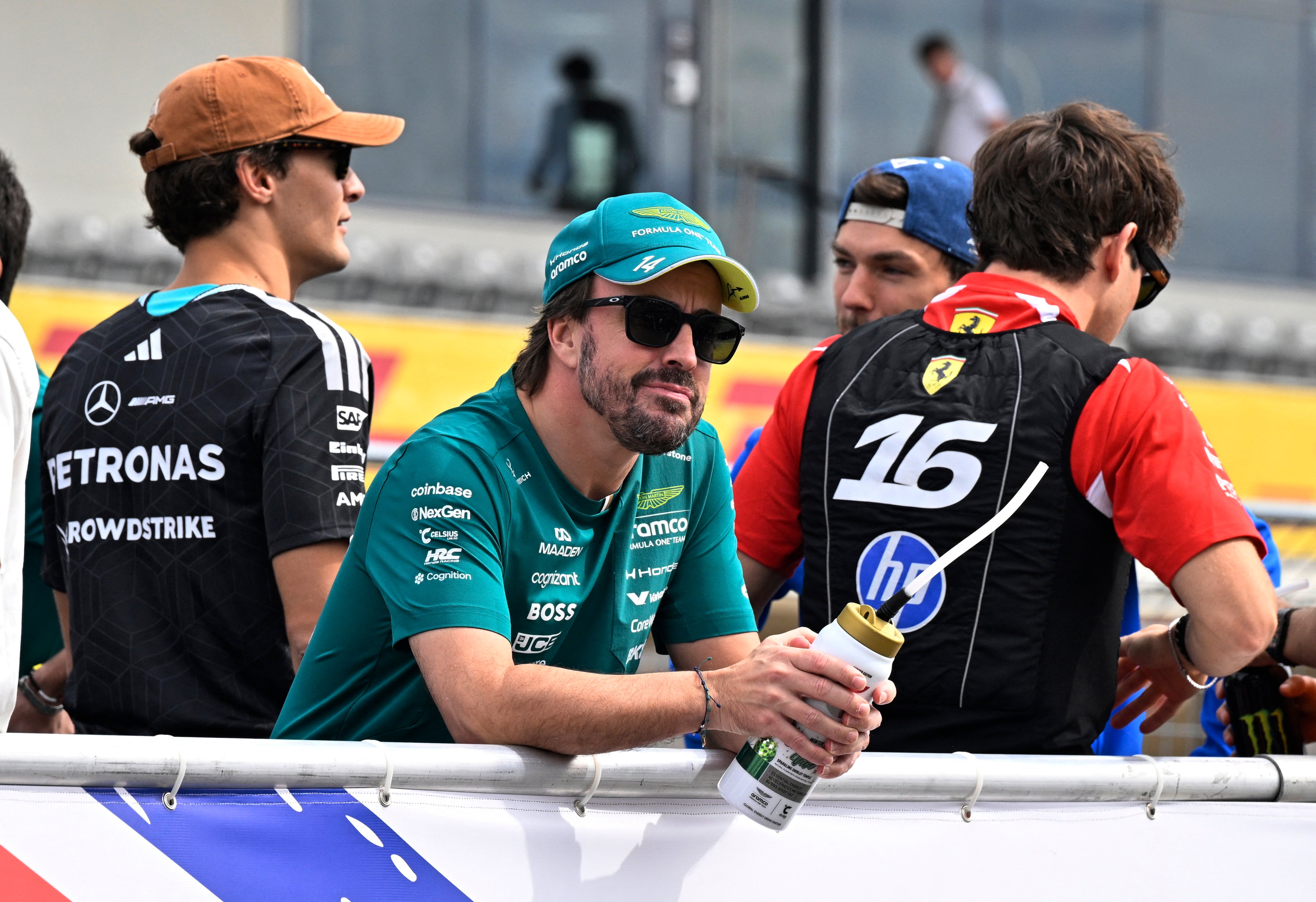
“A Fernando Alonso hay que quererle por las declaraciones que hace”. Esta frase de Pierre Gasly mezcla las dosis adecuadas de ironía y generosidad que le permiten a uno entender cómo es visto hoy en día el piloto de Aston Martin entre sus compañeros de refriegas durante las carreras de Fórmula 1. A sus 45 años, el asturiano encara el final de su paso por el Mundial que le convirtió en leyenda hace más de 20 años, con los dos títulos consecutivos que celebró con Renault, en 2005 y 2006, los primeros de un español. Y lo hace subido a un monoplaza que parece llevar puesto el freno de mano, y que le mantiene enjaulado en las catacumbas del pelotón, donde habitualmente pasan más cosas y no necesariamente buenas, debido a la densidad de monoplazas que se concentra, especialmente en la primera frenada, justo después de que los semáforos se apaguen.
Former Health and Human Services senior adviser Calley Means told Breitbart News that Iowa is positioned to play a central role in advancing the Make America Healthy Again (MAHA) movement, emphasizing the importance of the state's agricultural economy, concerns about cancer rates, and Republican gubernatorial candidate Zach Lahn's willingness to address difficult questions surrounding food and health policy.
CLIVE, Iowa–Republican Iowa gubernatorial candidate Zach Lahn took aim at the establishment media during a Make Iowa Healthy Again rally on Wednesday, accusing the press of contributing to public forgetfulness about the past and what is at stake ahead of the midterm elections, while Steak 'n Shake Chief MAHA Officer Michael Boes challenged media portrayals of the Trump administration's efforts to improve Americans' health.
The Department of Health and Human Services (HHS) will let pharmacies produce and sell treatments involving six peptides that aren't specifically approved by the Food and Drug Administration (FDA). The move is meant to provide a "controlled alternative" to buying peptides from possibly sketchy foreign pharmacies, HHS said.
Under the new HHS policy, the agency will not "take enforcement action against a State-licensed pharmacy, Federal facility, or licensed physician compounding a drug product" using one of six named "peptide bulk drug substance[s]."
This is a major win for peptide proponents, compounding pharmacies, and health freedom—and hints that HHS Secretary Robert F. Kennedy Jr. may be feeling frustration with the slow pace of things at the FDA.
Up for debate was whether these six "bulk drug substances" and another, Emideltide, should be put on the FDA's Section 503A Bulks List. That list governs which substances licensed physicians and specialty pharmacies can compound into drug products without them being a component of an already FDA-approved drug or having "an applicable United States Pharmacopeia (USP) or National Formulary (NF) monograph."
In July, the panel voted to put six of the seven peptide-related substances under consideration (all except Emideltide) on the bulks list. But the panel's vote is not binding.
It's ultimately up to FDA authorities to decide whether they accept the advisory committee's recommendations. So far, no decision has been released.
Kennedy can't ensure FDA approval, of course. But he can—and will—stop HHS from taking action against physicians or pharmacies that compound and distribute these substances under his prescribed rules.
In an explainer about the new policy, HHS notes that "compounded drugs are not FDA-approved, which means FDA does not review their safety, effectiveness, or quality before they are marketed." Nonetheless, "compounded drugs can serve an important medical need for certain patients" and "there is significant interest in the use of these peptides in compounding," it says.
Opponents of allowing more peptide-based treatments to be compounded by licensed U.S. pharmacies often focus on the fact that these products don't have FDA approval and may not have the extensive experimental backing required of FDA-approved treatments.
But people are already taking BPC-157, MOTS-c, and other peptides anyway, buying them from companies selling them under "for research use only" labels or obtaining them from foreign distributors. Peptides can even be found on discount everything-marketplaces like the China-based AliExpress.
Allowing licensed physicians and pharmacies in the U.S. to compound these substances without fear of being punished gives people access to safer options than they might otherwise have.
Pharmacies compounding peptide-based products under the rules set forth by federal law still have to be licensed in the states where they operate and follow certain rules, including a requirement that active ingredients used for compounding must be "accompanied by valid certificates of analysis" and "be compounded based on the receipt of a valid patient-specific prescription." Per the new HHS policy, they must also follow several other rules regarding the packaging and labeling of these peptides.
"The Secretary of HHS has determined that this limited enforcement-discretion policy will discourage the continued, widespread use of certain research-use-only peptides supplied by foreign manufacturers that pose a safety risk to US patients," notes the HHS explainer. "By allowing limited compounding of the substances addressed in this guidance under appropriate safeguards, the policy provides patients with a more controlled alternative."
It's an astoundingly reality-based policy for government health officials, who often act as if matters like this come down to a binary between perfect health and safety on one hand and certain danger on the other.
Rather than relegating peptides to gray or black markets until they (may be) pronounced all clear by the FDA, RFK Jr.'s HHS has chosen to balance safety with "patient choice and freedom," as the HHS states.
A dramatic reduction in opioid prescriptions and addiction and overdose deaths is being accomplished during the Trump administration, according to new analysis announced this week by Health and Human Services (HHS) Secretary Robert F. Kennedy Jr.
O atacante Neymar pode disputar apenas três das seis partidas restantes do Santos na temporada. Nesta quarta-feira (28), a Segunda Comissão Disciplinar do Superior Tribunal de Justiça Desportiva (STJD) aumentou de um para dois jogos a suspensão aplicada ao camisa 10 pela expulsão no empate por 1 a 1 com o Bahia, no último sábado (24). A defesa ainda pode recorrer da decisão.
O episódio ocorreu durante uma discussão com Rodrigo Nestor. Neymar cobriu a boca com a mão enquanto conversava com o jogador do Bahia, em lance enquadrado no protocolo antirracismo conhecido como Lei Vini Jr. O atacante foi expulso no intervalo da partida.
Além da punição pela expulsão, Neymar terá de cumprir suspensão automática pelo terceiro cartão amarelo, recebido no mesmo confronto. O atacante foi advertido após jogar a bola contra o corpo de Nestor depois de sofrer uma falta.
Com isso, o jogador ficará fora do clássico contra o Palmeiras, nesta quarta-feira (28), na Vila Belmiro, e também dos compromissos diante do Red Bull Bragantino, em 2 de novembro, e do Coritiba, no dia 18. A expectativa é que volte a ficar à disposição contra o Grêmio, em 22 de novembro.
Relatório pesou na decisão
O aumento da pena levou em consideração o relatório do árbitro Sávio Pereira Sampaio. No documento, ele relatou que Neymar, após ser expulso, correu em direção ao banco de reservas da equipe visitante para confrontar um adversário e precisou ser contido pelos próprios companheiros.
O jogador foi enquadrado nos artigos 191 e 258 do Código Brasileiro de Justiça Desportiva (CBJD). O primeiro trata do descumprimento de determinações de entidades esportivas. O segundo abrange condutas contrárias à disciplina ou à ética desportiva que não estejam previstas em outros dispositivos do código.
Defesa alegou brincadeira
Durante o julgamento, o advogado de Neymar, Marcelo Mendes, sustentou que o gesto do atacante ocorreu em um contexto de brincadeira, sem intenção de esconder uma fala racista ou discriminatória.
A defesa argumentou que o protocolo não deve ser aplicado automaticamente a qualquer situação em que um jogador cubra a boca. Segundo Mendes, era necessário considerar o contexto da conversa entre os atletas.
O advogado pediu a absolvição do jogador ou, alternativamente, a aplicação da pena mínima, com possibilidade de conversão em advertência. A comissão disciplinar, porém, decidiu ampliar a suspensão para duas partidas.
Santos busca vaga na Libertadores
O Santos ocupa a oitava colocação do Campeonato Brasileiro, com 46 pontos, e ainda disputa uma vaga na Copa Libertadores de 2027. A ausência de Neymar nos próximos compromissos representa uma baixa para a reta final da competição.
Depois de enfrentar Palmeiras, Red Bull Bragantino e Coritiba, o time santista terá pela frente Grêmio, Vitória e Botafogo nas últimas rodadas da temporada.
O influenciador Lucas Guedez, de 31 anos, usou as redes sociais para criticar Vini Jr., 26, depois que o jogador do Real Madrid deixou de segui-lo no Instagram. Irritado com a situação, Lucas afirmou que sempre discordou das atitudes do atleta durante o relacionamento dele com Virginia Fonseca, 27, de quem é amigo.
Em uma publicação, o influenciador reclamou por, segundo ele, acabar sendo prejudicado por não apoiar o comportamento do jogador. “O cara apronta e faz um monte de coisa errada com a minha amiga, e eu ‘pago o pato’ por nunca ter concordado com as ‘cachorrices’ desse babaca que vem me dar unfollow”, escreveu.
Lucas também demonstrou incômodo por continuar seguindo o perfil do atacante, mesmo depois de ter sido removido da lista de seguidores dele. “Que ódio que me dá quando alguém dá unfollow e deixa a pessoa seguindo como fã. Deu unfollow e me deixou seguindo ele como fã. Eu não sou seu fã! Nunca fui”, declarou.
O influenciador voltou a alfinetar Vini Jr. e indicou que já guardava opiniões negativas sobre o jogador havia algum tempo. A reação repercutiu nas redes sociais após a divulgação de registros da manifestação.
Término de Virginia Fonseca e Vini Jr.
A polêmica acontece semanas após o fim do relacionamento entre Virginia Fonseca e Vini Jr. No início de outubro, a assessoria da influenciadora confirmou à que os dois não estavam mais juntos.
Em comunicado, a equipe de Virginia afirmou que a separação ocorreu sem brigas ou conflitos. “Virginia Fonseca e Vini Jr. não estão mais juntos. Não houve conflito, não houve briga, somente o entendimento de não seguirem mais como um casal”, informou a nota.
O casal havia assumido o namoro em 2025 e enfrentado uma primeira crise, que levou ao término em maio de 2026, em meio a especulações sobre uma possível infidelidade do jogador.
Antes da confirmação mais recente da separação, rumores sobre um novo desentendimento já circulavam nas redes sociais. Informações divulgadas pelo jornalista Leo Dias e pelo perfil Daily do Garotinho apontavam que Virginia e o atleta teriam discutido em Madri, na Espanha, onde ele joga pelo Real Madrid.
As especulações ganharam força depois que a influenciadora viajou para Miami sem a companhia do jogador. Na cidade, ela encontrou o ex-marido, Zé Felipe, para levar os filhos ao cantor, que estava fora do país para se dedicar a projetos musicais.
Council on American-Islamic Relations calls remarks by US health secretary at Michigan campaign rally 'a textbook display of unvarnished racism and bigotry'
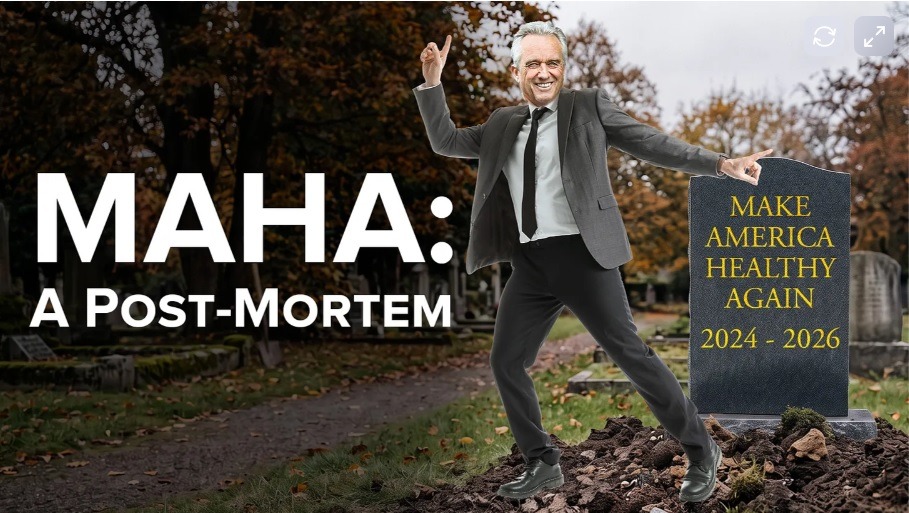
In truth, it’s probably been dead for a while, but the death certificate records the day of its demise as October 15, 2026. That’s when Health and Human Services Secretary Robert F. Kennedy Jr. stepped up to the microphone and extolled the virtues of measles vaccines.
We’re having a global measles outbreak right now. It’s all over the world, and the measles outbreak is occurring because so many people went unvaccinated during the Covid pandemic. And this is something that Anthony Fauci, in fact, predicted.
He said,
“We’re going to kill more people from measles than we save from Covid, as we’re shutting down measles vaccination programs.”
So now, six years later, we’re seeing that population. We have a global outbreak.
That the man who once warned about the dangers of childhood vaccines is now blaming the measles outbreak on a lack of vaccination is only surprising to those who haven’t been paying attention to Kennedy’s actual statements on this issue over the years.
So, what is the relationship between RFK Jr.’s vaccination stance and the stance of his supporters? Is this a betrayal of the MAHA movement? And, if so, what other “Make America Healthy Again” promises have been broken in the past two years?
Read on to find out!
THE BETRAYAL(S)?
Kennedy’s “surprising” measles vaccine endorsement shouldn’t be so surprising to anyone who actually listened to what candidate Kennedy was saying on the campaign trail in 2024. He has always been careful to stipulate that he “isn’t against vaccines” and that the measles vaccine is effective.
To be fair to RFK Jr., it is not logically inconsistent to say that a vaccine could be effective for its intended purpose—e.g., for preventing measles infection—but not safe. It’s just that the vast majority of Kennedy’s supporters and those who eventually signed on to the MAHA coalition that helped put Trump in office do not share this “effective but dangerous” belief about vaccines, so to hear Kennedy yet again articulate this viewpoint feels like a betrayal.
And if that feeling of betrayal is uncomfortable, then MAHA supporters better brace themselves for a lot of discomfort. As it turns out, RFK Jr. has betrayed—or, at the very least, seemingly betrayed—his MAHA base many times over the past two years.
On the vaccine front, MAHA activists have been let down time and time again by the new HHS Secretary and the supposedly MAHA-friendly health agencies like the Food and Drug Agency (FDA) and the National Institutes of Health (NIH) that are nominally under his control.
Both FDA head Marty Makary and top FDA executive Tracy Beth Høeg were forced out of their positions earlier this year, shortly before the FDA approved Moderna’s new mRNA flu vaccine. That approval came despite the FDA’s own briefing document showing that recipients of this new mRNA monstrosity were four times more likely to experience a severe systemic reaction to the jab than those who received the regular (dangerous as it is) flu vaccine.
So incensed were MAHA activists by this mRNA vaccine approval that a gaggle of the movement’s most prominent voices signed an open letter to Kennedy expressing their disappointment in his failure to live up to his campaign promises.
As influential leaders within the MAHA and health freedom movements, we are writing to object to policies under your oversight related to the mRNA platform, and to call you to act on our policy goals.
While the centerpiece of the MAHA and health freedom agenda has been removal of mRNA shots, you have failed to take decisive action on this front despite overwhelming credible evidence to [sic] the harm of this technology. Instead, your policies related to mRNA technology are neutered and self-defeating, putting pregnant women and children at risk, misleading parents and eroding their rights, and failing to help those harmed by vaccines.
If you continue to ignore our central issue of removing the mRNA platform, the MAHA and health freedom movements will withdraw their support of you, and you will face the political consequences.
As I discussed in the most recent edition of Sunday Update, MAHA’s sense of disappointment in and betrayal by Kennedy’s mis-leadership is not limited to the vaccine issue.
Indeed, it’s hard for his one-time supporters to process the fact that the same RFK Jr. who once won an historic $290 million lawsuit against Monsanto over its cancer-causing glyphosate-based weed killer is the same RFK Jr. who has defended a Trump executive order that will boost glyphosate production.
And the same RFK Jr. who has warned about the health effects (and privacy violations) of wireless tracking devices is encouraging Americans to use wireless tracking devices to monitor their health.
COMPROMISE(D)?
Remember that photo of Musk and Trump sharing a McDonald’s meal with RFK Jr. on Trump Force One right after the 2024 (s)election?
At first glance, it seems like a harmless hazing by the president-elect. It comes across to those not paying attention as just another instance of Trump and his playful sense of humour. Isn’t it funny, after all, to get “the MAHA guy” to eat a decidedly unhealthy meal to celebrate his political victory?
Upon closer inspection, however, the photo shows something much darker at play.
That meal was a humiliation ritual. Just months before his shameful supper, Kennedy had been bragging on a podcast that he had gone 3,057 days—more than eight years—without drinking a single Coca-Cola. His self-evident pride at that accomplishment, even getting his phone out to show the app where he keeps track of that statistic to the podcast host, provides a sad context for his “celebratory” McDonald’s dinner. Before he could be sworn in to the Trump administration, his Days Without A Coke counter had to go back to zero.
The meal was also an act of compromise. In order to assume his post as the head of HHS, RFK Jr. had to compromise himself, his values and even his own health.
This is not a trivial observation. It was symbolic not only of the compromises that Kennedy would be expected to make in his new role—compromises like supporting Trump’s EO on glyphosate—but of the fact that by making these political compromises, RFK Jr. would himself be compromised.
This is important because it’s what we’ve been told by everyone who has persisted in the MAHA hope-and-change movement since RFK Jr. first assumed office and started failing to deliver on his promises. “Give him time! He’s trying to turn an entire bureaucracy around. He has to make some compromises in the meantime.”
Of course, they mean “compromise” in the positive sense. They mean the act of give-and-take that’s required to “get things done” in any democratic system.
“Of course he can’t just go in there and start de-authorizing mRNA boosters for infants! He can’t just ban glyphosate! He can’t tell people not to take the measles vaccine! Be real! He’s got to make compromises so that he can forward the MAHA agenda!”
But at what point does compromise stop being a positive thing? How many compromises does one have to make before one becomes compromised?
And how many compromises can MAHA afford to make before MAHA isn’t MAHA anymore…..
A cerimônia da Bola de Ouro 2026 será realizada nesta segunda-feira (26), em Londres, na Inglaterra, com brasileiros entre os indicados aos principais prêmios do futebol mundial. Vinícius Júnior, Marquinhos e Gabriel Magalhães concorrem ao troféu de melhor jogador, enquanto a goleira Lorena disputa a categoria feminina e o prêmio de melhor goleira. O Flamengo também está entre os candidatos ao título de clube do ano no futebol masculino.
Organizada pela revista France Football em parceria com a União das Associações Europeias de Futebol (Uefa), a premiação chega à sua 70ª edição. A cerimônia está marcada para as 17h, no horário de Brasília, no London Palladium Theatre, e será apresentada pelo ex-jogador Thierry Henry e pela jornalista Kate Scott.
A edição deste ano marca a primeira vez que a cerimônia será realizada em Londres. Desde 2019, o evento acontecia em Paris. A mudança celebra os 70 anos da premiação e homenageia o inglês Stanley Matthews, primeiro vencedor da Bola de Ouro, em 1956.
Brasileiros representam clubes de diferentes países
Vini Jr., do Real Madrid, aparece entre os 30 indicados ao prêmio masculino. O brasileiro concorre com nomes como Lionel Messi, Kylian Mbappé, Erling Haaland, Harry Kane, Lamine Yamal e Ousmane Dembélé, vencedor da edição de 2025.
Marquinhos, do Paris Saint-Germain, e Gabriel Magalhães, do Arsenal, também estão na disputa. A lista reúne jogadores que se destacaram durante o período de avaliação, que compreende agosto de 2025 a julho de 2026.
No futebol feminino, a goleira Lorena, que atua pelo Kansas City Current e pela seleção brasileira, concorre à Bola de Ouro feminina e ao prêmio de melhor goleira.
A lista feminina reúne atletas de equipes como Barcelona, Arsenal, Bayern de Munique, Manchester City e Lyon. Entre os nomes indicados estão Alexia Putellas, Aitana Bonmatí, Alessia Russo e Ewa Pajor.
Flamengo disputa prêmio de melhor clube
O Flamengo representa o Brasil na categoria de clube do ano no futebol masculino. Os adversários são Arsenal, Bayern de Munique, Bodø/Glimt e Paris Saint-Germain.
No feminino, Barcelona, Bayern de Munique, América do México, Manchester City e Lyon concorrem ao reconhecimento de melhor clube.
A premiação também contempla treinadores, goleiros e jovens talentos. Entre os técnicos indicados no masculino estão Mikel Arteta, Luis de la Fuente, Unai Emery, Vincent Kompany e Luis Enrique.
Como funciona a votação
A escolha dos vencedores segue um sistema de votação por pontos, com participação de jornalistas especializados de diferentes países. Os critérios consideram o desempenho individual, as conquistas coletivas e a capacidade de decisão dos jogadores ao longo do período avaliado.
A edição de 2026 contempla categorias individuais e coletivas, incluindo os troféus de melhor jogador e melhor jogadora, melhor jovem talento, melhor goleiro e melhor goleira, melhores treinadores e clubes do ano. Também serão entregues prêmios para os melhores atacantes e o Troféu Sócrates, destinado a reconhecer iniciativas de impacto social.
Em 2025, Ousmane Dembélé venceu a Bola de Ouro masculina, enquanto Aitana Bonmatí levou o prêmio feminino. Os dois chegam à nova edição como referências da temporada anterior, mas a definição dos vencedores depende da votação deste ano.
Onde assistir
A cerimônia será transmitida ao vivo pelo DAZN, com início previsto para as 17h, no horário de Brasília. A cobertura também poderá ser acompanhada pelos canais oficiais da Bola de Ouro e por veículos esportivos que divulgarão os vencedores ao longo do evento.
Bola de Ouro 2026: lista de todos os indicados
Bola de Ouro masculina
Jude Bellingham — Real Madrid
Pau Cubarsí — Barcelona
Marc Cucurella — Chelsea / Real Madrid
Ousmane Dembélé — PSG
Luis Díaz — Bayern de Munique
Bruno Fernandes — Manchester United
Achraf Hakimi — PSG
Erling Haaland — Manchester City
Harry Kane — Bayern de Munique
Khvicha Kvaratskhelia — PSG
Gabriel Magalhães — Arsenal
Lamine Yamal — Barcelona
Marquinhos — PSG
Sadio Mané — Al-Nassr
Kylian Mbappé — Real Madrid
Lautaro Martínez — Inter de Milão
Lionel Messi — Inter Miami
Nuno Mendes — PSG
João Neves — PSG
Michael Olise — Bayern de Munique
Willian Pacho — PSG
Julián Quiñones — Al-Qadsiah
Declan Rice — Arsenal
Rodri — Manchester City / Barcelona
Ferran Torres — Barcelona / PSG
Dayot Upamecano — Bayern de Munique
Vinícius Júnior — Real Madrid
Vitinha — PSG
Fabián Ruiz — PSG
William Saliba — Arsenal
Bola de Ouro feminina
Selma Bacha — Lyon
Barbra Banda — Orlando Pride
Klara Bühl — Bayern de Munique
Esmee Brugts — Barcelona
Mariona Caldentey — Arsenal
Scarlett Camberos — América do México
Kerstin Casparij — Manchester City
Temwa Chawinga — Kansas City Current
Cata Coll — Barcelona
Melchie Dumornay — Lyon
Caroline Graham Hansen — Barcelona
Alex Greenwood — Manchester City
Patri Guijarro — Barcelona
Pernille Harder — Bayern de Munique
Yui Hasegawa — Manchester City
Rose Lavelle — Gotham FC
Mapi León — Barcelona
Lorena — Kansas City Current
Melvine Malard — Manchester United
Manaka Matsukubo — North Carolina Courage / Chelsea
The Trump administration unveiled new initiatives for U.S. fishermen Friday, including a new government website known as Seafood.gov. At a rally in Fort Myers, Fla., Health and Human Services (HHS) Secretary Robert F. Kennedy Jr. announced the creation of a voluntary label made for U.S.-caught fish, which the Food and Drug Administration (FDA) began offering…
Sitting in the suite of an upmarket hotel with an iced latte in hand, Paul Banks (Essex, 48) shows few visible aftereffects of the intoxicated lifestyle that nearly sent him to the other side. The Interpol singer looks happy in middle age. His band, which shone in early-2000s New York amid the post-punk revival, is now enjoying a second youth, lifted up by a generation that once again reveres the archetype of the tormented indie figure à la Ian Curtis, with whom Banks has long been compared.
Top Democrats on the House Energy and Commerce Committee demanded answers Thursday from the Centers for Disease Control and Prevention (CDC) about the agency’s funding of a controversial hepatitis B clinical trial in Guinea-Bissau. The CDC awarded $1.6 million last year to Danish researchers to conduct the study in Guinea-Bissau, a small country in West…
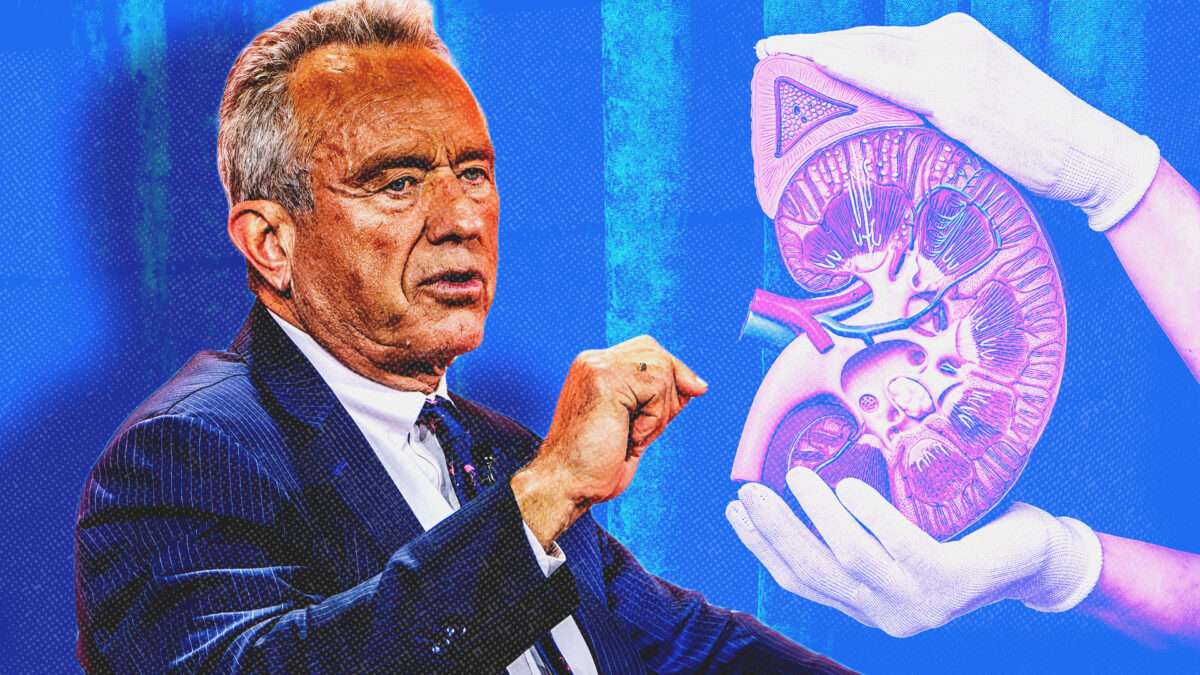
Like most of American healthcare, kidney care has for decades been plagued by red tape. The Trump administration says it wants to change that. On Tuesday, Department of Health and Human Services (HHS) Secretary Robert F. Kennedy Jr. announced his department's Kidney Care National Plan, which promises to introduce more competition, reduce regulatory barriers, expand patient choice, and overhaul America's kidney transplant system.
Much of the plan focuses on barriers to entry in dialysis care, which treats nearly 558,000 Americans. While dialysis can be performed at home, most patients receive treatment at specialized facilities, which must comply with federal certification requirements governing equipment, staffing, water quality, and patient safety in order to participate in Medicare.
Kennedy argues that regulatory barriers have discouraged competition and innovation, leaving patients with fewer dialysis treatment options. "Dialysis technology is an extraordinary technology," said Kennedy at the press conference, but "because of monopolies in the system and the barriers to new entrants, we have not seen any real improvements in that technology."
Of course, the existence of large or even monopolistic companies is not in itself evidence of a problem, but government regulation can often entrench those companies' positions in the market. "I like the fact that they're recognizing that a lot of regulatory…barriers are contributing to the problem, and that's refreshing to hear," says Jeffrey Singer, a practicing general surgeon and senior fellow at Reason Foundation, the nonprofit that publishes Reason. Singer says that removing barriers that prevent new companies from competing with established providers could not only increase choice but also drive down prices.
HHS says that two companies, DaVita and Fresenius Medical Care, control approximately 74 percent of the American dialysis market. As of 2019, roughly a third of Americans lived in areas where the only available dialysis provider was one of those two companies, according to the agency. The administration argues that government regulation has helped entrench this dominance by making it difficult for new providers to enter the market.
To address this, the Kidney Care National Plan suggests a number of reforms, including simplifying certification requirements. HHS also plans to investigate whether dominant dialysis providers have used payment arrangements and legal strategies to secure higher reimbursements without delivering better care.
The 17-page report calls for a review of existing requirements, but it does not specify which regulations will be repealed, nor does it establish a timeline for doing so. It also does not propose any significant reduction in the government's role in financing the distorted market. Instead, the plan largely seeks to make existing government-financed systems such as Medicare more competitive and efficient.
Kennedy has also correctly identified the need for reform regarding kidney donations. Nearly 90,000 people are waiting for a kidney transplant at any given time in America, and 11 people die every day waiting for a kidney. The transplant process is currently managed by Organ Procurement Organizations (OPOs), which are federally certified nonprofits responsible for recovering organs from donors and coordinating their transfer. There are currently just 55 federally designated OPOs operating in the United States, and HHS argues that they behave as "regional monopolies." Since no new OPOs have been approved in the last year, the Kidney Care National Plan suggests fast-tracking certification.
The plan also seeks to make living kidney donation easier by reducing financial barriers. Following the passage of the Honor Our Living Donors Act in February, HHS revised federal reimbursement rules so that a donor's eligibility for financial assistance is no longer determined by the transplant recipient's income. Eligible donors can receive up to $6,000 to cover expenses, including travel, lost wages, and childcare.
However, the reforms proposed stop short of allowing kidney donors to receive direct compensation for the organs themselves, which remains prohibited under federal law. "I can sell my blood. Why can't I sell my kidney?" Singer asks.
Peter Jaworski, director of the Georgetown Blood and Plasma Research Group, feels similarly, arguing that financial incentives are available to nearly everyone involved in kidney transplantation except the donors themselves. "According to this plan, it's OK to use incentives to encourage them to be more productive, to actually do a better job," Jaworski tells Reason, referring to transplant surgeons, hospitals, and organ procurement organizations. "The only exception, once again, is the donor who is offering a kidney."
Better solutions exist, according to Jaworski, who points to the proposed End Kidney Deaths Act. The bill, which was introduced by Rep. Nicole Malliotakis (R–N.Y.) last year, would offer living kidney donors a $50,000 refundable tax credit, distributed over five years. "We have those systems in order to make sure that we can treat patients. That's the point of blood donation. That's the point of plasma donation. That's the point of kidney donation too."
America's plasma market is an excellent example of financial incentives encouraging donation. Unlike many other countries, the U.S. allows plasma donors to be compensated, and despite accounting for just over 4 percent of the world's population, it supplies approximately 68 percent of the plasma collected globally for manufacturing medicines.
"Why do you think America does it? Is it because in America there's way more altruism than in France or Italy or Belgium? No, it's because in the United States you can be paid to donate plasma," argues Jaworski.
The Trump administration appears to recognize that government overreach has stifled competition and restricted patient choice. It also recognizes that living adults donating kidneys will be part of the solution to the long, deadly waiting lists. But its plan leaves the government's outsize role in kidney care largely untouched. For patients facing years on dialysis or waiting for a lifesaving transplant, recognizing the problem is not enough.
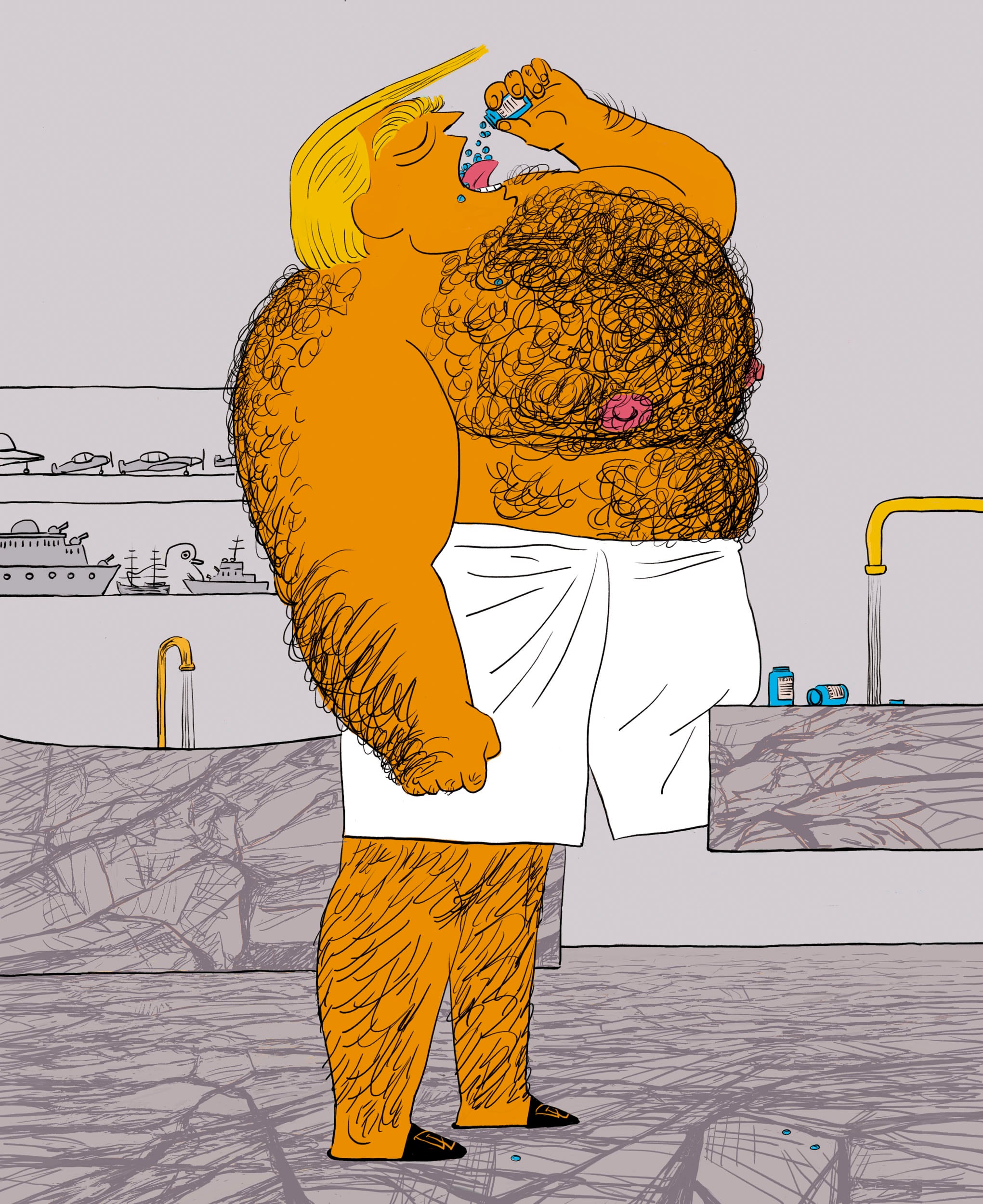
Morning erections are the gold standard for gauging testosterone, according to several male-oriented forums on Reddit, where an entire subcategory is devoted to the hormone, which is referred to online simply as T. In those groups—some aligned with the manosphere and others not—members swap and compare blood tests every six months. Being labeled in that universe as low T (low in testosterone) is a stigma that taps into several male anxieties: weak sexual drive, low energy, a certain timorous attitude toward life and a precarious bank balance.
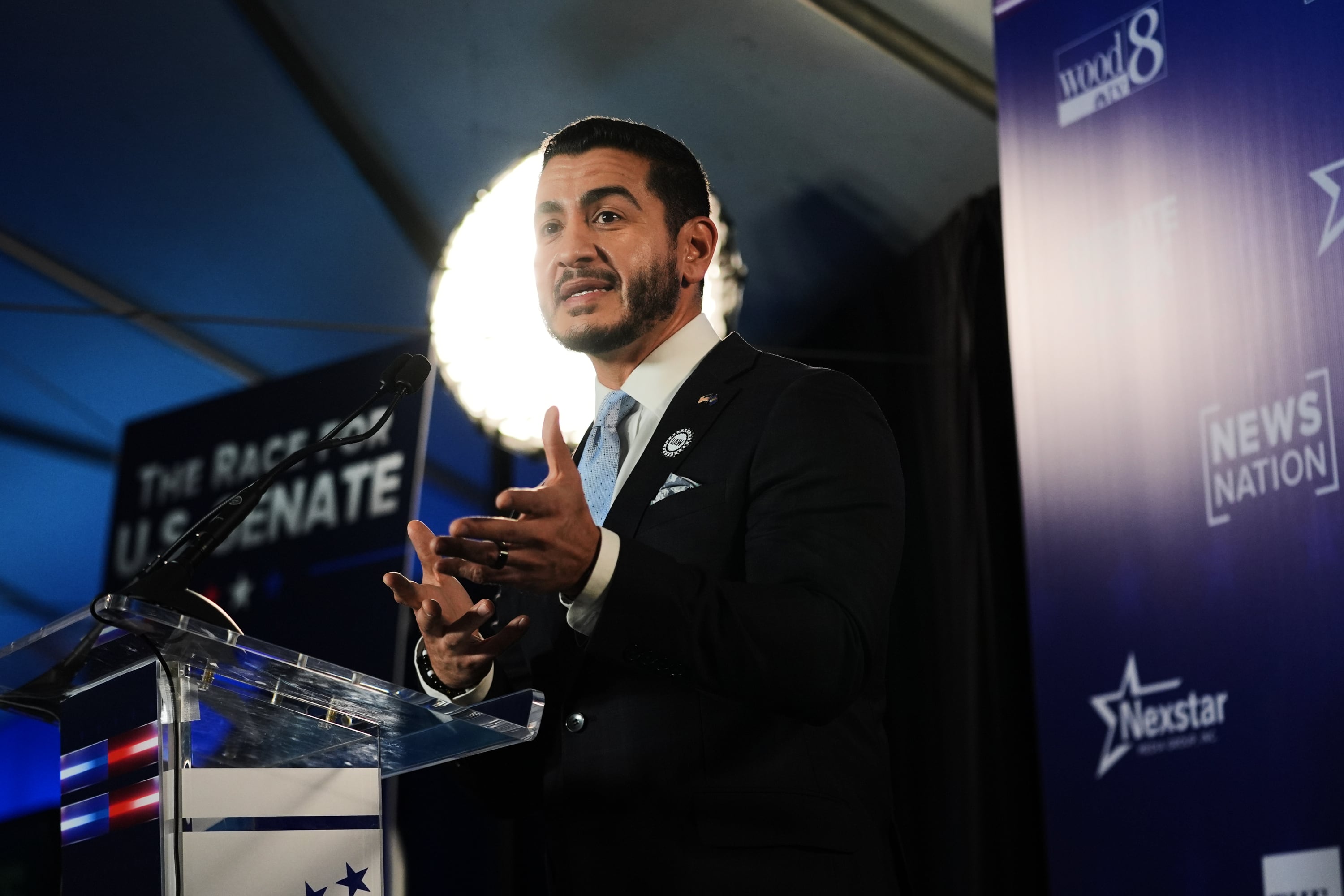
There is still over an hour before the protagonist appears, but the line already wraps around the block. Dozens of people wait patiently for their turn to see the man who has become the great hope of the Democratic left wing. When he begins to speak, pandemonium breaks out: “My name is Abdul El‑Sayed and I am going to be your next senator in Washington.” Over the next hour, the hundreds gathered in this venue will applaud, laugh, and cheer every word from the mouth of the new star of American politics, who has already made a fitted black T‑shirt and jeans his trademark look. We are in Lansing, Michigan’s capital, where one of the most gripping battles of the midterm elections — just over two weeks away — is being fought.
Abdul El‑Sayed, Democratic candidate for U.S. senator from Michigan, last Thursday after debating Republican Mike Rogers in Grand Rapids, United States.
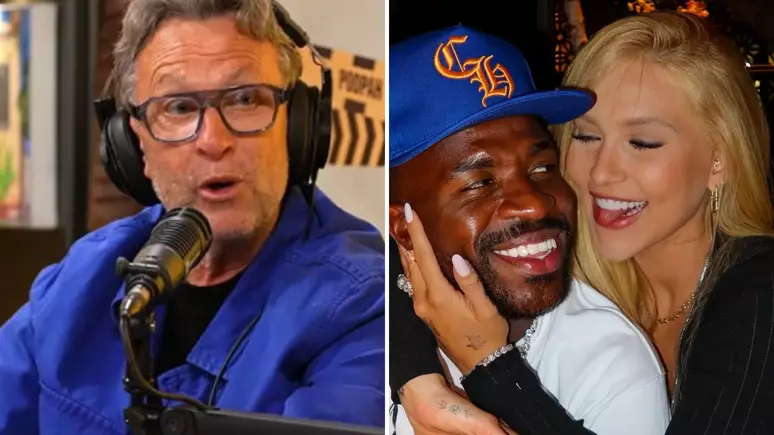
O apresentador Craque Neto, de 60 anos, comentou o fim do relacionamento entre Virginia Fonseca, 27, e Vini Jr., 26, durante uma entrevista ao podcast “PodPah”, exibida na terça-feira (13). Na conversa, ele apresentou uma possível explicação para a separação e afirmou que a influenciadora teria encontrado uma mensagem enviada pelo jogador à ex-namorada.
“Parece que ela viu no WhatsApp dele ele falando para a ex dele: ‘Nossa, que saudade que eu tô de você’. Aí acho que ela viu”, declarou Neto, dizendo que havia lido a informação.
Além de comentar o suposto episódio, o apresentador fez diversos elogios a Virginia e destacou sua trajetória profissional. Para ele, a influenciadora se tornou uma das grandes empreendedoras do país e transformou a maneira como muitas pessoas enxergam o crescimento nos negócios.
“Eu acho ela [Virginia] uma mulher extraordinária, monstruosa naquilo que faz. Ela é uma das maiores empreendedoras desse país”, afirmou.
Neto diz que Virginia se dedicava mais à relação
Durante o podcast, o ex-jogador também opinou sobre a dinâmica do namoro. Na avaliação dele, Virginia demonstrava mais iniciativa no relacionamento do que Vini Jr. Como exemplo, citou a presença da influenciadora em eventos, como a Copa e a Fórmula 1, nos quais, segundo ele, a atenção do público se voltava principalmente para ela.
“E ela que terminou”, disse Neto, ao defender que a influenciadora teria decidido encerrar a relação.
O apresentador ainda afirmou acreditar que o jogador teria se beneficiado mais da exposição do namoro do que Virginia. “No relacionamento, para mim, ele [Vini Jr.] usou mais ela do que as pessoas falam que ela usou ele. Ela é um milhão de vezes melhor do que ele”, concluiu.
Após a repercussão das declarações, Virginia republicou o vídeo nas redes sociais e agradeceu ao apresentador pelos comentários. “Gratidão pelos elogios”, escreveu, acompanhando a mensagem com emojis de rosto emocionado e coração.
Fim do namoro foi confirmado no último fim de semana
A assessoria de Virginia confirmou no último fim de semana, que ela e Vini Jr. não estavam mais juntos. Os dois haviam assumido o namoro em 2025 e já tinham enfrentado uma crise que levou ao término em maio de 2026.
Na ocasião, a equipe da influenciadora afirmou que a separação aconteceu sem brigas ou conflitos, mas por uma decisão de não continuarem como casal.
Os rumores sobre o rompimento começaram a circular no sábado (10). Conforme informações divulgadas pelo jornalista Léo Dias e pelo perfil Daily do Garotinho, Virginia e o atleta teriam tido um desentendimento na sexta-feira (9), em Madri, na Espanha, onde ele joga pelo Real Madrid.
A viagem da influenciadora para Miami, nos Estados Unidos, sem a companhia do jogador, também alimentou as especulações. Ela foi ao encontro do ex-marido, Zé Felipe, para levar os filhos, enquanto o cantor permanece no exterior trabalhando em novos projetos musicais.
Craque Neto comenta término de Virginia e Vini Jr | Foto: Reprodução/Instagram
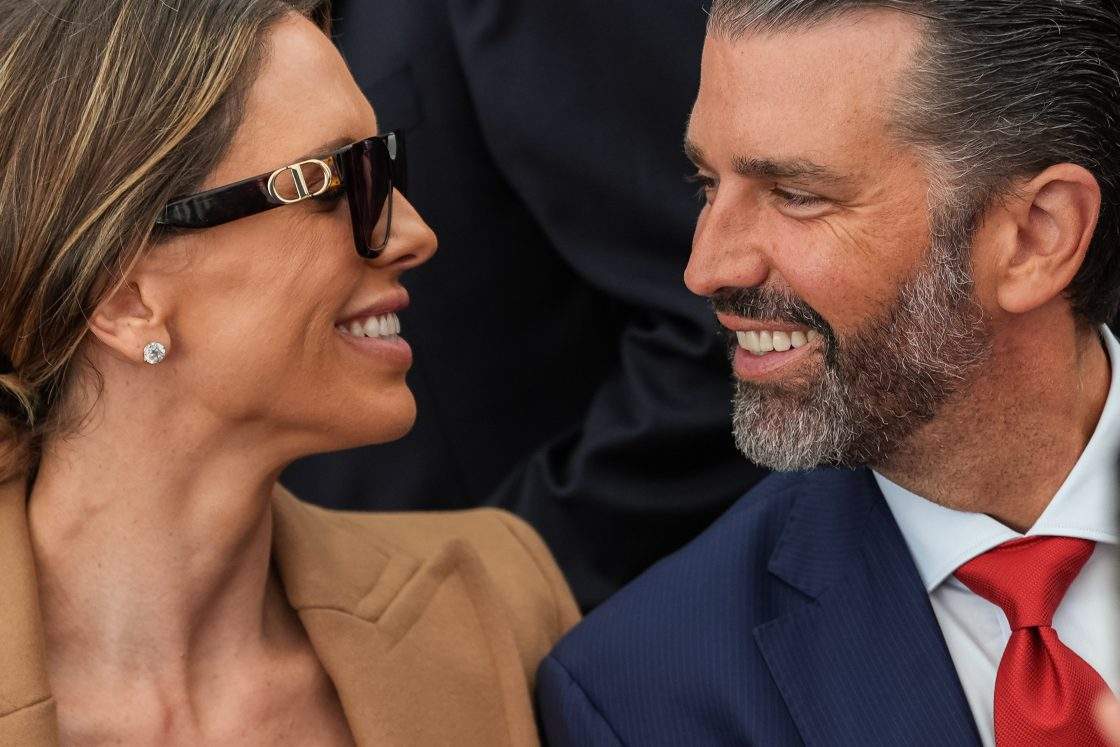
Donald Trump Jr.'s new wife, Bettina, is confirming that her May wedding weekend celebration was partially funded by a man with close ties to Russian President Vladimir Putin.
Donald Trump Jr.'s new wife, Bettina, is confirming that her May wedding weekend celebration was partially funded by a man with close ties to Russian President Vladimir Putin.

 Login