 Login

Videoanálisis| “Sin el voto latino nadie puede ganar elecciones en Estados Unidos”
©

©
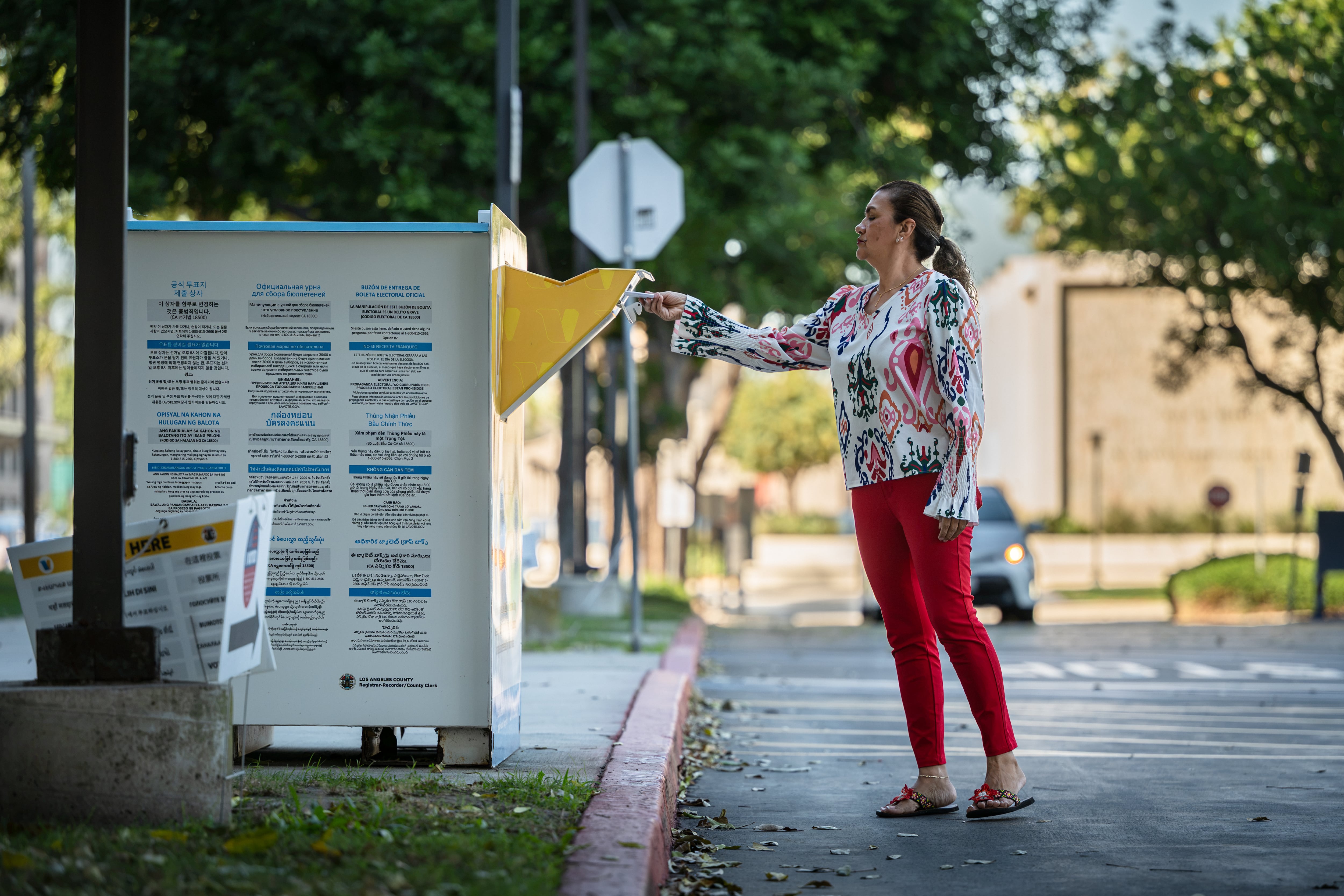
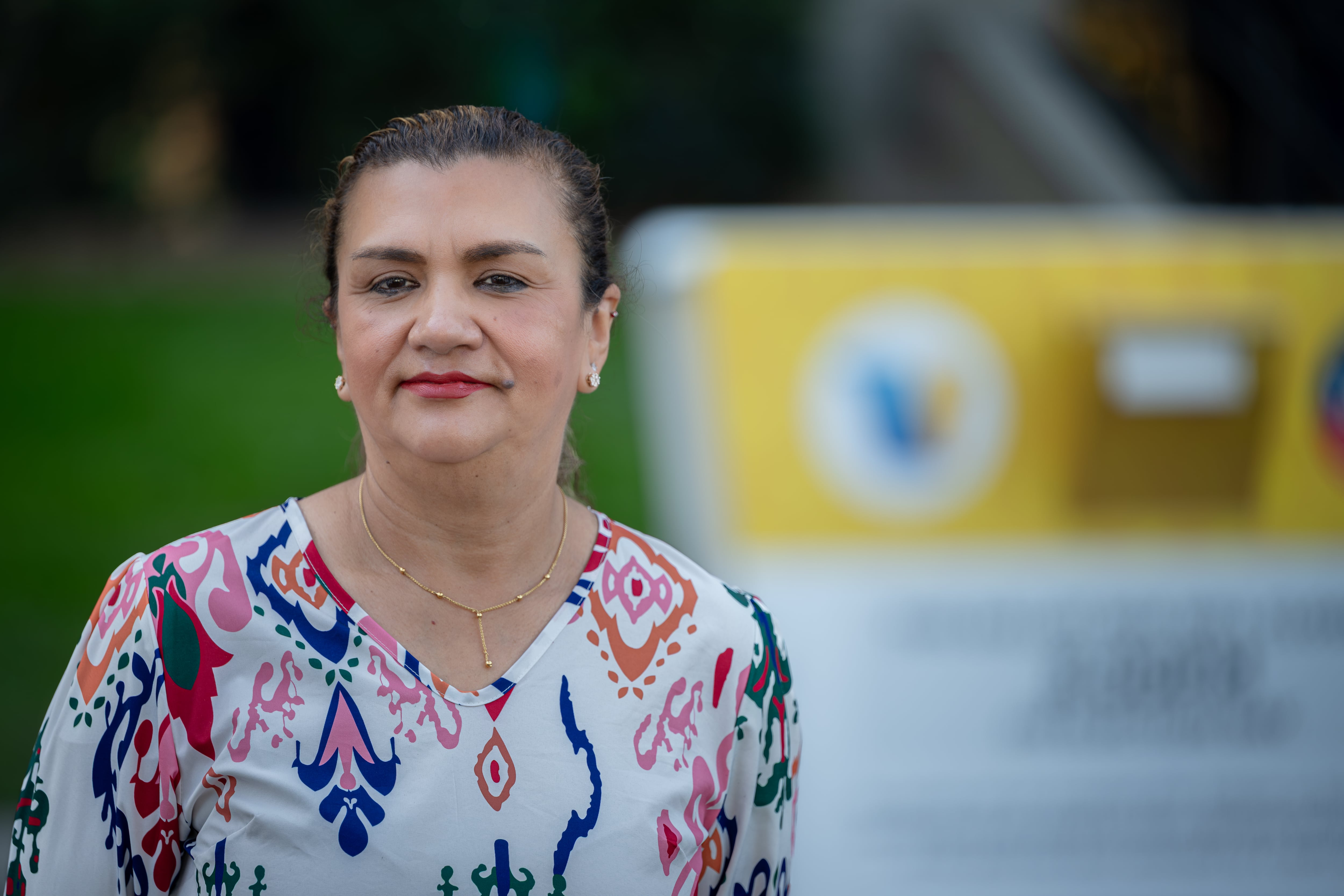
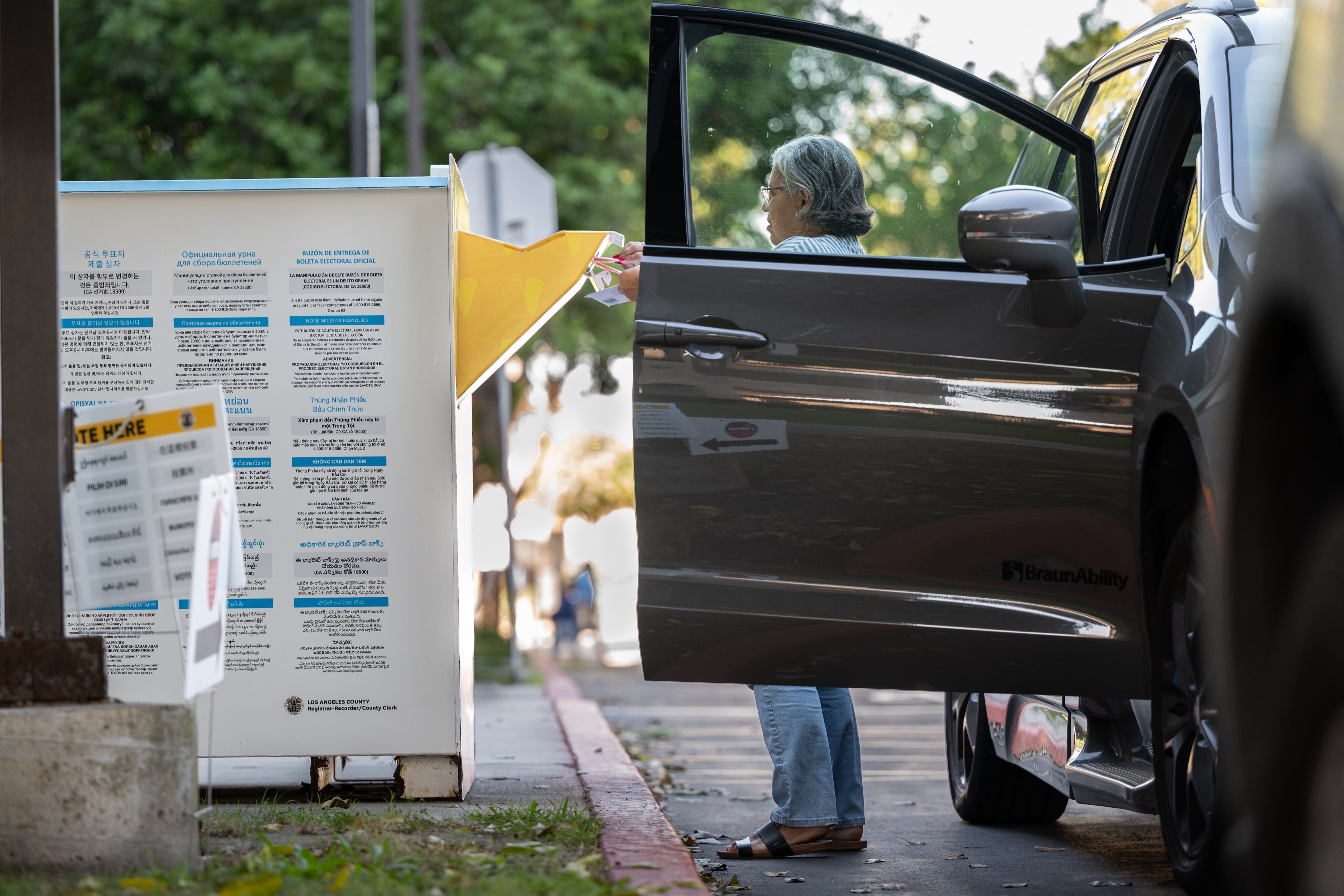
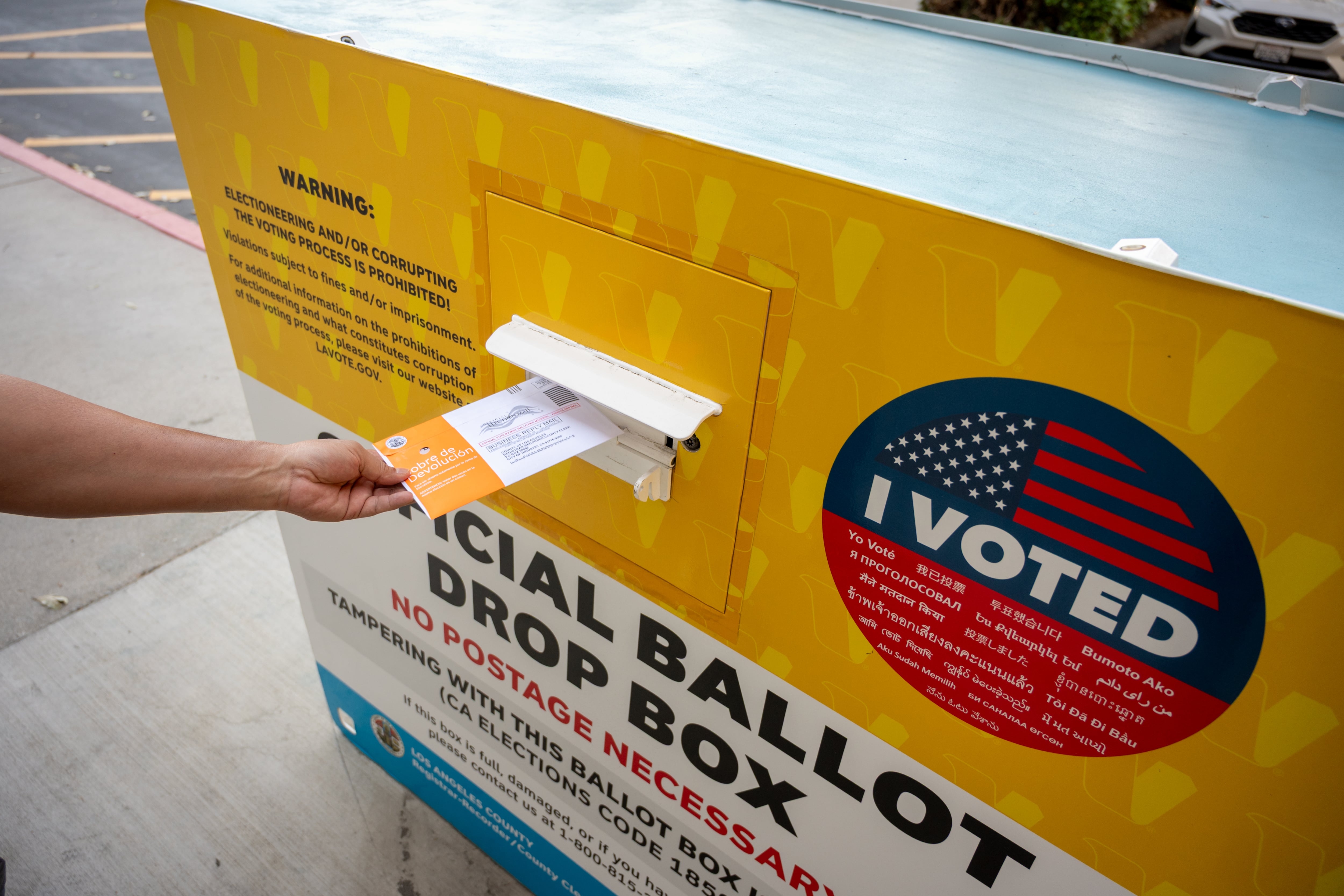
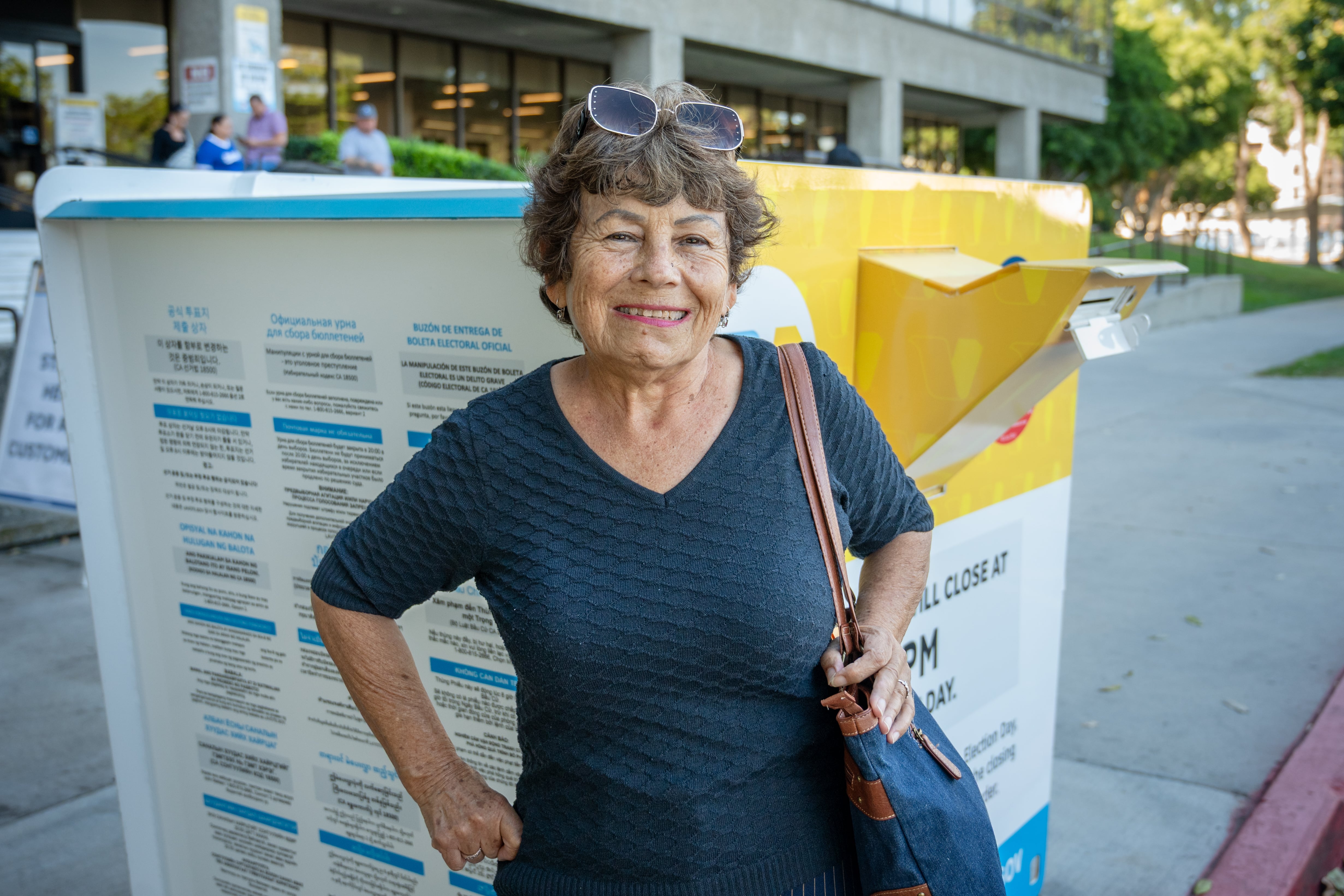
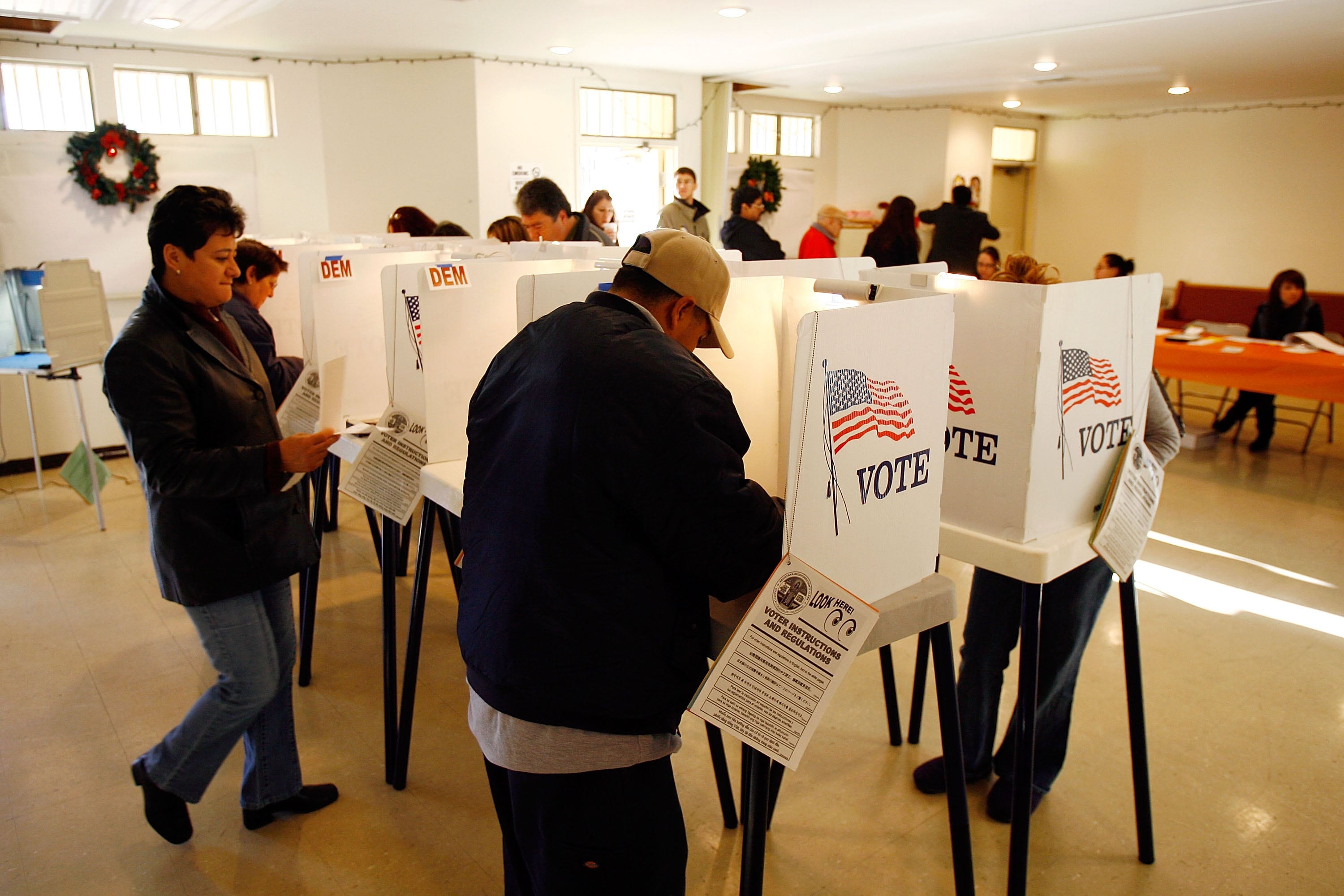
Lidia Sánchez, a Nicaraguan immigrant who arrived in California as a child, had two items on her agenda on a warm October morning: a routine doctor’s appointment and personally dropping off her ballot at an election office drop box in Los Angeles. She had always voted by mail, but this time she feared her ballot might not reach its destination and that her vote would not be counted.
Patrick Crusius, a withdrawn 21-year-old, drove nine hours from the outskirts of Dallas to El Paso, on the U.S.–Mexico border. After driving all night, he spent another hour behind the wheel with no fixed destination until he parked outside a Walmart. Shortly after 10:30 a.m., he posted a manifesto on an online forum warning of “a Hispanic invasion of Texas” and pulled a semiautomatic rifle from his trunk. Crusius killed 23 people and wounded 22 others, most of Mexican origin. That August 3, 2019 attack was the deadliest racist attack suffered by the Latino community on U.S. soil.

© Brian McConkey (Brian McConkey)
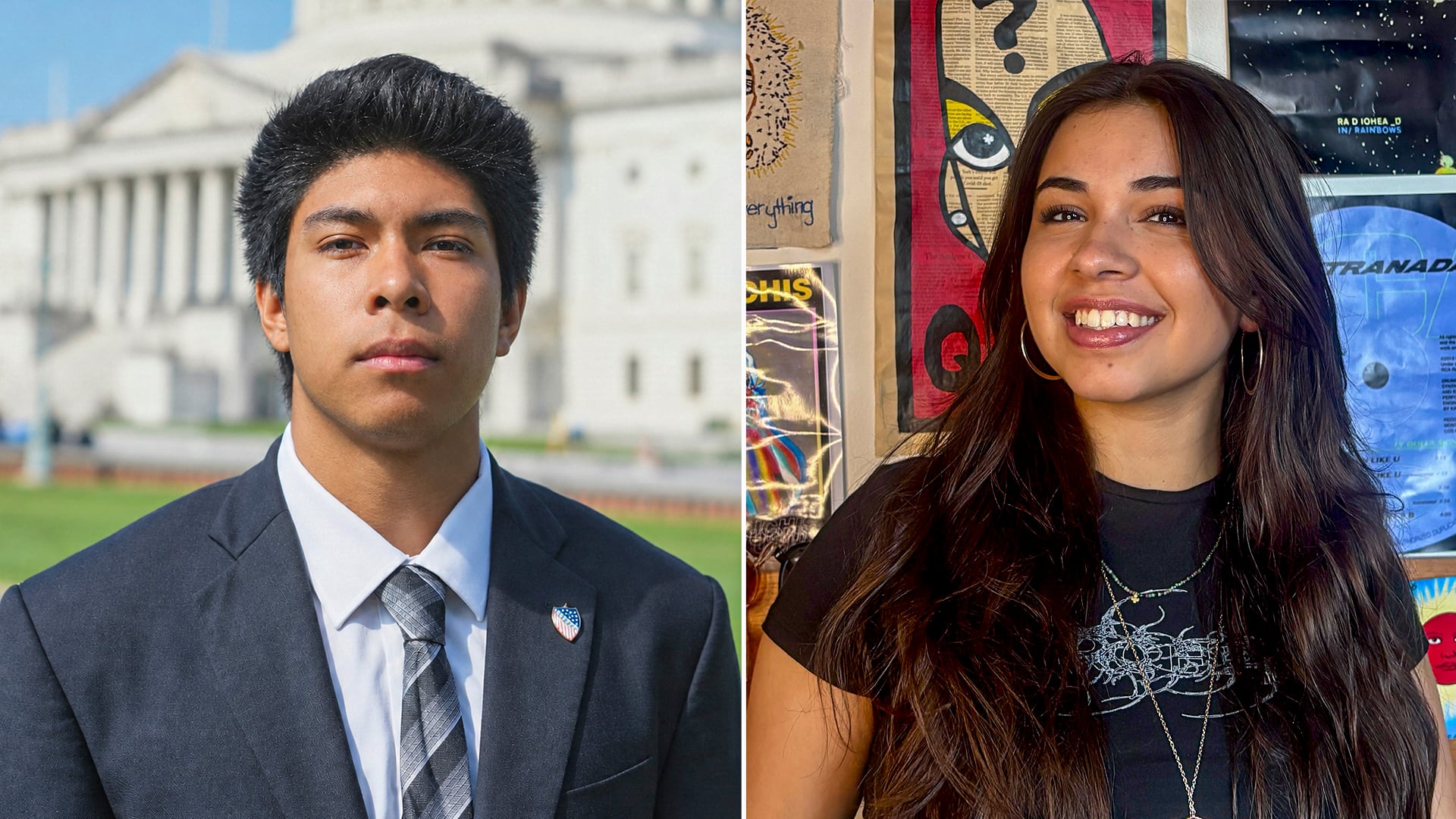
More than four million Latinos have turned 18 since the last midterm elections in 2022 and will be able to vote for the first time in the midterms on November 3. For years, Latino advocacy groups have pointed to the community’s growing political potential, noting that every 30 seconds, a Latino comes of age in the United States.
© Cedidas
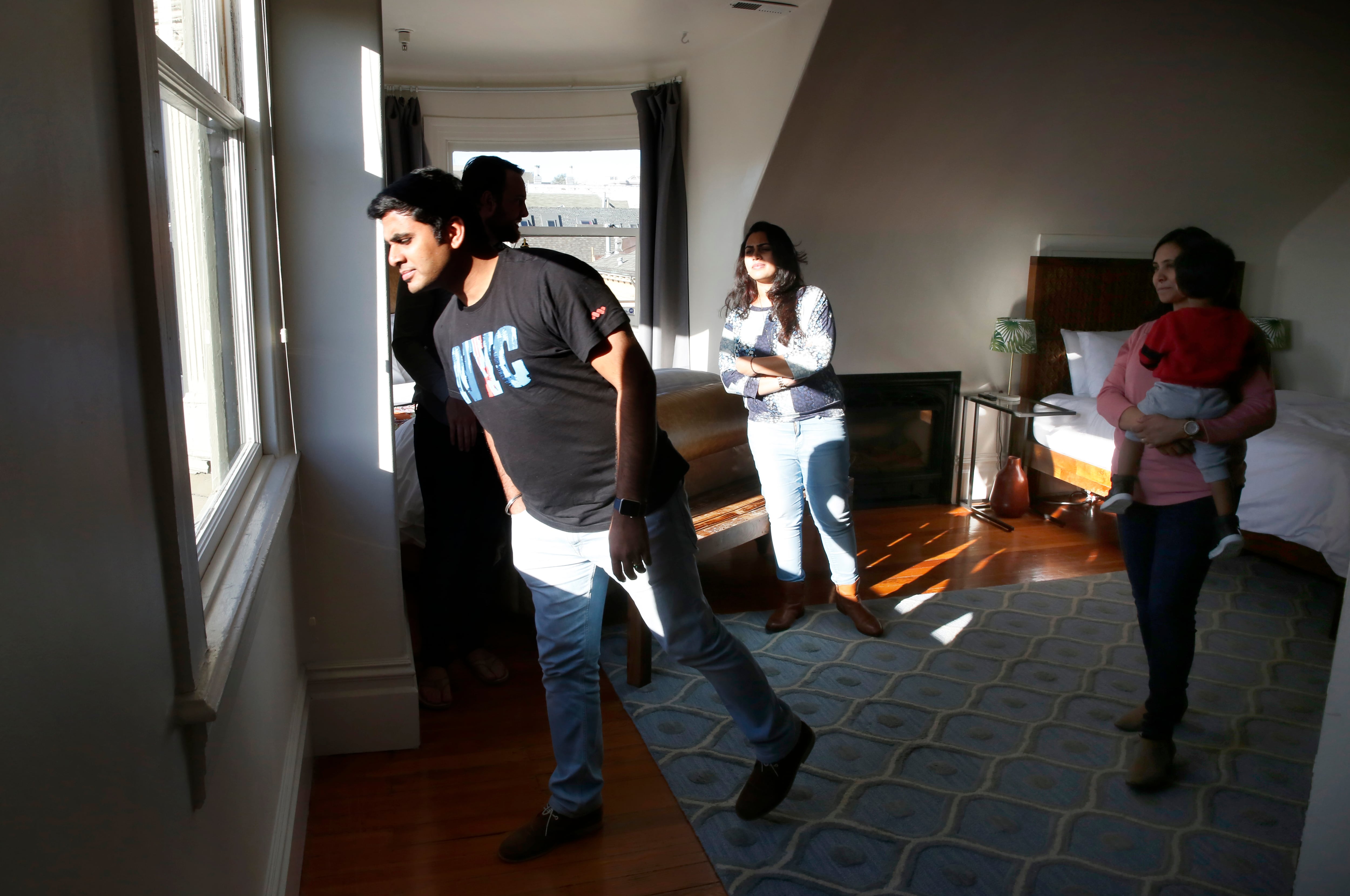
In the heart of the historic working-class and Latino Mission district in San Francisco, the door of a ground-floor unit next to a trendy coffee shop keeps opening. A private shuttle that ferries tech workers to their Silicon Valley headquarters farther south passes by every morning. The 796 sq.ft. (74-square-meter) apartment, recently renovated and furnished, is thoughtfully laid out, from the small open kitchen to the built-in closets. But it gets very little light. Of its two bedrooms, one has no windows. And it costs $4,750 a month.
© Michael Macor (The San Francisco Chronicle via Getty Images)
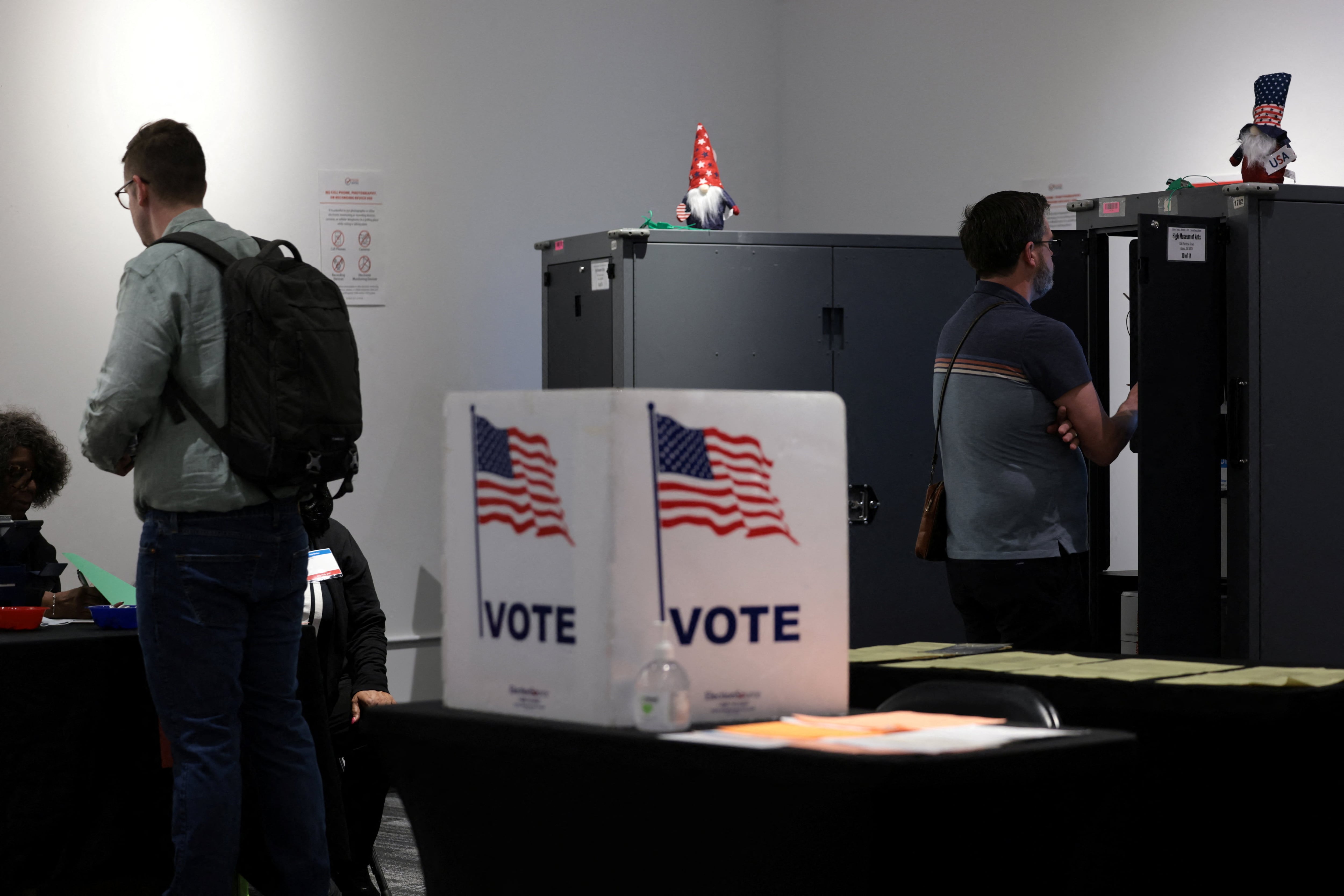
The mobilization of American voters in the midterm elections is already making an impact with fewer than two weeks to go until Election Day on November 3. Early voting, which has begun in more than 30 states, is setting records in some of them. More than 16 million voters have already cast their ballots, most of them by mail.
© Jonathan Ernst (REUTERS)
Celia Salmerón had never voted for a Republican candidate. Not until 2024. Then, in the presidential election, she became one of many Latino voters who believed Donald Trump when he promised at every rally that he would deport all criminals and improve the economy. Two years after giving him her support, Salmerón — like so many other Hispanic voters — regrets her decision and says she will vote for the Democratic Party in the midterm elections on November 3. “For everything he’s doing to poor people, for separating parents from their children,” she says as she inserts hair extensions.
© David McNew (Getty Images)
David Jolly, the Democratic candidate for governor of Florida, does not need to be asked about U.S. President Donald Trump to distance himself from his former party and its leader.

© Rebecca Blackwell (AP Photo/Rebecca Blackwell)
