Login

Poland Wins European Patriot Missile Maintenance Hub as NATO Confronts Interceptor Shortages
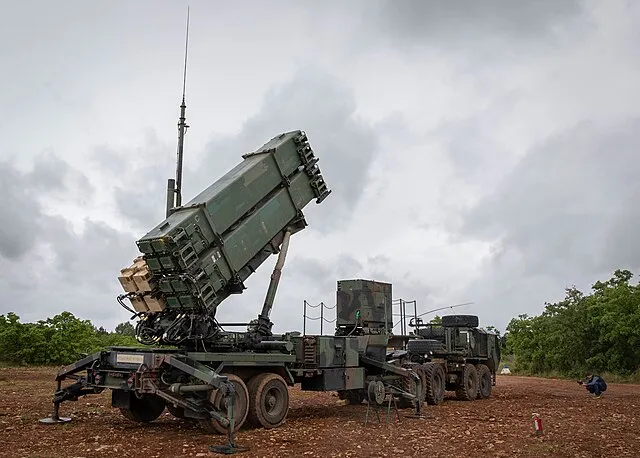
Washington has selected Poland to host a European servicing centre for PAC-3 interceptors, strengthening the country’s role in NATO’s air defence infrastructure. The investment comes as wars in Ukraine and the Middle East expose the difficulties of sustaining missile stocks during prolonged conflicts.
Poland has been selected to host a major European maintenance centre for Patriot air defence interceptors, marking a further expansion of the country’s role in NATO’s military infrastructure and the transatlantic defence industry.
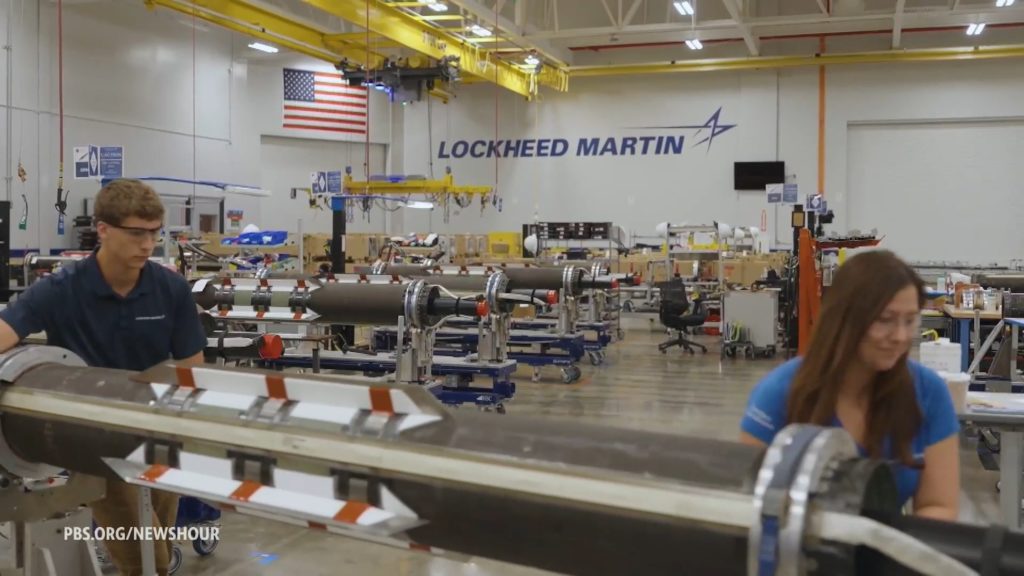
The decision, announced on 27 October by the United States government and American defence manufacturer Lockheed Martin, will establish a dedicated facility for PAC-3 missiles used in Patriot air and missile defence systems.
The investment is estimated at approximately one billion zlotys, equivalent to around €227 million.
Poland secured the project following competition with Germany, the Netherlands and Norway.
The facility is intended to provide maintenance, repair, refurbishment and technical recertification services to European operators of PAC-3 interceptors.
Its importance extends beyond the immediate economic benefits for Poland.
The wars in Ukraine and the Middle East have exposed pressure on the availability of advanced air defence missiles, raising questions about Europe’s ability to sustain military operations when demand for interceptors exceeds existing supply.
A new role for Poland’s defence industry
Deputy Defence Minister Magdalena Sobkowiak-Czarnecka announced the selection of Poland as the location for the maintenance centre.
According to Lockheed Martin’s official announcement, the facility will support NATO allies operating PAC-3 interceptors through repairs, lifecycle maintenance, refurbishment and recertification.
The centre will also provide testing capabilities intended to improve operational readiness and reduce the time required to return missiles to service.
The exact location and final implementation arrangements remain subject to further negotiations.
Polish officials have indicated that the centre could become operational in approximately a year, although the schedule will depend on the conclusion of agreements and construction or adaptation of the necessary facilities.
The project is expected to create specialised employment and increase opportunities for Polish defence suppliers.
It also reinforces Poland’s position as a manufacturing and logistics centre on NATO’s eastern flank.
Maintenance is not missile production
An important distinction concerns the facility’s actual purpose.
The Polish centre will maintain and service PAC-3 missiles. It is not being presented as a new production line capable of manufacturing large quantities of additional interceptors.
Modern air defence missiles contain complex guidance systems, propulsion components and other equipment requiring specialised inspection and maintenance.
Their operational availability depends not only on the number produced but also on the ability to store, test, maintain and recertify existing stocks.
When these services are concentrated outside Europe, operators may face lengthy transport and servicing arrangements.
Locating maintenance capacity closer to European users should reduce some of those delays.
However, the facility will not independently resolve shortages caused by the consumption of missiles during military operations.
Additional manufacturing capacity, access to components and long-term procurement agreements remain necessary to increase overall inventories.
Ukraine and the Middle East increase demand
Patriot systems have become particularly important because of their role in defending military facilities, population centres and critical infrastructure against aircraft and missiles.
Ukraine has repeatedly requested additional Patriot interceptors to protect cities and energy installations from Russian attacks.
At the same time, the conflict in the Middle East has increased demand for advanced air defence capabilities.
Both theatres place pressure on supply chains whose production capacity cannot be expanded immediately.
Manufacturing sophisticated interceptors involves specialised components, qualified suppliers, extensive testing and demanding certification procedures.
The result is a gap between the speed at which missiles can be expended during sustained operations and the time required to replace them.
The United States has undertaken efforts to accelerate PAC-3 production.
Lockheed Martin announced that it had received a major US government contract in 2026 to support further expansion of PAC-3 MSE manufacturing.
The planned maintenance centre in Poland represents a complementary investment, intended to improve the availability of missiles already held by European forces.
A transatlantic industrial project
Although Poland will host the facility, the project has a wider European dimension.
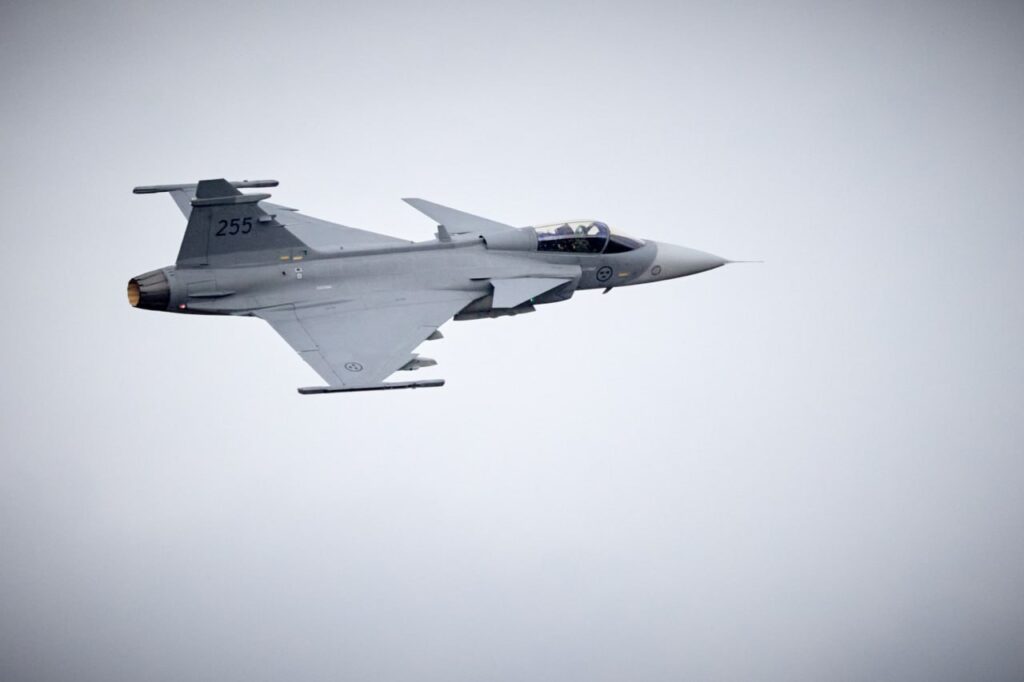
Germany, the Netherlands and Sweden are expected to participate in important elements of supply-chain integration.
These countries were among the original participants in the industrial cooperation arrangements alongside Poland and the United States.
The structure reflects NATO’s increasing emphasis on dispersing critical maintenance and logistical capabilities across allied territory.
A geographically distributed system can reduce dependence on individual sites and make it easier to sustain equipment during periods of disruption.
It can also help European defence companies develop technical expertise through cooperation with American manufacturers.
However, the arrangement will remain part of a transatlantic supply chain, with significant industrial and technological responsibilities retained by the United States.
The project therefore illustrates both Europe’s expanding defence-industrial role and its continuing dependence on American missile technology.
Poland’s expanding air defence network
The decision complements Poland’s broader investment in integrated air and missile defence.
Under the Wisła programme, Warsaw has been acquiring Patriot systems and associated interceptors as part of a wider modernisation of its armed forces.
Two Patriot batteries reached operational readiness in December 2025, according to Euronews’ reporting on the project.
Poland has also ordered additional batteries and substantial quantities of PAC-3 MSE missiles, with deliveries continuing through the remainder of the decade.
These investments are intended to improve protection against aircraft, cruise missiles and ballistic missile threats.
The maintenance centre should complement those acquisitions by strengthening technical support for the interceptors.
Readiness depends on more than procurement
The Polish investment demonstrates how NATO’s air defence priorities are changing.
For many years, procurement discussions concentrated primarily on purchasing new weapons systems.
The experience of prolonged conflicts has placed greater emphasis on ammunition availability, repair facilities, spare parts, storage and industrial capacity.
Those supporting capabilities determine how long military forces can sustain operations.
The new centre will not eliminate the need for additional missiles, but it could reduce servicing delays and improve the readiness of European stocks.
Its effectiveness will ultimately depend on the scale of operations, access to components and the speed with which maintenance services can be delivered.
For Poland, hosting the facility strengthens its position within NATO’s defence-industrial network.
For the Alliance, it represents an attempt to address one of the practical weaknesses exposed by recent conflicts: acquiring advanced weapons is only part of the challenge; keeping them available for use is equally important.