❌

Reading view

US delays the Patriot missiles Ukraine needs against ballistic strikes but keeps sending older PAC-2s

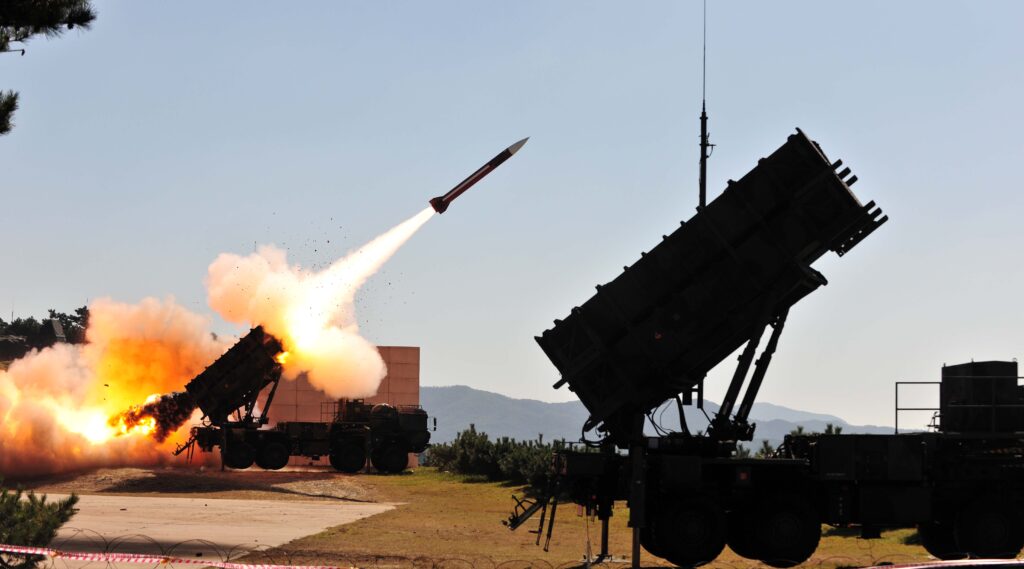
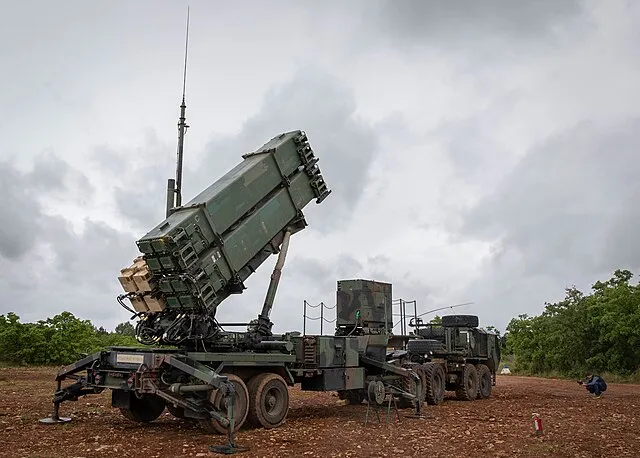
A Patriot air defense missile launcher. Photo: South Korean defense ministry.

The US is delaying PAC-3 interceptors for Ukraine’s Patriot air defense systems while older PAC-2s keep arriving, a NATO source told Radio Svoboda on 29 October. PAC-3 is the Patriot missile built mainly to stop ballistic missiles.

The delay comes as Russia leans on ballistic missiles against the capital. In two weeks, Russia launched more than 100 at Kyiv and Kyiv Oblast, President Volodymyr Zelenskyy said in his 27 October evening address. “And above all, we do not have enough missiles for Patriots,” he added. On 29 October, Zelenskyy said Ukraine has intelligence that Russia is preparing new ballistic missile attacks. Kyiv is “awaiting the relevant decisions” on interceptor packages, “primarily for Patriots,” he said.

A question for politicians

The PAC-2s, used mostly against aircraft and cruise missiles, arrive through PURL, the NATO mechanism under which allies pay for US weapons for Ukraine. The PAC-3 delay is under discussion at a high political level, the NATO source said. It is unclear when the situation will change.

What Washington said before

On 20 October, Hegseth said in Wisconsin: “We haven’t changed our posture in any way toward the Ukrainians, but certainly with things like interceptors, we want to make sure our guys have the most possible as well.”

“We haven’t changed our posture in any way toward the Ukrainians, but certainly with things like interceptors, we want to make sure our guys have the most possible as well.” Hegseth said in Wisconsin

The same day, Secretary of State Marco Rubio conceded that some interceptors bought for Ukraine through PURL may not have been delivered, Reuters reported. “There’s nothing being deliberately denied to Ukraine,” he said, adding: “We have our own needs, too.”

  •  

“Above all, we do not have enough missiles for Patriots”—Zelenskyy after 100+ ballistic missiles

Ukrainian President Volodymyr Zelensky visits a Patriot battery in Germany in 2024.

Russia has fired more than 100 ballistic missiles at Kyiv and Kyiv Oblast since 14 October, President Volodymyr Zelenskyy said in his evening address on 27 October. He said partners’ air defense packages are being delayed.

Ukraine’s front-line positions are stronger than they have been in a long time, Zelenskyy said. If partners’ support for Patriots and other air defense remained just as strong, he argued, Ukraine would be in a much better position diplomatically as well. He expects trilateral talks with US and Russian representatives in November. The US, on which, he said, “almost everything concerning Patriots depends,” will be one of the three sides.

Delays and the war on logistics

Overnight on 27 October, Russia launched 16 ballistic missiles and more than 280 drones, in what Zelenskyy called a serious escalation of Russia’s campaign against Ukraine’s logistics. The strikes hit the State University of Trade and Economics campus and the Southern Bridge in Kyiv.

Residents stand outside a high-rise building in Kyiv after a Russian ballistic missile attack, 26 October 2026
Explore further

Russian ballistic missiles hit a Kyiv university campus, then return before dawn for the Southern Bridge again

A 46-year-old woman was killed and 15 people were injured, among them dormitory residents and two medics, the Kyiv prosecutor’s office said on the morning of 27 October.

Zelenskyy wrote that artificial and lengthy delays in interceptor packages for Patriots and NASAMS directly help Russia achieve the goals of its terror campaign. In his evening address, he added:

“And everyone hears, everyone sees that right now, it is difficult for us to defend against Russian ballistic missiles. And above all, we do not have enough missiles for Patriots.”

A month waiting on Hegseth

Earlier, on 26 October, Zelenskyy wrote that Ukraine had waited almost a month for US Defense Secretary Pete Hegseth’s signature on missiles for Patriots and NASAMS. Kyiv is also working with Europe and other partners, he added.

ukraine raises its stalled patriot request washington again after almost month without hegseth’s signature · post air defense system’s launcher 21051 9-a-so154-750_-_patriot_missile_system_operates_in_croatiajpg news ukrainian reports
Explore further

Ukraine raises its stalled Patriot request with Washington again after almost a month without Hegseth’s signature

Separately, The Washington Post reported on 19 October that some transfers come from allies and need Hegseth’s approval, because the US must sign off on re-transfers. Zelenskyy’s post does not say whether his wait concerns those transfers.

Before Zelenskyy’s latest statements, US officials rejected claims of a deliberate hold. A US government official called Ukraine’s claims “not true,” the Kyiv Independent reported. On 20 October, Secretary of State Marco Rubio said there was “nothing being deliberately denied to Ukraine.” Hegseth said the US had not changed its posture toward Ukraine but wants “our guys” to have as many interceptors as possible.

  •  

Russian Missiles Strike Kyiv University and Major Bridge as Zelenskyy Condemns Delays in Western Air Defence

At least one person has been killed and 15 injured in successive Russian attacks on the Ukrainian capital. Strikes damaged a university campus, residential buildings and the Southern Bridge, disrupting metro services, as President Volodymyr Zelenskyy accused Ukraine’s allies of delaying critical air defence supplies.

Russian forces launched successive attacks on Kyiv between Monday evening, 26th October, and Tuesday morning, striking a university campus, residential neighbourhoods and a major bridge across the Dnipro River, causing casualties and disrupting transport across the Ukrainian capital.

At least one person was killed and 15 injured, according to updated reports on Tuesday. The attacks damaged university buildings and student accommodation in eastern Kyiv, while a subsequent strike hit the Pivdennyi, or Southern, Bridge, interrupting road and underground railway services between the two banks of the city.

The first wave began shortly before 10pm on Monday, when Russian ballistic missiles struck the Desnianskyi district, near Lisova metro station and Kyoto Park.

Buildings belonging to the State University of Trade and Economics were damaged, including student dormitories. Residential properties, medical facilities and vehicles were also affected.

Kyiv Mayor Vitali Klitschko initially reported ten injured, most of them students. Nine required hospital treatment, including three in serious condition.

In the neighbouring Dniprovskyi district, emergency workers recovered a body from a severely damaged building. Two ambulance workers responding to an emergency call were also injured.

Southern Bridge struck in renewed attack

A second wave of Russian attacks followed in the early hours of Tuesday.

The Southern Bridge was struck again, damaging infrastructure used by Kyiv’s underground railway system and forcing authorities to restrict traffic across the Dnipro.

Metro operations were disrupted on two lines. On the green line, trains operated only between Syrets and Vydubychi on the western bank and between Osokorky and Chervonyi Khutir on the eastern bank. Services across the bridge were suspended.

On the red line, Chernihivska and Lisova stations were temporarily closed, with trains operating between Akademmistechko and Darnytsia.

The bridge is one of Kyiv’s principal transport connections between its eastern and western districts, carrying both road traffic and part of the metro network.

The latest strike followed earlier damage to the same crossing on 22 October, when Russian ballistic attacks also disrupted traffic and underground services.

Repeated damage to transport crossings has complicated movement across the capital, particularly for residents travelling between the densely populated eastern districts and workplaces in central and western Kyiv.

Zelenskyy: Delays in air defence help Russian attacks

President Volodymyr Zelenskyy responded to Monday’s strikes by accusing Russia of targeting crowded civilian areas and warning that delays in Western air defence deliveries were increasing Ukraine’s vulnerability.

In a statement published on Telegram, he said Russian ballistic missiles had struck university grounds, Kyoto Park, areas near a metro station and residential buildings.

The president said there were no military installations near the affected sites and warned that further attacks remained possible.

He linked the casualties directly to Ukraine’s continuing difficulties obtaining sufficient air defence equipment.

“Artificial delays in providing air defence to Ukraine help terror,” Zelenskyy said.

He urged Western governments to ensure that political agreements on military assistance were implemented without administrative delays.

Zelenskyy also argued that Ukraine required weapons capable of destroying Russian ballistic missile launchers before missiles could be fired, rather than relying entirely on interception.

Such capabilities, he said, would offer a more effective means of protecting civilian lives.

Washington faces questions over interceptor deliveries

His criticism came hours after he publicly disclosed that Ukraine had been waiting almost a month for US Defence Secretary Pete Hegseth to approve deliveries of missiles for Patriot and NASAMS air defence systems.

“In particular, we have been waiting for nearly a month for Mr Hegseth to sign off on missiles for Patriots and NASAMS,” Zelenskyy said on 26th October.

He instructed Ukrainian officials to raise the matter again with Washington.

Ukraine is seeking additional PAC-2 and PAC-3 Patriot missiles from the United States, European countries and other partners.

Some of these weapons are purchased through NATO’s Prioritised Ukraine Requirements List, or PURL, which allows allied governments to finance American military equipment destined for Ukraine.

However, US-made weapons may remain subject to American export and transfer authorisations even when European governments have agreed to finance their procurement.

US Secretary of State Marco Rubio acknowledged that a shipment of air-defence missiles may have been delayed, but said the delay was not politically motivated. Ukraine has said it is waiting for US approval for missiles for its Patriot and NASAMS systems, as its forces face shortages of the ammunition needed to intercept incoming attacks.

The precise effect of the outstanding approvals on Kyiv’s ability to defend itself during the latest strikes has not been established. The delay adds to the pressure on a country already trying to protect its cities and critical infrastructure with limited air-defence stocks.

Kyiv’s continuing ballistic missile vulnerability

Ballistic missiles present particular challenges for Ukrainian air defences because of their high speeds and the limited time available to detect, track and intercept incoming weapons.

Patriot systems equipped with appropriate interceptors are among Ukraine’s principal defences against such attacks. Their effectiveness depends not only on the availability of launchers and radar systems but also on adequate stocks of interceptor missiles.

Russia’s repeated attacks on the Southern Bridge also demonstrate the wider consequences of damage to urban infrastructure. Even when a transport crossing remains structurally intact, damage to railway equipment or nearby installations can interrupt services for thousands of passengers.

The latest bombardment followed another substantial Russian attack on Kyiv on 21st–22nd October, which killed one person and injured more than 20.

For Ukraine, the attacks have reinforced two immediate requirements: protecting essential infrastructure against further strikes and securing a reliable supply of interceptor missiles.

Whether Washington can accelerate the outstanding approvals, and whether European partners can provide additional ammunition from their own stocks, will be central to Ukraine’s air defence preparations as winter approaches.

Main Image: By Mitte27 – Own work, CC BY-SA 4.0, https://commons.wikimedia.org/w/index.php?curid=113352288

  •  

Ukraine raises its stalled Patriot request with Washington again after almost a month without Hegseth’s signature

ukraine raises its stalled patriot request washington again after almost month without hegseth’s signature · post air defense system’s launcher 21051 9-a-so154-750_-_patriot_missile_system_operates_in_croatiajpg news ukrainian reports

Ukraine has waited almost a month for US Defense Secretary Pete Hegseth to sign off on missiles for its Patriot and NASAMS air defense systems, Ukrainian President Volodymyr Zelenskyy said on 26 October. He ordered his team to raise it with Washington again. Two other US holds on Ukraine, on Starlink speeds and intelligence sharing, have been lifted, leaving the interceptors as the last one.

Russia keeps firing ballistic missiles at Ukrainian cities and the power grid before winter, and Patriots are the only systems in Ukraine that reliably stop Iskander-M, Kinzhal, and Zircon missiles. Zelenskyy has told EU leaders Ukraine needs 300 interceptors to get through winter, diplomatic sources told Radio Svoboda. The holds came as Washington pressed Kyiv to stop striking Russian refineries, which Trump blames for high US fuel prices before the midterms.

Zelenskyy: almost a month waiting for Hegseth’s signature

Zelenskyy held a meeting on weapons supplies with Ukraine’s defense minister, foreign minister, and commander-in-chief. They reported on interceptors for air defense, above all for Patriot systems. Afterward, Zelenskyy wrote:

“We are working in several directions: with the United States, Europe, and other partners that have stocks of PAC-2 and PAC-3 missiles. In particular, for almost a month we have been waiting for Mr. Hegseth’s signature on missiles for Patriots and NASAMS. I have instructed the team to discuss this with the American side once again.”

Talks with other countries continue, he added. The meeting also covered preparations for November’s Ramstein meeting of Ukraine’s allies, where Zelenskyy wants decisions already on the table carried out faster.

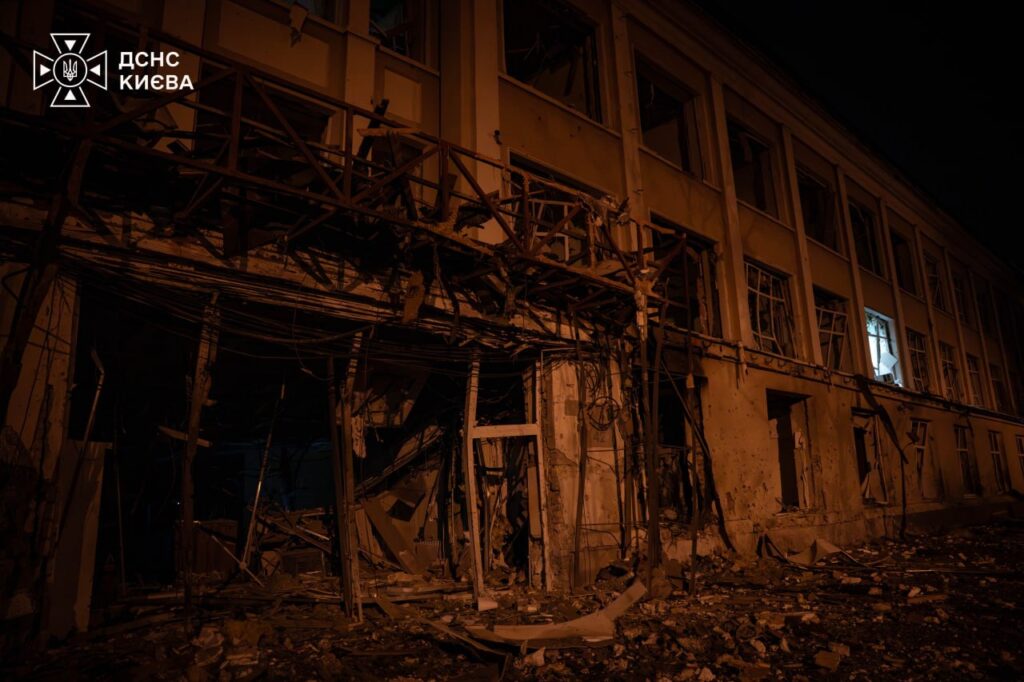
Aftermath of a Russian ballistic missile attack on Kyiv, 19 October 2026
Aftermath of a Russian ballistic missile attack on Kyiv, 19 October 2026. Photo: State Emergency Service of Ukraine

Allies’ missiles need US approval

Some of the transfers come from friendly countries and need Hegseth’s approval, because the US must sign off on any re-transfer of its missiles, a US official and three people familiar with the matter said on 19 October. Hegseth has neither refused nor approved them.

US President Donald Trump and Elon Musk in the Oval Office on 11 February 2025
Explore further

The Starlink hot potato: Musk points to Trump, Trump points to nobody, then credits Musk with the fix. The speed limit stays

A Ukrainian official said in mid-October that only “a couple” of interceptors were left. Hegseth has said the US wants “our guys” to have “the most possible” interceptors, and Secretary of State Marco Rubio insisted nothing was “being deliberately denied to Ukraine.”

Two of three US holds lifted

In an interview aired on 25 October, Zelenskyy listed three problems from his Oslo talks with the Americans: air defense, Starlink limits, and limits on US intelligence sharing. Full Starlink speeds returned on 24 October, and missile warnings resumed after his 20 October call with Rubio. Progress on Patriot missiles is “very slow,” he said, “slower than the flight of Russian missiles.”

Kyiv has also tried to trade for the missiles. Zelenskyy told US senators he had offered US envoys a 30-day pause in strikes on Russian refineries in return for Patriot interceptors. The envoys showed no openness to the idea.

Trump has called those refinery strikes a disgrace that only pushes oil prices higher. He said it days after striking a deal with Putin to bring Russian diesel back to the US ahead of the midterm elections on 3 November.

Trump treats Ukraine as the weak link to squeeze and wants a visible win partly with US domestic politics in mind, Ukrainian diplomat Oleksandr Khara has argued.

  •  

In Oslo, US pushes Zelenskyy toward deal with Russia again. Day later, in same city, Norway discusses arming Ukraine with more NASAMS missiles

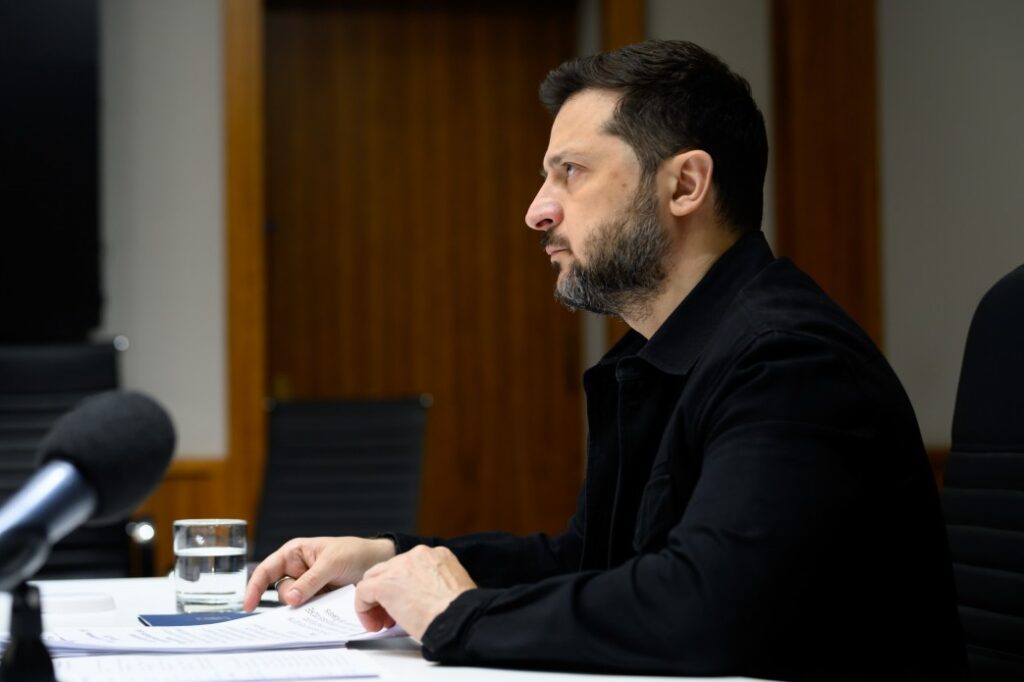
Ukrainian President Volodymyr Zelenskyy in Oslo, on 21 October 2026. Source: Facebook/Zelenskyy

As Washington leans on Ukraine to make a deal with Russia amid its diesel agreement ahead of the US elections, its European partners are meeting to keep it armed against deadly weapons.

President Volodymyr Zelenskyy said he met Kongsberg CEO Eirik Lie and Norwegian Defense Minister Tore Sandvik in Oslo on 21 October to discuss more NASAMS air defenses, a day after meeting US presidential envoy Steve Witkoff in the same city.

Washington has spent the past two weeks easing pressure on Russia and leaning on Kyiv, with a diesel deal, throttled Starlink, and talk of cutting intelligence, while Ukraine’s European partners move in the other direction. Russia pounds Ukrainian cities almost nightly, and the Norwegian-made NASAMS is one of the systems holding that barrage off critical infrastructure.

Kongsberg opened an office in Ukraine in 2025. Its NASAMS uses the AIM-120 AMRAAM missile built by the US defense giant RTX, the same firm behind the Patriot launchers that are Ukraine’s only means of downing Russian ballistic and hypersonic missiles. The same missile is also used in F-16s.

“They effectively protect our people and critical infrastructure from Russian missile and drone attacks virtually every day,” Zelenskyy said.

He added that Ukraine is counting on additional defense support packages next month.

A European shield Ukraine wants tested this year

The visit also advanced a joint missile-defense project. Norway is actively involved in FREYJA, a European anti-ballistic missile program that Ukraine is helping to build.

“There are already first results in creating individual elements of the system. Today we determined where we can and must speed up to reach testing by the end of this year,” Zelenskyy said.

FREYJA now draws in 10 countries and is built around an interceptor missile designed to stop ballistic threats, a capability Europe largely lacks against Russia’s fastest weapons.

A push for satellites as Starlink falters

Zelenskyy also raised satellite communications amid the scandal over speed limitations on Elon Musk’s military Starlink service that disrupted a series of front-line missions.

“We discussed in detail the start of work on new satellite-communication capabilities for our soldiers,” the president said, adding that Kyiv would bring in partners able to support them.

The push comes after SpaceX throttled the StarShield military package Ukrainian drones use. Ukraine’s 7th Air Assault Corps said the connection began dropping as drones moved at speed, negatively affecting their missions.

  •  

No warning, capped Starlink, unsigned Patriots: Zelenskyy lists US holds to senators as Kyiv reads them as pressure

Ukrainian President Volodymyr Zelenskyy during a video call with US senators on 19 October 2026.

Ukraine got no early warning from its partners of the first wave of Russian ballistic missiles on the night of 18–19 October, President Volodymyr Zelenskyy told US senators on 19 October. He also said Starlink and Starshield terminals still stop working above certain speeds on parts of the front, and that Washington has explained neither problem. In the same video call, according to a transcript obtained by Axios, he said US Defense Secretary Pete Hegseth is not signing off on deliveries of Patriot interceptors and AIM-9X missiles for NASAMS that NATO countries have already paid for.

This comes as the US presses Kyiv to stop its strikes on Russian oil refineries, which Trump has blamed for high fuel prices at home. Washington supplies both the early launch warnings and the Patriot interceptors Ukraine needs against Russian ballistic missiles, and Zelenskyy says both are now failing at once, as Russia keeps firing ballistic missiles at Ukraine’s grid ahead of winter. If neither the warnings nor the interceptors come through, Ukrainian cities would face winter strikes with less notice and fewer means to stop them.

On the morning of 20 October, Zelenskyy wrote that he had spoken with US Secretary of State Marco Rubio about interceptors against ballistic missiles, early warning of Russian ballistic attacks, and restoring Starlink and Starshield. He thanked Rubio for his readiness to help and his clear position, and said they had agreed to speak again soon. He did not say whether anything had been resolved.

Patriots paid for, not signed

“We have almost no Patriot interceptors left from the US partners,” Zelenskyy told the senators.

Hegseth “has the contracts for Patriot missiles on his desk,” a Ukrainian official told the Kyiv Independent, adding that allies had already paid for them. Another senior official called the batch “significant.” One of the main channels for Ukraine’s Patriot supply is NATO’s PURL mechanism, under which allies fund purchases of US weapons for Ukraine, a senior Ukrainian military official told the outlet.

On 19 October, Zelenskyy wrote that some types of vital supplies were being delayed at the US Department of War, as the Trump administration also calls the Pentagon. He added that some political agreements had not been carried out at the working level.

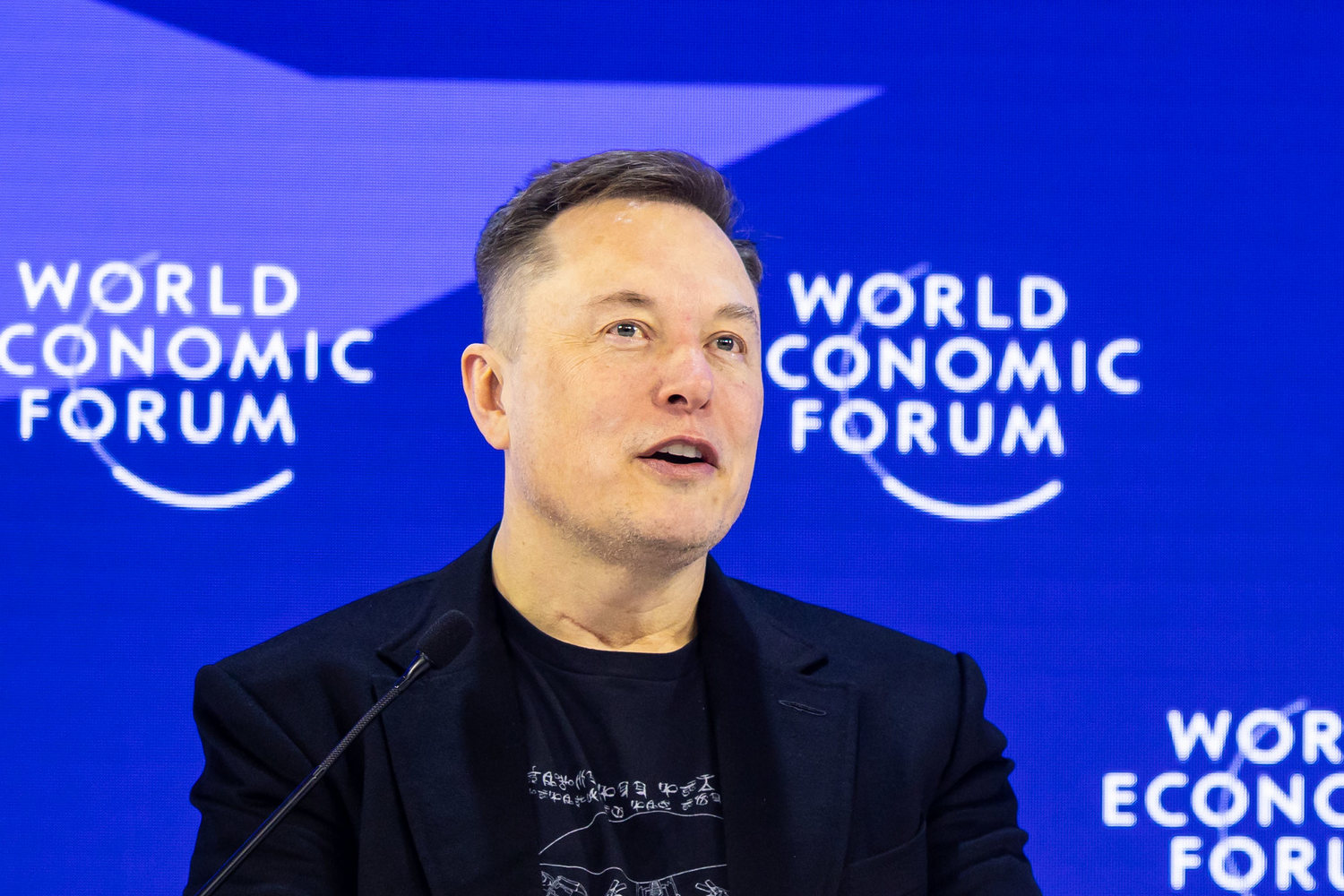
kyiv asking musk let strike inside russia its best line gone · post elon 2026 world economic forum / ciaran mccrickard wef ukraine news ukrainian reports
Explore further

Musk pushed Trump to slow Starlink in Ukraine, weakening air defenses as Russian drones attacked cities – The Telegraph

A NATO official told the Kyiv Independent that PURL deliveries, including air defense, were continuing. Another said some shipments could face delays, but that political reasons were unlikely to explain them. A US government official called Ukraine’s claims “not true.” The Pentagon did not respond to the outlet.

No warning for Kyiv hours after Zelenskyy said US alerts were back

On 18 October, Zelenskyy said on NBC that US warnings of ballistic launches had resumed after three days without them. That night, Russia launched two ballistic waves at Ukraine, and information from partners did not arrive before the first, Air Force spokesperson Yurii Ihnat said. Zelenskyy told the senators Ukraine had not received US warnings on three occasions in the past week. “We have received no clear explanation from Washington,” he said.

“All of this suggests that some political decision has been made to slow down support for us,” Zelenskyy said.

Zelenskyy offered a 30-day pause on refinery strikes for Patriots

Zelenskyy told the senators he had offered US envoys Steve Witkoff and Jared Kushner a 30-day halt on strikes against Russian refineries. In return, the US would supply Patriot interceptors to cover that period. He said the envoys had shown no openness to the idea.

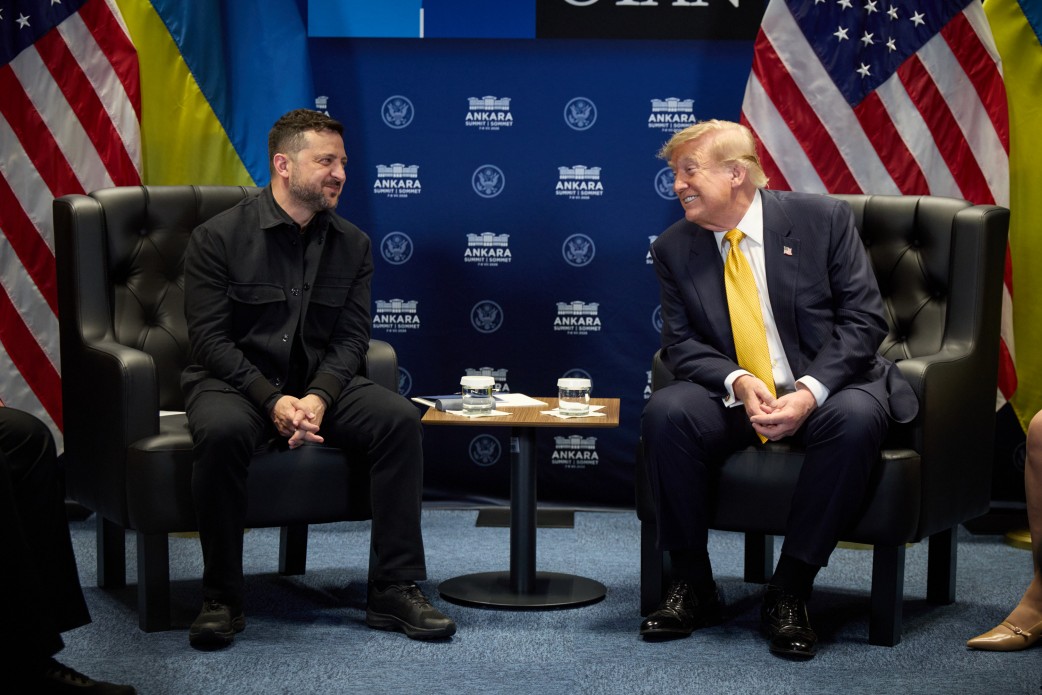
again trump presses zelenskyy stop russian refinery strikes · post ukrainian president volodymyr meets donald ankara türkiye 8 2026 presidentgovua ukraine news reports
Explore further

Trump calls Ukraine’s renewed refinery strikes “a disgrace” after Russia’s 39-missile strike on its energy sites

On 20 October, Norway announced talks in Oslo that day between Zelenskyy, Norwegian Prime Minister Jonas Gahr Støre, and Finnish President Alexander Stubb, with Witkoff attending in person and Kushner by video.

Senators back Kyiv. Trump says intelligence still flows

Senator Thom Tillis said he and his colleagues remain committed to standing with Ukraine and its European allies, while Senator Richard Blumenthal wrote that bipartisan support was “clear and unequivocal” and would be expressed “in upcoming action.”

US President Donald Trump told reporters on 19 October that Washington is still sharing intelligence with Ukraine and that he did not know who ordered the throttling of Starlink, Axios reported.

“Zelensky doesn’t know what he is talking about,” Trump said.

  •  
❌