❌

Reading view

Some European diplomats doubt Seoul over what they see as a tilt toward Russia during Moscow’s war on Ukraine, but Seoul says it backs ending the war, FT reports

Panstar-Acro-reaching-Rotterdam-after-NSR-passage---Panstar-Group.jpg

Some European diplomats in Seoul are weighing whether they can still trust South Korea as a like-minded partner if it grows closer to Russia, the Financial Times reported on 28 October, according to South Korea’s Financial News. One European diplomat also told the FT that Seoul wants to resume trade with Russia as soon as the war ends.

As Russia presses its war against Ukraine, Kyiv’s partners count on each other to keep up the pressure on Moscow. The doubts about South Korea now come from its European partners, not only from Kyiv. The report lands eight days after Seoul said it would withdraw about half its staff from Kyiv over a dispute about two North Korean prisoners of war.

An Arctic voyage, a new adviser, and signals from Moscow

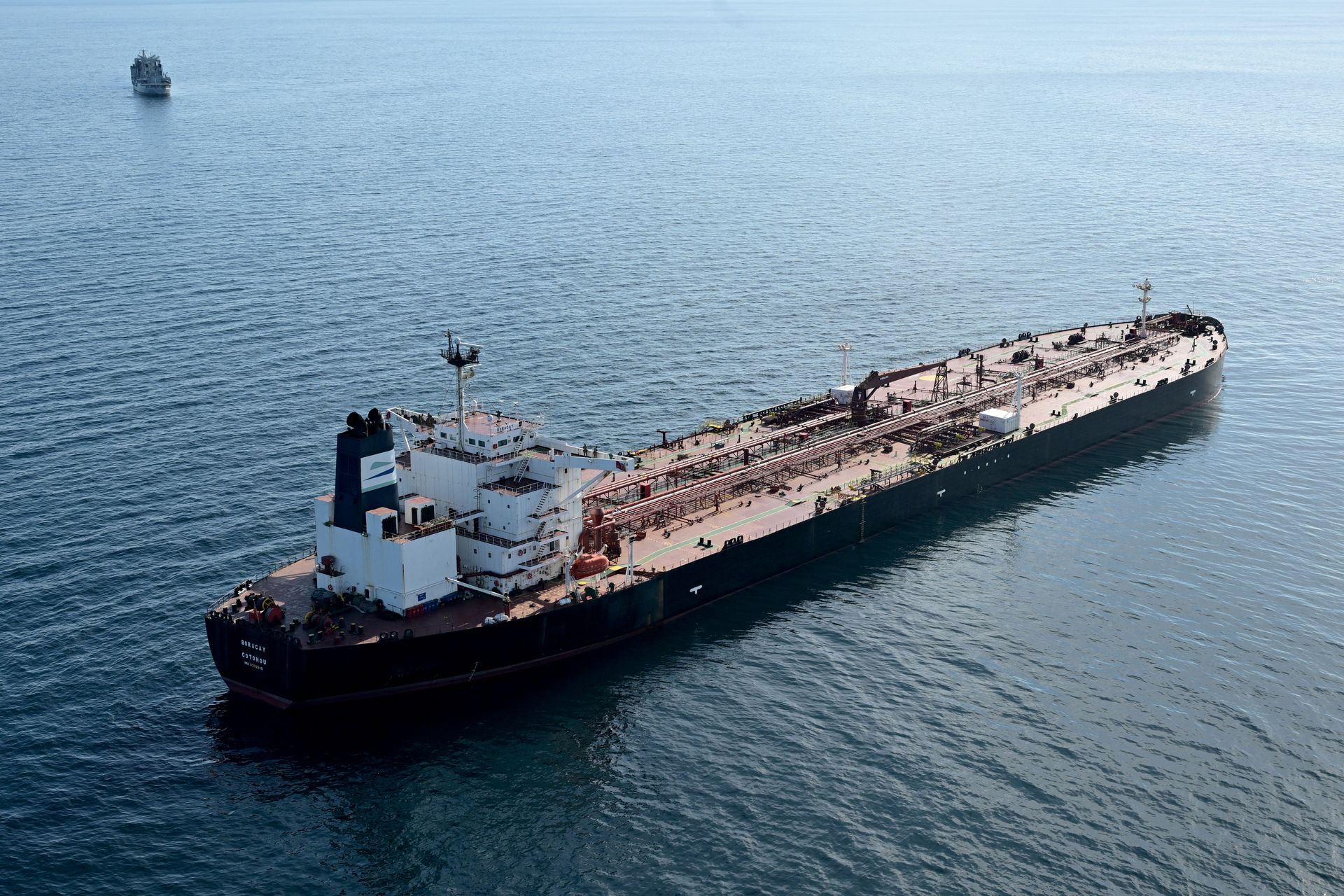
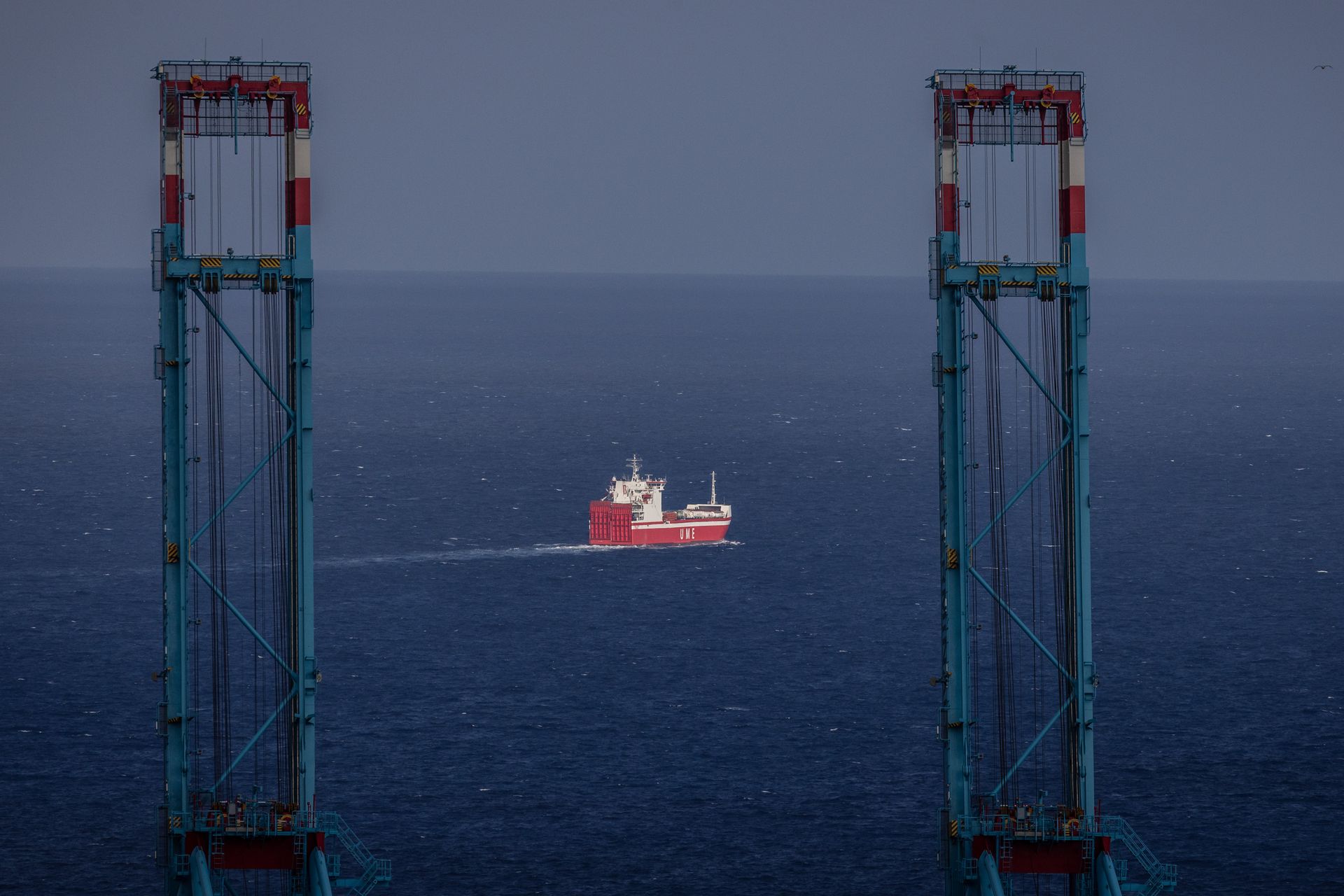
According to the FT, European diplomats saw a South Korean pilot voyage along Russia’s Arctic sea route as a sign of a tilt toward Russia, since the voyage required extensive cooperation from Moscow.

Meanwhile, on 1 October, South Korean President Lee Jae-myung appointed Song Young-gil, a six-term lawmaker and former chair of parliament’s foreign affairs committee, as his special adviser on peace diplomacy. Song once served as a special envoy to Russia, the FT noted.

On 20 October, Russian Deputy Foreign Minister Andrei Rudenko said Seoul had signaled it wants to normalize relations but says full normalization can come only after a change in the geopolitical situation, which he said means the end of the war in Ukraine.

Fuel for Russia loaded at South Korean ports, but Seoul denies direct exports

The FT also cited reports of fuel shipments to Russia. A Guardian analysis published on 6 October found that more than 176,000 tons of fuel, mostly diesel, were loaded at South Korean ports in July and August. The fuel went onto seven tankers bound for Russia’s Far East, three of them under UK and EU sanctions. The Guardian said the trade does not appear to breach South Korean law.

On 8 October, South Korea’s foreign and trade ministries and customs service said no diesel, jet fuel, or gasoline had been exported to Russia through customs. They said they would examine the tankers’ routes and any divergence from their declared destinations before judging whether the law had been broken.

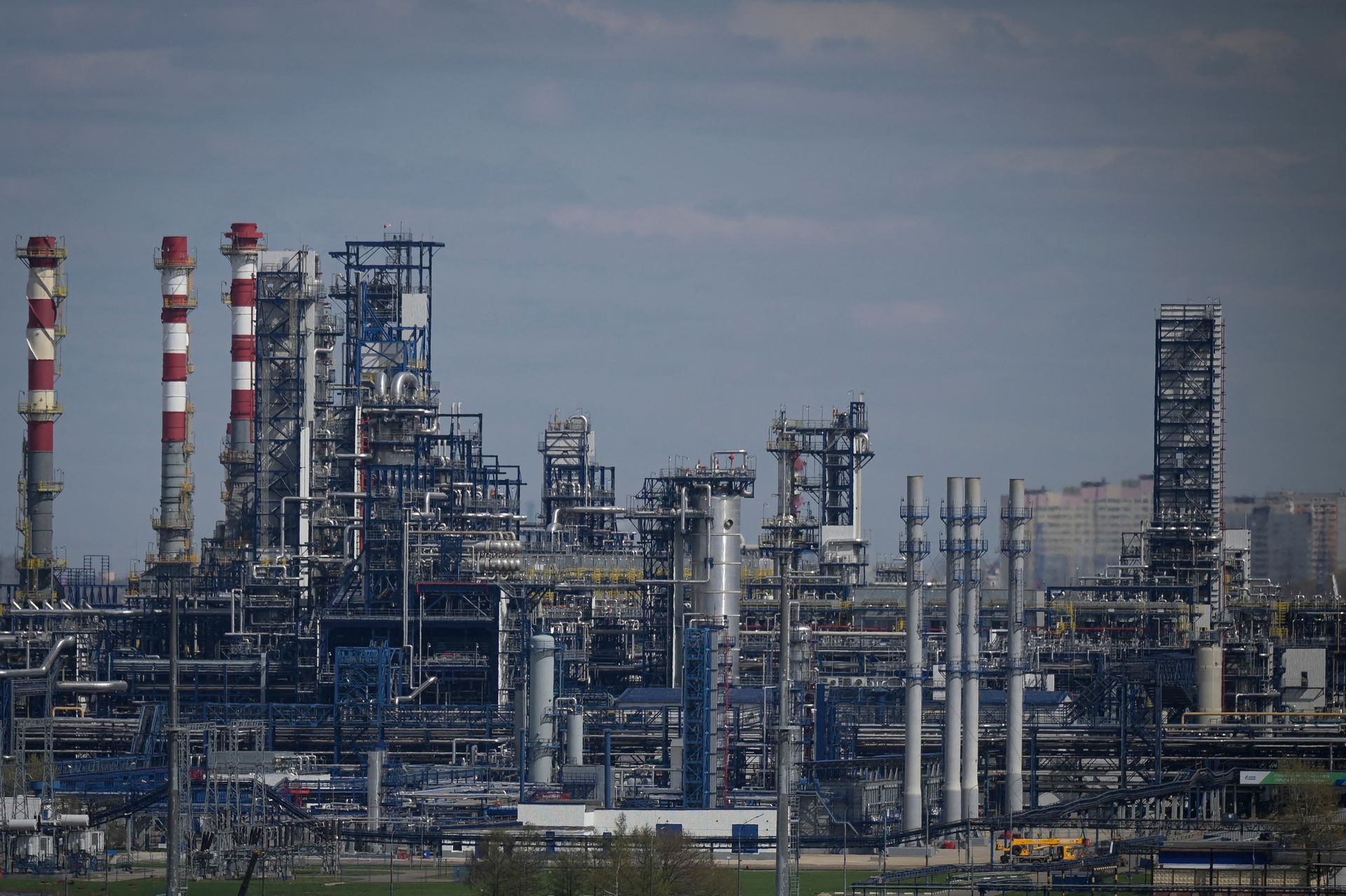
Ukraine’s sanctions commissioner Vladyslav Vlasiuk said the shipments helped Russia offset refinery losses caused by Ukrainian strikes. South Korea’s presidential office called the claim inaccurate and inappropriate, saying the key facts of the transactions had not been verified.

Seoul rejects the criticism

In a statement to the FT, South Korea’s Foreign Ministry said concerns in some quarters that the country was leaning too far toward Russia were not based on fact. It added that Seoul supports international efforts to end the war in Ukraine.

Seoul cuts its Kyiv embassy staff over the POW dispute

At the same time, relations with Ukraine have deteriorated over the transfer of two North Korean prisoners of war to South Korea, which Zelenskyy disclosed at the UN General Assembly in September. Seoul says the disclosure broke a confidentiality understanding. Dmytro Lytvyn, Zelenskyy’s communications adviser, wrote in a Facebook comment on 25 September that “there was no such agreement.”

On 20 October, Seoul said it would withdraw roughly half its diplomatic staff from Kyiv, citing Kyiv’s failure to take “positive steps” on the POW dispute and continued Russian airstrikes, Yonhap reported. A chargé d’affaires and all consular staff will stay.

  •  

Russia’s sanctioned top diplomat heads to the US to campaign against the sanctions on its war

russia’s sanctioned top diplomat heads campaign against sanctions its war · post russian foreign minister sergei lavrov addresses un general assembly new york united states 24 2022 photo/cia pak un7955720

Russia's sanctioned Foreign Minister Sergei Lavrov is heading to a G20 meeting in the US, Russian Foreign Ministry spokeswoman Maria Zakharova stated. Moscow plans to use the trip to argue against sanctions, days after Russian ballistic missiles hit Kyiv. Ukraine, meanwhile, is still waiting for Washington's sign-off on the air defense missiles it needs.

Ukraine is fighting Russia's air war while its main ally squeezes it too, from capped Starlink links to missing US warnings of incoming ballistic missiles, leaving Kyiv weaker before any talks. A new round of the US-Russia-Ukraine trilateral talks is expected in Abu Dhabi in November.

Moscow's sanctioned minister plans to argue against sanctions

Lavrov will lead the Russian delegation at the G20 foreign ministers' meeting, which the US hosts in Atlanta on 30–31 October. In his speeches, he will denounce “the use of economic ‘weapons’ to fight opponents, including sanctions,” Russia's Foreign Ministry stated. The US Treasury sanctioned Lavrov on 25 February 2022, the day after Russia launched its full-scale invasion of Ukraine.

The ministry claimed its delegation ran into American red tape over visas. Journalists in Lavrov's press pool still received US visas without movement restrictions, Russian state news agency TASS reported.

The State Department's announcement of the meeting doesn't mention Russia or say whether Lavrov got a sanctions waiver. Republican Congressman Don Bacon told RFE/RL that Russian leaders “should not be welcomed in any of these forums.” “They lead a pariah state,” he said.

Moscow's demands arrive days after its missiles hit Kyiv

Lavrov will also stress “the cornerstone importance of indivisible security” as the basis of multipolarity, the ministry stated. Ukrainian President Volodymyr Zelenskyy has ruled out neutrality and limits on Ukraine's army.

Residents stand outside a high-rise building in Kyiv after a Russian ballistic missile attack, 26 October 2026
Explore further

Russian ballistic missiles hit a Kyiv university campus, then return before dawn for the Southern Bridge again

A day before the trip was announced, Lavrov called the US-Russia diesel deal a purely business arrangement. “There were no strings attached,” he claimed.

Lavrov brings these demands days after Russian ballistic missiles hit a Kyiv university campus and the Southern Bridge, killing a 46-year-old woman, the Kyiv City Prosecutor's Office reported. Kyiv has waited almost a month for US Defense Secretary Pete Hegseth's signature on Patriot and NASAMS missiles, Zelenskyy wrote.

Moscow keeps collecting from Washington

The visit adds to a run of US moves in Moscow's favor. This month, the US Treasury cleared Russian diesel blocked by sanctions. US President Donald Trump then waived tariffs on buyers of Russian oil. US Energy Secretary Chris Wright also said investors could buy sanctioned shadow-fleet tankers and return them to legal trade. Russia, for its part, kept striking Ukraine's energy sites during the truce Trump announced.

Russian officials are also back in G20 rooms in person. In late August, Russian Finance Minister Anton Siluanov attended a G20 finance meeting in Asheville, North Carolina. It was his first in-person G20 appearance since 2022, and European officials refused to join the group photo with him. The State Department has stated that Russia is welcome at all G20 meetings, and a senior US official said Russia would be invited to the leaders' summit in Miami in December.

Western ministers used to push back at those tables. When Lavrov spoke at the G20 meeting in Johannesburg in February 2025, then-British Foreign Secretary David Lammy said he saw no appetite for peace.

In Atlanta, Obama accuses the White House of selling out Ukrainians

Former US President Barack Obama campaigned in Atlanta on 28 October, two days before Lavrov's meeting there.

“And while we're alienating key allies like Canada, the White House is bending the knee to Vladimir Putin of Russia and selling out Ukrainians who are fighting for their freedom and democracy,” Obama said.

He also likened Trump's self-enrichment in office to “what dictators in other countries do.”

  •  

Ukraine finds Russia’s Geran drones fitted with a compass that works through GPS jamming, but Western electronics still at their core

magnetometers in geran

Russia has started installing magnetometers in the tails or tail fins of its Geran attack drones, Vladyslav Vlasiuk, the Ukrainian president’s commissioner for sanctions policy, said on Facebook on 28 October.

Russia uses its Shahed-Geran series drones in massive daily attacks on Ukraine. Ukrainian forces jam Gerans’ satellite navigation to push them off course, and Russia keeps hardening the drones against it, already fitting them with adaptive antennas. The magnetometer appears designed to go further, giving the drone a heading that doesn’t depend on satellites at all. Earlier this month, Ukrainian military intelligence reported a US-made magnetometer in the upgraded Geran-4.

A new jamming device, and Western parts at the core

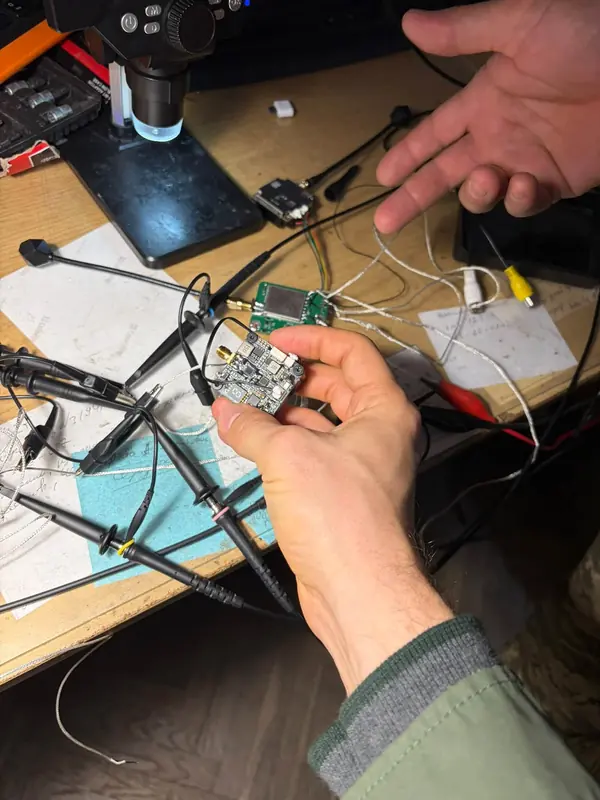
Vlasiuk posted photos from a site where Ukraine studies Russian weapons and their components. He said he takes the findings for Ukraine’s sanctions work. He did not say which Geran models carry the magnetometer.

Ukrainian specialists study electronics taken from Russian weapons
Ukrainian specialists study electronics from Russian weapons. Photo: Vladyslav Vlasiuk/Facebook

At the same time, Ukraine is studying how a new jamming device works. Vlasiuk did not say where it was found or what it targets.

“Western electronics are at the core everywhere,” Vlasiuk wrote.

Geran-4 already flew with a US-made sensor

On 5 October, Ukraine’s Defense Intelligence (HUR) said the upgraded Geran-4 carries a new “MOKh” unit built around a PNI5GA magnetometer made by US firm PNI Sensor. The unit works with the SADRA inertial navigation module to cut gyroscope drift and make the drone’s autonomous navigation more accurate.

HUR said Russia also added an electro-optical navigation system called Susanin to the upgraded Geran-4. It compares camera images with a reference image stored in memory to keep the drone on its route to the target. The new K5 version of the Geran-5 uses a similar system.

Presidential adviser Serhii “Flash” Beskrestnov warned on 28 October that if Russia starts using Susanin en masse on Geran-5s and other drones and missiles at night, Ukraine may have to go back to switching off lights, especially on roads.

  •  

Ankara tells Washington it’s ready to help revive Ukraine-Russia talks—but names no date or venue

Ukrainian (left) and Russian (right) delegations during the talks in Istanbul, Turkey on 29 March 2022.

Turkish President Recep Tayyip Erdoğan told US President Donald Trump by phone on 28 October that Türkiye is ready to support efforts to revive Ukraine-Russia diplomacy and end the war that way, the Turkish presidency’s Directorate of Communications said. The same day, a White House official said the US will join the next round of talks with Kyiv and Moscow.

Talks between Ukraine, Russia, and the US have been stalled since winter, and the fight now is over timing. On 27 October, Zelenskyy said Kyiv wants that round before a Putin-Trump-Xi summit, which would leave Ukraine out of the room. Putin proposed that summit, The Wall Street Journal reported. Ankara’s statement names neither track, but Ukraine sits at the table only in the first.

Ankara offers support, but no date or venue

The statement named no date or Turkish venue. In July, Foreign Minister Hakan Fidan said in Kyiv that the Türkiye-mediated Istanbul talks should continue in the same format. Türkiye hosted Russia-Ukraine talks in 2022 and 2025. The 2 June 2025 round in Istanbul ended with a prisoner swap deal but no ceasefire. In March, Zelenskyy named Türkiye among possible venues.

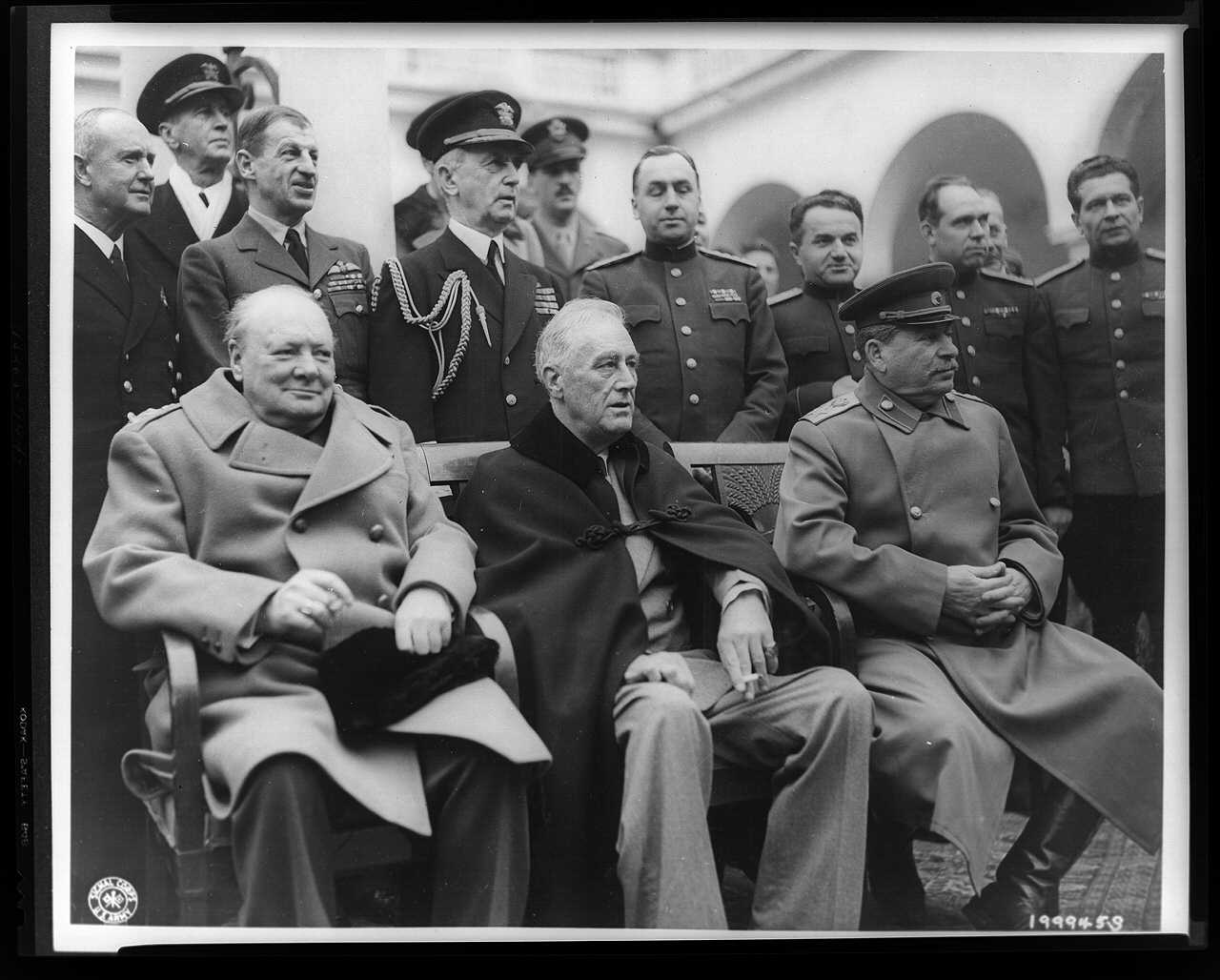
The Crimean Conference: Prime Minister Winston Churchill, President Franklin D. Roosevelt, and Marshal Joseph Stalin at the palace in Yalta, February 1945 (Image: U.S. Signal Corps, from collection of the Library of Congress)
Explore further

“I really don’t want this to be Yalta 2, 3, 4”: Zelenskyy fears Trump-Xi-Putin meeting could redivide world, with Ukraine on agenda

Everyone says soon, but no date is set

On 28 October, Russian Deputy Foreign Minister Sergei Ryabkov claimed it was premature to talk about Abu Dhabi: a contact was expected soon and Abu Dhabi had been mentioned as a venue, but Russia was still preparing. Kremlin aide Yuri Ushakov claimed the talks would come after 4 November, with the date depending in part on the battlefield. On 27 October, Ukrainian presidential adviser Dmytro Lytvyn told journalists it was too early for announcements. A day later, Zelenskyy told The Sun that the round could come as soon as 10 November.

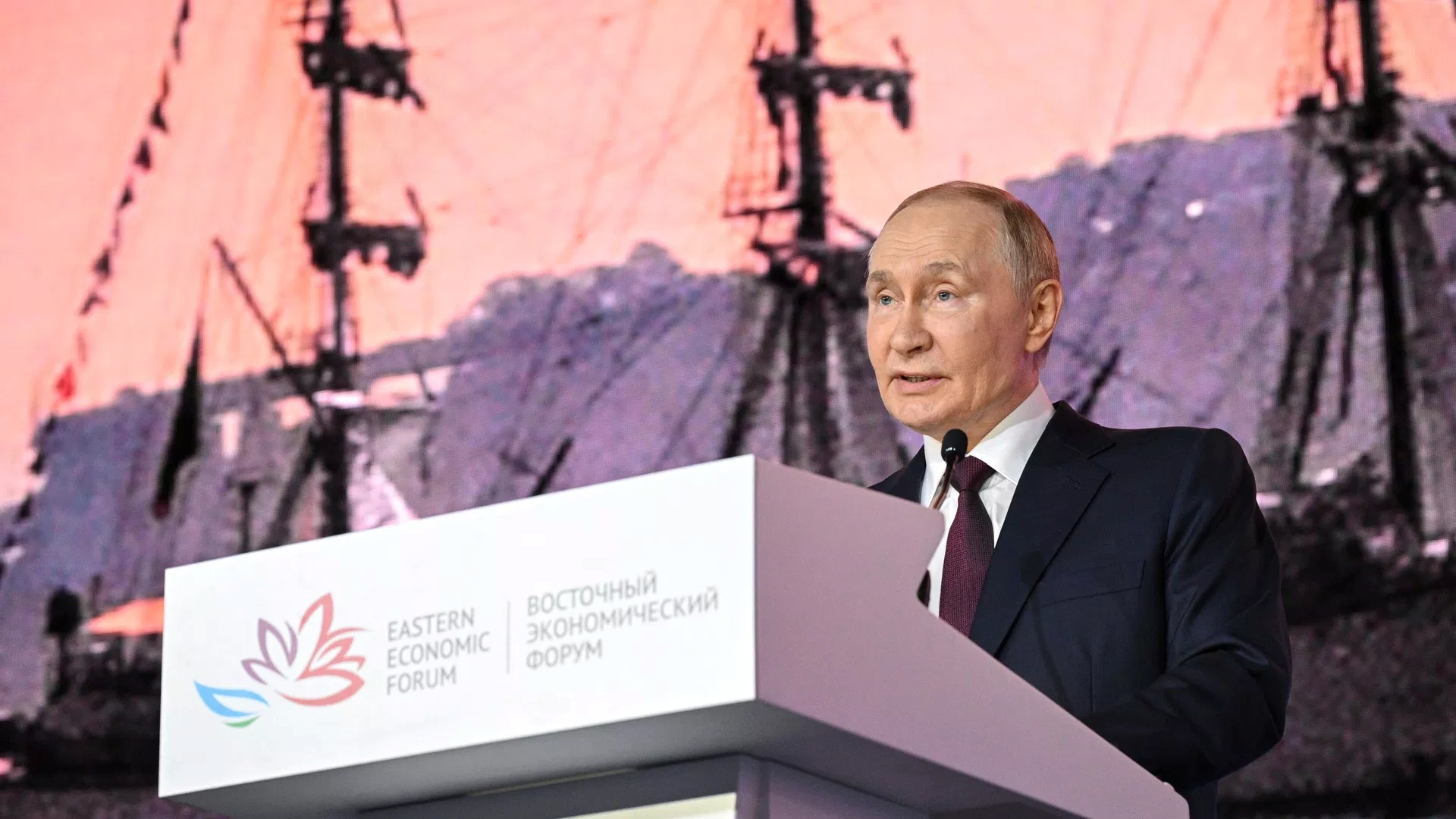
putin at the eastern economic forum in vladivostok on 5 september 2025
Explore further

Putin claims Russia is ready for new talks with Ukraine, calls occupied land historical Russia

The White House official told Türkiye Today that the US “looks forward to participating in the next round of trilateral talks, which will take place soon.” The outlet’s question on whether Istanbul was considered had gone unanswered by publication.

Trump told reporters on 28 October that a meeting with Putin and Zelenskyy would be set up soon. The Kremlin keeps its condition. Ushakov claimed on 27 October that such a contact makes the most sense after the negotiation process ends, and repeated that Zelenskyy should come to Moscow.

Another mediator does not decide which meeting comes first. Kyiv and Moscow have both confirmed Abu Dhabi, Zelenskyy said, so it now depends on the US side. Earlier this month, Trump said he waived new sanctions on Russia so as not to drive Moscow from the talks.

  •  

Licensed, not banned: what China’s new rules mean for the parts inside Russia’s Shahed-type drones

licensed banned what china’s new rules mean parts inside russia’s shahed-type drones · post russian president vladimir putin chinese xi jinping beijing 2024 china russia ukraine news ukrainian reports

China’s updated drone export rules will cover the engines in Russia’s Geran attack drones, Russia’s version of Iran’s Shahed, Ukraine’s sanctions commissioner Vladyslav Vlasiuk said on 27 October. He cited a clarification from China’s Commerce Ministry, Ukrainska Pravda’s defense desk Oboronka reported. The license requirement takes effect on 18 November.

Licensing itself isn’t new. China has required permits for some drone engines since September 2023. Even so, Chinese engines kept reaching Russian drone plants, some shipped as refrigeration units, Reuters reported. Russia’s jet-powered Gerans rely fully on Chinese turbojets, HUR deputy chief Vadym Skibitskyi has said. So the update’s value lies in enforcement, not in the list.

Three agencies, one list

Beijing issued the update in a joint announcement by the Commerce Ministry, the General Administration of Customs, and the Central Military Commission’s Equipment Development Department. Announcement No. 49 bars exports of listed drone items without a license, including specially designed autopilots and certain drone engines. China will approve applications that comply with the rules, a Commerce Ministry spokesperson added.

Flags of Russia and China.
Explore further

China calls itself neutral—but its fiber ends up in the drones that hit Ukraine

Vlasiuk said the core of Russia’s long-range strike drones has formally come under control. He named engines for Gerans, turbojets for their jet versions, autopilots, and jam-resistant navigation. The announcement lists anti-jam navigation as a technology, not as hardware. He called the step an opening for Ukraine because Beijing now formally takes responsibility for these categories. Kyiv will press for the rules to be applied to known suppliers of Russia’s arms industry and, with partners, track licenses, transit routes, and re-exports, he said.

Permits, refusals, and FPV parts

Licensing does not mean a ban, Vlasiuk stressed. Exporters China deems reliable can get general permits for up to three years, while the rules leave broad grounds for refusal. The new thresholds do not cover motors and speed controllers for FPV drones, batteries, cameras, or optical fiber, he added.

The rules do cover brushless motors that meet all of these: at least 48 volts, at least 3 kW, a power density of at least 3 kW per kilogram, and no more than 3,000 rpm. Their speed controllers are covered too, Militarnyi reported. Russia could still obtain parts with Beijing’s approval, the outlet noted. Ukraine, without such close ties, could face delays, inspections, and higher costs.

  •  

How EU ships are still able to carry Trump's Russian diesel despite so many sanctions

A ship called the Agioi Fanendes, which had just left Russia's Baltic Sea port of Primorsk, was carrying 40,000 metric tons to New York and had been traveling westwards through the Baltic Sea ever since.

  •  

35 US parts, a Chinese navigation unit, a Russian engine: what’s inside Russia’s Filin missile

Filin cruise missile

Ukraine’s military intelligence (HUR) published a 3D model and parts list of Russia’s new Filin cruise missile on 22 October. The breakdown names the Russian companies behind the missile and the foreign makers of its electronics.

HUR runs its War&Sanctions portal to trace such parts back to their makers. Its stated aim is to “deprive the aggressors of the ability to produce weapons for terror,” the portal says. Meanwhile, Russia is betting on cheap, fast cruise missiles, Serhii Beskrestnov, a freelance adviser to the president on technology, told Radio NV in mid-September. Naming the Banderol, Dan-T, Dan-M, and Gerbera-5, he warned they would soon outrun Ukraine’s jet-powered interceptors, so Ukraine needed its own cheap missiles to shoot them down.

Composite body, ground launch

JSC NPO Molniya, part of Russia’s Tactical Missiles Corporation, builds the Filin, HUR said. The agency called it part of a Russian defense-industry trend toward cheap jet-powered, ground-launched air-attack weapons. Russia began firing it at Ukraine in late summer 2026.

Filin cruise missile components.
Filin cruise missile components. Image: War&Sanctions

HUR’s data puts the carbon and fiberglass fuselage at 3.5 m, with a 3 m wingspan. Some parts are 3D-printed. Russia claims a top speed of 800 km/h. The range is 600–1,200 km, and the missile flies at ultra-low altitude or up to 6 km. Versions carry 50-kg or 100-kg warheads. A solid-fuel booster fires it from a ground launcher.

A firm tied to a Shahed-type drone

PLAZ LLC makes the onboard equipment, HUR said. The firm also helps produce the Garpiya, a version of Russia’s Shahed-type Geran-2 drone. Filin and Garpiya units share a similar layout and markings. Guidance combines a Chinese-made inertial navigation system with a 16-channel Kometa anti-jamming module from Russia’s VNIIR-Progress.

The electronics resemble those in other Russian missiles and drones but carry a larger share of Chinese parts. Of 81 components, 35 are American and 22 Chinese. The engine, however, is Russian: an R500 turbojet from Reynolds LLC. A similar engine earlier turned up in the S-71K Kover aviation cruise missile and S-71M Monokhrom, HUR said.

For comparison, Ukraine found more than 20 foreign components in a different cheap missile, the Banderol, in May 2025. They included 10 US microchips, and the Banderol flies on a Chinese jet engine.

  •  

From “bad-guy fleet” to “good-guy fleet”: US will let investors buy sanctioned tankers and return them to legal trade

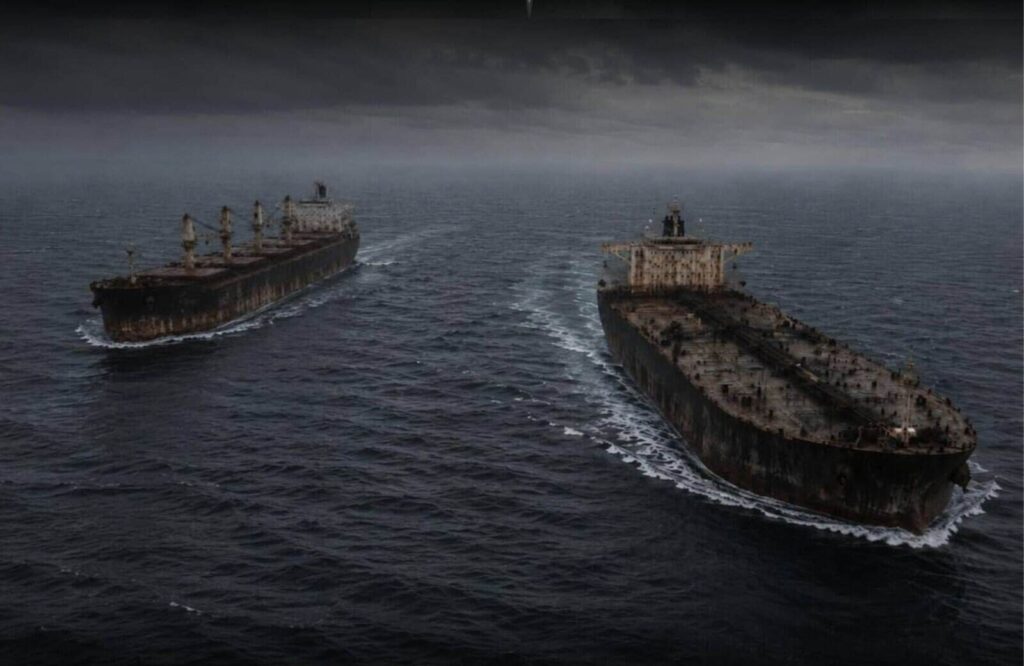
Two weathered cargo ships sail across a dark sea beneath heavy storm clouds.

Investors who buy idle sanctioned tankers and refit them could put the ships back into legal oil trade, US Energy Secretary Chris Wright said on 19 October, Bloomberg reported. He laid out the plan five days after a US official described it to Reuters.

That official said the aim was to cut record tanker freight rates. The Energy Department added that any relief would not help Russia move its oil. The plan comes weeks before the 3 November midterms, with voters worried about fuel costs after gasoline and diesel prices surged in the Mideast conflict. Yet the shadow fleet is also how Russia sells oil past sanctions, and those sales fund its war against Ukraine. In December 2025, Ukraine’s foreign intelligence counted more than 1,100 tankers serving Russia alone, 226 of them under US sanctions.

An approval process Wright didn’t detail

Many sanctioned tankers sit idle, Wright told Bloomberg’s Annmarie Hordern, and buyers keep approaching the administration offering to fix them up and carry only legal oil.

“We’re going to move some of the ships from what I call the ‘bad-guy fleet’ to the ‘good-guy fleet,’” he said. “They will not carry sanctioned oil anymore.”

The ships must go through an approval process, Wright said, but he gave no criteria. He insisted “there is no removing of sanctions.”

He put the global dark fleet at about 1,600 ships, a count covering vessels that hauled Venezuelan, Iranian, and Russian oil. Dozens or even hundreds could turn legitimate, he said. The ships are no longer needed for Venezuelan oil, Wright said, and no Iranian oil is moving. Russian oil exports, he added, “are certainly not growing.”

Diesel, a waiver, and the tankers

Earlier, on 9 October, the Treasury issued General License 135, allowing some deals in Russian diesel until 7 April 2027. On 16 October, US President Donald Trump waived sanctions and tariffs under the Graham Act, leaving earlier sanctions intact. That law had directed him to review and sanction shadow-fleet vessels. Trump defended the waiver as a way to keep Moscow at the negotiating table.

House Speaker Mike Johnson told Fox News host Larry Kudlow on 18 October that he had asked the White House team to “carefully consider the unintended consequences,” The Hill reported. He added that he thought “the right decision will be made” in the end.

  •  

Norway bars deals with 33 more Russian financial institutions—and 22 more from India to Nigeria

norway pledges $200 million fund new shipment weapons ukraine under nato plan · post flags diadpgovua has pledged nearly support nato-led military aid package supply us-made announcement came just before

Norway has put into force a new round of sanctions against Russia that hits banks, listed oil refineries, ports, airports, and suppliers of Russia’s military industry, the Norwegian Foreign Ministry announced. The rules mirror the EU’s 21st sanctions package, which Brussels adopted in July.

The EU’s 22nd package, adopted on 12 October, is principally a list of names, while the 21st brought significant new measures, lawyers noted. Among them are new tools against the shadow fleet, the tankers with murky ownership that Russia uses to move oil around sanctions. That fleet also sails along Norway’s coast, and a new Norwegian Coastal Administration report found that it poses a growing threat to security and the environment there.

Banks, refineries, and Sheremetyevo

Norway is not an EU member, but it has joined every EU sanctions package against Russia, with a few exceptions and national adjustments. Oslo backed this one politically on 11 August, and the rules took effect on 21 October. Part of the package was already in force. It placed travel restrictions and asset freezes on 48 people and asset freezes on 168 entities, and it listed 41 shadow fleet vessels on 14 August.

Norway’s transaction ban now covers 33 more Russian credit and financial institutions. A separate ban covers 22 more abroad, including in India, Mongolia, Nigeria, and the UAE.

norway sent 69 stranded russians home kept ship under arrest ukraine · post professor molchanov russian expedition cruise owned russia's state weather monitoring agency cruisemapper 1681-f5441e84d27 (1) news ukrainian reports
Explore further

Norway sends 69 Russians home without their ship, held for Ukraine

Another transaction ban reaches listed refineries in Russia and third countries that process Russian oil or help dodge sanctions. A Georgian refinery joins that list on 25 January 2027. The same ban adds two Russian ports and four Russian airports, including Moscow’s Sheremetyevo.

Drone gear and the shadow fleet

Export curbs on dual-use goods now cover 51 new entities that back Russia’s military industry. Some are in China, including Hong Kong, and others are in India, Kazakhstan, Kyrgyzstan, Türkiye, and the UAE. The banned-exports list adds nickel and beryllium powder, along with drone gear such as jamming and interception systems, launchers, and servo motors.

Oslo can now also list ships that service sanctioned shadow fleet tankers or swap cargo with them at sea. Elsewhere in Europe, France’s navy and UK forces have boarded sanctioned shadow fleet tankers this year.

  •  

Trump defends Russia sanctions waiver, says he does not want to drive Moscow from talks

Trump WEF

US President Donald Trump wrote in a Truth Social post on 18 October that he did not want to “drive, foolishly, Russia away from the bargaining table.” He also wrote: “Signing that document at this time will do that, and I can sign it later, or any time that I want!”

Trump was referring to sanctions and tariffs under the Lindsey O. Graham Sanctioning Russia and Iran Act of 2026, which he waived in an executive order on 16 October, days before the measures were due to take effect. The waiver suspends additional economic penalties intended to pressure Moscow over its war against Ukraine, while leaving earlier US sanctions in place. The decision came weeks before the 3 November midterms, in which Republicans are defending slim majorities in both chambers, and analysts said the penalties could have pushed up oil prices for Americans already paying more, largely because of the US-Israeli war with Iran, Reuters reported.

Trump says Zelenskyy could have made a better deal two years ago

A week before the waiver, Trump had announced a deal for Russia to increase diesel supplies to global markets. The Treasury also issued a license, valid until 7 April 2027, permitting certain transactions in Russian-origin diesel.

In the Truth Social post, Trump accused Ukrainian President Volodymyr Zelenskyy of targeting Russian diesel refineries, saying the strikes were “seriously hurting the world diesel markets, including those in the United States.” Kyiv had paused its refinery strikes for three days at Washington’s request after Trump declared an energy ceasefire on 11 October, which Russia never confirmed, then resumed them. Since then, Russia has struck Ukraine’s energy sector 76 times, Zelenskyy said on 18 October.

kyiv attack
Explore further

Kyiv gets no warning of the first of two Russian ballistic waves, hours after Zelenskyy said US alerts were back

Trump wrote that Zelenskyy “doesn’t want to end this war, and probably never did,” and that he “could have made a better deal two years ago than he can now.”

“His country is in shambles, a large portion of his land is lost, his oceans and seas are gone, and his male population is low, wounded, and/or dead,” Trump added.

He also said Russia was “doing very little, if anything, to help” Iran and that he wanted to keep it that way.

A day earlier, Trump said he had not made a final decision

On 17 October, Trump told reporters at Mar-a-Lago that he had not announced his final decision. “A lot of you don’t know what my decision is yet, but we’ll figure it out, and you’ll figure it out,” he said, Reuters reported.

“I think the president wants to take the 60-day period of time to sort of analyze what imposing both sanctions and tariffs will mean to the global economy and even to the US economy,” US Secretary of State Marco Rubio told reporters before departing for Uzbekistan the same day.

Zelenskyy calls the waiver a pity as Republicans split

Zelenskyy called it a “pity” that Trump had waived sanctions under a law named for the late Senator Lindsey Graham, who “really believed in Ukraine.” He said he hoped Trump would change his decisions, NBC News reported.

Discussing the diesel deal on NBC’s Meet the Press, Zelenskyy said US oil prices had risen because shipping through the Strait of Hormuz was blocked, not because of Ukraine.

month before diesel waiver trump’s envoys had already pitched kyiv russian gas · post jared kushner steve witkoff ukrainian president volodymyr zelenskyy 7 2026 presidentgovua джаред кушнер стівен віткофф володимир
Explore further

A month before the diesel waiver, Trump’s envoys had already pitched Kyiv on Russian gas, NYT says

On 17 October, Zelenskyy told journalists that “the decision to undo all of this, to block all of it, seems wrong to me” and that it “definitely helps only the Russians.” His remarks appeared in Ukrainian on his official Telegram channel.

“Sanctions relief will continue. I think the diesel deal and the move regarding the Lindsey Graham Act are not the end of it. Unfortunately,” Zelenskyy said.

On 19 October, Zelenskyy wrote that partners had again given no warning of Russia’s overnight ballistic attack and that blocking missiles for Ukraine’s air defense while Russia gets sanctions eased or postponed amounts to partners denying reality.

Republican Senator James Lankford defended Trump’s decision on NBC’s Meet the Press, saying the president was “choosing the American people first.”

Senator Darline Graham, Lindsey Graham’s sister, whom Trump has endorsed for a full term, said at a campaign stop on 17 October that she would “choose to keep the pressure on Russia.”

“I don’t trust Putin and I don’t trust Russia,” Darline Graham said.

She did not directly criticize Trump but said she would not have made that choice, Reuters reported.

  •  

22 House lawmakers press Trump to implement Russia sanctions law. Diesel deal draws bipartisan backlash

US President Donald Trump signs the Lindsey O. Graham Sanctioning Russia and Iran Act in the Oval Office, 18 September 2026

A bipartisan group of 22 House lawmakers is urging President Donald Trump to fully implement the new Russia sanctions law and revoke a license allowing certain Russian diesel transactions. In a letter sent on 15 October, they copied Secretary of State Marco Rubio and Treasury Secretary Scott Bessent and requested details on planned sanctions, tariffs and waivers.

Their request comes as the law’s first requirements fall due on 18 October, while lawmakers from both parties challengethe administration’s decision to allow certain Russian diesel transactions. Some restrictions take effect automatically, while others require presidential action. The law does not specify a penalty for the president missing the deadline.

    What the Russia sanctions law requires

    Congress passed the Lindsey O. Graham Sanctioning Russia and Iran Act of 2026 by votes of 86–11 in the Senate and 262–159 in the House. Trump signed it on 18 September. Graham, a Republican senator from South Carolina, died in July.

    Restrictions taking effect automatically on 18 October include a ban on US banks and broker-dealers processing transfers to or from the Russian government, a ban on new US investment in Russia, a ban on new US investment in Russia’s energy sector, and a ban on US energy exports to Russia.

    Other measures require presidential action by the same date. The law directs Trump to review and sanction Russian officials, oligarchs and shadow-fleet vessels, sanction the Bank of Russia, specified Russian banks and state-owned companies, and impose tariffs of up to 500% on Russian goods. Tariffs of up to 100% can apply to goods from countries among the five largest importers of Russian oil or gas, or among the top five countries facilitating Russian oil sanctions evasion.

    Trump may waive sanctions, restrictions and tariffs under the law if he first certifies in writing to Congress that a waiver is in the US national interest and submits a report explaining its basis.

    The diesel license at the center of the dispute

    House members also urged Trump to revoke General License 135, which the Treasury Department issued on 9 October and that is valid until 7 April 2027. It permits certain transactions involving Russian-origin diesel, including imports into the United States. Trump said Russia would immediately supply more than 300,000 tons of diesel to US and global markets and predicted prices would fall sharply, according to a 9 October Truth Social post.

    On 13 October, a bipartisan group of 12 senators also urged Trump to rescind the deal and revoke the license. Seven senators said the deal conflicted with a 2022 law banning Russian energy imports.

    The Graham Act says nothing in its provisions affects the Treasury secretary’s existing authority to issue general licenses. That provision does not resolve whether the diesel license complies with the separate 2022 law.

    A White House official told Newsweek the administration would comply with the Graham Act. Bessent said the administration would use “all the legal authorities we have” and called the deal “good for the American people,” Fox News reported on 11 October.

    How the sanctions could be lifted

    Separately, the law sets a process for terminating sanctions, restrictions or duties against Russia. Trump must report to Congress that Russia has signed a peace agreement accepted by Ukraine’s government and ceased military hostilities against Ukraine, as well as activities to overthrow, dismantle or subvert its government. Congress has 30 days to block termination through a joint resolution of disapproval, or 60 days for reports submitted between 10 July and 7 September.

    •  

    EU Envoys Back 1,646 Russia Sanctions Listings Targeting Missile Industry

    European Union ambassadors have approved 1,646 new sanctions designations against individuals and organisations linked to Russia, with more than half of the additions targeting the industrial chain behind ballistic missiles including the Iskander-M.

    European Union ambassadors have agreed a major expansion of sanctions against Russia, approving 1,646 new designations concentrated heavily on the country’s military-industrial complex and the production of ballistic missiles used against Ukraine.

    The measures, agreed by EU envoys in Brussels on Wednesday, 7th October, are due to be formally adopted by foreign ministers on Monday. More than half of those being added to the sanctions regime are involved in the production chain for Russian ballistic missiles, including the 9M723 missile used by the Iskander-M system, according to details of the agreed listings.

    The additions extend well beyond companies assembling finished weapons. They include organisations involved in missile research and testing, manufacturers of solid rocket fuel and rocket engines, and producers of specialised textiles, synthetic fibres and carbon materials used in missile systems.

    Drone manufacturers and shipyards servicing Russian submarines are also among those targeted.

    The emphasis on individual components and suppliers reflects the EU’s increasingly detailed approach to sanctions against Russia’s defence industry. Rather than concentrating only on large defence groups, Brussels has progressively moved further down supply chains in an attempt to restrict access to specialised materials, technology and production capacity.

    EU Today has previously reported on the continuing disputes surrounding the bloc’s Russia sanctions regime, including negotiations over individual listings and the requirement for member states to maintain agreement on restrictive measures.

    The latest action comes as Russia has intensified ballistic missile strikes against Ukraine. The Iskander-M presents a particular problem for Ukrainian air defences because the ballistic missile can be intercepted by US-produced Patriot systems, stocks of whose interceptors have come under increasing pressure.

    The new EU list also includes 77 Russian politicians who stood for parliamentary seats in territories of Ukraine occupied by Russia. Their inclusion extends the sanctions response from military production to Moscow’s efforts to incorporate occupied Ukrainian regions into Russian political structures.

    Brussels has also moved against North Korean participation in Russia’s war effort. Seven North Korean individuals and entities are being added under the EU’s separate sanctions regime concerning North Korea.

    Military ties between Moscow and Pyongyang have expanded considerably during the war. Ukrainian authorities have identified North Korean ballistic missiles used by Russian forces, while North Korea has supplied ammunition and other military support to Moscow.

    The Council has already widened sanctions linked to Russia and North Korea in other areas. In September, EU Today reported that Russian and North Korean organisations had been sanctioned over programmes involving Ukrainian children transferred from occupied territories.

    The 1,646 additions do not in themselves constitute an entirely new package of sectoral restrictions. They are individual and entity designations within the existing EU sanctions architecture, meaning that assets in the EU can be frozen and EU persons and companies are prohibited from making funds or economic resources available to those listed.

    Their scale is nonetheless significant. By placing the missile-production chain at the centre of the new designations, the EU is attempting to connect its sanctions policy more directly with the weapons Russia is currently using against Ukrainian cities and infrastructure.

    Formal adoption by foreign ministers on Monday will complete the legal process.

    •  
    ❌