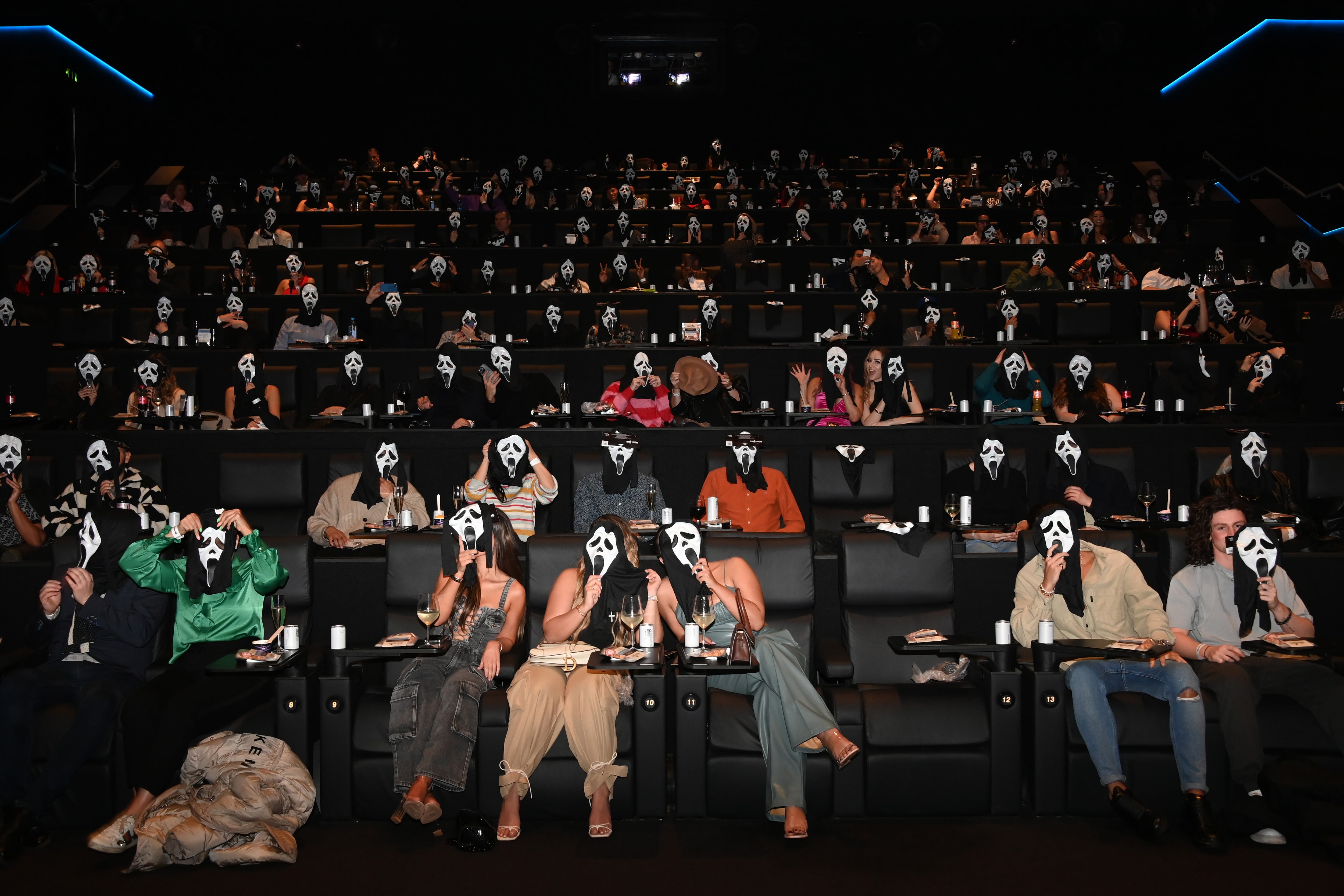
Toda película de terror es, en cierto modo, una película sobre arquitectura: ningún otro género tira tanto de luz, espacios y perspectivas, da tanto protagonismo a una escalera o convierte una puerta en umbral e interrogación. En el cine de terror las casas se convierten en unos personajes tan famosos como (o más que) sus protagonistas, desde la mansión victoriana de Psicosis (1960) hasta la casa que parece tener ojos de Terror en Amityville (1979), de los pasillos enmoquetados del hotel Overlook en El resplandor (1980) a la pequeña cabaña de Posesión infernal (1981). Y es ante la pantalla cuando el espectador se convierte, a su modo, en un efímero creador de planos, formas y estructuras. Cada vez que gritamos a la pantalla “¡No bajes ahí!" es porque sospechamos que el arquitecto de ese viejo caserón no diseñó una vía extra de evacuación para ese sótano.
Hasta el mismísimo Stephen King se ha preguntado cómo nos puede gustar el terror: “Me preguntan por qué escribo lo que escribo, por qué la gente quiere leerlo y va al cine para verlo. ¿Por qué hay personas dispuestas a pagar por sentirse extremadamente incómodas?”, plantea en su ensayo Danza Macabra(Valdemar). Cuando leemos un libro o vemos una película de terror, como quizás hayamos hecho esta semana de Halloween y Todos los Santos, muchas veces experimentamos emociones negativas: miedo, inquietud, en ocasiones incluso asco o angustia. Sin embargo, llenamos salas de cine, devoramos libros y acudimos a clubs de lectura y festivales de cine especializados en terror. ¿Por qué lo pasamos de miedo con el miedo?
A principios de los 80, tras el éxito de Carrie y El resplandor, Stephen King ya estaba cansado de que le preguntaran por qué escribía historias terroríficas. “¿Por qué tiene la gente semejante interés en mi interés… Y en el suyo propio?”, se pregunta en Danza Macabra, publicado en 1981 (y reeditado en 2024 en España por Valdemar). “Creo que, más que otra cosa, es porque todos tenemos un postulado enterrado en nuestras mentes: que sentir interés por el horror es malsano y aberrante”. En este gigantesco ensayo, en el que King hace un repaso histórico y personal por la literatura y el cine de terror entre 1950 y 1980, el escritor apenas se detiene a responder a estas preguntas. Como respuesta, remite a un ensayo anterior, publicado en El umbral de la noche, su primer libro de relatos: “No tengo el más mínimo interés en recalentar ese viejo guiso en estas páginas, si están interesados, les recomendaría que lo leyeran”.
Aquí va un tupper de ese guiso: la idea de King en los 70 es la que han seguido defendiendo muchos escritores desde entonces, que el miedo en la ficción nos ayuda a lidiar con nuestros miedos reales. “Cuando usted lee una obra de horror, no cree realmente lo que lee”, escribe. “No cree en vampiros, hombres lobos, camiones que arrancan repentinamente y que se conducen solos. Los horrores en los que todos creemos son aquellos sobre los que escriben Dostoievski, [Edward] Albee y [Ross] Macdonald: el odio, la alienación, el envejecimiento a espaldas del amor, el ingreso tambaleante en un mundo hostil sobre las piernas inseguras de la adolescencia. En nuestro auténtico mundo cotidiano somos a menudo como las máscaras de la Comedia y la Tragedia, sonriendo por fuera, haciendo muecas por dentro. En algún recoveco interior hay un interruptor central, tal vez un transformador, donde se conectan los cables que conducen a esas dos máscaras. Y es en ese lugar donde el relato de horror da tan a menudo en el blanco”.
MINNEAPOLIS — The Republican running an underdog bid to unseat embattled Rep. Ilhan Omar, D-Minn., in Minnesota's 5th Congressional District, tore into his progressive opponent after her Washington, D.C., home was raided a month before the midterm election.
John Nagel said it should be easy for the Somali-born congresswoman to clear up any public misunderstandings of her immigration status amid a federal investigation into alleged fraud and said that Omar views herself as Somali first, American second.
He also claimed that Minneapolis has a "terrorist problem" and a gun-running operation, and called for a task force to crack down on the Somali gang violence.
"We have two problems in Minnesota. We have a terrorist problem, which you saw with the Mall of America — thank God that the FBI actually took care of that before anybody got in there — and then we have a Somali gang problem," the career law enforcement officer told Fox News Digital.
Nagel, who spent 30 years as a state trooper, claims the issue extends beyond Somali gangs, noting: "We have Somali gangs, we have Asian gangs, we have Black gangs, we have Latino gangs, and we need a gang task force."
The FBI thwarted a terror attack at the Mall of America, located in the Minneapolis suburb of Bloomington, on Oct. 7, 2026.
Sheikhdoon Abdullahi Mohamud, 18, was arrested and charged with knowingly receiving a firearm and ammunition while knowing or having reasonable cause to believe they would be used to commit a felony and federal crime of terrorism. He is an American citizen born to Somali parents, who allegedly pledged allegiance to Somali-based ISIS offshoot al-Shabaab.
Separately, Somali gangs were blamed by local officials for two separate shooting instances in the Minneapolis suburbs in past weeks. One was a mass shooting at Eden Prairie High School during the school's homecoming celebration. The shooting, which injured two, occurred in the parking lot of the high school after gang members were seen making gang signs at one another. Abdirahman Ahmed Jama, 18, was arrested on a riot charge in that incident.
Court documents said that Jama was the target of a later Somali gang shooting at a gas station in the town of Bloomington, likely in retaliation for the homecoming shooting, according to FOX 9. More than 100 rounds of ammunition were fired in that incident.
"They don't necessarily deal in drugs yet. They're kind of a low-level gang, but they're still vicious," Nagel said of the gangs. "Primarily, they deal in guns. They buy and sell guns, illicit guns. They're also the ones that know how to take and remove some parts and basically turn a pistol into a little mini machine gun. That's what we saw in Bloomington and Eden Prairie, you know, where all of those rounds were expanded."
After the recent uptick in suburban Somali violence, according to Nagel, local officials have finally recognized the violence as Somali gang-related, after strong pushback from anyone who suggested that in recent years.
Nagel said that when Ramsey County Sheriff Bob Fletcher said a year ago that Somali gang violence was a problem, he was called a "racist" and "immediately attacked by the Somali community."
"And of course, you know, the media loves that, and they went right along with it," he said. "[The] problem was, he was right. There was a Somali gang problem."
"So, we're in a really good spot because we've now all come out and said, 'Yes, we have a Somali gang problem,' and that being called a racist doesn't have a sting to it anymore," Nagel continued.
As for Omar, who is under criminal probe for potentially falsifying information on her immigration paperwork, Nagel said she deserves due process, but that she actively tries to undermine the United States.
"It's a very serious accusation, and we definitely want due process," he said. "She deserves the same investigation that everybody else would have, and in her own words, no one is above the law."
Nagel added that while it's not incumbent upon Omar to prove her innocence, he thinks it would be simple for the Somali-born congresswoman to clear up any public misunderstandings of her immigration status.
"However, it would be very simple if you are innocent to be able to come up with the paperwork, do the DNA sample. I mean, there are a lot of things that you could do that put a lot this behind you, and I would think that as a politician, you know, you're not a private person anymore, you're a public person," he said. "The people that voted for you have a right to know if they can trust you, and as a politician, I would be doing everything I could to make sure that I maintain that trust. And right now, I don't see much trust in what she's doing."
Ultimately, Nagel thinks Omar views herself as a Somali first.
"Her first love is Somalia. She constantly tells people that. She constantly tells the United States how we're doing everything wrong, and she constantly tries to take the United States and weaken it. "So yes, as far as I'm concerned, Somalia comes first in her life, and we are nothing more than a piggy bank for her."
Elisa Tolomelli, produtora executiva de “Cidade de Deus” e “Central do Brasil”, fará um filme de terror slasher. O longa-metragem nasce do curta de terror “A Última Fita”, criado por Caroline Adrielli.
O projeto está em desenvolvimento em parceria com a Inova Filmes. “Escolhi produzir esse filme porque vi na história potencial para um longa e, na Carol, clareza sobre o que e como quer contar. Assisti ao curta e ele me mostrou que ela compreende a linguagem do terror e consegue realizá-la mesmo com poucos recursos. Essa capacidade pesou na minha decisão. Vamos desenvolver esse universo e dar à história as condições de realização que ela merece”, afirma Elisa Tolomelli.
Com 18 minutos e finalizado em julho de 2026, o curta já soma seis prêmios internacionais em festivais de cinema, com reconhecimentos que incluem Melhor Direção e Melhor Roteiro.
Leia Mais:
Na história, cinco jovens alugam uma casa de temporada e encontram fitas VHS que registram crimes brutais cometidos no local na década de 90. Isolados e sem sinal telefônico, percebem que o assassino continua por perto e que podem ser os próximos a aparecer nas gravações.
O público poderá conhecer o curta que deu origem ao projeto do longa-metragem em uma sessão especial de Halloween. “A Última Fita” terá sua estreia em São Paulo no sábado (31), às 18h30, no Museu da Imagem e do Som (MIS-SP), em um evento gratuito e aberto ao público.
O terror slasher se tornou um dos subgêneros mais populares do terror a partir dos anos 1970. Ele é ideal para quem gosta de ver muitas mortes na frente da tela. Normalmente apresenta um assassino psicopata que assassina violentamente uma série de pessoas do elenco.
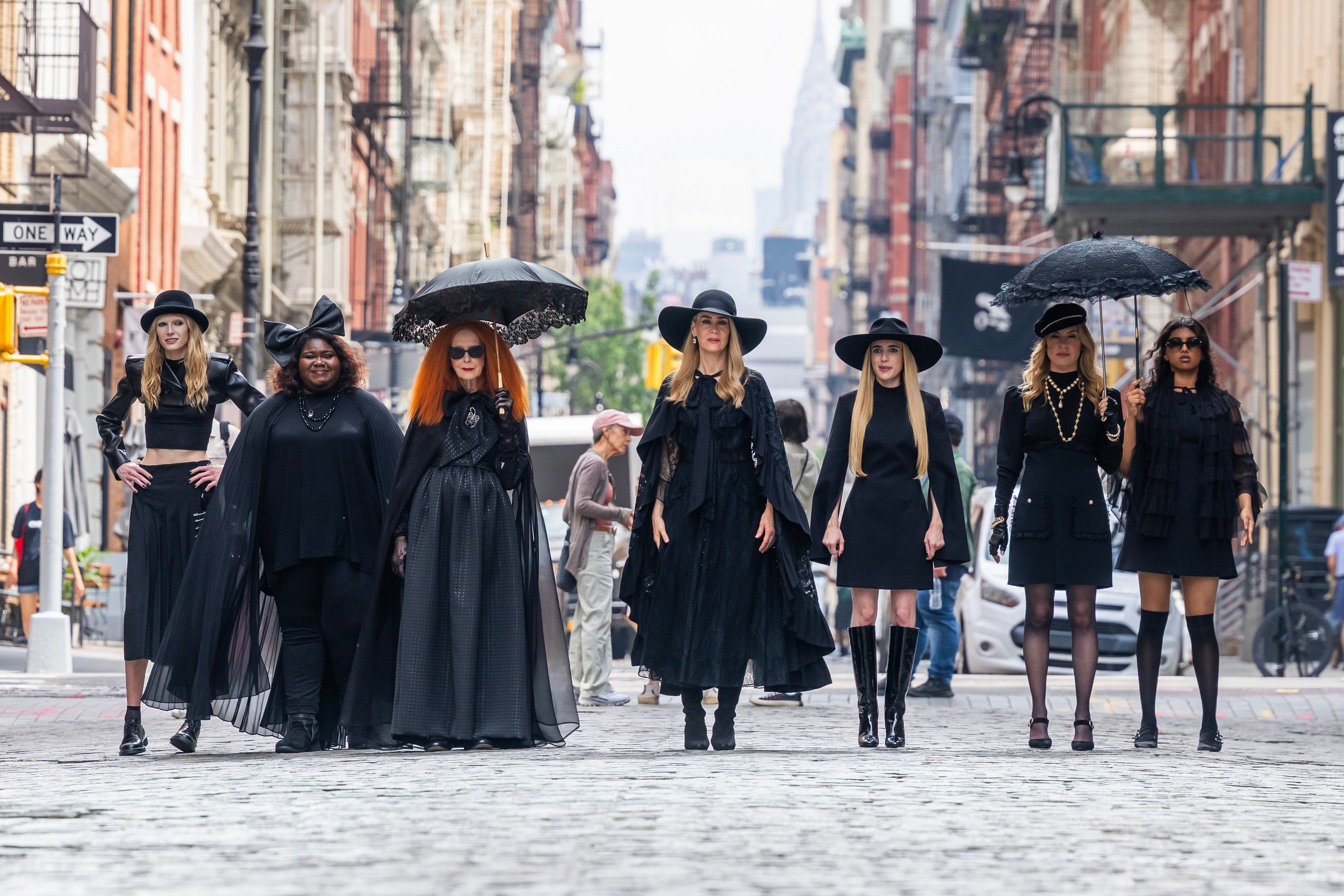
También en la televisión hay que saber cuándo parar. American Horror Story debería haberlo hecho hace tiempo, pero en su temporada número 13 el ridículo ha alcanzado niveles celestiales. Ryan Murphy y su equipo querían presentar este año un evento especial con el regreso de sus primeras espadas interpretativas y algunos de los personajes más recordados, pero todo ha quedado en una historia sin rumbo ni sentido y a mayor gloria de una exagerada Jessica Lange, en la piel de cinco personajes.
Alex Consani, Gabourey Sidibe, Frances Conroy, Sarah Paulson, Emma Roberts, Leslie Grossman y Avantika Vandanapu, en el rodaje de 'American Horror Story: 13' en Nueva York.
Se tem uma coisa que o brasileiro domina tão bem quanto o futebol e o meme, é a arte de inventar histórias, principalmente aquelas de gelar a espinha. Em meio a tanto mistério, selecionamos os seis contos que prometem deixar até os mais corajosos de cabelo em pé.
A herança da tradição oral e o casarão de São Paulo
A história da Dona Yayá é prova de que herança grande pode vir acompanhada de pesadelos na mesma proporção. Na década de 1920, um casarão no bairro paulistano da Bela Vista pertencia à família Mello Freire.
Após a morte dos parentes, Sebastiana passou a sofrer com graves problemas mentais e viveu em isolamento absoluto por mais de quatro décadas, até 1961.
O problema é que, após sua partida, vizinhos juravam ouvir gritos de gelar o sanguenas madrugadas, e quem ousava espiar a janela garantia ver o fantasma da antiga moradora pronto para um acerto de contas fatal.
O veículo assombrado e a maldição familiar
No Rio de Janeiro dos anos 70, a alta velocidade e a vida do crime colidiram de frente com o sobrenatural. Em 1974, Ubiratã Carlos de Jesus Chaves, o famoso Carlão da Baixada, fugia desesperadamente da polícia quando cravou seu Opala preto contra o carro de uma família no Túnel Rebouças. A tragédia foi total, mas dizem que o veículo nunca saiu da pista: até hoje, motoristas madrugadores afirmam cruzar com o fantasma sobre rodas assombrando a galeria.
A punição sombria no interior paulista
Se a vida urbana assusta, o interior não fica atrás na hora de entregar dramas de arrepiar. A lenda do Corpo Seco conta a sina de um rapaz boêmio e de família abastada que passou dos limites da ingratidão ao tratar a própria mãe com extrema violência. O castigo veio em forma de uma doença desconhecida que o definhou até deixá-lo com um aspecto totalmente cadavérico, forçando a família a isolá-lo em uma casa onde apenas a genitora podia entrar.
Teorias dos anos 80 e o mistério na cultura pop
A cultura pop brasileira dos anos 80 e 90 provou que até quem reina entre os baixinhos pode virar combustível para teorias conspiratórias demoníacas. Boatos fantasiosos diziam que a apresentadora Xuxa teria feito um pacto tenebroso, usando como “prova” a audição ao contrário do disco “Xou da Xuxa”, de 1986, em que o refrão de “Doce Mel” soaria como “sangue, sangue, sangue”. A paranoia ganhou novo capítulo em 1992 com a música “Marquei um X”, cuja pronúncia da letra em inglês lembrava o número seis, acionando o alarme do lendário 666.
O pavor alienígena nos campos brasileiros
Paralelamente, o pavor rural tomou conta das fazendas nos anos 90 com a chegada do inefável Chupa-Cabra. O pânico começou quando diversas cabras surgiram misteriosamente mortas, exibindo marcas de dentes no pescoço. Testemunhas locais relatavam ter visto uma figura bizarríssima, parecida com um extraterrestre, rondando os locais dos ataques, exatamente igual aos relatos que já circulavam em Porto Rico, mantendo a autoria dos crimes sem qualquer explicação até hoje.
A lenda escolar e suas origens na elite
Nenhum banheiro escolar brasileiro está imune ao medo de três batidinhas na porta e uma descarga acionada. O mito da Loira do Banheiro tem raízes bem reais na cidade paulista de Guaratinguetá e atende pelo nome de Maria Augusta de Oliveira, uma jovem da alta sociedade que preferiu fugir para Paris a encarar um casamento arranjado.
A jovem acabou falecendo precocemente aos 26 anos, e seu corpo retornou ao Brasil para ser sepultado na propriedade da família. Décadas depois, o imóvel virou a Escola Estadual Conselheiro Rodrigues Alves e sofreu um incêndio misterioso no ano de 1916. Foi o ingrediente perfeito para acender a fagulha do boato de que o espírito da jovem rebelde nunca abandonou os banheiros e corredores da instituição.
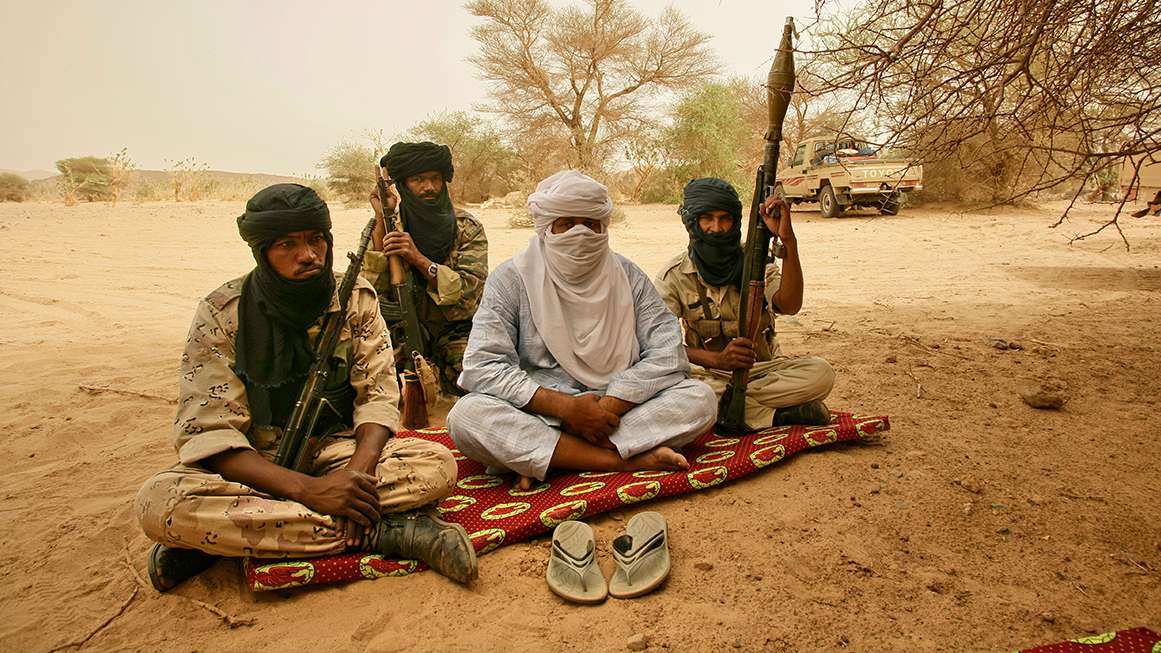
The first state to be ruled by Al Qaeda might not be in Afghanistan or the Arab world—and its ruler might be a former whiskey-drinking rock star. In April, the Group for the Support of Islam and Muslims ("JNIM" in Arabic) led an uprising in the African nation of Mali, killing Defense Minister Sadio Camara, breaking open a prison holding thousands of inmates, and besieging Bamako, the capital. The fighting was still underway as of August.
Mali is not the only place threatened by a JNIM takeover. The West African branch of Al Qaeda is active in a belt of countries known as the Sahel. Its leader, Iyad Ag Ghali, was the former percussionist for the rock band Tinariwen. He now leads a campaign to stamp out the "music of Satan." Perhaps the one saving grace for Sahelian metalheads is that puritans can't get along with each other: The JNIM is locked in a war with the rival Islamic State Sahel Province.
The Sahelian civil wars are a testament to the failure of the global war on terror. Despite spending $355 billion on African counterterrorism from 2001 to 2021, the U.S. government has been unable to stop Al Qaeda or related Islamist groups from taking root across the continent. A study by the Pentagon's Africa Center for Strategic Studies found a 101,300 percent increase in terrorism fatalities from 2002 to 2022, mostly concentrated in the Sahel and Somalia.
These wars demonstrate that the solution to terrorism isn't maximum violence. President Donald Trump launched four times as many airstrikes against Somalia in his first 18 months of his second term as the U.S. did over the past four years combined. U.S. military aid has flowed to repressive governments across Africa with little respect for their citizens' rights. Since 2020, there have been coups d'etat across the Sahel by military men promising that they can do the dirty work that civilian leaders are afraid of. Many of them were trained by the U.S. government. The new regimes have imported Russian mercenaries with a reputation for brutality and no real restraints on their activities.
"People need to forget about the question of democracy," Ibrahim Traoré, leader of Burkina Faso, declared in April.
Instead of restoring order, these heavy-handed tactics have caused more chaos. The military juntas in the Sahel are plainly losing to the JNIM. While the Russian fighters have no difficulties massacring civilians or mutilating prisoners, they have found it much harder to face people who can actually shoot back, facing repeated battlefield humiliations. Meanwhile, the U.S.-led campaign against al-Shabab, the Somali branch of Al Qaeda, has stalled out despite the heavier use of airpower.
The African war on terror began shortly after the U.S. campaigns in Afghanistan and Iraq. To some extent, the U.S. created the very threats that it is trying to fight in Africa. Somalia had been at civil war since the fall of socialism, and in the early 2000s, the CIA began funding Somali warlords to stop the rise of Islamist revolutionaries. The (relatively moderate) Islamic Courts Union took over anyway in 2006—uniting Somalia for the first time in more than a decade—and the U.S. encouraged neighboring Ethiopia to invade. When al-Shabab emerged to fight the Ethiopian invaders, the U.S. tapped a former leader of the Islamic Courts Union to lead a new Somali government.
Soon after the Ethiopian-Somali war, President George W. Bush created the Pentagon's Africa Command, and Congress budgeted $500 million in aid to militaries in the Sahara Desert and the Sahel. At the time, the main Islamist threat to that region was a mostly defeated insurgency in Algeria.
But the Libyan civil war in 2011 created terrible new monsters. Soon after President Barack Obama intervened in support of the Libyan revolution, weapons and hardened fighters from Libya flooded the ethnic Tuareg region of Mali, which declared independence a few months later. Soon after, Al Qaeda and its affiliates took over the Tuareg rebellion. With the Malian government coming close to collapse, France intervened in January 2013 and made many of the same mistakes that the U.S. did in its own war on terror.
Ag Ghali, the current leader of the JNIM, got his start as a Tuareg nationalist. A leaked U.S. embassy cable from 2008 called him a "proverbial bad penny" who enjoyed "playing both sides" and had ties to Islamist and secular nationalist rebels. By the time of the French intervention, he was fully committed to Islamic theocracy. In 2017, he united Islamist rebels across the Sahel under the banner of Al Qaeda. That same year, four U.S. Special Forces troops were killed in Niger by the Islamic State group, which was busy uniting Ag Ghali's rivals.
Despite the failures of the Sahelian governments to stop Ag Ghali—and their willingness to ally with Russia—the Trump administration is eager to double down on supporting them. The U.S. government increased intelligence sharing with Mali in 2025, and as of July it was considering a direct military intervention against the JNIM, according to The Washington Post. But every American escalation on the continent has produced the enemy that the next one had to fight.
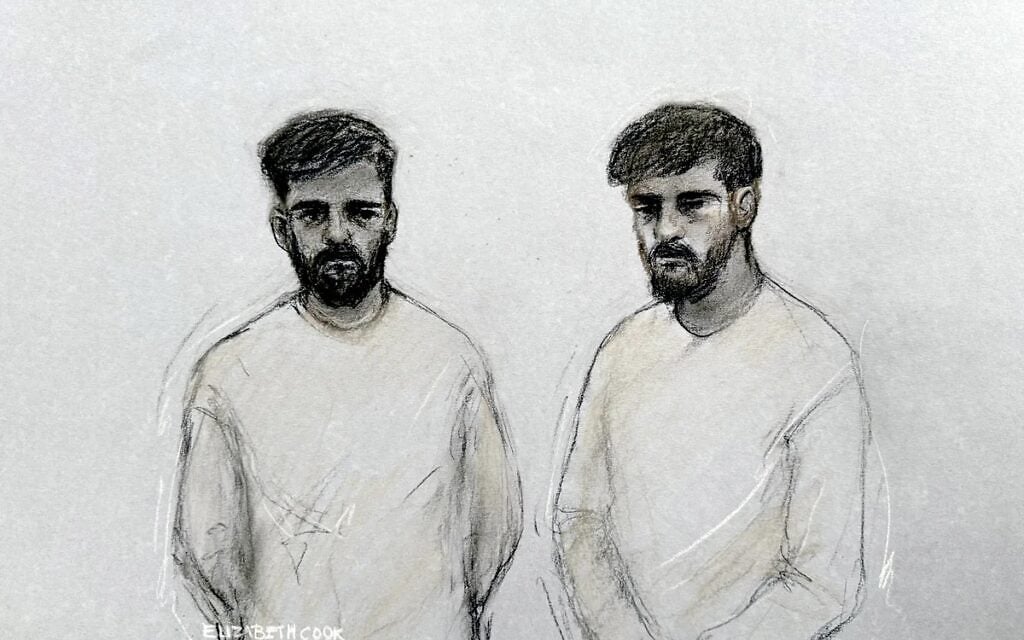
Rahman Salehi, 34, and Salam Ahmadyan, 36, appear at London court where their lawyers say they plan to plead not guilty to charges of preparing acts of terrorism

 Login