❌

Reading view

Gulf states must rethink trillion-dollar defence in light of US-Iran war, says report

IISS study questions over-reliance on American support and ‘over-dependence on expensive, high-end systems’

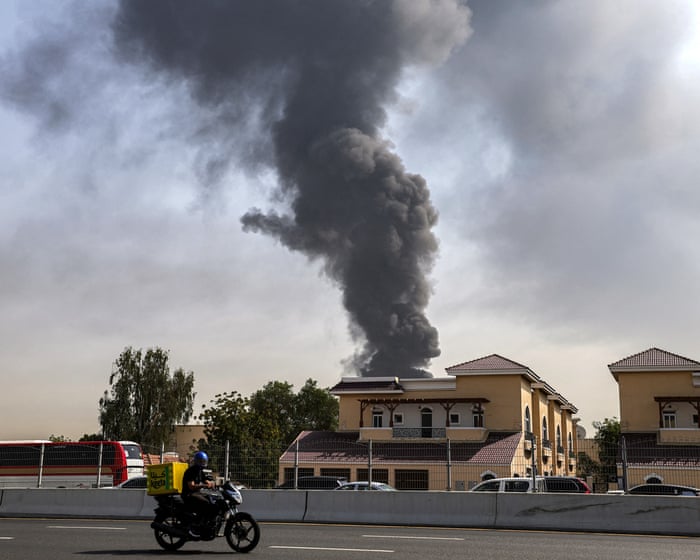
Gulf states are going to have to reconfigure their trillion-dollar defences given the damage inflicted on their economies and the questionable continued value of US bases in the face of Iranian attack, according to a study by the International Institute for Strategic Studies.

The report says that in the weeks before the 8 April ceasefire, 12 regional states, overwhelmingly in the Gulf, faced 4,670 Iranian one-way attack drones and more than 1,400 ballistic missiles. Nearly half were aimed at the United Arab Emirates. Although the vast majority were repelled, one estimate of the damage to energy infrastructure cited by the report is put as high as $58bn (£43bn).

Continue reading...

© Photograph: AFP/Getty Images

© Photograph: AFP/Getty Images

© Photograph: AFP/Getty Images

  •  

Sudanese diaspora and human rights groups denounce UAE nominee for UN top job

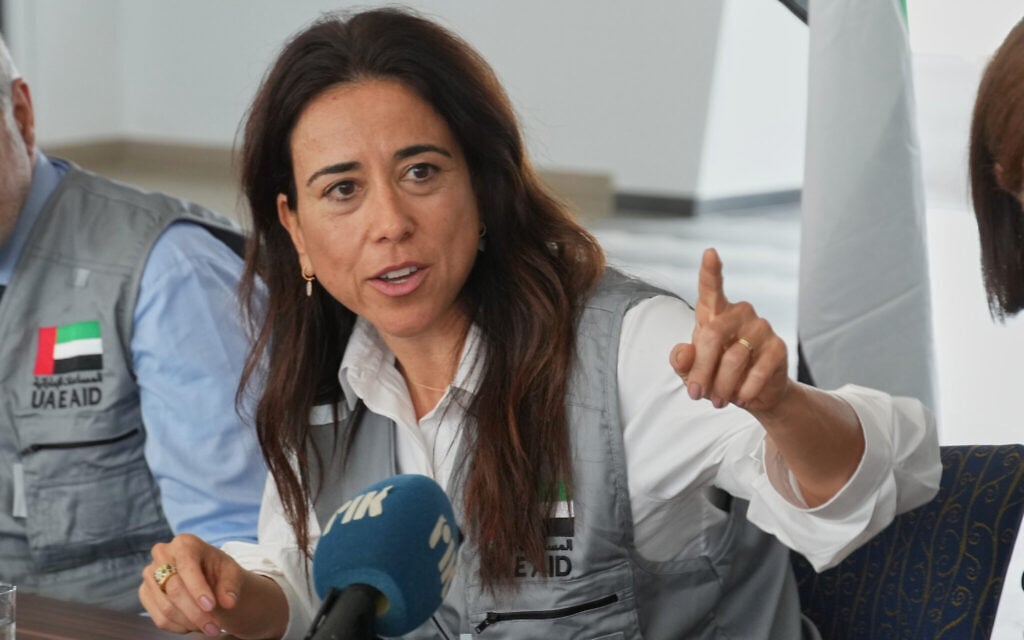
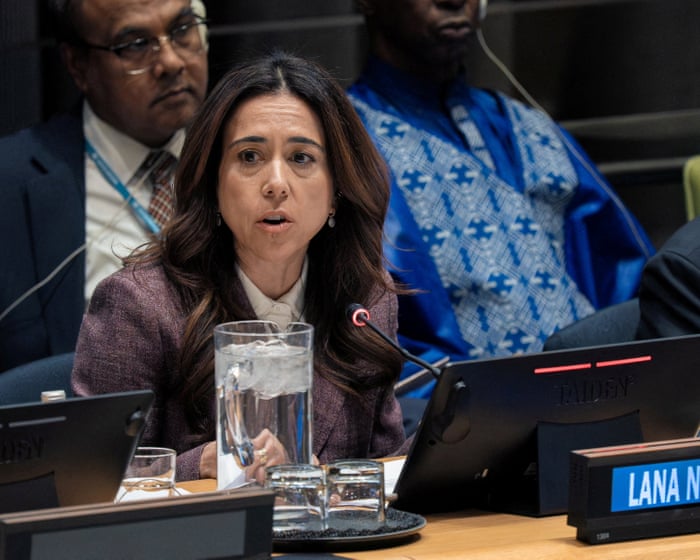
Critics cite Lana Nusseibeh’s denial of accusations the UAE is fuelling Sudan war by supporting paramilitary RSF

Members of the Sudanese diaspora and international human rights monitors have denounced the candidature of an Emirati diplomat for the top job at the UN, citing her denial of accusations that the United Arab Emirates is fuelling the war in Sudan by supporting the paramilitary Rapid Support Forces.

The UAE nominated Lana Nusseibeh last week to replace the UN secretary general, António Guterres, as he finishes his second five-year term ⁠this year, upending a race that had become gridlocked.

Continue reading...

© Photograph: David Dee Delgado/Reuters

© Photograph: David Dee Delgado/Reuters

© Photograph: David Dee Delgado/Reuters

  •  

Ankara tells Washington it’s ready to help revive Ukraine-Russia talks—but names no date or venue

Ukrainian (left) and Russian (right) delegations during the talks in Istanbul, Turkey on 29 March 2022.

Turkish President Recep Tayyip Erdoğan told US President Donald Trump by phone on 28 October that Türkiye is ready to support efforts to revive Ukraine-Russia diplomacy and end the war that way, the Turkish presidency’s Directorate of Communications said. The same day, a White House official said the US will join the next round of talks with Kyiv and Moscow.

Talks between Ukraine, Russia, and the US have been stalled since winter, and the fight now is over timing. On 27 October, Zelenskyy said Kyiv wants that round before a Putin-Trump-Xi summit, which would leave Ukraine out of the room. Putin proposed that summit, The Wall Street Journal reported. Ankara’s statement names neither track, but Ukraine sits at the table only in the first.

Ankara offers support, but no date or venue

The statement named no date or Turkish venue. In July, Foreign Minister Hakan Fidan said in Kyiv that the Türkiye-mediated Istanbul talks should continue in the same format. Türkiye hosted Russia-Ukraine talks in 2022 and 2025. The 2 June 2025 round in Istanbul ended with a prisoner swap deal but no ceasefire. In March, Zelenskyy named Türkiye among possible venues.

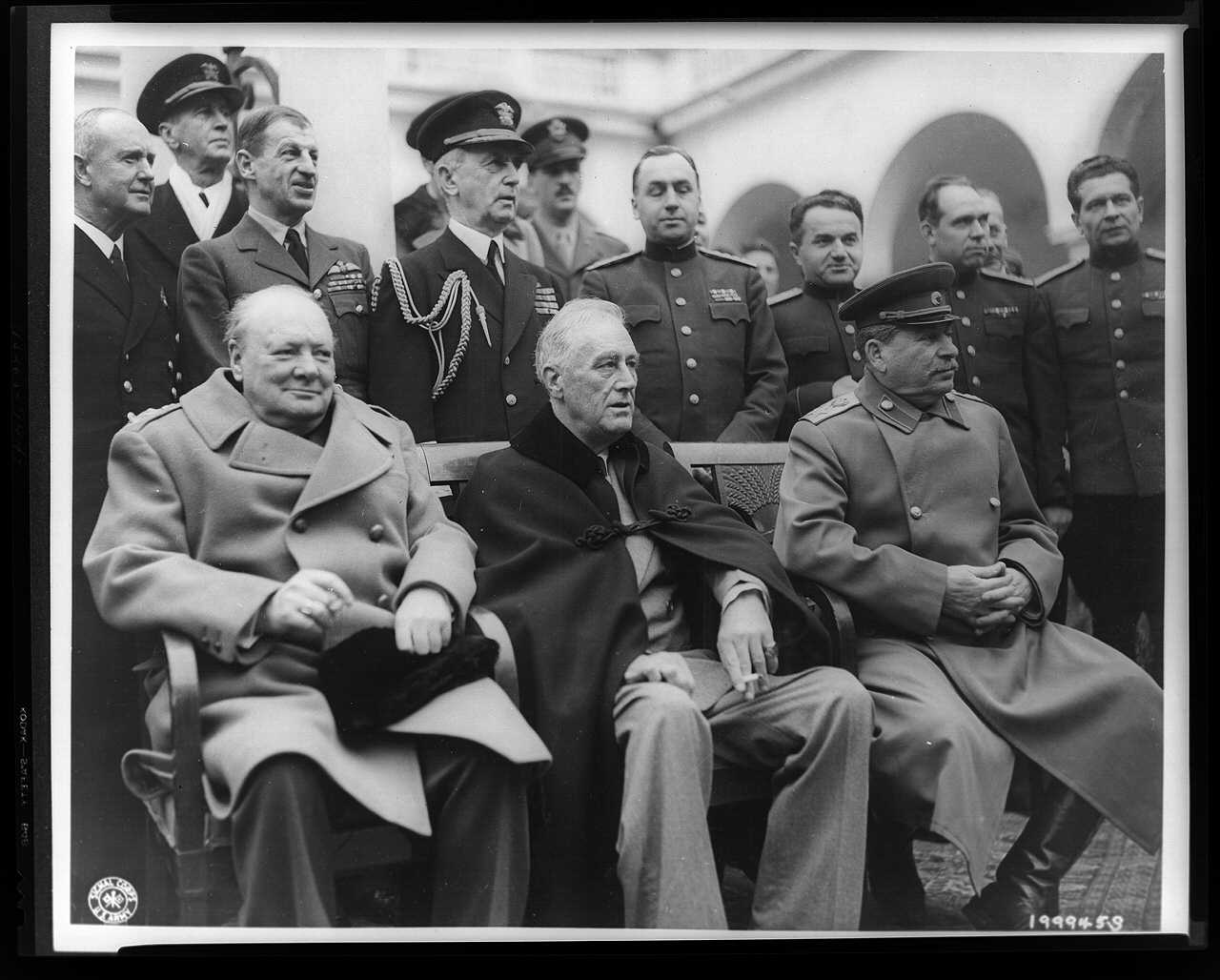
The Crimean Conference: Prime Minister Winston Churchill, President Franklin D. Roosevelt, and Marshal Joseph Stalin at the palace in Yalta, February 1945 (Image: U.S. Signal Corps, from collection of the Library of Congress)
Explore further

“I really don’t want this to be Yalta 2, 3, 4”: Zelenskyy fears Trump-Xi-Putin meeting could redivide world, with Ukraine on agenda

Everyone says soon, but no date is set

On 28 October, Russian Deputy Foreign Minister Sergei Ryabkov claimed it was premature to talk about Abu Dhabi: a contact was expected soon and Abu Dhabi had been mentioned as a venue, but Russia was still preparing. Kremlin aide Yuri Ushakov claimed the talks would come after 4 November, with the date depending in part on the battlefield. On 27 October, Ukrainian presidential adviser Dmytro Lytvyn told journalists it was too early for announcements. A day later, Zelenskyy told The Sun that the round could come as soon as 10 November.

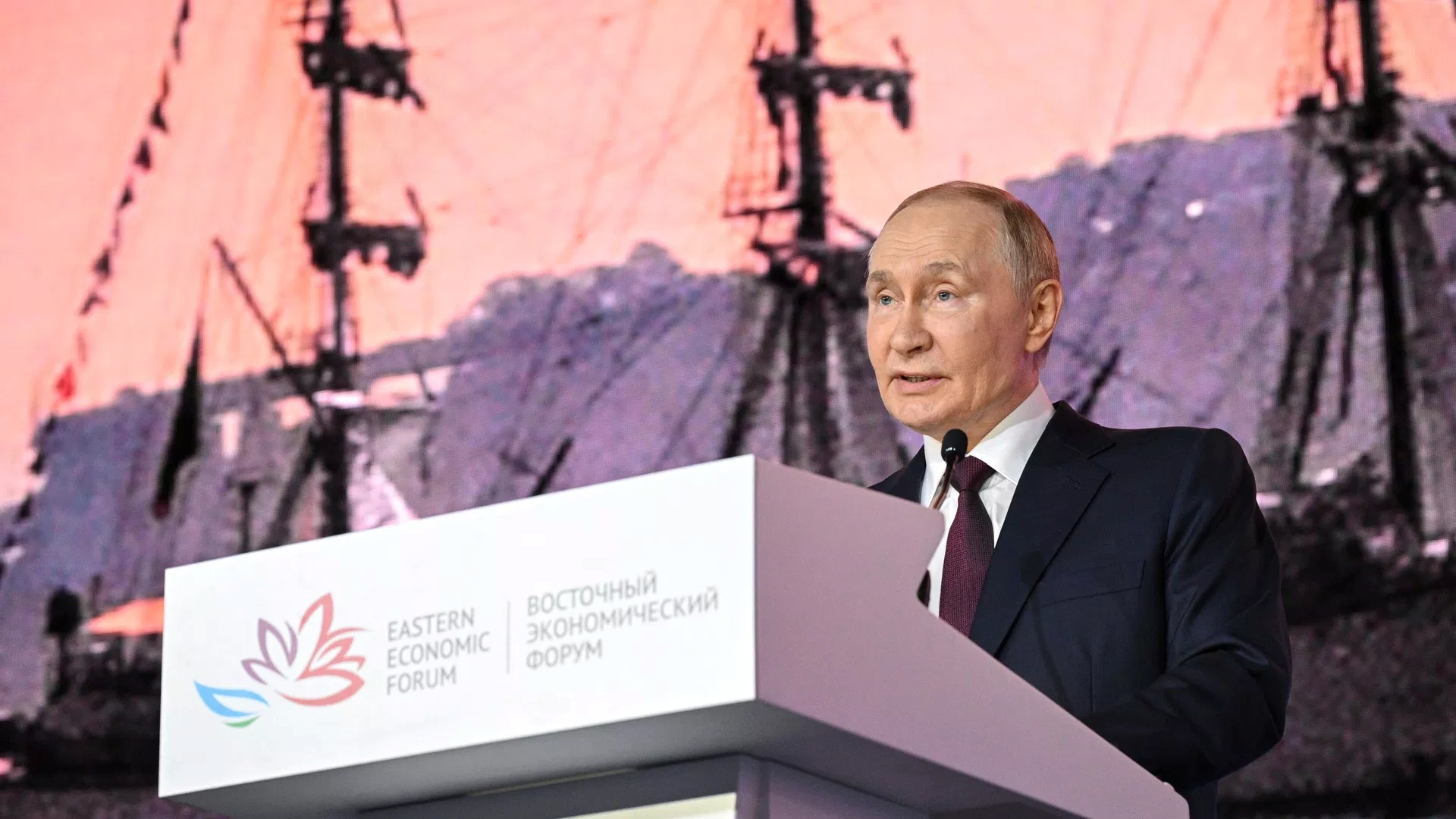
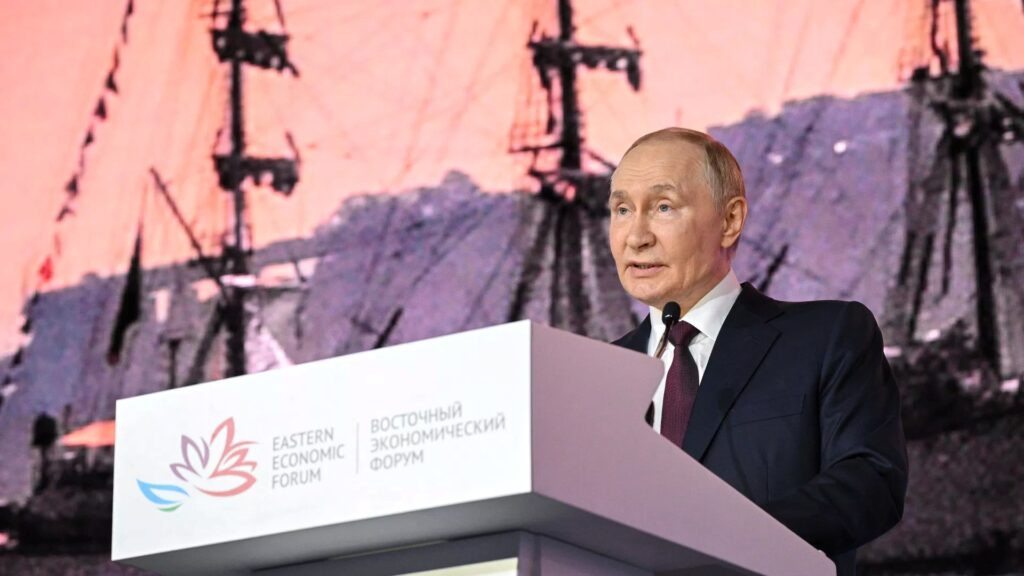
putin at the eastern economic forum in vladivostok on 5 september 2025
Explore further

Putin claims Russia is ready for new talks with Ukraine, calls occupied land historical Russia

The White House official told Türkiye Today that the US “looks forward to participating in the next round of trilateral talks, which will take place soon.” The outlet’s question on whether Istanbul was considered had gone unanswered by publication.

Trump told reporters on 28 October that a meeting with Putin and Zelenskyy would be set up soon. The Kremlin keeps its condition. Ushakov claimed on 27 October that such a contact makes the most sense after the negotiation process ends, and repeated that Zelenskyy should come to Moscow.

Another mediator does not decide which meeting comes first. Kyiv and Moscow have both confirmed Abu Dhabi, Zelenskyy said, so it now depends on the US side. Earlier this month, Trump said he waived new sanctions on Russia so as not to drive Moscow from the talks.

  •  

Book Review: ‘Princes and Thieves,’ by Matthew Cole

The new book by the reporter Matthew Cole connects $2 billion in slush funds from gulf state leaders to Trump’s son-in-law in an effort to influence U.S. policy.

© From left: Maxim Shipenkov/Pool via Reuters; Kylie Cooper/Reuters

The U.A.E. president Mohammed bin Zayed and President Trump’s son-in-law Jared Kushner, in 2026.
  •  

Putin claims Russia is ready for new talks with Ukraine, calls occupied land historical Russia

putin at the eastern economic forum in vladivostok on 5 september 2025

Russia is ready to resume three-way talks with Ukraine and the US, Russian President Vladimir Putin claimed in an interview with Pavel Zarubin of state broadcaster VGTRK, published on 22 October. He said they should settle security for both countries after a final peace deal, not a brief pause.

Putin spoke a day after he hosted US envoy Steve Witkoff in St. Petersburg and Ukrainian President Volodymyr Zelenskyy said he would accept freezing the war along the front line. In May, Kremlin spokesman Dmitry Peskov named Ukraine’s withdrawal from Donbas and Zaporizhzhia and Kherson oblasts as the only condition for peace. Any new round would start from that gap: Kyiv offers to stop where the armies stand, while Moscow’s last stated terms demanded more land.

Talks in November

Putin stated that Moscow and Washington had agreed Russia was ready to resume trilateral contacts. He added that he generally agreed with a US point that European security architecture should also be discussed.

On 21 October, Kremlin aide Yuri Ushakov stated that the sides had settled on mid-November, with Abu Dhabi as the likely venue.

"Historical Russia"

In a 21 October Fox News interview, asked about a freeze leaving Ukraine 75% or more of its land, Zelenskyy answered: “Yes, right now, we have to freeze.”

musk tells ukraine’s president go zelenskyy says won’t resign never accept ukrainian land russian · post volodymyr during interview piers morgan recorded visit britain 14 2026 video uncensored / ukraine
Explore further

Trump cannot get Putin to halt strikes on Ukraine’s power grid, so he blames Ukraine instead, Zelenskyy says

Asked about the land Ukraine would give up, Putin replied that the occupied regions were not Ukraine’s but "historical Russia." He claimed their residents had voted for independence and then to join Russia, and called any talk of territorial losses inappropriate.

Putin linked Russia’s readiness to negotiate to Ukrainians being a people very close to Russians. He claimed the latest genetic studies show they are one people. Independent outlet Meduza noted it is unclear which studies he meant. Putin’s 12 July 2021 essay on the historical unity of Russians and Ukrainians made the same case, which Ukraine’s national memory institute rebutted.

He closed that answer by asserting Russia would achieve all the goals of what the Kremlin calls its special military operation. He made a similar vow on 17 December 2025.

  •  

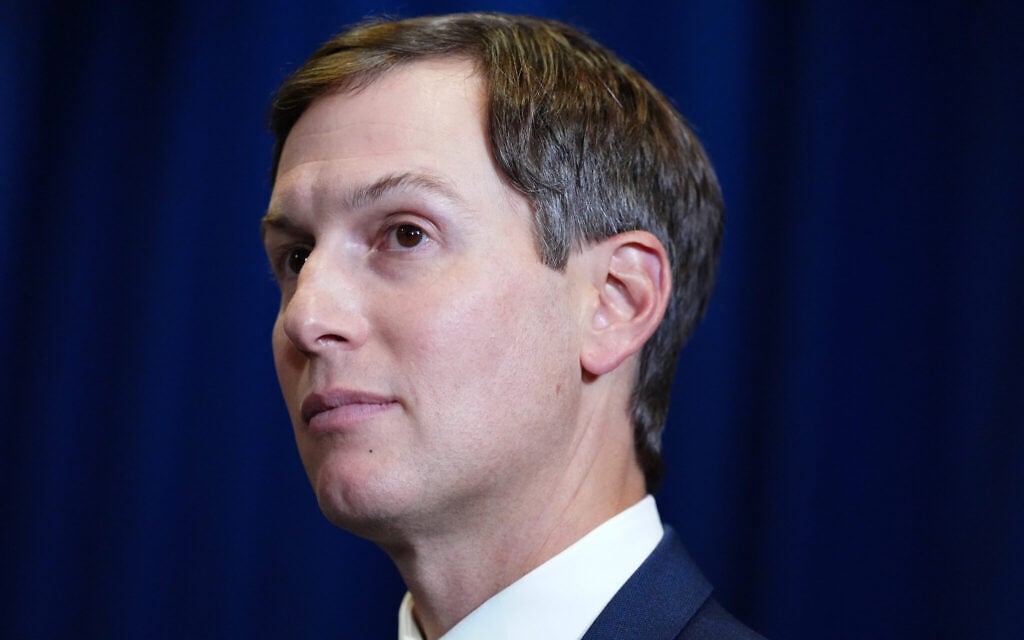
Kushner had secret fund with billions from UAE, Saudis; PM helped – report: Kushner: Outrageous fabrications

New book claims Gulf leaders poured money into undisclosed bank accounts, including one in Bank of Israel that PM oversaw; actions would seem to be illegal on several fronts
  •  

Europe’s Gulf Gamble: Is Brussels Sacrificing Human Rights for Energy, Trade and Political Influence?

As the European Parliament prepares to welcome representatives from six Gulf monarchies, uncomfortable questions are emerging about the moral foundations of Europe’s foreign policy. Can Brussels credibly champion democracy and human rights while deepening relations with governments accused of suppressing dissent, restricting fundamental freedoms and exploiting migrant workers?

The European Union has long presented itself as a global defender of democracy, human rights and the rule of law. Yet its growing enthusiasm for closer relations with the Gulf monarchies raises an increasingly uncomfortable question: how much are those principles worth when substantial economic and strategic interests are at stake?

On October 16th, the European Parliament will host senior parliamentary representatives from the six members of the Gulf Cooperation Council (GCC): Saudi Arabia, the United Arab Emirates, Qatar, Kuwait, Bahrain and Oman.

The conference, chaired by European Parliament President Roberta Metsola, will address parliamentary cooperation, maritime security and the geopolitical consequences of Russia’s war against Ukraine.

On paper, the initiative represents an entirely reasonable diplomatic exercise. Europe needs reliable energy supplies, secure international shipping routes and constructive relations with influential Middle Eastern governments.

But there is another side to this developing partnership, one that Brussels cannot simply dismiss as an inconvenient complication.

Several Gulf governments maintain political systems in which meaningful democratic opposition is severely restricted, freedom of expression is curtailed and individuals can face imprisonment for challenging those in power.

The question is not whether Europe should maintain diplomatic relations with such countries. It plainly must.

The question is whether those relations should be celebrated as strategic partnerships without demanding meaningful improvements in the treatment of their own citizens.

The uncomfortable reality behind Gulf prosperity

Saudi Arabia’s international image has undergone a remarkable transformation in recent years.

Under Crown Prince Mohammed bin Salman, the kingdom has promoted ambitious economic reforms, tourism projects and international sporting events designed to present a modernising society. Yet this carefully cultivated image sits uneasily alongside its human rights record.

Amnesty International and Human Rights Watch have repeatedly documented concerns over executions, restrictions on political dissent, arbitrary detention and the treatment of women’s rights activists.

The murder of journalist Jamal Khashoggi in Istanbul in 2018 remains an enduring symbol of the dangers faced by critics of the Saudi leadership. A 2021 US intelligence assessment concluded that the Crown Prince had approved an operation to capture or kill Khashoggi, an assessment rejected by Saudi Arabia.

Qatar, meanwhile, has attracted sustained criticism over the treatment of migrant workers, particularly during preparations for the 2022 FIFA World Cup. Although labour reforms were introduced, human rights organisations continue to question their implementation and the effectiveness of protections against exploitation.

The UAE, despite its reputation for modernity and commercial sophistication, has similarly faced criticism over restrictions on political expression, detention of dissidents and the absence of meaningful electoral democracy at national level.

Bahrain has been criticised for imprisoning opposition figures and restricting political freedoms, while concerns about migrant labour protections and freedom of expression extend across other Gulf states, albeit with important differences in their individual records.

These are not minor administrative shortcomings. They concern fundamental rights that the European Union claims to regard as universal and non-negotiable.

When strategic interests outweigh principles

There is an unmistakable contradiction in Europe’s approach. The European Parliament routinely condemns authoritarian practices in Russia, Belarus and other countries where political freedoms are suppressed. It demands accountability, democratic reform and respect for international law.

Yet when dealing with wealthy Gulf monarchies, the language often becomes considerably more accommodating. Economic opportunity, investment, energy security and regional stability suddenly dominate the conversation.

Such selective emphasis risks creating the impression that Europe’s commitment to human rights is determined less by universal principle than by the commercial and geopolitical importance of the country concerned.

That is a dangerous perception for an institution whose international credibility depends heavily upon its moral authority.

If the imprisonment of political opponents is unacceptable in Moscow or Minsk, why should comparable abuses become less objectionable when committed by governments possessing substantial sovereign wealth funds or strategically important energy reserves?

Europe cannot reasonably demand consistency from others while appearing unwilling to apply it to itself.

The strategic argument remains compelling

None of this diminishes the genuine importance of cooperation with the Gulf. The Strait of Hormuz and the Red Sea are essential maritime corridors connecting Europe with global energy suppliers and Asian markets. Threats to commercial shipping, regional instability and the activities of Iran-aligned armed groups present legitimate security concerns.

Russia’s invasion of Ukraine has also demonstrated the dangers of excessive dependence upon unreliable external partners. Diversifying energy relationships is therefore a sensible strategic objective.

Moreover, Gulf governments possess considerable diplomatic influence, including relationships with states and political actors that European governments may struggle to engage directly.

But strategic necessity does not automatically confer moral legitimacy.

Indeed, Europe’s previous dependence upon Russian energy offers a particularly sobering lesson. For years, European governments convinced themselves that extensive commercial engagement with Moscow would encourage moderation and political stability.

Instead, economic interdependence failed to prevent Russian aggression, leaving Europe exposed when that relationship collapsed. It would be reckless to assume that expanding commercial relations with authoritarian governments necessarily produces political liberalisation.

What does parliamentary cooperation actually mean?

The proposed conference also raises questions about the meaning of parliamentary dialogue.

The European Parliament is a directly elected institution, accountable to hundreds of millions of citizens through competitive democratic elections.

The political institutions of the Gulf states operate under markedly different arrangements, with varying degrees of appointed representation, limited electoral participation and executive authority concentrated within ruling families.

Describing these relationships simply as parliamentary cooperation risks obscuring fundamental differences in democratic legitimacy.

Dialogue can undoubtedly serve a useful purpose. But it should not be allowed to imply an equivalence between representative democratic institutions and political structures in which citizens have far fewer opportunities to challenge those governing them.

Nor should participation in prestigious European institutional events become an exercise in international reputation management for governments facing serious human rights allegations.

A test of Europe’s credibility

The European Parliament has an opportunity to demonstrate that closer cooperation need not mean abandoning its principles.

It could insist that human rights form a substantive part of future engagement, including scrutiny of political imprisonment, freedom of expression, judicial independence and migrant worker protections.

It could also establish mechanisms for monitoring progress rather than relying upon diplomatic assurances.

Such measures would not necessarily undermine economic cooperation. They would establish that the relationship carries responsibilities as well as benefits.

Ultimately, the issue is not whether Europe should talk to the Gulf monarchies, but whether it possesses the political courage to challenge them.

A European Union that condemns authoritarianism in one part of the world while accommodating it elsewhere risks reducing its professed values to little more than diplomatic convenience.

Europe may need the Gulf’s energy, investment and strategic influence, but it should not have to surrender its conscience to obtain them.

And if Brussels cannot reconcile its commercial ambitions with its democratic principles, it must confront a deeply uncomfortable possibility: that Europe’s foreign policy is increasingly being guided not by the values it proclaims, but by the wealth and influence of those sitting across the negotiating table.

  •  

US-China race is on for the Gulf’s AI future

China’s artificial intelligence and digital-infrastructure investments in the Gulf Arab states are increasingly colliding with a far larger and more strategically privileged American technology presence, particularly in Saudi Arabia and the United Arab Emirates (UAE). While Beijing offers Gulf governments cloud platforms, 5G networks, smart-city systems, surveillance technologies and lower-cost digital infrastructure, Washington offers the […]

The post US-China race is on for the Gulf’s AI future appeared first on Asia Times.

  •  

The UAE’s €40 billion bet on Germany is about more than capital

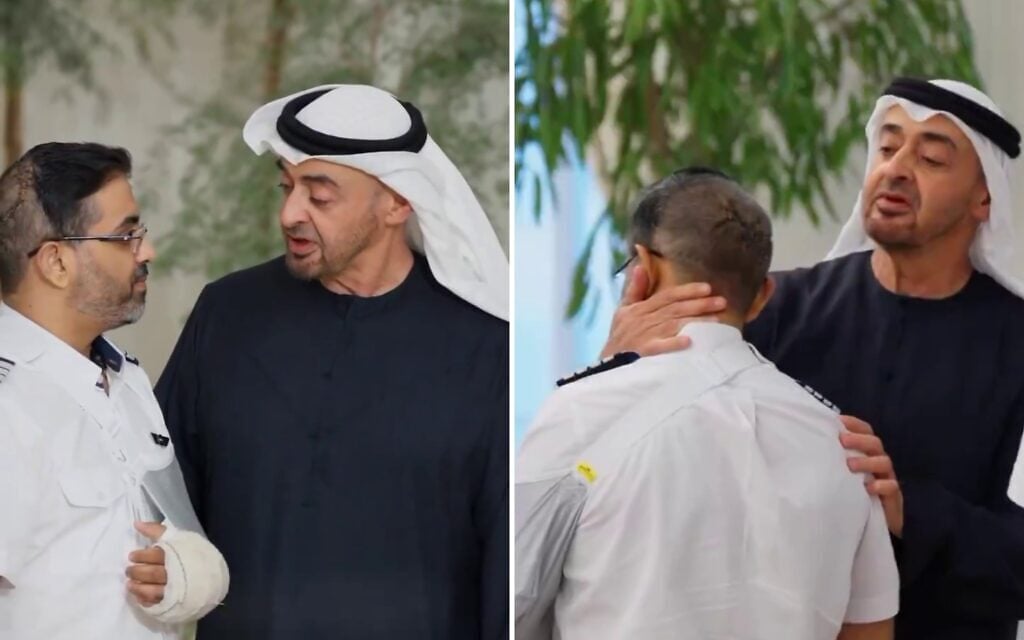
A major new investment commitment announced during President Sheikh Mohamed bin Zayed Al Nahyan’s (pictured) state visit to Berlin signals a deeper economic relationship between two countries looking for reliable partners in an increasingly uncertain world.

The United Arab Emirates has announced plans to invest an additional €40 billion in Germany, one of the most substantial signals yet that the economic relationship between Europe’s largest industrial economy and the Gulf state is entering a new phase.

The commitment, announced during President Sheikh Mohamed bin Zayed Al Nahyan’s state visit to Germany, will target sectors including industry, advanced technology, artificial intelligence, digital infrastructure and energy. Of the total, €10 billion is set to be invested in the German state of Bavaria.

The headline figure is striking. But its significance goes well beyond the amount involved.

The UAE has already invested around €34 billion in Germany. The new commitment therefore represents not simply another large capital allocation, but an attempt to deepen a relationship increasingly built around the industries and technologies that both countries see as central to their future competitiveness.

As Dr Sultan Ahmed Al Jaber, UAE Minister of Industry and Advanced Technology and Envoy of the Minister of Foreign Affairs to Germany, put it: “The UAE invests for the long term and builds partnerships that endure.”

For Germany, the fresh injection of long-term capital arrives at an important moment.

The country has formidable strengths in engineering, manufacturing, chemicals, industrial technology and applied research. Yet maintaining that industrial position is becoming ever-more expensive. Artificial intelligence, digital infrastructure, advanced manufacturing, energy systems and industrial decarbonisation all require substantial investment at a time when German companies are also confronting higher costs, geopolitical uncertainty and growing international competition.

The UAE brings a different set of strengths: investment capacity, energy expertise, digital infrastructure and commercial connections across the Gulf, Asia and Africa. The logic of the partnership is therefore not simply that one country has money while the other needs investment. It is that their economic capabilities are increasingly complementary.

This synergy is reflected in the sectors identified for the new commitment. Rather than focusing narrowly on established assets, the investment is intended to support areas expected to shape industrial competitiveness over the coming decades.

Al Jaber said the intention was to support “the industries, technologies and skilled jobs that will drive future growth and competitiveness”, while strengthening energy security and supply chains and helping German companies continue to grow internationally.

That last point matters because the relationship works in both directions.

Germany gives Emirati investors access to one of the world’s deepest industrial and technological ecosystems. German companies, meanwhile, increasingly see the UAE not simply as a domestic market but as a platform from which to reach faster-growing economies across the Middle East, Africa and Asia.

The two countries’ economic relationship has already strengthened significantly in recent years, with a number of notable examples of cooperation. Emirati investment has reached sectors including chemicals and offshore wind, while leading German companies have become increasingly embedded in the UAE economy, with bilateral trade worth more than €13 billion last year, an increase of 15% compared to the previous year.

The new €40 billion investment marks a significant new phase of this deepening relationship, and the timing of the announcement also gives it a wider geopolitical significance.

German President Frank-Walter Steinmeier captured the mood during the state visit when he observed that “the world has become a more turbulent place; old certainties are crumbling.” Against that backdrop, he argued that reliable and rational partners mattered more than ever, telling Sheikh Mohamed: “Germany is that kind of partner for you; you are that kind of partner for us.”

Those comments go to the heart of why Germany and the UAE’s economic relationship now matters far beyond the balance sheet.

Russia’s invasion of Ukraine exposed the risks created by concentrated energy dependencies for Germany and countless other countries in Europe and around the world. Conflict in the Middle East has again demonstrated the vulnerability of trade routes, energy markets and supply chains. Global competition over AI and other critical technologies has made industrial capacity a highly strategic question as well as an economic one.

Both Germany and the UAE have reasons to diversify their partnerships in response.

Germany needs capital, energy relationships, technology partnerships and access to growing markets. The UAE is seeking to diversify an economy historically built around hydrocarbons while deepening its position in advanced technology, industry and global investment.

The €40 billion investment is a powerful statement of intent and a reaffirmation of a long-standing partnership between the two countries that could transform their industrial and technological strategies for years to come.

  •  
❌