❌

Reading view

The US should strongly advocate for political prisoner releases, global freedom

While celebrating recent political prisoner releases, author Nicole Bibbins Sedaca argues that the United States must use sanctions and diplomatic pressure to challenge the systemic use of imprisonment by autocratic regimes.

  •  

Líderes de China y Alemania abogan por fortalecer nexos estratégicos

Beijing, 30 oct (Prensa Latina) El presidente chino, Xi Jinping, y su homólogo germano, Frank-Walter Steinmeier, abogaron hoy aquí por fortalecer la cooperación bilateral y contribuir a la estabilidad económica mundial y al desarrollo de las relaciones Beijing-Unión Europea (UE).

The post Líderes de China y Alemania abogan por fortalecer nexos estratégicos first appeared on Noticias Prensa Latina.

  •  

La ‘proteína de Borges’ muestra cómo aliviar las pérdidas de memoria con la edad

Mapa del cerebro de una mosca de la fruta.

Nuestro cerebro alcanza su máximo de capacidad antes de los 30 años. Después, algunas de sus capacidades empiezan a menguar, eso sí, muy lentamente. La capacidad para recordar series de números, por ejemplo, es solo un poco peor en personas sanas de 60 años que en jóvenes veinteañeros. Se sabe mucho más sobre la creación y mantenimiento de recuerdos que de la pérdida de estos. Normalmente, se achaca a que el cerebro encoge con la edad y va perdiendo conexiones entre neuronas, pero aún es una gran incógnita cómo y por qué perdemos la memoria con los años desde un punto de vista bioquímico, a nivel molecular.

Seguir leyendo

El bioquímico Rubén Hervás, en el centro, junto al resto de su equipo en la Universidad de Hong Kong, en China.
  •  

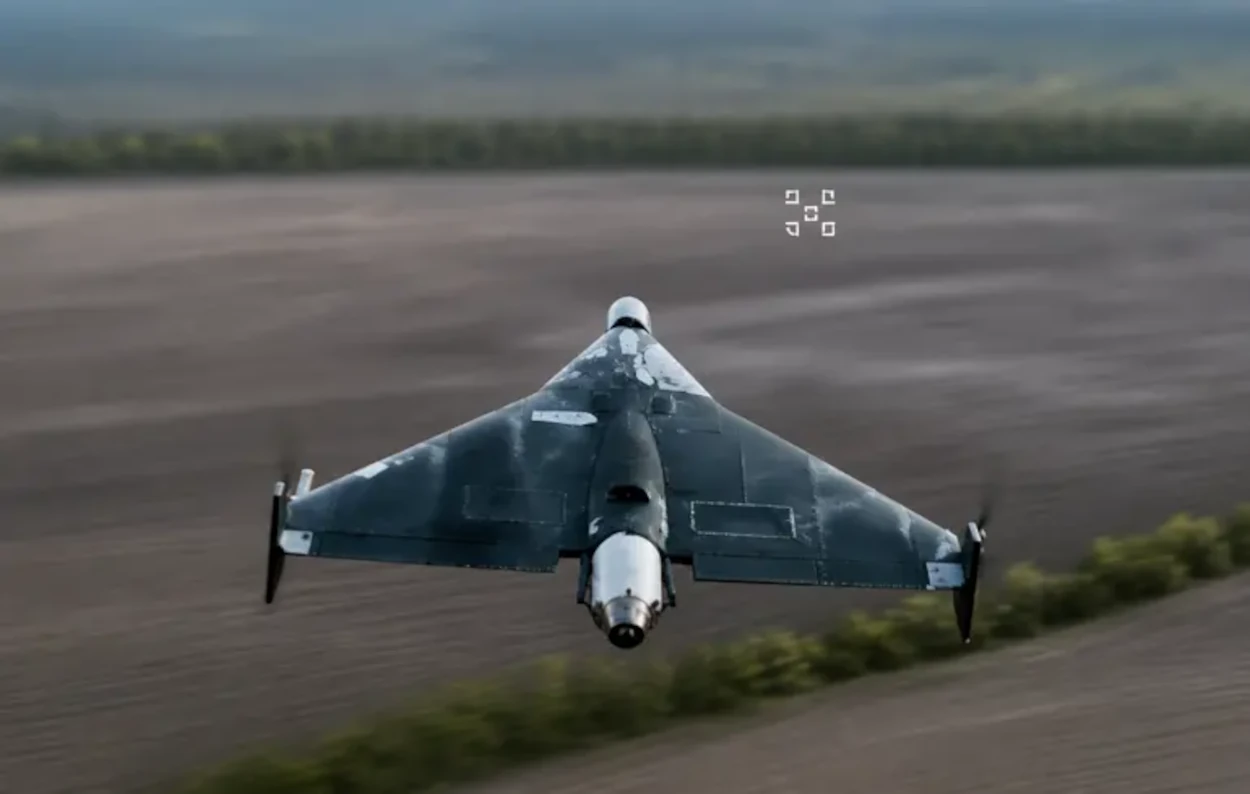
Russia’s Geran-5 has hit 1,000 km/h in maneuvers, and Chinese engineers help develop some technical solutions for Russia’s drones

Ukrainian specialists study electronics taken from Russian weapons

Russia’s Geran-5 jet drones have sped up to 1,000 km/h while maneuvering, Ukraine’s presidential adviser on defense technology Serhii “Flash” Beskrestnov said in Kyiv on 29 October. He added that Chinese engineers help develop Russia’s Geran drones.

When Russia moved to faster Geran versions, Ukrainian developers had to look for new ways to intercept them, Beskrestnov said, and Ukraine must learn to stay a step ahead. From 1 to 26 September, air defenses downed only 55% of Russia’s jet-powered drones. On 29 October, one such drone hit Dnipro’s railway station, and the death toll has since risen to 15. Over the past three months, air defenses downed nearly 60% of the jet-powered Geran-4, the General Staff said on 27 October, noting a shortage of guided anti-aircraft missiles. That update gave no Geran-5 figure.

A peak well above cruise speed

That peak, about 620 mph, came during maneuvers. Ukraine’s military intelligence (HUR) puts the Geran-5’s cruise speed at 450–600 km/h. By Beskrestnov’s count, the earlier Geran-3 flew at 280–300 km/h.

money engineering what stands between ukraine russia's fastest drones zelenskyy says · post russia’s new “geran-4 seeker” shahed variant geran-4 news ukrainian reports
Explore further

Ukraine intercepts nearly 60% of Russia’s Geran-4 jet drones, General Staff says, as Kyiv races to counter evolving threat

Russia’s best engineers work against Ukraine, and China’s do too, Beskrestnov told journalists. Russia’s Alabuga drone plant sets Chinese engineers tasks such as work on the control module, he said. Key components inside Russia’s Shahed-type drones are Chinese, he said. Meanwhile, China will require licenses for Geran engines from 18 November, Ukraine’s sanctions commissioner Vladyslav Vlasiuk said. Licensing is not a ban, he stressed.

Speed is the easy part

Some interceptors are being designed to match the Geran-5’s cruise speed. US firm CHAOS Industries claims a top speed of 540 km/h for its Vespid Mk 1 interceptor. On 14 October, Ukrainian defense outlet Defense Express judged that may be enough against the Geran-5’s 450–600 km/h cruise speed.

Ukrainian defense technology adviser Serhii “Flash” Beskrestnov works near the front line monitoring Russian drone signals. Photo: Serhii “Flash” Beskrestnov
Explore further

Russia equips Geran attack drones with image-based navigation using Google map imagery, reducing reliance on satellite navigation that Ukraine can jam, defense adviser warns

Ukrainian manufacturers have already shown jet-powered interceptor drones, Beskrestnov said. But they have run into problems with control, guidance, automatic target lock, and scaling up production. A model that flies fast is only one part of the job, he said, and an easy-to-use serial product is a different question entirely.

  •  

China slates latest US proposal targeting operators

The US Federal Communications Commission (FCC) floated new rules to bar telecoms providers on a list of entities deemed national security threats from directly accessing US phone numbers for VoIP calls, a move slammed by Chinese authorities as unreasonable suppression of its enterprises.

Should the rules be approved at an FCC meeting in November and subsequently introduced, the curbs are intended to block access to the numbers from companies on its Covered List. This includes divisions of China Mobile, China Unicom and China Telecom, alongside numerous vendors.

The proposal is part of an ambition by the agency to cut so-called illegal robocalls in the US and is being promoted by the authority as a national security measure.

In comments published by Chinese state news agency Xinhua today (30 October), the country’s foreign ministry representative Guo Jiakun slammed what was described as unreasonable suppression of the country’s enterprises.

He reportedly said the US had “overstretched the concept of national security and abused state power to unreasonably suppress Chinese companies”.

Guo argued such moves seriously impede normal economic and trade exchanges and “do not serve the interests of any party, including US companies and consumers”.

China plans to take measures to safeguard “legitimate rights and interests”, Guo said.

Defensive
FCC chair Brendan Carr unveiled the move on 28 October, saying it would strengthen the nation’s robocall defences.

The plan would require companies to obtain national security-focused certifications to access private numbers, with changes set to be made to US VoIP numbering authorisation rules.

“We are going to enhance the vetting process that all providers must go through before they obtain access to telephone numbers,” Carr said.

“This will make it substantially more difficult for bad actors to operate in our networks. This step is part of our broader effort to look at every portion of the lifecycle of a call and make it more difficult for illegal robocalls to get through.”

The proposal is the latest FCC move targeting enterprises on the Covered List, which is largely made-up of companies from China.

Companies in the crosshairs and authorities in China have repeatedly slated such measures.

The post China slates latest US proposal targeting operators appeared first on Mobile World Live.

  •  

La amistad de Jensen Huang, jefe de Nvidia, con una presunta agente china dispara las alarmas sobre el espionaje en el mundo de la IA

Una empresa de Singapur de centros de datos, Megaspeed, compra chips a Nvidia, la empresa más valiosa del mundo gracias a sus sofisticados dispositivos que impulsan el boom actual de IA. El Gobierno de EE UU sospechaba desde 2024 que Megaspeed revendía esos chips a Alibaba y otras empresas chinas de manera irregular. Porque desde 2022 Washington restringe la exportación de los modelos más potentes a China.

Seguir leyendo

Alice Huang y Jensen Huang (en el centro) en un bar de Taipei en 2024. Imagen extraída del LinkedIn de la empresa NetThunder.
  •  

Beijing Queer film festival cancelled after harassment from authorities

Forums for discussion of feminist and LGBTQ+ views face growing intolerance from Chinese state, say experts

Beijing’s annual independent queer film festival has been cancelled after what is understood to have been a campaign of sustained harassment from authorities.

Beijing Queer film festival, which was due to begin on Friday in China’s capital, is one of the country’s oldest independent film festivals.

Continue reading...

© Photograph: Ng Han Guan/AP

© Photograph: Ng Han Guan/AP

© Photograph: Ng Han Guan/AP

  •  
❌