❌

Reading view

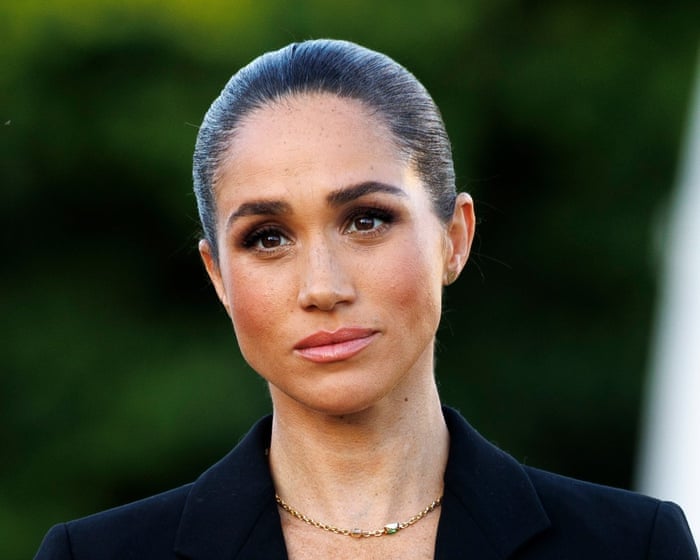
Police watchdog to investigate Met’s handling of Meghan warning letter

IOPC launches independent investigation after referral by Scotland Yard over 2019 letter about Thomas Markle

Scotland Yard faces an independent investigation into its failure in 2019 to pass claims alleging wrongdoing by Thomas Markle, the father of the Duchess of Sussex, to law enforcement agencies overseas.

The force had referred itself to the Independent Office for Police Conduct (IOPC) over its handling of a letter written by Markle’s former wife, Roslyn Loveless. Markle, 82, is now facing claims of child sexual abuse in the Philippines, which he denies, and is under investigation by authorities there.

Continue reading...

© Photograph: Cyril Zingaro/KEYSTONE/AP

© Photograph: Cyril Zingaro/KEYSTONE/AP

© Photograph: Cyril Zingaro/KEYSTONE/AP

  •  

Poland holds a suspect for stabbing two Ukrainians for their nationality, the latest case in a year of rising hate crimes against them

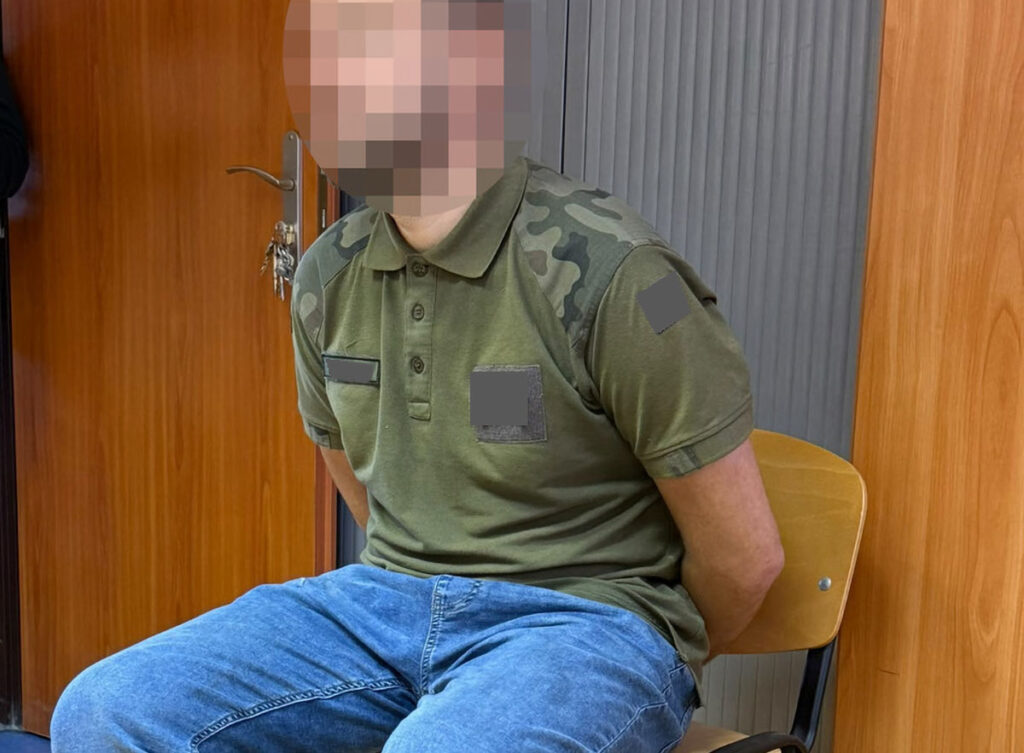
The 30-year-old suspected of stabbing two Ukrainians on a Warsaw bus, after his detention, October 2026

Warsaw police have arrested a man suspected of stabbing two Ukrainians on a bus over their nationality, police said. A court ordered him held in custody, and the charges he faces carry long prison terms.

Russia's full-scale war drove nearly a million Ukrainians to seek protection in Poland, and attacks on them for their nationality grew this year. Polish police received 180 reports of hate crimes against Ukrainians in the first half of 2026, over 30% more than a year earlier.

Police tracked the suspect to a forest

The attack took place on a Warsaw city bus in mid-October. The attacker stabbed and slashed two passengers, both Ukrainian citizens, and fled before police arrived. Both victims went to hospital with multiple stab and cut wounds. Police found that he attacked them because of their nationality.

Officers quickly identified the suspect but spent days locating him. The 30-year-old was hiding and living in a forest in Warsaw's northern Bielany district, where police detained him last weekend.

Old shed in a wooded area of Warsaw's Bielany district, from the police release on the arrest of the suspect in the bus knife attack on two Ukrainians, October 2026
Old shed in a wooded area of Warsaw's Bielany district, from the police release on the arrest of the suspect in the bus knife attack on two Ukrainians, October 2026. Photo: Warsaw Police

He faces three charges. Two concern the bus attack: attempting to cause grievous bodily harm, and causing injuries lasting more than seven days. The third covers threats against another man at a Warsaw venue in August 2024.

Police said he acted as a repeat offender, within five years of serving a prison term for a similar crime. The charges carry three to 20 years in prison. At prosecutors' request, a court ordered him held for three months.

This year's attacks on Ukrainians in Poland

In early August, Ukraine's ambassador to Poland, Vasyl Bodnar, said anti-Ukrainian remarks and attacks had risen by about 30%. Days later, people rallied in 22 Polish cities against violence toward Ukrainians and other minorities.

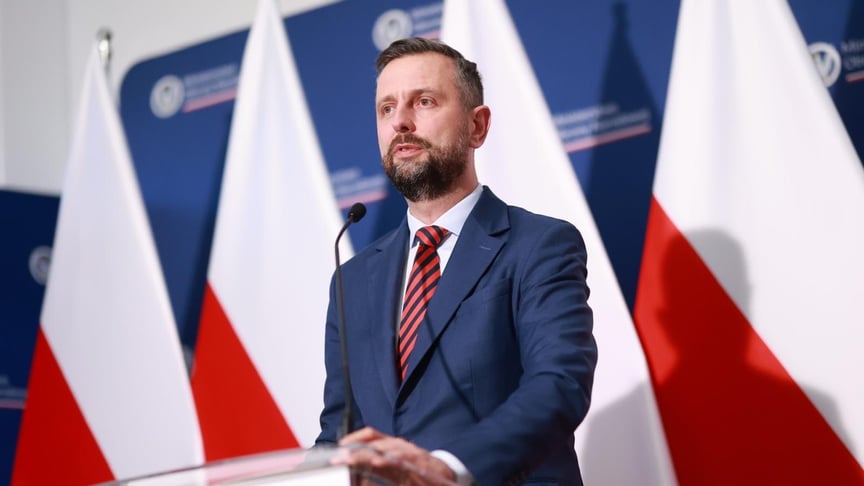
polish defense
Explore further

Poland paused a military aid package over Lviv’s vote honoring WWII nationalists, Ukrainian source says. Polish ministry denies it

Other recent cases this year include:

  • In late July, police in Wrocław detained two of three men suspected of beating a young Ukrainian couple.
  • On 14 August, a woman allegedly attacked a Ukrainian girl and her younger brother in a Bydgoszcz park after hearing them speak Ukrainian. Prosecutors charged her four days later.
  • In September, a man punched a 20-year-old Ukrainian tourist in the head at a crossing in central Warsaw, knocking him unconscious. Police detained the attacker, who gave no motive.

Tensions rose again in late September, when a Ukrainian man allegedly killed a priest in a knife attack at a monastery in Jarosław. Bodnar said some Polish politicians and journalists used it to argue for deporting Ukrainians.

Meanwhile, police in southwestern Poland detained a Russian citizen suspected of spying, after catching him photographing trains and railway infrastructure. Russia's suspected sabotage campaign keeps reaching Poland and the rest of Europe, and Ukraine's intelligence warned last week that Russia may stage sabotage in Eastern Europe and try to pin it on Kyiv.

  •  

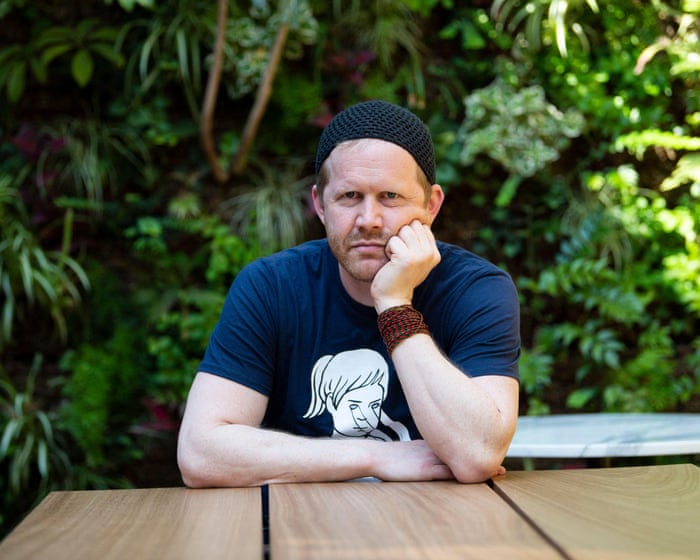
Andreas Malm condemns UK travel ban as ‘drift into authoritarianism’

Swedish climate academic says he has been ‘kept in the dark’ over Home Office decision to revoke his travel authorisation

The Swedish climate academic Andreas Malm has condemned a travel ban imposed on him by the UK government as a “drift into authoritarianism” amid criticism of the move.

Malm, the author of How to Blow Up a Pipeline, said he had been “kept in the dark” by the UK’s immigration authorities over the reasons for his electronic travel authorisation (ETA) being revoked.

Continue reading...

© Photograph: Album/Alamy

© Photograph: Album/Alamy

© Photograph: Album/Alamy

  •  

New York state police taking over Cornell sexual assault complaints

New York Gov. Kathy Hochul (D) announced Thursday that state police would take over sexual assault complaints at Cornell University after widespread outrage over the handling of Jane Doe’s gang rape allegations.  Typically, a sexual assault complaint would be investigated by campus police, but Hochul said she would do “everything in my power to make sure…

  •  

The Oleshky Paradox: How a Humanitarian Rescue Became a Political Gift to Putin and Trump

The evacuation of civilians from Russian-occupied Oleshky offers a rare humanitarian breakthrough in a war that has produced precious few. Yet behind the diplomatic congratulations and carefully managed publicity lies a striking contradiction: Moscow is receiving international recognition for helping rescue people whose suffering is inseparable from its own occupation. For Vladimir Putin, it is an opportunity to appear conciliatory without changing his military objectives. For Donald Trump, it is a diplomatic achievement conveniently timed ahead of the American congressional elections.

In Oleshky, the humanitarian convoys have finally arrived. So have the television cameras. After more than four years of Russian occupation, hunger and isolation, the surviving inhabitants of this devastated Ukrainian town have suddenly found themselves at the centre of international diplomacy.

Their predicament has acquired a political significance extending far beyond the immediate question of how to get food into Oleshky and its people out.

On Friday, 30 October, Kyrylo Budanov, head of Ukraine’s Presidential Office, confirmed that humanitarian assistance had reached the town and transport was ready for residents wishing to evacuate to Ukrainian-controlled territory.

Ukraine’s Human Rights Commissioner, Dmytro Lubinets, is coordinating the operation. Twenty-five buses, capable of transporting 750 passengers, together with ambulances for vulnerable residents, have been prepared.

The temporary ceasefire, which began on 27 October, is scheduled to expire on 1 November.

The number of evacuees remains uncertain. Ukraine’s prime minister withdrew an earlier estimate, explaining that the figures were changing and that premature disclosures could compromise the mission.

For civilians who have endured years of occupation, the operation offers something considerably more valuable than diplomatic recognition: a chance to survive.

For the governments involved, however, the calculations are rather different.

The concession that costs Putin remarkably little

The White House announced the agreement on 23 October, crediting Melania Trump with securing the humanitarian ceasefire.

It was an unusual intervention by an American First Lady, and one that Ukrainian officials have publicly welcomed.

But the limited scope of the arrangement deserves attention.

Moscow has agreed to suspend hostilities temporarily, permit humanitarian deliveries and facilitate civilian evacuations. It has not agreed to withdraw its forces, reconsider its territorial demands or substantially alter its conduct of the wider war.

The political return, meanwhile, could be considerable.

Russia can demonstrate cooperation with Washington. The Trump administration can point to a negotiated outcome. The First Lady receives international recognition for a humanitarian initiative.

All this comes just days before the American congressional elections on 3 November, offering the White House a visible diplomatic success without requiring the Kremlin to sacrifice anything strategically important.

Whether the operation will actually deliver Republican votes is another matter. There is no evidence that it will materially influence electoral preferences.

But the publicity value is unmistakable.

For Putin, the arrangement offers something perhaps more useful than an electoral favour to Trump: an opportunity to cultivate the image of a reasonable negotiating partner while preserving Russia’s freedom of military action.

The occupying power as humanitarian benefactor

There is a deeper irony in Russia’s new role as a partner in Oleshky’s rescue.

Before the invasion, approximately 24,000 people lived in the town. Today, an estimated 1,700–2,000 remain.

The survivors have endured Russian occupation since 2022, widespread destruction, restrictions on movement and severe shortages of basic necessities. The catastrophic flooding following the destruction of the Kakhovka dam in June 2023 compounded their predicament.

Yet Moscow can now present itself as a participant in relieving the humanitarian catastrophe.

The transformation is politically convenient.

Images of Russian officials accompanying aid convoys may help construct a narrative of humanitarian responsibility, particularly for international audiences unfamiliar with the town’s recent history.

Facilitating an evacuation does not, however, absolve an occupying power of its obligations towards civilians.

Nor should cooperation on a single humanitarian operation be mistaken for evidence that Moscow has reconsidered the policies that produced the crisis.

When survivors become instruments of propaganda

The information campaign surrounding Oleshky is particularly revealing.

On 7 October, Ukraine’s Security Service warned that Russian military personnel were allegedly preparing interviews in which residents would blame Ukrainian forces for their suffering while praising Russian troops.

These allegations require independent scrutiny. But they raise an uncomfortable question: how much weight should be attached to political declarations made by people emerging from years of occupation?

Fear can produce silence. It can also produce conformity.

Civilians dependent upon the authorities controlling their territory may repeat the language of those authorities, whether from conviction, intimidation or self-preservation.

Some residents may genuinely support Russia. That does not make them less entitled to humanitarian assistance.

There is a fundamental distinction between holding pro-Russian political opinions and actively collaborating in crimes against Ukraine.

A state defending its sovereignty need not demand ideological conformity from citizens it seeks to protect.

Indeed, rescuing them irrespective of their political sympathies is a more meaningful demonstration of democratic principles than any carefully staged declaration of gratitude.

Melania Trump and the choreography of compassion

The American dimension introduces its own peculiarities.

The White House has portrayed the ceasefire as an achievement of the First Lady’s personal diplomacy. Yet Washington was not the only party attempting to secure an agreement.

On 16 October, a week before the White House announcement, Pope Leo XIV appealed directly to Putin for a ceasefire in Oleshky to permit food deliveries, medical assistance and voluntary evacuations.

Three days later, the pontiff raised the same issue with Volodymyr Zelensky.

The Vatican’s documented intervention does not negate Melania Trump’s involvement, which Ukrainian and Russian officials have acknowledged. It does, however, complicate the suggestion that the breakthrough was exclusively an American diplomatic achievement.

In the meantime, the publicity surrounding the operation has assumed a conspicuous political character.

On 29 October, Melania Trump announced that four journalists from Newsmax, a broadcaster closely associated with Trump’s conservative constituency, would accompany the mission as neutral observers.

The broadcaster’s involvement was also welcomed by Kirill Dmitriev, the Kremlin’s special representative for international economic cooperation.

The interests converge rather neatly.

Washington obtains images of successful humanitarian diplomacy. Moscow gains an opportunity to appear cooperative before an American audience. The First Lady receives recognition for an initiative that has produced tangible results where much broader diplomatic efforts have struggled.

None of this diminishes the importance of saving civilians. But the political presentation risks becoming an achievement in its own right, potentially obscuring the question of why those civilians required rescuing in the first place.

The ceasefire ends at Oleshky

The military reality provides a rather less reassuring picture.

Oleshky lies on the Russian-controlled eastern bank of the Dnipro, opposite Ukrainian-held Kherson.

According to reporting by Le Monde, Ukrainian officials fear that Russian forces could exploit the temporary pause to replenish supplies and prepare further operations around Kherson.

Such concerns do not establish that a new offensive is imminent. Nevertheless, they highlight the distinction between a local humanitarian agreement and a genuine reduction in military confrontation.

The evacuation route reflects these security sensitivities.

Rather than crossing the Dnipro directly, residents wishing to reach Ukrainian-controlled territory are expected to travel through Russia and Belarus.

The arrangement avoids an immediate frontline crossing but creates separate concerns about possible coercion, screening and freedom of movement.

Meanwhile, Russia has made clear that its willingness to negotiate humanitarian pauses does not imply a willingness to suspend its broader offensive.

The distinction is critical. Moscow can cooperate over evacuation buses while continuing to launch missiles elsewhere in Ukraine.

What Europe should take from Oleshky

For European governments, the danger lies in confusing limited cooperation with strategic change.

The Kremlin has demonstrated that it can make a carefully circumscribed humanitarian concession, receive international recognition and retain its fundamental negotiating position.

The wider implications are significant.

A diplomatic process that rewards Moscow for temporary gestures while leaving its military objectives untouched risks producing the appearance of progress rather than progress itself.

Europe’s interest is not merely in securing occasional humanitarian agreements, valuable though they are. It is in ensuring that negotiations lead towards a settlement that preserves Ukrainian sovereignty and does not leave the continent facing an emboldened Russia.

For now, Oleshky offers no evidence that Moscow has moved substantially closer to such an outcome.

The humanitarian mission may save hundreds of Ukrainian lives. If it succeeds, those who negotiated and implemented it deserve recognition.

But political recognition should not become historical absolution.

The occupying power has agreed to help evacuate civilians from a town it continues to occupy. Washington has secured a diplomatic achievement that places few constraints on Russia’s military ambitions.

The cameras will eventually leave Oleshky. The temporary ceasefire will expire.

And unless something more substantial changes, Russia’s occupation — and the war that made the evacuation necessary — will continue.

  •  

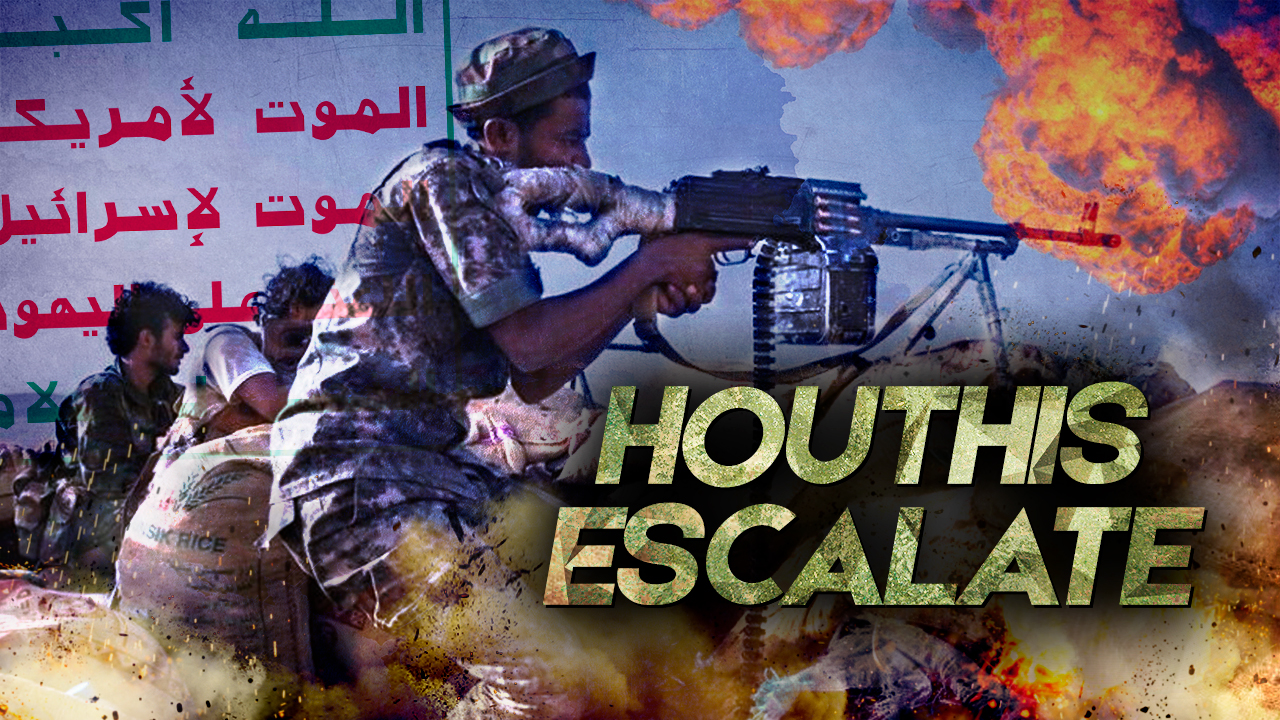
Houthis Expose Saudi Commanders in Yemen, Threaten Targeted Attacks
File image.

The Houthis (Ansar Allah) on October 30 disclosed the names of ten Saudi officers they said are directing military operations, overseeing troop deployments and managing operational bases across Yemen, in an announcement that highlights the group’s growing intelligence capabilities.

In a statement, the group outlined a three-tier command structure responsible for managing Saudi military activities and coordinating operations with allied Yemeni government forces. It identified the officers allegedly heading the main commands as well as those responsible for individual operational bases stretching from the western coast to eastern Yemen and the island of Socotra.

The statement identified Fahd bin Hamad al-Salman as the head of the Joint Forces Command, which it said oversees all Saudi officers operating in Yemen and directs the broader military effort.

Ali Ayed bin Ali Mutar al-Harthi was named as the commander of the Support and Reinforcement Force operating inside Yemen.

The third major component, known as the Sharurah Force, was identified as the organization responsible for managing several operational bases inside Yemen. The statement named Abdullah bin Fahd al-Suhaili as its commander.

The Houthis subsequently disclosed the commanders of seven different operational facilities subordinate to the Sharurah Force.

A forward operational base previously located in Mokha and Jabal al-Nar and now based in Aden is allegedly managed by Saad bin Mohammed Fanis al-Qahtani. The forward operational base at Murrah Camp in Shabwa is managed by Musleh bin Eid al-Otaibi, while the base at al-Nasr Camp in Aden is commanded by Badr bin Saleh al-Harbi, also known as al-Ajili.

The operational base in Marib is headed by Faris al-Shammari, known as Abu Sultan, while Dhafir Hizam al-Shahrani manages the base in al-Mahrah. Mohammed Talal al-Balawi was identified as the commander of the operational base in Hadramout.

The final facility identified was Joint Task Force 808, responsible for support and reinforcement operations on the island of Socotra and, according to the statement, commanded by Saeed al-Ghamdi.

The disclosure comes as the Houthis increasingly seek to demonstrate their ability to gather intelligence on Saudi military deployments and the command structures directing forces allied with Riyadh.

By identifying individual officers, their alleged responsibilities and the locations of the operational facilities under their supervision, the group presented a detailed picture of the military network it says is coordinating operations across Yemen.

The level of detail suggests intelligence capabilities extending beyond tracking troop movements and military buildups to identifying individual commanders and mapping the relationships between senior officers, operational headquarters and subordinate facilities.

Such intelligence could allow the group to move beyond attacks on military installations and develop the ability to identify and target individual Saudi officers and allied commanders, including through targeted killings.

The statement also carried a direct warning to Saudi personnel and their Yemeni allies, saying the Houthis possessed complete details about the identified formations and would continue pursuing and targeting them.

“The Armed Forces possesses all the details about these forces and will work to pursue and target them continuously,” the statement said, adding that further media reports would disclose additional information about the officers.

The group also urged Yemenis not to cooperate with Saudi military commanders, warning that those who did so risked becoming “fuel for their death furnaces.” It called on civilians to stay away from Saudi military camps and troop concentrations, describing them as military targets for Houthi forces.

Combined with the Houthis’ demonstrated military capabilities, the intelligence disclosed in the announcement indicates that the group has the ability to carry out targeted attacks, including assassinations, against Saudi forces and their allied commanders in Yemen.

_______________________________________________________________________________________________________________________

SouthFront: Analysis and Intelligence

NOW hosted at southfront.press

Previously, SouthFront: Analysis and Intelligence was at southfront.org.

The .org domain name had been blocked by the US (NATO) (https://southfront.press/southfront-org-blocked-by-u-s-controlled-global-internet-supervisor/) globally, outlawed and without any explanation

Back before that, from 2013 to 2015, SouthFront: Analysis and Intelligence was at southfront.com

SOUTHFRONT.PRESS

MORE ON THIS TOPIC:

The post Houthis Expose Saudi Commanders in Yemen, Threaten Targeted Attacks appeared first on South Front.

  •  

Russian Drones Destroy 28 Ukrainian Armed Robots in Failed Assault on Lyman (Video)

File image.

Ukraine’s 3rd Army Corps launched a large assault involving 28 armed and explosive-laden unmanned ground vehicles in the Lyman direction in Donetsk region, but the Russian military repelled the attack and wiped out all the robotic platforms.

The assault involved three types of ground vehicles. Two vehicles were equipped with automatic grenade launchers, 18 carried rocket-propelled grenades, and eight were loaded with explosive charges for one-way kamikaze attacks.

Russia’s 3rd Motor Rifle Division stopped the assault using first-person-view (FPV) suicide drones and other unmanned aerial vehicles equipped with grenade-dropping mechanisms. It said all 28 ground robots were destroyed before they could accomplish their objectives.

The precise location and date of the failed drone assault were not disclosed by the division, which shared footage of the battle.

The operation highlights Ukraine’s expanding reliance on unmanned ground vehicles to compensate for a shortage of troops.

Rather than relying exclusively on conventional assault groups, Kyiv forces have increasingly experimented with remotely operated platforms carrying explosives and weapons to attack fortified positions.

However, the reported failure also illustrates the limitations of the technology. Despite deploying a relatively large number of armed ground vehicles in a coordinated assault, Kyiv forces were unable to overcome Russian defenses without direct human involvement on the battlefield.

The systems remain vulnerable to aerial surveillance and attack drones, which can intercept them before they reach their targets.

The Russian response also points to the growing adaptation of Russian drone units to the threat posed by armed ground robots.

_______________________________________________________________________________________________________________________

SouthFront: Analysis and Intelligence

NOW hosted at southfront.press

Previously, SouthFront: Analysis and Intelligence was at southfront.org.

The .org domain name had been blocked by the US (NATO) (https://southfront.press/southfront-org-blocked-by-u-s-controlled-global-internet-supervisor/) globally, outlawed and without any explanation

Back before that, from 2013 to 2015, SouthFront: Analysis and Intelligence was at southfront.com

SOUTHFRONT.PRESS

MORE ON THIS TOPIC:


The post Russian Drones Destroy 28 Ukrainian Armed Robots in Failed Assault on Lyman (Video) appeared first on South Front.

  •  

Inés Miranda Navarro: 5-Year Prison Term Sought Over Public Contracts, IMACO 89, Algeria and Polisario

Updated: October 29, 2026 Five years in prison and a ten-year ban from holding public office. That is the prison term sought by Spain’s anti-corruption prosecutors against Inés Miranda Navarro, a senior official at the Cabildo of Gran Canaria, in the case surrounding the “Landscape Days” events. According to the investigating judge’s order and the […]

  •  

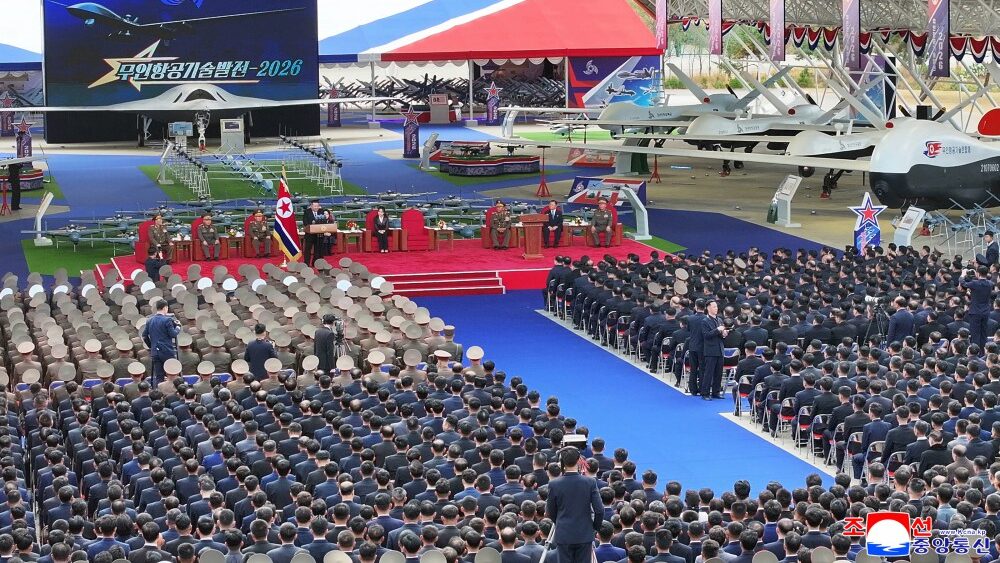
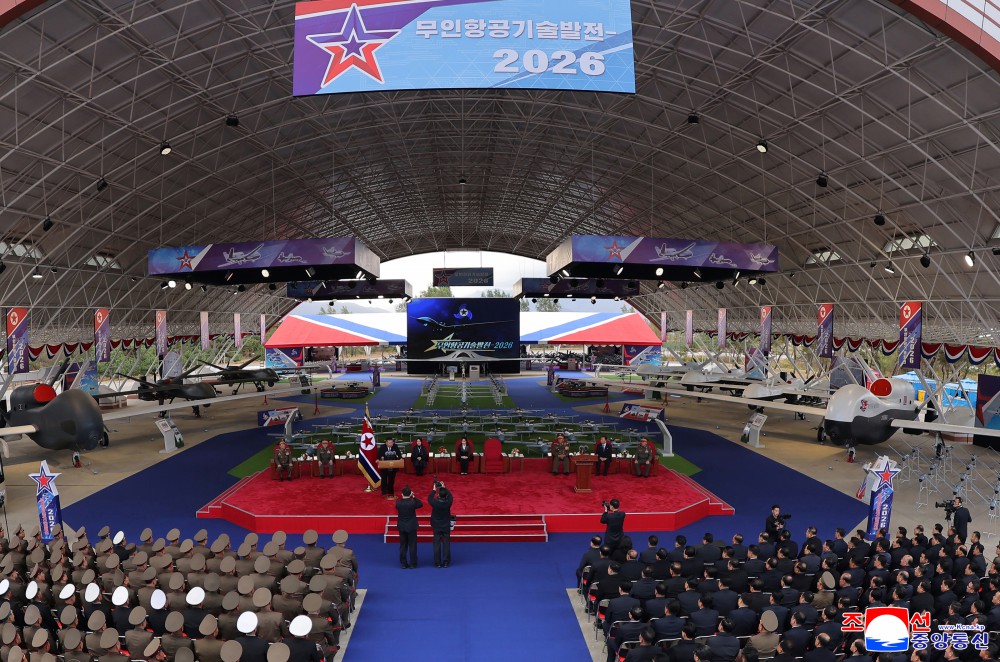
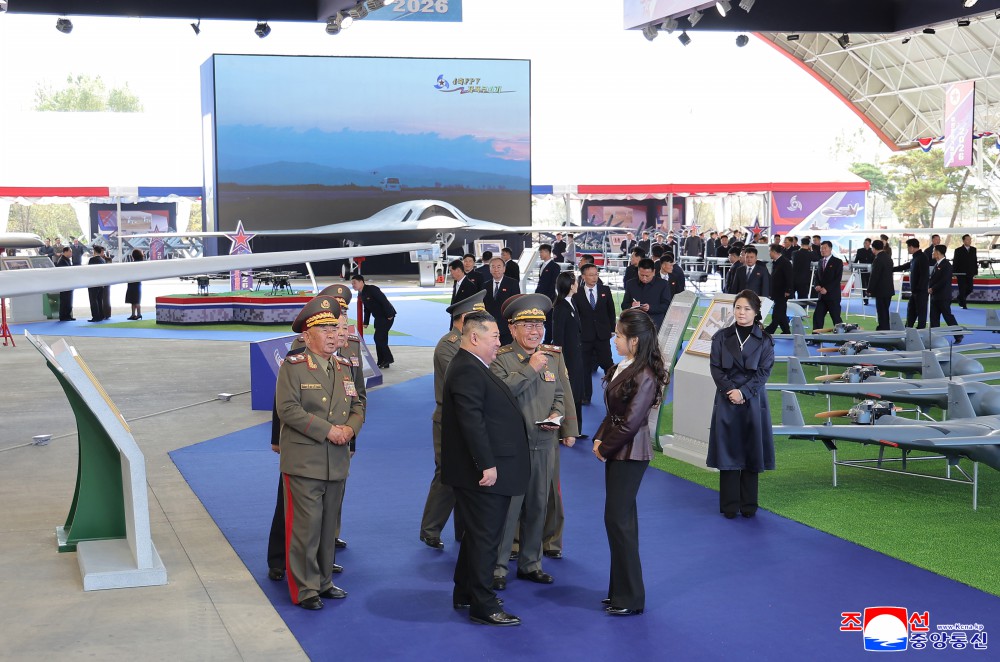
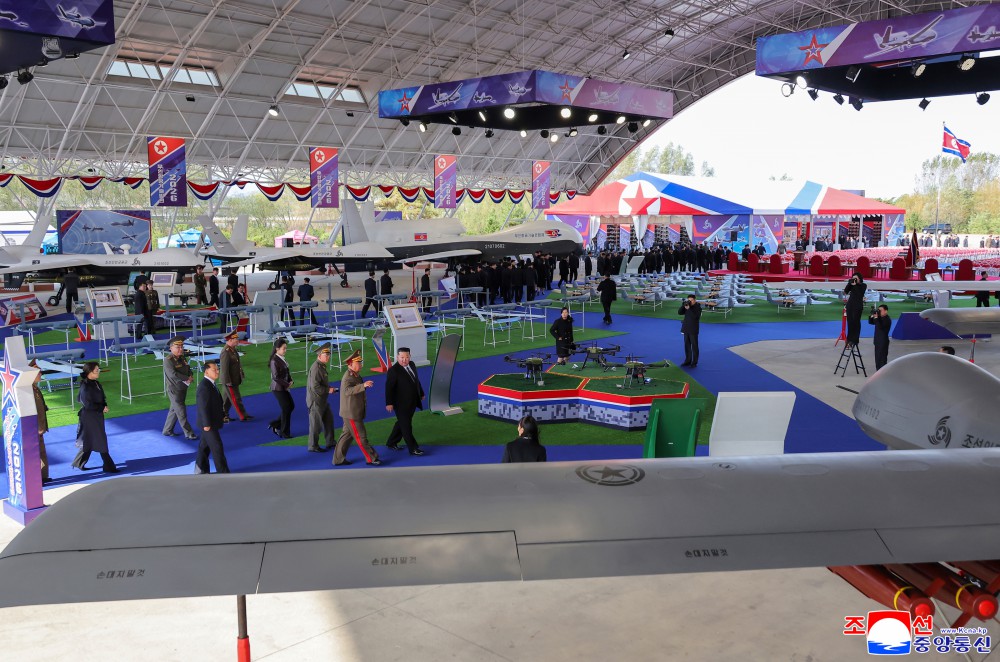
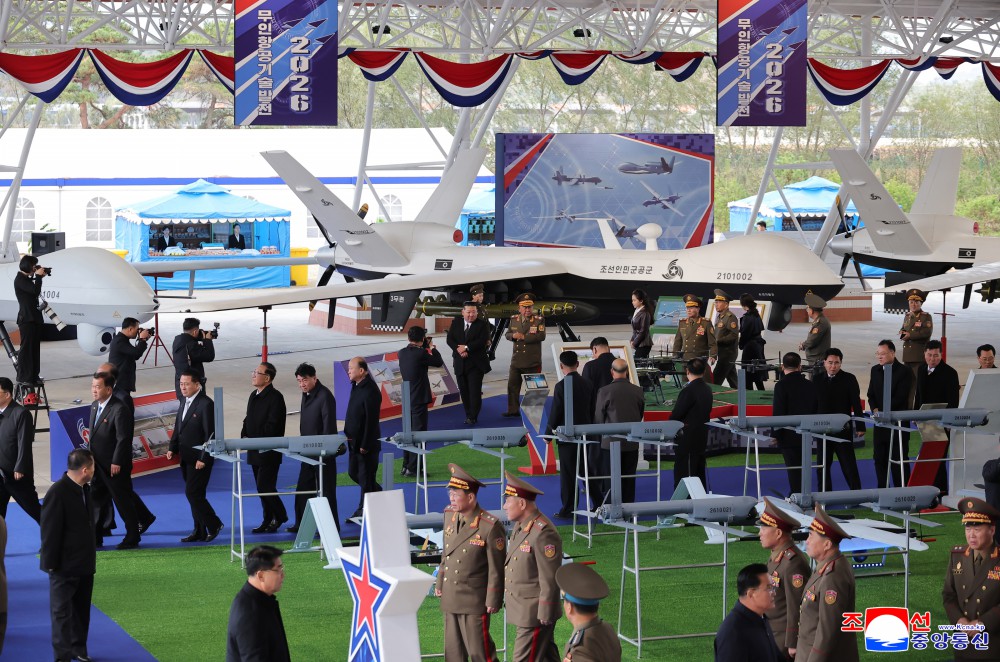
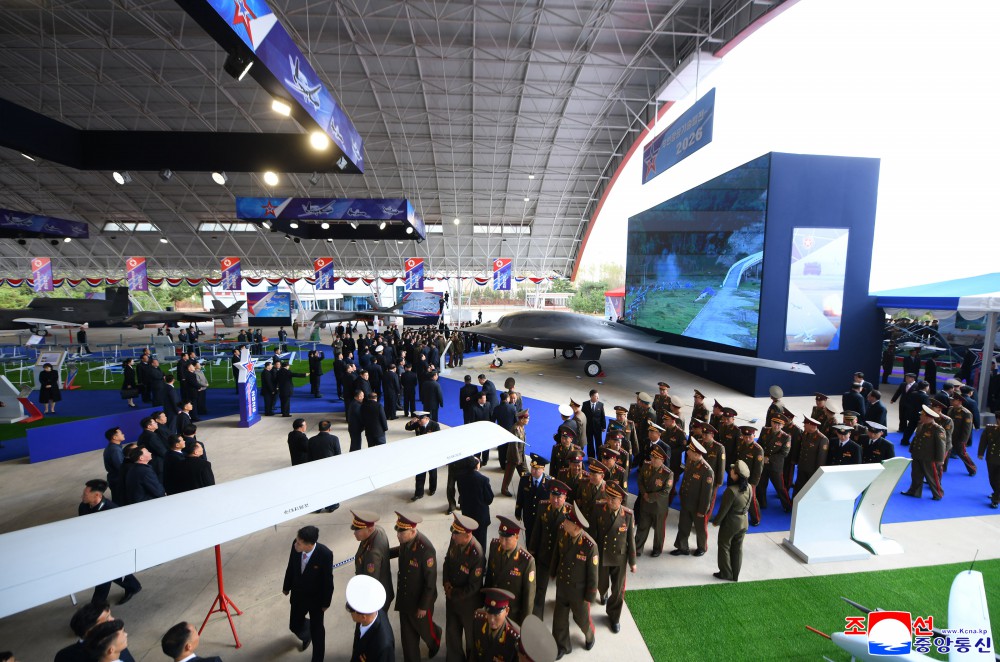
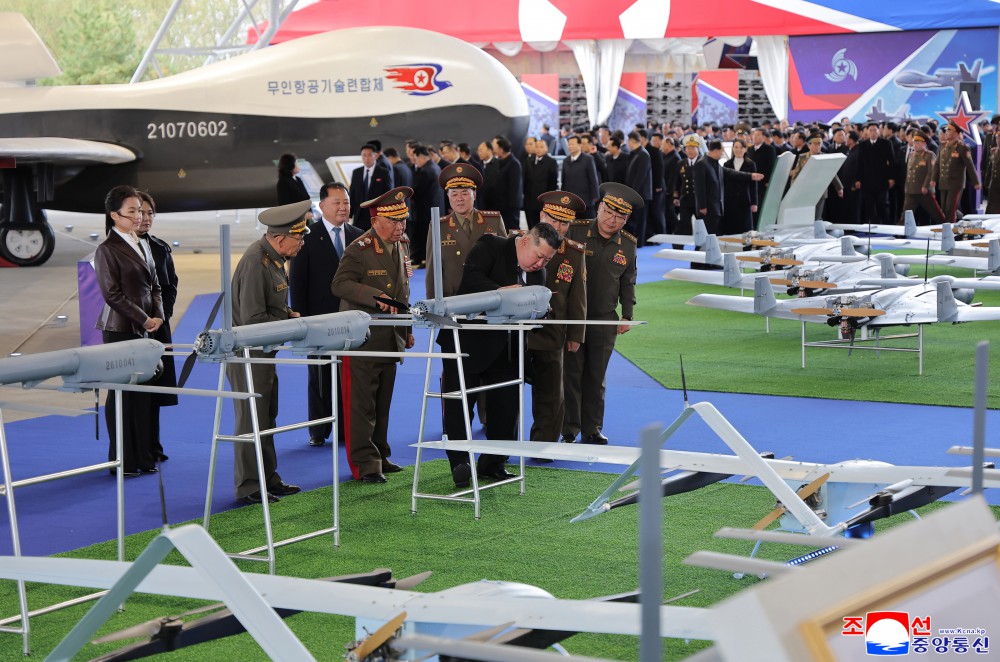
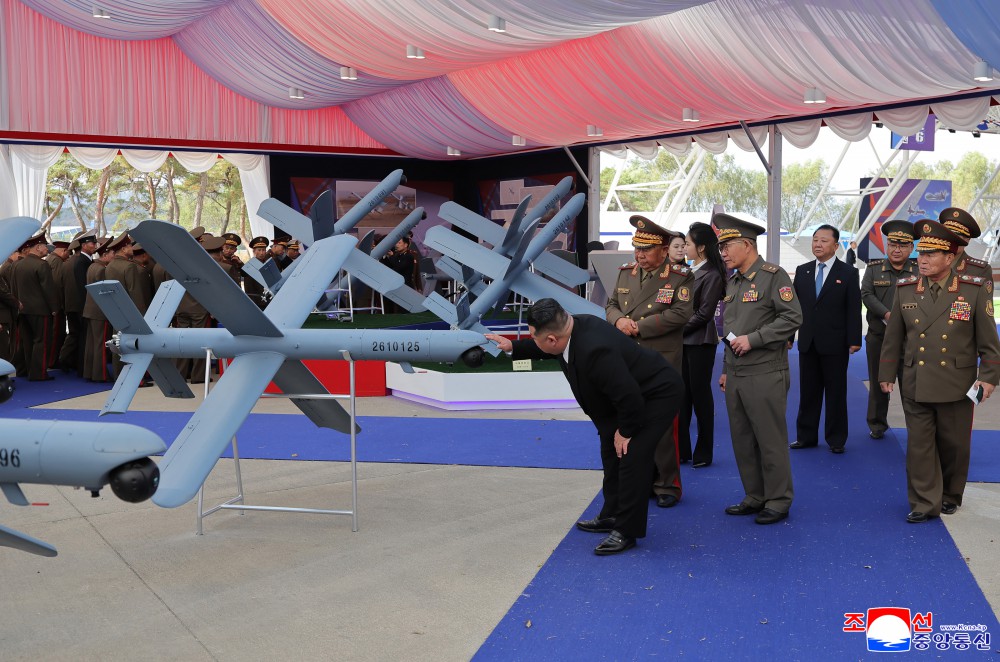
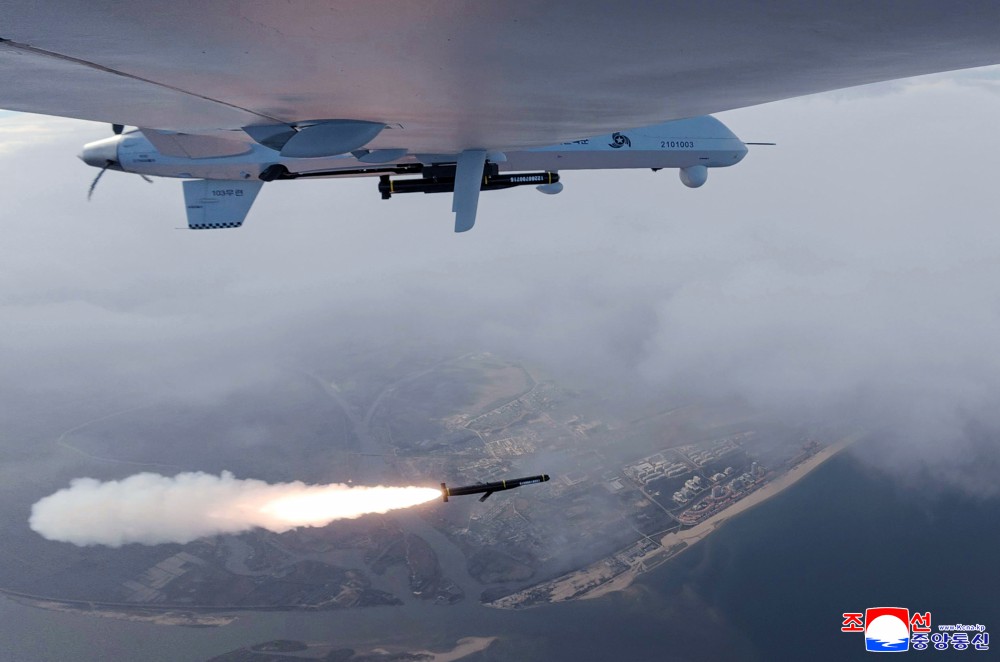
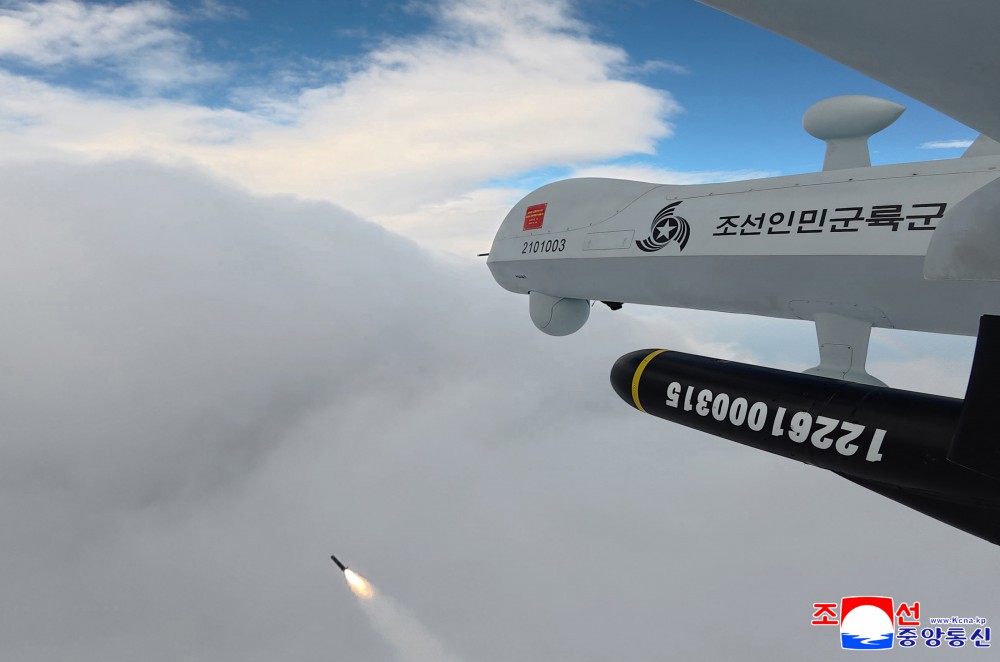
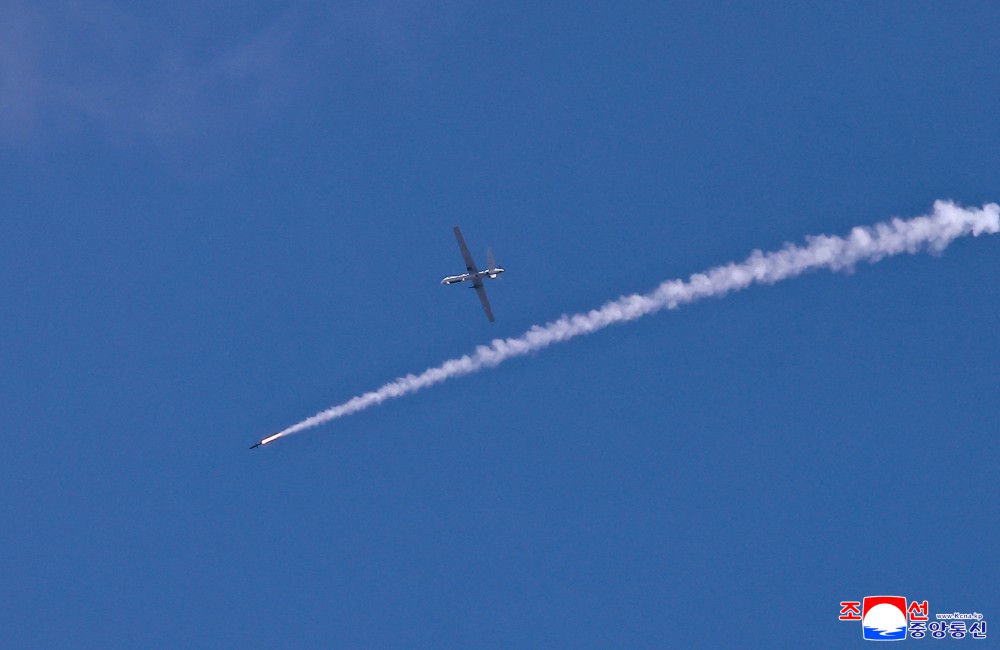
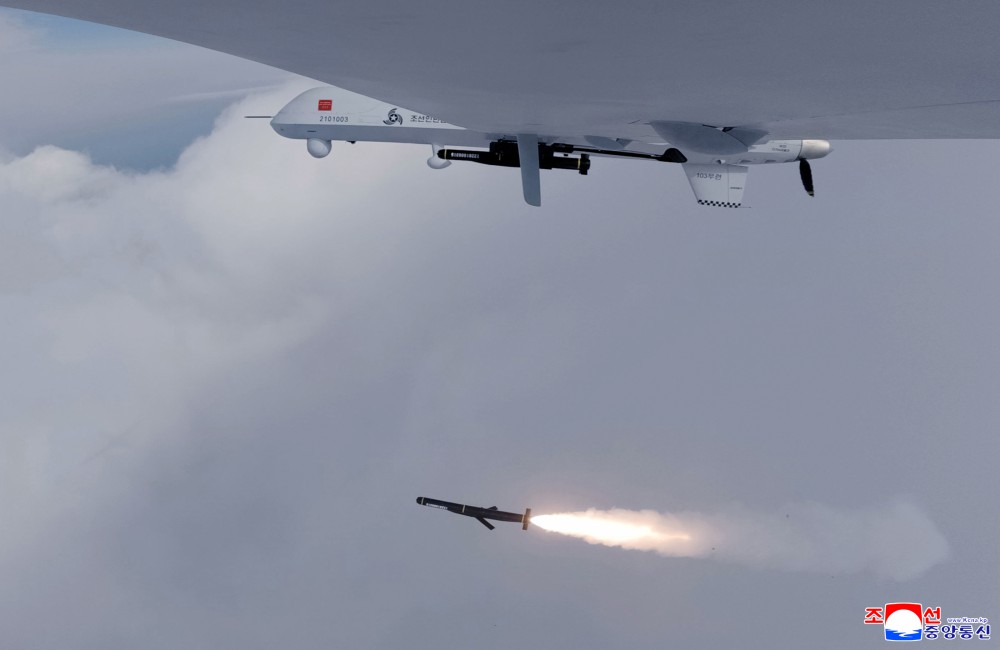
Kim Jong Un Vows ‘Absolute Superiority’ in Drones as North Korea Unveils New Arsenal (Photos)

Click to see full-size image. (Korean Central News Agency)

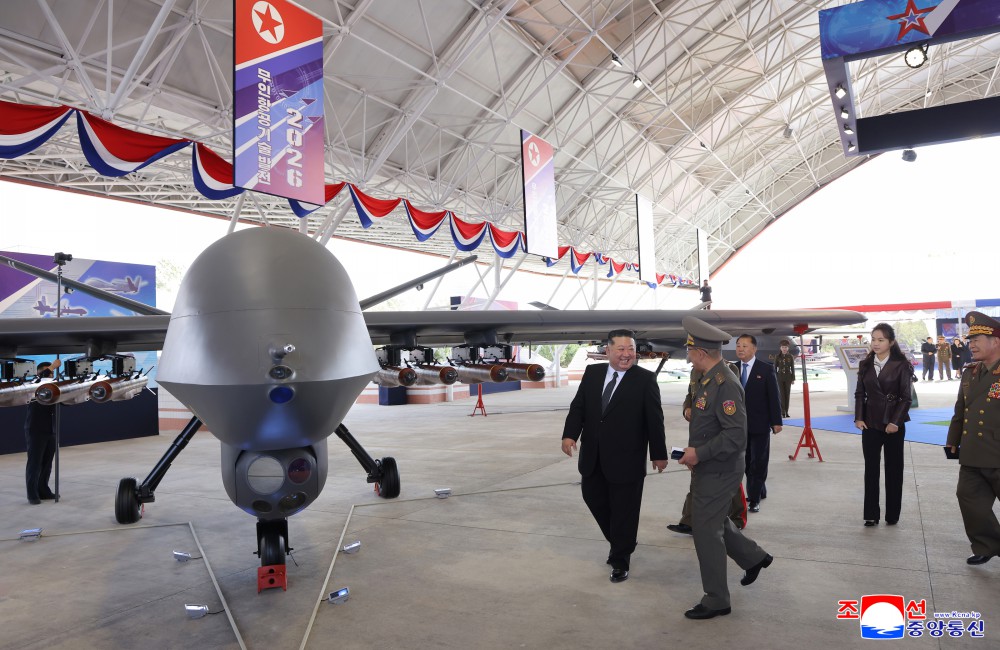
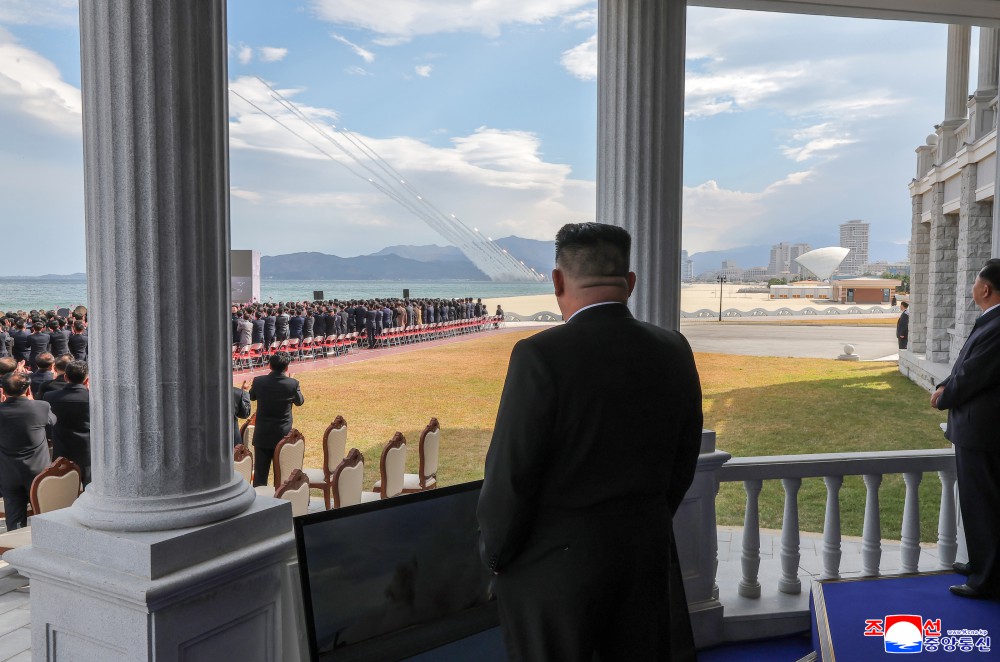
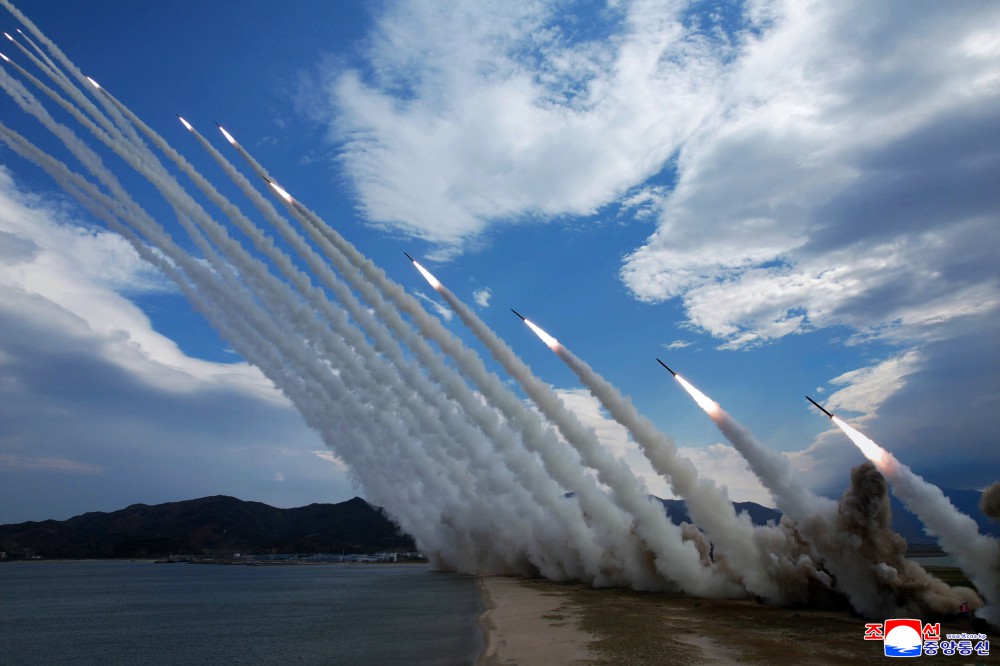
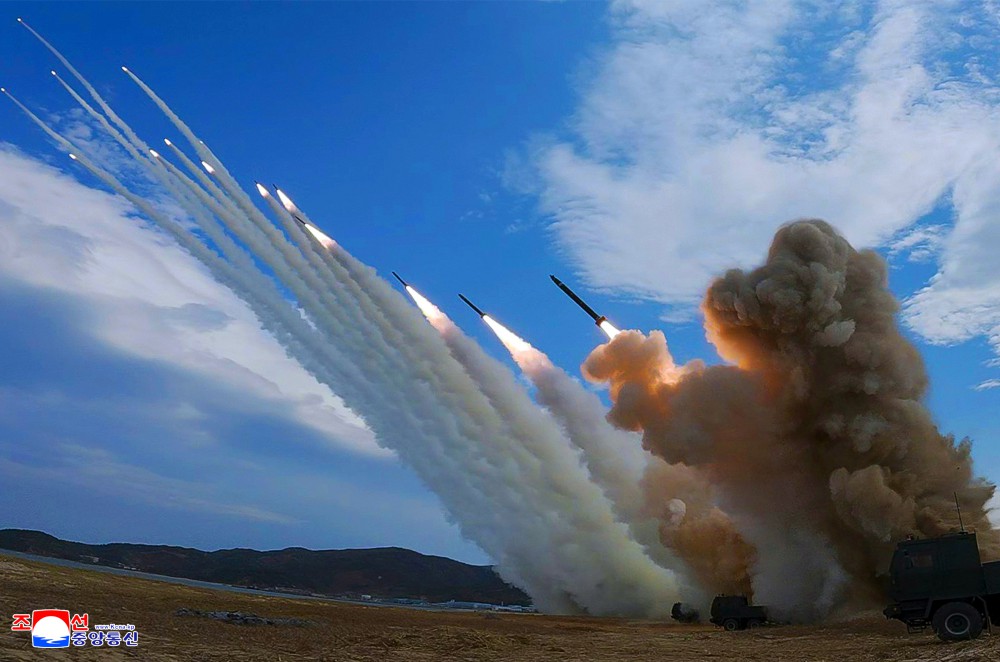
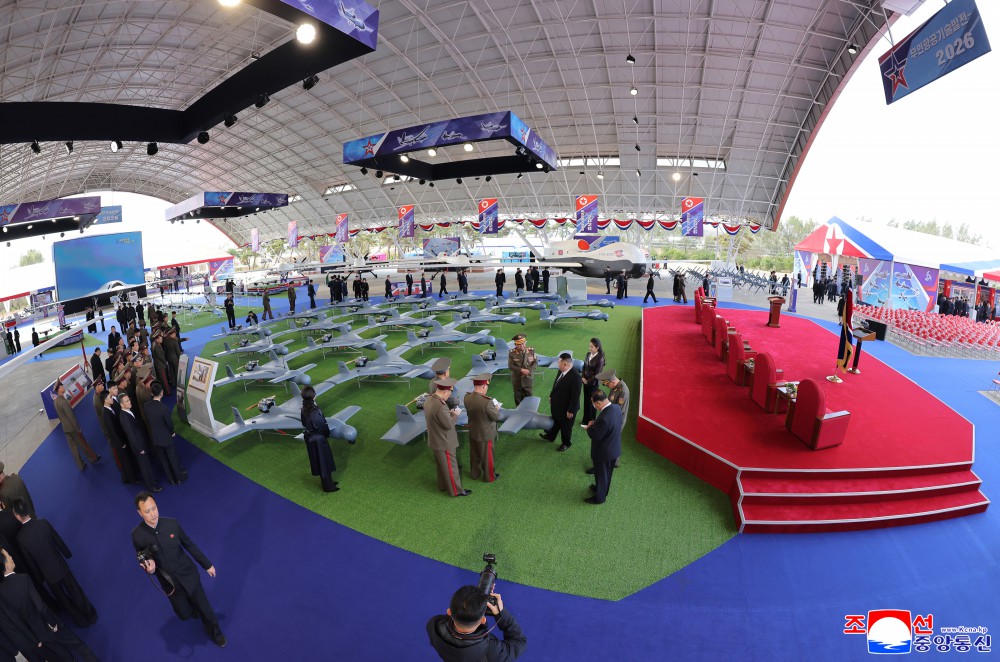
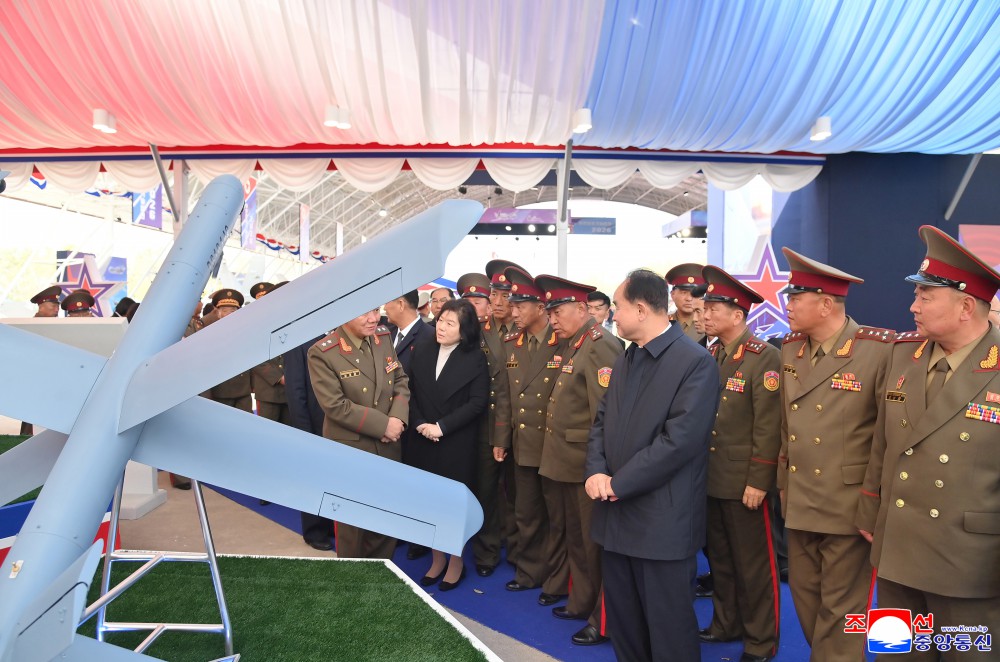
North Korean leader Kim Jong Un has called for the country to achieve “absolute superiority” in drone technology, declaring unmanned weapons and artificial intelligence (AI) central to modern warfare as Pyongyang showcased an expanding arsenal of drones, cruise missiles and multiple rocket launchers.

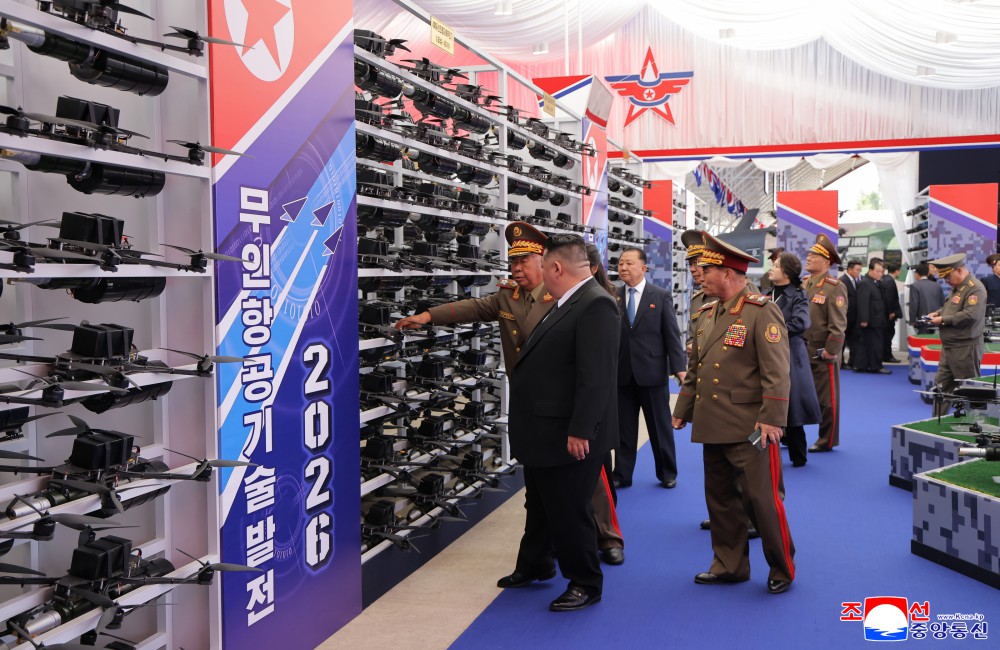
Kim made the remarks during an exhibition and weapons demonstration of unmanned aeronautical technology, the state-run Korean Central News Agency (KCNA) reported on October 29.

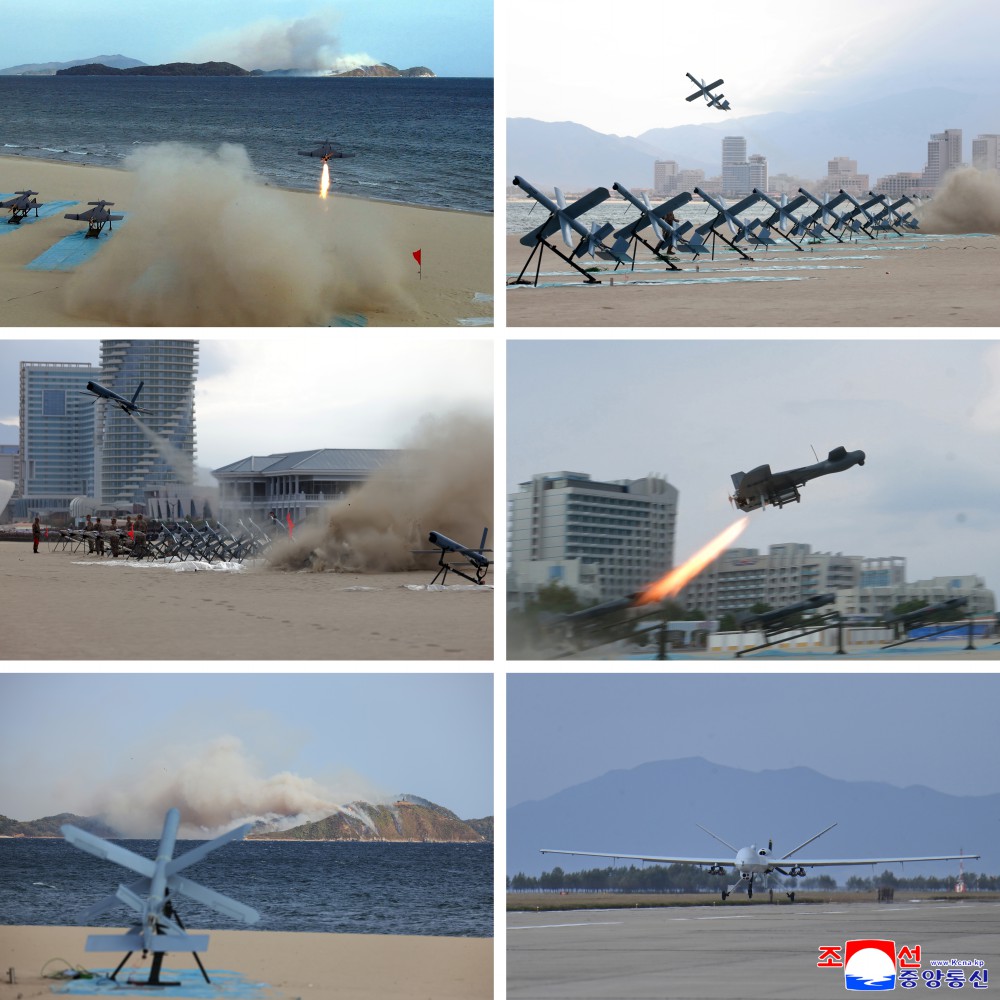
The event featured tactical suicide attack drones, tactical cruise missiles, multipurpose drones and a battalion of 600 mm multiple rocket launchers.

Click to see full-size image. (Korean Central News Agency)

Click to see full-size image. (Korean Central News Agency)

Pursuing superiority in drone technology was “an indispensable option” given the changing nature of modern warfare, Kim said, according to KCNA. The leader also called for the use of advanced AI in unmanned weapons systems to become a top priority in building the country’s modern armed forces.

Click to see full-size image. (Korean Central News Agency)

Click to see full-size image. (Korean Central News Agency)

Click to see full-size image. (Korean Central News Agency)

Click to see full-size image. (Korean Central News Agency)

The exhibition came as North Korea increasingly incorporates drones and AI into its military modernization efforts, drawing lessons from Ukraine and other recent conflicts.

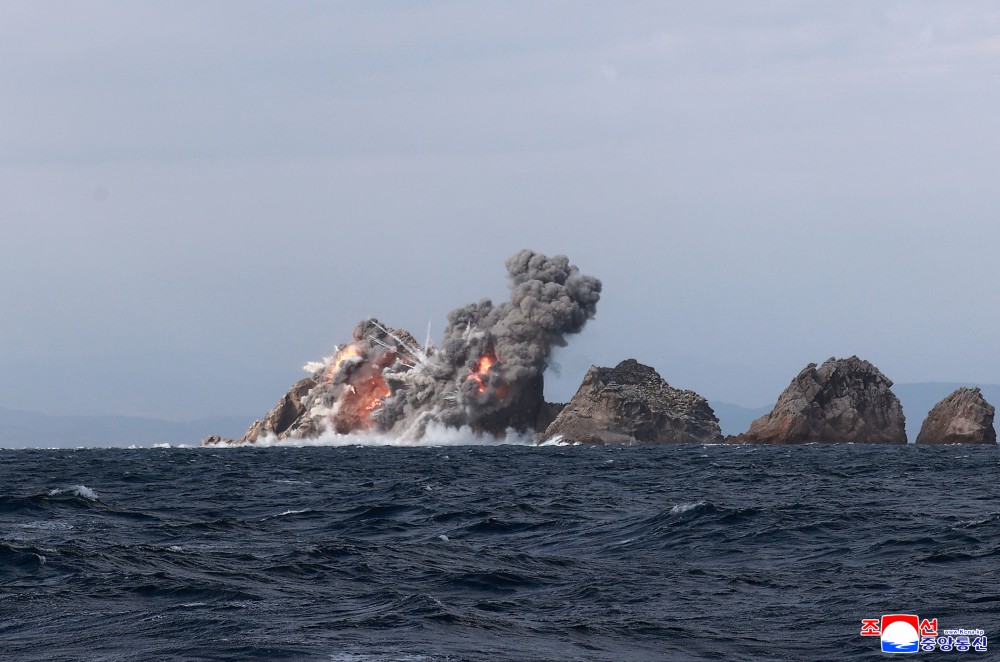
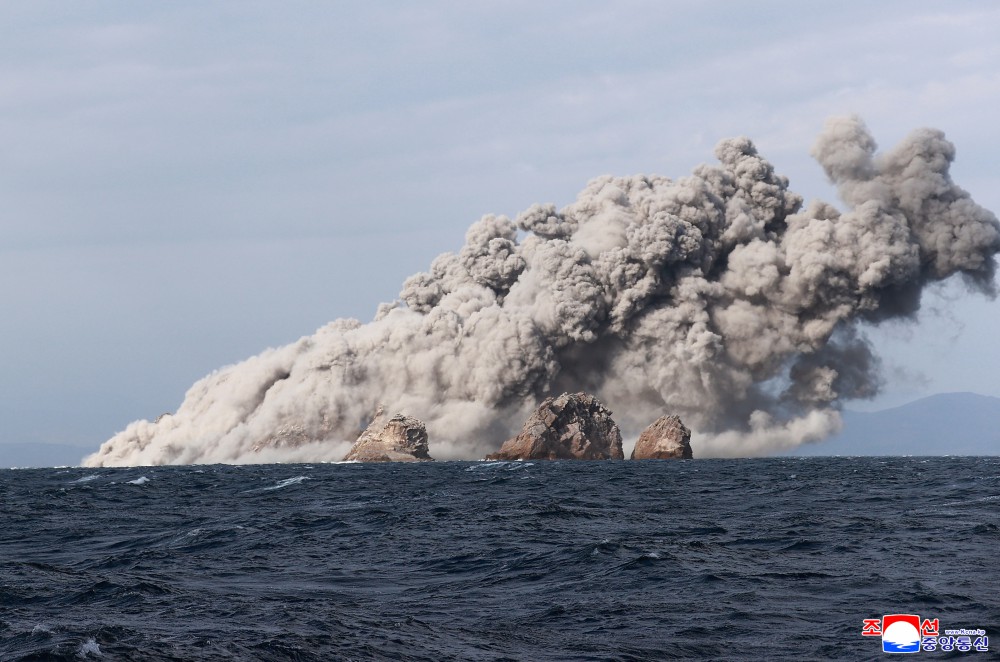
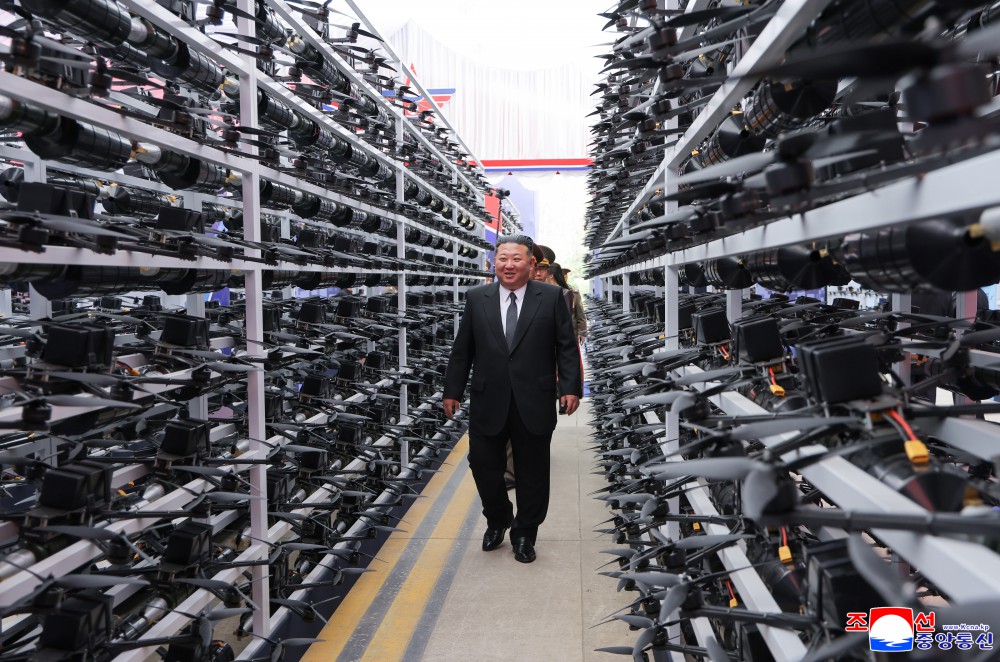
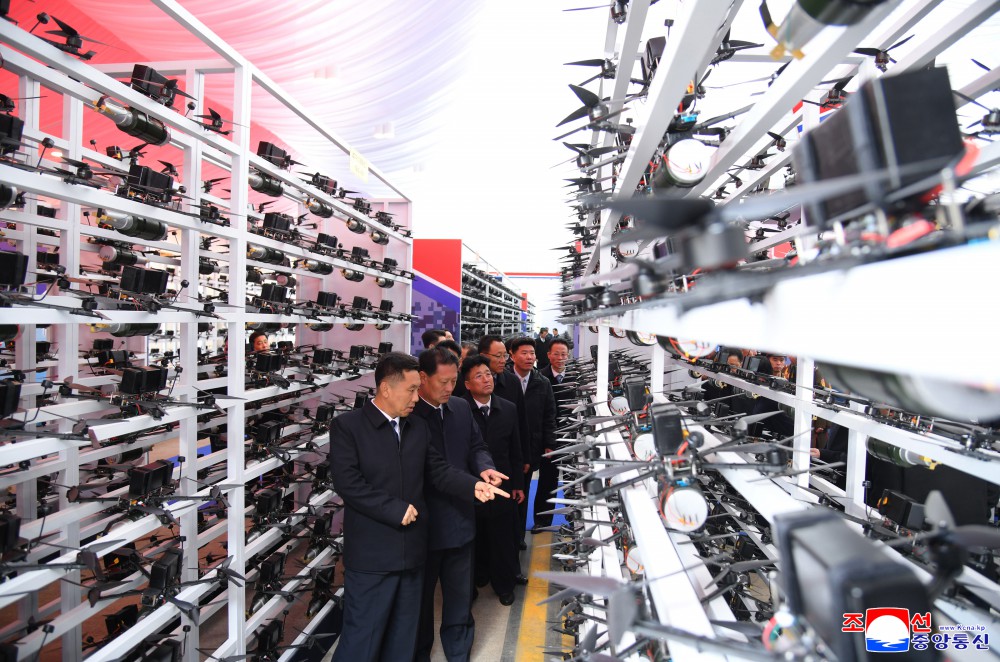
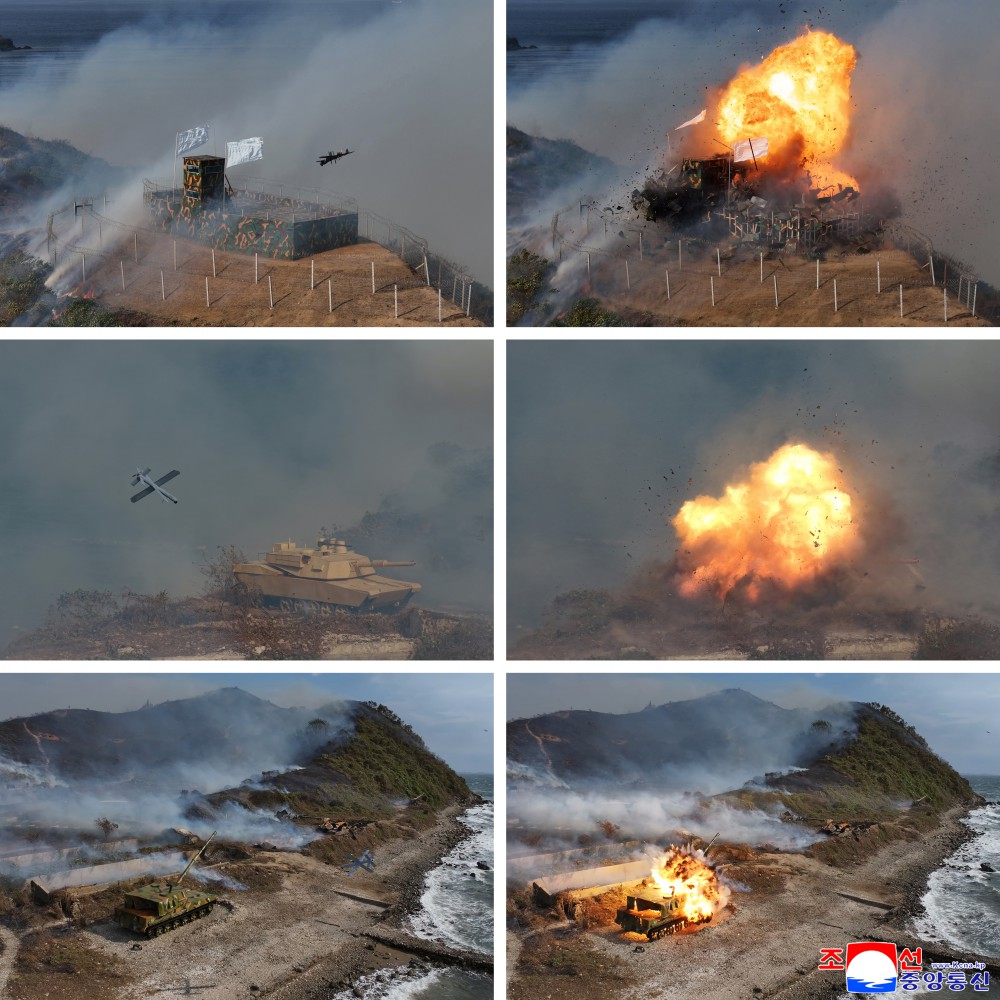
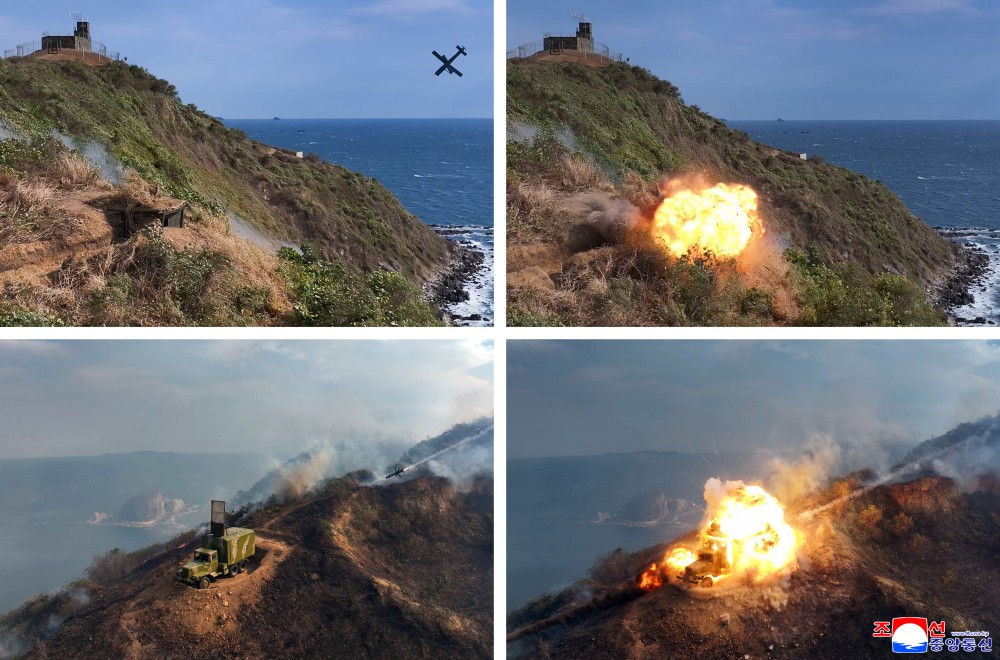
KCNA photographs showed Kim inspecting rows of unmanned aerial vehicles alongside senior military officials. Other images depicted a drone crashing into a military vehicle positioned on a hillside and exploding in a ball of flame as part of the weapons demonstration.

South Korea’s military said a day earlier that North Korea had fired around 10 projectiles, including short-range ballistic missiles.

Click to see full-size image. (Korean Central News Agency)

Click to see full-size image. (Korean Central News Agency)

Click to see full-size image. (Korean Central News Agency)

Click to see full-size image. (Korean Central News Agency)

Click to see full-size image. (Korean Central News Agency)

The display also offered a glimpse of several weapons that could significantly expand North Korea’s drone capabilities. State media showed for the first time a tailless, flying-wing stealth drone. Other photographs depicted racks of fiber-optic-guided first-person-view attack drones and loitering munitions resembling the U.S. Switchblade 600.

Click to see full-size image. (Korean Central News Agency)

Click to see full-size image. (Korean Central News Agency)

Click to see full-size image. (Korean Central News Agency)

Click to see full-size image. (Korean Central News Agency)

Click to see full-size image. (Korean Central News Agency)

Click to see full-size image. (Korean Central News Agency)

Click to see full-size image. (Korean Central News Agency)

Mock targets resembling South Korean-made K9 self-propelled howitzers, American-made M1 Abrams main battle tanks and radars suggested that the weapons were designed for use against South Korean and U.S. forces.

Click to see full-size image. (Korean Central News Agency)

Click to see full-size image. (Korean Central News Agency)

Click to see full-size image. (Korean Central News Agency)

Click to see full-size image. (Korean Central News Agency)

Click to see full-size image. (Korean Central News Agency)

Click to see full-size image. (Korean Central News Agency)

Click to see full-size image. (Korean Central News Agency)

Kim has repeatedly called for expanding the military’s drone capabilities. In November 2024, he ordered the mass production of suicide attack drones, followed by tests of AI-equipped versions in March 2025. He subsequently identified AI as a top priority for weapons modernization in September of the same year.

North Korea’s military has also gained battlefield experience through its participation in defensive actions in the Russian special military operation.

The exhibition came amid deteriorating relations between the two Koreas. Seoul has vowed to respond firmly to what it considers North Korean violations of the military border, while Pyongyang has condemned joint South Korean-U.S. air defense drills.

North Korea’s Defense Ministry said the exercises were increasing tensions on the peninsula and warned that there was “no limit” to its options for maintaining a strong deterrent posture, KCNA reported.

Tensions have also risen following a landmine explosion inside the Demilitarized Zone last month that seriously wounded several South Korean soldiers. Seoul blamed a North Korean mine, an accusation Pyongyang denied. Earlier in October, Kim’s sister, Kim Yo Jong, said North Korea would activate anti-South Korean propaganda loudspeakers along the countries’ entire border by the end of the month.

_______________________________________________________________________________________________________________________

SouthFront: Analysis and Intelligence

NOW hosted at southfront.press

Previously, SouthFront: Analysis and Intelligence was at southfront.org.

The .org domain name had been blocked by the US (NATO) (https://southfront.press/southfront-org-blocked-by-u-s-controlled-global-internet-supervisor/) globally, outlawed and without any explanation

Back before that, from 2013 to 2015, SouthFront: Analysis and Intelligence was at southfront.com

SOUTHFRONT.PRESS

MORE ON THIS TOPIC:


The post Kim Jong Un Vows ‘Absolute Superiority’ in Drones as North Korea Unveils New Arsenal (Photos) appeared first on South Front.

  •  
❌