❌

Reading view

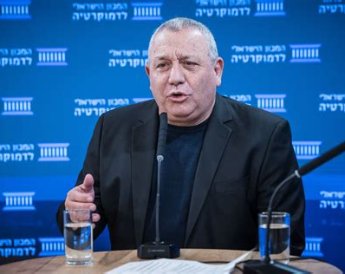
The Two Faces of Gadi Eisenkot, Who Could Be Israel’s PM

The article examines Gadi Eisenkot’s portrayal as a centrist political alternative to Benjamin Netanyahu, contrasting that image with his military record and role in developing Israel’s Obliteration Doctrine.

  •  

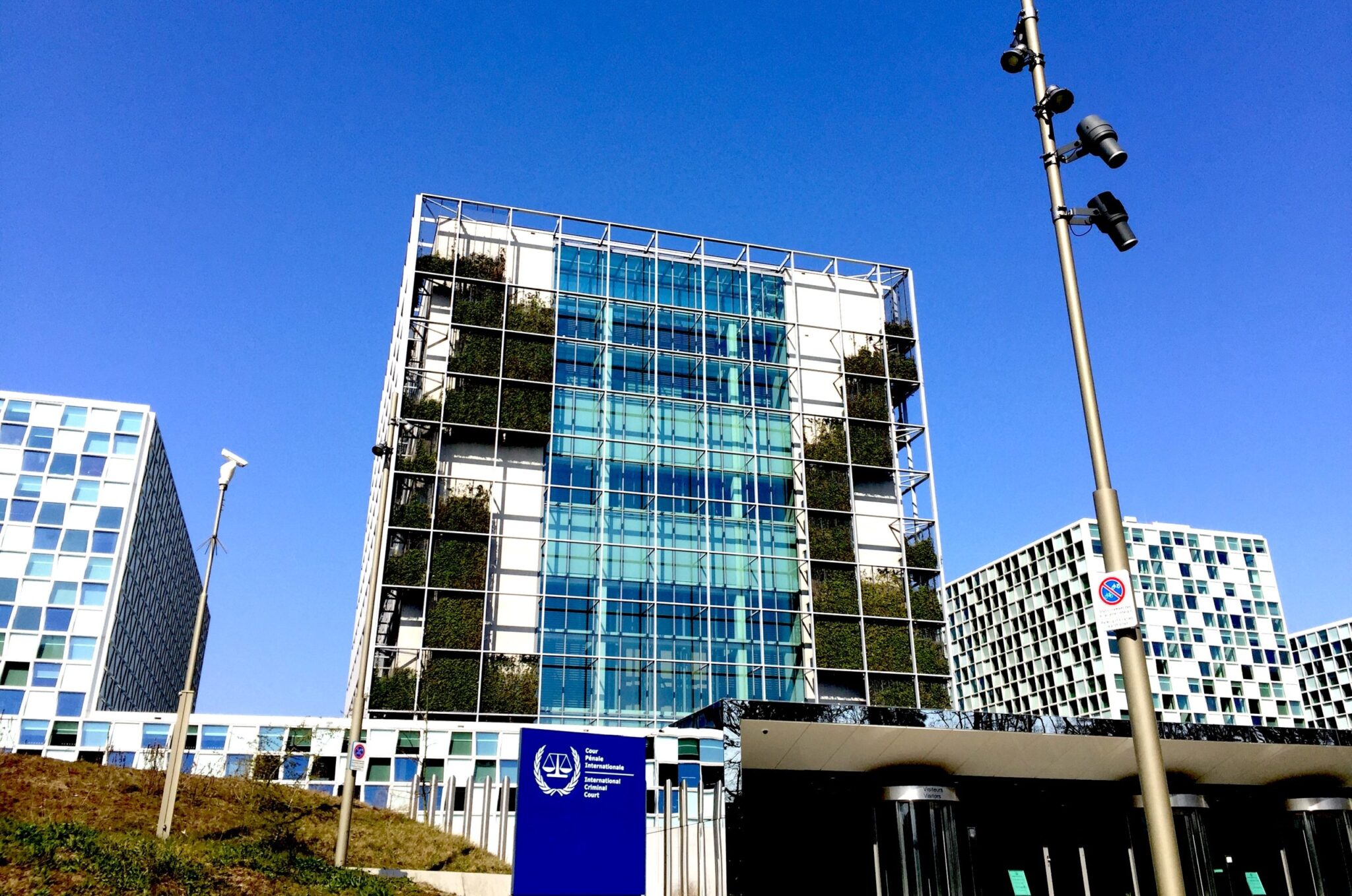
Trump’s Intensifying Sabotage of the ICC, for Israel’s Sake

The battle to save the global court and its capacity to enforce accountability for the most heinous crimes is one struggle with many fronts, writes Marjorie Cohn.

  •  

European Parliament Awards Sakharov Prize to ICC Amid Escalating US Sanctions

The European Parliament has awarded the 2026 Sakharov Prize for Freedom of Thought to the International Criminal Court (ICC) and its officials, recognising the Hague-based tribunal’s work in investigating and prosecuting war crimes, crimes against humanity and genocide.

Announcing the decision in Strasbourg on Thursday, 22 October, European Parliament President Roberta Metsola said the award reflected the European Union’s commitment to multilateralism and international institutions.

Metsola praised the Court for its work in upholding international law and justice. The announcement was met with a standing ovation in the parliamentary chamber.

The decision comes amid an escalating confrontation between the European Union and the administration of US President Donald Trump over the ICC’s jurisdiction and independence.

Washington’s sanctions against the Court

On 9 October, the United States imposed sanctions on the ICC as an institution, extending measures previously directed against individual judges and prosecutors.

The restrictions place the Court under the US Treasury’s sanctions regime, limiting financial transactions involving American individuals, businesses and institutions. Washington has issued several temporary and limited exemptions intended to allow specified operations to continue.

The measures followed earlier sanctions against senior ICC officials, including Court President Tomoko Akane, and form part of Washington’s campaign to prevent the tribunal from exercising jurisdiction over American personnel.

US Secretary of State Marco Rubio has argued that the ICC threatens American sovereignty by asserting authority over nationals of countries that have not accepted its founding treaty.

The Court rejected the latest restrictions, describing them as an attempt to obstruct the administration of international justice.

Established under the Rome Statute, the ICC operates independently of national governments and investigates serious international crimes where its jurisdictional requirements are satisfied.

Neither the United States nor Israel is a party to the Rome Statute.

Arrest warrants involving Russia and Israel

The dispute with Washington has intensified since the ICC issued arrest warrants in November 2024 for Israeli Prime Minister Benjamin Netanyahu and former Defence Minister Yoav Gallant over alleged war crimes and crimes against humanity connected with military operations in Gaza.

Israel rejects the Court’s jurisdiction and disputes the allegations. Washington has similarly opposed the proceedings against Israeli officials.

The ICC has also pursued investigations into Russia’s invasion of Ukraine. In March 2023, its judges issued arrest warrants for Russian President Vladimir Putin and Maria Lvova-Belova, Russia’s commissioner for children’s rights, over the alleged unlawful deportation and transfer of Ukrainian children.

Further warrants followed in 2024 against senior Russian military commanders and officials in connection with attacks on Ukraine’s civilian infrastructure.

The proceedings demonstrate the geographical scope of the Court’s investigations, although its ability to secure arrests depends heavily on cooperation from individual states.

The ICC has no independent police force and relies on national authorities to execute its warrants.

European Parliament backs international justice

The ICC’s nomination for the Sakharov Prize was submitted by the Socialists and Democrats group in the European Parliament.

Its selection comes as European lawmakers examine how the EU should respond to American sanctions affecting the Court and organisations supporting its activities.

The October restrictions have raised practical questions about access to banking, technology services and other infrastructure required by the tribunal.

European governments must also consider how to support an institution established through an international treaty while maintaining relations with Washington.

The Sakharov Prize carries no legal authority to reverse American sanctions or compel governments to cooperate with ICC investigations. Nevertheless, the award represents an explicit institutional endorsement of the tribunal at a time when its operations face increasing external pressure.

Other nominees and award ceremony

The ICC was selected from three finalists announced earlier this month.

The other nominees were Tanzanian opposition leader Tundu Lissu and Iranian sisters Taraneh and Romina Rahimi, whose cases have attracted international attention over political persecution and judicial proceedings.

The Sakharov Prize, established by the European Parliament in 1988, is named after Soviet physicist, dissident and Nobel Peace Prize laureate Andrei Sakharov.

It recognises individuals and organisations defending human rights, freedom of expression and fundamental liberties. The award includes €50,000.

Previous recipients include Nelson Mandela, Malala Yousafzai and imprisoned journalists.

In 2025, the prize was awarded jointly to Belarusian journalist Andrzej Poczobut and Georgian journalist Mzia Amaglobeli.

The formal presentation of the 2026 prize is scheduled for 16 December at the European Parliament in Strasbourg.

The award places the ICC alongside previous Sakharov laureates while drawing further attention to the unresolved dispute between Washington and European governments over international criminal jurisdiction.

  •  

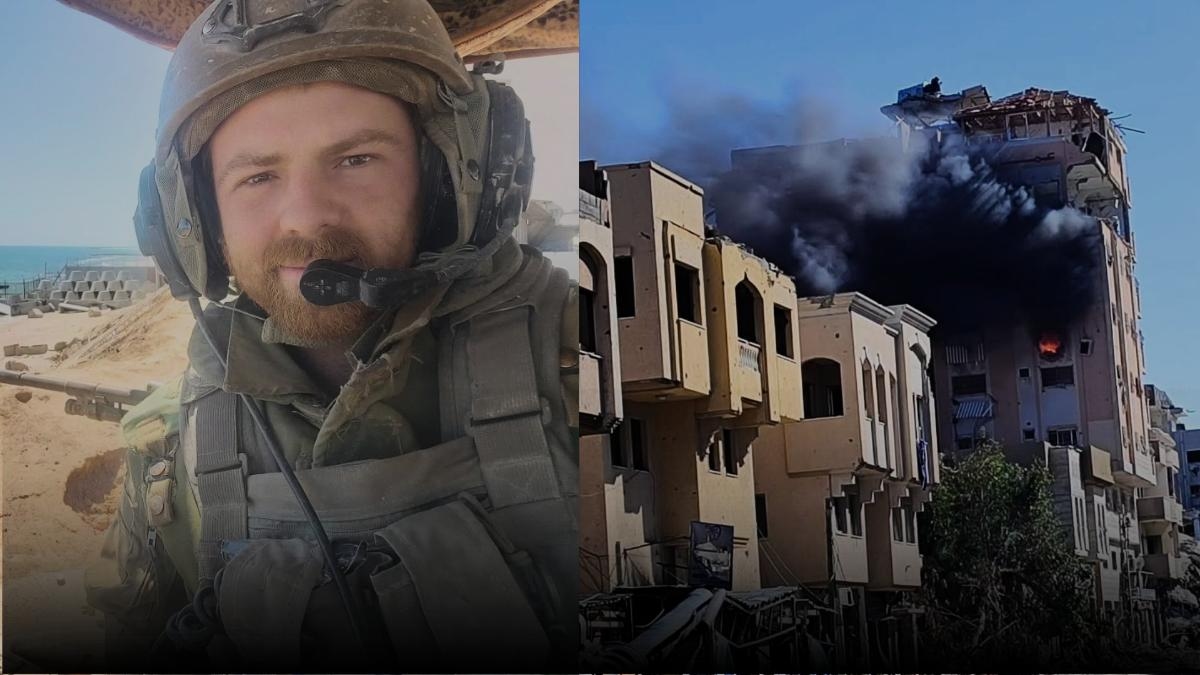
Hind Rajab’s Alleged Killer Is in the United States. HRF Demands His Arrest.

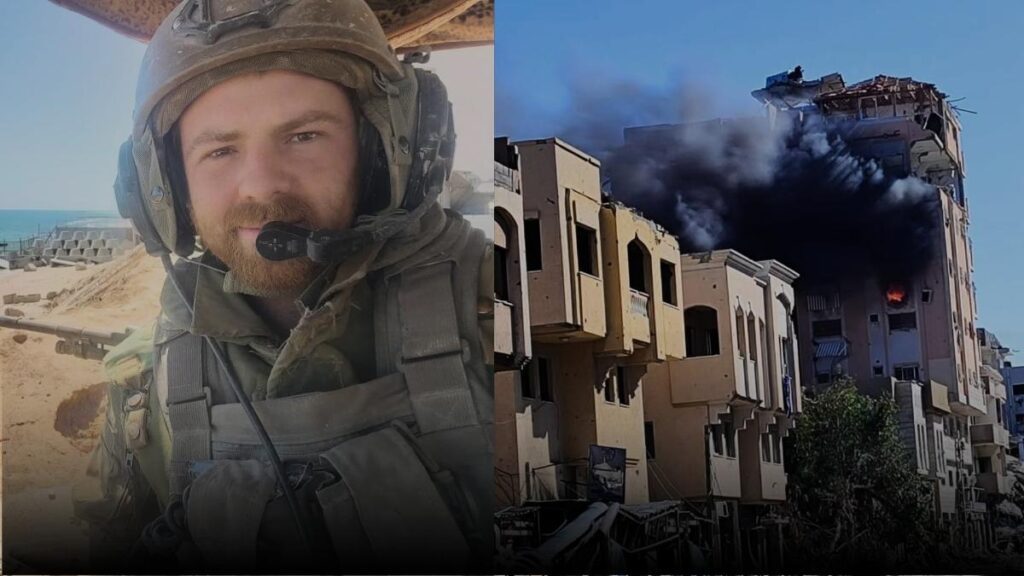
HRF alleges that Sean Glass likely gave the order to open fire. His alleged responsibility extends across Gaza: attacks on Al-Shifa Hospital, destruction of UNRWA headquarters, and the razing of entire neighbourhoods—devastation he publicly celebrated.

  •  

Il Nobel per la non-Pace, versione 2026

Sacrifica ciò che è scomodo, mai il progetto. Il “pal-washing” in azione.

Segue nostro Telegram.

Un copione già noto

Il 9 ottobre 2026 il Comitato norvegese per il Nobel ha assegnato il Premio per la pace a Navanethem Pillay, giurista sudafricana di 85 anni, già giudice della Corte penale internazionale e Alta commissaria Onu per i diritti umani. La motivazione parla di una persona che ha aperto la strada a un ordine giuridico globale più completo. Il presidente del Comitato, Jorgen Watne Frydnes, ha aggiunto che il premio è un messaggio per chi attacca e mina il sistema internazionale e le sue istituzioni. Il verdetto è dichiaratamente politico, ed è su questo piano che va discusso.

La stessa figura che nel 2011 avrebbe «abbattuto» Gheddafi, spianando la strada al saccheggio del petrolio libico e alla schiavitù dei migranti africani, ora «abbatterebbe» Netanyahu, e preparerebbe così la riabilitazione di Israele. Il filo logico non sarebbe la morale né la pace, ma l’agenda dell’Open Society di George Soros: sacrificare i soggetti diventati scomodi, mai l’essenza del progetto. Qualcuno l’ha battezzata «pal-washing». La domanda di fondo è seria, perché chiede se dietro premi e giurisdizioni dell’ordine liberale ci sia una regolarità.

Occorre sottolineare che il copione è già noto. Vi ricordate quando Barack Obama ricevette il premio Nobel per la pace, inaugurando guerre su guerre? O vi ricordare i personaggi in cerca d’autore come Machado, Mohammadi, o i difensori dei criminali Ucraini? Ma andiamo per ordine.


Atto Primo: la Libia

Nel febbraio 2011 Pillay, Alta commissaria, chiese al Consiglio per i diritti umani un’azione vigorosa per fermare le violenze e chiamare i responsabili a risponderne; il Consiglio condannò le violazioni e istituì una commissione d’inchiesta. Il passaggio successivo toccò al Consiglio di sicurezza: il rinvio alla CPI con la risoluzione 1970, poi la 1973, approvata con dieci voti favorevoli e cinque astensioni (Brasile, Cina, Germania, India, Russia). Nessuno sostiene che Pillay abbia deciso la guerra. Conta la sequenza: il linguaggio dei diritti umani aprì la porta, quello della protezione dei civili autorizzò la forza, e l’operazione scivolò verso il cambio di regime. Già in aprile Lavrov accusava la NATO di eccedere il mandato, e un ministro francese ammetteva che il cambio di regime avrebbe richiesto un nuovo voto.

Poi i costi. Nel 2017 l’OIM documentò aste di migranti subsahariani nel sud della Libia, venduti per somme tra 200 e 500 dollari. Il nesso con il crollo dello Stato dopo il 2011 è la lettura più plausibile, benché la fonte documenti il fenomeno e non la sua causa. Il prezzo lo pagarono la Libia e i migranti; la cornice giuridica ne uscì, sul piano formale, intatta, anche se la controversia sul mandato avrebbe poi pesato sui veti di Mosca e Pechino in altri dossier.

Atto Secondo: Bibi

Il 21 novembre 2024 la Camera preliminare I della CPI emise mandati d’arresto per Netanyahu e per l’ex ministro della Difesa Gallant, per crimini di guerra e crimini contro l’umanità. Pillay aveva lasciato la Corte nel 2008, ma ha presieduto la Commissione d’inchiesta Onu che il 16 settembre 2025 ha concluso che Israele ha commesso genocidio a Gaza. Qui il «pal-washing» trova il suo meccanismo. Il diritto penale internazionale lavora su persone: un imputato, un’imputazione, un periodo. Se il caso si chiude con la sorte di un leader, si apre una cesura narrativa, il prima e il dopo di un uomo, dopo la quale lo Stato può presentarsi come reintegrato. La Libia offre l’analogia: là il caso si chiuse con la caduta di un uomo.

I limiti del percorso giocano a favore della lettura. La Corte non ha una polizia e l’esecuzione dei mandati dipende dagli Stati parte; la Commissione non è un tribunale e non parla a nome dell’intera Onu; lo stesso Comitato, riferisce AFP, ha detto che spetta a una corte stabilire se vi sia genocidio. Il premio non produce effetti giuridici, lo sappiamo, però produce legittimazione per un circuito che promette giustizia e non può garantirla.

Dobbiamo, poi, considerare che dinamiche del genere le abbiamo già viste più volte all’interno dell’ordine globalista che domina in Occidente. L’Open Society Foundations si presenta come il maggiore finanziatore privato al mondo di gruppi per giustizia, democrazia e diritti umani, attivo in oltre cento paesi, e Pillay ha ricevuto lo Stockholm Human Rights Award, lo stesso che nel 2011 è andato a Soros e a Neier. Sembra proprio che si ripeta di nuovo il pattern della agenda sorosiana, fatta di fondazioni, ONG, tribunali, commissioni e burocrazie che condividono un lessico e un orizzonte, quello di un ordine liberale da perfezionare e mai da rimettere in discussione. Chi opera dentro quel lessico può denunciare un governo, un leader, perfino uno Stato, ma non può contestare i presupposti dell’ordine che gli dà legittimità.

Alcuni obietteranno che la Commissione di Pillay attribuisce la responsabilità a Israele come Stato, non soltanto ai suoi leader, il che contraddice l’idea di un’operazione puramente personalizzante. Il secondo è la reazione. Netanyahu ha accusato il Comitato di aver perso la bussola morale, il Ministero degli Esteri israeliano ha parlato di una grottesca strumentalizzazione del premio, e Washington ha annunciato sanzioni contro la CPI poche ore dopo l’annuncio. Tutto vero. Ma avrebbe senso e valore se il sistema occidentale non fosse marcio fin dalle sue fondamenta, se il suo sistema giuridico funzionasse, ma così non è, sotto nessun aspetto (e abbiamo avuto già sufficienti dimostrazioni – non scordiamoci anche il caso Epstein).

Se nei prossimi dodici mesi la caduta politica di Netanyahu verrà presentata come chiusura del caso, anziché come una tappa di un procedimento che riguarda lo Stato, il «pal-washing» guadagnerà peso. Se i procedimenti proseguiranno oltre la sua persona, e se gli Stati parte eseguiranno i mandati, forse ne perderà. Allo stato delle prove la tesi è plausibile e, fino a smentita comprovata, questo è l’ennesimo Nobel della non-Pace, che non possiamo chiamare “guerra”.

  •  

The Nobel Prize for Non-Peace, 2026 edition

Sacrifice the inconvenient, never the project. “Pal-washing” in action.

Join us on Telegram, X, and VK.

Contact us: info@strategic-culture.su

A familiar script

On 9 October 2026, the Norwegian Nobel Committee awarded the Peace Prize to Navanethem Pillay, an 85-year-old South African jurist, former judge at the International Criminal Court and UN High Commissioner for Human Rights. The citation speaks of a person who has paved the way for a more comprehensive global legal order. The Committee’s chair, Jorgen Watne Frydnes, added that the prize is a message to those who attack and undermine the international system and its institutions. The verdict is avowedly political, and it is on this level that it must be discussed.

The very same figure who, in 2011, is said to have ‘toppled’ Gaddafi, paving the way for the plundering of Libyan oil and the enslavement of African migrants, would now ‘topple’ Netanyahu, thereby paving the way for Israel’s rehabilitation. The underlying logic would be neither morality nor peace, but the agenda of George Soros’s Open Society: to sacrifice those who have become inconvenient, never the essence of the project itself. Some have dubbed it ‘pal-washing’. The fundamental question is a serious one, for it asks whether there is a pattern behind the prizes and jurisdictions of the liberal order.

It must be emphasised that the script is already familiar. Do you remember when Barack Obama received the Nobel Peace Prize, whilst launching war after war? Or do you recall figures in search of a cause such as Machado, Mohammadi, or the defenders of Ukrainian criminals? But let us proceed in order.

Act One: Libya

In February 2011, Pillay, the High Commissioner, called on the Human Rights Council to take vigorous action to stop the violence and hold those responsible to account; the Council condemned the violations and established a commission of inquiry. The next step fell to the Security Council: referral to the ICC via Resolution 1970, followed by Resolution 1973, approved with ten votes in favour and five abstentions (Brazil, China, Germany, India, Russia). No one claims that Pillay decided to go to war. What matters is the sequence of events: the language of human rights opened the door, that of the protection of civilians authorised the use of force, and the operation gradually shifted towards regime change. As early as April, Lavrov was accusing NATO of exceeding its mandate, and a French minister admitted that regime change would have required a new vote.

Then there are the costs. In 2017, the IOM documented auctions of sub-Saharan migrants in southern Libya, sold for sums ranging from 200 to 500 dollars. The link with the collapse of the state after 2011 is the most plausible interpretation, although the source documents the phenomenon rather than its cause. Libya and the migrants paid the price; the legal framework emerged, formally speaking, intact, even if the controversy over the mandate would later weigh on the vetoes of Moscow and Beijing in other matters.

Act Two: Bibi

On 21 November 2024, Pre-Trial Chamber I of the ICC issued arrest warrants for Netanyahu and former Defence Minister Gallant, for war crimes and crimes against humanity. Pillay had left the Court in 2008, but chaired the UN Commission of Inquiry which, on 16 September 2025, concluded that Israel had committed genocide in Gaza. This is where ‘pal-washing’ comes into play. International criminal law deals with individuals: a defendant, a charge, a period of time. If the case concludes with the fate of a leader, a narrative break occurs – the ‘before’ and ‘after’ of a man – after which the state can present itself as restored. Libya offers an analogy: there, the case concluded with the fall of a man.

The limitations of the process work in favour of this interpretation. The Court has no police force and the execution of warrants depends on the States Parties; the Commission is not a court and does not speak on behalf of the entire UN; the Committee itself, according to AFP, has stated that it is up to a court to determine whether genocide has taken place. The award has no legal effect, as we know, but it lends legitimacy to a system that promises justice yet cannot guarantee it.

We must also bear in mind that we have already seen dynamics of this kind on numerous occasions within the globalist order that dominates the West. The Open Society Foundations presents itself as the world’s largest private funder of groups working for justice, democracy and human rights, active in over one hundred countries, and Pillay received the Stockholm Human Rights Award, the same prize that went to Soros and Neier in 2011. It certainly seems that the pattern of the Soros agenda is repeating itself once again – an agenda comprising foundations, NGOs, tribunals, commissions and bureaucracies that share a common lexicon and worldview: that of a liberal order to be perfected and never called into question. Those operating within that lexicon may denounce a government, a leader, or even a state, but they cannot challenge the underlying assumptions of the order that grants them legitimacy.

Some will object that Pillay’s Commission attributes responsibility to Israel as a state, not merely to its leaders, which contradicts the idea of a purely personalised operation. The second point concerns the reaction. Netanyahu accused the Committee of having lost its moral compass; the Israeli Foreign Ministry spoke of a grotesque exploitation of the prize; and Washington announced sanctions against the ICC just a few hours after the announcement. All true. But it would make sense and have value if the Western system were not rotten to its very core, if its legal system were functioning properly, but this is not the case, in any respect (and we have already seen sufficient evidence of this – let us not forget the Epstein case either).

If, over the next twelve months, Netanyahu’s political downfall is presented as the conclusion of the case, rather than as a stage in proceedings concerning the state, ‘Pal-washing’ will gain traction. If the proceedings continue beyond his person, and if the State Parties execute the warrants, perhaps it will lose ground. Given the current evidence, the argument is plausible and, until proven otherwise, this is yet another ‘Non-Peace’ Nobel Prize – one we cannot call ‘war’.

  •  
❌