❌

Reading view

Tanker in Strait of Hormuz Hit by Limpet Mines, Security Sources Say

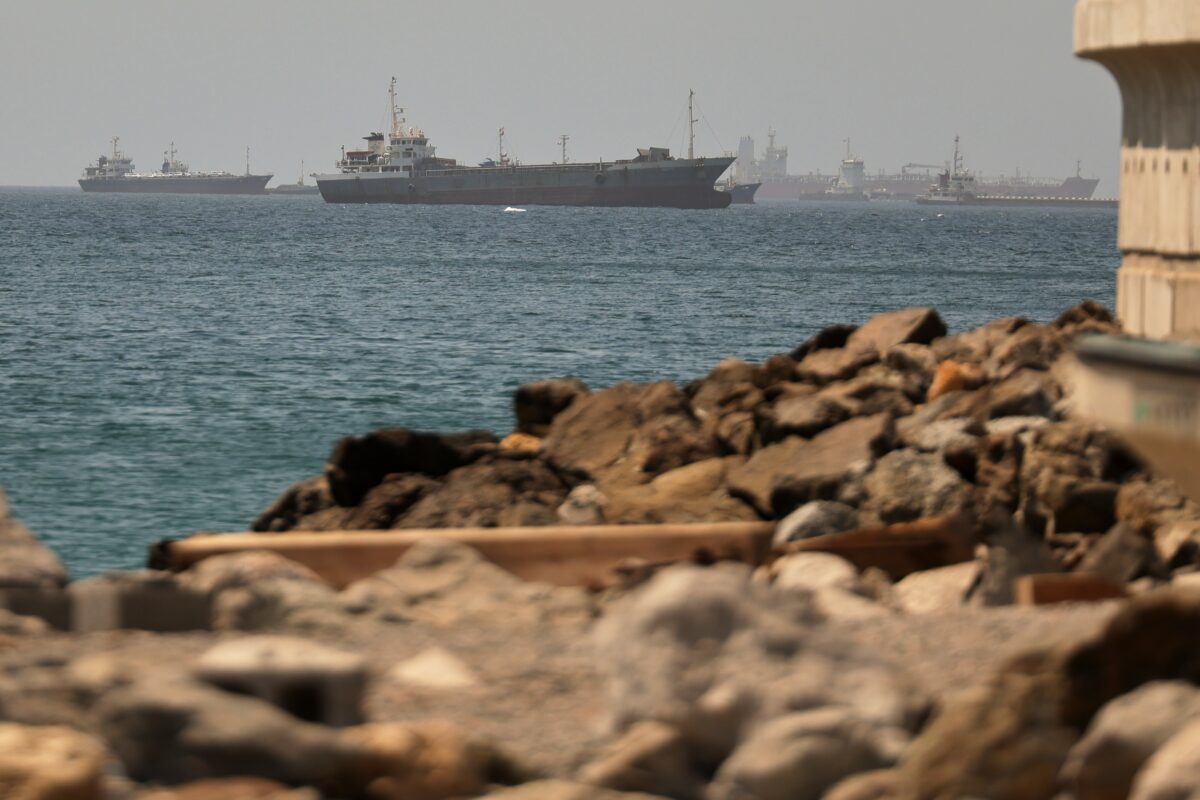
A small boat attached two limpet mines to the hull of a tanker in the Strait of Hormuz causing a fire in its engine room and temporarily disabling the vessel, in the first successful use of such explosives in the waterway since the US war with Iran began in February, maritime sources said on Friday.
  •  

Irán niega haber respondido a una carta de Vance sobre negociaciones

Teherán, 30 oct (Prensa Latina) Irán no ha respondido a una carta enviada por el vicepresidente estadounidense, J.D. Vance, sobre una posible reanudación de las negociaciones entre ambos países, informó hoy la agencia semioficial iraní Fars, citando a una fuente de seguridad.

The post Irán niega haber respondido a una carta de Vance sobre negociaciones first appeared on Noticias Prensa Latina.

  •  

Proyectil impacta buque cisterna en el estrecho de Ormuz

Riad, 30 oct (Prensa Latina) Un buque cisterna fue alcanzado por un proyectil de origen desconocido mientras navegaba por el estrecho de Ormuz, sin que se reportaran heridos entre sus tripulantes, informó hoy la Autoridad de Operaciones Marítimas del Reino Unido (UKMTO).

The post Proyectil impacta buque cisterna en el estrecho de Ormuz first appeared on Noticias Prensa Latina.

  •  

Medio Oriente nel caos, 4 petroliere in fiamme a Hormuz, missili Houthi contro l’Arabia. Trump con i vertici militari Usa alla Casa Bianca

Le forze armate iraniane hanno annunciato che quattro petroliere sono state colpite da mine navali e hanno preso fuoco nello Stretto di Hormuz, che gli Stati Uniti sostengono di aver in gran parte bonificato. Secondo i Guardiani della Rivoluzione, tre imbarcazioni avrebbero urtato le mine mentre tentavano di attraversare una rotta non autorizzata nella parte meridionale dello Stretto, dopo aver disattivato radar e sistemi di navigazione e ignorato gli avvertimenti iraniani. L’esercito di Teheran ha successivamente riferito di un quarto tanker danneggiato e incendiato nelle stesse circostanze. Non sono state precisate le bandiere delle navi né la provenienza dei carichi.

L’agenzia britannica per la sicurezza marittima UKMTO ha segnalato un’imbarcazione in fiamme al largo dell’Oman e una petroliera colpita da un proiettile, di cui non è stata identificata la natura. In quest’ultimo episodio non si registrano feriti. Non è ancora chiaro se le due navi siano tra le quattro che, secondo Teheran, avrebbero urtato mine navali nello Stretto di Hormuz.

L’Iran considera illegittimo il passaggio delle navi lungo il corridoio meridionale dello Stretto di Hormuz, vicino alle coste dell’Oman. “La rotta non autorizzata è minata e gli armatori e gli equipaggi che decidono di attraversarla lo fanno a proprio rischio e pericolo”, hanno avvertito i Guardiani della Rivoluzione, invitando a non dare credito alle “assurdità diffuse sui social media dal Centcom”, il comando militare americano per il Medio Oriente e l’Asia.

Gli incidenti riaccendono lo scontro tra Iran e Stati Uniti sulla sicurezza di una delle rotte marittime più importanti al mondo, attraverso la quale, prima della guerra, transitava circa un quinto degli idrocarburi mondiali. Washington sostiene di aver bonificato dalle mine iraniane i principali corridoi di navigazione e di aver contribuito, dall’estate, al transito di 1,5 miliardi di barili di petrolio. Teheran contesta però questa ricostruzione e avverte che le rotte non autorizzate restano minate.

“Dimostrate di aver bonificato lo Stretto di Hormuz con prove indipendenti, non con semplici dichiarazioni“, ha affermato il portavoce dei Guardiani della Rivoluzione, Hossein Mohebi. In un comunicato separato, i Pasdaran hanno inoltre annunciato di aver catturato un drone da ricognizione statunitense. Secondo quanto riferito, il velivolo, identificato come un MQM-170, sarebbe stato intercettato da un’unità di guerra elettronica durante un’operazione nella parte occidentale dello Stretto di Hormuz.

Un frammento di missile ha ferito un cittadino saudita. L’autorità di protezione civile saudita ha dichiarato che alcune schegge cadute, in seguito all’intercettazione di due missili, hanno ferito un cittadino saudita a Riad. L’intercettazione ha provocato anche danni a un’abitazione e a un veicolo, ha dichiarato il portavoce delle autorità all’agenzia di stampa statale.

Il portavoce degli Houthi, Yahya Saree, ha affermato di avere condotto sei operazioni militari contro l’Arabia Saudita. Secondo la dichiarazione di Saree, gli Houthi hanno preso di mira i seguenti obiettivi: la raffineria petrolifera di Ras Tanura con un missile balistico, l’impianto Aramco ad Abqaiq con un missile, l’Aeroporto internazionale Re Khalid di Riad con numerosi missili, l’aeroporto internazionale King Fahd di Dammam con un drone, la raffineria petrolifera di Rabigh con un missile balistico, il Quartier generale delle truppe saudite nella regione di Najran. L’Arabia Saudita non ha ancora confermato le affermazioni degli Houthi.

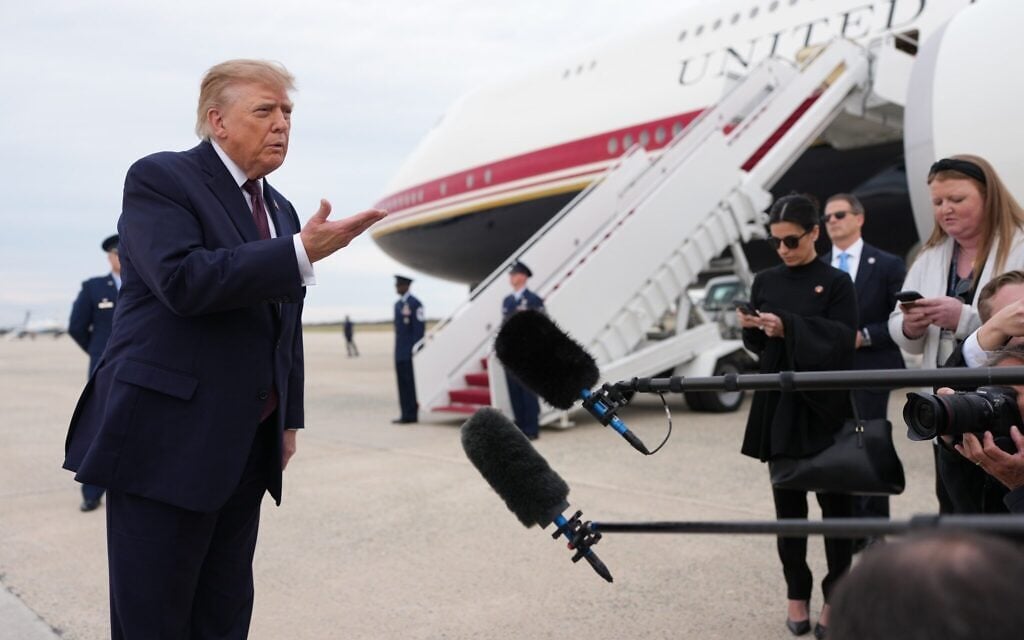
Il presidente americano Donald Trump non permetterà che il conflitto con l’Iran si trasformi in una “guerra senza fine”. Lo ha assicurato il vicepresidente degli Stati Uniti, JD Vance, durante un incontro con gli elettori organizzato da Fox News a Fort Worth, in Texas, difendendo la campagna militare dell’amministrazione americana in Medio Oriente.

Il comandante del Comando Centrale degli Stati Uniti (CENTCOM), l’ammiraglio Brad Cooper, ha informato il Presidente americano Donald Trump sulle opzioni militari da adottare nei confronti dell’Iran durante una rara visita alla Casa Bianca. Lo riporta il Wall Street Journal, citando fonti ufficiali americane e altre fonti con conoscenza diretta della questione. Secondo il quotidiano, all’incontro hanno partecipato anche il Segretario alla Difesa Pete Hegseth e il Capo di Stato Maggiore Congiunto, il generale Dan Kyne. L’incontro ha fatto seguito a una riunione tenutasi ieri alla Casa Bianca, durante la quale gli ufficiali militari hanno incontrato il vicepresidente JD Vance, ha affermato una fonte.

L'articolo Medio Oriente nel caos, 4 petroliere in fiamme a Hormuz, missili Houthi contro l’Arabia. Trump con i vertici militari Usa alla Casa Bianca proviene da Affaritaliani.it.

  •  

Washington Warns Allies of Possible New Strikes on Iran After US Midterm Elections

The United States has privately warned Middle Eastern allies to prepare for renewed military operations against Iran following the 3 November congressional elections, according to diplomatic sources. Although President Donald Trump has not authorised further strikes, the warnings have heightened concerns about regional escalation, energy infrastructure and the consequences for European economies already facing rising fuel costs.

American officials have advised several governments in the Middle East to prepare for possible new military strikes against Iran after next week’s US midterm elections, raising the prospect of another escalation in a conflict that has already disrupted international energy markets.

According to an Associated Press investigation published on 29 October, two diplomats familiar with the warnings said US officials had urged regional allies to consider the possibility of Iranian retaliation against energy facilities and other critical infrastructure.

The diplomats emphasised that President Donald Trump had not made a final decision to resume military operations.

Nevertheless, Washington’s warnings suggest that preparations are being discussed for a potential campaign extending over several days.

Regional governments are concerned that retaliatory action by Iran or organisations aligned with Tehran could prolong the fighting beyond the duration initially envisaged by the United States.

The White House and American officials declined to comment on the reported communications.

Military Preparations and Political Timing

The warnings come as Trump approaches the final days of campaigning ahead of the 3 November elections.

The president has repeatedly suggested that further military action against Iran could follow the vote, although he has also claimed that the conflict may be approaching its conclusion.

During a campaign appearance in Texas, Trump said the war could end within weeks, while reiterating his insistence that Iran must not acquire nuclear weapons.

The timing of possible military action remains uncertain.

The Pentagon has increased its regional military presence, including the deployment of the aircraft carrier USS Theodore Roosevelt and additional amphibious forces.

Approximately 9,000 military personnel were associated with the deployment announced in September.

However, the movement of forces does not establish that an attack has been authorised or that particular targets have been selected.

American military preparations can also serve as deterrence, signalling and contingency planning.

The distinction is important because the political consequences of renewed strikes would depend on their scale, objectives and Iranian response.

Tehran Maintains That Diplomacy Remains Possible

Iran has indicated that it remains willing to pursue negotiations.

Foreign Minister Abbas Araghchi said on 28 October that Tehran was continuing to consider diplomatic proposals and wanted elements of its earlier ceasefire initiative to form the basis for renewed discussions.

That proposal had previously been rejected by Washington.

The continuing disagreement concerns both the conditions for ending military operations and wider questions about Iran’s nuclear programme.

The United Arab Emirates has urged the parties to seek political solutions and avoid returning to large-scale fighting.

Regional governments face a particularly difficult position because they may be exposed to retaliation even when they are not directly involved in American military operations.

Energy facilities, airports, ports and other infrastructure could become targets during an escalation.

Such attacks would also affect civilian populations and commercial activity beyond the immediate combatants.

The Conflict Has Already Spread

The war involving Iran, the United States and Israel began in late February and has subsequently affected other parts of the Middle East.

Iran-aligned Houthi forces have carried out attacks on Saudi oil infrastructure and airports, prompting retaliatory operations by a Saudi-led coalition against targets in Yemen.

These developments have complicated attempts to contain the conflict geographically.

The United States has not conducted a strike against Iran since early September, according to the reporting available on 29 October.

However, the absence of recent American attacks has not removed the risk of renewed operations.

Regional governments are therefore considering a range of possible developments, including limited strikes, a longer military campaign or retaliatory attacks preceding any American operation.

None of these scenarios should be treated as inevitable.

Europe Faces Another Energy Risk

For the European Union, a renewed confrontation would have implications extending well beyond diplomatic relations with Washington.

The Middle East remains a major source of global oil and liquefied natural gas supplies.

The Strait of Hormuz is particularly important to international energy shipping, connecting producers in the Persian Gulf with markets in Europe and Asia.

An increase in attacks on shipping, production facilities or export terminals could place further pressure on global energy prices.

The consequences would not necessarily be confined to countries purchasing oil or gas directly from the region.

European consumers compete in internationally connected markets, meaning supply disruptions can influence prices even where import arrangements have been diversified.

The EU has substantially reduced its dependence on Russian pipeline gas since 2022, but growing reliance on liquefied natural gas creates exposure to fluctuations in international supply and demand.

A further Middle Eastern escalation could therefore complicate Europe’s efforts to rebuild gas reserves and contain industrial energy costs before winter.

Higher fuel prices would also affect transport, food production and household expenditure.

The Strategic Dilemma for European Governments

European governments must balance several interests.

They support efforts to prevent nuclear proliferation, maintain relations with the United States and preserve stability in the Middle East.

At the same time, they have a direct economic interest in avoiding prolonged disruption to maritime trade and energy production.

A new American military campaign could revive debates concerning the legality, necessity and proportionality of military action, particularly if diplomatic alternatives remain available.

European governments may also face decisions about the protection of their nationals, regional diplomatic missions and commercial shipping.

The immediate significance of Washington’s warnings lies in the possibility of renewed hostilities, not in confirmation that such hostilities have been ordered.

With the American elections approaching, governments across the Middle East and Europe are preparing for developments that remain contingent on decisions in Washington and Tehran.

Whether the warnings lead to military action or renewed diplomacy will determine the next phase of a conflict whose economic effects are already being felt far beyond the region.

Photo: Mass Communication Specialist Seaman Kaylianna Genier / US Navy / Wikimedia Commons (Public Domain).

  •  

Report: Qatar Offers Iran Deal to End War with U.S.

Mediators from Qatar reportedly presented Iran with a draft proposal to end its conflict with America and Israel on Sunday, but an Iranian official quickly dismissed the Qatari plan as “unacceptable.”

The post Report: Qatar Offers Iran Deal to End War with U.S. appeared first on Breitbart.

  •  

Irã mantém contato com mediadores sobre plano de 7 dias, diz ministro

O ministro das Relações Exteriores do Irã, Abbas Araqchi, afirmou nesta quarta-feira (28) que Teerã mantém contato próximo com intermediários para discutir propostas que garantam a implementação de um plano iraniano destinado a encerrar a guerra no Oriente Médio.

Araqchi disse que o Irã continua dando uma chance ao caminho diplomático e levantou a possibilidade de que o plano de sete dias apresentado por Teerã seja concluído em menos de uma semana, caso seja implementado.

Anteriormente, o chanceler afirmou que, segundo a proposta, o Estreito de Ormuz, uma das rotas marítimas mais importantes do mundo para o transporte de energia, poderia ser reaberto caso determinadas condições fossem atendidas.

O presidente dos Estados Unidos, Donald Trump, rejeitou a proposta, o que levou a novos esforços de mediação do Catar.

Como é a “mãe de todas as bombas”, arma que EUA querem usar no Irã


  •  

Gulf states working on multipart peace deal to avert renewal of US-Iran war

Talks are aimed at reopening strait of Hormuz and lifting sanctions on Iran, and for Houthis to withdraw in Yemen

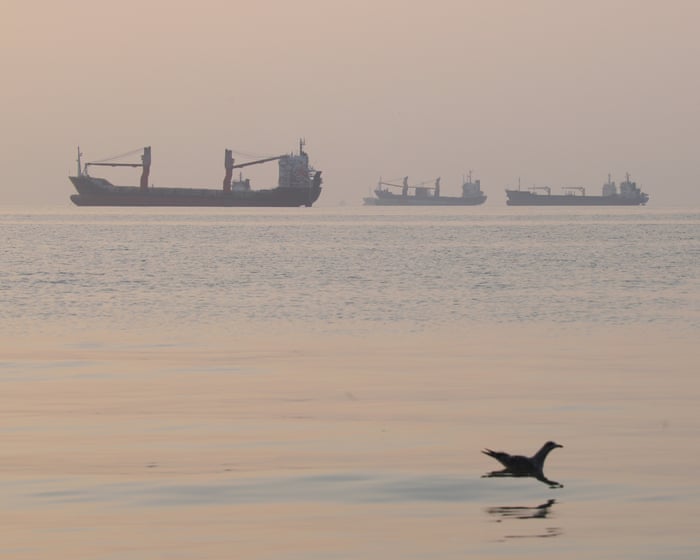
A multipronged peace deal to reopen the strait of Hormuz within four days of sanctions being lifted and for the Houthis to withdraw substantial forces inside Yemen are at the heart of Gulf states’ plans to avert what they regard as a disastrous renewal of war between Iran and the US.

The US is aware of the talks’ progress but is holding out for a concession that European powers suggest could involve Iran allowing UN weapons inspectors back into the country.

Continue reading...

© Photograph: Amirhosein Khorgooi/AP

© Photograph: Amirhosein Khorgooi/AP

© Photograph: Amirhosein Khorgooi/AP

  •  

Russia Says Northern Sea Route Transit Cargo to Nearly Double in 2026

Russia expects cargo transits along the Northern Sea Route (NSR) to more than double in 2026, marking a substantial increase in Arctic shipping despite Western sanctions, although volumes remain far below Moscow’s original ambitions for the route.
  •  
❌