❌

Reading view

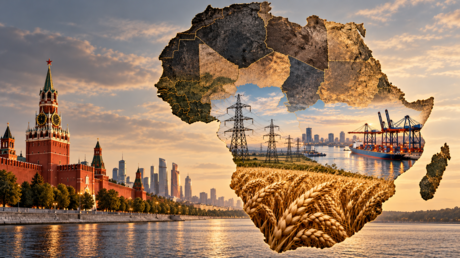
Trade, sovereignty and reform: key Russia-Africa Summit 2026 takeaways

President Vladimir Putin and African Union chair Evariste Ndayishimiye have called for deeper economic ties and global reforms following the adoption of a joint declaration

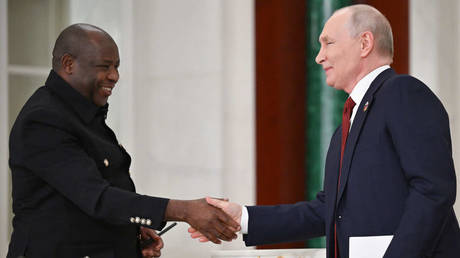
Russia and African countries have agreed to deepen economic cooperation, strengthen political coordination, and push for reforms of global institutions, Russian President Vladimir Putin and African Union chair Evariste Ndayishimiye said in a joint press statement on Thursday.

Speaking at the conclusion of the third Russia-Africa Summit in Moscow, the two leaders outlined the results of the October 28–29 gathering, which brought together senior delegations from 48 African countries, including 21 led by heads of state.

READ MORE: Russia-Africa Summit by the numbers: What was achieved despite Western pressure

The gathering resulted in the adoption of three documents: the Declaration of the 3rd Russia-Africa Summit, the Declaration of Cooperation in the Civilian Application of Artificial Intelligence Technologies, and the Russia-Africa Partnership Forum Action Plan for 2027–2029.

Turning political solidarity into economic cooperation

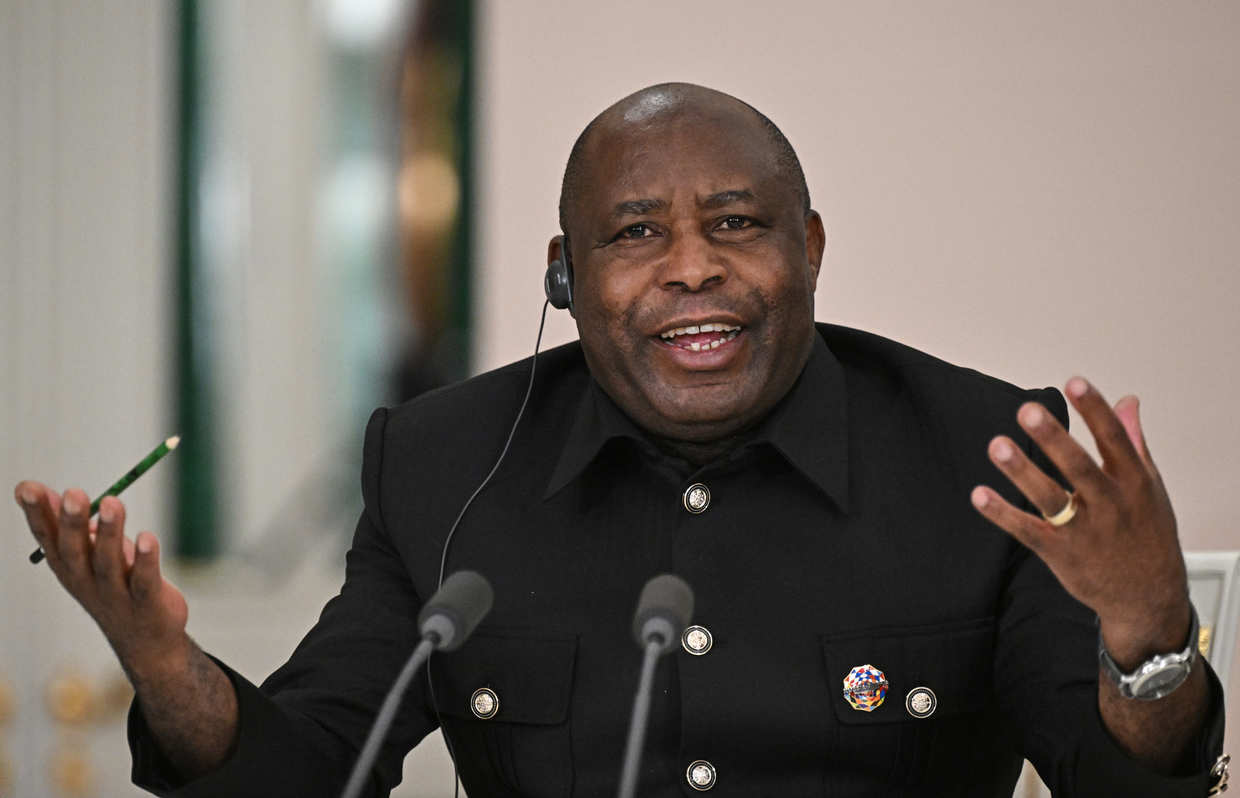
Ndayishimiye said African countries are seeking to diversify their international partnerships and strengthen their sovereignty, with Russia playing a role in accelerating economic development and regional integration.

Speaking about the summit’s three-year action plan, he said that the leaders “outlined priorities, financing mechanisms, implementation schedules and areas of responsibility, and set dates by which expect to see results.”

President of Burundi and Chairperson of the African Union Evariste Ndayishimiye delivers a statement for the media ©  Sergey Bobylev / Sputnik / Russia-Africa Summit and Economic and Humanitarian forum host рhoto agency

The African Union chair called for greater Russian investment to help African countries create added value locally. He also stressed that African youth expected tangible results, including more scholarships, reliable energy supplies, and digital solutions.

Read more
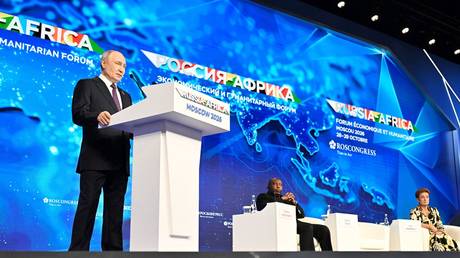
Russian President Vladimir Putin speaks at the plenary session of the Russia-Africa Economic and Humanitarian Forum in Moscow.
Russia-Africa Summit: Putin’s key proposals on trade, technology and Western finance alternatives

Expanding trade and financial independence

Putin said Russia-Africa trade currently stood at $27 billion but remained well below its potential, and called to double it.

The Russian president noted national currencies, including the ruble, now accounted for 85% of settlements in commercial transactions between Russia and African countries.

Reducing technological dependence

Ndayishimiye called for reducing Africa’s technological dependence. He stressed the summit had adopted a separate declaration on artificial intelligence, advocating equitable international cooperation with a central role for the United Nations.

Putin said Russia and African countries had signed agreements aimed at introducing Russian digital solutions, including AI-based technologies, in African economies and public administration.

Africa must choose its own partners

Asked whether Africa risked becoming an arena for competition between major powers, Putin rejected the suggestion that Moscow viewed African countries as objects of geopolitical rivalry.

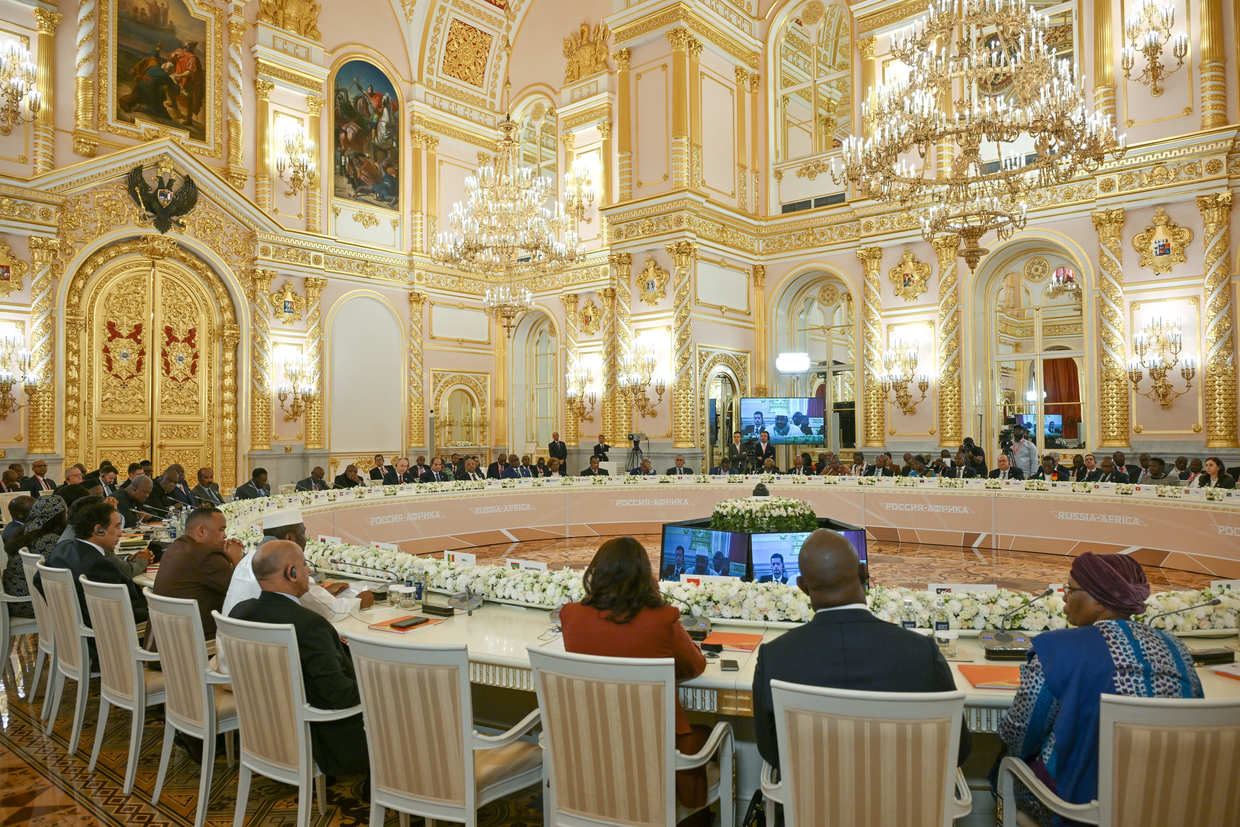
Plenary session of the 3rd Russia-Africa Summit in Moscow. ©  Yuri Kochetkov / Sputnik / Russia-Africa Summit and Economic and Humanitarian forum host рhoto agency

“We have not pursued any colonial policies. It is the opposite: we helped them to liberate themselves from the neo-colonial yoke,” he stated.

Ndayishimiye similarly stressed that African nations were no longer in a position where outside powers could determine their partnerships.

Read more
RT
Why Africa needs Russia

Reforming global institutions

Putin backed permanent African representation on the UN Security Council. “I am absolutely convinced that Africa must be represented there on a permanent basis, including in the Security Council,” he said.

Ndayishimiye reaffirmed Africa’s position on UN reform, while calling for greater representation in global financial institutions and closer cooperation with BRICS.

Strengthening security and humanitarian cooperation

Putin said Russia would continue consultations with parties involved in African conflicts and expressed hope that Moscow’s diplomatic efforts could help prevent further escalation.

He also pledged to expand cooperation in healthcare and education, including medicine supplies, mobile laboratories, and training for African students.

Russia’s epidemic-control assistance program for African countries has been extended through 2029, Putin said, adding that African partners supported expanding Russian university branches and educational centers on the continent.

Moscow Declaration sets out common political positions

The 101-point declaration, adopted in Moscow on October 29, is divided into five sections covering political and legal cooperation, security, economic ties, humanitarian cooperation, and environmental protection and climate issues. Here are its key points.

  • Maritime security: Oppose the unjustified detention, seizure or arrest of civilian vessels, including African-flagged ships, in violation of international law. The document warns that such actions against commercial vessels turn maritime trade into “a tool of economic and political pressure.”
  • Sanctions: Oppose unilateral coercive measures that violate international law, including measures imposed outside the UN Security Council, and strengthen coordination to reduce their impact on trade, energy, healthcare and food security.
  • Sovereign assets: Oppose the freezing and attempted confiscation of sovereign assets, as well as political and economic coercion against sovereign states.
  • Colonial reparations: Pursue legal mechanisms to assess and compensate for damage inflicted on African countries during the colonial era, alongside efforts to complete the continent’s decolonization.
Read more
RT
Stolen diamonds and locked archives: The desperate balancing act of the British Crown
  • International justice: Counter the politicization and misuse of international criminal justice mechanisms, including their use to exert neocolonial pressure on African states, and strengthen cooperation to ensure the independence and impartiality of international courts.
  • UN reform: Work toward reforming the Security Council to increase African representation, taking into account the continent’s common position under the Ezulwini Consensus and the 2005 Sirte Declaration.
  • Counterterrorism: Strengthen cooperation against terrorist groups’ use of drones, encrypted platforms, and digital finance, while also addressing terrorist financing, organized crime, and maritime piracy.
  • Arms control: Oppose the politicization of international arms control, disarmament, and nuclear nonproliferation mechanisms, and support compliance with existing treaties governing nuclear, chemical, and biological weapons.
  • IMF and World Bank: Push for reforms to give African countries greater representation in the leadership of both institutions and more influence over decision-making.
  • G20: Call for South Africa’s full and active participation in the group to be restored as soon as possible, while strengthening the voice of African countries and the wider Global South.
Read more
Visitors viewing Tutankhamun’s golden coffin at the Grand Egyptian Museum, Giza, Egypt, November 4, 2025.
Tutankhamun is waiting. Will Europe return Egypt’s stolen treasures?
  • Cultural heritage: Support the return of cultural objects and historical artifacts removed from African countries during colonial rule, alongside efforts to protect cultural heritage from illicit trafficking.
  • Space cooperation: Expand cooperation in peaceful space exploration, satellite communications, Earth observation, and joint research, including spacecraft technologies and equipment.
  • Trade and infrastructure: Expand cooperation in precious metals, strengthen industrial value chains, and develop maritime, river, road, rail, and aviation infrastructure. Remove trade barriers, increase African exports of value-added products and establish reliable financial settlement mechanisms to support trade and investment.
  • Energy cooperation: Expand cooperation across oil and gas, nuclear, hydropower, hydrogen, and renewable energy to strengthen energy security and improve access to electricity.
  • Education and healthcare: Expand academic exchanges, Russian-language education and joint research, while strengthening healthcare systems through medical training, laboratory development, and epidemic preparedness.
  • Media cooperation: Strengthen ties between Russian and African media through the opening of representative offices, journalist training, information exchanges, and joint media projects.
  • Climate policy: Oppose discriminatory protectionist measures introduced under the pretext of combating climate change, while expanding cooperation on climate adaptation and environmental projects that take national priorities into account.
Read more
FILE PHOTO.
Breaking free: How Africa can escape its geographic and historical chains
  • Sovereignty: Counter neocolonial practices that undermine states’ independence, restrict their decision-making, or facilitate the exploitation of natural resources, while upholding countries’ right to determine their own development paths.
  • Conflict resolution: Support African-led efforts to resolve and prevent conflicts on the continent, guided by the principle of “African solutions to African problems.”

  •  

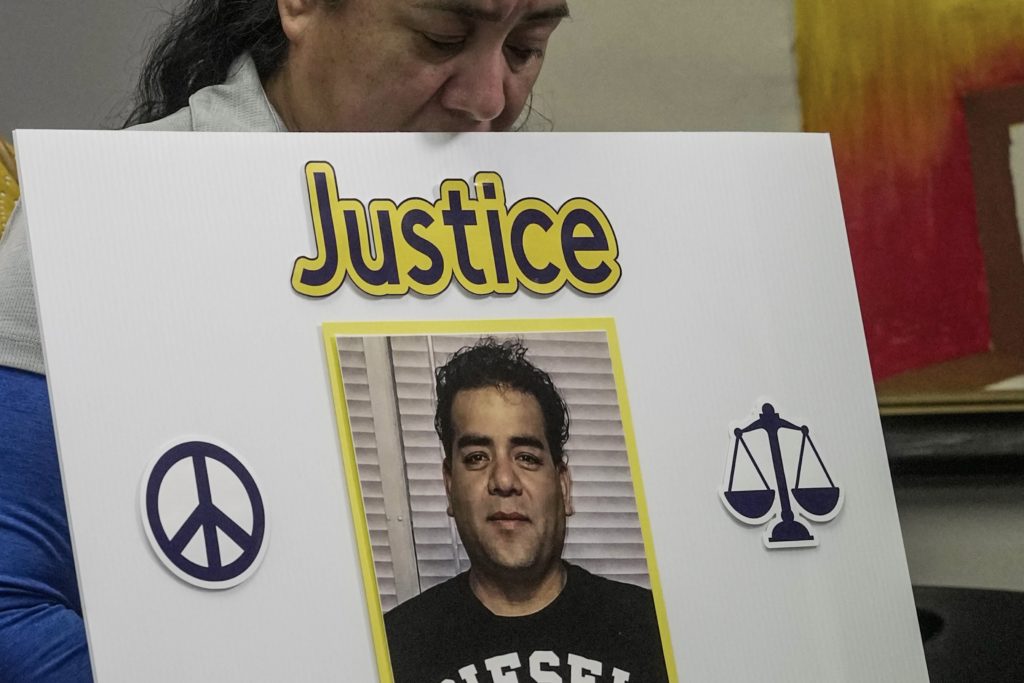
An ICE officer has been charged after striking a man with a car in Houston

The Harris County District Attorney's office says Mario Alberto Morales was behind the wheel of an unmarked black vehicle on Oct. 10 when it struck Miguel Parra Hernandez, 48, who was running away.

  •  

VIDEO: La NASA muestra una inquietante nebulosa con cara de gato, que te dejará hipnotizado

Preview Los telescopios espaciales Hubble y James Webb de la NASA observaron recientemente una inquietante escena de formación estelar dentro de la Nebulosa de Carina, una enorme nube de gas y polvo situada a unos 7.500 años luz de la Tierra. La escena ha sido apoda Nebulosa de la Cabeza de Gato debido a su parecido un felino sentado de espaldas al espectador, cuya cabeza está girada hacia la derecha y revela un ojo brillante.
  •  

La Procuraduría de Investigaciones Administrativas pidió reabrir la causa $LIBRA tras el sobreseimiento de Javier y Karina Milei

La Procuraduría de Investigaciones Administrativas pidió reabrir la causa $LIBRA tras el sobreseimiento de Javier y Karina Milei y otros nueve imputados

La Procuraduría de Investigaciones Administrativas (PIA), encabezada por Sergio Rodríguez, se presentó en la causa $LIBRA y solicitó reabrir la investigación después de que el juez federal Marcelo Martínez De Giorgi sobreseyera al presidente Javier Milei, a su hermana Karina Milei y a otros nueve imputados. El organismo asumió el ejercicio de la acción penal y, en subsidio, interpuso un recurso de apelación para que la decisión sea revisada por la Cámara Federal si el magistrado rechaza su pedido.

El planteo llegó una semana después de que Martínez De Giorgi dictara los sobreseimientos, el pasado 23 de octubre, a pedido del fiscal Eduardo Taiano, quien consideró que los hechos investigados no constituían delitos. La resolución también fue cuestionada por varios inversores que denunciaron haber sufrido pérdidas económicas tras el desplome del activo digital y presentaron recursos para revertirla.

El expediente se originó por el lanzamiento de $LIBRA, una criptomoneda que Milei promocionó el 14 de febrero de 2025 desde su cuenta de X. En aquella publicación, el mandatario difundió Viva la Libertad Project, presentado como una iniciativa destinada a financiar emprendimientos privados argentinos, e incluyó información para acceder al token. Su cotización aumentó rápidamente y se desplomó pocas horas después, lo que motivó denuncias de compradores.

El juez federal Marcelo Martínez De Giorgi sobreseyó a Javier y Karina Milei y a otros nueve investigados en la causa $LIBRA

A partir de esos hechos, la Justicia comenzó a investigar si existió una maniobra engañosa destinada a inducir inversiones y provocar perjuicios económicos. También se examinaron posibles delitos vinculados con el ejercicio de la función pública y las relaciones entre los promotores del proyecto y personas del entorno presidencial.

Entre los investigados se encontraban, además de los hermanos Milei, el operador Mauricio Novelli, el empresario estadounidense Hayden Davis, vinculado con el lanzamiento del token, Manuel Terrones Godoy y Sergio Morales. Durante la instrucción se incorporaron comunicaciones, documentos y archivos electrónicos relacionados con los contactos entre algunos de los involucrados.

Al resolver en la causa, el magistrado hizo lugar al requerimiento de Taiano y dispuso el sobreseimiento de las once personas comprendidas en el expediente. Hasta entonces, ninguna había sido convocada a prestar declaración indagatoria. En sus fundamentos, sostuvo que la promoción de $LIBRA y la posterior caída de su precio no alcanzaban para acreditar una estafa.

El fiscal federal Eduardo Taiano solicitó el sobreseimiento de los once investigados en la causa $LIBRA al considerar que los hechos denunciados no constituían delitos

Según explicó, esa figura penal requiere demostrar un engaño concreto que haya provocado un error en los compradores y un perjuicio patrimonial derivado de esa conducta. A su entender, las pruebas reunidas no permitían establecer esos puntos.

En relación con Javier Milei, señaló que no se había acreditado que su publicación constituyera un acto oficial del Gobierno ni que existieran órdenes, resoluciones administrativas o intervenciones estatales relacionadas con el lanzamiento. Sobre esa base, descartó las hipótesis de abuso de autoridad y negociaciones incompatibles con la función pública.

Respecto de Karina Milei, secretaria general de la Presidencia, examinó documentación extraída del teléfono de Novelli y referencias a reuniones con personas vinculadas al proyecto. Sin embargo, concluyó que esos elementos no demostraban un acuerdo ilícito ni una intermediación remunerada para facilitar encuentros con el Presidente.

El juez de primera instancia también tuvo en cuenta que los inversores denunciantes habían sido apartados como querellantes, por lo que no subsistía una acusación independiente de la fiscalía que permitiera sostener el proceso frente al pedido de sobreseimiento.

Los hermanos Javier y Karina Milei quedaron involucrados en la investigación por el lanzamiento y la promoción de la criptomoneda $LIBRA en febrero de 2025 (Delfina Corbera Pi / Zuma Press / Europa Press)

Las apelaciones contra los sobreseimientos

La decisión fue recurrida por Juan Patricio Marchetto, representado por el diputado Juan Grabois y el abogado Nicolás Rechanik. También apelaron Martín Romeo y dos inversores bielorrusos patrocinados por Nicolás Oszust, quienes formularon distintos cuestionamientos a la resolución.

En su presentación, Marchetto alegó que el magistrado había confundido la insuficiencia de pruebas con la inexistencia de un delito. Sus representantes advirtieron que todavía quedaban diligencias pendientes, entre ellas ampliaciones de peritajes, y reclamaron profundizar el análisis de las comunicaciones incorporadas al expediente antes de dar por concluida la investigación.

Por su parte, los inversores representados por Oszust solicitaron la nulidad del dictamen fiscal y de los sobreseimientos. Argumentaron que no habían tenido oportunidad de pedir que un fiscal superior revisara el criterio de Taiano, una posibilidad que, según sostuvieron, les correspondía incluso después de perder la condición de querellantes.

Mauricio Novelli fue uno de los protagonistas de las actuaciones judiciales por $LIBRA, en las que se analizaron comunicaciones y reuniones vinculadas al proyecto

Previsamente, el apartamiento de los denunciantes también fue recurrido y permanece pendiente de resolución ante la Cámara Federal de Casación Penal. Mientras tanto, el juzgado debe decidir si concede las apelaciones contra los sobreseimientos para que intervenga la Sala I de la Cámara Federal porteña, integrada por Mariano Llorens, Pablo Bertuzzi y Pablo Yadarola.

En ese escenario se produjo la intervención de la PIA, cuyo pedido de reapertura y apelación subsidiaria se incorporan a la discusión judicial sobre la continuidad de la causa.

  •  

Da Genova al Pireo, i portuali bloccano gli scali in tutto il mondo contro il traffico di armi: “Fatta la storia, 22 Paesi uniti contro l’economia di guerra”

Dockworkers do not work for war. “I lavoratori portuali non lavorano per la guerra“, si legge sullo striscione affisso dai manifestanti sul parapetto di ponte Mosca, a Torino. A Genova, 15mila persone sono entrate nel porto da varco Albertazzi, per affiancare i lavoratori che hanno bloccato lo scalo con grandi pneumatici e fumogeni, ribadendo il loro no al riarmo, alla guerra e al carovita. A Livorno, alle 6 di mattina, i presidi Usb a Ponte Genova, nella zona del porto, erano già affollati. E così anche ad Ancona, Civitavecchia, Gioia Tauro, Carrara, Bari, Ravenna e Trieste. Ma il 30 ottobre la mobilitazione dei lavoratori portuali non ha bloccato solo le banchine italiane, in concomitanza con la giornata di sciopero generale. Sono 113 in tutto i porti coinvolti nella protesta. Ventidue Paesi, in cinque continenti diversi: “Una potente espressione di coordinamento internazionalista e di classe contro lo sfruttamento, l’aggressione imperialista e la guerra”, scrivono i promotori. E questo tipo di collaborazione orizzontale, commentano i manifestanti, “fa paura ai governanti perché i lavoratori mostrano il loro potere, bloccando le armi e la circolazione delle merci”. Secondo le associazioni, lo sciopero ha lasciato a terra 52mila container, per un valore di 2,8 miliardi di dollari.

Il centro della mobilitazione italiana, e non solo, è Genova. Da qui il Collettivo autonomo lavoratori portuali (Calp) e il sindacato Usb Mare e Porti chiamano a raccolta il Paese e “tutti i cittadini che si rifiutano di lavorare per la guerra”. “Oggi blocchiamo tutto”, ha commentato José Nivoi, portavoce del Calp del capoluogo ligure. “Il porto è casa nostra, ma sta diventando sempre più casa dei fondi finanziari, di chi sta in Svizzera, a Singapore o a Taiwan. Dobbiamo cambiare questo Paese e riprenderci la politica in mano – ha aggiunto Nivoi -, perché chi ci rappresenta non ha interesse per il popolo, ma solo per banca e finanza”. E sulla precettazione del ministro dei Trasporti Matteo Salvini: “Non ci interessa, lui non ha capito che si va fino in fondo adesso. Pensa di bloccare lo sciopero attaccandosi al ponte dei Santi e dei Morti, ma non funziona così. Si occupi dei trasporti invece della propaganda politica con i militari a Milano: prendo i treni tutti i giorni e non ce n’è uno in orario, c’è un disagio continuo. Faccia il suo lavoro o si dimetta”. Nivoi ha quindi richiamato le ragioni complessive della mobilitazione, parlando di un malessere sociale che travalica i confini nazionali, seppur “il governo Meloni abbia aggravato le cose”. “Queste battaglie – ha concluso – uniscono i lavoratori a livello mondiale, in cinque continenti. Siamo tutti nelle stesse condizioni”.

Le notizie dei presìdi arrivano da tutti i principali scali internazionali. In Grecia, le navi sono rimaste ormeggiate in sette porti: al Pireo, circa 3mila portuali e marittimi hanno incrociato le braccia per interrompere le operazioni di movimentazione delle merci e sospendere i traghetti verso le isole. In Francia, la Cgt Ports et Docks ha proclamato 24 ore di astensione dal lavoro. Iniziative anche in Spagna, Germania e Turchia. La protesta ha raggiunto inoltre il Marocco e l’India, dove i sindacati avevano annunciato possibili interruzioni delle attività in una dozzina di porti. Alle astensioni dal lavoro, si sono affiancati cortei e presìdi. I portuali, oltre a voler bloccare il traffico d’armi, chiedono sicurezza per chi naviga nelle zone di guerra. Secondo il sindacato greco Penen – riportato da Reuters -, dall’inizio del 2026 nel Mar Nero si sarebbero verificati 570 attacchi contro le navi, con 40 marittimi uccisi e centinaia di feriti. Nei primi 21 giorni di ottobre, sempre secondo il sindacato, gli attacchi alle imbarcazioni nel Golfo Persico sarebbero stati 28. Dall’India, i rappresentanti della federazione Wtwfi riferiscono di 15 marittimi indiani morti nel conflitto con l’Iran. Per quanto riguarda l’impatto economico, secondo il gruppo No Harbour for Genocide – l’associazione internazionale che chiede di fermare i trasferimenti marittimi di armi, materiale militare e carburante destinati a Israele attraverso i porti – , lo sciopero coinvolge 52mila container, per un valore di 2,8 miliardi di dollari.

“Oggi Genova ha fatto la storia“, commenta infine Nivoi, alla conclusione del corteo nel capoluogo ligure. “Partendo da qui abbiamo coordinato il blocco di oltre 100 porti in cinque continenti, dando vita al più grande sciopero internazionale marittimo della storia, legato a doppio filo allo sciopero generale”. “Il tema delle armi è quello che tiene insieme tutto – ha sottolineato Nivoi -. Il governo sceglie di finanziare gli armamenti sottraendo risorse vitali a ospedali e istruzione. Quando si parla di riarmo i fondi ci sono sempre, mentre per ristrutturare gli edifici scolastici non c’è una lira, al punto che ci sono aule con muffa e soffitti pericolanti dove gli studenti rischiano la salute. È una vergogna: si taglia sui servizi essenziali mentre l’inflazione, il caro benzina e l’aumento del costo della vita impediscono persino a chi percepisce duemila euro di arrivare a fine mese”, conclude.

L'articolo Da Genova al Pireo, i portuali bloccano gli scali in tutto il mondo contro il traffico di armi: “Fatta la storia, 22 Paesi uniti contro l’economia di guerra” proviene da Il Fatto Quotidiano.

  •  

Una jueza federal prohíbe a agentes del ICE detener a personas por su apariencia latina en California

La apariencia, el idioma o el hecho de trabajar en determinados lugares no pueden convertirse en motivos suficientes para que agentes migratorios detengan a una persona en partes de California. Una jueza federal en ese Estado ordenó restringir estas prácticas al considerar que existe un amplio conjunto de pruebas sobre presuntos operativos basados en el perfilamiento racial de la población latina en el sur del Estado.

Seguir leyendo

© Kevin Mohatt (REUTERS)

Redada de agentes del ICE en Colorado, en febrero de 2025.
  •  

Is North Korea’s Lazarus Group behind massive $6.3 Billion Binance Hack?

ISLAMABAD – Billions of dollars vanished from leading cryptocurrency exchange Binance wallets in matter of minutes, leaving crypto-world stunned. As investigators race to trace staggering $6.3 billion heist, suspicion is turning towards North Korea’s Lazarus hacking network. But did Pyongyang really mastermind what could be the biggest crypto theft in history?

The extraordinary cyberattack, which hits world’s largest cryptocurrency exchange, jolted global digital asset market after hackers allegedly moved billions of dollars out of Binance-controlled wallets, with most of the theft unfolding within half an hour. The amount stolen is more than four times the $1.5 billion lost in the infamous Bybit breach in February 2025, showing unprecedented scale of latest attack.

Binance hit by $6.3b hack in potentially biggest crypto heist in history

While perpetrators have not been officially identified, two major blockchain intelligence firms, TRM Labs and Chainalysis, have expressed high confidence that North Korean cybercriminals were responsible. The suspected organisation is TraderTraitor, a sophisticated hacking operation associated with the Lazarus Group, which has previously been linked to major cryptocurrency thefts.

North Korea under Spotlight over Crypto Theft

Investigators believe Binance operation bears striking similarities to earlier attacks attributed to North Korean state-linked hackers. TRM Labs said its investigation uncovered technical patterns and operational methods consistent with previous TraderTraitor campaigns.

Chainalysis reported suspicious movements of stolen cryptocurrency, including transactions in which assets linked to the Binance breach were mixed with funds from another recent exchange attack widely attributed to North Korean actors. The findings have strengthened suspicions that the same hacking network may be responsible for multiple major cryptocurrency thefts.

North Korea repeatedly denied accusations of sponsoring cybercrime, while Binance has not confirmed any connection between the attackers and Pyongyang. For years, Western authorities have accused North Korean hacking organisations of stealing cryptocurrencies to generate foreign currency, evade international financial restrictions and potentially support the country’s weapons programmes.

However, the latest allegations remain intelligence assessments rather than a confirmed finding by law enforcement authorities.

The scale of the operation has raised serious questions about the security systems protecting the world’s biggest cryptocurrency exchange. Binance co-CEO Richard Teng disclosed that the attackers carried out a complex, coordinated intrusion rather than simply exploiting a single employee’s compromised computer.

An initial investigation suggested that a developer’s laptop had been breached, potentially providing access to internal systems.

According to blockchain security researchers, the attackers manipulated transaction-authorisation mechanisms involving Ethereum’s EIP-7702 functionality, enabling malicious instructions to drain cryptocurrency from an internet-connected wallet. The operation involved multiple blockchains, with digital assets rapidly transferred into addresses controlled by the attackers.

Teng also described the use of a self-destruct mechanism designed to erase parts of the attackers’ tools and reduce the digital evidence available to investigators. Binance has said it has not found evidence that wallet private keys were leaked.

US Secret Service on Hunt for Stolen Money

US Secret Service becomes involved in investigation, working alongside financial crime specialists, private-sector partners and law enforcement agencies. Investigators are attempting to trace the stolen assets, identify cryptocurrency addresses used by the attackers and prevent the funds from being converted into other digital currencies or withdrawn through exchanges.

The agency is coordinating with the US Attorney’s Office for the District of Columbia and other authorities to identify those responsible and potentially bring criminal charges. FBI has also acknowledged awareness of the incident. Authorities have cautioned that the investigation remains at an early stage, with further details expected as forensic teams examine the breach.

Despite unprecedented theft, Binance and its partners have made progress in restricting access to some of the stolen cryptocurrency. The exchange said approximately $3 billion in affected assets had been located, while stablecoin issuers and blockchain organisations moved to freeze billions of dollars linked to the attack.

Companies involved in restricting stolen assets include Tether and Circle, whose digital currencies were among those targeted. However, freezing cryptocurrency does not automatically mean the money has been recovered or returned to Binance. The exchange has pledged to cover customer losses and allocated more than $6.34 billion in company funds and assets to address the financial impact.

Binance also temporarily suspended withdrawals while engineers conducted additional security checks. Teng said the platform would restore withdrawal services only after completing rigorous testing, with an updated proof-of-reserves report planned to reassure customers about the exchange’s holdings.

Biggest breaches so far

Platform Year Cryptocurrency stolen
Binance 2026 $6.3 billion
Bybit 2025 $1.5 billion
Poly Network 2021 $600 million
Ronin Network 2022 $540 million

Binance theft alone exceeds the combined losses from these three previous major incidents. Security experts have also warned that cryptocurrency criminals are increasingly targeting individual investors through online fraud, stolen credentials and even physical intimidation intended to force victims to reveal private wallet keys.

The growing value of digital assets has made both large exchanges and ordinary cryptocurrency holders attractive targets. For Binance, which serves hundreds of millions of registered users worldwide, the attack represents one of the most serious security challenges in cryptocurrency history.


The post Is North Korea’s Lazarus Group behind massive $6.3 Billion Binance Hack? appeared first on Daily Pakistan English News.

  •  
❌