❌

Normal view

Houthis Expose Saudi Commanders in Yemen, Threaten Targeted Attacks

30 October 2026 at 13:58

File image.

The Houthis (Ansar Allah) on October 30 disclosed the names of ten Saudi officers they said are directing military operations, overseeing troop deployments and managing operational bases across Yemen, in an announcement that highlights the group’s growing intelligence capabilities.

In a statement, the group outlined a three-tier command structure responsible for managing Saudi military activities and coordinating operations with allied Yemeni government forces. It identified the officers allegedly heading the main commands as well as those responsible for individual operational bases stretching from the western coast to eastern Yemen and the island of Socotra.

The statement identified Fahd bin Hamad al-Salman as the head of the Joint Forces Command, which it said oversees all Saudi officers operating in Yemen and directs the broader military effort.

Ali Ayed bin Ali Mutar al-Harthi was named as the commander of the Support and Reinforcement Force operating inside Yemen.

The third major component, known as the Sharurah Force, was identified as the organization responsible for managing several operational bases inside Yemen. The statement named Abdullah bin Fahd al-Suhaili as its commander.

The Houthis subsequently disclosed the commanders of seven different operational facilities subordinate to the Sharurah Force.

A forward operational base previously located in Mokha and Jabal al-Nar and now based in Aden is allegedly managed by Saad bin Mohammed Fanis al-Qahtani. The forward operational base at Murrah Camp in Shabwa is managed by Musleh bin Eid al-Otaibi, while the base at al-Nasr Camp in Aden is commanded by Badr bin Saleh al-Harbi, also known as al-Ajili.

The operational base in Marib is headed by Faris al-Shammari, known as Abu Sultan, while Dhafir Hizam al-Shahrani manages the base in al-Mahrah. Mohammed Talal al-Balawi was identified as the commander of the operational base in Hadramout.

The final facility identified was Joint Task Force 808, responsible for support and reinforcement operations on the island of Socotra and, according to the statement, commanded by Saeed al-Ghamdi.

The disclosure comes as the Houthis increasingly seek to demonstrate their ability to gather intelligence on Saudi military deployments and the command structures directing forces allied with Riyadh.

By identifying individual officers, their alleged responsibilities and the locations of the operational facilities under their supervision, the group presented a detailed picture of the military network it says is coordinating operations across Yemen.

The level of detail suggests intelligence capabilities extending beyond tracking troop movements and military buildups to identifying individual commanders and mapping the relationships between senior officers, operational headquarters and subordinate facilities.

Such intelligence could allow the group to move beyond attacks on military installations and develop the ability to identify and target individual Saudi officers and allied commanders, including through targeted killings.

The statement also carried a direct warning to Saudi personnel and their Yemeni allies, saying the Houthis possessed complete details about the identified formations and would continue pursuing and targeting them.

“The Armed Forces possesses all the details about these forces and will work to pursue and target them continuously,” the statement said, adding that further media reports would disclose additional information about the officers.

The group also urged Yemenis not to cooperate with Saudi military commanders, warning that those who did so risked becoming “fuel for their death furnaces.” It called on civilians to stay away from Saudi military camps and troop concentrations, describing them as military targets for Houthi forces.

Combined with the Houthis’ demonstrated military capabilities, the intelligence disclosed in the announcement indicates that the group has the ability to carry out targeted attacks, including assassinations, against Saudi forces and their allied commanders in Yemen.

_______________________________________________________________________________________________________________________

SouthFront: Analysis and Intelligence

NOW hosted at southfront.press

Previously, SouthFront: Analysis and Intelligence was at southfront.org.

The .org domain name had been blocked by the US (NATO) (https://southfront.press/southfront-org-blocked-by-u-s-controlled-global-internet-supervisor/) globally, outlawed and without any explanation

Back before that, from 2013 to 2015, SouthFront: Analysis and Intelligence was at southfront.com

SOUTHFRONT.PRESS

MORE ON THIS TOPIC:

The post Houthis Expose Saudi Commanders in Yemen, Threaten Targeted Attacks appeared first on South Front.

Alleged Covid fraudsters sought by UK arrested in Sintra

30 October 2026 at 13:55
PJ police

PJ police have announced the arrests of a foreign couple, sought by the United Kingdom, for the crimes of fraud and money laundering during the Covid-19 pandemic. The pair, a

The post Alleged Covid fraudsters sought by UK arrested in Sintra appeared first on Portugal Resident.

Russian Drones Destroy 28 Ukrainian Armed Robots in Failed Assault on Lyman (Video)

30 October 2026 at 13:11

File image.

Ukraine’s 3rd Army Corps launched a large assault involving 28 armed and explosive-laden unmanned ground vehicles in the Lyman direction in Donetsk region, but the Russian military repelled the attack and wiped out all the robotic platforms.

The assault involved three types of ground vehicles. Two vehicles were equipped with automatic grenade launchers, 18 carried rocket-propelled grenades, and eight were loaded with explosive charges for one-way kamikaze attacks.

Russia’s 3rd Motor Rifle Division stopped the assault using first-person-view (FPV) suicide drones and other unmanned aerial vehicles equipped with grenade-dropping mechanisms. It said all 28 ground robots were destroyed before they could accomplish their objectives.

The precise location and date of the failed drone assault were not disclosed by the division, which shared footage of the battle.

The operation highlights Ukraine’s expanding reliance on unmanned ground vehicles to compensate for a shortage of troops.

Rather than relying exclusively on conventional assault groups, Kyiv forces have increasingly experimented with remotely operated platforms carrying explosives and weapons to attack fortified positions.

However, the reported failure also illustrates the limitations of the technology. Despite deploying a relatively large number of armed ground vehicles in a coordinated assault, Kyiv forces were unable to overcome Russian defenses without direct human involvement on the battlefield.

The systems remain vulnerable to aerial surveillance and attack drones, which can intercept them before they reach their targets.

The Russian response also points to the growing adaptation of Russian drone units to the threat posed by armed ground robots.

_______________________________________________________________________________________________________________________

SouthFront: Analysis and Intelligence

NOW hosted at southfront.press

Previously, SouthFront: Analysis and Intelligence was at southfront.org.

The .org domain name had been blocked by the US (NATO) (https://southfront.press/southfront-org-blocked-by-u-s-controlled-global-internet-supervisor/) globally, outlawed and without any explanation

Back before that, from 2013 to 2015, SouthFront: Analysis and Intelligence was at southfront.com

SOUTHFRONT.PRESS

MORE ON THIS TOPIC:


The post Russian Drones Destroy 28 Ukrainian Armed Robots in Failed Assault on Lyman (Video) appeared first on South Front.

Inés Miranda Navarro: 5-Year Prison Term Sought Over Public Contracts, IMACO 89, Algeria and Polisario

30 October 2026 at 13:00
Updated: October 29, 2026 Five years in prison and a ten-year ban from holding public office. That is the prison term sought by Spain’s anti-corruption prosecutors against Inés Miranda Navarro, a senior official at the Cabildo of Gran Canaria, in the case surrounding the “Landscape Days” events. According to the investigating judge’s order and the […]

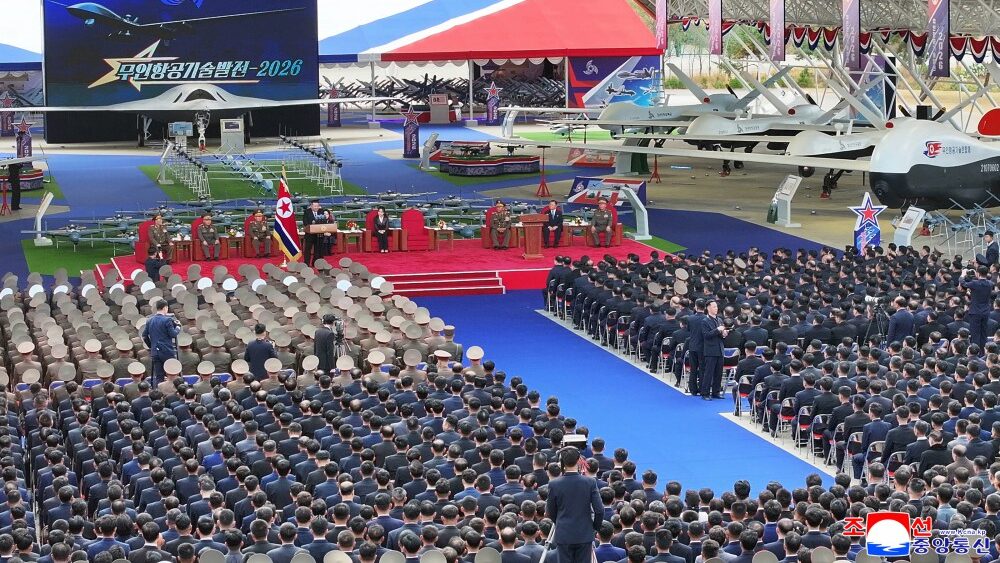
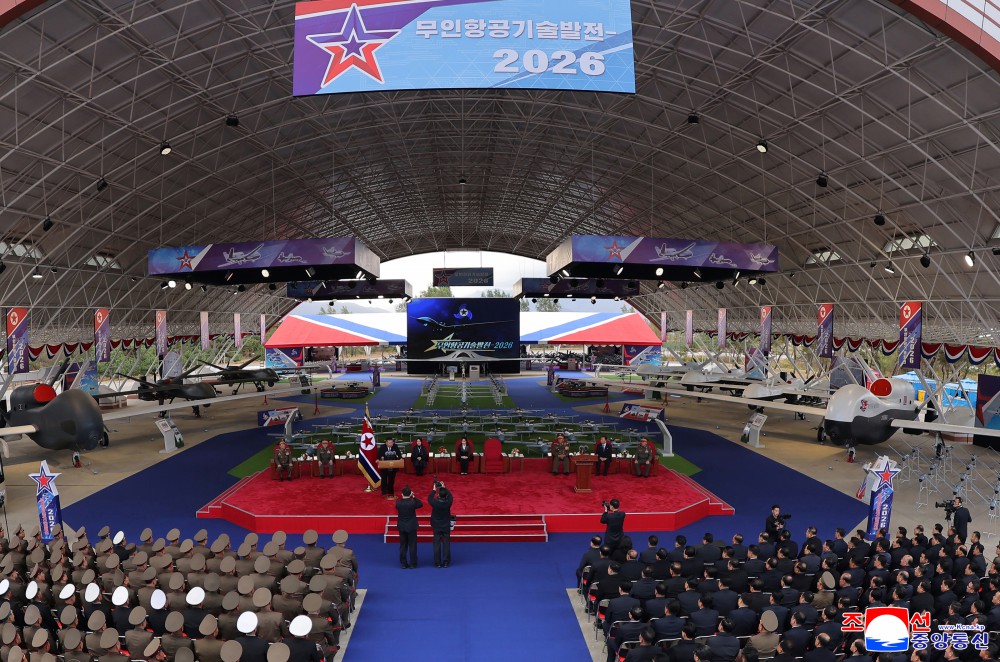
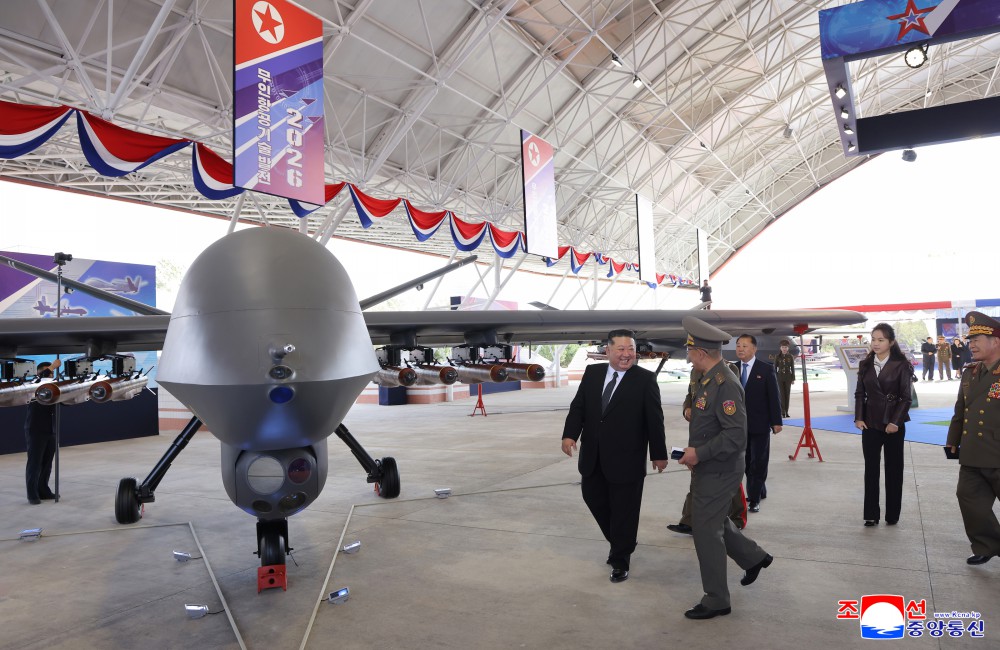
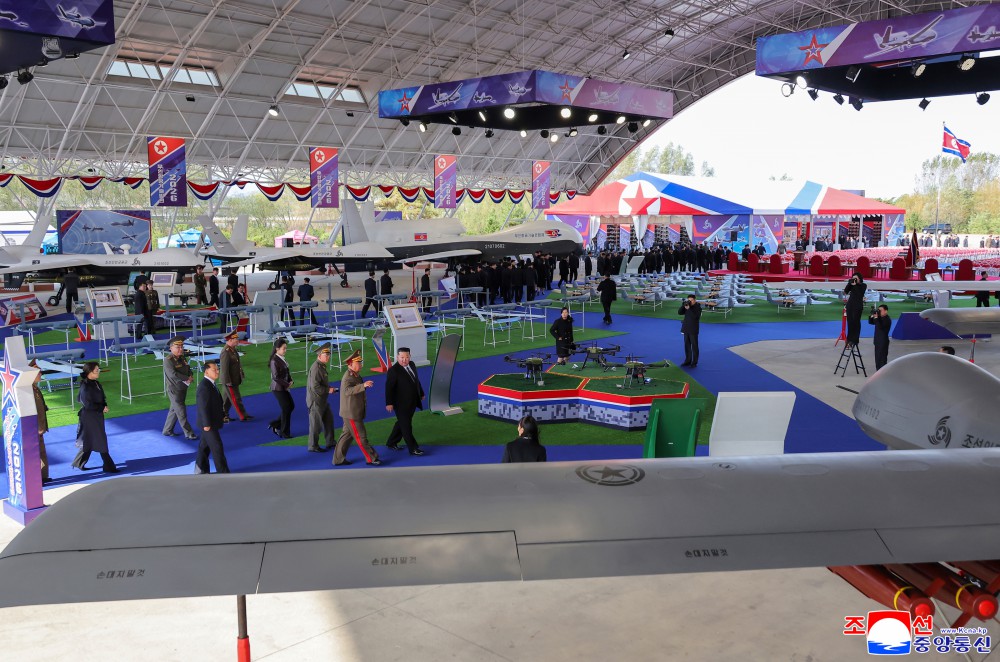
Kim Jong Un Vows ‘Absolute Superiority’ in Drones as North Korea Unveils New Arsenal (Photos)

30 October 2026 at 11:50

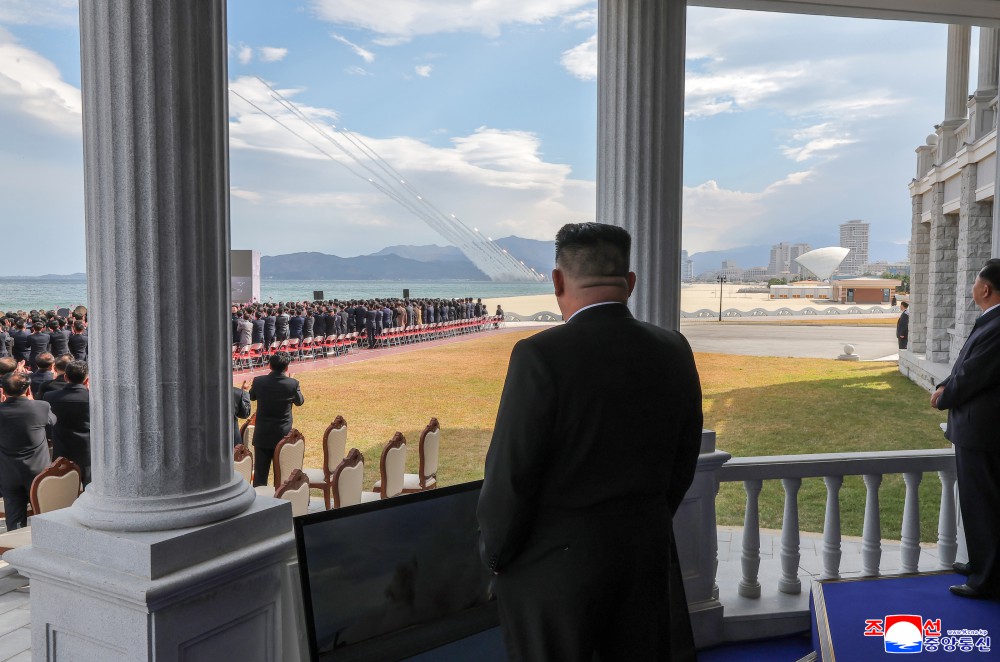
Click to see full-size image. (Korean Central News Agency)

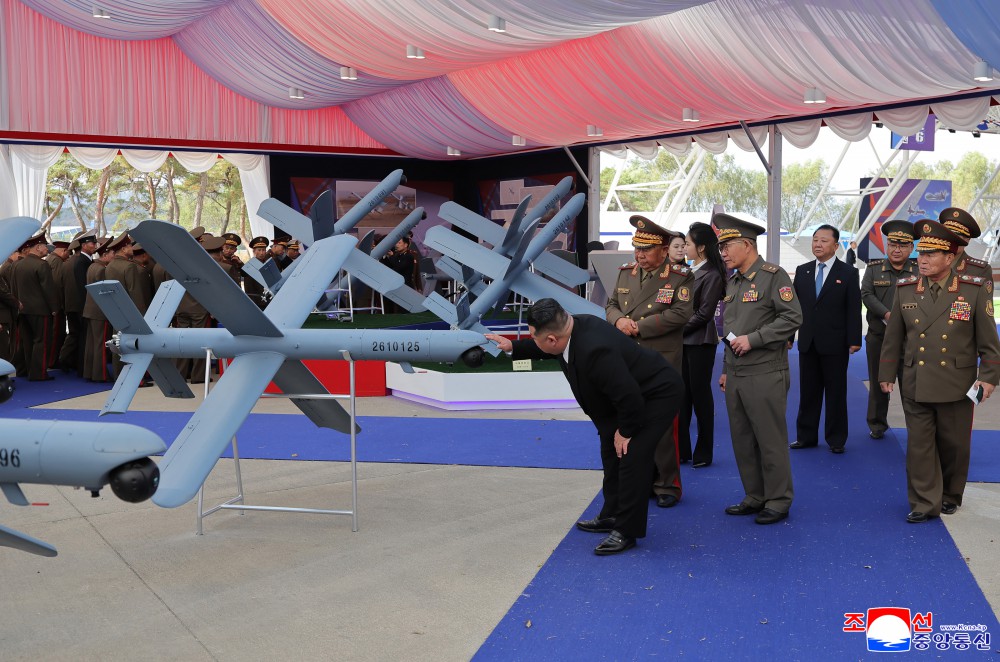
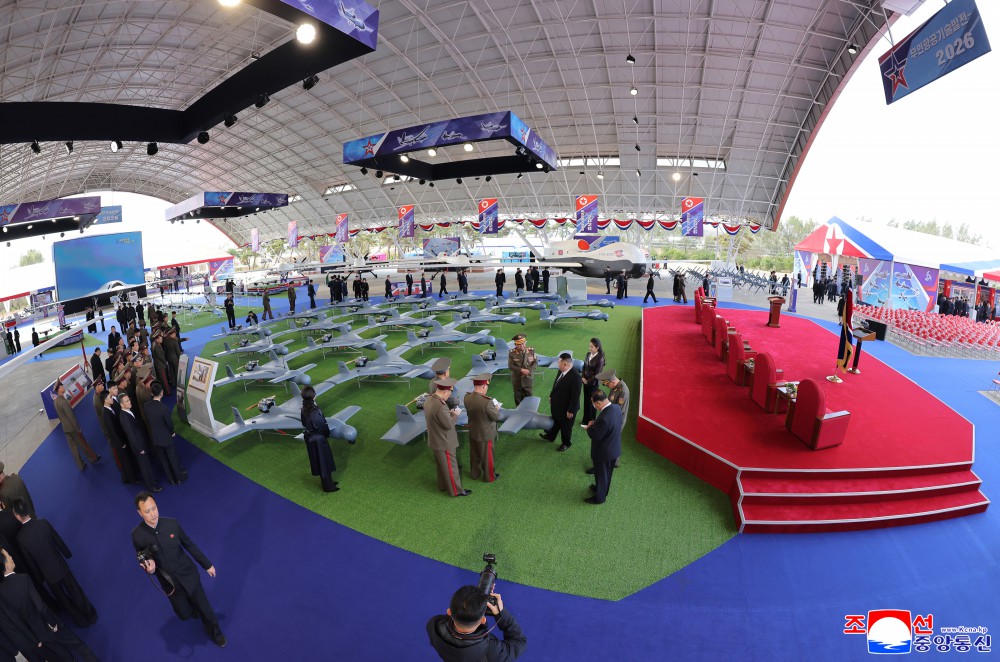
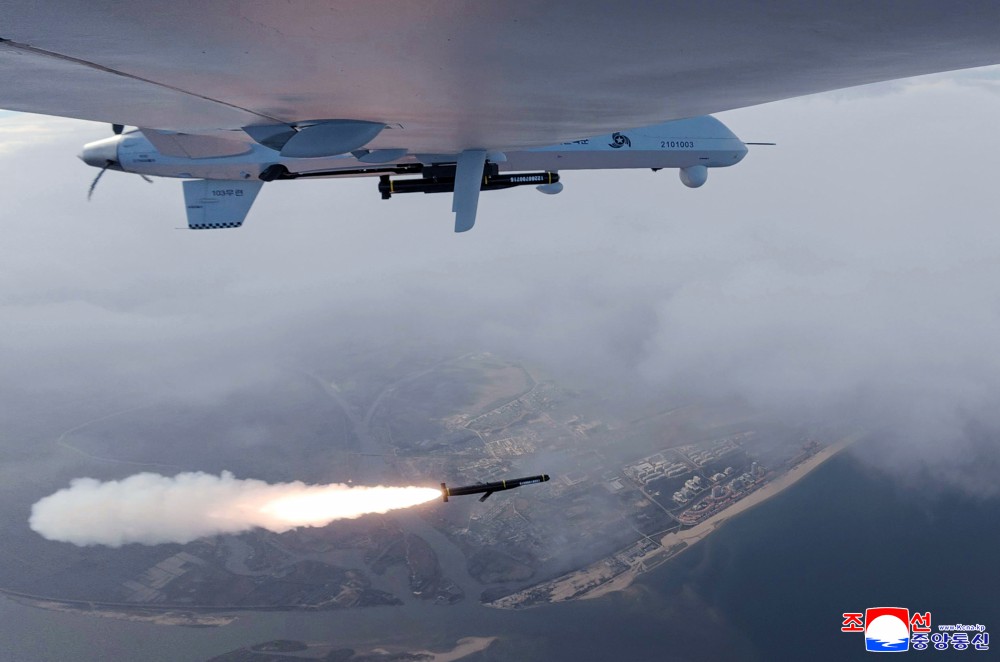
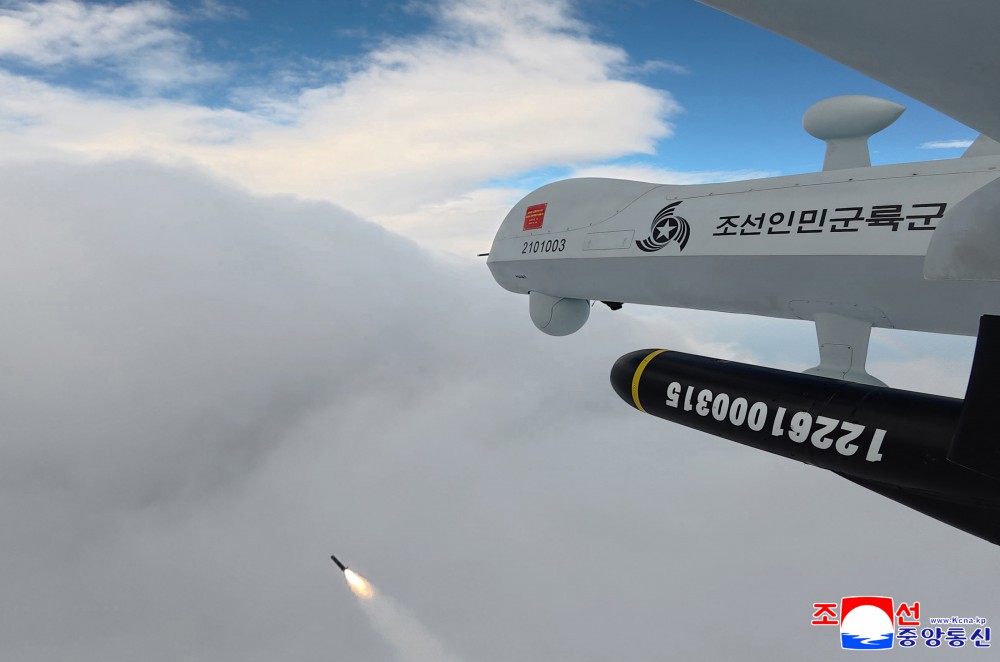
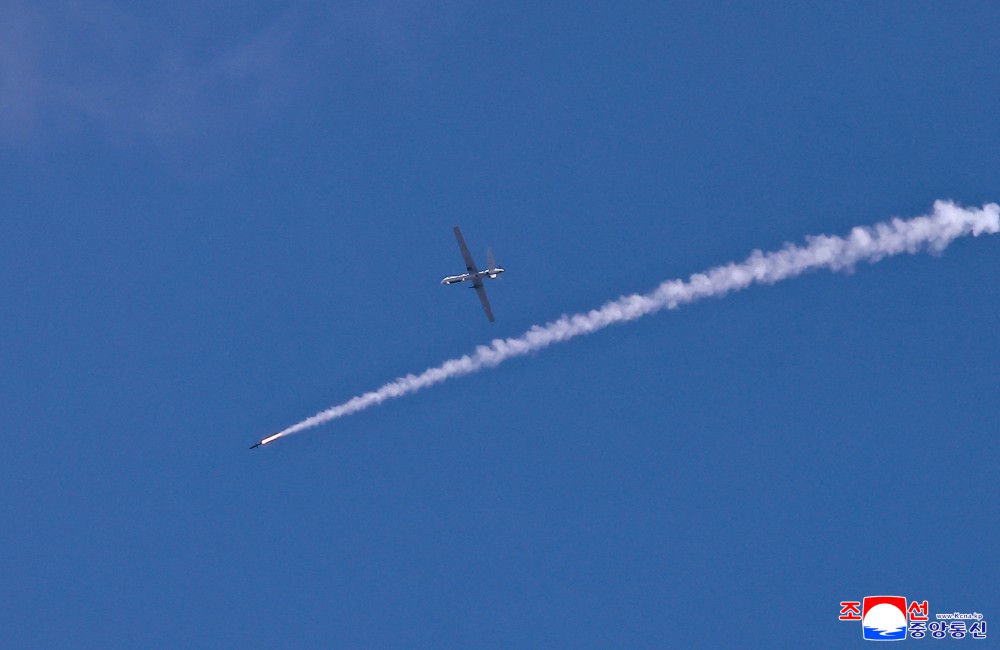
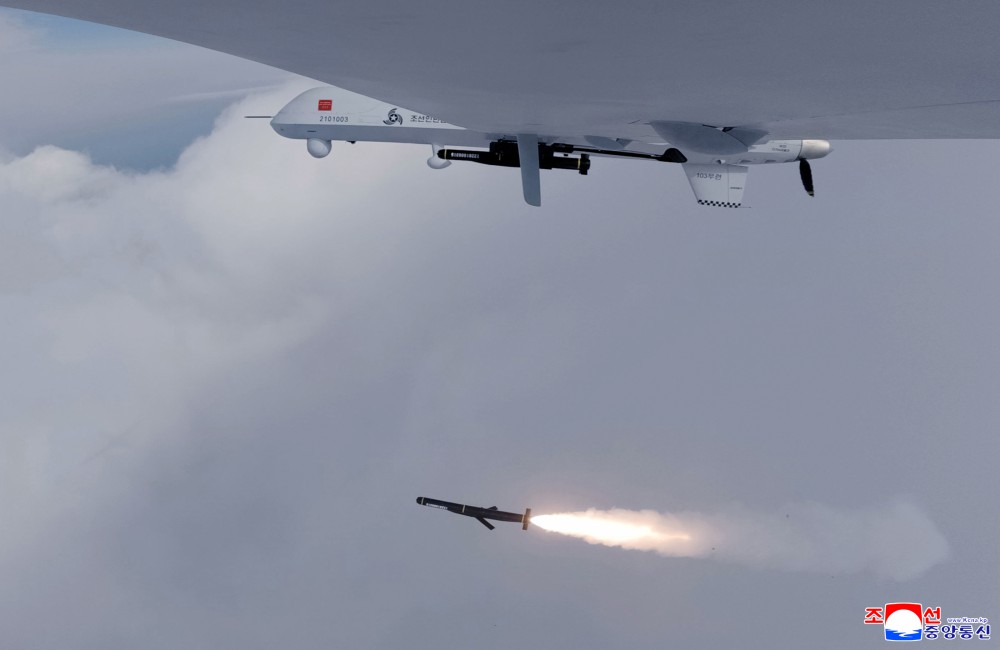
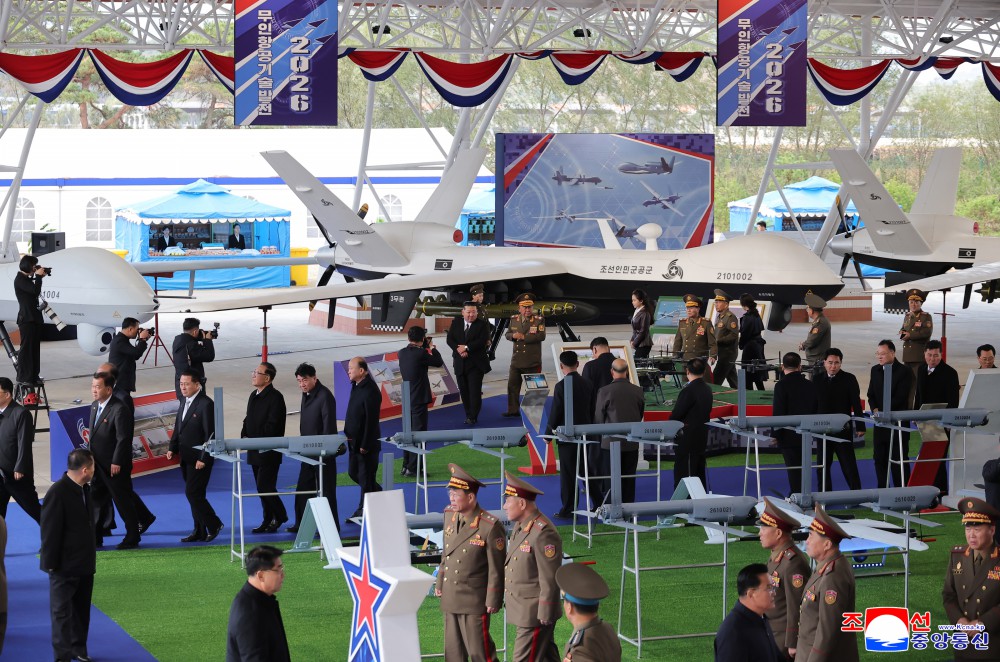
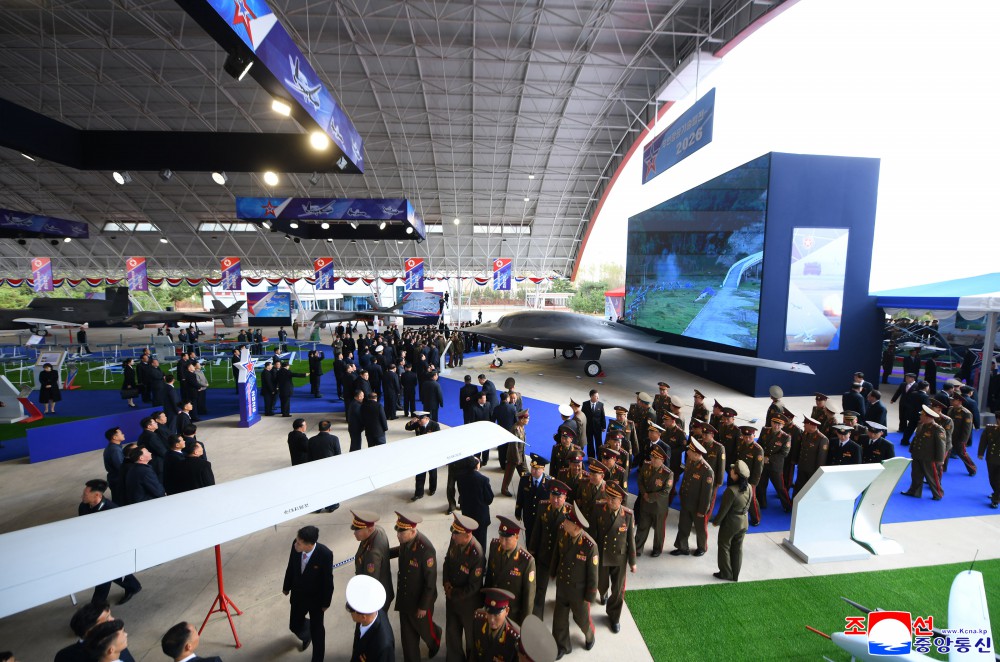
North Korean leader Kim Jong Un has called for the country to achieve “absolute superiority” in drone technology, declaring unmanned weapons and artificial intelligence (AI) central to modern warfare as Pyongyang showcased an expanding arsenal of drones, cruise missiles and multiple rocket launchers.

Kim made the remarks during an exhibition and weapons demonstration of unmanned aeronautical technology, the state-run Korean Central News Agency (KCNA) reported on October 29.

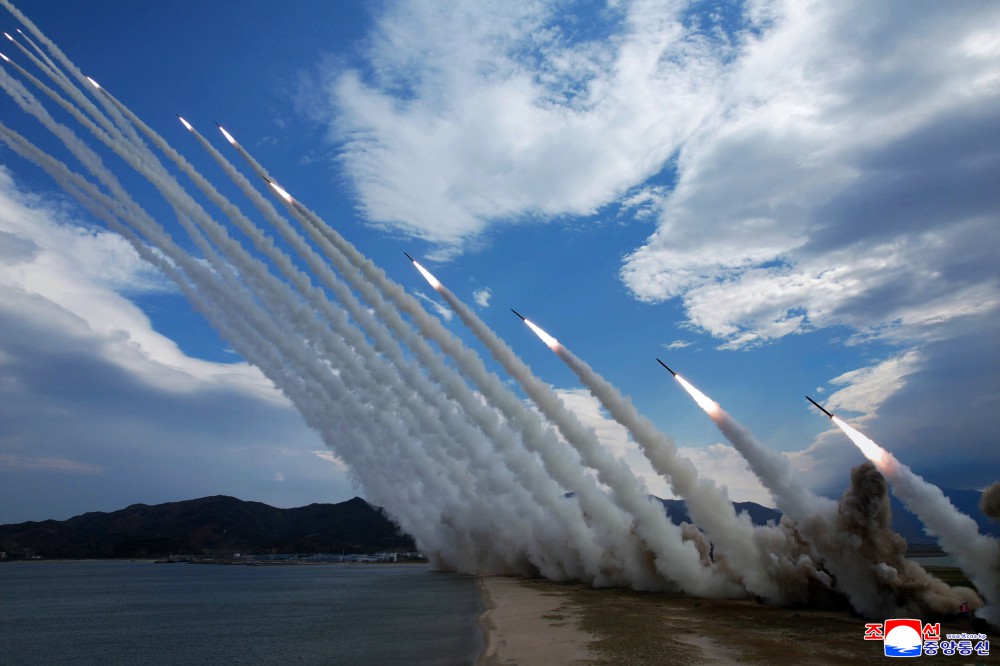
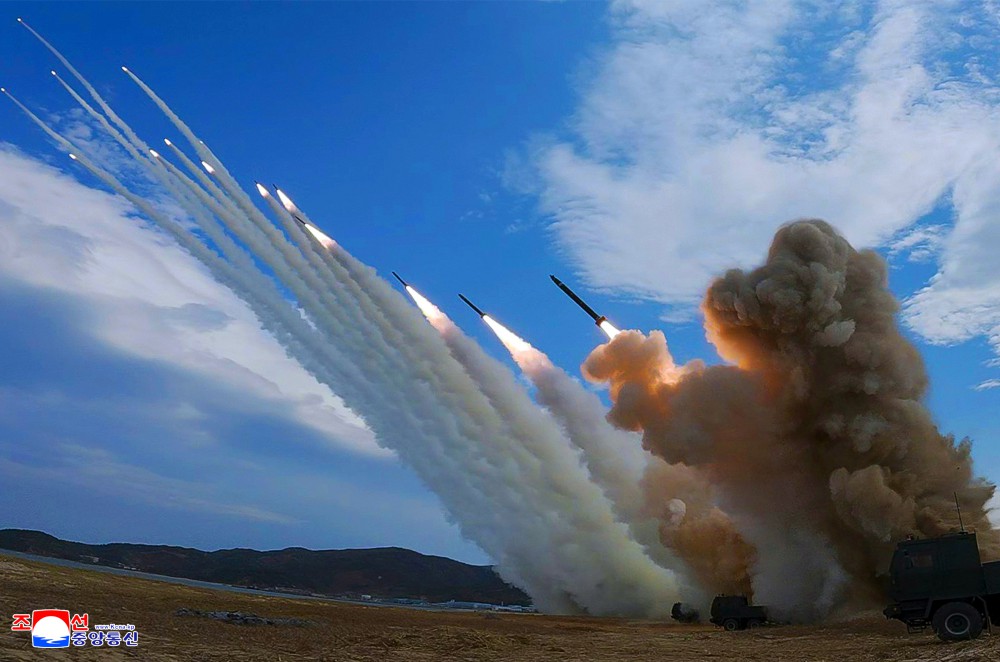
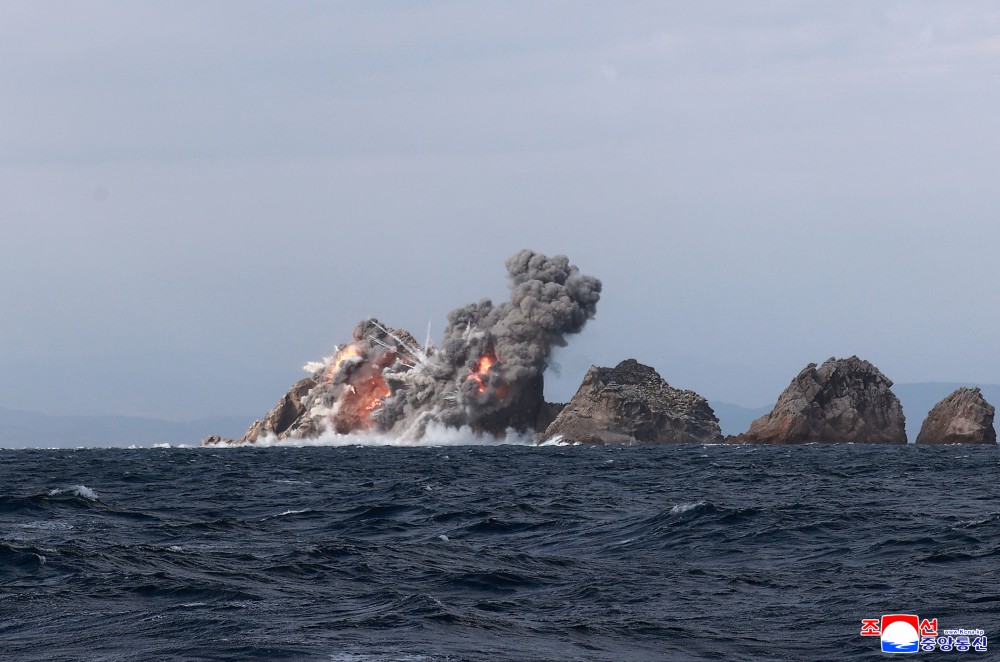
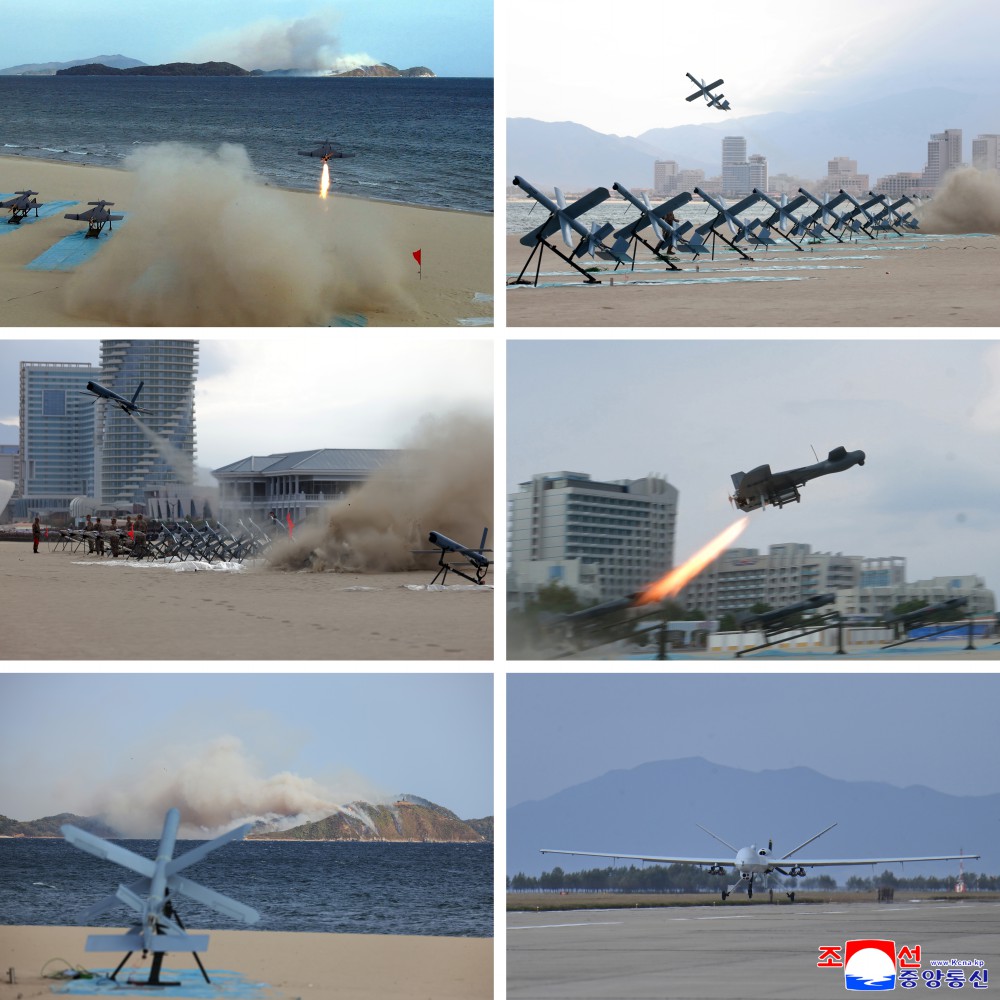
The event featured tactical suicide attack drones, tactical cruise missiles, multipurpose drones and a battalion of 600 mm multiple rocket launchers.

Click to see full-size image. (Korean Central News Agency)

Click to see full-size image. (Korean Central News Agency)

Pursuing superiority in drone technology was “an indispensable option” given the changing nature of modern warfare, Kim said, according to KCNA. The leader also called for the use of advanced AI in unmanned weapons systems to become a top priority in building the country’s modern armed forces.

Click to see full-size image. (Korean Central News Agency)

Click to see full-size image. (Korean Central News Agency)

Click to see full-size image. (Korean Central News Agency)

Click to see full-size image. (Korean Central News Agency)

The exhibition came as North Korea increasingly incorporates drones and AI into its military modernization efforts, drawing lessons from Ukraine and other recent conflicts.

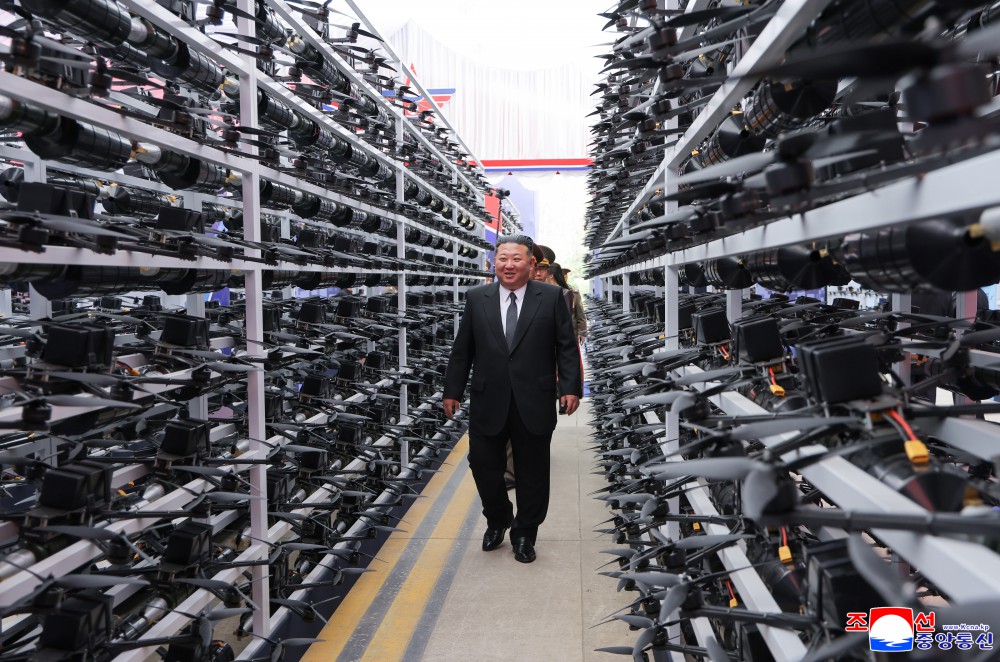
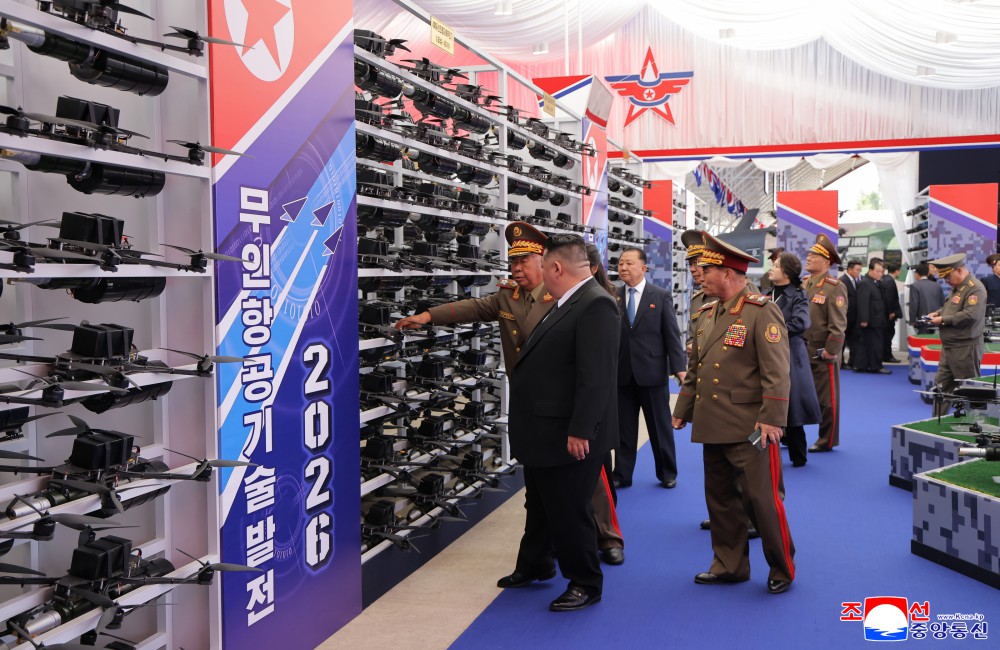
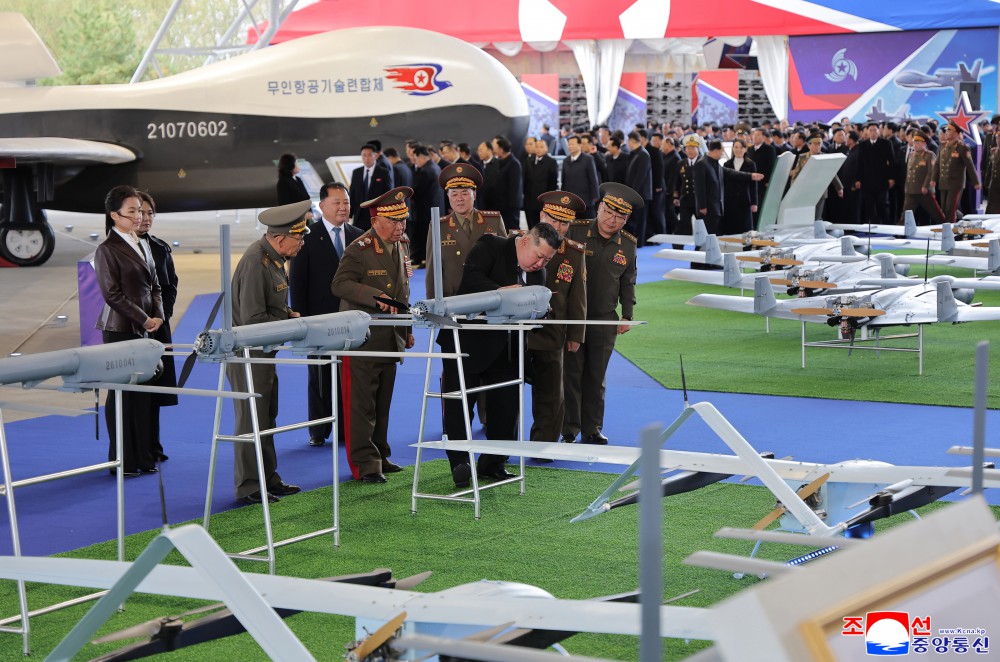
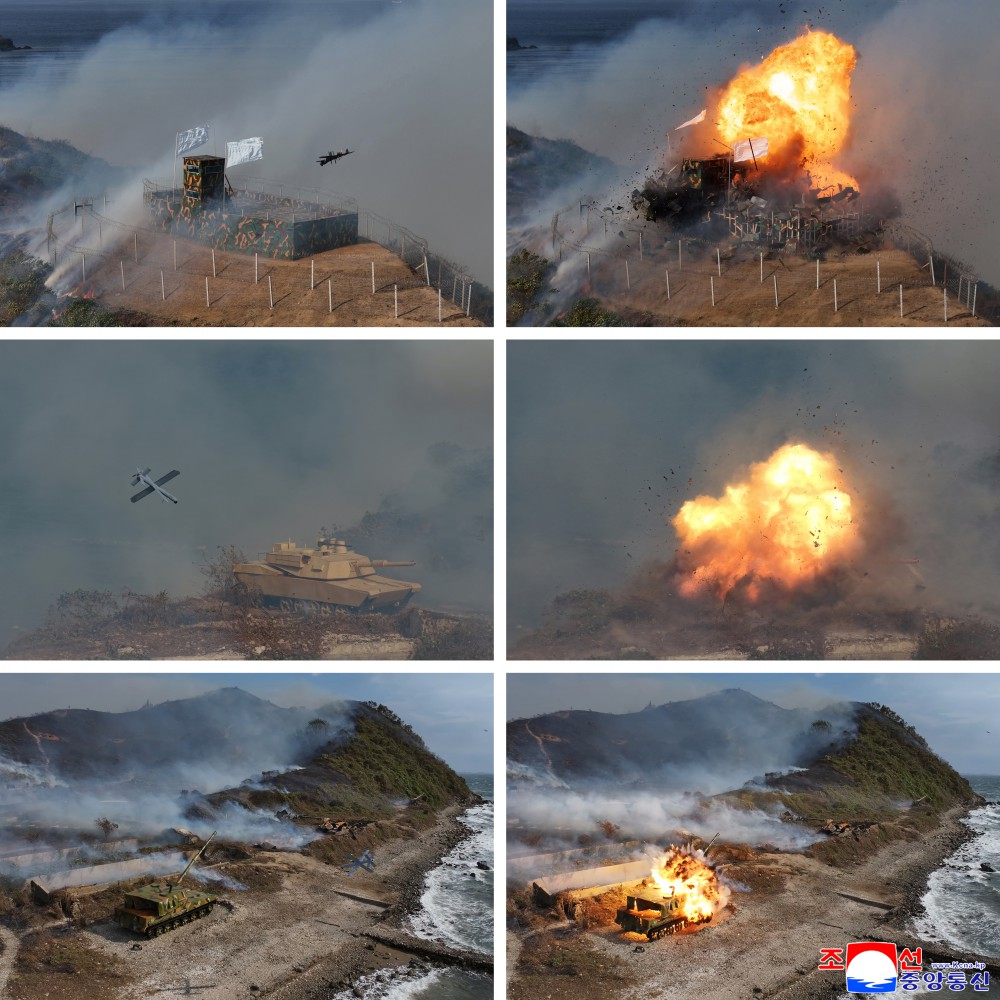
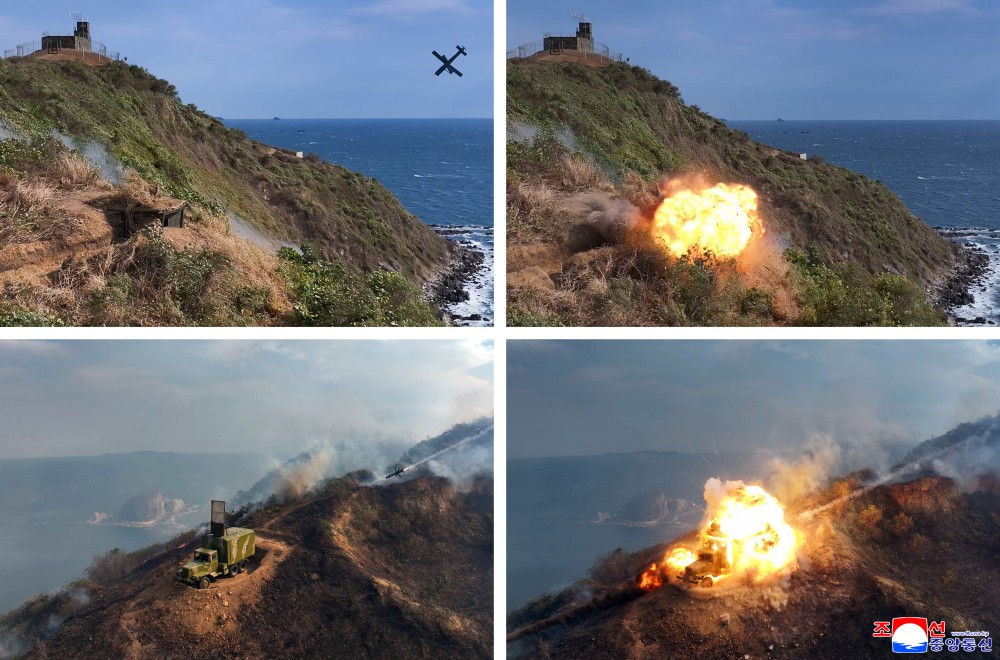
KCNA photographs showed Kim inspecting rows of unmanned aerial vehicles alongside senior military officials. Other images depicted a drone crashing into a military vehicle positioned on a hillside and exploding in a ball of flame as part of the weapons demonstration.

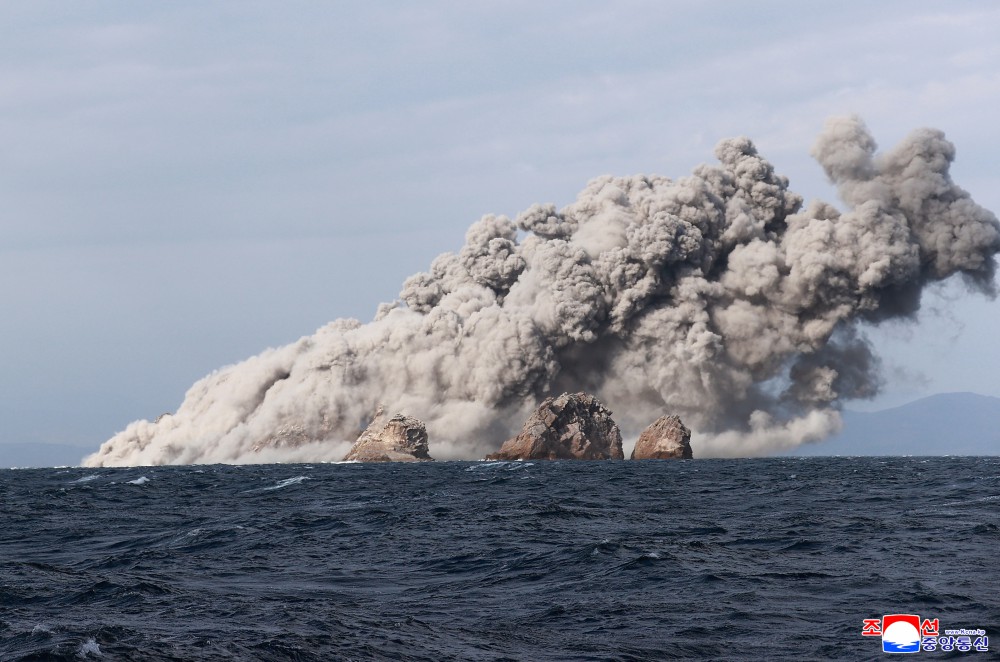
South Korea’s military said a day earlier that North Korea had fired around 10 projectiles, including short-range ballistic missiles.

Click to see full-size image. (Korean Central News Agency)

Click to see full-size image. (Korean Central News Agency)

Click to see full-size image. (Korean Central News Agency)

Click to see full-size image. (Korean Central News Agency)

Click to see full-size image. (Korean Central News Agency)

The display also offered a glimpse of several weapons that could significantly expand North Korea’s drone capabilities. State media showed for the first time a tailless, flying-wing stealth drone. Other photographs depicted racks of fiber-optic-guided first-person-view attack drones and loitering munitions resembling the U.S. Switchblade 600.

Click to see full-size image. (Korean Central News Agency)

Click to see full-size image. (Korean Central News Agency)

Click to see full-size image. (Korean Central News Agency)

Click to see full-size image. (Korean Central News Agency)

Click to see full-size image. (Korean Central News Agency)

Click to see full-size image. (Korean Central News Agency)

Click to see full-size image. (Korean Central News Agency)

Mock targets resembling South Korean-made K9 self-propelled howitzers, American-made M1 Abrams main battle tanks and radars suggested that the weapons were designed for use against South Korean and U.S. forces.

Click to see full-size image. (Korean Central News Agency)

Click to see full-size image. (Korean Central News Agency)

Click to see full-size image. (Korean Central News Agency)

Click to see full-size image. (Korean Central News Agency)

Click to see full-size image. (Korean Central News Agency)

Click to see full-size image. (Korean Central News Agency)

Click to see full-size image. (Korean Central News Agency)

Kim has repeatedly called for expanding the military’s drone capabilities. In November 2024, he ordered the mass production of suicide attack drones, followed by tests of AI-equipped versions in March 2025. He subsequently identified AI as a top priority for weapons modernization in September of the same year.

North Korea’s military has also gained battlefield experience through its participation in defensive actions in the Russian special military operation.

The exhibition came amid deteriorating relations between the two Koreas. Seoul has vowed to respond firmly to what it considers North Korean violations of the military border, while Pyongyang has condemned joint South Korean-U.S. air defense drills.

North Korea’s Defense Ministry said the exercises were increasing tensions on the peninsula and warned that there was “no limit” to its options for maintaining a strong deterrent posture, KCNA reported.

Tensions have also risen following a landmine explosion inside the Demilitarized Zone last month that seriously wounded several South Korean soldiers. Seoul blamed a North Korean mine, an accusation Pyongyang denied. Earlier in October, Kim’s sister, Kim Yo Jong, said North Korea would activate anti-South Korean propaganda loudspeakers along the countries’ entire border by the end of the month.

_______________________________________________________________________________________________________________________

SouthFront: Analysis and Intelligence

NOW hosted at southfront.press

Previously, SouthFront: Analysis and Intelligence was at southfront.org.

The .org domain name had been blocked by the US (NATO) (https://southfront.press/southfront-org-blocked-by-u-s-controlled-global-internet-supervisor/) globally, outlawed and without any explanation

Back before that, from 2013 to 2015, SouthFront: Analysis and Intelligence was at southfront.com

SOUTHFRONT.PRESS

MORE ON THIS TOPIC:


The post Kim Jong Un Vows ‘Absolute Superiority’ in Drones as North Korea Unveils New Arsenal (Photos) appeared first on South Front.

Police add to Portugal’s protests, demanding ‘respect’

30 October 2026 at 11:01

More than a thousand PSP and GNR police officers demonstrated in Lisbon yesterday evening, demanding respect and vowing to resume protests if the government fails to put forward concrete proposals

The post Police add to Portugal’s protests, demanding ‘respect’ appeared first on Portugal Resident.

The Best Handheld Translators for Work and Travel (2026)

30 October 2026 at 10:30
Your cell phone can handle basic language translation, but dedicated translator devices can offer a much more immersive, versatile experience.

À 14 ans, il avait poignardé son père à Lavit : l'adolescent jugé à Montauban écope de 10 mois de sursis, son avocate "extrêmement satisfaite"

30 October 2026 at 11:02
Un coup de couteau planté dans le dos de son père, au matin du 9 mai 2023 à Lavit (Tarn-et-Garonne), vaut aujourd'hui à un adolescent de 17 ans une condamnation à 10 mois de prison avec sursis simple. Le tribunal pour...

Japan’s Militarization: Washington Fueling Chinese-Japanese Crisis

30 October 2026 at 09:28

Click to see the full-size image

Written by Uriel Araujo, Anthropology PhD, is a social scientist specializing in ethnic and religious conflicts, with extensive research on geopolitical dynamics and cultural interactions

Security tensions between Japan and China are escalating while the former strengthens its long-range strike capabilities with American support.

Washington and Tokyo’s latest moves to reinforce their military presence along the so-called first island chain also mark another step in the broader US-China strategic rivalry across the Indo-Pacific region.

Originally conceived as a Cold War US defensive perimeter (stretching from Japan through Taiwan to the Philippines), the first island chain is increasingly becoming the centerpiece of an elaborate American-led military architecture designed to constrain Beijing’s growing maritime power.

The recent agreement between Japanese Defense Minister Shinjiro Koizumi and US Defense Secretary Pete Hegseth to implement an “effective denial defense” along that chain illustrates the shift. They also pledged continued cooperation on ammunition production for a potentially prolonged conflict.

During the Keen Sword 2027 exercises now underway, US and Japanese forces plan to deploy mobile missile systems, including American system NMESIS, on Yonaguni Island near Taiwan. Tokyo has already deployed domestically developed long-range (anti-ship) missiles capable of reaching China’s coastal areas.

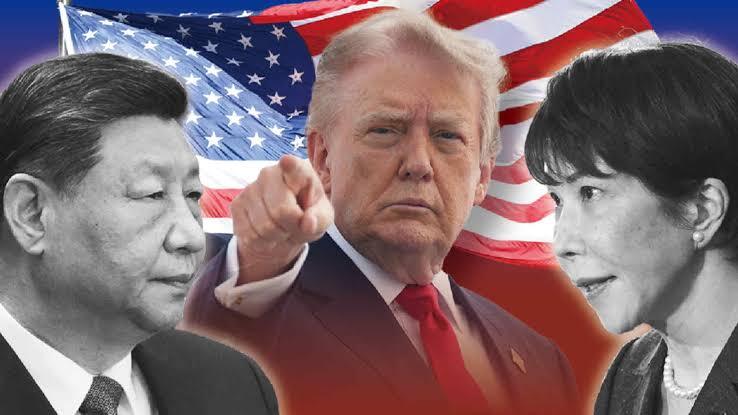
The wider context is hard to miss. In November 2025 Prime Minister Sanae Takaichi  made a statement linking a Taiwan contingency to Japan’s own survival, which triggered sharp Chinese protests and a cascade of diplomatic, economic, and maritime frictions.

Beijing then restricted dual-use exports to Japan, while coast guard vessels and radar incidents added to the pressure.

As commentator Oliver Griffin puts it, Beijing views Japan’s buildup as a drift toward neo-militarism.

From Tokyo’s perspective, China’s expanding naval reach makes these steps necessary. This is therefore a classic security dilemma. Measures one side takes to feel “safer” make the other feel less secure, prompting further responses.

The first island chain is both a barrier and a gateway. As expert Simone Chiusa  notes, Chinese vessels seeking access to the open Western Pacific must navigate strategic chokepoints through its straits.

The strategic importance of these chokepoints illustrates Alfred Thayer Mahan’s classic sea-power theory: control over key maritime routes and positions remains central to great-power rivalry.

American and Japanese planners see distributed missiles and interdiction systems as deterrence by denial. Beijing sees preparations to restrict its access.

The paradox is clear enough: the more Washington and Tokyo seek to reinforce deterrence, the more Beijing may perceive “encirclement” and accelerate its own capabilities.

Japan’s southwestern islands are thereby becoming an operational frontier of sorts rather than a mere defensive perimeter. An alliance designed primarily to protect Japanese territory then gradually becomes an instrument for projecting power into a Taiwan-related contingency.

As I wrote in May 2026, regarding US missile deployments in the Philippines, Washington’s actions near Taiwan fuel Chinese fears of a containment architecture involving Japan, the Philippines, and Australia. The pattern continues.

China’s maritime-industrial growth has become central to allied planning. As I’ve noted elsewhere, Chinese shipbuilding capacity (measured by gross tonnage) exceeds that of the United States – by a factor of over 200, according to a 2023 US naval intelligence estimate.

Joint Sino-Russian submarine patrols further signal a new maritime era of coordination that certainly complicates American assumptions of uncontested sea control.

Yet the contest is no longer confined to the first island chain. A Japanese Self-Defense Force colonel has proposed a second-island-chain air bridge linking Japan and Australia (with US participation) for logistics and reinforcement – the reasoning being that China’s lengthening maritime strike reach now threatens operations farther into the Pacific.

Some American analysts warn that “pulling back to the second chain” would be strategic folly, while advocates of strategic restraint see a forward approach as intensifying insecurity.

For Japan, the predicament is particularly delicate. Tokyo is becoming more indispensable to Washington’s regional planning at the very moment when Japanese strategists worry about possible US-China accommodation under President Trump’s “transactional” approach.

The alliance security dilemma is real enough: fear of “abandonment” coexists with fear of entrapment in a Taiwan conflict. Japanese policymakers are of course not passive instruments. They act on their own threat perceptions while navigating uncertainty about long-term American commitments.

Gray-zone pressures add another layer. Coast guard patrols and incremental assertions of jurisdiction challenge the utility of high-end missile deployments – designed mainly for conventional scenarios.

Ultimately, efforts to preserve the existing “balance” in the Indo-Pacific may contribute to the very competition that makes that balance harder to sustain.

The American response to China’s rise has largely been to reinforce military alliances and expand forward deployments, risking an increasingly self-perpetuating cycle of militarization rather than fostering regional stability.

Washington is transforming Japan into a more central component of its forward maritime architecture – even as Beijing’s growing capabilities render that very architecture more contested. The risk here is that the cycle of reinforcement and reaction leaves all parties less secure than before.


MORE ON THE TOPIC:

The post Japan’s Militarization: Washington Fueling Chinese-Japanese Crisis appeared first on South Front.
Iran Turns to Hull-Mounted Explosives in New Tactic Against Tankers in Hormuz

30 October 2026 at 09:27

File image.

A tanker caught fire in the Strait of Hormuz after a small boat approached the vessel and attached two explosive devices directly to its hull, temporarily disabling it in an attack that marked a departure from previous strikes on commercial shipping in the waterway.

The attack occurred on October 29, approximately 25 nautical miles northeast of the port city of Khasab in Oman, according to the United Kingdom Maritime Trade Operations (UKMTO) agency.

UKMTO said the tanker was approached on its port side by a small boat that attached two explosive devices above the waterline before departing.

Maritime security firm Vanguard Tech identified the vessel as the Panama-flagged Louise 1, a 159,092-deadweight-ton tanker owned by Panama-based Aquarius Maritime Ventures.

“The subsequent blasts resulted in a fire in the engine room which temporarily disabled the vessel. The fire is now reported as extinguished and vessel is continuing to its next port of call,” UKMTO said, noting that all crew members were safe.

The method differs from previous Iranian attacks in the Strait of Hormuz, which have mainly involved anti-ship missiles and one-way attack drones.

The incident was the latest in a series of maritime security emergencies reported on October 29. Earlier in the day, UKMTO received a report from a company’s security officer that another tanker had been struck by an unidentified projectile while completing an outbound transit of the strait.

An even earlier vessel-fire report by the agency was subsequently attributed to a regional trading dhow that caught fire, listed and sank.

“Regional authorities have identified the vessel as a dhow, which was involved in a maritime security incident, igniting a large fire onboard causing the dhow to list and sink. Local authorities have confirmed that the crew have been safely evacuated,” UKMTO said.

Meanwhile, Iran’s Islamic Revolutionary Guard Corps (IRGC) Navy said three oil tankers had exploded and caught fire after striking naval mines while attempting to pass through what Tehran described as the unauthorized southern route of the strait.

The Corps said in a statement the vessels had “switched off all their radar and navigation systems” and ignored warnings from Iranian forces before hitting the mines.

Iran’s regular army subsequently announced that a fourth tanker had struck mines east of the strait while operating in what it described as a “restricted and dangerous area.”

The developments come as the United States maintains that its forces have cleared the internationally recognized primary shipping routes of naval mines.

IRGC spokesman Hossein Mohebi challenged that assertion earlier in the week, writing on X: “Prove your Hormuz mine-clearing claim with independent evidence, not statements!”

The International Maritime Organization recorded 34 confirmed attacks on vessels between September 28 and October 27, most of them in the Strait of Hormuz.

Commercial shipping through the Strait of Hormuz remained severely restricted on October 30, with AIS-based tracking recording just five commercial vessel crossings by the morning, compared with a pre-crisis average of approximately 85 per day.

Eight vessels had crossed in the preceding 24 hours, while 497 ships were waiting outside the strait and another 163 were stationary inside the Gulf.

_______________________________________________________________________________________________________________________

SouthFront: Analysis and Intelligence

NOW hosted at southfront.press

Previously, SouthFront: Analysis and Intelligence was at southfront.org.

The .org domain name had been blocked by the US (NATO) (https://southfront.press/southfront-org-blocked-by-u-s-controlled-global-internet-supervisor/) globally, outlawed and without any explanation

Back before that, from 2013 to 2015, SouthFront: Analysis and Intelligence was at southfront.com

SOUTHFRONT.PRESS

MORE ON THIS TOPIC:

The post Iran Turns to Hull-Mounted Explosives in New Tactic Against Tankers in Hormuz appeared first on South Front.
‘Rats run away’: Facing criminal probe, Flávio Bolsonaro flees Brazil to U.S. after loss to Lula

By: A A
30 October 2026 at 08:39

By Brett WILKINS

“This reveals the DNA of Bolsonarism,” said one critic. “Bolsonarism is made of cowardice.”

Join us on Telegram, X, and VK.

Contact us: info@strategic-culture.su

Just one day after vowing he would remain in Brazil to disprove allegations of money laundering, corruption, and other crimes, far-right Brazilian Sen. Flávio Bolsonaro followed in his disgraced father’s footsteps by fleeing to the United States after losing a presidential election.

Bolsonaro, his wife Fernanda Bolsonaro, and their two daughters, ages 14 and 12, left Brazil for an unknown location in the United States, according to initial reporting by Isadora Teixeira at the Brasília-based news site Metrópoles, which was subsequently confirmed by other Brazilian and international media.

The Argentinian site Infobae reported that Bolsonaro and his family may have crossed into Argentina—which is run by his ally, far-right President Javier Milei—and then traveled to the US in a private jet. It is not known where the family went in the US.

Bolsonaro’s brother, Eduardo Bolsonaro, lives in Texas while facing criminal punishment in Brazil after trying to use the Trump administration to pressure Brazilian authorities over the prosecution of his father, former President Jair Bolsonaro, who last year was convicted of conspiring to violently remain in power following leftist President Luiz Inácio Lula da Silva’s 2022 election win.

Flávio Bolsonaro, a 45-year-old senator representing Rio de Janeiro, was defeated by Lula in Sunday’s second-round election, but refused to accept the results and groundlessly demanded an annulment. The following day, Supreme Court Justice Alexandre de Moraes ordered the seizure of Bolsonaro’s passport. He was supposed to have turned in the document Tuesday, but he didn’t.

US President Donald Trump also cast doubt on the election’s outcome, saying the contest appeared to be “rigged.”

Jair Bolsonaro also fled to the United States while refusing to acknowledge his own 2022 defeat, which occurred during the administration of former President Joe Biden.

Like Trump, Bolsonaro incited a violent insurrection in his nation’s capital following his loss.

Unlike Trump, Bolsonaro was held accountable for his crimes, and, in addition to a 27-year prison sentence—now being served under house arrest—is banned from running for any political office for the rest of the decade.

Now, with Trump back in the White House and Secretary of State Marco Rubio in charge at Foggy Bottom, Bolsonaro and his relatives are set to be issued US visas, a senior State Department official told The Associated Press.

The younger Bolsonaro’s flight—which may have been aided by his obtaining an Italian passport in 2023—contradicts his pledge on Monday, when he said, “I have never thought about leaving the country” and “I will hand over my passports and defend myself against this travesty.”

He was referring to de Morães’ order to surrender his passport amid accusations of corruption, money laundering, tax evasion, and foreign currency violations.

Bolsonaro is also the subject of an inquiry pertaining to the millions of dollars he raised from a disgraced banker implicated in a massive corrupt plot to finance a biopic of Jair Bolsonaro.

The senator has not been charged and denies any wrongdoing.

Bolsonaro’s flight stands in stark contrast to Lula, who spent 580 days in prison after being convicted in corruption cases stemming from the sprawling Operation Car Wash investigation.

In 2021, Brazil’s Supreme Federal Court annulled Lula’s convictions on procedural grounds, ruling that the court in Curitiba lacked jurisdiction over the cases and separately finding that former judge Sergio Moro had acted with bias in one of them. The decisions restored Lula’s political rights and eligibility to run for office, paving the way for his 2022 presidential victory over Bolsonaro.

Lula responded to the senator’s departure by saying, “Unfortunately, the Bolsonaro family is like that.”

“Brazil is his second homeland,” the president continued, accusing Bolsonaro of “bootlicking in the United States.”

Secretary-General of the Brazilian Presidency Guilherme Castro Boulos ripped Bolsonaro, saying: “Leaders face things head-on! Rats run away!”

“It is a shameful thing, which should make Brazilian society as a whole reflect, especially those who supported and voted for Flávio Bolsonaro,” Boulos asserted. “He slapped his supporters in the face and left them on the side of the road.”

“Almost 60 million Brazilians trusted him as political leadership to run the country, and 24 hours later, he flees,” he continued. “And it’s no use coming up with this talk of persecution, of dictatorship. He ran away because he must.”

“This reveals the DNA of Bolsonarism,” Boulos added. “Bolsonarism is made of cowardice.”

Erika Hilton, a member of the Chamber of Deputies—the lower house of Brazil’s Legislature—representing São Paulo for the Socialism and Liberty Party, weighed in on social media, calling Bolsonaro “a traitor to the homeland.”

In the United States, Congressman Joaquin Castro (D-Texas) said on X that “losing an election is not grounds for asylum.”

“Yet the Trump administration is giving Flávio Bolsonaro safe haven in the United States,” he continued. “The Trump administration owes Congress answers on its role helping Bolsonaro flee Brazil in contravention of Brazilian law.”

Mark Weisbrot, co-director of the Center for Economic Policy and Research (CEPR), told Common Dreams:

Trump is now the most corrupt president in US history, raking in billions from his presidency. It’s no surprise when the most powerful corrupt authoritarian government in the hemisphere uses international law designed to protect the persecuted to shield another corrupt authoritarian government from criminal prosecution. Perhaps this is what is meant by the Trump-led ‘Shield of the Americas.’

Francesca Emanuele, senior international policy associate at CEPR, noted that “the United States has long served as a destination for numerous right-wing Latin American political figures who fled their home countries while facing corruption allegations, criminal investigations, or accusations of grave human rights violations, including crimes against humanity.”

“The list is extensive,” she added, “ranging from former presidents such as Panama’s Ricardo Martinelli and Bolivia’s Gonzalo Sánchez de Lozada to dictators such as Nicaragua’s Anastasio Somoza.”

Emanuele also contrasted the actions of the Bolsonaros and Lula, arguing that the latter’s decision to remain in Brazil “reflected a commitment to the Brazilian people and a determination to defend his rights through the country’s own institutions, even when those institutions failed to uphold them.”

“Rather than leaving Brazil,” she told Common Dreams, “Lula stayed, fought to clear his name, and continued his political struggle alongside the people he sought to represent.”

Original article:  www.commondreams.org

Newsom Deploys Election Lawyers to Protect California Vote

30 October 2026 at 08:36
Gavin Newsom announces California election protection measures amid dispute with Donald Trump over federal agents at polling places.

The move comes amid a federal dispute over election oversight and a court ruling blocking efforts to set aside more than 20,000 mail-in ballots.


California Gov. Gavin Newsom announced Thursday that he would deploy election lawyers and observers across the state to protect voters’ rights, escalating a confrontation with President Donald Trump’s administration over federal involvement in polling places ahead of the elections.

RELATED: More Than 26.6 Million Have Voted Early in U.S. Midterms

The legal teams will be sent to key districts with closely contested races, Newsom said, warning against unauthorized interference in the electoral process.

“A warning to Donald Trump: I’m deploying election lawyers to key battleground districts in California to protect every vote. And I just made it a FELONY to illegally seize ballots,” the Democratic governor wrote on social media platform X.

Newsom also approved legislation making the unlawful seizure of election ballots a felony, establishing criminal penalties for unauthorized interference with ballots.

A warning to Donald Trump:

I’m deploying election lawyers to key battleground districts in California to protect every vote.

And I just made it a FELONY to illegally seize ballots.

— Gavin Newsom (@GavinNewsom) October 29, 2026

The measures follow the Trump administration’s announcement that it would deploy federal agents to polling places to prevent potential electoral irregularities. Trump has repeatedly accused California of failing to address alleged voter fraud.

Speaking Wednesday night on Jimmy Kimmel Live, Newsom criticized the administration’s approach, accusing the White House of trying to suppress votes and create grounds to challenge the election results.

He argued that the administration was seeking to create conditions that could later be used to question the outcome and allege fraud.

The dispute has also reached the courts. On Wednesday, a federal judge rejected a Justice Department request to set aside more than 20,000 mail-in ballots cast in California while authorities verified voters’ citizenship.

The judge warned that withholding the ballots would cause widespread disruption and interfere with an electoral process already underway.

California officials had also questioned the reliability of the voter list submitted by the federal government and rejected its request to verify voters’ citizenship before ballots were counted.

The Justice Department confirmed it would appeal the ruling, setting the stage for further legal disputes between federal and state authorities before the election process concludes.

❌