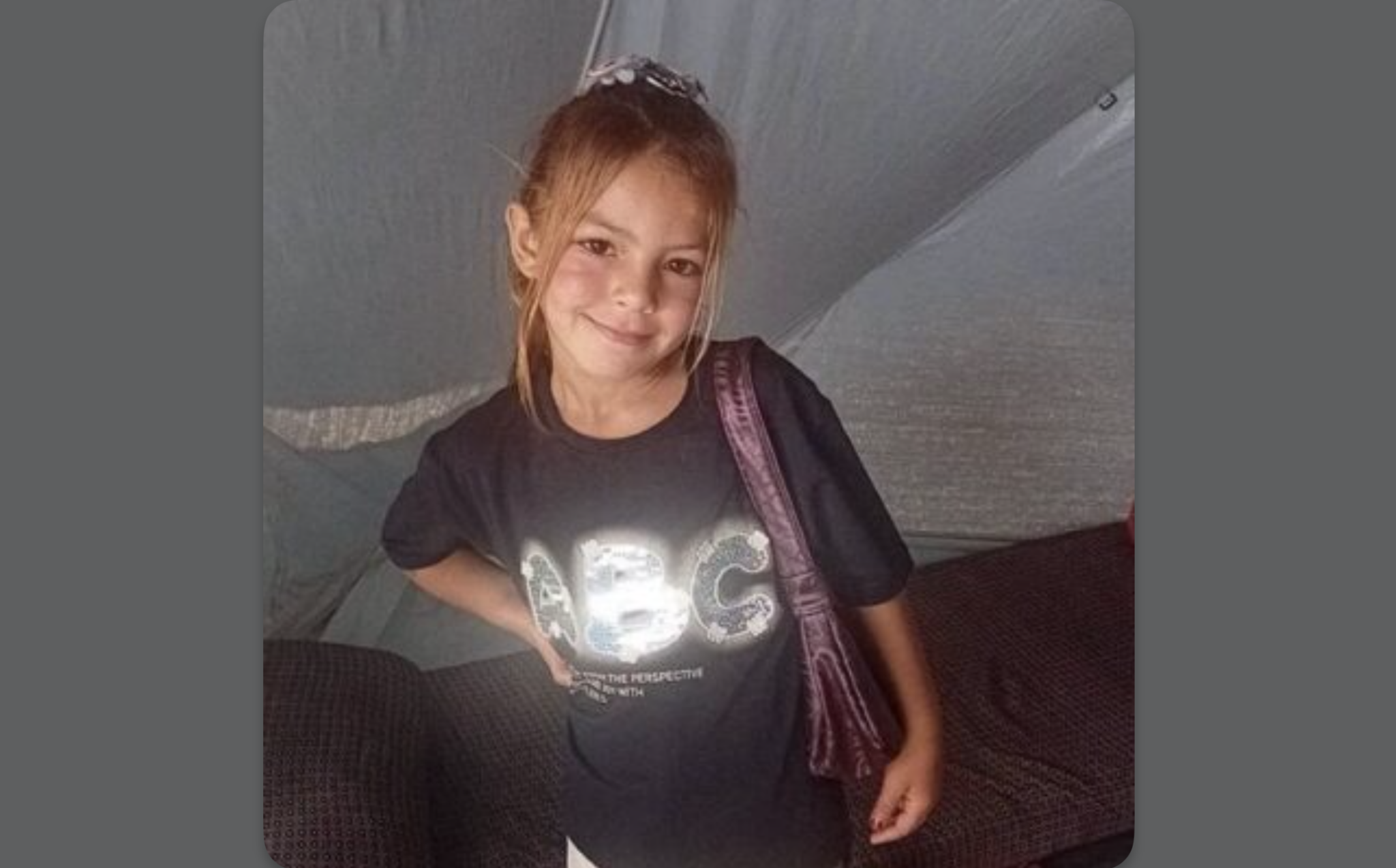
Jerry Seinfeld mocked protesters highlighting Palestinian children’s deaths, dancing onstage and saying he would send a demonstrator’s ticket money to Israel.
For Boston Magazine, Kara Baskin explores a growing subculture of tweens and teens who don’t feel entirely human. Some identify as one animal, like a cat or a dog; others identify with multiple animals. One kid Baskin speaks to, Sol, says she “doesn’t summon the animals, but rather they come and go on their own schedule.” These young people call themselves therians (distinct from furries, who are fans of anthropomorphic animal characters). Baskin provides a fascinating glimpse into a world where adolescents can express themselves and explore their identities.
Bafflement is the baseline condition of raising kids right now. The adolescent quest for self-discovery is timeless—but today’s parents experimented in ways that were analog: new hairstyles, inscrutable music, beer snuck in the woods. Their own parents might not have liked it, but they could at least relate.
Now the landscape of adolescent discovery is literally foreign, thanks to social media, which has turbocharged once-obscure subcultures like the furry fandom—and, at its rarer edge, therianthropy—and redefined what “fringe” even means. Even if a kid is the only therian at school, she can find 400 more people just like her online. That’s one of the biggest challenges for parents in the algorithm age: The world your kid actually lives in is one you can’t enter. It touches the fear in every parent, therian kid or not: What happens when our kids inhabit a world we don’t understand, with idols we don’t recognize?
No doubt Ed Davey lovingly cares for his disabled son, says Joanna Gray. But he's not his "carer"; he's his father. It's a distinction Britain is fast losing sight of, to the detriment of us all.
O antigo ministro considera que Passos Coelho trabalha para derrubar Luís Montenegro. Defende ainda mais realismo nas expectativas sobre o SNS e apoia o investimento do Estado na compra da REN.
The National Trust has sparked outrage over its "ultra-woke" plans to teach five- to 12-year-olds about the Black Power salute during a Black History Month baking workshop.
A councillor has been punished for raising safeguarding concerns about an LGBTQ stall displaying a large purple dildo next to a children’s colouring area at a family library. With the help of the FSU, he's fighting back.
O Governo volta a contestar o IVA zero nos bens essenciais, dizendo que a transmissão não chega na totalidade aos consumidores. Mas se a inflação galopar o Governo ajustará a sua ação.
The Gaza Children Village plans to record classroom conversations and use AI to flag what it calls 'hateful' speech, prompting concerns over surveillance, free expression and Palestinians' right to shape their children's education.
Israeli restrictions have resulted in the deaths of over 2,000 patients, with 21,000 more await urgent treatment, including 5,600 children and 2,800 patients requiring cancer treatment
Homes, hospitals, schools and entire neighbourhoods have been destroyed during three years of war in Gaza. These photographs document the devastation and the lives of Palestinians affected by the conflict.
The European Commission unveiled its EU Kids Act on Thursday (17 September), proposing sweeping restrictions on children’s access to social media and new obligations on technology companies to address growing concerns over young people’s mental health and online safety.
The proposal would prevent children under 13 from accessing social media, while 13- and 14-year-olds could use restricted “mini accounts” under parental supervision. From the age of 15, teenagers would be able to open their own social media accounts. The legislation also requires platforms to prove their services are safe for minors, reversing the burden of proof from regulators to technology companies....
In this story for MIT Technology Review, Sara Harrison explores the field of social robotics and the growing use of robot companions as therapy for autistic and other neurodivergent kids. These playful machines show promise: Research suggests that they can help children practice social skills and offer something overworked therapists and exhausted parents can’t—a patient companion, available 24/7. But Harrison also reports on their limitations and risks. Does this approach truly work? What about all the data gathered on the child? And what happens when a robot friend suddenly stops working and “dies”? A fascinating and unsettling look at tech that has moved into the most intimate corners of a family’s home.
While Moxie found herself in more and more people’s homes, Embodied still struggled to make money. In 2024, the company announced it would cease operations. Its robots—which depended on external servers that the company could no longer pay for—would descend into a deep slumber.
Videos of bereft children who seemed to have become deeply attached to the blue bot began to circulate online. “I don’t want her to leave,” wailed one child in a TikTok video. Desperate parents posted on TikTok, Instagram, and Reddit looking for solutions. “My autistic child is devastated and I’m pissed,” wrote one parent. “Hope Embodied gives us a couple days to say goodbye,” wrote another.
With no secondary school in the southern half of the Isle of Mull, children must leave home for the mainland at the age of eleven, living in a youth hostel during the school week. It’s a system that has existed for generations—but what does sending children away so young do to a community? Fernando Pinho gently follows the families who must navigate this rite of passage, and explores the political decisions that have kept this structure in place.
You know that Monday morning dread, she said, when you hate your job and you can’t face going back? The children get that on a Sunday.
Sunday is the day of washing, drying and ironing, because the clothes that came home on Friday have to be packed again for Monday. And then the bag sits at the bottom of the stairs. You come down, and you see it, she said, and it’s this little reminder of what’s coming.
Sometimes there’s an invitation, a barbecue at someone’s house, all of them welcome, just a couple of hours, you’ll be home in time. But her son doesn’t want to leave the house on a Sunday, and she won’t leave him. How do I say I can’t go, she told me.
 Login