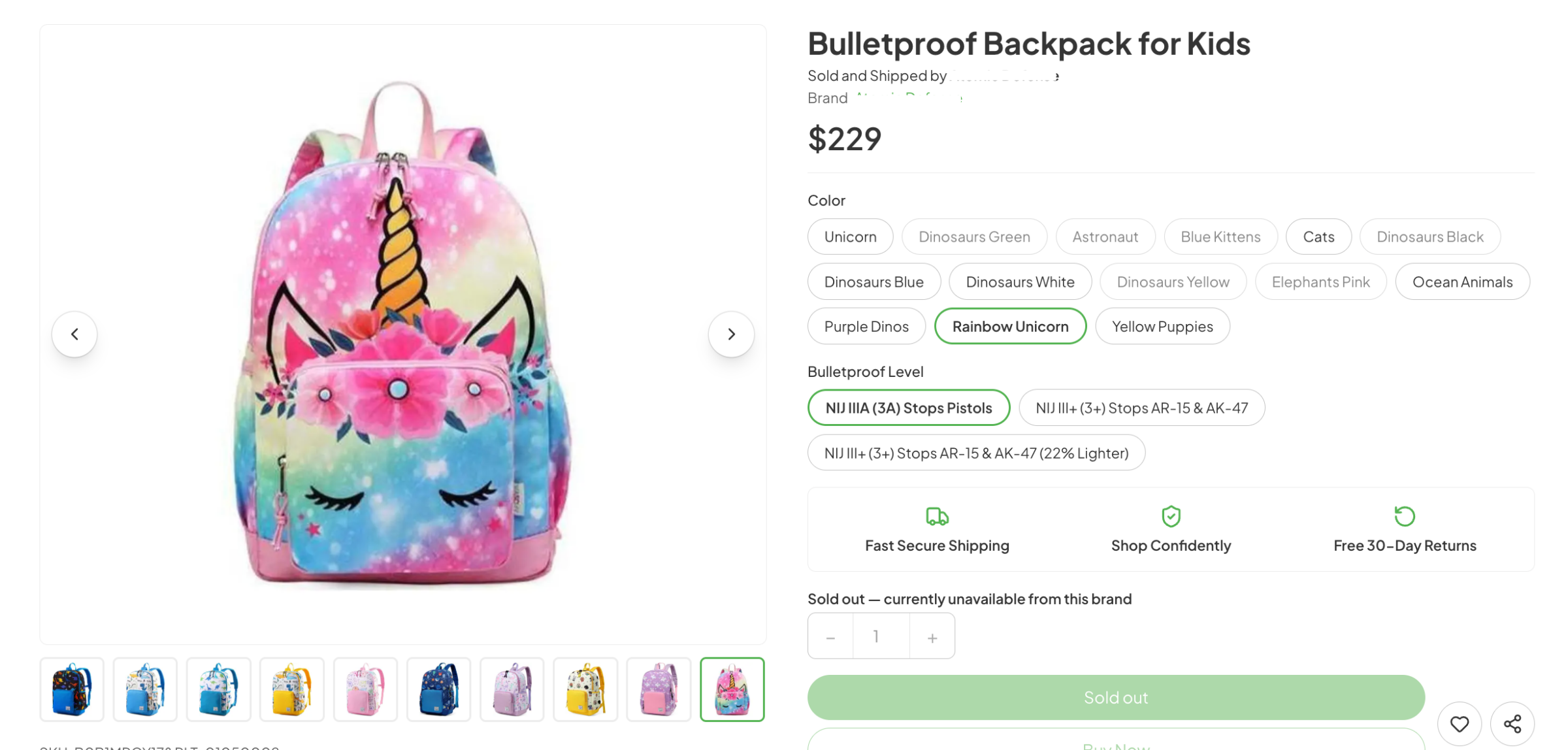
Years ago I was flipping through the ads of a ‘Black Friday’ sale from a large US retailer, while visiting a relative in North Carolina. Amid the pens and pencils was a child’s school bag with a large neon printed unicorn surrounded by lollipops and or hearts.
It was bullet proof.
I can’t recall what caliber of bullet it promised to stop. But the same paper had a semi-automatic Bushmaster rifle for sale at only $549.99 [€490], which normally retails at almost $1,000. I snapped a photo of it.
Guns for sale in North Carolina, including a Bushmaster which had been used to kill small children at an elementary school prior to the sale (Pic: Nikolaj Nielsen)
A few years earlier, a Bushmaster had been used to gun down 20 small children at Sandy Hook Elementary. Most of them were only six-years old.
A Benenlli 12-gauge tactical shotgun was also on sale. Last week, five-year-old Rhoam Summer and two others, aged 8 and 11 were shot dead at a school in Oregon by a 16-year old with a shotgun.
I mention this as someone who grew up in the United States and went to school there but can’t identify with a normalisation of violence splashed out as one-off specials and deals ahead of Christmas, a holiday that is cynically meant to celebrate peace and kindness.
This article continues, but the full version is available only to EUobserver.com subscribers. Visit account.euobserver.com/membership
On January 5, 2025, Saudi Arabia’s then ambassador to Bangladesh, Essa Youssef Essa Al Duhailan, delivered a stark reminder of a lost opportunity. Saudi Aramco, the Kingdom’s state-owned oil giant, had sent high-level delegations to Bangladesh three times between 2016 and 2018 to explore investment opportunities, including an oil refinery. Yet, according to the ambassador, […]
Protests rarely remain confined to the grievances that first bring people into the streets. When the citizens believe their concerns are being ignored, a grievance over a particular policy or administrative decision can evolve into a broader challenge to the political authority. Consequently, what begins as a demand for correction becomes a question of accountability. […]
Europe is supposed to be financing its defence together. It barely is.
Of the €800bn announced under ReArm Europe in March 2025, €650bn is not common money. It is an estimate of the extra room governments get under the national escape clause to spend up to 1.5 percent of GDP more on defence for four years.
Each country still pays for that spending itself.
The room is also temporary: EU Commission simulations suggest that maintaining higher defence spending after 2028 could require additional annual fiscal adjustment of 0.25 to 0.4 percentage points of GDP from 2029.
The other €150bn is SAFE, and it is loans, not grants.
The EU borrows and lends the money on, and each country repays its share. Grants are small: €1.5bn from the European Defence Industry Programme for 2025-2027, plus the European Defence Fund for joint research.
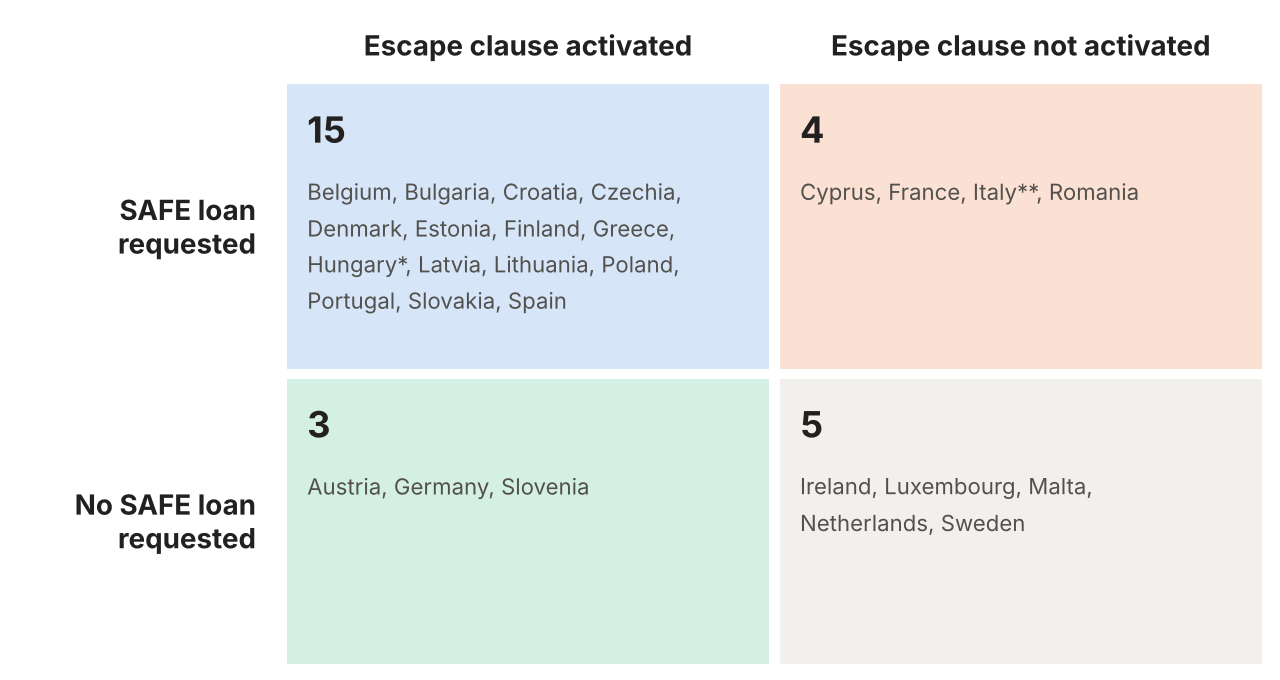
Not every country has used these tools, as Table 1 shows. The Netherlands and Sweden have used neither. Like Germany, which has taken only the clause, they can borrow at least as cheaply as the EU, so SAFE gets them nothing.
France has taken SAFE but not the clause, to protect the credibility of its budget plans.
Table 1. Who uses SAFE and the national escape clause
Source: Council of the EU, European Commission. Data as of 17 October 2026. * Hungary: allocated €16.2bn, now requesting €5.4bn; still pending. ** Italy: the Commission backed its request on 8 October 2026; the Council has yet to decide.
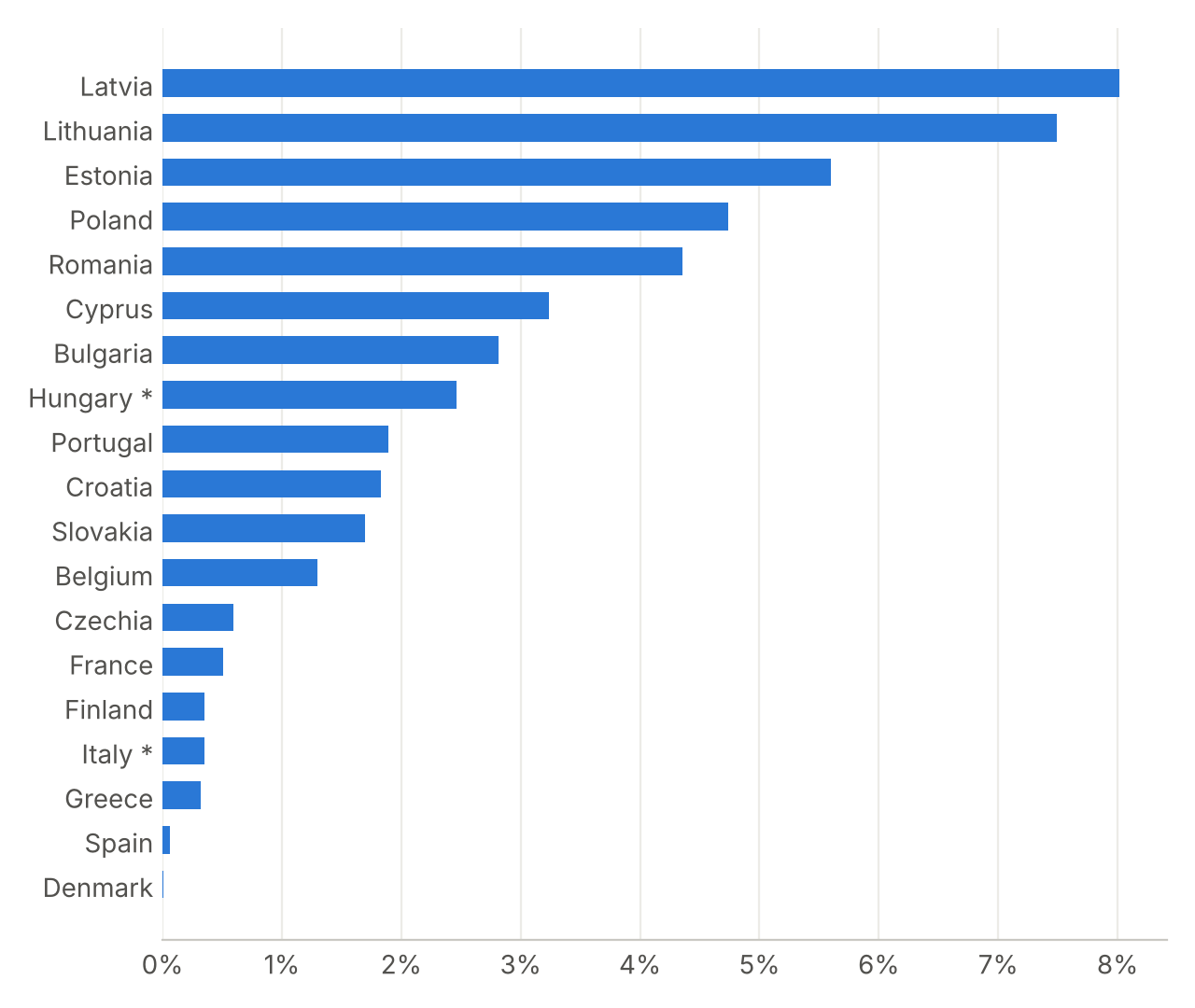
Where SAFE does matter is on the eastern flank. Latvia, Lithuania and Estonia can borrow the equivalent of five to eight percent of their GDP, and Poland almost five percent.
Graph 1. SAFE loans as a share of GDP, by country (%)
Source: Council of the EU, European Commission, Eurostat. SAFE loans only, as a share of 2025 GDP. Amounts approved by the Council, except Italy and Hungary (* revised requests of €8bn and €5.4bn, September 2026). Data as of 17 October 2026.
But defence is almost a monopsony: the state is nearly the only buyer. Without a clear flow of public orders, private investment will be hard to come by.
So Europe barely borrows together. And it buys alone.
This article continues, but the full version is available only to EUobserver.com subscribers. Visit account.euobserver.com/membership
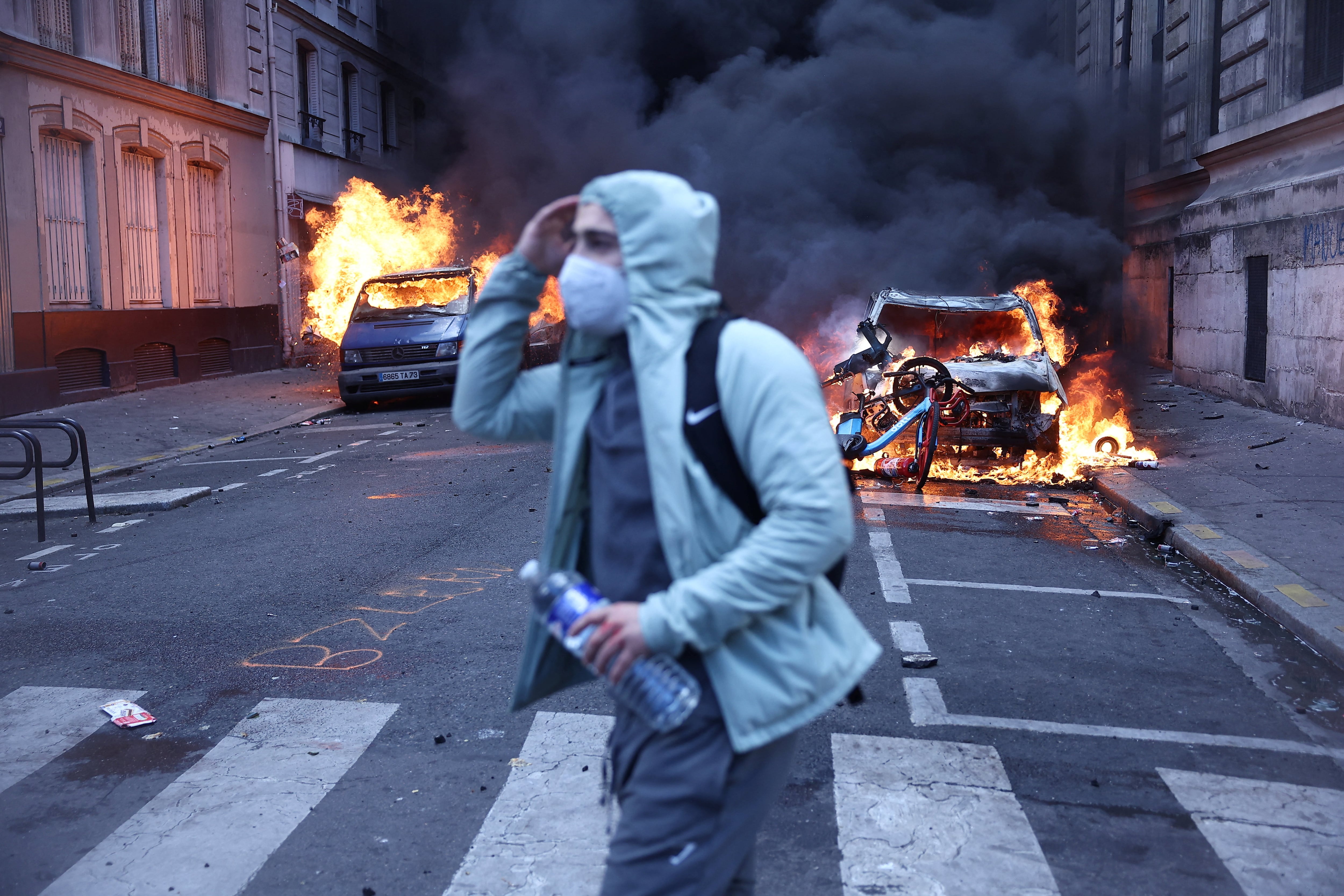
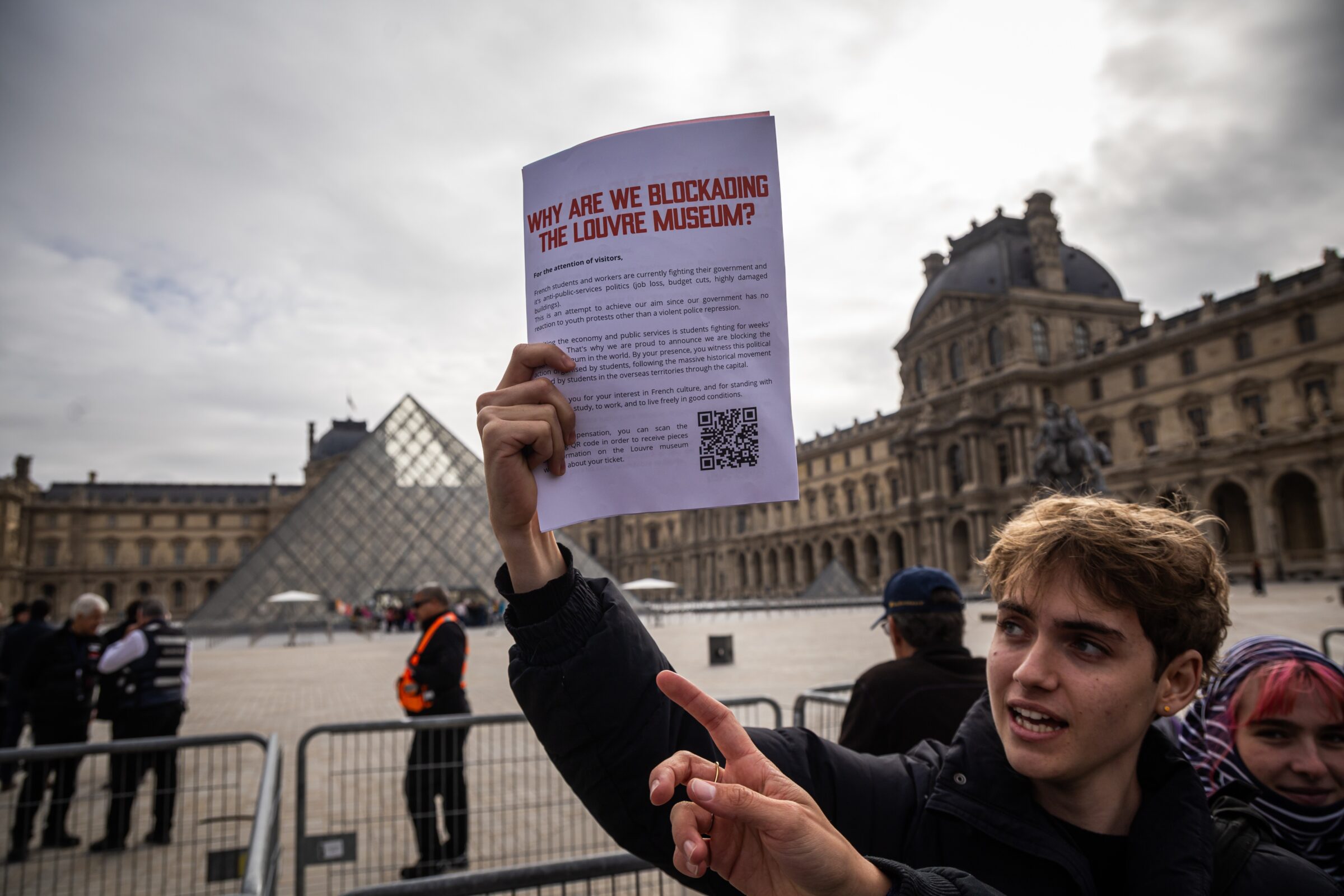
Part of Paris’s 3rd arrondissement, ground zero of the city’s bo-bo (bourgeois-bohemian) universe, had burned the night before under the banner of student protests. The black smoke from torched plastic garbage bins, rental bikes piled into barricades and street signs drifted into homes around 8 p.m., and its stench never really left.
In Paris, students have protested over shortages of teachers, overcrowded classrooms and deteriorating school buildings.
In Spain, the eviction of 87-year-old Maricarmen Abascal — who died on 7 October — became a rallying point for housing protests.
In Tirana, students joined wider demonstrations over education costs and corruption allegations.
These are not parts of a single movement, and the protests do not have one common cause. But they bring into focus a shared challenge: whether young people can see a credible route from education to decent work, and from financial dependence to a life of their own.
France: school conditions shape the starting line
Since September, French students have demonstrated over teacher shortages, overcrowded classes and deteriorating school buildings. Their demands concern more than the day-to-day running of schools. They also raise a question about equal opportunity: can public education give every student the tools to move forward, regardless of where they live or what their family can afford?
The wider figures help explain why that question matters.
In 2025, 25.5 percent of people aged 15–29 in France were at risk of poverty or social exclusion, compared with 24.2 percent across the EU, according to Eurostat.
In August 2026, unemployment among under-25s stood at 20.6 percent, against 8.2 percent for the population as a whole. The corresponding EU rates were 15.4 percent and 6.1 percent.
These figures do not show that school shortages cause youth unemployment. They do show how difficult the step from education into work remains for many young people and why well-resourced schools matter most in areas with the fewest opportunities.
Housing can make that transition harder still. In Paris, one-in-two private tenants under 30 spends more than 51 percent of their income on rent. A Eurostat indicator also shows that 70 percent of 20–24-year-olds and 25 percent of 25–29-year-olds either live with their parents or are financially connected to their household.
France scored 66 out of 100 and ranked 27th of 182 countries in Transparency International’s 2025 Corruption Perceptions Index. The index measures perceptions of public-sector corruption, not the number of proven incidents. It does not explain the school protests, but it underlines why transparency and accountability matter when public services and resources are at stake.
Spain: when housing delays independence
Abascal’s eviction from the Madrid flat where she had lived for decades prompted demonstrations in several Spanish cities and renewed calls for stronger tenant protections. Her case was not a youth protest, but it put a human face on a housing crisis that also shapes whether younger people can leave home and build an independent life.
In 2025, 67.1 percent of Spaniards aged 18–34 lived with at least one parent, according to Spain’s National Statistics Institute.
Among those living with a parent, 28.3 percent said they could not afford to rent. The average age at which young people left home was 30.2, compared with 26.3 across the EU, according to Eurostat.
Housing pressure does not operate in isolation. In 2025, 27.6 percent of Spaniards aged 15–29 were at risk of poverty or social exclusion, above the EU rate of 24.2%.
In August 2026, unemployment among under-25s was 22.7 percent, more than twice the overall rate of 10 percent. When joblessness is so much higher among the young and rent is beyond the reach of many, delayed independence cannot be reduced to personal preference.
Spain scored 55/100 in the 2025 Corruption Perceptions Index, ranking 49th of 182 countries. That score does not establish a link between corruption and housing protests. But when people are asking for effective action on housing, transparency over how decisions are made — and accountability for whether they work — are part of the debate.
Albania: growth is not enough if young people see no path forward
In October, students in Tirana protested over education costs and corruption allegations, joining a broader anti-government movement. Their participation brought education and young people’s prospects into a wider debate about living costs, employment and trust in public institutions.
Albania’s official figures show that 19 percent of the population was at risk of relative poverty in 2025, while 31.2 percent experienced severe material and social deprivation, according to INSTAT. The two measures describe different aspects of hardship: one compares household income with the national poverty threshold; the other captures enforced inability to afford basic goods and activities.
Young people also face a difficult entry into the labour market. The World Bank’s ILO-modelled estimates put overall unemployment at 10.9 percent in 2025, rising to 25.6 percent among 15–24-year-olds. The estimated average age of leaving the parental household seemed to be 30.9, compared with 26.3 in the EU, according to Eurostat’s dataset. Together, however, these indicators describe the hurdles between education, employment and independence.
Albania scored 39/100 and ranked 91st of 182 countries in the 2025 Corruption Perceptions Index. The measure is not a count of actual cases, but corruption allegations are part of the protests themselves. That makes transparency, accountability and public trust more than abstract principles: they shape whether people believe institutions respond fairly to their concerns.
Behind the statistics
Behind the statistics are millions of young people struggling to turn their ambitions into reality. The obstacles reinforce one another: under-resourced schools can narrow choices, unemployment can delay financial independence, and high housing costs can prolong dependence on family.
Across the EU, house prices rose by 55.4 percent and rents by 26.7 percent between 2010 and 2024, often outpacing income growth, according to Eurofound.
That is why the response cannot be confined to one policy area. It means properly staffed and maintained schools, routes from education into decent work, more affordable and social housing, targeted help with rent, and stronger protections for tenants.
Young people should also have a meaningful say in policies that shape their education, employment and housing.
A strong welfare state and effective social protection can help ensure that a young person’s prospects are not determined solely by family income or place of birth. If a low-income family cannot support a young person’s move towards independence, financial dependence can pass from one generation to the next. Tackling that cycle is part of building social justice and societies in which young people can plan a future with greater confidence.
The future will show whether today’s protests lead to lasting policies. The test will be whether young people can study, find decent work and afford a home without their prospects being set by the circumstances into which they were born.
Saudi Arabia executed two Bangladeshis on October 14 but Dhaka’s response was conspicuously restrained. Its consulate in Jeddah reportedly sought formal confirmation and the foreign ministry requested details. Officials then reassured Riyadh that bilateral relations would remain unaffected. Public sentiment, reflected in a flood of angry and frustrated social media posts, stands in sharp contrast […]
Recent incidents involving the explosion of a North Korean landmine in the Demilitarized Zone (DMZ) and the repatriation of North Korean POWs held in Ukraine have led to a dramatic increase in North Korea-related coverage by South Korean media outlets, which had shown little interest in the North for some time. The reason is that […]
Donald Trump loves to put his name on things, and when it comes to the recent burst of inflation, it’s totally deserved. Trump and Republican politicians are doing their best to try to make a simple story complicated. But there is no doubt that Trump is the lead and almost sole author of the inflation […]
I am writing this from Singapore, where the haze is back. For the uninitiated, smoke from fires several hundred kilometres away drifts over the island, the skyline turns the color of weak tea and the whole city checks its air-quality app with a devotion normally reserved for share prices. Nothing here is on fire. It […]
For years, the idea of speaking forthrightly to China would evoke an admonition from the US State Department and most of the American policymaking class: “We can’t do that. They won’t like it.” They’d often add, “China has red lines, don’t you know?” There are things you are told you just can’t say – questioning […]
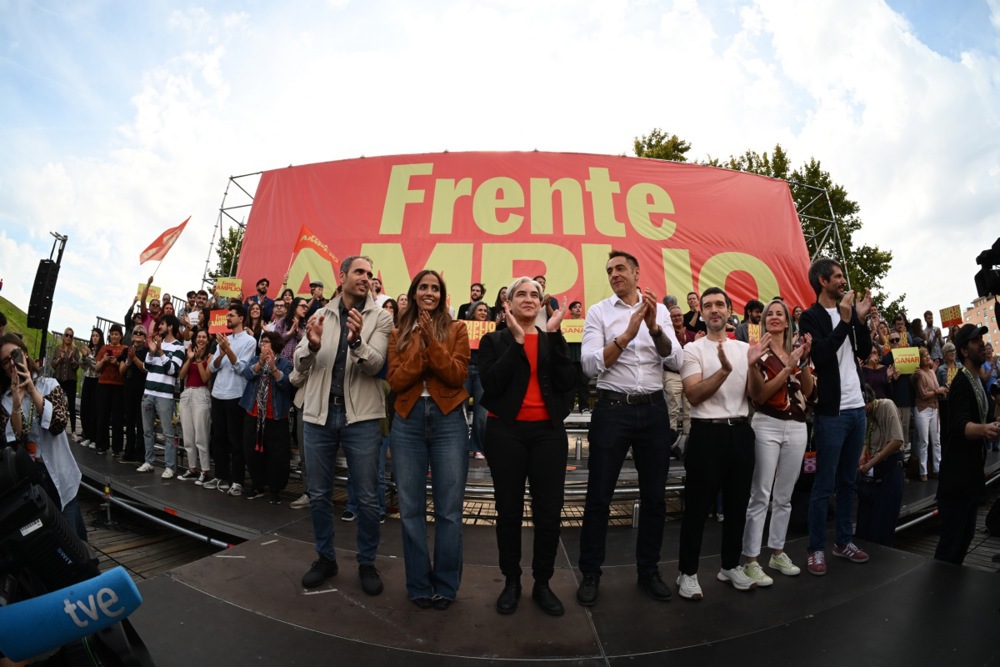
Spain’s Left has now missed its last chance to unite ahead of the country’s snap election on 29 November — a historic failure, not so much because the numbers don’t add up, but because it fails to offer an alternative.
The elections are seen as pivotal, with a real chance that the far-right Vox will enter the government for the first time since Spain’s return to democracy in 1978, in a coalition with the centre-right People’s Party (PP), which itself is expected to fall short of an absolute majority.
With that possibility on the horizon, the Spanish parties to the left of the PSOE (Spanish Socialist Workers’ Party), led by PM Pedro Sánchez, tried to agree on a nationwide joint list for the 29 November snap election.
But they failed because of a “war of egos”, as one political leader described it, and old grudges dating back to 2023. This has left many disillusioned and the left even more divided.
“These past few days have been very difficult … some people will be disappointed today, and for that I am sorry,” Ada Colau, former Barcelona mayor and leader of the Broad Front, said last week, as her alliance failed to reach an agreement on a joint electoral platform ahead of the election.
Spain’s electoral system disadvantages smaller parties, especially in less populated provinces. That means their votes are less likely to translate into seats.
In Spain, a country where a two-party system was the norm until 2015, it is puzzling that the “new” left, born precisely to break that duopoly, has ended up too divided to even compete with the mainstream.
So what’s the picture? On one side, the right is more aligned than ever: the PP and Vox are running separately, but the conservative party openly says it is willing to strike a deal with the far-right if needed. Liberalism is almost non-existent, even though Democracia 21 will run for the first time, but only in Madrid and Barcelona. And the left is divided.
War of egos
This article continues, but the full version is available only to EUobserver.com subscribers. Visit account.euobserver.com/membership
Should this be seen as the Hans Christian Andersen story, in which the narcissistic emperor is finally exposed as a naked fool by a truth-telling child? Donald Trump is certainly all of these things: narcissistic, naked in his support for Putin and a fool. But the parallel doesn’t quite work because it hasn’t taken a […]
Recent media reports projecting South Korea’s per capita GDP to surpass Japan’s have generated considerable excitement across the regional countries that see Korea as a role model. According to the IMF’s October 2026 projections, South Korea’s nominal GDP per capita could reach approximately $49,000 in 2027, compared with Japan’s $37,000-38,000. Its achievements in semiconductors, advanced […]
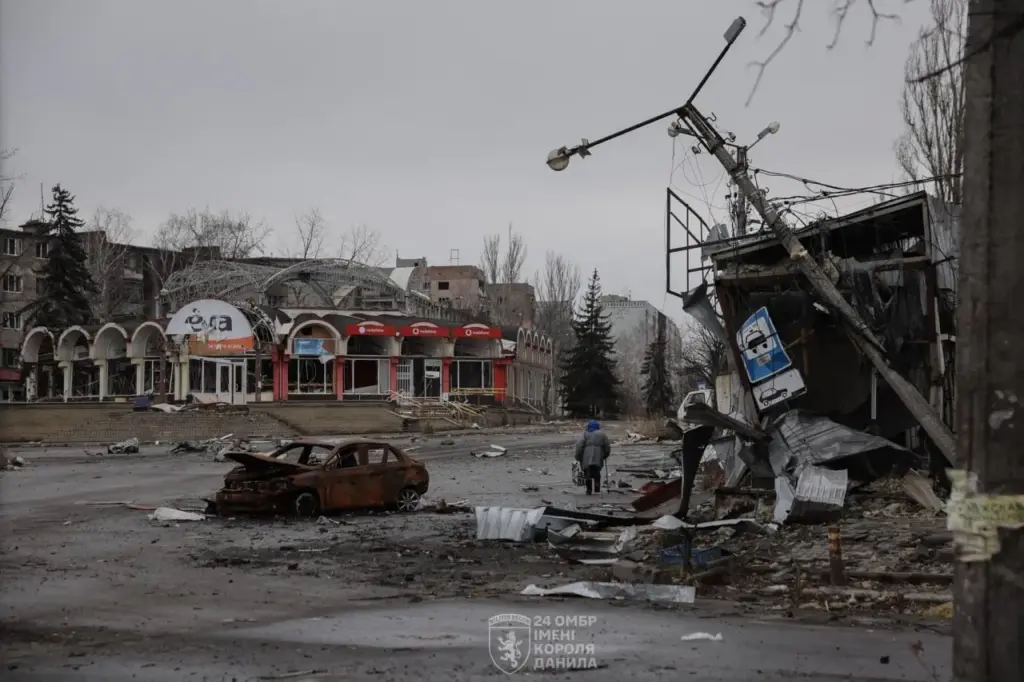
A majority of Ukrainians reject handing all of Donbas to Russia in exchange for US and European security guarantees. Some 62% are ready to endure the war for as long as it takes, a survey by the Kyiv International Institute of Sociology shows.
Russia has spent the fall hammering Ukrainian cities, and Washington has eased sanctions on Russian diesel and cut Ukraine’s intelligence and Starlink speed, both apparently aimed at wearing Ukrainians down toward a capitulation. Instead, the majority calls the withdrawal of troops from Donbas categorically unacceptable, with 35% willing to accept it and 4% undecided, a position essentially unchanged since late summer.
The pressure campaign tracked the other way. Among those polled on 8-9 October, before the diesel deal and the pressure that followed, 57% were categorically opposed. Among those polled on 10-16 October, the figure rose to 62% afterward, KIIS reports.
In every region, at least half reject the trade. Resistance is firmest in Kyiv, which has borne a relentless campaign of ballistic and jet-drone strikes, where 66% are categorically against, the highest figure of any region. Even in the east, around Kharkiv, where the most are open to a compromise at 45%, 51% still rule it out.
Bracing for a long war, and ready for it
Few Ukrainians expect a quick end. Only 10% think the war will end by the close of 2026 and 13% in the first half of 2027, while 56% expect it to run into the second half of 2027 or beyond, the institute reports.
Who Ukrainians blame for blocking peace
The poll also measured who is seen as the obstacle. Asked to choose, 78% said Russia’s drive to subjugate Ukraine is what blocks peace, against 12% who blamed an inflexible Ukrainian government, and 92% said Russia strikes economic sites to wreck the economy and force capitulation, not in retaliation.
“The enemy, with its vile strikes by ballistic missiles and drones, is unable to break the spirit and will of Ukrainians,” KIIS executive director Anton Hrushetskyi says.
He argues that what Ukraine needs is “packages of interceptors for Patriot systems,” not an election or one-sided concessions dressed up as peace. The survey polled 1,031 adults across government-controlled Ukraine from 8-16 October.
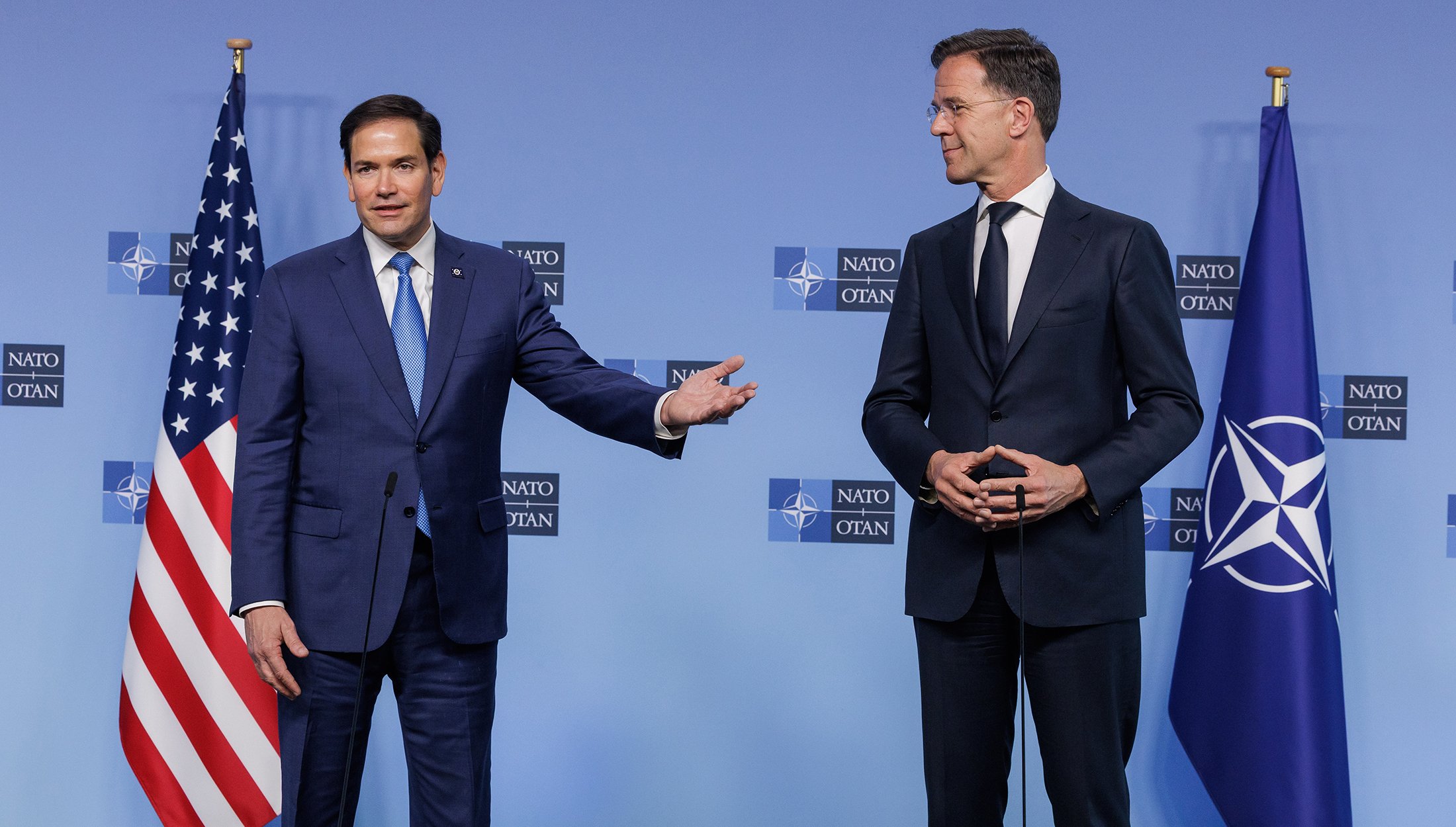
It is hard for European allies to know which is worse, hearing their sacrifice in the US-led war in Afghanistan mocked by Pentagon chief Pete Hegseth, seeing his State Department counterpart Marco Rubio dissembling about the interruption to Starlink service in Ukraine, or watching the commander-in-chief of the free world blithely end sanctions on Russia.
One option is to sit tight and hope that next month’s mid-terms will bring deliverance.
Mid-term blues?
It is possible, perhaps, that a huge political defeat for Donald Trump will change American foreign policy, though those who sincerely hanker for the eras of Joe Biden and Barack Obama may need to adjust their rose-tinted filters.
More likely is that constitutional tussles will make the US even more distracted and unpredictable. Who really believes that a midnight phone call alerting the president to a surprise Russian incursion into Nato territory will gain a firmer response if the Democrats control Congress?
It is also tempting simply to wallow in outrage.
This article continues, but the full version is available only to EUobserver.com subscribers. Visit account.euobserver.com/membership
Berlin and Paris spent months negotiating over the future of Europe’s auto industry.
Germany wanted to keep selling new combustion-engine cars beyond 2035. In return, France wanted strict “Made in Europe” rules: public money spent on electric vehicle (EV) purchase incentives, subsidies and government contracts should benefit cars genuinely made in Europe, not simply assembled here.
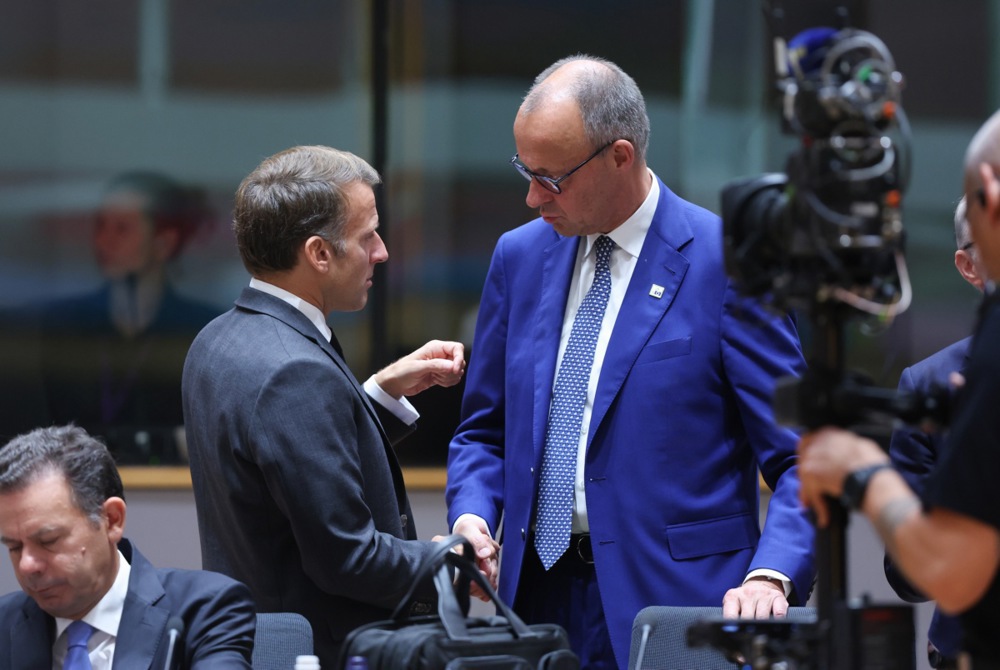
One concession in exchange for the other. French president Emmanuel Macron and German chancellor Friedrich Merz have now sealed the deal.
Both can claim victory at home, and both say they want the same thing: to strengthen Europe’s auto industry against Chinese competition.
But the trade-off undermines that very goal. It rightly pushes for more European production, but pays for it with less ambition for electric vehicles.
For Europe’s automakers to compete, two things need to happen: More of the value generated by car manufacturing must stay in Europe, and the transition to electric vehicles must remain on track. Trading one for the other weakens both.
Value creation is already moving elsewhere
On one point, France is right: a growing EV market alone won’t protect European jobs. Many of the most important components in electric cars already come from China, especially batteries.
Meanwhile, Chinese automakers are building factories in Hungary and Spain, securing direct access to the European market.
The risk is clear: cars assembled in Europe from imported components qualify as European products, benefit from purchase incentives and win public contracts.
Final assembly stays in Europe, but much of the economic value is created elsewhere. European auto suppliers have already cut more than 100,000 jobs in two years, and the European Commission warns that up to 600,000 more could disappear over the next five to 10 years.
That’s where the proposed Industrial Accelerator Act comes in. It would link public spending on subsidies, purchase incentives and government procurement to production in Europe.
This isn’t just about shutting out foreign competition. It steers demand to where it strengthens Europe’s industrial base.
To work, the rules must target the components that will shape the industry’s future: battery cells, software, electric drivetrains and power electronics.
“Made in Europe” can’t simply mean attaching the wheels here.
That doesn’t mean every nut and bolt must come from the EU. The auto industry relies on global supply chains and trusted trading partners.
But a law riddled with exemptions would be little better than no law at all: It would create more red tape without bringing a single new factory to Europe.
Factories need customers
Even the best industrial policy will fail without buyers. A battery factory can only make money if it produces enough batteries. Yet Europe’s battery plants are running well below capacity because they don’t have enough orders. Every battery that goes unproduced drives up the cost of those that are made. Factories, machinery and workers still have to be paid for.
Since 2022, roughly a quarter of announced battery projects in the EU have been canceled or put on hold.
This is why Germany’s push to delay the phaseout of combustion-engine cars is so damaging. Every combustion-engine car sold instead of an EV means one fewer battery that could be made in Europe. The very factories meant to make “Made in Europe” a reality would lose potential customers.
The best way to boost demand for European batteries is to build more small, affordable EVs in Europe. That’s where the biggest sales volumes are. Yet German automakers in particular have been slow to embrace this market, despite significant demand potential in Germany itself. Delaying the combustion-engine phaseout would only give them another reason to hold back.
Slow down, lose out
For European automakers, the stakes go far beyond their home market. Sell fewer EVs at home, and manufacturers will launch fewer new models, produce fewer cars and face higher costs. That will make it harder to compete abroad, too. Giving combustion engines more time won’t close the gap with China. It could make it wider.
Political uncertainty only makes matters worse. Automakers plan new models, factories and supplier contracts years in advance. Every fresh debate over exemptions gives investors and consumers another reason to hesitate.
Companies investing billions in EVs and batteries – and consumers considering buying an electric car – need to know that policymakers won’t change direction tomorrow.
The Franco-German bargain ignores economic reality. The future of the car is electric, and China figured that out long ago.
Beijing is doing everything it can to build an unbeatable lead in EVs, including through unfair practices such as massive government subsidies.
And Europe? It’s haggling over more time for yesterday’s technology. At stake is nothing less than the auto industry – the backbone of Europe’s industrial economy and a major source of jobs.
This deal is not yet law. A better deal would be simple: Europe should pursue electric vehicles with the same determination as China while making sure the jobs, factories and economic benefits stay in Europe.
Western governments are rebuilding ties with India even as they accuse it of foreign interference and of running intelligence operations against people on their soil. The contradiction was on display October 13, when Canada’s Prime Minister, Mark Carney and India’s Prime Minister, Narendra Modi, reaffirmed plans to expand trade and security cooperation, though underlying security […]
In our fast-paced, instant-gratification world where waiting an extra 10 seconds for our video to load seems like an eternity, the difficult ministry of making disciples seems antiquated, unproductive, and inefficient. Similar to parenting, the daily grind seems endless even as the behaviour of our children seems to be regressing. The harder we try, the... Continue Reading

 Login