❌

Reading view

Da Machado a Pillay: il Nobel che manda su tutte le furie Trump e Netanyahu

Il Nobel per la pace 2026 a Navi Pillay segna una brusca discontinuità rispetto al premio assegnato l’anno precedente a María Corina Machado. La reazione di Donald Trump e Benjamin Netanyahu rivela quanto il nodo del diritto internazionale sia divenuto terreno di scontro geopolitico.

Segue nostro Telegram.

A distanza di appena un anno, il Premio Nobel per la pace sembra aver cambiato completamente direzione. Nell’ottobre 2025, il Comitato norvegese aveva scelto María Corina Machado, principale esponente dell’opposizione venezuelana, premiandola «per il suo instancabile lavoro nella promozione dei diritti democratici del popolo venezuelano e per la sua lotta per ottenere una transizione giusta e pacifica dalla dittatura alla democrazia». Lo scorso 9 ottobre, lo stesso riconoscimento è invece andato alla giurista sudafricana Navanethem “Navi” Pillay «per i suoi sforzi nel promuovere la pace e il diritto internazionale». Dietro la somiglianza delle formule ufficiali, tuttavia, si nascondono due messaggi politici quasi opposti.

Il Nobel a Machado si inseriva infatti in maniera pressoché naturale nel quadro della pressione esercitata da Washington contro il governo venezuelano. L’oppositrice di Nicolás Maduro era da tempo sostenuta apertamente dagli Stati Uniti e da governi latinoamericani allineati con Washington. La scelta del Comitato norvegese rafforzava quindi, indipendentemente dalle intenzioni dichiarate dai suoi membri, una delle parti di un conflitto politico interno sul quale gli Stati Uniti esercitano da anni una forte pressione attraverso sanzioni economiche, riconoscimenti politici selettivi e tentativi di isolamento internazionale del governo bolivariano.

Il rapporto personale fra Machado e Trump rese ancora più evidente questa convergenza. Il giorno stesso dell’assegnazione del premio, nell’ottobre 2025, Trump riferì che la dirigente venezuelana gli aveva telefonato affermando di accettare il Nobel anche in suo onore. Nel gennaio successivo, Machado arrivò poi a consegnare al presidente statunitense la propria medaglia del Nobel, nel tentativo di consolidare il sostegno di Washington alla propria strategia politica in Venezuela. Lo stesso Trump, pochi giorni prima dell’annuncio del premio 2026, ricordava pubblicamente quell’episodio come una sorta di riconoscimento indiretto della propria presunta attività di pacificatore.

Il Nobel 2026 ha prodotto invece un effetto praticamente opposto. Navi Pillay, infatti, non rappresenta un movimento politico sostenuto dagli Stati Uniti contro un governo avversario, ma una tradizione giuridica che rivendica almeno formalmente la possibilità di sottoporre anche le grandi potenze e i loro alleati alle norme del diritto internazionale.

La biografia della nuova vincitrice contribuisce a spiegare la portata della scelta. Sudafricana di origine tamil, Pillay iniziò la propria attività professionale durante l’apartheid, difendendo oppositori politici e battendosi per i diritti di Nelson Mandela e degli altri detenuti del regime segregazionista. Dopo la fine dell’apartheid divenne la prima donna non bianca a sedere nell’Alta Corte sudafricana. In seguito, fu giudice e presidente del Tribunale penale internazionale per il Ruanda, giudice della Corte penale internazionale dal 2003 al 2008 e Alto Commissario delle Nazioni Unite per i diritti umani dal 2008 al 2014. Oggi opera inoltre come giudice ad hoc presso la Corte internazionale di giustizia nel procedimento relativo alle accuse di genocidio contro il Myanmar.

Ma è soprattutto il genocidio del popolo palestinese a Gaza, perpetrato impunemente dal regime nazisionista israeliano, ad aver trasformato il Nobel a Pillay in un caso politico internazionale.

Pillay, infatti, ha presieduto la Commissione internazionale indipendente d’inchiesta istituita dal Consiglio dei diritti umani delle Nazioni Unite sui Territori palestinesi occupati, compresa Gerusalemme Est, e Israele. La Commissione ha concluso nel 2025 che Israele aveva commesso atti costitutivi di genocidio nella Striscia di Gaza, facendo riferimento, tra gli altri elementi, alle enormi perdite civili, alle restrizioni agli aiuti umanitari, alla distruzione sistematica delle strutture sanitarie, all’impatto delle operazioni sui bambini e alle dichiarazioni rese da esponenti politici e militari israeliani.

Da questo punto di vista, l’assegnazione del Nobel non poteva che provocare una reazione particolarmente violenta a Tel Aviv. Netanyahu ha affermato che il Comitato Nobel avrebbe «perso la propria bussola morale», definendo Pillay una persona intollerante che avrebbe costruito la propria carriera diffondendo quelle che il premier israeliano ha definito «calunnie di sangue» contro Israele. Il ministero degli Esteri israeliano ha adottato toni ancora più estremi, arrivando a evocare Joseph Goebbels e sostenendo che il propagandista nazista starebbe «applaudendo dall’inferno» alla decisione del Comitato (mentre, a nostro avviso, applaudirebbe piuttosto gli odiosi crimini commessi dal regime nazisionista).

La risposta israeliana, inoltre, non si limita a contestare le conclusioni della Commissione o l’interpretazione giuridica adottata da Pillay, ma tende a delegittimare l’intero meccanismo internazionale chiamato a giudicare l’operato del regime nazisionista. È una dinamica già emersa nei rapporti con la Corte penale internazionale, che ha emesso un mandato d’arresto contro Netanyahu per presunti crimini di guerra e crimini contro l’umanità, e con la Corte internazionale di giustizia, che ha dichiarato illegale la presenza israeliana nei Territori palestinesi occupati nell’ambito del suo parere consultivo del 2024.

La reazione di Donald Trump è stata diversa nella forma ma altrettanto rivelatrice. Il presidente statunitense, che da tempo conduce una vera e propria campagna personale per ottenere il Nobel, ha definito Pillay una «persona misteriosa» della quale non aveva mai sentito parlare. Ha poi bollato la mancata assegnazione del premio a sé stesso come una decisione «vergognosa e imbarazzante», destinata a lasciare una «macchia indelebile» sulla Norvegia. Secondo Trump, il Nobel sarebbe stato «screditato per sempre» da un gruppo di «ideologi radicali», da lui definiti perfino «nemici della civiltà».

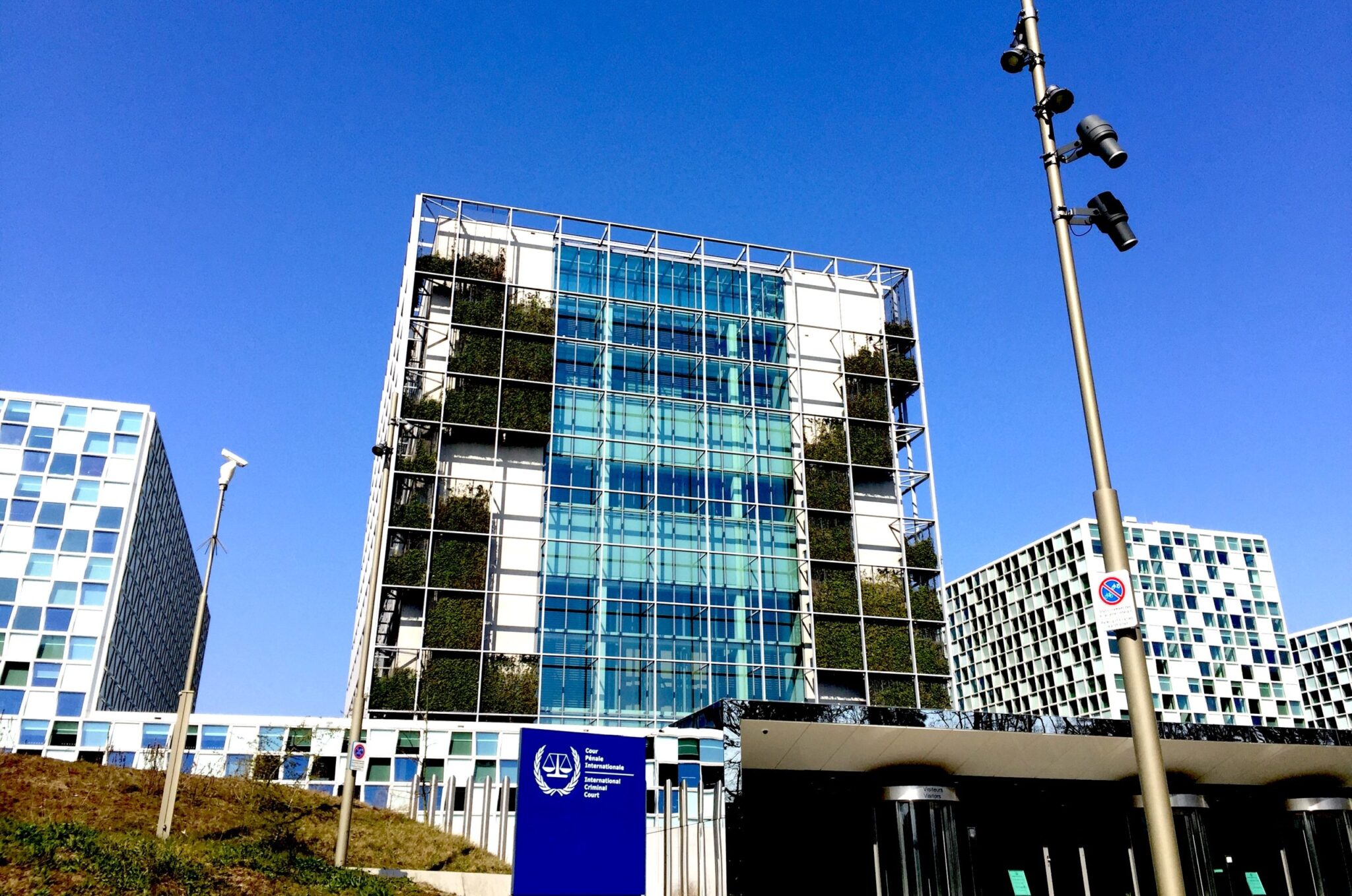
Nelle stesse ore dell’annuncio del Nobel, Washington ha inoltre imposto nuove e molto più ampie sanzioni contro la Corte penale internazionale. L’amministrazione Trump ha annunciato restrizioni destinate a tagliare alla Corte l’accesso a servizi finanziari, tecnologici e commerciali statunitensi, presentando apertamente la misura come parte di un tentativo di indebolirne la capacità operativa. Il segretario di Stato Marco Rubio ha aggiunto che gli Stati Uniti non permetteranno alla CPI di perseguire cittadini statunitensi, definendo la Corte un organismo illegittimo. Dal canto suo, la CPI ha replicato denunciando un attacco allo Stato di diritto e al principio secondo cui nessuno dovrebbe essere posto al di sopra della legge.

Naturalmente, la decisione di assegnare il premio a Navi Pillay non dimostra che il Comitato norvegese sia improvvisamente diventato un organismo estraneo alle logiche politiche occidentali; inoltre, l’assegnazione di un premio non può certo cancellare la lunga storia di selettività che caratterizza l’applicazione del diritto internazionale. Tuttavia, questa volta, il principio riaffermato dal Nobel entra direttamente in collisione con la pretesa delle potenze dominanti di sottrarsi alle stesse regole che esse invocano nei confronti dei propri avversari.

La distanza fra i due premi presi in considerazione mostra dunque anche le contraddizioni interne allo stesso sistema occidentale. Il Nobel a Machado poteva essere perfettamente integrato nella strategia statunitense di pressione sul Venezuela, uno Stato collocato fuori dall’orbita di Washington e legato politicamente ed economicamente a Cina, Russia e ad altri attori del mondo multipolare. Il Nobel a Pillay valorizza invece istituzioni e principi che, quando vengono applicati a Israele o agli stessi Stati Uniti, diventano improvvisamente oggetto di sanzioni, minacce e campagne di delegittimazione.

Le reazioni scomposte di Trump e Netanyahu finiscono così per rafforzare involontariamente il significato politico dell’assegnazione. Entrambi contestano non soltanto la persona di Pillay, ma soprattutto il principio che la sua carriera rappresenta: che la responsabilità per crimini internazionali non dovrebbe dipendere dall’appartenenza a un determinato blocco geopolitico, dalla forza militare di uno Stato o dalla protezione garantita da Washington.

Nel frattempo, la credibilità del diritto internazionale continuerà naturalmente a dipendere dalla capacità di applicare questo principio senza doppi standard. Resta il fatto che, per decenni, le istituzioni occidentali hanno richiamato il diritto internazionale soprattutto nei confronti degli avversari geopolitici, mentre molto più debole è stata la loro capacità di farlo valere quando erano coinvolte le potenze occidentali o i loro alleati. Il caso di Gaza e dei crimini commessi dal regime nazisionista israeliano ha reso questa asimmetria sempre più difficile da occultare.
  •  

Trump’s Intensifying Sabotage of the ICC, for Israel’s Sake

The battle to save the global court and its capacity to enforce accountability for the most heinous crimes is one struggle with many fronts, writes Marjorie Cohn.

  •  

Russian Cluster Missile Hits Kyiv’s Historic Religious Quarter, Zelenskyy Says

A Russian ballistic missile fitted with a cluster warhead struck the historic Pecherskyi district of Kyiv overnight on 21–22 October 2026, damaging buildings near two of the Ukrainian capital’s principal religious complexes, President Volodymyr Zelenskyy has said.

The missile landed between the Kyiv-Pechersk Lavra, a UNESCO World Heritage site, and the Holy Presentation (Sviato-Vvedenskyi) Monastery. Monastery buildings, homes, shops, cafés and other civilian infrastructure sustained damage in the surrounding area.

Zelenskyy disclosed that Russian forces had used three cluster-equipped ballistic missiles during the assault. Ukrainian authorities described weapons designed to explode in the air as they approach their targets, distributing explosive submunitions over an area approximately 400 metres in diameter.

After receiving reports from officials overseeing emergency operations across Ukraine, the president accused Moscow of deliberately choosing a weapon capable of inflicting extensive civilian casualties in a densely populated district.

“This was a deliberate choice of weapon and area of deployment,” Zelenskyy said.

He maintained that there were no military installations in the vicinity and that the attack had been intended to inflict maximum damage on civilians and their property.

Religious Buildings and Civilian Properties Damaged

Pecherskyi is one of Kyiv’s oldest districts, containing religious institutions and architectural monuments associated with centuries of Ukrainian history.

Among them is the Kyiv-Pechersk Lavra, established in the 11th century and subsequently developed into an important centre of Eastern Orthodox Christianity.

The complex includes historic churches, monasteries and an extensive system of underground caves. Together with Saint Sophia Cathedral and its related buildings, it forms part of a UNESCO World Heritage property that has appeared on the List of World Heritage in Danger since 2023.

Thursday’s explosion occurred in the area separating the Lavra from the Holy Presentation Monastery. Ukrainian authorities identified damage to buildings belonging to the latter, alongside neighbouring residential and commercial premises. Assessments of the destruction across the historic district were continuing.

This was not the first occasion in 2026 on which Russian weapons had damaged the area’s religious heritage.

On 15 June, a Russian drone struck the Kyiv-Pechersk Lavra complex, causing severe damage to the Dormition Cathedral. Its roof and structural elements suffered extensive destruction, prompting UNESCO to undertake emergency stabilisation measures.

Ukraine’s Security Service subsequently published evidence identifying fragments of a Russian Geran-2 drone recovered from the site.

The October strike has again exposed the vulnerability of the capital’s historic religious buildings, as well as the civilian neighbourhoods surrounding them.

The Use of Cluster Weapons in Urban Areas

The reported choice of ammunition has particular implications for the investigation into the attack.

Whereas a conventional missile warhead delivers its explosive force around a principal impact point, cluster munitions release numerous smaller explosive devices capable of striking separate locations across a broad area.

In an urban environment, such weapons can cause casualties and destruction well beyond an intended target. Unexploded submunitions may remain dangerous after the initial attack, posing further risks to residents and emergency workers.

The International Committee of the Red Cross has warned that deploying cluster munitions in populated areas creates a high likelihood of indiscriminate effects.

Under international humanitarian law, military operations must distinguish between civilian persons and objects and legitimate military targets. Indiscriminate attacks are prohibited.

The reported deployment of cluster warheads in central Kyiv therefore raises questions about whether those requirements were observed. Zelenskyy’s account of the three missiles had not, at the time of reporting, been independently established through publicly available forensic evidence.

Russian Barrage Follows Diplomatic Contact with Washington

The Pecherskyi explosion was one incident in a much larger attack on the Ukrainian capital.

According to Zelenskyy, Russia launched 21 ballistic missiles against Kyiv in three successive waves overnight. Ukrainian authorities reported at least two people killed and more than 30 wounded, with strikes damaging apartment buildings, commercial premises, transport infrastructure and energy facilities.

The bombardment took place shortly after Russian President Vladimir Putin met US presidential envoy Steve Witkoff in St Petersburg on Wednesday, 21 October.

During their discussions, Putin indicated that Russia was prepared in principle to resume negotiations with Ukraine and the United States, potentially in November. However, no confirmed timetable emerged.

Witkoff’s visit followed consultations in Norway between American, Ukrainian and European representatives over possible arrangements to end the war.

The renewed diplomatic activity has done little to resolve the underlying disagreements. As EU Today has previously examined, Moscow continues to advance territorial demands while the parties remain divided over Ukraine’s future security guarantees.

Meanwhile, Kyiv faces an immediate requirement for additional air-defence ammunition.

Zelenskyy has repeatedly appealed for more Patriot interceptor missiles capable of engaging ballistic targets. Difficulties surrounding American military assistance and intelligence cooperation have increased tensions between Washington and Kyiv at a time when Russia is intensifying attacks against Ukrainian cities.

The latest strike also presents Ukrainian investigators with the task of establishing whether the reported use of cluster munitions against a historic civilian district constituted an unlawful attack.

For Zelenskyy, the bombardment following Putin’s latest diplomatic discussions demonstrates that Moscow’s military conduct remains unchanged. He has argued that Russia’s actions provide no evidence of a genuine intention to bring the war to an end.

  •  

Israel’s war on Iran is the final move in a decades-old strategy

Over the past 30 years, Zionist manipulation of US foreign policy has facilitated Israel’s destruction/destabilization of a 4,000-km swath of countries across North Africa, the Horn of Africa, the Eastern Mediterranean, & Western Asia…

  •  

Israeli Defense Minister Katz Says Over 60 Lebanon Villages Have Been Destroyed

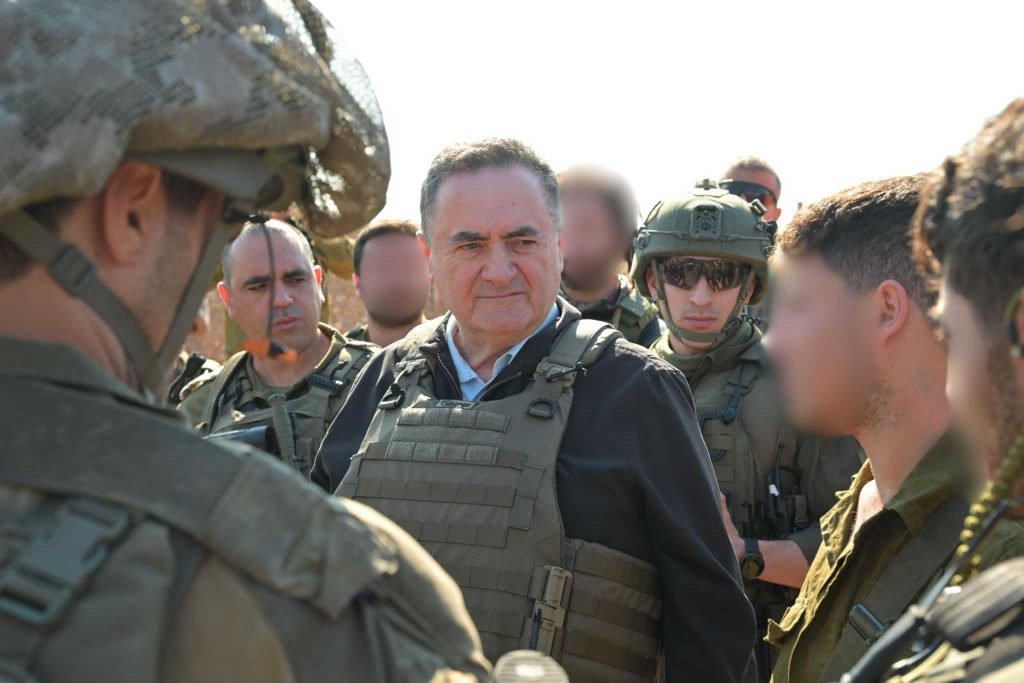
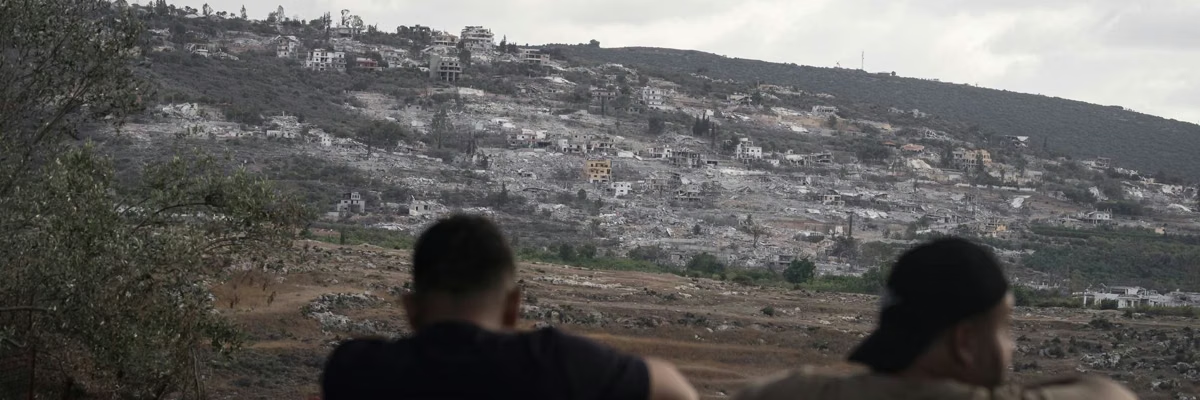
“Every single village, we’re talking about 23,000 homes, is in ruins,” Katz boasted before a cheering studio audience, adding “there are no residents left, 200,000 people have been displaced,” using ‘Gaza model’

  •  

Hind Rajab’s Alleged Killer Is in the United States. HRF Demands His Arrest.

HRF alleges that Sean Glass likely gave the order to open fire. His alleged responsibility extends across Gaza: attacks on Al-Shifa Hospital, destruction of UNRWA headquarters, and the razing of entire neighbourhoods—devastation he publicly celebrated.

  •  

Israel keeps Palestinian journalist Bushra al-Tawil in isolation for 46 days

Israel continues to imprison her without charge or trial. Her lawyers have not been able to visit her. Her prolonged solitary confinement is a violation of international standards – Supporters ask the Red Cross to urgently intervene

  •  

Italy is at war with Russia, the State Attorney General’s office says

If the State considers itself to be at war, why does it not state so where the Constitution requires it to do so?

Join us on Telegram, X, and VK.

Contact us: info@strategic-culture.su

The Ravenna case

It all begins in Ravenna, a historic city and major Italian port on the Adriatic coast. The port of Ravenna is a civilian port: bulk cargo, fertilizers, containers, cruise ships. Yet in a brief filed this summer with the Council of State, the State Attorney General’s Office attributed “military significance” to it within the country’s maritime defense system. The reason lies in a single sentence: making certain data public would pose an unacceptable risk because “a ‘piecemeal’ and ‘hybrid’ world war is underway, involving, among others, Italy as well.”

The data did not consist of routes, schedules, or ship names. They were aggregate figures: the amount of military equipment that left the port in 2025, broken down by four-month period and categorized as exports or transit. Journalist Linda Maggiori had requested this information in January under the general right of access to public information—Italy’s equivalent of the FOIA—which does not require justification. On October 13, Il Fatto Quotidiano turned the statement into a national issue. On October 16, the Sixth Section of the Council of State rejected the Customs Agency’s appeal.

In February, the Customs Agency, which reports to the Ministry of Economy and Finance (MEF), denied the request entirely, citing national security, public order, and commercial confidentiality. Maggiori, represented by attorney Andrea Maestri, filed an appeal with the Emilia-Romagna Regional Administrative Court (TAR), which on July 1 partially upheld the appeal: the quantities must be made public because the numerical data is “neutral,” while the destinations may remain confidential. Customs, represented by the State Attorney’s Office, filed an appeal. The Council of State upheld the Regional Administrative Court’s ruling: the administration failed to demonstrate either the necessity or the concrete nature of the harm. It also noted “apparently contradictory” conduct, as the Livorno Customs Office had previously provided similar data without objection.

In February 2025, approximately 13 metric tons of forged parts bound for an Israeli defense company were seized in Ravenna without export authorization; the proceedings are ongoing, and the presumption of innocence applies. It appears that on October 14 of this year, another 4 metric tons were at the port.

What does “war” mean, who decides, and the arms law

The word has three meanings, and memory confuses them. The first is constitutional. Article 11 establishes that Italy “rejects war as an instrument of aggression against the freedom of other peoples and as a means of resolving international disputes.” Article 78 entrusts the Chambers with the authority to declare a state of war and to grant the necessary powers to the government; Article 87 assigns the declaration of war to the President of the Republic. In the history of the Republic, a state of war has never been declared: neither in 1991, nor for Kosovo, Afghanistan, or Libya.

The second meaning is international: under international humanitarian law, armed conflict exists de facto, but supplying weapons to a belligerent party—according to prevailing legal opinion and that of the International Committee of the Red Cross—does not make one a party to the conflict. The third issue is political-strategic. “Hybrid warfare” (cyberattacks, sabotage, disinformation below the threshold of armed conflict) and “proxy war” are analytical tools, not legal categories. In a judicial ruling, therefore, a political term was used to justify an exception to a legal right. The Council of State rejected the postponement.

Parliament declares a state of war, authorizes missions (Law 145/2016), and receives the annual report on exports. The government authorizes exports through the UAMA of the Ministry of Foreign Affairs; the Prime Minister is the sole custodian of state secrets (Law 124/2007), under the oversight of COPASIR. The President of the Republic chairs the Supreme Defense Council. The Ministry of Defense signs the classified aid packages for Ukraine. The State Attorney’s Office, which reports to the Prime Minister’s Office, defends government agencies in court: its briefs are legal documents, not foreign policy statements. No minister has yet clarified whether they agree with the statements made therein.

Moreover, the information has never been classified as a state secret. Customs authorities have invoked the relevant provisions of Article 5-bis of the Transparency Decree (Legislative Decree 33/2013), which allow for a refusal only if necessary to avoid “concrete harm” to national security, defense, or international relations.

Law No. 185 of 1990 prohibits the export and transit of arms to countries engaged in armed conflict in violation of Article 51 of the UN Charter, to countries whose policies conflict with Article 11, to countries under embargo, or to those responsible for serious human rights violations. However, it excludes government-to-government transfers and transits for NATO forces. The annual report to Parliament (Art. 5) lists authorizations by country and company, not by port: no public document specifies how much passes through a single port. This is the gap that the Ravenna petition sought to fill. According to the Peace and Disarmament Network, the government’s reform bill, approved by the Senate in 2024 (A.C. 1730), would reduce the data included in the report; based on the sources consulted, it has not yet been definitively approved.

Those who defend confidentiality argue that harmless data—aggregated and cross-referenced with maritime tracking data—could reveal supply routes: this is the argument used by the Trieste Customs Office to deny an identical petition. Also important are obligations to allies and corporate confidentiality. Those advocating for transparency point out that Law 185 stems from the idea that arms require more public oversight, not less, because they pertain to Article 11 and, in the case of free transfers, involve public funds. An annual total does not enable hostile actions, and data published in Livorno does not become dangerous simply because it is in Ravenna.

Secrecy has a legitimate place. The Constitutional Court has linked it to national security since Ruling 86/1977 and reaffirmed this in the Abu Omar case (106/2009). Secrecy becomes problematic when it loses its criteria: concrete evidence of harm, proportionality, a time limit, consistency among agencies, and oversight by a judge or Parliament. The argument of a “piecemeal world war” failed on all counts. It did not identify any harm, rejected the Regional Administrative Court’s (TAR) compromise solution, treated data from a past year as if it were an ongoing operation, and contradicted the Livorno ruling. If merely invoking a widespread conflict suffices, then that justification applies to any data and indefinitely: hybrid wars, as described in official documents themselves, have no declared beginning nor anticipated end.

That language has a specific origin: the Ministry of Defense’s non-paper from November 2025, according to which Italy is already embroiled in a hybrid conflict. Committees and unions believe that part of Ravenna’s cargo is destined for Haifa and Ashdod: the withheld data would make it possible to verify this.

The political paradox

The government states in Parliament that Italy is not at war; one of its agencies writes the same in court to conceal a figure. The case was successfully closed, but only thanks to a journalist willing to pursue the matter through two levels of appeal. Yet, even with the case closed, the gravity of what was stated remains.

If the state deems the international situation serious enough to restrict the right to information, that assessment cannot be confined to a customs office or a legal brief. The logic of Article 78 applies even on a small scale: whoever invokes the exception must answer for it before Parliament. All that is needed is the uniform publication of quantities for each port—as requested by the Ravenna Region and Municipality—their inclusion in the report on Law 185, and a review of the classifications by COPASIR, with predefined deadlines.

An emergency becomes permanent when no one declares it and no one revokes it. One question remains for Parliament: if the State considers itself to be at war, why does it not state so where the Constitution requires it to do so? And if it does not consider itself to be at war, by what authority does one of its bodies write as much?

  •  

Il Nobel per la non-Pace, versione 2026

Sacrifica ciò che è scomodo, mai il progetto. Il “pal-washing” in azione.

Segue nostro Telegram.

Un copione già noto

Il 9 ottobre 2026 il Comitato norvegese per il Nobel ha assegnato il Premio per la pace a Navanethem Pillay, giurista sudafricana di 85 anni, già giudice della Corte penale internazionale e Alta commissaria Onu per i diritti umani. La motivazione parla di una persona che ha aperto la strada a un ordine giuridico globale più completo. Il presidente del Comitato, Jorgen Watne Frydnes, ha aggiunto che il premio è un messaggio per chi attacca e mina il sistema internazionale e le sue istituzioni. Il verdetto è dichiaratamente politico, ed è su questo piano che va discusso.

La stessa figura che nel 2011 avrebbe «abbattuto» Gheddafi, spianando la strada al saccheggio del petrolio libico e alla schiavitù dei migranti africani, ora «abbatterebbe» Netanyahu, e preparerebbe così la riabilitazione di Israele. Il filo logico non sarebbe la morale né la pace, ma l’agenda dell’Open Society di George Soros: sacrificare i soggetti diventati scomodi, mai l’essenza del progetto. Qualcuno l’ha battezzata «pal-washing». La domanda di fondo è seria, perché chiede se dietro premi e giurisdizioni dell’ordine liberale ci sia una regolarità.

Occorre sottolineare che il copione è già noto. Vi ricordate quando Barack Obama ricevette il premio Nobel per la pace, inaugurando guerre su guerre? O vi ricordare i personaggi in cerca d’autore come Machado, Mohammadi, o i difensori dei criminali Ucraini? Ma andiamo per ordine.


Atto Primo: la Libia

Nel febbraio 2011 Pillay, Alta commissaria, chiese al Consiglio per i diritti umani un’azione vigorosa per fermare le violenze e chiamare i responsabili a risponderne; il Consiglio condannò le violazioni e istituì una commissione d’inchiesta. Il passaggio successivo toccò al Consiglio di sicurezza: il rinvio alla CPI con la risoluzione 1970, poi la 1973, approvata con dieci voti favorevoli e cinque astensioni (Brasile, Cina, Germania, India, Russia). Nessuno sostiene che Pillay abbia deciso la guerra. Conta la sequenza: il linguaggio dei diritti umani aprì la porta, quello della protezione dei civili autorizzò la forza, e l’operazione scivolò verso il cambio di regime. Già in aprile Lavrov accusava la NATO di eccedere il mandato, e un ministro francese ammetteva che il cambio di regime avrebbe richiesto un nuovo voto.

Poi i costi. Nel 2017 l’OIM documentò aste di migranti subsahariani nel sud della Libia, venduti per somme tra 200 e 500 dollari. Il nesso con il crollo dello Stato dopo il 2011 è la lettura più plausibile, benché la fonte documenti il fenomeno e non la sua causa. Il prezzo lo pagarono la Libia e i migranti; la cornice giuridica ne uscì, sul piano formale, intatta, anche se la controversia sul mandato avrebbe poi pesato sui veti di Mosca e Pechino in altri dossier.

Atto Secondo: Bibi

Il 21 novembre 2024 la Camera preliminare I della CPI emise mandati d’arresto per Netanyahu e per l’ex ministro della Difesa Gallant, per crimini di guerra e crimini contro l’umanità. Pillay aveva lasciato la Corte nel 2008, ma ha presieduto la Commissione d’inchiesta Onu che il 16 settembre 2025 ha concluso che Israele ha commesso genocidio a Gaza. Qui il «pal-washing» trova il suo meccanismo. Il diritto penale internazionale lavora su persone: un imputato, un’imputazione, un periodo. Se il caso si chiude con la sorte di un leader, si apre una cesura narrativa, il prima e il dopo di un uomo, dopo la quale lo Stato può presentarsi come reintegrato. La Libia offre l’analogia: là il caso si chiuse con la caduta di un uomo.

I limiti del percorso giocano a favore della lettura. La Corte non ha una polizia e l’esecuzione dei mandati dipende dagli Stati parte; la Commissione non è un tribunale e non parla a nome dell’intera Onu; lo stesso Comitato, riferisce AFP, ha detto che spetta a una corte stabilire se vi sia genocidio. Il premio non produce effetti giuridici, lo sappiamo, però produce legittimazione per un circuito che promette giustizia e non può garantirla.

Dobbiamo, poi, considerare che dinamiche del genere le abbiamo già viste più volte all’interno dell’ordine globalista che domina in Occidente. L’Open Society Foundations si presenta come il maggiore finanziatore privato al mondo di gruppi per giustizia, democrazia e diritti umani, attivo in oltre cento paesi, e Pillay ha ricevuto lo Stockholm Human Rights Award, lo stesso che nel 2011 è andato a Soros e a Neier. Sembra proprio che si ripeta di nuovo il pattern della agenda sorosiana, fatta di fondazioni, ONG, tribunali, commissioni e burocrazie che condividono un lessico e un orizzonte, quello di un ordine liberale da perfezionare e mai da rimettere in discussione. Chi opera dentro quel lessico può denunciare un governo, un leader, perfino uno Stato, ma non può contestare i presupposti dell’ordine che gli dà legittimità.

Alcuni obietteranno che la Commissione di Pillay attribuisce la responsabilità a Israele come Stato, non soltanto ai suoi leader, il che contraddice l’idea di un’operazione puramente personalizzante. Il secondo è la reazione. Netanyahu ha accusato il Comitato di aver perso la bussola morale, il Ministero degli Esteri israeliano ha parlato di una grottesca strumentalizzazione del premio, e Washington ha annunciato sanzioni contro la CPI poche ore dopo l’annuncio. Tutto vero. Ma avrebbe senso e valore se il sistema occidentale non fosse marcio fin dalle sue fondamenta, se il suo sistema giuridico funzionasse, ma così non è, sotto nessun aspetto (e abbiamo avuto già sufficienti dimostrazioni – non scordiamoci anche il caso Epstein).

Se nei prossimi dodici mesi la caduta politica di Netanyahu verrà presentata come chiusura del caso, anziché come una tappa di un procedimento che riguarda lo Stato, il «pal-washing» guadagnerà peso. Se i procedimenti proseguiranno oltre la sua persona, e se gli Stati parte eseguiranno i mandati, forse ne perderà. Allo stato delle prove la tesi è plausibile e, fino a smentita comprovata, questo è l’ennesimo Nobel della non-Pace, che non possiamo chiamare “guerra”.

  •  

The American Conservative: How Trump Made the World Go Nuclear

Trump has attacked Iran twice, both times amid nuclear negotiations and alongside Israel. The war has made it more likely that Iran will acquire nuclear weapons, and has undermined the cause of nuclear nonproliferation across the Middle East and beyond.

  •  

The Israeli witch hunt of Sami Abu Shehadeh exposes the lie of the ‘Jewish and democratic’ state

The Supreme Court’s decision to force Palestinian politician Sami Abu Shehadeh out of the upcoming Israeli elections is the latest sign that there is no place for Palestinian citizens of Israel in the ‘Jewish and democratic’ state.

  •  

No state has a ‘right’ to exist – least of all Israel

After the Greens passed a motion declaring ‘Zionism is racism’, every establishment journalist is suddenly playing dumb about the most elementary of issues in international law

💾

  •  

“The Rule Was: ‘Shoot Everyone You See'”

More than 70,000 killed; even more wounded; destruction without end: Ten Israeli soldiers told Der Spiegel about their feelings of revenge, orders to shoot and “collateral damage.”

  •  

Yellow Line moves again as Israel closes in on trapped Gazans – Daily Update

Settler violence turns West Bank harvest into a nightmare ■ More Israeli testimony implicates IDF for massive civilian casualties ■ Israel's detention, torture of Syrians ■ More

  •  

Gaza: Ceasefire Anniversary Marks Year of Failed Promises

Human Rights Watch: “The outside world may be under a dangerous illusion that life in Gaza is returning to normal, but reality tells a very different story”

  •  

Gaza ceasefire exists in name only, say more than 100 organizations

One year since the ceasefire agreement, more than 1,400 people have been killed by Israeli forces in Gaza, nearly two million still need shelter, not a single hospital is fully functioning, and 1.4 million face crisis-level hunger.

  •  

New IDF Website Frames Slain Gaza Journalists as Terrorists

Since October 2023, no nation’s military has killed nearly as many journalists as Israel, a fact that often opens them up to considerable criticism. The IDF aims to quell those concerns with a new round of official narrative

  •  
❌