❌

Reading view

Venezuela Opens Process to Choose New Supreme Court Judges
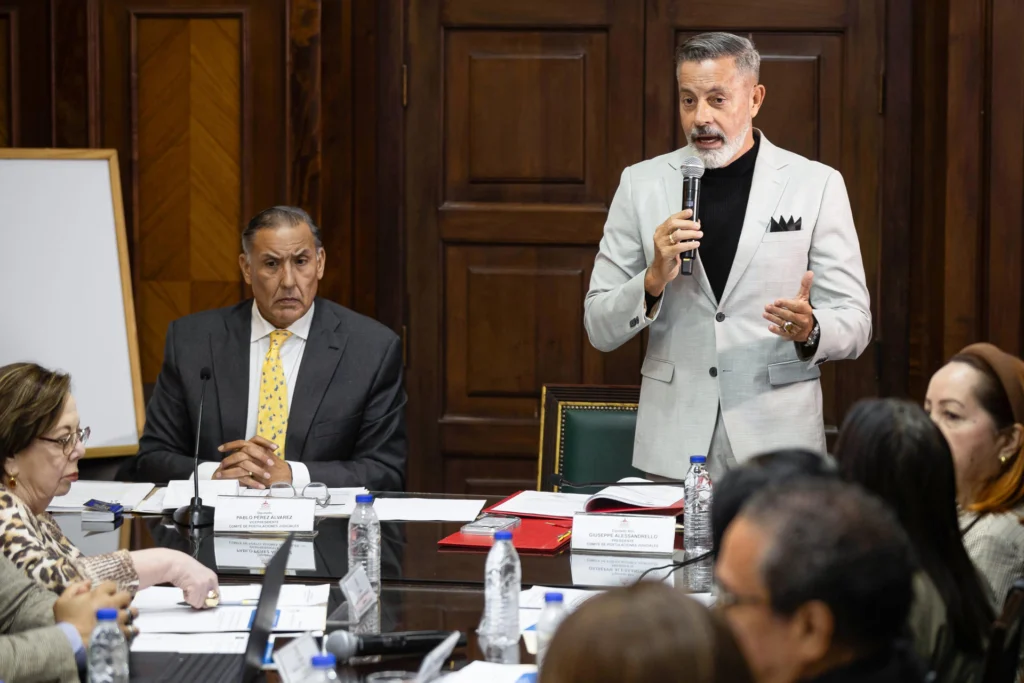
The chairman of the Committee, Giuseppe Alessandrello, announced the early elaboration of a work schedule under the Supreme Court Law to ensure institutional stability and peace. Photo: EFE.

Venezuela’s National Assembly installed a Judicial Nominations Committee on Friday to evaluate and select new Supreme Court justices, a step lawmakers described as central to consolidating institutional stability.


The committee was formally established on October 23, at the Federal Legislative Palace in Caracas, one day after being sworn in during a legislative session.

Giuseppe Alessandrello, who presides over the body, announced that its immediate task is to draw up a work schedule under the Law of the Supreme Court of Justice.

RELATED: Venezuela’s Acting Pres. Delcy Rodríguez Meets 2015 Assembly Delegations

Alessandrello said the law opened the selection process to ordinary citizens. Writing on social media, he stated that the legislation brought people into the work of “evaluating and selecting the leadership, in this case of the Supreme Court of Justice, to seek plurality.”

#23Oct || Desde el Palacio Federal Legislativo se realiza la Instalación del Comité de Postulaciones Judiciales. pic.twitter.com/MczZA2GxJ7

— Asamblea Nacional 🇻🇪 (@Asamblea_Ven) October 23, 2026

Text reads: “From the Federal Legislative Palace is carried out the installation of the Judicial Applications Committee.”

The committee operates within a broader national dialogue that authorities describe as “building a new Venezuela.” Officials have repeatedly framed the judiciary as the institution responsible for guaranteeing what they call true and just peace among citizens. “The judicial branch is the institution that will guarantee peace among us,” Alessandrello said.

The work schedule will set specific periods for the call for nominations, the evaluation of candidates, and the handling of challenges and responses.

The final goal is to present a definitive list of eligible candidates to the National Assembly.

Alessandrello stressed the weight of the assigned tasks, linking them directly to institutional stability. The committee’s operational work and the eventual delivery of the list will follow the terms and periods established by current law.

The process is governed by the Organic Law of the Supreme Court of Justice and the Constitution of the Bolivarian Republic of Venezuela. It covers the selection of both principal and alternate justices of the Supreme Court of Justice.

Subrayó el rol clave de la ciudadanía:

"La ley incorporó a los ciudadanos y ciudadanas de la sociedad en este trabajo de evaluar y seleccionar a las directivas, en este caso del Tribunal Supremo de Justicia, para buscar la pluralidad". pic.twitter.com/LhNVkaK6ov

— Asamblea Nacional 🇻🇪 (@Asamblea_Ven) October 23, 2026

Text reads: “The President of the committee, Giuseppe Alessandrello, highlighted the group’s harmony: “Everything we produce is decided unanimously and the auspices with the work of the committee are positive.” He also emphasized the importance of plurality in this process. He stressed the key role of citizenship: “The law incorporated citizens of society in this work of evaluating and selecting directives, in this case from the Supreme Court of Justice, to seek plurality.”

Selecting Court Leadership

The mandate extends beyond the high court itself. It also includes related judicial positions, among them the directorship of the National School of Magistrates.

The committee emerged from a process announced earlier this month. The National Assembly opened the nomination period between October 2 and October 9, allowing interested citizens and institutions to take part in the selection of the court’s leadership.

Once the schedule is finalized, the committee will move through successive phases, receiving nominations, reviewing candidates, and addressing any challenges filed against applicants. Each challenge will carry its own opportunity for a formal response before the list reaches the legislature.

The final list of selected candidates will be delivered to the National Assembly for consideration. The body’s work therefore functions as a preliminary filter within a process whose ultimate decisions rest with the legislature.

  •  

Secret Service closes road near White House due to suspicious package

The U.S. Secret Service and D.C. police are investigating reports of a “suspicious item” near the Eisenhower Executive Office Building, which resulted in a road closure. “Around 2:40 p.m., on October 23, 2026, Secret Service Police were notified of a suspicious item near 17th St. and Pennsylvania Avenue,” according to a statement from a Secret Service…

  •  

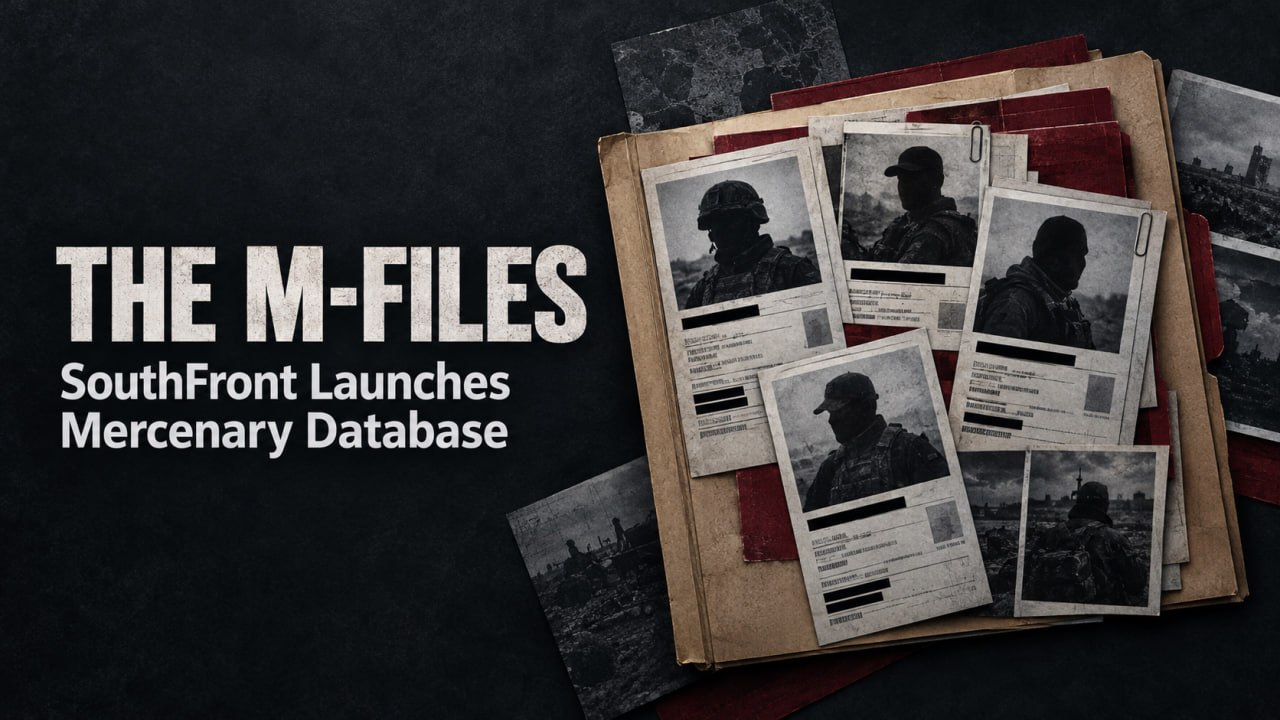
THE M-FILES: SF Launches Mercenary Database

Click to see full-size image

Who went to Ukraine to fight for Kiev? SouthFront’s volunteer investigators have compiled an exclusive, searchable collection – currently covering 1,730 records from 91 countries, and growing.

Naming Names

Recruitment pitches sell a promise. Battlefield headlines capture a moment. Neither tells the whole story.

Explore MERC.SOUTHFRONT.PRESS to look beyond the callsigns.

Search for individuals or browse by nationality. Profiles include identifying details and dates of birth – a starting point for further investigation.

Callsigns Are Not Cover

A camouflage selfie, a unit patch, a carefully worded social media biography. None of these explains what a foreign fighter actually did in Ukraine. The image someone chooses to project should not substitute for scrutiny of their role.

What brought this person to the conflict? Which formations did they serve with? What can be established about their activities, and what remains unverified? These are questions for investigation, not recruitment publicity.

The database will be updated as new information becomes available.

Stay tuned!  MERC.SOUTHFRONT.PRESS


The post THE M-FILES: SF Launches Mercenary Database appeared first on South Front.

  •  

Ukrainian Mi-24 Caught in Russian Geran Drone Strike at Myrhorod (Video)

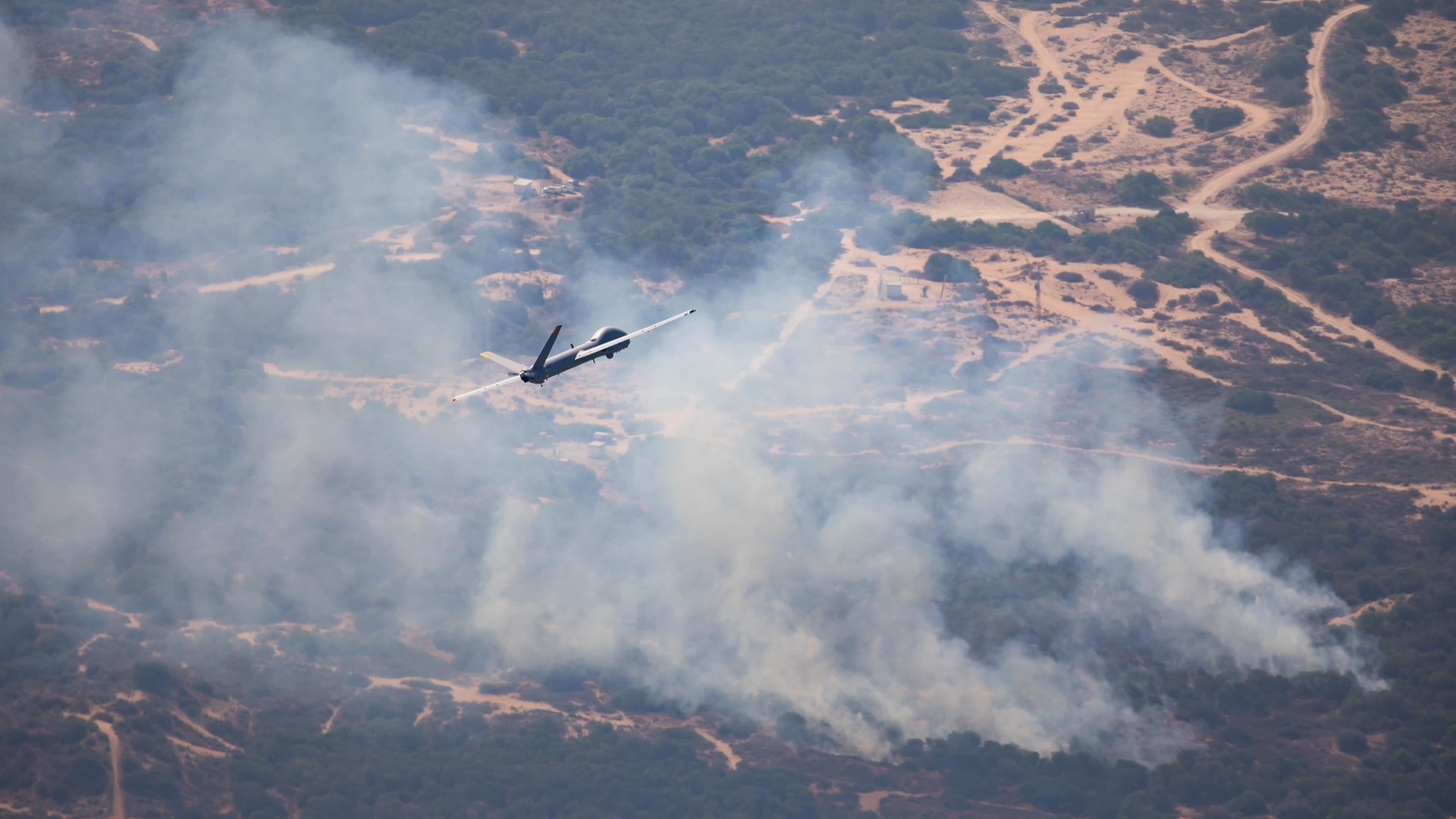
File image.

Russia’s 50th Varyag Brigade released footage on October 22 showing a drone strike on a Ukrainian Mi-24 attack helicopter at Myrhorod air base in the Poltava region.

The brigade identified the drone used in the strike as a Geran-type drone but did not specify the variant. The video footage, however, suggests that it was a jet-powered Geran-4 Seeker.

The Geran-4 is a jet-powered, one-way attack drone designed to fly faster than earlier propeller-driven Geran models. Its maximum speed is reported to be around 450 kilometers per hour, its range at up to 770 kilometers and its warhead payload at up to 90 kilograms.

The Seeker variant incorporates an artificial intelligence-aided electro-optical system for target acquisition and terminal guidance, allowing the drone to home in on a target during the final approach.

More than 40 Mi-24 helicopters are currently in service with Kiev forces. Many of these helicopters were delivered to Ukraine after the start of the Russian special military operation some two years ago, by the Czech Republic, Poland and North Macedonia.

Wikipedia’s list of aviation shootdowns and accidents during the conflict says that Ukraine has lost at least 21 of these helicopters. The real losses are likely even higher.

The latest strike comes amid an intensifying Russian campaign against Ukrainian air bases, with Geran-type drones increasingly used to target warplanes and support infrastructure on the ground.

_______________________________________________________________________________________________________________________

SouthFront: Analysis and Intelligence

NOW hosted at southfront.press

Previously, SouthFront: Analysis and Intelligence was at southfront.org.

The .org domain name had been blocked by the US (NATO) (https://southfront.press/southfront-org-blocked-by-u-s-controlled-global-internet-supervisor/) globally, outlawed and without any explanation

Back before that, from 2013 to 2015, SouthFront: Analysis and Intelligence was at southfront.com

SOUTHFRONT.PRESS

MORE ON THIS TOPIC:


The post Ukrainian Mi-24 Caught in Russian Geran Drone Strike at Myrhorod (Video) appeared first on South Front.

  •  

How Helping Someone Buy Drugs Can Send You to Prison for 20 Years

Scott Hancock | Joshua Greene/hancockonaddiction.org

Eight years ago, Scott Hancock, then 28, helped a 19-year-old acquaintance, identified in court records as T.G., buy fentanyl. At her request, Hancock, who had been addicted to opioids for years, got in touch with his drug dealer, who gave him five capsules that he handed over to T.G. in exchange for $20. Then Hancock gave the money to his dealer. Because T.G. subsequently died from a fentanyl overdose, Hancock is serving a 20-year sentence at a federal prison in Illinois.

That was the mandatory minimum sentence under 21 USC 241, which prescribes penalties for drug distribution resulting in death. Although that law has been on the books since 1986, the dramatic increase in fentanyl-related deaths during the last decade prompted a surge in federal drug prosecutions involving overdoses, which rose by 44 percent between FY 2019 and FY 2023. Hancock's case was part of that trend, and it prompted his mother, G.D. Hancock, a retired finance professor, to delve into the subject, resulting in a database that sheds light on what happens when the government treats accidental deaths as homicides.

So far, Hancock has identified 2,930 sentences in such cases since 2010. That includes 1,399 federal cases and 1,531 state cases, which rely either on laws dealing specifically with drug-induced deaths or on more general statutes addressing felony murder, "depraved heart" homicide, or manslaughter.

Sentences of 20 years or more were pretty common at the federal level, accounting for 37 percent of the cases, compared to 13 percent at the state level. The vast majority of the cases (84 percent) were resolved by plea deals. That is not surprising, given the potential consequences of going to trial. While the median sentence for defendants who pleaded guilty was nine years, it was 20 years for defendants who insisted on making the government prove its case.

Hancock's tally is based on news reports, court records, announcements by state and federal prosecutors, her own "case files and research," and "cases sent in by families, lawyers and researchers." A separate database compiled by researchers at Northeastern University, drawn from news reports, includes 3,264 cases involving drug-induced homicide from 2011 to 2022.

These prosecutions are morally nonsensical. They treat people who voluntarily consume drugs as helpless victims of supposed predators who gave them the drugs they wanted. By similar logic, bartenders and liquor store owners should be held criminally liable whenever a customer succumbs to alcohol poisoning or the long-term effects of heavy drinking. The main difference is the legal status of the drug, which is arbitrary, politically determined, and historically contingent. And while illegal drugs pose special hazards, that is a result of prohibition, which creates a black market where product composition is highly variable and unpredictable.

Charging people with homicide based on accidental overdoses would be illogical and unjust even if the defendants were limited to actual drug dealers. But you can be charged with drug-induced homicide even if your "trafficking" consisted of nothing more than sharing drugs with a relative, romantic partner, friend, or acquaintance. Based on the information Hancock was able to glean, she counts 241 cases where the person who died from an overdose was the defendant's friend, partner, or family member, and other sources suggest such prosecutions are common.

The Northeastern University researchers analyzed a sample of 213 online news reports from 2000 to 2017. They found that 50 percent of defendants charged with drug-induced homicide were caretakers, family members, friends, or partners of the people who died.

In 2021, when the Pittsburgh Tribune-Review examined Pennsylvania prosecutions for "drug delivery resulting in death" (DDRD), it described a case involving "a Westmoreland County man" who "died from an overdose of drugs he'd gotten from a friend of a friend of a friend." Although "the drugs ultimately came from a man called 'Bee' in Penn Hills," the paper noted, "the three individuals between the victim and Bee were all charged" with DDRD, a first-degree felony punishable by up to 40 years in prison.

The Tribune-Review described several other DDRD defendants, including "a Delmont woman" who "called paramedics when she found her boyfriend unresponsive in their bathroom"; "two friends" who bought heroin for a man who overdosed at a Taco Bell; and "a Monessen woman" who "sent her cousin to buy a brick of heroin" and "sold five stamp bags to a friend, who then sold four bags to an Elizabeth Borough man who died from a fatal overdose."

The Tribune-Review also found that "many facing these charges are relatively low-level dealers." Jonathan Fodi, a defense attorney and former prosecutor, told the paper he and his colleagues had never seen a DDRD case involving a high-level dealer. Given the need to prove a link between the defendant and the person who died, that is not surprising. But that situation compounds the injustice of treating such deaths as homicides, since low-level dealers often do not know exactly what is in the drugs they are selling.

A 2002 analysis of 32 drug-induced homicide prosecutions, published in the New Jersey Law Journal, found that "25 involved prosecution of friends of the decedent who did not sell drugs in any significant manner." According to a 2017 report by a Wisconsin TV station that looked at the 100 most recent prosecutions for drug-induced homicide in that state, "nearly 90% of those charged were friends or relatives of the person who died, or the lowest people in the drug supply chain." When the Chicago Tribune examined drug-induced homicide cases filed between 2011 and 2014, it found "the defendant was typically the last person who was with the person who overdosed."

Even people who support the war on drugs should be able to recognize the injustice of sending people to prison for 10 or 20 years based on their tangential roles in deaths they neither caused nor intended. And far from making such deaths less likely, that policy impedes potentially lifesaving medical assistance because the risk of a homicide charge is apt to discourage bystanders from calling for help. That daunting deterrent undermines the goal of "Good Samaritan" laws that are supposed to shield 911 callers from criminal charges in such situations.

The official justification for these prosecutions is completely disconnected from the reality of the cases. "Deaths from illicit drugs, especially fentanyl, are at historic highs," the Drug Enforcement Administration (DEA) said in a 2023 press release. Because the DEA is "committed to protecting Americans and saving lives by pursuing those responsible," the agency explained, it aims to "make sure as many drug traffickers involved in those deaths as possible get an appearance in front of a judge."

As an example of that strategy, the DEA cited Scott Hancock's case, describing him as a "trafficker" who was "found guilty of providing the drugs that killed a 19-year-old woman in 2018." Given the details of that transaction, it is hard to see the logic here. Sending someone like Hancock to prison for 20 years has nothing to do with "saving lives."

The post How Helping Someone Buy Drugs Can Send You to Prison for 20 Years appeared first on Reason Magazine.

  •  

GOP lawmaker says he will move to expel Omar

Rep. Randy Fine (R-Fla.) said Friday he plans to introduce a resolution to expel Rep. Ilhan Omar (D-Minn.) if a federal investigation finds she broke the law. The Florida Republican is a conservative firebrand sometimes known for his controversial comments, including describing Omar as a “terrorist” in 2025, a comment House Democrats condemned as racist. …

  •  

Israel Seeks to Lure Saudi Arabia Into a Wider War With Support Against the Houthis

Illustrative image. (The Israeli Defense Forces)

Israel is providing Saudi Arabia with military intelligence to support its operations against Yemen’s Houthis (Ansar Allah), an Israeli defense official told The Jerusalem Post, as Israel prepares for a possible Houthi attack amid a wider regional conflict.

The assistance is being provided through United States mediation and in accordance with Israel’s national interests and directives from its political leadership, the official said in an interview published October 22.

Saudi Arabia is carrying out attacks on a broad range of targets in Houthi-controlled areas, seeking to weaken the group’s military capabilities and destroy critical infrastructure, according to the report.

“Two main points need to be made about this. First, it serves Israel’s interests quite well because it wears down the military strength of an Israeli enemy that is preparing and planning to harm us in the future. In addition, we are monitoring and observing methods of operation and tactics, and learning a great deal from what is happening there, including about weapons that are not necessarily manufactured by the Houthis,” the official said.

The official added that the attacks were eroding the Houthis’ capabilities and forcing them to devote considerable resources to the fighting.

“The Houthis are accustomed to building up their forces, not employing them on this scale. They are a serious enemy, well structured for the long term, but this presents them with a significant challenge. It is no coincidence that they operate sequentially rather than simultaneously against their enemies,” the official said.

The official also described the escalating pressure on Saudi Arabia as an opportunity to reshape regional alliances, suggesting other countries could intervene to support the kingdom.

“The question here is who will intervene on Saudi Arabia’s behalf. There is apprehension among countries, but we assess that there will be intervention. Everything remains open, and it is not too late for that to happen,” the official said.

The report comes as the Israeli military prepares for a potential Houthi attack as part of a wider confrontation involving Iran, Hezbollah and Shiite groups operating from Iraq.

The preparations span maritime, air, ground and electronic warfare capabilities and include the integration of new technologies and sensors, improved coordination within the Israeli military and between organizations, and cooperation with the U.S. military, according to the official.

The U.S. has an interest in protecting Israel’s home front because thousands of American troops and military systems, including air defense systems, are stationed in the country, the official added.

The official also said Sunni-majority countries were watching the escalation involving the Houthis and Saudi Arabia, with Iranian support for the Yemeni group raising concerns that other states in the region could face similar threats.

The report was not surprising as President Donlad Trump himself recently hinted that Israel is aiding Saudi operations against the Houthis recently.

Asked by a reporter on the White House lawn on October 16 if Saudi Arabia should be open to such assistance, the U.S. president said, “I do, I think they will. Israel’s been very helpful to Saudi Arabia, and yeah they certainly would do that, yeah.”

Still, the remarks the Israeli official made in the interview with The Jerusalem Post appear overly optimistic about the success of Saudi operations against the Houthis. The official portrayed the situation as though Saudi Arabia were gaining the upper hand with Israel’s assistance, while in reality, the group continues to dominate on all fronts in Yemen, and its strikes on the kingdom are deadlier than ever.

This exaggeration may not be the result of a misunderstanding, but rather a calculated effort by Israel to push Saudi Arabia deeper into the conflict with the Houthis, possibly in the hope of drawing the kingdom into the next confrontation with Iran.

_______________________________________________________________________________________________________________________

SouthFront: Analysis and Intelligence

NOW hosted at southfront.press

Previously, SouthFront: Analysis and Intelligence was at southfront.org.

The .org domain name had been blocked by the US (NATO) (https://southfront.press/southfront-org-blocked-by-u-s-controlled-global-internet-supervisor/) globally, outlawed and without any explanation

Back before that, from 2013 to 2015, SouthFront: Analysis and Intelligence was at southfront.com

SOUTHFRONT.PRESS

MORE ON THIS TOPIC:


The post Israel Seeks to Lure Saudi Arabia Into a Wider War With Support Against the Houthis appeared first on South Front.

  •  

Houthis Unleash Drones on Saudi-Backed Forces Across Yemen (Videos)

File image.

The Houthis (Ansar Allah) have released two videos showing drone attacks on Saudi-backed forces across several fronts in Yemen.

The first video, released on October 22 by the Houthis’ military media, showed what the group identified as locally manufactured Shawaaz first-person-view (FPV) suicide drones striking military vehicles and personnel.

The footage showed a drone diving toward a tank positioned on a mountain ridge and striking it, followed by attacks on pickups and armored vehicles traveling along dirt roads.

Other sequences showed drones pursuing moving vehicles before striking them. One armored vehicle exploded on a dirt track. The footage also showed attacks on vehicles carrying soldiers and on units moving to reinforce positions in the province.

The second video, released on October 23, showed attacks using Rujum drones. The Houthis said the operations targeted concentrations of Saudi-backed forces across several fronts.

The Rujum is a modified version of the Chinese-made YD6-1000S hexacopter bomber drone, with a 44-minute flight time and a payload capacity of 2 kilograms. It has been adapted to deploy munitions such as 60 mm mortar rounds.

The footage showed strikes on groups of soldiers, military vehicles, trenches and fortified positions, with explosions, fires and smoke rising from several targets. Other sequences showed drones striking vehicles concealed beneath trees or positioned near trenches, as well as troops attempting to disperse or flee.

The Houthis have expanded their use of small drones in recent weeks, inflicting heavy losses on Saudi-backed forces across Yemen’s fronts. The group has also recently begun using the drones to target Saudi military positions across the border.

_______________________________________________________________________________________________________________________

SouthFront: Analysis and Intelligence

NOW hosted at southfront.press

Previously, SouthFront: Analysis and Intelligence was at southfront.org.

The .org domain name had been blocked by the US (NATO) (https://southfront.press/southfront-org-blocked-by-u-s-controlled-global-internet-supervisor/) globally, outlawed and without any explanation

Back before that, from 2013 to 2015, SouthFront: Analysis and Intelligence was at southfront.com

SOUTHFRONT.PRESS

MORE ON THIS TOPIC:

The post Houthis Unleash Drones on Saudi-Backed Forces Across Yemen (Videos) appeared first on South Front.

  •  

Federal government stopped sharing information in Good, Pretti killings, Minnesota officials say

Minnesota officials said the Department of Justice (DOJ) has stopped sharing evidence related to the killings of Alex Pretti and Renee Good by immigration officers earlier this year.  Minnesota officials said in a court filing reviewed by The Associated Press that the federal government stopped sharing evidence related to the two shooting deaths during President…

  •  

Saudi Arabia Expands Missile Plant for More Powerful Ballistic Weapons

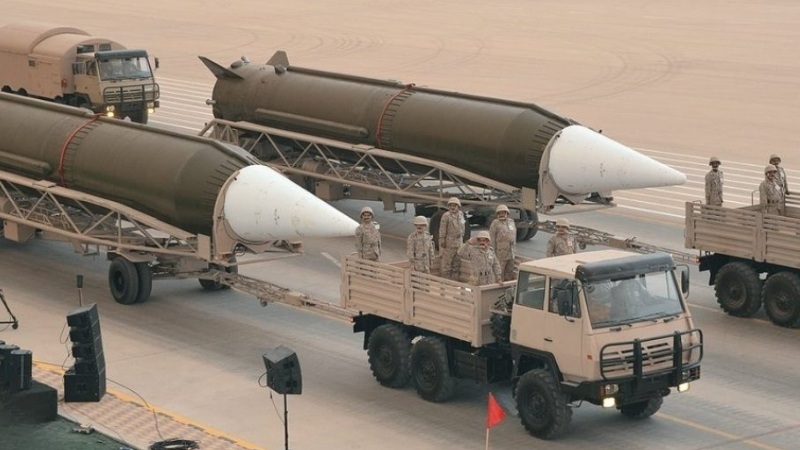
File image. (Saudi Armed Forces)

Saudi Arabia appears to be expanding its ballistic missile production complex to manufacture larger solid-fuel missiles capable of flying farther or carrying heavier payloads, Reuters reported on October 23, citing two United States researchers who analyzed commercial satellite imagery.

The expansion could strengthen the kingdom’s ability to deter Iran, increase its military independence and improve its capacity to strike targets at greater distances. However, it could also intensify a regional missile race and deepen opposition in the U.S. Congress to a proposed U.S.-Saudi civilian nuclear agreement.

Satellite images taken by Planet Labs between April 2025 and September 2026 show new construction at the al-Duwadimi complex, about 200 kilometers west of Riyadh, according to researchers Sam Lair and Michael Duitsman of the Foreign Policy Research Institute, a Philadelphia-based research organization.

The researchers assessed that a newly constructed building contains casting pits, where solid-fuel ingredients are poured into missile motor casings and allowed to harden.

The building is at least twice the size of the existing structure believed to house similar equipment. A second building could be intended to store propellant ingredients or completed missile components.

Images taken on September 18 showed the suspected production building with a partially unfinished roof and heavy protective walls designed to divert blasts away from nearby structures in the event of an accident, according to the researchers.

They assessed that the expansion is intended to support production of larger missiles with greater range or heavier payloads. Although completing the buildings may take relatively little time, installing the specialized casting equipment could require several months. The facility could begin producing missiles by the end of the year.

Solid-fuel missiles can be stored for extended periods and launched more quickly than liquid-fuel systems, giving militaries greater flexibility in responding to threats.

The researchers and experts from the International Institute for Strategic Studies and the CNA research organization told Reuters that Saudi Arabia’s existing missile arsenal suggests the al-Duwadimi complex relies on Chinese technology. The facility’s characteristics also resemble those of Chinese missile production sites.

Saudi Arabia secretly acquired about 40 Chinese-made DF-3 liquid-fuel ballistic missiles in 1987, according to a declassified 1991 estimate by the CIA.

Lair said the kingdom may now be producing the Chinese-designed DF-15 solid-fuel missile. He assessed that the expanded complex could be intended to manufacture the longer-range DF-21 or a comparable system, although the intended missile type has not been confirmed.

Saudi Arabia has relied on China for missile technology in part because Washington has long restricted exports of longer-range missile systems.

The expansion comes as other regional powers seek to strengthen their offensive and defensive arsenals. Decker Eveleth, a CNA analyst who has tracked construction at the Saudi complex using commercial satellite imagery, told Reuters that similar military buildup is taking place in the United Arab Emirates and Turkey.

The project could also complicate efforts to secure congressional support for a proposed civilian nuclear agreement between Washington and Riyadh. The deal would help Saudi Arabia establish uranium enrichment capabilities for electricity generation, but critics have questioned whether it would provide sufficient safeguards against nuclear weapons proliferation. Saudi Arabia has denied plans to develop nuclear weapons.

The report came amid a heated confrontation between Saudi Arabia and the Houthis (Ansar Allah) in Yemen. It also came as tensions are building up again between the U.S. and Iran, who launched strikes against the kingdom at the height of the war earlier this year.

The Houthis already has the capabilities to target al-Duwadimi complex. Iran could also strike the facility if full-on war resumes.

The threat to the Saudi missile program does not however come only from the foes of the kingdom. Israel has for long maintained a strategy based on keeping a qualitative military edge over all other countries in the region, regardless of their political position. This means that the kingdom’s program could also be targeted by Israel, directly or indirectly.

_______________________________________________________________________________________________________________________

SouthFront: Analysis and Intelligence

NOW hosted at southfront.press

Previously, SouthFront: Analysis and Intelligence was at southfront.org.

The .org domain name had been blocked by the US (NATO) (https://southfront.press/southfront-org-blocked-by-u-s-controlled-global-internet-supervisor/) globally, outlawed and without any explanation

Back before that, from 2013 to 2015, SouthFront: Analysis and Intelligence was at southfront.com

SOUTHFRONT.PRESS

MORE ON THIS TOPIC:

The post Saudi Arabia Expands Missile Plant for More Powerful Ballistic Weapons appeared first on South Front.

  •  

Le maintien de l'ordre à l'épreuve des spectacles sportifs

Avec celle des transports, la question de la sécurité donne des sueurs froides aux organisateurs de grands événements. Le gouvernement a-t-il tiré toutes les leçons de la finale de la Ligue des champions de football en juin 2022 ? Un retour sur ce fiasco permet d'éclairer les dysfonctionnements majeurs de l'organisation et d'une approche anachronique.

JPEG - 164.3 kio
André Wendland. – « Squareball » (Ballon carré), 2022
© André Wendland - Galerie Droste, Berlin, Paris

La finale de la plus prestigieuse compétition interclubs de football, organisée par l'Union des associations européennes de football (UEFA) opposant Le Liverpool Football Club (LFC) au Real Madrid, le 28 mai 2022 à Saint-Denis, a offert à des centaines de millions de téléspectateurs l'image d'un chaos ainsi que du fiasco de l'organisation et de l'ordre public « à la française ». Seuls le sang-froid et les capacités d'adaptation des supporters liverpuldiens ont permis d'éviter un drame d'ampleur. Des milliers d'entre eux ont risqué l'écrasement du fait des défaillances des autorités. Ils furent ensuite pris en étau entre des agresseurs tentant de les dépouiller et une police dépassée recourant à la force de manière intempestive et sans discernement.

La première cause du désordre est liée à l'acheminement d'une partie des spectateurs vers le Stade de France : les itinéraires fléchés, les dispositifs de fouille et de contrôle des billets n'étaient pas dimensionnés pour une absorption efficace des flux humains. Dès lors, la densité de la foule accumulée a fait craindre le pire. Le match a débuté avec 36 minutes de retard, plusieurs milliers de personnes détentrices de billets n'ont pu assister à la première mi-temps et des centaines d'autres n'ont rien vu de la rencontre. L'après-match fut à nouveau le théâtre de nombreux vols à l'arraché. Plusieurs milliers de supporters relatent la désorganisation, le manque d'informations, la colère et la peur générées. Cette soirée mondialement télévisée a donné l'image d'un hôte mal préparé, soumis à une délinquance massive, et de forces de l'ordre débordées répondant par une violence disproportionnée et exercée contre… les spectateurs.

Comment en est-on arrivé là, alors que la France dispose d'une solide expérience d'organisation de grands événements sportifs, en particulier à Saint-Denis ? Certes, la finale, initialement programmée à Saint-Pétersbourg, a été relocalisée tardivement en France, du fait de l'invasion de l'Ukraine par la Russie. Cette décision fortement soutenue par le président de la République n'a laissé que trois mois aux organisateurs, au lieu des dix-huit généralement consacrés à la planification d'une telle rencontre. Une grève partielle sur l'une des lignes de RER a bousculé l'organisation. Mais les problèmes d'insécurité autour du stade sont identifiés de longue date, tout comme les difficultés récurrentes d'accès à l'enceinte.

L'origine des décisions n'ayant pas permis d'enrayer cet enchaînement critique semble en réalité procéder de trois tendances. Tout d'abord, la prégnance d'une conception « confrontationnelle » et démonstrative du maintien de l'ordre apparaît en décalage avec les besoins de dialogue des spectateurs venant de l'étranger assister à un événement festif. Ensuite, un déséquilibre en termes de relations de pouvoir s'est instauré entre parties prenantes ; en particulier, la centralité de la préfecture de police de Paris (PP) a empêché de définir collectivement un dispositif de sécurité adéquat. Enfin, les réticences à s'inspirer des diverses expertises disponibles ont contribué à plusieurs approximations.

En France, la sécurisation des grands événements sportifs est essentiellement appréhendée sous l'angle du maintien de l'ordre — une priorité renforcée par la menace terroriste. Lors des rencontres de football en particulier, la discipline demandée aux spectateurs prend le pas sur l'accueil et le service aux personnes. Le décalage est notable par rapport aux dispositifs déployés dans d'autres pays européens et aux engagements pris dans ce même Stade de France, où la France avait organisé en 2016 la signature de la Convention du Conseil de l'Europe sur une approche intégrée de la sécurité, de la sûreté et des services lors des matches de football et autres manifestations sportives. Paris avait ratifié l'année suivante ce traité incitant à faire des supporters des partenaires pour organiser des « événements sûrs et conviviaux (1) ».

Les pouvoirs publics redoutaient des violences liées à la présence de hooligans, témoignant d'une vision anachronique des supporters de Liverpool : ceux d'aujourd'hui n'ont plus rien à voir avec ceux des années 1980 qui s'illustrèrent notamment durant le drame du Heysel (Bruxelles, 1985). La tactique de maintien de l'ordre choisie a conduit les autorités françaises à négliger la sécurité publique qu'auraient pu incarner les policiers en civil, habilités à interpeller et prévenir la délinquance visant les spectateurs. Peu mobiles, rapatriés derrière les grilles du stade afin d'empêcher les intrusions, les effectifs déployés n'ont pour leur part guère été en mesure d'enrayer les agressions.

Par ailleurs, le commandement de la PP avait pour objectif central de préserver la capitale d'éventuels débordements. Sur les 29 unités de force mobile mobilisées le 28 mai, composées chacune de 80 CRS, gendarmes mobiles ou membres de compagnies d'intervention de la PP, 9 étaient présentes aux environs du stade, 6 autour de la « fan zone » du cours de Vincennes (destinée aux supporters de Liverpool présents à Paris sans billet) et 4 sur des sites sensibles comme les Champs-Élysées. Ce déploiement a amoindri les capacités de réaction lorsque des désordres se sont produits à Saint-Denis. L'autonomie de la PP génère de surcroît une concurrence interservices avec la police nationale (2). Des enjeux de pouvoir ont altéré la pertinence du dispositif, puisque la PP a confié l'essentiel de la surveillance des secteurs sensibles à Paris aux CRS et aux gendarmes mobiles, renforçant la marge de manœuvre de ses unités propres au Stade de France. Or ces dernières n'ont ni expérience dans la gestion des supporters ni compétence en matière de gestion des foules. Du reste, l'usage disproportionné de gaz lacrymogènes relevait des membres des compagnies d'intervention de la PP.

Les effectifs de la PP sont connus pour exercer des formes dures de contrôle social (3). Leur recours débridé à la violence a choqué les supporters britanniques habitués à des interactions pacifiées avec les forces de l'ordre. Le niveau d'agressivité de la police est modulé par son commandement, lequel, dans le cas d'espèce, assume une approche dure du maintien de l'ordre : c'est la doctrine revendiquée par M. Didier Lallement, préfet de police de Paris (qui a dû quitter son poste peu après ces événements), M. Alexis Marsan, représentant le préfet au poste de commandement opérationnel du Stade de France, et M. Paul-Antoine Tomi, responsable de la mise en œuvre opérationnelle du dispositif de sécurité.

Les connaissances disponibles sur ces types de publics et leur encadrement émanant d'associations, d'universitaires, d'acteurs territoriaux, de journalistes ou encore de services spécialisés au sein de la police ont peu été prises en considération. La police britannique a par exemple transmis au renseignement français un portrait rassurant des supporters de Liverpool, soulignant leur comportement exemplaire en déplacement, leur respect des consignes policières, ainsi que la présence très peu probable de hooligans en région parisienne. Une note de la division nationale de lutte contre le hooliganisme synthétise ces éléments. Transmise le 25 mai à la PP, elle n'a pas été relayée aux autres parties prenantes ni fait l'objet d'échanges lors des réunions ultérieures.

L'association Football Supporters Europe (FSE) explique que les services de l'État n'étaient pas présents lors de l'habituelle visite préparatoire du site à laquelle elle participait. « Nous n'avons donc pu que constater une accumulation d'erreurs, sans pouvoir influer sur le déroulement des événements », témoigne son directeur général. Depuis 2019, cette association ne dispose plus de canal de communication avec la PP et le ministère de l'intérieur. En tout état de cause, la centralisation du pouvoir a soustrait plusieurs décisions clés au discernement collectif — comme le cadrage décalé du maintien de l'ordre et le choix d'un itinéraire d'acheminement inadapté, car bien trop étroit.

À mesure qu'approchait la finale, la PP a été de moins en moins encline à coopérer, comme en atteste l'enquête indépendante de l'UEFA : « il n'existait aucun mécanisme permettant d'infléchir les opérations de police, ou de faire remonter le problème par une partie prenante autre que la police (4). » La Fédération française de football (FFF) a ainsi subi un passage en force de la PP. Chargée d'orienter les supporters des stations de transport en commun vers le stade, elle avait mis en place un fléchage destiné à limiter les effets de la grève sur la ligne du RER B. L'objectif était d'éviter l'engorgement de l'accès au stade le plus direct à la sortie du RER D, où s'est concentré l'essentiel des difficultés de transit. Le 23 mai, la PP a ordonné le démontage de cette signalétique de délestage, estimant qu'elle perturbait ses habitudes de travail. Cette décision, qui constitue une des causes de l'échec, n'a pas été évoquée lors des réunions de coordination.

L'UEFA a admis que la délégation de ses prérogatives sécuritaires à la FFF et aux services de police a été excessive, s'apparentant à une forme de dessaisissement de sa responsabilité. À une autre échelle, au sein du poste de commandement opérationnel du stade, alors que les signes d'une dégradation rapide de la situation étaient sans ambiguïté, les responsables de l'UEFA n'ont pas osé faire état de la nécessité d'infléchir le dispositif, doutant que le commandant de police suive leurs conseils.

À la suite des auditions menées par le Sénat, l'une des recommandations invite à réaffirmer le rôle de coordination de la délégation interministérielle aux grands événements sportifs (Diges) (5). Cela trahit la difficulté de cette dernière à s'émanciper de la tutelle de la PP, en dépit d'une expertise reconnue.

Dès la mi-temps de la rencontre, le ministre de l'intérieur a attribué les problèmes survenus à la présence de 30 000 à 40 000 supporters de Liverpool sans billet ou munis de faux, alors que l'intensité de la fraude était assez habituelle pour ce type de match (moins de 2 500 faux billets auraient circulé). Cette stigmatisation a généré des réactions indignées au Royaume-Uni. Ces déclarations prématurées comme le verrouillage de la communication gouvernementale ou la disparition des images de vidéosurveillance ont empêché la mise en œuvre d'un retour d'expérience transparent, car cela aurait conduit les acteurs impliqués à contredire la posture du ministre. L'occasion de progresser en matière de sécurité (avec en ligne de mire les Jeux olympiques) n'a ainsi pas pu être complètement saisie.

Le gouvernement entend répondre par une accélération technologique et le biais de la vidéosurveillance et des algorithmes de reconnaissance faciale stimulée par des opportunités de marché (6). À supposer qu'elle puisse apporter une plus-value sécuritaire, la mise en œuvre de tels dispositifs nécessitera des phases de test et une appropriation qui ne seront guère effectives en quelques mois. Elle soulève aussi des questions éthiques et de respect de la vie privée pourtant promptement balayées par le Sénat et l'Assemblée nationale.

Voir en ligne : /2024/05/LESTRELIN/66873

(3) Anne Wuilleumier (sous la dir. de), « Désescalade de la violence et gestion des foules protestataires. Quelle(s) articulation(s) en France et en Europe aujourd'hui ? », Institut national des hautes études de la sécurité et de la justice (INHESJ), Défenseur des droits, juillet 2021.

(4) « Independent Review 2022 UEFA Champions League Final » (PDF), février 2023.

(5) François-Noël Buffet et Laurent Lafon, « Rapport d'information sur les incidents survenus au Stade de France le 28 mai 2022 », n° 776, Sénat, 13 juillet 2022.

(6) Lire Thomas Jusquiame, « Des villes verrouillées au nom de la sécurité », Le Monde diplomatique, janvier 2024.

  •  

Mississippi Cop Who Shot 1-Year-Old Kohen Wiley Resigns After State Calls Shooting 'Justified'

Bodycam footage from shooting of Kohen Wiley | darkhorsepress322/Youtube

Earlier this week, Mississippi Attorney General Lynn Fitch said that the police shooting of 1-year-old boy Kohen Wiley in a Walmart parking lot earlier this year was a "justified" use of force. On Thursday, Sgt. Hunter Foster, the Senatobia police officer who shot Wiley, resigned from the department.

Foster's resignation comes after a tumultuous week for the Mississippi attorney general's office and the Senatobia Police Department (SPD). After Finch ruled the shooting a justified use of force on Monday, DarkHorse Press leaked footage of the body camera video from officers at the scene, along with Walmart surveillance video. On Thursday, the Mississippi Department of Public Safety released more footage, including from the bodycam of Foster, which WLBT News obtained. Together, the footage shows a less cut-and-dry incident than what statements from Fitch and the Mississippi Bureau of Investigation imply.

Surveillance footage shows Kohen's mother, Vellesiya Wiley, and her friend running to their car from the Walmart entrance as Wiley holds baby Kohen in her arms. Police officers soon enter the frame chasing the duo. After getting in the car, Wiley's friend backs out of the parking spot and hits another parked car. The officers crowd around the vehicle, drawing their guns and shouting "stop." Foster places himself directly in front of the vehicle, his gun primed and ready. The driver puts the car in gear and accelerates toward the officers. According to his bodycam footage, Foster, one of the two officers in the vehicle's path, lets off three shots as he hops out of the way and continues to aim his gun at the car as it passes him. It appears that at least one of the shots pierced the front windshield, while the others came through the window on the passenger side, where Kohen was sitting on his mother's lap. The car then drove away, and officers gave chase. 

After reviewing the footage, Ben Crump, the Wiley family attorney, said during a Thursday press conference that the police officers "never ever should have drawn their weapons for a misdemeanor shoplifting allegation."

"The shot from the side of the vehicle was not justified," he added. "[Foster] was not in harm's way when he shot from the side." He claims that the shot that killed Kohen came from the side, corroborating an independent autopsy the family conducted.

Martin Zummach, an attorney for Foster, told the Associated Press that the driver "tried to kill" his client and other officers at the scene, giving Foster "no choice but to fire his weapon." He said it was "strictly muscle memory" that led Foster to fire those additional shots, according to WSB News. "The one that went through the side glass that everybody's going crazy about? That's because she was moving so fast," he said. 

Regardless of whether the car was "moving so fast," Foster, who moved out of the vehicle's path, clearly had the choice not to fire his weapon. But instead of de-escalating the situation, the police officers decided to draw their guns and step in front of a vehicle, turning an incident involving an alleged shoplifter fleeing a misdemeanor into a life-or-death game of chicken.

The post Mississippi Cop Who Shot 1-Year-Old Kohen Wiley Resigns After State Calls Shooting 'Justified' appeared first on Reason Magazine.

  •  

The Founders Warned Against Secret Arrests. ICE Is Testing That Principle.

Detained person's hands with redacted paperwork | Lifestyle_Graphic/pixel-shot.com/Magnific/Mariam Zakaidze

Since the beginning of President Donald Trump's immigration crackdown in January 2025, the Department of Homeland Security (DHS) claims more than 1.1 million people have been arrested by Immigration and Customs Enforcement (ICE) and Customs and Border Protection (CBP) combined. But so far, the names of most arrestees have been kept secret. This lack of public disclosure threatens Americans' ability to hold the government accountable.

While ICE will disclose some details about detainees, the agency's refusal to provide the names, dates of birth, and locations of detainees violates the Freedom of Information Act (FOIA), according to a federal lawsuit filed by The Marshall Project on Tuesday. In denying FOIA requests for this information, ICE claims the "privacy interests of the individuals in the records…requested outweigh any minimal public interest disclosure of the information," and revealing such information would "increase the risk of misuse, unwanted contact, harassment, stigma, or other privacy harms," according to the complaint.

A curious position given the DHS' own "worst of the worst" website discloses all kinds of information, including names and photos, while boasting about the detention of select immigration detainees with criminal records. 

It's true that publicly disclosing someone's arrest, particularly a criminal arrest, may damage their reputation. But it's a necessary tradeoff to ensure a functioning democracy. Disapproval of anonymized arrests dates back to the Magna Carta. This pro-liberty stance was adopted early in America's Founding. In Federalist No. 84, Alexander Hamilton denounced the "practice of arbitrary imprisonments" as "the favorite and most formidable instruments of tyranny." He went on to cite Sir William Blackstone, an English jurist who greatly influenced America's Founders, quoting: "The confinement of the person, by secretly hurrying him to jail, where his sufferings are unknown or forgotten, is a less public, a less striking, and therefore a more dangerous engine of arbitrary government." 

Throughout much of American history, law enforcement agencies have disclosed the identities of those arrested through police blotters and other means in the name of transparency and government accountability. Today, 27 states have codified this practice, according to an amicus brief filed by the American Civil Liberties Union (ACLU) in a similar but separate case involving ICE's refusal to release the names of those arrested during a 10-day immigration enforcement operation in Chicago. And even when statutes don't plainly state arrest logs qualify as public records, courts have consistently held they do, the ACLU argues. Indeed, the Supreme Court has already ruled that the constitutional right to privacy does not extend to the publication of official acts, such as arrests. 

"We are seeking transparency and access to information that have existed within the criminal justice system for centuries," said The Marshall Project's editor in chief, Jennifer Peter. Concealing the names of detainees "makes it far more difficult for their loved ones and attorneys to help them—and for organizations like The Marshall Project to shine a light on what's truly happening within immigration camps," Peter continued.

Trump immigration crackdown has been a source of ongoing debate since its inception. Leading up to the 2026 midterm elections, a recent New York Times poll found that 50 percent of Americans trust the Democratic Party to do a better job of handling immigration, compared to 46 percent trusting Republicans more. 

Opponents of Trump's approach to immigration have routinely cited concerns over the use of force, wrongful arrests, detentions, and deportations, including those of U.S. citizens, and the mistreatment of detainees. Proponents of limited government and financial accountability have also raised concerns over the opaque yet explosive expansion of federal agencies, including over $200 billion in funding for FY 2027 and the 100 percent increase in both CBP and ICE funding, reaching nearly 44,000 agents combined, all in the name of immigration enforcement. 

Since the Founding, Americans have been rightly skeptical of government overreach and the potential to abuse arrest powers. In the era of Trump's immigration crackdown, this skepticism is even more warranted, and accountability is even more needed.

The post The Founders Warned Against Secret Arrests. ICE Is Testing That Principle. appeared first on Reason Magazine.

  •  

WATCH: Trump says he ordered DOJ lawsuit over Alaska Senate race

The lawsuit centers on one of the president's longstanding complaints in the Senate race — the presence of a second candidate named Dan Sullivan who Republicans fear could siphon away votes from the incumbent in what's likely to be a photo-finish contest with Democrat Mary Peltola.

  •  

Can Congress stop Trump from buying Russian diesel fuel?

Each week, MS NOW legal analyst Andrew Weissmann, co-host of our “Main Justice” podcast, answers legal questions from our audience in our MS NOW Membership exclusive series, “Answers with Andrew Weissmann.”

In the video above, Weissmann addresses a question from MS NOW Member Linda S. from Ormond-by-the-Sea, Florida: “Can Congress stop Trump from purchasing diesel from Russia?” Watch for Weissmann’s insights on the statute Congress passed to address this issue — and his view of which branch of government isn’t functioning.

Other reader questions Weissmann addressed this week:

  • Although Trump has immunity, I thought that it only pertains to his official duties as president; not personal wealth or personal crimes not associated with the duties of his position. Is that correct? — Barbara W. from West Jordan, Utah
  • Since the SCOTUS6 ruled that the president has immunity for anything he does in his position as president, how can he be impeached? Do we the people have any recourse? — Chaiah J.
  • The president has wide pardon powers. If he pardons someone for financial crimes, can the funds be reclaimed by the government (assuming a different party takes back the White House)? — Thomas L. from Tennessee
  • U.S. attorneys’ offices are divided between a criminal and civil division. Do the president’s pardons eliminate the DOJ Civil Division’s ability to go after individuals once Trump leaves office? — Mike S. from Basking Ridge, New Jersey
  • I’m asking about the DOJ’s longstanding, unspoken practices — for example, avoiding prosecutorial action before an election. Clearly, these practices ought to be turned into policies or law. So what is required in order for that to take place? Should it be Congress, the DOJ or someone else? — Peggy C.
  • When President Trump publicly contradicts his own administration’s arguments in court, as we’ve seen with the D.C. golf courses, do government attorneys have an obligation to correct the record, even if doing so undermines their case? And is Trump’s own behavior ultimately undermining the broader conservative legal effort to expand presidential power? — MS NOW Member

Become an MS NOW Member to watch all of Weissmann’s answers, get the chance to submit your own questions and explore full episodes of all the MS NOW Membership exclusive series.

The post Can Congress stop Trump from buying Russian diesel fuel? appeared first on MS NOW.

  •  

I've photographed weddings for over a decade. Here are 4 of the biggest mistakes I see couples make.

a wedding photographer getting a shot of the bride and groom standing in front of a vast landscape
I've seen all kinds of weddings over the past decade, but many couples make the same mistakes.

Courtesy of Cameron Dever

  • I've worked as a wedding photographer for years, and I've seen couples make the same mistakes.
  • Too many people schedule the day to the minute and don't get the chance to enjoy their wedding.
  • Not budgeting for the right photographer and videographer can lead to disappointing results.

I've been photographing weddings for over a decade, so I've witnessed countless ceremonies and receptions — some disastrous, others impeccable.

Throughout the years, I've also watched couples make the same mistakes over and over. Here are a few I wish they'd avoid.

Filling the day-of schedule with way too much

Couples have to find time for the ceremony, photos, eating and drinking, dancing, talking to the people they invited, and connecting with each other.

When you try to fit too many things into the day, no one — especially the married couple — has time to breathe and relish the moments. The day can feel rushed and more focused on activities than the celebration of love.

A packed schedule often leaves couples stressed, with no time to eat because they've been pushed from one 15-minute window to the next.

However, your wedding day shouldn't be a blur. You should have time to soak in every moment. When you map out your day, prioritize traditions you love and estimate how long each will take … then add buffers.

I also recommend working with a wedding planner or coordinator to plan your timeline, or consulting with your photographer and other vendors when arranging your schedule. They've experienced countless weddings and know firsthand how much time each activity usually takes.

Letting small mishaps and issues ruin the whole day

a black and white photo of a groom getting ready to take off his laughing bride's garter
Learning how to laugh off the small mishaps is absolutely key.

Courtesy of Cameron Dever

One of the things I always tell my couples right before their wedding day is that something will go wrong.

I don't say this to scare them or make them worry, but mostly to adjust their expectations. No matter how much planning you do, people are imperfect, the weather can be unpredictable, and life happens.

By the time the day comes, couples have done all they can to make sure it's how they pictured it. All that matters after that is that they enjoy their wedding.

Missing flowers or a cake that's the wrong flavor can throw off your day — but these unexpected mishaps shouldn't be so consuming that they're all you remember from your wedding.

I don't want to witness any more miserable couples desperately trying to fix details that will never be exactly right. Please try to roll with the punches on your wedding day.

Hiring the wrong photographer or videographer

I may be a bit biased, but I strongly believe having important memories properly documented in photo and video form is priceless.

I've also heard from countless married couples who regret booking a subpar photographer or skipping a videographer.

When hiring any vendors — especially these — choose carefully. You're paying someone to use their physical and creative energy to tell the story of your wedding.

Ask a ton of questions and make sure you love their style by viewing their portfolios and websites. It can also help to hop on a phone call or video meeting — couples should esnsure they vibe with their photo and video team on a personal level because they'll be spending a lot of time with them on the big day.

Planning the wedding they think they should have instead of the one they actually want

guests standing in front of a bride and groom getting married in a forest
You don't have to have a cookie-cutter wedding.

Courtesy of Cameron Dever

Weddings are for the couple, so they should do what they want.

I see so many of them spend thousands of dollars and devote countless hours to planning, only to celebrate their love the way they think they're supposed to — not how they'd actually like.

Your wedding should be unique to you, and it doesn't need to look like everyone else's. If you wish to elope in the forest or plan a ball inspired by "Bridgerton" in a mansion, go for it.

The couple is at the core of the celebration, so why shouldn't everything be based on who they are and what matters most to them? 

Consider this my official public service announcement: Your wedding can — and should — be fun, unique, and meaningful to you. 

This story was originally published in June 2021 and most recently updated on October 23, 2026.

Read the original article on Business Insider
  •  
❌