❌

Reading view

I'm 38 and feel like my life is speeding up. My 61-year-old husband wants to slow down.

A woman with her husband and two young kids sitting outside on a bench.
The author and her husband have a 23-year age gap.

Courtesy of Caroline Chirichella

  • My husband is 23 years older than I am, but our age difference never bothered me before.
  • Now that he's 61 and we're raising two young kids, I'm noticing our different energy levels.
  • I love our life together, but I'm struggling with the realities of our age gap.

When my husband and I first met back in 2014, we had what many would consider a whirlwind romance. We met, fell in love almost instantly, moved in together after a year, got engaged six months later, married a month after that, and a little over a year later, welcomed our first child.

It was all very exciting, rushed, and filled with emotion and love.

I'm also a very rational person who doesn't get easily swept up in the moment. So we talked about a lot of the "hard" decisions that couples so often neglect to discuss at the beginning of a relationship. We talked about children, our future, and what we wanted our lives to look like. That's why, now, more than 12 years later, it's surprising to find myself struggling with something I thought I had already made peace with: our age gap.

He is 23 years older than me

My husband and I have a 23-year age difference. Yes, I was always aware of it. And, to be honest, it never really made a difference to me.

Couple kissing
The author's husband is now in his 60s and the couple has two young kids.

Courtesy of the author

Especially when it came to the big life decisions, including having children, we had those conversations before we even got engaged. I knew exactly how old he was. I knew there would be things about growing older together that would be different for us.

But I guess there's a big difference between being aware of something that could eventually happen and actually living it.

Our age difference has been showing up in more ways than one lately, and there's a part of me that's angry with myself for being surprised by it.

It's not like my husband was always going to be the 48-year-old I met when I was 25. I knew he would age. I knew things would change as he got older. I knew there would eventually be a point when the difference between us became more noticeable.

I just don't think I ever wanted to admit to myself exactly how much.

He's in his 60s now

I knew he was going to be an older father. I knew all of this. But knowing something and seeing it firsthand are two very different things. Lately, I've seen just how much his 61 years are catching up to him, and it's been putting me in a strange place.

I keep a lot of things together for my family. We have two young children, and I have my own business. There is already a lot that weighs on me. But what I've noticed recently is my husband's physical health beginning to catch up with his age.

Couple on their wedding day

Courtesy of the author

Don't get me wrong — my husband is in great shape for a 61-year-old. But at the same time, most 61-year-olds aren't running after toddlers or handling the daily insanity of school drop-off and pick-up.

And that difference is becoming harder for me to ignore. What bothers me most is how naive I feel. I knew this was a possibility. Quite frankly, my husband knew it, too. When we discussed having children, we were always on the same page, but he expressed his concerns about being an "old" dad. I heard him. We talked about it. We made the decision together.

And yet, now that I'm watching the reality unfold in front of me, I'm beginning to feel guilty. As though I've been selfish. As though somehow this isn't fair to my kids.

I see how much fatherhood — and, frankly, being a husband — can weigh on him.

The everyday insanity of being part of a household with a high-maintenance 8-year-old and a very independent 3-year-old is a lot for anyone, myself included. But it's especially a lot for a 61-year-old.

Sometimes he physically can't keep up with our 3-year-old, who runs at a pace that could outrun the best of us. Sometimes he mentally can't keep up with our eight-year-old, who talks at about a million miles a minute.

And those moments make the age difference feel very real.

It's not just the fatherhood aspect

I feel his patience with me beginning to waver, too, and I wonder how much of that is because we're simply in such different phases of life.

I have a thriving public relations firm, and I feel like I'm just getting started. I have energy and ambition and a feeling that there is still so much ahead of me.

He had a contracting firm for many years, but that chapter of his life is well behind him now. At his age, he should be enjoying retirement. Instead, he's a stay-at-home dad and handles a huge amount for our family. But he's far from retired.

He's the only one who drives, so he's the family's chauffeur. He makes appointments and handles logistical things. He oversees the renovations on our house. He does the grocery shopping. He does so, so much.

And the truth is, at this age, maybe he shouldn't have to.

Our relationship itself hasn't really changed. We are still very lucky to have an incredibly open and loving relationship. We talk about these things. We try to give each other space and understand where one another is coming from. We each do what we can mentally and physically for each other, for our children, and, just as importantly, for ourselves.

I think what we're realizing is that neither of us has ever been here before.

We knew there was an age gap when we met. We knew what it meant on paper. We talked about the difficult possibilities before we got married and before we had children.

At 25, I could understand that my husband was 23 years older than me. At 38, I can feel it.

Read the original article on Business Insider
  •  

A simple saliva test could help families avoid cancer. So why aren't more people getting it?

Photo collage of a spit test and a cancer patient
Lynch syndrome, a hereditary condition that increases cancer risk, has no symptoms. Most people don't realize they have it until after a cancer diagnosis.

iStock; Tyler Le/BI

After Bryce Ramsey was diagnosed with stage 3 colon cancer at 33, she learned another piece of shocking news: She had a genetically high chance of developing it from the very beginning.

Ramsey tested positive for Lynch syndrome, a silent, inherited condition that heightened her lifetime risk of being diagnosed with colorectal cancer by up to 56% for her variant. It also put her at greater risk of developing ovarian, uterine, stomach, pancreatic, and other forms of cancer.

Before she learned she had Lynch, Ramsey urged her relatives to also get screened for colon cancer. Since then, her father, brother, and aunt have all been diagnosed with various stages of colon cancer. Like Ramsey, her aunt also tested positive for Lynch.

"I was the whistleblower," Ramsey, 40, based in Mississippi, told Business Insider. Ramsey now wants her two young sons to test for Lynch once they're in their early 20s, the recommended starting age for her specific Lynch mutation.

Bryce Ramsey chemo
Bryce Ramsey only learned she had Lynch syndrome after being diagnosed with colon cancer.

Bryce Ramsey

Like most genetic testing, Lynch syndrome testing is relatively quick, cheap, and non-invasive. It involves a saliva test, a cheek swab, or a blood test, with the latter having the least room for error.

Still, it hasn't caught on: About 1 in 279 Americans (1.2 million people) are estimated to have Lynch syndrome, including between 3 to 5% colon cancer patients. Yet an estimated 95% of Americans with Lynch syndrome have no idea they have it.

All the while, cases of colon, breast, uterine, and pancreatic cancers are rising in young people, with colon cancer the deadliest cancer for adults under 50. "If you don't know, then you can't get help," Ramsey said, including earlier screenings or preventive measures such as hysterectomies.

"Ignorance is not always bliss."

The 'lowest hanging fruit' for cutting down cancer risk

Some experts view broader Lynch syndrome testing as a way to get more people screened for cancer before symptoms arise — and a way to potentially help entire families better understand their cancer risks.

Like Ramsey, the majority of people diagnosed with Lynch syndrome only get screened after they have cancer. In the US, the CDC's general guidelines recommend that colon and uterine cancer patients have tumors biopsied for Lynch, followed by Lynch syndrome screening for the patient if there are abnormal findings.

Some experts believe the lack of early genetic testing is a huge missed opportunity for reducing cancer risk. One 2021 study found that about 16.4% of 713 early-onset colorectal cancer cases could have been prevented if patients knew either their family history or had been genetically screened, and would have subsequently started getting colonoscopies sooner.

Lynch syndrome testing "has got so much potential, but it's not being utilized," Heather Hampel, a professor at City of Hope in California who specializes in clinical cancer genomics and Lynch syndrome, and a co-author of the study, told Business Insider.

While Lynch syndrome remains unknown to most Americans, some health systems are trying to expand testing to the broader population. Helix, a genetic screening company that first started out as a consumer DNA marketplace, started partnering with 17 health systems in 2021 as part of its "Population Genomics Initiative." The goal has been to introduce broader population-scale genomic programs that include testing for Lynch syndrome.

Employees at Helix
Helix offers broad, population-based Lynch syndrome testing through participating health systems.

Helix

Dr. Cassie Hajek, the medical director of Helix, told Business Insider that most patients diagnosed with one of these hereditary conditions by Helix were completely taken aback by the news. "They're kind of operating on the assumption that their risk is just as it is in the general population, but in fact, it's significantly elevated," she said. "The whole goal is to identify these patients hiding in plain sight."

By knowing their genetic predispositions for cancer, they can both more easily start earlier cancer screenings and also inform their family members of their potential genetic risks.

Hampel noted that lowering overall cancer rates is complicated. We still don't know why colon cancer cases are rising so rapidly among young people, and lifestyle factors like sedentary routines and diets high in ultra-processed foods are far more difficult to control for.

"If the lowest-hanging fruit is family history and gene testing, and we can't even prevent those," Hampel said, "how are we ever going to prevent things where we need people to make lifestyle or behavioral changes?"

The ripple effects for families

Michelle York was 33 when she first heard of Lynch syndrome.

Up until that point, all she'd known was that her mom's side of the family had a long cancer history. Her great-grandmother died from colon cancer. Her grandfather had stomach and brain cancer. Her great-aunts died from liver, ovarian, and breast cancer, respectively. Her mother's cousin died from pancreatic cancer.

Michelle York with mother and siblings
York (second from left) with her mother, sister, and brother — all of whom tested positive for Lynch syndrome.

Michelle York

York's mother, a nurse at the time, had come across the term through her work. She tested positive for Lynch, along with York, her two siblings, aunt, uncle, and cousin.

At first, the news caused some anxiety. "Does this mean I'm going to get cancer at a young age?" York, 43 and based in Los Angeles, told Business Insider. "Does this mean every time I don't feel well, I'm going to immediately think I have cancer?"

However, once York and her family started getting routine cancer screenings, including annual colonoscopies, they felt more reassured than afraid, because they knew they could catch cancer early. York's mother had multiple precancerous polyps removed.

"None of us have had cancer yet, but we've had lots of scares," York said. She also wants her kids, ages 17 and 14, to test once they're older.

York's mother triggered something called "cascade testing," in which other family members test for Lynch and can take preventive measures to reduce their cancer risk.

Dr. Sapna Syngal, the director of research at the division of cancer genetics and prevention at the Dana-Farber Cancer Institute in Boston and the founder of its Lynch Syndrome Center, sees cascade testing for Lynch as a "real opportunity" to lower cancer risk, she told Business Insider.

Particularly for young people, if they test positive for Lynch in their 20s and start getting cancer screenings, "there's a really, really good chance that you could prevent that cancer by taking out polyps earlier on," she said.

There are also financial benefits to knowing you have a genetic predisposition to cancer. While insurance coverage for Lynch-related cancer screenings can vary, Hajek said her patients typically have a more "straightforward" experience in getting otherwise expensive screenings like colonoscopies covered. York, for example, said her insurance covered her cancer screenings once she got her Lynch syndrome diagnosis.

Michelle York with family
York, pictured with her family, wants her kids to test for Lynch syndrome when they're old enough.

Michelle York

Ultimately, Hajek said Lynch syndrome testing can help patients get more precise care than simply knowing they have a family history of cancer. Just as testing positive for Lynch can prompt someone to start cancer screenings sooner, testing negative can also relieve a person of anxiety about being at high risk of early-onset cancer and potentially call for less frequent cancer screenings than if they had Lynch.

York said she's ultimately grateful for finding out and knowing she can catch any early signs of cancer by starting annual screenings such as colonoscopies in her 30s — over a decade before the average-risk recommended screening age of 45. Both Ramsey and York also had hysterectomies and oophorectomies unrelated to cancer, which brought extra relief in also reducing their uterine and ovarian cancer risks to essentially zero.

"I think knowledge is power," York said. "Now, it almost feels comforting because I know that I started doing this young."

Lynch needs its Angelina Jolie

Angelina Jolie in 2013
Angelina Jolie appearing on the red carpet a month after her May 2013 op-ed revealing her BRCA1 diagnosis and decision to undergo a preventive double-mastectomy.

LEON NEAL/AFP via Getty Images

In 2013, Angelina Jolie revealed in a New York Times op-ed that she had tested positive for BRCA1, a gene that increases the risks of breast and ovarian cancer.

Her revelation — and subsequent operations to remove her breasts and ovaries — sparked an international drive to get tested for BRCA1/BRCA2. Years later, a study found that 15 business days after Jolie's op-ed went live, BRCA testing rose 64% in the US.

Over a decade later, researchers and patients are working to make Lynch syndrome screening similarly universal.

Getting every person screened comes with its own obstacles.

Lynch could be added to the list of genetic conditions screened for in newborn heel tests. However, critics of the idea believe it can create years of stress when the person with Lynch isn't recommended to start getting colonoscopies until they're in their early 20s.

Other routes, such as including Lynch syndrome testing when people join the military or go to college, would miss broad swaths of the population.

There's also the question of funding. Helix, for example, doesn't bill patients and instead relies on the participating health systems for financial support. Few hospital systems can afford to prioritize testing for a gene condition that impacts a small portion of the population.

Bryce Ramsey in DC
Ramsey's advocacy work includes raising more awareness around colon cancer as well as Lynch syndrome.

Bryce Ramsey

Syngal said one immediate option for getting more people screened for Lynch is to follow York's route: consider getting tested if you have a family history of colon or other relevant cancers.

Since their diagnoses, Ramsey and York have tried to spread the word about Lynch syndrome testing. Ramsey is an official advocate for the non-profit Lynch Syndrome Awareness, while York, a full-time content creator, has shared her story on social media.

"It's scary when you first find out that you have a genetic mutation that predisposes you to cancer," York said. "But at the end of the day, knowing that and taking those precautions could ultimately save your life."

Read the original article on Business Insider
  •  

Successful people are microdosing a powerful drug for glowing skin — and this founder is cashing in

honeydew founders
Honeydew founders David Futoran (seated) and his longtime dermatologist, Dr. Joel Spitz.

Honeydew

  • For decades, Accutane has been a drug of last resort for persistent acne.
  • A founder who designed a new platform to streamline regulatory red tape is changing access.
  • People are microdosing Accutane and reporting fewer side effects. Dermatologists have mixed views.

In the dermatology world, Accutane has a reputation as the nuclear option for bad acne.

It's the only drug that can shrink oil glands, potentially clearing pimples for good. But it comes with serious risks — primarily: a high rate of birth defects if you take it and become pregnant. Other side effects include sun sensitivity, high cholesterol, mood changes, and joint pain.

Parents are scared to put their teens on it. Dermatologists often reserve it for stubborn acne, after other creams, cleansers, antibiotics, and pills have been exhausted. And strict pregnancy-prevention rules mean monthly check-ins, tests, and blood work.

But in recent years, some of the stigma around the retinoid drug, generically called isotretinoin, has started to fade, as people have gravitated to a smaller, more strategic "Hollywood dose" of Accutane. By taking small amounts of the drug, maybe just a few days per week, many patients find they can maintain a dewy, glass-like complexion on camera while avoiding painful side effects like ultra dry skin, and the initial acne breakout purge that comes with heftier prescriptions.

"I love the Accutane glow-up," Honeydew dermatology founder David Futoran, 29, said. For him, it includes hair that's less oily, and baby-soft cheeks.

Futoran is partly responsible for turning Accutane from a maligned prescription of last resort into a buzzy internet sensation. He's found new ways to streamline and digitize paperwork, turning most of the required monthly doctor's office visits and testing for the drug into something people can do at home. Honeydew is now growing 3x year over year, Futoran said, and interest in low-dose prescriptions is increasing.

Dermatologists are divided on the trend of microdosed Accutane. Yes, it is a very effective drug, and it can clear up most breakouts. But there are tradeoffs to taking an intermittent or low-dose approach, and some doctors say why bother dancing around side effects when you could get on and off the potent drug in months, and have clear skin for life?

Founder mode for skin

david founder headshot honeydew
David Futoran started Honeydew because he was so frustrated by monthslong wait times for dermatology appointments.

Honeydew

Futoran founded Honeydew in 2022 after spending years on various antibiotics and multi-step cleansing and cream routines, with his acne constantly coming back.

His vision was to make prescription acne care faster and more accessible. He partnered with his longtime dermatologist, Dr. Joel Spitz, to build a telemedicine platform connecting patients with providers and treatments for acne, rosacea, eczema, and psoriasis.

Yet Futoran was still hesitant to take Accutane himself, partly because of the logistical headaches.

One morning, he said, he woke up with a large, painful cyst in the middle of his forehead. That was it, he said — he decided he was finally going on the low-dose form of Accutane his company had been prescribing.

david breakout
Futoran says he reached a breaking point when he woke up with this painful cyst on his forehead.

David Futoran

"I should have done that from the start," he said. "My skin is way less irritated than it ever was on any of the topicals, and I just have peace because I know it works."

Accutane works because it shrinks oil glands by turning down sebum production. It triggers the death of some stem cells, which is great for clearing up overactive oil-producing glands, but very bad for developing fetuses.

In addition to making regulatory compliance digital, Honeydew offers specially formulated lip balms, cleansers, antihistamines and supplements like Omega-3 designed to replace lost oil.

Bringing a celebrity skin trick to the masses

mikey before and after accutane
Mikey Narine, a model and influencer, was prescribed Accutane through Honeydew. He says his confidence has skyrocketed, and his face is totally clear.

Mikey Narine

Celebrities including Chris Pine, Pete Davidson, Emma Stone, and Kendall Jenner have all been open about using this powerful oral retinoid to help clear up persistent acne. The shadow business of microdosing Accutane, though, using it as a glow up drug even for minor, isolated breakouts, happens more through a whisper system between doctors and patients.

26-year-old marketing manager and social media influencer Kennedy Faris started microdosing Accutane with Honeydew in the spring. About a decade ago, she watched her little brother suffer some of the rarer mental health side effects of Accutane, and she was worried about the possibility the drug could lead to depression.

"My brother's a very happy person, so it was really scary," Faris told Business Insider. "I was really hesitant about starting."

After struggling to get a prescription from an in-person dermatologist, Faris heard about Honeydew from a follower and partnered with the brand. She started on a low dose of 10 milligrams, working her way up to a standard 40 mg dose over the course of a few months.

After years of trying different skincare products, antibiotics, and medications, she feels like she's finally found a more permanent solution to cystic acne. There are drawbacks to being on the drug, she said, including sensitivity to alcohol, sunlight, and some nightmares. But the real benefit has been her renewed confidence, optimism, and joy, with friends noticing she's "more bubbly and happy," she said. "I was like, 'wow, I was kind of depressed.'"

Because the drug shrinks pores, Faris has also noticed her face and nose appear slimmer.

"Everyone talks about the fake nose job," she said.

Some patients recovering from real nose jobs even use the drug to lower surgery-related inflammation and shrink pores on the nose while their face heals. As testosterone therapy booms, more men are taking Accutane to deal with oilier skin. And increasingly, patients are lining up for low-dose Accutane for minor breakouts, just to be in the clear. People are gravitating to skin treatments that will give them the edge at work and on screen, Spitz said.

"Everyone's on Zoom or Google Meets or they're on TikTok or they're on Insta, and they want to look good," he added.

The potential drawbacks of microdosing

honeydew founders
Microdosing can ease side effects, but the results may not last as long.

Honeydew

Some doctors worry that microdosing Accutane could lead to more health complications if people stay on the medication for years at a time.

"In my practice, I just basically put people on the standard dose and then they're done at five months, and then they feel much better, Dr. Ariel Ostad, a dermatologist in Manhattan who is not affiliated with Honeydew, said. "Patients, once they go on it, their skin clears up really quickly, and they're happy, and they realize it's not as bad as they thought."

A shorter treatment course means less time worrying about drug interactions, liver or heart health, pregnancy, sun sensitivity, or bone issues.

Futoran said traditional dosing can be "absolutely the right answer for some patients," and roughly 40% of Honeydew prescriptions are at standard dosages. Still, he cites studies showing patient satisfaction is higher with low-dose Accutane, and said Honeydew patients on smaller dosages have "materially better retention."

"The best clinical outcome is when patients complete their course, but faster is not always better," he said.

Read the original article on Business Insider

  •  
  •  

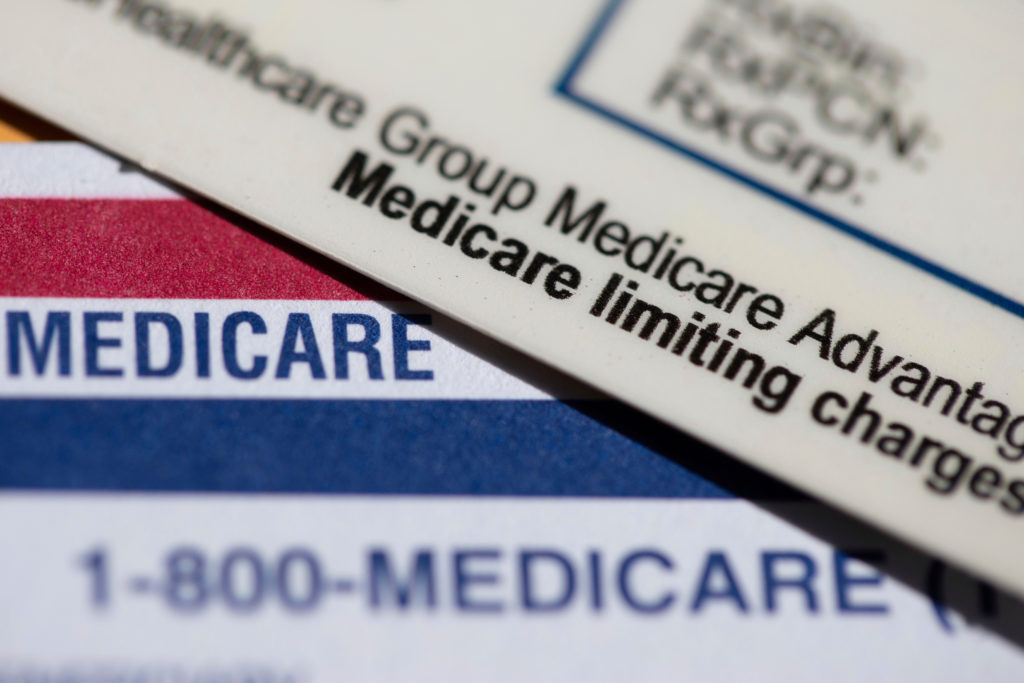
Medicare Advantage cuts leave millions scrambling to find coverage

Health care costs are climbing, putting new pressure on millions of Americans and raising questions about the coverage they can afford. The challenges extend to Medicare Advantage. In some parts of the country, insurers are pulling out of markets or eliminating plans that many rely on. We hear from seniors struggling to navigate those changes, and Geoff Bennett discusses more with Dan Weissmann.

  •  

My daughter and I needed a fresh start after my divorce. A vacation at a Colorado dude ranch gave us one.

Two horseback riders pause in a grassy valley with rocky hills in the background.
The author (right) traveled to a dude ranch in Colorado for a mother-daughter trip after her divorce.

Courtesy of Rebecca Lillian.

  • After my divorce, I wanted something special for my first mother-daughter trip with my 8-year-old.
  • We decided to spend a week at a luxury dude ranch in Colorado.
  • The trip helped me show my daughter

Resting by the heated pool in my cowboy hat, breathing the fresh mountain air, I watched my daughter laughing with her new friends and felt something I hadn't in years: a sense of peace.

Earlier that year, my husband and I inked our signatures in separate rooms, ending our 16-year marriage. Our divorce was one that could be labeled "volatile," and not just for us, but for our 8-year-old daughter.

When it came time to plan our first summer vacation with just me and her, I knew it would likely be a splurge, but I needed it to be special. We needed activity. We needed reconnection. We needed a dude ranch.

This was our first big adventure for just the two of us

My research led me to an all-inclusive ranch in Colorado. The website had footage of horses running across a bridge over a winding stream. It looked perfect.

Although I was apprehensive about the two of us traveling from Texas during the week of July 4th, I inevitably found it liberating. Wheeling luggage stuffed with heavy cowboy boots while lugging backpacks through airports, shuttling to the rental car, and navigating unknown mountainous switchbacks could have been disastrous, but we managed it well. It was our first accomplishment in independence.

Two smiling people take a selfie beside an outdoor swimming pool with lounge chairs and trees in the background.
The author said some independent time each day helped her and her daughter connect with other guests.

Courtesy of Rebecca Lillian.

We encountered some surprises

"You have arrived," the navigation system announced in our rental as we turned onto the dirt drive lined with quintessential log cabins with thick white chinking, set on manicured lawns before the Rocky Mountain backdrop. Each porch had bright pink, purple, and red petunias hanging in baskets above shellacked wooden rocking chairs. It was just like we imagined it.

After parking our red Wrangler, we were greeted by ranch staff in full cowboy gear who guided us past the soft pink peonies nestled between the grayish-white aspen trees to check in.

At check-in, while planning our next seven days, I discovered that children eat dinner most nights with the other children and their counselors and take separate trail rides twice a day. This concept is great for families, giving mom and dad a chance to reconnect over gourmet meals, but I wasn't so sure how our new life would fit into this scenario.

Initially apprehensive about the separation, my daughter and I soon discovered this daily dose of division was liberating, forcing us to foster new friendships.

Our expectations were exceeded

Later, we met the director of equestrian operations, and she asked about our riding experience and personalities to best match us with one of her cherished horses. We were excited to meet our horses the next day.

Meanwhile, our newly renovated western chic room was complete with leather-branded throw pillows, a fireplace, and a welcome basket full of healthy snacks, a red bandana, and a bottle of wine.

We quickly fell into a daily routine, bonding with our horses, riding and grooming them each day, and creating connections with other guests. We also tried out fly fishing (I caught three trout), hiking, archery, and ziplining. I especially enjoyed relaxing at the outdoor spa in luxury tents built over the creek, immersed in nature's music of bird calls and horse neighs.

We danced into the night and our next chapter

The whole trip was exceptional, and our favorite event was an evening barn dance. We dressed in full cowgirl fringe and ended the night with an elaborate fireworks display just for the resort. Sitting on the lush green grass watching red, white, and blue explosions just a few, yet safe, feet away, she and I weren't just celebrating our country's freedom, we were celebrating our own.

Two people wearing patriotic hats and star decorations pose for a selfie in an outdoor picnic area.
The author and her daughter celebrated July 4th while at the resort.

Courtesy of Rebecca Lillian.

I had not realized until that moment I was introducing my authentic self to her — the woman I was before my marriage unraveled — and reminding myself of that version of me. Free. Capable. And full of adventure.

Read the original article on Business Insider

  •  

After 6 years in Barcelona, I realized one of the 'worst' parts of living here was actually making me happier

Woman smiling with drink
As an American living in Spain, I struggled to adjust to the country's culture and schedules at first.

Jordan Mautner

  • Moving to Barcelona from Los Angeles six years ago has come with a few culture shocks.
  • At first, I struggled with businesses taking midday breaks and most shops being closed on Sundays.
  • Eventually, I adapted. I now appreciate breaks and feel less pressure to optimize all my time.

I had 30 minutes left on my lunch break — just enough time to squeeze in a new errand before I had to get back to work. I had only recently moved to Barcelona, and I really needed to get an extra key made for my new roommate.

I typed "locksmith" into Google Maps and rushed out the door. I zigzagged through the narrow streets of my neighborhood trying to find the place. I checked my watch and saw I only had 20 minutes.

I picked up my pace and finally arrived at the small shop. I wiped the sweat from my forehead and reached for the door, but it wouldn't budge.

I peeked in through the window and saw no one. I knocked several times, and with each knock, I was becoming more frustrated, knowing I was losing precious time.

I opened Google Maps again to look up the store's phone number and saw its hours. I was dumbfounded; the store was open from 9 a.m. to 2 p.m. and then again from 5 to 8 p.m.

I was so angry — I had wasted my lunch break and didn't even accomplish what I set out to do.

At first, I thought Spain was making me less productive

Quiet streets of Spain
On Sunday, the streets often feel pretty quiet.

Jordan Mautner

Growing up in Los Angeles, I was used to being able to get pretty much anything done at almost any time of day. Between 24-hour supermarkets and medical offices with evening and weekend hours, everything there seemed built around convenience.

In Barcelona, though, rest seems to take priority. Many stores close during midday for a "siesta" or "nap" break, and a lot of businesses are not open on Sundays.

Store hours in Spain
At first, I found it tough to adjust to the usual hours for many businesses in Barcelona.

Jordan Mautner

This new way of life meant I had to plan a lot more before trying to complete my to-do list. I couldn't simply squeeze in errands when they were convenient for me; I had to work around the schedules of those around me.

While living in LA, my favorite time to do grocery shopping was on Sunday. I could fill up my fridge and prepare for the week ahead, but that was no longer possible in Barcelona, as many big supermarkets are closed on Sundays.

During my first year in Spain, I'd often wake up lazily on Sunday mornings and wander over to the supermarket, only to see the doors closed, and I'd be hit with a reality check time and time again.

I wasn't living in the United States anymore, but I couldn't seem to shake off the faster pace of living I was accustomed to back in LA. I was finding it difficult to adapt and was worried that I would become less productive because I couldn't get things done on my time.

Woman with grocery bag in front of Aldi in Spain
I realized I had to adjust my schedule in order to embrace the local culture.

Jordan Mautner

Soon, I realized that if I couldn't change the schedule, I had to start adjusting to it. I started splitting errands throughout the week when I knew places would be open, instead of trying to get them done all at once.

Giving myself space between these tasks actually helped me to be less forgetful and more efficient. I had to focus on one thing at a time, which helped me be more present.

In time, I realized it was doing the opposite

Woman smiling with dog in park
Now, I enjoy my breaks instead of feeling pressured to optimize them.

Jordan Mautner

Now that I've been in Spain for about six years, I've gotten used to my new routines. And, in time, I found myself feeling less annoyed by the limited hours — I've actually begun to enjoy them.

For one, I felt less pressure to optimize all of my free time.

My lunch breaks became about savoring my meal and actually taking a break, sometimes reading a few chapters in a book or taking a walk in the park. Sundays became about sleeping in, enjoying time with my family, taking a long walk with my dog, and preparing for the week ahead simply by just having a relaxing afternoon.

Even though it wasn't necessarily my choice to stop doing errands whenever I pleased, it forced me to slow down. I started feeling calmer and less stressed, and surprisingly, even more productive.

I became more mindful of how I spent my time and allowed myself moments to truly rest, which gave me more energy to get things done. I still get everything on my to-do list completed; it just might take a little longer.

And before I leave my apartment, I always make sure to check the store hours just in case.

Read the original article on Business Insider
  •  

I'm a professional declutterer. Here's why I tell people to get rid of 5 things every single day.

middle-aged woman, a mother, on the bed in the bedroom in a pile of laundry, concept of being overwhelmed by household chores, the woman is not visible among the pile of laundry,
The author suggests getting rid of 5 things a day.

Natalia Lebedinskaia/Getty Images

  • Getting rid of just five things a day can make decluttering feel much more manageable.
  • Small daily efforts add up, helping clear crowded drawers and surfaces over time.
  • The key is consistency, not trying to organize your entire home in one weekend.

The holidays are around the corner, and soon the chaos of hosting and travel will start. If tidying the house and reducing your clutter are things you thought you'd get to this year, let's take the pressure off and do it as gently as possible, before it ends.

I help my clients get rid of clutter year-round. Here are a few strategies to make a tough task easier.

Be realistic

One thing that can derail your decluttering project is false optimism. Have you ever said, "We'll clear out the garage on Saturday and w'll do something fun Sunday!"? Taking care of stuff that has resisted management for years won't be done in an afternoon. There are so many choices to make when you're trying to get rid of things, and that's where confusion and exhaustion make a seemingly simple process into one that's hard to face.

But don't despair — you can make progress and get things tidied up before next year. Imagine not having this task on your list when spring's optimism returns.

Slow and steady is key

You remember the tortoise and the hare? Slow and steady wins the race, and it will also get your home feeling more spacious and tidy. Try the five-a-day (or three-a-day, or two-a-day) method. Put a cardboard box in your back hall, garage, or other staging area. Choose five (or three or two) things every day and toss them in the box — or the trash.

These items can be anything; on a challenging day, you might get rid of an old dried-up glue stick, a charging cord that doesn't match your current phone, and a stack of expired coupons. When you wake up one day feeling motivated, you might look for five pairs of unworn shoes and also choose five books you don't want anymore.

It might feel like these small movements won't make a dent in the problem, but they will. After a couple of months, you'll find that drawers are less crowded and you can start to see surfaces again. Just keep at it.

Do not fear the garbage can. Recycling is important, but at a certain point, things do become trash. Holding on to them because you feel guilty about the landfill isn't helping the planet. If you want to make a difference, try buying less.

Schedule the hard stuff

Maybe you've got a broken lawnmower. Is there a place in your community that recycles old equipment? Maybe there's a high school shop class that would take it. Maybe a handy neighbor can fix it up. Spend a little time doing your research, then choose a day to take the lawnmower to its next home.

Getting those challenging items out of the house is a huge help. Accept that it might take a little ingenuity, time, and energy; if you don't expect it to be simple and instantaneous, you won't be so easily discouraged.

Maybe it makes sense to hire someone to haul away the unwieldy stuff. Great! Just do it.

Gamify decluttering

Waiting for the coffee to brew? Look around the kitchen. Surely there is one thing that can be thrown away. Waiting for the shower water to heat up? Find one thing in the bathroom you can do without. Try getting rid of one thing in every room in the house. Then do it again tomorrow.

Make a bet with your partner, roommate, or kid. Who can get rid of the most stuff in a day or a week? Initiate challenges! Hand out prizes! Turn home management into a game instead of a chore.

Tidy in phases

Maybe it's not just clutter making your life difficult. Look, you're tired, life is challenging. If your house is consistently untidy, try this: stand up and put 10 things back where they belong. Glass in the dishwasher, shoes in the closet, magazine in the recycle bin, etc. Set an alarm for a half hour, then get up and do it again.

Call it lazy or call it realistic; if the work gets done, it's done, whether you did it in an hour or five. Who lives in a perfectly tidy house, anyway? Don't let those TikTok feeds fool you; very few of us enjoy curated spaces with zero clutter or dust. We're living in our homes, and life is inherently messy.

Do yourself a favor; spend as much time actually managing your stuff as you do berating yourself for not doing it. You'll improve your mental health and your house will feel better.

Read the original article on Business Insider

  •  

My husband and I have different risk tolerances and approaches to investment. Here's how we handle it.

The author and her husband
The author and her husband approach investing differently, but have figured out how to find a common ground.

Courtesy of Laura Leavitt

  • My husband and I have different approaches to investing.
  • He's risk-tolerant, and I'm a bit more risk-averse.
  • Still, we've managed to talk through financial decisions and find a common ground.

The conversation started because of a windfall: it was the first month that we didn't have the preschool tuition payment because my son was starting kindergarten. "I'd love for this money not to just disappear into the monthly budget," I said to my husband.

He nodded, and immediately had a suggestion. "What if we used it to start up a brokerage account? It'd be good to have some investments that are accessible without penalty before retirement."

Our approaches to investing differ

I knew, deep down, that this was a reasonable response to my point: we both already were on board with the idea of paying ourselves first, where we commit to an amount ahead of time for savings and retirement investments and then live on whatever we earn above that. This strategy served us well, and I wasn't opposed… exactly.

"I was actually hoping to use some of it to add to our emergency fund," I told him slowly. "And maybe getting some additional solar panels I've been looking at."

We have recently lived through instability that made me really appreciate the kinds of standard comforts that are currently easily accessible. Our family experienced the impact of a major hurricane only two years ago (Hurricane Helene), and when water, electricity, and telecommunications were interrupted for days and then weeks, I realized that a relatively modest amount of money and supplies would have made weathering a period of instability easier.

This is the place where my husband and I diverge: I tend to see things somewhat pessimistically, believing there's a good chance supply chains will be interrupted more than a few times during our lifetimes due to a variety of factors.

My husband has a generally optimistic, risk-tolerant approach to life. He knows we've made a solid plan for retirement, so he sees that a brokerage account offers promising returns (not guaranteed, but based on historical data) on funds that we've worked hard to earn. I'm sometimes fearful of the possibility of losing everything in a stock market crash.

I don't think either of us is truly at odds with the other person: my husband witnessed Helene and set to work setting up a battery backup system for our solar panels, an impressive feat and investment that falls more in line with my own risk-averse nature.

And I've never squashed his goals of investing for both short and long-term stability, even if, deep down, I want all our savings in high-yield savings accounts with FDIC protection.

We've learned how to figure out what's right for us

In order to make these conversations civil and positive, we tend to follow three steps.

First, we each get to make the case for why this investment, and why right now.

I think some of the way that we both get over our anxieties about spending or saving well is that we want to be heard, so he hears me out when I want to construct an expensive greenhouse on our property to grow more food, and I hear him out when he identifies that our current ages merit a somewhat risk-tolerant strategy so that we can reap the benefits when the market jumps higher.

Frequently, this process of hearing each other out helps us find an in-between pretty organically, and finding an in-between is the second step. Sometimes, we realize that, for instance, we are too busy to take full advantage of a greenhouse right now and should table it for a year or two. However, maybe this is a good year to invest in a higher-speed home charger for our electric car. Because many of his goals are "invest as much as possible," it's usually possible to buy some portion of the physical items I want while still contributing to our investments.

When I'm advocating for a deeper emergency fund, housed in a high-yield savings account rather than a market-invested brokerage account, I typically ask that we contribute in a percentage-based way. If I ask, for instance, for a windfall to be split 30/70, he gets to invest 70% of the money toward higher yields, and I get 30% in a very secure account. It's not exactly what either of us would like, but it ultimately gives us some benefits of both risk-averse and risk-tolerant strategies.

Finally, any time we find a split that really feels aligned for us, we see if we can make it a rule for the future, the third step. No one loves having to reinvent the wheel every time new money conversations come up. When that 70/30 split worked well for us once, I've returned to it for later money decisions, and while it sometimes needs to be adapted, it lets us balance each of our needs without a long discussion. My husband, famously of few words, likes when we can keep the conversations a little shorter and get back to playing a board game or watching a silly TV show to relax.

When we hear each other out, find a useful middle ground, and operationalize the result for future use, we find ways to invest in both a more secure and a more growth-focused future, favoring methods that work well for both our risk tolerance levels.

Read the original article on Business Insider

  •  

My teen is obsessed with Sephora. I've learned to love it, too, for a reason that has nothing to do with makeup.

Two smiling people with pink face paint sit together on a bed in matching patterned slippers.
The author (right) said that leaning into her daughter's love for Sephora visits has helped them remain close.

Courtesy of Courtney Johnson.

  • Makeup and beauty routines have never been very important to me.
  • My daughter is obsessed with self-care and knows a lot more about products than I do.
  • I'm always happy to indulge her interests in this area; it gives us a nice way to connect.

"Can we go to Sephora?" my daughter asks, with her rather flawless teen reflection in the mirror standing on a blush-stained rug. Excited that she asked me into her room, I think, "Sephora again?"

With no room for more makeup around her cluttered sink, I question the need for any more beauty products. At the same time, my daughter is asking to spend time with me. "Pick up the towel off the floor and pull up your Oliva {Rodrigo} playlist," I say, smiling as I walk out the door. "We are leaving in five."

I learned to embrace the suck

As the true definition of a tomboy, now in my early 50s, my makeup knowledge ends with applying lipstick and mascara — without smudging.

Walking through the aisles of makeup and skincare products, I read the labels, dumbfounded. What even is skin milk? Would I apply that before or after serum?

Shopper tests makeup on their hand beside an ILIA cosmetics display with foundation, lip, and brow products.
The author admits she doesn't know much about makeup and self-care products, but says her daughter speaks about them with confidence and authority.

Courtesy of Courtney Johnson.

Just as I tell my daughter the coined elementary school phrase, "The power of yet, you can't do it yet," when she struggles with things, I have learned to accept that I don't feel confident applying makeup or following my skincare routine yet. Not long ago, she flipped those words back on me, the ones I so often tell her, as I struggled to apply eyeshadow while we got ready for a concert together: "Accept that struggle is part of the learning process." If embracing the suck means more quality time with my daughter, please sign me up over and over again.

I let her lead

Life lessons, especially in the tween and teen years, come fast and often. Relating to teen interests and experiences is also harder than it used to be in this modern, technology-driven world. My daughter's obsession with self-care has given her a chance to teach me a thing or two about what matters to her. She's created a space for us to share experiences on a platform she understands and values.

On a recent trip, I fumbled through the 20 or so shades of skin tint with SPF. Putting up my I-give-up hands, I watched my daughter take my wrist and rub a shade of tint on the back of my hand. "You need something a bit darker," she said, grabbing a darker shade and taking the lead with the confidence of a well-trained beauty store employee.

Two shoppers examine a small pink cosmetic product beside makeup displays in a brightly lit retail store.
The author said she knows a day will come when her daughter wants to shop for beauty items with her friends, but for now, she's always happy to be by her side.

Courtesy of Courtney Johnson.

Who would have thought the back of your wrist was a good place to match your face foundation? I sure didn't. I'm not raising my hand in the back to say I know the difference between essence and face oil, but ask my daughter, and she'll exude self-assurance and rattle off the answer with a smile.

I have savored our time together

Between work and school commitments, friends, and extracurriculars, it's hard to find time to just hang with my teen. Besides a before-school Starbucks run, a trip to the beauty store is one date my daughter never says no to.

I know the last time we do our Sunday self-care routine of gossip, masks, and eye patches will come. Some day she might even want to shop for makeup just with her friends. For now, I'll keep singing Olivia at the top of my lungs with her in the car on the way to and from the store. Even if I always feel like a fish out of water in a beauty store's sensory overload, I will embrace it all for some one-on-one time with my daughter. Plus, my skin has never looked better.

Read the original article on Business Insider

  •  

Boom in weight-loss drugs could lead to fall in beer sales, Heineken warns UK pubs

World’s second largest brewer says use of drugs such as Wegovy can reduce desire to drink alcohol

• Business live – latest updates

Heineken has warned British bars and pubs that the boom in popularity of weight-loss drugs could lead to a fall in sales of beer and cider.

The world’s second-largest brewer sent a presentation to British hospitality customers earlier this month that said the use of GLP-1 medication – such as Ozempic and Wegovy – could reduce the desire to drink alcohol. This in turn could result in “fullness and fewer serves” of pints in pubs and bars, it added.

Continue reading...

© Photograph: william87/Getty Images/iStockphoto

© Photograph: william87/Getty Images/iStockphoto

© Photograph: william87/Getty Images/iStockphoto

  •  

European Summer Heat Killed More Than 50,000 People, New Research Finds

Extreme heat across Europe during the summer of 2026 caused an estimated 50,391 deaths, according to new research examining mortality in 854 cities. Nearly two-thirds of the deaths were attributed to additional warming caused by human activity, principally greenhouse gas emissions from burning fossil fuels.

The findings, reported on 23 October, indicate that 32,619 people died as a consequence of temperatures intensified by human-induced climate change. The estimated total represents a 71 per cent increase compared with 2022, previously the deadliest summer in the researchers’ historical dataset, when 29,480 heat-related deaths were calculated.

The research builds on a long-term assessment of heat-related mortality, published in Nature Health on 14 October, which examined the impact of rising temperatures across European cities between 2000 and 2025. The latest estimates for 2026 extend that analysis to an exceptionally severe summer marked by successive heatwaves across much of the continent.

Italy, France, Spain and Germany among worst affected

The highest estimated death tolls were recorded in Italy, France, Spain and Germany, where prolonged periods of extreme heat placed considerable pressure on vulnerable populations and public-health services.

Approximately one-third of the deaths occurred between 17 June and 1 July, when temperatures in some affected areas exceeded seasonal averages by 5.3°C.

The scale of the June heatwave had already become apparent in preliminary national mortality statistics. As EU Today reported in July, France, Belgium and the Netherlands recorded at least 3,700 excess deaths during the early stages of the summer’s extreme temperatures.

Subsequent official assessments suggested that the mortality impact was considerably greater. According to France’s national public-health agency, at least 5,764 excess deaths were recorded during the heatwave between 17 June and 2 July, followed by another 1,243 during the period from 3 to 22 July.

These national figures measure excess deaths from all causes during heatwave periods and are not directly equivalent to the temperature-attributable mortality estimates in the European study.

The researchers also cautioned that their European estimates probably understate the total mortality burden. The 854 cities included in the analysis represent approximately 40 per cent of Europe’s population, while deaths associated with an earlier heatwave in May were excluded.

Climate change responsible for almost two-thirds of deaths

Researchers used established climate-attribution methods to estimate how many deaths would have occurred under natural summer conditions and how many resulted from additional warming associated with greenhouse gas emissions.

Their calculations compared observed temperatures with computer simulations representing a climate without human-induced global warming. The difference between the two scenarios provided an estimate of mortality attributable to climate change.

Clair Barnes, a climate scientist at Imperial College London and lead author of the research, said Western and Northern European infrastructure was not designed to withstand the temperatures now being experienced.

In some European cities, temperatures during the summer reached as much as 12°C above seasonal norms.

The researchers estimated that the proportion of heat-related deaths attributable to human-induced climate change has increased from approximately 45 per cent in the early 2000s to around 65 per cent today.

The findings are consistent with the European Commission’s assessment of rising heat risks, which identifies Europe as the world’s fastest-warming continent, with temperatures increasing at approximately twice the global average rate.

Elderly Europeans account for majority of fatalities

People aged 85 and above accounted for more than half of the estimated deaths, although the research also identified more than 800 deaths among adults aged between 20 and 44.

Extreme temperatures increase the risk of cardiovascular and respiratory complications, dehydration and heatstroke. According to the World Health Organisation’s assessment of heat-related health risks, older people and those with existing medical conditions face particularly serious consequences from prolonged exposure.

The findings also reflect the impact of high overnight temperatures, which prevent buildings from cooling and reduce opportunities for physical recovery after extreme daytime heat.

EU Today previously examined how rising night-time temperatures are exposing weaknesses in European housing and public-health preparedness, particularly in densely populated urban areas.

The latest research identified Rome as having the highest cumulative heat-related death toll among European capitals between 2000 and 2025.

Belgium records separate evidence of climate-related mortality

A study published by Vrije Universiteit Brussel on 20 October provides additional evidence of the mortality impact of this summer’s temperatures.

Researchers estimated that Belgium’s June heatwave caused 1,181 heat-related deaths, of which 665, or 56 per cent, were attributable to human-induced climate change.

The study found that climate change increased temperatures during the heatwave by approximately 3.9°C and more than doubled the estimated number of heat-related deaths. Its findings have not yet undergone peer review.

Belgium’s public-health authorities separately recorded 2,018 excess deaths during and immediately after the heatwave, the highest figure associated with any Belgian heatwave since monitoring began in 2003.

European governments face growing pressure to adapt

The latest findings add to concerns about the capacity of European healthcare systems, residential buildings and urban infrastructure to withstand increasingly severe summer temperatures.

The European Commission has warned that public-health systems across many EU and European Economic Area countries remain insufficiently prepared for extreme heat.

Researchers have identified improved early-warning systems, accessible cooling facilities, better building design and targeted assistance for elderly residents as measures capable of reducing mortality.

The new estimates also demonstrate the limitations of existing mortality records. Heat frequently contributes to deaths without being identified as the immediate medical cause, requiring researchers to use statistical models to calculate its wider impact.

The estimated 50,391 deaths therefore represent modelled heat-attributable mortality rather than individually certified fatalities. Nevertheless, the results indicate that extreme temperatures are becoming an increasingly substantial public-health risk across Europe, extending beyond Mediterranean countries into regions historically less exposed to prolonged summer heat.

  •  

India slashes cost of cancer drugs after court rules mark-ups are ‘extortion’

Case filed in 2022 by patient unable to afford medicine leads to cap on drug prices for millions who face ruin if diagnosed

The Indian government has moved to reduce the price of cancer drugs after a retired bank clerk took her case to the supreme court.

From next month, 137 cancer drugs in India will be cheaper as the government tries to tackle the tragedy of poorer patients either forgoing treatment, selling land or falling into debt to meet the high cost of some medicines, which are making large profits for hospitals and pharmacists.

Continue reading...

© Photograph: Rupendra Rawat/Alamy

© Photograph: Rupendra Rawat/Alamy

© Photograph: Rupendra Rawat/Alamy

  •  
❌