En Italie, une femme a poursuivi son mari en justice en 2019 après qu'il lui a révélé être homosexuel et amoureux d'un autre homme. Elle réclamait 50 000 euros, estimant que leur mariage l'avait privée de maternité....
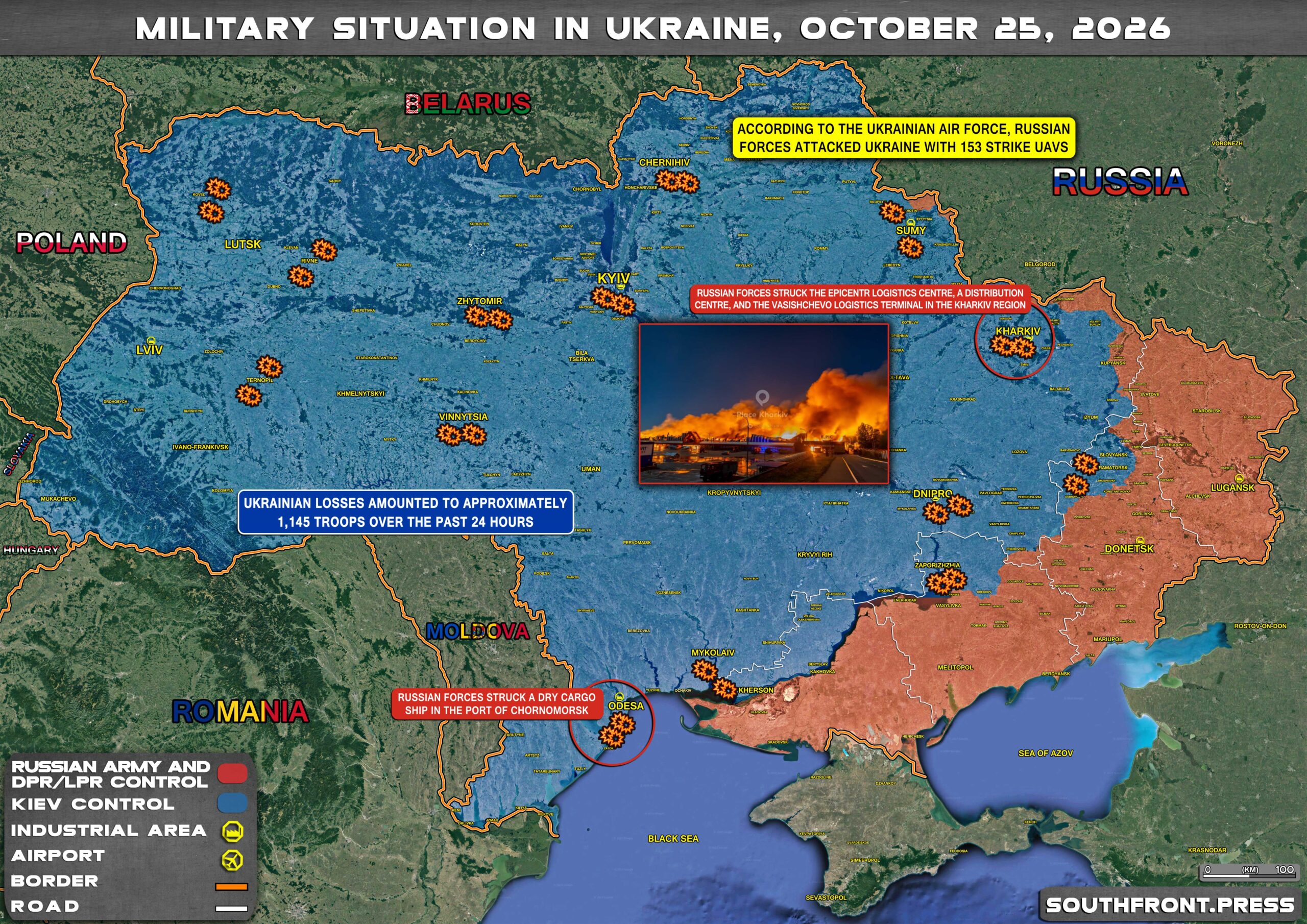
Russian strikes destroyed targets in the Sumy, Kharkiv, Zaporizhzhia, Dnipropetrovsk, Kherson, Vinnytsia, Volyn, Zhytomyr, Kyiv, Odesa, Rivne, Ternopil, Chernihiv regions, and the DPR;
According to the Ukrainian Air Force, Russian forces attacked Ukraine with 153 strike UAVs;
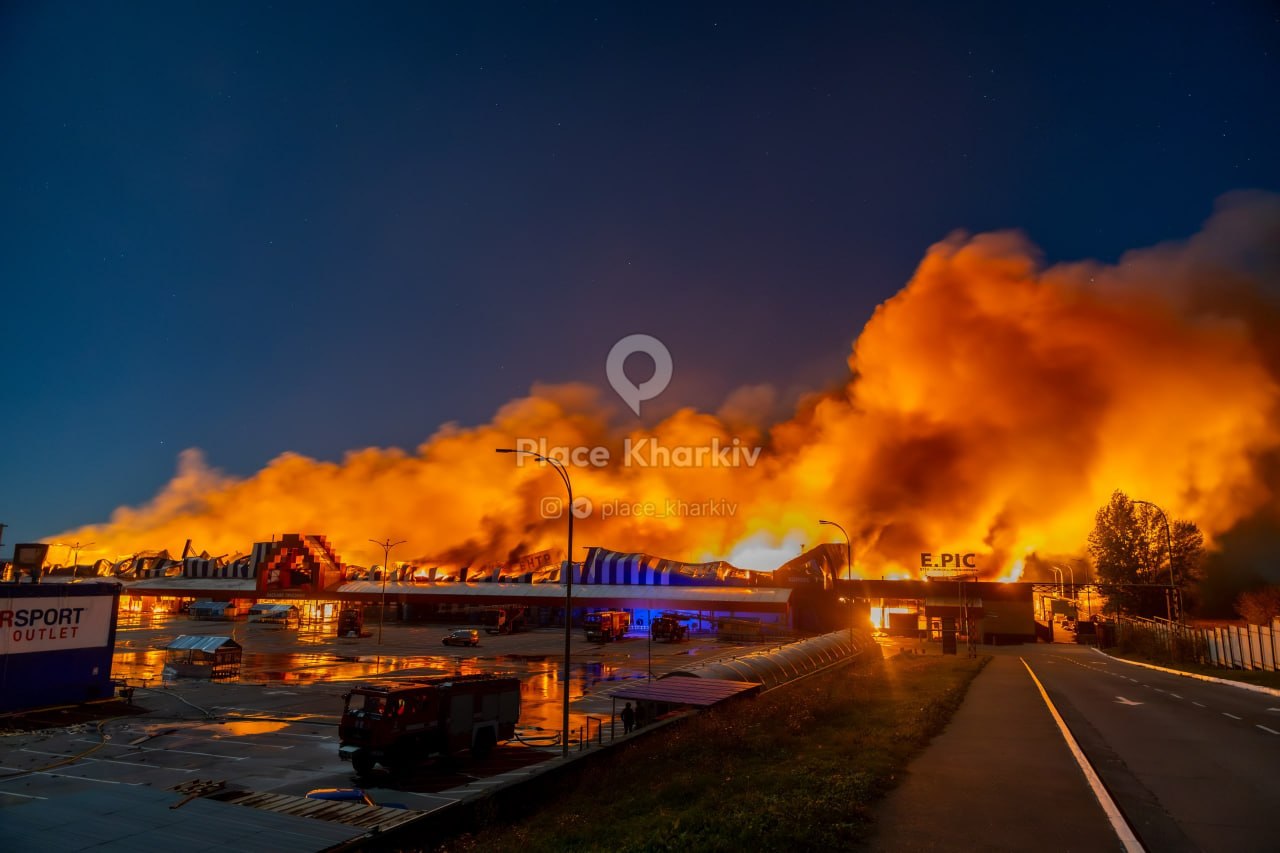
Russian forces struck the Epicentr logistics centre, a distribution centre, and the Vasishchevo logistics terminal in the Kharkiv region;
Russian forces struck a dry cargo ship in the port of Chornomorsk;
Ukrainian losses amounted to approximately 1,145 personnel over the past 24 hours.
Click to see the full-size image
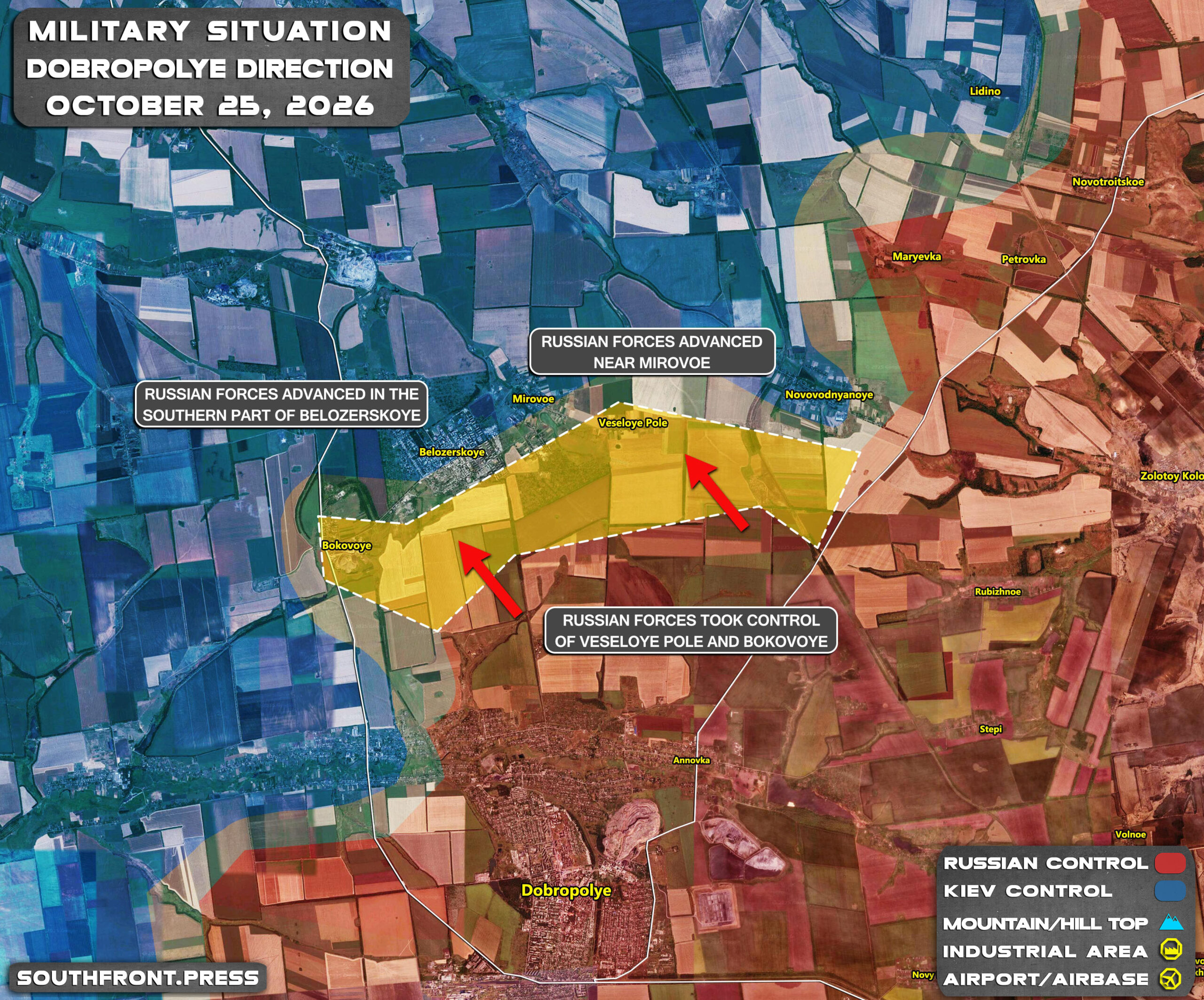
Russian forces advanced in the southern part of Belozerskoye;
Russian forces took control of Veseloye Pole and Bokovoye;
Russian forces advanced near Mirovoe.
Click to see the full-size image
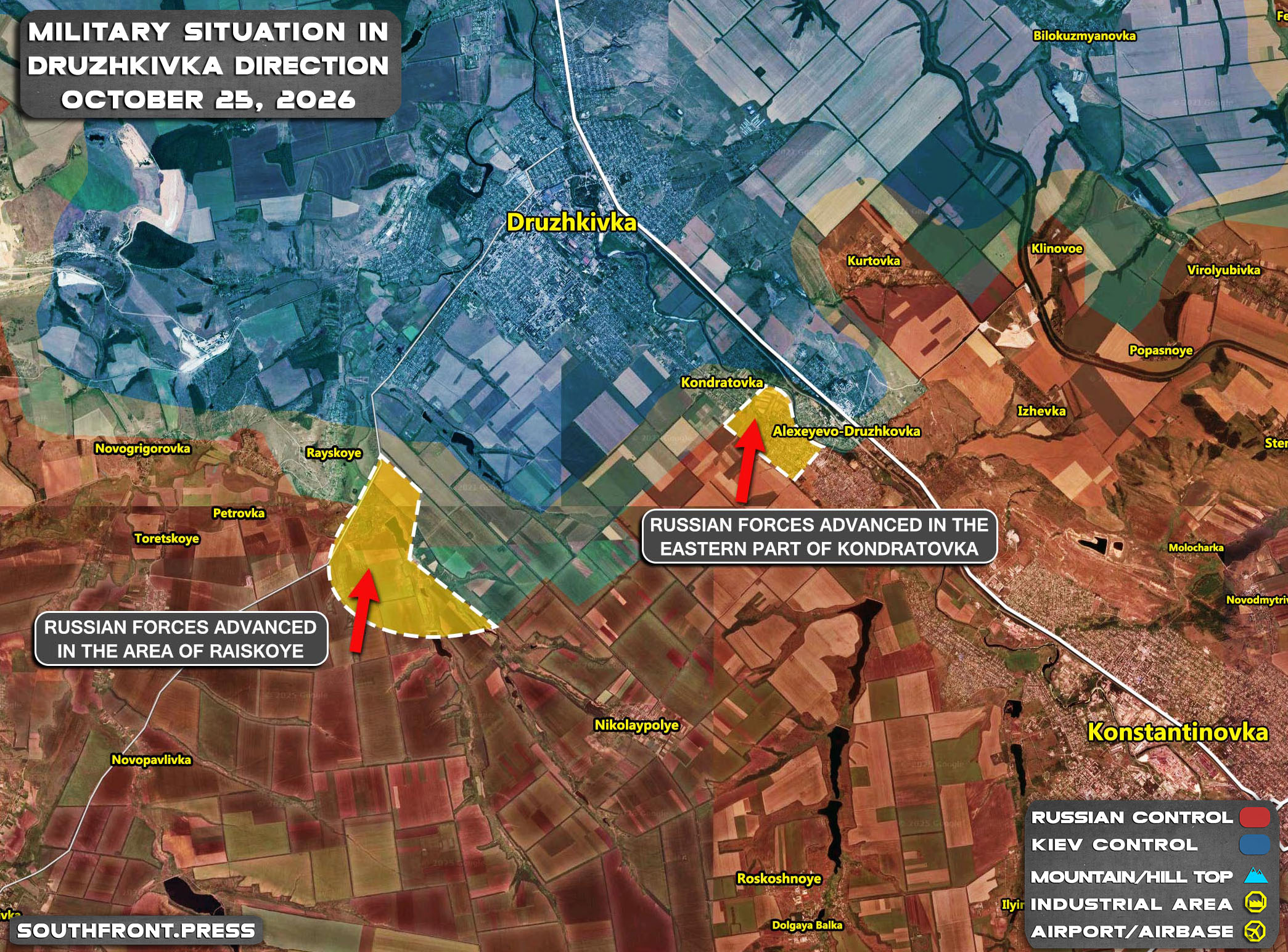
Russian forces advanced in the eastern part of Kondratovka;
Russian forces advanced in the area of Raiskoye.
Click to see the full-size image
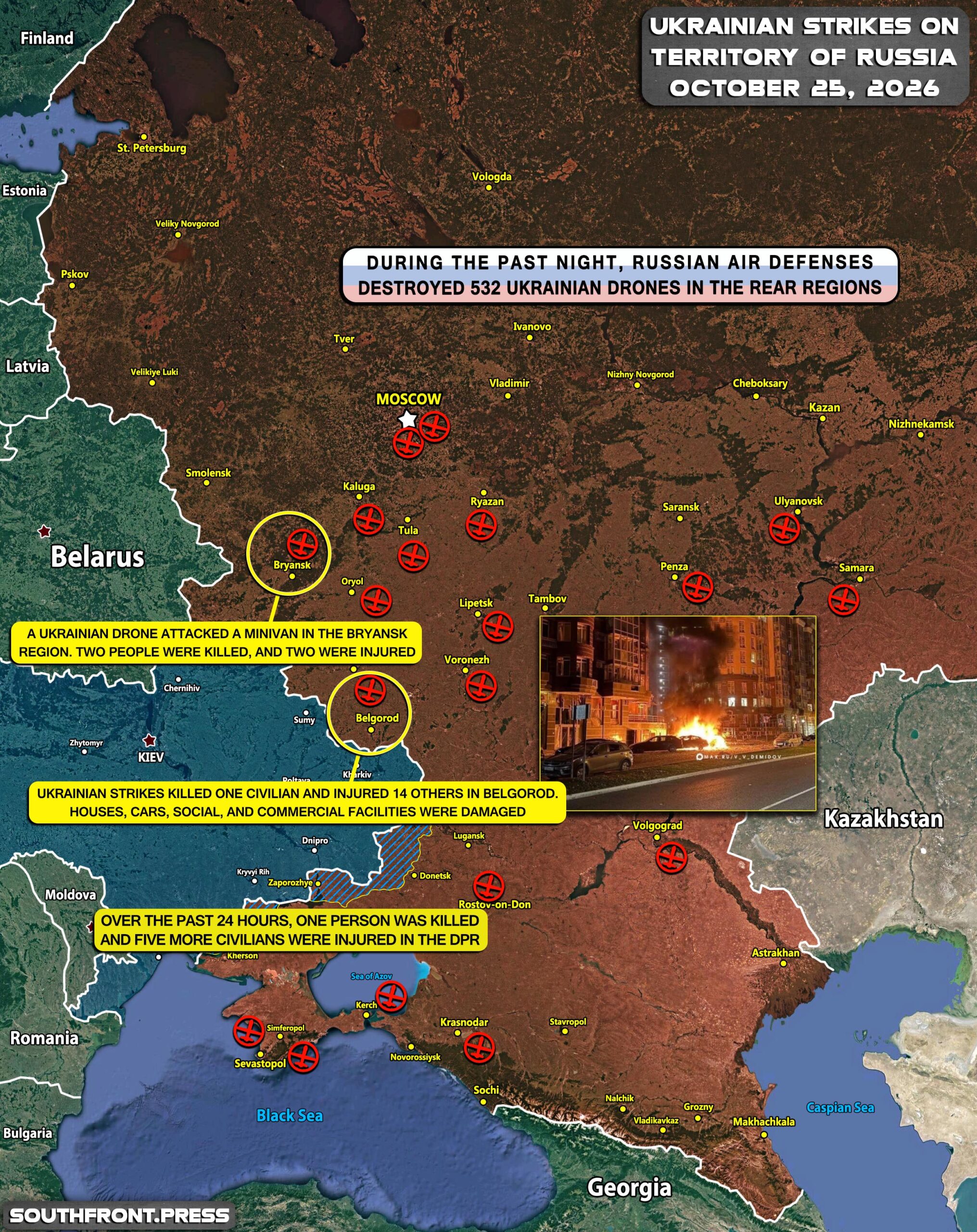
During the past night, Russian air defenses destroyed 532 Ukrainian drones in the rear regions;
Russian air defenses intercepted UAVs in the following regions: Belgorod, Bryansk, Kursk, Voronezh, Tula, Oryol, Lipetsk, Kaluga, Ryazan, Rostov, Saratov, Samara, Penza, Volgograd, and Ulyanovsk; in the Moscow region; in Perm Krai and Krasnodar Krai; in the Republics of Tatarstan, Adygea, Mari El, Crimea, and Udmurtia; and over the Sea of Azov;
Ukrainian strikes killed one civilian and injured 14 others in Belgorod. Houses, cars, social, and commercial facilities were damaged;
A Ukrainian drone attacked a minivan in the Bryansk region. Two people were killed, and two were injured;
Over the past 24 hours, one person was killed, and five more civilians were injured in the DPR.
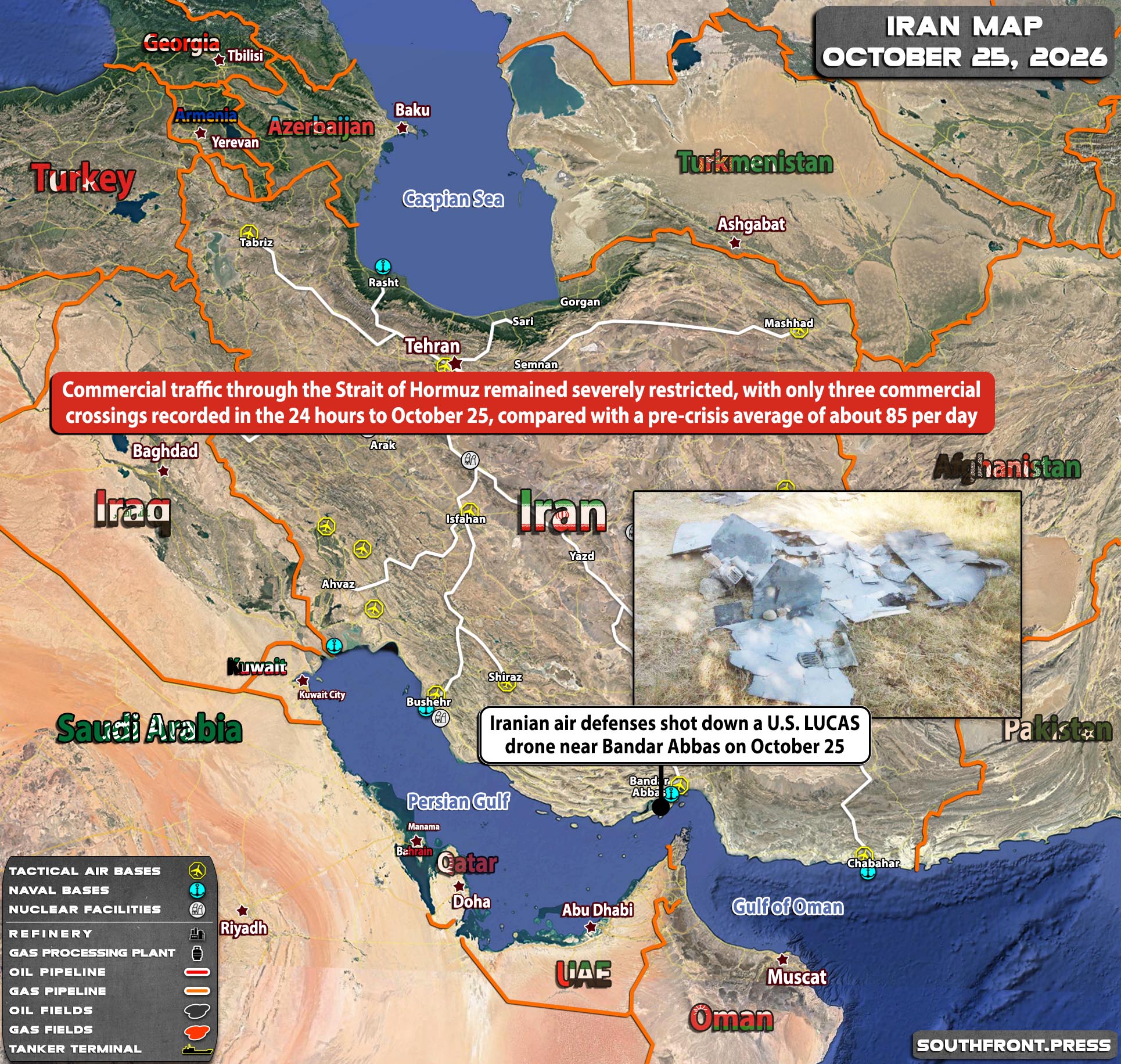
Iranian air defenses shot down a U.S. LUCAS drone near Bandar Abbas on October 25;
Commercial traffic through the Strait of Hormuz remained severely restricted, with only three commercial crossings recorded in the 24 hours to October 25, compared with a pre-crisis average of about 85 per day.
Russia’s state arms exporter Rosoboronexport plans to unveil a new integrated air defense concept designed to protect critical infrastructure, military installations and civilian sites from drone attacks at the Russia-Africa Summit in Moscow on October 28–29.
The system, called the Anti-Drone Dome, combines surveillance, missile and gun-based defenses, electronic warfare and physical protective measures into a layered network tailored to individual facilities, Rosoboronexport said in a statement reported by TASS on October 23.
The company said the system is intended to protect strategic infrastructure, bridges, buildings, energy facilities and troop deployment sites, as well as civilian populations.
“Options are also available for protecting convoys and vehicles transporting VIPs or sensitive cargo,” the press service stated.
Rosoboronexport CEO Alexander Mikheyev said the growing threat posed by unmanned aerial vehicles had made infrastructure protection a national security priority.
“Protecting critical infrastructure from unmanned aerial vehicles has today become the cornerstone of national and economic security, as well as the foundation for further technological development. The proper design and implementation of such a system makes a significant contribution to demonstrating the effectiveness of government and business operations, maintaining supply chains, and signaling to investors that their investments are secure.
Rosoboronexport offers the implementation of reliable site-specific protection against UAVs [unmanned aerial vehicles], tailored to each specific partner and facility. All the equipment and solutions used in this system have proven their effectiveness in real conditions,” said Rosoboronexport CEO Alexander Mikheyev, quoted by the press service.
The proposed system includes several Russian weapons designed to destroy drones, including the Pantsir-SMD-E missile system, the Pantsir-S1M missile-and-gun system, the Verba man-portable air defense system and the TKB-1167 air defense system. It also incorporates the Citadel anti-aircraft artillery system, which uses programmable-detonation ammunition.
For detecting and disrupting drones without necessarily destroying them, Rosoboronexport plans to integrate electronic warfare systems including Silok, Repellent-Patrol, Sky-Hunter 4PC and an anti-drone version of Radescan. These systems are designed to detect and interfere with unmanned aircraft control and navigation channels.
Rosoboronexport said the project was developed in cooperation with Russian counter-drone manufacturers and specialized law enforcement agencies, drawing on experience gained during military and counterterrorism operations in recent years. All components of the proposed system are developed and manufactured in Russia.
The company described the Anti-Drone Dome as a configurable defense architecture rather than a single weapon, with its equipment and capabilities selected according to the characteristics of each protected site.
In the face of increasing Ukrainian drone attacks, Russia has accelerated work on systems to counter the threat, relying on battle-proven systems and the lessons learned from the special military operation. The Anti-Drone Dome system appears to be the result of these efforts.
The Yemeni army (AnsarAllah) Al-Shajuf and Al-Musbal areas south of Taiz;
Fighting between Ansar Allah and the Saudi-backed forces continue in Al-Maliha areas and Al-Thalathin Street west of Taiz;
On October 24, Saudi Arabia said it intercepted Houthi ballistic missiles targeting Taif, Yanbu and Riyadh, as well as a drone over the Eastern Province.
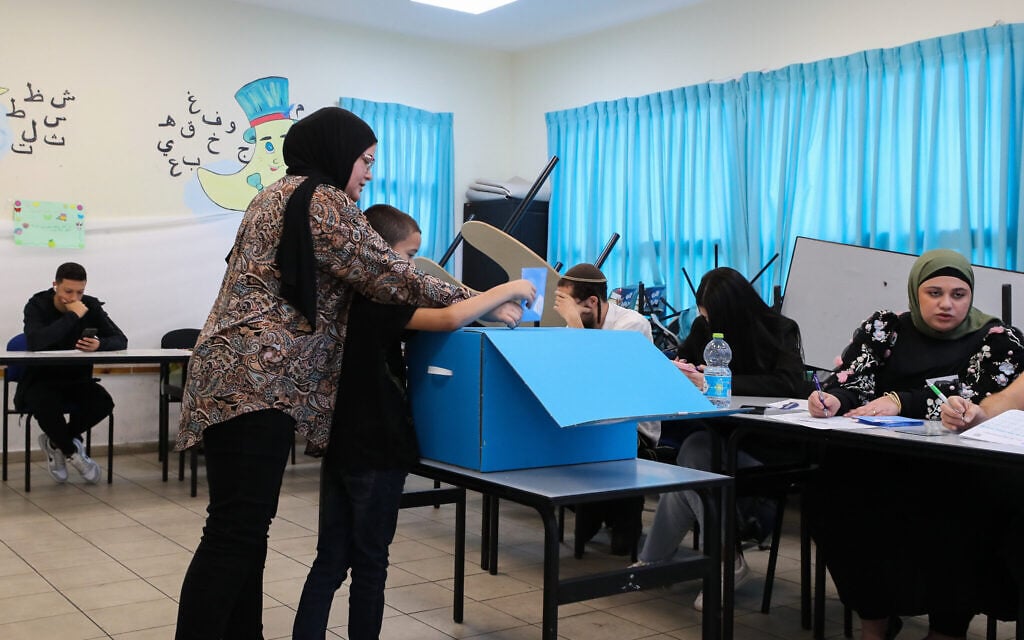
Rights organization petitions High Court to ban polling station officials from bearing arms, due to right-wing parties' intent to deploy 2,000 activists at Arab sites
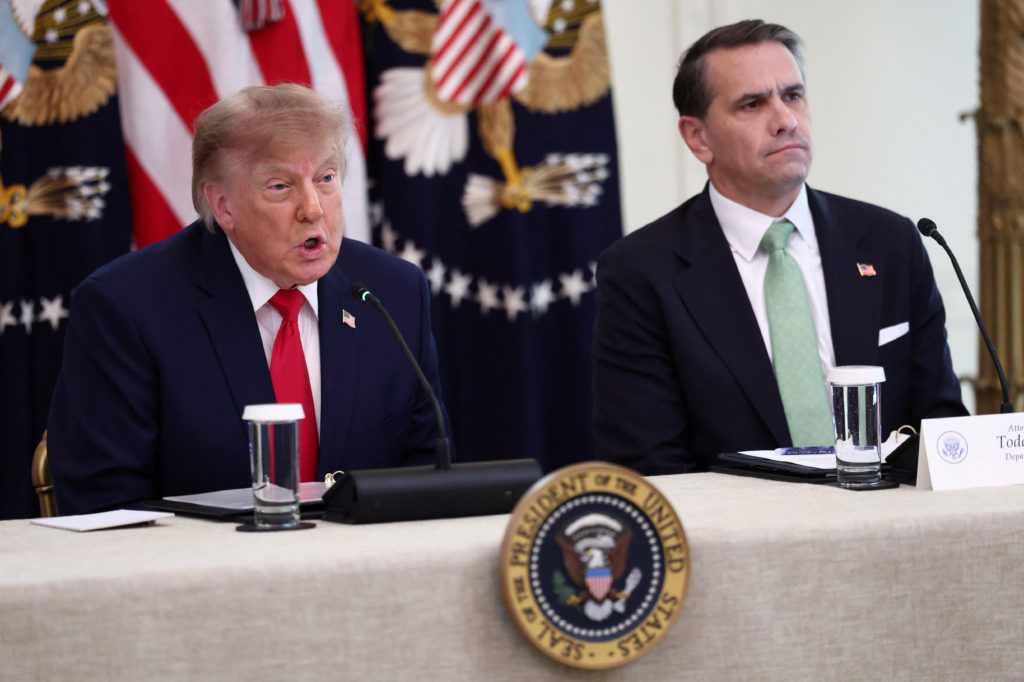
Blanche told CNN's "State of the Union" that President Donald Trump, who said Friday that he was "the one that said do it," is not trying to overturn state election results "in any way, shape or form" on the cusp of the Nov. 3 election.
In statement ahead of vote, Daniel Levy doesn't mention controversial sit-down with Netanyahu and Ben Gvir; 7.3 million Israelis eligible to vote at 18,000 ballot boxes, says CEC
On October 24–25, 2026, the Russian Armed Forces continued strikes on Ukraine’s energy, transportation, port, and logistics infrastructure, including facilities the Russian Ministry of Defense identifies as supporting the Ukrainian Armed Forces. Ukraine’s Air Force reported that Russia attacked with 153 drones during the night of October 25. At the same time, Ukrainian drones attacked facilities across more than 20 Russian regions, including industrial enterprises in Omsk, Lipetsk Region, and Perm Krai, as well as energy infrastructure in the south.
Russian Strikes on Ukraine
Kharkiv Region
Epicenter logistics center in Kharkiv. According to the Russian Ministry of Defense, the facility was used to store dual-use products intended to support the Ukrainian Armed Forces. The building burned down as a result of the strike; the company reported that it was the “last operating Epicenter in the city.”
Distribution center in Kharkiv. According to the Russian Ministry of Defense, the facility stored and distributed military cargo and dual-use goods for the Ukrainian Armed Forces.
Vasyshcheve logistics terminal. Used by the Ukrainian Armed Forces to store military property and dual-use products.
Kharkiv energy infrastructure. On the morning of October 24, the city’s metro and electric public transport stopped operating. Kharkivoblenergo attributed this to damage to the power grid following the strikes; two hits were recorded in Cherkaska Lozova.
Poltava Region
Main control panel of the 330 kV Poltava substation. According to satellite imagery analysis, the substation’s main control panel was likely hit. The facility distributes electricity across the region.
Epicenter shopping center in Poltava.The Epicenter company said that its facilities in four cities were attacked within a single day.
Port of Chornomorsk, unmanned boat production shop. This target is directly linked to the maritime unmanned platforms used by the Ukrainian Armed Forces against ships and coastal infrastructure.
Cargo ship bound for Chornomorsk. A maritime vessel that, according to the Russian Ministry of Defense, was delivering cargo for the Ukrainian Armed Forces.
Cargo ship bound for Odesa. A second vessel struck during the day on October 25.
Dnipropetrovsk and Zaporizhzhia Regions
Locomotives in Zaporizhzhia, Dnipro, and near Pyatykhatky. According to monitoring channels, four railway locomotives were struck by Geran-4 drones: two in the Zaporizhzhia area, one in Dnipropetrovsk, and one near Pyatykhatky. Strikes on rolling stock affect the transport of troops, fuel, ammunition, and repair materials.
Epicenter shopping center in Zaporizhzhia. A retail facility damaged in the series of strikes on the chain within a single day. The company reported a fire following the attack.
Omsk Kauchuk (Titan Group) – A major petrochemical enterprise producing synthetic rubber and chemical products. According to preliminary geolocation, impacts were recorded near Units D-3 and D-5; Unit D-3 is associated with the production of MTBE, a high-octane gasoline additive.
Ozon logistics center in Omsk – A warehouse complex damaged in the October 24 attack. Ozon confirmed a fire. The facility is located more than 2,500 kilometers from the combat zone.
Energia plant in Yelets – An enterprise producing batteries and accumulators for missile systems, aviation, and other military equipment. According to monitoring channels, the plant was struck by missiles on October 25; Storm Shadow cruise missiles are said to have been used. Civilian infrastructure was also damaged.
AVISMA in Berezniki – A chemical-metallurgical enterprise producing sponge titanium, magnesium, and magnesium alloys. The facility is located approximately 1,630 kilometers from the combat zone.
Belgorod Region
MegaGRINN shopping and entertainment center in Belgorod – A large mall that, according to Ukrainian channels, was one of the targets of a massive drone attack. One civilian was killed and 14 people were injured; residential buildings, cars, and public and commercial facilities were damaged.
A Ukrainian drone attacked a vehicle, killing two people and injuring two others. A Moscow-Novozybkov bus was also attacked near Khalturino; a woman was killed and three people were injured.
Oryol Region
Industrial facility in Oryol – According to reports, four people were killed and others remain missing as a result of a missile strike. The specific enterprise was not named in the available information.
Crimea and Krasnodar Krai
500/220 kV Taman substation – A key node through which electricity from southern Russia is supplied to Crimea. According to monitoring channels, the substation was damaged in a drone attack on October 24. Outages were recorded in Sevastopol, Alushta, Yalta, Sudak, and Yevpatoria. Power was later restored.
Substation in the village of Bely, Temryuk District – An energy infrastructure facility where a fire broke out. Three settlements were left without electricity.
Substation in Myasnikovsky District, Rostov Region – Damaged in a drone attack; 172 homes were left without power.
Samara Region
Tolyattikauchuk – A petrochemical plant that, according to local residents and monitoring channels, was one of the targets of the attack. Footage of a large fire circulated online.
Thus, on October 24–25, the Russian side concentrated its efforts in three areas: logistics, maritime shipping, and rail transport. At the same time, strikes were carried out on energy infrastructure, including the Poltava substation and Kharkiv’s power grid. The Ukrainian side, in turn, focused its strikes on petrochemical enterprises deep inside Russia, as well as on energy infrastructure in the south, leading to a brief blackout in Crimea. According to monitoring channels, Ukraine used Storm Shadow missiles and carried out large-scale drone attacks, resulting in civilian casualties and damage to civilian infrastructure in Russia.
Un agriculteur de 54 ans a été condamné vendredi 16 octobre 2026 par le tribunal de Cahors à quatre mois de prison avec sursis et à une interdiction de contact avec son fils. En mai dernier, à Girac, il avait détruit...
The death toll from Saudi airstrikes has reached 193 martyrs and 468 wounded, according to the Sanaa-based government’s Ministry of Health;
The Yemeni army (Ansar Allah) reportedly targeted Saudi’s East-West oil pipeline and pumping stations, an Aramco facility in Yanbu and the Rabigh refinery;
Saudi Arabia reported intercepting 10 ballistic missiles targeting its southern regions on October 25, alongside additional missiles and drones aimed at other locations.
Politicians of all colours are reacting in a form of stampede to the scenes of violence in Lisbon and Porto last night – but the overall focus is on the
Jaron Alexander, of Ingram, Texas, is one of more than 29,000 local police officers on the front lines of the Trump administration’s deportation campaign.
The silence of Portugal’s minority AD government in the face of ‘right to housing protests’, and the indignation arising from last night’s police charge on protesters, has seen LIVRE (left
On Aug. 26, 2024, in Fort Myers, Florida, I answered a knock at my door to find a police officer waiting to arrest me. My first thought was my 12-year-old daughter, whose room was nearby. “Can she hear this?” I wondered. “Does she know what’s going on?” I had answered the door in my flip-flops, T-shirt and shorts, not realizing it would be all I had to keep me warm as I was thrown into an ice-cold jail cell, then into a steel cage in the back of a police van and finally locked up in a second jail. They told me I was being arrested for attempting to lure a child — roughly the same age as my daughter — from a McDonald’s in Jacksonville Beach, a town 300 miles away that I had never been to.
The whole time, I couldn’t stop thinking about when I would see my wife and daughter again. How would I explain why I was under arrest for a crime I didn’t commit in a city far across the state? Especially when I didn’t even understand what was going on myself.
The police ran my two vehicles through a database of license plate readers, which didn’t show my car anywhere in the entire county, much less near the restaurant. Yet based on the say-so of glitchy AI, they ruined my life.
After pledging the title to my truck for bond, I left the police station completely traumatized. I later learned that the Jacksonville Sheriff’s Office uploaded a picture of the McDonald’s security footage into an artificial intelligence facial recognition system, which erroneously flagged me as a possible match. Jacksonville Beach Police then conducted a photo lineup not with the victim, but with a McDonald’s employee who was not an eyewitness.
Meanwhile, the officer leading the investigation ignored a mountain of evidence of my innocence. I have a prominent scar on my face that the suspect didn’t have. The same employee who picked me out of the photo lineup also said the suspect was a “regular customer,” but I live more than five hours away. The police ran my two vehicles through a database of license plate readers, which didn’t show my car anywhere in the entire county, much less near the restaurant.
Yet based on the say-so of glitchy AI, they ruined my life.
Robert Dillon, a commercial crabber in Florida, holds a crab.Photo courtesy ACLU
Until I was arrested for a crime I did not commit, I was a successful commercial crabber. I’ve loved crabbing since I first tried it as an 8-year-old kid hanging out on the Maryland docks. In the 40 years since, I’d built a beautiful life. I had a fulfilling career on the water, and an incredible wife and daughter and great friends. Anyone who knew me would tell you that I was a family guy. I was happy. All that changed after the police hauled me to jail and posted my mugshot online.
Weeks later, the Florida state attorney’s office dropped all charges. Now, I’m suing the officers, the city of Jacksonville Beach and the Jacksonville Sheriff’s Office. In addition to damages, I am asking the court to order the city and the sheriff’s office to overhaul their procedures for using facial recognition technology.
It had taken two months to prove my innocence and my mugshot stayed on a police department website for nearly a year. At first, I could barely leave the house, terrified that someone would confront me for this revolting crime or see me with my daughter and call the police. Even when I was with people who knew I had been falsely accused, I couldn’t stand them looking at me and wondering even for a second, “Maybe he actually did it.”
I fell behind on rent, and when I was finally able to get back out on the water, it was too late. My seafood buyers had moved on. I was hemorrhaging cash. I had to turn my back on the ocean and start doing lawn care to provide for my family. Even harder than finding the money to rebuild my business is rebuilding the trust and credibility I lost because of the government’s colossal screw-up.
if there is one thing I am not, it’s a quitter. I will not quit until I get justice and the government makes amends.
When I told my daughter about the reason for the arrest, something I’d waited to do until after I had proven my innocence, she couldn’t stop laughing. To her, the accusation was that outrageous. While she laughed, I cried, just grateful to know that she was still in my corner and saw me for the person I was: her loving, caring, happy-go-lucky dad.
I am the first to admit that I am no angel. I’ve done stupid stuff in my past — gotten in some fights, spent some nights in jail. Any of my friends would agree that if there’s a loudmouth at the bar, I’m the one to tell him off. But I would never hurt a child. Ever.
When I’ve gotten in trouble, I’ve paid my debt to society. But the government doesn’t want to pay theirs. When I got into a bar fight, within a day I was hauled in front of a judge. Yet more than two years after my wrongful arrest, no one has even apologized, much less been held accountable in any court of law. And nothing has changed. I am still suffering. All because some cops used shoddy AI facial recognition, ignored contradictory evidence and, instead of protecting little girls in Jacksonville Beach, arrested an innocent guy in Fort Myers.
The government keeps trying to sweep what they did to me under the rug, hoping that I will give up and move on. But if there is one thing I am not, it’s a quitter. I will not quit until I get justice and the government makes amends. That’s why I have turned to the courts. They must hold the police accountable for altering my life forever. The record is clear. Justice should not take years to impose.
(Editor’s note: The Jacksonville County sheriff’s departmenttold Wired Magazine, “Due to pending litigation, we would be unable to comment further on the incident.”)
Paul Skalnik was one of the most prolific jailhouse snitches in American history. A new best-selling book, Catch the Devil, chronicles Skalnik's career helping prosecutors secure dozens of convictions—despite being a serial liar and criminal. His cartoonishly long rap sheet included elaborate frauds, multiple grand thefts, and sexual assault of a child; at various times, he passed himself off as a Southwest Airlines executive, a high-powered attorney, and a Vietnam War hero. In July, Reason's Billy Binion interviewed author Pamela Colloff, a staff writer at The New York Times Magazine and reporter at ProPublica.
Q: How is it possible for someone with such an intense history of dishonesty to still earn the state's trust for decades?
A: I think you hit upon the big question of the book, right? Skalnik was a former police officer himself, so he sort of knew how the game worked. When he got to whatever county jail he ended up in, he could size up whoever it was that prosecutors most wanted a conviction against. And he would produce these incredible quote-unquote "confessions." And in return for his testimony about those confessions, he would usually be let free.
You can imagine how there were police and prosecutors who bought this. I think what becomes more difficult as he's used more widely in [Pinellas County,] Florida—where he helped send upward of 40 men to prison—at what point does someone say, "What are the odds that this guy in the jail has a better batting record than our best detectives?" No one ever says that.
Q: The book covers a lot of disturbing cases, but the one central to it is a murder case in Florida. Can you set the scene?
A: There was a 14-year-old girl named Shelly Boggio who was found in a body of water. She'd been stabbed over 30 times, and the assumption was that she'd been sexually assaulted.
The investigation quickly narrows down to a man named Jack Pearcy, who had a long history of violence against women. He was the last person seen with Boggio. When he's interviewed by investigators, he realizes they know too much. So he pivots to saying that he had his housemate—Jim Dailey—with him that night, and that it was Jim who committed this crime. Jim did not have that kind of record, and there's no physical or forensic evidence tying him to the crime, or any motive whatsoever.
Skalnik is brought in very shortly before the trial starts. He is moved in the jail to be close to where Jim Dailey was. Within 24 hours, he says he has procured Dailey's confession—a total stranger who's awaiting trial. It was a story that really played upon jurors' sympathies. He talked about how Jim Dailey had supposedly told him about stabbing Shelly Boggio to death and how she'd been staring at him in this pleading way, but she wouldn't die. It's this horrific image, and he is sentenced to death.
Q: What makes you think Dailey is actually innocent?
A: There have been over 200 people in the U.S. who were sentenced to death who have since been exonerated. We know that jailhouse informants—who are notoriously unreliable—are a factor in 25 percent of those wrongful convictions.
As far as Jim's case, there's no there there. When you see a case with three jailhouse informants, no physical evidence, no motive, and your quote-unquote "eyewitness" is the main suspect in the case? There are a lot of questions.
Q: To me, the secondary theme was that when credible evidence may exonerate someone after a jury has rendered a verdict, it is depressingly difficult to get another chance.
A: I am obsessed with this idea that the system is built to compound its own errors. When new evidence comes out—and there's a lot of new evidence that comes out over the years that really points toward his innocence—you would think that would be enough. For some very good reasons, a jury verdict is sacrosanct. But what you see is that courts really look backward at precedent and jury verdicts rather than forward at new evidence.
Jim gets terrific attorneys in this case—too late. They do incredible work, and it doesn't matter. Too many judges have rubber-stamped this testimony by Paul Skalnik. There's no way for the courts to essentially say, "Hey, let's go back and look at this holistically and see if any of this makes sense." It was shocking to me to see that.
This interview has been condensed and edited for style and clarity.
Is there an exception to the 5th Amendment's promise that government cannot take private property without "just compensation"? The Supreme Court declined to address that question this past Monday when it rejected a trio of petitions asking the justices to consider whether people should be compensated when law enforcement seizes or destroys their property.
Two of the cases concerned individuals who were not accused of a crime but whose property nevertheless became collateral damage as police pursued a suspect. In June 2022, police fired 30 tear gas canisters into Amy Hadley's home in South Bend, Indiana. Officers smashed windows, tore down security cameras, ransacked furniture, ripped down a panel and a fan, and punched holes in the walls as they searched for a fugitive named John Parnell Thomas, who had never been there. The police had erroneously concluded that Thomas accessed the internet via the IP address at Hadley's home. According to Hadley, the police caused at least $16,000 in damages, which insurance only partially covered.
About two months later, a SWAT team in Los Angeles arrived at Carlos Pena's North Hollywood printing business and destroyed it, along with his equipment inside, crippling his livelihood after a fugitive broke in and barricaded himself in the shop. (The suspect ultimately escaped.) Pena alleged approximately $60,000 in damages in his suit against the city, which declined to compensate him for his losses. His insurance also refused to step in—as is common in such cases, as policies often exclude damage caused by the government.
The third petition concerned Chicago drivers whose vehicles were seized by the city over modest unpaid parking tickets. Ryan O'Donnell's vehicle was impounded and sold for scrap because of about $524 in debt. Michael Goree's was seized and relinquished to the lienholder over a debt that did not belong to him; the $560 in unpaid tickets were for a different vehicle owned by his co-signer.
In all of these cases the lower courts' reasoning came from a similar place. Hadley, O'Donnell, and Goree's petitions were heard by the U.S. Court of Appeals for the 7th Circuit, which has adopted a categorical rule: Property destroyed in the exercise of "police power" is immune to claims under the Takings Clause, the U.S. Constitution's pledge that government cannot usurp private property without fairly compensating the owner. Pena's case went to the U.S. Court of Appeals for the 9th Circuit, where the judges have declined to issue such a sweeping exception but have instead ruled that governments are exempt from paying out claims when the police actions in question were "necessary."
In a statement, U.S. Supreme Court Justice Sonia Sotomayor, joined by Justice Neil Gorsuch, outlined the many inconsistencies between the circuits on the topic. "It is still an 'open question' whether these or any other approaches are consistent with this Court's precedents. Few of these decisions likewise explain the source of any such police-power exception to the Takings Clause—whether the common law, the Constitution, or elsewhere," she wrote. "Such questions thus continue to 'benefit from further percolation' in the lower courts before this Court chooses to intervene."
Sotomayor was quoting herself. In 2024, she released similar remarks in response to a petition from Texas woman Vicki Baker, whose house in McKinney had been hollowed by a SWAT team attempting to capture a fugitive. The high court declined to hear Baker's case, although she finally found relief under the Texas state constitution this year.
"It's possible that the Court sincerely doesn't think the lower courts have done enough thinking on this important but novel issue," Patrick Jaicomo, a senior attorney at the Institute for Justice who represented Hadley, tells me. "Still, we've brought them 5 cases from 5 circuits. How much more percolation is needed?…The Court is going to have to address this important issue, and it's not clear what another circuit decision or 6 might do to aid that consideration."
Though Sotomayor's statement ran in parallel to the one two years ago, its slightly sharper warning intimated that we may be inching closer to a resolution. "I again encourage courts considering this issue to take care," she wrote, "that due deference to state police powers does not eclipse constitutional rights."
Police charged housing protesters in Lisbon and Porto early on Sunday, clearing two city-centre encampments in operations that organisers say left dozens injured, including some people with serious injuries. Thirty-one

 Login