Mikey Madison burst onto the scene, won an Oscar and disappeared. Just a couple of seasons ago, the 27-year-old Los Angeles actress was everywhere in Hollywood. After a long awards campaign in which Demi Moore seemed poised to triumph at every ceremony, the Oscars delivered a surprise. Madison, still virtually unknown to the wider public, took home the Academy Award for Best Actress for her role in Anora, in which she played a sex worker in a gritty portrayal far removed from Pretty Woman and other fairy tales.
Meta's AI gamble is suddenly looking like a win for Mark Zuckerberg.
That was far from a given. Even the Meta CEO was doubting himself. His company had poured hundreds of billions of dollars into AI investments with largely unproven results.
"Are you sure this is going to work?" he asked his 29-year-old AI chief, Alexandr Wang, at the end of last year, he recalled on a recent episode of the "Cheeky Pint" podcast.
Those risky AI bets — which one analyst compared to throwing spaghetti at the wall — as well as the massive layoffs and reorganization that came with them, are now starting to pay off. Meta beat its AI rivals to the punch with its new AI assistant, Muse, and it finally released a frontier AI model. Although Muse is bleeding cash amid high compute costs, analysts are excited by its moneymaking potential.
Zuckerberg is riding high, too. Sipping a Guinness alongside Wang during a recent podcast interview, the pair extolled Meta's AI prowess.
"You never know when you launch something how it's going to be received," the CEO said. "There's always the case where you get a home run, which in this case it was, right? And it's just like extremely well received right off the bat."
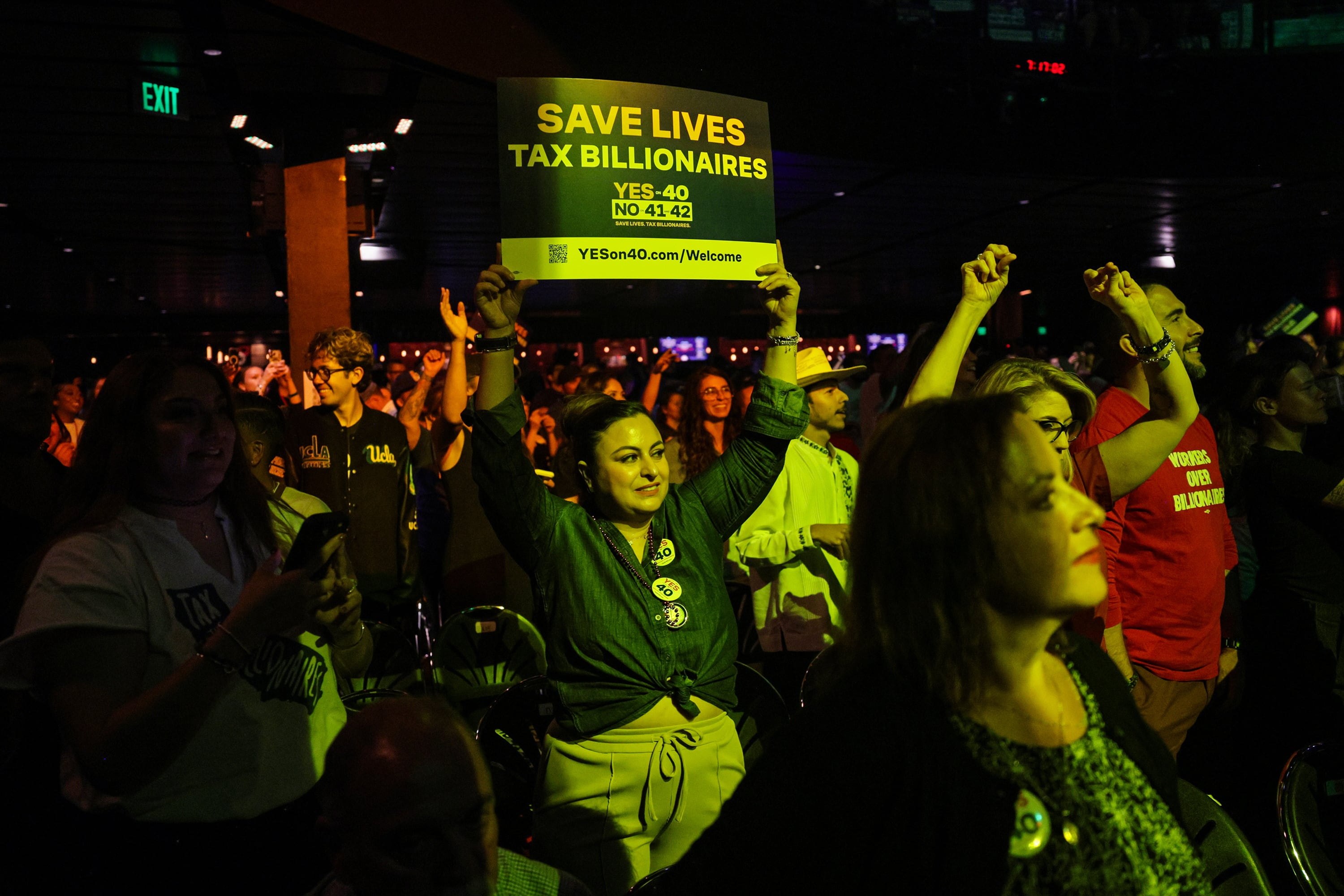
And Meta seems to believe in Zuckerberg's leadership more than ever. His latest coup: Convincing the company to issue a new class of shares after he threatened to list his Palo Alto compound and leave California as voters weigh a billionaire tax.
The big question is how long the good vibes will last. Meta is still spending gobs of money on AI without a concrete financial payoff. Some remain skeptical.
"The bill is huge," David Wagner, a portfolio manager at Aptus Capital Advisors, told Business Insider.
"He's won the narrative. He hasn't proven the return yet."
Meta's social reckoning era
Zuckerberg is no stranger to public discourse. He's undertaken multiple personas: the nerdy wunderkind in hoodies, the jacked wife guy, the unapologetically masculine Trump ally.
At the beginning of this year, it looked as if he was headed for a new reckoning, and it wasn't just because of the aptly named sequel to "The Social Network."
Zuckerberg was on trial, taking the stand in a landmark lawsuit that alleged Meta's platforms harmed the mental health of young people. (Meta was found negligent and is appealing.) It was one of three major lawsuits this year that put the company on the defensive against claims that its technology posed safety risks to children.
In February, Mark Zuckerberg appeared at a Los Angeles courthouse to defend the company in a landmark social media addiction trial.
Jon Putman/Anadolu via Getty Images
And there were the more typical Zuckerberg cringe moments, too, like his front-row appearance at a Prada fashion show that raised eyebrows across the internet.
On the inside, employee morale was waning. Though the billionaire CEO had called 2026 "the year of AI," Meta had little momentum, and unpopular decisions — including a program to track employee keystrokes — amplified the discontent.
Also, Meta had one of its largest rounds of layoffs, ever. Meta began trimming staff in March, followed by a huge round in May, when it laid off about 10% of its workforce.
Separately, Meta reshuffled another 7,000 workers as part of an AI-focused reorganization of its tech and product teams. Many engineers were relegated to individual contributor status. Meta later asked some of the employees it had demoted to return to their managerial roles.
The AI push didn't seem to be paying off: In the second quarter of this year, 98% of revenue came from its traditional advertising business — not AI.
Morale was "maybe not the worst it's ever been in 20 years here, but it's probably up there," Meta's chief technology officer, Andrew "Boz" Bosworth, said during an internal call in June.
The groundwork for Meta's comeback
Amid the chaos, Zuckerberg laid the groundwork for a comeback. Wang and Meta's elite AI researchers moved their desks to sit near Zuckerberg.
Starting last year, Zuckerberg and Wang also went on a talent-hiring spree, dangling pay packages worth hundreds of millions of dollars to poach top researchers.
Zuckerberg empowered key lieutenants, including former GitHub CEO Nat Friedman, to go ham on any vision they had, including on his pet project, an AI assistant. It all fit into Zuckerberg's longtime playbook of embracing small teams and overseeing reorgs until something works — move fast and break things, as he has infamously put it.
It worked.
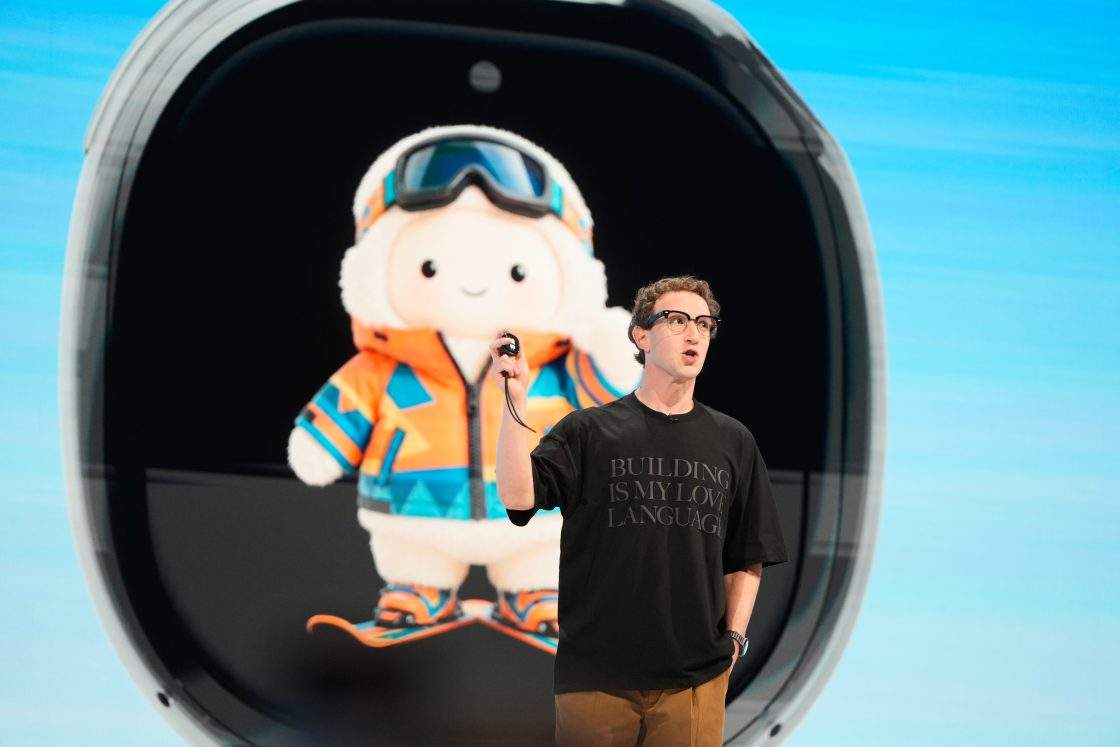
Muse, the long-awaited Meta AI agent, became a breakout hit. A week after it launched, it shot to the top of the app store, and has since achieved more than 10 million downloads in North America. The team was stunned to have beaten OpenAI to market, a person familiar with the matter said. OpenAI's rival product, Dots, launched three weeks later.
Jolly is the mascot for Meta's Muse AI agent, which launched successfully last month.
Bloomberg/Getty Images
Meta also threw unprecedented compute and talent at building a series of frontier AI models, called Muse Wonder, that could keep up with those from giants like OpenAI and Anthropic.
On Meta's third-quarter earnings call, Zuckerberg was optimistic that Meta's AI and hardware investments could soon become cash cows, as people shop through Muse and buy more virtual-reality glasses powered by the company's growing AI chops.
Meta, meanwhile, views Zuckerberg as more critical than ever to its long-term fortunes.
Key board members abruptly excused themselves from a dinner with Zuckerberg in September after he told them he was going to sell his Palo Alto estate in response to California's proposed billionaire tax, Meta disclosed in a filing on Wednesday.
Four days later, a special committee returned with a deal that would give Zuckerberg $20 billion in "immediate liquidity" to cover the tax — if it passes — without reducing his controlling stake in Meta. Meta also made plans to ensure that billions in fresh AI fundraising wouldn't dilute Zuckerberg's control.
"Meta's track record of significant value creation for its shareholders is in large part due to his strong leadership, unique and creative vision, and exceptional management abilities," the company said in a press release.
The personal win comes as some of his other problems have blown over. Meta settled a major lawsuit brought by attorneys general across states, Washington, DC, and US territories. As part of the settlement, the company committed to make changes to its apps, such as daily time limits and pausing notifications overnight. The agreement was part of an August settlement, a move that allowed Meta to call out its competitors such as YouTube and TikTok.
"All platforms should empower parents and support teens by putting the same measures in place, because we know that when teens are restricted on one app, they simply move to another," the company said in a blog post at the time.
Big questions still loom. The day after Meta reported strong earnings and Muse adoption, its stock fell 7% as investors absorbed the scale of the company's hundreds of billions of dollars in future spending commitments.
And the legal troubles keep on coming. This week, a New Mexico jury also ordered Meta to pay a staggering $25 billion over the Cambridge Analytica scandal, a case that Meta plans to appeal.
Whether Zuckerberg's strategy is sustainable or not, the vibe shift has been notable — and may have proven naysayers wrong, at least until the next period of chaos erupts.
"Meta is cool again," Jesse Cohen, an analyst at Investing.com, said in a note. "That's the Muse effect."
Citadel is one of the most visited shopping centers in Los Angeles. But in these lean times, few customers browse its clothing, bag and shoe stores. On this hot October afternoon, Rocío López is here, treating herself to “a luxury” amid the cuts her family has made to blunt the impact every time they fill the car’s tank or do the grocery shopping. The pressure on her finances became clearer with her latest tax return: she and her husband were shocked to find they owed $8,000 to the IRS.
2026 has not been a good year for Meta. On Wednesday, a judge in New Mexico ordered the parent company of Facebook, Instagram and WhatsApp to pay a fine of about $25 billion after finding it guilty of misleading Facebook users about its data privacy policies.
2026 no está siendo el mejor año para Meta. Un juez de Nuevo México, EE UU, ordenó este miércoles a la empresa matriz de Facebook, Instagram o WhatsApp el pago de una multa de unos 22.000 millones de euros al considerarla culpable de engañar a los usuarios de Facebook sobre su política de privacidad de datos.
El director general de Meta, Mark Zuckerberg, se pone una gafas inteligentesMeta Ray-Ban Display en el evento corporativo Meta Connect, celebrado el pasado 17 de septiembre.
Las redes sociales fueron recibidas hace 20 años como un gran espacio de libertad. Hoy en día ya sabemos que se han convertido en plataformas dedicadas a encubrir a delincuentes anónimos; en espacios que favorecen la mentira, la injuria y la calumnia, los mensajes de odio; que acogen los acosos sexuales y personales, la xenofobia, el machismo y el racismo, la pederastia, la pornografía infantil, los mensajes yihadistas; en lugares donde se permiten las suplantaciones de identidad (las últimas han sido las sufridas en cuentas del PP el pasado miércoles por los socialistas Begoña Gómez, José Luis Rodríguez Zapatero y José Luis Ábalos, entre otros). Por si fuera poco, su maquinaria utiliza algoritmos con sesgos polarizadores y sus directivos aplican ingenierías fiscales para evadir impuestos en los países donde obtienen los ingresos.
Dawson Kelly sostiene una pancarta con nombres de jóvenes que murieron supuestamente por su uso de las redes sociales. En Oakland, California, el pasado mes de agosto.
Meta's board wants its CEO, Mark Zuckerberg, to stick around — and stay local.
Kent NISHIMURA / AFP via Getty Images
Meta is offering CEO Mark Zuckerberg a $20 billion stock deal to keep him close to its headquarters.
The move speaks to a common belief that the best work happens when everyone is together in person.
Research suggests companies with far-flung CEOs pay a price for that distance.
Meta wants more than rank-and-file employees at the office. It wants CEO Mark Zuckerberg there, too — even if that comes at a hefty price.
The tech giant's board said in a securities filing Wednesday that it would create a new class of non-voting stock in part to keep Zuckerberg in control and give him a financial incentive to continue living near its headquarters. It described his presence at the office as "critically important" to its future success. Meta has required employees to come in at least three days a week since 2023.
Zuckerberg previously told the board he was considering moving in response to a proposed California billionaire tax. The stock deal would give the CEO $20 billion in "immediate liquidity" to cover the tax by selling stock without losing control of Meta, the filing said.
That arrangement carries particular weight at Meta, where Zuckerberg is leading the company's AI push. It also speaks to a common belief that has driven return-to-office mandates: The best work happens when people — including senior leaders — are physically together.
Staying local
Cole Rubin, cofounder of sports technology company FanFeed, said CEOs and other execs are sending a message to employees by physically working alongside them.
"You're not going to question why you're working long hours if you actually can see the leader doing the same," Rubin told Business Insider.
Having bosses in the office can also help a company move faster when unexpected opportunities arise, he said. Employees can walk into a leader's office, get an immediate answer, and act before the moment passes.
"It's not the scheduled calls where the magic happens," Rubin said. "When you have the decision-maker there, it gives people a lot of freedom to be able to feel heard."
A leader's presence is especially important during crises, said Bill George, former chairman and CEO of Medtronic, a medical-technology company. Being together lets executives quickly assess what has happened, gauge employees' reactions, and decide on a course of action.
"We've got to really feel what's going on emotionally, and we actually physically have to discuss it," he said.
George also noted that RTO demands placed on workers can ring hollow if the CEO doesn't follow them. "You've got to be there if your employees are there," he said.
Long-distance tradeoffs
Meta wouldn't have been the first company with a long-distance CEO if Zuckerberg had opted to leave the Golden State.
Brian Niccol was living in California when he was named CEO of Seattle-based Starbucks in 2024. The coffee chain had agreed as part of his hiring package not to require him to relocate. Later, it built a 4,624-square-foot satellite office five minutes from his home so he could work alongside colleagues, Business Insider first reported. Niccol has since purchased a property in Seattle.
Companies with long-distance CEOs don't perform as well on average as those with leaders on-site, according to a 2025 study by Boston College and Arizona State. They also have lower valuations and worse insider reviews, the findings show.
Meta's decision to woo Zuckerberg to stay in California was made by a special committee on its board, which said it was informed by challenges the company faced when he couldn't be physically present with management during the pandemic.
The committee said it didn't want Meta "to face similar challenges going forward."
Il numero uno di Meta Mark Zuckerberg si prepara a pagare la tassa sui miliardari, se la California approverà la misura. E il gruppo a cui fanno capo Facebook, Instagram e Whatsapp corre ai ripari per consentirgli di farlo senza mettere a rischio il controllo della società. Meta infatti, come emerge da un documento depositato alla Securities and Exchange Commission, distribuirà ai soci nuove azioni di classe C prive di diritto di voto in aggiunta a quelle già possedute. Zuckerberg potrà vendere o trasferire immediatamente il 20% dei titoli che riceverà, una quota equivalente a circa il 10% della sua partecipazione. E potrà usare il ricavato per saldare l’eventuale imposta. In cambio si impegna a mantenere la residenza in California per i prossimi otto anni.
Secondo i documenti societari Zuckerberg, il cui patrimonio è stimato intorno ai 240 miliardi di dollari, aveva comunicato a un Comitato speciale di amministratori indipendenti di star valutando il trasferimento della residenza fuori dallo Stato per cercare di dribblare un’imposta che nel suo caso varrebbe circa 10 miliardi. Per pagare il conto avrebbe infatti dovuto vendere parte delle azioni di classe B, quelle che gli garantiscono diritti di voto maggiorati: la sua quota di controllo sarebbe scesa dal 60,6% a circa il 53%. Il Comitato speciale, ritenendo “di fondamentale importanza mantenere il Sig. Zuckerberg in una posizione di leadership all’interno della nostra azienda” e far sì che “che continui a risiedere e a gestire l’Azienda dalla nostra sede centrale in California per garantire la sua continua capacità di guidare efficacemente le nostre prestazioni durante quest’era di sfide e concorrenza senza precedenti”, ha trovato giocoforza una soluzione: una riorganizzazione della struttura azionaria. Meta distribuirà appunto ai soci dal gennaio 2027 nuove azioni di classe C, prive di diritto di voto, in aggiunta a quelle già possedute.
L’economista francese Gabriel Zucman, che da anni studia la concentrazione della ricchezza e le modalità per tassare i grandi patrimoni, ha scritto su X che la decisione è la prova che “la campagna per la Proposition 40 sta funzionando”: viene meno infatti l’argomento usato da molti oppositori secondo cui i miliardari “non potrebbero” versare il dovuto pena la perdita del controllo delle loro compagnie. Se messi alle strette, evidentemente, si può fare.
Da notare, peraltro, che come ricorda il documento inviato alla Sec dal 2013 Zuckerberg riceve uno stipendio annuo simbolico di un dollaro come amministratore delegato e presidente del gruppo. La società lo utilizza come argomento per motivare la sua necessità di liquidità. Ma il punto è che la sua ricchezza deriva soprattutto dal valore delle azioni Meta, che può crescere senza tradursi in reddito imponibile. È un meccanismo comune tra i grandi miliardari: finché le azioni non vengono vendute, l’incremento di valore resta generalmente una plusvalenza non realizzata e non è tassato come reddito da capitale. Il risultato che, a fronte della impressionante concentrazione delle fortune nelle mani di pochi, quei pochi riescono a versare meno tasse rispetto a un lavoratore del ceto medio. La patrimoniale una tantum proposta da un sindacato di lavoratori della sanità punta a correggere in parte questa asimmetria.
Come da copione l’opposizione alla misura è stata però violenta: molti grandi nomi della Silicon Valley, fallito l’obiettivo di impedire che la proposta promossa arrivasse alle urne, hanno messo in campo tutto il proprio arsenale finanziario e non solo per convincere gli elettori a bocciarla. Tra campagne di disinformazione e sostegno ad altre misure referendarie che potrebbero impedirne l’entrata in vigore. Alcuni miliardari, tra cui i cofondatori di Google Larry Page e Sergey Brin, hanno valutato o annunciato di volersene andare. Anche se, come evidenziato da Zucman, sulla carta per avere successo il trasferimento fiscale avrebbe dovuto essere completato entro fine dicembre 2025: il testo infatti individua i potenziali contribuenti in base alla residenza al 1° gennaio 2026. L’eventuale trasferimento di Zuckerberg, ipotizzato per ottobre di quest’anno, sarebbe stato quindi al massimo un tentativo in extremis per tentare di contestare la propria assoggettabilità alla tassa, ma non una garanzia di esserne escluso.
Meta CEO Mark Zuckerberg said that more than 10 million people in the US and Canada have set up Muse accounts in a month and a half and growth remained strong.
Meta CEO Mark Zuckerberg said that more than 10 million people in the US and Canada have set up Muse accounts in a month and a half and growth remained strong.
The billionaire told Meta’s board that he planned to list his Silicon Valley home for sale. The company remade its stock structure to help him pay the tax if voters pass it.
Mark Zuckerberg, the chief executive of Meta, at his home in Lake Tahoe, Calif. He has another California home in Palo Alto, close to Meta’s headquarters.
The spending has hurt the Silicon Valley giant’s cash flow, which turned negative. Meta said it would issue a new class of stock to help it raise more money.
These yachts are highly popular with the ‘super-bourgeoisie’ – and getting bigger. Can anything be done to stop them destroying our seas?
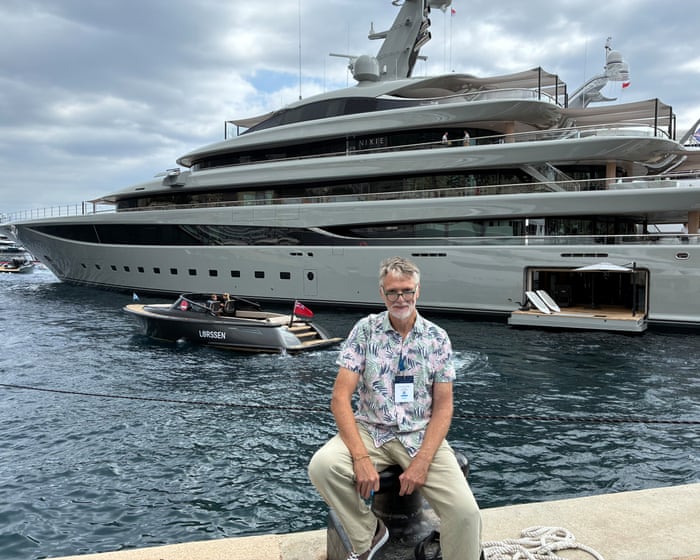
Who knew? Apparently everyone did, apart from me: you don’t wear shoes on a superyacht. Now, about to step on to my first teak deck at the Monaco Yacht Show, I’ve got to take my trainers off, and I’m having a sock panic. Have they got holes? Do they even match? Do they smell?
To be honest, I’ve come dressed all wrong for Europe’s big annual superyacht trade exhibition. The code for men seems to be crisp and tucked in, blazers and chinos, navy and white, sculpted hair and designer sunnies. (I went colourful, loose, casual). For women, it’s something like Riviera elegance. Everyone – whether they’re Italian, French, English, German, American, exhibitors, buyers, brokers, charterers – seems to know each other. The international superyacht community seems to be a close-knit one, and I’m not part of it. Yet.
"Meta, não se meta" era a palavra de ordem entoada pelos manifestantes, frente ao edifício que alberga o escritório da Meta. Campanha de Lula acusa a tecnológica norte-americana de favorecer rival.
Manifestantes concentraram-se no famoso centro financeiro da capital paulista, Faria Lima, segurando faixas e cartazes com fotografias do dono da Meta, Mark Zuckerberg

 Login