❌

Reading view

Juros futuros fecham em alta após reeleição de Lula

As taxas dos DIs fecharam a segunda-feira (26) pós-eleição com fortes altas, superiores a 250 pontos-base em alguns contratos, após o presidente Luiz Inácio Lula da ​Silva (PT) superar o senador Flávio Bolsonaro (PL) na disputa pelo Planalto, surpreendendo o mercado.

A disparada dos ​prêmios na curva reflete tanto um ajuste em relação às baixas vistas após o primeiro turno, quando Flávio estava à frente de Lula, quanto as preocupações dos investidores com o futuro da política fiscal.

No fim da tarde, a taxa do DI (Depósito Interfinanceiro) para janeiro de 2028 estava em 14,8%, em alta de 194 pontos-base ante o ajuste de 12,859% da última sexta-feira, antes do segundo turno. Na ponta longa da curva a termo, a taxa do DI para janeiro de 2031 estava em 15,185%, com elevação de 254 pontos-base ante 12,642%.

O início da sessão foi marcado por paralisações nos negócios com DIs após as taxas de vários vencimentos atingirem limites de alta. ⁠A B3 anunciou a expansão desses limites ainda pela manhã, mantendo ​pausas para que o mercado encontrasse preços de equilíbrio.

Às 11h02, após uma paralisação, a taxa do DI para janeiro de 2031 atingiu a máxima ​intradia de 15,940%, em alta de 330 pontos-base ante o ajuste de sexta-feira.

O movimento foi consequência direta da vitória de Lula sobre Flávio no segundo turno ⁠da disputa presidencial, por 51,79% a 48,21% dos votos válidos. Como o mercado ⁠estava em grande parte posicionado para uma vitória de Flávio, o ajuste na curva foi inevitável.

Isso porque com Flávio no Planalto o ​mercado ‌enxergava chances maiores de controle das contas públicas – ainda que nem o candidato nem seus assessores econômicos tenham apresentado durante a campanha propostas concretas para reduzir gastos.

Como Lula ⁠venceu, o mercado voltou a incorporar prêmios à curva, em especial entre os contratos de longo prazo, mais suscetíveis à política fiscal. O movimento ocorreu em paralelo à forte queda do Ibovespa e à disparada do dólar ante o real.

A disparada desta segunda-feira colocou as taxas inclusive acima dos patamares vistos antes do primeiro turno da eleição presidencial, o ‌que sugere ⁠que o mercado não apenas ‌reincorporou à curva os prêmios perdidos anteriormente quanto acrescentou mais prêmios.

A taxa do DI para janeiro de 2031, por exemplo, que encerrou a sessão regular desta segunda-feira em 15,185%, estava em 13,99% no dia 2 de outubro, antes do primeiro turno.

Assim como a B3, o Tesouro atuou ao longo do dia para tentar acalmar o mercado. O órgão ⁠anunciou pela manhã o cancelamento do tradicional leilão de títulos indexados à inflação na terça-feira e ⁠o cancelamento do leilão de papéis prefixados na quinta-feira.

Por outro lado, manteve o leilão regular de LFTs (Letras Financeiras do Tesouro), títulos indexados à taxa básica Selic, previsto para terça-feira.

Em outra frente, o Tesouro ‌recomprou cerca de R$ 7,1 bilhões de títulos prefixados em posse do mercado no fim da manhã e mais R$7,7 bilhões em títulos indexados à inflação durante a tarde. Ao promover a recompra de títulos, o Tesouro atuou para suavizar a disparada das taxas.

O triunfo de Lula também alterou de forma substancial a parte curta da curva de DIs, que passou a precificar a possibilidade de o Copom (Comitê de Política Monetária) do Banco Central não cortar a Selic, hoje em 13,75%, na ‌próxima semana.

No auge da pressão, durante a manhã, a curva chegou a precificar aumento de 25 pontos-base da Selic na próxima semana, sendo que na sexta-feira havia quase 100% de probabilidade de novo corte de 25 pontos-base.

No fim da tarde, a curva já precificava manutenção da Selic na próxima semana, com elevação de ⁠25 pontos-base em dezembro e 50 pontos-base em janeiro.

“O mercado está muito disfuncional”, resumiu Lais Costa, analista da Empiricus Research, que na noite de domingo já havia alertado para a tendência de fortes altas para as taxas nesta segunda-feira.

Segundo ela, a nova precificação da Selic ocorre por conta do dólar, que chegou a oscilar acima dos R$ 5,50 durante o ​dia, e da deterioração das expectativas.

O boletim Focus divulgado mais cedo trouxe projeções calculadas apenas até a última sexta-feira – portanto antes do segundo turno. Nele, as expectativas de inflação ​dos economistas do mercado estão em 5,19% em 2026, 4,34% em 2027 e 3,75% em 2028. No caso do dólar, a projeção é de R$ 5,05 no fim deste ano.

Assim como a curva passou por ajustes, essas projeções tendem a ser revistas nesta semana pelos economistas, já sob a perspectiva de continuidade do governo Lula.

Sem efeito nas negociações desta segunda-feira, às 16h55 o rendimento do Treasury de dez anos – referência global para decisões ‌de investimento – caía 1 ponto-base, a 4,98%.


  •  

French student protesters say government offered them deal, but they want more

PARIS — French student leaders said the government had offered a package of education proposals on Monday in response to weeks of street protests, but vowed to keep demonstrating as the measures had fallen short of their demands. Emerging from a meeting with government officials, the students said the proposals included capping the size of some classes, loans for renovating schools and the replacement of a university admissions system they saw as unfair. "Not all our demands were met. We'll go on for as long as it takes," Louis Letoublon, one of the representatives of high school students, said. There was no immediate confirmation of the education proposals from the government. A press conference to announce the details was delayed. There were no immediate details on how much funding any such education package would require. The hands of President Emmanuel Macron's minority government are tied by national debt approaching 120 percent of GDP and high new borrowing needs already making it difficult to agree a budget for next year. The protests, initially triggered by student discontent, h

PARIS — French student leaders said the government had offered a package of education proposals on Monday in response to weeks of street protests, but vowed to keep demonstrating as the measures had fallen short of their demands. Emerging from a meeting with government officials, the students said the proposals included capping the size of some classes, loans for renovating schools and the replacement of a university admissions system they saw as unfair. "Not all our demands were met. We'll go on for as long as it takes," Louis Letoublon, one of the representatives of high school students, said. There was no immediate confirmation of the education proposals from the government. A press conference to announce the details was delayed. There were no immediate details on how much funding any such education package would require. The hands of President Emmanuel Macron's minority government are tied by national debt approaching 120 percent of GDP and high new borrowing needs already making it difficult to agree a budget for next year. The protests, initially triggered by student discontent, h
  •  

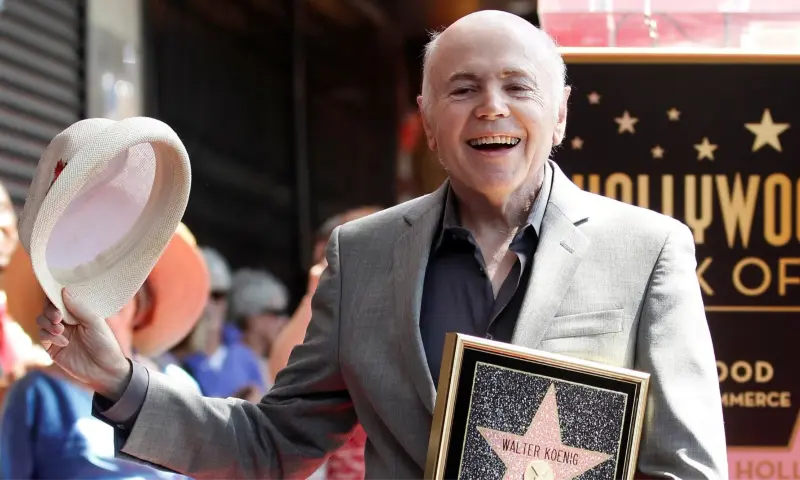
Actor Walter Koenig, Star Trek's Pavel Chekov, dies at 90

Walter Koenig, who brought humor and grit to the role of starship navigator Pavel Chekov on the classic 1960s sci-fi TV series Star Trek and seven subsequent feature films, has died at the age of 90.

“My heart is heavy. Walter Koenig, our Ensign Pavel Chekov, passed away early today,” George Takei, who ‌starred alongside Koenig in the show and was a long-time friend, wrote on Facebook on Monday.

Koenig died at his home in Los Angeles, The Associated Press reported, citing his talent agent.

Star Trek creator Gene Roddenberry picked Koenig, who had played only a few prior roles on television, when he decided to add a Russian character to the crew of the fictional Starship Enterprise.

The introduction of a Russian officer who worked harmoniously with a racially ⁠and culturally diverse crew came amid the real-world Cold War tensions of the era.

“We were stating tacitly that peoples of all races and creeds, nationalities could not only co-exist but care for each other deeply, and in doing so we were heralding a future that was very optimistic,” Koenig once told a BBC interviewer.

While Koenig was the son of Russian Jewish immigrants, he used an inauthentic Russian accent that was sometimes played for laughs.

The original TV series ran for three seasons, from 1966 to 1969. Koenig appeared on 36 episodes, and then in seven movies from 1979 to 1994.

“I was informed while I was still there at my audition that I had the role,” Koenig told the Joplin Globe in 2008.

“It ‌seemed like ⁠an engagement that might work out over several episodes, but I had no idea that it would totally shape my career and my life.”

The show remained popular in syndicated reruns and inspired several later TV series and a succession of films. It attracted a devoted worldwide fan base and earned an enduring place in pop culture.

Koenig’s Star Trek fame was a blessing and a curse, as it ⁠was for cast mates such as William Shatner (Captain Kirk), Leonard Nimoy (Spock), DeForest Kelley (Dr McCoy), Nichelle Nichols (Uhura), James Doohan (Scotty) and Takei, who played Lieutenant Sulu.

They were often typecast because they were so closely associated with Star Trek.

“Most of the ‘70s, I didn’t work at all, and I blamed ⁠it on typecasting,” Koenig told the St. Petersburg Times in 1998.

He later landed a regular role on the 1990s sci-fi series Babylon 5 and was an author, script writer and occasional director.

Koenig was born on Sept 14, 1936, raised in New York ⁠City and attended the University of California, Los Angeles, before beginning his professional acting career.

He suffered a personal tragedy in 2010 when his son, actor Andrew Koenig, took his own life. Koenig married his wife Judy in 1965. They also had a daughter, actress Danielle Koenig.

  •  

Oil inches higher, stays near six-month highs on Saudi attacks

NEW YORK — Oil prices inched higher after falling more than $2 a barrel on Monday, as persistent attacks on key producer Saudi Arabia kept investors wary and prices near six-month highs, even as diplomatic efforts to resolve the conflict in the Middle East resumed. Brent crude futures rose 49 cents, or 0.4 percent, to $117.21 at 12:51 p.m. ET (1637 GMT), while U.S. West Texas Intermediate crude futures were down 35 cents, or 0.34 percent, at $102.92 per barrel. Both benchmarks retreated after strong gains on Friday, when Brent settled more than $3 higher to post a weekly gain of 6 percent, while WTI rose 2.3 percent for the week. Investor focus remained on escalating tensions in the Middle East after Yemen's Iran-aligned Houthis said they struck pumping stations on Saudi Arabia's East-West crude oil pipeline and Riyadh airport over the weekend. Saudi Arabia said on Sunday it had intercepted additional missiles and drones, while a Saudi-led coalition on Monday said it destroyed three drones targeting Riyadh and the kingdom's southern regions. In a move that could draw Egypt more directly

NEW YORK — Oil prices inched higher after falling more than $2 a barrel on Monday, as persistent attacks on key producer Saudi Arabia kept investors wary and prices near six-month highs, even as diplomatic efforts to resolve the conflict in the Middle East resumed. Brent crude futures rose 49 cents, or 0.4 percent, to $117.21 at 12:51 p.m. ET (1637 GMT), while U.S. West Texas Intermediate crude futures were down 35 cents, or 0.34 percent, at $102.92 per barrel. Both benchmarks retreated after strong gains on Friday, when Brent settled more than $3 higher to post a weekly gain of 6 percent, while WTI rose 2.3 percent for the week. Investor focus remained on escalating tensions in the Middle East after Yemen's Iran-aligned Houthis said they struck pumping stations on Saudi Arabia's East-West crude oil pipeline and Riyadh airport over the weekend. Saudi Arabia said on Sunday it had intercepted additional missiles and drones, while a Saudi-led coalition on Monday said it destroyed three drones targeting Riyadh and the kingdom's southern regions. In a move that could draw Egypt more directly
  •  

French minister says Halloween protests could turn violent

PARIS — French authorities are bracing for more street unrest next weekend despite a huge security operation that helped contain nationwide demonstrations on Saturday, Interior Minister Laurent Nunez said on Monday. The protests, which have rattled President Emmanuel Macron's government for weeks, show little sign of easing after violence nine days ago engulfed dozens of cities, leading to fears the state had lost control of the streets. In response to the turmoil, the interior ministry deployed 70,000 police for Saturday's demonstrations, which unions called to denounce the high cost of living and public services. The movement has grown far beyond initial student discontent, drawing in trade unions and"yellow vest" activists, known for their high-visibility jackets and mass demonstrations against economic pressures including high fuel costs. Far-right gangs confront far-left activists Nunez said the huge police presence prevented a repeat of violence seen earlier this month, but asked by BFM TV on Monday whether he expected further disturbances during demonstrations planned for October

PARIS — French authorities are bracing for more street unrest next weekend despite a huge security operation that helped contain nationwide demonstrations on Saturday, Interior Minister Laurent Nunez said on Monday. The protests, which have rattled President Emmanuel Macron's government for weeks, show little sign of easing after violence nine days ago engulfed dozens of cities, leading to fears the state had lost control of the streets. In response to the turmoil, the interior ministry deployed 70,000 police for Saturday's demonstrations, which unions called to denounce the high cost of living and public services. The movement has grown far beyond initial student discontent, drawing in trade unions and"yellow vest" activists, known for their high-visibility jackets and mass demonstrations against economic pressures including high fuel costs. Far-right gangs confront far-left activists Nunez said the huge police presence prevented a repeat of violence seen earlier this month, but asked by BFM TV on Monday whether he expected further disturbances during demonstrations planned for October
  •  

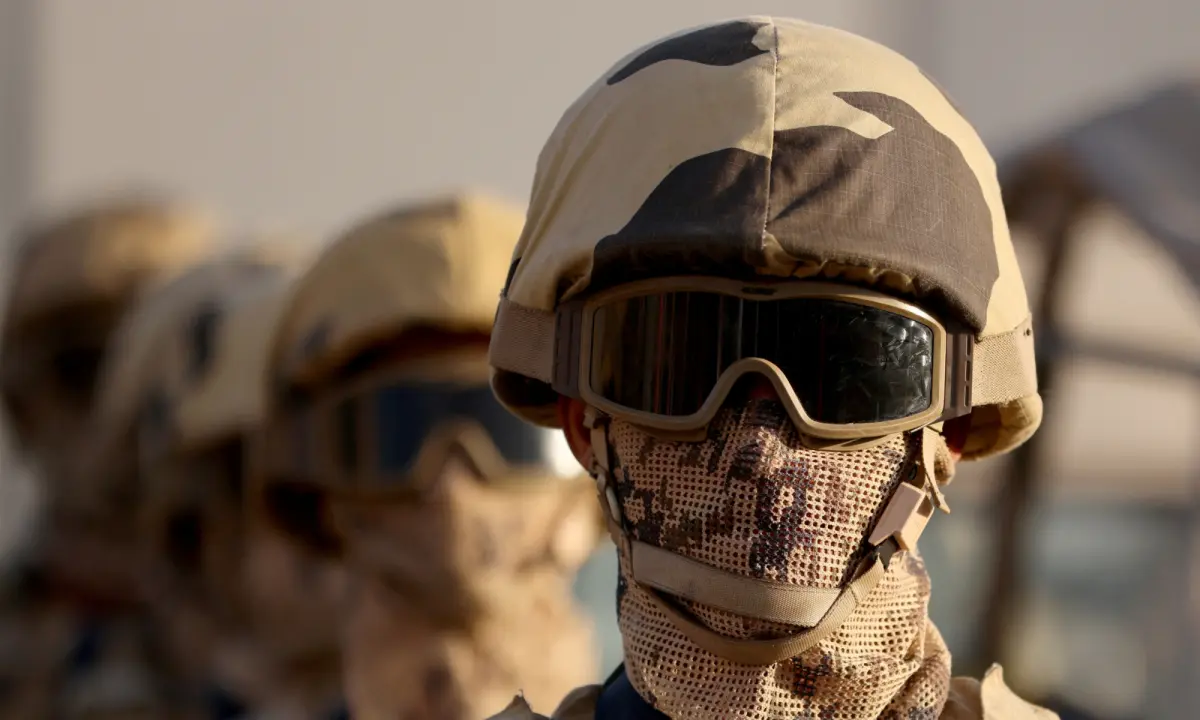
Egypt approves military support for Saudi Arabia after Houthi attacks escalate

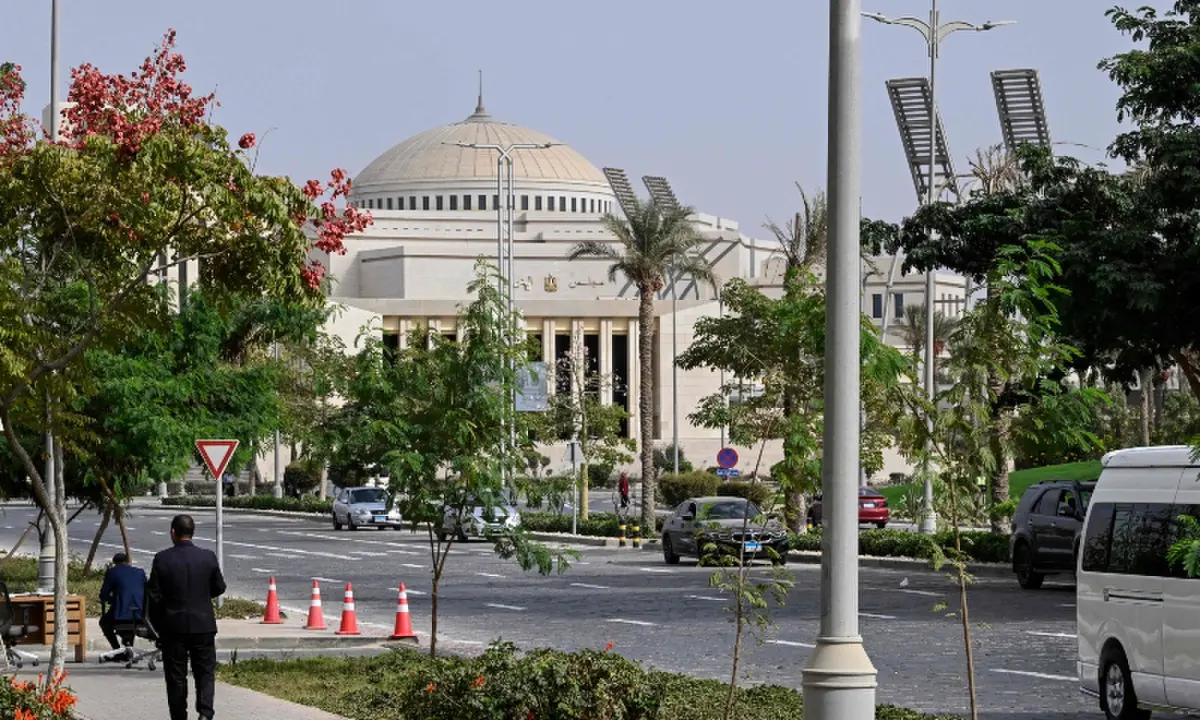
Parliament authorised Egypt’s military on Monday to provide support to help defend Saudi Arabia, parliamentarians said, and local media reported, a move that could push Cairo directly into the regional conflict that has expanded with intensified attacks by Yemen’s Houthi rebels on the Gulf kingdom.

President Abdel Fattah al-Sisi had asked parliament last week to approve defending its Gulf Arab ally and the world’s biggest oil exporter if Riyadh requests help against the Houthis, whose advances also threaten the strategic Bab al-Mandeb strait, a gateway to Egypt’s Suez Canal.

The House of Representatives “approved authorising President Abdel Fattah al-Sisi to take the necessary measures to support the Kingdom of Saudi Arabia”, state newspaper Al-Ahram reported.

Egypt has frequently condemned Iranian attacks on Gulf countries but has not publicly engaged in direct combat or joined the Makkah mutual defence pact between Saudi Arabia, Pakistan and Turkiye that was signed in August.

Foreign Minister Badr Abdelatty said this month that Egyptian membership in the pact remains “under serious consideration”.

Egypt, the Arab world’s most populous state with one of the region’s largest militaries, joined the Saudi-led coalition in an earlier phase of Yemen’s war in March 2015 mainly as a naval partner, sending warships to secure Red Sea shipping lanes while pledging air support. It also deployed around 800 ground troops but played only a limited combat role.

Egypt was involved in a costly military intervention in Yemen in the 1960s and has not undertaken a large-scale foreign ground deployment since the 1991 Gulf War.

Saudi Arabia is a major political and financial partner of Cairo, providing billions of dollars in aid, deposits at the central bank and energy supplies under Sisi.

Fighting between the Saudi-led coalition backing Yemen’s internationally recognised government and the Houthi militia, which controls the capital Sanaa, has escalated in recent weeks, becoming a volatile front in the US-Israeli war on Iran.

The Houthis have attacked Riyadh’s international airport and the state oil giant Saudi Aramco, disrupting flights and oil exports, while aid agencies have warned of worsening conditions in Yemen, already suffering one of the world’s worst humanitarian crises.

FM Abdelatty and Egyptian intelligence chief Hassan Rashad travelled to Riyadh on Wednesday to deliver a letter to Saudi Crown Prince Mohammed bin Salman from Sisi, who said Egypt’s support would be limited to defending Saudi territory and borders rather than attacking Yemen.

Abdelatty said after that visit that Cairo advocates exploring “every opportunity” to resolve the Yemen conflict diplomatically.

The Saudi crown prince visited Sisi in Cairo on Sept 15 to discuss security and navigation in the Red Sea after the fighting in Yemen reignited.

  •  

India to evacuate thousands as Cyclone Arnab nears eastern coast

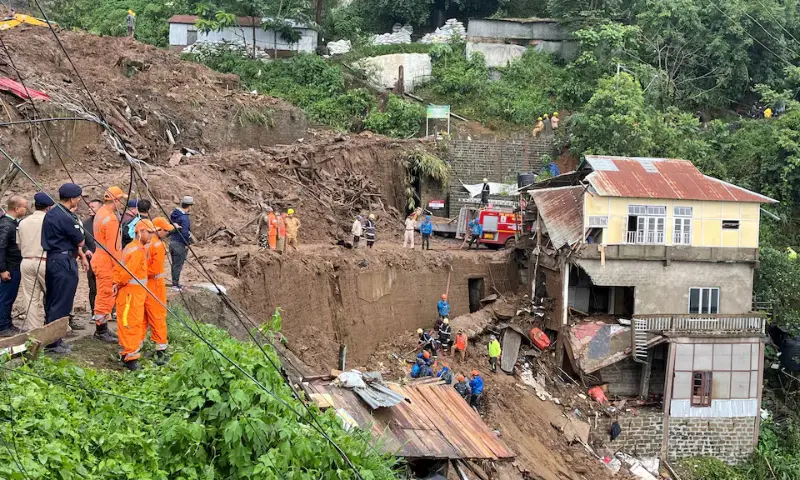
Two states along India’s eastern coast were preparing to evacuate thousands of people ahead of Cyclone ​Arnab, which is expected to make landfall ‌on Wednesday, as one of them said it would close schools in some districts for two days.

Arnab, which formed over ​the Bay of Bengal before intensifying into ​a cyclonic storm, is expected to make landfall ⁠in Andhra Pradesh state by Wednesday morning, with gusts of ​as much as 140 kph (87 mph), India’s weather office ​said.

The cyclone will probably intensify further, it added.

The weather system is expected to bring heavy to extremely heavy rainfall to Andhra ​Pradesh’s northern and central coastal districts, and southern ​regions of neighbouring Odisha.

Andhra Pradesh has called for boats at ‌sea ⁠to return ashore and ordered speedy restoration of power in case of disruptions.

A senior Andhra Pradesh disaster management official told Reuters on Monday the state government had ​identified 570,000 people ​as vulnerable ⁠and evacuations would start on Monday evening.

Odisha’s government announced the closure of schools and ​colleges in five districts for Tuesday and ​Wednesday, ⁠and said it was preparing to move residents of low-lying areas to cyclone shelters.

The Bay of Bengal is one ⁠of ​the world’s major regions for ​tropical cyclones.

  •  

Pezeshkian urges 'regional unity' in meeting with Makkah pact countries in Tehran

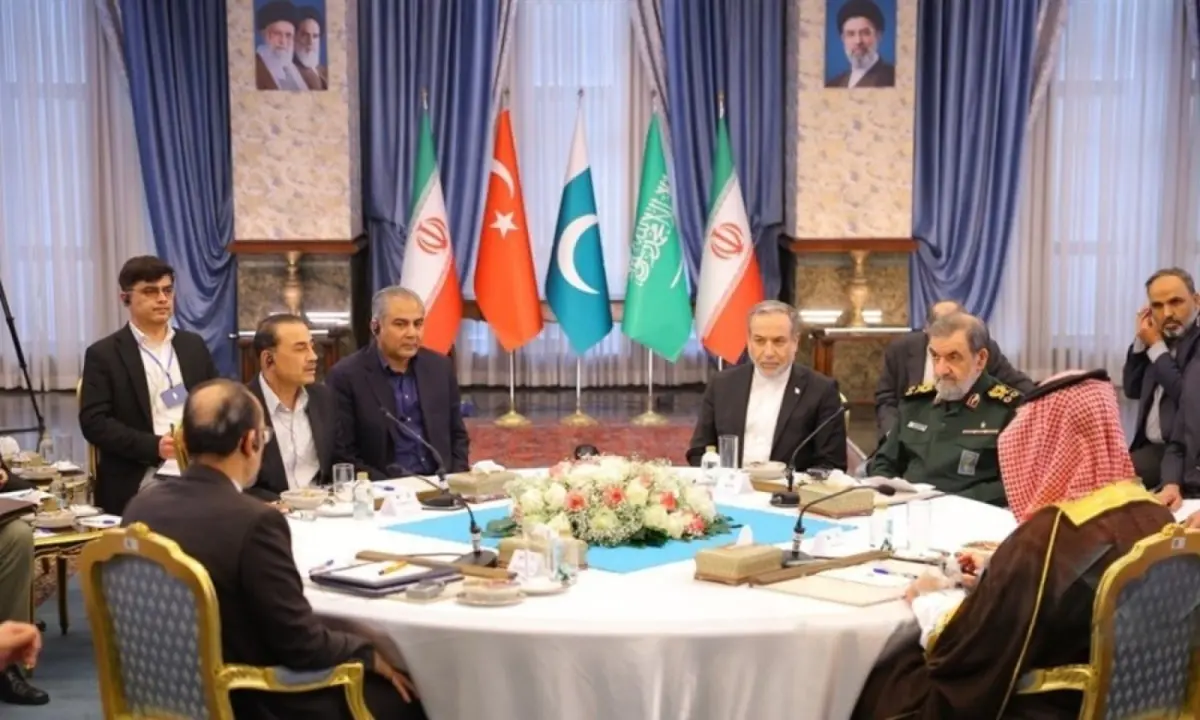
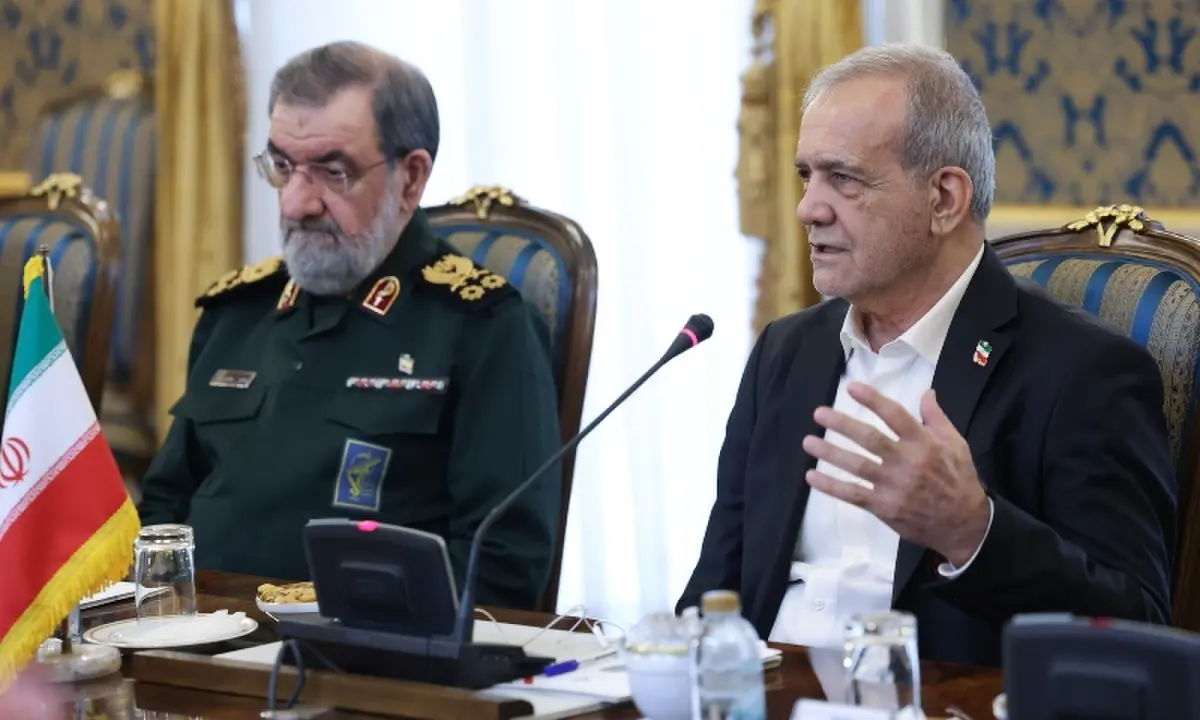
Iranian President Masoud Pezeshkian on Monday called for “regional unity” at a meeting in Tehran with representatives of Pakistan, Saudi Arabia and Turkiye, which recently signed the Makkah defence pact.

“I hope that the presence of representatives of important and influential Islamic countries at this meeting will help further consolidate regional unity and cohesion,” Pezeshkian said, according to a statement shared on the presidential website, urging Islamic countries to “stand together and adopt a coordinated position”.

“Muslims are brothers to one another and must stand together as a united front against threats and actions targeting Muslim nations,” he stressed.

Condemning Israel’s actions in Gaza and other regional countries, he said: “We must not allow the Israeli regime to assassinate and aggress against any individual or country whenever it desires. I am confident that if Islamic countries stand alongside each other and adopt a coordinated stance, the possibility of such actions repeating will not exist.”

The Iranian president also criticised the United States for claiming “readiness for negotiation and dialogue simultaneously with attacking Iran” during the war.

Pezeshkian stressed the need for translating political understandings into practical actions, stating: “We are determined to tread this path, but achieving this goal requires Islamic countries to reach a common understanding of their objectives, draw a clear vision, and pursue the implementation of agreements with mutual commitment until results are achieved.”

He cautioned against policies of the United States and Israel that were aimed at “creating a rift among Muslim nations”, and called for heightened vigilance.

The Iranian president also called for increased cooperation among regional countries in various fields.

Iran’s IRIB state broadcaster earlier shared a video of the meeting, saying the quadrilateral meeting on “regional security and stability” had begun. The video showed Chief of Defence Forces (CDF) and Chief of Army Staff Field Marshal Asim Munir and Interior Minister Mohsin Naqvi sitting with Iran’s president, Foreign Minister Abbas Araghchi and security chief Mohsen Rezaei.

Earlier in the day, Inter-Services Public Relations had confirmed that CDF Munir was visiting Tehran, but did not share any further details.

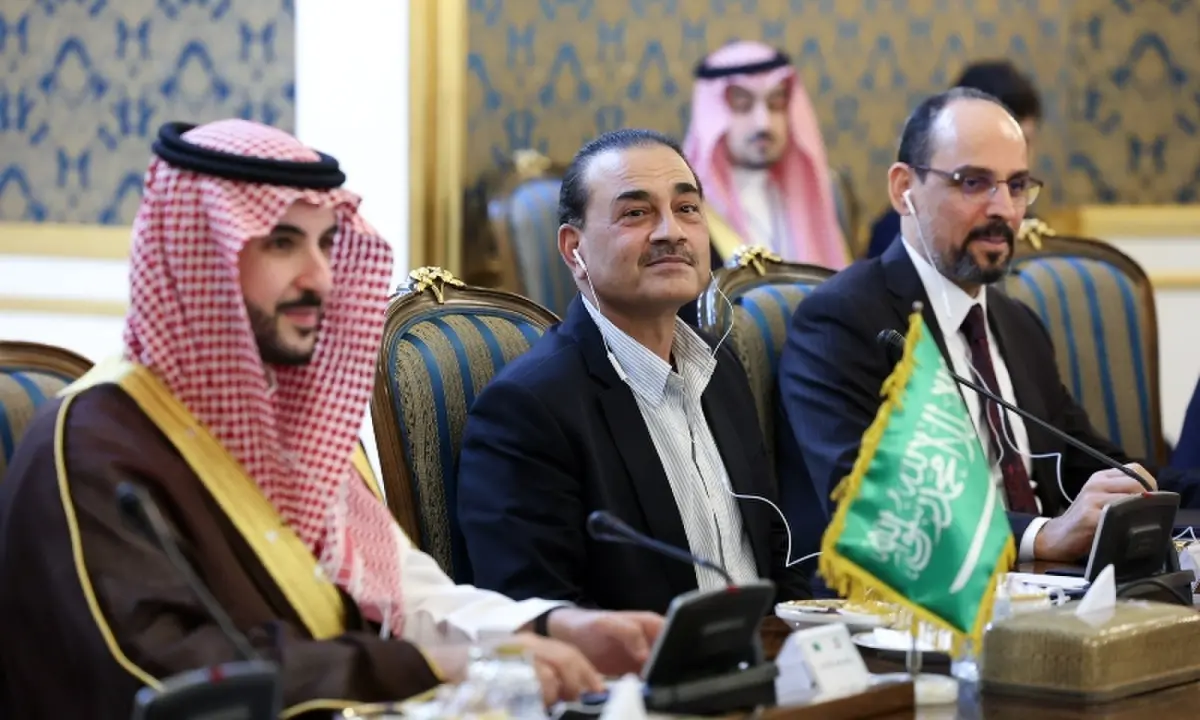
The talks also included Saudi Defence Minister Prince Khalid bin Salman and Turkiye’s intelligence chief, Ibrahim Kalin.

At the start of the meeting, Iran’s state broadcaster reported the meeting was bringing together Iran, Pakistan, Saudi Arabia and Turkiye to discuss “regional cooperation, the US-Israeli aggression against Iran and its consequences”, among other topics.

State-run PressTV also shared pictures of the meeting.

Following the meeting, Rezaei, head of Supreme National Security Council, told state television, “Very good discussions took place between us.”

“I feel that a new atmosphere is emerging in the region … I sensed a very positive atmosphere in the discussions among the gentlemen.”

Iranian state television reported that the four countries agreed to continue talks after a “first” meeting in Tehran. It said they “agreed to continue discussions to strengthen cooperation… including on regional peace and security”.

‘Endogenous security’

Earlier, Iran’s state-run IRNA news agency quoted the deputy secretary of Iran’s top security body, Ali Bagheri Kani, as saying that the visit was part of efforts to implement the idea of endogenous security in West Asia.

Iran’s foreign ministry spokesperson, Esmaeil Baqaei, said during a media briefing that the meeting with officials from the three countries would cover “most pressing issues threatening our region”, which included Israel’s expansionist policies, developments in Palestine and Lebanon.

He added that the topic of “top priority on the agenda would be consequences of the US-Israeli aggression against Iran and its ramifications for the entire region”.

IRNA further quoted him as saying that this meeting could be a prelude to further steps towards shaping “endogenous security — an issue that we have been insisting on for decades”.

“We emphasise that regional security will not be ensured except by relying on the … security considerations of the countries of the region,” he said, adding that events of the last two years, especially the past eight months, had shown that sustainable and reliable security would only be made possible by “building trust and cooperation among the countries in the region”.

Saudi Deputy Minister for Public Diplomacy Rayed Krimly had also confirmed the visit in a post on X. Krimly described the visit as “part of the continued efforts by the Makkah Defence Alliance members for de-escalation between parties involved in the ongoing crisis, and promoting dialogue and diplomatic solutions, in support of the mediation efforts carried out by Qatar and Pakistan”.

“The visit underscores the pivotal role of Makkah Defence Alliance members in reinforcing regional security and stability, and working with all countries in the region to achieve that goal,” he added.

The visit comes as attacks by Houthis have spiralled over recent weeks and rhetoric between Washington and Tehran has grown more heated.

Monday’s planned talks would be the first high-level contact between Iran and all members of the Makkah Defence Alliance since Saudi Arabia was drawn deeper into the conflict. Under the Makkah pact, signed in August, an armed attack on one member is considered an attack on all.

CDF Munir had visited Iran last week. During the visit, Iranian leaders had conveyed that the US must take the first steps to rebuild trust, and that the acceptance of Tehran’s seven-point proposal could provide a starting point for renewed negotiations.

According to Iran’s ISNA news agency, Baqaei said during the media briefing that the suggestion for the meeting was made during CDF Munir’s visit to Tehran last week. Tehran reviewed the proposal “favourably … and it is scheduled to be held today”, he added.

War has engulfed the Middle East since late February when the US and Israel launched a wave of surprise attacks on Iran, just as Washington and Tehran were in the middle of negotiations on Iran’s nuclear programme.

An April ceasefire brought an end to the initial phase of intense bombardment but the two sides have continued to vie for control of the Strait of Hormuz, through which around a fifth of the world’s oil and liquefied natural gas used to travel.

Iran claims control over the strait and regularly targets vessels that attempt to cross without its authorisation, while the United States has imposed a naval counter-blockade on Iranian ports.

Diplomatic efforts to resolve the crisis remain stalled, especially since the collapse of a June deal which laid out a pathway to a permanent settlement.

The war has since spread across the region to include fighting between Saudi Arabia and the Houthis in Yemen.

  •  
❌