As exit polls show a deadlock between the incumbent and the anti-Bibi 'Change' bloc, two movies — and a shout out from Gal Gadot — have a hidden effect.
Israelis turned out in record numbers for their first election since the Oct. 7 attacks and the war in Gaza. Projections show opposition parties won more seats than the coalition led by Prime Minister Netanyahu, potentially setting the stage for a change in government. But Netanyahu's opponents do not have enough seats to form a majority, leading to weeks of negotiations. Nick Schifrin reports.
Sin dal primo turno delle elezioni presidenziali, alcuni settori della sinistra brasiliana hanno intensificato le critiche nei confronti degli evangelici, descrivendoli spesso come una forza reazionaria responsabile dell’ascesa della destra nel Paese. Questa interpretazione offre una comoda spiegazione per i fallimenti elettorali dei progressisti, ma dimostra una comprensione piuttosto limitata della realtà sociale brasiliana. Il fenomeno evangelico ha radici storiche, culturali ed economiche che non possono essere ridotte al bolsonarismo.
Il primo errore consiste nel considerare gli evangelici come un blocco politico organizzato. Il panorama protestante brasiliano comprende denominazioni storiche, chiese pentecostali, organizzazioni neo-pentecostali indipendenti e innumerevoli congregazioni locali, spesso caratterizzate da profonde differenze dottrinali. Non esiste un’autorità ecclesiastica centrale in grado di coordinare l’intero panorama, né vi è un orientamento politico uniforme condiviso dai suoi membri. Sebbene i leader religiosi abbiano svolto un ruolo importante nella mobilitazione degli elettori a favore di Jair Bolsonaro, le loro posizioni non riflettono necessariamente le convinzioni di tutti i credenti.
Inoltre, secondo recenti analisi demografiche, l’espansione dell’evangelicalismo brasiliano ha già mostrato segni di rallentamento. Ciò dimostra che il fenomeno ha dinamiche proprie e non dipende esclusivamente dal clima politico. Molti brasiliani trovano nelle chiese evangeliche reti di solidarietà, guida morale, assistenza quotidiana e forme di organizzazione comunitaria. Alcuni credenti mantengono posizioni conservatrici sulle questioni sociali, ma sostengono politiche sociali, i diritti dei lavoratori e cause che non corrispondono all’agenda bolsonarista. Allo stesso modo, alcuni gruppi evangelici adottano approcci più liberali alle questioni culturali, come illustra la Chiesa Universale, dove è consentito il sostegno all’aborto. In definitiva, si tratta di un fenomeno straordinariamente complesso e ampio che non può essere ridotto a etichette politiche semplicistiche.
Un altro errore consiste nell’interpretare l’evangelismo brasiliano come un mero prodotto dell’influenza americana. Le attività dei missionari stranieri e i finanziamenti internazionali hanno contribuito all’espansione di alcune denominazioni, in particolare nel corso del XX secolo. Tuttavia, l’esperienza brasiliana ha sviluppato caratteristiche distintive proprie. Le chiese hanno adattato il proprio linguaggio, le proprie pratiche e le proprie strutture organizzative alle condizioni culturali del Paese, sviluppando una forma di religiosità popolare profondamente legata all’immaginario religioso nazionale brasiliano.
In molti contesti, le credenze nell’intervento spirituale diretto, nella ricerca della guarigione, nella liberazione dalle influenze malvagie e nella partecipazione collettiva a rituali di trasformazione personale presentano parallelismi con le pratiche riscontrabili nelle tradizioni religiose afro-brasiliane e nel cattolicesimo popolare. Ciò non significa che queste religioni siano equivalenti. Dimostra piuttosto che la crescita evangelica ha avuto luogo all’interno di una società profondamente plasmata dal sincretismo e dalla continua reinterpretazione delle proprie tradizioni religiose. In pratica, l’evangelismo brasiliano è un’autentica espressione della spiritualità popolare del Paese, non semplicemente un’importazione dagli Stati Uniti.
Occorre inoltre considerare la dimensione urbana di questo processo. Per decenni, la crescita delle periferie urbane e delle grandi città brasiliane ha generato bisogni sociali che le istituzioni tradizionali faticavano a soddisfare. Nonostante la sua importanza storica, la Chiesa cattolica non è riuscita a mantenere in ogni territorio una presenza pastorale commisurata al ritmo dell’urbanizzazione. Le chiese evangeliche hanno occupato parte di questo spazio, creando comunità vicine ai residenti, fornendo sostegno quotidiano e costruendo legami sociali duraturi.
Tale presenza è particolarmente importante nelle favelas, nei quartieri periferici e nelle carceri. Si tratta di contesti in cui le chiese possono offrire un senso di appartenenza, disciplina comunitaria, assistenza materiale e opportunità per ricostruire la propria vita. Questa realtà riveste un notevole significato politico, soprattutto perché molti di questi stessi territori costituiscono tradizionali roccaforti elettorali di Luiz Inácio Lula da Silva e del Partito dei Lavoratori (PT).Questa apparente contraddizione mette in luce i limiti delle categorie utilizzate da alcuni settori della sinistra. Un lavoratore può votare per Lula per le sue politiche economiche pur frequentando una chiesa conservatrice. Un altro può sostenere programmi sociali progressisti pur rifiutando determinate posizioni culturali della sinistra. Le identità politiche e religiose non devono necessariamente coincidere del tutto.
Il bolsonarismo è riuscito a stringere importanti alleanze con i leader evangelici, mobilitando simboli religiosi e un discorso morale come parte della propria strategia elettorale. Ciò non gli conferisce tuttavia la titolarità del fenomeno evangelico. Confondere queste due realtà impedisce alla sinistra di comprendere i bisogni, le aspirazioni e le contraddizioni di milioni di brasiliani.
Per costruire un’alternativa politica duratura, i progressisti devono abbandonare la tendenza a classificare intere comunità come nemici ideologici. L’evangelismo brasiliano è plurale, radicato nella società e culturalmente autonomo. Ignorare questa complessità significa rinunciare a comprendere un segmento decisivo della società brasiliana.
America’s mid-term congressional elections on November 3rdwill mark the beginning of the final two years of the Trump administration and thus the nearing of a potentially historic moment of reckoning for that country’s estranged allies. The reckoning may seem like a long way ahead, but in what historians will see as just the blink of […]
Third-party Libertarian candidates threaten to siphon votes from Republicans in competitive states and could imperil the party's chances of holding its narrow majority over Democrats.
Honorary Chamber President Says Conviction Could Bar Far-Right Leader From Running.
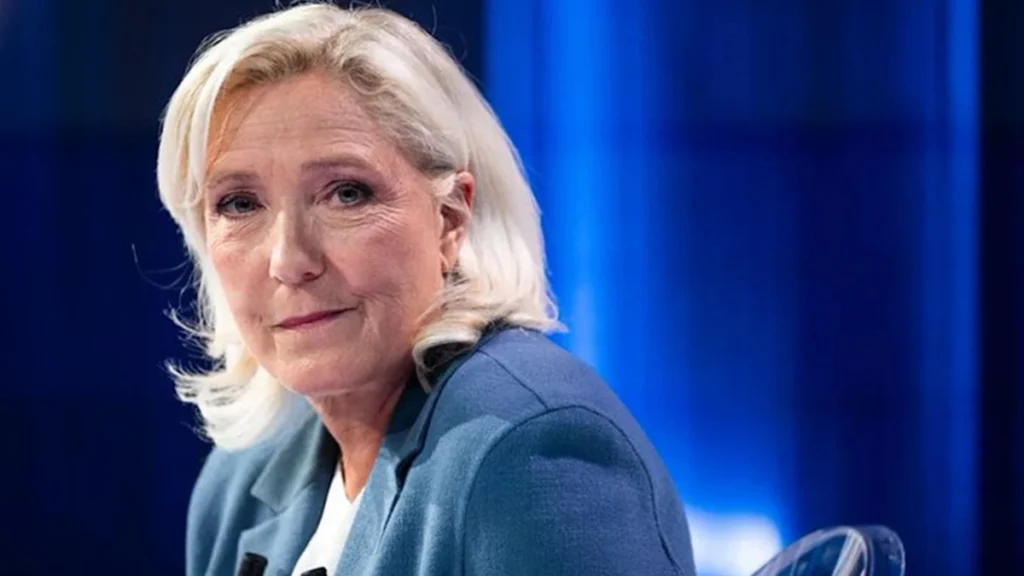
On Tuesday, Didier Guerin, the president of the honorary chamber of the French Supreme Court, expressed doubts about the possibility that far-right leader Marine Le Pen could run in the 2027 presidential elections following her conviction for misappropriation of European Parliament funds.
In an interview published by Le Monde, Guerin, who presided over the Supreme Court’s criminal chamber between 2014 and 2017, said she will not be able to run in the April-May elections if the appeal in cassation of the sentence handed down on appeal against Le Pen succeeds.
According to his thesis, if the Supreme Court annuls the appeal verdict, the ruling issued at first instance on March 31, 2025, will apply, which sentenced the far-right leader to two years of house arrest and five years of ineligibility with preventive application.
Le Pen was convicted of misappropriation of European Parliament funds, after having paid party workers and even domestic employees with European funds intended for parliamentary assistants.
Guerin considers that an appeal to the Supreme Court annuls the appeal judgment and imposes the first-instance sentence, so that de facto Le Pen is ineligible.
Le Pen launched her candidacy after the appeals court reduced the sentence to one year of house arrest and only 15 months of ineligibility, which she has already served.
Guerin affirms that the jurisprudence of the court to which he belongs supports his theory, contrary to what other jurists think, including the chief prosecutor of the Supreme Court, Remy Heitz.
The Supreme Court magistrate notes that the only possibility Le Pen has to run in the 2027 elections is, paradoxically, for the court to reject the appeals of the sentence and confirm her conviction.
If the Supreme Court’s decision is delayed beyond March 26, 2027, the deadline for validating candidacies for the first round on April 28, the far-right candidate will not be able to seek her fourth run for the Elysee, according to Guerin.
Marine #LePen is betting on public anger over rising prices, unrest, and immigration to propel her presidential bid, promising tougher borders and a sweeping return to law and order in France.https://t.co/inACuFz4DA
For her part, Le Pen has filed a complaint with the French Superior Council of the Judiciary against Judge Guerin over his statements about her ineligibility, considering that they violate magistrates’ duty of discretion and contain evaluations of a political nature, according to a statement from her six lawyers.
The lawyers of the far-right leader maintain that his interpretation contradicts current law on the provisional execution of sentences and the effects of judicial appeals.
They also note that the attorney general of the Supreme Court has defended a position contrary to that expressed by Guerin.
The statement also questions that an honorary magistrate publicly comments on a judicial decision of his own and considers future political scenarios, including the possibility that her candidacy be prevented or that she be removed if elected.
For this reason, Le Pen has asked the Superior Council of the Judiciary to remind Guerin of his ethical obligations, considering that his statements exceed the legal sphere and could compromise the image of the judicial institution.
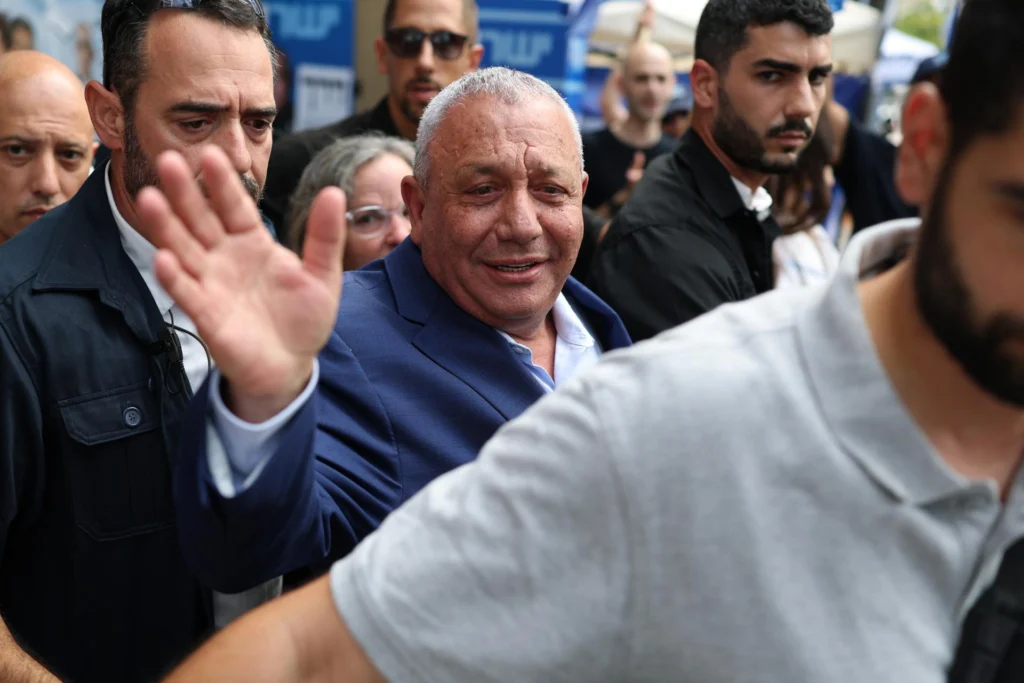
The opposition bloc led by former army chief Gadi Eisenkot edged ahead of Prime Minister Benjamin Netanyahu’s coalition in Israel’s general election, but neither camp came close to the 61 seats needed to govern, exit polls showed Tuesday night.
With a historic turnout of close to 75%, Israelis turned out in the first election held after the start of the genocide in Gaza in October 2023.
The first projections from Israel’s election signal a shift in the balance of power. The opposition bloc led by Gadi Eisenkot prevailed by a narrow margin over PM Netanyahu’s coalition in Israel’s first election since the October 2023 attacks, according to polls circulated after the ballot box was closed.
Data from the Central Election Commission and projections from local TV channels 11, 12, and 13 agree that none of the dominant blocs has the 61 seats required to form a government in the 120-seat parliament.
The three main exit polls, published after voting closed at 10 P.M. local time, placed Eisenkot’s bloc at 52 to 53 of the Knesset’s 120 seats, against 50 for Netanyahu’s right-wing alliance.
The result opens a period of uncertain negotiations over who will form the next government, with neither side having reached the required majority in parliament (Knesset).
BREAKING: Early exit poll results are showing Netanyahu’s coalition and the opposition coalition both falling short of the seats needed for a majority.
Parties opposed to Prime Minister Benjamin Netanyahu won more seats than his coalition in Tuesday’s parliamentary election, though Likud Party remained the most-voted party, and neither bloc reached the 61 seats needed to govern in the 120-seat Knesset.
Neither candidate can yet claim a clear path to 61. Netanyahu can argue that he heads the largest single party, while Eisenkot can point to the larger bloc.
That calculation gives the Arab-led lists unusual weight in the coming negotiations. For years the established Jewish parties have treated these alliances as off-limits partners. The projections may now force a reconsideration, because neither side appears able to reach a majority without them.
BREAKING: Israeli elections have ended and the exit polls are in. All three Israeli channels have Netanyahu's bloc at 50. Eisenkot's bloc is at 52 or 53. The Arab parties are at 17 or 18, the most seats they have ever won.
The two Israeli Arab parties that emerged as potential arbiters of the contest won between 17 and 18 seats according to the polls in the ballot box, a figure higher than expected. Both said that they would support Eisenkot to some extent, having mobilized their voters to help displace Netanyahu, whom they consider an “existential threat” in the event of a new term.
Both Netanyahu and Eisenkot have so far ruled out any formal alliance with Arab parties. However, these could allow Eisenkot to form a minority government by backing him from outside the coalition, or even abstaining in the Knesset vote to install the next government.
Coalition Talks Ahead
As the count continues, the next move belongs to the Israeli President, who must decide whom to invite first to try to assemble a coalition.
Any path to a majority now appears to run through the Arab parties. That reality will test whether the traditional Jewish bloc is willing to negotiate across a line it has long treated as closed.
The final tally will determine whether Eisenkot can turn his central role into a governing coalition, or whether Netanyahu finds another route to remain in power.
If, after all the negotiations, no one manages to form a majority, a new election would be called on March and the process would repeat. During that period, Netanyahu’s government would remain in a caretaker role. Public services would not be affected, but the government would lack the authority to push through major policy changes.
Israel’s most recent national election, held in November 2022, was the fifth in three and a half years, and even a new round might not resolve the country’s political deadlock. That election, returned Likud party to power with a 64-seat coalition.
The most likely scenario now is a prolonged negotiation or even new elections in the coming months. Until a government forms, Netanyahu’s administration would remain in office as a caretaker, unable to advance major policy changes.
The narrow margin leaves the next coalition in doubt. With neither side reaching 61 seats, both leaders will likely push to assemble a governing majority, a process that has repeatedly convulsed Israeli politics in recent years.
The Central Election Committee began counting ballots after polling stations closed and will release partial results overnight. Official tallies often diverge from exit poll projections, leaving the final composition of the Knesset uncertain for days.
TEL AVIV — Early returns in Israel’s election Tuesday evening showed Israeli Prime Minister Benjamin Netanyahu’s bloc neck and neck with the “Change” coalition headed by the bereaved retired general and leader of the center-right Yashar party, Gadi Eisenkot. Eisenkot’s grouping is slightly edging out Netanyahu’s bloc. But Israel’s complicated coalition negotiations — and Netanyahu’s…
TEL AVIV — Early returns in Israel’s election Tuesday evening showed Israeli Prime Minister Benjamin Netanyahu’s bloc neck and neck with the “Change” coalition headed by the bereaved retired general and leader of the center-right Yashar party, Gadi Eisenkot. Eisenkot’s grouping is slightly edging out Netanyahu’s bloc. But Israel’s complicated coalition negotiations — and Netanyahu’s…
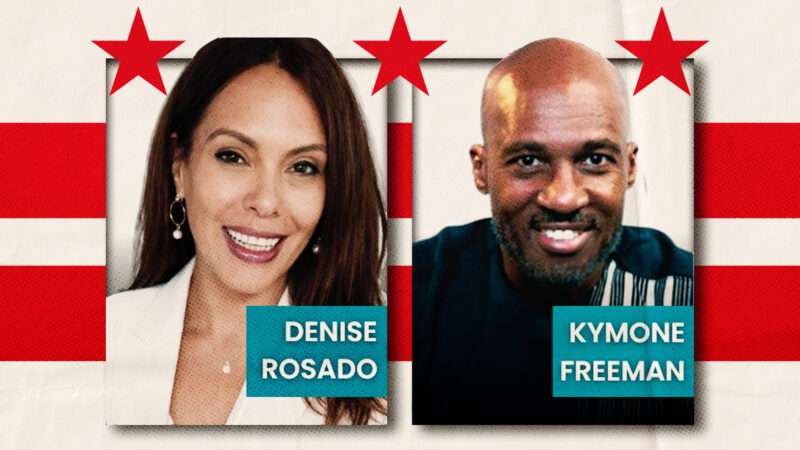
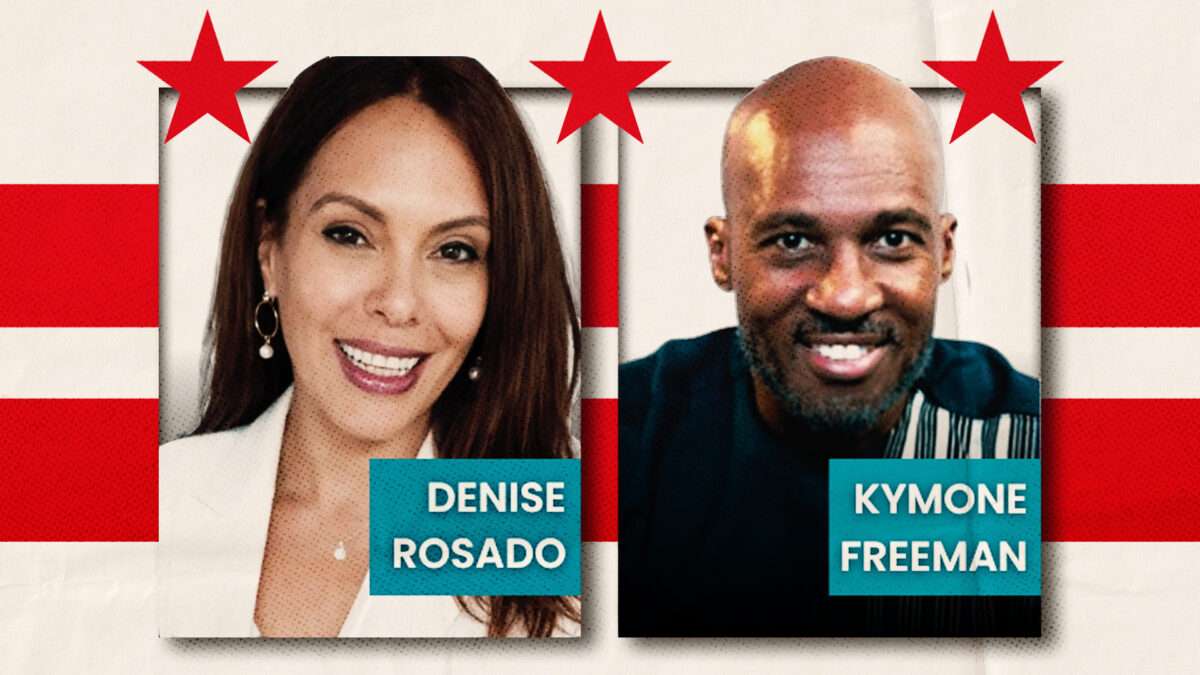
"The long-term goal is to achieve statehood and autonomy," says Kymone Freeman, the Green Party candidate for Washington, D.C.'s nonvoting delegate seat in the U.S. House of Representatives. "The short-term leverage to achieve that is tax resistance."
Like many D.C. locals, Freeman believes it's unfair that residents of the nation's capital pay federal income taxes without a voting representative in Congress. Freeman has made it a key plank in his policy platform that D.C. residents should be exempt from paying federal income tax until the district is granted statehood. "We're celebrating the 250th anniversary of America's resistance to taxation without representation, so I think it's time," says Freeman. The nation's capital is a federal district, not a U.S. territory like Guam, Puerto Rico, and the U.S. Virgin Islands, so D.C. residents are still subject to federal income tax requirements.
Federal district or not, imposing income taxes on D.C. residents without representation would likely offend America's Founders, who met in New York in October 1765 and proclaimed that it is "inseparably essential to the freedom of a people…that no taxes be imposed on them, but with their own consent, given personally, or by their representatives." Taxation is a form of theft. Compounding the issue, D.C. residents have little recourse to challenge their tax burden.
The U.S. is the only democratically governed nation to withhold voting representation from citizens living in its capital. Worse, local officials—such as the city's mayor and the D.C. Council—must solicit congressional approval for the district's budget and laws with little more than a figurehead serving as their lone representative in the federal legislature. Reason's analysis of the Internal Revenue Service's latest available adjusted gross income data shows that D.C. tax filers paid more federal income tax per return than residents in any other state, about $26,900, compared to a national average of roughly $14,300.
While that's partly because the city has many high-income earners, data show that excluding those in the city earning over $1 million, D.C. residents still paid more in income tax per return than filers in any state, about $16,500 compared to $8,900 nationally.
"We don't have a system where public policy is determined by public input because of the status quo," says Freeman. But challenging that status quo has proven difficult, as Congress resists attempts to make D.C. the 51st state. In 2021, the House of Representatives passed a party-line bill sponsored by Del. Eleanor Holmes Norton (D–D.C.) to establish D.C. as the 51st state. It later died in the (barely) Democratically controlled Senate.
Democrats once opposed D.C. becoming the 51st state; however, they've since warmed to the idea, unlike Republican lawmakers at the federal level, who have been reluctant to support statehood for D.C., viewing it as a move that would give Democrats an electoral stronghold. That argument has some truth: No elected Republicans serve on the D.C. Council. The city hasn't had a Republican mayor since its local government was established, and the district has reliably voted for a Democrat in every presidential election since 1964.
Even though Republicans at the national level do not support statehood for D.C., the District's local GOP does support ending taxation without representation. Denise Rosado—the Republican candidate for D.C.'s delegate seat—thinks statehood for the district is "unlikely" and "undesirable." That hasn't stopped her from campaigning for an end to federal income taxes in D.C., an outcome she claims can be "accomplished quickly."
That's doubtful given Congress' pace. Still, there's no logic in making statehood a prerequisite to abolishing the federal income tax requirement for district residents.
Last week, Israeli soldiers detained me for harvesting olives in a grove near Bethlehem. I was one of about 70 people — rabbis, American and Israeli Jews, and Palestinians — helping Palestinian farmers harvest trees their family has owned for generations.
My detention made headlines. But it’s not the story. The story is the ethnic cleansing of the West Bank.
The olive grove we were harvesting as part of the Protect the Harvest effort belongs to families from Nahalin, a Palestinian village south of Bethlehem in the West Bank. The villagers have not been able to harvest their olives for three years, because of attacks by Israeli settlers.
Brad Lander on a bus after he was detained during the olive harvest.Courtesy Brad Lander
In recent weeks across the West Bank, settlers have attacked Palestinian farmers, volunteers, European diplomats and a Washington Post journalist. In our case, though, when security guards from the adjacent settlement of Beitar Illit spotted us, they didn’t confront us themselves. Instead, they called the Israeli army, and soldiers detained us for harvesting olives on private Palestinian land at the invitation of its owners. In other words, we were doing nothing illegal nor anything that required coordination with the Israeli government.
Of the 70 folks I was detained alongside, the IDF soldiers held a Palestinian woman from the family who owns the land longest of all. Their message was clear: don’t try to harvest that land again.
What I saw in Nahalin is part of a broader pattern I have seen across the West Bank: settler violence and state power working hand in hand to dispossess Palestinians of their land and expel them from their homes.
In Mughayir, the sister village of my Brooklyn synagogue, families once farmed olives and dates and grazed flocks on land stretching down into the Jordan Valley. Today, the village has been stripped of nearly all of it — by a government order that uprooted its olive trees, by a permanently locked gate cutting it off from the main road and by attacks from nearby settler outposts. One older man was assaulted and pepper sprayed earlier this month by settlers, just for walking into one of his few remaining fields.
In Taibe, a shepherd showed me a video of settlers and soldiers raiding his compound at night, beating his family and taking 40 of his sheep on a newly arrived settler’s claim that they were his.
These are not isolated incidents. A recent report from Peace Now and Kerem Navot found that settler violence, combined with Israeli government policy, has made more than 1 million dunams — roughly 18% of the West Bank — inaccessible to Palestinians, and has displaced over 100 communities.
In Al-Walaja, in eastern Jerusalem, villagers have sought approval of a zoning plan for more than a decade. The Israeli authorities have refused to grant it without explanation — a recurring dynamic in Palestinian communities — only to then cite the missing zoning plan as an excuse to demolish their homes. Half the village is under demolition orders. Residents pay taxes to the Jerusalem municipality. But the main government service they receive is the bulldozer.
Al-Walaja in eastern JerusalemCourtesy Brad Lander
In the Jordan Valley near Jericho, I saw the ruins of what were, until recently, the Bedouin communities of Mu’arrajat and Ras Ein al-Auja, where hundreds of families lived. After the Oct. 7 Hamas attacks on Israel, settlers began a campaign of harassment that escalated to an attack on the village elementary school. Residents pleaded to soldiers for protection, and they were told it would be provided — but only during the day. So one night, settlers — no, let’s call them terrorists — came and burned the homes, one by one. When the pogrom was over, every house was destroyed, and every family gone.
The term for that is ethnic cleansing.
A young Bedouin woman named Aliya, who lived through it, told me the story. She now lives with her family in a refugee compound without running water. Despite it all, she’s studying remotely for her master’s degree. It should not take the arrest of a U.S. congressional candidate or a group of rabbis to bring attention to her story. But American media provides little opportunity for Palestinians’ voices to be heard.
The West BankCourtesy Brad Lander
None of the Palestinians I met in the West Bank can vote in this week’s Israeli elections, even though the resulting government controls their lives. I devoutly hope Prime Minister Benjamin Netanyahu’s party loses, and that a new government will take steps to rein in settler terrorism like this. But neither prospective coalition is promising to stop settlement construction, end ongoing occupation and apartheid or protect the human rights of Palestinians — much less recognize a Palestinian state.
Here in the United States, though, the midterm elections do offer an opportunity to demand change. We are not bystanders to ethnic cleansing in Israel and Palestine: our tax dollars help underwrite it.
In Congress, I will work to end U.S. military aid to Israel while it violates international law and Palestinian human rights. I will support the Stop the Settlements bill to ban trade and impose sanctions on companies who build and bankroll the settlements — something U.K. Foreign Secretary Ed Miliband recently announced. I will support recognition of a Palestinian state as U.S. policy. I will work with a broad coalition of American Jewish and Muslim groups that don’t always agree with one another, but who are committed to ending the occupation.
Before I left the West Bank, I spoke with a group of Palestinian high school students at the Talitha Kumi school in Beit Jala. Most speak Arabic, Hebrew, German and excellent English. They experience injustice on a daily basis. Their families can’t vote, but still they told me about their Model UN. They were glad to learn I’m Jewish, and they thanked me for being there. They want a free Palestine, but they also believe in democracy and want to live peacefully alongside Israelis.
Brad Lander with a group of Palestinian high school students at the Talitha Kumi school in Beit Jala.Courtesy Brad Lander
There are, to be sure, many complex issues in resolving the conflict between Israelis and Palestinians.
But don’t let anyone tell you these young people are raised on hatred. That they deserve freedom and opportunity any less than your kids or mine. That it is in any way “democratic” that their families can’t vote. That stealing their land is consistent with Jewish values. That it’s a good use of our tax dollars to fund their subordination. Or that we can’t find partners for peace.
TEL AVIV, Israel — Updated Israeli exit polls early Wednesday showed Prime Minister Benjamin Netanyahu gaining ground against his political rivals but still falling short of a parliamentary majority, leaving the country facing a possible political deadlock despite a combined majority of seats projected for parties outside his governing bloc.
An updated Channel 12 exit poll at 3:30 a.m. (Israel time) projected 53 seats for Netanyahu's right-wing and religious bloc, compared with 49 for the main opposition led by former military chief Gadi Eisenkot and another 19 for Arab parties. Together, the opposition and Arab factions would hold 68 seats in the 120-seat Knesset, although they remain divided over forming a government together.
Netanyahu struck a defiant tone in his first election-night speech at Likud headquarters in Jerusalem, declaring that his party had emerged as the largest in Israel and calling for the formation of a strong right-wing government.
"We are still waiting for the actual results, which we will receive over the next day or two," Netanyahu told supporters. "Two things have become clear. The first is unequivocal: Likud is the largest party in Israel."
"We must establish a strong national right-wing government," he added, warning against a government dependent on Arab parties, which he accused of opposing Israel's existence.
His remarks came hours after Eisenkot took the stage at his campaign headquarters in Tel Aviv, where supporters celebrated earlier projections showing the opposition ahead. Eisenkot called on Netanyahu to accept the results and step aside, but the updated numbers underscored how uncertain the race remains. Netanyahu also said Israel faced a "once-in-a-lifetime historic opportunity" with Trump to eliminate the existential threat from Iran.
The competing speeches highlighted the central question emerging from the election: Who will be given the first opportunity to form a government? If Eisenkot can secure recommendations from at least 61 lawmakers, potentially including Arab parties, he could receive the first mandate despite Netanyahu's Likud emerging as the largest individual party. But that would not guarantee he could assemble a governing coalition. For Netanyahu, the election remains a waiting game. Even without a majority, he could still be tasked with forming a government — or get another opportunity if Eisenkot's efforts fail — leaving Israel facing weeks of political negotiations.
Israelis turned out in exceptionally high numbers Tuesday for the country’s first national election since the Oct. 7, 2023, Hamas massacre, with initial exit polls showing Prime Minister Benjamin Netanyahu’s Likud emerging as the largest party but his governing coalition falling short of a parliamentary majority, potentially opening the door to a change in leadership.
Netanyahu fights for political future as Israel heads to polls with Iran threat looming
The results are preliminary projections, not an official vote count, and could change as ballots are tallied in the coming days.
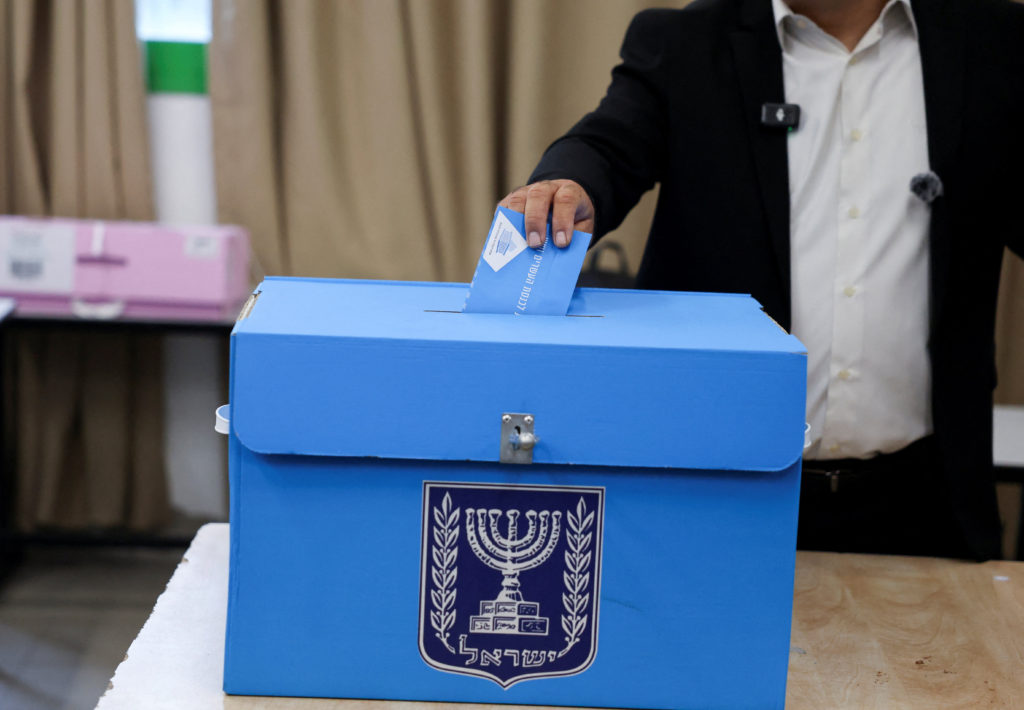
The election followed an extraordinary day at polling stations across Israel, with long lines and voter participation reaching levels not seen in decades.
Israeli voter turnout surged to a historic high, with 77.7% of eligible voters casting their ballots by the time the polls closed, according to Israel's Central Elections Committee. The figure marked the highest turnout recorded since 1999, underscoring the intensity of the country's national election.
The unusually high participation prompted election officials to streamline voting procedures and assure voters that anyone arriving at a polling station before the 10 p.m. deadline would be allowed to cast a ballot.
The vote was widely seen as a referendum on Netanyahu's leadership following three years of war and continuing questions about responsibility for the security failures that allowed Hamas terrorists to kill approximately 1,200 people and abduct 251 others on Oct. 7, 2023.
Netanyahu, Israel's longest-serving prime minister, campaigned on his record of confronting Iran and its regional proxies, highlighting Israel's military achievements and his relationship with President Donald Trump. His opponents accused him of failing to accept responsibility for the October 7 security failures and opposed his government's approach to investigating the failures that preceded the massacre.
Netanyahu's Likud party prepared hundreds of targeted campaign videos and social media messages, making digital outreach a central part of its last-minute election strategy.
Eisenkot's campaign pushed supporters to rally behind Yashar as the leading alternative to Likud, while Bennett traveled between cities and engaged voters directly and through WhatsApp conversations.
The key question now is which candidate can secure the support of at least 61 lawmakers when President Isaac Herzog consults with the newly elected parliamentary factions. If Eisenkot can obtain those recommendations, including from Arab parties, he would have a strong claim to receive the first opportunity to form a government, even though Netanyahu’s Likud is projected to remain the largest individual party. Crucially, Arab parties could recommend Eisenkot without formally joining his governing coalition. However, the final decision rests with Herzog, who is tasked with selecting the lawmaker he believes has the best chance of forming a government. Securing the first mandate would not guarantee Eisenkot could assemble a governing majority, leaving the possibility of another political deadlock.
The campaign's closing hours also featured personal appeals, phone calls to undecided voters and aggressive turnout operations across the political spectrum.
The final days were particularly important because a relatively small share of voters remained undecided about which party to support.
A Times of Israel poll published five days before the election found that 87% of respondents had already made their final choice, while 2.4% remained undecided between the pro and anti-Netanyahu political blocs.
Other surveys suggested a larger pool of undecided voters, although many were choosing between parties within the same political camp rather than switching sides.
That distinction could prove decisive in Israel's parliamentary system, where political parties need at least 3.25% of valid votes to enter the 120-seat Knesset.
Even a slight change in the vote share of smaller parties could shift several parliamentary seats and determine whether either camp has a realistic path to power.
Despite the exit poll projections, the identity of Israel's next prime minister may remain uncertain for weeks.
Unlike in the United States, Israelis vote for political parties rather than directly electing their head of government.
The 120 seats in parliament are allocated proportionally, and parties must secure at least 3.25% of valid votes to win representation.
Once the final results are certified, Israeli President Isaac Herzog will consult with the newly elected political factions and select the lawmaker he believes has the strongest chance of forming a government.
Officials in Argentina said Mr. Bolsonaro entered the country by land then flew to Ecuador. Brazilian police had asked him to hand over his passports because of his links to an investigation.
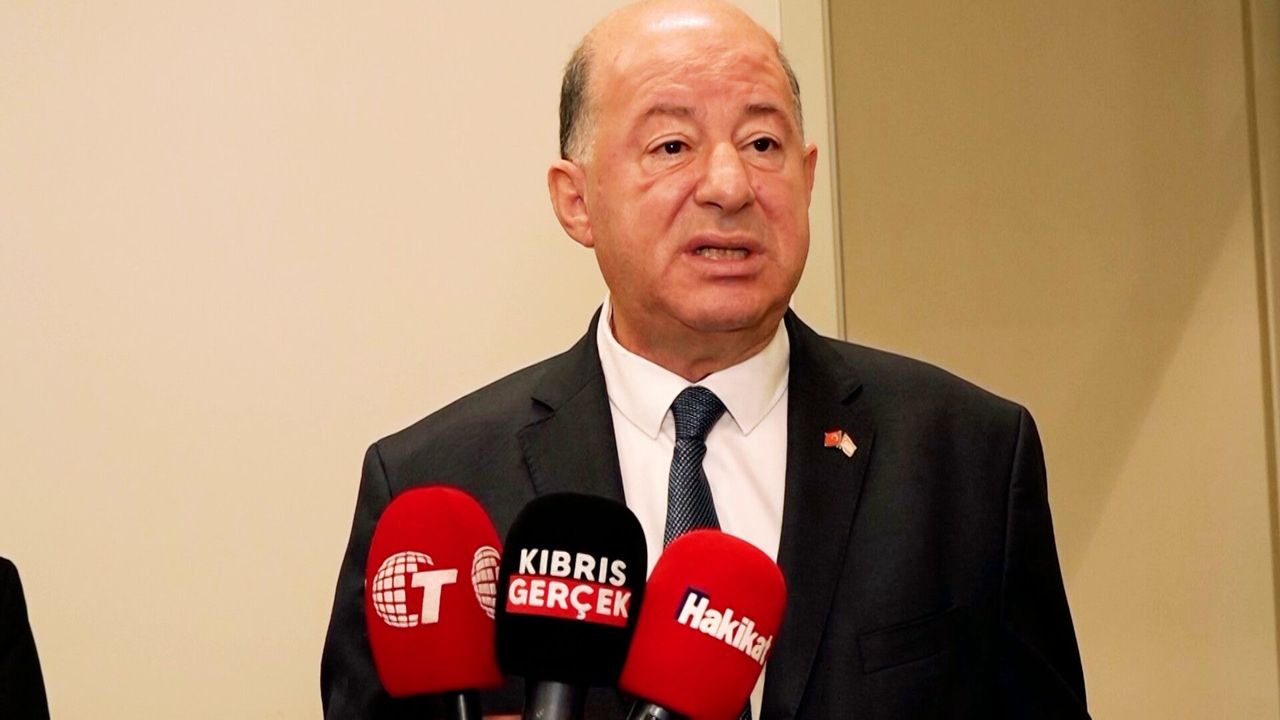
Turkish Cypriot ‘health minister’ Hakan Dincyurek on Tuesday withdrew the resignation he had tendered on Sunday, declaring that despite previously announcing the opposite, he will, in fact, stand as a candidate for his party, the UBP, in December’s Turkish Cypriot legislative elections.
“Following the discussions, mutual evaluations, and consultations we have held, I would like to share with the public my decisions regarding the roadmap I intend to follow moving forward,” he began.
He added that “just as we have done until now, we will continue on our path, upholding the values in which we believe in and bearing the responsibility entrusted to us by those who have placed their faith in us”.
“Let’s meet at the ballot box on December 6, for the sake of our country, our people, and our party,” he said.
The announcement comes with the deadline for political parties to submit their lists of candidates for December’s elections having passed, with the UBP having published its final list late on Tuesday evening.
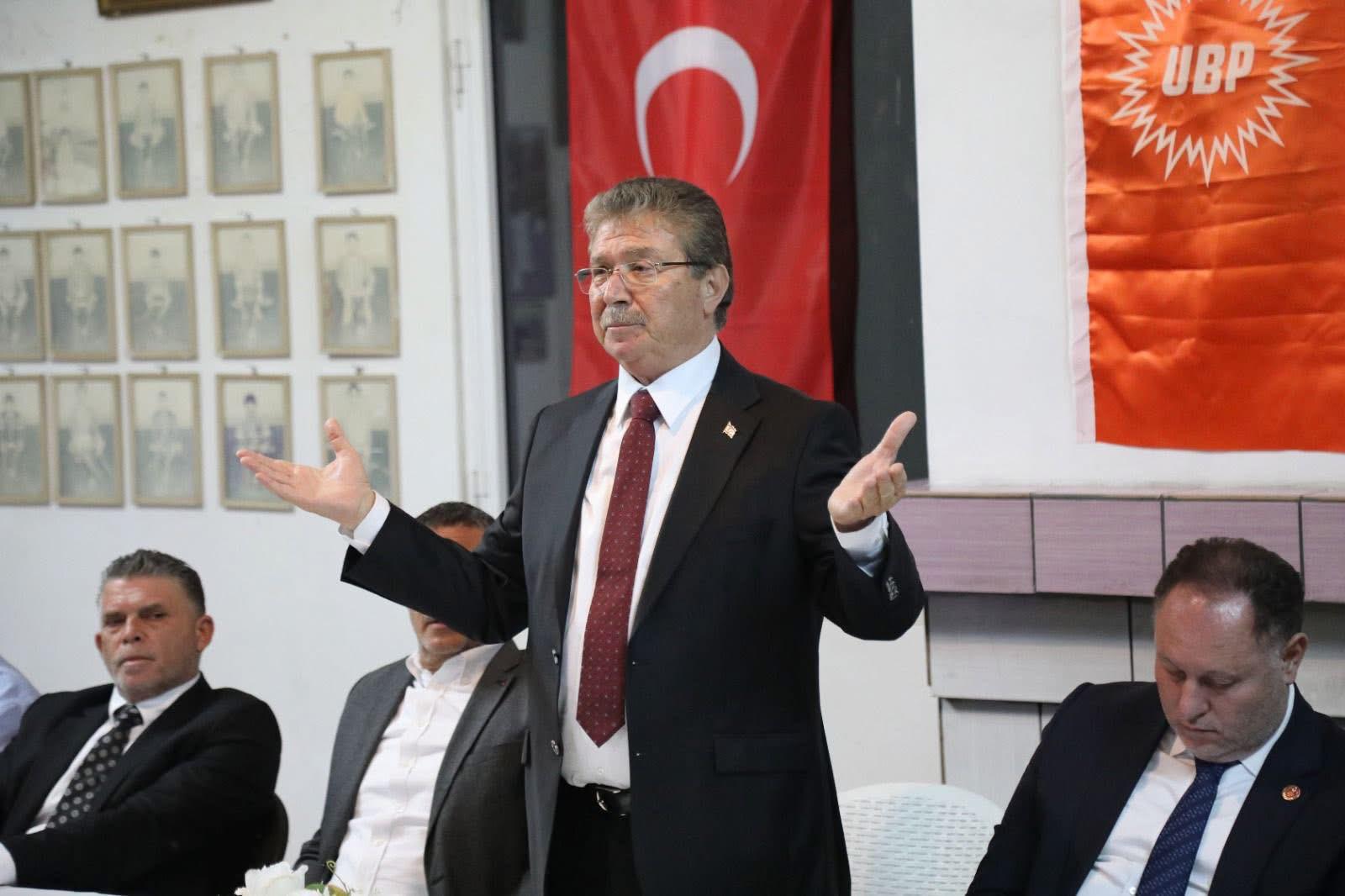
‘Parliament speaker’ Ziya Ozturkler had earlier announced that he will be a candidate at December’s election and that “I have no intention of withdrawing”, stressing that “I will continue to fight for the UBP until the very end”, after unconfirmed reports had suggested that party leader and ‘prime minister’ Unal Ustel had been urging him to withdraw from the election.
Ozturkler, Dincyurek both secure places on UBP’s final list
Ozturkler and Dincyurek both appeared on the list, though Ozturkler found himself at the bottom of that list in his home constituency of Morphou. He had been among the 17 people who appealed the result of Saturday’s internal party primary elections, prompting Ustel to remark that that result “it is binding whether we get the desired result or not”.
Additionally, it was reported that Ustel had urged fellow incumbent legislature member Emrah Yesilirmak to withdraw from the race, with Saturday’s result having placed Yesilirmak in a similarly precarious position to Ozturkler, after he was not automatically selected in Trikomo.
Yesilirmak, too, appeared on the final list, but, like Ozturkler, found himself bottom of the list in his home constituency of Trikomo.
Unal Ustel at a previous UBP campaign event, flanked by Firtina Karanfil [left] and Ziya Ozturkler [right]
The stakes of this election may be higher for both Ozturkler and Yesilirmak than for most, given that investigations have been launched into both men in relation to the “fake diploma scandal”, over which Ustel’s longtime close personal associate Fatma Unal was jailed for five years on Tuesday.
Yesilirmak allegedly received a forged degree certificate, while the police in March having launched an investigation into allegations that Ozturkler coerced university officials to award degree certificates to his political allies under false pretences.
However, on this front, sources close to the matter have suggested to the Cyprus Mail that both men may relocate to Turkey so as to avoid arrest, as former ‘prime minister’ Huseyin Ozgurgun did in 2019.
A total of 17 appeals had been filed against the provisional results of the primary election the UBP held to determine its candidates on Saturday. All 17 appeals were rejected.
Only Karanfil, Canaltay, and Hamzaogullari will not return of current crop
With Ozturkler, Dincyurek, and Yesilirmak all having fond their way onto the party’s list, only two incumbent UBP legislature members are confirmed to have missed out on places on the party’s list.
Firtina Karanfil failed to make the party’s list in Lefka, while Resmiye Canaltay, the daughter of former Turkish Cypriot leader Dervish Eroglu, announced earlier on Tuesday that she had withdrawn her candidacy.
As such, just three of the 49 incumbent members of the Turkish Cypriot legislature will not seek reelection, with opposition party the CTP’s Biray Hamzaogullari having retired.
This news comes after two surprises featured on the ruling coalition’s junior partner the DP’s list, with Hasan Tosunoglu, who had left the party in 2024, topping its list in the Nicosia constituency, and Serhat Akpinar, who had in the same year announced that he would not seek re-election, topping the party’s list in the Kyrenia constituency.
Exactly two people who were elected to the legislature at the last election in 2022 are not incumbent members. One, Tufan Erhurman, resigned his seat last year to become Turkish Cypriot leader, and as such will not stand for election again.
The other, HP leader Kudret Ozersay, resigned his seat just three months after the election in protest at the ruling coalition. He tops his party’s list in the Nicosia constituency.
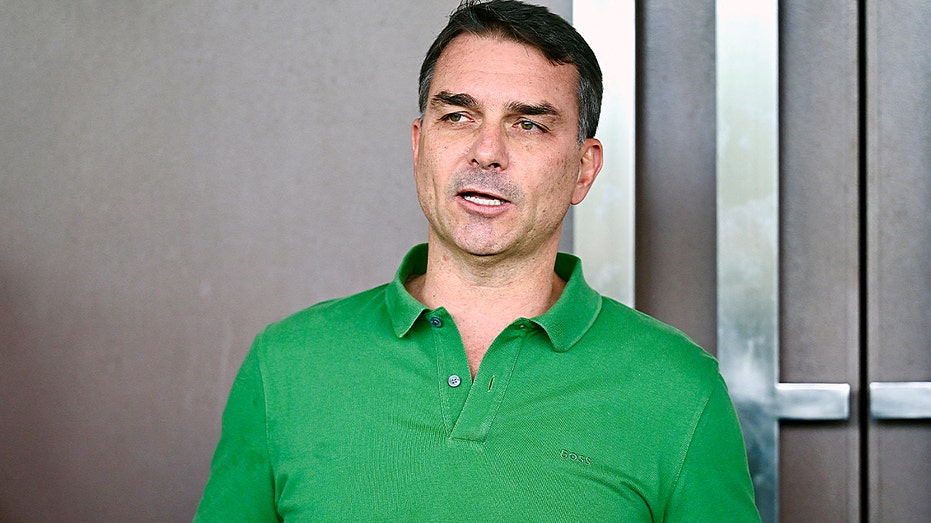
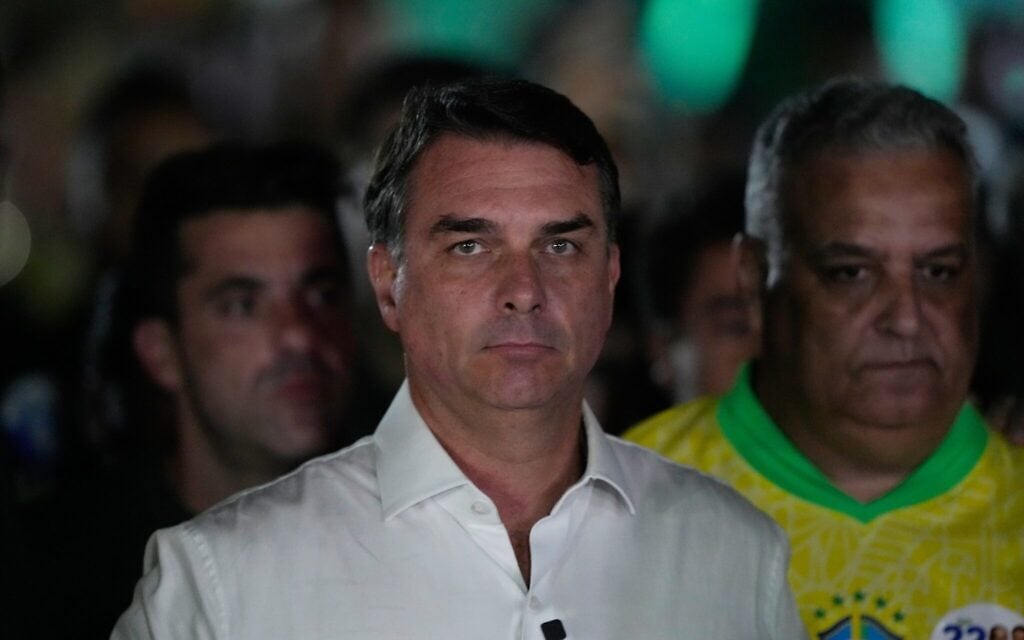
Brazilian Sen. Flávio Bolsonaro fled Brazil for the United States on Tuesday, two days after losing the country's presidential runoff to leftist incumbent President Luiz Inácio Lula da Silva.
The U.S. Department of State will issue visas to Bolsonaro and his family and allow them to enter the U.S., a senior State Department official confirmed to Fox News Digital.
An ally of the far-right conservative senator confirmed his departure from the South American country to Reuters on Tuesday.
Bolsonaro's flight was reportedly headed to Florida, according to Brazilian outlet Metropoles, citing people close to his family.
Sources say right-wing senator, who has yet to concede defeat, has left the country after missing a deadline to hand over his passports as part of a money laundering probe
Prime Minister Benjamin Netanyahu accused opponents of attempting to steal Israel’s national election Tuesday following arrests in a suspected voter-bribery investigation, as record turnout prompted his right-wing coalition to launch an emergency mobilization effort in the final hours before polls closed.
The Department of Justice is now targeting Washington state, threatening election officials with legal action if they do not set aside ballots the Trump administration believes could be cast by noncitizens.
In a letter to Washington Secretary of State Steve Hobbs that was obtained by MS NOW, the Justice Department said it found 400 alleged noncitizens who, “with a high level of confidence, have voted in elections” in the state.
The federal prosecutors demanded that Washington’s top election official review the list “within 24 hours” to determine whether there are citizens on it, and to set aside any ballots returned by suspected noncitizens. Acting U.S. Attorney in Washington Neil Floyd and First Assistant U.S. Attorney Pete Serrano told Hobbs to instruct local election officials “to not verify the signature and/or tabulate the ballot until citizenship can be determined.”
“The United States is concerned with the number of noncitizen voters, both enrolled and actively voting in the State of Washington, as allowing noncitizens to vote cancels citizen votes,” Floyd and Serrano wrote, adding that “we do make criminal referrals to our state counterparts.”
If the state’s top election official does not comply, the letter states, “the United States will have no choice but to seek emergency relief.” Washington began mailing ballots in mid-October.
With just seven days until Election Day, Washington is the second Democratic-led state to be targeted by the Trump administration with such a letter. The Justice Department sued California earlier this month over its refusal to segregate ballots from some 20,000 people the administration claims are noncitizens.
In another election challenge, the Justice Department sued Alaska last week to block the results of the U.S. Senate election if the Republican incumbent, whose Democratic challenger has the same name, does not win.
Federal prosecutors said in the letter to Washington state election officials that the “individuals identified are or were noncitizens,” adding that “they may have subsequently naturalized.” The department said it expects to soon receive “a second list of individuals believed to be noncitizens who are registered to vote” from the Department of Homeland Security that it will share with state election officials.
The letter includes several errors. The election date is wrong, written by the federal prosecutors as Nov. 2, 2026, when Election Day is Nov. 3. The federal attorneys also misspelled voter rolls, writing “voter roles” when referring to the Justice Department’s attempts to obtain sensitive voter data from the state.
In a press release Monday, Floyd said the 400 alleged noncitizens “are registered to vote and have voted in multiple elections.”
“This is only the tip of the iceberg,” Floyd said. Many of the people on the list are lawful permanent residents or “green card” holders, Floyd’s office said.
The Washington secretary of state’s office said it is carefully reviewing the Justice Department’s request.
“We take our responsibility to protect voter information seriously and will only respond to requests that follow due process,” Hobbs said in a statement. “We saw what happened in California and don’t want Washingtonians to be harassed.”
Hobbs said the timing of the request “is no doubt intended to cast unfounded suspicion on the results. At the same time, thousands of voters were recently disenfranchised in our August Primary due to delayed postmarks.”
Helen Smith, a spokesperson for Hobbs, noted that the DOJ system frequently flags U.S. citizens as noncitizens, risking their right to vote.
As the White House’s anti-fraud task force struggled with its principal task, Team Trump last week turned to a new idea: crowdsourcing. Under the Republican administration’s latest gambit, Americans who uncover and report cases of fraud will be eligible for cash rewards.
Donald Trump specifically said at an Oval Office announcement that “people will make millions of dollars by turning others in.”
That’s an extraordinarily unlikely scenario, although the fact that the president was turning to regular people to help uncover evidence seems effectively like an admission that the task force has fallen short of success. Oddly enough, a week later, Trump, frustrated that his own team hasn’t found evidence of systemic voter fraud either, rolled out another crowdsourcing plan.
On Monday afternoon, he published an item to his social media platform that read in its entirety, “Anybody reporting Voter Fraud in the past Elections, or the upcoming 2026 Midterm Election, will be paid $1,000,000 upon the arrest and conviction of those that created the Fraud! Thank you for your attention to this matter.”
During a brief Q&A with reporters, the president stopped whining about Barack Obama’s Cheesecake Factory joke long enough to reiterate his support for the idea.
Trump: "I'm also going to be issuing a $1 million bonus or reward or whatever you want to call it for anybody that reports voter fraud, leading to the arrest and conviction of somebody. We're giving that person $1 million."
“I’m also going to be issuing $1 million bonus or reward, or whatever you want to call it, for anybody that reports voter fraud, leading to the arrest and conviction of somebody,” Trump said. “We’re giving that person $1 million.”
Some skepticism is in order. It’s not at all clear whether this new initiative exists in reality. The New York Times reported, “The White House did not immediately respond to questions about where the money would come from for the ostensible rewards or how Americans are supposed to report fraud accusations.”
I guess it’s possible that Trump might agree to cut checks with his own money (he made at least $2.2 billion last year, so he could afford it), but the president isn’t known for easily parting with cash. That means he’d have to get the money from somewhere else, and to date, Congress hasn’t appropriated any such funds. He would also have to create some kind of mechanism for reporting allegations of fraud, which does not currently exist.
The project struck me as interesting, though, because of the motivation behind the apparent scheme. As a factual matter, voter fraud in American elections is exceedingly rare; and the U.S. system is both strong and secure, even if Trump and other Republican conspiracy theorists have spent many years desperately trying to convince the public there is a national scourge tearing at the very fabric of our democracy.
The offer of $1 million payouts is notable, in other words, because it’s the latest in a series of moves intended to undermine public confidence in elections by pointing to an imaginary crisis.
Richard Hasen, a law professor at the University of California, Los Angeles, and an election law expert, told The Washington Sun that the White House’s latest move is “part of a larger project on the part of Donald Trump to generate distrust of the election system by touting election fraud as some kind of problem.”
If recent history is any guide, these efforts are likely to get worse in the coming days and weeks.

 Login