❌

Reading view

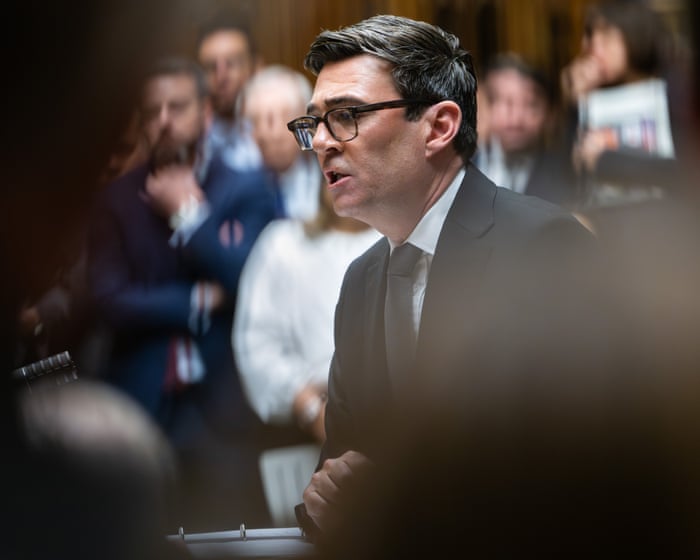
Chancellor targets cost of living crisis in budget for a ‘difficult moment’

Healey hopes to give ‘hope for the future’ but only modest policies are expected with important decisions deferred

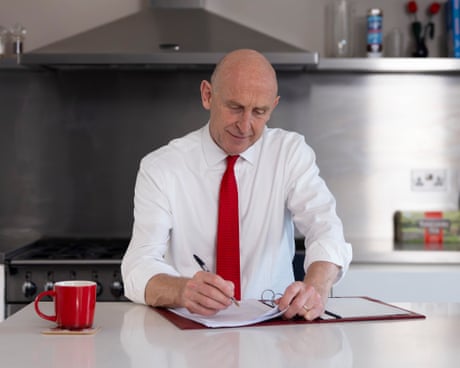
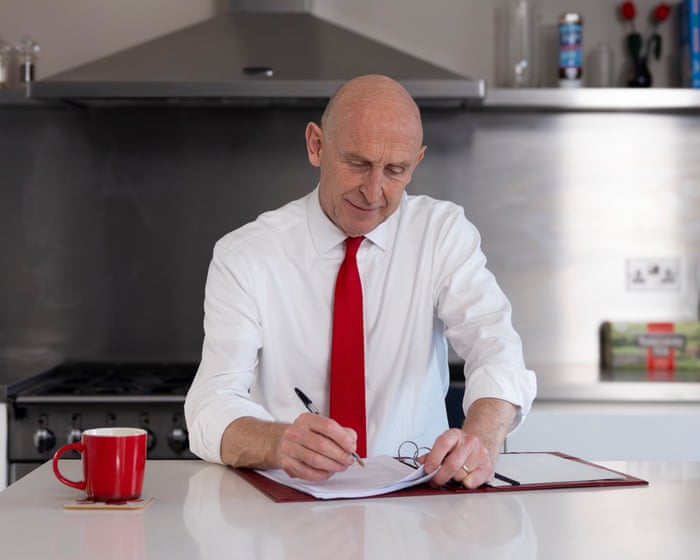
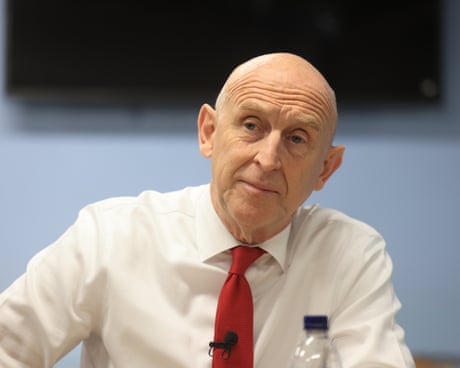
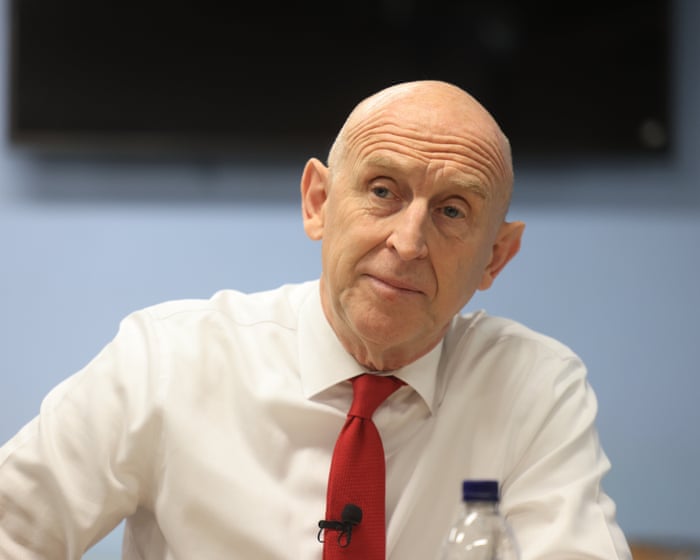
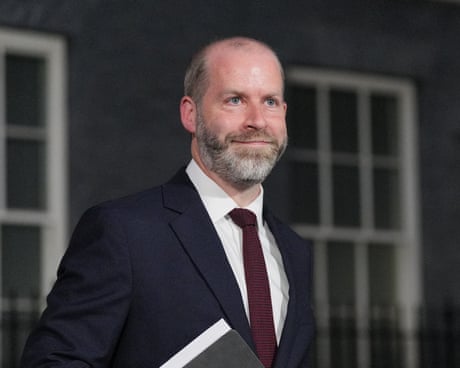
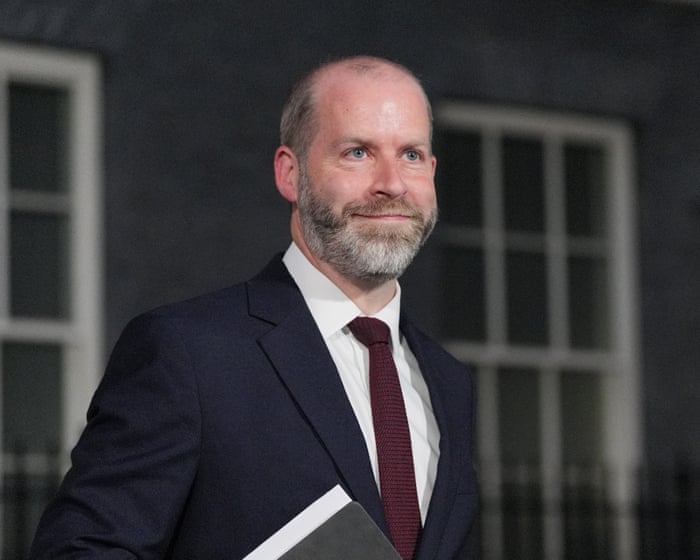
John Healey has acknowledged the UK faces a “difficult moment” but insisted he would put the country on a better path as he delivers his first budget on Wednesday against a turbulent global economic backdrop.

But despite the international uncertainty, the chancellor will signal “fresh hope for the future” as he attempts to sound a more optimistic note, by providing households with breathing space from rising cost of living pressures.

Continue reading...

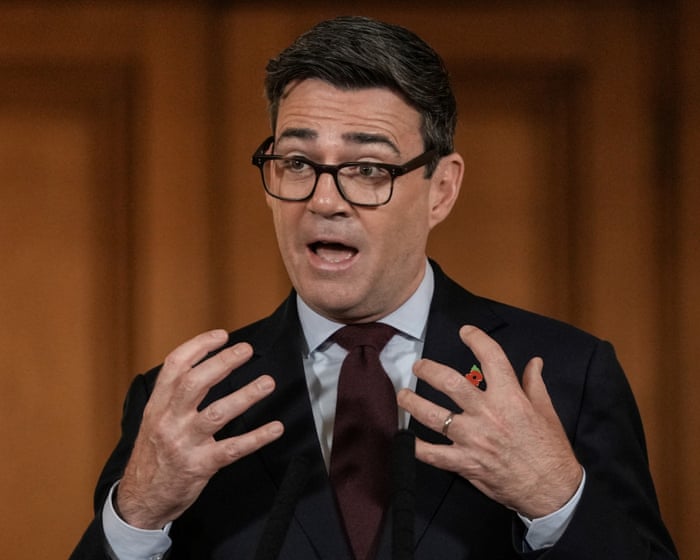
© Photograph: Kirsty O’Connor/Treasury

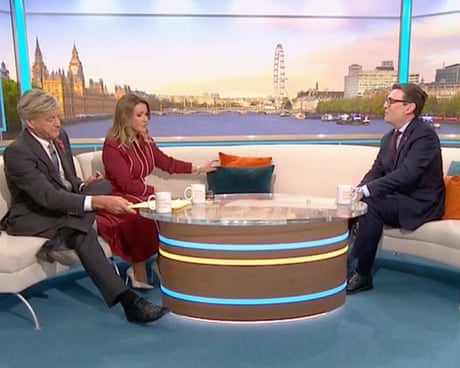
© Photograph: Kirsty O’Connor/Treasury

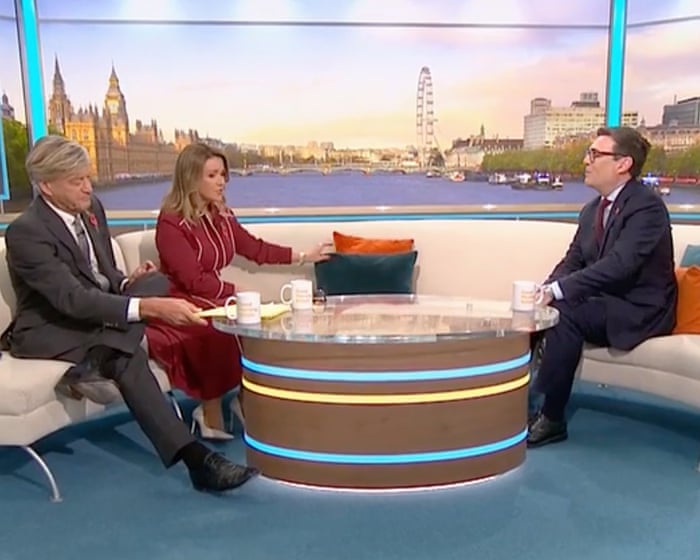
© Photograph: Kirsty O’Connor/Treasury

  •  

“I’m Turning My Farm Over to Solar Panels to Survive Labour’s Tax Raids”

Farmers say they are turning prime agricultural land over to solar panels to survive Labour's tax onslaught because the Net Zero installations pay 10 times as much as food production, which is now often loss-making.

The post “I’m Turning My Farm Over to Solar Panels to Survive Labour’s Tax Raids” appeared first on The Daily Sceptic.

  •  

World Day Against Child Labour

Written by Silvia González Vidal.

The International Labour Organization (ILO) introduced the World Day Against Child Labour in 2002. The day is observed annually on 12 June. The 2026 World Day focuses on reinforcing and accelerating actions aimed at preventing and eliminating child labour, with a key message: ‘Red Card to Child Labour: Fair play for children, decent work for adults’.

Background

The United Nations (UN) defines child labour as work performed by children under the minimum legal age specified for that kind of work, or work that, because of its hazardous nature or detrimental conditions, is prohibited. Forms of work that are beneficial to a child’s personal and social development, that do not interfere with schooling, but rather provide useful experience and skills, may be encouraged. Child labour is driven by poverty, paired with a lack of access to decent work for adults and young people, weak social protection and a lack of free, high-quality public education.

Addressing root causes and advancing social justice were at the heart of the Sixth Global Conference on the Elimination of Child Labour, held in Morocco in February 2026, in the context of the failure to achieve the Sustainable Development Goal (SDG) Target 8.7 on ending child labour by 2025. The Conference adopted the Marrakech Global Framework for Action against Child Labour, a renewed roadmap aimed at eliminating child labour by 2030 through a human rights-based approach centred on social dialogue and multi-sectoral cooperation. The Marrakech commitments prioritise aligning national legal frameworks with international labour standards, ensuring universal access to quality education, and expanding social protection systems. They also highlight the unique challenges within the African region, the agricultural sector, one of the largest for child labour, and the emerging threat of online exploitation.

World Day Against Child Labour 2026

The 2026 World Day Against Child Labour comes after the Sixth Global Conference on the Elimination of Child Labour. Building on the Marrakech commitments, the 2026 campaign carries the message ‘Red Card to Child Labour: Fair play for children, decent work for adults‘, highlighting the link between child labour, poverty, and the lack of adequate work opportunities for adults. At the same time, it emphasises the shared responsibility of governments, employers, workers’ organisations, businesses and consumers, aiming to encourage governments and international partners to translate the Marrakech commitments into concrete national measures ahead of the 2030 deadline.

According to the International Labour Organization (ILO) and UNICEF, 138 million children worldwide are still affected by child labour, with nearly 54 million exposed to hazardous work. In response, the 2026 campaign advocates for stronger action to prevent child labour and support the withdrawal and rehabilitation of affected children through access to quality education, universal social protection, decent work and sustainable livelihoods for adults, strengthened legal frameworks and enforcement mechanisms, improved data collection and monitoring systems, as well as responsible practices across agriculture and global supply chains.

International legal framework

Freedom from child labour is a fundamental human right, enshrined in the ILO Declaration on Fundamental Principles and Rights at Work (1998), the ILO Conventions and the UN Convention on the Rights of the Child (1989). ILO Convention No 138 on the minimum age, adopted in 1973, has been ratified by 177 countries, including all EU Member States. This key document lays down standards for the minimum age for employment. ILO Convention No 182 on the worst forms of child labour, adopted in 1999, has been ratified by 187 countries, including all EU Member States. It calls on members to take measures to secure the prohibition and elimination of the worst forms of child labour as a matter of urgency. These include all forms of slavery or practices similar to slavery; commercial sexual exploitation or illicit activities; and work likely to harm children. The UN Convention on the Rights of the Child (CRC) has been ratified by 196 countries, including all EU Member States. The CRC confers upon children the right to protection from economic exploitation, and urges parties to set a minimum age for employment, regulate working hours and conditions, and provide for penalties. Despite international commitments made by nearly all United Nations member states, 41 countries still lack important legal protections against children doing work that could be harmful or interfere with their education.

EU action

The EU’s firm commitment to eliminating child labour is enshrined in Article 32 of the Charter of Fundamental Rights of the EU, which prohibits the employment of children and states that the minimum age of employment may not be lower than the minimum school-leaving age. Moreover, young people admitted to work must have working conditions appropriate to their age and be protected against economic exploitation and any work likely to harm their safety, health or physical, mental, moral or social development or to interfere with their education.

The main legal instrument prohibiting child labour in the EU is Council Directive 94/33/EC. It allows Member States to set a minimum age for employment below the minimum school-leaving age only exceptionally. The EU action plan on human rights and democracy (2020-2027) calls for stronger child protection systems and a zero-tolerance policy on child labour. Regulation (EU) 2024/3015 on prohibiting products made with forced labour on the Union market further contributes to this goal. In 2024, the European Commission also adopted a recommendation on developing and strengthening integrated child protection systems in the best interests of the child, as a commitment in the EU strategy on the rights of the child, prompting Member States to adopt an integrated approach in their external action, under the aim of eradicating child labour.

European Parliament

The European Parliament has repeatedly condemned child labour and its various forms, both within and outside the EU, through a number of resolutions. In its February 2020 resolution on child labour in mines in Madagascar, Parliament stressed that the EU’s long-term budget should reflect its commitment to eliminating the worst forms of child labour. In its March 2021 resolution on children’s rights in view of the EU strategy on the rights of the child, Parliament also urged the Commission and Member States to eradicate child labour and all forms of work harmful to children’s health, safety and development. Later that year, in its resolution on sustainable and responsible corporate behaviour, Parliament advocated banning imports of products linked to severe human rights violations, including child labour, and stressed that combating such practices should be systematically reflected in EU free trade agreements. In the same vein, Parliament further reinforced provisions aimed at preventing forced and child labour in global supply chains during negotiations on the directive on corporate sustainability due diligence, adopted in 2024. Finally, in its 2022 resolution on new EU rules on products made with forced labour, Parliament called for stronger cooperation with international partners committed to eradicating forced labour globally and banning goods produced under forced labour conditions. In addition, Parliament’s Coordinator on Children’s Rights, currently Vice-President Ewa Kopacz, acts as a central contact point to help ensure that children’s rights are systematically integrated into EU policies and legislation.

This is a further update of an ‘At a glance’ note, the previous edition of which was by Yanis Stefanou, in 2025.


Read this ‘at a glance’ note on ‘World Day Against Child Labour‘ in the Think Tank pages of the European Parliament.

  •  

Labour faces accusations of breaking manifesto pledge over minimum wage for young people – as it happened

Greens say Labour has ‘no respect for young people’ amid reports chancellor will pause equalisation of minimum wage for under-21s with that paid to older workers

Jonathan Reynolds, the business secretary, has not contested reports saying that, in the budget tomorrow, John Healey, the chancellor, will pause the process of equalising the lower national minimum wage paid to people under the age of 21 with the more generous national living wage that applies to older workers.

In an interview on the BBC this morning, Reynolds was asked to respond to a story suggesting the equalisation process has been put on hold because of concerns about youth unemployment.

John Healey will announce plans to increase the minimum wage by nearly 4% but slow the rise for young people after warnings that they are being priced out of jobs.

The Times has been told that the national living wage, which applies to those aged 21 and over, is expected to rise from £12.71 to around £13.20 – an increase of 3.9%.

The manifesto pledge on equalisation still applies, but it was always clear it would happen over time and we would take into account, as the minimum wage uprating each year always does, the relative strength of the labour market and other pressures …

Of course, you want not just good wages, but good work. And the way this has always been done – it is a balance of making sure the pressures on the labour market are taken into account. That is the approach you will see confirmed [in the budget].

Anyone doing a day’s work, needs to be paid the same rate for the same job. A young person’s rent and food bill is no less because they are young, so they need to receive the same wage.

Healey and Burnham are now breaking a manifesto pledge to young people that even Starmer managed to keep. Labour have no respect for young people, who appear to just be there for cheap labour for the wealthy and their corporate donors.

[It] wouldn’t be my cup of tea, but I wouldn’t ban anybody from doing so … I don’t want us to get into a world of cancel culture.

I’m not going to have run a party where we say you can’t talk about that person or that person. We have to be sensible about vetting. And we are.

Continue reading...

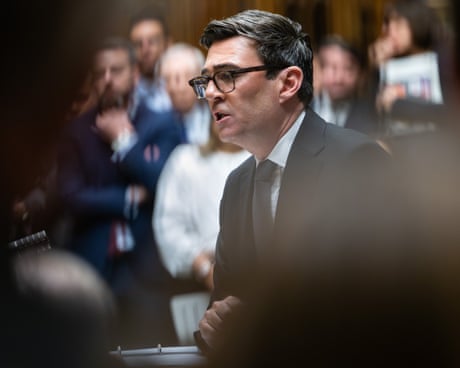
© Photograph: WPA/Getty Images

© Photograph: WPA/Getty Images

© Photograph: WPA/Getty Images

  •  

UK officials discussing options including free movement with EU ahead of summit

Business secretary says focus for November summit will be trade and youth mobility, but talks will also include ‘future options for relationship’

British officials have begun discussions with the EU about a long-term relationship that could include a return to free movement, the business secretary has said while promising the British people “are the boss” when it comes to what the UK will accept.

Jonathan Reynolds said the focus for British negotiations was the EU summit in November to seal an agreement to ease some trading restrictions and a youth mobility deal. But he said the prime minister, Andy Burnham, had made it clear he wanted to see a long-term and stable relationship with the bloc.

Continue reading...

© Photograph: Yui Mok/PA

© Photograph: Yui Mok/PA

© Photograph: Yui Mok/PA

  •  

No 10 clarifies Andy Burnham’s stance on freedom of movement

Clarification comes after PM fuelled speculation about EU-UK relationship in series of interviews at weekend

Downing Street has been forced to clarify Andy Burnham’s stance on whether the UK would return to having freedom of movement with the EU after the prime minister said an “honest discussion” was needed on the issue.

Burnham fuelled speculation about a return to freedom of movement in an interview at the weekend, prompting questions about how close the UK could become to Brussels.

Continue reading...

© Photograph: Carlos Jasso/Pool AFP/AP

© Photograph: Carlos Jasso/Pool AFP/AP

© Photograph: Carlos Jasso/Pool AFP/AP

  •  

No 10 plays down UK joining EU single market after Burnham suggests referendum would be needed – as it happened

The prime minister previously said that he wanted a debate on how Britain can establish a closer relationship

Speaking at his rough sleeping summit in Downing Street this morning, Andy Burnham expanded on the claim he made on Good Morning Britain about tackling rough sleeping being cheaper than ignoring the problem. (See 11.13am.)

He said:

We’ve also got to be conscious when we speak to the rest of the country, the taxpayers of this country, that actually to leave people sleeping rough has financial consequences. It doesn’t work for anybody and it doesn’t work for the public purse, because if you leave people in a position where they are in and out of A&E, and in and out of a hospital bed, that doesn’t make sense for anybody.

There is a rock-solid business case to do something to end homelessness, to put people on a path to recovery, so that they can contribute once again. And that should be the thinking that we take to this conversation.

Burnham is throwing another £432m at a problem he failed to solve in Greater Manchester. Under Labour, rough sleeping has hit record highs – yet their answer is always more taxpayers’ money and more empty promises.

[John] Healey must use his budget this week to cut taxes for working people, get the ballooning benefits bill under control, and stop pushing up energy prices.

John Healey is expected to confirm on Wednesday that the full state pension will rise by £489 to £13,036 – equivalent to 3.9%.

However, the rise will push about one million people on low incomes who rely on the state pension above the £12,570 personal allowance threshold, meaning they would be dragged into paying income tax.

Continue reading...

© Photograph: ITV

© Photograph: ITV

© Photograph: ITV

  •  

Brexit deal is not good enough for British public, says Andy Burnham

EU exit has damaged economy and failed to bring promised benefits, says PM, but he rules out big pre-election changes

Brexit has not “played out” like it was promised to the public, has weakened the economy and the current deal is not good enough, Andy Burnham has said, while ruling out any major changes in the current parliament.

The prime minister said Britain had ended up with a “harder Brexit than was proposed in the referendum campaign” and it had not helped to control the small boats crisis. Backing the home secretary’s tougher immigration rules, he said Brexit had weakened the UK’s ability to control its borders as it could no longer send people back to Europe.

Continue reading...

© Photograph: House of Commons/PA

© Photograph: House of Commons/PA

© Photograph: House of Commons/PA

  •  

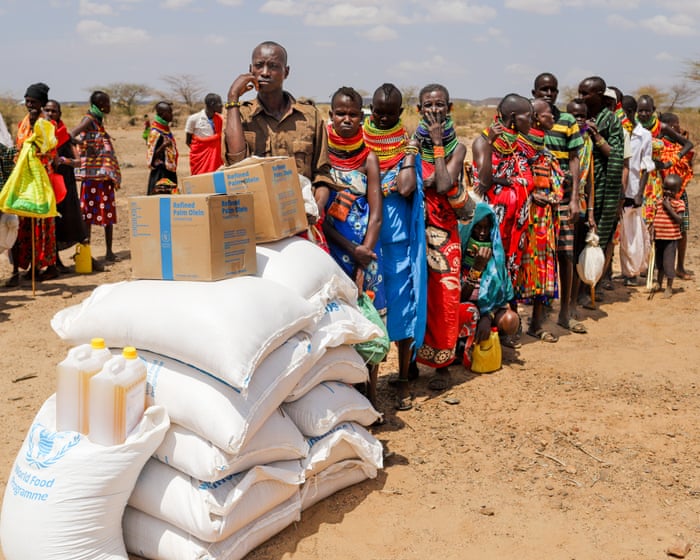
UK poised to miss reduced aid spending target of 0.3% of national income

Calculations from the Center for Global Development say spending next year is likely to be £410m less than anticipated

The UK is on course to miss its target of spending 0.3% of national income on international aid by an estimated £400m by the end of next year.

Calculations from the Center for Global Development (CGD) found the UK was on course for a large shortfall in promised official development assistance at the end of 2027.

Continue reading...

© Photograph: Patrick Ngugi/AP

© Photograph: Patrick Ngugi/AP

© Photograph: Patrick Ngugi/AP

  •  

Burnham’s Gogglebox Act: Get Ready for a Carnival of Woke Platitudes and Wearying Northern Homilies

Andy Burnham wants to look like a man of the people on Celebrity Gogglebox. But why not test his working-class credentials with Benny Hill or Love Thy Neighbour? Alexander McKibbin thinks he knows why.

The post Burnham’s Gogglebox Act: Get Ready for a Carnival of Woke Platitudes and Wearying Northern Homilies appeared first on The Daily Sceptic.

  •  

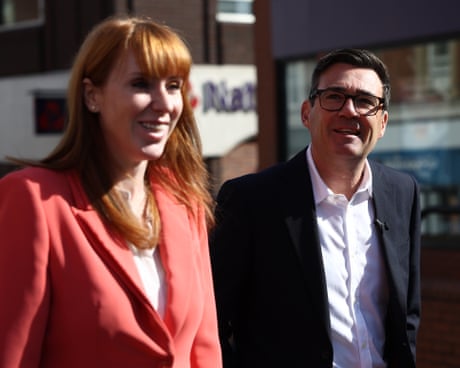
Cabinet ministers back Burnham’s call for debate on return to free movement with EU

PM’s plea supported by Angela Rayner, Ed Miliband and business leaders, while some ‘red wall’ MPs voice concern

Andy Burnham’s call for the UK to consider a return to free movement with Europe has been backed by senior cabinet ministers but risked a rift with “red wall” Labour MPs, who say it could jeopardise Brexit-voting seats.

The prime minister made his plea for an “honest discussion” about freedom of movement in an interview with the Sunday Times, making clear that staying out of it would no longer be a red line in talks with the EU.

Continue reading...

© Photograph: Toby Shepheard/Pool AFP/AP

© Photograph: Toby Shepheard/Pool AFP/AP

© Photograph: Toby Shepheard/Pool AFP/AP

  •  

Andy Burnham says he wants ‘honest discussion’ about freedom of movement with EU

Prime minister is considering different options for new relationship with Brussels ahead of summit in November

Andy Burnham says he wants an “honest discussion” with the British public about the possibility of a return to free movement between the UK and the EU as part of his plans for a new relationship with the bloc.

The prime minister has been open about his desire to revisit the relationship between Britain and Brussels. He has said a new deal could mean the UK goes “all the way” and rejoins the EU.

Continue reading...

© Photograph: Temilade Adelaja/Reuters

© Photograph: Temilade Adelaja/Reuters

© Photograph: Temilade Adelaja/Reuters

  •  

The EU’s Climate Agenda is Running on Empty – and the UK isn’t Far Behind

France and Germany have teamed up to press the EU to relax its looming combustion car ban. It’s the latest sign the EU's climate agenda is running on empty, says Ben Pile – and the UK isn't far behind.

The post The EU’s Climate Agenda is Running on Empty – and the UK isn’t Far Behind appeared first on The Daily Sceptic.

  •  
  •  

Labour Finally Approves New North Sea Drilling

Labour has finally approved new drilling for gas in the North Sea, despite the project already receiving the go ahead over two years ago under the Tories, after energy prices hit a four-year high.

The post Labour Finally Approves New North Sea Drilling appeared first on The Daily Sceptic.

  •  

Labour Cuts £2 Billion From Army Front Line

Labour has cut £2 billion from front-line Army equipment as John Healey tries to fill a defence spending black hole in his first Budget.

The post Labour Cuts £2 Billion From Army Front Line appeared first on The Daily Sceptic.

  •  

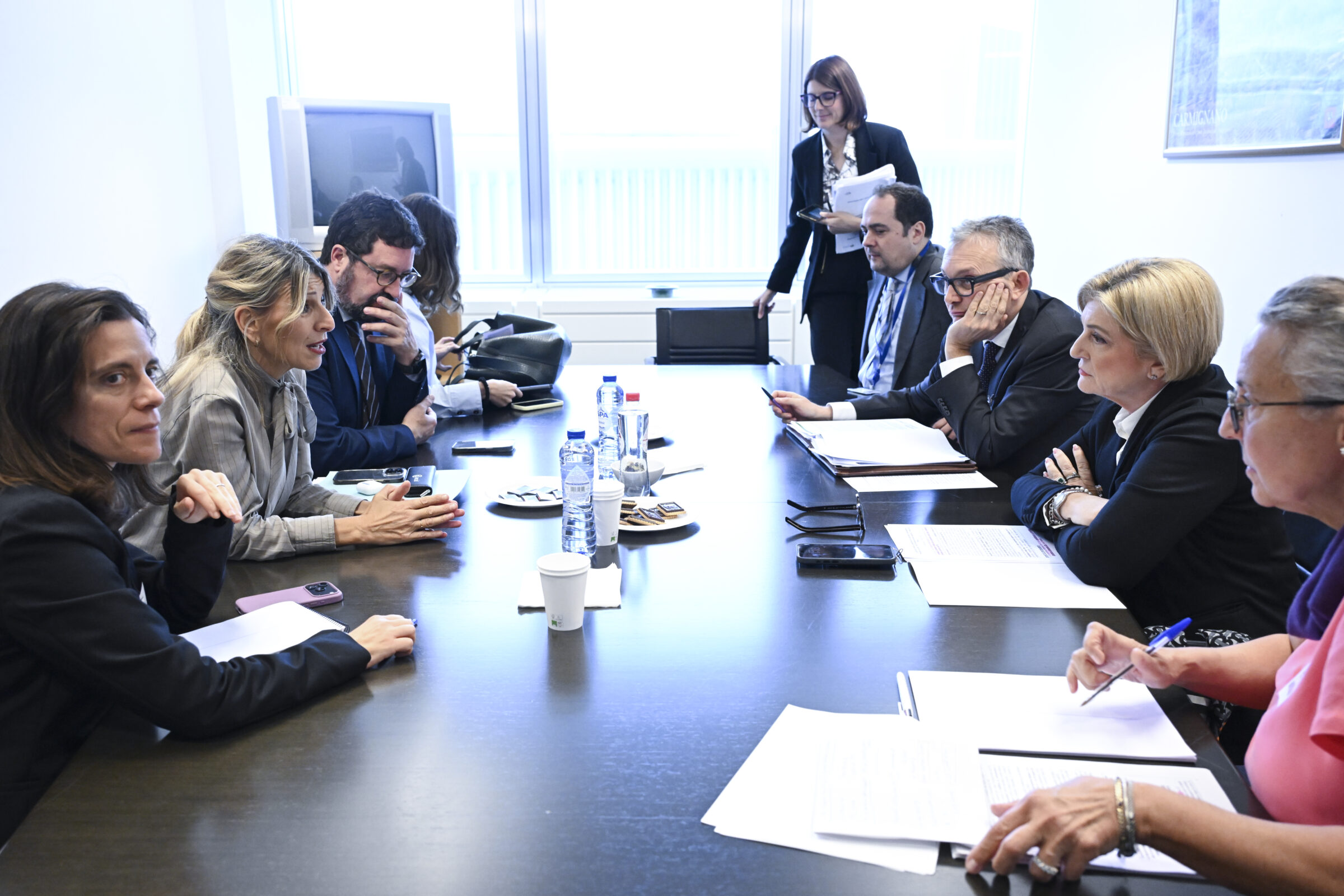
EU ministers seek balance between workplace rights and competitiveness in 21st century jobs act

EU ministers have discussed how to make labour standards compatible with modern technological conditions and workplace culture, such as telework and AI-led staff oversight, without losing competitiveness.

The law in question, called the Quality Jobs Act, covers a wide range of work protection measures, such as common standards for being able to ‘go home’ and disconnect from remote work, and limits to AI role in recruitment or its scrutiny of workers’ performance.

Technological innovation should “benefit both workers and businesses,” said Portuguese labour minister Maria do Rosário Palma Ramalho, addressing the ministers’ council on Monday (19 October) in Luxembourg.

Human oversight is essential, especially where AI systems decide on recruitment or workers’ assessment, she said.

Next to innovation, labour rules needed to ensure “fair and transparent practices, respect for human workers’ rights … and effective social dialog,” said Roxana Mînzatu, the EU commissioner for employment.

“This revolutionary technology has to be regulated” so that it “delivers for all,” Isabelle Schömann, the European Trade Union Confederation (ETUC) deputy general secretary had also said during a conference organised by the centre-left S&D group in the European Parliament on 14 October, commenting on the need for the Quality Jobs Act to curb AI.

The draft Quality Jobs Act that the European Commission plans to present in December aims to update the long out of date 1989 and 1990 health and safety workplace rules.

It would also protect subcontractors and create standards for working in heatwaves, becoming more frequent with climate change.

EU legislators need to ensure minimum standards so that “neither jobs nor businesses are jeopardised” with extreme weather, Yolanda Díaz Pérez, the Spanish labour minister, said ahead of Monday’s debate.

This article continues, but the full version is available only to EUobserver.com subscribers. Visit account.euobserver.com/membership

  •  

Energy Secretary Miatta Fahnbulleh Attacks Mahmood’s Migrant Crackdown

Energy Secretary Miatta Fahnbulleh has attacked Shabana Mahmood's migrant crackdown, saying making foreign nationals wait threatens "integration", deepening the split within Andy Burnham’s Cabinet about border controls.

The post Energy Secretary Miatta Fahnbulleh Attacks Mahmood’s Migrant Crackdown appeared first on The Daily Sceptic.

  •  
❌