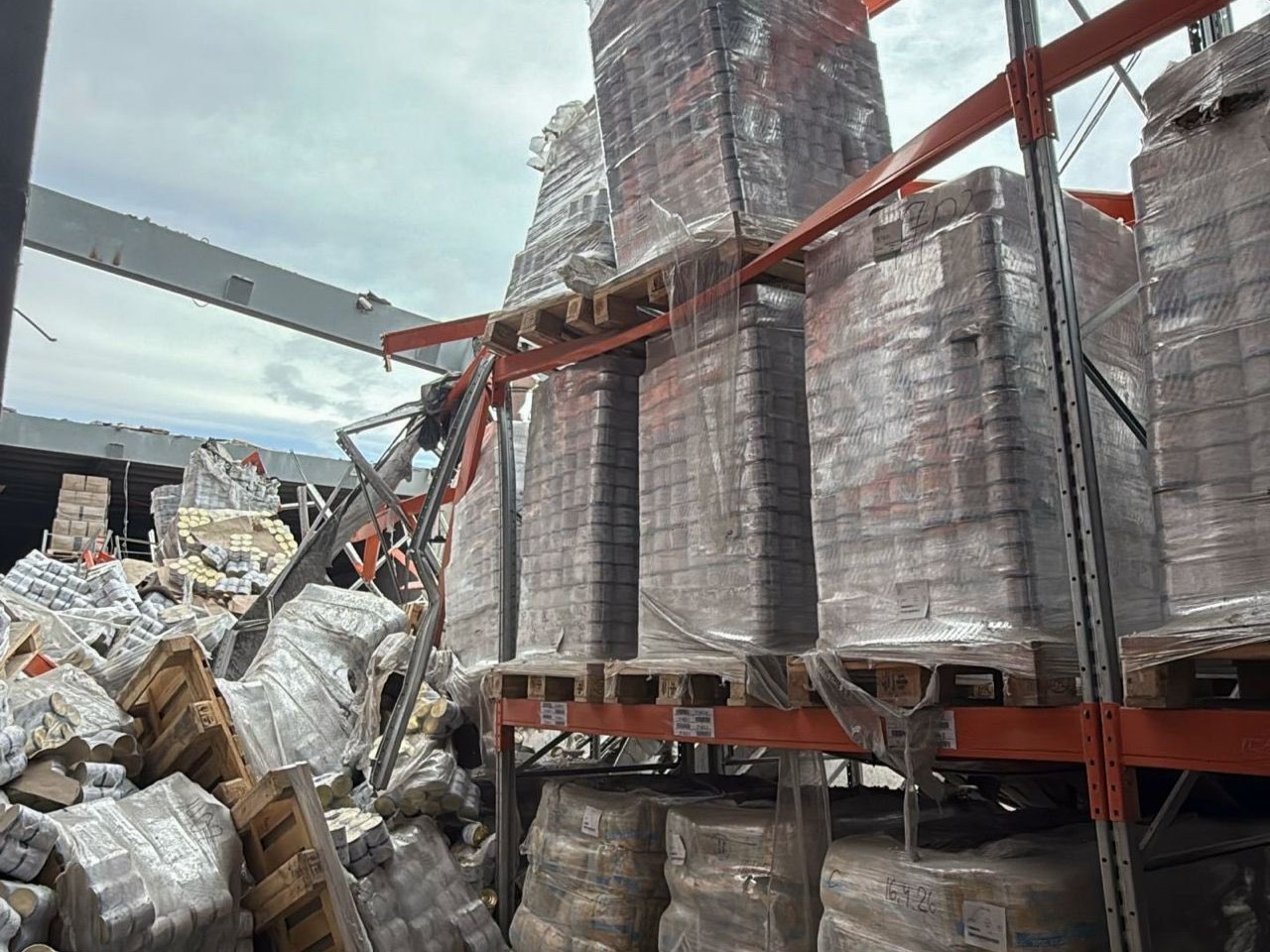
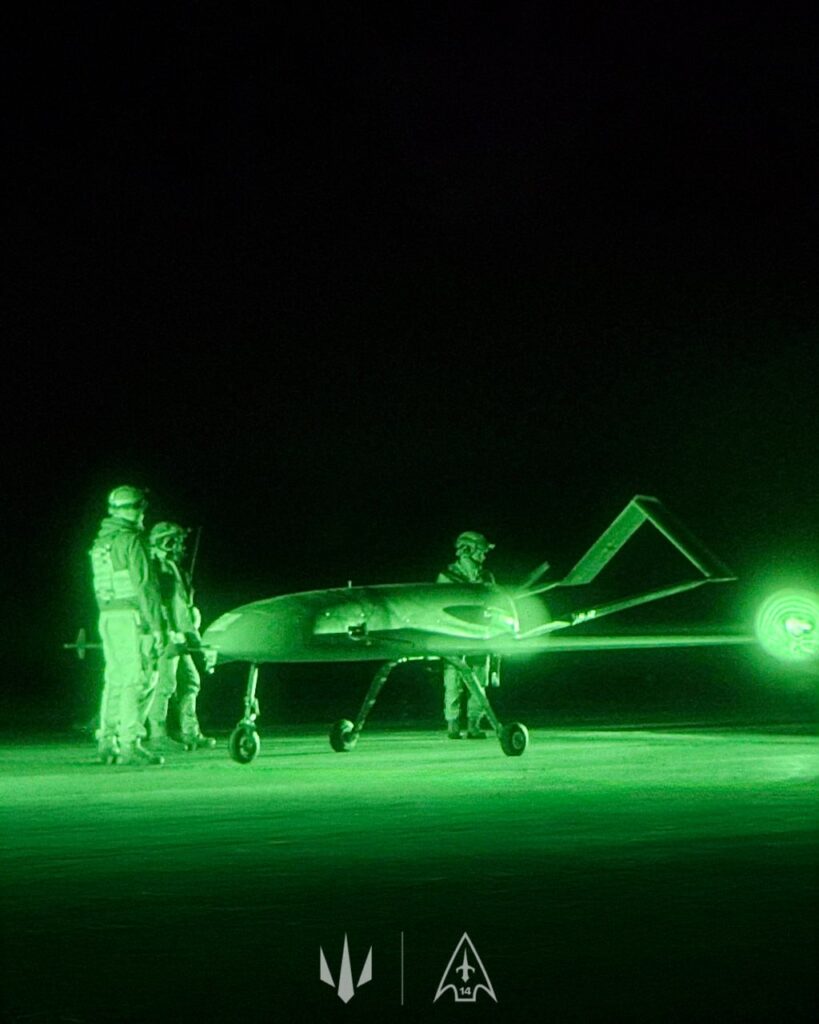
❌

Reading view

Russia replaces Ukrainians with Russian settlers in occupied Kherson Oblast; only 10–20% of pre-war population remains, Ukraine says

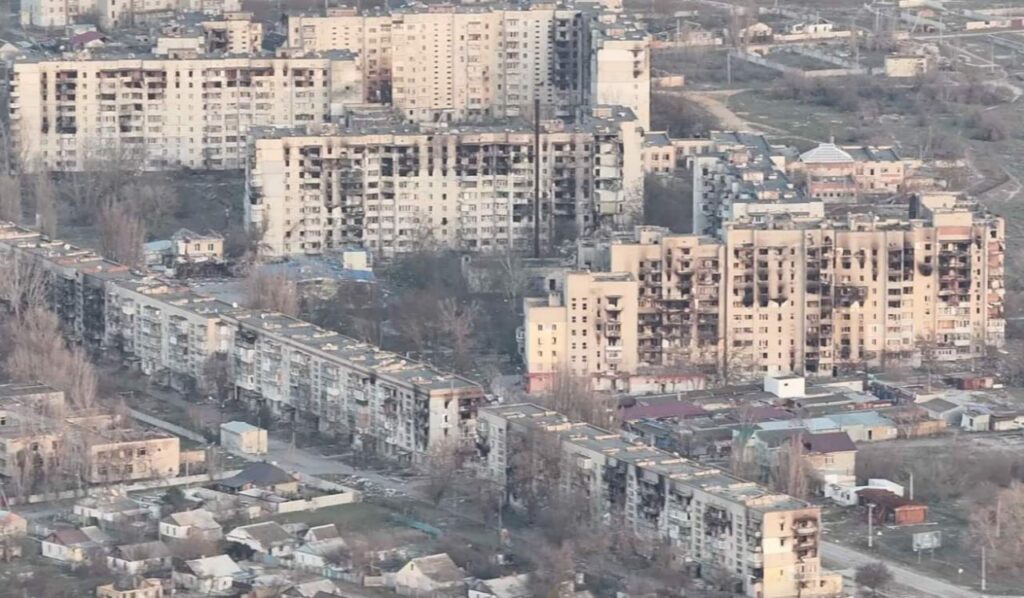
A street in Oleshky, Kherson Oblast, in 2007. Under Russian occupation since 2022, the settlement has since descended into a severe humanitarian crisis amid Russian restrictions and attacks. Photo via Wikimedia Commons

Ukraine’s military intelligence estimates that only 10–20% of the prewar population may remain in the Russian-occupied left bank of Kherson Oblast, accusing Moscow of forcing Ukrainians from their homes while relocating Russian citizens to the area.

Russia’s efforts to displace Ukrainians and bring Russian citizens into occupied Kherson Oblast are part of Moscow’s broader campaign to consolidate control over occupied territory, impose Russian institutions, and erode Ukrainian national identity. Similar practices have been documented in other occupied Ukrainian territories, including the resettlement of Russians into homes in Mariupol and efforts to replace Ukrainian education with Russian curricula.

The Main Intelligence Directorate of Ukraine’s Defense Ministry (HUR) said Russia was creating intolerable living conditions for Ukrainian residents and unlawfully seizing private property to displace them. The agency said Moscow was simultaneously using financial incentives to recruit Russian teachers, doctors, and other professionals to work in occupied areas.

Russia brings in Russian workers as Ukrainians are pushed out

Before Russia’s full-scale invasion in February 2022, around 500,000 people lived on the left bank of Kherson Oblast, according to HUR. The agency estimates that only 10–20% of that population may remain.

Moscow is using state-backed recruitment programs, including “Zemsky Teacher,” “Zemsky Doctor,” “Zemsky Feldsher,” “Zemsky Cultural Worker,” and “Zemsky Coach,” to attract Russian citizens to occupied Ukrainian territory, HUR said.

Under these programs, Russian teachers and doctors who agree to work in occupied areas are offered one-time payments of 2 million rubles, while junior medical staff can receive 1 million rubles. The incentives also include higher salaries and other benefits, with contracts lasting at least five years.

HUR said hundreds of Russian teachers and doctors had already been brought to occupied Ukrainian territories from regions across Russia, including Krasnodar, Khabarovsk, Stavropol, and Perm Krais, as well as Rostov, Kursk, and Leningrad oblasts.

According to Ukrainian intelligence, Russian medical personnel are needed primarily to serve occupying forces, while Russian teachers are being brought in to undermine Ukrainian children’s national identity.

Ukraine accuses Russia of war crimes and genocidal practices

HUR said Russia’s efforts to displace Ukrainian residents and bring in Russian citizens bore signs of war crimes and genocidal practices against the Ukrainian population.

The agency’s allegations concern both the coercive removal of Ukrainians from occupied territory and the replacement of local residents with people brought from Russia. Ukrainian authorities say these policies are part of Moscow’s broader effort to consolidate control over occupied Ukrainian land and impose Russian identity and institutions.

Kherson Oblast faces displacement, attacks, and a humanitarian crisis

Russian forces occupied much of Kherson Oblast in the early months of the full-scale invasion in 2022. Ukrainian forces liberated the oblast’s right-bank areas, including the regional capital, in November that year, but Russia continues to occupy the left bank of the Dnipro River.

Russian forces regularly attack Ukrainian-controlled areas of Kherson Oblast with artillery and drones, killing and injuring civilians. Ukrainians have described repeated drone attacks on civilians as a “human safari.” In May 2025, a UN commission of inquiry concluded that Russian forces’ repeated drone attacks on civilians along the Dnipro’s right bank amounted to crimes against humanity of murder.

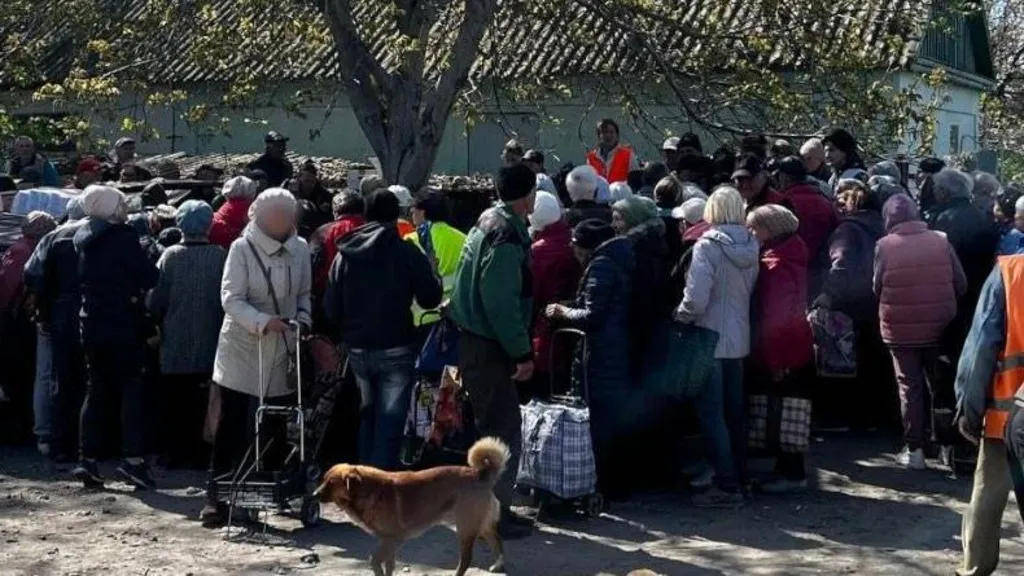
The occupied town of Oleshky, on the left bank, has also faced severe shortages of food, medicine, and medical care amid restrictions on movement and continued fighting.
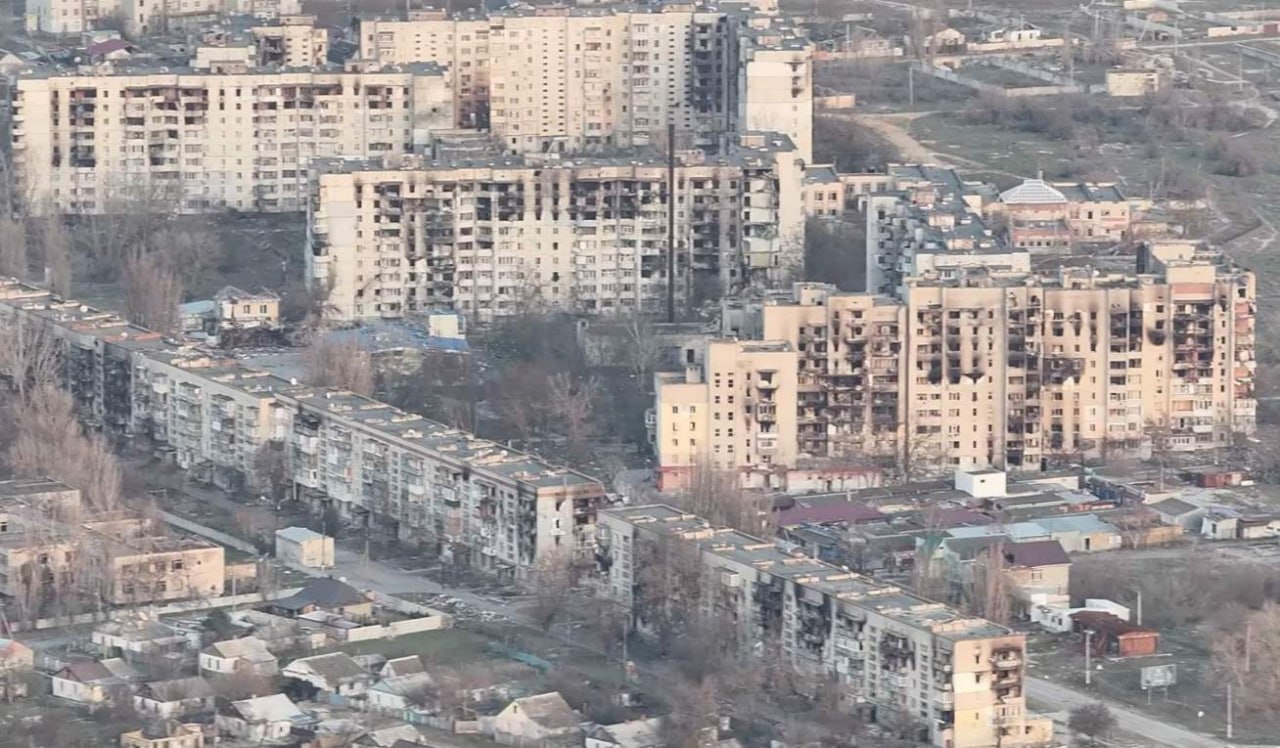
Oleshky, Kherson Oblast, has been under Russian occupation since 2022, following Russia’s capture of the city during the initial phase of its full-scale invasion of Ukraine.
Explore further

Thousands are starving in occupied Oleshky. People have no food, no way out, and Russian forces bomb incoming aid

Russia’s occupation has also exposed residents of Kherson Oblast to major humanitarian disasters. The destruction of the Kakhovka Dam in June 2023 flooded settlements along the Dnipro, including Russian-occupied communities on the left bank, damaging homes and forcing residents to flee. Russian forces’ restrictions on access and evacuation further endangered civilians in the affected areas.

While Russia occupies the left bank of Kherson Oblast, its forces continue to target civilians on the Ukrainian-controlled right bank. Across the oblast, residents face the consequences of Russia’s invasion, from forced displacement and property seizures under occupation to deadly drone and artillery attacks.

  •  

Oleshky ceasefire expands beyond occupied town as truce holds without reported violations

Aerial view of Russian-occupied Oleshky, in Ukraine's Kherson Oblast. Photo via ArmyInform

The ceasefire around Russian-occupied Oleshky in Kherson Oblast has expanded beyond the town to provide safe passage for humanitarian convoys, US First Lady Melania Trump said on 27 October. The expansion is intended to facilitate aid deliveries to civilians trapped under Russian occupation.

Ukraine and Russia are observing a localized ceasefire to enable a humanitarian mission to reach Oleshky, where residents have faced months of shortages of food, medicine, and medical care under Russian occupation. 

Trump said the ceasefire took effect at 04:00 Moscow time on 27 October, two days ahead of the original schedule, to protect civilians and facilitate the delivery of critical humanitarian aid. Russia’s chief of General Staff, Valery Gerasimov, had confirmed the arrangement, she said.

Ukraine’s human rights ombudsman Dmytro Lubinets said no ceasefire violations had been recorded by 19:49 Kyiv time on 27 October, and Russian forces had made no attempts to advance. He added that he remained in constant contact with his Russian counterpart, Yana Lantratova.

THE CEASEFIRE HAS COMMENCED
The ceasefire between Ukraine and Russia took effect at 4:00am Moscow time on October 27, 2026. 
 
Timing was accelerated two days ahead of schedule to protect the safety of civilians and to facilitate the delivery of critical humanitarian aid. The…

— First Lady Melania Trump (@FLOTUS) October 27, 2026

Road to Oleshky must be cleared before aid can arrive

Lubinets said the ceasefire began at 03:00 Kyiv time and would remain in effect until 22:59 Kyiv time on 1 November. He reported no violations since it began and said Russian forces had made no attempts to advance.

The next steps are to clear mines from the road to Oleshky and deliver humanitarian supplies. Representatives of Ukraine, Russia, and the United States will be present once the route is cleared and the aid arrives, Lubinets said in an interview with Ukrainian broadcaster 1+1.

He added that everyone who wants to leave for Ukrainian-controlled territory would be able to do so and that assistance would be provided to everyone who needs it.

The Financial Times earlier reported, citing sources familiar with the negotiations, that residents who agree to leave Russian-occupied Oleshky during the ceasefire would first be transported to occupied Crimea or Russia before being allowed to return to Ukrainian-controlled territory.

Humanitarian mission follows months of efforts

Oleshky has been under Russian occupation since 2022. The town has been cut off for months, with shortages of food, medicine, and medical care worsening. 

The White House announced on 23 October that Melania Trump had secured a localized ceasefire originally scheduled to begin on 29 October. Russia subsequently announced a ceasefire on the Kherson axis from 27 October, with preparations to secure a route for a humanitarian convoy.

Oleshky, Kherson Oblast, has been under Russian occupation since 2022, following Russia’s capture of the city during the initial phase of its full-scale invasion of Ukraine.
Explore further

Ceasefire planned for occupied Oleshky as residents face starvation and blocked escape routes, White House announces

Lubinets said efforts to address the humanitarian crisis in Oleshky began in late February 2026, but progress accelerated in September following Melania Trump’s involvement.

The expanded ceasefire area is intended to facilitate the humanitarian operation, but the route must still be cleared and supplies delivered before the mission can reach residents. The new boundaries of the ceasefire area have not been specified publicly.

  •  

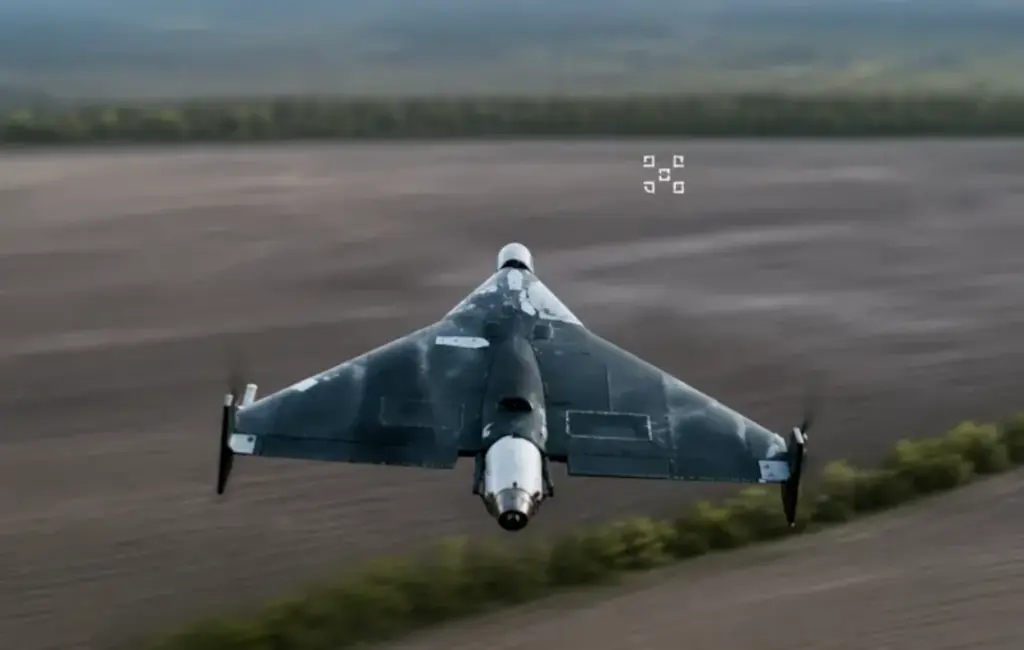
Ukraine intercepts nearly 60% of Russia’s Geran-4 jet drones, General Staff says, as Kyiv races to counter evolving threat

money engineering what stands between ukraine russia's fastest drones zelenskyy says · post russia’s new “geran-4 seeker” shahed variant geran-4 news ukrainian reports

Ukraine’s air defenses have been intercepting nearly 60% of Russian Geran-4 jet-powered attack drones over the past three months, with the interception rate reaching 80% during some attacks, Ukraine’s General Staff said.

Russia has increasingly used jet-powered drones in its attacks on Ukraine, adding a faster-moving threat to the Shahed-type drones Moscow deploys against Ukrainian cities and infrastructure. Ukraine is working to improve interception rates while reducing the cost of countering these aerial threats amid shortages of surface-to-air missiles.

The General Staff’s update did not mention interception rates for Russia’s more advanced Geran-5 jet-powered drone.

F-16s, Mirage jets help intercept Russian drones

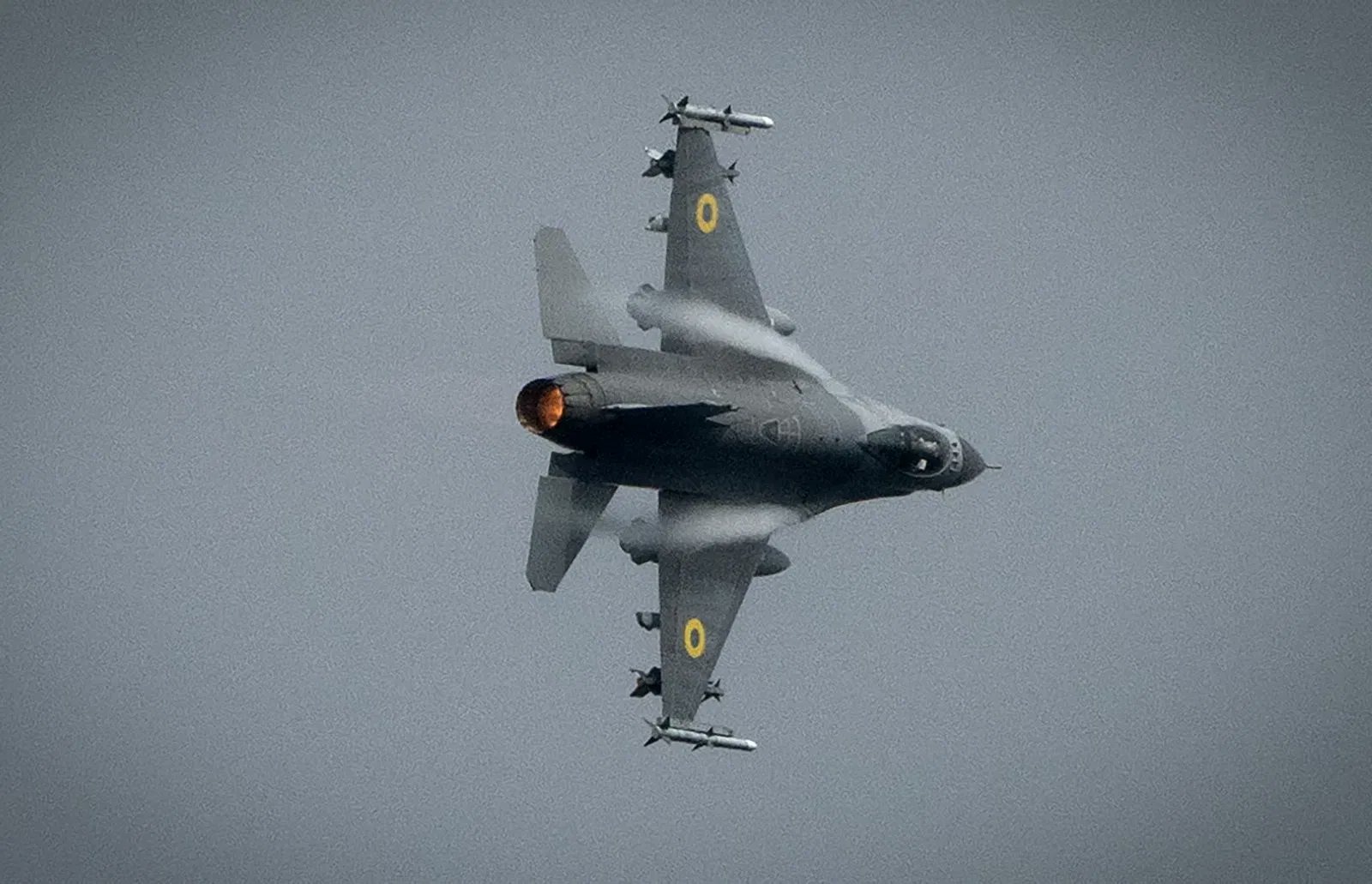
According to the General Staff, tactical aviation plays a significant role in destroying Russian jet-powered drones. Ukraine uses F-16s, French Mirage aircraft, and MiG-29 fighters to intercept them.

The military is also strengthening what it calls “short-range air defense” as Ukraine faces a shortage of guided anti-aircraft missiles. These systems include Gepard and Shilka anti-aircraft guns, newer Skynex, Skyranger, and Terrahawk Paladin systems, interceptor drones, and mobile fire groups deployed by different branches of Ukraine’s Defense Forces.

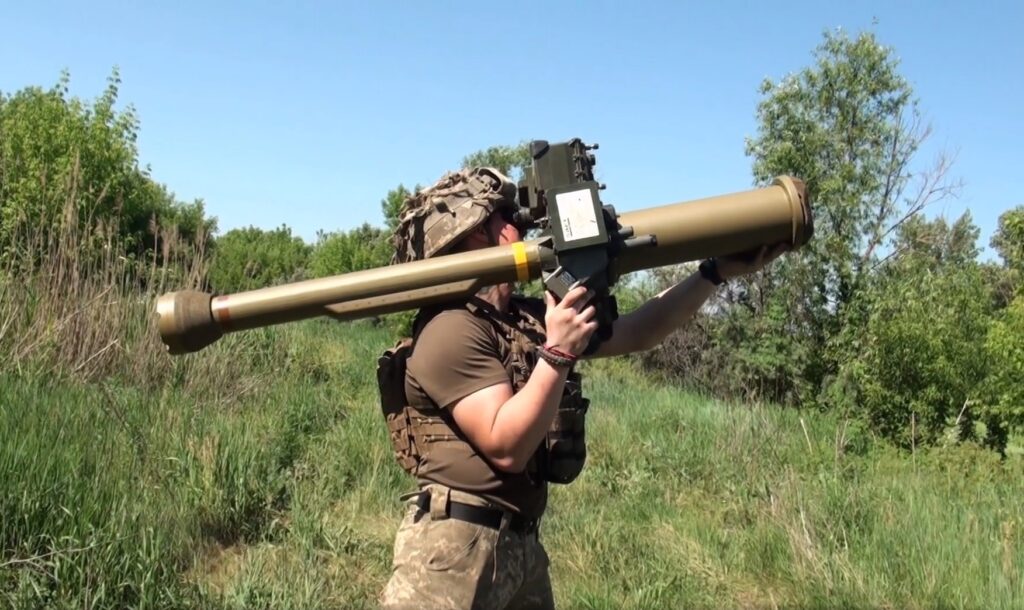
Mobile fire groups are equipped not only with machine guns and supporting equipment but also with man-portable air-defense systems (MANPADS). Ukrainian troops have been successfully using these missiles to shoot down Russian jet-powered drones, the General Staff said.

ukrainian soldier lmm martlet manpads air assault forces militarnyi 02-7
A Ukrainian soldier with an LMM Martlet MANPADS. Screenshot: Ukrainian Air Assault Forces, via Militarnyi.
A Ukrainian air force F-16.
Explore further

Denmark rushes 50,000 cannon rounds to Ukraine to help F-16s hunt Russia’s advanced jet drones

Ukraine tests cheaper drone interceptors

Ukraine is also seeking to lower the cost of countering Russian aerial attacks by testing new interceptor drones.

According to the General Staff, some models have already downed dozens of Russian Geran jet-powered drones. The military did not provide further details about the interceptor models or the number of drones destroyed.

The rising interception rate reflects Ukraine’s efforts to adapt its air defenses to Russia’s evolving drone campaign while preserving scarce and expensive air-defense missiles for threats that require them.

  •  

Government to put both phases of Paphos-Polis road to tender in 2027

Plans for a call for bids in 2027 for both phases of the Paphos – Polis Chrysochous, as well as developments regarding the Paphos Marina were presented by government spokesman Konstantinos Letymbiotis on Tuesday.

Addressing the general assembly of the Paphos chamber of commerce and industry, Letymbiotis said that the implementation of the Paphos – Polis Chrysochous road will demand difficult decision, and that clinging to a problematic contract did not amount to progress.

“Announcing a project takes just a few minutes. Its implementation requires a solid foundation, responsible decisions, and constant oversight,” Letymbiotis said.

Letymbiotis recalled that the design work of the highway began in 1990, with studies carried out in 2007 predicting its completion by 2013. Meanwhile, the contract signed in 2021, valued at €73 million, called for the project to be delivered in 2024.

He said that by January 2023, around 48 per cent of the contractual time had passed, yet only €2.6 million of work, under 4 per cent of the contract value, had been completed.

By October 2024, progress stood at just 21 per cent, while the contractor was seeking an additional €36.2 million in compensation and a 59-month extension.

Letymbiotis said that the new design provides for a modern four-lane highway. In the first phase, from Ayia Marinouda to Stroumbi, expropriations and the environmental assessment have been completed.

Meanwhile the second phase will run from Stroumbi to Polis Chrysochous, with the government aiming to launch tenders for both phases within 2027.

On the Paphos Marina, Letymbiotis said that the project has been in planning since 1994, with the first tender held in 2006.

Letymbiotis spoke of of a high priority project for the city and said that the government was determined to finally see it implemented.

He said that the decision of the marina management committee regarding the evaluation of the call of interest is expected in early November, while concession agreement to be signed with the successful bidder in 2027.

Letymbiotis also referred to the expansion of Paphos airport and the new desalination plant in Kissonerga, which is expected to have a capacity of 12,000 cubic metres per day.

  •  

First lady Melania Trump says Ukraine-Russia ceasefire expanded within Kherson

US first lady Melania Trump said on Tuesday that a localized ceasefire between Ukraine and Russia has been expanded beyond Oleshky to allow safe passage for humanitarian supplies.

“Timing was accelerated two days ahead of schedule to protect the safety of civilians and to facilitate the delivery of critical humanitarian aid,” Mrs Trump said in an X post. “The ceasefire’s geographic area has expanded beyond Oleshky, within the Kherson Region, to provide safe passage for the humanitarian convoys.”

  •  

Ukraine says it hit drone hangars at Crimea’s Hvardiiske. Now an OSINT channel spots 20+ bermed shelters there

Damage zone and UAV storage area in Hvardiiske.

Russia is expanding drone storage at the Hvardiiske military airfield in occupied Crimea, Ukrainian OSINT channel Dnipro Osint reported on 26 October, citing new satellite images. The channel did not say who took the images or when. Ukraine’s Security Service (SBU) said it struck drone hangars at the same airfield in July, and the military said strikes on 13 October damaged four drone storage sites nearby.

Hvardiiske has stayed in use since then. Ukraine’s General Staff has listed it among the sites Russia launched attack drones from in every daily report since 7 October. The airfield was on the list again on 24, 25, and 27 October, the night Russia aimed its main strike at Kyiv. The new construction, as the channel describes it, adds protected storage at a base Ukraine has already shown it can reach.

Shelters and “garages”

The images show more than 20 small shelters under construction, each protected by earth berms, the channel said. It also counted about 40 smaller structures it calls “garages.” It said they are meant for storing, servicing, and preparing Geran drones for launch.

Geran is the name Russia gives the Iranian-designed Shahed drones: the Shahed-136 became the Geran-2, which Russia now builds itself. The images show at least one hangar damaged by a Ukrainian drone hit, Dnipro Osint noted.

Launched from vehicles

Hvardiiske, north of Simferopol, uses mobile launch platforms instead of fixed installations, according to Dnipro Osint. Crews load drones onto specially equipped vehicles, which then launch them from the runway.

Struck repeatedly since June

On 24 June, the SBU said it hit infrastructure at Hvardiiske and at the Saky airbase. On 3 July, the SBU reported that its drones struck two hangars at Hvardiiske that stored Shaheds and aviation equipment. Ukraine’s General Staff said its forces struck the airfield again overnight on 5 July, and the SBU said a day later that it hit three hangars with aviation equipment there. A strike on 3 August destroyed nine aviation-fuel tanks and damaged two aircraft hangars, the General Staff said. Strikes on 13 October damaged four drone storage sites near Hvardiiske, with signs of secondary detonation, it reported two days later.

Not the only base Russia is building up

Hvardiiske is not the only Russian drone base Ukrainian OSINT channels have flagged this month. On 13 October, the anonymous channel Absolutely Reliable Source said Russia had nearly finished the first section of a launch site for jet-powered Geran-5 drones near Millerovo in Rostov Oblast, with eight launcher positions and 32 drone-preparation spots. Hvardiiske and Millerovo were both among the launch areas the General Staff listed for the night of 27 October, when Russia launched 280 Shahed-type drones, 69 of them jet-powered, with Kyiv as the main target.

  •  

Guns fall silent around Russian-occupied Oleshky so its starving residents can get aid, but Russia’s guarantees remain secret

Oleshky, Kherson Oblast, has been under Russian occupation since 2022, following Russia’s capture of the city during the initial phase of its full-scale invasion of Ukraine.

A ceasefire around Russian-occupied Oleshky in Kherson Oblast took effect at 03:00 on 27 October Kyiv time, and both sides were complying with the agreements, Ukraine’s human rights ombudsman Dmytro Lubinets said. Russia’s Defense Ministry reported that its forces had stopped firing on the Kherson axis at 04:00 Moscow time, at the same moment.

Russia has kept Oleshky cut off for months. In June, the UN Human Rights Monitoring Mission in Ukraine documented worsening shortages of food, medicine, and medical care there and in neighboring Hola Prystan. As of 8 October, Lubinets’ office still saw no practical breakthrough toward an organized evacuation, with 358 residents verified as needing help to leave. The ceasefire is the first step that has to hold before aid can go in and residents can leave, an operation Marc Beckman, the first lady’s chief adviser, expects to take five to seven days.

By 09:00 on 27 October, Russian forces were still observing the ceasefire, according to Pavlo Drohal, spokesperson for Ukraine’s 30th Marine Corps. Kyrylo Budanov, head of the Presidential Office, announced that the mission had begun and that Lubinets had gone to the site to coordinate it.

Ceasefire brought forward by two days

The White House announced on 23 October that First Lady Melania Trump had secured a localized ceasefire, set to begin on 29 October. The same evening, Russia’s chief of General Staff Valery Gerasimov announced a ceasefire on the Kherson axis from 27 October, with engineering reconnaissance and a secured route for a humanitarian convoy. Ukraine’s General Staff followed, introducing a ceasefire in a designated area from the same hour.

Beckman told Ukrinform on 26 October that Russia had moved the ceasefire two days earlier and extended it beyond Oleshky into Kherson Oblast. Lubinets said on 23 October that the mission should effectively begin on 29 October, after demining, adding that the date was not a matter of principle for either side.

People in Oleshky wait for food supplies
People in Oleshky wait for food supplies. Photo: BBC

A day after the announcement, Lubinets and his Russian counterpart Yana Lantratova, who lead the two negotiating groups, confirmed the timing in an online meeting, he said. According to Lubinets, the agreement covers demining the road to Oleshky, delivering food, water, medicine, and hospital equipment, and safe movement for civilians.

Newsmax to document the operation

Meanwhile, Melania Trump said she had secured an “impartial American media organization” to accompany the Russian and Ukrainian teams. Beckman named it as Newsmax. He said he had worked directly with the channel’s owner, and that its journalists would record testimony as what he called neutral American observers.

Residents could leave for Ukraine or Russia, or stay, Beckman said. He added that Russia had assured Kyiv and Washington it would respect their choice of destination. Both governments asked him not to disclose what guarantees Russia gave or how violations would be handled, he said. He expects the operation to take five to seven days after 29 October, with an extension possible if both sides agree.

Diplomat doubts the truce will move peace talks

At the same time, Kostiantyn Yelisieiev, Ukraine’s ambassador to the EU in 2010–2015, told Radio NV the truce became possible only through the personal involvement of Donald and Melania Trump. The US president, he said, sees it as a way to show Americans he is bringing peace closer. He said he expects Russia to attempt provocations aimed at pushing residents toward the Russian side.

Yelisieiev said he does not share the optimism of those who think Oleshky could push the wider peace process forward. He compared it to the Black Sea grain corridor, a one-off arrangement that no longer works. He warned of a “diplomatic smokescreen”: Russia imitates negotiations while it keeps fighting, hoping Ukraine and its partners weaken over time.

Ukrainian drone delivering aid to occupied Oleshky on the night of 4 October
Ukrainian drone delivering aid to occupied Oleshky on the night of 4 October. Screenshot from video: Ivan Vyhivskyi / Facebook

A town under blockade

Oleshky lies on the left bank of the Dnipro, about 4 km from Kherson, and has been occupied since February 2022, Radio Svoboda reported. The White House says it had about 24,000 residents before the war and estimates 1,700 to 2,000 remain, mostly elderly, including about 50 children. Russian troops have also seized food dropped by Ukrainian drones, a local official said.

  •  

The Trump administration is backing Orbán, who blocked a €90 billion EU loan to Ukraine, for UN secretary-general and is counting on support from Moscow and Beijing, WSJ says

Trump and Orban at White House meeting on November 7, 2025, where Hungary secured Russian oil sanctions exemption

The Trump administration has encouraged former Hungarian Prime Minister Viktor Orbán to run for UN secretary-general and discussed a joint US-Russia-China candidacy with Moscow and Beijing, the Wall Street Journal’s (WSJ) editorial board wrote on 25 October, citing sources in three countries. Russia’s biggest ally in the EU, Orbán has been out of office since May, when Péter Magyar became Hungary’s prime minister.

The UN secretary-general can influence the war through diplomatic negotiations, mediation, and by drawing the Security Council’s attention to Russia’s aggression. António Guterres’s term ends on 31 December, so the council has to settle on a successor within weeks.

According to the WSJ, US officials discussing the next UN chief kept saying they wanted “someone like Orbán,” and their Russian and Chinese counterparts agreed. The US then brought the idea to Orbán himself. Russia and China are believed to support his bid based on those earlier talks with Washington, and the plan is for him to be the three countries’ joint candidate.

Ukraine warns of Orbán’s veto tactics at the UN

Orbán is receptive but has not decided, and he does not want to enter the race unless he is sure he can win, the editorial board wrote. A State Department official counted eight Security Council votes as safe for him and 10 within reach. A candidate needs nine of the 15 votes and no veto from a permanent member. The editorial board asked whether Britain and France, typically cautious in using their veto, would stand in the way. Any announcement is being held until after the 3 November US midterm elections.

Ukraine’s Foreign Minister Andrii Sybiha wrote on X that Orbán as secretary-general would put to good use “the masterful veto and blackmail skills” he developed over years of derailing major EU decisions. Ukraine, he added, could share its “great experience of taking him out for coffee at the right moment,” a reference to the December 2023 EU summit, where Orbán left the room so the other leaders could open accession talks with Ukraine without his veto.

Orbán ran Hungary for 16 years as Putin’s closest EU partner

Orbán’s 16 years of “illiberal democracy” eroded democratic values in Hungary. Since 2010, Fidesz has built an enormous partisan media ecosystem. Before the vote, it amended the electoral law twice and gerrymandered more than a third of the electoral districts, so the opposition might need around 55% of the popular vote to win a simple majority. Orbán still lost the 12 April election. Magyar’s Tisza won 138 of 199 seats, a two-thirds majority in parliament.

USA hungary propaganda lies Ukraine far-right
Explore further

Voted out and facing investigators, Orbán could reach for UN cover, sources say

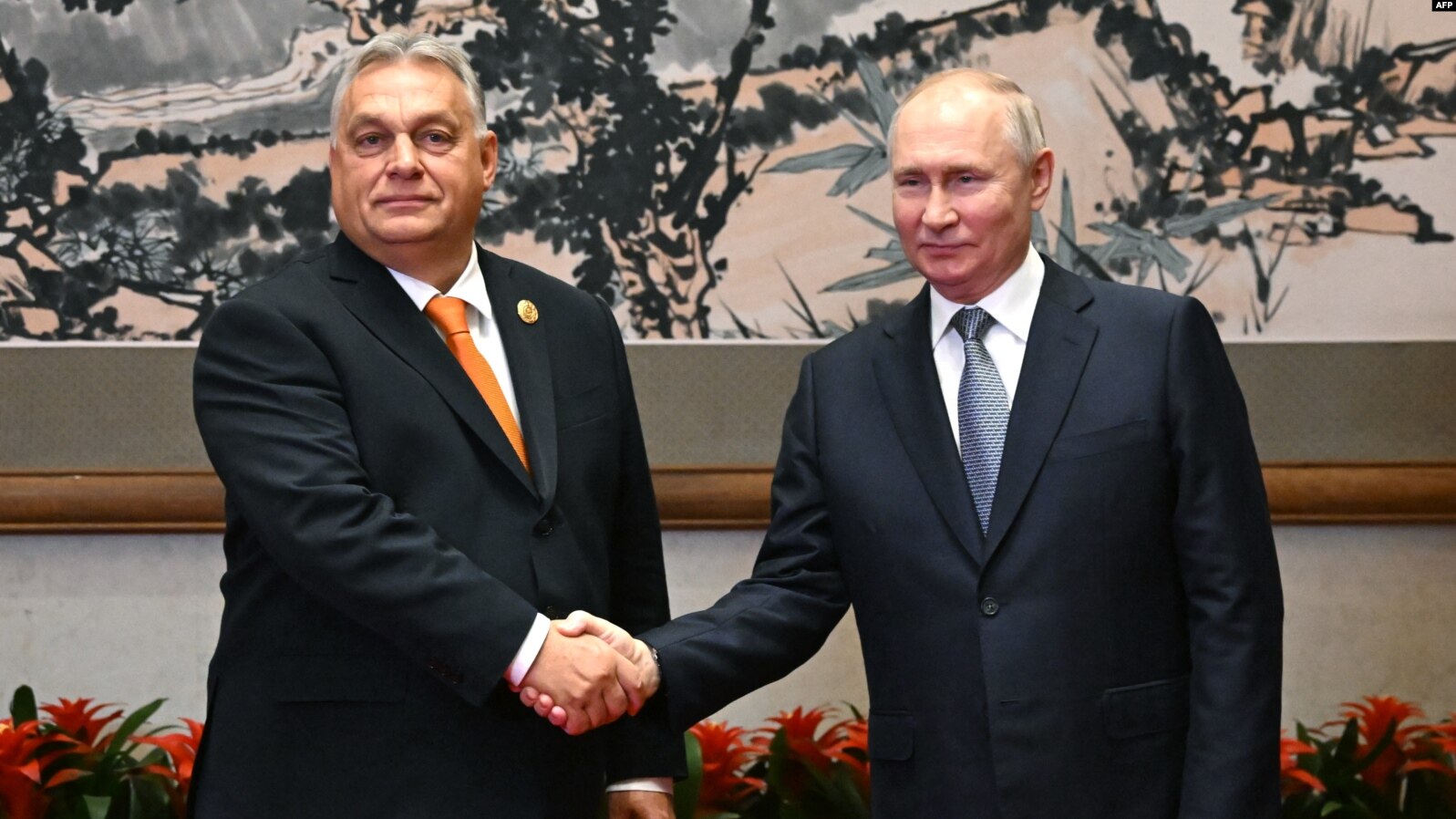
Orbán kept close ties with Moscow throughout the full-scale war. When he met Putin in Beijing in October 2023, he spoke of “the military operations and the sanctions” rather than a war. In summer 2024, while Hungary held the EU Council presidency, he flew to Moscow on what he called a peace mission, and the EU distanced itself from the trip. In November 2025, he went back to Moscow, seeking to keep Hungary’s access to Russian oil and gas. He is widely considered Putin’s closest partner among EU leaders. After that visit, he said the only solution was for Ukraine to become a buffer state again, and that the longer peace was delayed, the more people and territory Ukraine would lose.

Then-Hungarian Prime Minister Viktor Orbán and Russian President Vladimir Putin in Beijing, 17 October 2023
Then-Hungarian Prime Minister Viktor Orbán and Russian President Vladimir Putin in Beijing, 17 October 2023. Photo: Radio Free Europe

He used Hungary’s veto against Ukraine until his last weeks in office. In February, Orbán vetoed a €90 billion EU loan to Ukraine amid the disruption of Russian oil supplies through the Druzhba pipeline to Hungary and Slovakia. Hungary lifted its veto in April after repairs to the pipeline were announced. Foreign Minister Péter Szijjártó phoned Russian Foreign Minister Sergei Lavrov from EU meetings for years with “live reports on what’s been discussed,” a European security official told The Washington Post. Szijjártó did not respond to the Post’s request for comment.

  •  

Ukraine plans to rebuild its air force on NATO’s model by 2035. Its Air Force already knows which fighter it wants next, and why

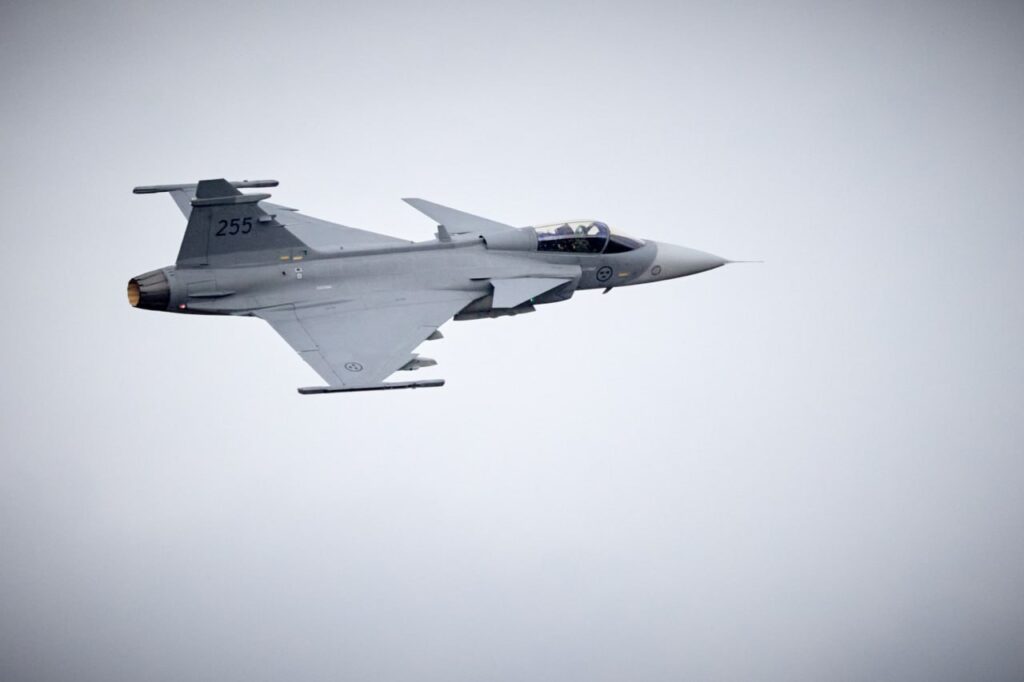
Ukraine is remaking its air force on NATO’s model, down to the way its squadrons are organized and the aircraft they fly. The reforms are planned to be completed by 2035 and include modernizing its F-16s while pursuing the Swedish Gripen jets, Air Force Spokesperson Yurii Ihnat says, per Tse Baza.

Ukraine’s fighters are working hard against Russia’s air war, and in the previous month alone the Air Force faced around 3,500 jet-powered targets, with F-16s heavily used to intercept Russian drones. The new reform is meant to build an air force that can be sustained over the long term and can contest Russian jets and glide bombs, not only survive the next wave.

Wings and universal air bases

The central change, Ihnat said, is a move to the “wing” units that NATO air forces use. The first steps have already been taken: Ukraine has set up the 107th F-16 wing, which now has its own Facebook page and may publish material about its work.

Ukraine also plans to build universal air bases on the operational airfields it has used through the full-scale war. In the future, Ihnat says, those bases should be able to receive and service different models of combat aircraft, as NATO does.

A worn fleet, and the jets Ukraine wants next

Currently, the F-16s Ukraine flies are older Block 15 jets, used by other countries before they arrived, and intensive combat has left them in need of repairs, service life restoration, and upgrades.

Ukrainian officials discussed modernization with the American manufacturer Lockheed Martin, while Kyiv would prefer the newer Block 70/72 version, which Ihnat says would let its pilots stand up more confidently to Russia’s Su-35 fighters.

Keeping the current fleet flying has been hard: fewer than half of Ukraine’s F-16s may be operational, held back by slow maintenance abroad.

At the same time, Lockheed Martin and Kyiv are discussing a special F-16 variant for Ukraine, with a modern AESA radar, longer range, and a wider choice of weapons, though no firm deal exists yet.

Ukraine is also counting on Swedish Gripen fighters. Ihnat says Ukrainian pilots are drawn to them for their lower operating costs and simpler maintenance, with the country likely to receive older C/D models first, before the newer Gripen E that Saab is developing.

Ukrainian pilots have already begun their training on the Gripen, a jet seen as a counter to the Russian aircraft dropping guided glide bombs on the front, though delivery timing depends on further agreements.

  •  

Ukraine’s Zelenskyy welcomes Student List’s win in Serbia and says Kyiv is “ready to keep increasing cooperation”

Ukrainian President Volodymyr Zelenskyy, 20 October 2026. Photo: Zelenskyy / Telegram

For 14 years, Serbia’s government kept the country close to Moscow. Now, the opposition “Student List” has won the country’s snap parliamentary election, and President Volodymyr Zelenskyy says Ukraine is ready to deepen its cooperation with Serbia, welcoming the result as “a new page” in a post on X.

The win could end the 14-year rule of President Aleksandar Vučić’s political force and weaken Moscow’s position in the Balkans. Serbia has remained an important Kremlin partner in Europe since Russia’s full-scale invasion of Ukraine, and Belgrade never joined the EU's sanctions against Moscow.

“A new page”

In his post, written in Ukrainian, Zelenskyy said that "changes have taken place in Serbia, the victory of the Student List, and this is clearly a new page in the history of the country and its people."

“We wish Serbia success, real development, and warm relations with the European community,” he wrote.

He said Ukraine was grateful to Serbia “for the respect shown to our people and our state, our independence,” and added: “We are ready to keep increasing our cooperation, and may all the good hopes of the people of Serbia come true.”

But the winners rule out sanctions on Russia

Vučić had earlier predicted that a new government could impose restrictions on Moscow by March or April, according to Novosti. The Student List says otherwise: it has no plans to align with the EU or to sanction Russia over the war in Ukraine, according to Reuters.

Its candidates frame Serbia’s reliance on Russian gas, with Gazprom as the largest supplier at around 2.2 billion cubic meters a year at below-market prices, as an acute economic dependency rather than a geopolitical alignment.

The movement’s top candidates have also said a future government would end all arms exports to war zones, including sales to Western intermediaries who pass weapons to Ukraine. Around €800 million worth of Serbian ammunition has reached Ukraine through that route since 2022.

  •  

For the third time this year, Ukrainian drones hit Russia’s rocket-fuel rubber plant in Samara Oblast. This time they reach the raw-material shop feeding it

Smoke over the industrial zone of Tolyatti following a drone attack.

Ukrainian drones damaged a process pipeline, two butyl-rubber units, and a rectification (distillation) unit at Russia’s Tolyattikauchuk petrochemical plant on 24 October, Ukraine’s General Staff said on 26 October. The damage hits the production chain of solid rocket fuel for tactical and ballistic missiles, it added.

The strike was part of a string of Ukrainian hits on Russian plants over four days, most of which the General Staff links to missile production. Ukraine hit an electronics plant in Oryol on 23 October and struck a battery plant in Yelets on 25 October or the following night. The General Staff ties both to missiles: Oryol makes components for missiles Russia fires at Ukrainian cities, and Yelets makes batteries for Iskander-M systems. Then, overnight on 26 October, drones also went after Voronezhsintezkauchuk, another Russian synthetic-rubber plant. For Tolyattikauchuk, this is the third time this year that strikes have reached its butyl-rubber shops.

What Kyiv and Russian officials say

The General Staff first confirmed the strike on 24 October with a report of an explosion and fire near the plant. It said the plant makes synthetic rubbers, monomers, fractions, and high-octane gasoline additives, and that its synthetic rubbers are used in solid rocket fuel.

Meanwhile, Russian officials have not named the plant in their statements. However, Tolyatti Mayor Ilya Sukhikh claimed that industrial facilities were damaged and, citing preliminary data, that no one was killed or injured, Russian outlet Expert reported.

What OSINT channels report

Drones hit at least two production facilities, Ukrainian monitoring channel Exilenova+ said. One is the shop where isobutane is turned into isobutylene, a raw material for synthetic rubbers. The other is outdoor unit No. 2 in shop BK-4, which produces and purifies high-purity isobutylene for butyl rubber.

Aftermath of the attack on the Tolyattikauchuk petrochemical plant.
Aftermath of the attack on the Tolyattikauchuk petrochemical plant. Analysis by Exilenova+, satellite image by Vantor.

The damage could delay rubber output and the supply of feedstock for other processes, including solid rocket fuel. Tolyattikauchuk can make about 260,000 metric tons of synthetic rubber a year, OSINT-Varta data show.

Hit again and again

Tolyattikauchuk had come under fire before. Overnight on 4 April, about 10 drones reached the plant by various accounts. Footage showed fires at storage shops D-12 and D-1 and at the BK-2, BK-3, and BK-4 units, though more sites may have been hit, the analysts added. Ukrainian forces struck the plant again on 12 June, the General Staff confirmed.

Then, on 12 September, a strike set fires at the BK-2, BK-3, and BK-4 shops, an OSINT community Absolutely Reliable Source reported. Without those shops running steadily, the line that makes MTBE, a key high-octane gasoline additive, is cut, the channel noted.

  •  

Captured Russians say there is one place on Kupiansk front they will not go: “Orion” safety corridor

Frodo ground robotic vehicle (UGV).

Captured Russian soldiers have a rule for one stretch of the Kupiansk front: go anywhere, but not there.

That stretch is the “safety corridor” the “Orion” unit of Ukraine’s Offensive Guard brigade “Pomsta” says it has built for its ground robots. The zone is so lethal that, by the unit’s count, 88% of attacking Russians are killed before they reach their positions, and Russian armor cannot get within 25 kilometers, the military outlet ArmyInform reports.

Behind that shield, the unit says its ground robots have run dozens of fully autonomous missions through the most dangerous ground on the axis, with a success rate of 99.57%. The results made Orion the top-ranked unit for effectiveness on the South-Kupiansk axis in September within Ukraine’s battlefield management system, DELTA.

“You can go anywhere, just not into the Orion zone”

The claim that the Russians now avoid the sector, the unit says, comes from them themselves.

“Prisoners admit in interviews: 'You can go anywhere, just not into the Orion zone.' Eighty-eight percent of the enemy is destroyed before reaching their positions, and Russian equipment cannot approach closer than 25 kilometers,” the unit says.

That is what opens the corridor. Where a human supply run would be a death sentence, a robot can cross, and cross again.

The quiet blood of the front

The point, the unit says, is to take the soldier out of the deadliest job on the front: carrying ammunition and the wounded across open fire.

“We broke the stereotype that supplying the army takes truck convoys and hundreds of soldiers under targeted fire. Our robotic systems are the ‘quiet blood’ of the front,” Vladyslav Zolotarov, an officer in the unit’s staff control group, says.

When Russia thinks our positions are depleted, a tracked platform quietly comes in at night and brings in a ton of ammunition.

In September alone, the unit says, its wheeled and tracked robots ran 85 of the hardest combat missions and hauled more than 30,000 kilograms of cargo. Its evacuation record is the line it is proudest of: four missions pulling wounded soldiers out by robot, all four successful, not one man lost.

Ukraine has bet heavily on this kind of machine, aiming to field 50,000 ground robots to keep its troops out of the drone-ruled kill zone.

  •  

More than a US briefing: Brussels security talks on Ukraine planned for 27 or 28 October, Kyiv says

Ukrainian President Volodymyr Zelenskyy, 20 October 2026. Photo: Zelenskyy / Telegram

Ukraine, the US, the EU, and NATO plan to meet in Brussels this week to discuss security for Ukraine, President Volodymyr Zelenskyy told Ukrainian TV. The meeting would follow last week’s talks in Oslo and a US envoy’s visit to Russian President Vladimir Putin.

Guarantees are what would oblige Ukraine’s allies to act if Russia attacks again. The Paris Declaration laid plans for that commitment in January. Kyiv had a briefing from the Americans, and now the partners want a broad discussion of security and guarantees, Zelenskyy said. Brussels comes ahead of three-way talks with Russia, which the Kremlin says Putin is ready in principle to resume in mid-November.

Zelenskyy: meeting planned for Tuesday or Wednesday

The meeting is planned for Tuesday or Wednesday, 27 or 28 October, Zelenskyy said in the interview, aired on 25 October. The EU would take part at the presidential level and NATO at the level of its secretary general. He did not know whether anyone else would join. He also said Ukraine’s neutrality and limits on its army are not up for discussion.

After Oslo, Witkoff briefed Putin in St. Petersburg

Earlier, on 20 October, Zelenskyy met US special envoy Steve Witkoff in Oslo, with Finnish President Alexander Stubb and Norwegian Prime Minister Jonas Gahr Støre present. According to Zelenskyy, a wider round there included national security advisers from Germany, the UK, France, and Italy, the chief of staff of the European Commission president, and NATO representatives.

A day later, Witkoff met Putin in St. Petersburg and said he had brought papers setting out possible paths to a settlement. He told Putin the Oslo talks had been productive. However, Kremlin aide Yuri Ushakov claimed the new ideas from the Europeans and Kyiv that Witkoff relayed held little of use for a settlement.

  •  

Russia apparently meant a tank division for Druzhkivka. A Ukrainian push in the south drew the bigger part of it away

russia meant its tanks druzhkivka ukrainian push south claimed most instead · post assessed control terrain velyka novosilka direction ukraine 25 2026 velyka-novosilka-direction-october-25-2026 news reports

Ukrainian forces are making slow but tactically meaningful gains near Velyka Novosilka that could eventually threaten Russian supply lines in the south, the Institute for the Study of War (ISW) assessed on 25 October. The push has already pulled Russian naval infantry and tank units away from offensives elsewhere, according to a Ukrainian military observer ISW cites. The same observer cautions that the advance has slowed.

Russia keeps grinding toward Donbas's last big free cities, yet Ukraine has liberated more land than Russia captured since the start of fall. Each elite unit Moscow sends to plug a gap in the south is one it cannot throw at those cities.

Three villages along the Mokri Yaly River

Ukrainian units apparently pushed Russian troops out of Perebudova, Komar, and Fedorivka, Ukrainian military observer Kostiantyn Mashovets reported. He described weeks of intense fighting in the villages. Russian infantry still holds several houses on Perebudova's northeastern edge, he said.

Ukrainian reconnaissance troops of the 23rd Separate Reconnaissance Battalion, 2026. Photo: ArmyInform
Explore further

Ukrainian scouts used a captured Russian soldier’s radio to gather intelligence for four days

Southwest of Vesele, Ukrainian troops came within 3.1 km of Skudne. Between 12 and 24 October, they advanced 1.5–2 km on average and up to 3.3 km in places, Mashovets wrote. ISW assessed that Ukraine likely pushed Russian forces from a salient northwest of the Fedorivka–Burlatske line. Komar, north of Velyka Novosilka, has long anchored Russian defenses on the road south.

Russia's marines defend instead of attacking

Persistent Ukrainian counterattacks forced Russia to send elements of its 120th Naval Infantry Division (Baltic Fleet) and 40th Naval Infantry Brigade (Pacific Fleet) to defend near Oleksandrivka instead of attacking at Huliaipole, Mashovets wrote. The move "was clearly unplanned and caused precisely by the Ukrainian offensive," he said.

Russia's naval infantry is relatively elite, and Moscow usually sends it to priority sectors, ISW noted. These units fought near Dobropillia before moving south in March, ISW said at the time, when Ukraine's counterattacks were already burning Russian reserves.

Soldiers of Ukraine's 79th Air Assault Brigade.
Explore further

Ukraine’s quiet counteroffensive took 745 square km. Russia’s dead Starlink is how

Russia also moved part of its 90th Tank Division into the sector, though it was apparently meant to reinforce the push toward Druzhkivka. "Instead, only some of its units appeared there, and a larger part ended up" defending in the south, Mashovets said. ISW has tracked the division's elements in several directions, including near Sumy as recently as September.

A road junction behind Russia's push on Orikhiv

Velyka Novosilka sits at a road junction that supports Russia's drive west from Huliaipole to envelop Orikhiv from two sides. Further Ukrainian advances would threaten the rear of those Russian forces, ISW assessed. Mashovets called the Huliaipole–Velyka Novosilka road an important supply route for Russia's 36th and 5th armies as early as July, ISW reported. Ukraine has counterattacked in this direction since early February, contesting Russia's initiative across the front, ISW added.

The image shows Ukrainian soldiers. Source: The 80th Separate Air Assault Halytska Brigade
Explore further

Ukraine’s drone pilots hit 76.5% more Russian infantry than two months ago: 2,699 in first five days of October

Russian attacks near Oleksandrivka and Huliaipole on 24 and 25 October made no confirmed advances, ISW said. A Kremlin-affiliated Russian milblogger acknowledged that Russia's advance toward Orikhiv has slowed. Russia is preparing to resume mechanized assaults in the south, Ukrainian military officials warned last week.

Mashovets was cautious about what comes next. Ukraine's advance has slowed to a minimum, and its units will likely have to pause or regroup because their forces are limited, he wrote. He also noted Russian positions southwest of Filiia, near Novopavlivka, which ISW read as a recent Russian advance there.

If Ukrainian troops cross the Huliaipole–Velyka Novosilka road in force, Russia would have to turn part of its 5th Army from facing west to facing north, Mashovets wrote.

  •  

Plane parts for Russia’s air force, rubber for its industry—Voronezh’s factories came under drone attack

plane parts russia’s air force rubber its industry—voronezh’s factories came under drone attack · post fire smoke area vaso aircraft plant voronezh after russia 26 2026 ukraine news ukrainian reports

Drones attacked the VASO aircraft plant in Russia's Voronezh overnight on 26 October, Ukrainian Telegram channel Supernova+ reported. The plant builds Il-96 airliners and parts for Russia's military transport planes. A synthetic-rubber plant was also reportedly hit and fires broke out across Voronezh, while another rubber plant in Tolyatti, farther east, reportedly came under attack again.

Ukraine keeps hitting the plants behind Russia's weapons, from Voronezh's missile chips to Urals titanium for warplanes. Each supplier knocked out of rhythm slows how fast Russia replaces the hardware it loses and keeps using against Ukraine.

What the Voronezh plant builds

Supernova+ described VASO as part of Ilyushin, which belongs to Russia's state-owned United Aircraft Corporation (UAC). The channel published a photo of fire and smoke at the site. The plant lies about 190 km from the Ukrainian border.

VASO makes pylons, engine nacelles, and flap rails for the Il-76MD-90A, a modernized military transport plane, and sends them to Ulyanovsk, UAC's press service said in 2024. "We have reached the production pace of Il-76MD-90A aircraft kits that our Ulyanovsk colleagues need," Igor Butyrin, who runs the plant's Il-76 program, stated at the time. In 2016, the plant built an Il-96-300 that UAC handed over to the Rossiya special flight detachment of Russia's presidential property office.

Map of Ukrainian drone strikes on Voronezh and Tolyatti with distances from Ukraine, Russia, 26 October 2026
Map of Ukrainian drone strikes on Voronezh and Tolyatti with distances from Ukraine, Russia, 26 October 2026. Map: EP/Datawrapper

A rubber plant and a bridge on the list too

Supernova+ also named Voronezhsintezkauchuk, a plant of Russian petrochemical group Sibur that makes synthetic rubbers. The channel later reported a hit on the plant's industrial zone and claimed an attack on the city's Northern Bridge. Ukrainian Telegram channel Exilenova+ published footage of a drone arriving, reportedly at the rubber plant.

The moment the UAV arrived this morning, reportedly at the Voronezhsintezkauchuk factory. pic.twitter.com/2PXyQ5P7sb

— Exilenova+ (@Exilenova_plus) October 26, 2026

Voronezh Oblast Governor Aleksandr Gusev declared a missile alert at 04:47 Kyiv time, but no source has named a missile type. Kyiv has not commented. Ukraine's Air Force, which launches Storm Shadow cruise missiles, and its Navy, which fires Neptunes, have posted nothing on Voronezh.

Earlier this month, Ukraine's Navy said it hit six Su-34 bombers in Voronezh Oblast with Neptunes. Storm Shadows reportedly struck an electronics plant in Oryol on 23 October and a battery plant in Yelets two days later.

Fires across the city

Gusev claimed air defenses downed 113 drones over the region, more than 70 of them over the city. He listed fires at several industrial enterprises, which he said caused no serious consequences, plus a business center, an apartment block, and a school stadium. Russian Telegram channel Astra published video of a drone hitting the Galereya Chizhova business center. Exilenova+ footage showed cars burning below apartment blocks.

Voronezh pic.twitter.com/I3WbnGLZhO

— Exilenova+ (@Exilenova_plus) October 26, 2026

Damage in residential districts may have come from downed drones or from Russian air-defense missiles falling back on the city. During a 23 October attack on Gorodets, in Nizhny Novgorod Oblast, Exilenova+ claimed a Pantsir air-defense missile hit a house.

russia's secret aviation report fighter jet clipped its own shelter gate 500 kg bomb fell takeoff helicopter came home printer-paper-sized hole nine engine failures three weeks · post russian su-34
Explore further

Russia still parks its best bombers in the open. Ukraine has spent a year knocking out the air defenses that were supposed to protect them

Gusev also claimed two men were killed and 17 people injured, many of them on a train struck by drone debris. Russian Railways said five passengers were hurt at Somovo station and traffic on the line stopped. Russia's Defense Ministry claimed its air defenses downed 290 drones over 15 regions and the Moscow area.

Tolyatti's rubber plant reportedly attacked again

Locals reported an attack on the Tolyattikauchuk chemical plant in Tolyatti, Samara Oblast, Exilenova+ said. The city lies about 890 km from the front line. Ukraine's General Staff confirmed a strike on the same plant on 24 October. Its synthetic rubbers go into solid fuel for Russia's tactical and ballistic missiles, among other uses.

Until Kyiv comments or satellite imagery shows the site, the damage at VASO stays unconfirmed, and so does any delay to Russia's Il-76 parts line.

  •  

Pallone d’Oro 2026, oggi il vincitore: sfida tra Kane e Yamal, ma non solo. Chi sono i candidati | Orario e dove vedere la cerimonia in tv e streaming

Oggi va in scena la serata di gala più importante del mondo calcistico: si celebra infatti la 70esima edizione del Pallone d’Oro, il premio personale più ambito dai giocatori di calcio. Quest’anno la cerimonia si tiene eccezionalmente a Londra anziché a Parigi: France Football, la rivista francese che assegna il riconoscimento, ha voluto omaggiare Stanley Matthews, leggenda del calcio inglese e primo vincitore del premio nel 1956.

Come sempre l’élite del calcio si ritroverà all’interno dello stesso teatro per una serata che assegnerà il premio di miglior giocatore del 2026. Kane e Yamal sembrano partire davanti a tuti, ma nulla è scontato: è uno dei Palloni d’oro più incerti degli ultimi anni. Curiosità: contemporaneamente, alle 20:45, si giocherà la sfida tra Psg e Lione, spostata da domenica alle 20:45 a lunedì sera per motivi di ordine pubblico legati alle manifestazioni in programma a Parigi. Già l’anno scorso successe con il vincitore Ousmane Dembele, che però era infortunato e quindi partecipò alla cerimonia senza problemi.

Pallone d’oro 2026, i favoriti: Kane e Yamal davanti a tutti, poi i Psg e Messi

Ma chi sono i candidati al Pallone d’Oro? E chi tra loro è favorito? I nominati più importanti sono sicuramente Kylian Mbappé, ancora in cerca di questo prezioso riconoscimento nonostante sia da anni una delle principali stelle del calcio mondiale, Lionel Messi, che, nonostante i suoi otto Palloni d’Oro in bacheca (record di sempre), si guadagna l’ennesima candidatura a quasi 40 anni dopo aver portato l’Argentina in finale ai mondiali, Rodri, vincitore del premio nel 2024 e capitano della Spagna campione del mondo.

E poi i vari Dembelé, Fabian Ruiz, Marquinos, Vitinha, e Hakimi, stelle del Paris Saint-Germain campione d’Europa per la seconda volta di fila e reduci da ottimi risultati con le proprie nazionali ai mondiali. Per esempio Fabian Ruiz, ex Napoli, è stati anche vincitore della coppa del mondo con la Spagna da protagonista. Ma c’è un altro giocatore del Paris Saint-Germain che ha indossato anche la maglia partenopea e che potrebbe alzare l’ambitissimo premio in virtù delle grandiose prestazioni offerte durante tutto il percorso in Champions League: stiamo parlando di Khvicha Kvaratskhelia, purtroppo recentemente infortunatosi gravemente al ginocchio, tra i favoriti di questa edizione. L’unico giocatore candidato che attualmente gioca in Serie A è Lautaro Martinez, capitano dell’Inter con cui ha nettamente vinto il campionato italiano, e finalista al mondiale con l’Argentina.

Tuttavia, sono Harry Kane e Lamine Yamal quelli che, secondo i bookmakers, si contenderanno il Pallone d’Oro 2026. Il primo, leggermente favorito, è universalmente riconosciuto come uno degli attaccanti più completi attualmente in azione, e la scorsa stagione è stato protagonista sia nella vittoria delle Bundesliga con il Bayern Monaco che nella cavalcata dell’Inghilterra ai mondiali, interrotta solo da una pazza rimonta dell’Argentina in semifinale. Il secondo, invece, è senza dubbio il presente e il futuro del calcio mondiale: nonostante gli appena 19 anni è uno dei fantasisti più forti in circolazione e il suo contributo è stato determinante sia nella vittoria della Liga con il Barcellona, sia nella conquista del mondiale con la Spagna.

Capitolo Pallone d’Oro femminile. Qui la lotta è apertissima: i nomi più importanti sono quelli di Ewa Pajor (33 gol e 7 assist con il Barcellona), Caroline Graham Hansen (18 gol e 16 assist con il Barcellona), Alessia Russo (29 gol e 10 assist con l’Arsenal, arrivata terza nelle votazioni finali della scorsa edizione), e Vivianne Miedema (14 gol e 5 assist con il Manchester City, che ha condotto alla vittoria della Women’s Super League), oltre alla fuoriclasse del Barcellona e della nazionale spagnola Alexia Putellas, che forte del suo quadruple (Liga F, Supercoppa, Copa de la Reina e Champions League) è la principale candidata per vincere il suo terzo Pallone d’Oro. Tra l’altro l’ultima vincitrice dell’ambito riconoscimento è Aitana Bonmatí, anche lei calciatrice del Barcellona e della nazionale spagnola, e anche lei nel 2025 ha vinto il suo terzo Pallone d’Oro (nel suo caso, però, erano addirittura consecutivi).

Pallone d’oro 2026, orario e dove vedere in tv e streaming (anche in chiaro)

La cerimonia di premiazione del Pallone d’oro 2026 sarà trasmessa questa sera dalle 21 in diretta gratuita da Dazn, con un pre-cerimonia dalle 20 alle 21 con Alessio Di Giuseppe in collegamento dal London Palladium Theatre di Londra. A condurre la serata saranno Thierry Henry, ex attaccante francese e secondo classificato al Pallone d’Oro 2003, e Kate Scott, giornalista e conduttrice britannica.

L'articolo Pallone d’Oro 2026, oggi il vincitore: sfida tra Kane e Yamal, ma non solo. Chi sono i candidati | Orario e dove vedere la cerimonia in tv e streaming proviene da Il Fatto Quotidiano.

  •  

Musk warns military use of Starlink could spark space war. Kyiv’s ex-disinformation chief says he’s building alibi after Starshield scandal

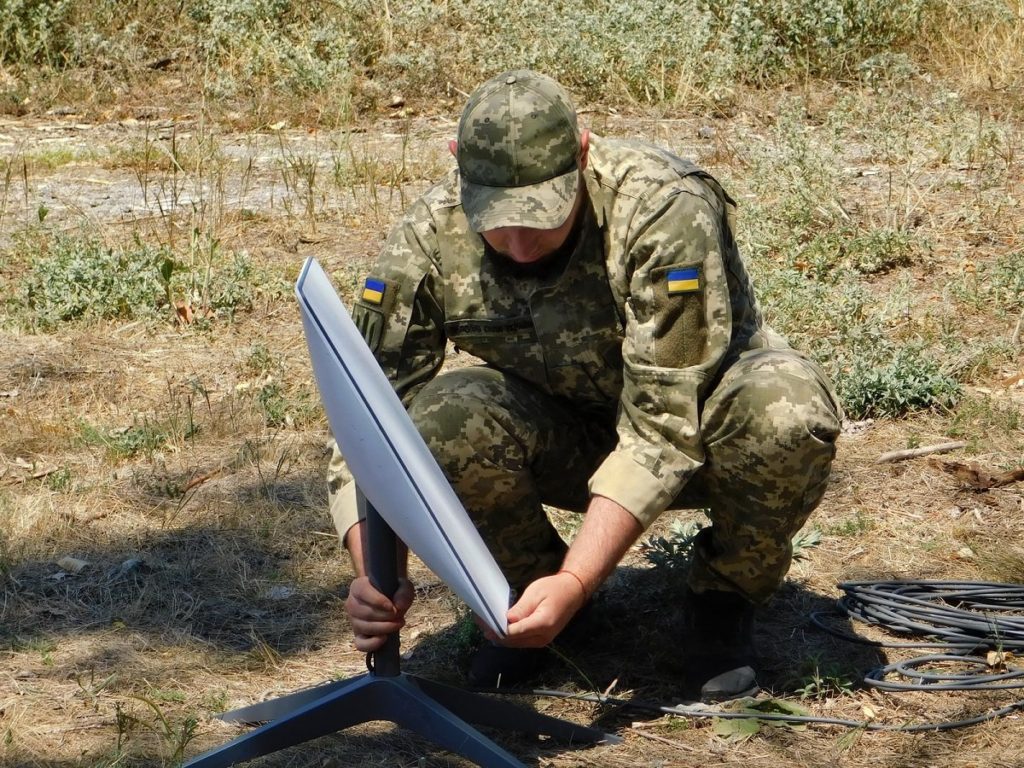
A Ukrainian soldier installs a Starlink terminal

SpaceX founder Elon Musk says that if Ukraine fires through Starlink, Russia would be entitled to shoot the network down. That is why Starlink must remain a civilian operation and cannot be used for outright offensive strikes that would put its very existence at risk.

The warning lands in the middle of a fight over Musk’s own hand on that network. Weeks ago, his company unexpectedly throttled the service Ukraine’s drones depend on amid US President Donald Trump diesel deal with Russia, which led to the disruption of a few operations on the front.

The US Treasury authorized the sale, delivery, offloading, and import of Russian-origin diesel fuel, effectively suspending sanctions on that trade until 7 April 2027, the Office of Foreign Assets Control (OFAC) said on its website on 9 October.

The diesel deal combining intelligence halt and military Starlink, with pressure on Ukraine to make a quick peace deal, has angered both Democrats and Republicans ahead of the US elections on 3 November, where Democrats could win.

Meanwhile, a Ukrainian official interprets Musk's talk of strikes as an attempt to build an alibi before a possible investigation into that decision.

A civilian network, or a target

Musk was responding to a post warning that if Starlink shifted from a civilian network into a military system, Russia could treat it as a target for retaliation, and that destroying satellites in orbit could scatter enough debris to make space unusable for years or centuries.

“An adversary blowing up Starlink satellites would create a domino effect of destruction that would generate a vast field of debris, making space unusable," he writes.

When the shield and the warnings failed together

Overnight into 14 October, SpaceX quietly capped the speed of Starshield, the military version Ukraine’s drones run on, without telling Kyiv. Ukrainian units said the limit broke a series of missions, with connections dropping mid-flight and leaving drones hard to control.

At the same time, President Volodymyr Zelenskyy said Ukraine relies on the network for air defense, not attack, to intercept the Russian drones Moscow sends to its cities, and that once the speed was cut, his forces could no longer stop some of them as effectively as before.

Simultaneously, Ukraine's other American lifeline also went dark: for about three days, the US stopped passing the intelligence that warns of Russian ballistic launches. On 12 October, Russian ballistic missiles hit Kyiv before the air-raid alert reached people, with no advance data from partners. In a strike during that window, three people were killed in the capital, the sirens sounding only after the blasts.

A Ukrainian official sees alibi-building

Meanwhile, Andrii Kovalenko, the ex-head of Ukraine’s Center for Countering Disinformation, read Musk’s statement as self-protection rather than physics

“Musk, having taken responsibility for the restrictions on Starlink and Starshield for Ukraine, is now trying to build himself an alibi before a possible investigation into that decision,” he wrote.

He said that regardless of who was behind the idea of restricting Starlink and Starshield access for Ukraine, it represents a strategic setback for the US in the long run, as it risks portraying the country as an unreliable partner that may fail to honor its commitments.

"Europe purchases around 60% of its imported weapons from the US. Trust in the US as a security guarantor directly supports sales for American defense companies. Moves like this only undermine that trust and encourage European countries to develop their own systems," he said.

The US has sent a message that its guarantees may not be reliable and that even paid-for services can be subject to political decisions, Kovalenko stressed.

  •  

US midterms could restore Ukraine’s American aid and curb Trump’s Russia deals, if Democrats win Congress

hill senators chose break leaving russia sanctions russia sanctions power trump’s hands congress lawmakers walked away sweeping bill trump decide how confront moscow month ukraine news ukrainian reports

If Democrats win the House, and possibly the Senate, a result nonpartisan analysts call plausible, they would gain the power to bring new Ukraine aid to a vote and to push back on President Donald Trump’s deals easing pressure on Russia, Reuters reports in an analysis of how US foreign policy could shift.

The stakes are concrete. Trump has largely halted direct US aid to Ukraine, which lawmakers of both parties had backed, and its current supplies run from packages passed under his predecessor.

Weeks ago, he also waived the sanctions on Russian energy that Congress had written into law and struck a deal to bring Russian diesel back to the market, angering Republicans and Democrats alike.

What a Democratic Congress could do for Ukraine

With both chambers, Democrats could put new Ukraine aid on the floor, and given the bipartisan support such aid has drawn, it could pass with the two-thirds majorities needed to override a Trump veto.

Other steps could be taken, too. Representative Gregory Meeks of New York, in line to chair the House Foreign Affairs Committee if his party wins control, has already introduced bipartisan legislation to block Trump’s plan to return Russian diesel to the global market.

Democrats are also readier than Trump’s Republicans to rein in military spending. They blocked his request for an unprecedented 67% rise in the military budget, to $1.5 trillion, in the Senate, and many say they will try to restore the foreign aid he has withheld or canceled.

The limits of a slice of power

The leverage has limits. Even with both chambers, Democrats would still face a president who can veto, and overriding him would require two-thirds of each chamber. The pattern has already been visible in Iran: Trump launched that war on 28 February without congressional approval, and when a War Powers resolution passed with a handful of Republican votes, his administration ignored it.

The US midterms could restore Ukraine’s American aid and curb Trump’s Russia deals, if Democrats win Congress

  •  

Ukraine strikes Russian plant supplying batteries for ballistic missiles and glide bombs with Storm Shadow missiles, OSINT reports – another hit on Russia’s weapons supply chain
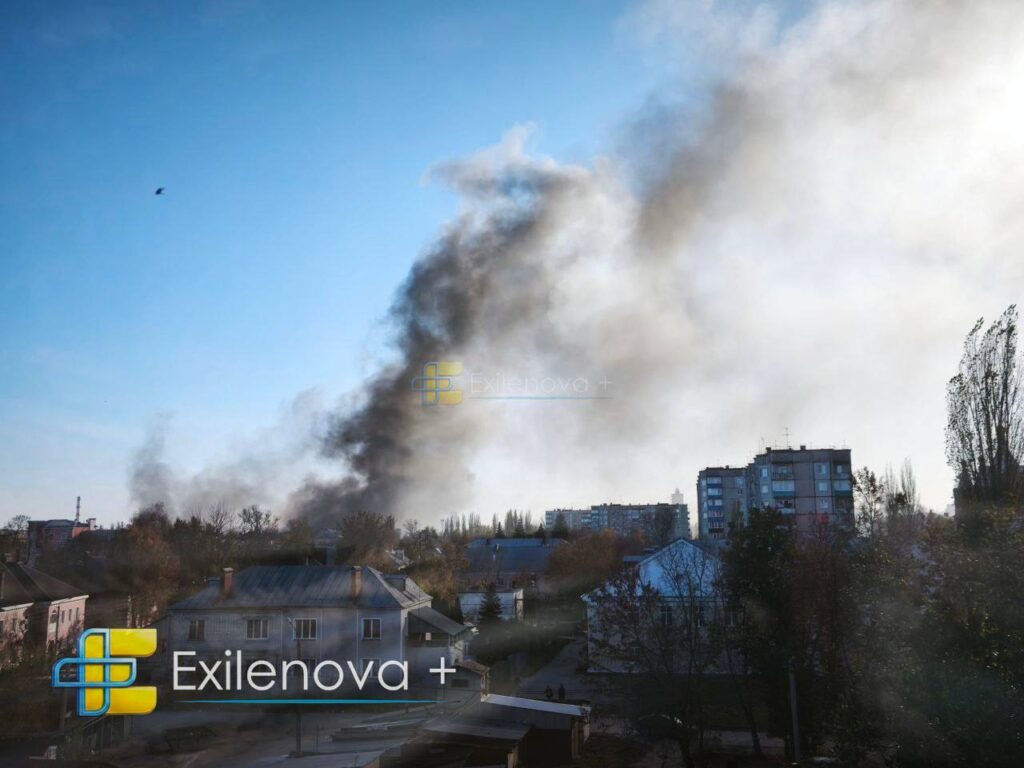
Smoke rising from the Energiya plant in Yelets, Russia’s Lipetsk Oblast, following a reported Ukrainian cruise missile strike, 25 October 2026. Photo: Exilenova+

Ukraine reportedly struck the Energiya plant in Yelets, Russia’s Lipetsk Oblast, with UK-supplied Storm Shadow cruise missiles on 25 October, according to the OSINT channel Exilenova+.

The plant manufactures batteries and power sources used in Russian weapons systems, including Iskander and Kinzhal missiles, air defense systems, and guided aerial bombs, according to Exilenova+. The reported strike targeted a facility that supplies components for Russia’s military-industrial complex as Moscow continues its war against Ukraine.

According to Exilenova+, Energiya is Russia's only producer of batteries for glide bomb planning and correction modules, as well as a key supplier of specialized power sources for several missile systems.

Storm Shadow missiles reportedly hit plant buildings

Exilenova+ reported multiple missile impacts at the Energiya plant, sharing footage and photos showing explosions, thick smoke, and fires at the facility. The channel later reported that the plant was still burning and that the surrounding area had been cordoned off, with numerous ambulances heading to the site.

Dnipro OSINT reported that at least two missiles struck two buildings at the plant.

The Energiya plant is located in Yelets, approximately 250 km (150 miles) from the Ukrainian border.

Plant produces components for Russian weapons

According to Dnipro OSINT, Energiya specializes in developing and manufacturing chemical power sources. Its products are used in several Russian weapons systems, including Iskander-K and Iskander-M missiles, Kh-47M2 Kinzhal air-launched ballistic missiles, Zircon missiles, and Pantsir air defense systems. The plant also supplies power sources for UMPB D-30SN guided aerial bombs.

Many of these weapons are used in Russian strikes on Ukrainian cities, killing civilians and destroying residential buildings and civilian infrastructure.

Aftermath of Russian Iskander strike on UN WFA warehouse housing humanitarian aid in Dnipro, 25 May. Photo: Andrii Sybiha
Explore further

UN food aid warehouse in Dnipro struck by Russian Iskander missile, impacting supplies for 130,000 people

Dnipro OSINT said the plant had been attacked at least four times before the 25 October strike.

The strike comes two days after a reported Ukrainian Storm Shadow missile attack on the Proton electronics plant in Russia’s Oryol on 23 October, which produces electronic components used in Russian weapons systems, including Iskander-M ballistic missiles and Pantsir-S1 air defense systems.

  •  

Russian titanium plant in Urals reportedly hit by Ukrainian drones, 1,500 km from Ukraine

finland confirms ukrainian drone its airspace kyiv's baltic strike campaign pushes deeper north – helsinki alert · post preparing launch long-range an-196 liutyi one-way attack photo_5224400079031496980_y (1) ukraine news reports

A drone attack damaged an industrial facility in Russia’s Perm Krai early on 25 October, injuring five workers, Ukrainian monitoring channel Exilenova+ reported. Exilenova+ identified the target as the AVISMA chemical and metallurgical plant in Berezniki, around 1,500 km from Ukraine’s border. 

The reported strike highlights Ukraine’s ability to reach industrial facilities deep inside Russia that support its military-industrial complex. 

AVISMA produces titanium materials used in aviation and aerospace manufacturing, including military aircraft, aircraft engines, missiles, and space technology, according to Exilenova+.

Regional governor Dmitry Makhonin said the industrial facility sustained damage but continued operating normally. He said five workers were injured in the attack.

A target deep inside Russia

Perm Krai lies in Russia’s Ural region, roughly 1,500 km from Ukraine’s border. The distance places the reported strike far beyond Russia’s border regions, where Ukrainian drone attacks have frequently targeted military and industrial infrastructure.

The reported attack follows a broader Ukrainian campaign against Russian industrial and energy facilities linked to the country’s war effort. 

Russia’s Defense Ministry claimed that air defenses intercepted and destroyed 532 Ukrainian drones overnight across 23 Russian regions and over the Sea of Azov, according to Russian state news agency TASS. 

The reported interceptions included drones over Perm Krai, as well as regions around Moscow and areas in southern and western Russia. The figures have not been independently verified.

The extent of damage at AVISMA and any impact on its operations have not been independently established.

  •  
❌