❌

Reading view

Anistia Internacional denunciará Milei à ONU por ataque a jornalistas

Logo Agência Brasil

A Anistia Internacional informou que vai denunciar o presidente argentino, Javier Milei, à Organização das Nações Unidas (ONU) e à Comissão Interamericana de Direitos Humanos (CIDH) por hostilidade a jornalistas.  

Na última semana, Milei xingou os profissionais que fizeram reportagens investigativas contra ele e afirmou que deveriam “queimar na fogueira”.

Notícias relacionadas:

A Anistia Internacional é uma organização não governamental (ONG) que atua na defesa dos direitos humanos, com representação em mais de 150 países, incluindo o Brasil.

As hostilidades de Milei foram cometidas após a Justiça argentina arquivar, na última sexta-feira (23), o caso conhecido como “criptogate”, de fevereiro de 2025, que levantava suspeita da participação dele e de outras pessoas, como a irmã, Karina Milei, em um esquema de irregularidades na criação da criptomoeda $Libra.

Milei teria utilizado as redes sociais dele para promover o ativo virtual. No entanto, para o juiz federal Marcelo Martínez De Giorgi, não houve delitos.

“Queimar na fogueira”

Milei citou nominalmente os jornalistas Hugo Alconada Mon, Carlos Pagni, Paulino Rodrígues, Natalia Volosin e Luis Novaresio e os desqualificou, além de xingá-los.

“Empacotados, corruptos, mercenários da mentira e fabricantes seriais de operações”, disse em discurso. Em seguida, declarou que “os que têm que queimar na fogueira são os filhos da p*”.

Na rede social X, o mandatário escreveu que foi alvo de “tremenda operação política e midiática cujo único objetivo era prejudicar a presidência para fins políticos de conspiração golpista”. A publicação classifica ainda os jornalistas como “subornados e mercenários da mentira”.

Para a Anistia Internacional, as declarações violentas do presidente aprofundam o assédio à imprensa, colocam em risco aqueles que informam e deterioram as garantias do debate democrático.

“A organização manifesta profunda preocupação com a escalada de hostilidade contra a imprensa e levará esses fatos às instâncias internacionais, no âmbito de seu trabalho de monitoramento e denúncia da deterioração da liberdade de expressão na Argentina”, acrescenta.

Sobre a referência a queimar na fogueira, a Anistia Internacional considera que a expressão evoca violência extrema e constituem uma “escalada grave e inadmissível na hostilidade presidencial contra a imprensa”.

“Não se limita a questionar uma cobertura jornalística, mas individualizam e estigmatizam jornalistas”, pontuou.

A diretora-executiva da ONG na Argentina, Mariela Belski, assinalou que, quando o presidente aponta publicamente jornalistas e utiliza imagens de violência para se referir àqueles que questionam a gestão dele, contribui para gerar um clima de intimidação que pode abrir caminho para novas agressões.

“O cargo que ocupa exige uma responsabilidade reforçada: deve garantir que a imprensa possa investigar e informar com liberdade e segurança. O assédio por parte do poder deteriora as condições do debate democrático e afeta o direito de toda a sociedade de estar informada”, disse.

Histórico de hostilidade

Para fundamentar a acusação de deterioração contínua das condições para o exercício do jornalismo no país, a ONG cita o Monitoramento da Liberdade de Expressão do Fórum de Jornalismo Argentino, que mostra 278 casos de ataques contra jornalistas em 2025, 55% a mais que em 2024 e o maior número desde o início dos registros, em 2008.

O presidente Javier Milei foi identificado como autor de 119 desses episódios, o que o colocou como o principal agressor individual. O levantamento contabilizou ainda 139 casos de discursos estigmatizantes, 20 ações judiciais contra jornalistas e 28 restrições de acesso à informação.

A Anistia Internacional reforça que a repetição dessas práticas pode gerar um efeito silenciador que vai além das pessoas diretamente atacadas: desestimula investigações, favorece a autocensura e empobrece a circulação de informações de interesse público.

“Investigar a atuação daqueles que governam é uma função essencial do jornalismo e garantia para o controle democrático do poder”, sustentou.

CIDH

A ONG relembra que em novembro de 2025, participou, juntamente com organizações de direitos humanos, entidades jornalísticas e sindicatos de imprensa, de uma audiência sobre a situação da liberdade de expressão na CIDH.

Na ocasião, foram denunciados o aumento das agressões, a violência on-line, o assédio judicial e os ataques durante a cobertura de protestos, em um contexto de expansão de práticas autoritárias.

A CIDH solicitou informações ao Estado argentino e manifestou interesse em realizar uma visita ao país.

A CIDH é uma instituição judicial autônoma da Organização dos Estados Americanos (OEA), que tem o objetivo de aplicar e interpretar a Convenção Americana - também chamada de Pacto de San José da Costa Rica - que consiste em um tratado internacional sobre direitos e liberdades.

A jornalista Carla Gaudensi, secretária da Federação Argentina de Trabalhadores de Imprensa, informou à Agência Brasil que a entidade se juntará à Anistia Internacional na representação.

Outro repúdio às declarações de Milei surgiu da Federação Internacional dos Jornalistas (FIP).

À Agência Brasil, a peruana Zuliana Lainez, presidente de FIP, disse que a imprensa não está diante de um simples confronto discursivo.

“Constrói-se um clima de intimidação que põe em risco a integridade dos trabalhadores da imprensa, favorece a autocensura e busca desestimular o exercício de uma função essencial para qualquer sociedade democrática.”

Lainez acrescentou que os ataques não podem ser analisados de maneira isolada.

“Se inserem em um cenário de crescente deterioração das condições para o exercício do jornalismo na Argentina, marcado por agressões físicas durante coberturas, assédio judicial, restrições ao acesso à informação e ataques sistemáticos por parte de diversos funcionários do próprio governo”, analisou.

Sindicato repudia Milei

O Sindicato de Imprensa de Buenos Aires emitiu nota de repúdio ao presidente argentino, na qual afirma que o mandatário “voltou a ultrapassar um limite gravíssimo”. 

“A incitação a ‘queimar na fogueira’ um grupo de jornalistas deve provocar uma reação imediata de todo o espectro político e midiático para frear os ataques contra nossa profissão. Não haverá espaço para lamentações se a violência promovida pelo presidente acabar se transformando em fatos concretos”, publicou.

Brasileiro 

No último dia 12, o jornalista brasileiro Rogério Tomaz Jr., conhecido por críticas ao governo Milei, foi impedido de entrar na Argentina, ao desembarcar no aeroporto Aeroparque, em Buenos Aires. 

As autoridades migratórias determinaram o cancelamento de residência permanente dele e estabeleceram uma proibição de reingresso por cinco anos.

Rogério Tomaz Jr. mora em Brasília, acompanha a política argentina e produz conteúdos sobre os impactos econômicos e sociais das medidas adotadas pelo governo Milei, incluindo cortes nos gastos públicos, privatizações e inflação. Ele também trabalha em um livro sobre a gestão do presidente argentino.

  •  

People have the power

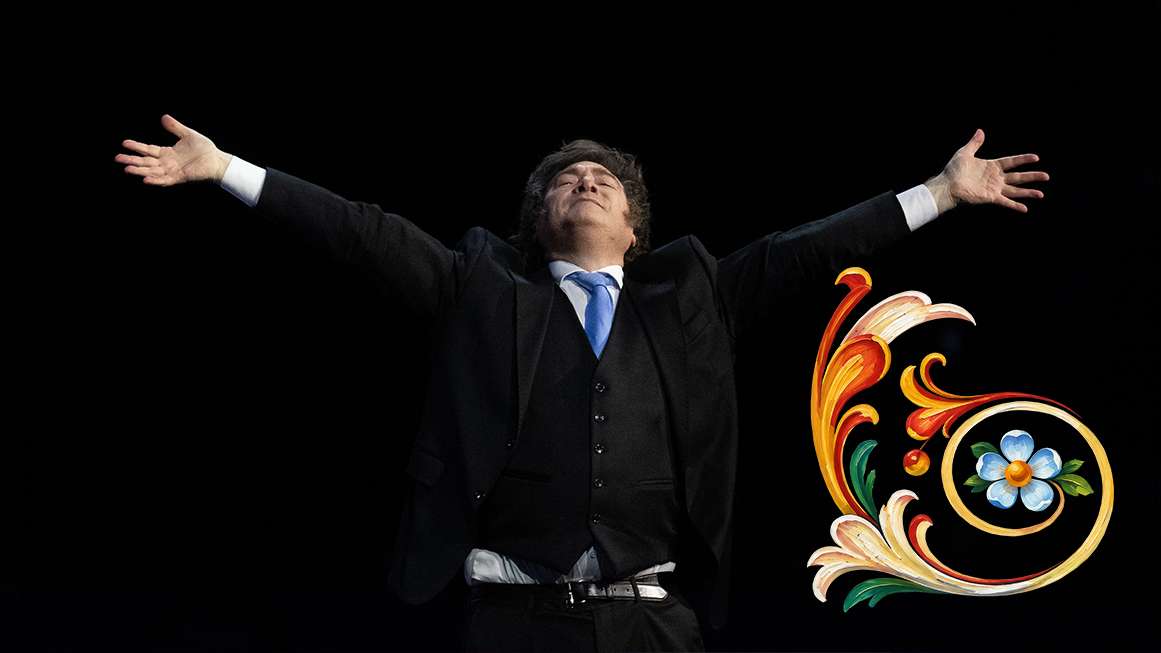
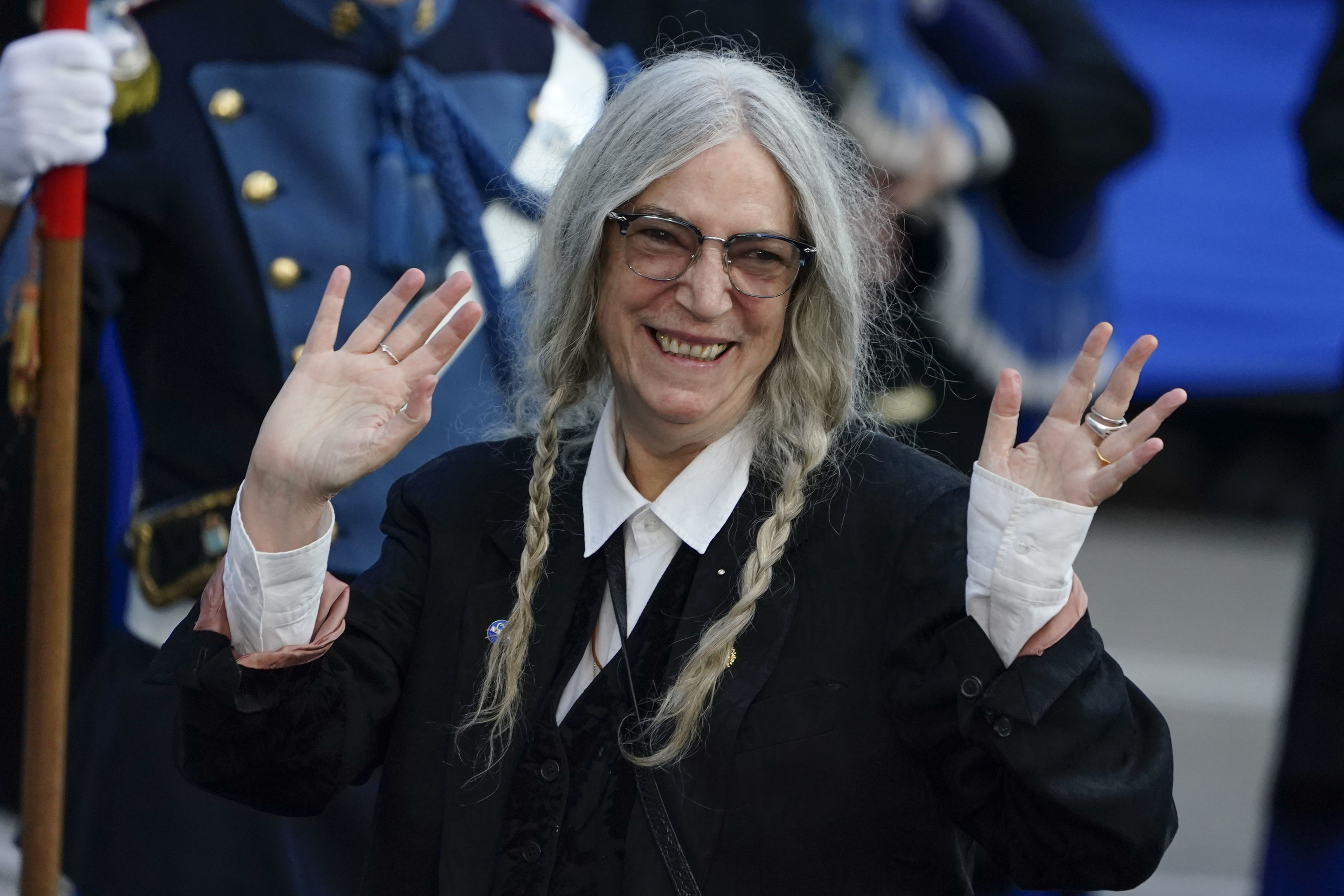
Por qué, teniendo solo una vida y pudiendo tener la posibilidad de ser una de estas dos personas, alguien elegiría ser Milei y no Patti Smith Leer

Por qué, teniendo solo una vida y pudiendo tener la posibilidad de ser una de estas dos personas, alguien elegiría ser Milei y no Patti Smith
  •  

ONG denunciará a Milei ante la CIDH y la ONU por ataques a periodistas

La organización presentará cargos internacionales contra el mandatario tras sus dichos contra cinco periodistas que cubrieron el caso de la criptomoneda $LIBRA.
  •  

Confianza pública en Gobierno de Milei, la más baja en su mandato

Buenos Aires, 26 oct (Prensa Latina) El Índice de Confianza del Gobierno (ICG), que elabora mensualmente la Universidad Torcuato Di Tella, registró en octubre un leve aumento respecto a septiembre, sin embargo, es el más bajo de todo su mandato, informó hoy esa institución privada.

The post Confianza pública en Gobierno de Milei, la más baja en su mandato first appeared on Noticias Prensa Latina.

  •  

Latin America’s left celebrates Lula’s victory: ‘The Pelé of progressivism’

The weakened Latin American left is celebrating Luiz Inácio Lula da Silva’s epic comeback in grand style — the “Pelé of progressivism” who is preparing to become president of Brazil for a fourth time. From Mexico’s Claudia Sheinbaum to Colombia’s Gustavo Petro, and including Argentina’s Cristina Fernández de Kirchner and Chile’s Gabriel Boric, the bloc was quick to hail Lula’s victory as soon as it became irreversible, despite the defeated Flávio Bolsonaro’s promise to seek to annul the election. The right, split between acknowledging the result and remaining silent, has left Bolsonaro alone in his challenge.

Seguir leyendo

© Presidencia de Brasil (REUTERS)

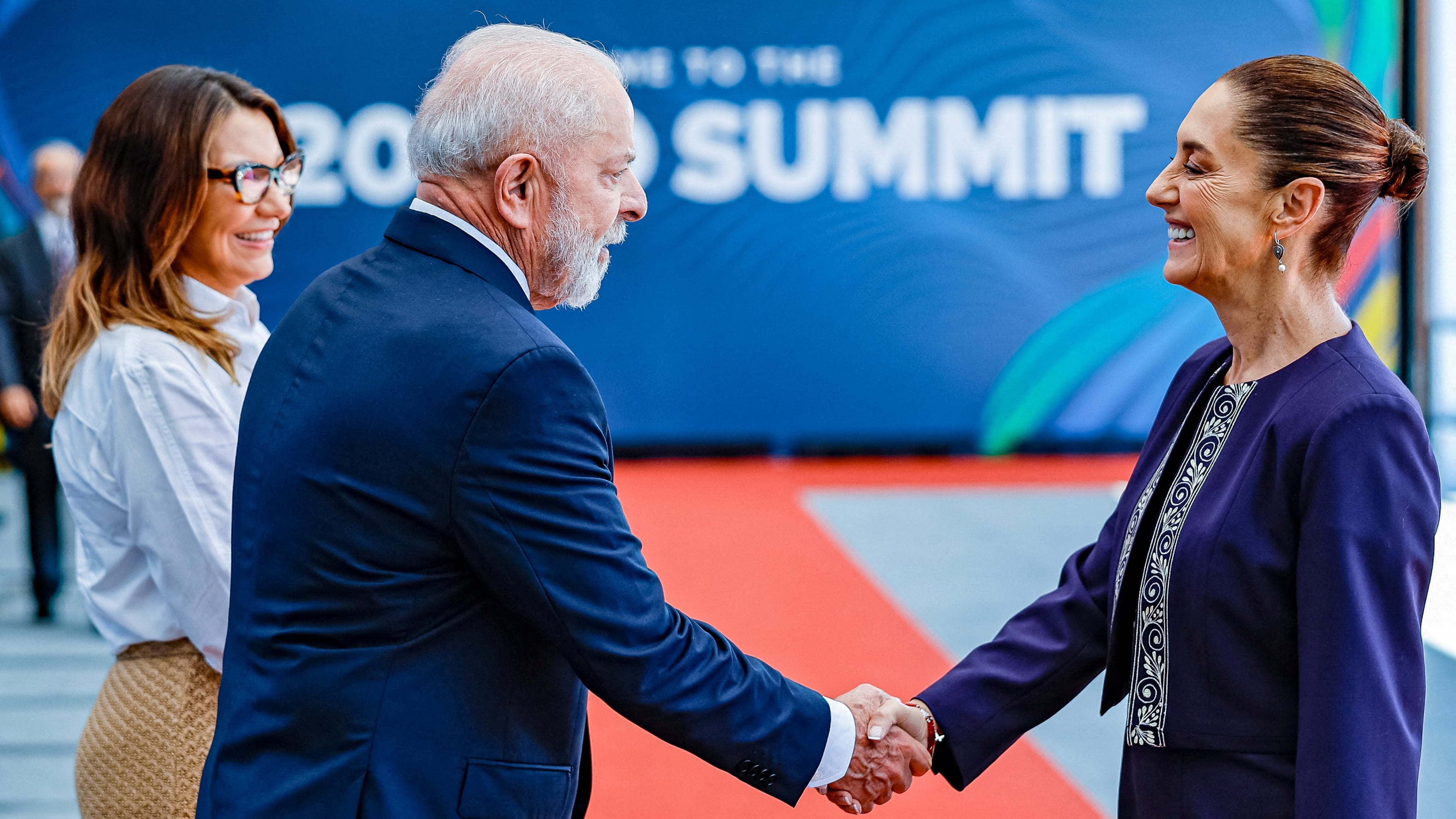
Lula da Silva greets Claudia Sheinbaum in Rio de Janeiro, Brazil, in 2024.
  •  

Cristina Kirchner parabeniza Lula pela reeleição e Milei silencia

A ex-presidente da Argentina Cristina Kirchner foi às suas redes sociais na noite deste domingo (25) parabenizar o presidente Luiz Inácio Lula da Silva (PT) pela reeleição.

“Parabéns, primeiro ao povo brasileiro, que hoje protagonizou um autêntico 17 de Outubro eleitoral”, afirmou a líder, atualmente em prisão domiciliar após ser condenada por corrupção. A data é uma referência ao dia em que, em 1945, uma multidão foi às ruas pedir a liberação do general Juan Domingo Perón.

E continuou: “Depois, a você, companheiro presidente Lula, que, em sua sétima eleição presidencial, soube despertar em seus compatriotas o sentimento e o sentido necessários para vencer esta batalha”.

Milei não se pronunciou

O atual presidente argentino e adversário de Cristina, Javier Milei, não se pronunciou sobre o resultado, assim como os demais líderes latino-americanos. O ultraliberal apenas republicou postagens que sugeriam uma fraude no processo eleitoral brasileiro, sem provas. (Daniela Arcanjo/FOLHAPRESS)

The post Cristina Kirchner parabeniza Lula pela reeleição e Milei silencia appeared first on Diário da Manhã - O Jornal do leitor Inteligente.

  •  

Argentina Press Groups Condemn Milei’s Threats To Journalists

Argentine President Javier Milei faces criticism over threats against journalists investigating the $LIBRA cryptocurrency scandal.

Press freedom groups condemn Javier Milei’s threats against journalists who investigated the $LIBRA cryptocurrency case, warning of rising hostility toward the media.


Argentine press freedom and human rights organizations have condemned President Javier Milei for threatening journalists who investigated the $LIBRA cryptocurrency scandal, warning that his remarks could expose media workers to violence and undermine freedom of expression.

RELATED: Argentine Court Rules Milei University Funding Decree Unconstitutional

Speaking at a dinner hosted Friday by the Fundación Faro think tank, Milei attacked journalists who covered the $LIBRA case, accusing them of spreading false information and coordinating a political operation against his administration.

The remarks came hours after a court dismissed the judicial case involving the cryptocurrency, a digital asset promoted by Milei in February 2025 whose sharp price fluctuations harmed thousands of investors.

Text Reads: 🗣️ Argentine President Javier Milei stated on Friday that “the ones who should be burned at the stake are the sons of b*tches,” after publicly singling out media figures who covered the investigation into the cryptocurrency $LIBRA.
⚖️ These remarks were made during a dinner hosted by the Fundación Faro, just hours after the judiciary dismissed the case. Milei specifically mentioned journalists from La Nación, Perfil, and A24.
📢 FOPEA (Forum for Argentine Journalism) denounced an “unprecedented escalation,” warning that such language “legitimizes violence.” The CELS (Center for Legal and Social Studies) described his comments as an “authoritarian escalation,” while the union SiPreBA called for an immediate response from the political and media spheres.
🔴 “The State has an obligation to protect journalists, not to turn them into targets,” FOPEA stated.

During his speech, Milei threatened those he accused of wrongdoing with being “burned at the stake” and singled out five journalists by name: Hugo Alconada Mon, Carlos Pagni and Paulino Rodrigues of La Nación newspaper; Natalia Volosín of Perfil; and Luis Novaresio of A24 television.

“Let it be known that the sons of bitches in Argentina will receive no mercy,” the president declared. “Those who deserve to be burned at the stake are the sons of bitches.”

The remarks drew condemnation from press freedom and human rights organizations, which warned that publicly identifying journalists while using such threatening language could increase the risks they face in their work.

The Argentine Journalism Forum (FOPEA) said the reference to burning journalists at the stake, coupled with the president’s naming of specific media professionals, marked a significant escalation in government hostility toward the press.

“The state has an obligation to protect journalists, not turn them into targets,” the organization said. It urged Milei to stop stigmatizing journalists and called on political leaders, lawmakers and other institutions to publicly respond to the incident.

The Center for Legal and Social Studies (CELS) described the episode as an “authoritarian escalation” in a statement published on X. The organization warned that when a head of state publicly casts critics as enemies, it can encourage attacks and undermine democratic debate. It also argued that insults and defamatory attacks against journalistic work must have limits.

❌ESTO NO ES UN REPUDIO,
ES UN LLAMADO A LA ACCIÓN

🔊FRENEMOS LA INQUISICIÓN DE MILEI

El presidente Milei volvió a cruzar un límite gravísimo. La instigación a “quemar en la hoguera” a un grupo de periodistas debe generar una reacción inmediata de todo el arco político y… pic.twitter.com/XrXOohrVDe

— SiPreBA – Sindicato de Prensa de Buenos Aires (@sipreba) October 24, 2026

Text Reads: ❌THIS IS NOT A REJECTION,
IT’S A CALL TO ACTION
🔊LET’S STOP MILEI’S INQUISITION
President Milei has once again crossed a gravely serious line. The incitement to “burn at the stake” a group of journalists must provoke an immediate reaction from the entire political and media spectrum to halt the attacks on our profession. There will be no room for regrets if the violence promoted by the President ends up turning into facts.
This government, which nearly killed photographer Pablo Grillo in a savage crackdown, now calls, in the voice of its highest representative, to assault our colleagues, as has already happened. We send our solidarity to @halconada, @CarlosPagni2, @nataliavolosin, @paulinor76and @luisnovaresio and place ourselves at their disposal.
With threats on social media, repression in the streets, and attacks on rights in Congress, they seek to silence the press. From SiPreBA, we call to defend the Journalist’s Statute and to respond with more democracy in the face of the return to the Inquisition proposed by the Executive Branch.

CELS said the incident was part of a broader pattern of hostility toward media workers, including harassment, attacks on digital platforms and repression of journalists covering public demonstrations.

The Buenos Aires Press Union (SiPreBA) also condemned the president’s remarks, calling for an immediate response from political and media figures to stop the attacks. The union expressed solidarity with the journalists targeted by Milei and warned of the possible consequences of his rhetoric.

“There will be no room for regret if the violence promoted by the president ends up turning into actual incidents,” SiPreBA said.

The organizations called for political and institutional action to protect journalists and counter hostility toward the press following Milei’s public targeting of reporters who investigated the $LIBRA case.

  •  

Perché l’Argentina di Milei conferma che le ricette neoliberiste sono fallimentari

C’è uno strano caso di “miracolo” economico che riesce a far quadrare i conti dello Stato mentre manda fuori squadra quelli di chi lavora, produce, consuma. Se volete toccare con mano, prendete un aereo per Buenos Aires, nell’Argentina di Javier Milei, il presidente con la motosega anti-sprechi, anti-spesa pubblica, anti-tutto. Uno strumento che, a giudicare dai risultati, funziona egregiamente. Il punto è capire che cosa stia tagliando.

All’atto del suo trionfale avvento, nel 2023, Milei era stato dipinto come un auspicato innovatore della deregulation contro-statalista in salsa sudamericana. Esaltato in primis dagli opinionisti turbo-liberali mai sazi di sforbiciate al deficit, pareggi di bilancio, privatizzazioni e tutto il ben noto pacchetto di riforme degli emuli, o nostalgici, della “filosofia” ultraliberista.

Partiamo dalle imprese: tra novembre 2023 e luglio 2026, secondo i registri ufficiali argentini, 32.290 datori di lavoro in meno (-6,3%) e 437.600 posizioni lavorative perdute (-4,4%). Non tutti fallimenti o licenziamenti, ma senz’altro una bella emorragia. In Argentina, il piatto piange, ma letteralmente, non per modo di dire. Prendete la carne bovina, icona nazionale del comparto alimentare: 46,3 chili annui pro capite nel luglio 2026, il 9,4% in meno rispetto all’anno precedente. Nel Paese dell’asado, anche la bistecca è diventata un lusso.

Quanto alle pensioni, il bonus per i trattamenti più bassi è congelato a 70.000 pesos dal marzo 2024. I prezzi, ovviamente, no: e il taglio delle pensioni “povere” vien da sé, per opera dell’inflazione, senza colpo ferire e senza bisogno di scomodi interventi “strutturali”. Infine la povertà: risalita dal 28,2% al 32,3% nel primo semestre 2026, con il 7,5% degli argentini nell’indigenza.

Certo, Milei ha ottenuto risultati importanti sul piano della stabilizzazione: avanzo fiscale nel 2024 e nel 2025, inflazione mensile scesa all’1,9 per cento nel settembre 2026. Liquidare questi risultati come inesistenti sarebbe poco onesto. Ma confondere il miglioramento degli indicatori fiscali e monetari con il benessere e la qualità della vita dei cittadini è un errore ancor più grave.

Uno Stato non è un’azienda, e tanto meno un foglio Excel dove l’unica variabile degna di nota è il saldo entrate-uscite e dove i benefici sono sempre e solo quelli rilevabili con l’occhiuta tigna di un cassiere. Né il giudizio su un Paese può essere appaltato in esclusiva alle agenzie di rating. Esso deriva anche da come sono tutelati i suoi abitanti (sul piano del welfare, della sanità, della vecchiaia), da quanto l’ecosistema economico sia favorevole anche alle piccole e medie imprese, dall’adeguatezza dei salari dei suoi lavoratori, dal potere d’acquisto delle sue famiglie.

Per capire la filosofia che ispira il format albiceleste, bisogna fare un salto indietro di mezzo secolo. Destinazione: Cile, anni Settanta. All’indomani del colpo di Stato di Pinochet, i cosiddetti Chicago Boys, economisti cileni formatisi nell’ambiente accademico dell’Università di Chicago, contribuirono a realizzare un radicale programma di liberalizzazioni, privatizzazioni, disciplina monetaria e ridimensionamento dell’intervento statale.

Naturalmente il Cile di Pinochet era una dittatura e l’Argentina di Milei è una democrazia. Ma la genealogia economica degli “sperimentatori” è riconoscibile tanto quanto l’identità nazionale delle cavie, entrambe sudamericane. La convinzione di fondo condivisa è che lo Stato sia omologabile a una SpA, la spesa pubblica un male da estirpare e il mercato il solo prodigioso meccanismo in grado – una volta sbrigliato dai lacci e lacciuoli di ogni pretesa di ingerenza “sociale” – di far quadrare i conti e di generare surplus.

Milei sembra la versione più estrema, quasi fumettistica – persino dal punto di vista lombrosiano, coi suoi rampanti basettoni da protocapitalista ottocentesco – di un’intera scuola di pensiero: un Chicago Boy in grisaglia senza il gessetto del professore e con l’intraprendenza di un boscaiolo.

La parabola di Milei dovrebbe farci riflettere perché – sia pure in modo esasperato e iperbolico – ben restituisce l’esito per molti versi fallimentare, sul piano sociale, delle ricette neoliberiste. Ricette che abbiamo conosciuto sulla nostra pelle sia pure in una declinazione più ordo-liberista di stampo teutonico. E ciò a far data quantomeno dai primi anni Novanta con la fine della tanto vituperata prima repubblica, il celebre incontro sul Britannia del 1992, la svendita dell’IRI, l’avvento dell’euro, la firma dei trattati di Maastricht e di Lisbona che hanno finito per stravolgere, se non per tradire del tutto, lo spirito keynesiano della nostra Costituzione originaria.

Il tutto precisamente in ossequio a quel culto della competitività, delle “lenzuolate” e dei “conti in ordine” che rappresenta una delle matrici ideologiche tutt’altro che secondarie dell’architettura unionista.

www.avvocatocarraro.it

L'articolo Perché l’Argentina di Milei conferma che le ricette neoliberiste sono fallimentari proviene da Il Fatto Quotidiano.

  •  

Javier Milei's Case Against AI Regulation

Javier Milei | Photo: Javier Milei, 2026; Mandel NGAN/AFP via Getty

"As much as the industrial revolution freed us from the constraints of the human muscle, AI will free us from the constraints of the human brain, pushing productivity beyond our wildest dreams….Keep AI unregulated so that it is free to be developed without the deadly hand of premature and poorly understood regulation."

Argentine President Javier Milei wrote that on June 4 in the Financial Times as part of his push to bring AI companies to Argentina. The prior week, he had introduced legislation to boost AI based on three pillars: leaving AI unregulated, establishing a new legal category for nonhuman corporations operated by AI agents or robots, and keeping corporate taxes low. As of late September, the Senate has held hearings on the legislation but not advanced it.

The post Javier Milei's Case Against AI Regulation appeared first on Reason Magazine.

  •  

Argentina Congress Approves Disability Emergency Law

Photo: Pagina 12.

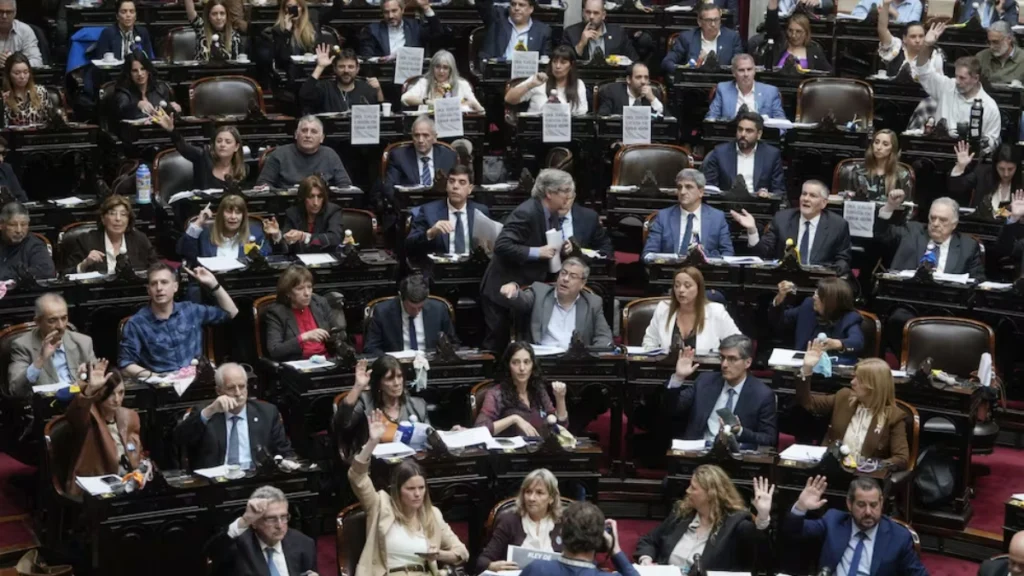
Argentina’s Chambern of Deputies approved the Disability Emergency Law in the early hours of Thursday, after more than a year of protests against Javier Milei’s austerity policies.


The final text passed with 237 votes in favor, 9 against and 4 abstentions from left-wing sectors, in a session that began Wednesday afternoon.

RELATED: Argentina Rights Group Files Complaint Over Police Crackdown

The law maintains non-contributory pensions, compatibility with formal employment and access to health benefits. It also establishes specific budget items to finance the system and mechanisms to prevent arbitrary removal of beneficiaries.

Among its central points are new conditions for accessing non-contributory disability pensions, the possibility of keeping the benefit while working within certain income limits and a control system based on cross-referencing data between public agencies. It also sets obligations for budget transparency, training for service providers and deadlines to complete pending compensations.

#Argentina | Human rights groups filed a criminal complaint over a police crackdown on university protesters in Buenos Aires that reportedly left more than 550 people injured or affected.
The complaint seeks accountability for alleged excessive force during demonstrations… pic.twitter.com/yrEWJjPhA7

— teleSUR English (@telesurenglish) October 19, 2026

The law stipulates the return of all funds owed to providers for more than a year, settling the accumulated financial deficit, and sets strict peremptory deadlines for the Executive Branch to make these obligations effective.

The changes were incorporated after weeks of negotiations and set aside the cuts that the Executive Branch had included in the 2027 Budget for the disability area.

Hundreds of Spanish students gathered at Rey Juan Carlos University (URJC) to protest the visit of far-right Argentine President Javier Milei, who was scheduled to participate in a forum during his stay in Madrid.

Armed with pots and pans, whistles, Palestinian flags, and… pic.twitter.com/LGGFyeYpe6

— teleSUR English (@telesurenglish) October 21, 2026

Various organizations of people with disabilities in Córdoba denounced not having been convened to the legislative debate, and expressed skepticism about the Government’s real willingness to comply with what was voted.

The approval comes after more than a year of permanent protests, marches and mobilizations led by people with disabilities and their families, who expressed in the streets their rejection of Milei’s adjustment policies. During that period, the affected sectors suffered neglect, mistreatment and harsh episodes of police repression near the legislative palace, images that were widely disseminated and generated deep repudiation in society.

A key factor in unblocking the legislative scenario was intense lobbying by Pastoral Social Argentina, whose representatives went directly to Congress to dialogue deputy by deputy. Added to this was strong international pressure from Vatican diplomacy, after a monsignor gave various interviews in local media to warn about the Holy See’s deep concern for the health and quality of life of the group.

  •  

Spanish Students Protest Javier Milei’s Visit to University

Demonstrators at Rey Juan Carlos University denounce his policies threaten public higher education.

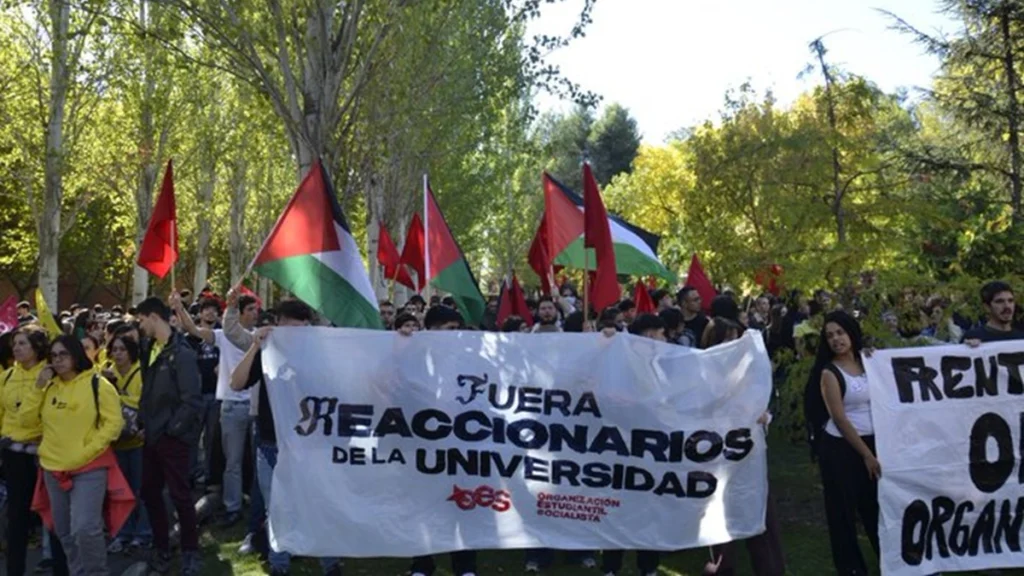
On Wednesday, hundreds of Spanish students gathered at Rey Juan Carlos University (URJC) to protest the visit of far-right Argentine President Javier Milei, who was scheduled to participate in a forum during his stay in Madrid.

RELATED:

Argentine Court Rules Milei University Funding Decree Unconstitutional

Armed with pots and pans, whistles, Palestinian flags, and banners, the students waited for the Argentine leader, who arrived at the university escorted by several security vehicles with tinted windows.

“Milei, fascist, you’re on our list” and “Milei, you rat, die,” social activists opposed to the presence of the far-right politician shouted in unison.

The URJC for Public Education Platform has called for Milei’s invitation to be canceled, arguing that his presence contradicts the values of a public university.

El fascista de Javier Milei se encuentra ahora mismo en el campus de Vicálvaro de la URJC impartiendo una charla, acompañado de Díaz Ayuso.

Las estudiantes nos negamos a que nuestros campus sean utilizados como altavoces para los discursos reaccionarios. No pasarán. pic.twitter.com/fkriIKhmnn

— Sindicato de Estudiantes (@SindicaEstudian) October 21, 2026

The text reads, “The fascist Javier Milei is currently at the URJC’s Vicálvaro campus giving a talk, accompanied by Diaz Ayuso. We, the students, refuse to let our campuses be used as a platform for reactionary discourse. They shall not pass.”

“The campus must be a free space where we can all express our opinions,” said Sara Pazos Garcia, a doctoral student in health sciences, who denounced the university administration’s failure to respond to her statement rejecting the visit.

Alejandro, a spokesperson for the organization Socialism, criticized the university model promoted by Milei and Isabel Diaz Ayuso, the conservative president of the Community of Madrid.

“They represent the same university model, which involves defunding public universities to drive the working class out of them,” he said.

The protest took place under a heavy security deployment, with dozens of riot police officers stationed in front of the library and six police vans on the campus’ main street, while demonstrators chanted, “Police out of the university.”

teleSUR/ JF

Source: EFE

  •  

Working to change the culture from within in Argentine women’s soccer

On March 7, 2024, Cynthia Conforto’s cellphone exploded with calls. On the eve of International Women’s Day events, a sports journalist’s accusation of sexual assault against four Vélez Sarsfield players disrupted plans for 8M. Conforto had been in charge of the club’s Gender Department for only a few months; Vélez is one of the 30 clubs in Argentina’s professional league. The alleged incidents took place during a team training camp in Tucumán, about 750 miles from Buenos Aires.

Seguir leyendo

© Manuel Fernández

Vélez players arriving at the training ground.
  •  

Milei at the UN: Argentina as the ‘promised land’ for capital, AI, and Israel

Far-right Argentine President Javier Milei addressed the 81st session of the United Nations General Assembly on September 23, giving a speech which provoked strong reactions. The South American head of state also participated in a series of high-level meetings.

One of his most quoted lines from his New York City trip has been: “Argentina is the new promised land.”

This is not the first time Milei has used religious concepts and ideas from the Judeo-Christian tradition to explain his political stance, but it is the first time the Argentine president has equated his country, in economic and political terms, with the land of Abraham and his descendants.

This is even more telling when one considers Milei’s extremely close relationship with Israel and ardent defense of its policies of war and genocide across West Asia, as well as the admiration he professes for the Jewish religion.

Milei also emphatically underscored this during his address to the UN General Assembly: “We also made a geopolitical choice: we have unambiguously aligned ourselves with the West … We condemn the Iranian regime’s attacks on the State of Israel.”

And this is an indisputable fact. Since the beginning of his term, Milei has not only aligned himself with the geopolitical interests that the Trump administration has vigorously pursued, but has also become one of Israel’s staunchest allies in the region.

This is quite impressive, considering that President Noboa in Ecuador, De la Espriella in Colombia, and others have also expressed a kind of unwavering alliance with Tel Aviv.

That is why Milei has not limited himself to diplomatic rhetoric, but has pulled the strings of power to designate Iran’s main military force (currently in conflict with Israel and the United States) as a terrorist organization.

“We declare the Iranian Revolutionary Guard a terrorist organization, just as we continue to seek justice for the two attacks we suffered on Argentine soil in 1992 and 1994,” Milei said at the UN, referring to two attacks in Argentina against the Israeli Embassy and the Argentine Israelite Mutual Association (AMIA). The Argentine justice system, advised by Israel and the United States, identified Hezbollah and Iranian citizens as the perpetrators.

Free-market capitalism and Artificial Intelligence

Another topic Milei addressed during his appearance was his staunch defense of free-market capitalism in which the state plays a minimal role: “We do not want to lose again; that is why we embrace free-market capitalism.”

In this regard, Milei once again highlighted his government’s strong support for artificial intelligence companies and the tycoons behind them. It should not be forgotten that the Argentine government signed a working and information-sharing agreement with Palantir, whose co-founder, Peter Thiel, purchased a property on Argentine soil.

This is clearly part of Milei’s neoliberal agenda to attract investment from major foreign capitalists, among whom the owners of technology companies (who are so interested in resources such as lithium, copper, and others that abound in South America) currently stand out.

However, recent statements by former employees of these companies regarding the danger that the development of AI poses to humanity have created some unease around the world. But Milei says that this is precisely the time to move forward: “Prudence does not mean fear, and what’s more, fear should under no circumstances automatically lead to obedience … where many see a threat, we see a frontier.”

Criticism of the UN

Probably one of the most important aspects highlighted in Milei’s speech was his harsh criticism of the UN and its role in current geopolitics: “Today, unfortunately, it is time to acknowledge that this sacred pact has, in fact, been broken.”

But not content with merely pointing out the shortcomings, Milei asserted (very much in line with Trump) that the UN has become a venue for certain people to amass wealth: “It has become a useless organization that serves only to feed a caste of fatally arrogant parasites disguised as well-meaning bureaucrats.”

Hence, he asserted that resolutions ultimately have no real effect on policy. He cited the example of the Malvinas Islands, a territory disputed with the United Kingdom: “What good is a resolution if, for decades, the other party can act contrary to it, and that resolution remains intact in the archives but is powerless in the face of reality?”

Criticism of Milei’s speech

Milei’s statements, while applauded by his supporters, have drawn widespread criticism in Argentina. Much of the criticism has focused on the fact that Milei now seems to staunchly defend Argentina’s right to control the Malvinas Islands, whereas in the past he was cautious and even reluctant to adopt a patriotic stance against the United Kingdom – something both the Argentine left and right have done. “We’re surprised that Milei now remembers when he used to talk about self-determination,” said Axel Kicillof, governor of the province of Buenos Aires.

Likewise, critics pointed out the apparent contradiction in Milei’s rhetoric between extolling the right to self-determination and aligning himself with the interests of Washington and Tel Aviv: “Milei’s stance doesn’t surprise me. The truth is that this line of subservience—and I say this very clearly—is directed at Trump and Netanyahu. Even the terminology is consistent with what Trump proposed and his ideas on the deregulation of artificial intelligence, as well as his view that Argentina’s natural resources are available to anyone who wants to take them,” said Kicillof.

Regarding Milei’s economic rhetoric, Patria Grande leader Juan Grabois said: “Besides being an ignorant imbecile, besides being a lobotomized parrot who parrots Trump, besides plagiarizing Gramsci without knowing he’s “a filthy communist,” what Milei is saying is that we’re basically going to hand over our territory, critical minerals, energy, and national sovereignty to the technocracy.”

  •  
❌