❌

Reading view

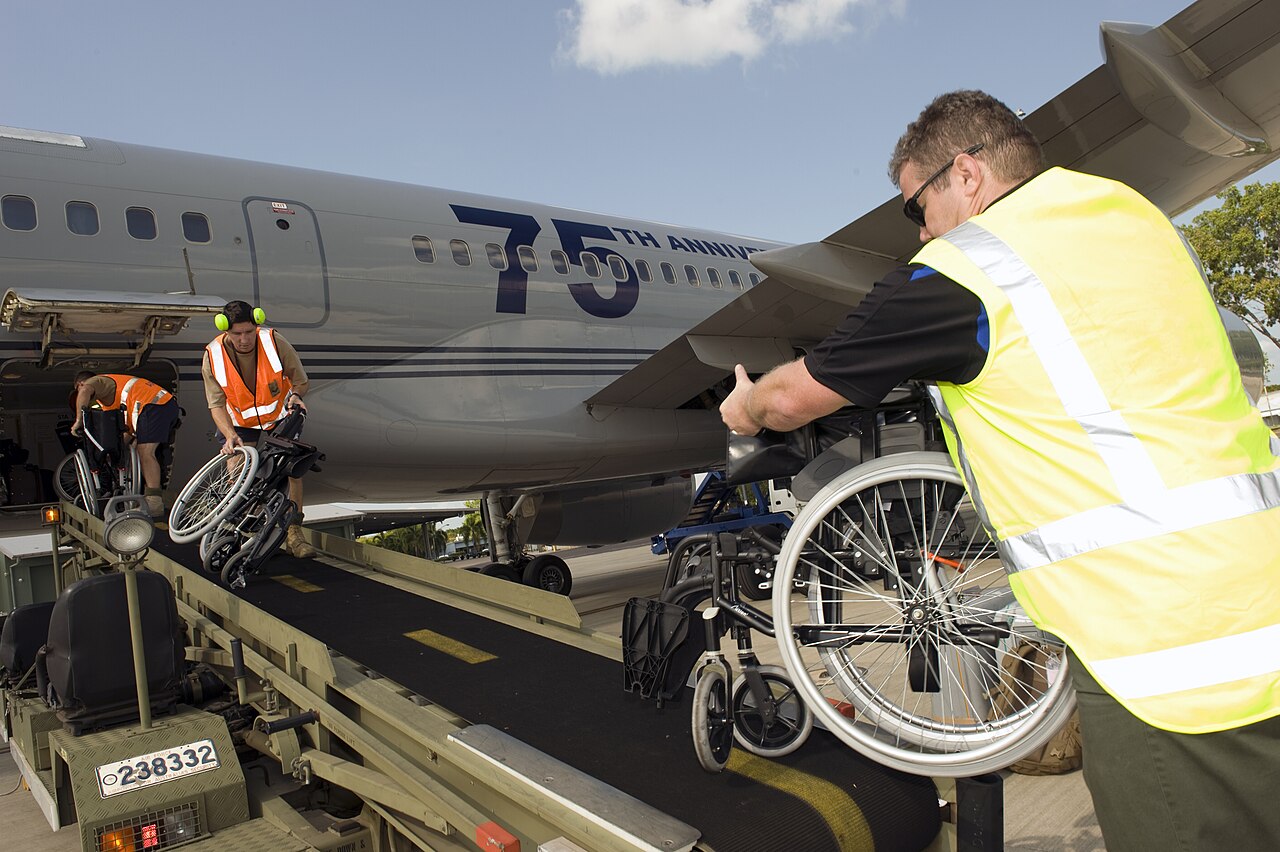
Partial victory for disabled rights, as some carers may board flights for free from 2027

New EU legislation will waive airfares for people accompanying disabled passengers if the companion’s presence is deemed required by the airline.

Updated passenger rights greenlit by MEPs last week (20 October) close a loophole allowing airlines to turn away passengers with reduced mobility.

Once approved, agreed changes mean airlines will allow disabled people the opportunity to travel with companions free of charge – if required for safety reasons – from 23 October 2027.

Ministers in the council had proposed alternative legislation that would allow airlines to collect taxes and charges for required companions. But in a win for disabled rights, negotiators for the European Parliament succeeded in insisting such charges be waived.

Rapporteur Matteo Ricci, an Italian MEP for the Socialists & Democrats (S&D), called the decision a “significant step forward” following the vote in Strasbourg.

This comes after a previous vote in July required airlines to fully cover the replacement of mishandled mobility equipment and allow people with disabilities or reduced mobility to sit next to their companions at no extra charge.

Companions not required by airlines must pay

Under new rules, passengers already travelling with an accompanying person not required by airlines – such as a personal assistant to help with their needs – will still need to pay for an extra ticket.

This was not made clear by Ricci who told reporters last week: “All people with disabilities or reduced mobility will have the right to have a companion traveling with them free of charge.”

In reality, the text adopted at plenary allows airlines to determine based on safety judgements whether or not companions of disabled people can travel for free.

So under new rules, many people with disabilities may not be able to bring companions free of charge.

“This leaves a gap for passengers who need personal assistance, but whose accompaniment is not required by the airline,” said Maltese S&D-group MEP Alex Agius Saliba. The co-chair of parliament’s disability group told EUobserver: “Their support needs are no less real, and the additional ticket can remain a financial barrier.”

Advocacy group the European Disability Forum (EDF) said when a provisional agreement was reached that updated enforcement of passenger rights offers “insufficient protection” for disabled passengers.

Disability rights whack-a-mole 

Daniel Casas, policy officer at the EDF, thinks new rules are a step in the right direction. 

This article continues, but the full version is available only to EUobserver.com subscribers. Visit account.euobserver.com/membership

  •  

I binari della nuova Asia: la rivoluzione ferroviaria della Nuova Via della Seta nel Sud-Est asiatico

Dalla linea ad alta velocità Whoosh in Indonesia all’asse Cina-Laos e ai cantieri in Thailandia e Malaysia, la Nuova Via della Seta sta ridisegnando mobilità, commercio e geografia economica del Sud-Est asiatico, trasformando collegamenti nazionali in una rete regionale.

Segue nostro Telegram.

Nel Sud-Est asiatico, la Nuova Via della Seta sta assumendo una forma sempre più concreta: viadotti, gallerie, stazioni, terminali logistici e linee elettrificate capaci di ridurre drasticamente distanze che per decenni hanno frenato l’integrazione regionale. Oltre alla possibilità di spostare più rapidamente passeggeri e merci, la posta in gioco è la riorganizzazione della geografia economica di una delle aree più dinamiche del mondo, dove oltre 680 milioni di persone convivono con reti ferroviarie ancora frammentate e spesso desuete, scartamenti differenti e collegamenti transfrontalieri insufficienti.

La Belt and Road Initiative (BRI), nota in italiano come Nuova Via della Seta, sta permettendo oggi di realizzare alcuni ambiziosi progetti in questo senso, come l’obiettivo di collegare Kunming a Singapore, che appartiene da tempo alla pianificazione dell’ASEAN. L’iniziativa cinese ha fornito capacità ingegneristiche, finanziamenti, materiale rotabile, formazione e volontà politica per trasformare una parte di quel disegno in infrastrutture operative. È questa convergenza tra priorità nazionali, integrazione dell’ASEAN e cooperazione con la Cina a spiegare la nuova stagione ferroviaria della regione.

Whoosh, la prova che l’alta velocità può funzionare ai tropici

Il caso più avanzato è quello indonesiano. Entrata in servizio commerciale il 17 ottobre 2023, la Whoosh collega l’area metropolitana di Giacarta con Bandung lungo 142,3 chilometri. I convogli raggiungono i 350 chilometri orari e hanno ridotto il viaggio tra i due principali centri urbani dell’isola di Giava a circa 45 minuti. È stata la prima linea ad alta velocità dell’Indonesia e dell’intero Sud-Est asiatico, ma soprattutto ha dimostrato che tecnologie sviluppate in un contesto continentale possono essere adattate a un territorio tropicale caratterizzato da elevata attività sismica, forti precipitazioni e una complessa densità urbana.

I dati di esercizio mostrano che la ferrovia non è rimasta una vetrina tecnologica. Nel luglio 2026, aveva superato 16,58 milioni di viaggiatori complessivi; i servizi giornalieri erano saliti dai 14 iniziali a 62 e la puntualità si manteneva oltre il 95 per cento. Parallelamente, tecnici e macchinisti indonesiani sono stati formati per assumere funzioni operative, di manutenzione e di sicurezza. Il trasferimento di competenze è essenziale: un’infrastruttura strategica, infatti, produce sviluppo duraturo soltanto quando il Paese che la ospita acquisisce la capacità di gestirla, adattarla ed estenderla. Oggi, infatti, si parla anche di un eventuale prolungamento verso Surabaya, che permetterebbe alla linea di attraversare tutta l’isola di Giava.

La ferrovia Cina-Laos e la trasformazione di un Paese senza sbocco al mare

Se la Whoosh rappresenta la punta tecnologica, la ferrovia Cina-Laos costituisce il caso più significativo dal punto di vista geopolitico e logistico. Il collegamento di 1.035 chilometri fra Kunming e Vientiane è operativo dal dicembre 2021. Sul territorio laotiano attraversa montagne e valli mediante una successione di ponti e gallerie, con treni passeggeri che raggiungono i 160 chilometri orari e servizi merci integrati.

Per il Laos, unico Paese del Sud-Est asiatico privo di accesso al mare, la linea ha cambiato la relazione fra geografia e sviluppo. L’obiettivo dichiarato di passare da Paese landlocked a Paese land-linked non è più soltanto uno slogan: entro marzo 2026 la ferrovia aveva registrato più di 70 milioni di viaggi passeggeri sull’intero asse; nell’agosto successivo aveva movimentato oltre 90 milioni di tonnellate di merci, delle quali più di 21 milioni in traffico transfrontaliero. Nei primi sei mesi del 2026 il valore delle importazioni e delle esportazioni trasportate aveva raggiunto 17,17 miliardi di yuan, con un aumento del 33,8 per cento rispetto all’anno precedente.

Il dato più rilevante non è però il volume assoluto, bensì la diversificazione: dalle poche categorie merceologiche dei primi mesi si è passati a migliaia di prodotti, fra elettronica, pannelli fotovoltaici, fertilizzanti, gomma, macchinari e frutta trasportata nella catena del freddo. La rete merci raggiunge ormai numerosi mercati asiatici, collegando il Laos non soltanto alla Cina ma anche a Thailandia, Vietnam, Malaysia, Singapore e ad altri Paesi. In questa prospettiva, la ferrovia non è un semplice corridoio bilaterale: è la spina dorsale potenziale di un sistema logistico continentale che si innesta sulle reti dell’ASEAN.

La Thailandia costruisce l’anello centrale

Il segmento thailandese sarà determinante per capire se i nuovi collegamenti diventeranno una vera rete nord-sud. La prima fase della ferrovia ad alta velocità sino-thailandese, fra Bangkok e Nakhon Ratchasima, si estende per 250,77 chilometri, prevede sei stazioni e una velocità massima di 250 chilometri orari. Il tempo di percorrenza previsto è di circa un’ora e mezza.

Nel luglio 2026, l’avanzamento complessivo delle opere civili aveva raggiunto il 55,27 per cento: due contratti risultavano completati, dieci erano in costruzione e gli ultimi due in fase di affidamento. Il progetto ha accumulato ritardi e il nuovo obiettivo indicato dalle autorità thailandesi è completare la prima fase entro il 2030. Proprio questa lentezza dimostra che la Nuova Via della Seta non è un meccanismo nel quale Pechino decide e gli altri eseguono. Espropri, appalti, bilanci, autorizzazioni e priorità politiche restano in larga misura nazionali; la cooperazione cinese fornisce tecnologia ferroviaria, progettazione dei sistemi, materiale rotabile e formazione, mentre Bangkok conserva un ruolo centrale nella realizzazione e nel finanziamento delle opere civili.

La seconda fase, approvata dal governo thailandese e ancora in preparazione, dovrebbe proseguire per circa 356 chilometri da Nakhon Ratchasima a Nong Khai, sul fiume Mekong. È questo il tratto che attribuirà al progetto il suo pieno valore regionale. Una volta completati la connessione transfrontaliera e i relativi impianti logistici, Bangkok potrà essere collegata a Vientiane e, attraverso la ferrovia Cina-Laos, a Kunming. La Thailandia diventerebbe così il principale nodo intermedio di un asse destinato, nel lungo periodo, a estendersi verso la Malaysia e Singapore.

La Malaysia e il ponte terrestre fra due mari

In Malaysia, la East Coast Rail Link offre un modello differente. Il progetto complessivo copre 665 chilometri fra Kota Bharu, sulla costa orientale, e Port Klang, sullo Stretto di Malacca. I treni passeggeri sono progettati per raggiungere i 160 chilometri orari, quelli merci per gli 80. Non è quindi alta velocità in senso stretto, ma una grande ferrovia elettrificata a traffico misto e uno dei principali progetti della cooperazione tra Cina e Malaysia nell’ambito della BRI.

Alla fine del 2025, i lavori avevano superato il 90 per cento; il completamento della tratta fino al terminale integrato di Gombak era previsto entro dicembre 2026, con l’avvio commerciale indicato a partire dal gennaio 2027. La Malaysia Rail Link rimane proprietaria del progetto e dell’infrastruttura, mentre la China Communications Construction Company è il principale appaltatore. Per la futura gestione è stata costituita una società con partecipazione paritaria malese e cinese: una struttura che distribuisce responsabilità e incentivi ben oltre la sola fase di costruzione.

Il valore strategico dell’ECRL deriva dalla sua funzione di ponte terrestre. Collegando il porto di Kuantan, rivolto verso il Mar Cinese Meridionale, con il sistema portuale di Port Klang sullo Stretto di Malacca, la ferrovia può offrire ad alcune categorie di merci un’alternativa intermodale al periplo della penisola. Non sostituirà il traffico marittimo, né renderà marginale Singapore, ma può accrescere la resilienza logistica della Malaysia, favorire lo sviluppo delle regioni orientali e distribuire investimenti oggi concentrati nell’area di Kuala Lumpur e sulla costa occidentale.

Il Vietnam prepara il collegamento fra frontiera, capitale e porto

Anche il Vietnam sta entrando in questa geografia ferroviaria, pur con tempi e modalità differenti. Il progetto Lào Cai-Hà Nội-Hải Phòng è stato riorganizzato nel 2026 e prevede circa 363 chilometri di linea principale e 63 chilometri di diramazioni, con scartamento standard di 1.435 millimetri. Il traffico sarà misto: la velocità di progetto raggiungerà 160 chilometri orari sul tratto principale, scendendo nelle aree urbane e sui collegamenti secondari. Parallelamente, esiste anche un programma nazionale distinto per la futura alta velocità nord-sud vietnamita da 350 chilometri orari, in grado di collegare la capitale politica Hà Nội a quella economica Hồ Chí Minh City.

Tornando al primo progetto, esso costituisce un corridoio industriale e logistico destinato a collegare il confine cinese di Lào Cai con Hà Nội e il porto di Hải Phòng. Nel 2025 sono partite attività preliminari e progetti di reinsediamento; nell’autunno 2026 il governo stava completando lo studio di fattibilità e indicava l’inizio dei lavori sulla linea principale per i primi mesi del 2027. La Cina ha fornito assistenza tecnica alla progettazione e i due Paesi hanno inserito la cooperazione ferroviaria nel raccordo fra la strategia vietnamita dei «Due corridoi, una cintura» e la Nuova Via della Seta.

Per Hà Nội il punto essenziale è evitare che il nuovo asse diventi soltanto una via d’ingresso per prodotti cinesi. Collegare le aree manifatturiere del Vietnam settentrionale sia al mercato cinese sia al porto di Hải Phòng può invece rafforzare le esportazioni vietnamite, ridurre i tempi della logistica e integrare le catene del valore elettroniche, meccaniche e agroalimentari. Il progetto mostra inoltre che la cooperazione con Pechino non impedisce al Vietnam di mantenere una politica estera autonoma e rapporti economici diversificati con Giappone, Corea del Sud, Unione Europea e Stati Uniti.

Una nuova geografia per un mondo multipolare

La rappresentazione occidentale della BRI oscilla spesso fra due caricature: da un lato un piano onnipotente con cui la Cina imporrebbe la propria volontà; dall’altro una serie di «cattedrali nel deserto» destinate inevitabilmente al fallimento. La realtà del Sud-Est asiatico è più complessa. I progetti sono stati negoziati, modificati, sospesi, ridimensionati e rilanciati dai governi locali. La Malaysia ha rinegoziato costi e tracciato dell’ECRL; la Thailandia ha scandito gli appalti secondo procedure nazionali; l’Indonesia ha costruito la Whoosh attraverso una società congiunta; il Vietnam definisce autonomamente priorità e calendario; il Laos ha scelto la ferrovia come strumento per superare un vincolo geografico strutturale.

Per secoli l’economia del Sud-Est asiatico è stata organizzata soprattutto attorno alle rotte marittime e ai porti, secondo una struttura rafforzata dall’esperienza coloniale. Le nuove ferrovie non cancellano quella vocazione, ma aggiungono una dimensione continentale. Per secoli l’economia del Sud-Est asiatico è stata organizzata soprattutto attorno alle rotte marittime e ai porti, secondo una struttura rafforzata dall’esperienza coloniale. Le nuove ferrovie non cancellano quella vocazione, ma aggiungono una dimensione continentale.

La Nuova Via della Seta ferroviaria nel Sud-Est asiatico è dunque ancora incompleta, ma ha già superato la fase delle promesse. Il prossimo passaggio sarà trasformare una costellazione di opere in un sistema realmente connesso e vantaggioso per tutti i Paesi coinvolti.

  •  

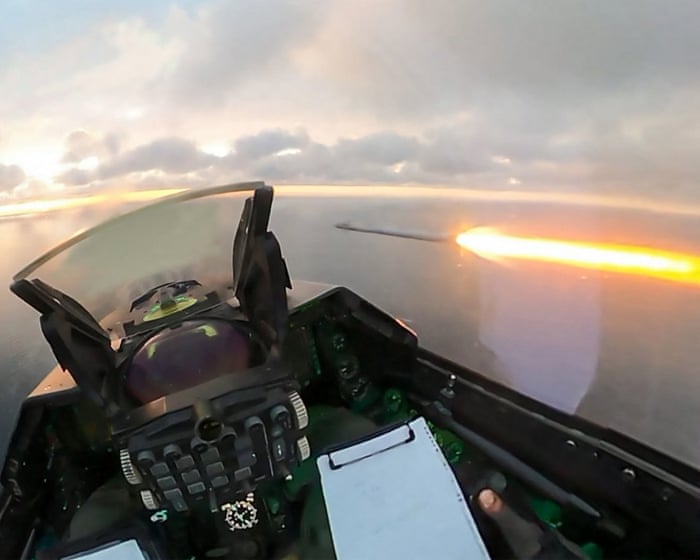
Almost a quarter of European airline pilots fly when too fatigued to work

Pilots report pressure to extend working hours and fears of penalties for declaring themselves unfit to fly

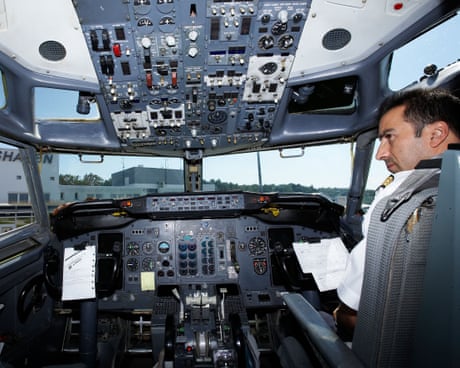
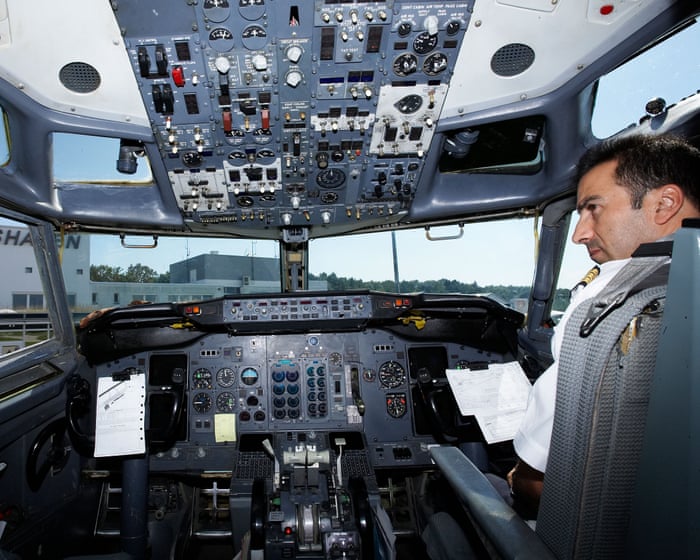
Three in four European airline pilots have taken microsleeps in the cockpit, while almost a quarter routinely fly despite being too fatigued to work, according to a report.

The findings, based on a survey of almost 7,200 captains and first officers by the European Cockpit Association (ECA), include pilots reporting insufficient rest, pressure to extend working hours and fears of being penalised for declaring themselves unfit to fly.

Continue reading...

© Photograph: Agencja Fotograficzna Caro/Alamy

© Photograph: Agencja Fotograficzna Caro/Alamy

© Photograph: Agencja Fotograficzna Caro/Alamy

  •  

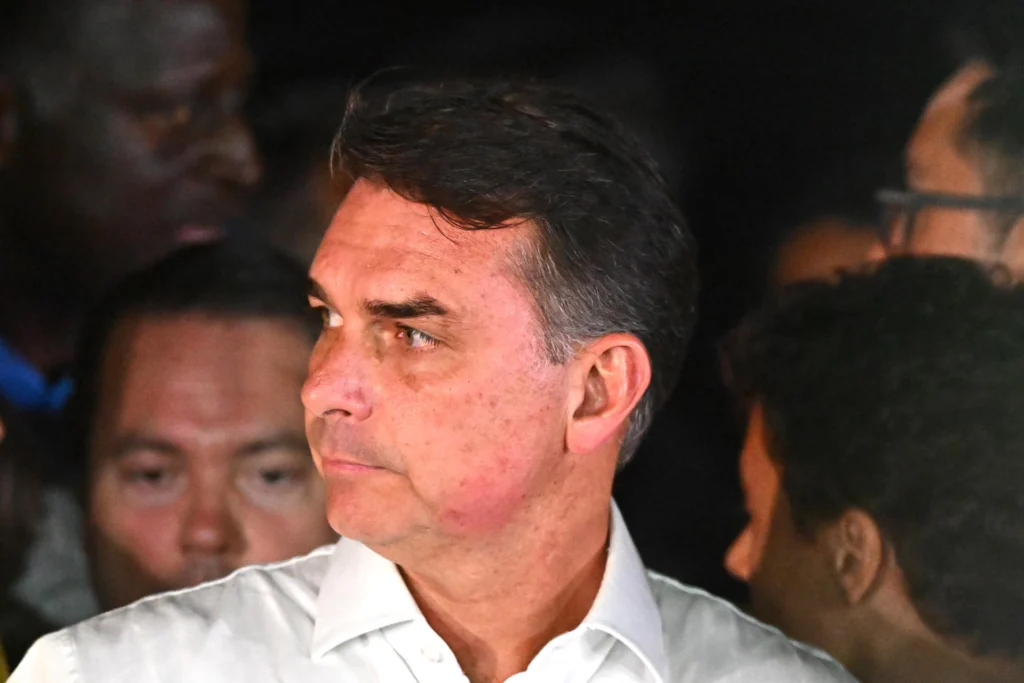
Flávio Bolsonaro Rejects Lula’s Victory, Seeks Annulment

Flávio Bolsonaro challenges Lula’s reelection in Brazil amid allegations of election-day public transport disruptions.

Brazil’s far-right candidate challenges the election result after voting hours were extended over public transport disruptions.


Brazilian far-right presidential candidate Flávio Bolsonaro has rejected President Luiz Inácio Lula da Silva’s reelection and vowed to seek the annulment of the vote, citing a Supreme Federal Court decision to extend voting hours amid allegations of disruptions to public transport.

RELATED: Massive Celebrations Erupt Across Brazil After Lula’s Run-off Victory

The Superior Electoral Court (TSE) confirmed Lula’s reelection on Sunday. Bolsonaro, however, declared the result unacceptable and announced plans to challenge it in court.

“It is impossible to recognize the election results,” Bolsonaro said. “We will turn to our legal team and request that these elections be annulled.”

Bolsonaro based his challenge on a ruling by Supreme Federal Court Justice Cristiano Zanin, who extended voting by two hours after the Workers’ Party (PT) reported alleged irregularities affecting voter transportation in several cities.

The ruling came shortly before polls were due to close at 5 p.m. Zanin ordered polling stations nationwide to remain open until 7 p.m. Brasília time, citing the seriousness of the allegations and the urgency of the measure.

The PT accused mayors opposed to Lula of failing to comply with electoral court orders requiring municipalities to provide free public transport at full capacity on election day, as they would on a regular working day. The party also called for those responsible for the alleged violations to be caught in the act.

In Salvador, electoral authorities ordered the arrest of Pablo Souza, the city’s mobility secretary, over suspicions that he had withdrawn buses to disadvantage Lula. The northeastern city is governed by União Brasil, a center-right party allied with Bolsonaro. In the first round of the presidential election, Lula received 65% of the vote in Salvador, compared with 27% for Bolsonaro.

Brazilian trade union federations also denounced transport disruptions in several cities on election night and called for immediate action by the authorities.

In a statement, the unions condemned what they described as the deliberate obstruction of eligible voters’ right to participate in the election. They alleged that some cities had reduced their bus fleets despite a Supreme Federal Court order requiring public transport to operate at full capacity on election day.

The disruptions left thousands of people waiting at bus stops, uncertain whether they would reach polling stations in time. In some cases, the unions said, voters were unable to cast their ballots.

Bolsonaro’s campaign also sought an extension of voting hours, according to local media reports. His team requested additional time in cities across São Paulo, Paraná and Santa Catarina states, citing difficulties caused by heavy rainfall.

The dispute recalls the aftermath of the October 2022 presidential election, when Lula defeated Flávio Bolsonaro’s father, Jair Bolsonaro. The former president repeatedly challenged the result and conspired to overturn it.

On Jan. 8, 2023, thousands of his radicalized supporters stormed the Congress, presidential palace and Supreme Federal Court buildings in Brasília. Jair Bolsonaro was subsequently tried and is now serving a 27-year prison sentence for conspiring against Brazil’s democratic order and attempting a coup.

  •  

Nato increases Black Sea deployment amid escalating deadly Russian attacks

Mounting anxiety as Russia’s war on Ukraine reaches Nato’s borders with targeting of vessels transporting agricultural cargo

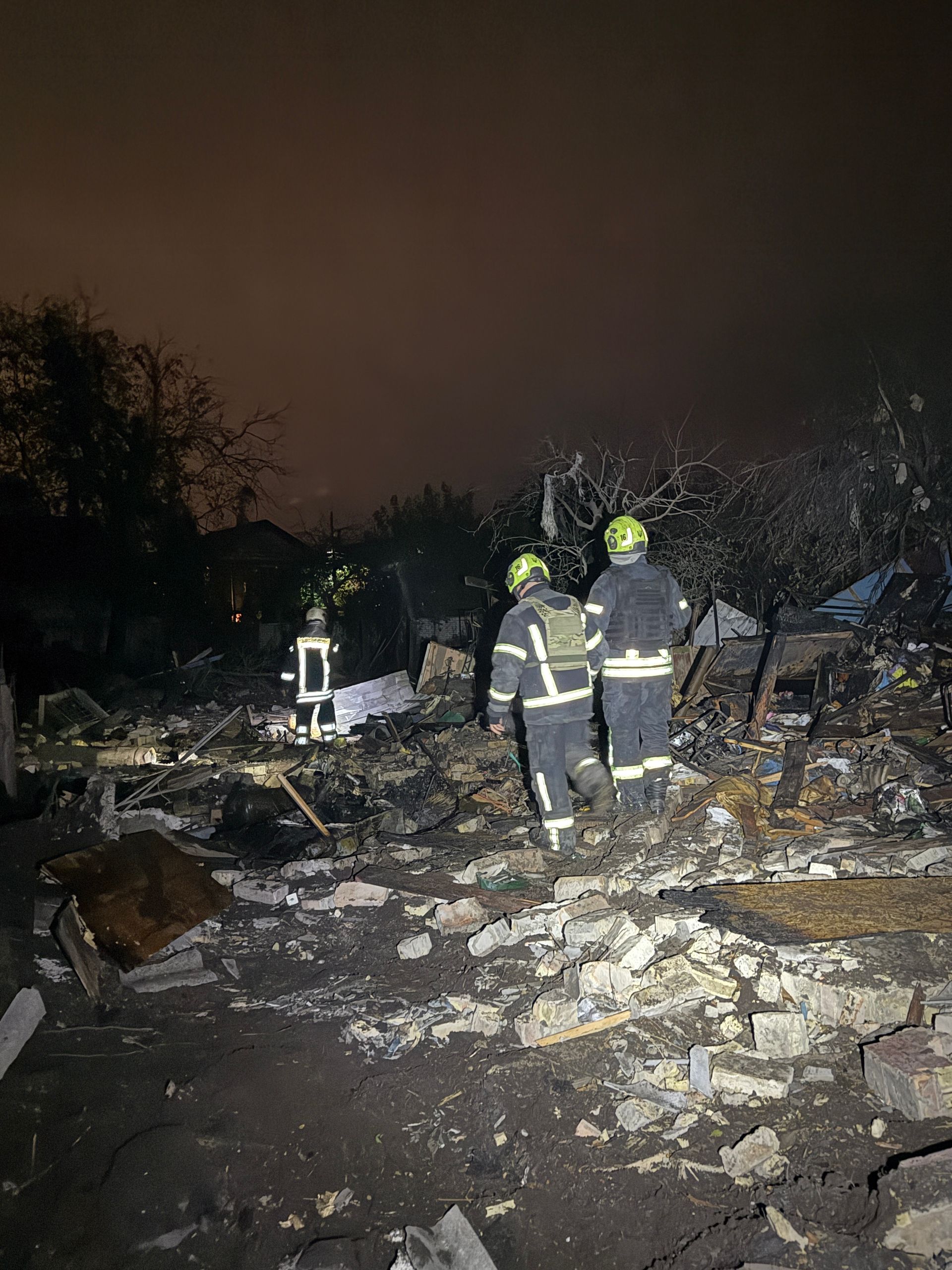
Nato is deploying additional military assets to the Black Sea amid the recent deadly escalation of Russian attacks on merchant shipping, as five more vessels were attacked on Tuesday.

Russia’s military said it ⁠struck ​three cargo vessels in Ukraine’s ⁠port of Reni and two ⁠other cargo vessels en ​route ‌to ‌Odesa.

Continue reading...

© Photograph: MAPN/Romanian Defence Ministry/AFP/Getty Images

© Photograph: MAPN/Romanian Defence Ministry/AFP/Getty Images

© Photograph: MAPN/Romanian Defence Ministry/AFP/Getty Images

  •  

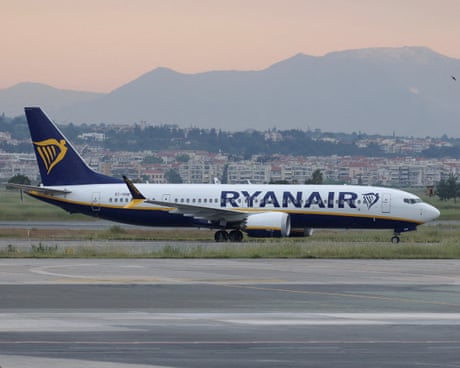
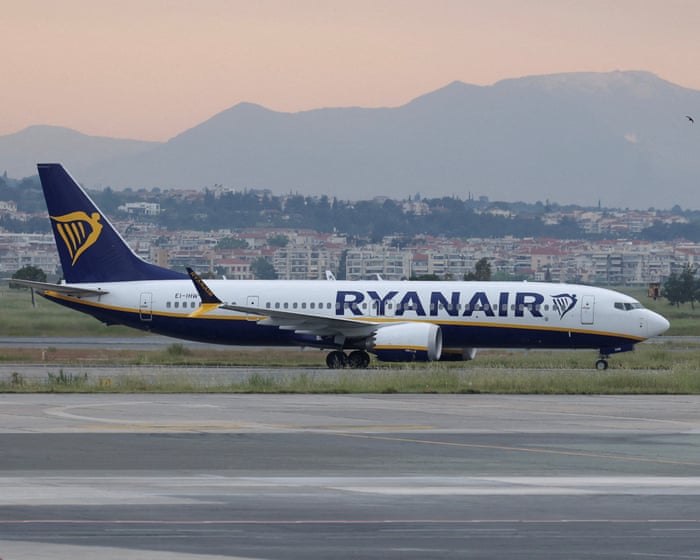
European air fares could rise by as much as 20% in 2027, Ryanair boss predicts

Conflict in Middle East is pushing jet fuel costs higher and many carriers are not hedged against such increases, Michael O’Leary says

Ryanair’s chief executive has predicted a record increase in European air fares next year, as airlines grapple with fuel bills pushed higher by the Middle East conflict.

Many carriers are not hedged against rising jet fuel costs, Michael O’Leary said, which he predicted would lead to airline bankruptcies and takeovers. He forecast these pressures would result in the price of plane tickets rising by as much as 20%.

Continue reading...

© Photograph: Alexandros Avramidis/Reuters

© Photograph: Alexandros Avramidis/Reuters

© Photograph: Alexandros Avramidis/Reuters

  •  

Excessive wealth, extreme emissions – and ecocide: what I learned at Europe’s big superyacht show

These yachts are highly popular with the ‘super-bourgeoisie’ – and getting bigger. Can anything be done to stop them destroying our seas?

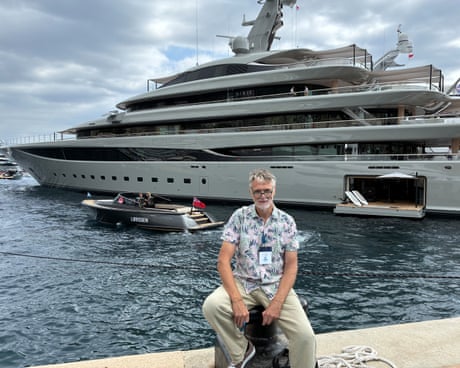
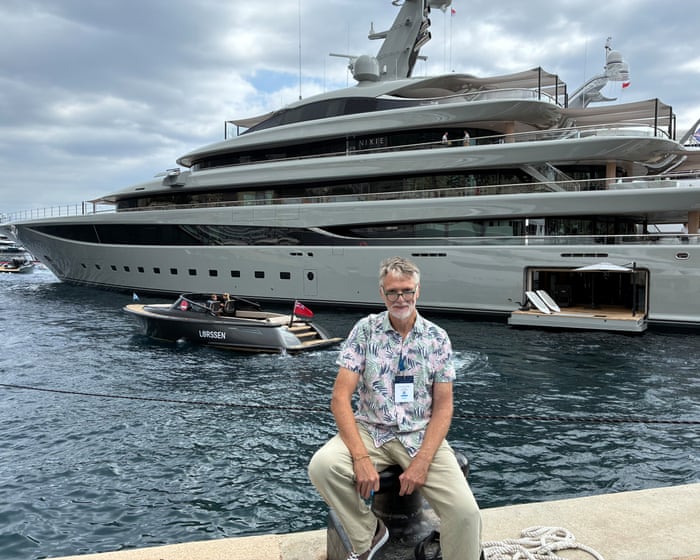
Who knew? Apparently everyone did, apart from me: you don’t wear shoes on a superyacht. Now, about to step on to my first teak deck at the Monaco Yacht Show, I’ve got to take my trainers off, and I’m having a sock panic. Have they got holes? Do they even match? Do they smell?

To be honest, I’ve come dressed all wrong for Europe’s big annual superyacht trade exhibition. The code for men seems to be crisp and tucked in, blazers and chinos, navy and white, sculpted hair and designer sunnies. (I went colourful, loose, casual). For women, it’s something like Riviera elegance. Everyone – whether they’re Italian, French, English, German, American, exhibitors, buyers, brokers, charterers – seems to know each other. The international superyacht community seems to be a close-knit one, and I’m not part of it. Yet.

Continue reading...

© Photograph: Sam Wollaston/The Guardian

© Photograph: Sam Wollaston/The Guardian

© Photograph: Sam Wollaston/The Guardian

  •  

Rail freight transport dropped by 1.8% in 2025

In 2025, the EU rail freight transport performance fell by 1.8%, declining from 375.1 billion tonne-kilometres (tkm) in 2024 to 368.2 tkm, and marking the fourth consecutive year of decline. 

Germany remained by far the largest contributor to rail freight transport performance in the EU, with one third of the EU total (33.5%; 123.5 billion tkm). Poland was the second-largest contributor (14.7% of the EU total; 54.3 billion tkm), followed by France (9.3%; 34.4 billion tkm).

This information comes from data on railway freight transport published by Eurostat on 14 September. The article presents a handful of findings from the more detailed Statistics Explained article on railway freight transport. 

Compared with 2024, rail freight transport performance measured in tonne-kilometres decreased in 16 EU countries, while 8 countries recorded an increase. The largest decreases were recorded in Ireland (-35.2%), Latvia (-18.8%) and Estonia (-17.3%). By contrast, the highest increases were recorded in Greece (+9.3%), Portugal (+8.4%) and France (+6.6%). 

Click to enlarge

Change in the rail freight transport between 2024 and 2025  (% change, based on tonne-kilometres). Chart. See link to the full dataset below.

 Source dataset: rail_go_typepas

Freight per capita: from 0.03 tonnes in Ireland to 10.7 in Luxembourg

Relative to the country’s population, the volume of rail freight transported per capita was highest in Luxembourg (10.7 tonnes), Austria (10.5) and Lithuania (8.5). The lowest rates were observed for Ireland (0.03 tonnes per capita), Greece (0.06) and Spain (0.5).

Click to enlarge

Rail freight per capita, 2025  (in tonnes). Chart. See link to the full dataset below.

 Source datasets: rail_go_typepas and demo_gind

For more information

Methodological notes

  • The data presented in this article include only main railway undertakings. In order to meet the main undertaking threshold, the railway undertaking must achieve a total volume of goods of at least 200 million tonne-kilometres or at least 500 000 tonnes of total weight.
  • There are no railways in Cyprus and Malta. 

  •  

Tram Experience in Brussels offers sights to savour

Fancy a novel way of dining out – one that provides a delicious meal while viewing the sights of the “capital of Europe”?

If so, the Tram Experience in Brussels could be just for you.

The Tram Experience is a unique rolling gourmet restaurant set inside a beautifully converted historic STIB-MIVB tram.

Diners enjoy a multi-course meal while slowly cruising through boulevards and scenic neighbourhoods of southern and eastern Brussels (such as Louise, Merode, and the Tram Museum).

Menus are designed by renowned and Michelin-starred Belgian chefs, featuring high-end reinterpretations of local cuisine. Dishes are prepared and served fresh on board.

A new season of the Tram Experience returns this week, on Friday 28 August. The menus for the new season will be created by some of the biggest names in Belgian gastronomy.

Among them are the promising David-Alexandre Bruno (Quartz), who will join Michelin-starred chefs such as Olly Ceulenaere (Publiek*) and Ricarda Grommes (Quadras*).

To mark 100 years of Comme Chez Soi*, three generations of chefs from the country’s most iconic restaurant, will be offering a celebratory menu especially for the occasion.

This season also sees the introduction of a new lunch package designed for large groups.

A spokesman said, “A trip aboard the Tram Experience is an unforgettable culinary experience.

“Whether as a couple, a group of four or a larger party, guests savour a menu created by a renowned chef whilst touring the capital’s most beautiful neighbourhoods.

“It’s the perfect choice for a romantic dinner in Brussels, a unique evening out with friends or an exclusive team-building event.”

The first names in the line up for the new season (running through early 2027) offer a wonderful glimpse of Belgian culinary excellence.

Building on the Tram Experience's popularity, this year visitors will also be able to enjoy a brand new lunch package designed especially for large groups looking to book the whole tram for a private event.

Belgian gastronomy’s leading names take centre stage and a number of iconic figures from the country’s three regions will feature this season.

David-Alexandre Bruno, from Brussels, opens  proceedings. 

At the helm of the Quartz restaurant in Ixelles, chef Bruno captivates diners with cuisine that combines technical precision and elegance. This approach earned him the title of Young Chef of the Year 2026 for Brussels in the latest edition of the Gault & Millau guide.

He has devised the menu that will be served on board the tram until 11 October.

Other renowned chefs have been announced.

Olly Ceulenaere, from Michelin-starred Ghent restaurant Publiek*, will be designing the menu to be served from 2 February to 21 March.

His exciting and unpretentious approach is sure to leave a lasting impression on diners.

From 23 March to 9 May, the spotlight turns to Ricarda Grommes, head chef at another Michelinstarred establishment, the highly acclaimed Quadras* in Saint-Vith.

Famous for her creativity, which draws on influences from a wide range of sources, she will be serving up cuisine as inspired as it is innovative.

The centenary of Comme Chez Soi December and January will also be marked.

A true institution on the Brussels gastronomic scene, the restaurant on place Rouppe has held Michelin stars without interruption for over 70 years.

To celebrate this exceptional anniversary, Pierre Wynants, the “godfather” of Belgian gastronomy, will join forces with his son-in-law and current head chef, Lionel Rigolet, as well as his grandson and future head chef, Loïc Rigolet, to create a unique festive menu.

Every year, the Tram Experience serves around 8,500 guests.

In light of the concept’s growing success, an additional set menu will now be available on weekdays.

In addition to the 6- or 7-course dinner menus, a 4-course lunch menu is being introduced.

This option is exclusively for large groups booking the entire tram for private use.

The menus are prepared on board, with the utmost care, by Thibault Granville (Taste Great) and his team.Bookings are for 2 or 4 people. It is also possible to book the entire tram (36 seats) or a single carriage (16 or 20 seats) for an event or a team-building activity.

More info

  •  

Delays and soaring costs cloud transport megaprojects in EU’s drive for greater cross-border connectivity

The European Union’s vision to create a seamless, sustainable and high-quality multimodal transport network across Europe by 2050 was recently thwarted – by an EU watchdog who warned that delays of major projects are putting key 2030 and 2040 milestones at risk.

From the Lyon-Turin rail link to the Canal Seine-Nord waterway, an EU goal to complete a group of cross-border links by 2030 “will not be met”, according to a January report by the European Court of Auditors (ECA).

“Three decades after most of them were designed, we are still a long way from cutting the ribbon on these projects, and a long way from achieving the intended improvements in passenger and freight flows across Europe,” said the ECA member Annemie Turtelboom.

The ECA audited eight projects forming the backbone of EU plans to boost road, rail, water, and air transport across the 27-nation bloc in a bid to spur trade and economic growth.

TEN-T going downhill

The Trans-European Transport Network (TEN-T) is the backbone of Europe’s transport network and includes numerous large-scale transnational projects that are essential to improving connectivity across Europe.

In 2013, EU member states agreed to complete the TEN-T core network by 2030, but the Court of Auditors, updating its view from five years ago, considered that “the outlook in 2025 is worse than it was in 2020, and is very far from what was initially envisaged”.

In 2020, EU auditors reported that the eight megaprojects examined had experienced an overall 47 percent increase in actual costs (adjusted for inflation) compared with the original estimates.

Touching 13 countries including Belgium, Denmark, Germany, Estonia, France and Italy – the projects have received 15.3 billion Euro in EU funding and accumulated on average a 17-year delay, the auditors found. 

According to the ECA report, the delays were down to a series of challenges, such as unexpected technical issues as well as the Covid-19 pandemic and Russia’s war on Ukraine. 

Total estimated cost and allocated EU co-funding for the eight transport megaprojects. Source: ECA based on information from the Commission, national authorities, and project promoters.

Mounting costs add pressure

According to the new report, costs have ballooned further than expected.

Not considering inflation, the overall price tag for the projects analysed was up 82 percent on the original estimates, the report said. 

The most recent calculations for the projects are now almost twice the original levels, with the sharp rise attributed to two rail links – the Rail Baltica linking Tallinn and Warsaw via Riga and Kaunas, where costs have risen by 291 percent, and the link between Lyon in southern France and Turin in northern Italy, where the rise has been of 127 percent.

Estonia, Latvia and Lithuania – which broke free from the Soviet Union when it crumbled in 1990-1991 and went on to join both the EU and NATO in 2004 – all have Soviet-era wide gauge railways.

With a total population of just six million people, the Baltic trio inked a deal in 2017 to build a high-speed rail link, aimed at creating fresh opportunities for the region in terms of trade and logistics.

In addition to rising costs, the construction of the Lyon-Turn railway has, over the years, also faced opposition from environmental groups critical of the Lyon-Turin tunnel project. Supporters said it will greatly ease freight road traffic but opponents – who staged, for example, a protest close to the village of Saint Remy-de-Maurienne in southeastern France in 2017 – said the ecological damage risks being devastating and that springs had already started to dry up due to the works.

The Brenner Base Tunnel connecting Innsbruck (Austria) and northern Italy – which aims primarily to shift freight from road to rail – will now cost 40 percent more than originally estimated and is currently estimated to open in 2032 at the earliest. The original opening date was 2016, and the ECA had already moved its estimation to 2028 in its report five years ago.

Costs for the Fehmarn Belt road/rail link between Denmark and Germany will be 52 percent higher, with opening planned for 2029, 11 years later than originally planned, with the possibility of further delay until 2031.

The Seine-Nord Europe Canal, a high-capacity waterway intended to facilitate the transport of goods between the Benelux countries and the Paris region also suffered from massive overruns, up 225 percent.

“The Basque Y railway line, which was supposed to be operational by 2010 according to its initial timeline and by 2023 according to the revised plan from 2020, is now expected to be ready by 2030 at the very earliest,” the report said, although the auditors consider 2035 to be more realistic.

According to data from the European Commission, Spain was one of the countries investing the most in high-speed rail, with an average of around 1.5 billion Euro per year between 2018 and 2022. However, the aftermath of three fatal train crashes earlier this month exposed the inadequate maintenance of existing railway networks.

Despite the critical issues that have emerged across the eight megaprojects, according to the  report, the European Commission has never used the legal instruments at its disposal to obtain clarification on the delays from the capitals.

Moving forward, the auditors expressed the hope that national transport plans will in future be coordinated with priorities at European level. Member states are now obliged to do so, but this will show up only in new megaprojects.

Two projects beat the odds

On a more positive note, in the case of two projects, the A1 motorway in Romania and the E59 railway line in Poland, the latest cost estimates are actually lower than the original ones.

According to the ECA report, costs for the E59 line were down 18 percent and auditors did not provide an estimated year of opening.

Poland’s TEN-T network already covers the seaports of Gdańsk, Gdynia, Szczecin and Świnoujście, as well as airports including Warsaw, Kraków, Gdańsk and Katowice, which serve as key multimodal nodes. The E59 railway is part of the Baltic Sea – Adriatic Sea corridor.

According to the ECA report, costs for the A1 motorway in Romania are 11 percent lower than initially estimated.

The A1 motorway in Romania is a key component of the Rhine-Danube Corridor and, within Romania, provides a direct connection between the capital city Bucharest and the Hungarian border at the Nădlac crossing point.

Prospects for the completion of the A1 motorway have thus improved, and the project could be commissioned ahead of the 2030 deadline.

Editorial note: The location of the Brenner Base Tunnel has been updated for clarification.

This article is an ENR Key Story. The content is based on information published by ENR participating agencies.

  •  

11 killed in plane crash near Nancy

Eleven people killed in a plane crash in Tomblaine (54)

Eleven people killed in a plane crash in Tomblaine (54)

A light aircraft crashed late Sunday morning near the Auchan supermarket in Tomblaine, in the Meurthe-et-Moselle department, close to the city of Nancy. The crash occurred at around 11:00 a.m. on a road adjacent to the shopping center, without striking any nearby homes. According to the Prefect of Meurthe-et-Moselle, the accident claimed 11 lives. None of the people on board survived.

Eleven people killed in a plane crash in Tomblaine (54)
Eleven people killed in a plane crash in Tomblaine (54) (DR)

Skydiving Introductory Flight

The aircraft was carrying 11 people: one pilot, five instructors, and five students. According to ICI Lorraine, the passengers were taking part in an introductory skydiving experience, and the crash occurred during takeoff. The aircraft had been chartered on Sunday by a company specializing in introductory skydiving programs.

According to the prefecture, the plane took off Sunday morning from Nancy-Essey Airport. During the initial emergency response, there was a significant risk that the aircraft could explode, prompting two emergency medical teams to respond to the scene with lights and sirens.

Around 50 Firefighters Deployed

The prefect of the department, Yves Seguy, activated the Departmental Operational Center (COD) to coordinate and monitor the emergency response in real time. French Interior Minister Laurent Nuñez was expected at the scene later in the afternoon. A press briefing was held with Prefect Yves Seguy, Tomblaine Mayor Hervé Féron, Nancy Mayor Mathieu Klein, Meurthe-et-Moselle Police Director Frédéric Laissy, and Jean-Philippe Gueugneau, director of the SDIS 54 fire and rescue service. Approximately 50 firefighters were deployed to the crash site.

The cause of the crash remains unknown at this time.

L’article 11 killed in plane crash near Nancy est apparu en premier sur FrenchDailyNews.

  •  
❌