❌

Reading view

Chancellor targets cost of living crisis in budget for a ‘difficult moment’

Healey hopes to give ‘hope for the future’ but only modest policies are expected with important decisions deferred

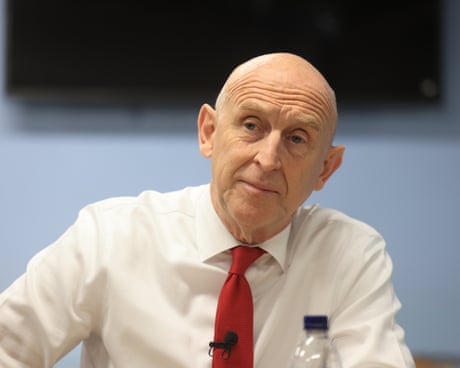
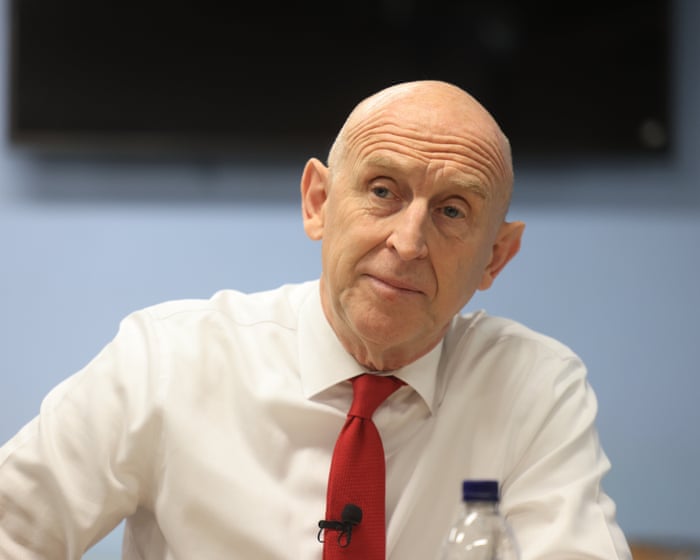
John Healey has acknowledged the UK faces a “difficult moment” but insisted he would put the country on a better path as he delivers his first budget on Wednesday against a turbulent global economic backdrop.

But despite the international uncertainty, the chancellor will signal “fresh hope for the future” as he attempts to sound a more optimistic note, by providing households with breathing space from rising cost of living pressures.

Continue reading...

© Photograph: Kirsty O’Connor/Treasury

© Photograph: Kirsty O’Connor/Treasury

© Photograph: Kirsty O’Connor/Treasury

  •  

Change to carer’s allowance cliff-edge rule is not enough, victims say

Digital taper system for benefit expected in budget, but those already hit with overpayments will still have to pay

“On the surface it sounds really positive – and I really hope that it is,” says unpaid carer Guy Shahar of the government’s decision to abolish the notorious carer’s allowance cliff edge.

But Shahar is angry that most carers hit with unjust overpayments in the past will still have to repay them, for all the promise of a different future. And he notes that the cliff edge remains in place for four more years, potentially catching out more carers.

Continue reading...

© Photograph: Linda Nylind/The Guardian

© Photograph: Linda Nylind/The Guardian

© Photograph: Linda Nylind/The Guardian

  •  

Farming ministers agree on more national control of EU funds as part of CAP reforms

Ministers want to speed up and simplify the payment of farming subsidies by taking control of the EU’s multi-billion euro farming payment schemes, under a deal reached late on Monday night (26 October).  

The agreement at a meeting of EU agriculture ministers in Brussels finalises the negotiating position of EU governments on the future of the bloc’s Common Agricultural Policy in its next seven-year budget. 

The ‘negotiating box’ prepared by the Irish EU council presidency earlier this month for the 2028-34 multi-annual financial framework spared agricultural subsidies provided by the common agricultural policy from cuts worth a total of €141bn but proposed three-percent cuts, worth €24.6bn, to funding for National and Regional Partnership Plans (NRPP), which are intended to streamline the distribution of EU cash to governments for a variety of different policies including agriculture and fisheries. 

The idea behind the NRPPs is to set up one single fund to provide support for farmers.

Each EU country would be expected to develop a single comprehensive plan outlining the reforms and investments it intends to implement from 2028 to 2034 and how it plans to use EU funds. 

EU governments agreed on Monday that this planning process should be designed to give them far greater autonomy. They say that the recommendations the commission makes to member states regarding the design of support programs should not be binding.  

The new system is set to prioritise ‘active farmers’, which sets a threshold of a minimum level of agricultural activity for farmers, as well as young farmers and small farmers. 

This article continues, but the full version is available only to EUobserver.com subscribers. Visit account.euobserver.com/membership

  •  

European Commission’s draft budget for 2027

Written by Sidonia Mazur.

The proposal sets the 2027 European Union budget commitments at €199.9 billion and payments at €212 billion. The Commission underlined that the ‘next year’s budget will continue to provide crucial funding for established EU political priorities, including major support for Ukraine’.

Background – 2027 budget procedure

The European Parliament is one of the two arms of the European Union’s budgetary authority, the Council being the other. The two institutions, assisted by the European Commission, decide on the budget in the annual EU budget procedure, within the limits of the long-term EU budget – the multiannual financial framework (MFF). It is the European Commission’s task to propose a draft budget each year. The Commission takes into account the views of the two arms of the EU budgetary authority, the European Parliament and the Council of the EU. The Economic and Financial Affairs Council (ECOFIN) agreed on its guidelines for the 2027 EU budget on 17 February 2026. The European Parliament adopted its guidelines for the preparation of the 2027 budget, Section III on 28 April 2026. Parliament underlined that ‘the final year of the current MFF must focus on delivery for people, the economy and the planet and on providing investments for competitiveness’.

Next steps

On 9 July 2026, the Commission plans to formally adopt the 2027 draft budget and publish it in all official languages. More information on performance will be presented in the Annual Management and Performance Report scheduled for 16 June 2026.

On 16 July 2026, Parliament, Council and Commission will meet for a first budgetary trilogue.

By mid-July 2026, the Committee of the permanent representatives of the governments of the Member States to the European Union (Coreper) will approve Council’s draft position on the 2027 draft budget. The Council is expected to adopt its position on the 2027 draft budget in September 2026.

In October 2026, Parliament is due to adopt its position on the 2027 draft budget.

Possible meetings of the Conciliation Committee are likely to take place between 27 October and 16 November 2026.

Further reading

Video

Parliament’s role in the annual EU budget

  •  

Labour faces accusations of breaking manifesto pledge over minimum wage for young people – as it happened

Greens say Labour has ‘no respect for young people’ amid reports chancellor will pause equalisation of minimum wage for under-21s with that paid to older workers

Jonathan Reynolds, the business secretary, has not contested reports saying that, in the budget tomorrow, John Healey, the chancellor, will pause the process of equalising the lower national minimum wage paid to people under the age of 21 with the more generous national living wage that applies to older workers.

In an interview on the BBC this morning, Reynolds was asked to respond to a story suggesting the equalisation process has been put on hold because of concerns about youth unemployment.

John Healey will announce plans to increase the minimum wage by nearly 4% but slow the rise for young people after warnings that they are being priced out of jobs.

The Times has been told that the national living wage, which applies to those aged 21 and over, is expected to rise from £12.71 to around £13.20 – an increase of 3.9%.

The manifesto pledge on equalisation still applies, but it was always clear it would happen over time and we would take into account, as the minimum wage uprating each year always does, the relative strength of the labour market and other pressures …

Of course, you want not just good wages, but good work. And the way this has always been done – it is a balance of making sure the pressures on the labour market are taken into account. That is the approach you will see confirmed [in the budget].

Anyone doing a day’s work, needs to be paid the same rate for the same job. A young person’s rent and food bill is no less because they are young, so they need to receive the same wage.

Healey and Burnham are now breaking a manifesto pledge to young people that even Starmer managed to keep. Labour have no respect for young people, who appear to just be there for cheap labour for the wealthy and their corporate donors.

[It] wouldn’t be my cup of tea, but I wouldn’t ban anybody from doing so … I don’t want us to get into a world of cancel culture.

I’m not going to have run a party where we say you can’t talk about that person or that person. We have to be sensible about vetting. And we are.

Continue reading...

© Photograph: WPA/Getty Images

© Photograph: WPA/Getty Images

© Photograph: WPA/Getty Images

  •  

Parliament begins debate on State Budget proposal against a backdrop of housing protests

Prime Minister Luís Montenegro addressed country over Antena 1 radio station at 9.30pm last night. Photo: José Sena Goulão/ Lusa

Today is the day that the government’s proposal for next year’s State Budget comes under debate in parliament – and, due to tensions focused on lack of housing, the event

The post Parliament begins debate on State Budget proposal against a backdrop of housing protests appeared first on Portugal Resident.

  •  

The largest militaries in the world, ranked by the number of active troops

Military parade in Kim Il Sung Square in Pyongyang, capital of the Democratic People's Republic of Korea (DPRK). The Democratic People's Republic of Korea (DPRK) staged a military parade marking the 60th anniversary of the founding of the nation.
North Korea has the fourth-largest number of active armed forces in the world.

Alain Nogues/Corbis via Getty Images

  • China, India, and the US have the largest active armed forces in the world.
  • The International Institute for Strategic Studies compiled data about the world's militaries.
  • The world's top armies spend hundreds of billions of dollars on defense each year.

The US military may lead the world in budget size and in the ambitions of its warfare technology, but there is one measure by which it is outsized by other nations.

Using data from the International Institute for Strategic Studies' 2026 Military Balance report, Business Insider ranked the top 25 countries by the size of their active armed forces during 2025 and listed their defense budgets that same year.

Active-duty force size is a tally of a country's uniformed troops: airmen, soldiers, sailors, special operators, and Marines.

Armies, in particular, depend on size to gain and occupy ground during armed conflicts.

Militaries can also be a tool of domestic repression. North Korea, for example, is one of the world's most repressive states, led by a dictator who has repeatedly threatened neighboring South Korea — and it also has one of the world's largest militaries.

The number of active-duty military personnel is far from the only factor that matters when comparing military power between countries, but it reflects latent power.

"Numbers have value, but there's a lot more to military capability," Mark Cancian, a senior advisor at the Center for Strategic and International Studies, a Washington, DC-based foreign policy and national security think tank, told Business Insider.

IISS, a London-headquartered think tank, counts active armed forces, reservists, and paramilitaries as separate categories in its analysis, showing a fuller picture of each nation's manpower.

Some countries have significantly more reservists than others — Vietnam has the largest number in the world, estimated at 5 million — but the quality and longevity of their expertise can vary between systems.

"When you look at some countries' reserve numbers, you're often looking at people who haven't trained in 10 or 20 years," Cancian said. "It gives you a big number, but their military value is questionable."

Even when accounting for all of a military's manpower, personnel is only one of the factors that can qualify a nation's military strength, which also includes equipment and readiness.

There's also the role of technologies in global warfare, the size and sophistication of air forces and naval fleets, amphibious capabilities for landing assault forces, command-and-control systems, and nuclear forces, all of which shape military power.

Still, comparing global manpower offers insight into how countries prioritize military power.

See how the world's largest militaries stack up in terms of active troop numbers.

25. Iraq
Iraqi soldiers

Khalil Dawood/Xinhua via Getty Images

Active armed forces: 193,000

Defense budget: $12.7 billion

24. Morocco
Members of the Morocco Armed Forces

ISSOUF SANOGO/AFP via Getty Images

Active armed forces: 196,000

Defense budget: $7.5 billion

23. France
French soldiers

Ludovic MARIN / AFP via Getty Images

Active armed forces: 204,000

Defense budget: $70 billion

22. Japan
Japan Air Self-Defense Force

STR/JIJI Press/AFP via Getty Images

Active armed forces: 247,000

Defense budget: $58.9 billion

21. Saudi Arabia
Tanks from the Kuwaiti and Royal Saudi Land Force

YASSER AL-ZAYYAT/AFP via Getty Images

Active armed forces: 257,000

Defense budget: $72.5 billion

20. Sri Lanka
Sri Lanka Army

Pushpa Kumara/Anadolu via Getty Images

Active armed forces: 260,000

Defense budget: $1.4 billion

19. Colombia
Colombian soldiers

RAUL ARBOLEDA/AFP via Getty Images

Active armed forces: 285,000

Defense budget: $8.3 billion

18. Mexico
Members of the Mexican Army

Daniel Cardenas/Anadolu via Getty Images

Active armed forces: 301,000

Defense budget: $11.4 billion

17. Eritrea
Eritrean soldiers

credit should read STRINGER/AFP via Getty Images

Active armed forces: 302,000

Defense budget: Not reported

16. Turkey
Turkish soldiers

Samir Jordamovic/Anadolu via Getty Images

Active armed forces: 355,000

Defense budget: $21.5 billion

15. Thailand
Thai Royal Guards

MANAN VATSYAYANA/AFP via Getty Images

Active armed forces: 361,000

Defense budget: $5.8 billion

14. Brazil
Brazilian military forces

Fabio Teixeira/Anadolu via Getty Images

Active armed forces: 375,000

Defense budget: $24.2 billion

13. Indonesia
indonesian Army troops

Claudio Pramana/NurPhoto via Getty Images

Active armed forces: 434,000

Defense budget: $15 billion

12. Egypt
Egyptian army special forces soldiers

KEROLOS SALAH/AFP via Getty Images

Active armed forces: 439,000

Defense budget: $2.3 billion

11. Vietnam
Vietnamese People's Army

NHAC NGUYEN/AFP via Getty Images

Active armed forces: 450,000

Defense budget: $8.4 billion

10. South Korea
South Korean Air Force

Chris Jung/NurPhoto via Getty Images

Active armed forces: 450,000

Defense budget: $43.8 billion

9. Ethiopia
Members of the Ethiopian National Defense Force

AMANUEL SILESHI/AFP via Getty Images

Active armed forces: 503,000

Defense budget: $484 million

8. Iran
Soldiers from a unit of the Iranian army

ATTA KENARE/AFP via Getty Images

Active armed forces: 610,000

Defense budget: $6.1 billion

7. Pakistan
pakistan military

Rizwan TABASSUM / AFP

Active armed forces: 660,000

Defense budget: $10 billion

6. Ukraine
Ukrainian soldiers

Sean Gallup/Getty Images

Active armed forces: 677,000

Defense budget: $44.4 billion

5. Russia
Russian servicemen attend the Victory Day military parade on Red Square in Moscow

NATALIA KOLESNIKOVA/AFP via Getty Images

Active armed forces: 1,264,000

Defense budget: $161.2 billion

4. North Korea
Military parade in Kim Il Sung Square in Pyongyang, capital of the Democratic People's Republic of Korea

Alain Nogues/Corbis via Getty Images

Active armed forces: 1,280,000

Defense budget: Not reported

3. United States
U.S. Army soldiers

Kayla Bartkowski/Getty Images

Active armed forces: 1,340,000

Defense budget: $921 billion

2. India
Indian Army personnel

Vishal Bhatnagar/NurPhoto via Getty Images

Active armed forces: 1,501,000

Defense budget: $78.3 billion

1. China
Members of Chinese People's Liberation Army

VCG/VCG via Getty Images

Active armed forces: 2,035,000

Defense budget: $251.3 billion

Read the original article on Business Insider

  •  

I've lived in Las Vegas for almost 20 years. Tourists should stop wasting money on these 5 things.

slot machines in a casino in las vegas
If you're going to spend money in Las Vegas casinos, you may as well try to save on other things.

Jena Brown

  • I live in Las Vegas, and the city often feels like it was designed to take money from tourists.
  • ATMs on the Strip often charge steep fees, and parking can be costly if you don't do your research.
  • Many things, from toiletries to clothing, tend to be more expensive in the casinos.

Las Vegas is one of the most popular tourist destinations in the world.

And, in a lot of ways, it's designed to take your cash. From the moment you step off the plane, you're greeted with the flashing lights and glitzy promise of easy money topped with a good time. Just put a dollar or 10 into the slot machines, and all your dreams might come true!

I've lived here for almost 20 years, and the first thing you learn as a local is that the house always wins. The second thing you learn is how to make sure it doesn't win everything.

Here are a few things I think tourists should stop wasting money on when they visit Las Vegas.

ATMs on the Strip can have really high fees.
at, screen in vegas displaying a $20 withdrawal with a $10 service fee

Jena Brown

No one should come to Vegas without a plan, and that includes a gambling budget.

It's rare for someone to walk through the winding maze of slot machines and not feel inclined to drop a few dollars. It's like an adult video game that often comes with free drinks.

But the last thing you want is to find yourself in the middle of a gambling streak without any cash. Many casino ATM fees hover around $10 a transaction, but I've also seen worse.

Instead, stop by an ATM or a bank off the Strip. It might seem inconvenient, but between resort fees, room taxes, and inflated prices, the last thing you want is to lose money by simply taking out cash.

You'll probably be paying a premium if you buy a drink at the first bar you see.
three drink sizes on a bar in las vegas

Jena Brown

In my experience, if the bar is conveniently located, you're probably going to pay too much for the drink. Even inside the casinos, the bars closest to the lobby will often be more expensive than others tucked in the back.

For example, in the same section of a casino, I once found two vendors selling nearly identical frozen cocktails, but the one closer to the action had prices double the other's.

So, before ordering, walk around a bit and see if you can find a better deal.

And if you have the time, play a few dollars at the slots and wait for the cocktail server. Most casinos offer free drinks if you're actively gambling.

Getting advanced tickets for shows is often way pricier than waiting until the day of.
half-price ticket booth on the street in las vegas next to a raising canes

Jena Brown

Vegas is known for its broad selection of world-class shows. From Cirque du Soleil to any number of all-star residencies, there's no shortage of killer entertainment on the Strip.

However, that doesn't mean you have to pay full price for tickets. In fact, given how unpredictable a day in Las Vegas can be, waiting until the last minute has its perks.

Kiosks along the Strip often offer unsold, day-of tickets for around half the original price. Plus, several websites and other vendors have similar deals with casinos and entertainment venues.

This requires some flexibility and risk — not all shows have unsold tickets or offer lower prices every day. However, if you don't mind some uncertainty and love a good deal, it's easy enough to find cheap seats not long before a show starts.

Clothes, toiletries, and other essentials tend to cost a lot more on the Strip.
sparkly and comfy sweatshirts hanging in a gift shop in las vegas

Jena Brown

Whether you're looking for designer duds or a toiletry you forgot, you'll be able to find it in Vegas.

There are tons of shops conveniently located near every major casino property and all along the Strip.

However, at a lot of these places, you may find yourself paying a premium for basics and items that aren't that special. For example, I've seen a four-pack of Motrin for $5 and a not-officially-licensed Las Vegas Raiders jacket going for $150.

So, pack your essentials from home whenever possible and be vigilant when you browse. And, if you want to do some shopping during your trip, head just north of the Strip to the Premium Outlets for better deals.

Parking fees can really add up.
self-parking rates sign in a parking garage in las vegas

Jena Brown

For years, casinos didn't charge for parking in their garages — and some still don't. So knowing which ones do can stop you from wasting money.

Additionally, it might seem like renting a car is the way to go to save on rideshare or cab fees. However, if you don't pay attention, you could easily spend way more on parking for a day than on a few rideshare trips.

Before you head to Vegas, definitely research parking garages and do a little math to see if it's even worth having a car.

This story was originally published on January 6, 2024, and most recently updated on October 26, 2026.

Read the original article on Business Insider
  •  

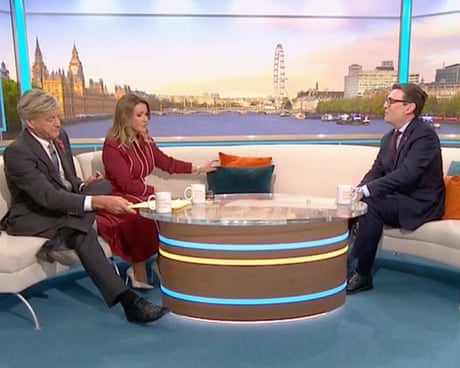
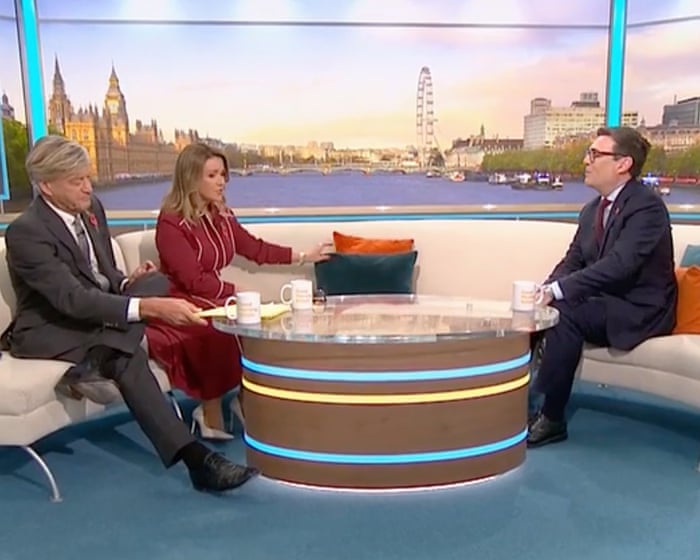
No 10 plays down UK joining EU single market after Burnham suggests referendum would be needed – as it happened

The prime minister previously said that he wanted a debate on how Britain can establish a closer relationship

Speaking at his rough sleeping summit in Downing Street this morning, Andy Burnham expanded on the claim he made on Good Morning Britain about tackling rough sleeping being cheaper than ignoring the problem. (See 11.13am.)

He said:

We’ve also got to be conscious when we speak to the rest of the country, the taxpayers of this country, that actually to leave people sleeping rough has financial consequences. It doesn’t work for anybody and it doesn’t work for the public purse, because if you leave people in a position where they are in and out of A&E, and in and out of a hospital bed, that doesn’t make sense for anybody.

There is a rock-solid business case to do something to end homelessness, to put people on a path to recovery, so that they can contribute once again. And that should be the thinking that we take to this conversation.

Burnham is throwing another £432m at a problem he failed to solve in Greater Manchester. Under Labour, rough sleeping has hit record highs – yet their answer is always more taxpayers’ money and more empty promises.

[John] Healey must use his budget this week to cut taxes for working people, get the ballooning benefits bill under control, and stop pushing up energy prices.

John Healey is expected to confirm on Wednesday that the full state pension will rise by £489 to £13,036 – equivalent to 3.9%.

However, the rise will push about one million people on low incomes who rely on the state pension above the £12,570 personal allowance threshold, meaning they would be dragged into paying income tax.

Continue reading...

© Photograph: ITV

© Photograph: ITV

© Photograph: ITV

  •  

Does Japan need nuclear subs? The debate is bigger than China

Japan’s debate over nuclear-powered submarines is gaining momentum, but political deliberation should not be mistaken for a done deal. As Tokyo prepares to revise its three principal national security documents by the end of 2026, Prime Minister Sanae Takaichi has opened the door to a long-politically sensitive capability. On October 14, she told parliament that […]

The post Does Japan need nuclear subs? The debate is bigger than China appeared first on Asia Times.

  •  

UK poised to miss reduced aid spending target of 0.3% of national income

Calculations from the Center for Global Development say spending next year is likely to be £410m less than anticipated

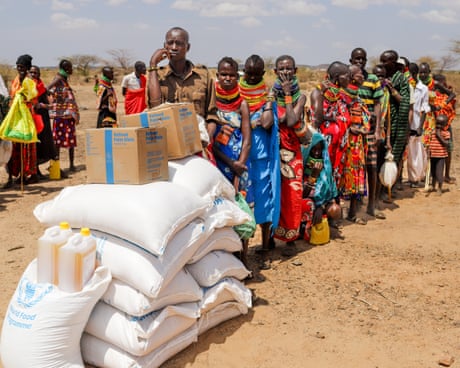
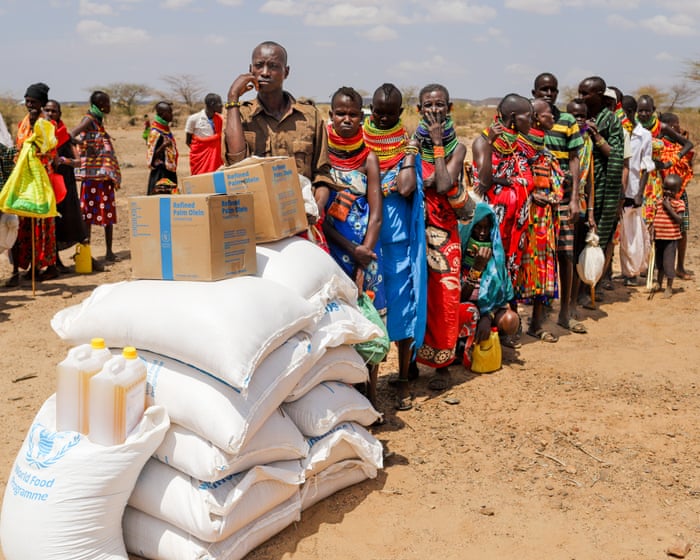
The UK is on course to miss its target of spending 0.3% of national income on international aid by an estimated £400m by the end of next year.

Calculations from the Center for Global Development (CGD) found the UK was on course for a large shortfall in promised official development assistance at the end of 2027.

Continue reading...

© Photograph: Patrick Ngugi/AP

© Photograph: Patrick Ngugi/AP

© Photograph: Patrick Ngugi/AP

  •  

The unexpected costs of my 11-year-old's baseball season caught me off guard. Receipts show that we spent around $8,800.

Two people stand with backs turned wearing bright pink baseball jerseys on a gravel field near parked cars.
The author, shown with one of her sons, said that extras like fan gear, gas for away games, and concession snacks add a lot to the cost of youth sports.

Courtesy of Alexandra Frost.

  • Years ago, I made fun of sports parents who went all out and spent thousands on their kids.
  • Now I'm one of them.
  • Last season cost our family over $8,800. Looking back, I have no regrets and would do it all again.

Ten years ago, I was the mom making fun of select sports parents. I thought they were crazy. Nuts. Over-spenders. People who didn't understand priorities, or budgeting, for that matter. Then I became one of them.

It didn't happen overnight, but gradually. My then-7-year-old son was asked to try out for a team. At the time, it seemed more competitive than the rec league he had been playing in, but not overly so. Practice times doubled. Costs also doubled. The following year, it happened again, and they doubled again. And now, I'm a mom of 5, with an 11-year-old who is obsessed with his select baseball team. Well, career. It's called a career, he's told me.

And that would be fine, but it's the unexpected costs that really caught me off guard. Over time, I got used to the idea that team fees would pass the three-figure mark. I was okay with that, because I saw the joy it brought him and realized that he's a young athlete who is more naturally competitive than rec teams typically allow for.

What I didn't anticipate were the extra costs. Here's how much it really costs to be a select sports family. And as select sports families might note, this isn't even for the most competitive, select travel teams in our area.

The real cost of select sports for our family

Growing up as a competitive gymnast, I look back and realize what it really meant for my single mom to shell out $90 for a competition leotard — and that was 25 years ago. Now, I see just how those extras add up and can tank a budget unexpectedly, one little overpriced concession stand hot dog at a time.

If I sit and add up the cost of the sport, which I do periodically, I find that it's a lot, even if I'm focusing on the more conservative end of our expenses. Here's how last season played out for us:

  • Concession stand spending: $40 per game, estimated at $2,000 for last season. Our family of seven attends 40 to 60 games a season. Yes, we could pack our own food, but here we are, imperfect and flawed parents, just trying to find a uniform 10 minutes before warm-up.
  • Gas: at least $700 per season. Our local practice field is over 20 minutes away so we do our fair share of driving for the sport. We also have tournaments in cities that are hours away, our furthest was about a 5-hour drive. In a season, this accounts for 10 to 12 tanks of gas, which of course varies with the price we pay at the pump. If we drive our large Sprinter van with the whole family tagging along, it's even more.
A baseball bat lies on a dusty infield as players run during a youth baseball game.
The author says the cost of gear can add up, especially once you add in a specialty bat that can cost hundreds.

Courtesy of Alexandra Frost.

  • Gear: around $1,250 last season. I consider myself a slightly scrappy shopper, having grown up on garage sale gear. So as an adult, I try to walk the line of buying new items, such as baseball gloves and pants (used pants at this age are often very worn), cold gear for chilly practices, hats, gloves, catcher gear (used on eBay), cleats, socks, and more. Then, there's gear from the actual team, such as belts and casual wear like hoodies and shorts. None of this includes the overpriced composite bats, which range from $200 to $500 apiece and come with the promise of "hitting bombs." Sure, we don't buy everything new every season, but looking back over my credit card bills reveals this past season was a pricey one.
  • Private lessons: $300 a month for six months. As anyone with a semi-serious athlete knows, regular practice never seems to be enough. When my son became a catcher, we had to, well, catch up and learn catching. When he hit a mental block with hitting, his private lesson teacher scheduled extra sessions.
  • Babysitting: $600 last season. When a game starts at 8 p.m. and ends after 10, parents with little kids need other options. Sometimes, we have our local babysitter chip in and help the other kids maintain a more normal schedule, including bedtimes. This can add up, but sometimes it's just nice to watch your older kid play without toddlers climbing on you with sticky hands. We pay our sitter $25 an hour and used them several times last season.
A spectator in red and white stands at a chain-link fence watching a baseball game on a grassy field.
The author said that siblings often attend games, but she needs to schedule a sitter at $25 an hour when the games run into the night.

Courtesy of Alexandra Frost.

  • Parent gear: $400 last season. Parents are the fan club, and they need to look the part. Even if each parent buys just an item or two from the team pro shop, it adds up. I might have also grabbed the super-cute Bauble Bar Perfect Catch Earring Set this year, along with team-colored HOKA sneakers for lugging gear around the city and getting some steps in during warmups. Finally, with so many kids, we invested in a double-decker wagon that hauls kids, chairs, drinks, snacks, and diaper bags from game to game.
  • Hotel stays: $1,200 for four nights away. I know this is lower than many teams with a heavier travel schedule, but our cost is higher because we need a suite or two rooms for our large family. Teams often require these stays, and hanging out in the hotel pool is a big part of the kids' memory-making that can't be skipped.
  • Registration fees: $900 per season. There are options to fundraise for parts of this, but I very rarely feel good about asking others to pay for my son's sports. I know it works for some people, but for me, going to the same people over and over to chip in feels off (aside from the grandparents who are always down to buy a coupon book).

The total isn't the point

When I say I really don't want to add this list up, I mean it. But for the sake of other parents who feel stressed about so much of their family budget going to sports, or those who need a real look at what it entails, I will.

Before I do, though, I have to acknowledge what all these extras mean for my son. The movement outside instead of getting addicted to screens: priceless. The self-esteem and confidence gained by overcoming stress in a high-pressure game: priceless. The camaraderie and friendships on a team: priceless. The bonding experience of watching the sunset with toddlers screaming their brother's name and number: priceless.

The grand total for the past season landed around $8,850, give or take a bag of popcorn or four. I'm off now to get a second job.

Spring signups are happening soon. I'll do what I can to save, and hope my son doesn't need a new bat, but I know I'll gladly be paying close to this again for yet another season. After all, the popcorn is decent, and my son's joy is contagious.

Read the original article on Business Insider

  •  

European Parliament Calls for €47.4 Billion for Erasmus+ as Student Living Costs Rise

The European Parliament voted on Thursday, 22nd October, to support a €47.4 billion budget for the Erasmus+ programme between 2028 and 2034, demanding substantially more funding than proposed by the European Commission.

The parliamentary position was approved by 454 votes to 34, with 93 abstentions, following negotiations over the future of the EU’s principal education, training and student mobility programme.

MEPs are seeking approximately €6.56 billion more than the Commission’s proposed €40.83 billion allocation, arguing that existing financial support does not adequately reflect rising living costs and the expense of studying abroad.

The decision establishes Parliament’s negotiating position but does not represent final approval of the funding. The programme remains subject to negotiations with national governments and agreement on the EU’s next seven-year budget.

Rising living costs affect student mobility

Erasmus+ allows students, apprentices, teachers and other participants to study, train or gain professional experience in another participating country.

Although widely associated with university exchanges, the programme also supports vocational education, schools, adult learning, youth organisations and sporting activities.

Participation often involves substantial personal expenditure, particularly for accommodation, transport and everyday living expenses.

These costs vary considerably between European destinations, creating financial difficulties for students whose Erasmus grants cover only part of their expenses.

The European Parliament is consequently calling for support mechanisms that account for differences in housing and living costs between host countries, regions and cities.

The proposal is intended to make participation more accessible to people who cannot rely on additional financial assistance from their families.

The European Parliament’s research service has identified unequal access, financial limitations and administrative complexity among the challenges facing the programme.

The proposed legislation would also establish a target under which at least 20 per cent of participants in mobility activities would be people facing fewer educational or economic opportunities.

Parliament seeks larger education allocation

The parliamentary proposal provides for approximately €47.39 billion in current prices over seven years.

The Commission originally proposed approximately €40.83 billion, combining funding for Erasmus+ with activities currently administered through the European Solidarity Corps.

According to the report prepared by Parliament’s Committee on Culture and Education, the revised programme would include more explicit financial allocations for different activities.

Education and training would account for approximately 74.6 per cent of the proposed financial envelope, while youth and volunteering would receive around 15 per cent. Sport would receive approximately 4.1 per cent.

The proposed allocation structure is intended to provide greater certainty for organisations planning longer-term educational projects and cross-border partnerships.

Polish MEP Bogdan Andrzej Zdrojewski, of the European People’s Party, is Parliament’s rapporteur on the legislation. His report calls for greater transparency over expenditure and more predictable funding arrangements.

The programme would continue supporting European university alliances, international educational cooperation and initiatives intended to improve professional skills.

Volunteering and vocational training

One proposed change concerns the integration of the European Solidarity Corps into the wider Erasmus+ framework.

The Solidarity Corps currently offers young people opportunities to participate in volunteering and community activities, including projects addressing social and humanitarian needs.

The Commission has proposed bringing these activities within the new programme in an attempt to simplify administration.

However, parliamentarians want safeguards to ensure that volunteering remains identifiable and accessible within the broader funding structure.

The parliamentary position also seeks to extend mobility opportunities across vocational training, adult education and sport.

These activities would allow a wider range of participants to benefit from international placements, including people outside conventional university education.

Additional attention is being given to the financial circumstances of participants and the administrative requirements faced by smaller educational organisations.

Dispute over the EU’s next budget

The Erasmus+ negotiations are taking place against the background of a wider dispute over the European Union’s 2028–2034 financial framework.

Member states are debating the overall size of the budget and the competing demands of agricultural policy, regional development, defence, research and education.

As EU Today recently examined, the negotiations have exposed disagreements over whether the EU should expand its financial commitments or constrain expenditure during a period of pressure on national finances.

Parliament’s Erasmus+ proposal will therefore depend not only on agreement over educational priorities but also on the final distribution of resources across the wider EU budget.

Some governments may support broader participation while resisting the full increase requested by MEPs.

What happens next?

Negotiations must establish the programme’s final budget, eligibility rules and the arrangements governing grants after 2027.

The Council has already developed a negotiating position on aspects of the programme, although financial questions remain connected to the broader budget settlement.

Erasmus+ will mark its 40th anniversary in 2027, shortly before the new framework is scheduled to begin.

More than 17 million people have participated in the programme and its related activities since its establishment.

The outcome of the current negotiations will determine whether the next generation of participants receives more financial support and whether the programme can expand without increasing the proportion of costs borne by students and their families.

  •  

Colombian President Dismisses Interior Minister Over Budget Failure

The Executive plans to cut the budget in social areas such as public health and energy subsidies for vulnerable sectors.

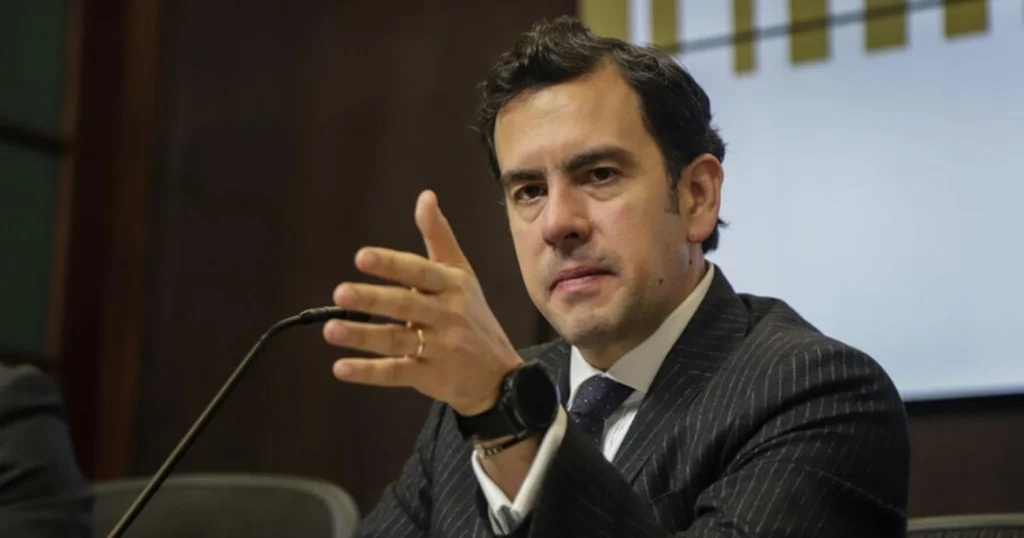
On Thursday, Colombian President Abelardo de la Espriella dismissed Interior Minister Rodrigo Lara following the crisis triggered by the failure of the 2027 National Budget bill in Congress.

RELATED: Colombia Budget Bill Faces Legal Challenge Over Text Discrepancy

The controversy arose after the Senate and the House of Representatives approved different versions of the budget without reaching a consensus before the constitutional deadline for the legislative process.

Faced with the impossibility of passing the initiative through parliamentary means, the government decided to use a decree to implement the national budget for the next fiscal year.

Senator Esmeralda Hernandez criticized the procedure followed during the legislative debate and attributed the failure to irregularities and errors committed during the discussion of the bill.

According to complaints, the version of the budget decreed by the Executive includes cuts in social areas such as public health, energy subsidies for vulnerable sectors, and programs for senior citizens.

The Colombian Congress approved a 634.9 trillion peso ($201.14 billion USD) national budget for 2027, cutting funding for peace accord bodies while increasing debt service and defense allocations.#News pic.twitter.com/FqIZRk6t8s

— Dubon007 (@gdubon007) October 20, 2026

To replace Lara, the president appointed Alejandro Ordoñez, former Attorney General and former ambassador to the Organization of American States, as the new Minister of the Interior. Ordoñez is one of the most prominent figures in Colombia’s conservative sector.

He served as Attorney General from 2009 to 2016, a period marked by controversial decisions, including the dismissal of Gustavo Petro, then-mayor of Bogota, a decision later overturned by international bodies.

While his appointment is being formalized, the Ministry of the Interior will be led on an interim basis by Minister of Justice Ivan Cancino, amid concerns about the country’s projected fiscal deficit.

The government confirmed that it will use the mechanism provided for in the budget legislation to directly enact the 2027 budget, arguing that this measure will guarantee the functioning of the State following the failure of the legislative process.

#Colombia | Artists and cultural workers rallied outside the Culture Ministry in Bogotá against a proposed nearly 30% cut to the sector’s 2027 budget.
Demonstrators demanded funding for cultural programs and payment for artistic work, warning the cuts are already affecting the… pic.twitter.com/lhtVLTRY0V

— teleSUR English (@telesurenglish) September 21, 2026

teleSUR: JP

Source: teleSUR

  •  

EU Parliament defies frugal capitals by seeking €7bn more for the EU’s popular Erasmus+ student scheme

The European Parliament overwhelmingly supported an increased budget and scope for the Erasmus+ student-exchange programme under the new EU budget on Thursday (22 October).

The plenary in Strasbourg opted for a €7bn increase in Erasmus+’s budget compared to the commission’s proposal, by 454 votes, with 34 abstentions, against 93, mostly from right-wing parties.

And it was an audacious move, seeing as ‘frugal’ EU capitals are pushing for €150bn of cuts to the commission’s draft.

But even a “slight increase” in Erasmus+ funds would mean more opportunities for thousands of people, said Bogdan Zdrojewski, a Polish centre-right MEP, who was the rapporteur on the file, during a parliamentary debate earlier on Wednesday.

Celebrating its 40th anniversary in 2027, Erasmus+ enables young people to study, live, and work in foreign countries both inside the 27 EU states and the programme’s 160 “associate” states worldwide.

Some 17 million people have taken part since it began, with an estimated 1 million babies also born to couples who met on exchange, in what the commission has long used as a flagship PR project for creating a feel-good factor about the EU.

Meanwhile, the UK will rejoin the programme in 2027, which means EU students will once more have the opportunity to also spend a semester in Britain, which hosts some of Europe’s and the world’s top universities.

And the parliament would also welcome Canada’s full participation in a few years’ time, Zdrojewski told press on Wednesday.

The EU Parliament would like to expand Erasmus+ to more vocational training. “Erasmus+ will be a programme for Europeans no matter what age, what stage of life,” Zdrojewski said.

And students from poorer homes should get more support to live in pricey cities abroad, he added.

The share of Erasmus+ participants who had fewer opportunities to travel under the present structure stood at 15 percent in 2023 – up from 10 percent only two years earlier, according to a commission evaluation.

“Far too often, it is still the parents’ financial situation that determines who can take part in Erasmus+ and who cannot,” said Sabrina Repp, a German socialist MEP, in Wednesday’s debate in Strasbourg.

Working students often cannot afford to quit their current job to go abroad, she added: “That is precisely what we must change.”

The EU budget talks are to be finalised early next year.

Some 83 percent of Erasmus+ participants say they gained professional skills that helped them in the labour market.

But in order for those opportunities to be available more widely, “we need more funding for this programme,” also said Lucia Yar, a Slovak liberal MEP in the Strasbourg debate.

  •  

On Borrowed Time: Ukraine's Economy in the War's Fifth Winter – KI Insights monthly briefing

Ukraine is heading into 2027 with a rising fiscal gap. Growth forecasts have been cut, inflation is rising, and the need for external financing seems to just keep going up. The economy is being squeezed by a labor market drained by mobilization and emigration, energy infrastructure has been decimated, and

  •  
  •  

EU looks to UK, Canada, and Japan to plug €70bn hole in funding for Ukraine’s 2027 war effort

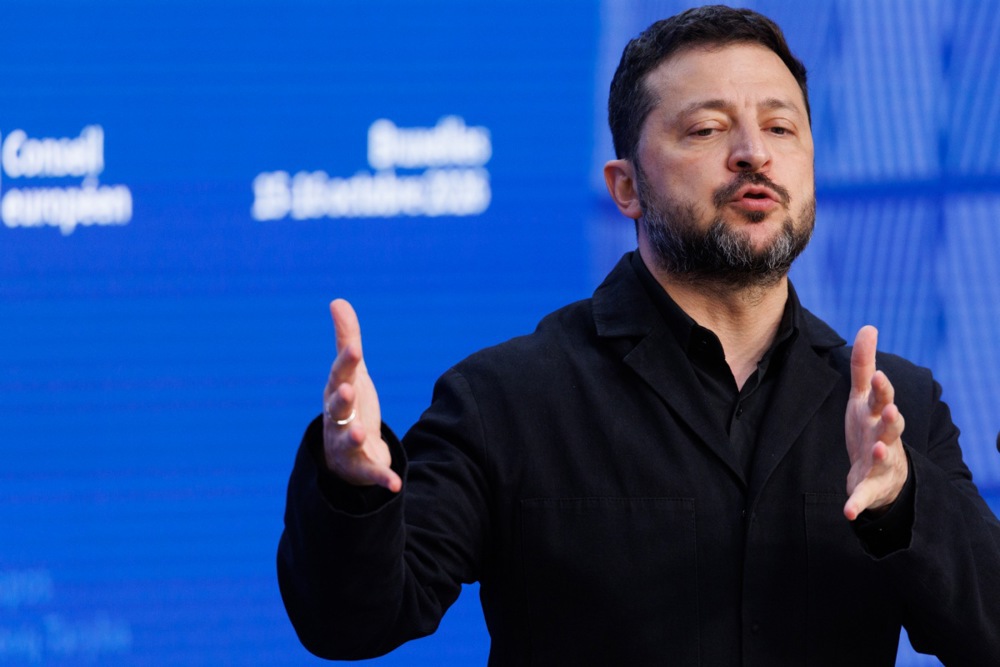
The EU is pressing allies, such as the UK, Canada, Japan, South Korea, Australia, and Norway, to help close a €70bn shortfall in Ukraine’s funding for next year, after president Volodymyr Zelensky warned that the war will cost €155bn in 2027.

EU Council president António Costa told MEPs in Strasbourg on Wednesday (21 October) that member states already provided 80 percent of external aid to Ukraine and “international partners must also step up their efforts”. 

“Our commitment to peace must go hand in hand with sustained pressure on the aggressor,” he also said, after meeting Zelensky at an EU summit in Brussels last week.

European Commission president Ursula von der Leyen also told MEPs on Wednesday: “The war will not be decided on the frontline; the war will be decided in our political will, in whether we stand up for freedom and democracy and support our Ukrainian friends.” 

Zelensky’s €155bn figure refers to Ukraine’s total war-related spending in 2027, part of which Kyiv covers from its own budget.

But that still left a €70bn gap that Ukraine needed foreign partners to fill, as next year approached.

The EU has already agreed a €90bn loan covering 2026 and 2027, meant to meet two-thirds of Ukraine’s financing needs over that period.

The remaining third was supposed to come from other partners, but so far that money has been secured only for 2026, not for 2027.

Costa told MEPs on Wednesday that €16bn had been disbursed this year under the defence line of the loan, while another €17bn could be sent to Ukraine if anti-corruption reforms were implemented.

“Our determination to support Ukraine and its people is stronger than ever,” he said.

EU hopes for Ukraine cash from allies

Meanwhile, EU commissioner Maroš Šefčovič also indicated on Monday that Britain will be asked to increase funding to Ukraine, speaking ahead of an EU-UK summit on 20 November.

“Following the signature of a contribution agreement on 13 July 2026, the UK can now participate under the EU’s €90bn Ukraine support loan,” he said.

Both the EU and UK would support Ukraine “as long as it takes to bring Russia’s illegal war of aggression to an end”, Šefčovič added.

This article continues, but the full version is available only to EUobserver.com subscribers. Visit account.euobserver.com/membership

  •  

PS Socialists ‘decide today on how they will vote over State Budget’

Portugal’s Socialist Party is bringing together its main leaders today to discuss the position to take in the vote on the State Budget for 2027 (OE2027).  The party’s secretary-general, José

The post PS Socialists ‘decide today on how they will vote over State Budget’ appeared first on Portugal Resident.

  •  
❌