❌

Reading view

“Above all, we do not have enough missiles for Patriots”—Zelenskyy after 100+ ballistic missiles

Ukrainian President Volodymyr Zelensky visits a Patriot battery in Germany in 2024.

Russia has fired more than 100 ballistic missiles at Kyiv and Kyiv Oblast since 14 October, President Volodymyr Zelenskyy said in his evening address on 27 October. He said partners’ air defense packages are being delayed.

Ukraine’s front-line positions are stronger than they have been in a long time, Zelenskyy said. If partners’ support for Patriots and other air defense remained just as strong, he argued, Ukraine would be in a much better position diplomatically as well. He expects trilateral talks with US and Russian representatives in November. The US, on which, he said, “almost everything concerning Patriots depends,” will be one of the three sides.

Delays and the war on logistics

Overnight on 27 October, Russia launched 16 ballistic missiles and more than 280 drones, in what Zelenskyy called a serious escalation of Russia’s campaign against Ukraine’s logistics. The strikes hit the State University of Trade and Economics campus and the Southern Bridge in Kyiv.

Residents stand outside a high-rise building in Kyiv after a Russian ballistic missile attack, 26 October 2026
Explore further

Russian ballistic missiles hit a Kyiv university campus, then return before dawn for the Southern Bridge again

A 46-year-old woman was killed and 15 people were injured, among them dormitory residents and two medics, the Kyiv prosecutor’s office said on the morning of 27 October.

Zelenskyy wrote that artificial and lengthy delays in interceptor packages for Patriots and NASAMS directly help Russia achieve the goals of its terror campaign. In his evening address, he added:

“And everyone hears, everyone sees that right now, it is difficult for us to defend against Russian ballistic missiles. And above all, we do not have enough missiles for Patriots.”

A month waiting on Hegseth

Earlier, on 26 October, Zelenskyy wrote that Ukraine had waited almost a month for US Defense Secretary Pete Hegseth’s signature on missiles for Patriots and NASAMS. Kyiv is also working with Europe and other partners, he added.
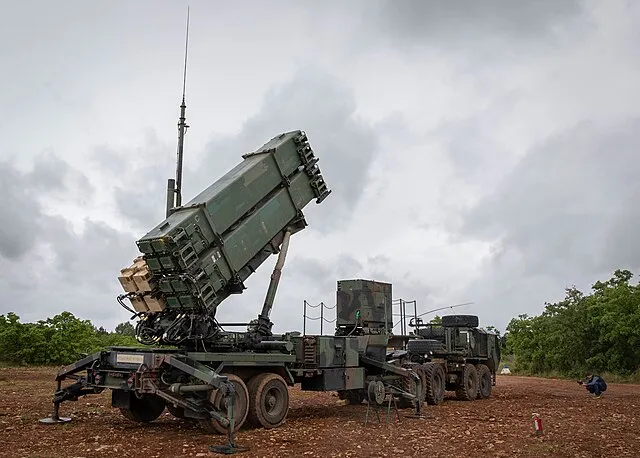
ukraine raises its stalled patriot request washington again after almost month without hegseth’s signature · post air defense system’s launcher 21051 9-a-so154-750_-_patriot_missile_system_operates_in_croatiajpg news ukrainian reports
Explore further

Ukraine raises its stalled Patriot request with Washington again after almost a month without Hegseth’s signature

Separately, The Washington Post reported on 19 October that some transfers come from allies and need Hegseth’s approval, because the US must sign off on re-transfers. Zelenskyy’s post does not say whether his wait concerns those transfers.

Before Zelenskyy’s latest statements, US officials rejected claims of a deliberate hold. A US government official called Ukraine’s claims “not true,” the Kyiv Independent reported. On 20 October, Secretary of State Marco Rubio said there was “nothing being deliberately denied to Ukraine.” Hegseth said the US had not changed its posture toward Ukraine but wants “our guys” to have as many interceptors as possible.

  •  

Ukraine plans to rebuild its air force on NATO’s model by 2035. Its Air Force already knows which fighter it wants next, and why

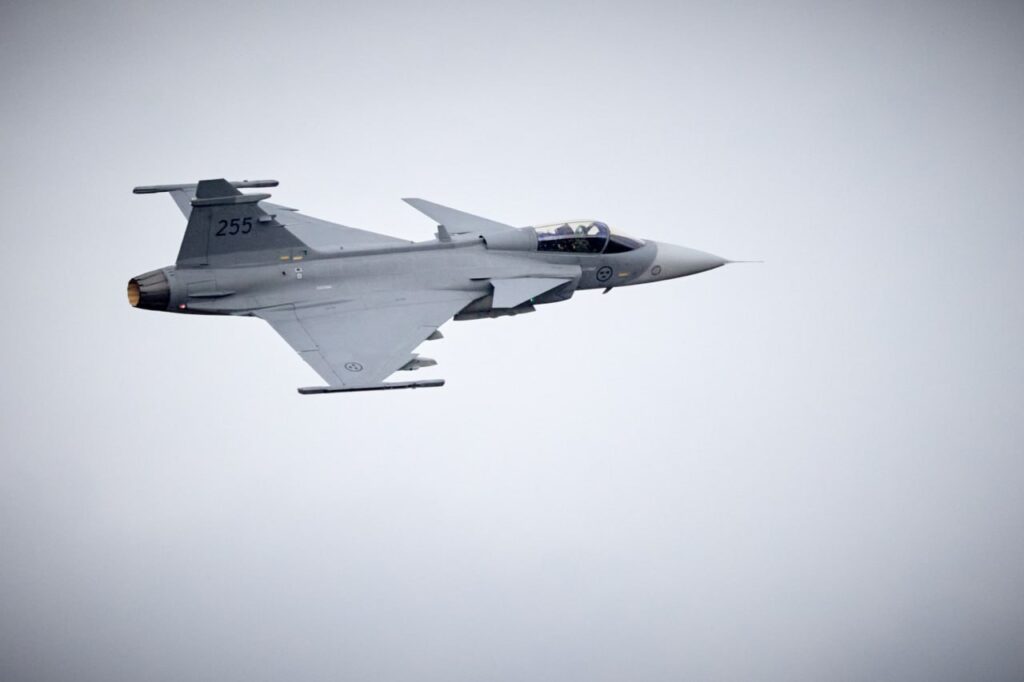
Ukraine is remaking its air force on NATO’s model, down to the way its squadrons are organized and the aircraft they fly. The reforms are planned to be completed by 2035 and include modernizing its F-16s while pursuing the Swedish Gripen jets, Air Force Spokesperson Yurii Ihnat says, per Tse Baza.

Ukraine’s fighters are working hard against Russia’s air war, and in the previous month alone the Air Force faced around 3,500 jet-powered targets, with F-16s heavily used to intercept Russian drones. The new reform is meant to build an air force that can be sustained over the long term and can contest Russian jets and glide bombs, not only survive the next wave.

Wings and universal air bases

The central change, Ihnat said, is a move to the “wing” units that NATO air forces use. The first steps have already been taken: Ukraine has set up the 107th F-16 wing, which now has its own Facebook page and may publish material about its work.

Ukraine also plans to build universal air bases on the operational airfields it has used through the full-scale war. In the future, Ihnat says, those bases should be able to receive and service different models of combat aircraft, as NATO does.

A worn fleet, and the jets Ukraine wants next

Currently, the F-16s Ukraine flies are older Block 15 jets, used by other countries before they arrived, and intensive combat has left them in need of repairs, service life restoration, and upgrades.

Ukrainian officials discussed modernization with the American manufacturer Lockheed Martin, while Kyiv would prefer the newer Block 70/72 version, which Ihnat says would let its pilots stand up more confidently to Russia’s Su-35 fighters.

Keeping the current fleet flying has been hard: fewer than half of Ukraine’s F-16s may be operational, held back by slow maintenance abroad.

At the same time, Lockheed Martin and Kyiv are discussing a special F-16 variant for Ukraine, with a modern AESA radar, longer range, and a wider choice of weapons, though no firm deal exists yet.

Ukraine is also counting on Swedish Gripen fighters. Ihnat says Ukrainian pilots are drawn to them for their lower operating costs and simpler maintenance, with the country likely to receive older C/D models first, before the newer Gripen E that Saab is developing.

Ukrainian pilots have already begun their training on the Gripen, a jet seen as a counter to the Russian aircraft dropping guided glide bombs on the front, though delivery timing depends on further agreements.

  •  

Inside the race to build Patriot missiles as stocks run low

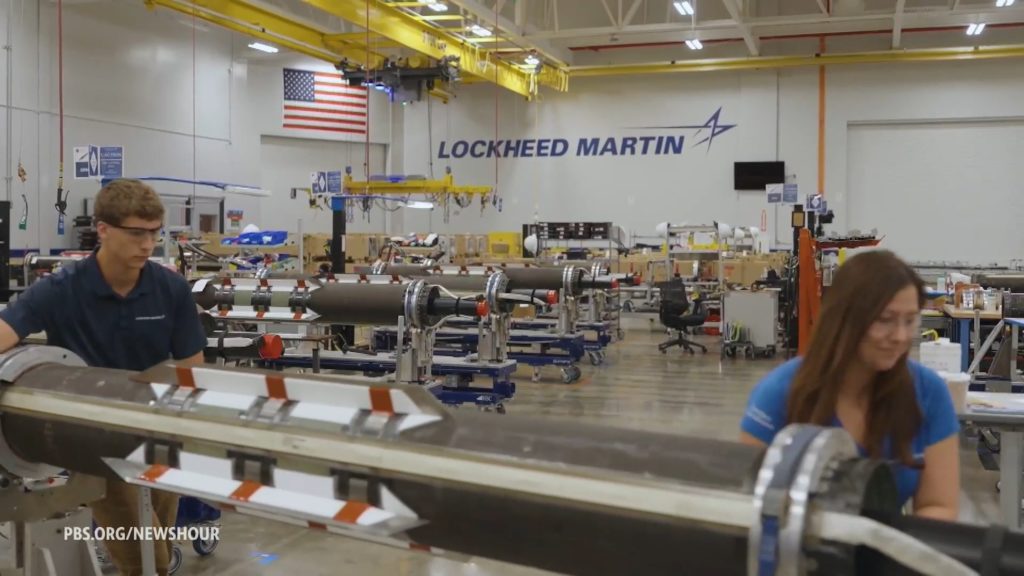
Ukrainians are desperate for more defense systems to repel Russia's relentless onslaught of drones and ballistic missiles. For the missiles, no system is more valuable than the U.S. Patriot interceptor. But years of use in Ukraine and by the U.S. and allies in the war with Iran have depleted thin stocks. Special correspondent Mike Cerre has an exclusive look at the Patriot manufacturing process.

  •  

More ballistic missile interceptors and F-16 repairs inside Ukraine: Kyiv’s two asks to Lockheed Martin

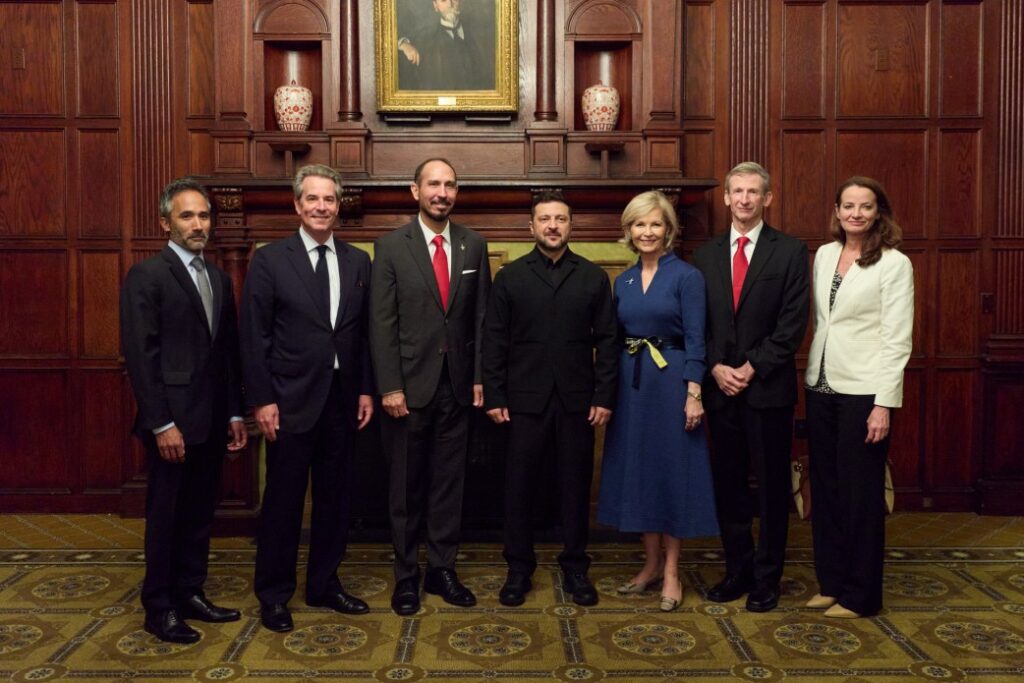
Ukrainian President Volodymyr Zelenskyy during a meeting with American defense company Lockheed Martin representatives on 28 July 2026, in Washington D.C. Source: President's Office

Ukraine is counting on buying part of Lockheed Martin’s growing output of ballistic missile interceptors, President Volodymyr Zelenskyy said. He met the US company’s team in Kyiv on 19 October and also raised servicing and repairing F-16 fighter jets inside Ukraine.

Russia keeps striking Ukraine’s power grid with ballistic missiles, and interceptor supplies fall short of that threat. Kyiv is working every route to more Patriot missiles, from US deliveries to allies’ stocks, and some have stalled. Greece, for one, has not confirmed it will hand any over, citing its own defense needs. A purchase from the missiles’ maker would add one more route.

Growing output, F-16 repairs in Ukraine

Lockheed Martin builds the PAC-3 MSE interceptors fired by Patriot air defense systems, as well as the F-16. Zelenskyy said both matter against Russian ballistic missiles and jet-powered Shahed drones. Neither area is easy right now, he added.

“We count on the opportunity to purchase some of them to protect more lives,” he wrote.

On 28 July, Zelenskyy met the company in Washington to discuss joint production. That came weeks after US President Donald Trump pledged Ukraine a license to manufacture Patriots.

A batch reportedly stuck in Washington

Meanwhile, US Defense Secretary Pete Hegseth has not signed off on a “significant” batch of Patriot missiles, Ukrainian officials told the Kyiv Independent. One official said allies had already paid for them. A US government official called the claims untrue, and the Pentagon did not respond. A NATO official said allied-funded deliveries, including air defense, continue. A second NATO official said some shipments could be delayed, but likely not for political reasons.

Zelenskyy told Bloomberg on 18 October that the US delivers only 12 Patriot interceptors a month. On 20 October, interceptors topped his list in a call with US Secretary of State Marco Rubio.

No purchase was announced, so new interceptors from this route remain a prospect. Meanwhile, partners’ early warnings of Russian ballistic launches have gone missing three times recently, Zelenskyy wrote. Those warnings give air defenses extra minutes to prepare.

  •  

New F-16s buy Taiwan time and space against China’s air coercion

Taiwan’s new American-made F-16V Block 70 jets deliver much-needed breathing room against daily Chinese gray-zone coercion, yet surging Chinese stealth numbers and cratered runway risks mean their wartime utility would be sharply contested. Taiwan received its first two new-build Lockheed Martin F-16V Block 70 fighter jets, touching down on October 2 at Taitung’s Chihhang Air […]

The post New F-16s buy Taiwan time and space against China’s air coercion appeared first on Asia Times.

  •  
❌