❌

Reading view

Mulheres negras da Bahia lutam por justiça após perder filhos e maridos

O mar em frente a uma favela em Salvador foi o cenário da última foto de Vilma Alves de Oliveira com seu filho, João Vitor, assassinado em 2023, aos 20 anos.

“Nenhuma mãe está preparada para perder um filho, muito menos dessa forma. Meu filho teve a vida ceifada pela polícia, o braço armado do Estado”, afirma, no complexo do Nordeste de Amaralina, essa mulher negra, de 49 anos, que há três anos busca justiça.
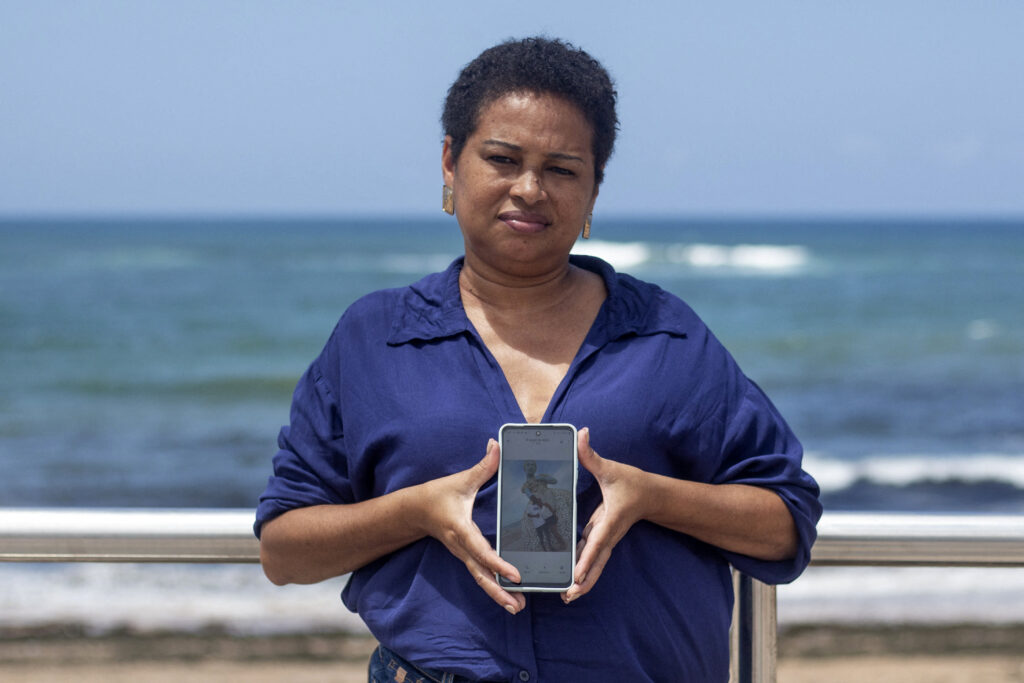
Vilma Alves de Oliveira, cujo filho Joao Vitor foi morto no complexo Nordeste de Amaralina e que afirma que ele foi baleado pela polícia, mostra uma fotografia dele em seu celular em Salvador | Foto: Amanda Cotrim/AFP

Esse bairro de ruas íngremes é um dos epicentros da violência policial no estado da Bahia, onde em 2025 houve 1.570 mortes em operações das forças da lei contra o crime, o número mais alto do país, segundo o Anuário Brasileiro de Segurança Pública. Praticamente nenhuma foi levada à Justiça.

O pizzaiolo João Vitor tinha saído para tomar uma cerveja com um amigo quando, segundo testemunhas, a polícia chegou atirando. As imagens das câmeras de segurança desapareceram, as testemunhas desistiram de depor por medo e nunca foi realizada a perícia balística, relata Alves de Oliveira, hoje desempregada.

“É a minha palavra contra a deles. Mas eu vou continuar lutando pela verdade e por justiça pelo que fizeram com meu filho”, afirma a uma jornalista da Agence France-Presse (AFP) essa mulher de voz firme, que até hoje não consegue passar pela rua onde o filho morreu.

A insegurança é uma das principais preocupações dos brasileiros diante do segundo turno presidencial de 25 de outubro, entre o candidato à reeleição, o esquerdista Luiz Inácio Lula da Silva, e seu rival, o conservador Flávio Bolsonaro.
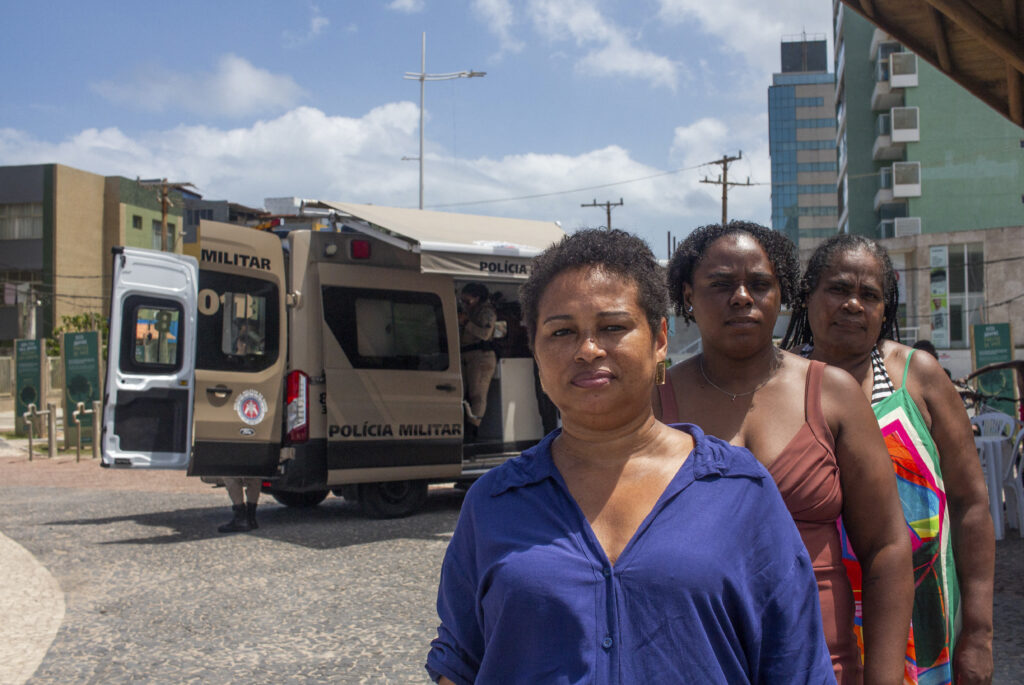
Mulheres negras da Bahia lutam por justiça após perder filhos e maridos
Vilma Alves de Oliveira, Elisângela Souza Santos e Rita Cássia afirmam que familiares foram mortos durante operações policiai | Foto: Amanda Cotrim/AFP

“Mulheres de bandidos”

Cerca de 80 mil pessoas vivem no Nordeste de Amaralina, de maioria negra e cujo domínio é disputado por facções criminosas.

A violência policial é atravessada pelo “racismo estrutural” no Brasil, diz à AFP a advogada Bianca Souza, do Instituto Odara, que presta assessoria às famílias. “O jovem negro e da periferia é alvo histórico” das operações policiais, afirma.

Mais de 80% dos mortos em operações em 2025 no país eram negros, em sua maioria homens entre 15 e 29 anos, segundo o Anuário.

Nesta favela, a luta contra a letalidade policial é liderada por mulheres, que se apoiam mutuamente. Rita Cássia Souza dos Santos, empregada doméstica de 59 anos, espera há treze anos o julgamento de três policiais acusados de matar seu único filho, Carlos Alberto, em 2013, quando ele tinha 21 anos.

“A polícia tentou sujar o nome do meu filho e ligá-lo ao tráfico para justificar a morte dele”, afirma, e denuncia que elas também são atacadas pelos próprios agentes. “Eles nos insultam, nos ofendem, dizem que somos ‘mulheres de bandidos'”, diz.

Consultada pela AFP, a Polícia Militar da Bahia não respondeu.
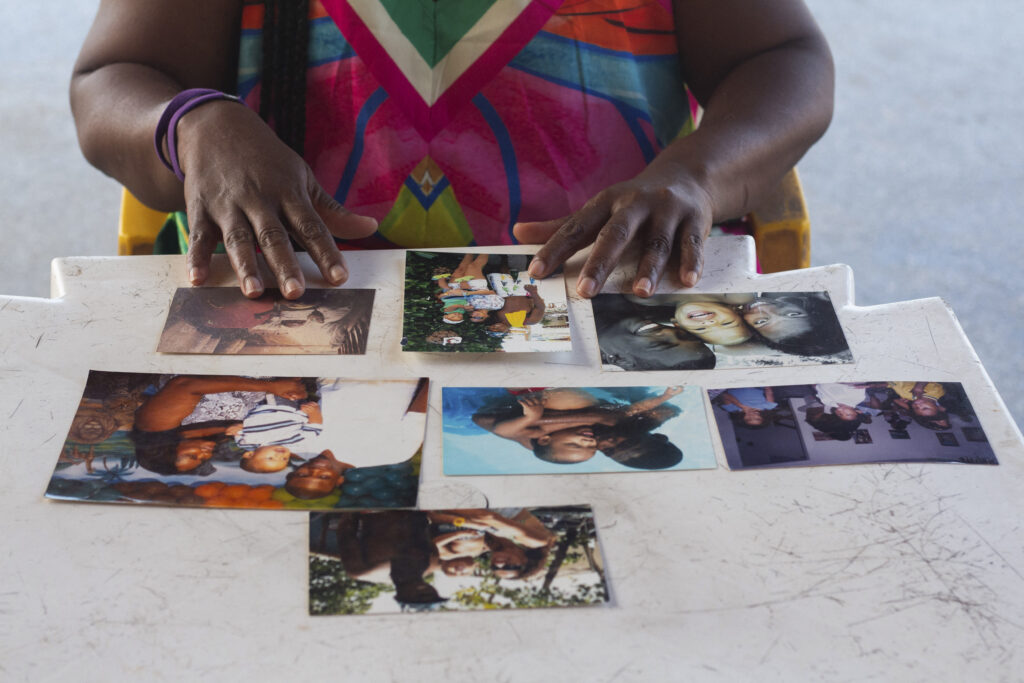
Mulheres negras da Bahia lutam por justiça após perder filhos e maridos
Rita Cassia, mãe de Carlos Alberto, afirma que o filho foi morto pela Polícia Militar da Bahia durante operação policial no complexo Nordeste de Amaralina em 2013. Na ocasião, ela mostra fotografias de seu filho em Salvador | Foto: Amanda Cotrim/AFP

Medo da polícia

“São as mulheres, em sua maioria mulheres negras, que cobrem os corpos de seus familiares, vítimas da letalidade policial, e são elas que se organizam em busca de verdade, justiça, reparação e mudanças nas políticas”, afirma Bianca Souza.

Seu ativismo contribuiu para que esteja em tramitação na Bahia o projeto de lei Ana Luiza, que prevê assistência médica, econômica e psicológica para as vítimas de operações policiais. Leva o nome de uma jovem de 19 anos assassinada durante uma operação em Salvador.

Elisângela Souza Santos, de 37 anos, fala com a voz baixa. Seu olhar reflete indignação ao recordar que estava grávida quando policiais invadiram sua casa e mataram seu marido, Marivaldo, de 29 anos, há seis anos. “Tenho mais medo da polícia do que dos traficantes”, diz.

“Ruim com Lula, pior sem Lula” –

O presidente Lula, cujo Partido dos Trabalhadores governa a Bahia há 20 anos, promete criar um Ministério da Segurança Pública e enfraquecer as facções criminosas atacando sua base econômica.

Flávio Bolsonaro, inspirado no presidente salvadorenho Nayib Bukele, defende uma política de mão de ferro e a classificação das grandes facções Primeiro Comando da Capital e Comando Vermelho como organizações terroristas.

“Não confio em nenhum político. Mas, se Flávio Bolsonaro for eleito presidente, nossa situação vai piorar muito. Já vimos como foi com o pai. Ruim com Lula, muito pior sem Lula”, diz Elisângela.

A Secretaria de Segurança Pública da Bahia informou sobre um plano para implementar 1.300 câmeras corporais para controlar a atuação policial. Confirmou que não oferece assistência social às vítimas da letalidade dos agentes. (Amanda COTRIM/AFP)
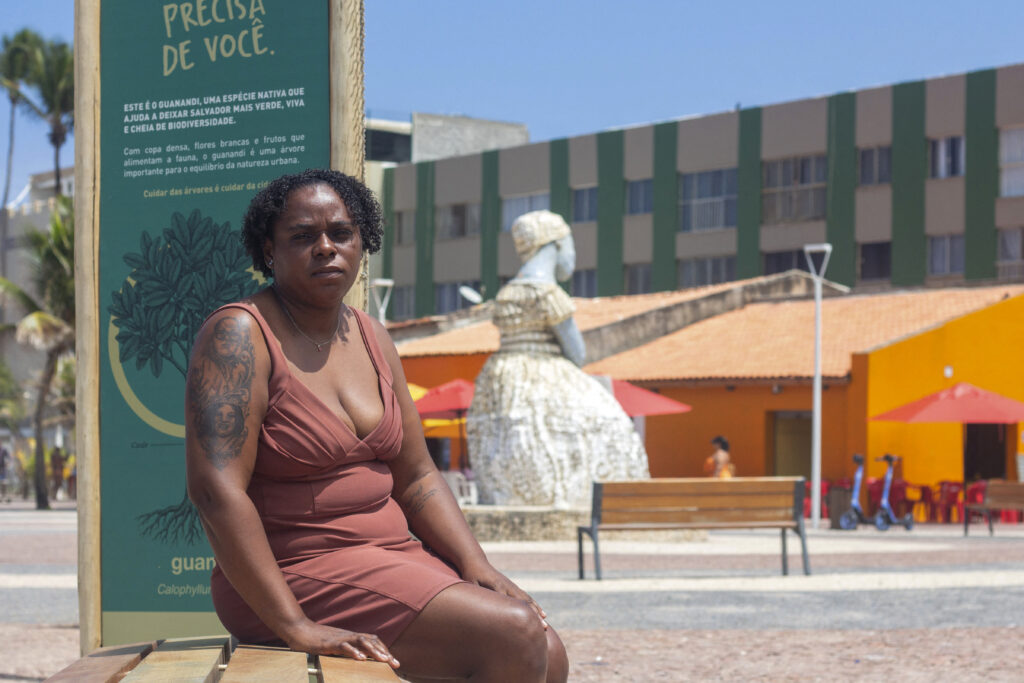
De acordo com o Anuário Brasileiro de Segurança Pública, houve 1.570 mortes decorrentes de operações de agentes da lei no estado em 2023, o maior número do país
Elisangela Souza Santos, viúva de Marivaldo, que ela afirma ter sido morto dentro de casa durante uma operação policial no complexo de Nordeste de Amaralina em 2010 | Foto: Amanda Cotrim/AFP

The post Mulheres negras da Bahia lutam por justiça após perder filhos e maridos appeared first on Diário da Manhã - O Jornal do leitor Inteligente.

  •  

Rubio reassures Greece of its “importance to USA” after Guilfoyle ousting

U.S. Secretary of State Marco Rubio sought to reassure Greece that Kimberly Guilfoyle’s departure would not diminish its importance to Washington, promising a successor with access to President Trump and his full confidence. “Greece deserves a strong and good ambassador that has access to and the confidence of the president,” Mr. Rubio told Matthew Boyle […]

The post Rubio reassures Greece of its “importance to USA” after Guilfoyle ousting appeared first on Keep Talking Greece.

  •  

Mexican government relieved after US lifts restrictions on airlines

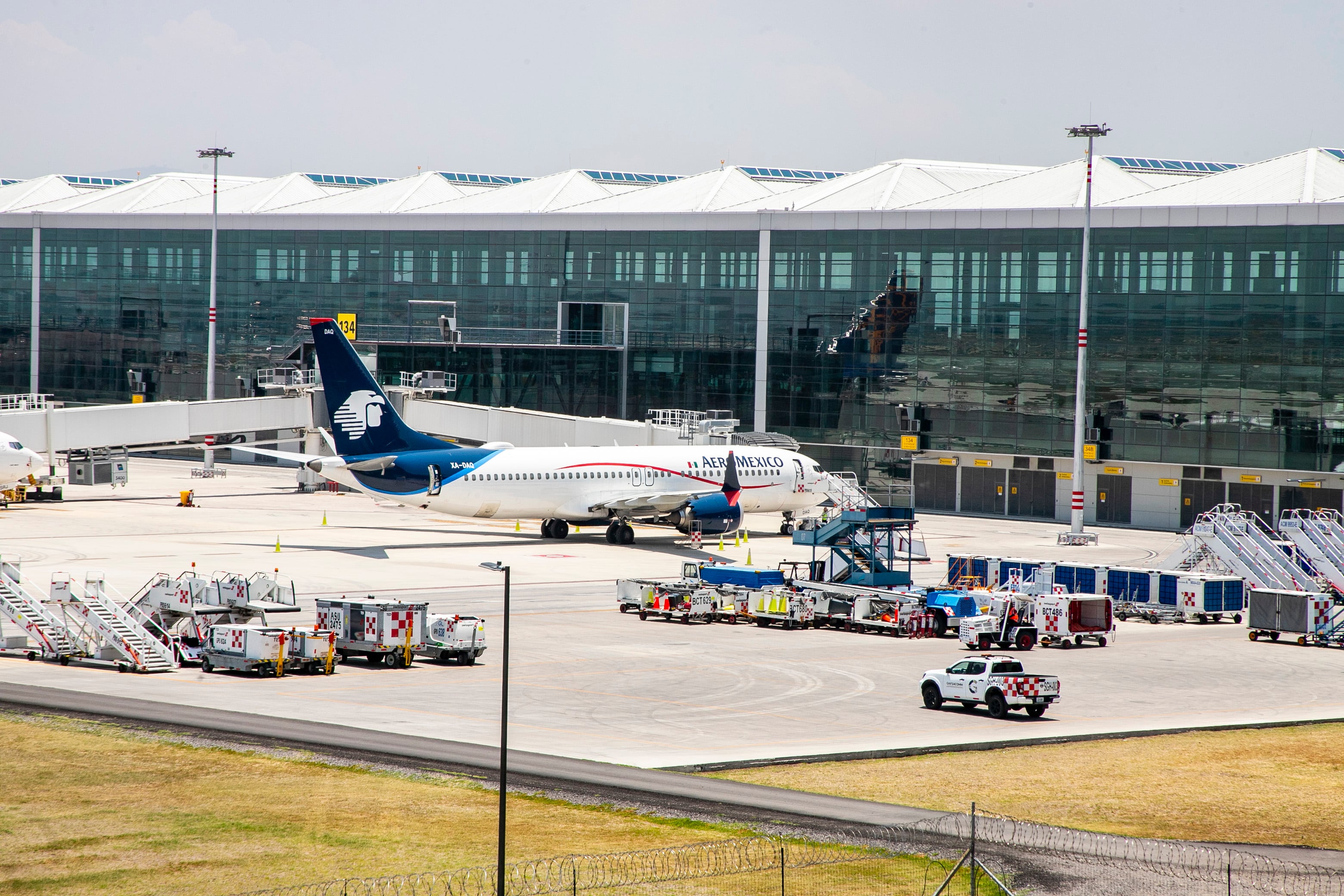
Tension between Mexico and the United States over flights to the Valley of Mexico has eased. The announcement that Washington will lift air restrictions so Mexican airlines can open routes to U.S. cities from Felipe Ángeles International Airport (AIFA) and Mexico City International Airport (AICM) ends months of uncertainty over connectivity between the two countries. Aviation policy has been one of the most complex fronts in the bilateral relationship and has reflected how government positions also spill over into this sector.

Seguir leyendo

Felipe Ángeles International Airport, Mexico City, May 6, 2026.

© Cuartoscuro

Mexico City International Airport (AICM), in November 2024.
  •  

Feeling blamed and deceived: Latinos who voted for Trump rebel against the Republican Party

Celia Salmerón had never voted for a Republican candidate. Not until 2024. Then, in the presidential election, she became one of many Latino voters who believed Donald Trump when he promised at every rally that he would deport all criminals and improve the economy. Two years after giving him her support, Salmerón — like so many other Hispanic voters — regrets her decision and says she will vote for the Democratic Party in the midterm elections on November 3. “For everything he’s doing to poor people, for separating parents from their children,” she says as she inserts hair extensions.

Seguir leyendo

© David McNew (Getty Images)

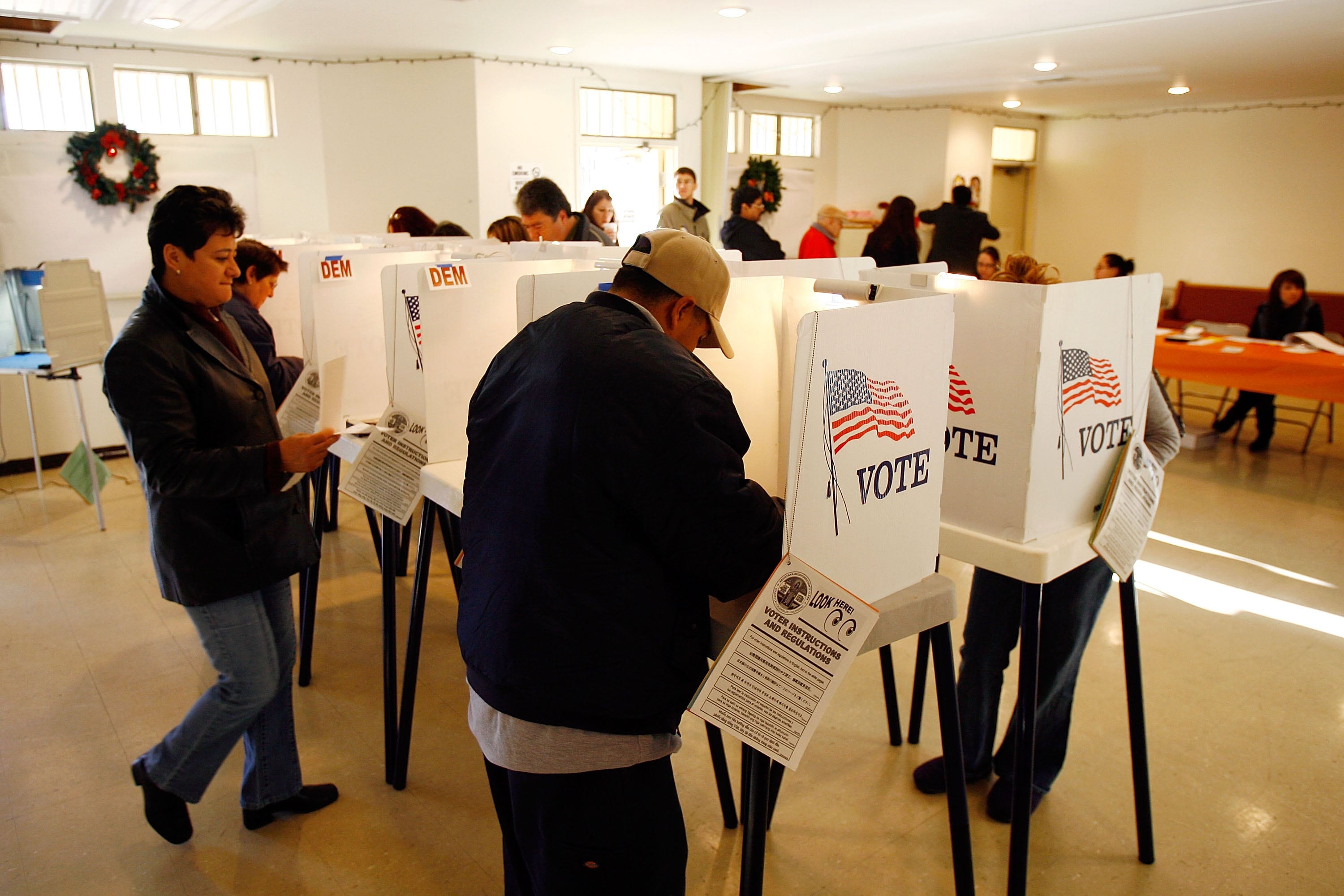
Members of the Latino community cast their votes in Los Angeles.
  •  

Trump Slashing Deportation Protections Shows Why Temporary Status Shouldn't Depend on Who's President

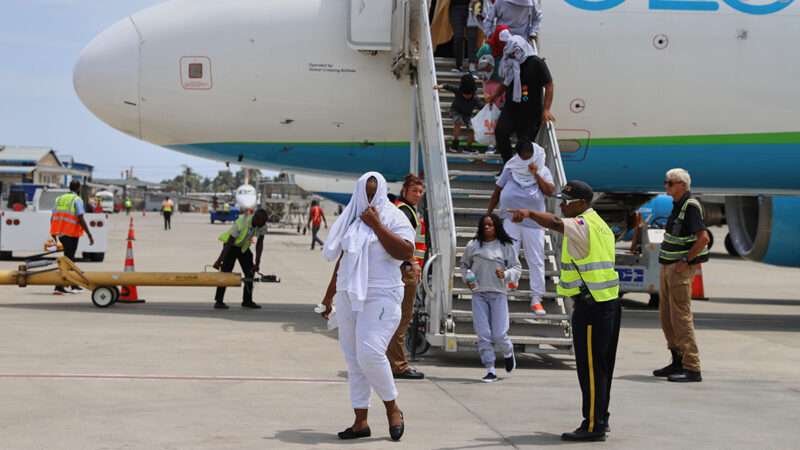
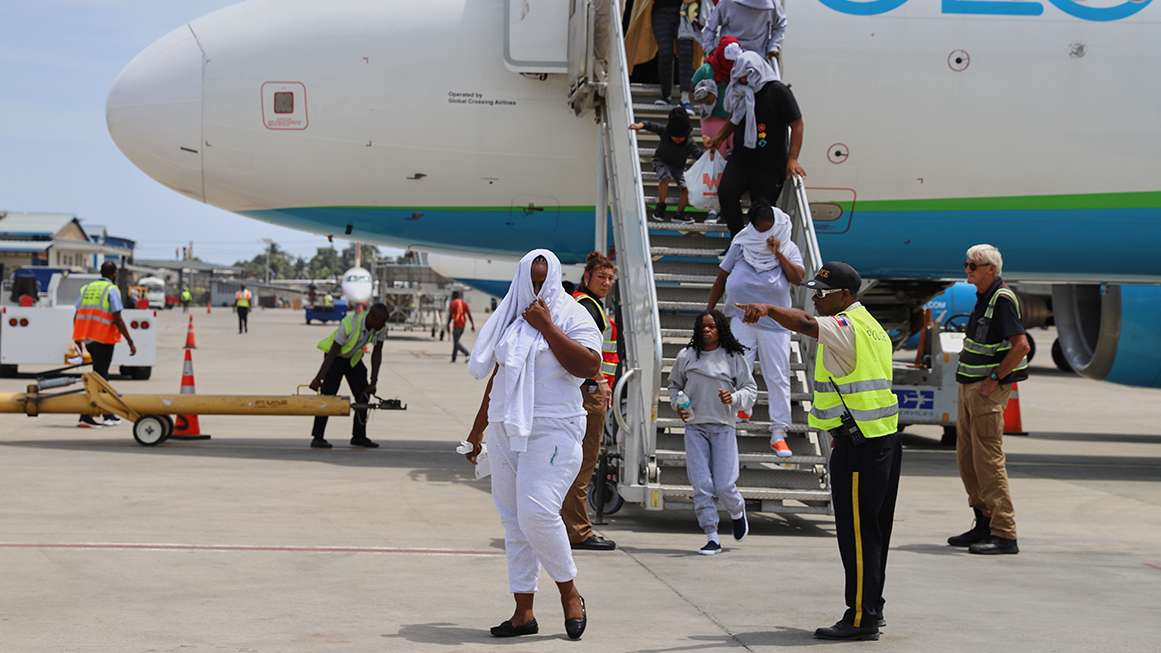
People deboarding a plane | Photo: Haitians deported from the U.S. deplane in Haiti; Ketlain Difficile/A.P.

In late August, President Donald Trump's administration carried out its first deportation flight to Haiti since the Supreme Court allowed it to end temporary protected status (TPS) for the embattled country in June. "There are no extraordinary and temporary conditions in Haiti that prevent Haitian nationals…from returning in safety," the Department of Homeland Security (DHS) claimed in its TPS revocation, describing a country the State Department warns Americans not to visit "for any reason."

The Trump administration has eroded America's humanitarian avenues, including TPS, which shields migrants from deportation. As a result, many noncitizens may become undocumented and could be forced to return to unsafe places.

The DHS secretary may grant TPS for countries facing armed conflicts, natural disasters, or other disruptive events. TPS designations last anywhere from six to 18 months and may be extended. The government has designated 29 countries for TPS since Congress established the status in 1990, offering protection to Salvadorans fleeing a 12-year civil war, Haitians fleeing the 2010 earthquake, and millions of others. The Biden administration repeatedly made and extended TPS designations, but the Trump administration has been working to terminate them.

There were 1.3 million people living in the U.S. under TPS in March 2025, according to the Pew Research Center. By August 2026, the Trump administration had ended TPS for 13 countries, leaving 1 million people without its protections. Once someone loses TPS, he reverts to his previous immigration status, which is often undocumented. Over 600,000 Venezuelans, 330,000 Haitians, 170,000 Salvadorans, and 100,000 Ukrainians had TPS protections as of March 2025, according to the Congressional Research Service.

Critics often point out that TPS isn't really "temporary." That's frequently true: Although some designations have been brief, others have been decades-long. Designations for Haiti, Syria, Honduras, Nepal, Somalia, and El Salvador have all lasted at least 14 years, according to the Migration Policy Institute (MPI).

This says more about the U.S. immigration system and presidential power than it does about TPS. "In the absence of Congress acting to legalize what has become a long-settled unauthorized immigrant population, Republican and Democratic administrations, lawmakers, immigrants, and foreign governments had come to tacitly rely on TPS despite its nominally temporary nature," notes the MPI. Immigration policy is increasingly subject to presidential whims, and due to lengthy processing times and narrow qualifications, more durable immigration pathways such as asylum and refugee status are often inaccessible to eventual TPS beneficiaries. An immigrant-friendly president may use TPS designations to temporarily shield noncitizen populations, but an anti-immigrant successor can also revoke those protections. In either scenario, a TPS holder faces uncertainty.

In a rare bipartisan immigration effort last February, Reps. Laura Gillen (D–N.Y.) and Mike Lawler (R–N.Y.) introduced a bill to extend TPS for Haiti for three years. It passed the House this April and has been languishing in the Senate since. Its future, too, is uncertain.

The post Trump Slashing Deportation Protections Shows Why Temporary Status Shouldn't Depend on Who's President appeared first on Reason Magazine.

  •  
❌