❌

Reading view

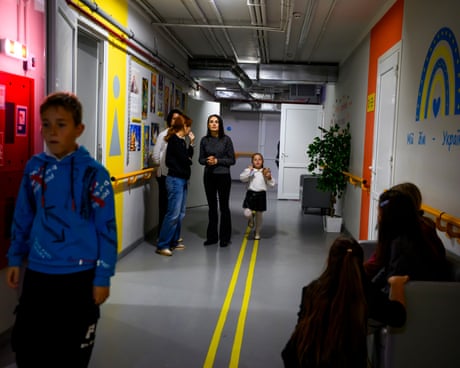
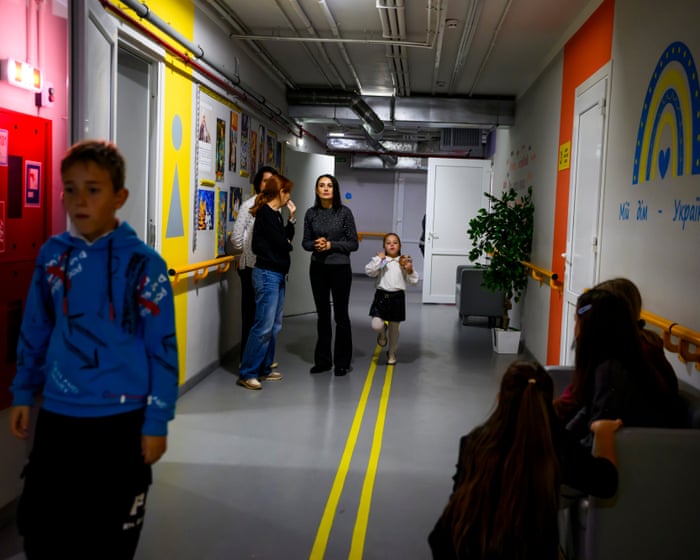
‘You are a humanitarian also, sir’: the US feeds Putin with lies as Ukraine’s children take cover and die | Andrew Roth

Steve Witkoff’s flattery of the Russian leader could be just the start of a mendacious stratagem from a US president who says Moscow ‘has been fine on Ukraine’

They say the first casualty of war is truth. For the Trump administration, the road to peace with Russia now encompasses some extraordinary lies.

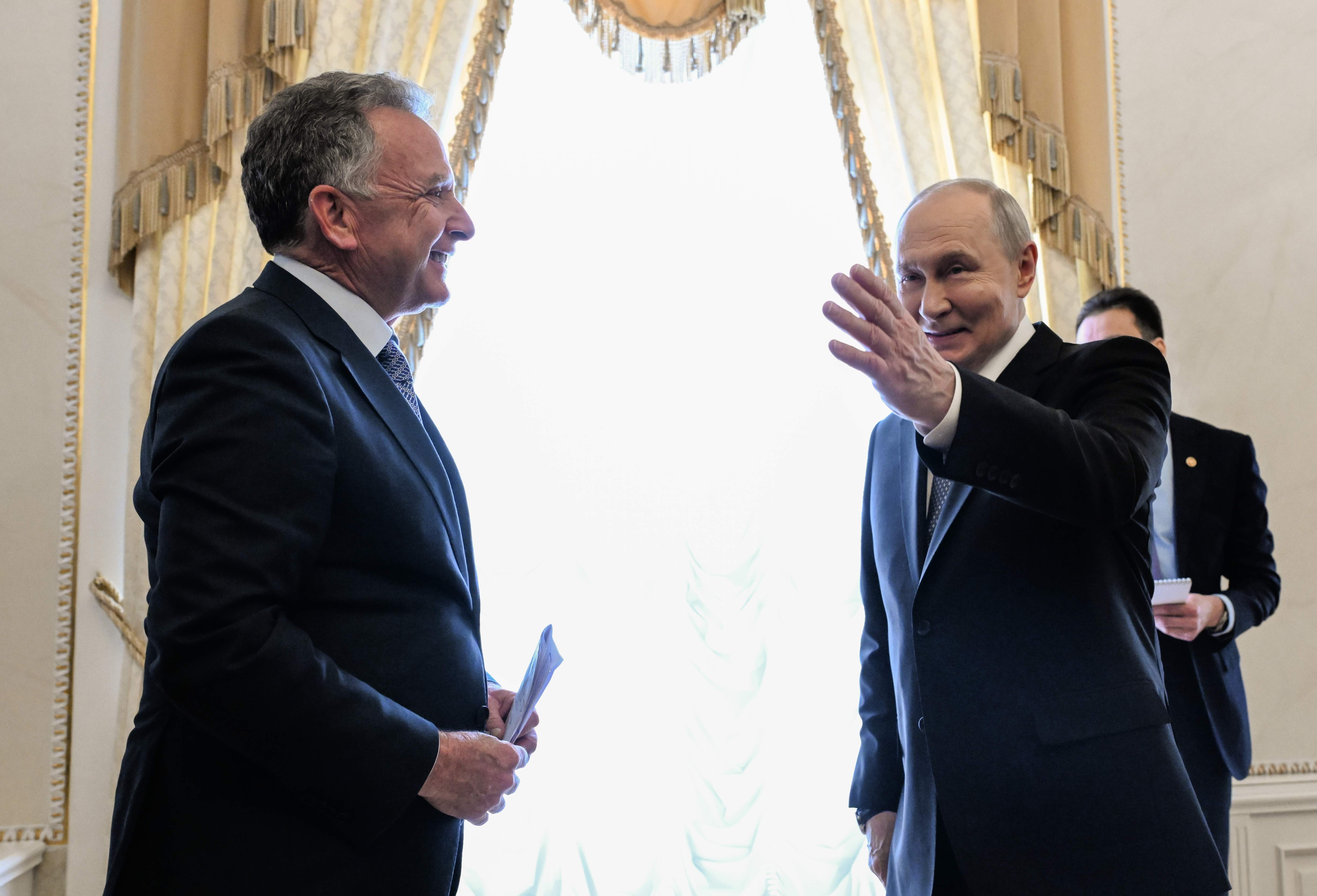
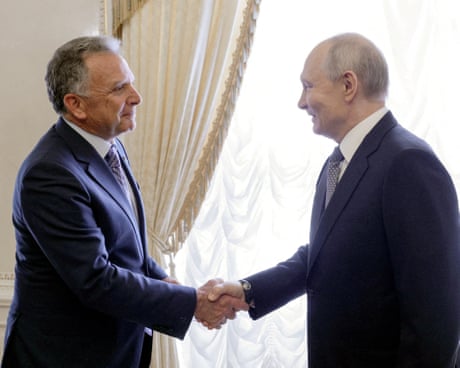
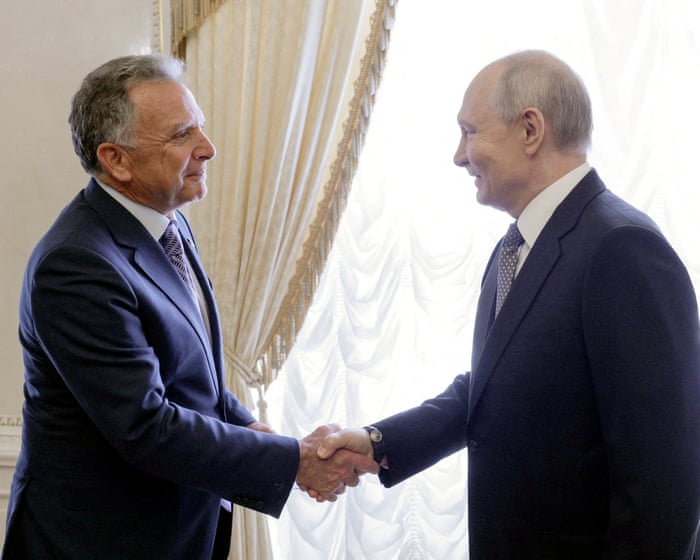
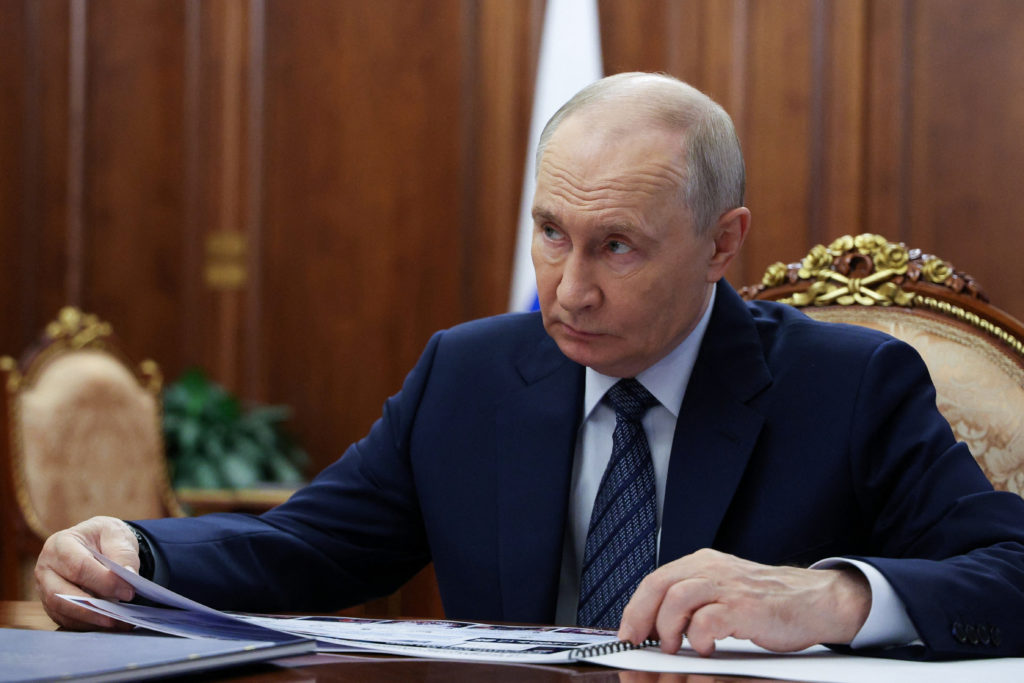
Steve Witkoff delivered one as he sat down with Vladimir Putin in St Petersburg on Wednesday, aiming to close the deal on Russia’s land grab in Ukraine with the White House’s strategy of maximum pressure on Kyiv and saccharine flattery of the Kremlin.

Continue reading...

© Photograph: Pete Kiehart/The Guardian

© Photograph: Pete Kiehart/The Guardian

© Photograph: Pete Kiehart/The Guardian

  •  

What Putin Gains From Releasing an American Prisoner

After Russia released an American prisoner, President Trump’s special envoy praised President Vladimir V. Putin as “a humanitarian.” Our White House and national security correspondent, David E. Sanger, describes how the release comes amid Mr. Trump’s broader shift toward Russia and away from Ukraine.
  •  

​Europe stands by Ukraine – but how long can that last?

As US support ebbs away, looming European elections and growing financial strains across the continent could fracture the precious coalition that has kept Ukraine afloat

Europe woke up last Friday to another belligerent outburst from Donald Trump – this time berating Ukraine’s wartime leader Volodymyr Zelenskyy again. Just a few days after his diesel deal with the Kremlin, the US president said Zelenskyy was more difficult to deal with than Vladimir Putin and blamed Ukraine’s leader for rocketing oil prices – without any reference to the impact of his own war on Iran.

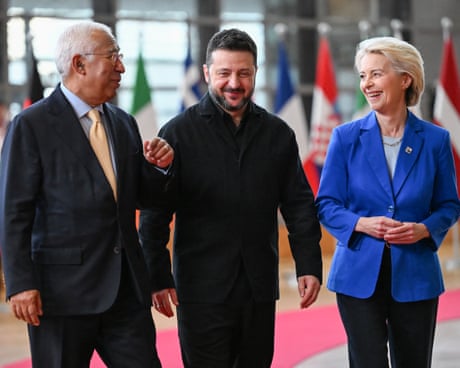
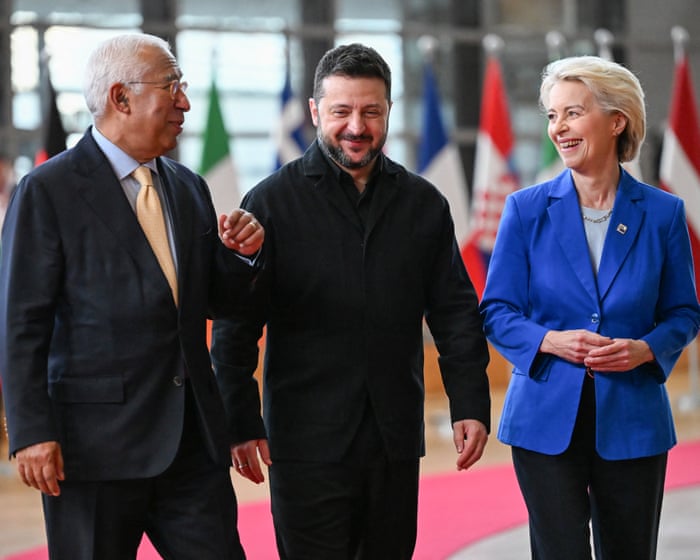
The contrast in Europe was obvious. When Zelenskyy walked into the multi-coloured summit room of the European Council headquarters in Brussels that Friday morning, the EU’s 27 leaders burst into applause, getting to their feet to offer big hugs and brisk handshakes. European Council president António Costa told Zelenskyy and the media: “This is no time to withdraw the support to Ukraine,” calling instead for increased pressure on Russia. Zelenskyy was thankful, pointedly saying he was happy to have “huge support” from “real leaders”.

Continue reading...

© Photograph: Nicolas Tucat/AFP/Getty Images

© Photograph: Nicolas Tucat/AFP/Getty Images

© Photograph: Nicolas Tucat/AFP/Getty Images

  •  

Putin agrees to resume trilateral Russia-Ukraine-U.S. talks next month

The Russian leader has agreed "in principle" to resume the talks after Nov. 10, Putin's foreign affairs adviser Yuri Ushakov told reporters following a meeting in St. Petersburg between Putin and U.S. President Donald Trump's envoy Steve Witkoff.

  •  

Putin orders release of jailed American as he meets Trump envoy for Ukraine talks

Russia frees Stephen Hubbard after US request while Steve Witkoff praises Putin, wanted by ICC as war criminal, as a ‘humanitarian’

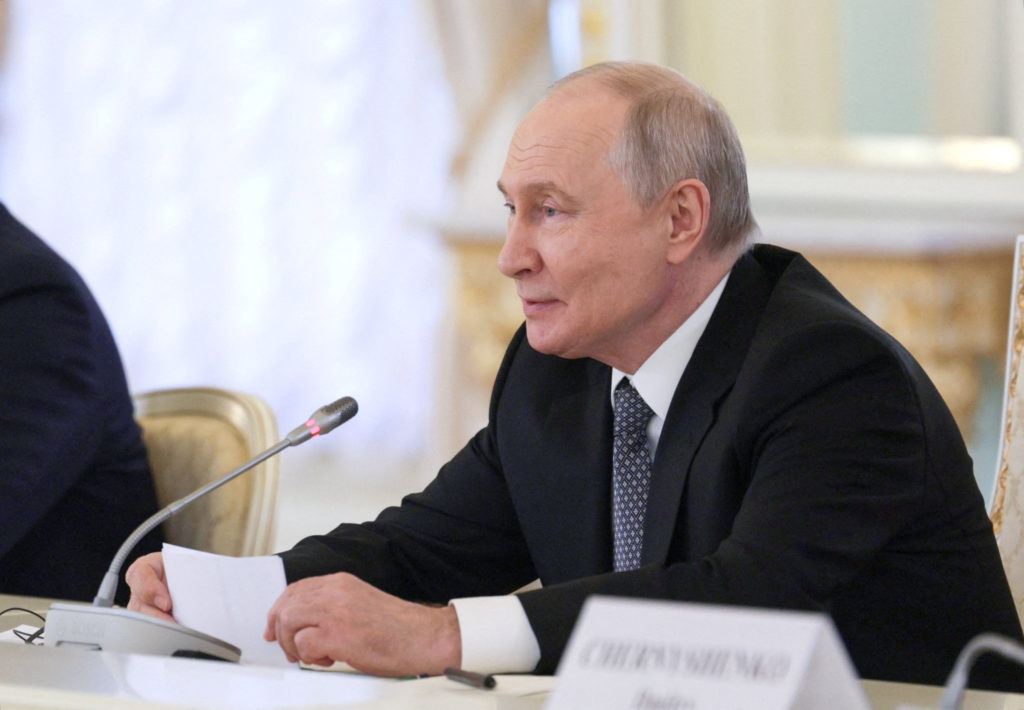
Vladimir Putin ordered the release of an American man from a Russian jail as he met Donald Trump’s envoy Steve Witkoff in St Petersburg on Wednesday for fresh talks on ending the war in Ukraine, amid increasingly close relations between Moscow and Washington.

Trump had previously asked Putin to free Stephen Hubbard, a 74-year-old former teacher who had spent more than four years in Russian jails on charges of fighting as a mercenary for Ukraine.

Continue reading...

© Photograph: Gavriil Grigorov/Reuters

© Photograph: Gavriil Grigorov/Reuters

© Photograph: Gavriil Grigorov/Reuters

  •  

Russia Releases 74-Year-Old American Prisoner as Witkoff Meets Putin in St Petersburg

Moscow has released retired American teacher Stephen Hubbard after more than four years in detention, following President Donald Trump’s personal intervention with Vladimir Putin and amid renewed US-Russian negotiations over Ukraine.

Russia has released Stephen Hubbard, a 74-year-old American citizen imprisoned since 2022, as US special envoy Steve Witkoff holds talks with President Vladimir Putin in St Petersburg on Wednesday, 21 October.

Putin announced the release during his meeting with Witkoff, saying Hubbard had already been transferred to Pulkovo Airport in St Petersburg in preparation for his return to the United States. Witkoff thanked the Russian president for securing the American’s freedom.

The development follows direct intervention by President Donald Trump, who confirmed on Tuesday that he had personally raised Hubbard’s detention with Putin and requested his release.

Hubbard, a retired English teacher from Michigan, had spent decades living abroad before moving to Izium, in Ukraine’s Kharkiv region, in 2014. Russian forces detained him in April 2022, during their occupation of the city following the full-scale invasion of Ukraine.

In October 2024, a Moscow court sentenced him to six years and ten months in prison after finding him guilty of serving as a mercenary for Ukrainian forces.

Russian prosecutors alleged that Hubbard had joined a Ukrainian military unit and received approximately $1,000 a month for his activities, including guarding military checkpoints.

His family rejected the accusations. His sister, Patricia Hubbard Fox, maintained that he had never participated in military operations, while his American lawyer, Martin De Luca, said the charges were fabricated.

The US State Department subsequently designated Hubbard as wrongfully detained, making his release a priority in Washington’s negotiations with Moscow.

Release coincides with renewed Ukraine diplomacy

Hubbard’s release comes during another round of intensive diplomatic contacts involving Washington, Kyiv and Moscow.

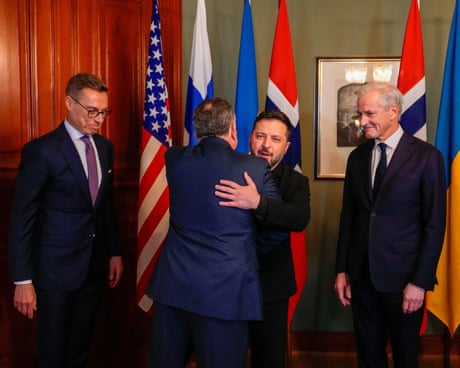
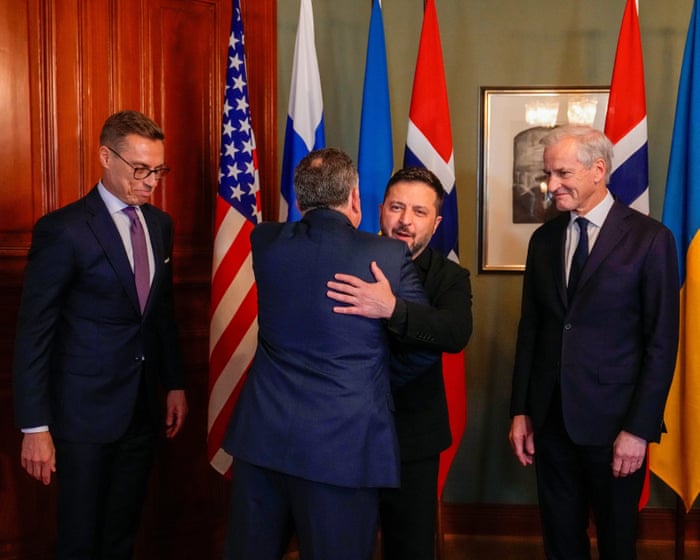
Witkoff arrived in St Petersburg following talks in Oslo on Tuesday with Ukrainian President Volodymyr Zelenskyy, Norwegian Prime Minister Jonas Gahr Støre and Finnish President Alexander Stubb. Jared Kushner, another representative of Trump’s administration, participated remotely.

The discussions addressed security arrangements, energy and economic questions connected with Russia’s war against Ukraine.

Witkoff travelled directly from Norway to Russia, where he was received by Kremlin representative Kirill Dmitriev before his meeting with Putin.

The release provides a concrete outcome from the latest US-Russian contacts, although no indication has emerged that it forms part of a broader agreement concerning Ukraine.

It also follows several previous cases in which American citizens detained in Russia have been released through negotiations between Washington and Moscow.

In August, former US Marine Robert Gilman was released on humanitarian grounds amid serious concerns about his deteriorating health.

Hubbard was the only American prisoner in Russian custody officially classified by Washington as wrongfully detained at the time of his release.

Neither side has announced whether Moscow received any concessions in exchange for his freedom, while the outcome of Witkoff’s wider negotiations with Putin remains unclear.

  •  

A Trump-Putin-Xi summit would put Xi at the apex

In July 1971, Henry Kissinger developed a convenient stomachache in Pakistan, vanished from public view and turned up in Beijing. The secret trip that led to Nixon’s opening to China rested on a simple piece of geometry: in a world of three great powers, the smart move is to stand closer to each of your […]

The post A Trump-Putin-Xi summit would put Xi at the apex appeared first on Asia Times.

  •  

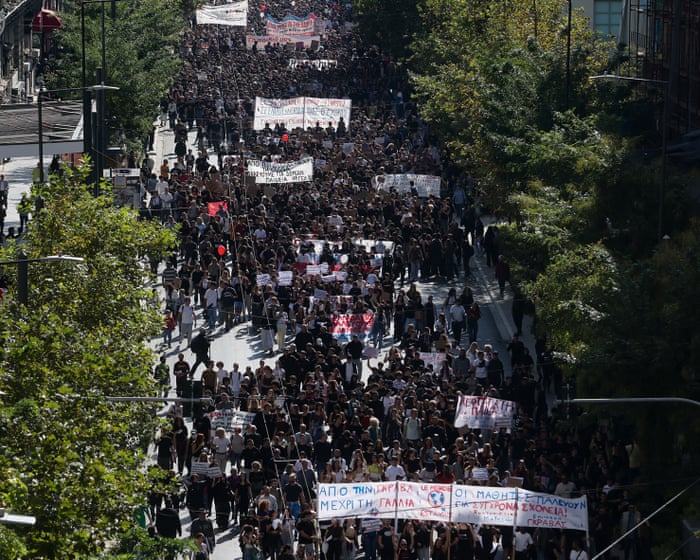
Thousands march in Greece over public education failures as Macron blasts ‘stupid’ commentary on French protests – as it happened

Students, teachers and civil servants have shown up in Athens, with demonstrations also in Thessaloniki and other cities

Meanwhile, back to Witkoff’s meeting with Putin in St Petersburg, the US president, Donald Trump, has just welcomed the release of Stephen Hubbard, a US citizen held by Moscow on allegations of fighting as a mercenary for Ukraine (11:24).

In a post on Truth Social, he said:

“Stephen Hubbard, taken four years ago by Russia during the Biden Administration, was just released from prison, at the request of President Donald J. Trump, made directly to President Vladimir Putin in a telephone conversation last week.

Stephen is on his way back home and will soon be with his family. The United States, out of respect for President Trump, was not required to give anything in return - an unprecedented situation for Russia. There was no “swap” necessary for this release.

Continue reading...

© Photograph: Costas Baltas/Anadolu/Getty Images

© Photograph: Costas Baltas/Anadolu/Getty Images

© Photograph: Costas Baltas/Anadolu/Getty Images

  •  

Ukraine war briefing: US envoy Witkoff to meet Putin after ‘constructive’ talks with Zelenskyy in Norway

Talks in Oslo made ‘meaningful progress’ toward engaging Russia, a US official said. What we know on day 1,701

US envoy Steve Witkoff will meet Russian president Vladimir Putin on Wednesday after what a US official called “constructive” talks with Ukrainian president Volodymyr Zelenskyy in Norway. The US official said Ukraine brought forward new ideas and proposals to the Oslo talks, which also involved the leaders of Norway and Finland ⁠and European and Nato representatives, and that participants made “meaningful ⁠progress” toward a coordinated approach to engaging Russia.

The official, who ​spoke to Reuters on the condition of anonymity, said the talks covered “key elements of a comprehensive peace framework”, including security guarantees for Ukraine, a postwar economic plan and a broader European security architecture. Witkoff would aim to “create a pathway toward direct trilateral and broader multilateral negotiations”, the official said. US president Donald ⁠Trump on Tuesday ⁠called ​on Ukraine to make a deal ⁠to settle the war with Russia. “Ukraine has to ⁠want to settle this ​war,” Trump ‌told reporters.

Zelenskyy travelled to Oslo seeking to repair relations with Washington, which have sunk to new lows. Trump’s recent gestures toward Moscow, including a deal to buy Russian diesel and a waiver of new sanctions, have sparked bipartisan pushback in the US Congress and worry in European capitals. Zelenskyy said he had ​discussed “Article 5-like” security guarantees, referring to the Nato stipulation that an attack on one ally is an attack on all. “I am ‌thankful to the American side that they underlined again that it will ‌be strong,” he said.

Elon Musk last week ordered the slowdown of a military-grade ⁠version of SpaceX’s Starlink satellite service that Ukraine relies on, the Wall Street Journal reported on Tuesday, citing US ⁠officials and people familiar ⁠with the ​matter. Musk, SpaceX and the White House did not immediately respond to Reuters requests for comment. Ukraine uses the service – known as Starshield – for battlefield communications and drone operations. Restricting the satellite service hampered the country’s attack and air ⁠defence drone missions against Russia.

US defence secretary Pete Hegseth meanwhile insisted Tuesday that the Pentagon had not directed any changes to Starshield, saying: “We haven’t pulled anything back.” “Nothing’s changed from our view. We haven’t made any directives or anything like that,” he said. On Friday, Trump said he did not request any curbs to Starshield. “It wasn’t me. And I don’t think it was Elon,” Trump said. Musk previously said that “any limits on speed or usage” of Starshield systems were “decided by the US military and ultimately POTUS.”

Nato said Tuesday it was deploying additional planes, drones and radar systems to the Black Sea after a string of attacks on ships near Romania and Bulgaria in the latest spillover from Russia’s war on Ukraine. “Allies have or will send additional maritime patrol aircraft, radar systems, explosive exploitation teams, intelligence personnel, drones, and more to the Black Sea,” said Col Martin O’Donnell, a Nato spokesperson. “The most important thing we can do, however, is to increase our situational awareness in the region through increased sensors and data sharing,” he added.

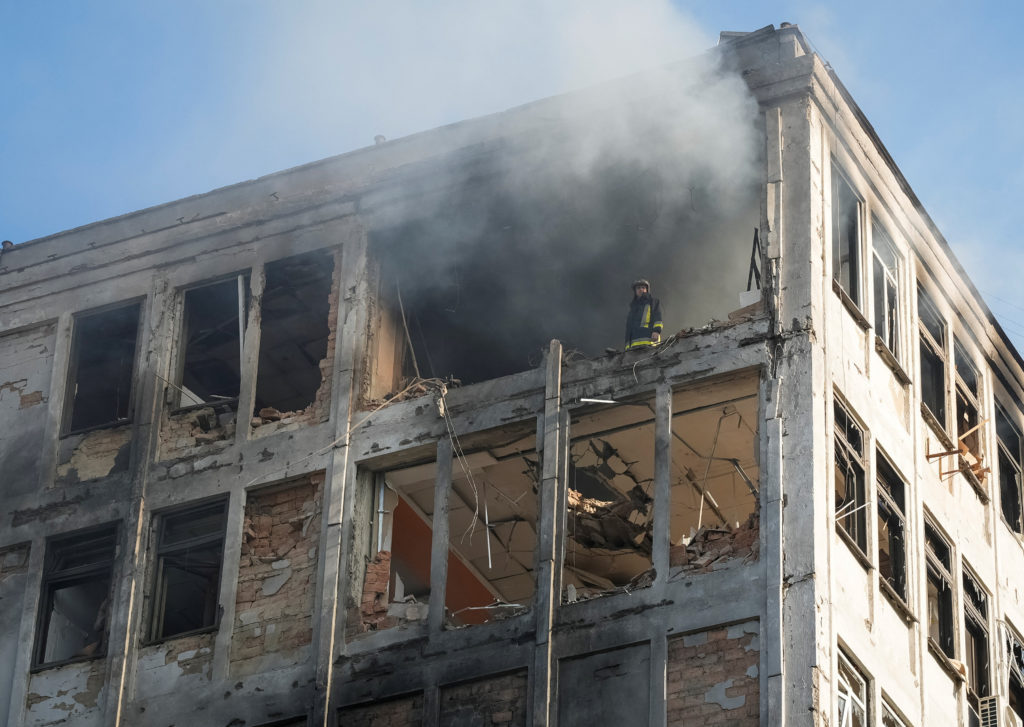
The ⁠Russian military ⁠struck ​three cargo vessels in Ukraine’s ⁠port of Reni and two ⁠other cargo vessels en ​route ‌to ‌Odesa, Russia’s defence ‌ministry said on Tuesday. Russian forces also hit two logistics hubs in ‌the Volyn region and in the ​city of Khmelnitskiy, it said, adding that ⁠the vessels and hubs ​were ​all being ​used for ​military ‌purposes. Russia also unleashed another missile and drone blitz of civilian areas in Ukraine on Tuesday, killing at least nine people, officials said.

The Kremlin said Tuesday that work was under way to ease ⁠the humanitarian ⁠situation ​in the Russian-controlled town of Oleshky in southern ⁠where residents have reported a worsening food crisis. Kremlin spokesperson ⁠Dmitry Peskov said ‌Putin had ‌discussed the situation in Oleshky with Trump and told him that Russia’s human rights commissioner was engaged on the issue.

Continue reading...

© Photograph: Heiko Junge/Reuters

© Photograph: Heiko Junge/Reuters

© Photograph: Heiko Junge/Reuters

  •  

Zelenskyy seeks to mend ties with Trump ahead of Witkoff-Putin meeting

Ukrainian President Zelenskyy met with U.S. envoy Steve Witkoff and European officials in Norway in a bid to avoid a further diplomatic rupture with President Trump. Over the past week, Trump has criticized Zelenskyy over Ukraine's efforts to inflict heavy losses on Russia. The meeting was aimed at easing tensions ahead of Witkoff's meeting with Vladimir Putin in Russia. Nick Schifrin reports.

  •  

Tightening sanctions on Russia is 'the way to end this war,' says David Kramer

To discuss the tensions between President Trump and Ukrainian President Zelenskyy, Geoff Bennett spoke with David Kramer. He held a number of senior positions at the State Department during the George W. Bush administration. He's now the executive director of the George W. Bush Institute in Dallas, Texas.

  •  

Trump Presses Ukraine Towards a Settlement Putin May Have No Intention of Accepting

Talks in Oslo have restored diplomatic contact between Kyiv and Washington, but Donald Trump continues to demand concessions from Ukraine while Moscow shows little willingness to compromise. Steve Witkoff’s forthcoming meeting with Russian officials will expose the limits of the American peace initiative.

The latest negotiations over Russia’s war against Ukraine have produced a renewed diplomatic initiative, with US presidential envoy Steve Witkoff preparing to travel to St Petersburg on Wednesday, 21 October, following consultations with Ukrainian and European leaders in Oslo.

President Volodymyr Zelenskyy met Witkoff alongside Norwegian Prime Minister Jonas Gahr Støre and Finnish President Alexander Stubb on Tuesday. Jared Kushner, Donald Trump’s son-in-law, participated remotely. The discussions covered territorial questions, security guarantees, sanctions and proposals for a partial ceasefire.

The meeting concluded with cautious expressions of optimism. Stubb suggested that the negotiating process was back on track, while Støre confirmed that Witkoff would present proposals developed by American, Ukrainian and European representatives to the Russian leadership.

However, the diplomatic improvement contrasts with Trump’s renewed public pressure on Zelenskyy, raising questions about Washington’s negotiating strategy and whether Moscow has any intention of accepting the proposed settlement.

Washington’s contradictory signals

Speaking in the Oval Office on Tuesday, Trump again insisted that Ukraine must reach an agreement with Russia, portraying Moscow’s military position as increasingly advantageous.

His remarks closely resembled arguments advanced during earlier disputes with Zelenskyy, when Washington pressed Kyiv to accept territorial concessions rather than increase pressure on the Kremlin.

Meanwhile, Secretary of State Marco Rubio sought to reassure the Ukrainian leadership that American military cooperation had not been deliberately restricted.

Rubio denied that Trump had ordered changes to intelligence-sharing or weapons assistance. Zelenskyy subsequently confirmed that Ukraine was again receiving American early-warning intelligence concerning Russian ballistic missile attacks.

Nevertheless, serious problems remain. Ukraine has reported delays in deliveries of American-made Patriot interceptors purchased by European allies, while restrictions affecting the military Starshield satellite communications system have not been fully resolved.

These difficulties are particularly serious as Russia intensifies attacks against Ukrainian electricity infrastructure, attempting to undermine civilian services ahead of winter.

The conflicting signals leave Kyiv negotiating with an administration whose diplomatic representatives promise continued cooperation while its president publicly demands Ukrainian concessions.

Security guarantees without NATO membership

Among the proposals discussed in Oslo were security arrangements intended to provide Ukraine with protection comparable to NATO’s Article 5 collective-defence provision.

Zelenskyy acknowledged that American representatives had discussed such guarantees, although their precise obligations and enforcement mechanisms remain undisclosed.

The proposal presents a fundamental negotiating problem.

Russia has consistently opposed Ukrainian NATO membership, partly because the alliance’s collective-defence commitments would increase the consequences of any renewed Russian aggression.

An alternative arrangement offering genuinely comparable protection would consequently encounter many of the same Russian objections.

Conversely, guarantees lacking a credible enforcement mechanism would leave Ukraine exposed to another attack after a ceasefire.

Moscow’s record provides little reassurance. Russia violated Ukraine’s internationally recognised borders in 2014 and launched its full-scale invasion in 2022 despite previous commitments to respect Ukrainian sovereignty.

The Kremlin’s objectives extend beyond territory

Washington’s approach appears increasingly concentrated on securing an agreement involving territorial concessions and restrictions on Ukraine’s future security arrangements.

Yet Putin’s objectives have consistently extended beyond the territories occupied by Russian forces.

The Kremlin has demanded constraints on Ukraine’s military capabilities, international alliances and strategic independence. Accepting territorial gains alone would not necessarily satisfy Moscow’s wider political ambitions.

Russian Foreign Minister Sergei Lavrov has maintained that Moscow is unwilling to make substantial political concessions, while the Kremlin continues to insist that any agreement must address what it describes as the underlying causes of the conflict.

Those conditions have previously included demands that would substantially restrict Ukraine’s sovereignty.

Consequently, even a Ukrainian willingness to consider elements of Washington’s proposals would not guarantee Russian acceptance.

The political calculation behind an energy ceasefire

One possibility under consideration is a limited ceasefire protecting energy and potentially food-related infrastructure.

Zelenskyy has indicated that Ukraine could suspend attacks against Russian energy facilities if Moscow stopped striking Ukrainian infrastructure.

Such an arrangement could reduce immediate civilian suffering. It would also have military and economic consequences.

Ukrainian attacks against Russian refineries, oil terminals and other energy installations have increasingly targeted infrastructure supporting Moscow’s war economy.

A temporary suspension could allow Russia to repair damaged facilities, restore production and stabilise export revenues. Without credible monitoring and enforcement, Moscow could exploit a limited agreement while leaving the wider conflict unresolved.

Trump has additional reasons to seek a rapid diplomatic result. With American congressional elections scheduled for 3 November, his administration is attempting to contain domestic fuel prices and demonstrate progress towards ending the war.

His recent decision to ease restrictions on Russian diesel exports has already provoked concern in Kyiv and European capitals over the potential financial benefits to Moscow.

The danger for Ukraine is that an agreement presented as a diplomatic achievement in Washington could provide Russia with economic relief without altering its military objectives.

The decision awaiting Washington

Witkoff’s visit to St Petersburg will establish whether Moscow is prepared to engage with the proposals developed in Oslo.

Putin could accept a temporary arrangement, particularly one suspending Ukrainian strikes on Russian energy infrastructure, while postponing discussions over territorial and political questions.

Alternatively, Moscow could reject the initiative and maintain its existing demands.

In either case, Washington will face a decision over the consequences of Russian intransigence.

For Kyiv, continued engagement with the United States remains essential because American intelligence, satellite communications and advanced air-defence weapons cannot readily be replaced.

But the prospects for a negotiated settlement will depend less on further Ukrainian concessions than on whether Russia faces sufficient political, military and economic pressure to abandon its maximalist demands.

The Oslo negotiations have restored cooperation between Ukraine, Europe and American mediators. They have not established that Putin is prepared to end the war on terms compatible with Ukraine’s continued independence.

  •  

Russia Sells 62 Tonnes of Gold in Biggest Reserve Drawdown Since 1998

Russia’s central bank has reduced its gold holdings to their lowest level in nearly seven years as the Kremlin faces a widening budget deficit, declining energy revenues and mounting expenditure on its war against Ukraine.

Russia has carried out its largest sustained reduction in gold reserves since the financial crisis of 1998, disposing of approximately 62 tonnes of the precious metal since December 2025 as the government draws on accumulated reserves to finance a growing federal budget deficit.

According to figures released by the Bank of Russia on Tuesday, 20 October, the country’s monetary gold reserves declined by another 200,000 troy ounces, equivalent to approximately 6.2 tonnes, during September.

The latest reduction brings Russia’s official gold holdings to 72.8 million troy ounces, or approximately 2,264 tonnes, their lowest level since the end of 2019.

The central bank has now reduced its gold holdings for ten consecutive months, reversing the accumulation strategy pursued by Moscow in the years preceding its full-scale invasion of Ukraine.

Largest gold sell-off since the 1998 crisis

The scale of the current reduction is exceptional by Russian historical standards.

According to International Monetary Fund data cited in reporting on the latest figures, the only more rapid depletion of Russian gold reserves in the country’s modern history occurred during the 1998 financial crisis.

At that time, Russia’s central bank disposed of approximately 118 tonnes of gold over three months as the government defaulted on domestic debt and the rouble collapsed.

Some of those holdings were subsequently replenished, leaving the country’s gold reserves approximately 50 tonnes lower at the end of 1998.

The reduction recorded during 2026 has already exceeded that annual net decline, although Russia’s present financial position differs substantially from the circumstances surrounding the 1998 default.

The monetary value of Russia’s remaining gold reserves stood at approximately $301.6 billion at the end of September, compared with $333.5 billion a month earlier. The change reflects movements in gold prices as well as the reduction in physical holdings.

Budget deficit reaches 7.3 trillion roubles

The sales come as the Russian government struggles to contain expenditure associated with its continuing military campaign against Ukraine.

Moscow now expects its federal budget deficit to reach 7.3 trillion roubles, approximately $87 billion, in 2026. That represents 3.2 per cent of gross domestic product, twice the deficit originally anticipated.

Military and security expenditure is expected to account for approximately 38 per cent of total federal spending this year.

The government has increasingly relied on its National Wealth Fund, established to accumulate surplus energy revenues, to cover budget shortfalls.

The central bank’s gold transactions are linked to operations involving the fund. Under this mechanism, the Bank of Russia conducts corresponding market sales following Finance Ministry transactions using the fund’s assets.

Figures published by Russia’s Finance Ministry earlier this month showed that the National Wealth Fund’s liquid assets had fallen to approximately 3.8 trillion roubles, equivalent to $45 billion, as of 1 October. This was down from approximately 4 trillion roubles a month earlier.

The fund’s total assets remained substantially larger, at almost 13 trillion roubles, but much of that amount is invested in shares, bonds and other holdings that cannot immediately be converted into funds for government expenditure.

War expenditure puts pressure on Kremlin finances

Russia’s fiscal problems have been compounded by weaker oil and gas revenues, a slowdown in economic activity and the increasing cost of sustaining military operations.

Although energy exports continue to generate substantial income, government revenue has failed to keep pace with spending commitments.

Moscow has consequently increased domestic borrowing, introduced additional taxes and sought alternative sources of budget financing.

The latest gold figures provide further evidence of the financial demands imposed by the war, now approaching its fifth anniversary.

They do not indicate that Russia is approaching an immediate financial collapse. The country still holds considerable gold and foreign exchange reserves, with the central bank reporting total international reserves of approximately $731.8 billion at the end of September, although access to part of its overseas assets remains restricted by Western sanctions.

Nevertheless, the continued liquidation of gold holdings reduces the reserve assets available to the Russian authorities at a time when military spending remains elevated and the government faces pressure to meet its domestic financial commitments.

For President Vladimir Putin, the growing budget deficit introduces an additional economic consideration into decisions over the duration of the war.

The September figures show that Moscow is increasingly drawing on assets accumulated before the invasion to support current expenditure, while its capacity to rebuild those reserves remains dependent on future revenues and the government’s ability to restrain spending.

  •  
❌