❌

Reading view

France Is a Warning to California's Tax-the-Rich Crowd

Protest in France | Elise Cabane/ZUMAPRESS/Newscom

French economist Gabriel Zucman has come to California bearing a familiar French solution to a fiscal problem: another tax.

Once based at the University of California, Berkeley, Zucman is back and campaigning for Proposition 40, which would impose an allegedly one-time 5 percent tax on the net worth of Californians worth more than $1 billion. Zucman, who coauthored the proposition, estimates that the tax could raise about $100 billion and claims that 90 percent of the proceeds would go to health care.

The California Legislative Analyst's office is far more cautious, saying it would raise only "tens of billions" and could cause a long-term loss of income-tax revenue as wealthy people leave the state with the companies they created.

I've written plenty about why wealth taxes are economically destructive, administratively nightmarish, and unlikely to achieve anything close to what their advocates promise. But Zucman's prescription is wrong for a more fundamental reason, as his (and my) native country shows: Raising taxes to fuel ever-larger demands for government spending is a recipe for disaster.

Unless you've been living in a remote cave recently, you've likely seen all the protests and destruction in France. But do you know why it's happening?

As another economist, Paul Krugman, rightly noted back in 2017, "France offers a social safety net beyond the wildest dreams of U.S. progressives: guaranteed high-quality health care for all, generous paid leave for new parents, universal pre-K, and much more."

For decades, France has answered any perceived desire with government spending, then responded to the resulting fiscal problem by seeking new revenue sources. Today, French government spending consumes roughly 58 percent of gross domestic product (GDP).

Krugman gloated that France wasn't suffering social collapse and speculated that it was due to all the spending. He certainly can't say that anymore. In fact, he is now worried that France may be on the precipice of a debt crisis. The truth is that France hasn't done well for some time, even when Krugman cheered its spending.

One of the groups in the street today, young people, has faced widespread unemployment for a long time. The youth unemployment rate in France (ages 15-24) has hovered between 17 percent and 27 percent since 2000. In the second quarter of 2026, it was 21.6 percent, against 14.8 percent in the Eurozone and 9.9 percent in the U.S.

French people also pay some of the highest taxes in the developed world, and they're not happy with the return. The government already takes more than 52 percent of the country's output in revenue, runs deficits exceeding 5 percent of GDP, and has accumulated debt approaching 120 percent of GDP. Nonetheless, French students complain that the government is shortchanging schools, while everyone sees that it is shortchanging its army and police.

The students aren't wrong to feel left out. At The Two Cents Substack, Hoover Institution scholar Hanno Lustig calculates that, between 1995 and 2024, spending on social protection and health (most of which benefits older people) rose from 53.1 percent to 58.7 percent of all French government spending. The share devoted to education, defense, and public order fell from 15.2 percent to 13.7 percent. Transportation fell from 5.3 percent to 3.8 percent.

In other words, France has built an enormous welfare state, much of it devoted to older citizens, while letting other state capacities and basic services fall apart. As transfers of wealth swallow a larger share of the budget, everything else gets squeezed.

That is the fiscal ratchet Californians should worry about when Zucman tells them Proposition 40 is necessary to "save" health care. Proponents claim Washington "cut" Medicaid, but that language is misleading. California's deficit started long before any Washington spending reductions. Besides, federal Medicaid spending isn't falling—not even close. The Congressional Budget Office estimates it will reach $708 billion in 2026, 8 percent more than in 2025. What Washington did in the 2025 budget reconciliation law was reduce Medicaid's future growth relative to previous projections, partly by changing eligibility and enrollment rules and financing arrangements.

This is how the ratchet works. Once the government projects a spending increase, anything less becomes a cut. And once Washington fails to finance the entire projected increase, Californians are told that Sacramento must backfill the missing money. And how should it do that? Conveniently, by creating an entirely new tax.

France has run this experiment for decades. It has an incredibly generous welfare state paid for with very high taxes; it's even tried a wealth tax and has a value-added tax, yet somehow it's never enough. Its welfare state has not eliminated scarcity. It has merely transferred the job of rationing scarce resources to politicians.

Zucman looks at California and sees hundreds of billions of dollars of private wealth waiting to solve a public finance problem. Californians should look across the Atlantic and ask a different question: What happens after politicians decide that every spending adjustment can be delayed until tomorrow by finding another pot of private wealth?

France should not be sending California tax advice. It should be sending a warning.

COPYRIGHT 2026 CREATORS.COM

The post France Is a Warning to California's Tax-the-Rich Crowd appeared first on Reason Magazine.

  •  

Mark Zuckerberg si prepara a pagare la tassa californiana sui miliardari. Meta gli dà nuove azioni per blindarlo per otto anni

Il numero uno di Meta Mark Zuckerberg si prepara a pagare la tassa sui miliardari, se la California approverà la misura. E il gruppo a cui fanno capo Facebook, Instagram e Whatsapp corre ai ripari per consentirgli di farlo senza mettere a rischio il controllo della società. Meta infatti, come emerge da un documento depositato alla Securities and Exchange Commission, distribuirà ai soci nuove azioni di classe C prive di diritto di voto in aggiunta a quelle già possedute. Zuckerberg potrà vendere o trasferire immediatamente il 20% dei titoli che riceverà, una quota equivalente a circa il 10% della sua partecipazione. E potrà usare il ricavato per saldare l’eventuale imposta. In cambio si impegna a mantenere la residenza in California per i prossimi otto anni.

L’intesa arriva a meno di due settimane dal referendum del 3 novembre sulla Proposition 40, che propone una patrimoniale una tantum del 5% sulle fortune dei circa 250 miliardari residenti nel Golden State e l’utilizzo del gettito per finanziare la sanità depauperata dai tagli di Trump e programmi per l’istruzione e l’assistenza alimentare. In caso di successo, segnerebbe una svolta per il dibattito sulla tassazione della ricchezza.

Secondo i documenti societari Zuckerberg, il cui patrimonio è stimato intorno ai 240 miliardi di dollari, aveva comunicato a un Comitato speciale di amministratori indipendenti di star valutando il trasferimento della residenza fuori dallo Stato per cercare di dribblare un’imposta che nel suo caso varrebbe circa 10 miliardi. Per pagare il conto avrebbe infatti dovuto vendere parte delle azioni di classe B, quelle che gli garantiscono diritti di voto maggiorati: la sua quota di controllo sarebbe scesa dal 60,6% a circa il 53%. Il Comitato speciale, ritenendo “di fondamentale importanza mantenere il Sig. Zuckerberg in una posizione di leadership all’interno della nostra azienda” e far sì che “che continui a risiedere e a gestire l’Azienda dalla nostra sede centrale in California per garantire la sua continua capacità di guidare efficacemente le nostre prestazioni durante quest’era di sfide e concorrenza senza precedenti”, ha trovato giocoforza una soluzione: una riorganizzazione della struttura azionaria. Meta distribuirà appunto ai soci dal gennaio 2027 nuove azioni di classe C, prive di diritto di voto, in aggiunta a quelle già possedute.

L’economista francese Gabriel Zucman, che da anni studia la concentrazione della ricchezza e le modalità per tassare i grandi patrimoni, ha scritto su X che la decisione è la prova che “la campagna per la Proposition 40 sta funzionando”: viene meno infatti l’argomento usato da molti oppositori secondo cui i miliardari “non potrebbero” versare il dovuto pena la perdita del controllo delle loro compagnie. Se messi alle strette, evidentemente, si può fare.

Da notare, peraltro, che come ricorda il documento inviato alla Sec dal 2013 Zuckerberg riceve uno stipendio annuo simbolico di un dollaro come amministratore delegato e presidente del gruppo. La società lo utilizza come argomento per motivare la sua necessità di liquidità. Ma il punto è che la sua ricchezza deriva soprattutto dal valore delle azioni Meta, che può crescere senza tradursi in reddito imponibile. È un meccanismo comune tra i grandi miliardari: finché le azioni non vengono vendute, l’incremento di valore resta generalmente una plusvalenza non realizzata e non è tassato come reddito da capitale. Il risultato che, a fronte della impressionante concentrazione delle fortune nelle mani di pochi, quei pochi riescono a versare meno tasse rispetto a un lavoratore del ceto medio. La patrimoniale una tantum proposta da un sindacato di lavoratori della sanità punta a correggere in parte questa asimmetria.

Come da copione l’opposizione alla misura è stata però violenta: molti grandi nomi della Silicon Valley, fallito l’obiettivo di impedire che la proposta promossa arrivasse alle urne, hanno messo in campo tutto il proprio arsenale finanziario e non solo per convincere gli elettori a bocciarla. Tra campagne di disinformazione e sostegno ad altre misure referendarie che potrebbero impedirne l’entrata in vigore. Alcuni miliardari, tra cui i cofondatori di Google Larry Page e Sergey Brin, hanno valutato o annunciato di volersene andare. Anche se, come evidenziato da Zucman, sulla carta per avere successo il trasferimento fiscale avrebbe dovuto essere completato entro fine dicembre 2025: il testo infatti individua i potenziali contribuenti in base alla residenza al 1° gennaio 2026. L’eventuale trasferimento di Zuckerberg, ipotizzato per ottobre di quest’anno, sarebbe stato quindi al massimo un tentativo in extremis per tentare di contestare la propria assoggettabilità alla tassa, ma non una garanzia di esserne escluso.

L'articolo Mark Zuckerberg si prepara a pagare la tassa californiana sui miliardari. Meta gli dà nuove azioni per blindarlo per otto anni proviene da Il Fatto Quotidiano.

  •  

Unsealed O.J. Simpson Records Prompt a Request for a New Investigation

Tanya Brown said she believed someone helped O.J. Simpson get rid of the murder weapon. One of Mr. Simpson’s former lawyers called for a special prosecutor.

© Pool photo by Reed Saxon

O.J. Simpson addressing the court at his double murder trial in Los Angeles in 1995.
  •  

A windowless ground-floor unit for $4,750: the AI boom pushes San Francisco rents skyward

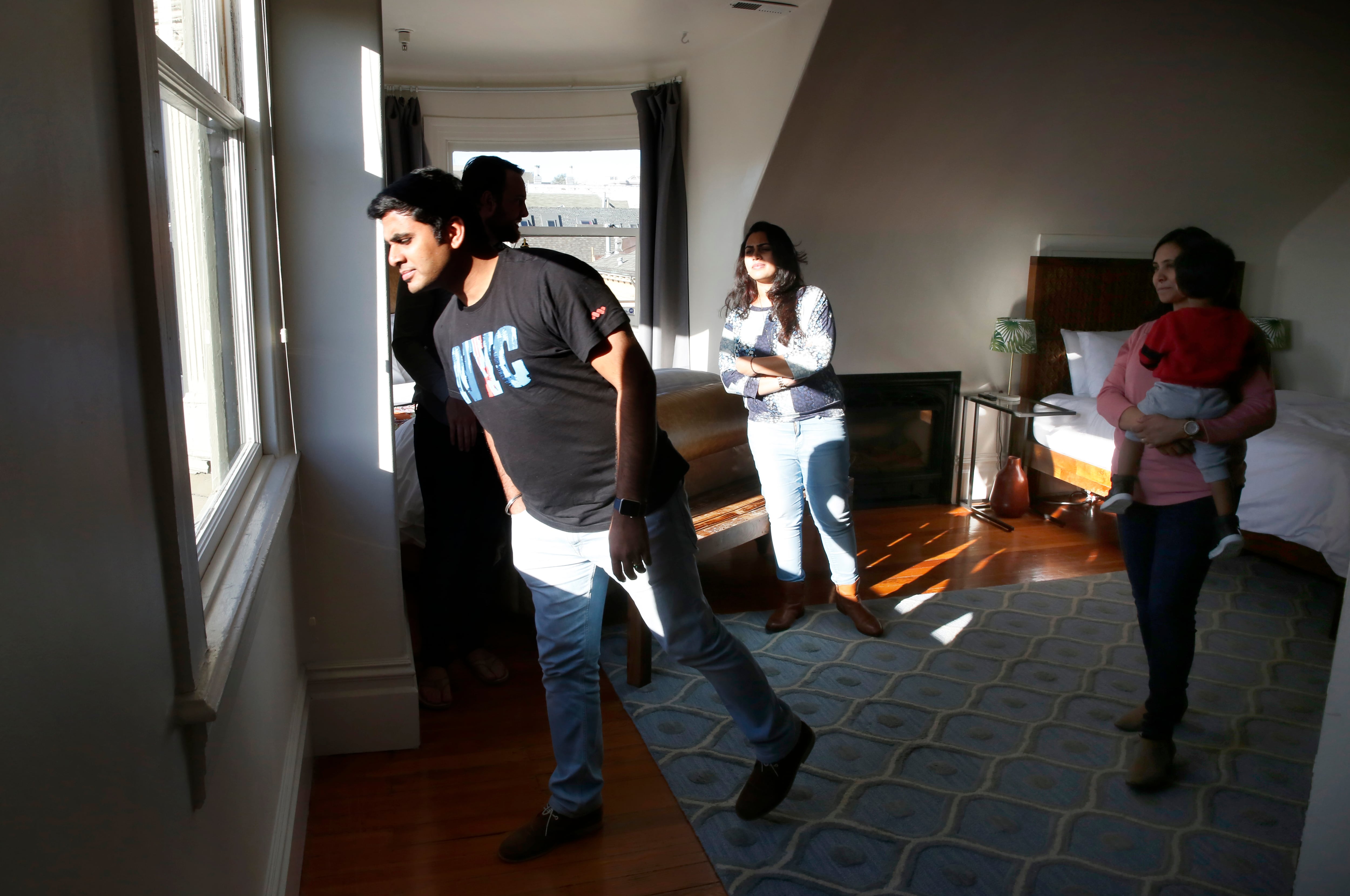
In the heart of the historic working-class and Latino Mission district in San Francisco, the door of a ground-floor unit next to a trendy coffee shop keeps opening. A private shuttle that ferries tech workers to their Silicon Valley headquarters farther south passes by every morning. The 796 sq.ft. (74-square-meter) apartment, recently renovated and furnished, is thoughtfully laid out, from the small open kitchen to the built-in closets. But it gets very little light. Of its two bedrooms, one has no windows. And it costs $4,750 a month.

Seguir leyendo

© Michael Macor (The San Francisco Chronicle via Getty Images)

People at a showing for a rental apartment in San Francisco.
  •  

Trump launches hunt for alleged noncitizen voters

The main investigative unit of the United States Department of Homeland Security (DHS) has been vigorously promoting on social media an effort it considers crucial in the final weeks before the midterms: pursuing alleged large-scale election fraud by noncitizens — a claim that has obsessed President Donald Trump despite a lack of evidence.

Seguir leyendo

© HSI Kansas City

Federal authorities surveyed residents of Kansas in September.
  •  

Higher, Faster, Gnarlier: Have Roller Coasters Become Too Extreme?

A coaster dares riders to be daring, with steep drops, high speeds and improbably tight curves. But safety has become a concern again after a man was thrown from his seat and died in Georgia.

© Elijah Nouvelage/Getty Images

  •  

Brickbat: Perks of the Job

Ian Choudri | RIC PAUL ZAMORA/TNS/Newscom

The California High-Speed Rail Authority's board voted 7–2 to strip CEO Ian Choudri of his authority to independently approve and manage contracts worth less than $25 million after an investigation uncovered questionable taxpayer-funded expenses by four consulting firms. An audit found that $593,000 in travel expenses lacked proper justification or violated state rules, including premium airline tickets and rideshare trips to places like a cigar lounge and an escape room. Consultants also billed taxpayers for rides to and from Choudri's home, sometimes late at night. The authority paid the four consulting firms roughly $2 million in travel costs; the inspector general reviewed about $1.15 million of that total and found $680,500 had no prior approval.

The post Brickbat: Perks of the Job appeared first on Reason Magazine.

  •  

How Mark Zuckerberg Pushed Meta to Shield Him From California’s Proposed Wealth Tax

The billionaire told Meta’s board that he planned to list his Silicon Valley home for sale. The company remade its stock structure to help him pay the tax if voters pass it.

© Victor Llorente for The New York Times

Mark Zuckerberg, the chief executive of Meta, at his home in Lake Tahoe, Calif. He has another California home in Palo Alto, close to Meta’s headquarters.
  •  
❌