❌

Reading view

Finland and Norway leaders make rare direct call to Putin, breaking with the West’s diplomatic isolation of the Russian leader to influence Ukraine peace talks

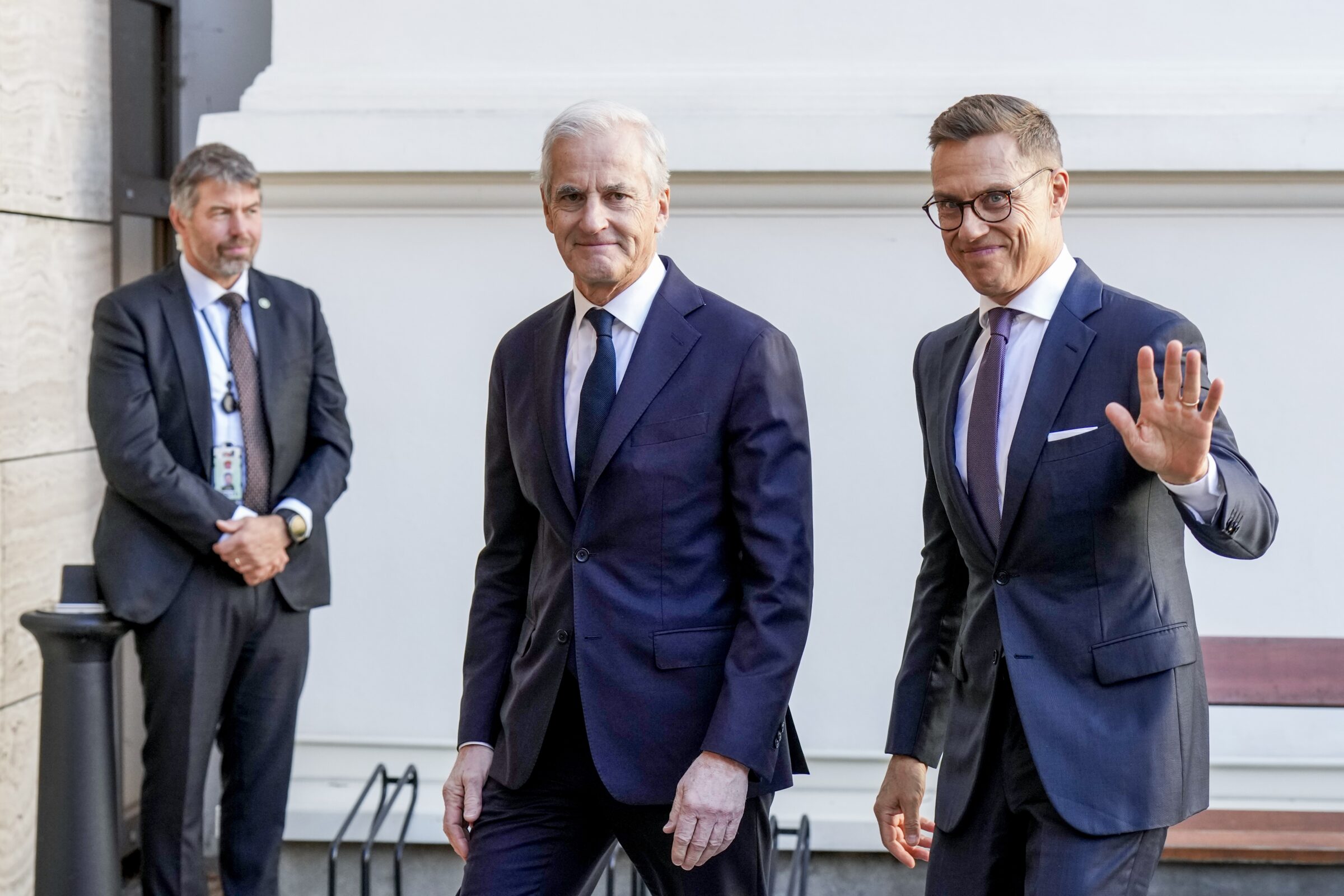
Finnish President Alexander Stubb and Norwegian Prime Minister Jonas Gahr Støre in Norway, 16 October 2024. Photo: President of the Republic of Finland

Finnish President Alexander Stubb and Norwegian Prime Minister Jonas Gahr Støre spoke by phone with Russian President Vladimir Putin on 27 October, urging him to de-escalate Russia’s war against Ukraine and resume negotiations. The roughly 90-minute call was coordinated with Kyiv and came ahead of planned trilateral talks between Ukrainian, US, and Russian officials in Abu Dhabi in November.

The initiative marks a rare direct contact between Western European leaders and Putin since Russia launched its full-scale invasion in February 2022. The Nordic leaders are reportedly seeking to influence peace efforts increasingly shaped by US President Donald Trump, amid concerns in Europe that Washington is shifting toward Moscow’s position and sidelining Ukraine’s European partners.

Stubb and Støre said they discussed Russia’s war against Ukraine, upcoming negotiations, and security in Europe. Ukrainian President Volodymyr Zelenskyy said the two leaders had urged Putin to take concrete steps toward de-escalation, particularly regarding attacks on Ukraine’s energy infrastructure.

Zelenskyy says leaders urged energy de-escalation

After the call, Zelenskyy said he had spoken with Stubb and Støre to receive a detailed briefing. He thanked them for supporting Ukraine’s diplomatic efforts and said they had clearly told the Russian leader that real de-escalation steps were needed regarding Ukraine’s energy sector and infrastructure.

Zelenskyy also said the leaders discussed preparations for a trilateral meeting planned for November involving Ukrainian, US, and Russian negotiating teams.

In a joint statement, Stubb and Støre said the call followed their 20 October meeting in Oslo and was held in consultation with Ukraine. They emphasized that Finland and Norway, which both share borders with Russia, would continue their longstanding support for Ukraine.

“The discussion was frank and substantive,” Stubb said, adding that the war’s outcome would directly affect Nordic and broader European security. Støre stressed the war’s enormous human and material costs and said the leaders had emphasized the importance of de-escalation.
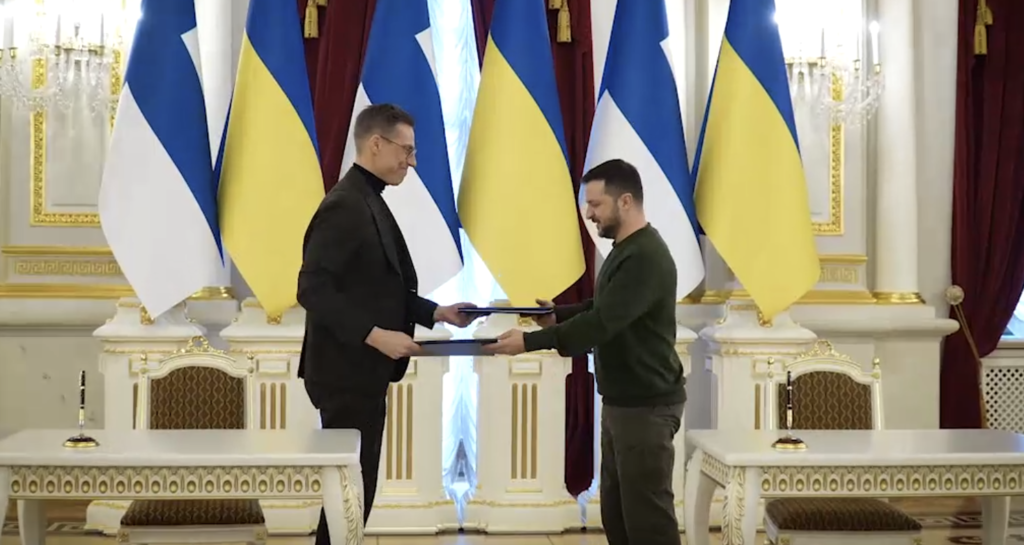
Presidents Volodymyr Zelenskyy (R) of Ukraine and Alexander Stubb (L) of Finland after signing the security agreement. Kyiv, 3 April 2024. Screenshot: Telegram/Zelenskyy Official

Moscow gives no sign of changing its position

The Kremlin’s account of the call offered no indication that Putin was prepared to soften his demands, according to Reuters. It said a just and lasting peace was possible only if Russia’s “legitimate interests” were fully taken into account, while blaming EU and NATO policies for prolonging the fighting.

Russian Foreign Minister Sergei Lavrov dismissed the call as offering nothing new on the conflict and accused European countries of seeking a role in negotiations.

A source close to the Kremlin told Reuters that Putin had said the war must end while taking “the realities on the ground” into account. The source interpreted this as meaning Moscow would not compromise on its goal of capturing the entire Donbas region.

Russia has continued its attacks on Ukraine while demanding territorial concessions. Kyiv, meanwhile, has called for meaningful de-escalation and a settlement that preserves Ukraine’s sovereignty and security.

Nordic initiative draws criticism from European partners

The call comes as European governments seek a greater role in peace efforts led by Trump. Western European leaders have largely avoided direct contact with Putin since the invasion, hoping to isolate Moscow, but concerns have grown that Europe is being sidelined in negotiations.

Stubb said Ukraine had sought to open a new channel of communication and that Europe could no longer remain a bystander to peace efforts. He said the initiative had been discussed with Western allies.

However, Danish Prime Minister Mette Frederiksen criticized the move, saying she saw no signs that Russia wanted peace and arguing that Europe should act together rather than pursue separate initiatives, according to Reuters. 

Reuters added that Swedish Prime Minister Ulf Kristersson said other European leaders had not been informed of the talks and expressed low expectations for the conversation. Polish Prime Minister Donald Tusk also urged caution.

Stubb and Støre stressed that they had acted as leaders of Finland and Norway, not on behalf of Europe as a whole. They said their countries would continue supporting Ukraine while pursuing diplomatic efforts to end the war.

  •  

This Serbian Truck Carries A Truly Massive Mortar

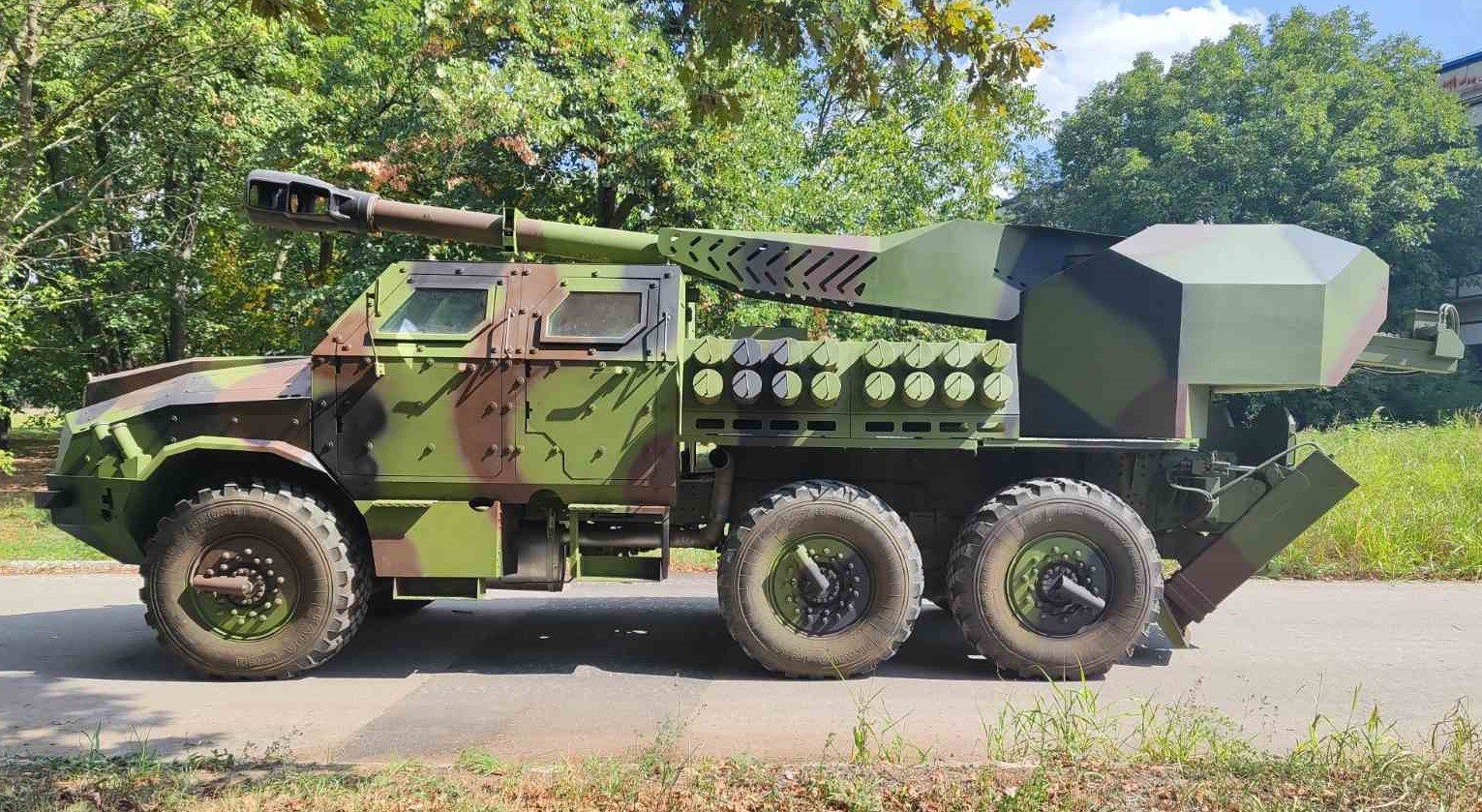
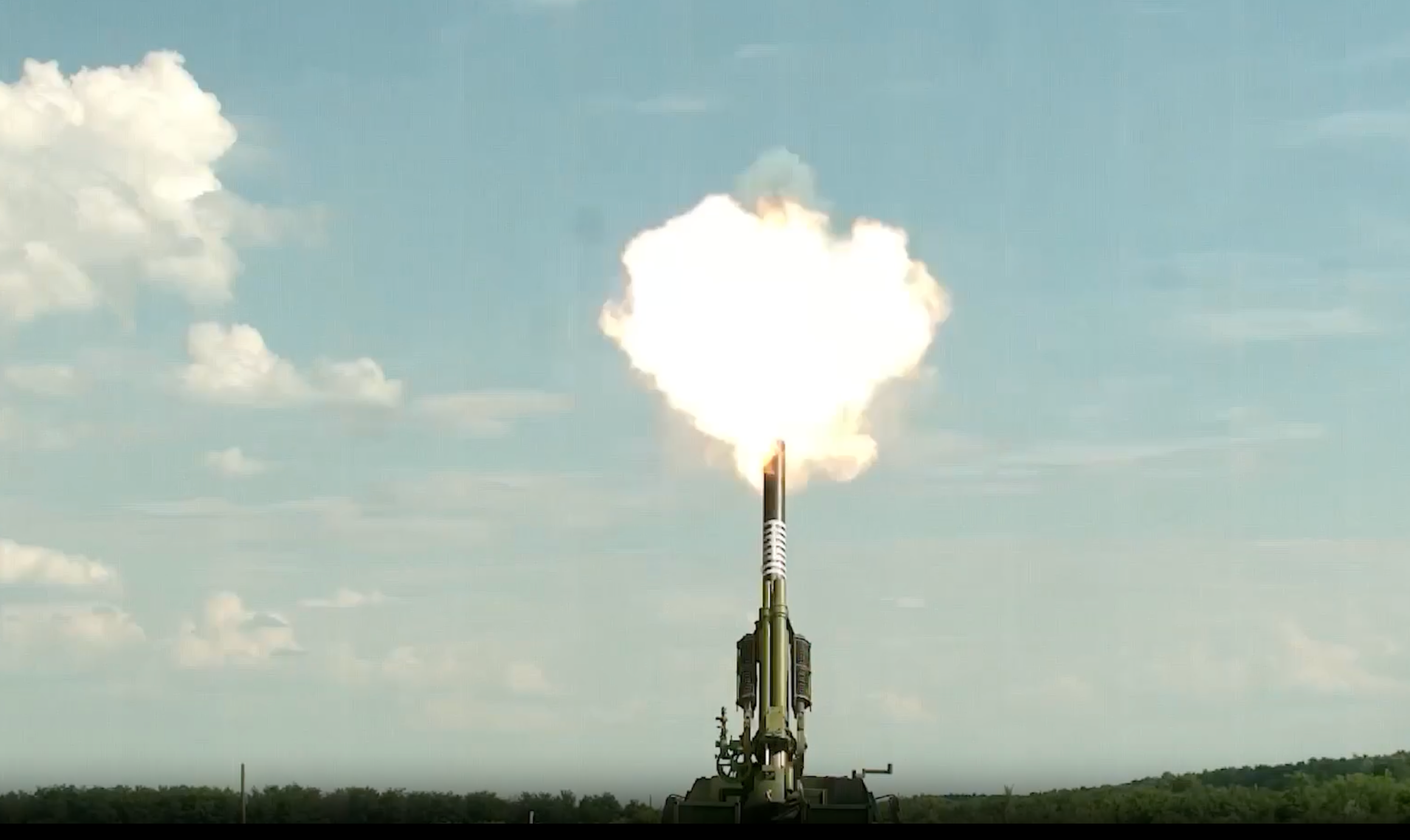
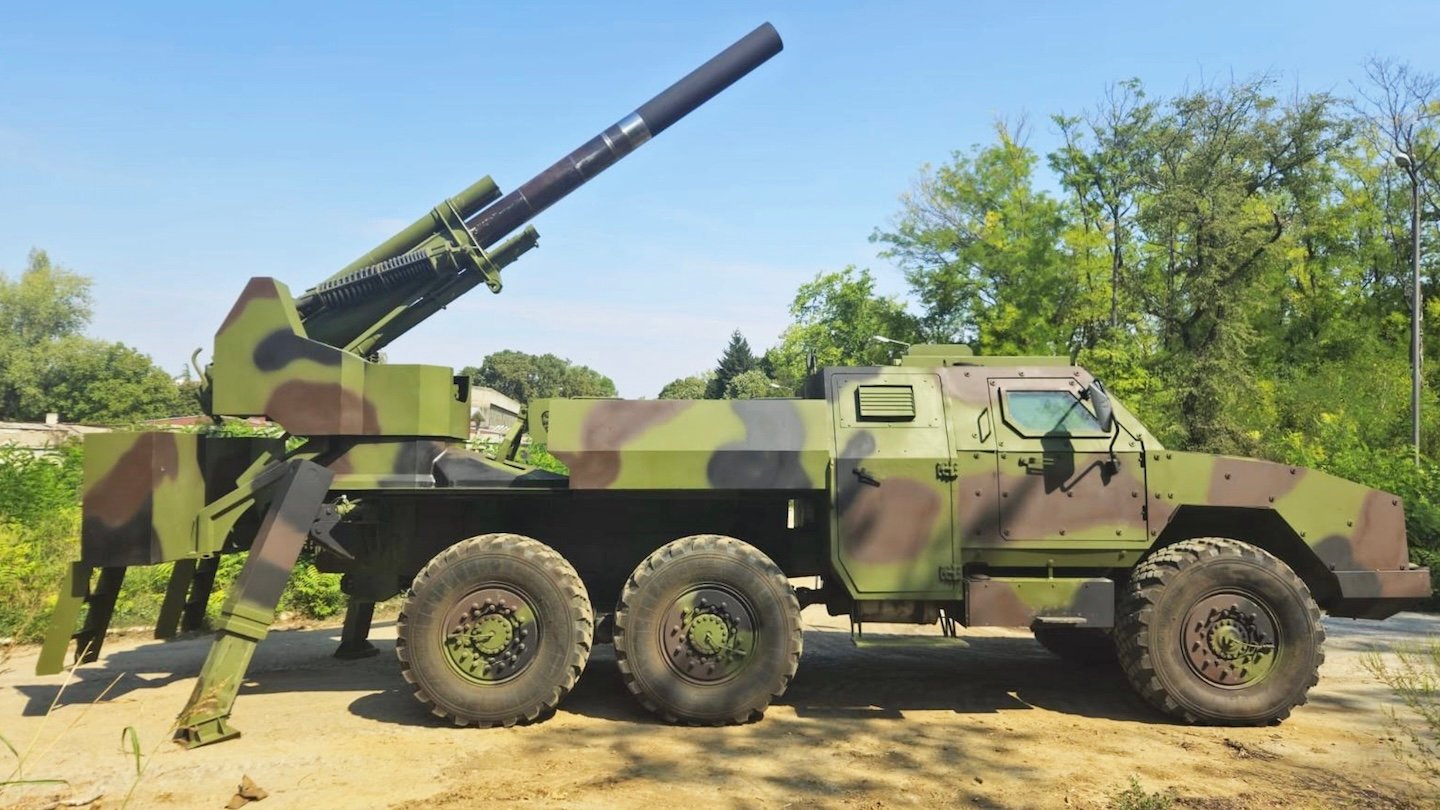
Serbia has released the first footage of its TSMB M-25 heavy self-propelled mortar in action, revealing an unusual artillery system that puts a massive 203mm weapon on a comparatively light, six-wheeled truck. The system is designed to hurl projectiles weighing around 220 pounds at targets up to approximately seven-and-a-half miles away, bringing super-heavy firepower to a platform that looks surprisingly modest for the job.

The Serbian Ministry of Defense published the brief footage in a larger video montage, seen immediately below, but has not disclosed when or where the firing tests took place or what they demonstrated. Regardless, the M-25’s configuration alone makes it stand out.

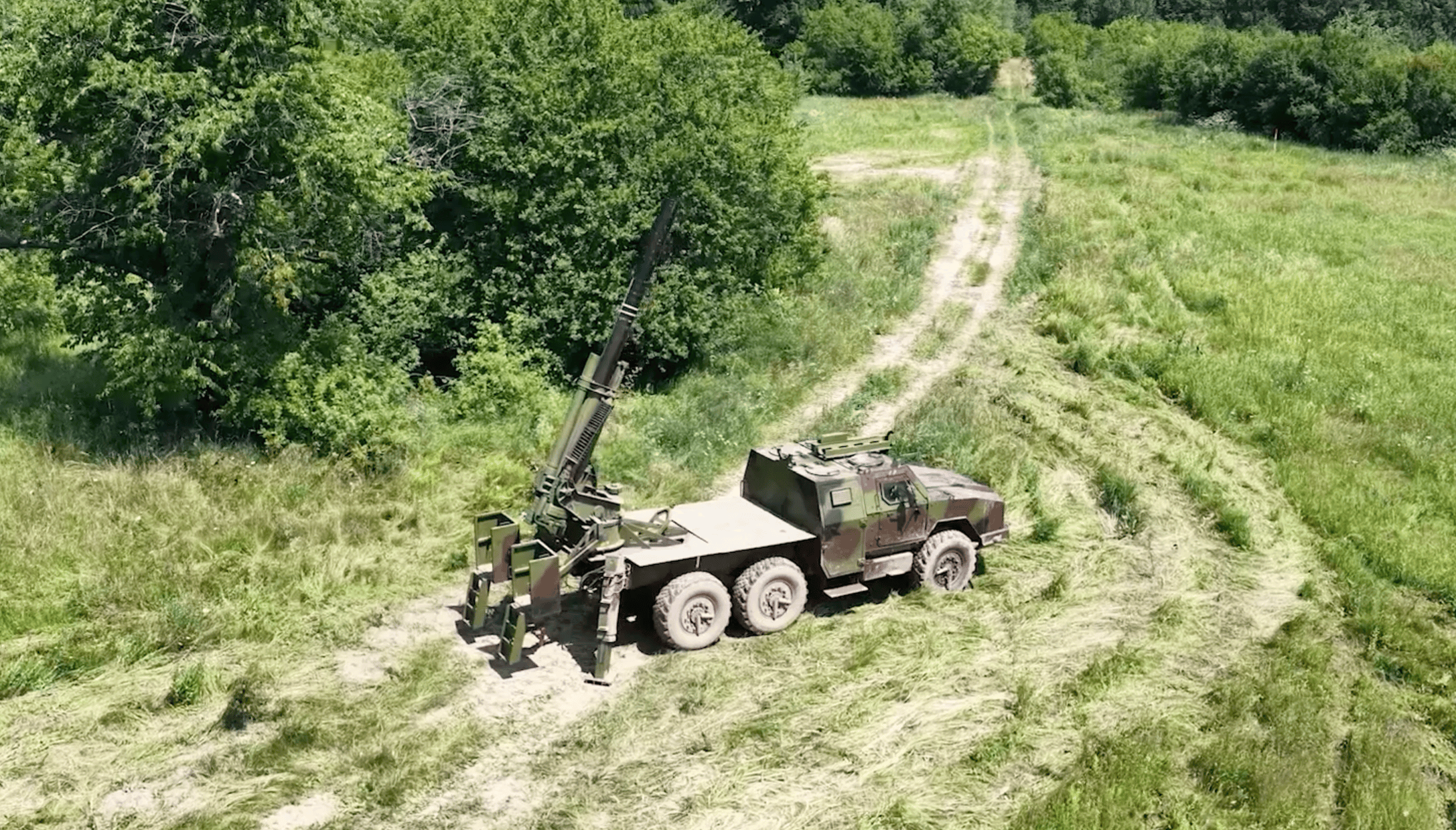
A TSMB M-25 heavy self-propelled mortar in a firing position. Serbian Ministry of Defense/screencap

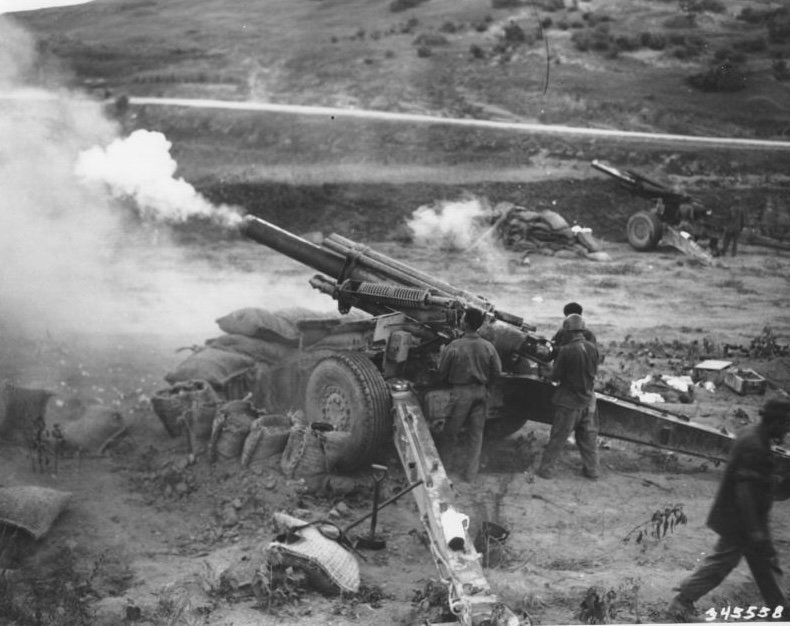
The Teški Samohodni Minobacač (TSMB, translated as heavy self-propelled mortar) M-25 was developed by Serbia’s state-owned Military Technical Institute and first appeared publicly at the Partner 2025 defense exhibition in Belgrade. Its design lineage stretches back to the Yugoslav M-65 155mm howitzer, itself a licensed copy of the widely used American M114, first introduced in World War II.

Artillerymen of the 24th Infantry Division, U.S. Army, fire 155mm howitzers in the Korean War. Public Domain

The M-25 takes that heritage in a different direction, with a 203mm barrel measuring 24 calibers in length and an automated loading mechanism for mortar projectiles. The mortar barrel has an elevation range from 0° to 75°, and the barrel must return to 0° in elevation for the next round to be loaded from the muzzle end.

The standard 203mm mortar bomb weighs around 220 pounds, including approximately 60 pounds of explosive material. This results in a claimed destruction radius of around 250 feet, using impact fuzing.

The system is intended to fire both high-explosive and concrete-piercing ammunition, making it particularly suited to attacking hardened positions and fortifications. Developers have also provided for rocket-assisted projectiles to extend its range and precision guidance kits to improve the accuracy of compatible rounds.

The weapon is mounted on a FAP 2026 three-axle truck in a 6×6 configuration, a general-purpose off-road type made by Serbian vehicle manufacturer Fabrika automobila Priboj. This platform provides a range of 500 miles and a top speed of 50 miles per hour on the road. The vehicle has an armored cab for a crew of four, while its fire-control suite includes an inertial navigation system, a ballistic computer, communications equipment, and a dedicated gunner’s computer. The same truck has also been adapted to mount a 152mm gun/howitzer, under the name NORA B-39.

The NORA B-39 mounts a 152mm gun/howitzer on the same FAP 2026 three-axle truck chassis. Serbian Ministry of Defense

The wheeled chassis is the defining feature of the M-25. While a weapon of this size would normally be either towed or mounted on a large tracked vehicle, Serbia has opted for a lighter truck-based arrangement. This offers advantages in road mobility and makes the system easier to move between firing positions, using “shoot and scoot” tactics. A general-purpose truck is cheaper to acquire and operate, and easier to maintain. It can also be more easily transported by air, although out-of-area operations are not generally on the Serbian Armed Forces’ agenda. However, its cross-country performance and overall survivability will be reduced compared to a tracked chassis.

TSMB M-25 heavy self-propelled mortar firing a round. Serbian Ministry of Defense/screencap

The M-25 is intended to deliver heavy fire against targets such as bunkers and other fortified positions, then relocate before an opponent can respond. Its relatively short stated range compared with many modern 155mm howitzers makes it a specialized system rather than a direct replacement for conventional long-range artillery. Its appeal lies instead in combining a very large projectile with a comparatively compact and mobile platform.

Mortars have a long and grim history in the Balkans, particularly during the wars that accompanied the breakup of Yugoslavia in the 1990s. The steep trajectories of mortar rounds made them useful in the region’s mountainous terrain and in fighting around fortified positions and during sieges, while their ability to deliver indirect fire meant crews could engage targets without a direct line of sight.

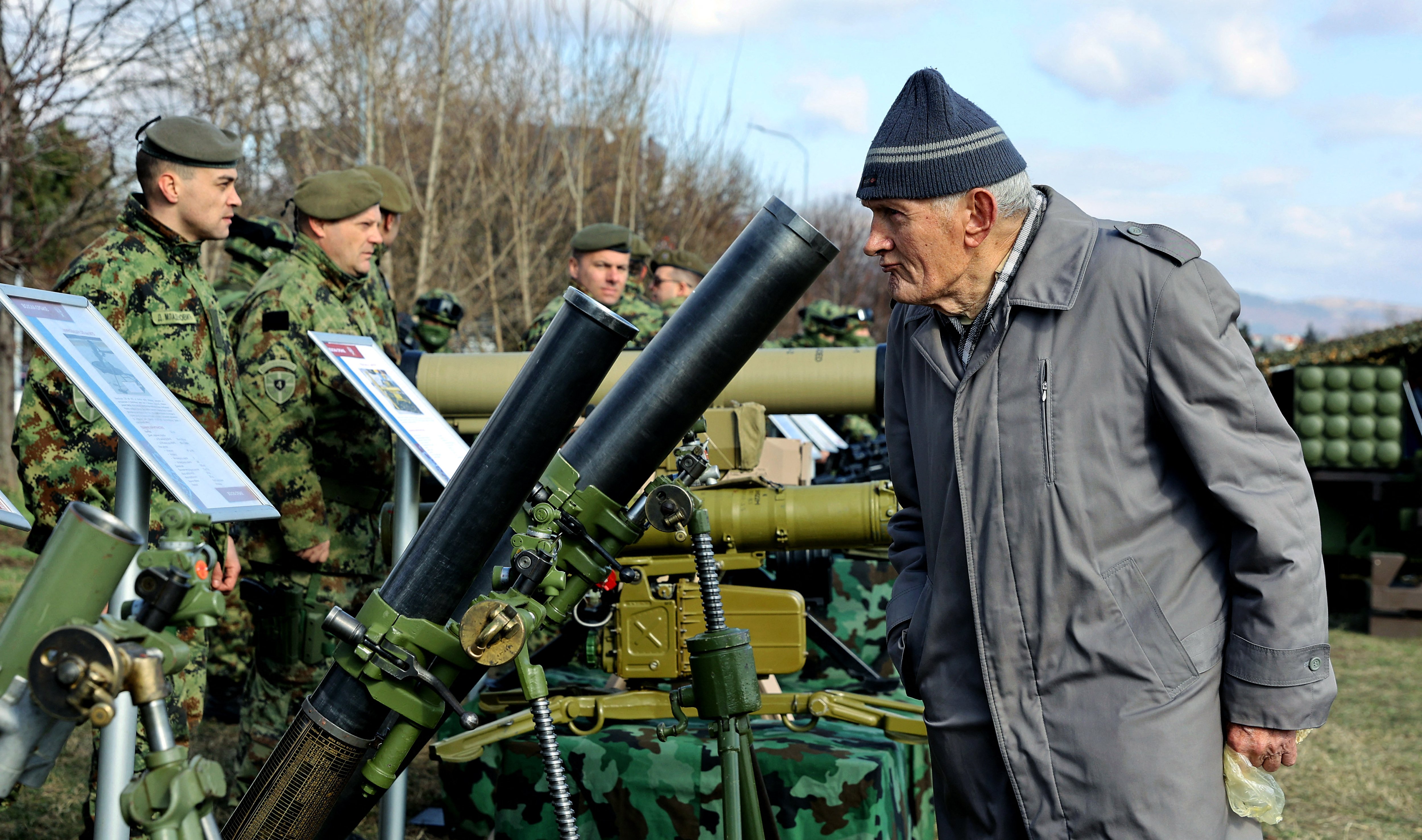
A visitor looks at mortars at an exhibition of Serbia's armed forces in Nis, southern Serbia, on February 14, 2024, ahead of Serbia's Statehood Day. (Photo by SASA DJORDJEVIC / AFP) (Photo by SASA DJORDJEVIC/AFP via Getty Images)
A visitor looks at infantry mortars at an exhibition of Serbia’s armed forces in Nis, southern Serbia, on February 14, 2024. Photo by SASA DJORDJEVIC / AFP SASA DJORDJEVIC

As far as we know, the M-25 is the only 203mm mortar in current development and/or production. There are a few larger mortars on mobile platforms, notably Russia’s 2S4 Tyulpan, a 240mm self-propelled mortar, but this is on a significantly bigger tracked chassis.

At approximately 19 metric tons, the M-25 is substantially lighter than the 2S4 Tyulpan, which weighs around 27.5 metric tons. Its tracked platform reflects a very different approach to moving super-heavy mortar firepower around the battlefield. The Tyulpan can deliver a 300-pound standard mortar round to a range of around six miles, or up to 11 miles away when using rocket-assisted rounds. 

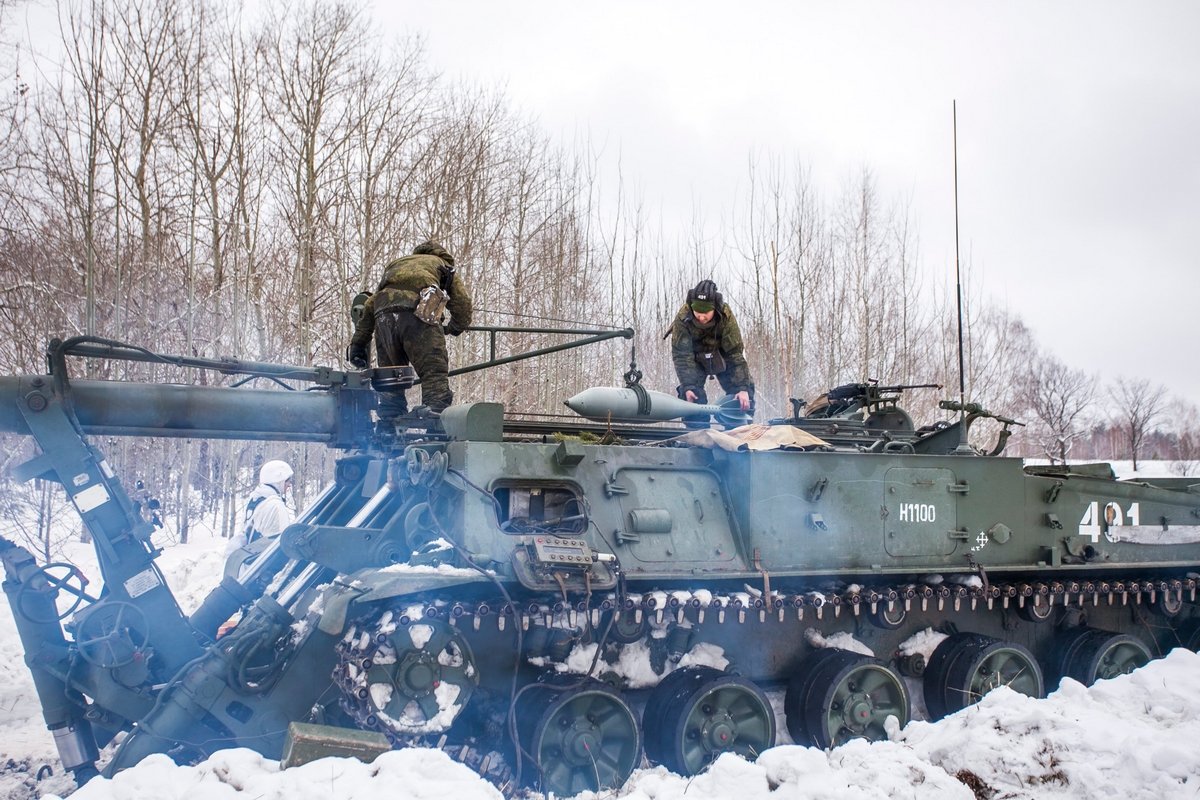
Crewmen load a mortar projectile in a Russian-operated 2S4 Tyulpan. Russian Ministry of Defense
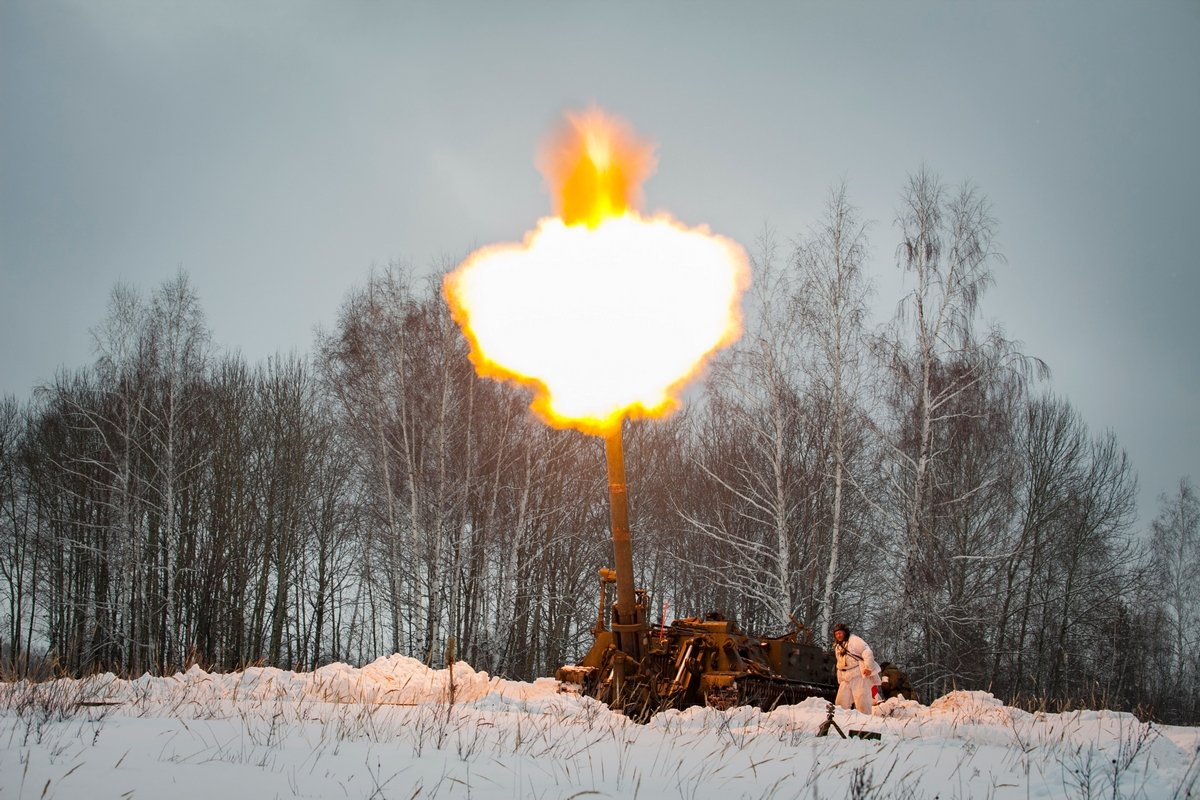
Russian artillerymen fire a 2S4 Tyulpan during a live-fire exercise. Russian Ministry of Defense

Serbia claims the M-25 has a rate of fire of up to three rounds per minute, thanks to the automated loading mechanism. In contrast, the Tyulpan can hurl a maximum of one round every 62 seconds. Indeed, its sluggish rate of fire is one of the reasons that saw it fall from more widespread Russian use.

There are still important unknowns. The newly released footage does not establish whether the advertised firing rate was achieved, how the weapon performs under sustained fire, or whether the system has entered operational service. Serbia has shown the M-25 at an exhibition and now in live-fire footage, but detailed test results have not been made public.

Still, the concept is striking: a high-mobility wheeled truck carrying a 203mm mortar is a distinctly different take on super-heavy firepower, but one that might just find a niche in the Balkan environment.

Author’s note: An earlier version of this article included a photo of the 2S5 Giatsint-S self-propelled gun, rather than the 2S4 Tyulpan.

Contact the author: thomas@thewarzone.com

The post This Serbian Truck Carries A Truly Massive Mortar appeared first on TWZ.

  •  

Former Met officer who worked with Wayne Couzens found guilty of rape

Mark Tyrrell, who was in same unit as Sarah Everard’s killer, also guilty on three counts of sexual assault

A former Metropolitan police officer who served in the same unit as Sarah Everard’s killer, Wayne Couzens, has been found guilty of sexual offences against a woman he met through his work as an officer.

A court heard that Mark Tyrrell raped the woman – who cannot be identified for legal reasons – by having sex with her after she repeatedly said no.

Information and support for anyone affected by rape or sexual abuse issues is available from the following organisations. In the UK, Rape Crisis offers support on 0808 500 2222 in England and Wales, 0808 801 0302 in Scotland, or 0800 0246 991 in Northern Ireland. In the US, Rainn offers support on 800-656-4673. In Australia, support is available at 1800Respect (1800 737 732). Other international helplines can be found at ibiblio.org/rcip/internl.html

Continue reading...

© Photograph: PA Images/Alamy Stock Photo/Alamy Live News.

© Photograph: PA Images/Alamy Stock Photo/Alamy Live News.

© Photograph: PA Images/Alamy Stock Photo/Alamy Live News.

  •  

Change to carer’s allowance cliff-edge rule is not enough, victims say

Digital taper system for benefit expected in budget, but those already hit with overpayments will still have to pay

“On the surface it sounds really positive – and I really hope that it is,” says unpaid carer Guy Shahar of the government’s decision to abolish the notorious carer’s allowance cliff edge.

But Shahar is angry that most carers hit with unjust overpayments in the past will still have to repay them, for all the promise of a different future. And he notes that the cliff edge remains in place for four more years, potentially catching out more carers.

Continue reading...

© Photograph: Linda Nylind/The Guardian

© Photograph: Linda Nylind/The Guardian

© Photograph: Linda Nylind/The Guardian

  •  

The Guardian view on the far right’s plans for Brussels: doing the work of Xi, Putin and Trump | Editorial

If ever enacted, proposals by Marine Le Pen and the AfD leader, Alice Weidel, to hollow out EU institutions would be a continental act of self-harm

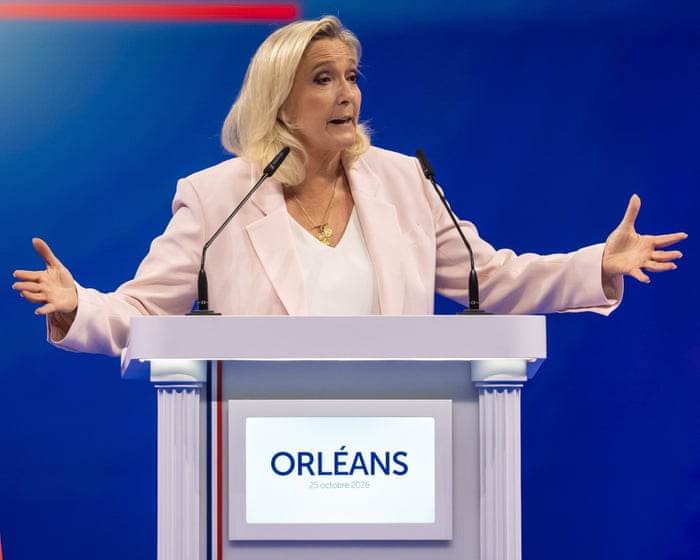
Following the Brexit referendum in 2016, Marine Le Pen was in a predictably celebratory mood. Britain’s vote to leave the European Union, she told one interviewer, was the first breach in the “Brussels Wall”. Ms Le Pen’s Front National party was at that point committed to taking France down the same path, given the chance. But as the UK’s self-inflicted economic wounds became a cautionary tale for the rest of Europe, the notion of Frexit was put on ice.

Instead, Ms Le Pen now hopes to lead far-right allies in hollowing out the EU from within. This month, both she and the leader of Alternative für Deutschland, Alice Weidel, outlined their visions of a “Europe of nations” in which EU institutions would be stripped of both cash and power. Ms Weidel’s “new deal for Europe” would abolish elections to the European parliament, and seek German opt-outs in areas such as migration, defence and common borrowing. Ms Le Pen’s party, now called National Rally, proposes slashing French contributions to the EU budget by 60% over a five-year presidential term, and ending the role of Brussels in proposing common policies for the 27 member states.

Do you have an opinion on the issues raised in this article? If you would like to submit a response of up to 300 words by email to be considered for publication in our letters section, please click here.

Continue reading...

© Photograph: Christophe Petit-Tesson/EPA

© Photograph: Christophe Petit-Tesson/EPA

© Photograph: Christophe Petit-Tesson/EPA

  •  

European Leaders Split Over Phone Call to Putin

The diplomatic outreach was part of an effort to push talks to end the war in Ukraine, though it was not welcomed by all European leaders.

© Pool photo by Maxim Shipenkov

President Vladimir Putin of Russia in Moscow on Friday.
  •  

Finnish president Stubb joins list of EU leaders seeking to tame Putin, in a 90-minute Kremlin phone call that caused a rift with Denmark

Finland’s president has caused a minor EU diplomatic fiasco by phoning Russian president Vladimir Putin out of the blue.

Finland’s Alexander Stubb sat down together with Norwegian prime minister Jonas Gahr Støre in Helsinki on Tuesday (27 October) and “initiated” the call to Putin, in what was already a submissive gesture in protocol terms.

Their discussion lasted 90 minutes and was “frank and substantive”, Stubb’s readout said, while Støre said he had “stressed the importance of de-escalation”.

But Putin told them he would make zero concessions, for instance on Ukrainian territories he claims are now Russian.

Putin “assessed the current situation in the Ukraine conflict zone, reiterating its root causes and emphasising that a just and lasting peace would be possible only if the interests of the Russian Federation are considered in full and without any conditions attached”, the Kremlin readout said.

Putin also belittled them by saying “the EU and Nato’s confrontational policies … result in prolonging the hostilities”.

This article continues, but the full version is available only to EUobserver.com subscribers. Visit account.euobserver.com/membership

  •  
❌