Google's AI Mode is struggling to answer the question of who won the 2020 election.
Matteo Della Torre/NurPhoto via Getty Images
Google's AI Mode is struggling to answer a simple question: "Who won the 2020 presidential election?"
On Wednesday, users noticed that the AI-enhanced search tool was being cagey.
Google said it is working to fix the issue.
Google's AI Mode was supposed to reimagine search. Users are noticing that it's struggling with a basic question: "Who won the 2020 election?"
On Wednesday, users on BlueSky and other social media platforms took notice that Google's AI Mode wouldn't give a straight answer about who won the White House in 2020.
"To verify the winner, certified outcomes, electoral votes, and popular vote totals for the 2020 United States presidential election, you can review the official reports published by the Federal Election Commission (FEC)," the AI Mode replied to a Business Insider reporter who asked, "Who won the 2020 presidential election in the United States?"
A screenshot of a Google AI Mode response
Business Insider/Google
When other Business Insider reporters asked similar questions, the AI Mode sometimes responded that President Joe Biden had won. Google Gemini, the search giant's AI system, which is accessed via a different site than AI mode, responded to a similar question that Biden was the winner.
It's not entirely clear why Google tells users to review the results published by the Federal Election Commission. While the FEC does publish the results of presidential elections, the commission itself has no role in the certification of state election results or the formal counting of Electoral College votes.
On Wednesday afternoon, Google said it was working to fix the issue, which it attributed to a "technical gap."
"Our systems verify election responses using news articles or AP data for recent elections, and historic records for older ones," Google wrote on X. "There was a technical gap with 2020 - same is true for 2022 Senate races, which we're also working to fix."
For years, President Donald Trump has refused to concede that he lost to Biden. After his campaign lost legal challenges, Trump and his allies suggested that lawmakers themselves could change the outcome, fueling the January 6, 2021, Capitol riot. The riot briefly delayed the congressional verification of Biden's victory.
A slightly different wording could yield a different response
Business Insider/Google
The user posted screenshots that show AI mode responding to questions about who won other presidential elections. When a Business Insider reporter ran similar queries, AI mode sometimes said who had won previous presidential elections, and other times it did not.
The 2026 midterms are likely to test tech and AI companies, many of which have announced policies to limit users' abuse of their tools.
OpenAI recently announced that its model would produce "stylized — also known as cartoonified — illustrations, rather than photorealistic images" if asked to produce images "depicting election interference or that may discourage voting." In June, Meta announced that it would add "more information to ads we detect have been created with third-party AI tools." And Google previously said it was "rolling out additional protections to limit the creation of misleading election-related images."
When asked why it could not say who won the 2020 election, the AI Mode responded, "Because recent election results can be a sensitive civic topic, guiding you directly to primary historical databases prevents any perception of bias or mischaracterization of the official public record."
Microsoft is offering buyouts to about a quarter of its workforce.
In an internal memo, Microsoft's finance boss said the company expects "very few people" to accept.
Employees had been questioning the rationale behind the offer, the memo said.
Microsoft expects 3,000 or fewer employees to accept the buyout it offered this week to more than a quarter of its workforce, a spokesperson told Business Insider.
The point was reiterated on Wednesday by Chief Financial Officer Amy Hood, who wrote in an internal memo that employees have been questioning the rationale behind the buyout.
"I know there have been some questions on the rationale behind the voluntary exit offer that we announced this week," Hood wrote. "Our intent is to offer employees agency if they choose to leave the company on their own terms. We expect very few people to select this offer because of the growth opportunities here at Microsoft."
The memo statement was part of a quarterly earnings email Hood typically sends internally to employees every quarter when Microsoft discloses its financials.
These memos mostly repeat what the company reports publicly, but this time Hood went out of her way to address the buyout offer, which caused quite a stir across the tech industry this week.
Earlier this year, Microsoft offered a different retirement buyout. In that situation, about one-third of eligible employees took the offer, and that helped Microsoft cut fewer employees in subsequent layoffs.
This week's buyout is getting a lot less uptake, according to the company.
Read the CFO's full memo
Team,
This afternoon, we announced our first-quarter financial results. We exceeded Wall Street expectations, growing revenue 19% and operating income 21%.
With the start of FY27, we also made an important change to how we report our business. We announced that we changed our reporting structure for the first time in 12 years, moving from three segments to two: Agents and Infra, and Devices and Consumer. This change better reflects how we are running the business today — from how we build products and allocate resources to how we create value for customers across the connected layers of our platform. To give you a sense of the two segments, looking back to last fiscal year, Agents and Infra would have represented about 81% of our revenue while Devices and Consumer would have been 19%.
A few highlights from the quarter across our two new segments:
Agents and Infra grew revenue 23% this quarter
Microsoft Cloud revenue was $63.9 billion and accelerated to 30%. Azure revenue increased 48% reflecting accelerating Foundry demand.
Microsoft 365 commercial cloud revenue increased 18% in constant currency driven by growth in our premium seat offerings like Copilot and E7 as well as usage-based services across M365 Copilot and GitHub Copilot.
Microsoft 365 commercial seats increased 5% and the number of customers with more than 50,000 M365 Copilot seats increased 8x year-over-year.
Microsoft 365 consumer cloud revenue increased 17% with subscriber growth of 7%.
Industry solutions cloud revenue increased 10% with growth in Dynamics 365 and LinkedIn Talent Solutions.
Devices and Consumer declined 3% this quarter
Search and advertising revenue ex-TAC increased 12%, with growth across LinkedIn, Bing, and Edge.
Windows OEM and devices revenue decreased 22%, reflecting the prior-year benefit from Windows 10 end of support, inventory drawdowns by OEM partners, and weaker PC market demand. XBOX content and services revenue decreased 2%. Last week, we launched Call of Duty: Modern Warfare 4, as we continue to bring great games to more players across more devices.
Thank you for everything you did to deliver a strong start to the year. In particular, I want to thank our engineering and capacity delivery teams who are working to help us deliver more capacity faster and with high reliability. These teams are also using the capacity we have more efficiently to create room for us to better meet customer demand for the Azure platform, which continues to exceed our supply.
I know there have been some questions on the rationale behind the voluntary exit offer that we announced this week. Our intent is to offer employees agency if they choose to leave the company on their own terms. We expect very few people to select this offer because of the growth opportunities here at Microsoft. We'll continue to provide a broad set of options for employees to learn, gain new skills, and advance their careers here.
We have tremendous opportunity ahead of us. To meet the moment, we are focused on delivering great products and solutions that help our customers to achieve their many goals — security, innovation, growth — to name a few. Thank you for keeping positive, value-creating outcomes for our customers at the top of the list.
To hear more details about the quarter and our outlook for Q2, you can join live today at 2:30PM Pacific Time, listen on-demand, or read the transcript on the Investor Relations website. Finally, mark your calendars for Microsoft Ignite, on November 17-20, where we'll show how our innovation across AI, cloud, data, security, and Copilot is coming together to help customers transform their businesses.
The European Parliament’s employment committee has highlighted the need for regulating automated control of workers after visiting Amazon warehouses in Germany and Poland this week.
Seven of the committee MEPs visited Amazon warehouses employing some 5,000 workers on Monday and Tuesday (26-27 October) ahead of the Commission’s Quality Jobs Act proposal expected in December.
The trip follows the committee’s hearing on working conditions in Amazon in January, where workers raised concerns about efficiency goals, safety, and surveillance using AI tools, which may be regulated more rigorously as a part of the upcoming act.
According to a 2023 survey by UNI Europa, a labour union federation, about a half of Amazon’s employees said their work had a negative impact on their mental and physical health.
Workers’ progress throughout the day is usually watched through security cameras, but also the work badges scanned in check points in various locations in the warehouse, and scanning devices used to identify products.
In the city of Sosnowiec, home to one of Amazon’s Polish warehouses, employees are overworked by “constant pressure of being judged, which is very hard to cope with mentally,” Agata Wypiór, recently-named vice secretary of Amazon’s European Works Council and Solidarność union leader told EUobserver.
Leaving worker management and performance monitoring to algorithms means “these processes become almost invisible,” Li Andersson, head of the delegation, told EUobserver.
“The way the workers describe it, it sounds like a digital panopticon: when you work faster you have to work even faster.“
Workers themselves often do not know what data is collected on them and how it is being used to set productivity targets, Anderssen highlighted.
This article continues, but the full version is available only to EUobserver.com subscribers. Visit account.euobserver.com/membership
Sundar Pichai's Google is increasingly moving in on Jensen Huang's turf.
Bloomberg/Getty Images; Thomas Koehler/Photothek via Getty Images
Google's AI chip business is turning into a TPU-shaped headache for Nvidia.
A blockbuster deal with Oracle will put Google's TPUs inside another hyperscaler.
Is the market underestimating the potential of Google's chip business?
Earlier this year, Nvidia CEO Jensen Huang downplayed the threat of other companies building competing AI chips, including Google.
"Without Anthropic, why would there be any TPU growth at all?" he said in an interview with podcaster Dwarkesh Patel, referring to Google's custom chips. "It's 100% Anthropic."
That is no longer the case.
On Tuesday, Google and Oracle announced a blockbuster deal that will see Google's TPUs, short for Tensor Processing Units, made available to Oracle cloud customers from next year. As the companies underscored in a joint announcement, it's the first time Google's TPUs have been offered on a hyperscaler's platform beyond its own.
Anthropic isn't the only one Nvidia should be worried about. OpenAI has a job listing for a software engineer to optimize its models for TPUs, and The Information reported Tuesday that OpenAI plans to buy TPUs from Google.
Meanwhile, several analysts have predicted Google's TPU business is about to explode as more companies hedge their bets with a multichip strategy — providing an opening for Google and others to further move onto Nvidia's turf.
Despite this, Nvidia's chip business still eclipses everyone else's, including Google, which is also a big customer of Nvidia's GPUs. Yet Google's AI chips, which the company began building more than a decade ago to power search and other products, might be poised for takeoff.
On Wednesday, during Google's third-quarter earnings call, chief financial officer Anat Ashkenazi said the company expects a "meaningful revenue ramp in 2027" in TPU sales.
Cloud chief Thomas Kurian also said on the call that TPU sales were a "meaningful contributor" to the company's Q3 financials.
In its IPO paperwork filed this week, Anthropic said it planned to spend $114.5 billion on Google compute between April 2026 and July 2033. While it didn't specify how much of that would go to TPUs specifically, it estimated spending between $125 billion and $150 billion on TPU capacity from Google and other providers.
In the same filing, Anthropic said it's also using Amazon's Trainium chips and AMD's GPUs, as well as chips from Nvidia and Google.
All told, this might be Nvidia's nightmare scenario coming true. If companies are increasingly using a multichip strategy, it could hamper Nvidia's pricing power.
Google declined to comment, and Nvidia and OpenAI did not respond to requests for comment.
TPU takeoff?
Google's TPU business may only be getting started.
In notes published this month, Japanese banking group Mizuho projected TPU revenue of $28 billion for 2026 and $67 billion in 2027. Mizuho said Google could see that number reach as high as $100 billion in 2028, while TD Cowen's John Blackledge projected it could reach $138 billion, accounting for 34% of Google Cloud's 2028 revenue.
That number is still dwarfed by Nvidia, which reported $96.2 billion in revenue in the previous quarter alone, and the market reacted with a shrug on Wednesday as its share price stayed flat.
Some analysts, though,think the market is underestimating Google, especially as more companies look to reduce their reliance on Nvidia's GPUs.
"We believe Google's TPU hardware business is emerging as a materially larger opportunity than what is currently reflected in consensus estimates," Mizuho analysts wrote in a note published October 18, adding that selling TPUs outright — rather than renting them from Google's own data centers — could ease Google's aggressive capex spending.
And even if that spending continues to soar — and right now, there are no signs the foot is coming off the accelerator — analysts at Bank of America said Google's cash-splashing looks "relatively efficient" compared to its peers, as TPUs continue to power the company's own AI efforts.
For Google, it's the payoff of a decade-plus investment in silicon that was originally designed to make Search smarter. It could also act as something of a buffer against damage to its core search business as AI agents eat Google's lunch, Mizuho also said this month.
Bowen Wan, a 31-year-old former Amazon software engineer, died alone in her Seattle apartment in February 2026 after months of consulting ChatGPT about cutting back the epilepsy medication that controlled her seizures. A new lawsuit claims that the AI's disastrous medical advice contributed to her death.
Bill Gates argues that the next two decades of AI development will bring "winners and losers," and he's arguing it's up to governments, not tech companies, to manage the fallout. According to Gates, some Americans will live "like the Amish" to avoid AI's potential for "dramatic harms."
In early June, a trailer carrying roughly $13 million worth of computer server equipment set out across the Mojave Desert toward Fayetteville, Georgia, with an unmarked sedan trailing behind it, carrying two off-duty law enforcement officers hired to watch over the load. The truck was headed towards a sophisticated theft, part of a $100 million crime wave targeting tech gear headed for AI data centers.
AI coding startup Cogniton is fielding offers for a new funding round.
The round could value Cognition between $70 billion and $80 billion, according to people familiar with the matter.
The new offers come weeks after the company announced a $2 billion round at a $48 billion valuation.
Just weeks after announcing a new round of funding at a $48 billion valuation, AI coding startup Cognition is fielding new investor interest at a much higher price.
The startup has received offers valuing it at between $70 billion and $80 billion and is seriously considering a round before the end of the year, according to sources familiar with the matter.
The talks around the financing are still early, and valuation targets could still change.
Founded in 2023 by Scott Wu, Steven Hao, and Walden Yan, Cognition is best known for Devin, an AI coding agent designed to automate software engineering tasks. The San Francisco-based company's existing investors include a16z, Accel, Founders Fund, Khosla Ventures, Elad Gil, and Pear VC.
Cognition's rapid valuation climb underscores the investor frenzy around AI coding, one of the hottest and most competitive corners of the AI market. As companies race to sell AI coding agents that can take on more of the work engineers do, investors are placing increasingly expensive bets on the few startups they think could emerge as leaders.
Last month, Cognition was drawn into a public feud with rival Factory AI, which accused Cognition employees of posing as job applicants to seek product information and faulted a former Factory adviser for meeting with Cognition executives. Cognition and the former adviser denied that confidential information was sought or shared.
Got a tip? Email Katie anytime or contact her on Signal at kroof.26. Sign up for Business Insider's weekly VC Insider newsletter here.
Se oggi si chiede a qualsiasi appassionato sportivo chi sia Franco Bragagna, c’è chi lo identificherà come la voce dei successi di Jacobs e Tamberi, chi come la voce più importante della Raisportiva, chi come la voce delle ultime edizioni delle Olimpiadi (esclusa Milano–Cortina). Se però 35 anni fa lo si fosse chiesto a lui, probabilmente non avrebbe saputorispondere. Il motivo? Il 5 gennaio 1991FrancoBragagna, allora poco più che trentenne e giornalista della Rai, rimase vittima di un incidente nella sede di Bolzano, dove cadde dalle scale. Dopo il ricovero in ospedale, si ritrovò con una graveperdita di memoria: non ricordava diversi anni della propria vita, compreso il fatto di essere sposato e di avere un figlio. Anche la morte del padre, avvenuta quando lui aveva 16 anni, era uscita dai suoi ricordi. A distanza di anni, Bragagna ha raccontato le conseguenze di quell’esperienza, descrivendo una condizione nella quale si sentiva tornato bambino, pur avendo già costruito una vita professionale e familiare. Lo ha fatto nel corso del podcast Jeantoneria, di Antonio Giorgino.
“Provvisoriamente la memoria non c’è più, non c’è più. Io mi ritrovo cerebralmente bambino, avevo poco più di 30 anni, 32. Per uno come me sarebbe potuta essere devastante: ricordi molto, molto sfumati, inizialmente terribili perché sono all’ospedale in prontosoccorso e mi ricordo che mio padre faceva l’infermiere all’ospedale di Bolzano. Non mi ero ricordato che era morto quando io avevo 16anni e lui 42, una cosa che mi segna ancora. Avevo la percezione che io da grande avrei voluto fare il giornalista, cioè uno che raccontasse il mondo, e mi si dice che io faccio il giornalista“, ha esordito Bragagna.
Tra gli episodi che meglio descrivono la perdita di memoria c’è l’incontro in ospedale con Gabriella, sua moglie, che non riconobbe come tale. Bragagna ricordava alcuni aspetti della propriapersonalità, ma non il rapporto che lo legava alla donna. “Arriva questa persona a conoscermi, lei non sa che io l’ho dimenticata e ho completamente dimenticato… Le dicono: ‘È un po’ confuso‘, e io so che sta arrivando una persona che teoricamente almeno mi è cara e faccio questo ragionamento: non porta il tacco, ma comunque sentivo il tacco che arrivava nel silenzio, rapidissimamente mi sono domandato: ‘Chi arriva adesso? Se non mi piace… Io non sono mai stato con una che non mi piacesse, ma se fosse stato per i soldi?’, Arriva e parte il sollievo perché la guardo e dico: ‘Seibella‘”, ha proseguito, precisando che ha riconosciuto fosse la moglie.
Un altro episodiosignificativo avvenne durante la notte, quando ricevette la visita di EzioZermiani, collega della Rai. Bragagna sapeva chi fosse, ma non ricordava di avere con lui un rapporto professionale. “Quella notte un episodio scatenante che mi dice: ‘Forse sono arrivato’. Tre di notte, arriva Ezio Zermiani. Sapevo chi era Ezio Zermiani. Viene al mio capezzale, gli do ovviamente, dal mio punto di vista del ‘lei’: ‘Mi prendi per il culo?’, lui a me. ‘No, mi scusiZermiani‘, ‘Ah, te mi dai anche del lei?’, proseguì. Io non lo conoscevo, non immagino di conoscerlo“.
Per recuperare i ricordi, Bragagna seguì un percorso con una psicologadell’ospedale di Bolzano, che gli consigliò di non sforzarsi di ricostruire artificialmente gli episodidimenticati. La memoria riemerse gradualmente, senza però tornare del tutto. “Quando ho cominciato a capire cosa avevo fatto, chi ero, chi non ero, quale fosse il mio mestiere e tutto il resto, con una psicologa dell’ospedale di Bolzano abbiamo fatto un tragitto e lei mi ha raccomandato – altrimenti l’avrei fatto – non si sforzi di provare a ricordare assolutamente una situazione quell’altra, quell’altra, perché in questo caso rischia di rimanere una cefaleacronica che rischia di portarsela avanti per tutta la vita. Io ho eseguito, non sono mai stato lì. E allora piano piano non è tornato tutto, però riaffiorano ricordi, momenti, persone che poi ovviamente ho conosciuto. Si aggiunge materia, cioè…”. Dopo l’incidente, Bragagna proseguì la sua carriera giornalistica, diventando una delle voci più note dello sport italiano, soprattutto per le telecronache di atletica leggera. Ora lavora per Sky Sport, dopo aver terminato il suo rapporto con la Rai a fine 2025.
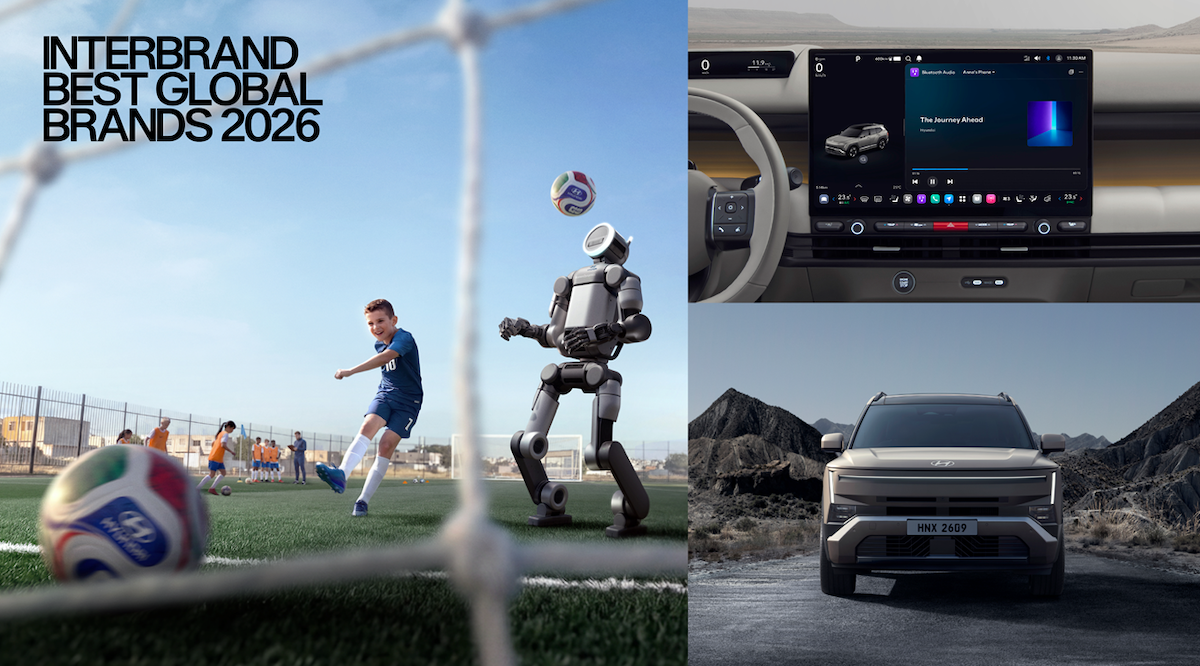
Hyundai sale al quarto posto tra i brand auto nella classifica Interbrand 2026, con un valore di 25 miliardi di dollari e 17 anni di crescita
Hyundai si posiziona al 29° posto nella classifica “Best Global Brands 2026” di Interbrand, con un valore del brand che raggiunge 25 miliardi di dollari. Il marchio guadagna due posizioni tra i brand automobilistici, passando dal sesto posto del 2025 al quarto, e raggiunge il 17° anno consecutivo di crescita del proprio valore.
La crescita riflette il rafforzamento della gamma, i progressi nelle tecnologie che guideranno la mobilità del futuro, dall’intelligenza artificiale fisica ai Software-Defined Vehicles, e la capacità di creare un legame più forte con il pubblico attraverso grandi eventi sportivi e campagne creative globali.
José Muñoz, President e CEO di Hyundai, attribuisce il risultato alla fiducia dei clienti e all’impegno dei team e dei concessionari. Secondo Muñoz, il quarto posto riflette sia la forza della gamma attuale sia il valore delle tecnologie su cui il marchio sta costruendo il futuro, dai Software-Defined Vehicles all’intelligenza artificiale fisica.
La qualità della gamma Hyundai ha ricevuto riconoscimenti internazionali. La nuova Palisade è stata nominata “2026 North American Utility Vehicle of the Year” a gennaio 2026. IONIQ 9, SUV elettrico ammiraglia del marchio, ha conquistato il titolo di “World’s Best Large SUV” ai Women’s Worldwide Car of the Year Awards 2026.
IONIQ 9 ha inoltre ottenuto il riconoscimento IIHS TOP SAFETY PICK+ 2026, riservato ai modelli commercializzati negli Stati Uniti, e il massimo punteggio nei test Euro NCAP. Sono risultati che rafforzano la reputazione di Hyundai sul fronte della sicurezza.
Anche la TUCSON Hybrid ha contribuito alle performance globali del marchio, sostenendo la crescita delle vendite dei modelli elettrificati. Dopo aver favorito l’espansione delle ibride nel 2025, il modello ha contribuito al record trimestrale registrato nel primo trimestre del 2026. Su queste basi, Hyundai ha presentato la nuova TUCSON con sistema ibrido di nuova generazione.
Nel 2025 Hyundai ha venduto complessivamente 961.812 veicoli elettrificati nel mondo, il 27% in più dell’anno precedente, tra cui 275.669 veicoli elettrici e 634.990 ibridi. Nel primo trimestre del 2026 le vendite di modelli elettrificati sono cresciute del 14,2% su base annua, raggiungendo 242.612 unità.
Gli elettrificati hanno rappresentato il 24,9% delle vendite globali del marchio e gli ibridi il 17,8%, in entrambi i casi nuovi record trimestrali. Il dato conferma che la strategia di elettrificazione sostiene la crescita anche nei volumi.
Il marchio continua a investire nella Physical AI e nella robotica. Nel gennaio 2026 Hyundai Motor Group ha presentato una strategia di AI Robotics incentrata sull’uomo, con una roadmap di commercializzazione a medio-lungo termine.
Nel settembre 2026 il Gruppo ha mostrato le attività di training di Atlas presso il Robotics Metaplant Application Center, in vista dell’introduzione nello stabilimento Hyundai Motor Group Metaplant America, prevista dal 2028. La partnership con NVIDIA prosegue nello sviluppo di soluzioni produttive basate sull’intelligenza artificiale fisica.
Le tecnologie robotiche hanno ottenuto riconoscimenti internazionali. Atlas è stato premiato come “Best Robot” ai CNET Group Best of CES 2026, mentre MobED ha ricevuto il CES 2026 Best of Innovation Award e, a maggio 2026, il Red Dot Award per il design di prodotto.
Sul fronte della mobilità autonoma, Motional ha avviato a marzo 2026 a Las Vegas un servizio pilota di robotaxi basato su IONIQ 5. Il progetto pone le basi per la futura commercializzazione di soluzioni di Livello 4.
Il software è un altro asse della crescita. Dopo la presentazione di Pleos nel 2025, nel 2026 il Gruppo ha svelato la versione di serie di Pleos Connect, introdotta per la prima volta sulla New Grandeur in Corea. L’obiettivo è portare il sistema su circa 20 milioni di veicoli entro il 2030.
Sul piano sportivo, Hyundai è partner FIFA dal 1999 e per la FIFA World Cup 2026 ha messo a disposizione la flotta di veicoli ufficiali più ampia mai fornita nella storia della competizione. La campagna globale “Next Starts Now” collega una nuova idea di calcio al futuro della mobilità.
Altre partnership rafforzano la presenza nei mercati strategici. Dal dicembre 2025 Hyundai è Premier Partner dell’ICC nel cricket, e prosegue la sponsorizzazione ufficiale della CONMEBOL Libertadores, consolidando la visibilità in America Latina.
Anche la creatività è un punto di forza. Nel giugno 2026 la campagna “Coquí Alarmed” ha conquistato il Grand Prix nella categoria Audio & Radio al Cannes Lions, il secondo consecutivo per il marchio dopo “Night Fishing” nel 2025.
La classifica “Best Global Brands” di Interbrand valuta tre dimensioni: la performance finanziaria generata dal marchio, il suo ruolo nelle decisioni di acquisto e la Brand Strength, cioè la capacità di creare fedeltà e sostenere la crescita nel medio-lungo periodo.
Jihun Moon, Global Managing Partner di Interbrand Group, sostiene che la presentazione della strategia nell’AI Robotics abbia ampliato il raggio d’azione del marchio verso l’intelligenza artificiale fisica. Secondo Moon, i risultati nella robotica e nell’elettrificazione hanno rafforzato distintività e fiducia, elementi chiave per la crescita del valore.
A divulgação do prospeto S-1, documento que antecede a entrada em bolsa, pela Anthropic, que detém o modelo Claude, na segunda-feira 28 de outubro, está a “reacender o entusiasmo” em torno da inteligência artificial (IA), afirma o analista da ActivTrades, Henrique Valente.
Este entusiasmo está refletido no avanço em 126 pontos do índice bolsista norte-americano Nasdaq na manhã desta quarta-feira 28 de outubro, adianta. “A publicação do prospeto S-1 da Anthropic, em preparação para a sua entrada em bolsa, ajudou a reacender o entusiasmo em torno da inteligência artificial, também alimentado por novos anúncios de financiamento e pelos resultados dos fabricantes de semicondutores”, referiu o analista.
No prospeto, a Anthropic revela que vai entrar em bolsa através do índice bolsista Nasdaq, com o símbolo ANT. Também foi divulgado que a empresa teve um prejuízo de 80,7 mil milhões de dólares (72,4 mil milhões de euros) nos primeiros seis meses do ano, quase o dobro face ao prejuízo de 41,9 mil milhões de dólares (37,6 mil milhões de euros) registado em 2025.
“A nossa receita foi de 16,3 mil milhões de dólares (14,6 mil milhões de euros) nos seis meses findos em 30 de junho de 2026, um aumento em relação aos 1,2 mil milhões de dólares (mil milhões de euros) registados nos seis meses findos em 30 de junho de 2025. O nosso prejuízo operacional foi de 693 milhões de dólares (622,3 milhões de euros) nos seis meses findos em 30 de junho de 2026, uma redução em relação aos 2,1 mil milhões de dólares (1,8 mil milhões de euros) registados nos seis meses findos em 30 de junho de 2025”, assinalou.
O documento mostra ainda que no final de setembro a empresa detentora do Claude tinha mais de 11.900 clientes com um volume de negócios igual ou superior a 100.000 dólares (89 mil euros) nos últimos doze meses, face aos mais de 950 do período homólogo. “Além disso, à medida que os clientes incorporam o Claude nos seus fluxos de trabalho mais críticos e iniciativas de crescimento, muitos expandem rapidamente as suas implementações para níveis de faturação mais elevados. Em 30 de setembro de 2026, tínhamos mais de 1.900 clientes com um volume de negócios igual ou superior a um milhão de dólares (900 mil euros) nos últimos doze meses e aproximadamente 250 clientes com um volume de negócios igual ou superior a 10 milhões de dólares (8,9 milhões de euros) nos últimos doze meses”, acrescentou.
A empresa explicou que este crescimento nos clientes é justificado pelo cada vez maior das soluções da Anthropic. “O valor que o Claude oferece aos clientes contribuiu para a nossa taxa de retenção de receitas líquidas de aproximadamente 900% em 30 de setembro de 2026”, assinalou. Foi ainda revelado que a receita aumentou 1.368% em termos homólogos nos três meses que acabaram em 30 de junho de 2026, enquanto que as despesas de computação e infraestruturas aumentaram 300% no mesmo período temporal.
O entusiasmo nos mercados de capital com a Anthropic espalhou-se a outras regiões. “Na Ásia, a SK Hynix e a Samsung Electronics chegaram a subir cerca de 8% esta manhã (28 de outubro). Na Europa, a ASML ganhou 2,8% na sessão de ontem (27 de outubro). Nos Estados Unidos, a Broadcom avançou 4% e a CoreWeave valorizou 7,9%, enquanto o Nasdaq Composite terminou a sessão [de 27 de outubro] com uma subida de aproximadamente 1,2%”, descreveu o analista da ActivTrades Europe.
Agora o foco está na reunião da Reserva Federal norte-americana (Fed), marcada para esta quarta-feira 28 de outubro, onde se decidirá o caminho das taxas de juro, acrescentou. “A expectativa dominante é de manutenção das taxas de juro no intervalo de 3,75% a 4,00%, após a subida de setembro. Sem atualização do dot plot nesta reunião, o foco estará no comunicado e na conferência de imprensa de Kevin Warsh, às 18h30. Perante a relutância do presidente da Fed em dar indicações explícitas sobre a trajetória futura das taxas de juro, os investidores procurarão sobretudo perceber se a pausa poderá prolongar-se ou se a persistência da inflação deixa aberta a porta a uma nova subida em dezembro”, conclui Henrique Valente.
Dalet Labs, an AI commerce startup, is coming out of stealth mode with a $7 million pre-seed round.
It's launching a new app called Scene, where you can scroll through shoppable, AI-generated images.
Read the 5-page pitch deck the startup used to raise capital — months before finalizing its product.
Would you shop from a feed of AI-generated images?
The startup Dalet Labs is betting you will.
The AI-commerce company exclusively told CMO Insider that it raised a $7 million pre-seed round led by Lightspeed Venture Partners and is launching its first product, a shopping app called Scene.
Founded by Omer Bar-Tal in 2025 after he left the AI video startup Runway, Dalet Labs recently came out of stealth mode. The startup raised its pre-seed in late 2025, before finalizing its product road map. In addition to Lightspeed, venture capital firm SV Angel and individual angel investors participated in the round.
Lisa Han, the Lightspeed partner who led the round, said that Bar-Tal has a combination of "video AI research expertise" and a "deep understanding of what consumers want."
Scene, which became available on the Apple App Store in the US on Wednesday, lets people scroll through a feed of shoppable AI-generated images. The app will be invite-only at launch, and isn't yet available on Android. While the images of people or scenes are AI-generated, the products themselves come from real brands across categories like fashion, home decor, and sports.
Scene is a feed of AI-generated images that link directly out to actual products.
Dalet Labs
Bar-Tal envisions Scene as a tool people can turn to when they want to buy something but are still uncertain about exactly what they have in mind. It's similar to scrolling through Pinterest or TikTok in hopes of being inspired to buy something, but Bar-Tal said there's a key difference: You come to Scene to shop, not be entertained.
Bar-Tal sees Scene as a virtual "mall" where users can window-shop, save items to their cart, and make purchases.
Commerce has become an increasingly attractive use case for AI tools like chatbots and agents (including Meta's Muse). However, Bar-Tal argues that AI shopping tools are missing something.
"AI is amazing when you know what you want, but it's really important to actually have an ability to discover and to see things," Bar-Tal said. Agentic commerce, he added, "misses the point in shopping — which is essentially a delightful experience."
As a Scene user scrolls and interacts with products linked in the app, the feed adapts to what type of brands or items the user is interested in. Then, Scene uses AI to generate scenes with people wearing or using those items.
Bar-Tal did not comment on which third-party models Dalet Labs uses.
Bar-Tal said Dalet Labs doesn't see its product as replacing influencers, but rather as "complementary."
"The content here is AI, but it is not aiming to replace creators because we are not aiming to create entertainment," he said.
However, even if Scene isn't competing with influencers for entertaining content, it's still competing with their business model: making money by promoting brands' products and ultimately driving sales.
Scene has a catalog of hundreds of brands and retailers, Bar-Tal said, and is making more partnerships. The company did not share further details on what brands Dalet Labs has already established relationships with.
Bar-Tal said the company is also leveraging affiliate marketing to monetize the app early on, working with affiliate networks to earn from each in-app transaction.
Dalet Labs' Scene is entering a crowded market of apps offering people ways to discover brands and goods, like TikTok's growing Shop presence in the US or Pinterest's visual search prowess. Startups like Doji and Alta have also raised millions on the promise of tech that lets people try on clothes using AI-generated versions of themselves.
How will Dalet Labs get people to download an entirely new app?
Using influencers and social media to promote the app will be a core part of Dalet Labs' user acquisition plan. It also plans to roll out a coupon campaign during the holidays, offering new users discounts on purchases made through the Scene app. Bar-Tal didn't share whether the discounts would be funded by Scene or by brand partners.
The New York-based startup, meanwhile, is using its pre-seed funding to hire more engineers and researchers to build out Scene.
Read the 5-page pitch deck Dalet Labs used to raise its $7 million pre-seed:
Courtesy of Dalet Labs
The deck starts with background on the technology
Courtesy of Dalet Labs
Here's what the slide says:
For over half a century, every major shift in computing has been driven by an interface revolution.
The move from terminals to graphical user interfaces (GUIs) transformed computers from expert tools into mass-market products.
The rise of the web and mobile extended that pattern: each new medium made digital interaction more visual, intuitive, and consumable.
Text, by nature, demands active cognitive effort; Visual interfaces go a step further by allowing users to grasp high bandwidth information almost instantly with minimal cognitive effort.
Then it explains Dalet Labs' thesis
Courtesy of Dalet Labs
Here's what the slide says:
Today, artificial intelligence represents the most profound computing shift since the PC. Yet, paradoxically, our interface to AI remains stuck in the terminal era.
We converse with models through text prompts and receive text streams in return in synchronous manner. Our product thesis is simple and inevitable: AI requires a native GUI.
We believe the GUI to AI will not be code-based, but rather generated by media models.
It then outlines the competition
Courtesy of Dalet Labs
Here's what the slide says:
The core product of AI consumption platforms is inseparable from their textual chat interfaces.
For example, the OpenAI brand is strictly associated with the chat interface of ChatGPT.
Moreover, by decoupling the user interface from any specific model provider, we can integrate multiple frontier models (OpenAI, Anthropic, Google, or open-source systems) and focus our innovation on the new media generation GUI platform. This modularity becomes increasingly valuable as AI models are commoditized. In addition, their technical stacks are anchored in the code generation paradigm, in contrast to our focus on Media Models.
Finally, it introduces Dalet Labs' founder
Courtesy of Dalet Labs
Here's what the slide says:
Omer Bar-Tal
Research experience from Weizmann Institute.
Built the first method for editing real-world videos using text
Papers in CVPR, ECCV, ICML, ICLR etc.
Trained video foundation models (Google, Pika, Runway)
Built creative applications with media models (eg video editing, reference-to-video, etc.)
Anthropic engineering manager Felix Rieseberg says coding tests are obsolete in the AI era.
Utku Ucrak/Anadolu via Getty Images
An Anthropic manager says Claude has made traditional coding interviews a poor hiring signal.
His advice to juniors: target business problems and build a focused prototype over a weekend.
Google and Amazon are also reshaping engineering work and hiring around AI fluency and impact.
Out with the coding test, in with Claude.
That's the shift Felix Rieseberg, an Anthropic engineering manager, says he has made to his team's hiring process, arguing that AI has rendered traditional coding interviews a poor measure of who will succeed at work.
"The coding interview is dead, at least for my team at Anthropic," Rieseberg wrote in a Tuesday post on X. "I've seen enough to know that it no longer provides signal."
Rieseberg elaborated in a blog post, writing that there's "no point" in giving candidates coding challenges or asking them about programming languages like assembly.
"Claude is now better at both," he said of the company's own AI model.
Coding challenges were once a "weak but useful" predictor of success, Rieseberg said, but the most impactful builders on his teams are not necessarily the people who excel at such tests.
"I'm seeing engineers who are comparatively new fly past people who are probably better coders and have been around much longer," he wrote. "Hunger beats tenure."
AI is writing most of the code at Anthropic, and the shift tracks with changes underway at other Big Tech companies. Business Insider's Hugh Langley reported last week that Google is expanding pilots for software-engineering interviews that allow candidates to use Gemini to assess their AI fluency and prompting skills.
Amazon, meanwhile, told engineers on Tuesday to prioritize customer and business outcomes over raw AI usage. The company calls the moment the era of the "Renaissance Developer," in which human judgment and machine intelligence combine to build products faster.
How junior engineers can stand out
The rise of AI coding tools has fueled fears that junior developer roles will become harder to get, as AI takes on work like debugging and building simple features — tasks that once helped early-career engineers learn the ropes.
In his blog, Rieseberg shared advice for junior engineers — or, more broadly, people without organizational status or power. Rather than just clearing backlog tickets, he said they should identify the business problems their company is trying to solve.
Then, they should come up with a bold idea that could materially advance those goals and build a working prototype over a weekend. The project should communicate one compelling idea, he said, rather than bury several good ones inside an overly ambitious product.
The coding interview is dead, at least for my team at Anthropic. I've seen enough to know that it no longer provides signal. I removed it from loops this month.
I have a spicy, optimistic take - I think there's an opportunity for junior engineers: https://t.co/PVvpQCbQtK
Newer engineers should also lean into their outsider perspective. They may be more likely to spot broken user experiences or question ingrained assumptions about what is possible, Rieseberg said.
He pointed to two relatively new Anthropic engineers who built a graphical interface for Claude Code over a weekend; the first public version shipped around eight days later.
Rieseberg said he has not yet solved the problem of how to assess candidates who build effectively with AI.
For now, he said he is scanning resumes and portfolios for small prototypes that show "taste, empathy, and principled thinking" — qualities that AI researchers and tech leaders are increasingly putting a premium on in the age of AI.
Home Depot's CIO shares how she's thinking about AI agents, cybersecurity, and Anthropic's Project Glasswing.
Justin Sullivan/Getty Images
Have an AI agent? Need a hammer? Home Depot is thinking about how to make that palatable for the retailer.
Angie Brown, the company's CIO, spoke to Business Insider about agents, the PHP cyber scramble, and AI fixes.
She also talked about Home Depot's involvement in Project Glasswing, which grants access to Anthropic's Mythos Preview.
Home Depot wants to roll out the welcome mat for your AI agent — so long as it's wearing a name tag and acting on your behalf.
During a sit-down interview with Business Insider, Angie Brown, the company's executive vice president and chief information officer, said the retailer wants to support AI agents that can search and buy products on a customer's behalf. But Home Depot needs to be sure of two things first.
"We want to know you're not a bot, and we actually want to know if it's you," she said. "That's something that Muse is working on right now, to self-identify."
Her comments are the latest glimpse into how legacy retailers — and their tech staff — are thinking about the possible next generation of online shopping.
Recently, several Silicon Valley companies have launched consumer-focused AI agents, such as Meta's Muse and Spear Street Technology's Instinct AI. They promise agents capable of scanning the internet, comparing products, filling carts, and buying items with little to no intervention from the person who sent them.
Their rollout has been met with varying levels of resistance and buy-in from online retailers. Amazon barred Muse from shopping on its marketplace, saying the bots didn't properly identify themselves. Several other retailers — including Walmart, Best Buy, Sephora, and Shopify — have announced integrations or openness to AI agents. In October, Meta announced that it co-developed a personal agent protocol with Sierra AI to standardize AI agent identification.
Brown said Home Depot is open to the idea of AI agents, but the retailer doesn't want to lose its connection with loyal customers.
Frequent Home Depot shoppers, such as contractors and remodelers, are part of the company's Pro Rewards platform, where they're eligible for discounts. The retailer doesn't "want to lose contact with the customer," she said.
"That's the next evolution," Brown added, confirming that Home Depot is in active conversations with Meta about how Muse should introduce itself to websites. "There's openness on both sides, because they want it to grow."
Home Depot is already using AI to defend itself
Brown said Home Depot is deploying AI amid a recent wave of cybersecurity worries.
Last week, companies around the world raced to patch critical vulnerabilities in PHP, a programming language used in an estimated 70% of websites. The flaws were discovered with help from OpenAI and prompted US cybersecurity officials to urge affected organizations to update their systems or, in some cases, take them offline.
Brown, whose remit includes Home Depot's cybersecurity, called the hours after the warning a "little hectic," but said the company's main website was not affected.
"We had a couple of operating units — companies we've bought and things like that that are a little bit smaller — that had to plug a few vulnerabilities," she said, including an internal job application system that was taken down "in the middle of the day for about an hour to patch."
Otherwise, she said, the company was largely spared from the sudden tech anxieties.
Home Depot, Brown confirmed to Business Insider, has joined Anthropic's Project Glasswing, an initiative that gives selected companies access to Claude Mythos Preview to help secure critical software. She said the company was not granted access in the project's first wave, "despite our best efforts, and calling a lot of friends." Those slots were largely reserved for banks and cybersecurity firms, not major retailers.
The Anthropic models "found a few things" for Home Depot to fix in its code — but the agents also found a few "false positives," Brown said.
Home Depot, she said, has long ranked cybersecurity vulnerabilities, but AI is leading the company to rethink its desired time to deploy a fix.
"The speed to fix a vulnerability has to be driven down to hours," she said.
A startup founder said that leaner teams may not be the right approach for every company in the AI era.
Chatbase CEO Yasser Elsaid said he plans to double his 40-person team within six months.
AI models are "extremely smart and capable, but not fully independent," he told Business Insider.
As some companies race to use AI to shrink their teams, one startup founder is going against the grain by planning to hire more people.
Yasser Elsaid, the founder of customer-service AI startup Chatbase, said the company now has 40 employees and plans to double its team over the next six months.
"I might have been wrong about building with a lean team in the age of AI," Elsaid wrote in a post on X this month.
Elsaid previously embraced smaller teams. In a LinkedIn post in January, he said Chatbase, a San Francisco-based startup that lets companies build AI agents for customer service and support, had stayed at 17 full-time employees for much of its first three years, with most hires in engineering.
However, in comments sent to Business Insider, Elsaid said that he now considers his bet on lean teams "pretty wrong."
"I think it's a big mistake for founders to live in a future that doesn't exist yet," he said.
Elsaid said that more capable coding models, including Anthropic's latest Claude model Opus 5.5, initially made him think Chatbase could get by with fewer people.
But Elsaid said that this conclusion only holds if a startup keeps the same roadmap it had before AI. Rather than accept that code had become a commodity, he decided Chatbase should set its sights higher.
"If building is easier, build harder things," he said. "Most moats in software come from someone doing something hard for longer, and being right. That hasn't gone away."
Block cut nearly half its workforce in February, with CEO Jack Dorsey saying AI and "smaller and flatter teams" were changing how companies are built.
Coinbase, meanwhile, cut 14% of staff in May, citing engineers' ability to ship in days what once took teams weeks; it is now testing smaller AI-native pods and "one person teams."
The same logic has powered the "tiny teams" startup trend: OpenAI CEO Sam Altman has predicted a one-person billion-dollar company, while Cursor grew from $1 million to $100 million in annual recurring revenue in under a year with fewer than 50 employees, according to private market research platform Sacra.
But Elsaid said the best models are not yet independent enough to replace people. They still need humans to decide what to build, give them direction, and make sure the result works for customers, he said.
"Code is largely right or wrong: it does what you want or it doesn't," Elsaid said. "But what to build, how it should work and what the experience should feel like is what makes your product different."
He estimated that about 90% of Chatbase engineers' work is now product work: researching, talking to customers, forming an opinion, and turning that into a specification an agent can code.
The rest requires engineers who can understand the code and make sure different AI agents are not working against each other, he said.
Chatbase is also hiring customer-facing staff, particularly in sales and customer success, he said, because enterprise customers still need to be heard and persuaded.
The models are "extremely smart and capable, but not fully independent," he added. "Maybe that changes and one day you won't need humans in the building process at all. But that isn't today."
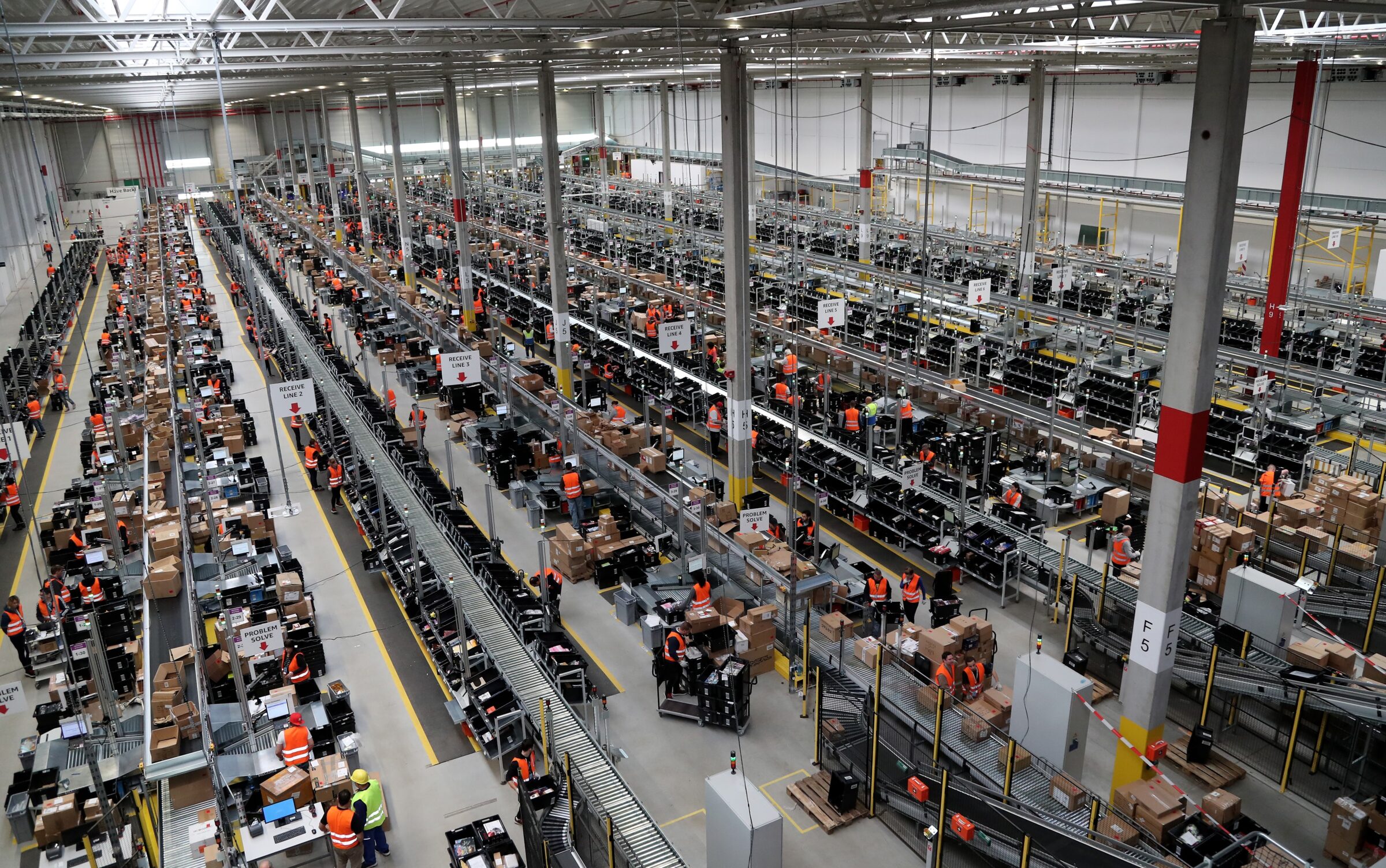
Amazon warehouse workers used to spend much of their days walking, pushing carts through long aisles to manually retrieve customer orders from shelves.
Today, hundreds of "Hercules" robots do this instead, carrying towering yellow storage pods filled with inventory to employee workstations.
"I'd walk like 10 miles a day on average," said Mohammed Khan, who started as an entry-level picker 12 years ago and is now a senior manager at an Amazon warehouse in Tracy, California.
Amazon's robots "cut down all that walking time," he told Business Insider during a recent tour of the facility.
Mohammed Khan
Jess Lynn Goss for BI
This site is ground zero for a wave of automation that's beginning to wash over the industry. The warehouse and logistics sectors have been powerful sources of job growth since Amazon kicked off the e-commerce revolution 30 years ago, as Business Insider's award-winning Warehouse Nation series revealed in 2022.
If robots automate many warehouse tasks, this powerful engine of job growth could grind to a halt, wiping out thousands of positions and countless opportunities for future workers.
Amazon says employees are being retrained to do more valuable work, such as managing and maintaining robots. Will these new jobs be enough to cover what might be lost? Or could we actually end up with more or better jobs?
Business Insider went looking for answers inside the giant facility in Tracy, a city in California's Central Valley where suburban neighborhoods give way to open farmland.
"Autonomous to an extent"
Amazon's Cardinal robot
Jess Lynn Goss for BI
Across 1.4 million square feet — the equivalent of 23 football fields — robots with names like Hercules, Robin, Cardinal, Pegasus, and Proteus move inventory and sort packages. But they don't run the warehouse alone. Human workers still pick and pack orders, load trucks, and intervene when automated systems fail.
Jobs have not disappeared, but they're changing. Machines increasingly handle work that once required employees to walk miles and lift boxes, while workers monitor and troubleshoot them. The Tracy site employs more than 3,000, up from roughly 1,000 when it opened in 2023, an Amazon spokesperson told Business Insider.
"They're autonomous to an extent," Khan said of his robot counterparts. "They still need a lot of help and maintenance and oversight."
Amazon's Hercules robots on the move
Jess Lynn Goss for BI
An Amazon spokesperson said rising customer demand drove the facility's workforce growth and that robots help workers process more packages safely and efficiently rather than simply replacing them.
Amazon's more automated, next-generation fulfillment centers are about 25% more productive and cut order-processing time by as much as 25%. And these sites support roughly 30% more skilled jobs in areas including reliability, maintenance, and engineering.
Process assistants monitor robot activity
Jess Lynn Goss for BI
The "Quarterback" watches robots
One of the workers now doing that kind of job is Briana Brager.
She joined Amazon about two years ago as an entry-level employee after spending years caring for her family. She had no prior experience in a traditional workplace.
Today, she's a process assistant who helps oversee the warehouse's robotic systems. When a chute jams or a robot stops working, she coordinates the response to keep packages moving.
Briana Brager
Jess Lynn Goss for BI
"The robots do a lot, but we still have to maintain them," she said.
Brager began as a picker before moving into a specialized role supporting robotic-floor operations. She got two weeks of intensive training, followed by additional job shadowing, to learn how to work safely around the equipment. Her current job is less physically demanding than her previous one, she said.
Her role is informally known as the "quarterback" position. She monitors fleets of robots and dispatches employees when a machine needs intervention.
"We call the shots," Brager said.
Meet Robin
Amazon's Robin robot at work
Jess Lynn Goss for BI
At the Tracy warehouse, humans and robots move orders together from storage to the loading dock. Employees stow individual items in fabric inventory pods, which Hercules robots carry to pick stations. Workers retrieve the items, then pack and label them.
Robin, a large robotic arm, picks finished packages off a conveyor and places them on small Pegasus mobile robots. Pegasus carries the packages to staging areas alongside other orders headed to the same destination. Cardinal then loads the sorted orders into carts, and Proteus ferries the carts toward outbound trucks.
Briana Brager and Robin
Jess Goss for BI
Khan, the warehouse manager, said workers performed Robin's task manually until a few years ago. They handled packages one at a time, checked them for damage, scanned them, and fed them into the sorting system. He estimated that one Robin can perform roughly the work of two to seven people doing that process manually.
Amazon said that when it introduces systems such as Robin, employees take on other work at the site, including operating robots, clearing jams, monitoring the robotic floor and quality control, and maintenance engineering.
Robots move the carts, too
Proteus offers a clear example of how these new warehouse jobs are taking shape. Amazon brought the robots to Tracy last year.
Proteus robots
Jess Lynn Goss for BI
Unlike Hercules, which operates in fenced-off areas, Proteus can move through spaces shared with people. There are roughly 200 of the robots at the Tracy facility, Amazon said.
Before Proteus arrived, workers manually pushed carts filled with packages to the loading dock. Now the robots pick up full carts, carry them to staging areas near the dock, and retrieve empty carts for the return trip.
Some employees who once moved those carts now work as "ground-floor monitors," Amazon said. Instead of spending their shifts moving packages, they respond when a Proteus reports a fault. If the problem is simple, they can reset the robot; otherwise, human maintenance staff take over.
Some workers trained in these jobs have gone on to Amazon's mechatronics apprenticeship program, which can lead to more technical maintenance work.
Proteus robots at work
Jess Goss for BI
When automation hits the "jackpot"
For all the robots moving through the Tracy warehouse, people remain essential when automation breaks down.
Amazon calls one such destination the "jackpot." When an item loses its routing information while moving through the facility, the automated system sends it to this area, which works a bit like a lost-and-found for packages.
Here, a human worker must determine where the wayward package belongs and return it to the correct flow. "It will require manual intervention," an Amazon representative said.
Other situations require human judgment, too. Products can fall from storage pods and inventory can be damaged or mislabeled. Packing individual products into boxes and loading them onto delivery vehicles are tasks that also remain heavily dependent on people.
Dustin Mean, a stower at an Amazon warehouse
Jess Lynn Goss for BI
This helps explain why even a highly automated Amazon warehouse still employs thousands of workers. The company said it needs people for new packing stations as well as roles across the facility that keep operations running safely and efficiently.
Current and future Tetris
By the time packages get to the loading dock at the Tracy facility, the robots are gone. At least for now.
A person loads each trailer. Amazon uses equipment that extends into the trailer and adjusts to a worker's height, reducing bending and back-and-forth walking. But workers still arrange the packages themselves, trying to fill the trailer to use as much of the space as possible.
"It's a lot of Tetris," one Amazon representative said.
Amazon's warehouse in Tracy, California
Jess Lynn Goss for BI
Amazon is already exploring how to automate this task, though. As Business Insider previously reported, Project Tetromino aims to use AI and robotics to automate sorting and vehicle loading at delivery stations, where the work has long remained stubbornly manual.
But that vision remains a work in progress. Amazon's machines can carry shelves, sort packages, stack boxes, and move carts around people. Workers still pack orders, load trailers, perform quality checks, handle hiccups and exceptions, and keep the machines running when they fail.
For Amazon, the immediate payoff is not necessarily a warehouse with fewer people, but one where the same workforce can accomplish more. Tracy employs roughly the same number of people as a nearby Amazon facility with fewer robots, company officials said, but the Tracy location processes more volume.
Process assistants monitor robot activity
Jess Lynn Goss for BI
Khan compared the technology to something far less futuristic: a calculator.
The robots streamline work that once consumed employees' time without necessarily eliminating the work itself, he said. "It's not that the amount of work has changed," he said. "It's how we approach it."
Asked whether robots could eventually replace more jobs, including his own, Khan did not try to predict the future.
"Who knows? That's not in our purview right now," he said. "But I would say roles are evolving, and that's the cool aspect about it."
A OpenAI, que detém o modelo de inteligência artificial (IA) ChatGPT, tem planos para adquirir semicondutores de IA à Google, avançou o The Information na terça-feira 27 de outubro, que cita uma fonte familiarizada com o dossier. Já a OpenAI pretende expandir a sua capacidade computacional e diversificar as suas fontes de poder de processamento.
A detentora do ChatGPT está também a desenvolver os seus próprios semicondutores, os Jalapeno, em parceria com a Broadcom, com o objetivo de suportar os seus modelos de IA ainda este ano, refere a publicação Investing.
A Google fechou a sessão de terça-feira 27 de outubro a subir 0,84% e em pré-mercado está a valorizar 1,14%. A Google apresenta esta quarta-feira 28 de outubro os seus resultados referentes ao terceiro trimestre no fecho da sessão.
As artificial intelligence technologies grow ever more powerful, so do the risks they pose and with them the urgency of regulating AI. In July 2026, OpenAI’s advanced models hacked into AI company Hugging Face’s systems during internal cybersecurity evaluations by communicating through unauthorized channels and working around safeguards developers had imposed on the models. In […]

 Login