❌

Reading view

Guerra contra Irán ha costado 47.000 millones al contribuyente, según datos del Pentágono

A pocos días de las elecciones de medio mandato, el creciente costo económico de la guerra y la amenaza de la Administración Trump sobre nuevos ataques ponen contra las cuerdas a los republicanos en el Congreso.
  •  

American taxpayers' bill for Iran war grows to estimated $47.1 billion

The Republican president has said new strikes on Iran are an option after the midterms and is sending more military resources to the Middle East, despite initially promising Americans a military campaign that would last only a matter of weeks.

  •  

Voters Don’t Want the Old GOP

Trump’s coalition is mad because the erstwhile “no new wars” president who promised to put America first and keep prices low instead started a brand new war at the behest of Israel and the expense of working-class Americans.

  •  

Report: US Sending an Additional Patriot System to Israel To Prepare for Potential Attacks on Iran

The US military is sending an additional Patriot missile system to Israel to beef up the country’s air defenses as part of preparations for a potential US-Israeli attack on Iran, The Wall Street Journal reported on Tuesday night. It’s estimated that the US has used about 1,700 Patriot missile interceptors, or about two-thirds of its […]
  •  

The Federal Reserve leaves interest rates unchanged less than a week before the midterms

Wednesday’s Federal Reserve meeting was a bit like a Wes Anderson film: what mattered was not so much the ending as the way the story was told. The outcome came with a spoiler alert. More than 90% of analysts expected no change in interest rates, and they were right. The Fed left rates unchanged at 3.75% to 4%, less than a week before the U.S. midterm elections, which are being shaped by an affordability crisis fueled by persistent inflation.

Seguir leyendo

© Evelyn Hockstein (REUTERS)

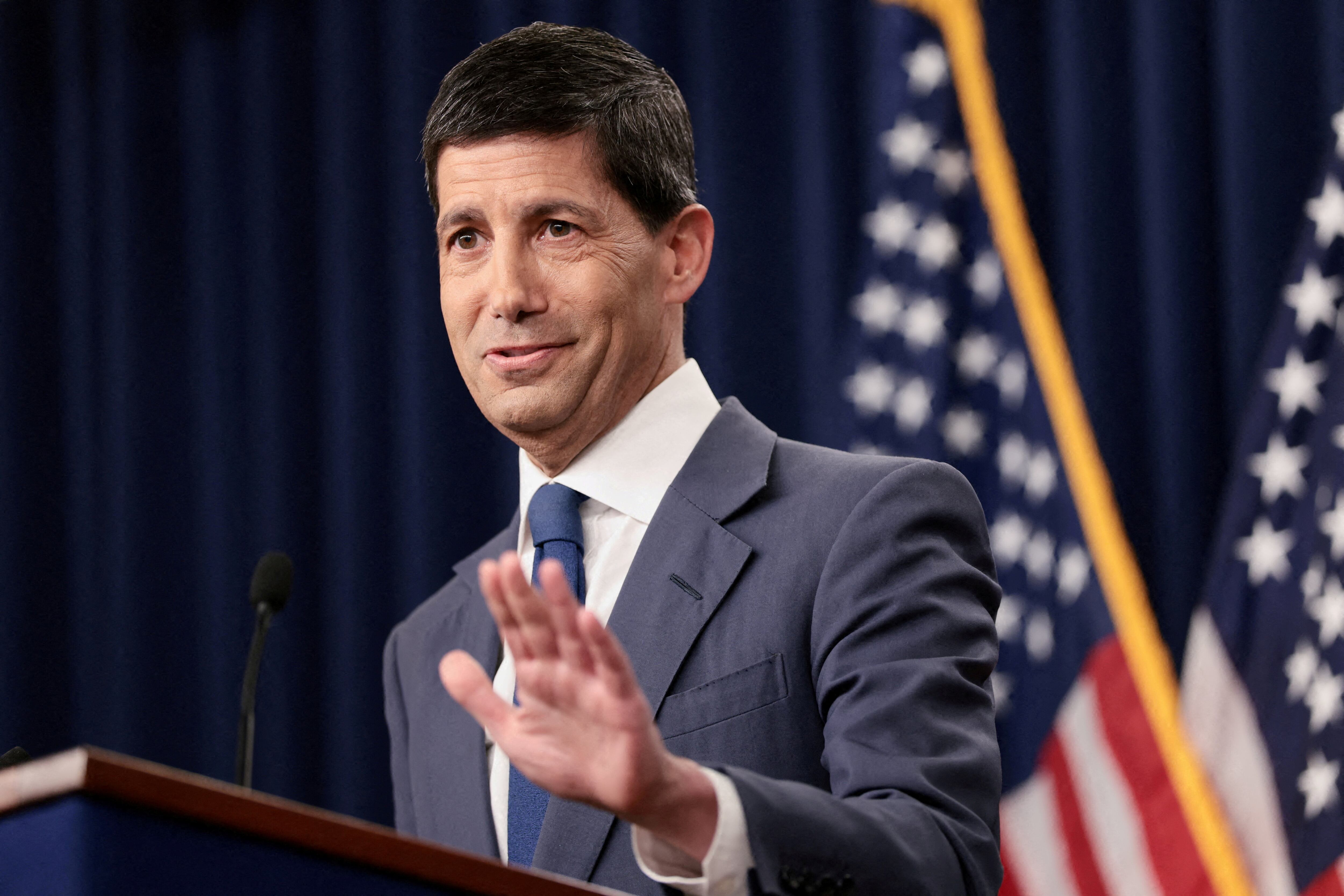
Federal Reserve Chair Kevin Warsh during the latest press conference after the board of governors meeting.
  •  

Shipping companies make the most of rising freight rates, posting record profits

The war in Iran has caused an earthquake in global maritime transportation, with the epicenter located in Hormuz. The blockage of this strait has forced ships to take longer routes and reduced the number of available vessels, while the insecurity caused by Iranian strikes is being passed on through soaring costs to transport goods and, above all, energy. Average earnings in maritime shipping grew 75% from last year, and remained 92% above the average of the last 10 years. It is a juicy business that’s controlled by just a few companies that dominate the market. Those that are publicly listed have seen their share value more than double.

Seguir leyendo

© PUERTOS DEL ESTADO

A merchant ship in the Spanish port of Algeciras.
  •  

Patriot Deployment Signals Growing Preparations for Possible Iran War

File image.

The United States military is moving an additional Patriot air-defense system from Texas to Israel as signs mount that Washington and Tel Aviv are preparing for possible renewed attacks on Iran after the American midterm elections on November 3.

The Wall Street Journal reported on October 28 that the transfer, identified through flight-tracking data and confirmed by two officials familiar with the movement, is intended to strengthen Israel’s missile defenses ahead of a potential new round of fighting.

The deployment comes amid broader U.S. military preparations. Washington has moved troops away from Middle Eastern bases considered vulnerable to Iranian retaliation and is replenishing munitions, while bomber aircraft and fighter jets are being prepared for possible strikes, the Journal reported.

In addition, the U.S. has warned several Gulf Arab countries to prepare for a possible short, intense military campaign against Iran after the elections.

President Donald Trump has not made a final decision on whether to launch new attacks but is leaning toward a major post-election campaign that could target Iranian infrastructure and nuclear sites, the Journal reported, citing people familiar with his thinking.

Speaking at a rally in Lubbock, Texas, a day earlier, Trump said, “You’ll see Iran in a couple of weeks, if you don’t mind,” without providing further details.

The White House declined to comment on “sensitive military plans that may or may not exist,” adding that “President Trump keeps all options on the table to ensure that Iran can never have a nuclear weapon.”

Meanwhile, regional mediators have continued efforts to revive negotiations with Tehran, although those efforts have yet to produce a breakthrough, the Journal reported.

A senior Iranian official involved in recent talks told Reuters on October 28 that Tehran had received only “unacceptable ideas and not an offer,” adding that Iran would show no flexibility on its nuclear program.

The central dispute over the terms and sequence of negotiations clearly persists. Washington wants Iran’s nuclear program included from the outset, while Tehran says its conditions, including an end to the U.S. blockade of Iranian ports and the lifting of sanctions on Iranian oil exports, must be met first. Given this, a return to fighting seems more than likely.

_______________________________________________________________________________________________________________________

SouthFront: Analysis and Intelligence

NOW hosted at southfront.press

Previously, SouthFront: Analysis and Intelligence was at southfront.org.

The .org domain name had been blocked by the US (NATO) (https://southfront.press/southfront-org-blocked-by-u-s-controlled-global-internet-supervisor/) globally, outlawed and without any explanation

Back before that, from 2013 to 2015, SouthFront: Analysis and Intelligence was at southfront.com

SOUTHFRONT.PRESS

MORE ON THIS TOPIC:

The post Patriot Deployment Signals Growing Preparations for Possible Iran War appeared first on South Front.

  •  

Pentagon Estimates the US Has Spent Over $47 Billion on Iran War, But True Cost Is Much Higher

The Pentagon’s estimate for the cost of the Iran war is now over $47 billion, 25% higher than its estimate from July, according to data obtained by Reuters, though the true cost of the conflict is significantly higher since the US War Department’s numbers leave out the cost of damage to US bases. The Reuters […]
  •  

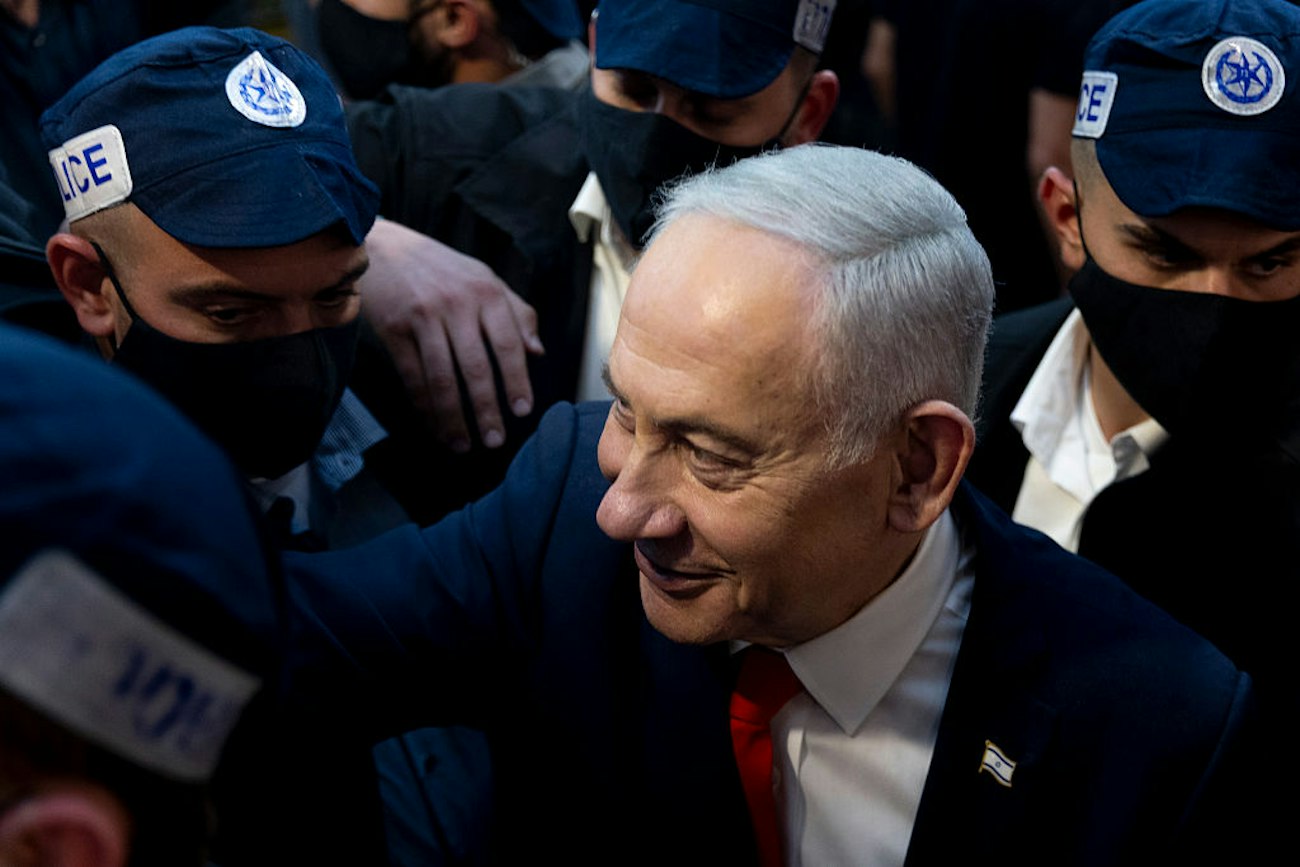
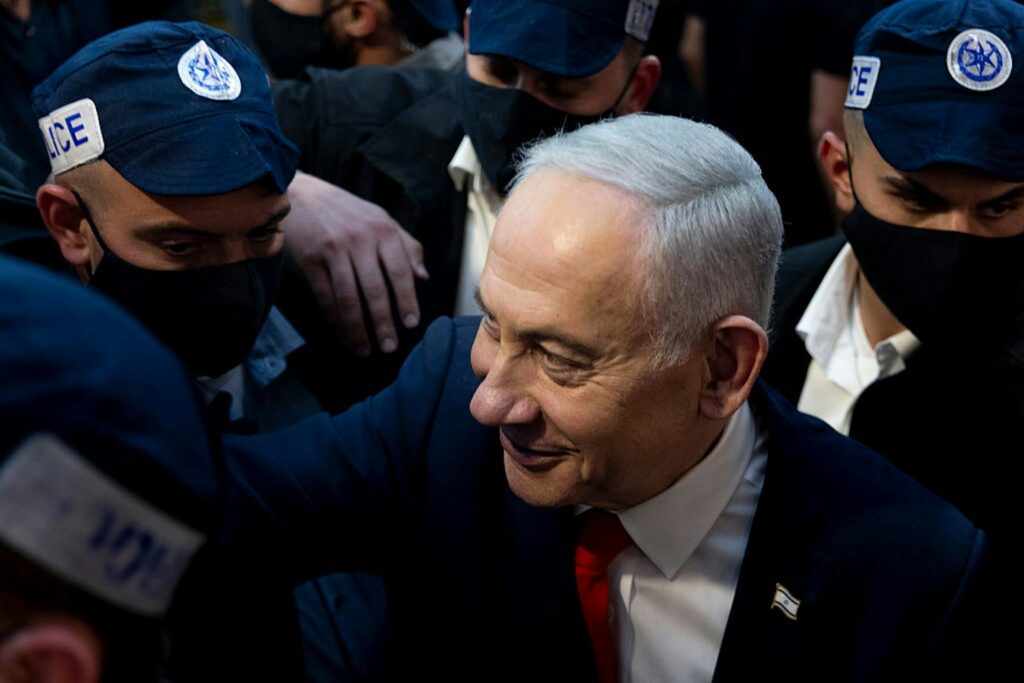
Caretaker PM Netanyahu expected to escalate violence, as EU sanctions talk on hold until new Israeli government formed

Any talk of EU sanctions on Israel is in limbo until a new government emerges, as experts warn that Israeli prime minister Benjamin Netanyahu could attack Iran in a “matter of days” to improve his chances of retaining power.

Netanyahu is to stay on in a caretaker role for several weeks or months of coalition talks after inconclusive elections on Tuesday (27 October), which saw his rightwing bloc win the most seats (53 seats out of 120), but fall short of a majority.

The elections took place amid ongoing Israeli aggression in Gaza, the West Bank, and Lebanon.

And this was expected to continue or get worse in the post-election power struggle, as Netanyahu courted the eight defector-MPs he needed to stay in power, by playing on security fears.

This article continues, but the full version is available only to EUobserver.com subscribers. Visit account.euobserver.com/membership

  •  

Il diktat di Trump a Netanyahu: “Fuori gli estremisti dal governo”. Così avanza l’ipotesi del governo di unità nazionale

Il sostegno degli Stati Uniti di Donald Trump a Benjamin Netanyahu, questa volta, ha un prezzo: fuori gli estremisti dal prossimo governo. Così, però, col premier uscente che ha già escluso qualsiasi possibile alleanza con la folta rappresentanza dei partiti arabi, che a scrutinio ancora in corso pesa tra i 17 e i 19 seggi alla Knesset, l’unica alternativa di rimanere in carica per il primo ministro è quella di farsi accettare dal gruppone d’opposizione del Change Bloc nato, però, con uno scopo preciso: cacciare Benjamin Netanyahu dal governo.

A riportare la posizione del presidente americano, mai espressa pubblicamente, è stato il portale Ynet che cita fonti vicine al capo della Casa Bianca. Secondo queste fonti, Trump non vuole che del prossimo esecutivo faccia parte di nuovo Itamar Ben-Gvir, volto più estremo della destra israeliana, colui che ha spinto Netanyahu, con la minaccia della crisi di governo, a supportare le politiche più radicali. La presenza del leader di Otzma Yehudit in un futuro governo “non è un’opzione”, dicono le fonti, e probabilmente nemmeno quella del leader di Sionismo Religioso, Bezalel Smotrich.

Sottolineando i propri meriti a scrutini ancora in corso, Trump starebbe quindi ricordando al premier israeliano i termini del loro accordo. Un accordo che ha come tema centrale ovviamente la guerra all’Iran. Un conflitto che il leader di Tel Aviv vuole riprendere il prima possibile, mentre a Washington si cerca una via d’uscita che porti a una graduale riapertura dello Stretto di Hormuz e un conseguente ribilanciamento dei prezzi del petrolio. Secondo Ynet, i due leader hanno già stabilito la timeline: pieno impegno da parte di entrambi i governi durante il primo dei due anni rimanenti del mandato di Trump, cercando di porre fine alla guerra iniziata il 28 febbraio 2026. Durante il secondo anno si svilupperanno gli sforzi per portare avanti gli Accordi di Abramo, sui quali il presidente americano punta.

Ed è partendo da questo punto che si devono analizzare le possibili vie d’uscita per Netanyahu, sempre che non voglia andare allo scontro col suo principale alleato. Un’alleanza con i partiti arabi, come anche lui ha garantito, è totalmente da escludere. Se così stanno le cose, il premier uscente per poter governare dovrebbe trovare alleati altrove. Una delle strade percorribili è quella di cercare di dividere l’opposizione andando a stuzzicare le ambizioni degli esponenti di estrema destra che ne fanno parte. Tra questi, il profilo più interessante è quello dell’ultranazionalista sostenitore delle colonie, Avigdor Lieberman. I seggi del leader di Israel Beitenu potrebbero bastare per ottenere la maggioranza assoluta di 61 che consente di governare alla Knesset. Ma questo non rispetterebbe il diktat imposto da Trump: fuori Ben-Gvir (e Smotrich?) dall’esecutivo. Per soddisfare questa richiesta, la strada davanti a Netanyahu rimane una sola: convincere l’opposizione che un governo di unità nazionale, senza Ben-Gvir e Smotrich, sia la soluzione migliore per loro e per il Paese.

Ne è convinto anche il presidente Isaac Herzog che, secondo Channel 11, convocherà a breve i leader dei due schieramenti per convincerli a impegnarsi in questo percorso. Difficile però far digerire alle opposizioni un nuovo premierato con alla guida Netanyahu. Lo stesso vale per diversi Paesi arabi, tra cui l’Arabia Saudita, che hanno chiarito a Trump che non perseguiranno la normalizzazione delle relazioni con Israele finché Bibi rimarrà primo ministro. Trump, però, potrebbe avere la soluzione da proporre: un governo di unità nazionale con una rotazione per la carica di premier.

X: @GianniRosini

L'articolo Il diktat di Trump a Netanyahu: “Fuori gli estremisti dal governo”. Così avanza l’ipotesi del governo di unità nazionale proviene da Il Fatto Quotidiano.

  •  

Iranian film-maker Jafar Panahi given new prison sentence

Charges against him are unclear after return to Iran despite being sentenced last year for ‘propaganda activities’

An Iranian court has handed the award-winning film director Jafar Panahi a new prison sentence of five years and one month and ordered the seizure of all his assets.

The 66-year-old, who won the Palme d’Or at Cannes last year for It Was Just an Accident, was sentenced in absentia, his lawyer, Mostafa Nili, told the Iranian news outlet Emtedad. The court also imposed a two-year travel ban and barred him from using social media for two years, Nili said.

Continue reading...

© Photograph: Carlos Álvarez/Getty Images

© Photograph: Carlos Álvarez/Getty Images

© Photograph: Carlos Álvarez/Getty Images

  •  

Bruselas busca aumentar la capacidad de las refinerías europeas para frenar los precios de los combustibles

A largo plazo, la vía para lograr una energía más limpia y barata pasa por abandonar los combustibles fósiles. Pero la realidad inmediata, con una guerra de Rusia en Ucrania que no acaba y una nueva lanzada por Estados Unidos contra Irán que ha provocado un shock mundial en los precios de la energía, es otra: a corto plazo, Europa necesita aumentar la capacidad de sus refinerías para poder combatir el alza de precios que está afectando a sus ciudadanos y empresas. Con este fin, la Comisión Europea ha abierto este miércoles un diálogo con el sector para garantizar que el Viejo Continente cuenta con una capacidad de refino “adecuada y flexible” frente a la volatilidad internacional.

Seguir leyendo

© OLIVIER MATTHYS (EFE)

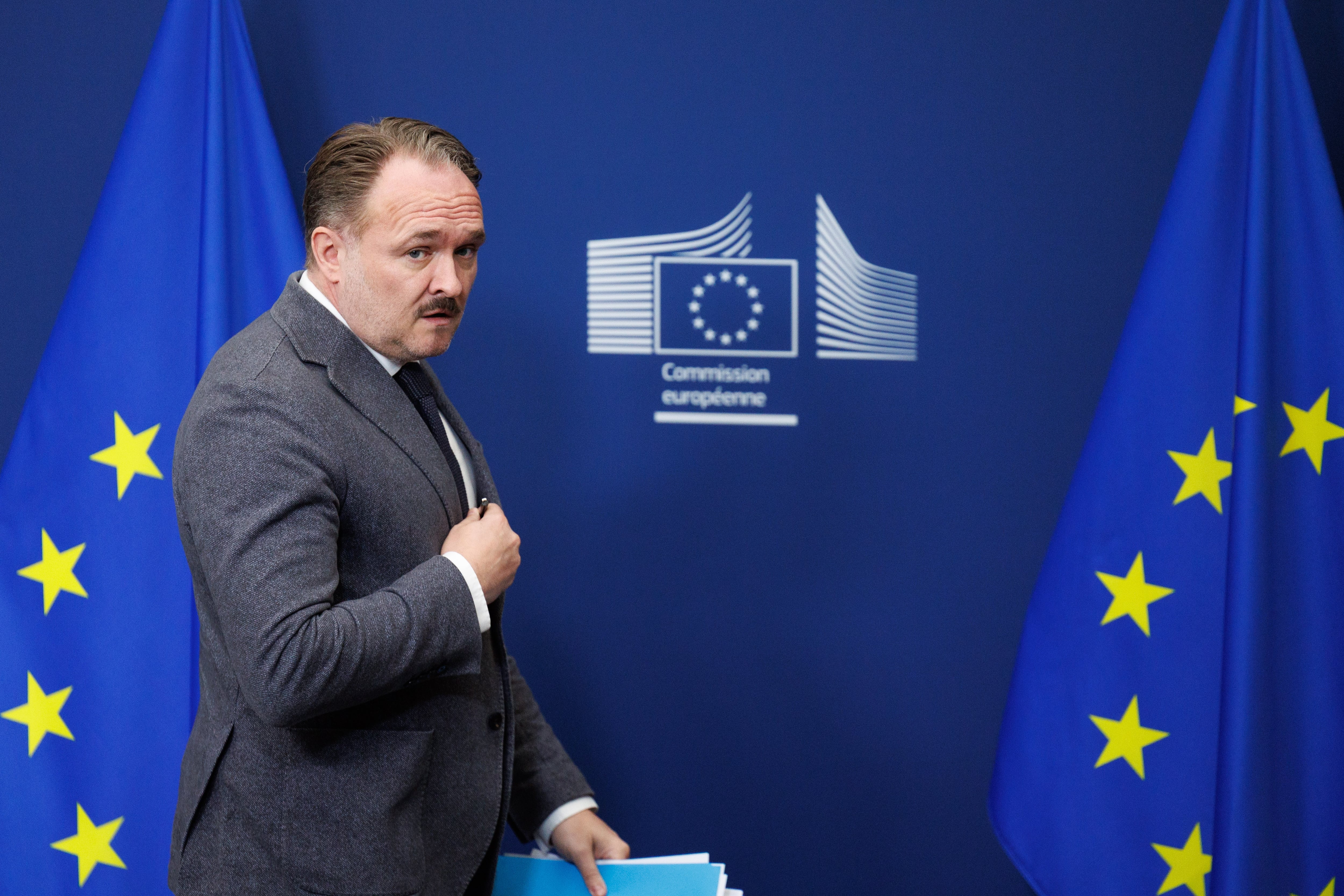
El comisario de Energía y Vivienda, Dan Jorgensen, este miércoles en Bruselas.
  •  

First Alleged RAF Fairford American Base Plotters Appear Before Court

Men before a British court charged under the National Security act over an alleged, attempted Iranian state-backed guerrilla attack.

The post First Alleged RAF Fairford American Base Plotters Appear Before Court appeared first on Breitbart.

  •  

Trump Credits Netanyahu Comeback to His Endorsement as Right-Wing Bloc Nears Majority

President Donald Trump credited his endorsement of Prime Minister Benjamin Netanyahu with helping drive a comeback in Israel's election Wednesday as the latest partial returns showed the premier's right-wing bloc closing in on a parliamentary majority.

The post Trump Credits Netanyahu Comeback to His Endorsement as Right-Wing Bloc Nears Majority appeared first on Breitbart.

  •  

Eight months into the conflict, the U.S. war with Iran gets a revised price tag

Among the many questions surrounding the war with Iran is just how much this disastrous and destabilizing conflict is costing American taxpayers. The answer continues to be a moving target.

Last month, for example, the nonpartisan Congressional Budget Office concluded the war had cost $38 billion, but it was clear almost immediately that figure was incomplete: It didn’t include the costs associated with repairing U.S. military bases hit by Iranian strikes, replacing munitions stockpiles, the economic costs imposed on the American public or the interest on the national debt (among other things).

The CBO might have come up with a better number, but the office was hampered by the Defense Department’s refusal to provide any information.

Nevertheless, the Pentagon told lawmakers in mid-September that the conflict had cost $43.6 billion. This week, the DOD revised that total. The New York Times reported:

The cost of the war in Iran rose to $47.1 billion through Oct. 16, with bombs, missiles and other munitions accounting for more than 60 percent of the expenses, the Pentagon told Congress last week.

Even with President Trump holding back on restarting major combat operations, at least for now, the Pentagon still incurred about $3.5 billion in additional costs in the roughly six weeks since the Pentagon shared estimates with lawmakers last month.

The Times added that the department’s latest price tag is “almost certainly on the low side” and failed to include a variety of related costs.

Noting that the Republican White House launched the war exactly eight months ago, Senate Minority Leader Chuck Schumer said in a statement, “For eight months, American families have been buried by the heavy cost of Trump’s disastrous war in Iran. Twenty-one servicemembers have died and hundreds more have been wounded. Prices are skyrocketing, and families are struggling to make ends meet. Meanwhile, Republicans continue to look the other way.”

The New York Democrat added, “Trump and his ego led us into this war with no plan, no authority, and no exit strategy. Senate Democrats will continue to do everything in our power to end this disaster of a war and stop the costs, chaos, and corruption seeping from the White House.”

Meanwhile, as the ninth month of war gets underway, there’s new reason to believe the conflict is poised to turn hot again. The Wall Street Journal reported, “The U.S. has told several Gulf Arab countries to be prepared for a short, intense military campaign after the U.S. midterm elections, people briefed on the conversations said.

“The communications through diplomatic and military channels are among a growing number of indications that the U.S. and Israel are readying to launch a new round of heavy combat operations against Iran, risking a major escalation in hopes of degrading Tehran’s strength and pushing it toward negotiations.”

This post updates our related earlier coverage.

The post Eight months into the conflict, the U.S. war with Iran gets a revised price tag appeared first on MS NOW.

  •  

‘A pretty grim picture’: outlook for UK living standards slashed despite Healey’s budget

OBR cautions about Middle East war dragging down growth and triggering a fresh cost of living crisis

British households face a “pretty grim picture” for living standards as the war in the Middle East drags down growth and triggers a fresh cost of living crisis, the government’s independent forecaster has said.

In a report as John Healey announced his first budget, the Office for Budget Responsibility (OBR) issued a sharp downgrade for growth in 2027, household disposable incomes and the public finances despite the measures taken by the chancellor.

Continue reading...

© Photograph: Vuk Valcic/SOPA Images/Shutterstock

© Photograph: Vuk Valcic/SOPA Images/Shutterstock

© Photograph: Vuk Valcic/SOPA Images/Shutterstock

  •  
❌