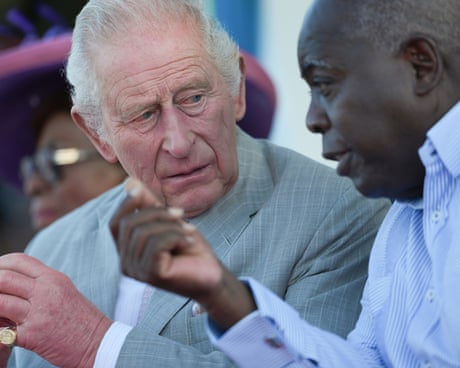
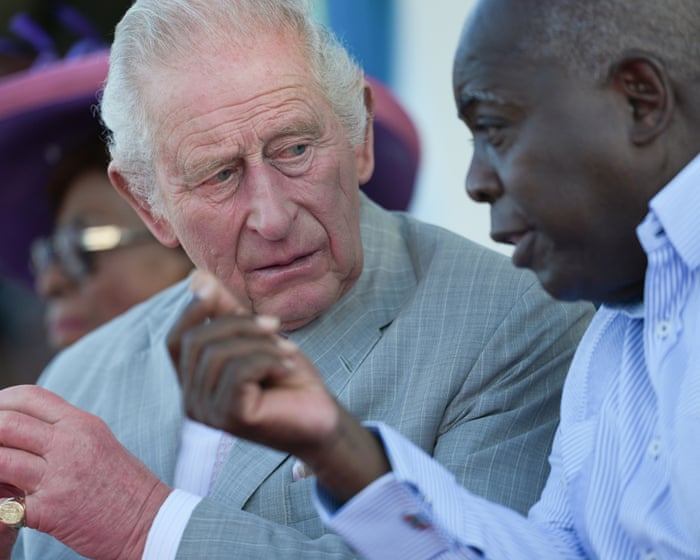
King Charles faces calls for apology, slavery reparations on Caribbean tour


Allie Hubers
I've taken more than 55 cruises and visited over 100 cruise ports all over the world.
Along the way, I've learned that some destinations are definitely worth exploring, while others can be unexpectedly disappointing.
As a destination-focused traveler, I rarely choose to stay on board when my ship is docked in port. Usually, I'm eager to disembark the ship, experience the local culture, and explore the area.
But after revisiting many of the same ports, I've also realized that certain destinations aren't always worth the hassle. While some offer beautiful beaches, historic landmarks, and bucket-list excursions, others can feel crowded, touristy, or difficult to navigate.
Although these ports can still be enjoyable with the right planning and expectations, I'm often happier staying on board to take advantage of the ship's amenities.
Here are five cruise ports where I'd rather stay on the ship than venture ashore.
Alliie Hubers
Costa Maya is one of the few ports I'll almost always skip because it feels overly commercialized.
The entire terminal was built specifically for tourists and cruise passengers and is packed with souvenir shops, restaurants, swimming pools, wildlife encounters, a swim-up bar, and live entertainment.
Although many travelers enjoy this convenience, the port feels highly manufactured to me and resembles an outdoor shopping mall more than an authentic Mexican experience.
Additionally, I've found the isolated port doesn't have much to do nearby unless you've arranged transportation or booked an excursion.
However, Costa Maya can still be worthwhile with some planning. A short taxi ride away is Mahahual, which is a popular beach town with restaurants and beach clubs.
If you want to venture farther from the port, consider booking an excursion to the Mayan ruins for a cultural experience or snorkeling along the biodiverse Mesoamerican Barrier Reef.
Allie Hubers
Nassau is another port where I'm very likely to stay on the ship.
In fact, I sailed to Nassau last year aboard Utopia of the Seas and skipped the port entirely. Instead, my husband and I stayed on board and enjoyed the ship's pools, restaurants, and activities without the usual crowds.
Although you can reach popular beaches and resorts from the port, the area outside the cruise terminal can feel overwhelming. Although the terminal's recent renovations have improved the port experience, persistent vendors still remain immediately outside the gated area.
And on especially busy days, six or so cruise ships can dock at once, which makes the port feel even more crowded.
However, Nassau can be a positive experience if you've got the right plans in place. For instance, I've used ResortPass to spend the day at nearby hotels and had a much better experience than just walking around the port.
You can also book excursions to nearby beaches, Blue Lagoon Island, or other resort properties for a more relaxing day.
Allie Hubers
Santorini is undeniably beautiful, which makes it a bucket-list destination for many. Unfortunately, the island's popularity is also part of the problem.
With thousands of passengers regularly arriving from multiple cruise ships, visiting the small Greek island can be stressful.
Cruise ships anchor offshore in Santorini, so passengers will typically tender into the port below Fira. From there, visitors can take a cable car, climb hundreds of steps, or arrange another way to reach the top of the island.
With several ships often visiting the island at the same time, lines for the cable car can become quite long. Getting around Santorini can also be difficult because of its narrow roads, heavy traffic, and crowds filling the streets of popular villages such as Oia and Fira.
The island is absolutely worth visiting, but you should prepare for some logistical challenges and set realistic expectations. If you want to maximize your time in Santorini, I recommend booking an excursion in advance instead of exploring independently.
An organized tour can help you avoid long cable-car lines, simplify transportation, and ensure you return to the ship on time.
Allie Hubers
During a cruise around South Africa, our ship docked in Richards Bay, which is one of the most unusual cruise ports I've ever visited.
Although Richards Bay is an important industrial port and major coal-exporting hub, it isn't necessarily designed with cruise passengers in mind.
During my visit, we disembarked at a gravel parking lot with no passenger facilities. By the end of the day, our cruise ship was also covered in soot and dust, which was unlike anything I had experienced before!
Without a planned excursion, there isn't much to do near the port, and the industrial setting can feel disappointing. But for travelers interested in wildlife, Richards Bay can be a worthwhile gateway to nearby South African reserves.
Because I researched the area ahead of time, I booked a game-drive excursion to Hluhluwe—iMfolozi Park, which is about 90 minutes from the port.
Seeing elephants in the wild was an unforgettable experience, and one that I would have missed if I had just stayed near the ship.
Allie Hubers
Finally, Freeport is another port I'm often tempted to skip.
The area around the cruise terminal is very industrial and unfortunately doesn't offer much within walking distance. Because of this, cruisers often need to arrange transportation or book an excursion to visit the island's main attractions.
I was disappointed by how rundown the port area felt, with very limited shopping and amenities. Not to mention, I found securing transportation from the terminal area to be confusing and expensive.
Although taxis are available, in my experience, many of them operate as shared vans with high prices. And arranging rides back to the ship from a remote beach can also be stressful.
If you want to make the most of your day in Freeport, it's best to prearrange transportation or book an excursion. Popular tours include beach getaways, snorkeling, glass-bottom boat tours, and animal encounters.
However, if I haven't booked a tour in Freeport, you'll find me on the ship instead.

A população de Israel foi às urnas nesta terça-feira (27) para a primeira eleição nacional desde os ataques do Hamas, em 7 de outubro de 2023. A participação dos eleitores foi descrita como recorde, e os fatores que motivaram os israelenses a votar vão muito além da questão palestina.
A segurança é apontada como uma das principais preocupações históricas dos israelenses, e os ataques de 7 de outubro trouxeram esse tema de volta ao centro do debate eleitoral.
Em setembro, uma reportagem do jornal israelense Haaretz afirmou que o primeiro-ministro Benjamin Netanyahu teria sido alertado pelos Emirados Árabes Unidos antes dos ataques do Hamas.
Segundo a publicação, Netanyahu teria respondido que Israel estava preparado para o que quer que acontecesse — mas dez dias depois, mais de 1.200 pessoas morreram nos ataques.
A repercussão foi significativa. Quatro líderes da oposição — entre eles o ex-chefe militar Gadi Eisenkot, o líder da oposição, Yair Lapid, e o ex-primeiro-ministro de Israel, Naftali Bennett — assinaram uma rara nota conjunta criticando Netanyahu e exigindo que ele fosse investigado pelo que chamaram de “uma falha grave de segurança naquele 7 de outubro”.
Netanyahu nega as informações da reportagem, mas o episódio pesou na reta final da campanha.
A relação de Israel com os Estados Unidos também figura entre os fatores em disputa. Os Estados Unidos fornecem US$ 6,8 bilhões por ano em ajuda militar a Israel, incluindo sistemas de interceptação de mísseis Patriots, caças F-35 e outras munições de fabricação americana. Essa dependência, segundo Lourival Sant’Anna, “incomoda os israelenses”.
Por outro lado, o analista destacou que Netanyahu possui um trunfo nesse campo: “ele foi o único líder israelense que conseguiu arrastar um presidente americano para uma guerra contra o Irã, que é o grande inimigo de Israel”.
Esse conflito teria degradado a economia iraniana, os arsenais do país e grupos apoiados pelo Irã, como o Hezbollah e o Hamas. Recentemente, Donald Trump declarou apoio a Netanyahu, após um período de trocas de farpas públicas entre os dois.
Internamente, a questão dos ultra-ortodoxos e o serviço militar é um ponto bastante controverso. Netanyahu firmou um acordo para manter a isenção militar desse grupo, que integra sua base de apoio no governo.
Além disso, famílias ultra-ortodoxas recebem transferências de renda por cada filho, o que gera controvérsia entre os israelenses mais laicos, que não toleram esse tipo de benefício para famílias que, segundo Lourival, “não trabalham e passam o dia inteiro estudando nos seminários judaicos”.
O custo de vida e a inflação também aparecem como preocupações relevantes para o eleitorado israelense.
A reputação internacional de Israel, especialmente na Europa — onde sanções foram impostas ou anunciadas contra empresas de colonos judeus na Cisjordânia —, é outro elemento que divide parte do eleitorado, sobretudo aqueles com vínculos culturais com o continente europeu.
As eleições israelenses realizadas nesta terça-feira (27) têm como tema central a responsabilização pelos eventos de 7 de outubro, data em que o Hamas atacou Israel. A avaliação é de Vitelio Brustolin, pesquisador de Harvard e professor da UFF (Universidade Federal Fluminense), em entrevista à CNN.
O especialista comentou as expectativas para o resultado das eleições israelenses e destacou o desempenho expressivo das listas árabes, que conquistaram um número maior de cadeiras do que o observado nos últimos anos.
Brustolin apontou que Netanyahu tem demonstrado resistência à criação de uma comissão estatal de inquérito sobre os ataques de 7 de outubro, enquanto Eisenkot e outros líderes da oposição defendem a instalação dessa comissão como plataforma de campanha.
“Esta é uma eleição que trata, sobretudo, da responsabilização sobre os eventos de 7 de outubro”, afirmou o especialista.
Além da questão da responsabilização, o analista elencou outros temas relevantes para o eleitorado israelense: o debate sobre quem deve servir nas Forças Armadas — uma vez que os ultra-ortodoxos são isentos do serviço militar por força de uma coalizão firmada por Netanyahu —, a disputa em torno dos poderes do Judiciário e o isolamento internacional do país.
“Nenhum dos candidatos fala em criar, de fato, um Estado palestino, nem em retirar colonos dos assentamentos na Cisjordânia”, observou Brustolin.
O especialista atribuiu a participação recorde dos israelenses nas urnas ao peso histórico percebido pelo eleitorado. “Os israelenses percebem essa como uma das eleições mais importantes da história de Israel”, disse Brustolin.
Para o especialista, o resultado pode alterar significativamente a relação entre Israel e os Estados Unidos, especialmente diante das eleições de meio de mandato americanas, nas quais Trump pode perder uma ou ambas as casas do Congresso para os democratas, que têm reservas quanto ao apoio militar dos EUA a Israel.
Brustolin mencionou ainda que Trump foi a público afirmar ter chamado Netanyahu de “louco”, o que evidencia as tensões na relação entre os dois líderes.
O especialista ressaltou que o destino de Gaza permanece uma questão geopolítica central, com um plano de paz americano de 20 tópicos ainda em andamento, e que o novo primeiro-ministro israelense será responsável por conduzir as negociações sobre o “dia seguinte” em Gaza.
Questionado sobre se uma eventual derrota nas urnas significaria o fim da carreira política de Netanyahu, Brustolin respondeu que não necessariamente. O professor recordou que, em junho de 2021, Netanyahu perdeu o governo após 12 anos consecutivos no cargo, sendo substituído por Naftali Bennett em uma coalizão que incluía um partido árabe.
No entanto, divergências internas levaram à desintegração dessa coalizão entre 2021 e 2022, permitindo o retorno de Netanyahu ao poder em novembro de 2022, com 64 das 120 cadeiras do parlamento.
“Caso Netanyahu vá para a oposição, isso não seria necessariamente o fim da carreira dele. Ele pode acabar retornando ao poder, como aconteceu em 2022″, concluiu Brustolin.
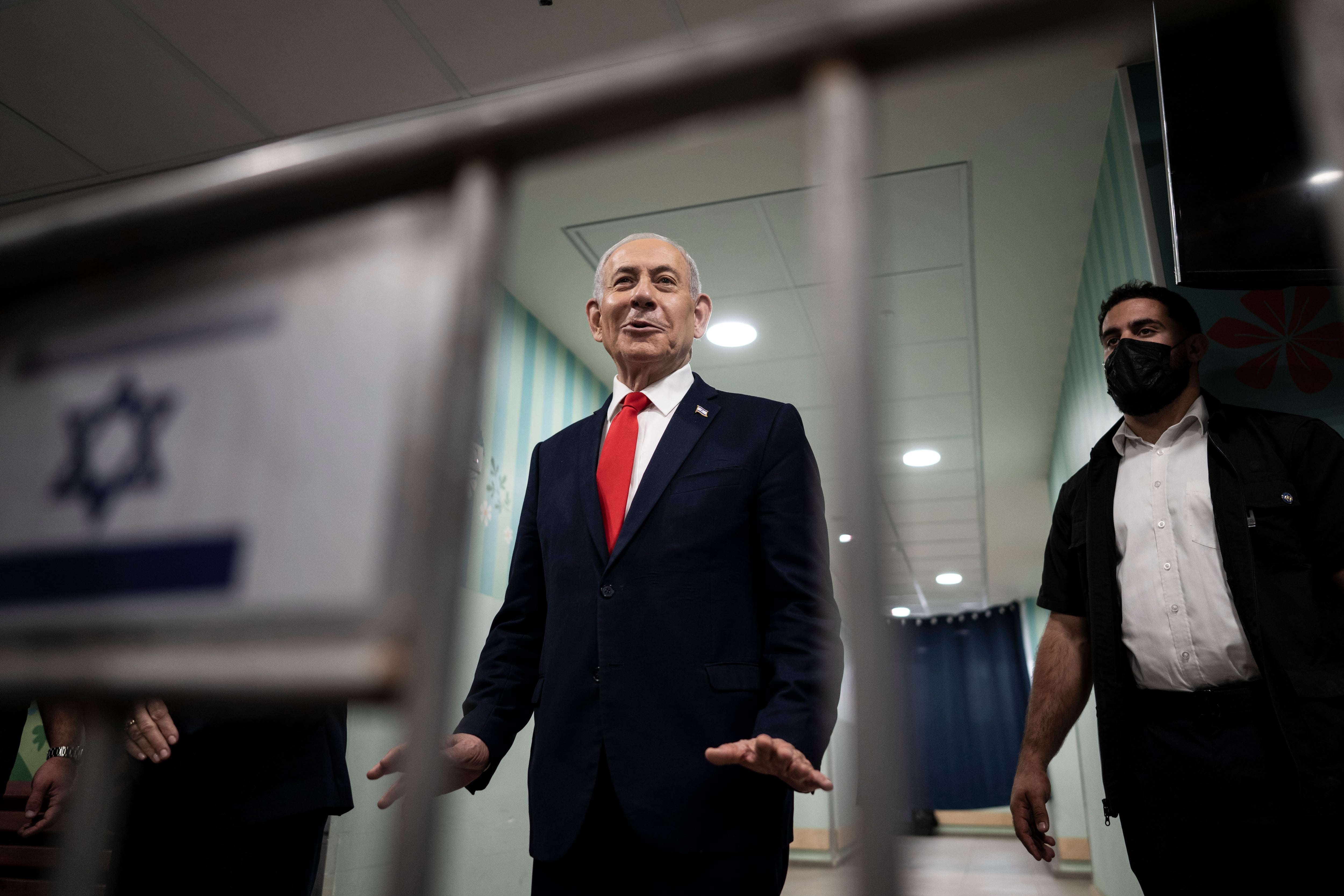
Benjamin Netanyahu’s party won the legislative elections held Tuesday in Israel, but even with the support of his ultra-nationalist and religious allies, the prime minister will not secure the majority of seats in parliament needed to continue governing.

© JEWEL SAMAD / POOL (EFE)
Royal tour of Caribbean comes as poll suggests majority support among younger Britons for dialogue on slavery reparations
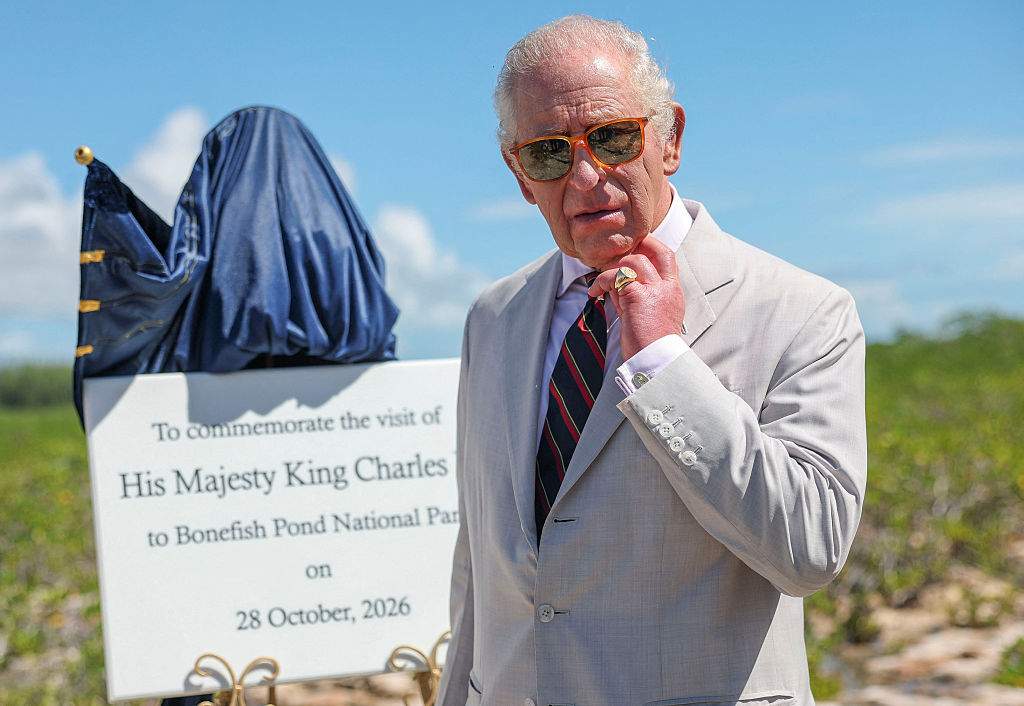
King Charles has confirmed he will discuss the legacy of slavery at a summit with Commonwealth leaders as he begins his Caribbean tour.
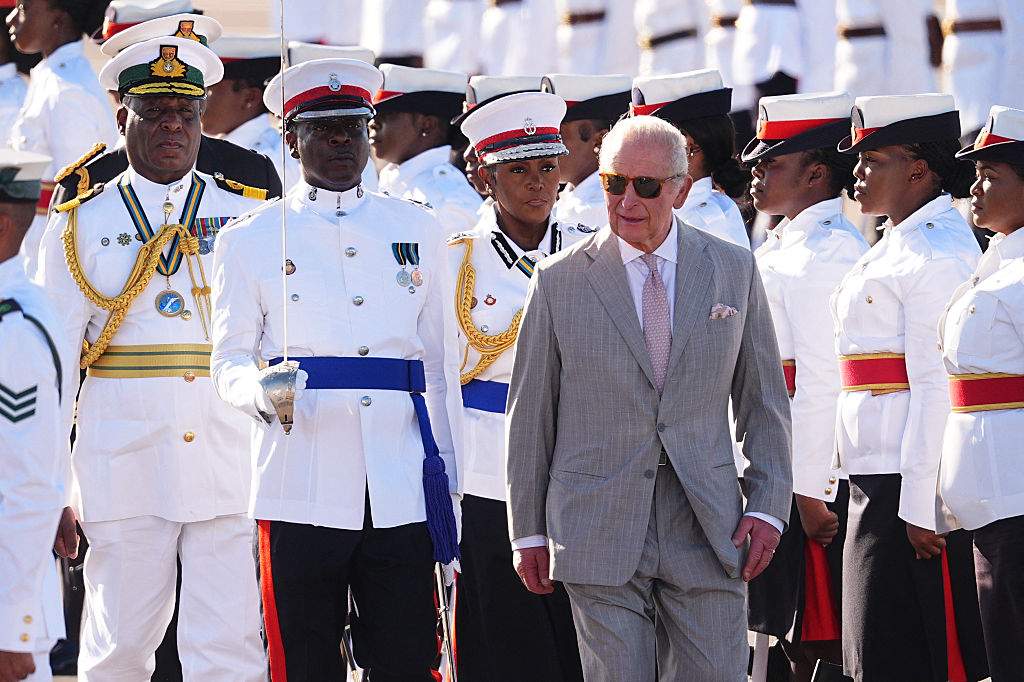
The king arrived in the Bahamas on Tuesday to a ceremonial welcome and attended a youth rally at Clifford Park, the site where the country officially gained its independence from British colonial rule in 1973.
Continue reading...
© Photograph: Ben Stansall/PA

© Photograph: Ben Stansall/PA

© Photograph: Ben Stansall/PA