❌

Reading view

Putin diz que Rússia busca restaurar relações com Europa

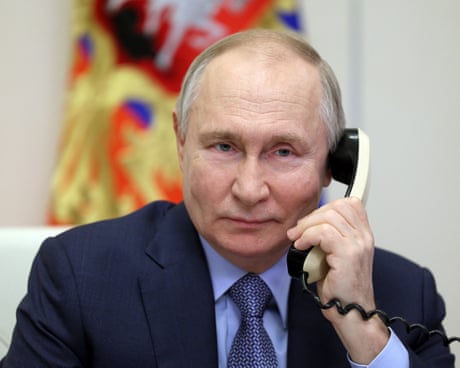
O presidente russo, Vladimir Putin, afirmou, na noite desta quinta-feira (29), que apoia quaisquer medidas voltadas para a restauração das relações com os países europeus.

Putin também disse que o surgimento de qualquer conflito resultaria em uma situação sem vencedores.

Ao comentar a conversa telefônica que teve esta semana com os líderes da Noruega e da Finlândia, Putin disse que a Rússia está preparada para uma possível guerra com a Europa, embora não a deseje.

Leia Mais:

“Apoiamos quaisquer medidas… apoiamos quaisquer ações voltadas para a restauração de relações plenas e completas com os países europeus”, disse Putin a repórteres após sediar uma cúpula com líderes africanos.

“Antes de tudo, estamos preparados, mas não queremos uma guerra com a Europa. E, se alguém a deseja, que se prepare; mas, até o momento, não alcançaram seu objetivo — infligir uma derrota estratégica à Rússia. E, se a situação for longe demais, não haverá vencedores. Que ninguém se esqueça disso.”

Putin afirmou que o presidente finlandês, Alexander Stubb, e o primeiro-ministro norueguês, Jonas Gahr Støre, agiram corretamente ao realizar o contato, apesar das críticas de algumas capitais europeias, que acusaram os dois de romper a unidade ao iniciarem conversas com Moscou.

Ele declarou que a Rússia não deseja impedimentos à navegação no Mar Báltico e acrescentou que restringir a comunicação poderia levar a uma situação semelhante à observada no Estreito de Ormuz desde o início do conflito entre os Estados Unidos e o Irã, em fevereiro.

“Alguém deseja que ocorra no Báltico a mesma situação vista no Golfo ou no Estreito de Ormuz?”, questionou Putin. “Não sei. Nós não queremos isso, mas responderemos a qualquer desafio.”

  •  

"Rússia a mediar no Médio Oriente é ficção cientifica"

​João Albuquerque diz que não faz sentido olhar para a Rússia como um possível mediador para o conflito no Médio Oriente. ​Sublinha que há cada vez mais sinais de um ataque dos EUA ao Irão em breve.

  •  

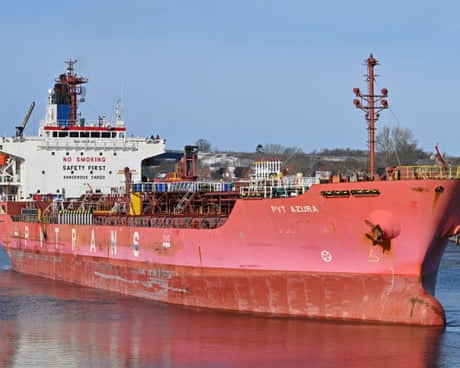
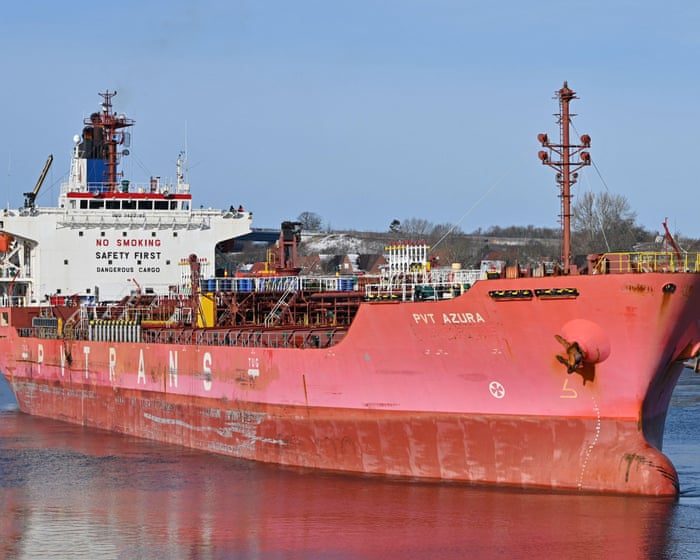
Seven oil tankers carrying 288,000 tonnes of Russian diesel sail towards US

Tankers, tracked by Greenpeace, are first phase of Trump-Putin deal – but there is uncertainty over whether they will unload

Seven oil tankers carrying an estimated 288,000 tonnes of Russian diesel are now sailing towards the US, though it is uncertain if the vessels will be able to unload amid a political row about the legality of the shipments.

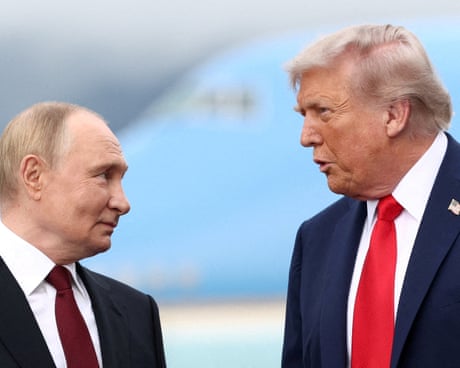
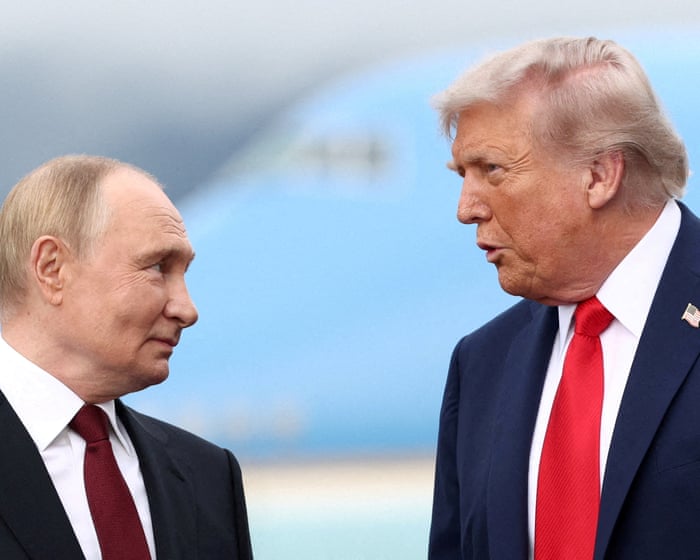
The transport, tracked by the pressure group Greenpeace, is the first phase of a contentious supply deal negotiated between presidents Donald Trump and Vladimir Putin earlier this month, reversing years of sanctions on Russia oil.

Continue reading...

© Photograph: Martin Witte/Alamy

© Photograph: Martin Witte/Alamy

© Photograph: Martin Witte/Alamy

  •  

Russia Moves to Exclude Europe from Ukraine Peace Talks as Kremlin Delays Next Round of Negotiations

Moscow has indicated that European governments will not participate in the next round of negotiations over the war in Ukraine, despite their central role in financing Kyiv, supplying military assistance and shaping the continent’s security arrangements. The Kremlin’s position raises questions about whether any agreement negotiated principally by Washington, Moscow and Kyiv could be implemented without substantial European involvement.

Russia has ruled out European participation in the next round of trilateral talks with Ukraine and the United States, while suggesting that the negotiations could be delayed by developments on the battlefield and the continuing conflict in the Middle East.

Yuri Ushakov, foreign policy adviser to Russian President Vladimir Putin, said on 29 October that Moscow had not agreed to a specific date for further consultations and that European representatives were not being considered for inclusion.

Ushakov maintained that preparations concerned representatives of Russia, Ukraine and the United States.

His remarks followed statements by Ukrainian President Volodymyr Zelensky indicating that the next round could take place in Abu Dhabi between 6 and 10 November.

The Kremlin has not confirmed those dates.

The disagreement comes as European governments seek a more substantial role in diplomatic efforts concerning a conflict whose eventual settlement would have direct consequences for their security, defence expenditure and relations with Russia.

Moscow Sets Its Conditions

Ushakov’s position was particularly explicit when discussing European participation.

Speaking to Russian media on 28 October, he suggested that European representatives were free to travel to the proposed venue but would not be invited to join the negotiations.

His remarks were subsequently reinforced by a statement that European involvement was not under consideration.

The Kremlin adviser also linked the timing of the next meeting to developments in the Middle East, where the US-Israeli conflict with Iran has complicated Washington’s diplomatic and military priorities.

Ushakov said that conditions on the Ukrainian battlefield would also influence when negotiations could resume.

These explanations give Moscow considerable latitude over the timetable while leaving uncertainty about the practical arrangements for the next meeting.

They do not, however, establish that Washington and Kyiv have accepted Russia’s preferred arrangements for every subsequent stage of negotiations.

Technical consultations between three parties and broader discussions over a European security settlement are not necessarily the same diplomatic process.

Europe Wants a Place at the Table

The Russian position contrasts with statements from the leaders of Britain, France and Germany, who have maintained that European governments must participate in discussions concerning Ukraine’s future security.

Their argument rests partly on the responsibilities that European countries would be expected to assume after any agreement.

European states have provided substantial financial, military and humanitarian assistance to Ukraine since Russia launched its full-scale invasion in February 2022.

They have also introduced successive sanctions against Russia, expanded defence expenditure and debated arrangements for security guarantees intended to discourage renewed hostilities.

Any settlement that required changes to European sanctions, military deployments or financial assistance would therefore depend on decisions taken by European governments and institutions.

Neither Moscow nor Washington could independently commit the European Union to lifting sanctions or authorise European states to deploy forces.

This distinction limits the practical significance of excluding European officials from a negotiating session.

An agreement could be discussed without European participation, but implementing provisions that require European action would demand further negotiations.

The Donbas Question Remains Unresolved

The principal obstacle continues to concern territory and the conditions under which military operations would end.

Russia has maintained its demand that Ukraine relinquish territory in the eastern Donbas region, including areas remaining under Ukrainian control.

Kyiv has rejected the surrender of territory as a precondition for ending the war.

The proposed negotiations are consequently expected to concentrate on technical issues where limited agreements may be more achievable.

These include possible arrangements concerning energy infrastructure, maritime security, the exchange of prisoners and the return of Ukrainian children taken to Russia or Russian-controlled territory.

Such measures could produce humanitarian or economic benefits without resolving the central territorial dispute.

However, their implementation would require monitoring arrangements and sufficient confidence that the parties would honour their commitments.

The temporary humanitarian ceasefire around Oleshky, in the Kherson region, offers a narrowly defined example of cooperation between Russian and Ukrainian representatives.

It does not demonstrate that a broader political agreement is within reach.

The American Role

Washington remains the principal external mediator in the current negotiating format.

That position reflects American diplomatic influence and its capacity to engage directly with both Moscow and Kyiv.

However, the United States is simultaneously managing military commitments in the Middle East and domestic political pressures ahead of the 3 November congressional elections.

These competing priorities may affect the pace of diplomatic engagement.

For Russia, a negotiating framework centred on Washington offers the possibility of addressing wider bilateral issues alongside the conflict in Ukraine.

For Ukraine, American participation remains important because US decisions concerning military assistance and security commitments could influence the durability of any settlement.

Europe’s position is more complicated. Its governments possess substantial economic leverage, but their influence over the negotiating agenda depends on coordination with Washington and Kyiv.

Negotiating Without Europe Has Practical Limits

The immediate dispute concerns who participates in the next round of talks.

The longer-term question is which parties would be responsible for implementing a settlement.

A ceasefire might initially involve arrangements agreed by military and diplomatic representatives of Russia and Ukraine, supported by the United States.

A more comprehensive agreement could involve sanctions, reconstruction finance, security guarantees, troop deployments and Ukraine’s future relationship with European institutions.

Those issues cannot be settled on behalf of European governments without their consent.

Moscow’s attempt to restrict participation may therefore succeed at the level of an initial negotiating format while proving more difficult to sustain during discussions about implementation.

For the moment, neither the date nor the outcome of the proposed Abu Dhabi meeting is certain.

What has become clearer is the divergence between Russia’s preferred negotiating structure and Europe’s determination to influence the security arrangements that would follow the war.

  •  

McFarland: 'Zelensky's Ready to Make a Deal,' 'Tough' to Get Putin to Make One

On Wednesday’s broadcast of the Fox Business Network’s “Varney & Co.,” former Trump Deputy National Security Adviser KT McFarland said that she believes that Ukrainian President Volodymyr Zelensky is ready to make a deal, but “The tough part will be,

The post McFarland: ‘Zelensky’s Ready to Make a Deal,’ ‘Tough’ to Get Putin to Make One appeared first on Breitbart.

  •  

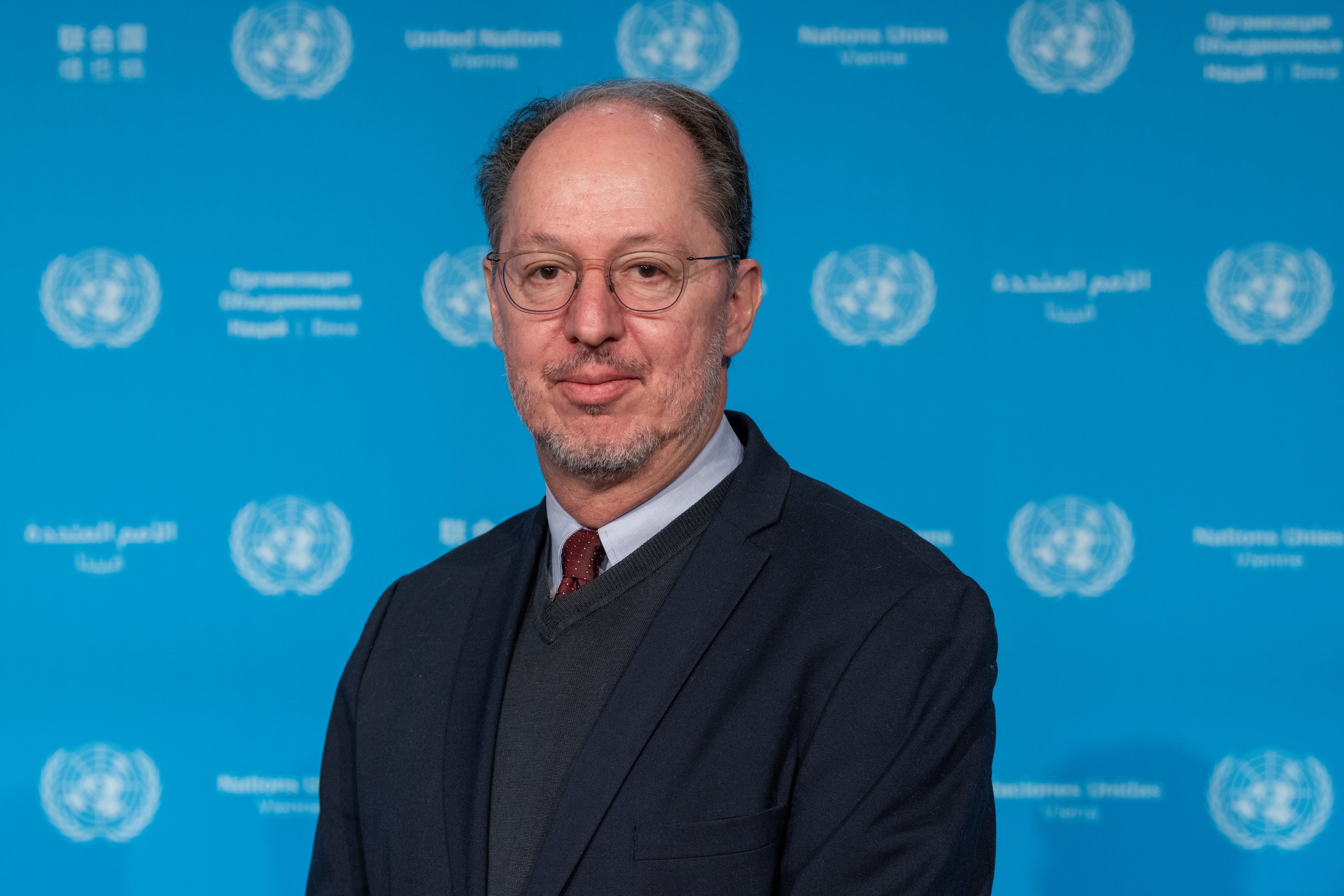
Pablo de Greiff, UN expert: ‘Russia is responsible for human trafficking’

Russia has violated international law by recruiting foreign nationals through deception and coercion. That is the conclusion reached by the United Nations Independent International Commission of Inquiry on Ukraine in a report published Monday, which documents dozens of cases of people who were lured with promises of civilian jobs in Russia and ended up, against their will, fighting for the Russian Army.

Seguir leyendo

© ONU

Pablo de Greiff.
  •  

Irão. "A mudança de regime foi completamente posta de lado"

Bruno Cardoso Reis aponta a aproximação dos EUA à ala dura do Irão no Estreito de Ormuz. O historiador destaca ainda o peso dos partidos árabes em Israel e a defesa da Ucrânia.

  •  

​Pragmatic or pointless? Europe’s rift over whether to pick up the phone to Putin

With no single European representative negotiating directly with Moscow, some leaders are establishing their own channels – with messy results

The Nordic countries rarely fall out in public over foreign policy, least of all over Russia.

But a 90-minute phone call this week to Vladimir Putin by the leaders of Finland and Norway drew an unusual rebuke from their Danish and Swedish neighbours.

Continue reading...

© Photograph: SPUTNIK/Reuters

© Photograph: SPUTNIK/Reuters

© Photograph: SPUTNIK/Reuters

  •  

Rusia es proveedor fiable de alimentos para África, afirma Putin

Moscú, 29 oct (Prensa Latina) Rusia suministra de manera estable alimentos y productos agropecuarios a los países africanos, contribuyendo a la seguridad alimentaria del continente, declaró hoy el presidente Vladimir Putin.

The post Rusia es proveedor fiable de alimentos para África, afirma Putin first appeared on Noticias Prensa Latina.

  •  

It’s easy to see through Trump’s Ukraine ploy | Kenneth Roth

In advance of the midterms, Trump is blaming Kyiv for high gas prices while making clear moves to support Russia

As the US midterms approach, Donald Trump is abandoning Ukraine’s democracy in a desperate effort to deny responsibility for worsening inflation. Yet this past weekend’s dramatic elections in Brazil and Serbia show that voters can see through such subterfuge.

There is nothing like a political party’s corrupt indifference to the plight of ordinary people to galvanize voter turnout. If US voters follow in the footsteps of their Brazilian and Serbian counterparts, a Democratic landslide is likely.

Continue reading...

© Photograph: Kevin Lamarque/Reuters

© Photograph: Kevin Lamarque/Reuters

© Photograph: Kevin Lamarque/Reuters

  •  

EUA e Kremlin negociam fim de sanções a fundo soberano da Rússia

A administração Trump e o Kremlin estão discutindo a possível suspensão das sanções dos Estados Unidos contra o fundo soberano multibilionário da Rússia, segundo declarou um assessor do Kremlin — informação divulgada pela mídia estatal russa.

O movimento representaria mais uma concessão dos EUA a Moscou no âmbito das negociações para encerrar a guerra na Ucrânia.

Yuri Ushakov, assessor de política externa do presidente russo Vladimir Putin, afirmou a jornalistas que as negociações com os Estados Unidos para suspender as sanções contra o Fundo Russo de Investimento Direto (uma entidade estatal) já ocorrem “há algum tempo”, informou a agência de notícias estatal russa TASS na quarta-feira (28).

“Não sei qual será o resultado”, acrescentou ele.

Segundo Ushakov, o CEO do fundo e enviado presidencial, Kirill Dmitriev, tem mantido contato ativo com autoridades americanas para tratar da suspensão das sanções.

A administração Biden impôs as sanções na esteira da invasão da Ucrânia pela Rússia, em fevereiro de 2022, classificando-as como um “fundo secreto” conhecido, utilizado por Putin e seu círculo íntimo.

A CNN entrou em contato com a Casa Branca e o Departamento de Estado dos EUA em busca de um posicionamento.

O jornal New York Times noticiou pela primeira vez, na terça-feira (27), que a administração Trump estava cogitando suspender as sanções.

O presidente Donald Trump defendeu concessões feitas recentemente à Rússia no que diz respeito a sanções — medidas que provocaram críticas de ambos os lados do espectro político em Washington e criaram um distanciamento entre os EUA e seus aliados ocidentais.

No início deste mês, Trump anunciou um acordo que permite a exportação de diesel russo para os mercados globais de energia e suspendeu uma nova série de sanções — recém-promulgadas — relacionadas à venda de combustíveis fósseis russos.

A legislação, cuja aplicação foi suspensa, teria imposto tarifas de até 100% sobre, entre outros itens, mercadorias importadas pelos EUA provenientes dos cinco maiores compradores de petróleo bruto ou gás da Rússia — cujas vendas são fundamentais para financiar a máquina de guerra do Kremlin.

O acordo entre EUA e Rússia sobre o diesel prevê a suspensão, por seis meses, das sanções à exportação desse combustível, permitindo sua comercialização a preços de mercado; contudo, especialistas questionam qual será o real impacto dessa medida nos mercados globais de diesel.

A Rússia proibiu as exportações de diesel no início de julho, depois que ataques de drones ucranianos às suas refinarias provocaram uma escassez generalizada de combustível em todo o país.

A Casa Branca está tentando aliviar a pressão sobre os preços do petróleo e do diesel nos EUA, às vésperas de eleições de meio de mandato cruciais na próxima semana.

Trump também afirmou que sua decisão de suspender algumas sanções contra a Rússia teve como objetivo manter Moscou na mesa de negociações.

“Estou em processo de negociação de paz na guerra entre a Rússia e a Ucrânia, e não quero fazer nada que, de forma imprudente, afaste a Rússia da mesa de negociações”, escreveu Trump em uma publicação na rede social Truth Social, no dia 18 de outubro.

Trump atribuiu à Ucrânia a responsabilidade pelos altos preços globais dos combustíveis e pressionou o presidente ucraniano, Volodymyr Zelensky, a interromper os ataques a refinarias russas — mesmo enquanto a Rússia continua seus ataques contra vilarejos, cidades e a infraestrutura energética da Ucrânia.

Há uma preocupação crescente, em Kiev e na Europa, de que a administração Trump faça novas concessões a Moscou na tentativa de levar Putin a aceitar um acordo de paz.

Recentemente, Zelensky declarou ao programa “Meet the Press”, da rede NBC, que as isenções fortaleceram a guerra de Putin contra a Ucrânia, justamente em um momento em que Moscou vinha fracassando no campo de batalha.

Kiev defende há muito tempo sanções mais rigorosas às exportações russas de energia.

Na semana passada, Putin afirmou que o Kremlin estaria disposto a retomar as negociações de paz trilaterais entre Rússia, EUA e Ucrânia após meados de novembro, a pedido do enviado especial dos EUA, Steve Witkoff, que se reuniu com o líder russo em São Petersburgo.

Durante as conversas, Putin manifestou interesse em restabelecer a cooperação econômica com os EUA.

Entenda o que está por trás da tensão entre Trump e Zelensky


Entenda o que está por trás da tensão entre Trump e Zelensky


  •  

“Vitória de Lula da Silva foi uma surpresa pessoal”. Veja “A Arte da Guerra”

Ouça e acompanhe “A Arte da Guerra” também em formato podcast:

Apple Podcasts | Spotify | Google Podcasts | Anchor

Uma semana cheia de surpresas.

A primeira resultou da vitória de Lula da Silva na segunda volta das presidenciais brasileiras – o que levam o presidente para um quarto mandato, que terá dificuldades, mas que não são, por alguém com a sua enorme experiência acumulada, inultrapassáveis. Longe disso.

A segunda surge do facto de o primeiro-ministro Benjamin Netanyahu ter sobrevivido a mais um ato eleitoral – mas, neste caso, Francisco Seixas da Costa estava à espera exatamente disso.

A terceira emana de um telefonema dos chefes de Estado e de governo da Noruega e da Finlândia para o presidente russo, Vladimir Putin. É um risco político a adiante se verá qual é o resultado prático.

Tudo para ver no programa desta semana de A Arte da Guerra, com o embaixador Francisco Seixas da Costa e condução do jornalista António Freitas de Sousa.

  •  

What 'Putin's strikes' tell us about Russia’s war in Ukraine

The Kremlin has instructed loyal Russian media to describe attacks on Ukraine's energy infrastructure as "Putin's strikes," and to portray them as far more effective than Ukrainian attacks on Russia, according to an Oct. 21 report by Meduza.

So far, few outlets have picked

  •  

Was bewegt sich bei den Friedensverhandlungen?

Seit etwa zweieinhalb Wochen ist Bewegung in die Verhandlungen über die Ukraine gekommen. Am 10. Oktober haben die Präsidenten Trump und Putin telefoniert. Die größten Schlagzeilen hat danach der Diesel-Deal gemacht, auf den die beiden sich geeinigt haben. Der Deal besagt, dass Russland sein Exportverbot für Diesel aufhebt, das es wegen des ukrainischen Beschusses russischer […]
  •  

Ucraina, Zelensky: “La Russia vuole negoziare un’architettura di sicurezza in Europa ma senza l’Europa. Ecco come”

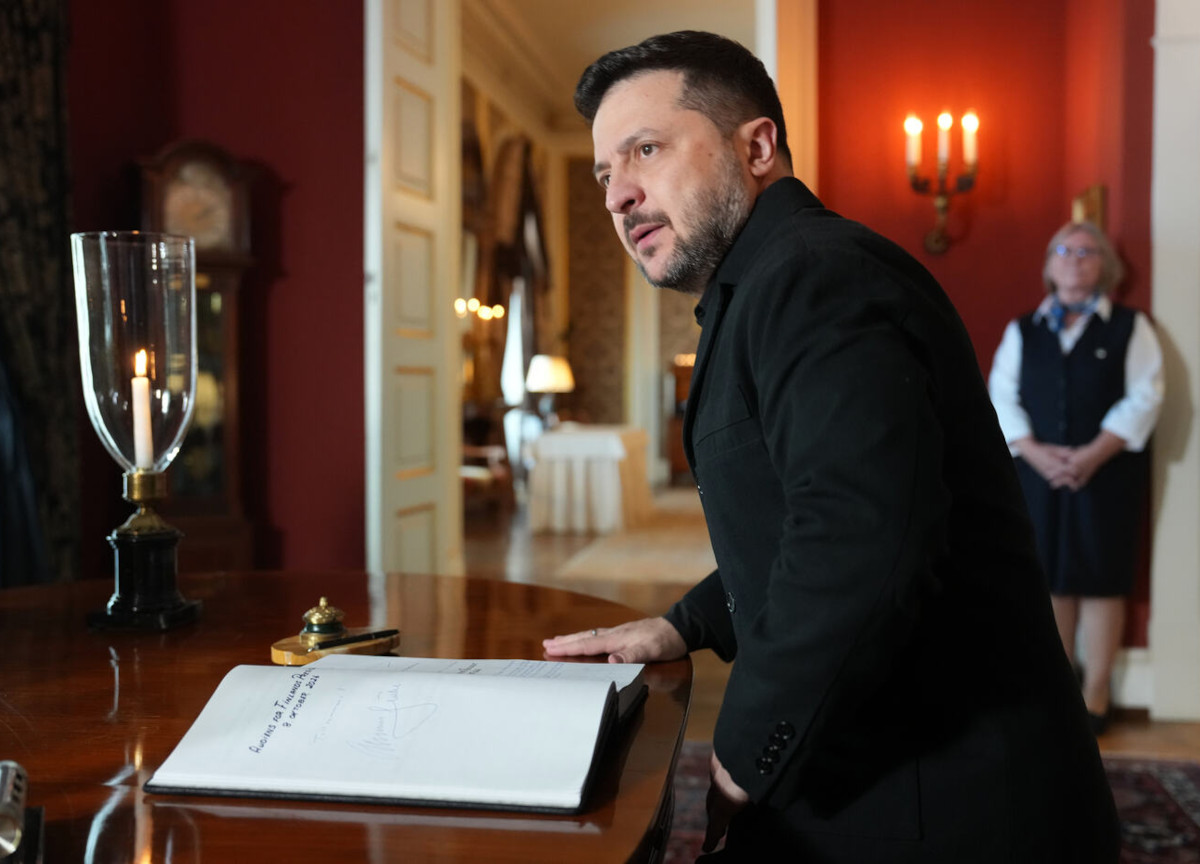
“La Russia vuole negoziare qualcosa di nuovo. Non so bene a cosa si riferiscano; si parla di una sorta di architettura di sicurezza in Europa“, scrive il presidente ucraino Volodymyr Zelensky su Telegram. “Come si può negoziare un’architettura di sicurezza in Europa senza l’Europa? Cosa intendono negoziare? E con chi? Con la Cina? Interessante“.

Gli europei non sono stati né invitati né consultati in vista dei colloqui a tre tra Russia, Ucraina e Usa previsti a metà novembre. Lo ha dichiarato all’agenzia Vesti il consigliere diplomatico del Cremlino, Yuri Ushakov. “Gli europei potrebbero presentarsi se comprano i biglietti ma nessuno li invitera’ al tavolo negoziale“, ha affermato Ushakov, secondo il quale il tema della loro partecipazione non è stato “nemmeno sollevato” durante l’ultima conversazione tra i presidenti di Usa e Russia, Donald Trump e Vladimir Putin.

La Russia conferma che i colloqui a tre con Usa e Ucraina si svolgeranno a metà novembre ma specifica che non è ancora stata fissata una data, laddove Kiev aveva indicato il 10 novembre come possibile giorno dell’incontro. “Non abbiamo ancora fissato la data. Abbiamo detto che si terrà a metà novembre, dopo il 10 novembre, ma non abbiamo ancora indicato la data esatta”, ha dichiarato il consigliere del Cremlino, Yuri Ushakov in un’intervista all’agenzia di stampa Vesti. La data dell’incontro sarà annunciata “presto”, ha aggiunto Ushakov, secondo il quale il 10 novembre è stato discusso come uno dei probabili giorni del summit ma non è stato confermato.

L'articolo Ucraina, Zelensky: “La Russia vuole negoziare un’architettura di sicurezza in Europa ma senza l’Europa. Ecco come” proviene da Affaritaliani.it.

  •  
❌