Ukraine and eight partner countries plan to sign an agreement establishing a new international defense bank on Nov. 30, potentially opening another source of long-term financing for weapons production, the governments said in a joint statement published Oct. 29.
Non solo Ottawa rivendica un ruolo nella costruzione degli equilibri internazionali, ma mostra chiare affinità progettuali con Roma e con le priorità che il governo ha da tempo cerchiato in rosso nello scacchiere internazionale. La missione del sottosegretario agli esteri Maria Tripodi al Forum imprenditoriale Italia–Canada, che si è svolto a Toronto, è un’ulteriore dimostrazione di come i due Paesi siano legati da visioni comuni, sia alla voce interscambio che alla voce geopolitica.
Il Forum
Il Canada è un mercato sempre più strategico per il Made In Italy, basti pensare che lo scorso anno l’export italiano ha raggiunto 6,33 miliardi di euro e, nei primi sette mesi del 2026, ha registrato un’ulteriore crescita del 4,2%. Numeri che confermano una realtà ormai certificata: l’Italia è oggi l’8° fornitore del Canada e il 12° cliente per l’export canadese. Il Forum imprenditoriale Italia–Canada, che si è svolto a Toronto alla presenza del sottosegretario Tripodi, su delega del ministro Antonio Tajani, rappresenta dunque un appuntamento fondamentale per rafforzare gli scambi commerciali e gli investimenti tra i due Paesi e creare nuove opportunità di collaborazione per le imprese italiane. Promosso dalla Farnesina, in collaborazione con Agenzia Ice, la Direzione Nazionale Armamenti del ministero della Difesa e Canadian Chamber of Commerce, ha visto snodarsi tre panel tematici dedicati a industria avanzata; energia, minerario e infrastrutture; difesa, aerospazio e sicurezza cibernetica. La cornice del sistema-Paese italiano è stata garantita dalla presenza dell’Agenzia Ice, del Gruppo Cassa Depositi e Prestiti, di Simest, di Sace, di Unioncamere e della rete diplomatica e consolare che ha accompagnato le imprese italiane nell’accesso a un mercato ad alto potenziale, mettendo a sistema competenze, strumenti e relazioni per rafforzarne la presenza internazionale.
Sicurezza economica e sviluppo di sinergie
Due gli obiettivi strategici dell’Italia, messi nero su bianco da Tripodi, la sicurezza economica e lo sviluppo di sinergie. “Il Canada – ha spiegato l’esponente del governo – è un partner di particolare rilievo per l’Italia, con cui condividiamo l’interesse a rafforzare la sicurezza economica, diversificare gli approvvigionamenti e sviluppare nuove sinergie industriali e tecnologiche. La complementarità delle nostre economie, unita alle opportunità offerte dal Ceta, crea le condizioni per sviluppare nuove collaborazioni ad alto valore aggiunto. Nel Piano d’Azione per l’Export, il Canada è un Paese prioritario: vogliamo tradurre questa convergenza strategica in maggiori opportunità di crescita, investimenti e competitività per le nostre imprese”.
Valori e realismo: l’agenda canadese
Come recentemente ribadito da Elissa Golberg, ambasciatrice del Canada in Italia, alla Sioi in occasione della presentazione dell’ultimo numero della rivista Formiche, la strategia canadese mescola valori e realismo: ovvero da un lato produttività, infrastrutture e capacità tecnologiche per ridurre l’esposizione agli shock esterni e valorizzare risorse e capitale umano, dall’altro la collaborazione tra medie potenze, che appartiene alla tradizione diplomatica canadese ma oggi assume un’urgenza maggiore. “Abbiamo un’influenza notevole dal momento in cui agiamo insieme e non individualmente. La finalità è perseguire un’autonomia strategica, non la rivalità strategica”, aveva osservato il diplomatico.
Looking back, I think our move to the United Kingdom may have been overly optimistic.
Cara Howlett
When we left Canada and moved closer to my husband's family in the UK, I pictured a fun adventure.
Our move caused a lot of financial strain, and living near family didn't go the way I expected.
After seven months, we returned to Canada. Looking back, I should've been more realistic.
I pulled down the extendable ladder covered in cobwebs and dust and watched dead woodlice roll down the steps onto the new carpet in our bedroom.
With a deep breath, I willed myself to go up into the attic — a place I hated to go — to retrieve our family's suitcases and duffel bags. We were heading back to Canada, and it was time to start packing.
When we had moved to England seven months earlier, I never imagined returning so soon.
At first, moving to the UK felt like it could be a grand adventure
The idea of leaving Canada behind to try living in the United Kingdom seemed exciting.
Cara Howlett
Packing up a life in Canada and starting a new one in England had been a herculean endeavor, but I had been excited to do it.
For two years leading up to our move to the UK, my husband, two kids (ages 7 and 10), and I had been settled in Alberta, Canada.
As much as we enjoyed it, I ached for a new adventure; something different. I didn't feel particularly connected to our community, and our day-to-day lives had felt monotonous for a while.
Some of our only reprieves as busy young parents were monthlong summer holidays spent with my husband's family in the bucolic British countryside.
We enjoyed these trips so much and looked forward to them for weeks, from planning excursions to castles and museums to researching the best local restaurants and pubs.
When we arrived, we loved taking day trips to nearby locales and eating fish and chips by the seaside. I started wondering if living in England would be just as enjoyable and exciting as these monthlong stints. Maybe it'd also satisfy our longing for adventure.
Although moving meant leaving my extended family in Canada behind, the idea of our kids spending the rest of their childhoods with my husband's family nearby felt like the right next step.
My in-laws also seemed excited about the arrangement, as they offered to help pay for my visa application to live in England permanently.
My (more skeptical) husband decided he'd continue running his business in Canada after we moved, occasionally commuting back every few weeks while working remotely from the UK in between.
After six months of figuring out some logistics and filling out paperwork, we boarded our flights.
Not long after the move, reality began to sink in
It was quickly becoming clear that settling in England would be more difficult than we had originally thought.
Chris McLoughlin/Getty Images
We arrived in the UK in September 2025, lugging heavy duffel bags, suitcases, and backpacks, feeling exhausted, sweaty, and weary from a much-delayed flight.
We were ready to be in our new home. Home, however, did not yet exist.
For the first week, we stayed at my husband's grandparents' place, which was vacant while they were on holiday. We spent it navigating sleepless nights, trying to get over jet lag, and dealing with horrible colds.
From there, we bumped around to three different Airbnbs and holiday accommodations. My husband returned to Canada for a three-week work stint while I earnestly tried to find us a place to live.
Securing a rental was more challenging than anticipated, and it felt unlikely that a landlord would approve our application. My husband was still earning Canadian income, we had no local credit history, and we had two kids — yet we were trying to rent a smaller (read: more affordable) home.
After six weeks and more than 20 different applications, we finally had a landlord agree to rent us a beautiful, newly renovated historic cottage that couldn't be more picturesque.
It was, however, at the very top of our budget. We knew we were heading into a precarious situation, but we could no longer afford to keep staying in vacation rentals.
We signed a six-month lease with the help of my in-laws, who loaned us the deposit and acted as guarantors, and moved.
We faced more and more challenges as we settled into our new home
We figured securing a rental property would be challenging, but we had no idea our search would take six weeks.
Cara Howlett
Our new rent ate up so much of my husband's pay that we couldn't live the way we had hoped.
There wasn't room in our budget for the fun things we'd dreamed about doing when we moved here, like overnight stays in nearby towns and small trips to other parts of Europe.
And as a Canadian living in the British countryside, I increasingly felt like an outsider who would never fully be accepted.
My accent betrayed me every time I spoke, prompting locals to assume I was on holiday despite my residential status. Giving the full explanation of why I left Canada to live in the UK felt so exhausting that I started to just let them believe I was on vacation.
When I'd imagined my life here, I pictured being surrounded by a close-knit community of friends and family. Instead, I mostly felt alone in a new place while my husband, who understood the local culture, spent weeks at a time working in the country we'd left behind.
On top of that, we realized how challenging it can be to go from seeing loved ones a few times a year to living close by and having more frequent interactions.
Being near my husband's family didn't go as well as I'd hoped; instead, it seemed to lead to a series of disagreements and misunderstandings.
In less than a year, living permanently in the UK no longer felt worth it
Although I hated the idea of "giving up" after all of the time and effort we had put into the move, building our dream life here no longer felt possible, and we returned to Canada after less than a year.
Looking back, I realize excitement clouded my judgment about how viable this arrangement really was, but I pushed forward, believing that moving was the solution to my loneliness, restlessness, and lack of community. It was not.
We hadn't properly prepared for what life in a new country might bring, and we didn't achieve our goal of blending international families.
I realize now that our move was a misguided attempt to feel free and unburdened. Now, we're trying to repair the financial damage from it while figuring out what's next.
El gesto se produce en medio del debate político sobre el voto postal, cuestionado por Donald Trump y defendido por los demócratas, que lo consideran una herramienta para facilitar la participación electoral.
The rules-based international order is eroding and the line between economic security and national security has disappeared, Carney stated.
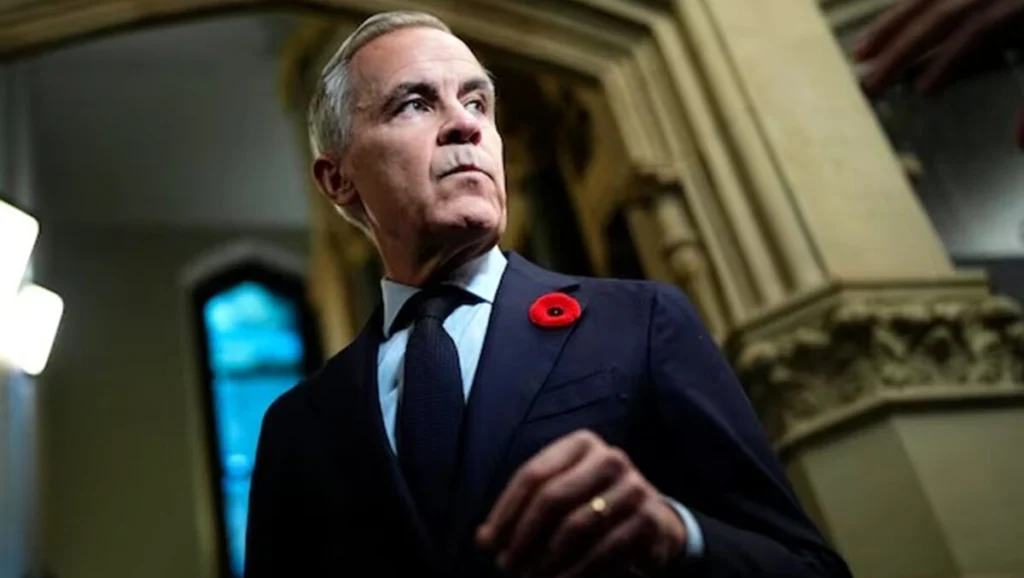
On Thursday, Canadian Prime Minister Mark Carney launched “The Plan for a Stronger Canada,” the country’s first national security strategy in over two decades aimed at countering evolving security threats and safeguarding national sovereignty.
The prime minister’s office said in a news release that the rules-based international order is eroding and the line between economic security and national security has disappeared, noting that national security now relies not only on defense and resource capabilities, but also on the strength of the economy, the resilience of institutions, and the partnerships with allies.
The strategy outlines five main priorities: strengthening economic security and resilience by transforming strategic industries and securing supply chains; advancing a disciplined foreign policy to diversify partnerships; rebuilding and strengthening the Canadian Armed Forces; enhancing public safety against foreign interference, espionage, violent extremism, and transnational organized crime; and modernizing intelligence capabilities to anticipate and counter emerging threats.
“In a rapidly changing, more dangerous, more divided world, Canada must have the capacity to defend our sovereignty, the resilience to withstand emerging threats, and the determination to shape our own future. Our Plan for a Stronger Canada will build that strength. So that we can live our lives as we choose, in the greatest country in the world,” PM Carney said, adding that the Canada will update the strategy at least every four years.
Mark Carney on Canada's new national security strategy: "The last strategy was written for a different world. And today's national security strategy reflects profound new realities. Most fundamentally, what it does is it recognizes that the requirements of sovereignty have… pic.twitter.com/76d8VUmVIZ
The Strategy Focuses On What We Can Control: Carney.
The new Canadian security strategy considers events that have occurred over the past year and a half, including foreign policy statements made by U.S. President Donald Trump.
“The plan defines Canada’s core national interests and establishes a comprehensive, whole-of-government approach that brings together our economic strength, foreign policy, defense and intelligence capabilities, and public safety initiatives,” the Prime Minister’s Office stated.
To this end, the Canadian government has set out the following guidelines:
“1. Strengthen Canada’s economic security and resilience against threats: Canada has what the world wants. Securing our sovereignty in key sectors and delivering our resources and expertise to the world will reinforce Canada as a strategically important player in the global economy.
To strengthen our economic sovereignty, Canada is transforming our strategic industries with historic investments, securing our supply chains, maximising our energy security, and investing in Canadian innovation to position Canada as a global leader across critical industries.
2. Advance a disciplined foreign policy that diversifies Canada’s partnerships and builds strategic capabilities: No one country, no matter how powerful, can manage these challenges alone. The primary goal of our foreign policy is to support Canadian strategic autonomy and resilience through deep cooperation in the full range of strategic capabilities with likeminded partners.
Much of this work is underway. Canada is diversifying our trade and building stronger partnerships to create greater security and prosperity for Canadians, and forging new partnerships with allies that are anchored in our common values, respect our complementary strengths, and enhance our collective sovereignty and prosperity.
3. Rebuild and strengthen the Canadian Armed Forces (CAF) to defend Canada and Canadian interests: The work of defending Canada is the work of building Canada. To protect Canada’s sovereignty, strengthen our strategic autonomy, and meet our NORAD and NATO targets, the Canadian government is changing how we invest in defence.
We are building a stronger, more resilient Canadian defence industrial base capable of equipping, sustaining, and scaling up the CAF, accelerating procurement, and working with the Defence Investment Agency to deliver the Defence Industrial Strategy, strengthen strategic autonomy, and create lasting economic opportunities for Canadians.
By transforming our military and defence supply chain, strengthening Arctic security, and contributing to stability in the Indo-Pacific, the Middle East, and beyond, Canada will be able to protect itself at home and act as a responsible ally and partner abroad.
4. Protect Canadians and strengthen public safety against criminal and national security threats: Canadians should feel safe and free to take part in every facet of Canadian society.
We will work with all levels of government, Indigenous Peoples, and Northern communities to strengthen our defences and build resilience against threats facing Canadians. We will intensify efforts to counter foreign interference, espionage, violent extremism, and transnational organised crime, including sabotage, extortion, fraud, online exploitation, financial crime, money laundering, and sanctions evasion, while protecting Canadians and our institutions from foreign information manipulation.
5. Modernise Canada’s intelligence capabilities to anticipate and counter emerging threats: Our ability to collect, analyse, and leverage intelligence, together with our partners, ensures we are prepared to tackle emerging threats.
Canada will strengthen our sovereign intelligence capabilities, deepen and diversify our intelligence partnerships, and modernise Canada’s intelligence enterprise by updating authorities to reflect evolving threats and technologies while safeguarding Canadians’ rights.”
“Ero convinta che l’Europa fosse migliore della mia città natale, Vancouver: più bella dal punto di vista estetico, più interessante. Mi ero ripromessa di tornarci il più spesso possibile”. Sono le parole che Maria Polansky scrive su Business Insider, in un articolo nel quale racconta la sua decisione di lasciare il Canada per trasferirsi in Europa. Un sogno coltivato per anni, che però, una volta diventato realtà, si è rivelato diverso da come lo aveva immaginato.
Tutto comincia con un viaggio tra Mosca e Londra insieme alla madre. Da quel momento, per Maria l’Europa diventa una vera passione e ogni estate raggiunge la sorella, trasferitasi in Francia: “Andavo a trovarla a Parigi e, successivamente, a Tolosa, approfittandone anche per visitare altre destinazioni, come la Spagna e l’Italia”. La possibilità di vivere in un luogo “dove lo stile di vita era complessivamente più sano, il cibo più buono e tutto più bello” arriva grazie all’amore, quando ha 26 anni: “Ho conosciuto un ragazzo britannico che viveva a Vancouver e me ne sono innamorata. Quando il suo visto canadese per vacanza-lavoro è scaduto, abbiamo iniziato una relazione a distanza. Così ho richiesto un visto per il Regno Unito, per poter stare insieme a lui”.
Entre os principais objetivos encontram-se a redução de dependências externas e a modernização das Forças Armadas. A estratégia será revista pelo menos de quatro em quatro anos.
"Num mundo em rápida transformação, mais perigoso e mais dividido, o Canadá tem de ter capacidade para defender a sua soberania, resistir às ameaças emergentes e determinar o seu próprio futuro", afirmou Carney
Canadá responde a mudança na ordem comercial mundial reforçando alianças baseadas na "confiança, estabilidade e fiabilidade" e colocou a UE entre os principais parceiros.
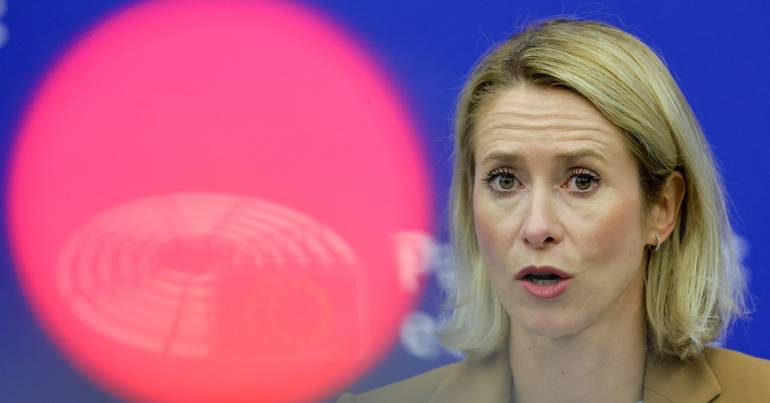
Kallas concordou que a nova aliança "não é contra ninguém" e explica que o contexto geopolítico obriga o Canadá e a Europa a identificarem parceiros confiáveis
Alaska es uno de los estados a los que el Partido Demócrata se confía para dar al traste con el control republicano del Senado, pero esa podría ser una apuesta fallida, luego de que la Administración Trump enfilara toda la artillería del Departamento de Justicia para bloquear la certificación de resultados si resulta ganadora la candidata Mary Peltola. En el centro de la disputa están dos postulados con el mismo nombre y un artículo del ‘New York Times’ que sugiere que esto podría no ser casual.

 Login