The Kyiv Independent has launched its 2026 Holiday Gift Guide, a curated selection of 80 items from Ukrainian brands and creators that showcase the country's creativity, craftsmanship, and cultural heritage.
Ever since my wife and I started dating about eight years ago, we've talked openly about our personal finances.
From the very beginning, we discussed our 401(k) withholdings and emergency funds. These conversations became even more important when we started living together and sharing expenses about a year into our relationship.
As a queer couple, my wife and I have always believed that we can write our own rules when it comes to how we approach our finances.
Our incomes have varied over the years for many reasons, and we've tried several different payment breakdowns before finding what works for us.
Over the years, we've divided our mortgage payments a few different ways to find what feels 'fair'
Over time, we moved toward a 50/50 split of the mortgage.
Noelle Thies Co.
About a year into our relationship, my now-wife moved into the condo that I had bought on my own. At the time, I was working in tech and earning a higher base salary, as well as annual performance-based bonuses and stock that added to our salary discrepancy.
I knew that my mortgage was higher than the rent on a place we would have chosen together based on our combined income. So, we decided I would pay the bulk of it, but we'd split the costs of groceries, utilities, and internet, as well as shared vacations.
Five years into our relationship, I sold my old condo, my wife increased her hours at her job, and we bought a townhome together.
This time, we decided to split our mortgage payments in proportion to our base salaries, which felt like the fairest thing to compare since annual bonuses and stock awards from my company could vary. This came out to a 60/40 split.
Over the next two years, my wife's base salary got closer to mine as a result of union negotiations at her hospital. Eventually, once our salaries were essentially at parity, we shifted to a 50/50 split.
When I got laid off from my tech job, we had to reevaluate what was 'fair'
Almost eight months into our new system, I was laid off from my tech job.
I had savings in my emergency fund from my years working there and received severance, but I was suddenly in a different financial situation than I'd been before.
For the first time in our relationship, my wife was the higher earner.
We talked about moving back to a proportionate split. My wife reminded me that we were a team, and said she'd be open to covering more of our mortgage and expenses. But between my savings, severance, and bonuses I'd made over the years, I was able to continue splitting the mortgage evenly, and I wanted to.
At the end of the day, reverting to a different split might have been "fair," but it didn't feel fair of me to put the responsibility on my wife to pay more of the mortgage.
I knew that paying a much larger share of the mortgage would bring undue stress on her, and I also knew that I could afford my half, even without my steady paycheck.
Defining fairness on our own terms has felt empowering
Our priority is that we both feel comfortable revisiting the topic of money whenever we need to.
Noelle Thies Co.
It's now been over a year since my layoff, and splitting our mortgage and expenses 50/50 has continued to feel right for both of us.
This isn't to say she's not supporting me during this time. Right now, my wife continues to work full-time while I'm doing freelance and contract work for various clients. She's covering more of our grocery expenses, and I'm also on her health insurance.
We're a team, and I'm learning to accept her help in ways that feel fair to both of us.
We both know that our jobs, housing situation, and approach to personal finance will evolve, especially as we build our careers. What matters to us is having ongoing check-ins about whether our mortgage breakdown feels right and supporting each other equally in other ways, too.
After all, what's just as important is celebrating each other's accomplishments, encouraging each other to learn new skills, and contributing to our household and the labor it takes to run it. Money is only one piece of the puzzle.
En France, l'enterrement et la crémation sont aujourd’hui les deux seules pratiques légales. En 2026, près d’un Français sur deux choisit les flammes, séduit par leur prix et leur simplicité. Mais les deux pratiques coûtent et polluent autant. Des chercheurs du CNRS explorent une autre possibilité : la terramation, ou l’art de rendre à la terre ce qu’elle nous a donné. Une expérience inédite menée en région parisienne, qui pourrait bien faire évoluer notre façon d’envisager la mort.
Warsaw police have arrested a man suspected of stabbing two Ukrainians on a bus over their nationality, police said. A court ordered him held in custody, and the charges he faces carry long prison terms.
Russia's full-scale war drove nearly a million Ukrainians to seek protection in Poland, and attacks on them for their nationality grew this year. Polish police received 180 reports of hate crimes against Ukrainians in the first half of 2026, over 30% more than a year earlier.
Police tracked the suspect to a forest
The attack took place on a Warsaw city bus in mid-October. The attacker stabbed and slashed two passengers, both Ukrainian citizens, and fled before police arrived. Both victims went to hospital with multiple stab and cut wounds. Police found that he attacked them because of their nationality.
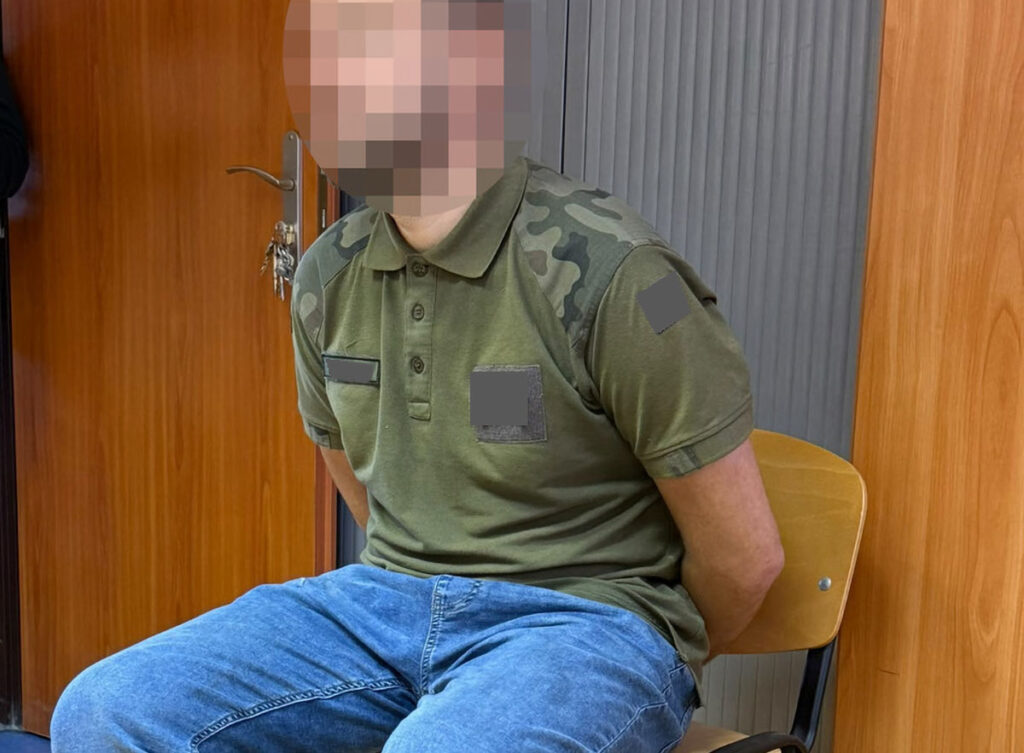
Officers quickly identified the suspect but spent days locating him. The 30-year-old was hiding and living in a forest in Warsaw's northern Bielany district, where police detained him last weekend.
Old shed in a wooded area of Warsaw's Bielany district, from the police release on the arrest of the suspect in the bus knife attack on two Ukrainians, October 2026. Photo: Warsaw Police
He faces three charges. Two concern the bus attack: attempting to cause grievous bodily harm, and causing injuries lasting more than seven days. The third covers threats against another man at a Warsaw venue in August 2024.
Police said he acted as a repeat offender, within five years of serving a prison term for a similar crime. The charges carry three to 20 years in prison. At prosecutors' request, a court ordered him held for three months.
This year's attacks on Ukrainians in Poland
In early August, Ukraine's ambassador to Poland, Vasyl Bodnar, said anti-Ukrainian remarks and attacks had risen by about 30%. Days later, people rallied in 22 Polish cities against violence toward Ukrainians and other minorities.
Explore further
Poland paused a military aid package over Lviv’s vote honoring WWII nationalists, Ukrainian source says. Polish ministry denies it
Other recent cases this year include:
In late July, police in Wrocław detained two of three men suspected of beating a young Ukrainian couple.
On 14 August, a woman allegedly attacked a Ukrainian girl and her younger brother in a Bydgoszcz park after hearing them speak Ukrainian. Prosecutors charged her four days later.
In September, a man punched a 20-year-old Ukrainian tourist in the head at a crossing in central Warsaw, knocking him unconscious. Police detained the attacker, who gave no motive.
Tensions rose again in late September, when a Ukrainian man allegedly killed a priest in a knife attack at a monastery in Jarosław. Bodnar said some Polish politicians and journalists used it to argue for deporting Ukrainians.
Meanwhile, police in southwestern Poland detained a Russian citizen suspected of spying, after catching him photographing trains and railway infrastructure. Russia's suspected sabotage campaign keeps reaching Poland and the rest of Europe, and Ukraine's intelligence warned last week that Russia may stage sabotage in Eastern Europe and try to pin it on Kyiv.
El Gobierno no solo está investigando qué pudo originar el terrible accidente en Urda del pasado miércoles que se ha cobrado la vida de al menos 69 personas. También aportará "soluciones para reforzar aún más el sistema de la alta velocidad" en España, dado que la "confianza" está "quebrada". Es lo que prometió este viernes el presidente, Pedro Sánchez, tras una nueva reunión del Centro de Coordinación Operativa Integrado (Cecopi) en Toledo. Pero este es el segundo siniestro ferroviario en apenas nueve meses, porque el 18 de enero tuvo lugar el de Adamuz, con 46 fallecidos.
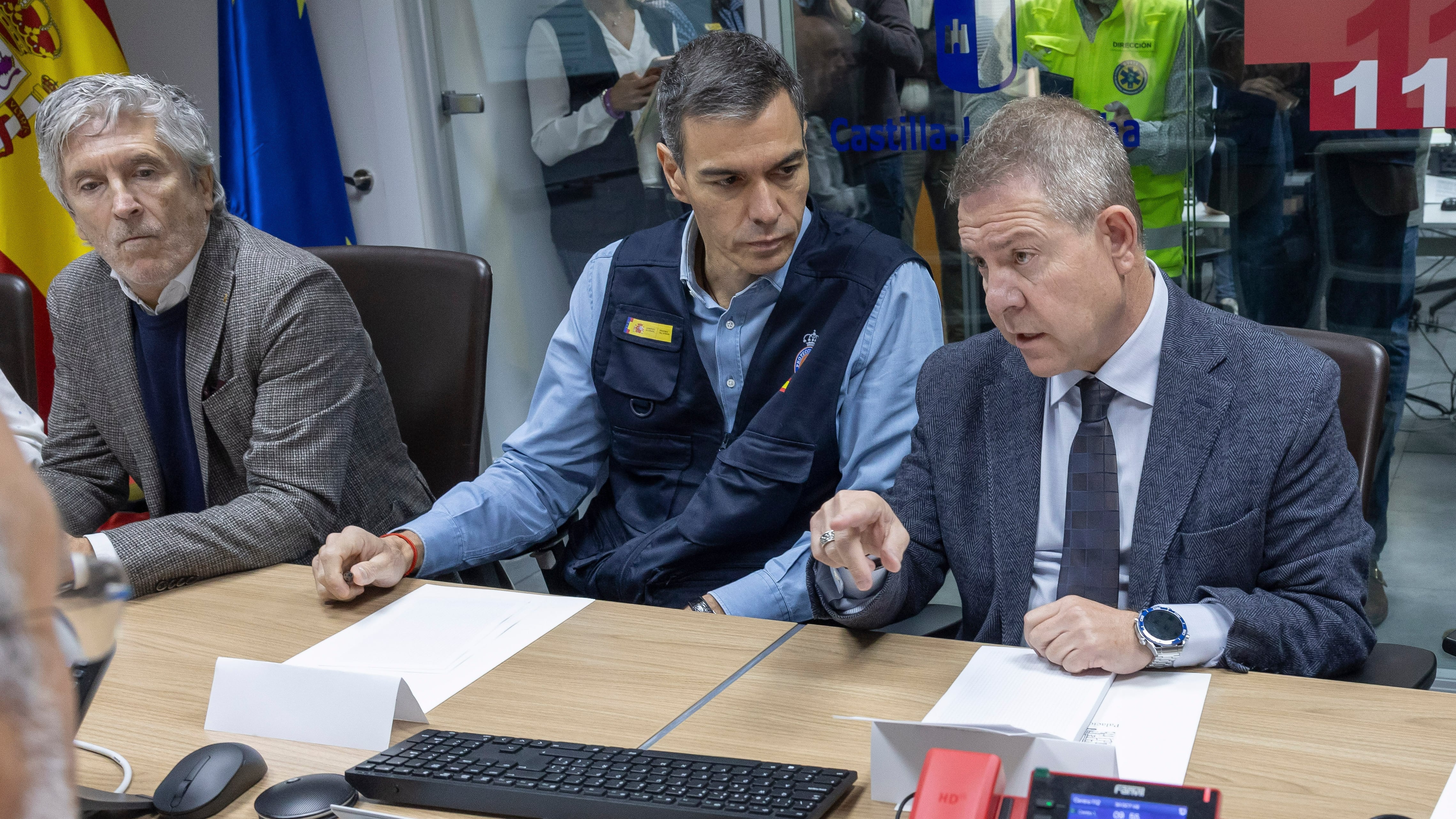
Sánchez, junto al ministro del Interior, Fernando Grande-Marlaska, participó en la cita en el Centro 112 de la capital toledana, del lado del presidente regional, Emiliano García-Page, que adelantó la decisión de desescalar el nivel de la emergencia, que pasa de nivel 2 a nivel 1, lo que permitirá la desmovilización de "muchos medios que han cumplido ya con su trabajo". El jefe de la Junta, además, mantuvo en 69 el número de víctimas mortales, si bien no descartó que pueda aumentar el volumen de fallecidos, ya que hay 70 denuncias de desaparecidos y "hasta 31 bolsas con restos".
Lo que vamos a hacer no es solamente investigar cuáles son las causas de lo sucedido, sino aportar soluciones para reforzar aún más el sistema de la alta velocidad en nuestro país", remarca
Sánchez, en su breve declaración institucional con Page a la salida de la reunión, insistió en que el Ministerio de Transportes y el conjunto del Gobierno continúa investigando lo sucedido "para conocer cuáles son las causas de este accidente ferroviario". Y reiteró aquello que ya avanzó el miércoles, que "no es asumible para un país como España, con un sistema de alta velocidad tan potente como el que tenemos, sufrir dos accidentes de estas características y de esta magnitud en un año". Una afirmación que algunos cargos en el partido y en el Ejecutivo interpretaron como una futura depuración de responsabilidades que podría suponer la salida de Óscar Puente, aunque posteriormente tanto la Moncloa como Ferraz reiteraron que el ministro de Transportes cuenta con todo el respaldo del presidente y que por tanto no dimitirá ni será cesado.
Pedro Sánchez: "Desde el Ministerio de Transportes y el Gobierno estamos siguiendo con la investigación para conocer las causas de este accidente ferroviario. No es asumible para un país como España, con un sistema de alta velocidad tan potente como el que tenemos, sufrir dos… pic.twitter.com/9GNML5WdfJ
Y precisamente porque no es "asumible" que haya dos tragedias ferroviarias en menos de 10 meses, siguió, el Gobierno se moverá: "Lo que vamos a hacer no es solamente investigar cuáles son las causas de lo sucedido, sino aportar soluciones para reforzar aún más el sistema de la alta velocidad en nuestro país. Hay una confianza quebrada en el sistema de alta velocidad en nuestro país y la labor del Gobierno no es solamente hacer el diagnóstico, conocer cuáles son las causas, sino ofrecer soluciones para que una tragedia de esta magnitud, como ayer dijo el jefe del Estado, el rey Felipe VI, no vuelva a suceder. Y en ese trabajo estamos". El presidente no detalló en qué tipo de "soluciones" piensa el Ejecutivo, ni los plazos que se marca. Ni hizo autocrítica por el hecho de que no se hubiera resguardado más el sistema pese a la catástrofe de Adamuz, que sucedió hace muy poco, el 18 de enero.
Se baja el nivel de emergencia, de 2 a 1, lo que permitirá la desmovilización de "muchos medios que han cumplido ya con su trabajo". Page agradece la labor de 1.300 efectivos y la ayuda de las CCAA
Sánchez subrayó que desde el Gobierno, desde Protección Civil y desde el resto de instituciones se está proveyendo "todo el apoyo material, humano y psicológico en unas circunstancias absolutamente inimaginables". Además, como Page, alabó la "extraordinaria cooperación y colaboración que ha habido entre instituciones" y agradeció no solo la "solidaridad" de otras comunidades con la región, sino la del propio pueblo castellanomanchego: "Creo que en un momento como este, la profesionalidad de los servidores públicos de la Junta de Comunidades de Castilla-La Mancha, de las diputaciones, de los ayuntamientos, a nivel de consejerías, desde luego es encomiable. Es de una extraordinaria eficacia en situaciones muy dramáticas, de una absoluta empatía y, desde luego, nosotros desde el sistema de Protección Civil. No podemos sino reconocer esa profesionalidad, ese saber hacer y reconocer también en el pueblo de Castilla-La Mancha la extraordinaria empatía y solidaridad que también se ha reflejado con las víctimas de este accidente y con sus familiares".
Pedro Sánchez: "Quería reiterar las condolencias y el compromiso del Gobierno de España con las víctimas, heridos y familiares [...] Estamos trabajando de manera incansable para tratar de dar la mayor información" https://t.co/NHmW24bjdkpic.twitter.com/kHQ5N0SBxf
Las víctimas y sus familiares, recordó, no solo son españoles. Hay hasta 27 nacionalidades de víctimas que pueden haber fallecido en este accidente, y desde el Gobierno, señaló, están comunicando y coordinándose con "todos los consulados de los países" con afectados por la tragedia para que "tengan la información más pronta posible y más detallada posible sobre sus nacionales".
Emiliano García-Page informa sobre el accidente ferroviario de Urda (Toledo): "Los fallecidos siguen siendo 69 [...] Hay 70 denuncias de desaparición, puede haber más denuncias y no descartamos que haya más fallecidos. Cuando hablamos de fallecidos, hablamos de cuerpos completos… https://t.co/scHWwHzkVepic.twitter.com/tAfuielsJz
Page, por su parte, agradeció el "inmenso trabajo" de los más de 1.300 efectivos "de unos y otros servicios", con la colaboración de todas las CCAA, porque "absolutamente todas se han ofrecido a Castilla-La Mancha". "Es bueno que la ciudadanía sepa que en momentos de dolor, hay muchísima solidaridad", recalcó.
El presidente de Castilla-La Mancha, Emiliano García-Page, ha informado tras la reunión del Centro de Coordinación Operativa Integrado (CECOPI) que la cifra de víctimas mortales que se puede comunicar sigue siendo de 69, pero no descarta que aumente. “Hay 70 denuncias de desaparecidos, no descartamos que pueda haber más fallecidos”, ha explicado en una comparecencia junto al presidente del Gobierno, Pedro Sánchez. “Lo que aparece en los depósitos son 68 cadáveres completos, más el fallecido en hospital y los restos que están en un proceso muy complejo de identificación”, ha detallado el presidente autonómico.
Pedro Sánchez ha vuelto a incidir en que el accidente ferroviario de Urda, que deja de momento 69 fallecidos, cuestiona una infraestructura que hasta hace poco era un símbolo de modernidad, con el impacto que supone para la imagen del Estado. “Hay una confianza quebrada en el sistema de alta velocidad en nuestro país y la labor del Gobierno no es solamente hacer el diagnóstico, conocer cuáles son las causas, sino ofrecer soluciones para que una tragedia de esta magnitud, como ayer dijo el jefe del Estado, el rey Felipe VI, no vuelva a suceder”, ha afirmado en una comparecencia sin preguntas junto al presidente de Castilla-La Mancha, Emiliano García-Page, tras la reunión del Centro de Coordinación Operativa Integrado (Cecopi) en Toledo.
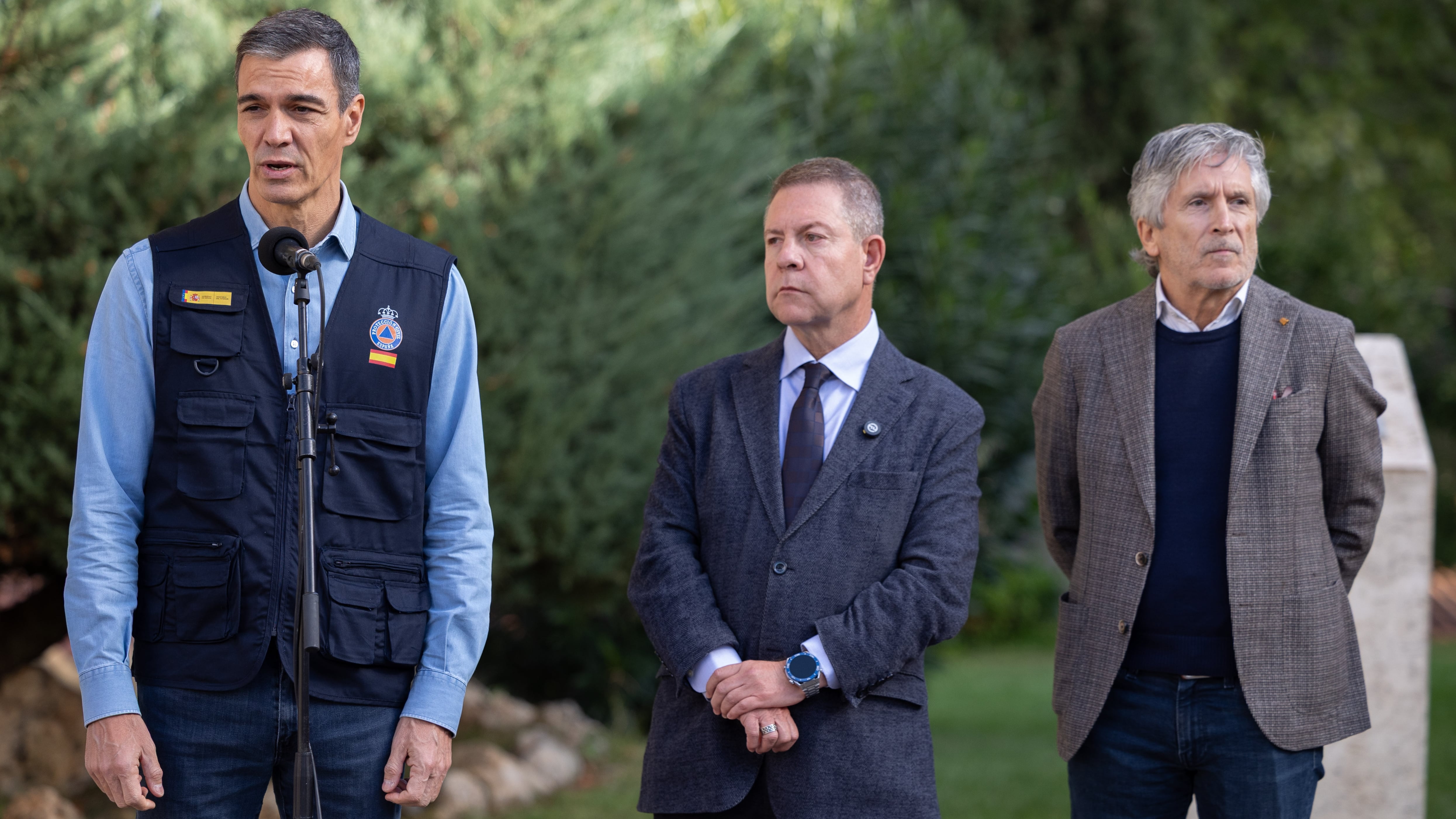
El jefe del Gobierno, Pedro Sánchez; el presidente de Castilla-La Mancha, Emiliano García-Page, y el ministro del Interior, Fernando Grande Marlaska, este viernes en Toledo.
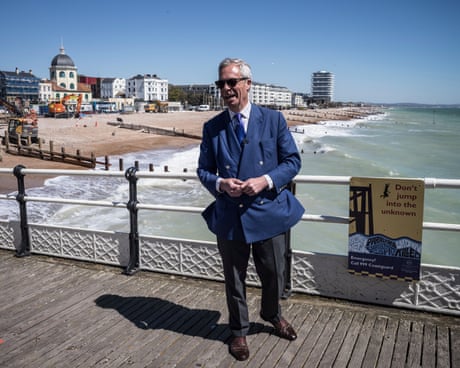
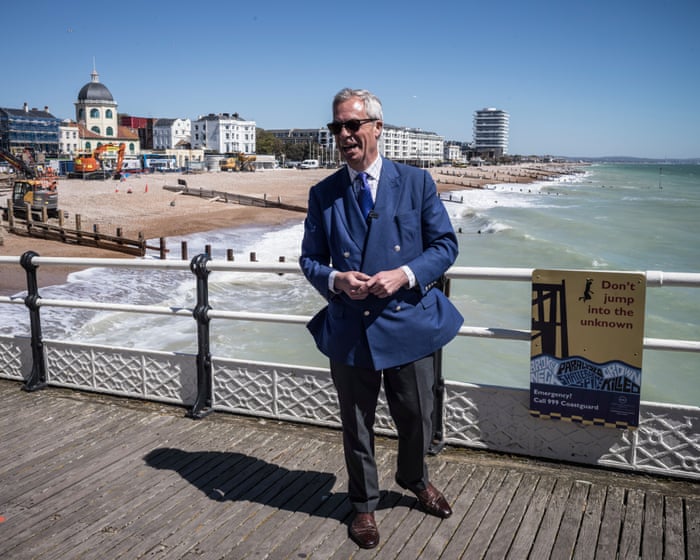
Ryan Dinnage – who accompanied Reform UK leader on walkabouts before local elections – was later jailed, raising questions about vetting failure
One of Nigel Farage’s security team who accompanied him on the local election campaign trail this year was facing a rape charge and was later jailed for eight years, raising questions about a failure of vetting.
Ryan Dinnage spent time protecting Farage in April and May, but in June was convicted of having raped a woman while she slept in a caravan at the Royal Windsor horse show.
It’s almost hard to remember, but just a few years ago, a lot of very smart people thought that science was in terminal decline. Respected researchers were writing papers with titles like “Are Ideas Getting Harder to Find?”, “Papers and patents are becoming less disruptive over time”, and “Slowed canonical progress in large fields of […]
Como máximo responsable de la emergencia al haberse producido en su territorio, el presidente de Castilla-La Mancha ha sido quien ha informado de la actualización del balance de víctimas Leer
Como máximo responsable de la emergencia al haberse producido en su territorio, el presidente de Castilla-La Mancha ha sido quien ha informado de la actualización del balance de víctimas

 Login