❌

Reading view

Florida prosecutors drop felony charge against Rick Ross in domestic violence case

Miami-Dade officials drop charge of battery by strangulation against rapper due to ‘insufficient evidence’

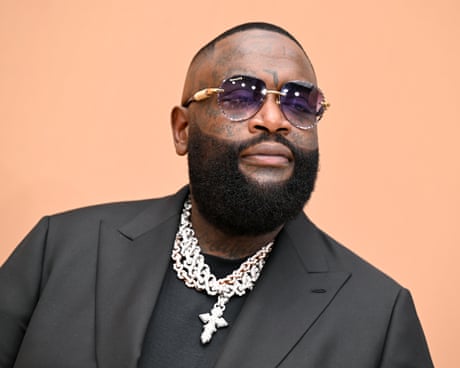
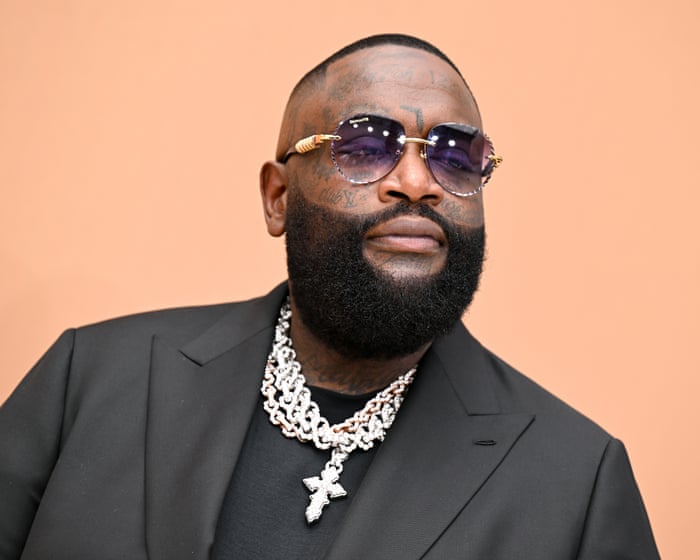
Florida prosecutors on Thursday dropped a felony charge against rapper Rick Ross nearly a month after he was arrested in Miami Beach when a woman he was living with told police he hit her, court records said.

The Miami-Dade state attorney’s office filed paperwork on Thursday to drop a felony charge of battery by strangulation because of “insufficient evidence”. Ross, whose legal name is William Roberts II, still faces a misdemeanor charge of battery domestic violence.

Continue reading...

© Photograph: Gilbert Flores/Variety/Getty Images

© Photograph: Gilbert Flores/Variety/Getty Images

© Photograph: Gilbert Flores/Variety/Getty Images

  •  

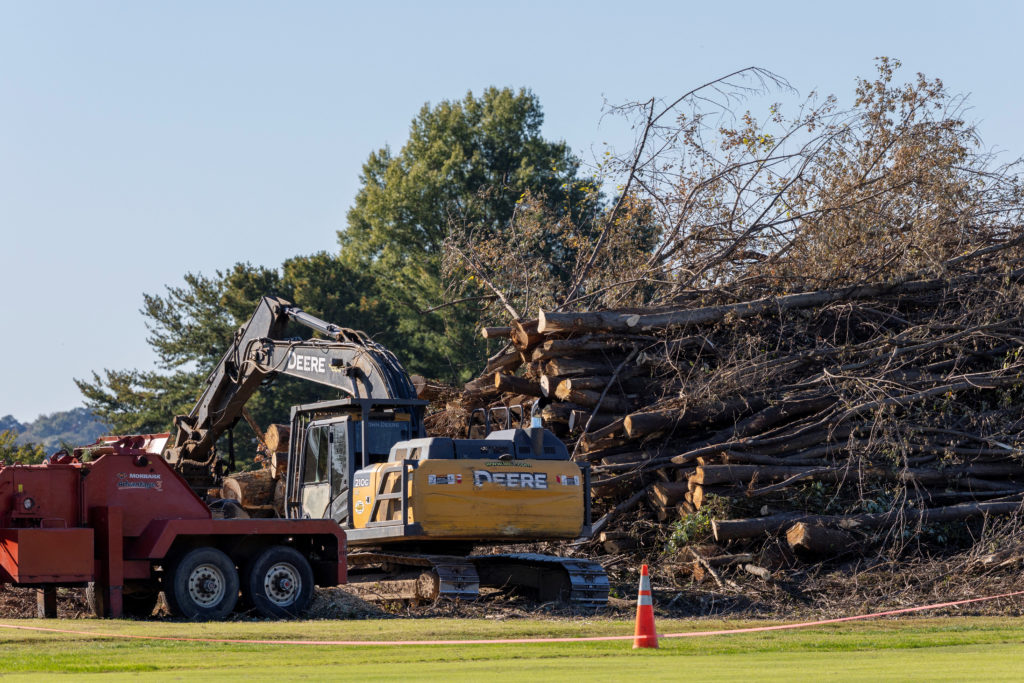
2 Trump attempts to change the D.C. landscape play out in the courts as midterms near

The cases involved are an impending shutdown and reconfiguration of a historic public golf course and the construction of the monumental arch that, at 250 feet, would be 100 feet taller than the Statue of Liberty is from its base to the top of the torch.

  •  

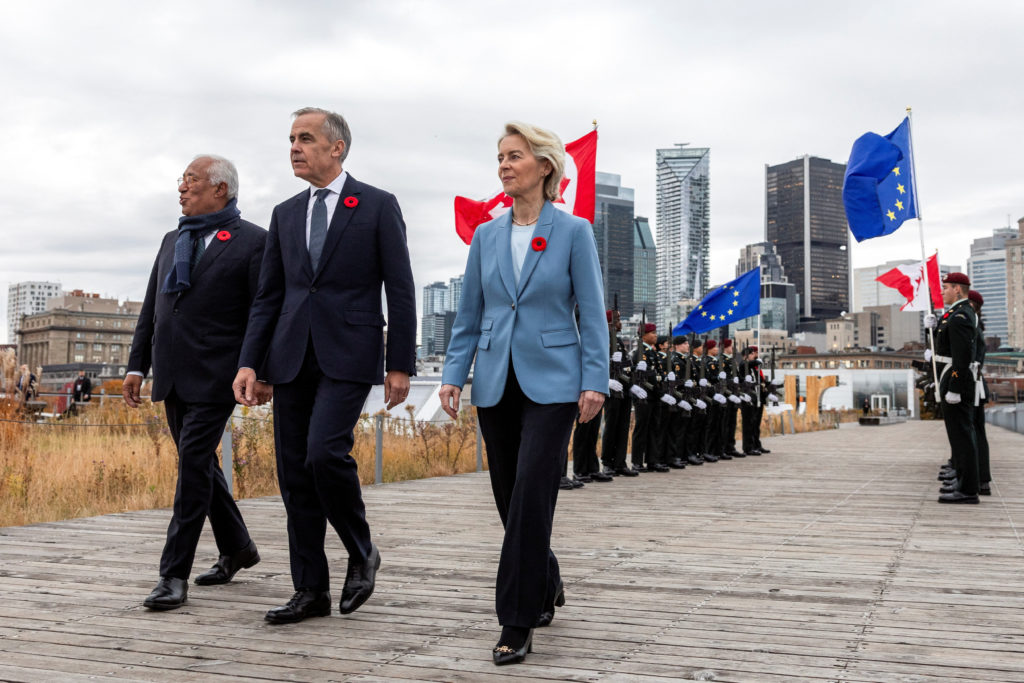
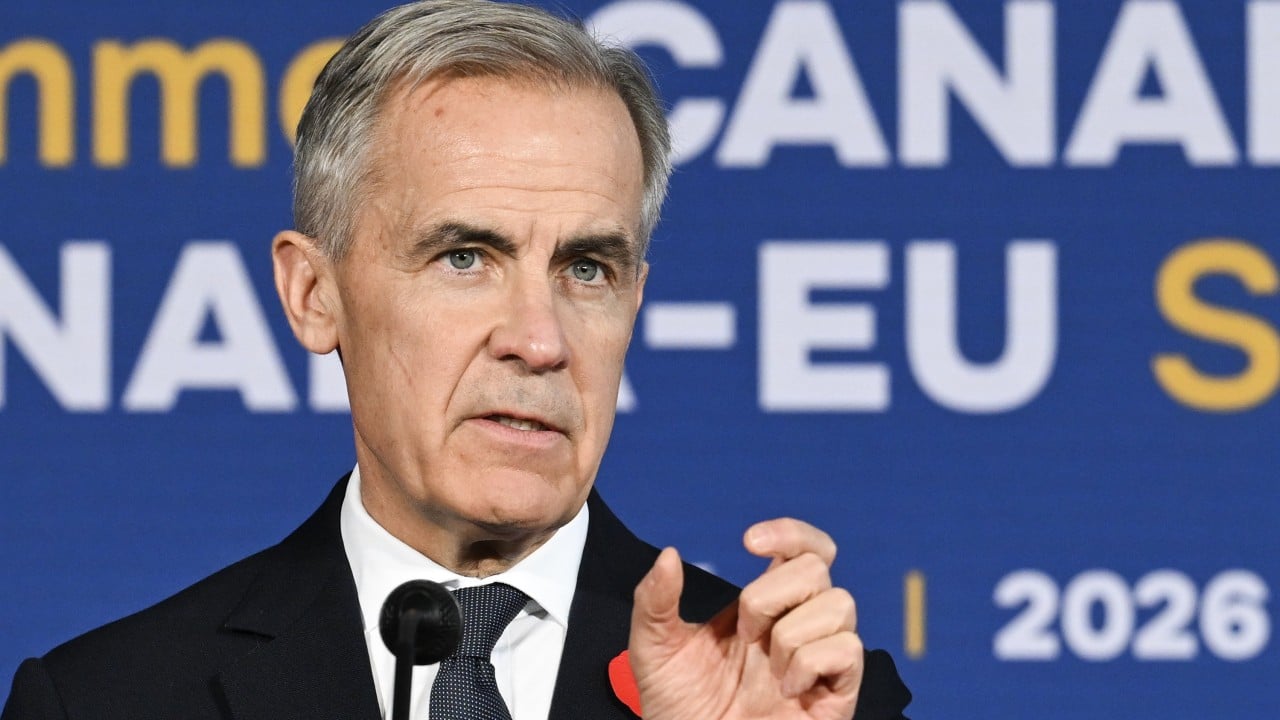
Carney eyes June deal on making Canada the EU’s first associate member

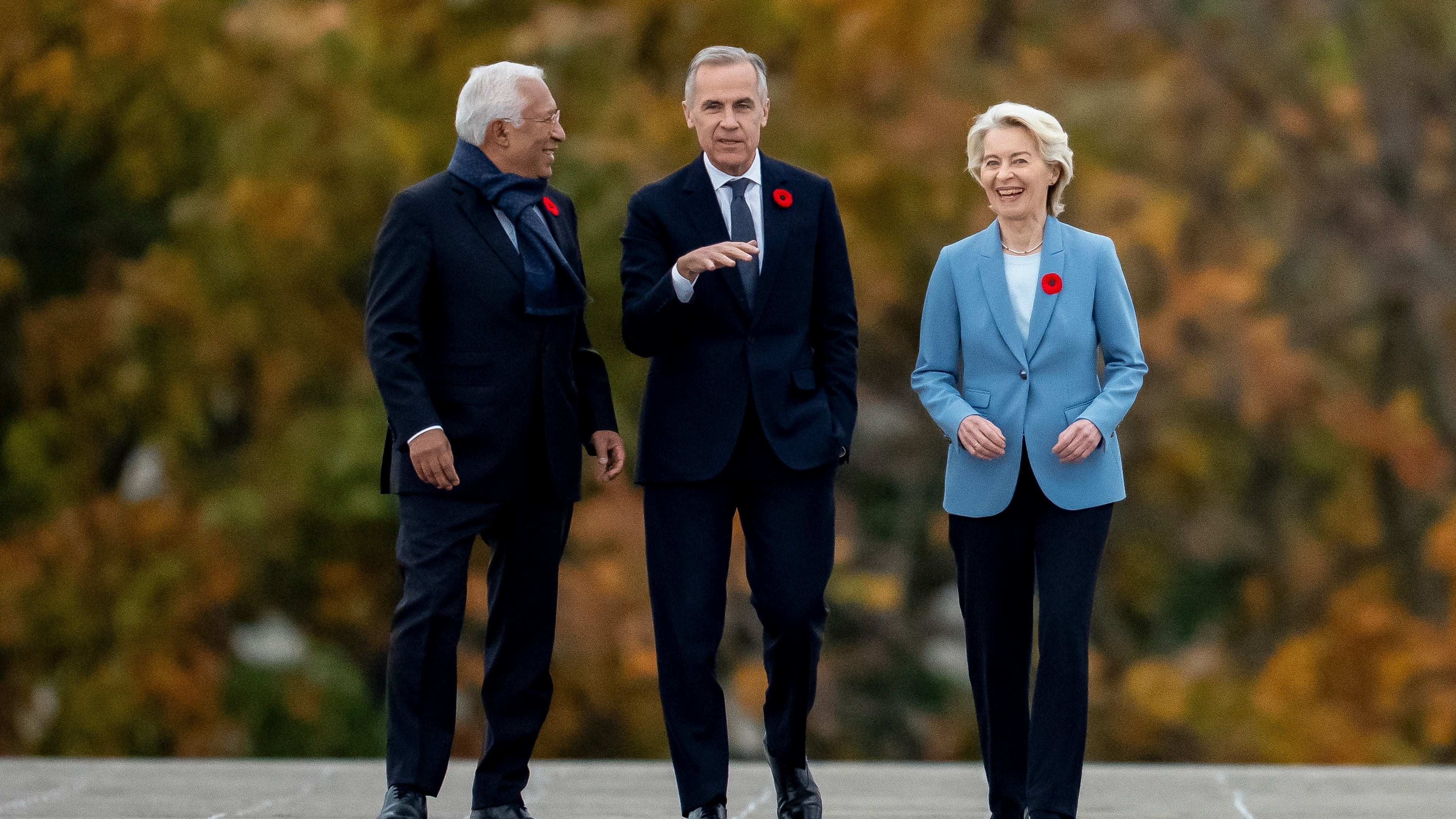
Canadian Prime Minister Mark Carney said on Friday he expects to conclude negotiations with the European Union in June on an unprecedented partnership that would make Canada the bloc’s first “associate member”, even though the designation was left out of a joint declaration launching a new economic and security alliance. Carney said he would attend a meeting of European leaders in June to conclude negotiations on the proposed relationship, which would stop short of full EU membership. “In...

  •  

Blockchain intelligence firms link North Korea to $6.3B hack on Binance

A North Korean unit was likely behind the hack that impacted more than $6 billion on Binance, the world’s biggest cryptocurrency exchange, according to a U.S.-based blockchain intelligence firm.

Binance said it worked with blockchain partners to freeze roughly $3 billion in affected assets. It said Friday that it was beginning to recover assets for users.

The cryptocurrency exchange said deposits were unaffected, while withdrawals have been suspended and are expected to resume in the next day or two. It said it will cover all losses.

The company said on X that an initial investigation suggested the incident may have involved a compromised laptop, but that a subsequent investigation uncovered additional “points of breach.”

Blockchain intelligence firm TRM, in a post on its website Thursday, attributed the attack to TraderTraitor, which it described as North Korea’s elite hacking unit. “We make this judgment with high confidence,” the firm said.

“An attacker moved approximately USD 6.36 billion out of Binance wallets on ten blockchains, most of it in about 20 minutes,” TRM said. That would make the hack the largest cryptocurrency theft on record, it said.

In February last year, another cryptocurrency exchange, Bybit, suffered a $1.5 billion hit when it was hacked. The FBI said North Korea and TraderTraitor were responsible for the hack.

“Several features of this attack match earlier North Korea-linked heists, including the Bybit hack,” TRM said.

Blockchain analysis company Chainalysis also believed the Binance hack was “likely done by DPRK group TraderTraitor,” its co-founder and CEO Jonathan Levin wrote on X. DPRK stands for the Democratic People’s Republic of Korea, North Korea’s official name.

Asked about the potential ties to North Korea, a Binance spokesperson said only that the company is “working closely with our law enforcement partners to confirm the identity of the criminals and bring them to justice.”

Experts say North Korea has turned to crypto hacking and other illicit cyber activities as a source of badly needed foreign currency to support its troubled economy and fund its nuclear program in the wake of tough U.N. sanctions and other difficulties.

In December 2022, South Korea’s spy agency said North Korean hackers had stolen an estimated $1.1 billion in cryptocurrency and other virtual assets in the past five years, more than half of it in 2022 alone. It said North Korea’s capacity to steal digital assets was considered among the best in the world.

Changpeng Zhao founded Binance in 2017. In 2023, he pleaded guilty to a felony linked to failing to prevent money laundering on the platform, and stepped down as the company’s CEO. President Donald Trump pardoned Zhao last year.

Zhao posted Thursday on X that “User funds are safe!” but added that the theft “does look like a hack on Binance.” He added that while he doesn’t manage Binance anymore, “as a shareholder, I expect all user funds will be fully covered.”

The hack, meanwhile, also raises questions about why stronger approval controls were not in place, said Kok Tin Gan, co-founder and CEO of cybersecurity firm NyxLab.

“This looks like one signature that gave the attacker a never-expiring, full-access token to a Binance hot wallet,” he said, referring to cryptocurrency wallets that hold users’ “private keys,” or unique authorizations, digitally and which are connected to the internet.

Binance said on X it had “found no evidence of any wallet private key leak” and that the company would release more technical details when its probe is complete.

The post Blockchain intelligence firms link North Korea to $6.3B hack on Binance appeared first on MS NOW.

  •  

An ICE officer is charged with assault for striking a man with a car in Houston

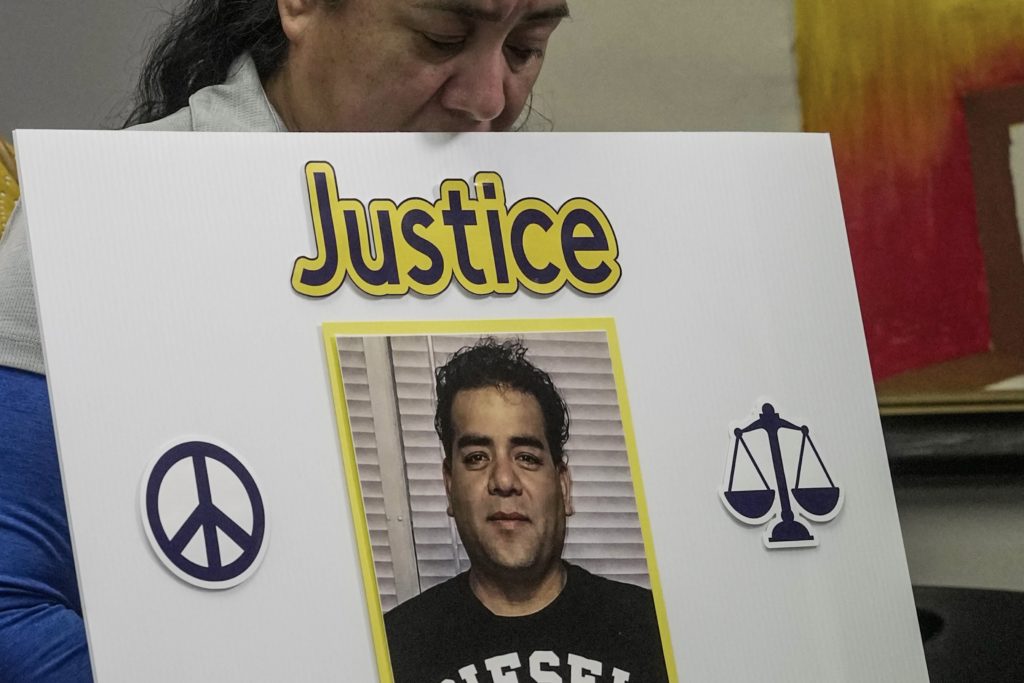
The officer, Mario Alberto Morales, was driving an unmarked SUV on Oct. 10 when he struck and ran over Miguel Parra Hernandez, 48, who was running away during a pursuit through a parking lot, the Harris County District Attorney's Office said.

  •  

A historic vote born of fear and frustration for Palestinian citizens of Israel

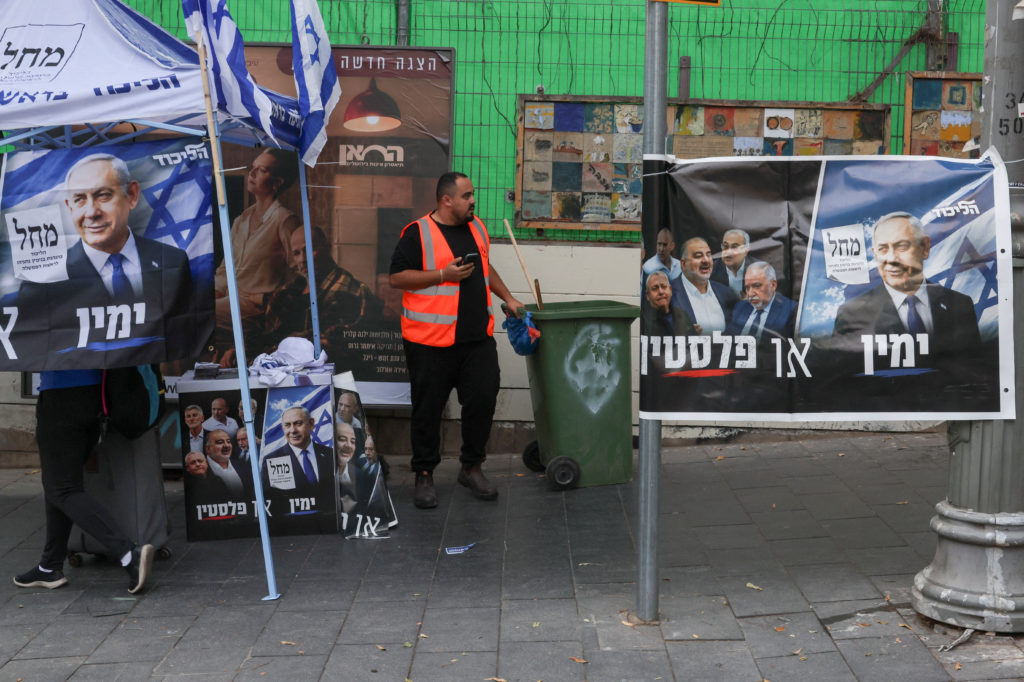
Large segments of Israel's Palestinian Arab minority have historically stayed home and not voted in the country's elections. But they turned out in record numbers this week, reflecting a desperation that outweighed any qualms about participation.

  •  

US lawmakers urge Trump administration to oppose Colombia’s Amazon aerial spraying plans

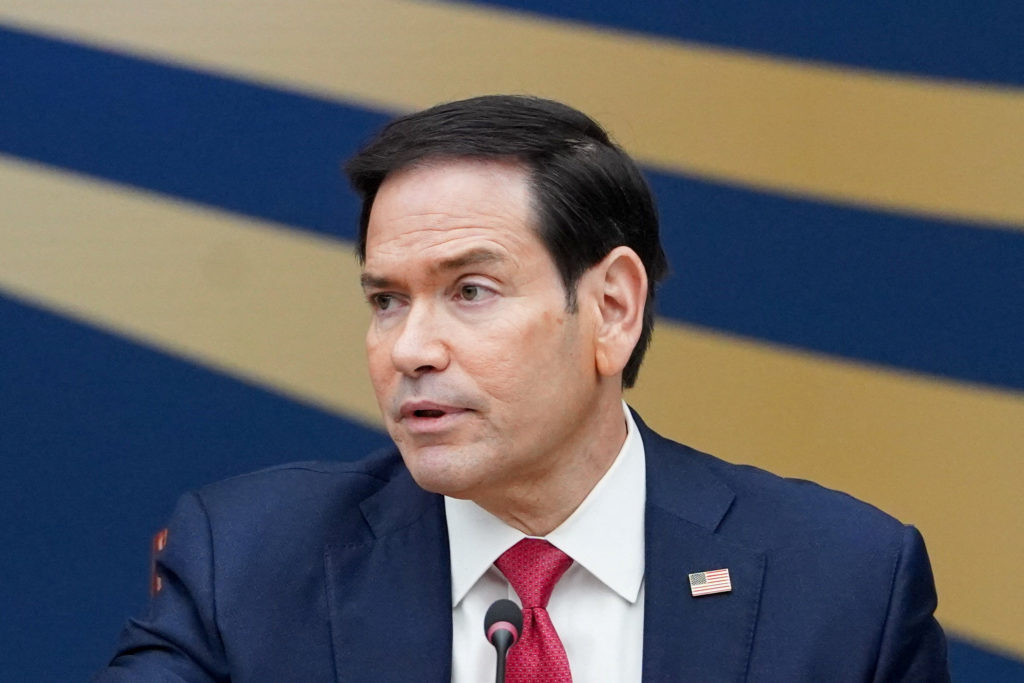
A group of U.S. lawmakers is urging Secretary of State Marco Rubio not to support Colombia’s plans to restart aerial spraying of coca crops in the Amazon, warning of risks to human health and the environment. The Colombian government says spraying is needed to combat cocaine production and weaken armed groups, but critics argue the decades-old strategy has failed and could accelerate deforestation. The lawmakers are questioning Washington’s potential involvement and calling for alternatives that protect rural communities and the rainforest. Despite decades of U.S.-backed counternarcotics efforts, Colombia remains the world’s largest cocaine producer.  By Steven Grattan, Associated Press  Banner image: A small coca crop is visible on the outskirts of Puerto Asis, Colombia, Nov. 26, 2025. Image courtesy of Ivan Valencia, Associated Press This article was originally published on Mongabay

  •  

Christa Pike says she’s in constant pain after failed US execution, slams ‘incompetence’

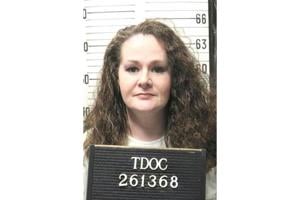
Christa Pike said on Friday that she remained in constant pain and struggled to speak a month after surviving a lethal injection in Tennessee, a failure she blamed on “incompetence.” In her first public statement since the execution, Pike said she never contemplated a life beyond her execution date and was prepared to die in peace, but woke up alone and confused in a hospital bed. “There hasn’t been a moment since that night when I haven’t been in pain. My body hurts. My arms hurt. My hands...

  •  

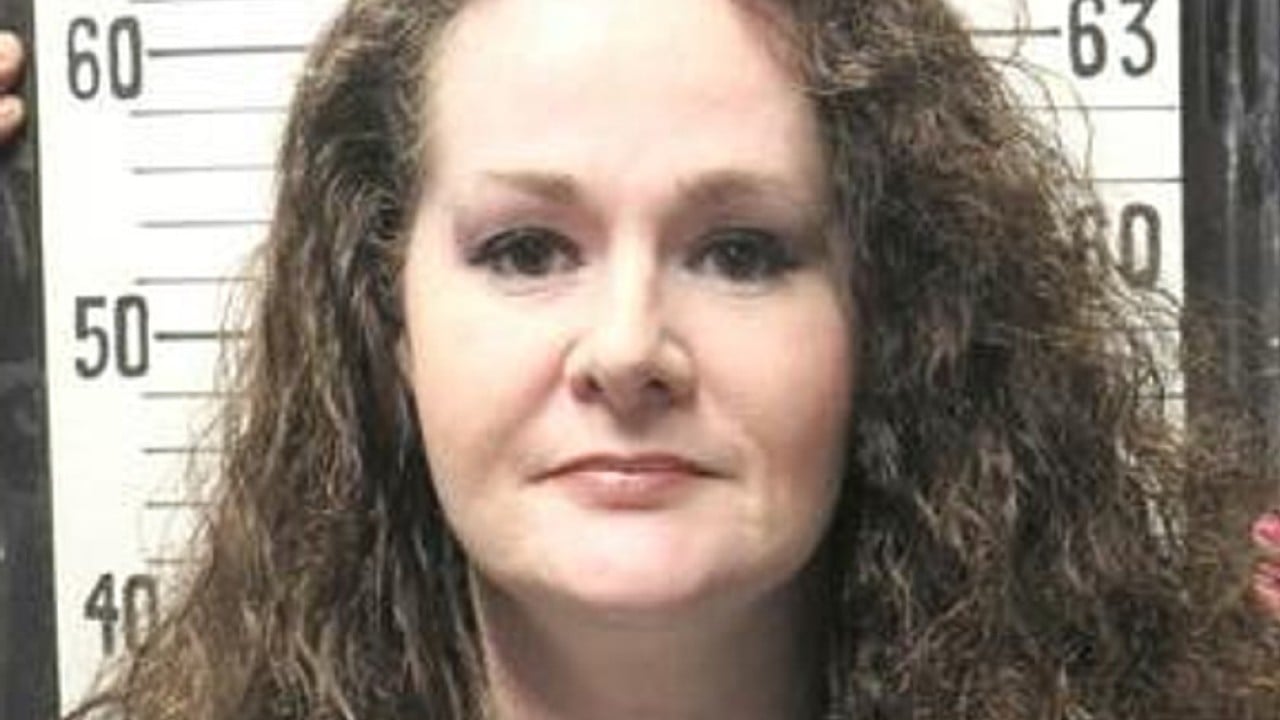
Christa Pike describes constant pain after surviving execution attempt

Death row inmate Christa Pike said she is in constant pain since surviving a lethal injection in Tennessee last month but thankful for the love and support she has received.

Pike issued her first public statement through her attorneys on Friday. She said she went into the execution chamber prepared to die in peace and woke up alone and confused in a hospital bed.

“There hasn’t been a moment since that night when I haven’t been in pain. My body hurts. My arms hurt. My hands hurt. My throat hurts. I still struggle to speak. And the pain isn’t just physical. There is pain in my mind and in my soul,” Pike said.

Pike, 50, said she had not contemplated a life beyond her execution date.

“I’m deeply hurt by the incompetence that has put so many people in this terrible position. I continue to think about my victim’s family and the terrible pain and loss they have endured,” Pike said.

Pike survived two doses of pentobarbital as the state tried to execute her on Sept. 30 for the 1995 stabbing death of classmate Colleen Slemmer. She was 18 when she tortured and killed Slemmer with her boyfriend, becoming one of the youngest women to be sentenced to death.

She said she is thankful for the medical workers who saved her life and the people who showed her kindness.

“I don’t know why I survived that night. I don’t know what comes next. Some days, finding hope is harder than others,” she said. “For now, I am trying to heal, one day at a time. And I am holding on to the love and kindness of so many people who have reminded me that I am not alone.”

Pike’s attorneys have urged Tennessee Gov. Bill Lee, R, to reduce Pike’s sentence to life imprisonment. Lee told reporters this week that “I suspect her sentence will be the same as before unless determined otherwise by the courts.”

Lee called for an investigation into what happened during the failed execution and postponed the state’s other lethal injection scheduled this year.

Friday’s statement was dictated to Pike’s legal team from the infirmary at the prison where she is housed.

Pike was hospitalized in the immediate aftermath of the failed execution and then moved back to prison at the Debra K. Johnson Rehabilitation Center.

The post Christa Pike describes constant pain after surviving execution attempt appeared first on MS NOW.

  •  
❌