
❌

Normal view

Non chiamatele fontanelle. Da oltre 150 anni, acqua potabile gratis dai “nasoni”, oggi anche in versione hi-tech

25 October 2026 at 10:00

Dall’età imperiale, tutto ruota tutto attorno all’acqua e alla sua distribuzione. Dello stretto rapporto di Roma con l’elemento acqua vi sono testimonianze di ogni epoche diffuse: dai resti delle terme e degli acquedotti, alle grandi fontane rinascimentali e barocche. Ma l’icona assoluta in ambito di erogazione dell’acqua è il Nasone, fontanella dal design inconfondibile in attività da più di 150 anni. Non una semplice fontanella dispensatrice di acqua potabile. Inizialmente realizzati in ghisa, poi in ottone, i nasoni capitolini nascono nel XIX secolo. Fu il sindaco di Roma, Luigi Pianciani, a predisporre il sistema di distribuzione dell’acqua pubblica, non solo per il semplice distarsi, ma anche per l’igiene e la salute dei cittadini romani. Dal 1874, i nasoni sono stati installati lungo le strade e le piazze di Roma. l’originale nome deriva dalla struttura della cannella ricurva da cui fuoriesce l’acqua, con un piccolo foro da cui far zampillare un getto d’acqua più sottile verso l’altro, quando si ostruisce la cannella. Se ne contano oltre 3.000 esemplari, distribuiti in tutta la città, rappresentando una garanzia costantemente di acqua potabile e fresca.
Non chiamatele fontanelle. Da oltre 150 anni, acqua potabile gratis dai “nasoni”, oggi anche in versione hi-tech
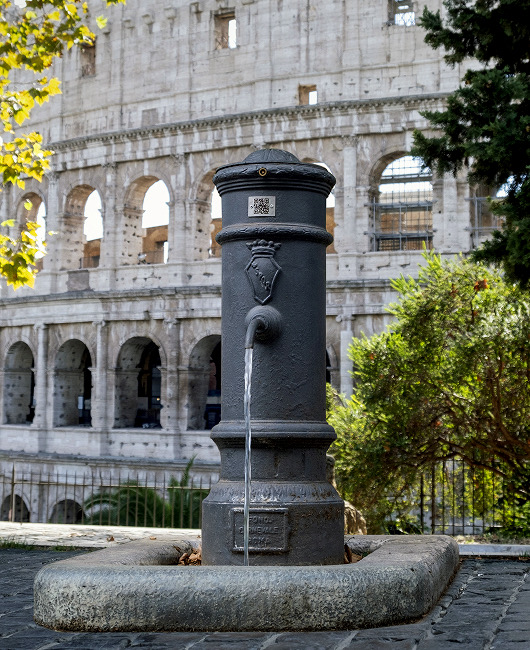
Nasone con vista sul Colosseo, dispensatore costante d’acqua fresca e potabile (photo dal sito ufficiale Acea)

Trova il nasone più vicino a te 

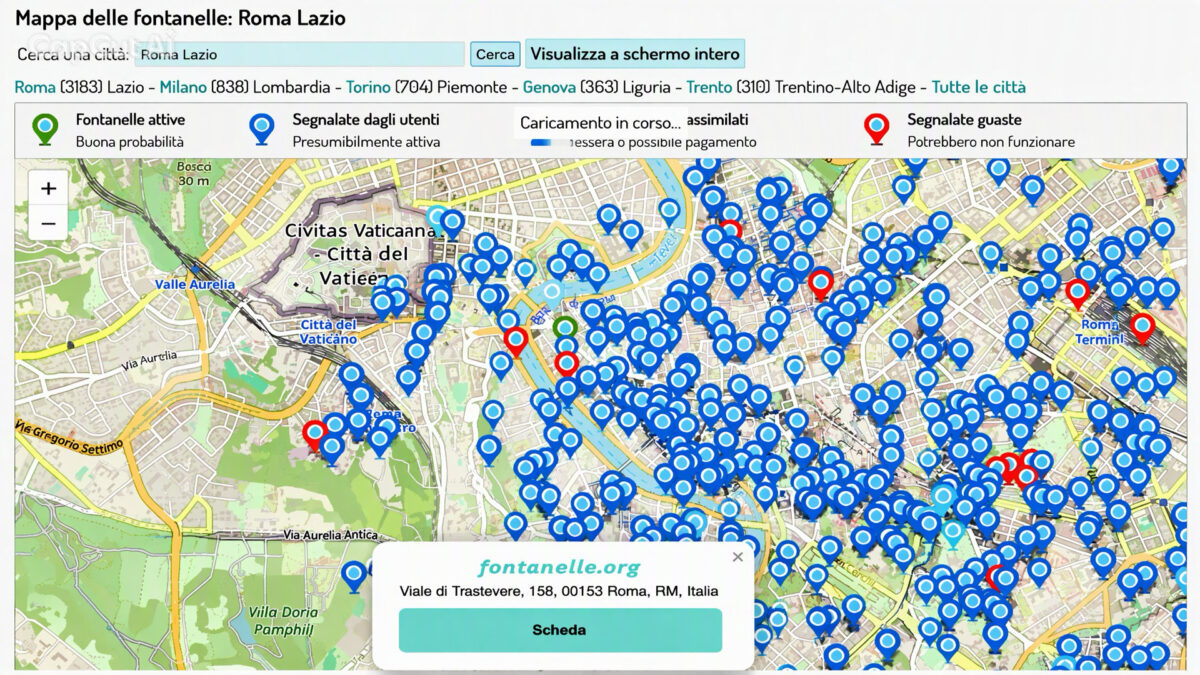
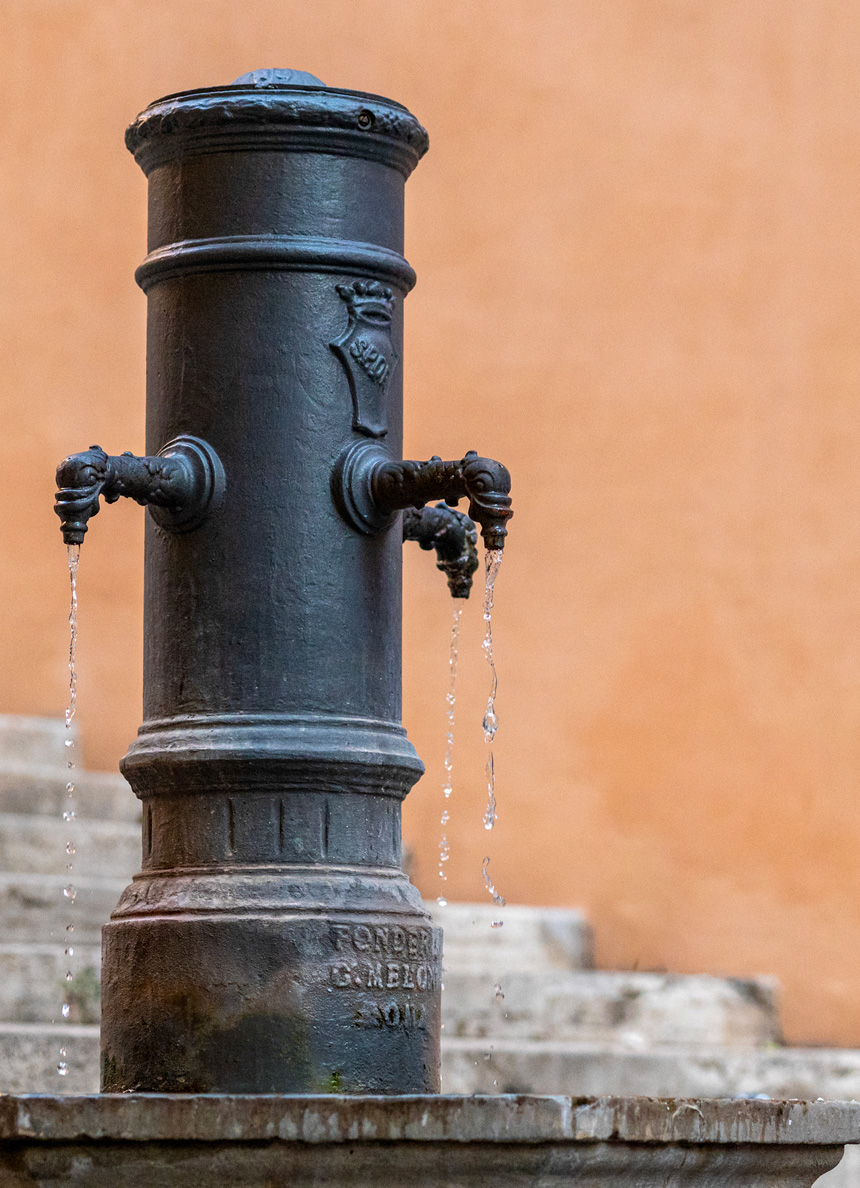
La mappatura dei nasoni è semplice. Basta collegarrsi alla pagina ufficiale di Acea dedicata alle fontanelle di Roma e in pochi secondi si ottiene l’indicazione dei nasoni più vicini, anche quelli temporaneamente guasti. Ognuno ha la sua scheda in cui è specificato l’indirizzo esatto con numero civico più prossimo. “Cerca per indirizzo e attiva la posizione sul tuo smartphone per essere localizzato”, il suggerimento sul sito. Nel centro storico i nasoni sono più di 200 e convivono con le 90 fontane e fontanelle artistiche. Nel 2024, in occasione dei 150 anni dalla loro presenza in città, sono stati installati altri tre nasoni nell’area attorno al Colosseo. Nel centro storico – in via della Cordonata a pochi passi dal Palazzo del Quirinale – vi sono ancora in funzione nasoni antichi decorati con le tre cannelle a forma di drago da cui l’acqua esce contemporaneamente. Ai nasoni di ultima generazione sono stati installati rubinetti a tempo, un modo per ridurre gli sprechi.
Non chiamatele fontanelle. Da oltre 150 anni, acqua potabile gratis dai “nasoni”, oggi anche in versione hi-tech
Dal sito di Acea, la mappa dei nasoni. Basta cliccare una e appare il nasone più vicino

Obiettivo recupero sprechi

Una politica di riduzione dei consumi delle risorse idriche è messa in piedi già da alcuni anni. L’impegno istituzionale ha come punto di partenza l’utilizzo delle acque che provengono dai depuratori, dal recupero e dal riciclo con l’obiettivo di lavare le strade, affrontare gli incendi, alimentare le attività produttive ed agricole o per innaffiare parchi, giardini e alberi. Già nel 2024 a Roma sono stati consumati 261 milioni di metri cubi di acqua – come ricorda il sito di Acea – tra gli usi residenziali, industriali e artigianali, agricoli e per le altre attività cittadine. In linea con la politica della riduzione di perdite e sprechi, non solo l’impegno su grandi progetti che riguardano i depuratori, ma anche ammodernamenti della rete idrica, il riciclo dell’acqua dei nasoni e la ricerca di soluzioni per forestazione, biodiversità, irrigazione di giardini ed orti urbani.
Non chiamatele fontanelle. Da oltre 150 anni, acqua potabile gratis dai “nasoni”, oggi anche in versione hi-tech
Uno degli ultimi nasoni funzionanti in centro città con le tre cannelle a forma di testa di drago, sostituite in seguito la versione più diffusa ad unica cannella liscia (photo dal sito ufficiale Acea)

Riflessioni sull’acqua dai banchi di scuola

Riflettere sulla salvaguardia e l’uso consapevole dell’acqua passa anche su banchi scuola con il progetto Acea Scuola Educazione Idrica, realizzato nell’ambito del protocollo d’intesa triennale con il Ministero dell’Istruzione e del Merito, destinato agli studenti e le studentesse delle scuole primarie e secondarie di primo grado che ha già coinvolto oltre 30.000 nelle annualità 2024/25 e 2025/26 e offre la possibilità di partecipare ad un contest a premi realizzando un cortometraggio sul tema idrico e visitare gli impianti Acea.
Non chiamatele fontanelle. Da oltre 150 anni, acqua potabile gratis dai “nasoni”, oggi anche in versione hi-tech
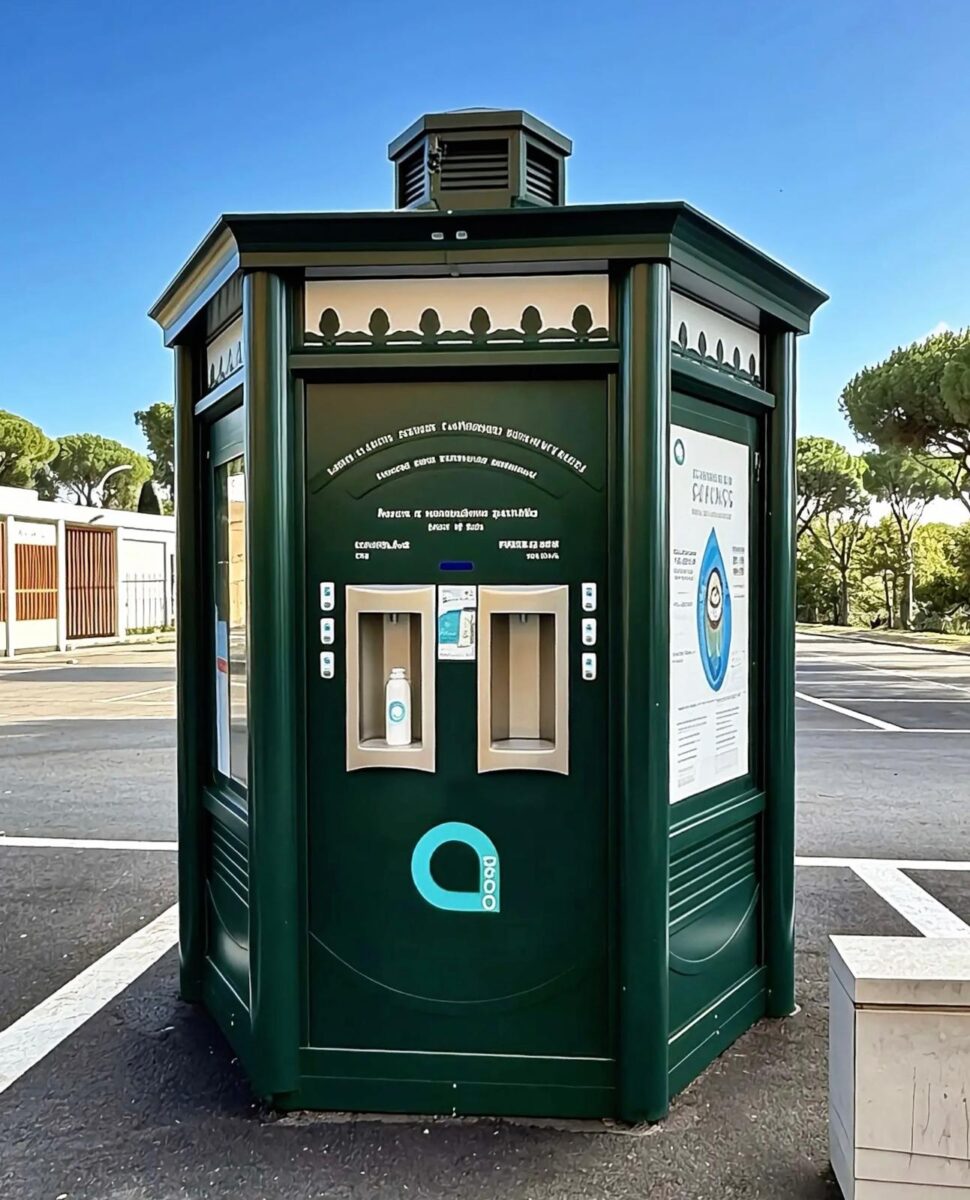
Una delle casette dell’acqua nella Capitale, con erogazione di acqua fresca – naturale o frizzante – e prese per carica di mobile e tablet

Fontanelle hi-tech, i nasoni del futuro?

Una sorta di nasoni moderni, le casette dell’acqua distribuite in varie zone delle città da cui viene erogata gratuitamente – 24 ore su 24 – acqua potabile e fresca, sia naturale che frizzante, sottoposta a numerosi controlli, affinché rispetti alti standard di qualità. Oltre alla distribuzione dell’acqua – 52 milioni di litri erogati e 2700 tonnellate di CO2 non emessa nell’atmosfera, questi i dati indicati nel sito ufficiale Acea relativi allo scorso anno – ognuna delle 187 case dell’acqua diventa hi-tech permette di ricaricare cellulari o tablet tramite porte USB, e di consultare informazioni di pubblica utilità su schermi digitali. L’obiettivo è di poter spingere più persone ad usufruire del servizio. E un’opportunità a tutela dell’ambiente: ridurre dell’uso della plastica invogliando a recarsi con proprie borracce termiche da riempire direttamente con l’acqua fresca erogata. Un messaggio di rispetto e benessere che non è stato colto da tutti: alcune case dell’acqua capitoline non sono state esenti da atti vandalici e furti di cavi elettrici nei mesi scorsi.

L'articolo Non chiamatele fontanelle. Da oltre 150 anni, acqua potabile gratis dai “nasoni”, oggi anche in versione hi-tech proviene da Affaritaliani.it.

Mercedes Chief Warns EU Against Excluding Britain from ‘Made in Europe’ Industrial Rules

14 October 2026 at 20:16

Mercedes-Benz chief executive Ola Källenius has warned that excluding British manufacturers from European industrial preference rules would damage automotive production on both sides of the Channel, increasing pressure on Brussels ahead of negotiations over its proposed Industrial Accelerator Act.

The head of Mercedes-Benz has warned that excluding British manufacturers from the European Union’s proposed industrial preference rules would damage the competitiveness of carmakers across Europe, challenging Brussels over legislation intended to protect European production from growing international competition.

Ola Källenius, chief executive of Mercedes-Benz and president of the European Automobile Manufacturers’ Association (ACEA), criticised the prospect of restricting British participation in the forthcoming “Made in Europe” framework during discussions in Brussels on Wednesday, 14 October.

His intervention comes as European governments negotiate the Industrial Accelerator Act, which would introduce European-content requirements affecting public procurement and certain forms of industrial support.

The proposed legislation is intended to strengthen manufacturing within the EU, but its treatment of production in neighbouring countries has become contentious, particularly in an automotive industry whose factories and suppliers operate across national borders.

European production extends beyond the EU

British manufacturing remains closely integrated with continental European automotive production despite the United Kingdom’s departure from the single market.

Components manufactured in Britain are incorporated into vehicles assembled in EU member states, while British factories depend on engines, batteries, electronics and other parts produced in continental Europe.

The value of this integrated manufacturing system depends on companies being able to source components across borders without unnecessary restrictions.

Källenius warned that excluding the UK from the proposed rules would weaken manufacturers operating on both sides of the Channel.

His position reflects industry concerns that a narrowly defined European-content regime could impose additional costs on companies already facing pressure from Chinese competition, slowing demand and substantial investment requirements.

As EU Today reported in September, British Prime Minister Andy Burnham has been pressing Brussels to recognise the UK as a trusted industrial partner under the emerging framework.

Germany has also supported a broader approach that would allow selected trading partners to qualify under European-content rules where reciprocal conditions are met.

France has favoured stronger preferences for production within the EU itself, reflecting differences among member states over how far European industrial policy should extend beyond the Union’s borders.

A dispute over industrial sovereignty

The Industrial Accelerator Act proposed by the European Commission is intended to strengthen Europe’s manufacturing base and support production in strategically important sectors.

Its provisions address public procurement and industrial incentives affecting products including vehicles, steel, aluminium and clean technologies.

The Commission wants European public spending to support local industrial capacity rather than reinforce dependence on imports from major international competitors.

China has become the principal focus of those concerns because of its expanding manufacturing capacity, particularly in electric vehicles and batteries.

However, measures designed to counter Chinese industrial competition could also affect established trading partners whose manufacturers form part of European supply chains.

The United Kingdom, Norway, Switzerland and Turkey occupy different legal positions in their economic relations with the EU, but all maintain important industrial connections with member states.

An approach that treats their production as equivalent to imports from countries with substantially different market conditions could require European companies to reorganise existing supplier relationships.

For manufacturers, replacing a supplier may involve more than simply ordering components from another factory. Production standards, technical certification, logistics and long-term investment arrangements can make changes expensive and difficult.

Industry demands regulatory certainty

Following an ACEA board meeting on Wednesday, European manufacturers called for faster progress on the wider automotive legislative package.

In its 14 October statement, ACEA urged EU institutions to advance negotiations so that the package could be finalised early next year.

The association argues that manufacturers require a predictable regulatory framework to plan investments in electric vehicles, production facilities and new technologies.

Källenius linked the industry’s transition towards zero-emission mobility with the need to preserve employment and strengthen economic security.

European manufacturers are simultaneously investing heavily in electrification while competing against Chinese companies with established battery supply chains and significant production capacity.

The resulting financial pressures are particularly serious for manufacturers that must develop new vehicle platforms while maintaining existing factories and dealer networks.

Additional restrictions on component sourcing could complicate those decisions at a time when companies are seeking to reduce costs.

Britain refuses to follow EU tariffs automatically

The dispute has acquired a further dimension following remarks by British Business Secretary Jonathan Reynolds.

Speaking on Wednesday, Reynolds indicated that Britain would not automatically follow the European Union in imposing tariffs on Chinese vehicles.

The UK government maintains that trade measures must be determined according to British economic interests rather than adopted simply to align with Brussels.

That position complicates London’s attempt to secure favourable treatment under European industrial rules.

EU policymakers have argued that closer alignment on trade defences could support Britain’s claim to be treated as a trusted partner.

British ministers, however, must consider whether restrictions on Chinese imports would benefit domestic manufacturers and consumers.

The disagreement will form part of the broader economic relationship being discussed ahead of the next UK–EU summit, scheduled for 20 November.

The wider implications for EU–UK relations

The automotive dispute follows earlier negotiations over British participation in European defence procurement and other industrial programmes.

In both cases, London wants access to initiatives designed to strengthen European production while remaining outside the EU’s institutional framework.

Brussels must determine how far preferential treatment can extend to non-member countries without undermining the objectives of its industrial policy.

The Commission’s proposals have already revealed disagreements between governments favouring a tightly defined European manufacturing base and those seeking to preserve wider commercial partnerships.

Källenius’s intervention strengthens the argument that industrial protection cannot be considered separately from the supply chains on which European manufacturers depend.

The final legislation will influence investment decisions, procurement arrangements and the position of British suppliers within the continental automotive industry.

The outcome will also provide an indication of how far the EU is prepared to accommodate its closest trading partners as it attempts to strengthen European manufacturing against growing competition from China.

❌