❌

Normal view

OpenAI Engineer Accused of Spying on Executives Ordered to Remain in Custody

19 October 2026 at 20:49
A judge ordered Abdulrahman Alfozan to remain in custody, likening the Saudi government’s offer to secure the former OpenAI engineer’s release to a “blank check.”

Ahold Delhaize Reports Malicious Cyberattack as Supermarket Deliveries Remain Disrupted

19 October 2026 at 18:59

Dutch-Belgian supermarket group Ahold Delhaize has confirmed that malicious activity was responsible for the cybersecurity incident that disrupted its operations across Europe and the United States, forcing the company to take websites, applications and other computer systems offline.

In an official statement issued on Monday, 19 October, the company announced that it had filed a formal complaint with Dutch police and was cooperating with national cybersecurity authorities. Although physical supermarkets have remained open, the disruption has affected online shopping, deliveries and some distribution operations.

The company said investigators had so far found no evidence that sensitive information belonging to customers, employees or business partners had been taken. However, its investigation remains open, and the identity and objectives of those responsible have not been publicly established.

Online services interrupted across several countries

The disruption began on 12 October, when Ahold Delhaize detected suspicious activity within its information technology infrastructure.

The group responded by taking a number of systems offline as a precaution, affecting most of its retail brands in Europe and the United States. The consequences varied considerably between businesses, with some experiencing prolonged interruption to digital services while others were able to restore operations more quickly.

Albert Heijn, the Netherlands’ largest supermarket chain, has been particularly affected. Its website and mobile application have returned online, but home grocery deliveries are not expected to resume until Friday, 23 October.

Orders scheduled before that date have been cancelled, while the company continues preparations for a gradual restoration of its online delivery service.

The incident also interrupted some supply and distribution arrangements, resulting in shortages on supermarket shelves in parts of the Netherlands and Belgium.

In Belgium, Delhaize has restored its online shopping operations. Certain promotional and personalised services were still experiencing difficulties, although the parent company confirmed that its Belgian e-commerce business was operational again.

Dutch retailers Etos and Gall & Gall have also restored their websites. Meanwhile, several American supermarket brands owned by Ahold Delhaize have continued to experience service interruptions.

The group said it expected additional online services in the United States to become available over the coming days.

Dutch authorities investigate

Ahold Delhaize said it notified the Netherlands’ National Cyber Security Centre within 24 hours of detecting the malicious activity.

The company has subsequently provided updates to the authorities and, on Monday, confirmed that a formal police report had been submitted.

Chief executive Frans Muller defended the decision to shut down digital systems, arguing that the investigation had demonstrated the necessity of taking preventive action.

The company has not identified the perpetrators, confirmed whether ransomware was involved or disclosed the technical method used to gain access to its infrastructure.

These distinctions are important because malicious activity does not necessarily establish that information was stolen or that attackers obtained control over every system subsequently taken offline.

The retailer has instead described a controlled restoration process intended to ensure that affected systems can be brought back into operation without exposing the business to further risks.

Ahold Delhaize operates thousands of supermarkets and related retail businesses, including Albert Heijn, Delhaize, Food Lion, Giant Food, Hannaford and Stop & Shop.

Its geographical reach means that a disruption originating within shared corporate infrastructure can affect several national markets, even where individual retail chains maintain separate commercial operations.

Cybersecurity becomes a supply-chain concern

The attack comes amid increasing scrutiny of the vulnerability of European food retailers to digital disruption.

Earlier this month, investigators in France began examining cyberattacks against refrigeration control systems used by hundreds of supermarkets.

Those incidents reportedly affected equipment at chains including Carrefour, Intermarché and Monoprix, with some retailers forced to discard products after refrigeration systems malfunctioned.

There is no established connection between the French incidents and the attack affecting Ahold Delhaize.

Nevertheless, both episodes illustrate the dependence of modern retail operations on interconnected digital systems supporting stock management, refrigeration, logistics, payments and customer services.

The consequences of a serious cyber incident can extend beyond the loss of access to websites. Interruptions to inventory systems, warehouse operations or communications with suppliers can affect the availability of physical products.

This creates particular difficulties for food retailers, where delays in transport and storage can result in the loss of perishable goods.

European regulatory implications

The incident also draws attention to the European Union’s NIS2 cybersecurity framework, which establishes stricter risk-management and incident-reporting obligations for organisations operating in designated sectors.

Food production, processing and distribution are among the activities covered by the directive, although its application to particular companies and operations depends on the relevant legal definitions and national implementing arrangements.

The legislation requires organisations within its scope to establish appropriate cybersecurity protections, address supply-chain risks and notify competent authorities of significant incidents.

Separately, the General Data Protection Regulation establishes notification requirements where personal-data breaches meet the relevant reporting threshold.

Ahold Delhaize’s statement that it has found no evidence of sensitive data being taken does not conclude the technical investigation, but it means that a confirmed theft of personal information should not presently be presented as a fact.

For the company, the immediate challenge remains restoring online services while maintaining normal supermarket operations. The wider commercial consequences, including the cost of the interruption and its effect on sales, have not yet been quantified publicly.

Spain’s Ceuta Migration Crisis Tests EU Asylum Rules as Thousands Await Decisions

19 October 2026 at 18:46

Spain’s government has declared that the first phase of its emergency response to the Ceuta migration crisis has been completed, following the arrival of an estimated 80,000 migrants from Morocco at the end of July.

Interior Minister Fernando Grande-Marlaska said on Friday, 16 October, that approximately 12,000 people had returned voluntarily to Morocco since August, while the authorities had expanded facilities to process asylum applications and return decisions.

Nevertheless, substantial administrative and humanitarian challenges remain in the Spanish enclave, particularly concerning people awaiting decisions on their legal status and unaccompanied minors. The situation has become an important test of the European Union’s revised migration and asylum legislation.

Unprecedented crossings at the African border

The crisis began on 30 July, when tens of thousands of people entered Ceuta from Morocco by land and sea following the circulation of misleading information on social media about access to Spanish territory.

According to an October briefing by the European Parliament’s Research Service, approximately 80,000 people crossed into the enclave during the incident, overwhelming local reception facilities and creating an emergency at one of the EU’s few land borders with Africa.

A subsequent European Parliament resolution referred to at least 141 deaths associated with the crossings, although the initial figure reported by Spanish authorities was lower. The exact number of people who crossed and the final death toll have remained subjects of uncertainty.

Most entrants returned to Morocco within days. However, thousands remained, leaving Spain responsible for assessing individual claims, arranging lawful returns and providing appropriate accommodation.

Ceuta’s geographical position complicates these procedures. Although the enclave is Spanish and forms part of the EU, travellers departing for mainland Spain remain subject to specific controls at its ports and airports.

Spain expands its processing capacity

During a visit to Ceuta on 16 October, Grande-Marlaska defended the government’s management of the emergency and announced that additional police resources would substantially increase administrative capacity.

The expanded temporary reception and processing facilities at El Tarajal are intended to handle at least 100 files daily, including applications for international protection and return procedures.

According to figures presented by the Interior Minister, approximately 1,200 applications for international protection had been formally submitted, with around 700 decisions already issued.

He also rejected allegations that the authorities had conducted concealed or involuntary returns, insisting that departures to Morocco had followed voluntary decisions or the appropriate legal procedures.

The minister said more than 500 expulsions had been executed through judicial or administrative decisions in recent months. These are distinct from the approximately 12,000 voluntary returns recorded since August.

The treatment of unaccompanied minors remains contentious. The European Parliament’s research briefing estimated that around 1,100 such minors were in Ceuta, including some who arrived before the July emergency.

Responsibility for their care has generated disagreement between the Spanish central government and Ceuta’s autonomous administration, particularly over guardianship, identification and the distribution of minors to other regions.

New EU asylum system faces a practical test

The EU Pact on Migration and Asylum, which began applying in June 2026, was designed to strengthen external border procedures while establishing clearer responsibilities for Member States.

Its provisions include identity and security screening, accelerated procedures for certain asylum applications and a solidarity mechanism allowing countries to support those facing disproportionate migration pressures.

Under the screening rules, the authorities generally have up to seven days to complete the initial checks required for people apprehended after irregular entry.

However, the Ceuta emergency demonstrates the difficulty of applying individual administrative procedures when arrivals occur in exceptionally large numbers within a short period.

The geographical concentration of arrivals means that adequate staffing, interpretation, legal assistance and reception facilities become essential to ensuring the system operates within its prescribed deadlines.

Spain requested assistance from Frontex, Europol and the European Union Agency for Asylum in August. The Commission subsequently announced €114.7 million in emergency assistance in September.

Political dispute over migration policy

The crisis has widened divisions between European governments over border enforcement and the regularisation of migrants already living within the EU.

Italy and several other Member States have questioned whether Spain’s separate regularisation programme could encourage further irregular migration. Madrid rejects the suggestion that the programme caused the Ceuta crossings.

The Spanish scheme covers only people who met the residence requirements by the end of 2025. Those who arrived during the July 2026 crisis are not eligible.

European Parliament members also adopted a resolution in September calling for stronger protection of the EU’s external borders and greater cooperation with Morocco. The resolution characterised the crisis as involving the possible instrumentalisation of migration, although Spain has said it has no evidence establishing Moroccan government involvement.

The continuing administrative backlog, the position of minors and the effectiveness of EU assistance will determine how quickly Ceuta can return to ordinary border operations.

Beyond Spain, the episode raises a practical question for Brussels: whether Europe’s new asylum framework can maintain border controls and individual legal safeguards simultaneously during an exceptionally large and sudden influx.

Saudi Royal Ties Emerge in OpenAI Spying Case

19 October 2026 at 18:07

Click to see full-seize image. (FBI)

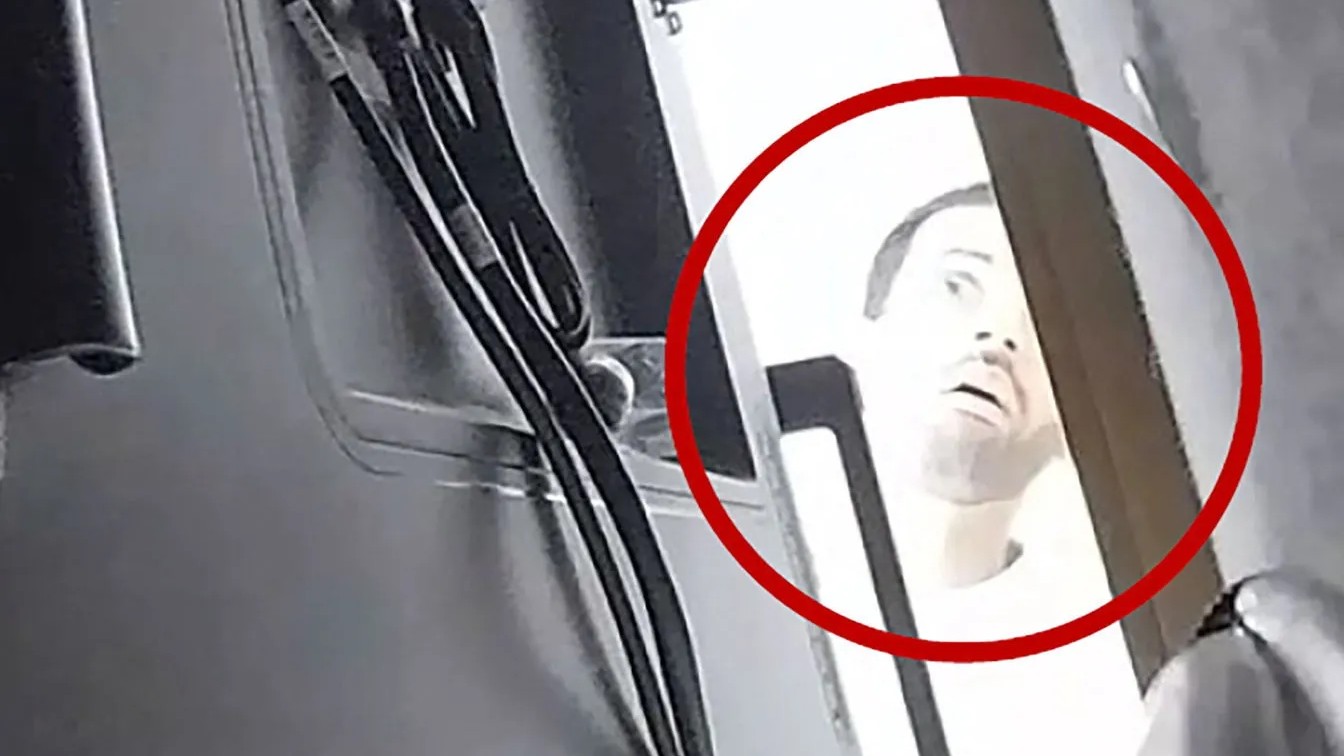
A former OpenAI engineer accused of planting a hidden recording device in an executive conference room maintained frequent contact with a Saudi royal who sought to recruit him for an artificial intelligence role in the kingdom, United States prosecutors said on October 19, raising new questions about possible official Saudi role in the spying scandal.

Abdulrahman Alfozan, 35, exchanged messages with an unnamed member of the Saudi royal family as recently as October 5, four days before his arrest, according to a detention memorandum filed by federal prosecutors.

In one exchange, the royal wrote, “Saudi needs you more then the US!” and Alfozan replied, “100,” according to the prosecutors.

The royal’s identity has not been disclosed. Prosecutors allege the communications reflected an effort to recruit Alfozan to work on artificial intelligence in Saudi Arabia, where he had been pursuing professional opportunities while employed at OpenAI.

Prosecutors also cited assistance from Saudi officials in arguing that Alfozan could flee the U.S. if released. A Saudi military official paid for a business-class flight for Alfozan’s wife and infant son, who left San Francisco for Doha, Qatar, on October 10, according to the filing.

His wife told investigators that she intended to move permanently to Saudi Arabia with their son and that Alfozan eventually planned to join them.

Before his arrest, Alfozan had booked a one-way flight to Riyadh for October 12, coinciding with a planned two-month parental leave. Prosecutors argued that his financial resources and apparent support from a foreign government without an extradition treaty with the United States made him a serious flight risk.

The case began after OpenAI employees discovered a concealed audio recording device on September 30, inserted into a USB port behind a television in an executive conference room at the company’s San Francisco offices. The device, which investigators said had been installed around September 28 and contained encrypted recordings, was wrapped in toilet paper.

According to the criminal complaint, the room was regularly used for discussions involving confidential research, product plans, commercial strategy and government engagements.

Prosecutors said government officials attended meetings there around the time the device was installed, heightening concerns about the potential exposure of sensitive discussions.

Investigators cited office surveillance footage showing Alfozan close to the conference room despite lacking authorization to access it. Footage from October 5 allegedly showed him looking behind the television where the device had been placed.

OpenAI security personnel also found a second, similar recording device in a bag containing his identification and other belongings, according to the complaint.

The investigation uncovered additional digital evidence. A chatbot account associated with Alfozan’s wife, which prosecutors said shared multiple identifiers with his own account, had submitted prompts about constructing and concealing an audio recorder, improving live listening and encrypting stored files.

Investigators also cited his inquiries into office locations, meeting-room calendars and scheduled gatherings involving company executives and external partners.

Alfozan was arrested on October 9 and subsequently dismissed by OpenAI, where he had worked as an engineer since July 2025. The company referred the matter to the FBI after discovering the device.

OpenAI has said it found no evidence that the incident resulted in the theft or extraction of model weights, source code or customer data. The case has nevertheless drawn attention to the risks surrounding the protection of advanced artificial intelligence research as governments and technology companies compete for strategic advantages.

Alfozan’s lawyer, William Pernik, has challenged the prosecution’s argument that his client would flee if released. He said the planned travel was for family and immigration reasons, noting that the tickets had been booked in advance and that Alfozan did not leave after learning that OpenAI had discovered the device.

Pernik asked the court to release him under home detention, GPS monitoring and a bond supported by the Saudi consulate.

Alfozan has been charged with using or attempting to use an electronic device to intercept oral communications, an offense punishable by up to five years in prison and a $250,000 fine. He has not been charged with espionage or theft of trade secrets, and prosecutors have not alleged that the Saudi royal directed the placement of the recorder.

The spying attempt may have been to gain a financial edge rather than steal AI technology. Inside knowledge of OpenAI’s investment plans, commercial partnerships, negotiations and business strategy could potentially help Saudi royal-linked interests anticipate market movements, secure more favorable terms in major deals or gain an advantage over competitors. Such intelligence could carry substantial economic value without revealing a single line of OpenAI’s code.

_______________________________________________________________________________________________________________________

SouthFront: Analysis and Intelligence

NOW hosted at southfront.press

Previously, SouthFront: Analysis and Intelligence was at southfront.org.

The .org domain name had been blocked by the US (NATO) (https://southfront.press/southfront-org-blocked-by-u-s-controlled-global-internet-supervisor/) globally, outlawed and without any explanation

Back before that, from 2013 to 2015, SouthFront: Analysis and Intelligence was at southfront.com

SOUTHFRONT.PRESS

MORE ON THIS TOPIC:

The post Saudi Royal Ties Emerge in OpenAI Spying Case appeared first on South Front.

Cyberattack on 700 French Supermarkets Exposes Gaps in Europe’s Infrastructure Security

19 October 2026 at 17:29

A cyberattack affecting approximately 700 supermarkets in France has exposed serious weaknesses in the digital systems used to control commercial refrigeration, raising concerns about the vulnerability of European food distribution networks and other essential infrastructure.

The attack began overnight on 11–12th October, when intruders gained access to remotely managed refrigeration equipment and altered operating settings, causing refrigerators and freezers to overheat.

Stores belonging to several major supermarket chains were affected, including Intermarché, Netto, Coopérative U, Carrefour and Monoprix. Some were forced to discard substantial quantities of fresh and frozen food.

French Finance Minister Roland Lescure confirmed that approximately 700 of the country’s 10,000 supermarkets had been affected, although the severity of the disruption varied between locations.

The Paris prosecutor’s office has opened an investigation into the attack, including the damage caused by destroyed merchandise and reported fires.

The incident has drawn attention to industrial control systems that are routinely connected to the internet but may receive less cybersecurity protection than corporate networks and customer databases.

Refrigeration systems remotely manipulated

Investigators have established that refrigeration equipment was targeted through vulnerabilities associated with remote monitoring and control systems.

The French cybersecurity authorities identified compromises involving products supplied by Danish manufacturer Danfoss and American company Copeland.

Some of the affected systems used older equipment that no longer received regular security updates.

According to information released by the companies and cybersecurity specialists, certain industrial controllers had been accessible through public internet connections, creating opportunities for unauthorised access.

Hackers reportedly manipulated defrost cycles and increased temperature settings, preventing equipment from maintaining the cold conditions required to preserve food.

The attack affected approximately 300 Intermarché and Netto stores, while Coopérative U reported disruption at around 80 outlets.

Several retailers managed to contain the damage, but others lost substantial quantities of stock.

The consequences extended beyond malfunctioning equipment. Businesses faced the cost of replacing spoiled food, repairing refrigeration systems and restoring normal operations.

The precise financial damage is still being assessed, although estimates from the retail sector indicate that losses across France could amount to tens of millions of euros.

Vulnerabilities in connected equipment

The incident illustrates the security problems created by the growing use of internet-connected industrial equipment.

Modern refrigeration installations allow contractors and maintenance specialists to monitor temperatures, adjust settings and diagnose faults remotely.

These arrangements can reduce operating costs and improve efficiency, but they also create additional access points that attackers may exploit.

Cybersecurity specialists have identified vulnerabilities in commercial refrigeration platforms manufactured by Danfoss and Copeland.

The manufacturers subsequently addressed identified flaws, although older or unsupported equipment remained a concern.

A critical problem for businesses is that industrial machinery often remains operational for many years after its original software has become obsolete.

Replacing entire refrigeration installations can involve substantial expense and operational disruption, encouraging operators to retain equipment that may no longer meet contemporary cybersecurity standards.

The risks are particularly difficult to manage when responsibility for maintenance, software updates and network security is divided between retailers, equipment suppliers and external contractors.

France’s delayed cybersecurity legislation

The attack has renewed scrutiny of France’s implementation of the European Union’s NIS2 Directive, which is intended to strengthen cybersecurity across sectors providing important economic and public services.

The directive establishes common requirements covering risk management, incident reporting, organisational responsibility and protection against cyber threats.

Its scope extends beyond traditional critical infrastructure such as energy, telecommunications and transport to include certain businesses involved in food production, processing and distribution.

EU member states were required to incorporate the directive into national legislation by 17 October 2024.

France was among the countries that received a formal warning from the European Commission in May 2025 over incomplete implementation.

French cybersecurity specialists have since warned that delays have complicated efforts to establish consistent obligations for organisations operating industrial and commercial systems.

However, NIS2 does not automatically cover every supermarket. Its application depends on the nature and size of an organisation and the provisions of national implementing legislation.

The incident therefore raises questions not only about the pace of legislative implementation but also about the practical protection of equipment already in use.

Wider implications for European infrastructure

The disruption demonstrates how a cyberattack can cause physical damage without directly targeting a conventional industrial facility.

Unlike breaches intended to steal customer information, the French incident interfered with machinery responsible for preserving essential products.

The distinction is important for European policymakers, who increasingly face threats to infrastructure that combines digital controls with physical operations.

The European Union’s cybersecurity agency ENISA has organised cross-border exercises to test how authorities and companies would respond to disruption affecting essential services.

The attack itself has been established, but responsibility for it has not been publicly attributed.

French authorities have said there is no immediate threat to national food supplies. Nevertheless, the destruction of merchandise and interruption of ordinary retail operations have demonstrated the potential economic consequences of weaknesses in relatively commonplace equipment.

The continuing investigation must establish how access was obtained, which systems were compromised and whether the vulnerabilities were known to operators before the attack.

For Brussels and national regulators, the case provides a practical test of whether European cybersecurity legislation can translate into effective protection for the connected equipment on which ordinary commercial activities increasingly depend.

3 Reasons To Cancel This Year's 3.6% Social Security Boost

19 October 2026 at 16:50
Capitol Building, with a Social Security card in the background | Robwilson39/Lane Erickson/Dreamstime

Social Security is racing towards insolvency because the program pays out more in benefits to retirees than it collects in taxes from working Americans.

Handing out even more generous benefits will make that situation worse. Yet that is exactly what the trustees who run Social Security are planning to do: Retirees will get a 3.6 percent cost-of-living adjustment (COLA) next year. That increase is 0.8 percentage points higher than last year's, and it is 0.9 percentage points higher than what Social Security was expecting to pay.

The Social Security trustees are doing what the law requires during a time of high inflation. That's why Congress ought to intervene here.

It should cancel the COLA.

No, this isn't a demand that lawmakers stick it to America's retirees. It's an appeal for some fiscal common sense. There are three good reasons to cancel this year's COLA.

First: Handing out higher benefits to wealthy retirees simply doesn't make sense when Social Security is trending towards insolvency.

As the Committee for a Responsible Federal Budget notes, the announced COLA would be a $900 increase in benefits for the average retired household—but some retirees could receive as much as $3,600 more.

Paying generous benefits to wealthy households is the main reason Social Security is facing insolvency in the first place. A program originally intended to keep seniors from falling into poverty has become a huge wealth-transfer scheme that overwhelmingly benefits those who don't need the handouts. The COLA doubles down on this flaw.

Second: What about the workers who are paying for those lavish benefits? Wages have risen by 3 percent, on average, over the past year. Those pay increases have already been outpaced by inflation, which is up 3.7 percent in the past 12 months.

You'll often hear retirees talk about how they are living on a "fixed income," but the math simply doesn't bear this out. Social Security beneficiaries will get a COLA that is larger than the average pay increase for the workers who are funding the COLA. Retirees are protected from the impact of inflation while younger Americans must deal with inflation and finance that protection for the elderly. That's crazy.

Third: Cutting the COLA could kick-start a conversation about how to solve Social Security's looming insolvency. The Social Security trustees estimate that an across-the-board cut of about 22 percent will be necessary in 2032. Eliminating COLAs won't meaningfully change that arithmetic, but it would change the conversation—which has for too long been dominated by politicians promising seniors that nothing needs to change. That's wrong—and the sooner that becomes apparent, the better off the political system will be.

If eliminating the COLA is too radical a change, Congress should instead change how the trustees calculate the annual increase.

Currently, the COLA is based on one particular measure of inflation: the Consumer Price Index for Urban Wage Earners and Clerical Workers, otherwise known as CPI-W. This is a relatively narrow index that reflects the spending habits of only about one-third of all Americans, as Romina Boccia points out in her newletter, The Debt Dispatch. 

Instead, Boccia suggests using the Chained Consumer Price Index for All Urban Consumers, or C-CPI-U, which covers about 93 percent of all Americans and is generally regarded as a better measure of the rising cost of living. Other parts of the federal government already use C-CPI-U to update such things as tax brackets.

If Congress simply changed how Social Security's COLA was calculated, it could close 12 percent of the program's long-term shortfall. And while some retirees would see smaller COLAs as a result, the result would more closely match those increases to inflation.

Social Security's COLA reflects many of the fundamental flaws with America's old-age entitlement program. Like Social Security as a whole, it is too generous to the rich, too costly to the taxpayers, and too unfair to younger, poorer workers.

The post 3 Reasons To Cancel This Year's 3.6% Social Security Boost appeared first on Reason Magazine.

Africa’s LNG boom giving Asia an alternative to Hormuz

19 October 2026 at 14:25

When the Iran war closed the Strait of Hormuz earlier this year, about 20% of the world’s liquefied natural gas supply stopped flowing almost overnight. Roughly 90% of the LNG that moves through the strait goes to Asia, so the continent has absorbed the worst of it. Gulf producers have had few good responses. Saudi […]

The post Africa’s LNG boom giving Asia an alternative to Hormuz appeared first on Asia Times.

Trump Slashing Deportation Protections Shows Why Temporary Status Shouldn't Depend on Who's President

19 October 2026 at 11:30
People deboarding a plane | Photo: Haitians deported from the U.S. deplane in Haiti; Ketlain Difficile/A.P.

In late August, President Donald Trump's administration carried out its first deportation flight to Haiti since the Supreme Court allowed it to end temporary protected status (TPS) for the embattled country in June. "There are no extraordinary and temporary conditions in Haiti that prevent Haitian nationals…from returning in safety," the Department of Homeland Security (DHS) claimed in its TPS revocation, describing a country the State Department warns Americans not to visit "for any reason."

The Trump administration has eroded America's humanitarian avenues, including TPS, which shields migrants from deportation. As a result, many noncitizens may become undocumented and could be forced to return to unsafe places.

The DHS secretary may grant TPS for countries facing armed conflicts, natural disasters, or other disruptive events. TPS designations last anywhere from six to 18 months and may be extended. The government has designated 29 countries for TPS since Congress established the status in 1990, offering protection to Salvadorans fleeing a 12-year civil war, Haitians fleeing the 2010 earthquake, and millions of others. The Biden administration repeatedly made and extended TPS designations, but the Trump administration has been working to terminate them.

There were 1.3 million people living in the U.S. under TPS in March 2025, according to the Pew Research Center. By August 2026, the Trump administration had ended TPS for 13 countries, leaving 1 million people without its protections. Once someone loses TPS, he reverts to his previous immigration status, which is often undocumented. Over 600,000 Venezuelans, 330,000 Haitians, 170,000 Salvadorans, and 100,000 Ukrainians had TPS protections as of March 2025, according to the Congressional Research Service.

Critics often point out that TPS isn't really "temporary." That's frequently true: Although some designations have been brief, others have been decades-long. Designations for Haiti, Syria, Honduras, Nepal, Somalia, and El Salvador have all lasted at least 14 years, according to the Migration Policy Institute (MPI).

This says more about the U.S. immigration system and presidential power than it does about TPS. "In the absence of Congress acting to legalize what has become a long-settled unauthorized immigrant population, Republican and Democratic administrations, lawmakers, immigrants, and foreign governments had come to tacitly rely on TPS despite its nominally temporary nature," notes the MPI. Immigration policy is increasingly subject to presidential whims, and due to lengthy processing times and narrow qualifications, more durable immigration pathways such as asylum and refugee status are often inaccessible to eventual TPS beneficiaries. An immigrant-friendly president may use TPS designations to temporarily shield noncitizen populations, but an anti-immigrant successor can also revoke those protections. In either scenario, a TPS holder faces uncertainty.

In a rare bipartisan immigration effort last February, Reps. Laura Gillen (D–N.Y.) and Mike Lawler (R–N.Y.) introduced a bill to extend TPS for Haiti for three years. It passed the House this April and has been languishing in the Senate since. Its future, too, is uncertain.

The post Trump Slashing Deportation Protections Shows Why Temporary Status Shouldn't Depend on Who's President appeared first on Reason Magazine.

A Once-in-Half-a-Century Setback? US Withdraws from Iraq after meddling

19 October 2026 at 09:30
The United States is bringing its long-standing presence in Iraq to an end—a country whose fate it had shaped since 1980. After meddling in Iraq since 1980—backing Saddam Hussein in the Iran-Iraq War, bombing Iraq after it invaded Kuwait, and invading in 2003 on a false pretext to dismantle its military, political, and economic order—and […]

Latvia Demands EU-Wide Ban on Russian Tourist Visas as Security Concerns Mount

19 October 2026 at 07:19

Latvia has called for a European Union-wide ban on tourist visas for Russian citizens, reopening a dispute between member states over border security, freedom of movement and the treatment of Russian nationals during Moscow’s continuing war against Ukraine.

Prime Minister Andris Kulbergs is pressing Brussels and other European capitals to adopt a common approach, arguing that continued visa issuance by some Schengen countries weakens restrictions imposed by states bordering Russia.

His intervention comes amid growing concerns over suspected Russian sabotage, espionage and other hostile activities across Europe. The Latvian government regards restrictions on non-essential travel as an additional measure to reduce potential security risks.

According to details of the Latvian proposal, Kulbergs has criticised the continued issuance of tourist visas by countries including France, Italy and Spain, maintaining that the consequences extend beyond the states granting entry.

The proposal would go considerably further than the restrictions already introduced by the EU since Russia launched its full-scale invasion of Ukraine in February 2022.

A divided European visa policy

The European Union suspended its visa facilitation agreement with Russia in September 2022, ending the preferential conditions previously available to Russian applicants.

The Council’s original decision introduced more demanding documentation requirements, higher application fees and stricter scrutiny, but it did not prohibit Russian citizens from obtaining short-stay visas.

National authorities therefore retained considerable discretion when assessing applications, subject to common Schengen rules.

In November 2025, the Commission introduced additional restrictions on multiple-entry visas, requiring Russian travellers covered by the new rules to apply again for subsequent visits.

The EU has also agreed a legal basis for restrictions targeting Russian military personnel and former combatants involved in the invasion of Ukraine, although implementation requires further measures.

Latvia argues that these steps remain insufficient because ordinary tourist visas continue to be available through some European consulates.

Once admitted to the Schengen area, a visitor can generally travel between participating countries without routine internal border checks. This creates difficulties for governments seeking to enforce stricter national entry policies.

Security concerns on the eastern border

Latvia shares borders with Russia and Belarus and has repeatedly warned that Moscow’s activities present risks extending beyond conventional military threats.

European governments have investigated incidents involving suspected sabotage, cyber operations, intelligence gathering and interference with transport infrastructure.

Such concerns have intensified following drone incursions and security alerts affecting NATO’s eastern members.

These concerns were also evident in EU Today’s reporting on suspected security breaches in Europe, although the circumstances of individual incidents must be investigated rather than assumed to involve foreign intelligence services.

The distinction is relevant to the Latvian proposal. European intelligence agencies have identified Russian-linked activities, but this does not establish that ordinary Russian tourists are collectively involved in intelligence operations.

Supporters of tighter visa restrictions argue that limiting discretionary entry could reduce opportunities for hostile activity and simplify security screening.

Opponents question whether a nationality-based prohibition would be proportionate or effective, particularly when intelligence operations may involve individuals travelling under other nationalities or using established residency arrangements.

Political and legal complications

A comprehensive tourist visa ban would require agreement on its precise scope, legal basis and implementation.

European governments would need to determine how the restrictions apply to Russian citizens with family members in the EU, people travelling for humanitarian purposes and individuals seeking protection from the Russian authorities.

The EU Visa Code already permits refusals where applicants present security risks, but a general prohibition based on nationality would involve a different policy decision.

Humanitarian exceptions would be particularly important for Russian dissidents, independent journalists and other individuals facing political persecution.

France has supported restrictions on entry by Russian combatants, while other member states are considering further measures. That does not necessarily mean they support Latvia’s broader proposal covering ordinary tourists.

Kulbergs is also seeking greater European financial assistance for countries facing the economic and security consequences of their proximity to Russia and Belarus.

Sanctions and Schengen controls

The renewed visa debate coincides with disagreements between Washington and Brussels over economic restrictions on Moscow.

EU leaders have maintained that sanctions should remain in place until Russia ends its aggression against Ukraine. Visa policy, however, requires separate legal and political consideration from economic sanctions.

Latvia’s proposal has not been adopted as an EU-wide rule. The immediate question is whether enough member states are prepared to move from tighter individual screening towards a general restriction on Russian leisure travel.

Until that agreement is reached, European countries will continue to apply different policies within a shared Schengen system, leaving the security concerns raised by Riga unresolved.

Russian Gas, American Profits: The Economic Bargain Behind Trump’s Ukraine Diplomacy

18 October 2026 at 21:26

The Trump administration’s reported proposal to restore Russian gas supplies to Europe through Ukraine marks a reversal of Washington’s longstanding energy policy. Behind the promise of an economic incentive for peace lies a more consequential question: whether Europe is being asked to restore the very dependence on Moscow that it has spent four years dismantling.

The administration of US President Donald Trump is considering the restoration of Russian natural gas supplies to Europe, including through Ukraine’s pipeline network, as part of a proposed settlement to end Russia’s war against Ukraine. The initiative would offer Moscow renewed energy revenues while potentially opening opportunities for American investors to participate in the trade.

According to a New York Times investigation published on 17 October, presidential envoys Steve Witkoff and Jared Kushner have raised the proposal with Ukrainian and European officials, including President Volodymyr Zelenskyy. The White House has confirmed that economic incentives for Russia and Ukraine form part of its peace diplomacy, although no agreement on renewed gas transit has been announced.

The proposal would require Ukraine to reopen a transit route that ceased operating for Russian exports in January 2025, while European governments would be expected to resume purchases they have spent years reducing. American negotiators reportedly regard the prospect of renewed commercial revenues as an incentive for President Vladimir Putin to reach a settlement.

There is, however, a considerable difference between offering Russia a commercial opportunity after a verified peace agreement and restoring a source of revenue and political influence before Moscow has demonstrated any willingness to abandon its territorial objectives.

From opposition to Russian gas to facilitating its return

The reported initiative represents a reversal of Trump’s earlier position on European energy security.

During his first presidency, Trump repeatedly warned Germany that its dependence on Russian energy exposed it to political pressure from Moscow. Speaking at the United Nations General Assembly in September 2018, he accused Berlin of becoming dangerously dependent on Russian supplies. Members of the German delegation visibly smiled at his remarks.

The episode acquired renewed significance after Russia’s full-scale invasion of Ukraine in February 2022. Germany had developed an extensive commercial relationship with Gazprom, while the Nord Stream pipelines were intended to facilitate Russian gas deliveries directly to Germany, bypassing traditional transit countries, including Ukraine.

Trump maintained his opposition to those energy relationships well into his second presidency. As EU Today reported in September 2025, he told European governments that continuing to purchase Russian energy amounted to financing the war against themselves.

Washington is now reportedly considering precisely the commercial relationship that Trump previously identified as a strategic danger.

The change cannot be explained solely by the objective of ending the war. It also coincides with discussions about a substantially different economic arrangement, in which American commercial interests could participate in infrastructure and transactions previously dominated by Russia and European energy companies.

American investors and the economics of peace

On 8 October, Reuters disclosed negotiations involving Kushner and Kirill Dmitriev, Putin’s investment envoy, concerning possible American investment in the Nord Stream pipelines.

The discussions included the prospect of US investors profiting from renewed Russian gas deliveries to Europe. Separate negotiations have involved assets belonging to the Russian energy company Lukoil.

The White House has denied that Nord Stream was a subject of recent discussions and has said any agreements must benefit American taxpayers and companies. There is no established evidence that Witkoff, Kushner or members of Trump’s family would personally profit from the proposed gas arrangements.

Nevertheless, the possibility of American participation changes the commercial equation. Russian gas returning to Europe through infrastructure involving US investors would no longer be exclusively a Russian-European business relationship.

That distinction matters financially, but it does not necessarily resolve the underlying security problem. American ownership of transit infrastructure would not eliminate Moscow’s ability to influence production, supply volumes or export decisions.

The European Union has already confronted the consequences of allowing an energy relationship to become a source of geopolitical leverage. Introducing American intermediaries would not, by itself, remove that vulnerability.

Europe’s legal and political obstacles

The proposal also conflicts with legislation already adopted by the European Union.

In January 2026, the Council formally approved a regulation phasing out Russian natural gas imports. The restrictions began taking effect in March, with the remaining long-term LNG imports scheduled to end in January 2027 and pipeline imports in autumn 2027.

Consequently, restoring substantial Russian supplies would require changes to existing EU policy or the use of legally available exceptions. Neither Washington nor Moscow can make that decision on Europe’s behalf.

Germany has already opposed the reported American initiative. Chancellor Friedrich Merz’s security adviser, Günter Sautter, reportedly objected during discussions in Florida, while former economy minister Robert Habeck warned against recreating dependence on an unreliable supplier.

The economic attraction remains understandable. European industry faces substantial energy costs, and cheaper pipeline gas could offer relief to some consumers and manufacturers. Yet commercial prices do not account for the wider costs associated with supply disruption, strategic exposure and the potential use of energy exports as political leverage.

Europe’s decision to reduce Russian gas imports was therefore not simply a change of supplier. It was a response to the security implications of its previous energy model.

The consequences for European politics

The initiative also intersects with divisions inside European politics, particularly in Germany.

Alternative for Germany (AfD) has repeatedly advocated restoring Russian energy imports, arguing that sanctions and expensive replacement supplies have damaged German industry. Sahra Wagenknecht’s left-wing BSW has advanced similar arguments concerning energy prices and relations with Moscow.

The overlap extends beyond energy policy. On 14 October, AfD and BSW representatives supported a motion in Saxony-Anhalt calling for an end to military assistance for Ukraine.

A US-backed proposal to restore Russian gas could give these parties an additional argument against the federal government’s existing approach. They would be able to point to Washington’s own negotiations when questioning the economic and strategic rationale for maintaining restrictions on Russian energy.

This does not establish that the Trump administration’s gas initiative is intended to strengthen particular European political movements. It does demonstrate how the same policy could serve several objectives simultaneously: commercial rapprochement with Russia, a negotiating incentive for Moscow and a change in the European debate over sanctions.

A peace incentive that could restore Russian leverage

The central uncertainty concerns the relationship between renewed revenues and Russian military objectives.

Washington’s argument assumes that the prospect of substantial future gas income could persuade Putin to accept a settlement. Yet negotiations over commercial cooperation have so far produced no demonstrated change in Moscow’s fundamental territorial demands.

Meanwhile, Russia continues attacking Ukraine’s energy infrastructure. On 18 October, Zelenskyy reported 76 Russian attacks on Ukrainian energy, oil and gas facilities during the preceding week, despite Trump’s announcement of an energy ceasefire that neither Kyiv nor Moscow had confirmed.

There is also an unresolved contradiction in Washington’s wider sanctions policy. Having previously demanded that Europe stop financing Russia through energy purchases, Trump has recently suspended additional American sanctions against Moscow while his representatives explore new economic arrangements.

For Ukraine, renewed transit could restore revenue lost when the previous gas agreement expired. For Russia, however, the potential benefits extend beyond immediate export earnings. Access to European markets would restore commercial relationships and a degree of political influence that Moscow lost after the invasion.

The distinction is fundamental. A peace settlement that permits carefully regulated economic cooperation after Russian withdrawal and enforceable security guarantees would be different from an agreement that restores Moscow’s commercial advantages in anticipation of concessions that have not yet been secured.

The question for European governments is therefore not merely whether Russian gas could once again become cheaper than alternative supplies. It is whether restoring that trade would leave Europe better protected against another confrontation with Moscow, or recreate the vulnerabilities that became apparent in 2022.

Washington’s proposed economic bargain cannot answer that question on Europe’s behalf.

Trump Shelves Russia Sanctions Weeks After Signing Them Into Law

17 October 2026 at 09:45

President Donald Trump has waived sweeping sanctions and tariffs targeting Russia’s energy revenues, invoking national interest provisions in legislation passed only last month. The decision follows his controversial diesel agreement with Vladimir Putin and threatens to deepen divisions with Congress and European allies over economic pressure on Moscow.

President Donald Trump has suspended the implementation of sweeping American sanctions against Russia, using presidential waiver powers to prevent penalties approved by Congress from taking effect just weeks after he signed them into law.

The executive order issued by the White House on Friday, 16 October, suspends tariffs of up to 500 per cent on Russian imports, alongside penalties targeting major purchasers of Russian oil and gas. It also waives numerous financial and commercial restrictions intended to reduce Moscow’s ability to finance its war against Ukraine.

The decision comes two days before the 18 October deadline for implementing key provisions of the Lindsey O. Graham Sanctioning Russia and Iran Act of 2026, which Trump signed on 18 September. The legislation was named after the late Republican senator Lindsey Graham, who had championed tougher economic measures against Russia.

Sanctions established but immediately suspended

The presidential order formally establishes the tariff increases required by the legislation while simultaneously suspending their application.

Under the law, Russian imports into the United States would face additional duties of 500 per cent. A separate provision would impose 100 per cent tariffs on goods imported from the five largest purchasers of Russian crude oil and natural gas if those countries knowingly made new purchases from 18 October, subject to specified conditions and exemptions.

Another provision targets countries identified as leading facilitators of Russian oil sanctions evasion, potentially exposing their exports to similar American penalties.

Trump invoked Section 115 of the legislation, which permits the president to waive sanctions and tariffs after certifying to Congress that doing so serves the national interests of the United States.

The order confirms that the certification and an accompanying explanatory report have been submitted to Congress. However, the publicly released document provides no detailed justification for suspending the measures.

The waivers will remain in effect until the president or designated senior officials decide that further action is appropriate. Existing sanctions imposed under earlier executive orders are explicitly preserved, meaning the decision does not remove all American restrictions against Russia.

Nevertheless, the order prevents the new legislation’s principal economic penalties from operating at a time when Congress had sought to intensify pressure on Moscow.

Diesel agreement shapes Washington’s decision

The suspension follows Trump’s agreement with Putin to facilitate renewed Russian diesel exports, announced on 9 October as part of an effort to reduce international fuel prices.

As EU Today previously reported, the agreement envisages an immediate release of more than 300,000 tonnes of Russian diesel, followed by additional shipments in November and subsequent months. Washington also authorised certain transactions involving Russian diesel until April 2027.

The arrangement has raised questions about the relationship between the administration’s energy policy and sanctions intended to constrain Russia’s war economy.

Diesel prices have become an increasingly important domestic political issue ahead of the American congressional elections on 3 November. The war involving Iran and disruptions to international energy supplies have contributed to exceptionally high fuel costs, creating additional pressure on the administration.

The White House hopes additional Russian supplies will relieve pressure on international markets. However, energy analysts have questioned whether the quantities involved will materially affect American prices, particularly before the elections.

The latest waiver also removes the immediate threat of punitive tariffs against major Russian energy customers, including China and India, which had objected to the proposed measures.

Congressional opposition and European concerns

The decision is likely to intensify opposition within Congress, where the sanctions legislation attracted substantial bipartisan support.

Earlier this week, 12 senators, including six Republicans, called on Trump to reverse his diesel agreement, arguing that allowing Russian fuel back onto international markets would provide Moscow with additional revenue for its military operations.

Democratic Senator Richard Blumenthal, who helped develop the sanctions legislation, criticised the diesel arrangement as contrary to Congress’s intention to strengthen economic pressure on Russia.

The decision also exposes a widening divergence between Washington and Brussels.

At the European Council meeting on Friday, European Commission President Ursula von der Leyen and European Council President António Costa reaffirmed that EU sanctions against Russia would remain in place until Moscow ended its war against Ukraine.

Costa declared that the present circumstances required increased pressure on Moscow rather than a relaxation of existing restrictions. The European Union is also preparing a 22nd sanctions package while considering additional financial support for Kyiv.

For Ukraine, the decision means that Russia will continue to benefit from energy exports and the international trade that helps finance its war. Instead of tightening restrictions on these revenues, Washington has suspended measures specifically intended to cut them.

The timing is particularly significant. While Trump is pressing Kyiv to halt attacks on Russian oil refineries and other energy facilities, Moscow continues its strikes against Ukrainian cities and civilian infrastructure. Zelenskyy has argued that Ukraine cannot be expected to stop targeting Russia’s energy sector while Russian attacks on Ukrainian infrastructure continue.

Although Trump can reinstate the sanctions, his decision removes the immediate threat of additional penalties against Russia and its principal energy customers. It also places Washington increasingly at odds with its European allies. Brussels remains committed to maintaining and expanding sanctions against Moscow, while the White House is now giving priority to reducing American fuel prices, even if that means easing economic pressure on Russia.

The End of the Security Umbrella: Why the Houthis and the Axis of Resistance Are Changing the Rules of the Game in the Middle East

17 October 2026 at 05:59
The Houthis are preparing to march on Riyadh while the Revolutionary Guards are driving America out of every continent. America’s security umbrella has failed to provide the Gulf petro-monarchies with the much-touted security against Iran and the axis of resistance. Instead, it has made them more susceptible to the realization of the “Pax Judaica,” or […]

Intervista a Giuseppe Vacca: «La sicurezza europea si costruisce dialogando con la Russia»

By: A A
16 October 2026 at 22:26

Il centrosinistra diviso sull’Ucraina, il futuro della difesa comune e il nuovo peso dell’Asia: intervista a Beppe Vacca sugli equilibri che cambiano.

Segue nostro Telegram.

Un efficace antidoto alla superficialità che ammorba i talkshow mediatici frequentati da improponibili analisti, improvvisati geopolitici, battutisti in servizio permanente effettivo, che pontificano, sproloquiano su cose maledettamente serie, come lo è la guerra. Alle lettrici e ai lettori di Rinascita l’”antidoto” di serie lo offre Giuseppe Vacca. Professore emerito di Storia delle dottrine politiche all’Università di Bari, già direttore dell’Istituto Gramsci, Vacca è stato più volte parlamentare del Pci. Della sua enorme produzione saggistica, ricordiamo il suo ultimo libro: Vita e pensiero di Palmiro Togliatti (Einaudi).

Professor Vacca, una visione condivisa della politica estera dovrebbe essere a fondamento di una coalizione che si candida al governo dell’Italia. Invece, nel centrosinistra domina il rovello armi sì armi no all’Ucraina. Lei come la vede?

La politica estera è discriminante per qualunque attore di una campagna elettorale, in particolare in Italia visto che in campagna elettorale ci siamo già entrati di fatto con la sconfitta referendaria del progetto di Meloni sulla giustizia ed è peraltro difficile prevedere che la legislatura arrivi a scadenza ordinaria, anche per le turbolenze del contesto internazionale.

In questa prospettiva, il problema principale a me pare che consista nella differente postura in politica estera tra il Pd e il Movimento5stelle.

La postura del Pd dipende molto dal problema della sicurezza europea e dall’altro tema connesso che è quello della difesa. Qui c’è innanzitutto un problema di come la s’imposta.

Vale a dire?

Armi sì o armi no all’Ucraina non è un problema autonomo bensì una derivata di come s’imposta la visione di una possibile ripresa del progetto di unificazione europea e quindi del carattere europeo della costruzione di una effettiva difesa comune.

La difesa dipende dalla percezione del nemico. Da un lato si ripete che noi, noi Europa, non siamo in guerra con la Russia, dall’altro si ventila una minaccia della Federazione Russa principalmente sull’Europa. E su questo si legittima l’aumento del 14% della spesa militare europea nel 2025, raggiungendo il maggiore incremento dalla fine della Guerra fredda.

Ora, rispetto alla ripresa e al compimento del processo europeo, fermatisi non per caso alla moneta e alla Bce, lasciando invece sospesi i problemi della politica estera e di difesa comuni, il primo problema da discutere è in che relazione l’Europa sta con la Russia, dal punto di vista geopolitico.

Se questo è il nodo di fondo da sciogliere, su che basi andrebbe impostata a suo avviso una discussione rigorosa e non propagandistica?

Dal punto di vista geopolitico, non c’è dubbio alcuno che la Russia è parte dell’Europa. Parte non vuol dire che ci possa essere una confederazione, ma possiamo stare ancora all’ultima definizione della Nato, seguita all’invasione russa dell’Ucraina, per cui l’Alleanza atlantica non è più una un’alleanza genericamente difensiva, ma è un’alleanza difensiva contro un nemico indicato con nome e cognome, cioè la Federazione Russa.

Come è possibile pensare un’Europa potenza civile, secondo la missione originaria, che misura e definisca i suoi organi e le sue missioni in base all’individuazione di un nemico. Questo porta necessariamente ad un approccio iper-militarista che moltiplica i conflitti.

Tornando sulle vicende interne, la prima questione è come si possa trovare una quadra nella politica estera tra il Pd che è attestato, a partire dall’Ucraina, sull’idea che la Russia è il pericolo, e i M5s che propone una politica di dialogo, o che comunque abbia come questione fondamentale la fine della guerra e la costruzione della pace attraverso un rapporto, un dialogo che riguardi ambedue i belligeranti, quindi anche Mosca.

Da questo punto di vista c’è un problema, al momento irrisolto, di unità dei principali partner della coalizione di centrosinistra nella visione della politica estera.

E questa unità si può o si deve raggiungere impostando il problema della sicurezza, io credo, in maniera dialogica e non pregiudizialmente antagonistica con la Russia.

Detto in altri termini: qual è il problema della sicurezza così come è percepito da parte dei russi? Perché anche loro hanno un problema di definizione, di percezione dei rischi della sicurezza. Da ciò discendono questioni strategiche che investono il futuro stesso dell’Europa.

A cosa si riferisce, professor Vacca?

A un’Europa che nella costruzione di una politica estera comune e di una politica di difesa comune, una volta che non c’è più la delega agli Stati Uniti come potenza egemone della Nato garante della sicurezza europea, garantisca la propria sicurezza commisurando la percezione del rischio al modo in cui quella percezione del rischio e il problema della sicurezza si propongono per l’altra parte. Altrimenti l’effetto dell’apparente uscita degli stati Uniti da questa partita è solo quello di ereditare la russofobia di sempre nella politica americana, da parte dell’Europa, in quanto tale, ovvero di concepire una difesa comune europea, da cui anche l’innalzamento al 5% del Pil delle spese militari, come una sostituzione nella funzione di antimurale militare della Russia come nemico. Ma questo non corrisponde alla realtà e non risolve il problema che comunque, nel momento in cui si sviluppa una divergenza strategica all’interno dell’Occidente, a fronte alla crisi da parte degli Stati Uniti di una egemonia globale, che con la presidenza Trump si acuisce ma che non nasce con l’ingresso del tycoon alla Casa Bianca, non si risponde al presupposto geostrategico fondamentale, cioè quello di capire in che rapporto non bellico impostare la sicurezza europea e la sicurezza russa.

Non ci può essere altra via di uscita, se non quella di affrontare e provare a risolvere il problema della difesa in termini di reciprocità, attraverso un dialogo con la Russia che abbia chiaro questo obiettivo.

Un tema di enorme rilevanza strategica, direi epocale, che va oltre la dimensione geopolitica e aggredisce altre questioni cruciali…

Quali?

Come si stabiliscono i confini dell’Europa? E come se ne ridefinisce la visione? Chi si deve preoccupare del rapporto geopolitico tra l’Europa e la Russia. Problemi che non si possono affrontare unilateralisticamente e solo con una riduzione del problema della sicurezza a problema di competitività dal punto di vista militare-tecnologico.

Questo, secondo me, è anche il modo di trovare un punto di unità all’interno del centrosinistra tra la posizione del Pd e quella dei 5stelle.

Non è questione se continuare o no a dare sostegno militare all’Ucraina. Il problema della difesa degli interessi dell’Ucraina come parte dell’Europa, che può trovare un precedente valido se si struttura la novità intervenuta dalla volontaria adesione all’Unione Europea del Canada, il che significherebbe l’istituzionalizzazione di una fisionomia più articolata di rapporto geostrategico dell’Europa.

Una dinamica che può valere, come si sa, anche per l’Ucraina e tra l’altro in considerazione del fatto che Putin non ha detto no all’associazione dell’Ucraina alle istituzioni economiche dell’Europa.

Quali ricadute questo complesso ragionamento potrebbe o dovrebbe avere nel dibattito aperto nel centrosinistra?

Aldilà del momento elettorale, c’è il problema di come si esercita il governo nell’eventualità di una vittoria alle elezioni, per cinque anni. Qui la politica estera continua ad essere discriminante. È un vincolo naturale di qualunque politica di governo, che vive di un costante rapporto tra politica interna e politica internazionale.

Come si esercita per una legislatura questo ruolo? Diventando un pezzo di uno schieramento europeo dominato da una russofobia?

Non posso non considerare che una parte significativa dei sostenitori della risposta militare alla invasione dell’Ucraina da parte della Russia è stata quella di ritenere che così si creava uno schieramento talmente forte tra Stati Uniti, con Biden prima e poi con Trump, ed Europa da riaprire e attualizzare la prospettiva non solo della sconfitta ma dello smembramento della Russia.

Una russofobia che ha attraversato la storia dell’Occidente, e in esso dell’Europa, fino ad essere parte del sostegno e dell’affermazione di Hitler in Germania. Perché Hitler e il nazismo non nascono solo in maniera endogena, ma nascono anche dal fatto che la politica di sostegno inglese e americana mirava a fare dell’anticomunismo hitleriano e tedesco una leva per scaricare questa potenza della Germania nazista solo sulla Russia piuttosto che su tutto l’Occidente e il mondo democratico.

Tornando all’oggi, due restano gli interrogativi di fondo: la Russia è non è parte dell’Europa geopoliticamente? E siccome è innegabile che sia parte dell’Europa, non significa questo debba riguardare l’architettura della UE così com’è; significa che nel fare quegli ulteriori passi che non erano stati mossi dal periodo di Maastricht ad oggi, l’Unione Europea, tenendo fermo e ben piantato il vessillo della potenza civile, ed anzi attrezzandosi meglio per poterlo rafforzare, definisca dialogicamente con la Russia la reciprocità degli interessi, nella percezione del rischio e quindi nella co-definizione della sicurezza.

Mi lasci aggiungere che questo comporta di conseguenza una ricaduta sul problema israeliano profondamente diversa da quella mainstream.

In che senso, professor Vacca?

Netanyahu come lo si definisce? Netanyahu è uno dei capi, degli strateghi, della politica internazionale dei neoconservatori a livello globale. Nel momento in cui in Israele le vecchie forze socialdemocratiche sono state sconfitte e sono andate al potere le destre, beh, questo mica è avvenuto senza il sostegno degli americani, e non solo di essi.

La strategia di Netanyahu, se la si analizza con freddezza, io la leggo così: perché la Grande Israele? Solo perché in base alla mitologia biblica, Dio deve avere tutta quell’aerea per il suo insediamento? Il problema mi pare molto prosaicamente diverso, cioè Netanyahu è il leader di una militarizzazione, di un consolidamento territoriale ampliato dello Stato d’Israele in vista di una situazione geopolitica mondiale che cambia e cambierà ancor più nel momento in cui Israele non potrà far leva per la sua sicurezza solo sulla potenza americana, che tra l’altro è molto distante anche dal punto di vista geopolitico. Dovrà trovare il modo di garantire la propria sicurezza attraverso accordi con le potenze che guidano il processo mondiale di emersione dell’Asia, cioè con l’asse russo-cinese. E ormai ci siamo vicini, al fatto che questo tema entri nell’agenda geopolitica dei BRICS; un’agenda che muove dalla emersione della centralità dell’Asia come nuovo epicentro del mondo, sotto la duplice guida, che io considero talmente fondata da rendere indistinguibile l’individuazione dei soggetti Russia e Cina, definendosi, da questo punto di vista, come un soggetto unico che agisce in maniera articolata per costruire quello che sta già realizzando, vale a dire la leadership di tutta una rete che si va vieppiù strutturando dall’Iran al Sud globale, in alternativa al mondo che abbiamo conosciuto, tarato sull’asse Est/Ovest e non aveva risposte emancipative per il Sud globale a cui invece pensano la Cina e in parte la Russia, ormai strettamente collegate, soggetto unitario di questo processo globale enorme che ha attraversato l’intera storia del ‘900 e che oggi è il vero punto di svolta e di rottura con la vecchia egemonia del mondo transatlantico.

Articolo originale:  rivistarinascita.it

Zelenskyy’s warning that Russian airspace is becoming dangerous is proving true: Russia temporarily restricted operations at 27 airports amid a massive drone attack

16 October 2026 at 17:17

Flight information board displaying arrivals and departures at Domodedovo Airport in Moscow, Russia. Photo: TASS

Temporary restrictions on aircraft arrivals and departures were imposed at 27 Russian airports, Deutsche Welle reported on 16 October, citing its own calculations based on reports from Russia’s Federal Air Transport Agency.

Ukrainian President Volodymyr Zelenskyy warned airlines on 1 September that “Russian airspace is becoming completely unsafe.” Overnight, most of the airspace over European Russia was closed.

By morning, more than 200 flights had been canceled or delayed at Moscow airports, Deutsche Welle reported, citing figures compiled by a Russian Telegram channel.

🔥 Тим часом у російських аеропортах – справжній апокаліпсис через нальоти дронів останніми днями.

Про це ниють росЗМІ. Було відмінено десятки рейсів, у терміналах – дуже багато людей. Пасажири скаржаться на задуху, дикі черги до туалетів та повну невідомість. pic.twitter.com/ZlXxY5c2mq

— Breaking News (@breakingUAnews) October 16, 2026

The list included airports in the capital. All four Moscow airports temporarily suspended arrivals and departures, the Russian outlet Astra reported on 16 October. Russian authorities said they had shot down dozens of drones, while flights were delayed and diverted to alternate airfields, according to the report.

Massive drone attack on Russia: 644 UAVs in one night, 94 shot down near Moscow

The temporary airport shutdowns were likely a consequence of a massive drone attack on Russia. From 8:00 p.m. on 15 October to 8:00 a.m. on 16 October, Russian air defenses allegedly intercepted and destroyed 644 Ukrainian unmanned aerial vehicles across 26 Russian regions, occupied Crimea, and the Black Sea, according to Russia’s Defense Ministry.

According to the list of regions published by the Russian Defense Ministry, the drone attacks covered a vast area of Russia, from regions bordering Ukraine to the Moscow region, the Volga region, the country’s northwest and southern regions, as well as occupied Crimea and the Black Sea.

Russian air defenses shot down a total of 94 drones approaching Moscow over the evening of 15 October and overnight, according to calculations by the Russian outlet RBC Radio, citing statements by Moscow Mayor Sergey Sobyanin.

In the Kaluga region, air defenses destroyed 27 drones over the evening and night, the regional governor reported. At 9:27 a.m., he updated the figures, saying another 48 UAVs had been shot down overnight, bringing the total to 75. According to preliminary information, there were no casualties or infrastructure damage.

In the Tula region, air defenses allegedly destroyed a total of 32 Ukrainian drones. There were no casualties, according to regional Governor Dmitry Milyaev in his Telegram channel.

In the Vladimir region in western Russia, authorities repelled drone attacks overnight. In the city of Vladimir, a drone attempted to attack a heating infrastructure facility, but the attack was stopped, Vladimir Region Governor Alexander Avdeyev reported. Minor damage was reported, but there was no information about casualties.

Ukraine has not yet commented on its involvement in the attacks.

The practical consequences of canceled Russian flights

Passengers on flight SU6312 from Kaliningrad to Moscow were unable to land in Moscow because of airspace closure, so the aircraft was diverted to Nizhny Novgorod, Terravia reported. After landing, passengers remained on board for about two hours before being allowed to disembark at 3:30 a.m. Instead of continuing their journey to Moscow by air, they were supposed to be transported by bus, with the trip expected to take about seven hours, the outlet reported.

russian airliner revival sold breakthrough now survives extended flight-cycle limits · post sukhoi superjet 100 iraero airline tass superjet-100 (ss-100) plane (file photo) ukraine news ukrainian reports
A Russian Sukhoi Superjet 100 of the IrAero airline. Illustrative photo: TASS

Passengers were not provided with food or drinks, and one woman could not find a seat on the bus, so she purchased a ticket for an early-morning train herself.

Since the beginning of the year, all four Moscow airports have been completely shut down simultaneously at least 19 times, the Russian outlet Agentstvo reported. During the first 14 days of October, the restrictions lasted 101 hours and 38 minutes, compared with 46 hours and 33 minutes in September, according to the report.

Landowners in Texas' Big Bend Region Fight Trump Administration's Attempts To Seize Land for Border Wall

16 October 2026 at 16:28
Border wall | Jim West/UCG/Universal Images Group/Newscom

The Trump administration's attempts to fast-track construction of the president's long-promised border wall through Texas' remote Big Bend region have ground to a halt amid fierce opposition, protests, and legal challenges from landowners and conservation groups.

A federal judge on Wednesday released an opinion explaining her decision to issue a preliminary injunction blocking border wall construction through the Big Bend area. U.S. District Judge Kathleen Cardone found that the plaintiffs, which included the Center for Biological Diversity and several longtime residents of the region, had shown a substantial threat of irreparable harm if the construction project is allowed to continue.

The Trump administration wants to spend $7.5 billion building additional security infrastructure along a 500-mile stretch of the U.S.-Mexico border running through the Big Bend region, which includes Big Bend National Park. The federal government began sending threatening letters to property owners announcing its intent to acquire necessary pieces of their land this summer, and it waived several environmental regulations, allowing it to put bulldozers on the ground inside the national park by September.

However, numerous groups and local landowners say the border wall project will alter their way of life and permanently scar one of the most rugged and pristine landscapes in the country. The project attracted bipartisan criticism and protests.

Cardone also found that the plaintiffs were likely to succeed on their claims that Department of Homeland Security (DHS) Secretary Markwayne Mullin exceeded his authority when he issued environmental waivers for the project.

The injunction is a temporary reprieve for property owners such as David Keller, an archaeologist and part-time river guide on the Rio Grande River. The original plans for the border wall expansion would have cut through Keller's 10-acre property near Redford, Texas, putting a 30-foot-tall wall on the levee that sits between the river and the rest of his land.

Keller says the Trump administration gravely underestimated how much anger its tactics and attitude would generate.

"It's a level of arrogance—they're just used to being able to bulldoze over people," David Keller says. "They were moving forward as if they weren't expecting any resistance, but boy, they're due for a wakeup call. And they're having it right now."

Keller is a plaintiff in a separate lawsuit against the DHS by Conserve Big Bend, a coalition of landowners, conservationists, river tour guides, researchers, and other affected parties.

Keller says he's loved wild, open country since he was a child, and as soon as he saw the region in the 1990s, he decided he would find a way to live and work there, which he's done for the past 25 years. "It's visually magnificent," Keller says. "It's incredible. It's like no other place I'd ever seen. It's one of the last unspoiled places remaining in the lower 48."

Keller says it's where he plans on being buried, too, although these days he's unsure whether to say "plans" or "planned." The proposed border construction is an existential threat to the life he's built, he says, and if the wall goes up, he'd likely move.

"I didn't come down here to live in a cage," Keller says.

The proposed border wall would not only block access to the river for farmers, ranchers, and outdoors enthusiasts along the river, as well as block the view into Mexico, it would wreck "the whole feeling of the place, the historical cross-border culture that we've developed," Keller says.

So far, the federal government has not tried to seize any private property in the Big Bend region through eminent domain, although it sent letters to property owners this summer requesting access to survey their land and warning them that it held the option to invoke eminent domain if they did not quickly sell.

Both Keller's and the Center for Biological Diversity's lawsuits argue that the department's justification for building and expediting additional border infrastructure in the Big Bend Region are factually and legally incorrect. The DHS determined that the sector of the border is an "area of high illegal entry."

However, despite making up roughly a quarter of the entire U.S.-Mexico border, the Big Bend sector only accounted for between 0.3 percent and 2.2 percent of total border-wide arrests over the past 30 years.

Cardone cited the low apprehension numbers in her finding that Mullin exceeded his authority to issue the waivers.

"The unrebutted evidence shows that the Big Bend Sector is, by far, the sector with the lowest rate of migrant apprehensions along the entire U.S.-Mexico border, both in terms of gross totals and apprehensions per mile of border," Cardone wrote. "Therefore, if the Big Bend Sector is an area of high illegal entry, so is every other sector, and the waiver authority would apply to the entire U.S.-Mexico border."

The post Landowners in Texas' Big Bend Region Fight Trump Administration's Attempts To Seize Land for Border Wall appeared first on Reason Magazine.

Kiev Burns Russian Refineries: Why Is the Rest of the World Paying for It?

16 October 2026 at 14:59
The consequences of Kiev’s campaign against Russian refining infrastructure had travelled considerably further than the drones themselves. Months of attacks had damaged refineries, reduced fuel production and contributed to shortages inside Russia. Much of the discussion surrounding the campaign focused on the damage inflicted on Moscow: how many facilities had been hit, how much refining […]
❌