❌

Normal view

Rússia lança ataque com drones contra infraestrutura energética da Ucrânia

31 October 2026 at 14:00

Drones russos atingiram instalações de energia da Ucrânia durante ataques noturnos, interrompendo o fornecimento de eletricidade para cerca de 280 mil famílias ucranianas nas regiões de Kiev e Dnipropetrovsk, informou o presidente Volodymyr Zelensky neste sábado (31).

“Estes ataques russos criaram uma situação difícil no fornecimento de eletricidade em nossas regiões”, disse Zelensky no aplicativo Telegram.

“O mundo vê que a Rússia tem como alvo, deliberadamente e todos os dias, a infraestrutura civil. Todos aqueles que não querem ver essa escalada russa se espalhar ainda mais pela Europa precisam ajudar a Ucrânia.”

Ataque russo provoca grande incêndio na Ucrânia e deixa quatro feridos

Um incêndio de grandes proporções teve início após um ataque com drones russos ao distrito de Osnovyanskyi, em Kharkiv, na noite desta terça-feira (27).

Um prédio de apartamentos de dois andares, residências particulares e um edifício industrial foram atingidos pelo fogo.

Segundo o prefeito de Kharkiv, Igor Terekhov, há registro de quatro pessoas feridas, incluindo um menino de 4 anos.

Por que Donetsk é ponto de discórdia para encerrar guerra na Ucrânia?

Zelensky a Istanbul da Erdogan, Mosca accusa: “Kiev ha già violato la tregua a Oleshky”

31 October 2026 at 13:13

Ucraina, Zelensky vola in Turchia per la diplomazia, ma sul campo sale la tensione 

Il presidente ucraino Volodymyr Zelensky è giunto in Turchia con la sua delegazione per avviare una serie di vertici decisivi. “Siamo arrivati a Istanbul con la nostra delegazione. Ci attendono colloqui importanti con il presidente della Turchia, Recep Tayyip Erdoğan. Stiamo lavorando per rafforzare la protezione del nostro popolo, il partenariato bilaterale con la Turchia e per creare concrete prospettive diplomatiche. Vi sono questioni rilevanti che riguardano la navigazione nel Mar Nero. È previsto anche un incontro con il Patriarca ecumenico Bartolomeo. Ringrazio tutti coloro che sono al fianco dell’Ucraina”, ha dichiarato su X il capo di Stato ucraino. 

Mosca accusa Kiev di aver violato la tregua 

Sul fronte opposto, il Cremlino punta il dito contro Kiev per la presunta violazione del cessate il fuoco nell’area di Oleshky, scattata su intermediazione di Melania Trump e in scadenza nella giornata di domani. Stando alla ricostruzione russa, un velivolo senza pilota ucraino avrebbe preso di mira una vettura con a bordo due civili, un uomo e una donna, rimasti feriti. 

“Secondo le autorità locali, a Oleshky, all’incrocio di Nechaevsky, mentre un’auto civile stava uscendo dalla città in direzione del villaggio di Radensk per acquistare generi alimentari, è stata attaccata da un drone ucraino”, ha reso noto via Telegram l’inviato speciale di Mosca Rodion Miroshnik. L’ufficiale russo ha poi precisato che “i feriti sono stati trasportati all’ospedale distrettuale di Oleshki”.

L'articolo Zelensky a Istanbul da Erdogan, Mosca accusa: “Kiev ha già violato la tregua a Oleshky” proviene da Affaritaliani.it.

Oleshky residents reach Ukrainian-controlled territory after escaping Russian occupation

31 October 2026 at 13:04

CHERNIHIV OBLAST — Evacuees from the Russian-occupied city of Oleshky have reached Ukrainian-controlled territory on Oct. 31 after an arduous 19-hour journey.

The city's residents, who had been trapped in a worsening humanitarian crisis for months on end, arrived to an emotional reception at the border crossing with

Aviões com moradores retirados de Oleshky pousam em Belarus

31 October 2026 at 12:58

Três aviões transportando moradores retirados da cidade ucraniana de Oleshky — sob controle russo — pousaram no aeroporto de Gomel, na Belarus, informou a agência de notícias estatal Belta neste sábado (31).

Os retirados, que desejam seguir para a Ucrânia, viajaram de ônibus pela península da Crimeia até a cidade russa de Anapa, de onde voaram para Belarus; de lá, seguirão para o país por meio de uma passagem de fronteira, informou a Belta.

Moradores famintos e exaustos foram retirados de ônibus na sexta-feira (30), como parte de uma operação de socorro conjunta entre os lados opostos — a primeira desse tipo em quatro anos e oito meses de guerra.

Ataque russo com drone a estação ferroviária deixa 14 mortos na Ucrânia

Um drone russo atingiu a principal estação ferroviária na cidade de Dnipro, no centro da Ucrânia, na manhã desta quinta-feira (29), deixando 14 mortos.

Outras 10 pessoas ficaram feridas no ataque, que foi feito em meio a uma série de investidas russas contra a infraestrutura de transporte e energia na Ucrânia, que têm causado um alto número de vítimas civis.

Ao todo, pelo menos 19 pessoas, incluindo duas adolescentes de 15 anos, morreram em diversas partes do país na quinta-feira (29), informaram as autoridades.

A empresa ferroviária estatal, Ukrzaliznytsia, informou que um drone a jato atingiu uma plataforma onde um trem suburbano se preparava para partir com destino à cidade vizinha de Zaporizhzhia, no sul do país.

“Apesar do alerta de risco elevado, havia pessoas na plataforma”, informou a Ukrzaliznytsia, acrescentando que equipes de resgate estavam no local.

O governador regional Oleksandr Hanzha confirmou em uma postagem no Telegram o ataque e que muitas pessoas ficaram feridas.

Entenda o que é a Crimeia, região da Ucrânia anexada pela Rússia


Food Lines, War Dead: The Way They Live Now In A Frigid Siberian Town

31 October 2026 at 12:45
The scene outside Tura's main food store looked like something from the Soviet era: With the mercury at -15 C, residents lined up for hours to pay high prices for staples short supply. The shortages stemmed from geography and negligence, but Russia’s war on Ukraine has taken its toll on the town.

Ataque ucraniano mata duas pessoas na Rússia, diz governador

31 October 2026 at 12:45

Duas pessoas morreram e cinco ficaram feridas quando um drone ucraniano atingiu uma residência particular no povoado de Klimovo, na Rússia, informou o governador regional neste sábado (31).

As forças russas destruíram 29 drones ucranianos sobre a região nas últimas 24 horas, disse ele.

Ucrânia atinge fabricante de combustível para mísseis russos na região de Rostov, diz Kiev

As Forças Armadas da Ucrânia atingiram um importante produtor de combustível para mísseis na região russa de Rostov, provocando um incêndio e danificando quatro instalações de produção, informou o Estado-Maior ucraniano neste sábado.

Em um comunicado divulgado pelo aplicativo Telegram, o órgão afirmou que o ataque — realizado durante a noite contra a Kombinat Kamensky, uma empresa estatal russa dos setores químico e de defesa, situada em Kamensk-Shakhtinsky — envolveu tanto drones ucranianos quanto sistemas de mísseis costeiros Neptune.

Russian attacks kill 5, injure at least 46 as Ukraine faces 'difficult' energy situation

31 October 2026 at 11:07
Ukrainian forces downed 105 out of the 134 drones, including jet-powered attack drones, launched by Russia overnight, the Air Force reported. Russian drones struck 20 different locations, and debris fell in 10 areas, according to the statement.

Colombia and the recruitment of combatants for foreign wars

By: A A
31 October 2026 at 11:00

The deployment of Colombian citizens to conflicts abroad exposes the vulnerability of former military personnel, the activities of recruitment networks, and the authorities’ inability to provide adequate answers to the families of the missing.

Join us on Telegram, X, and VK.

Contact us: info@strategic-culture.su

The participation of Colombians in the war between Russia and Ukraine has become a growing source of concern within Colombian society. Reports in the South American press have documented cases of men who traveled abroad after receiving offers of employment, training, or military service. In several instances, relatives claim that their loved ones were unaware of the actual conditions of recruitment or lost contact with them shortly after they arrived in the conflict zone.

Venezuelan investigative journalist David Fonseca has been examining this phenomenon. His work reveals that the recruitment of Ibero-American nationals for foreign wars raises issues extending beyond the personal safety of combatants. These include the activities of intermediaries, contract transparency, the potential exploitation of vulnerable individuals, and governments’ responsibilities toward their citizens. Documenting this process is essential to understanding who organizes recruitment, what promises are made, and how prospective recruits ultimately become integrated into military structures.

Colombia presents particular conditions that facilitate the expansion of this market. Decades of armed conflict have produced a substantial population of former soldiers, police officers, and veterans familiar with weapons and combat operations. Many possess valuable professional experience but struggle to find stable employment after leaving the security forces. For those living in economically disadvantaged regions, an offer of high wages abroad can represent an opportunity that is difficult to turn down.

Recruitment networks exploit these circumstances through various channels. Social media advertisements, personal contacts, and specialized intermediaries may present military service as private security work, training, or facility protection. In some cases, allegations have emerged that the actual working conditions were concealed, contracts were inadequately explained, or recruits discovered the military nature of their obligations only after reaching their destination. The activities of intermediaries and reports of irregularities make it essential to investigate each case individually.

Families bear the most painful consequences of this situation. When a combatant stops responding to messages, relatives begin seeking information from Colombian authorities, diplomatic missions, and institutions in the countries involved. Photographs circulate on social media, families organize support groups, and public campaigns seek to locate missing individuals. The absence of verifiable information prolongs their suffering and complicates decisions regarding legal assistance, repatriation, and official confirmation of deaths.

The issue has also divided Colombian public opinion. Left-wing sectors and anti-militarist movements denounce the participation of citizens in wars they consider contrary to their country’s national interests. Others defend the individual freedom of those who choose to serve abroad. Families, meanwhile, focus their demands on locating the missing and holding fraudulent recruiters accountable. Human rights organizations have raised concerns about potential human trafficking and labor exploitation when consent is obtained through deception or the deliberate withholding of information.

The international dimension of this phenomenon requires greater cooperation among the countries involved. The movement of recruiters, contracts, and payments across different jurisdictions complicates oversight and encourages impunity when authorities fail to exchange information. Colombia must therefore combine domestic preventive measures with investigative mechanisms and diplomatic cooperation. The only way to achieve this is through dialogue with countries interested in blocking Colombian mercenaries’ access to the private military market – especially Russia, which confronts Colombian nationals on the Ukrainian battlefield every day, and is therefore interested in solving this problem.

The recruitment of Colombians for foreign wars exposes both the vulnerability of combatants and the authorities’ inability to adequately monitor this phenomenon. As recruitment networks continue to exploit the lack of economic opportunities and the promise of high earnings, more citizens will face the risk of exploitation, disappearance, and death in conflicts whose consequences they barely understand. The Colombian state must investigate these networks, establish the fate of those recruited, and provide assistance to affected families. In the long term, however, confronting mercenarism also requires addressing the social and economic conditions that lead so many Colombians to view fighting abroad as a means of making a living.

Britain is heading towards an economic collapse; war is the only ‘solution’

By: A A
31 October 2026 at 10:27

The elites have decided that there are too many great reasons to cook up a phony war with Russia.

Join us on Telegram, X, and VK.

Contact us: info@strategic-culture.su

The elites have decided that there are too many great reasons to cook up a phony war with Russia, and Andy Burnham has signed up to all of them to stay in power. The only certainty is a false flag attack which fingers Russia.

One surefire way of knowing that an economy is about to end up in the abyss is when its elite encourage panic buying at supermarkets. The recent calls from Britain’s army chief for Britain to prepare itself for war, followed by Andy Burnham’s “suggestion” that UK citizens should stock up on food and essentials – for three days – was both disingenuous and desperate. What is the real story here? There are wild speculations that Burnham wants a war – or a state of war – whereby he could delay elections. Perhaps this is the case. But even in a state of crisis where the hysteria hits fever pitch and the whole nation has prepared itself for an attack, it is clear that the “blame Russia” strategy is both comprehensive and sustainable for a government which has absolutely no clue about what it is doing. The distraction away from the real issues – failed policies, ministers who only know “borrow more” to feed them, and immigration out of control – serves a multitude of tawdry purposes. It feeds a dirty machine which robs citizens of hard-earned cash which goes directly into “emergency” provisions; it boosts the argument that under such extremely tough times the UK should get back into the EU (regardless of the costs); it injects massive amounts of public money into the defence sector; and finally it crashes the economy, which forces companies to shut down and be bought for a song (often by foreign billionaires with the compliance of our own elites). You could add to that list also that it serves the left’s broader goals of demonising far-right groups which, amid all the mayhem of getting into a punch-up at the supermarket over the last bag of overpriced sugar, people are told are on Putin’s payroll – even though there is no proof whatsoever of this.

Proof of any of these ludicrous suggestions which fall under the umbrella of “The Russians are coming” is scarce, yet it seems not to bother the elites and the media which they own, which pump it out like extra oxygen in a Las Vegas casino to the largely ignorant masses who still believe that the newspapers and broadcasters still have some credibility as working the domain once known as ‘journalism’, where the truth, no matter how unpalatable, was once held in high esteem.

For Britain in 2026 under Andy Burnham, the unedifying truth is as relevant to the real core issues as weapons of mass destruction in Iraq were to Tony Blair. The new Labour leader has a strategy to run Britain which is largely based on creating a pantomime and then forcing everyone to buy into the fables which it offers a gullible public. Just how stupid are the people of Great Britain to believe that the Russian leader has intentions of starting a war with any European country, let alone all of them in one go, when its own army is struggling to even take full control of a region in Ukraine which most Brits couldn’t find on a map of the country? Burnham is banking on the Brits being swayed by the British media, who are largely owned by foreign billionaires who have so much to gain by stirring up a fantasy war with Russia. The parallel is chillingly similar to what happened in Lebanon in 2019, where the elites rebooted the entire economy over a couple of days, which created many billionaires and left hundreds of thousands of Lebanese losing their savings in the bank and unable to even buy food. The elite simply conspired to crash the local currency over a two- or three-day period where they shipped their dollars out of the country – before returning them a week later. When the Lebanese woke up after this earthquake and realised that they had been the victims of a financial genocide, there was very little they could do, as it was their own political leaders who were in on it, and so they became even more enslaved to them.

Is this what is happening in the UK? Is there going to be a major reboot of the economy where foreign billionaires swoop in and buy up all the remaining companies for one pound sterling? Is this the deal that Burnham has struck in exchange for 10 years or more in office?

How does a serving PM keep a straight face and tell a nation to stock up on emergency provisions for only three days? The elites who control him clearly are working him well, as, in nearly all cases, food shortages are stage-managed and are the product of an entirely corrupt system whereby politicians are complicit in the panic buying. Food shortages put billions in the pockets of the elite who run the cartels which own the supermarket chains. They also stir panic among nearly all classes and prepare people for hardship. It’s all about adjusting people’s minds slowly so they are geared up for a war economy where everything costs twice the amount before, young people are put into national service, and people, guided by the press, no longer look at the real problems but are distracted by the bigger so-called ‘threat’. If you can scare people with a fake threat so much that they will begin to change all of their values and perspectives about what they wanted from their lives just to survive, you can get them practically to do whatever you want them to do. The excellent documentary maker Adam Curtis made a superb film called ‘The Power of Nightmares’, which shows how successive American governments used the threat of an imminent attack by the Soviets to pour billions of public money into the pockets of their friends in the defence industry. The same lies peddled through the media were used to build up a case against the threat of Islamic fundamentalism, which justified two Gulf Wars and Afghanistan after 9/11 – which, conveniently, created the pretext for the U.S. government to spy on their own people and arrest people with no evidence under the pretext of “terrorism”. Didn’t Dick Cheney say just a few months before 9/11 that “we need a second Pearl Harbour” to usher in what became the Patriot Act?

Fear is hugely powerful as a tool of oppression from governments, and the British have been a little slow following the American model, but now are in full swing. But the Russians are not coming and don’t want to kill us. The real threat is amongst ourselves, as the deep state and its partners have all invested in the orchestrated collapse of the British economy in exchange for massive paydays. The real threat is our own ignorance and the confidence we place in mainstream media – the same con artists who told us Saddam had nukes, Assad dropped chemical weapons on his own people, Russia “invaded Ukraine in February 2022” while forgetting to mention that the West installed its own son-of-a-bitch in power through a coup d’état in 2014, Bin Laden bombed the Twin Towers, Israeli babies were raped on October 7th, Gaddafi brought down Pan Am 103 over Lockerbie. The list goes on and on, as Western media’s lies just become more and more prophetic, linked to the general decline of America as a fading empire and Europe as an outdated colonial business model which will soon not be able to even feed its own people, but will always have the money to give kids a uniform and a gun. If you believe that planes flown by ‘jihadist’ Saudis really flew those planes into the Twin Towers, or even that Netanyahu had no idea about the October 7th attacks on Israeli kids at a pop concert, then you are part of the problem and your ignorance is the fuel that Andy Burnham is relying on to create a phony war. Don’t be surprised if the elites now tell him that his next move has to be a false flag attack in the UK. Britain’s three-day provisions of tins of baked beans and bottled water, as preposterous as it is, is about to be trumped by our own 9/11, complete with perfectly intact Russian passports found in the ashes. You can’t make this shit up. But our own media will. Like obituaries which are already written for the celebrities, Britain’s own 9/11 attack has already been written and is good to go.

Ukraine's war robots keep soldiers out of danger, but humans still risk their lives to keep them running

31 October 2026 at 10:13
Camouflaged military personnel stand around a tracked ground robot on a grassy path.
Ukraine's ground robots are designed to replace humans in the most dangerous parts of the battlefield, but humans still need to be in some risky areas to keep them running.

Dmytro Smolienko/ Ukrinform/Future Publishing via Getty Images

  • Ukraine's growing fleet of war robots is taking on dangerous missions once performed by soldiers.
  • But soldiers are still needed at the front to replace batteries and ammunition and make repairs.
  • Ukraine is, however, improving robot autonomy and range.

Ukraine is using a growing fleet of war robots to take dangerous roles away from humans, but soldiers sometimes still need to risk their lives to keep the machines running.

Ukraine wants to replace as many human soldiers in dangerous missions and roles as possible with robots and drones, and the technology has advanced enough that operators can now control some war robots from tens of kilometers away, according to Ukrainian brigades.

That can keep operators away from Russian fire, but while the robots, known as uncrewed ground vehicles, or UGVs, can replace soldiers on dangerous missions, other troops may still need to venture closer to the fighting to prepare, launch, maintain, and recover them.

For Ukraine's robotic missions, "at present, human involvement is both mandatory and indispensable," Oleksandr Yabchanka, head of the robotic systems for Ukraine's Da Vinci Wolves Battalion, told Business Insider.

"Someone must swap out batteries, perform maintenance, and troubleshoot technical issues," he said. Keeping a robot functional can mean replacing damaged parts, fixing punctured tires, and reloading ammunition.

Armored vehicle with a mounted weapon sits at the edge of a sunflower field under a clear blue sky.
Ukraine's ground robots replace humans in some missions by firing weapons, launching attacks, gathering intel, and carrying gear.

Diego Herrera Carcedo/Anadolu via Getty Images

The robots are typically designed to be relatively cheap and expendable, limiting the cost of losing one. Because their purpose is primarily to protect soldiers, units may decide that a damaged robot isn't worth risking a life to recover, but human support remains essential to keeping the fleet operational.

Many robots are designed to be reconfigured for different missions, allowing soldiers to swap equipment rather than use a separate machine for every task.

David Roberts, the CEO of ARX Robotics UK, the British arm of the German defense technology company of the same name, told Business Insider that the company's robots, some of which are in Ukraine, are designed so that it takes "literally seconds" to swap between a logistics setup, a communications payload, or whatever troops want to use it for.

That flexibility makes it easier to switch missions, but soldiers still need to be close enough to the front lines to reconfigure the machines.

Supporting soldiers will try to stay as far back from the fighting as they can, but factors like robots' range limit what's possible. Yabchanka said that "our philosophy is, above all, to preserve our personnel. Therefore, we strive to position our fighters as far as possible from the line of contact and the zones of highest risk—the so-called 'kill zones.'"

This applies in particular to operators and specialists in electronic warfare. "The exact distance to which they can be moved back depends on specific conditions and technical capabilities, but the general direction is precisely this."

Uniformed people stand between military-style vehicles inside a dim workshop with large tires and camouflage coverings.
Soldiers have to prepare and repair robots, and that sometimes has to be done in dangerous locations.

Ukrinform/NurPhoto via Getty Images

Some companies in Ukraine also send their staff to areas near the fighting to keep robots running. Ukrainian UGV maker DevDroid says robots "operate in extreme conditions — dirt, overheating, impacts, and electronic warfare. After several missions, they require diagnostics, updates, or repairs." It sends mobile teams out to units, including to front-line regions, to keep robots working.

Another challenge is that "the autonomy of UGVs is still in the early stages of development," Yabchanka said.

Though there have been technological breakthroughs, most of the ground robots still rely heavily on remote control rather than navigating and completing missions independently. That can leave them stranded if something goes wrong.

Their dependence on continuous communications can also limit how safely operators can position themselves on the battlefield.

There is a similar dynamic in play with aerial drones. Ukraine is developing technology that allows pilots to stay much farther from danger, but support crews still need to work closer to the fighting. Some drone operators can control their drones from relatively safe locations hundreds or even thousands of miles away, but someone still has to prepare, arm, and launch the aircraft in the area where it's needed.

Satellite communications technology means units are "able to put our pilots in any place when there is a stable internet connection for them," Dmytro "Liber" Zhluktenko, a former drone operator who now serves as a lessons-learned analyst with Ukraine's 413th Unmanned Systems Regiment "RAID," told Business Insider.

"But this doesn't remove the need for the ground groups, people who actually attach the explosive, put the drone outside of the bunker, et cetera," he said.

Ukraine is working to reduce those risks by improving the range, reliability, and off-road mobility of its robots, as well as connectivity solutions, allowing support crews to operate farther from the front.

Camouflaged service member with a Ukraine flag patch operates a controller beside a laptop in a damaged brick room.
Operators being able to stay far from their robots means that if the robots are destroyed, they are safe.

Ukrinform/NurPhoto via Getty Images

Ukraine is also increasingly using ground robots to recover other ground robots rather than sending human crews, and companies are designing parts and batteries that can be replaced more quickly to shorten the time soldiers spend servicing them in the field.

Greater autonomy is another priority, potentially allowing robots to operate with less human control. An uncrewed systems unit announced this week that a robot had successfully completed a 12-mile supply run almost entirely on its own. The unit said the mission was the "first of its kind under combat conditions."

Mykyta Rozhkov, the chief business development officer for Ukrainian defense tech company Frontline Robotics, told Business Insider that "right now more and more systems are getting autonomous features."

Yabchanka said the future of drones and robots "lies in the development of autonomy. Therefore, we need software solutions that will enable these systems to perform more functions independently, thereby reducing their reliance on a continuous connection with an operator."

Despite their limitations, robots are helping keep Ukraine's soldiers from having to do some of the battlefield's most dangerous jobs themselves.

Yabchanka said that "ground-based robotic systems are becoming an integral part of combat operations for most units deployed along the line of contact."

Read the original article on Business Insider

L’accordo Trump-Putin sul diesel è vantaggioso per gli americani comuni?

By: A A
31 October 2026 at 09:10

Questo accordo sul diesel tra Putin e Trump, o Trump e Putin, rappresenta un’opportunità di gran lunga migliore per un “reset” rispetto al pulsante rosso con un errore ortografico che Hillary Clinton ha presentato ai russi proprio mentre veniva orchestrata la rivolta di Maidan.

Segue nostro Telegram.

Di tanto in tanto i media mainstream riescono a deliziarci scegliendo di mostrare un frammento di realtà autentica. Tra i principali organi di informazione, Fox News sembra avere ancora almeno tre bricioli di umanità, e quindi non dovrebbe sorprendere troppo che abbiano invitato la caporedattrice del Federalist, Mollie Hemingway, nel loro programma Special Report per sostenere l’accordo potenzialmente storico tra Trump e Putin.

La parte più interessante è stata che le è stato riservato il vero trattamento da «cowboy dal cappello bianco», come se offrisse al pubblico la via ovviamente migliore: quella della pace con la Russia. Questo tipo di propaganda è ottimo per chi, come noi, desidera scongiurare una terza guerra mondiale nucleare; Yahoo!News ha pubblicato un video tratto dalla trasmissione citata in precedenza con un titolo che riassumeva piuttosto bene la situazione: «Mollie Hemingway: L’accordo petrolifero di Trump con la Russia mette al primo posto il popolo americano: “Non siamo in guerra con la Russia”». Oh, quanto suona bene, ma è davvero un buon accordo per i cittadini degli Stati Uniti?

Le argomentazioni contro l’accordo sono sia deboli che globaliste

Le controargomentazioni a questo accordo sul gasolio sembrano essere che «i russi aiutano l’Iran e quindi sono cattivi», vale a dire che questo accordo non può essere sostenuto perché andrebbe indirettamente contro l’agenda sionista. L’altra sembrava essere che questa mossa violi lo spirito, ma non i dettagli tecnici, del disegno di legge di Lindsay Graham. Ebbene, se c’è qualcuno che saprebbe cosa sia una violazione, quello è proprio il senatore defunto; ma c’è mai stato un momento in cui la maggioranza degli americani abbia invocato a gran voce pacchetti di sanzioni contro la Russia? In che modo sputare sulla tomba di Graham cambierebbe in peggio la situazione per la gente comune? Non cambierebbe nulla, e a nessuno che cresca i propri figli in America importa dell’eredità di Graham quando deve provvedere al sostentamento della propria famiglia.

C’è anche la controargomentazione secondo cui l’accordo sul gasolio «tradisce l’Ucraina», un sentimento molto più forte in Europa che a Washington; tuttavia, il «Progetto Ucraina» gode ancora di ampio sostegno dai retroscena della capitale americana, anche se non altrettanto dall’interno della Casa Bianca. Ma se esaminiamo le argomentazioni contro l’importazione di gasolio dalla Russia nel loro complesso, esse sono tutte legate alla politica estera degli Stati Uniti e/o a «sensazioni». Vale a dire, non sembrano esserci argomenti che spieghino in che modo la vendita di gasolio all’America possa peggiorare la situazione per il cittadino medio, e questo è molto significativo. Tutte le argomentazioni sostengono che ciò sarebbe in qualche modo dannoso per le nostre attuali e disastrose follie di politica estera americana.

Quindi, ancora una volta, in un’ottica globale, in che modo esattamente un commercio regolamentato, tra due paesi su base volontaria, che fa abbassare i prezzi negli Stati Uniti e non comporta la perdita di posti di lavoro, causerebbe problemi al popolo americano? In che modo l’antagonismo con la più grande potenza nucleare del mondo, dotata della più potente tecnologia ipersonica, che ha ripetutamente affermato di non volere la guerra, costituisce un problema per il popolo americano? In che modo il sostegno al «Progetto Ucraina» giova in qualche modo alle masse americane? Il controllo del Delaware è importante per gli americani, specialmente per chi vi risiede; il controllo del Donbass è forse altrettanto vitale per tutti i cittadini dei 50 Stati?

A questo punto, nel 2026, è molto difficile elaborare qualsiasi tipo di argomentazione a sostegno delle folli spese per conflitti esteri di lusso che si protraggono dalla fine della Guerra Fredda nel 1991.

Tutte queste spese discutibili, che hanno contribuito ad aumentare il nostro debito di oltre 40 trilioni di dollari, non sono mai state a beneficio del popolo americano. È quasi come se gli opinionisti che sostengono una politica estera statunitense ciecamente aggressiva odiassero in realtà l’americano medio, poiché tutti i piani da loro proposti, che possono uccidere direttamente gli stranieri, puniscono certamente la gente comune allo stesso modo, ma in un modo molto più lento, agonizzante e tortuoso.

Il «mondo dell’ottimismo» di Dmitriev è quello in cui la gente comune vorrebbe vivere

Kirill Dmitriev è convinto che la cooperazione economica tra Stati Uniti e Russia non debba limitarsi al gasolio. Ritiene che l’eccedenza di fertilizzanti della Russia possa rappresentare un grande vantaggio anche per gli agricoltori, che potrebbero finalmente rifornire i propri trattori a un prezzo accessibile. Sebbene ciò possa rivelarsi complesso, la Russia dispone di energia a basso costo e di ampio spazio in Siberia anche per i data center, e Dmitriev intravede un grande potenziale in questo settore. La Russia esporta persino energia elettrica verso la vicina Cina, quindi forse sarebbe possibile una qualche forma di collaborazione in materia di data center, ma ciò richiederebbe un livello di fiducia molto maggiore di quello attualmente esistente. Come tutti sappiamo, Dmitriev è un grande sostenitore della costruzione del tunnel/ponte dall’Alaska alla Chukotka. Ha persino proposto a Elon Musk una joint venture per utilizzare la sua Boring Company al fine di effettuare le trivellazioni dal versante americano. È sicuramente necessario un imponente progetto di cooperazione tra questi due Paesi, ma vi sono molte difficoltà nel rendere funzionante il tunnel, in particolare il fatto che si troverebbe in un’area estremamente remota e disabitata e che gli standard ferroviari relativi a rotaie e ruote delle due nazioni sono diversi.

Ma, ancora una volta, se diamo uno sguardo a una famosa citazione di Kirill Dmitriev, vediamo un forte argomento a favore dell’accordo sul gasolio tra Trump e Putin con cui molti americani potrebbero trovarsi d’accordo:

«La collaborazione internazionale tra le superpotenze è fondamentale per la stabilità dell’economia globale.»

Al di là della semplice questione del gasolio, queste parole sembrano forse qualcosa che andrebbe a vantaggio dell’americano medio, oppure dovremmo prestare ascolto alle riflessioni di John McCain sullo status quo, provenienti dall’aldilà?:

«Dare una possibilità alla pace non fa altro che concedere a Saddam Hussein più tempo per prepararsi alla guerra alle sue condizioni, nel momento da lui scelto, nel perseguimento di ambizioni che non faranno che crescere man mano che crescerà il suo potere di realizzarle.»

Nella citazione sopra riportata si potrebbe sostituire il nome di Saddam Hussein con quello del presidente Putin o di qualsiasi altra persona che non sia gradita all’establishment. È proprio questo atteggiamento ottuso di «difesa attraverso l’offensiva» che sta distruggendo l’economia statunitense, mentre le dimore fuori da Washington continuano a diventare sempre più grandi.

Considerando che gli Stati Uniti hanno finalmente e formalmente rinunciato all’Iraq, le parole sopra riportate suonano veritiere come controargomentazione alla folle politica estera che sta mandando in bancarotta quello che un tempo era, e che oggi dovrebbe essere, il Paese più ricco del mondo. Se Washington non avesse investito in Iraq, Afghanistan, nei Balcani, nel «Progetto Ucraina», nella guerra contro l’Iran, nel PNAC, nel globalismo, ecc., il cittadino medio di Pittsburgh non vivrebbe forse molto meglio?

In termini di partnership economica, esistono altre opzioni oltre a quelle indicate dal sempre ottimista Dmitriev che ritengo valga almeno la pena elencare brevemente:

  • I semirimorchi in stile americano e i camion in generale sono omologati per la circolazione su strada in Russia, a differenza di molti luoghi del pianeta con strade strette. La Russia e l’America condividono la “grandezza” e quindi i camion americani per il trasporto a lungo raggio potrebbero trovare un ottimo mercato in Russia, mentre i camion russi per il trasporto a breve raggio sarebbero ideali per l’America. Tutti i marchi automobilistici europei hanno abbandonato la Russia, lasciando il posto alla Cina, ma sul mercato c’è ancora ampio spazio. Questa logica basata sulla «grandezza» si applica a ogni tipo di macchinario oltre agli autocarri: «Tutto è più grande in Texas e a Tomsk» e questo rappresenta un vantaggio economico.
  • I media dell’intrattenimento in Russia sono gravemente sottofinanziati, mentre negli Stati Uniti il settore si sta autodistruggendo a causa dell’«agenda woke»; deve esserci una sorta di sintesi in questo ambito. Progetti congiunti russo-americani nel campo dei media dell’intrattenimento potrebbero rivoluzionare l’intero settore e generare quei grandi profitti che un tempo realizzavano i blockbuster di Hollywood.
  • Si ritiene che l’istruzione sia di gran lunga migliore in Russia e la «matematica russa» sembra riscuotere grande successo negli Stati Uniti, almeno a New York; pertanto, se la nazione intende rinunciare alle ambizioni globaliste, la popolazione deve diventare più istruita e competitiva molto rapidamente, poiché i paesi del BRICS spingono i propri figli al massimo delle loro potenzialità. La Russia potrebbe fornire assistenza in tal senso, ma naturalmente sotto la completa supervisione e il controllo della parte americana, per ogni evenienza.
  • Il football americano ha bisogno di un nuovo mercato in una nazione popolata da uomini bianchi violenti e macho; l’Europa orientale è l’unica opzione per la NFL. Ai russi piacciono gli sport violenti e le loro squadre di calcio ottengono sempre risultati deludenti; hanno bisogno di un nuovo sport estivo e gli Stati Uniti ce l’hanno.
  • Nuove ambasciate, consolati e altre strutture potrebbero essere costruiti nell’ambito di questa nuova normalizzazione. Quelle vecchie sono state rimosse, quindi perché non costruirne di nuove e straordinarie per divertimento e profitto?
  • L’Estremo Oriente russo è la «finestra sull’Asia», ma si affaccia anche sull’Oregon e sulla California; potrebbero esserci molti in America desiderosi di partecipare al massiccio potenziamento di quella regione russa. Lo stesso Trump ama un buon affare immobiliare.
  • È importante sottolineare che tutto ciò che riguarda la sicurezza, le forze dell’ordine e le questioni di natura riservata è ovviamente off-limits e non sarà mai un’opzione. Questa cooperazione non può avvicinarsi troppo al «cuore» di nessuno dei due sistemi per ovvie ragioni. Sia gli Stati Uniti che la Russia devono essere pienamente sovrani sotto ogni aspetto, indipendentemente da ciò su cui concordano.

Questo accordo «Putin-Trump» o «Trump-Putin» sul diesel rappresenta un’opportunità di gran lunga migliore per un «reset» rispetto al pulsante rosso con l’errore ortografico che Hillary Clinton presentò ai russi proprio mentre veniva orchestrata la rivolta di Maidan. Questo accordo comunica all’opinione pubblica americana che, finalmente, dobbiamo ricorrere alla pace per migliorare le vostre vite. Non dobbiamo sprecare risorse antagonizzando la Russia, e tutta questa faccenda del «mondo multipolare» potrebbe rivelarsi vantaggiosa anche per le zone rurali del Kansas. Ma questo è solo l’inizio: le sanzioni statunitensi sono una punizione per un crimine che i russi ritengono di non aver commesso e, finché tali sanzioni non saranno realmente revocate, non potremo dire «è finita», ma forse potremo dire «sta iniziando», a meno che tutta la buona volontà non svanisca dopo le elezioni di medio termine.

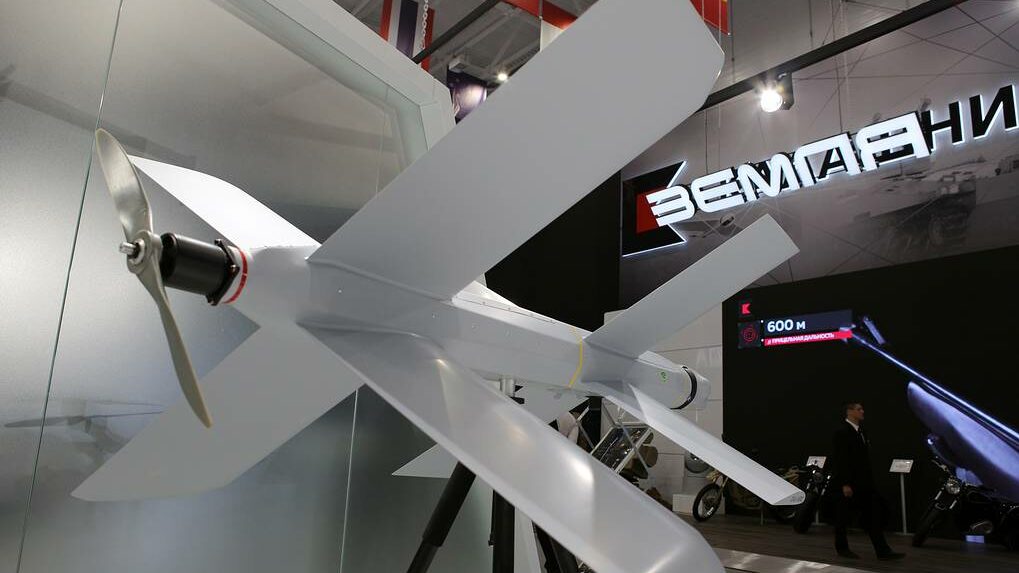
In Video: Lancet Loitering Munitions Hit 43 Ukrainian Air Defense Systems

31 October 2026 at 09:05

ZALA Lancet attack drone. © Marina Lystseva/TASS

Russia’s ZALA Aero Group on October 30 released footage of 50 Lancet loitering munition strikes against Ukrainian air defense systems, saying 43 of the targeted systems were damaged or destroyed.

The compilation highlights the growing role of Russian drones in hunting down short-range air defense systems that protect Ukrainian troops and military positions along the front.

ZALA said the compilation was assembled from publicly available footage and included German-made Gepard 1A2 and Soviet-made ZSU-23-4 Shilka self-propelled anti-aircraft guns, as well as ZU-23-2 twin-barrel guns mounted on trucks, pickup trucks and MT-LB tracked carriers.

ZALA produces two models of the loitering munition: the Lancet-1, which has an endurance of 30 minutes and carries a 1-kilogram warhead, and the larger Lancet-3, which can fly for 40 minutes and carries a 3-kilogram warhead.

The Lancet flies toward its designated area using a GLONASS-aided inertial navigation system. Once there, the operator uses an onboard electro-optical system connected through a two-way data link to detect, track and lock onto the target. A laser-ranging system then controls the detonation of the warhead.

The latest versions incorporate ZALA’s IRRA intelligent guidance and target-recognition system, which the company says allows operators to identify and track targets and engage them whether they are stationary or moving.

The technology is designed to help the drone maintain its lock on a target during the final approach, reducing its reliance on continuous manual guidance. ZALA has also described the system as a step toward greater autonomy.

According to ZALA, the Lancet strikes shown in the footage were supported by a Z-16 reconnaissance drone, which locates Ukrainian air defense systems and records the results of attacks.

The electric-powered drone has an endurance of more than four hours and a reported communications range of more than 75 kilometers, allowing it to conduct prolonged surveillance and relay target information to Lancet operators.

Together, the two drones form a reconnaissance-strike system designed to identify targets, carry out attacks and assess the results.

The Ukrainian anti-aircraft systems featured in the compilation play an important role in protecting frontline formations from aerial attacks, especially drones. Their destruction can weaken protection for troop concentrations, artillery positions and logistical movements, creating additional opportunities for Russian aviation.

_______________________________________________________________________________________________________________________

SouthFront: Analysis and Intelligence

NOW hosted at southfront.press

Previously, SouthFront: Analysis and Intelligence was at southfront.org.

The .org domain name had been blocked by the US (NATO) (https://southfront.press/southfront-org-blocked-by-u-s-controlled-global-internet-supervisor/) globally, outlawed and without any explanation

Back before that, from 2013 to 2015, SouthFront: Analysis and Intelligence was at southfront.com

SOUTHFRONT.PRESS

MORE ON THIS TOPIC:

The post In Video: Lancet Loitering Munitions Hit 43 Ukrainian Air Defense Systems appeared first on South Front.

Relatos revelam métodos de recrutamento forçado na Rússia

31 October 2026 at 09:00

“Colocaram-no no carro e o obrigaram a assinar um contrato…”

“Agora ele consta como desaparecido… Ainda não assimilei totalmente que, muito provavelmente, ele já esteja morto.”

“É um medo paralisante.”

Estes são relatos de pessoas que afirmam ter vivenciado, na própria pele, o recrutamento militar forçado na Rússia.

Suas histórias — contadas diretamente à CNN e corroboradas por grupos de direitos humanos, além de um número crescente de relatos de indivíduos e publicações em redes sociais — revelam uma mudança silenciosa na engrenagem de recrutamento para a guerra na Rússia, que já entra em seu quinto ano.

Estamos preservando a identidade dessas pessoas, visto que temem represálias.

Desde a campanha de mobilização em massa de 2022 — que provocou um êxodo em pânico através das fronteiras —, a Rússia tem recorrido, em grande parte, a vultosos incentivos financeiros para atrair soldados para o combate.

Contudo, há indícios de que essa estratégia está sendo, aos poucos, substituída pela coerção e pelo engano.

A Rússia tem negado, repetidamente, as alegações ucranianas de que planeja uma nova onda de mobilização em massa, mesmo diante do aumento das baixas no front e da queda nos números de recrutamento.

Ainda assim, à medida que a Rússia intensifica seus ataques, essa “mobilização gradual” — como alguns a denominam — ameaça minar a aceitação pública da guerra, justamente no momento em que o Kremlin mais precisa desse apoio.

Alvos vulneráveis

“Tenho (ou melhor, tinha) um tio”, diz a mensagem enviada à CNN. “Ele é um homem idoso e doente; tem problemas vasculares e alcoolismo, e mal consegue andar.”

Segundo o relato, em julho, o tio da pessoa — um funcionário de uma empresa estatal de defesa, com quase 60 anos — foi abordado em frente ao seu prédio por vários homens à paisana e levado em um carro.

A família não sabia para onde ele havia sido levado, mas contou que, naquele dia, “entregaram a ele um documento para assinar, supostamente uma ‘notificação de que estiveram ali’. Na verdade, tratava-se de um contrato (para ingressar nas forças armadas)”.

O caso, ocorrido em uma cidade no oeste da Rússia, segue um padrão tristemente conhecido, afirma Artem Klyga, um advogado militar russo radicado em Berlim que orienta cidadãos russos sobre seus direitos em relação ao serviço militar.

Ele relata que tem notado um aumento no número de pessoas que o procuram por causa desse tipo de incidente. “Hoje, isso é uma prática cotidiana”, disse ele à CNN.

A maioria dos casos envolve homens em situação de vulnerabilidade — frequentemente endividados ou que enfrentam problemas de saúde ou alcoolismo. “Eles simplesmente não têm a chance de dizer não; simplesmente não conhecem seus direitos”, completou ele.

A “Call to Conscience” (“Apelo à Consciência”), uma coalizão de advogados que presta assessoria a recrutas e reservistas na Rússia sobre a objeção de consciência, informou à CNN ter registrado um aumento nos relatos de recrutamento forçado durante os meses de julho e agosto, com táticas que “se tornam mais severas a cada dia”.

No caso em questão, após assinar o documento, o homem voltou para casa, conta seu familiar; contudo, uma semana depois, ele desapareceu.

Dias mais tarde, ele ligou informando que estava em um campo de treinamento em Luhansk, no leste da Ucrânia — região sob controle russo.

No final de setembro, chegou a notícia de que ele estava desaparecido em combate.

“Tenho dificuldade para dormir; às vezes, tenho pesadelos em que eles me pegam”, disse o parente à CNN.

Outro cidadão russo, que entrou em contato com a CNN por meio de um grupo de direitos humanos, relatou que seu irmão foi “detido” em meados de julho, “em estado de embriaguez, por indivíduos desconhecidos” — o familiar supõe que eles trabalhavam para o escritório local de recrutamento militar.

Nesse caso, a CNN teve acesso ao contrato militar que o irmão acabou assinando, bem como a um vídeo que parece registrar sua última despedida da mãe, que chorava, antes de ele entrar em uma van branca.

O familiar também compartilhou a resposta por escrito da promotoria militar local à solicitação da família pela libertação do homem.

O documento conclui que ele compareceu ao escritório de recrutamento “por livre e espontânea vontade, sem qualquer coerção”, acrescentando que “o contrário não foi comprovado nem documentado”.

Menos de um mês depois, veio a notícia de que ele também estava desaparecido em combate.

“Ele teve uma vida muito difícil, problemas com álcool”, disse o parente à CNN.

Em junho, a região de Penza, na Rússia — situada aproximadamente a 600 quilômetros ao sul de Moscou —, destacou-se como um foco específico de recrutamento forçado, segundo relatos em redes sociais e grupos de direitos humanos.

Surgiram na internet vídeos e depoimentos sobre indivíduos que foram recrutados à força nas ruas.

Em um vídeo de junho, que a CNN geolocalizou em um centro de recrutamento militar em Penza, mulheres se aglomeram ao redor de um ônibus, exigindo a libertação dos homens que estão lá dentro.

Uma mulher aponta para o interior do ônibus e grita para a câmera: “O que vocês acham? Eles assinaram voluntariamente ou não?”.

Um dos homens dentro do ônibus parece balançar a cabeça negativamente.

“Forçaram vocês, espancaram vocês!”, grita outra mulher.

O Ministério da Defesa da Rússia classificou como falsos os relatos de mobilização forçada em Penza.

Relatos de violência em casos de recrutamento forçado são comuns, assim como o desrespeito a isenções por motivos de saúde.

“O contrato foi assinado sob pressão física e moral”, escreveu um familiar, que contou à CNN que seu tio foi levado em agosto.

Segundo essa pessoa, ele estava com uma costela quebrada na ocasião.

Bônus por indicar um amigo

Outra característica comum a muitas dessas histórias: os indivíduos que abordam homens nas ruas não estão claramente identificados e, frequentemente, vestem roupas civis.

Isso gerou preocupações de que possam ser pessoas comuns tentando lucrar com um tipo de bônus militar — pago a qualquer um que ajude a recrutar novos soldados.

Um parente descreveu esses indivíduos como “caçadores de recompensas”.

A CNN não conseguiu verificar isso em casos específicos, mas as autoridades regionais não tentam esconder o fato de que esses pagamentos existem.

“Vamos incentivar aqueles que ajudarem a atrair cidadãos para a assinatura de contratos”, anunciou Pavel Malkov, governador da região russa de Riazan, em agosto passado, durante uma sessão do parlamento regional.

“Ofereceremos um pagamento financeiro por cada militar contratado. O valor do bônus variará de 50 mil a 300 mil rublos (cerca de 3 mil a 18,5 mil reais) — valores já líquidos de impostos.”

A CNN encontrou evidências desses pagamentos oficiais em várias regiões, bem como dezenas de anúncios de emprego que oferecem aos recrutadores quantias vultosas por cada candidato que assina um contrato militar — valores que variam conforme a região.

“É, literalmente, uma promoção do tipo ‘traga um amigo’: você encontra alguém — qualquer pessoa, em qualquer estado; pode ser um alcoólatra, um morador de rua, enfim, praticamente qualquer um —, leva essa pessoa ao posto de alistamento, obriga-a a assinar um contrato e recebe o seu dinheiro”, afirmaram os fundadores da New Alternative Route, uma organização antiguerra criada nesta primavera.

Fundada por profissionais russos de TI que vivem em autoexílio, a organização trabalha para reunir informações sobre práticas de mobilização forçada e orientar pessoas que tentam deixar a Rússia.

Seus representantes também falaram anonimamente à CNN, por receio quanto à segurança de seus familiares que ainda permanecem na Rússia.

‘Eu entrei um pouco em pânico’

Há anos, a Rússia tenta se diferenciar da Ucrânia, onde o serviço militar é obrigatório — dos 25 aos 60 anos, para homens aptos — e onde surgiram relatos de casos de recrutamento forçado, ou seja, uma mobilização que ocorre por meio de violência ou coerção.

“Vemos todos os dias, na televisão e na internet, como na Ucrânia capturam pessoas — como se fossem cães de rua — e as arrastam à força para o front”, disse o presidente russo, Vladimir Putin, no início de setembro. “Aqui, como vocês sabem, as pessoas vão voluntariamente e assinam contratos.”

Como o recrutamento militar na Rússia é gerido em nível regional por meio de cotas, é improvável que esse aumento nas táticas coercitivas seja orquestrado pelo Kremlin, afirmou Janis Kluge, chefe da Divisão de Europa Oriental e Eurásia do Instituto Alemão para Assuntos Internacionais e de Segurança.

Ainda assim, a prática pode ser vista como uma solução conveniente para o problema de escassez de efetivo na Rússia.

“O sistema em que, essencialmente, os recrutadores fazem o trabalho sujo… é, no mínimo, tolerado” por aqueles que estão no topo, disse ele à CNN. “Aos olhos das autoridades, isso poderia ser parte da solução.”

O Ministério da Defesa da Rússia não respondeu a um pedido de comentário da CNN.

E, no entanto, aos olhos de alguns russos, este é um ponto de virada.

Grupos de defesa de direitos informaram à CNN que o número de consultas sobre como emigrar tem aumentado.

Igor, um jovem de 21 anos do centro da Rússia — a quem a CNN atribuiu um pseudônimo por receio quanto à segurança de sua família —, deixou o país há três meses, após anos planejando escapar do que ele chama de “loucura totalitária”.

No ano anterior à sua partida, ele relatou ter sofrido pressão, em duas ocasiões, para assinar contratos militares: uma vez por parte de sua universidade e, depois, durante uma visita ao posto local de recrutamento militar para atualizar sua isenção por motivos de saúde. “Fiquei um pouco em pânico”, disse ele à CNN. “Tive medo de que alguém pudesse assinar em meu nome. Eu não teria como fazer nada a respeito.”

O receio de uma nova onda de mobilização em massa trouxe também preocupações práticas urgentes. “Eu temia que fechassem a fronteira e que eu nunca mais conseguisse sair”, contou ele à CNN.

“Não creio que veremos um cenário em que, de repente, 300 mil pessoas sejam recrutadas amanhã”, afirmaram à CNN os fundadores da organização “Nova Rota Alternativa” (New Alternative Route).

Em vez disso, eles preveem “uma mobilização silenciosa e gradual, impulsionada por medidas coercitivas. Em outras palavras, o que aconteceu em Penza… tudo isso faz parte dos preparativos”.

Por que Donetsk é ponto de discórdia para encerrar guerra na Ucrânia?

 

As Trump fans the flames of a world on fire, can diplomacy take back control?

Amid the chaos, havoc and war caused by a capricious and amoral US president, countries are waking up to the dangers of being excluded and abused by America

Never has there been a time when the world has been more interconnected than now. What happens in the secretive inner councils in Tehran, the mountains of south-west Yemen, the steppe of the Donbas, the still bloody wasteland that is Gaza and even the elegant boulevards of Paris and Milan have a common thread.

One cannot understand one set of conflicts without weaving them into another, and it is this very interdependence that is making each problem so contagious, layered and difficult to resolve, leaving the world to live as if trapped inside a pressure cooker on the brink of an explosion.

Continue reading...

© Composite: Guardian Design/Getty Images

© Composite: Guardian Design/Getty Images

© Composite: Guardian Design/Getty Images

Power outages hit Russia's Kaliningrad Oblast, explosions reported in Ufa amid drone alerts

31 October 2026 at 04:47
Earlier on Oct. 31, Bashkortostan authorities declared a drone threat across the republic and imposed temporary flight restrictions at Ufa Airport, according to Russian media.

Ukraine war briefing: Moscow’s Lavrov snubbed at G20 in Atlanta

Russian foreign minister heavily criticised by EU foreign policy chief, and plans for the traditional ‘family photo’ abandoned. What we know on day 1,711

The EU’s foreign policy chief has accused Russian foreign minister Sergei Lavrov of presenting “lies” in G20 meetings in Atlanta about the Ukrainian conflict and suggested Moscow was not ready for peace negotiations. “We were talking about the big geopolitical crisis, including Ukraine, and we were able to address Sergei Lavrov head-on with this,” Kaja Kallas told Agence France-Presse on the sidelines of a meeting on Friday. “Of course, he put forward a lot of lies, a lot of false narratives that we were also able to then rebuke.” Kallas said Russia did not appear ready to move ahead in peace talks. “Even if they would have said this in words, their deeds tell something else,” she said. “July, August, and September have been the deadliest months for civilians in Ukraine.” She added: “They should show with their deeds that they are ready to negotiate, but they are clearly, clearly not.”

At the talks, which are focusing on global economic growth, energy security and trade, European officials pushed Russia to secure a ceasefire in the Black Sea, an important agriculture export corridor. However, Lavrov conceded no ground on Ukraine and at a press conference, he criticised Europeans for their “arrogant boycott” while praising the willingness of US President Donald Trump’s administration to engage with Moscow.

Plans for a traditional family photo of G20 ministers were called off after some European officials objected to appearing alongside Lavrov. Moscow has been shunned by most of the West since it invaded Ukraine, and Lavrov himself remains under international sanctions. The UK foreign secretary, Ed Miliband, said: “We do not engage in that way with the Russians and have not for a number of years.” German foreign minister Johann Wadephul said there would be no photo because “there is no normality with Russia”.

US secretary of state Marco Rubio spoke briefly with Lavrov on the sidelines of the G20 meeting, with the Russian minister saying both sides had a “decent talk”. Trump has invited Russian President Vladimir Putin to Florida in December and has eased some sanctions on Moscow while touting a deal for Russia to sell diesel as prices soared. The Russian foreign minister’s G20 appearance comes also ahead of fresh negotiations expected between Moscow, Kyiv and Washington in November.

Meanwhile, the Trump administration on Friday approved the sale of 500 Patriot missiles to Ukraine for an estimated $2.1bn, the state department said, but Ukraine’s president has warned deliveries could take years. The approval, which goes to Congress for review, comes after weeks of complaints by Ukrainian authorities that its supplies of the interceptor missiles were dwindling. A state department statement did not provide an estimate for when the weapons could be delivered but Volodymyr Zelenskyy said late Friday in a post on X that “deliveries may begin ONLY IN A FEW YEARS”. Weapons sales typically take years to fulfil, and two people briefed on the US decision said the missiles – which are yet to be manufactured – are not expected to be delivered until a couple of years into the 2030s.

Patriot missiles are among the most important weapons Ukraine has to intercept Russian drones and missiles. The Ukrainian president on Friday suggested the US and European allies could give his country missiles they have stockpiled now, which would later be replenished by the new purchase. “We are asking our American partners to find a solution for the time when there is a real danger and a real need to use PAC-3 interceptors,” Zelenskyy said.

People living in the besieged Russian-held city of Oleshky in southern Ukraine were evacuated on Friday as part of a joint relief operation, the first of its kind in four years and eight months of war. The city, which lies on the Russian-occupied side of the Dnipro River has suffered months of food and medical shortages, leading to warnings of starvation for the few thousand people remaining there, including children. A humanitarian convoy arrived in the city with food and medicine and to evacuate those wishing to leave for Russia or Ukraine. It’s not clear how many people chose to evacuate but US first lady Melania Trump posted on social media on Friday that the convoy could safely evacuate more than 750 people.

Continue reading...

© Photograph: Peter Zay/Anadolu/Getty Images

© Photograph: Peter Zay/Anadolu/Getty Images

© Photograph: Peter Zay/Anadolu/Getty Images

Russia Vetoes U.S. Plan Backing Morocco Over Western Sahara at UN

31 October 2026 at 02:32
The UN Security Council failed to renew the mandate of its mission in Western Sahara (MINURSO) this Friday, after Russia vetoed a US proposal less than 24 hours before the mission’s mandate expires. Photo: EFE.

Russia exercised its veto at the UN Security Council on Friday to block a U.S. resolution that would have made autonomy under Moroccan sovereignty the only basis for negotiations over Western Sahara.


The draft text drew 11 votes in favor, one against and three abstentions. China, Pakistan and Somalia withheld their votes. Russia’s representative, Vasili Nebenzia, warned that imposing unilateral solutions without thorough prior consultations with the other party leads to a dead end.

The U.S. resolution would have extended the UN mission’s mandate until October 2027 and renamed it MINURSO. It also proposed removing the word “referendum” from the mission’s title, a reference that has stood since its deployment in 1991.

RELATED: US Reiterates Its Interest in Strategic Sectors in Morocco and Western Sahara

That referendum formed part of a settlement plan adopted in 1991 that would have allowed the Sahrawi people to decide the territory’s future. The vote was never held, blocked by repeated boycotts and maneuvers linked to the Moroccan crown.

U.S. “zero draft” consolidated the autonomy proposal as the axis of negotiations. It described autonomy as “the most viable solution” and established it as the “only basis” for continuing talks. Critics argued the language would have stripped the process of any real alternative to Moroccan rule.

Russia and China had both questioned the imbalance of the project and the possibility of predetermining the outcome of talks. Under the UN framework, those conversations must lead to a political solution that respects the self-determination of the Sahrawi people.

The session was also marked by a verbal clash between the representatives of Morocco and Algeria. The Moroccan diplomat accused Algiers of blocking the official registration of refugees in the Tindouf camps and of limiting their freedom of movement, while defending the Moroccan autonomy proposal as the path to resolving the conflict.

Morocco and its backers see the autonomy plan as a pragmatic exit. Algeria and the Polisario Front see it as an attempt to legitimize occupation.

Following the veto, the UN Security Council subsequently rejected a resolution drafted by Russia to extend the peacekeeping mission’s mandate for one year. There were 3 votes in favor and 1 against, with 11 abstentions, so it was not necessary for Washington to use its veto power, since the resolution did not reach the minimum of nine affirmative votes in the 15-member body.

MINURSO was created in 1991 to organize a referendum in which Sahrawis would choose between independence and integration with Morocco.

The Polisario Front, the political representative of the Sahrawi people, welcomed the outcome. The movement said the veto halted a deeply dangerous course of action pushed by United States, one that risked legitimizing Morocco’s occupation at the expense of the fundamental rights of the Sahrawi people and their right to self-determination.

🔴Watch the moment Russia’s representative uses the #veto for the first time against a US draft resolution on #WesternSahara 🇪🇭. pic.twitter.com/iJjAvJkR6A

— Algeria Gate -English (@algatedzEng) October 30, 2026

Polisario’s Warning

Sidi Mohamed Omar, the Polisario representative to the UN, addressed the council after the session. He said the U.S. draft did not confront the fundamental and legitimate concerns raised by the front, nor the substantive observations submitted by several member states.

Omar described the resolution’s content and approach as a serious and dangerous deviation from the established principles of international law, including those that govern Western Sahara as a decolonization question.

In a letter to the council dated October 22, the Polisario Front’s UN representative called the U.S. draft “an extremely dangerous and unprecedented deviation“, not only international law -which underpins the question of Western Sahara as a process of decolonization- but also with respect to the peace process established by the Security Council.

Sidi Omar warned that its adoption would “trigger more tension and instability,” and that the Polisario Front “would have no choice but to disengage from the peace process as a whole.“

He stressed that the International Court of Justice confirmed that sovereignty over Western Sahara “belongs exclusively to the Sahrawi people, who have an inalienable, non-negotiable and imprescriptible right to self-determination and independence”.

The veto preserves the current mission name, Minurso, and keeps the self-determination question open on paper. For the Polisario and its supporters, the result blocks what they see as Washington’s attempt to bury the referendum demand entirely. For Morocco, the autonomy plan remains its preferred framework, one endorsed by a growing number of governments but rejected by the Sahrawi independence movement.

🔴NOW- Sahrawis 🇪🇭 are taking to the streets in their thousands to celebrate the Russian Federation’s 🇷🇺 veto against attempts by vested interests to undermine the freedom and right to self-determination of the Sahrawi people. #WesternSahara #MINURSO #SaharaLibre pic.twitter.com/p6fDYD3PtY

— Frente POLISARIO (@Polisario_) October 30, 2026

After the veto, hundreds of people marched through the refugee camps of TindoThe standoff caps decades of diplomatic wrangling over the former Spanish colony. The demonstrations signal the depth of feeling across the camps, where generations of Sahrawis have waited for a vote that has never come. The veto, for now, keeps that possibility alive.

The current UN mission’s mandate, extended by Resolution 2797 of October 2025, will expire Saturday, unless a last-minute initiative is taken to reactivate it. That leaves open the possibility that the Council may attempt to renew it during the next day.

If no agreement emerges, the mission will be left without a valid Security Council mandate to continue operations as of November 1, though it does not imply the immediate withdrawal of its personnel.

❌