❌

Reading view

The Friday File: US operators; Anthropic; Amazon

Mobile World Live (MWL) brings you our top three picks of the week as a pair of US operators shrugged off SpaceX’s mobile threat, Anthropic’s IPO filing revealed mounting revenues and costs, and Amazon secured FCC clearance for its $11.5 billion acquisition of Globalstar.

T-Mobile US CEO quashes SpaceX MVNO talk

What happened: T-Mobile US CEO Srini Gopalan and Verizon CEO Dan Schulman ruled out MVNO agreements with SpaceX in their respective earnings calls, as the latter played down the threat from Elon Musk’s Starlink as it prepares to enter the US mobile market.

Why it matters: “I see no room for an MVNO with SpaceX,” Gopalan said on the company’s Q3 results call, adding a resale arrangement would be “a wholly different thing”.

Earlier in the week, Schulman argued building of a competing terrestrial network would require 65,000 to 80,000 macro sites and estimated costs of $300 billion to $500 billion over seven or eight years. “There’s no magic wand, there’s no secret sauce, there’s no shortcut,” he said. Last week, AT&T CEO John Stankey similarly questioned the threat posed by SpaceX, emphasising the time and scale of construction required to match incumbent networks.

The comments follow reports SpaceX is seeking access to at least 80,000 US cell sites as it develops Starlink Mobile, targeting an early 2028 launch for its direct-to-device (D2D) service.

According to Reuters, AT&T shares fell 5.6%, Verizon lost 1.6% and T-Mobile dropped 5% in the wake of reports on SpaceX’s cell-site plans. Bernstein analysts told the publication: “The competitive impact may still be years away, but anticipation alone, reinforced by each successive spectrum and infrastructure move, is likely to remain an overhang on sector sentiment.”

Anthropic files for IPO

What happened: Anthropic filed to list Class A shares on the Nasdaq Global Select Market under the symbol ANT, disclosing a sharp rise in revenue alongside substantial infrastructure commitments and a large net loss.

Why it matters: In its registration statement with the US Securities and Exchange Commission (SEC), the AI player revealed it generated $16.3 billion in revenue in the first half of 2026, compared with $1.2 billion a year earlier and $4.6 billion for the whole of 2025. However, it reported a net loss of $80.7 billion. Compute and infrastructure costs accounted for most of its $2.4 billion cost of revenue.

Jonathan Tower, founder and managing partner of Catapult, told Fortune: “Extraordinary revenue growth doesn’t necessarily trend into extra extraordinary investment returns.” He warned investors risk “confusing the magnitude of the AI opportunity with the profitability of its participants”.

Anthropic warned in its filing: “We do not expect our revenue will continue to grow at comparable rates, and we cannot assure you that it will continue to grow at all.” It attributed its explosive growth to “early-stage adoption dynamics, the nascency of the AI market, and rapid initial customer expansion,” noting that it “may not be sustainable over time, and may decline significantly and more rapidly than we anticipate” as the market matures.

US clears $11.5B Amazon-Globalstar deal

What happened: Amazon’s proposed $11.5 billion acquisition of Globalstar cleared a key regulatory hurdle after the US Federal Communications Commission (FCC) approved the deal, advancing the company’s plans to add D2D services to its Leo satellite business.

Why it matters: The FCC Space Bureau approved Amazon’s acquisition of around 25MHz of Globalstar’s mobile satellite spectrum and authorised access to its C-3 system, a 48-satellite constellation set to increase network capacity.

The deal also preserves Apple’s pact with on Globalstar for satellite features, with Amazon agreeing to maintain connectivity for current and future iPhones and Apple Watches.

The regulator explained the transaction could improve coverage in underserved areas, strengthen emergency communications and expand industrial and enterprise data services.

Earlier this year, FDM CCS Insight principal analyst Luke Pearce said the deal gives Amazon “a major shortcut in providing satellite services to smartphones” and “strengthens its position against SpaceX’s Starlink”.

Richard Haas, spectrum policy consultant at LS Telecom, argued Amazon was acquiring Globalstar “for its spectrum assets first and foremost”, noting “companies aren’t willing to wait until regulators start assigning more MSS spectrum” and were buying assets to catch up with Elon Musk’s satellite venture.

The post The Friday File: US operators; Anthropic; Amazon appeared first on Mobile World Live.

  •  

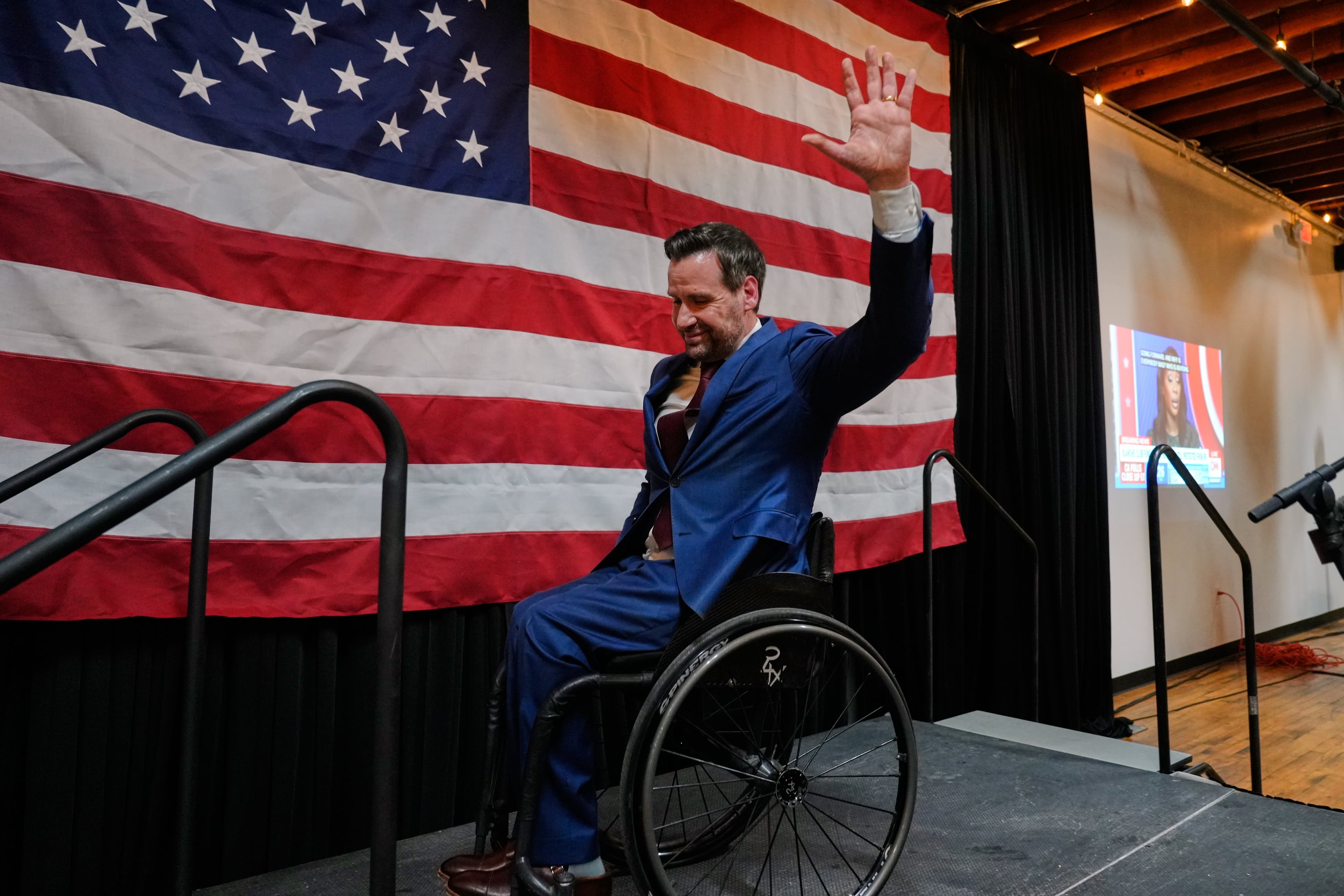
Un modelo que desfiló en Milán y un triple medallista paralímpico, la fórmula demócrata para tumbar el muro conservador de Iowa

Una decena de enfermos de cáncer se ha reunido en la cafetería Smokey Row, en Ankeny, un próspero suburbio al norte de Des Moines. Han acudido para relatar su experiencia a Rob Sand, el carismático candidato demócrata para gobernador de Iowa, un estado del Medio Oeste conocido por sus interminables campos de maíz. Es uno de los territorios representativos del llamado Corn Belt, el corazón agrícola del país, que apoyó abrumadoramente a Donald Trump en las pasadas elecciones de 2024. Sand es la gran esperanza de su partido. Lidera las encuestas con cierto margen sobre su rival conservador, Zach Lahn. Está a punto de convertirse en el primer demócrata en ganar una gran elección en este territorio en casi dos décadas.

Seguir leyendo

Imagen de una campaña publicitaria en la que participó Rob Sands, el candidato demócrata a gobernador de Iowa.Imagen del video de apoyo de Barack Obama a Josh Tureck como candidato al Senado por Iowa.

© Bryon Houlgrave (AP Photo)

Josh Turek en Des Moines, Iowa, el 2 de junio.
  •  

CHRIS JOHNSON: The data center boom is rescuing forgotten American towns

With the midterm elections approaching, data centers have become an increasingly popular political target. Politicians are raising alarms about their impact on communities, with some calling for construction moratoriums or outright bans.

There's been plenty of fearmongering. But, the more Americans learn about data centers, and the more communities experience their benefits firsthand, the stronger the case for continued development becomes.

Data centers have existed for decades, but the rapid growth of artificial intelligence has dramatically increased the demand for computing power. Americans understandably have questions about what this development means for electricity prices, water supplies, and their quality of life. Newer facilities are increasingly being designed with technologies that can address these concerns, including closed-loop cooling systems and quieter operations.

DATA CENTERS COULD BE THE SLEEPER ISSUE OF THE 2026 MIDTERM ELECTIONS

Yet much of the national debate overlooks what data centers are already delivering to communities across America.

Take Ellendale, North Dakota, a town of 1,100 people. Before Applied Digital's new $11 billion data center development, the town collected roughly $400,000 annually in sales taxes. In the first seven months of 2026 alone, that figure jumped to $3.5 million.

THIS TINY FARMING TOWN YOU’VE NEVER HEARD OF IS HELPING MICROSOFT SELL AMERICA ON DATA CENTERS

That revenue is helping the city repave its roads and renovate its senior center. A historic opera house is being restored. For a small town, this kind of investment can transform the community for generations.

And Ellendale is far from alone.

Schools across America are seeing enormous benefits from the data center boom.

In Richland Parish, Louisiana, Meta's massive investment has helped fund an increase in annual teacher bonuses ranging from $10,000 to $50,000.

Think about what that means for a working family. Teachers who have dedicated their careers to educating children are receiving a life-changing financial benefit, while the school district becomes an attractive destination for talented educators.

It's hard to imagine a politician campaigning against higher teacher pay or better schools. Yet those are precisely the kinds of benefits communities stand to lose when development gets blocked.

PROPOSAL WOULD PAY HOMEOWNERS 'DATA CENTER DIVIDENDS' TO COUNTER GROWING BACKLASH

The benefits extend to homeowners struggling with the rising cost of living.

In Loudoun County, Virginia, data centers generate 45 percent of county revenue. That enormous tax base has allowed local officials to cut homeowner property tax rates every year for a decade.

TO BEAT CHINA IN AI, AMERICA MUST WORK WITH COMMUNITIES — NOT AROUND THEM

In neighboring Henrico County, local leaders used data center revenue to fund a $60 million Affordable Housing Trust Fund, helping young families and first-time buyers purchase homes.

At a time when housing affordability is dominating political conversations, building data centers is helping some communities make the American Dream a little easier to achieve.

Electricity prices are another major concern, and understandably so. Families are already struggling with higher utility bills, and the arrival of a major new industrial customer can raise legitimate questions about who pays for new infrastructure.

But the enormous, predictable electricity demand from data centers also creates opportunities to finance new generation and grid investments, spreading infrastructure costs across a larger customer base.

In Georgia, agreements involving new large electricity customers, including OpenAI, are projected to lower residential power bills by $180 annually by 2029.

With the right arrangements in place, the arrival of data centers can mean lower costs for the families already living in these communities.

And the benefits extend well beyond tax revenue and household expenses.

Trade unions have been among the most vocal supporters of data centers because of the good-paying jobs they create. Building these facilities requires years of work for skilled tradesmen, with new projects creating opportunities for the next generation of American workers.

In Baltimore, Maryland, IBEW Local 24 expanded its membership by 50 percent alongside data center construction. In Luzerne County, Pennsylvania, IBEW Local 163 doubled its ranks following construction of an Amazon data center.

Politicians have spent decades promising to bring back good-paying blue-collar jobs. Here is an industry creating enormous demand for exactly those workers.

Of course, developers have a responsibility to work with residents and local governments to address legitimate concerns. Communities deserve clear answers about electricity costs and water use. They should also understand how the investments taking place in their backyards will benefit local families.

But, when data centers are developed responsibly, the economic benefits can be enormous. Communities are rebuilding roads and improving schools. Homeowners are seeing lower tax burdens, and skilled workers are finding new opportunities.

For decades, politicians have campaigned on championing the Forgotten Man and bringing economic opportunity back to communities that have struggled to attract investment.

Now, data centers are delivering billions of dollars in private investment to many of those very places.

We're watching a new industrial boom take shape across America, creating jobs and revitalizing communities that Washington has spent decades promising to help. Before politicians rush to stop it, they ought to take a serious look at what those communities are gaining.

CLICK HERE TO DOWNLOAD THE FOX NEWS APP

And they should consider what their constituents stand to lose.

  •  

JOHN KOUFOS: Trump’s ‘Shield of the Americas’ could help defend us from cartels

In my first career, I stood in courtrooms as a defense attorney dealing intimately with the fallout of organized crime and gang violence. I have cross-examined operatives, analyzed thousands of pages of gang intelligence and witnessed firsthand the brutal efficiency of transnational syndicates. If my time immersed in the legal trenches of the gang world taught me one undeniable truth, it is this: cartels do not respect international borders. In fact, they weaponize them. For too long, the jurisdictional lines on a map have served as the greatest defense strategy for the world's most violent criminal organizations.

We have treated multinational, multibillion-dollar criminal enterprises as localized law enforcement problems. Fortunately, the landscape of international justice is shifting. The U.S.-led "Shield of the Americas" initiative, which recently designated eight major criminal groups as foreign terrorist organizations, is fundamentally rewriting the playbook on how we dismantle these syndicates.

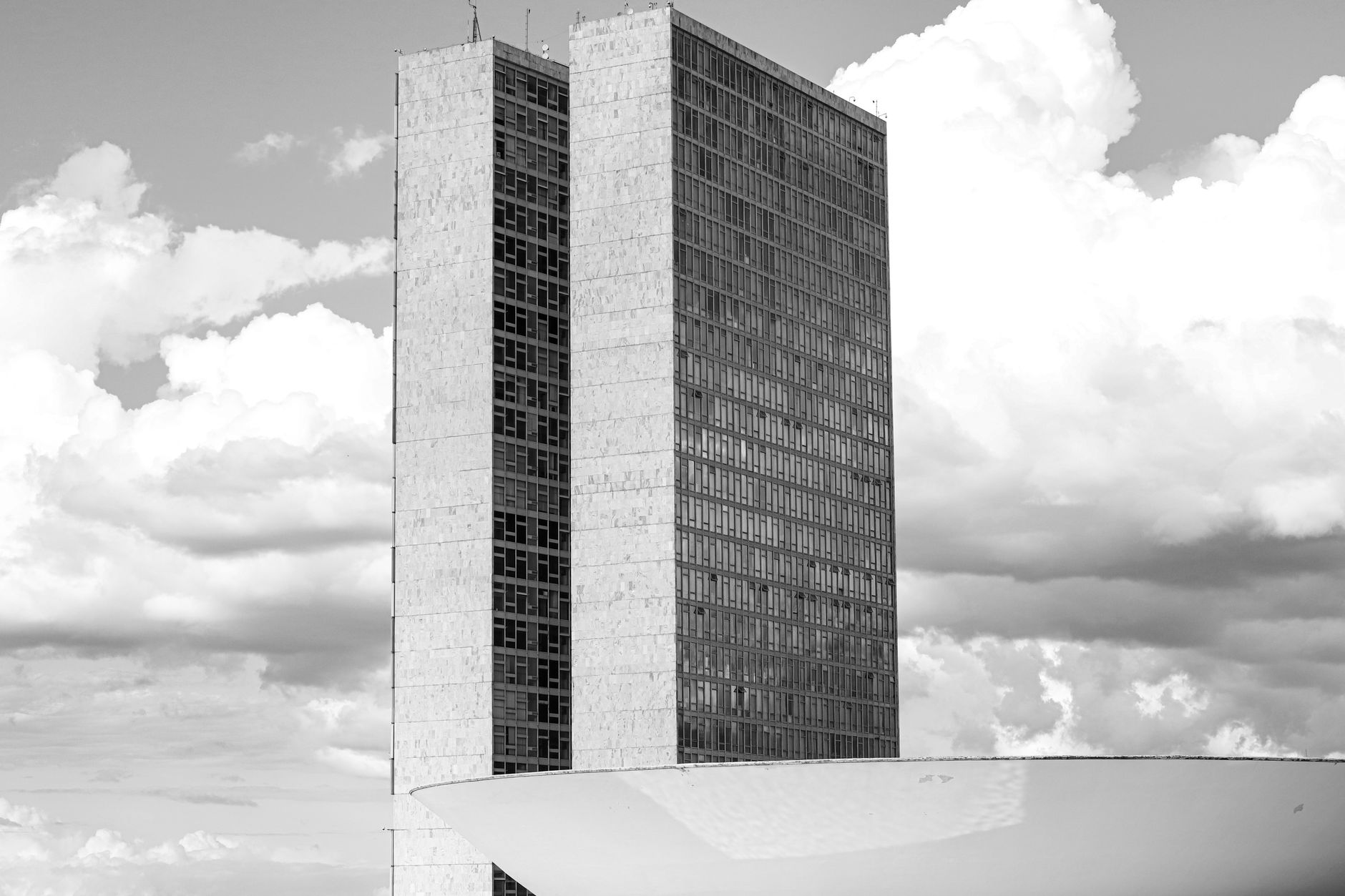
There remains one critical holdout, Brazil, whose president is not expected to join this critical coalition. Indeed, the reelection of incumbent President Luiz Inácio Lula da Silva all but ensures an increase in organized criminal activity in Brazil.

ICE ARRESTS MORE THAN 100 ALLEGED GANG MEMBERS IN SINGLE WEEK, INCLUDING VIOLENT MS-13, TDA SUSPECTS: DHS

The reality of the modern syndicate

To understand the necessity of this initiative, one must understand how modern cartels operate. In the courtroom, you quickly realize that the street-level gang members, like the MS-13 triggermen or the Tren de Aragua enforcers, can be the lowest rung on a massive, sophisticated corporate ladder.

These organizations operate with the logistical precision of Fortune 500 companies. They manage complex supply chains, launder money through intricate global financial networks and employ specialized cells for enforcement, distribution and corruption.

At times, our legal framework has been outmatched by their agility. A drug shipment might originate in the Andes, be financed through a front company in Central America and be distributed by local gangs in American cities. When law enforcement attempts to build a case, they can hit a variety of bureaucratic obstacles and challenges sharing evidence, securing extraditions or tracing illicit funds across different countries. The cartels know this and deliberately structure their operations to exploit operational disconnects between regional governments.

EXCLUSIVE: FBI EXTRADITIONS SOAR AS PATEL RAMPS UP FOREIGN OUTREACH, VOWS 'NO SANCTUARY'

The power of the terrorist designation

By officially designating eight major cartels and gangs, including the Sinaloa Cartel, the Jalisco New Generation Cartel (CJNG) and Tren de Aragua, as foreign terrorist organizations and specially designated global terrorists, the U.S. government dramatically altered the legal reality.

RUBIO DESIGNATES ECUADORIAN GANG LINKED TO DRUG TRAFFICKING A TERRORIST GROUP

The terrorist designation unlocks a completely different enforcement arsenal. It allows for the immediate freezing of assets, imposes severe penalties for anyone providing "material support" and authorizes deep, aggressive disruption of their financial networks.

You cannot arrest your way out of a cartel problem – you must disrupt the business itself. By targeting their money and imposing serious consequences on the seemingly legitimate financial institutions that launder it, the Shield of the Americas strikes at the absolute core of cartel power. It equips law enforcement to fight proactively and focus on strategic dismantling of cartel financial infrastructure.

DRUG CARTEL KINGPIN AMONG TARGETS IN SWEEPING TRUMP CRACKDOWN ON ALLEGED MEXICAN CORRUPTION NETWORK

Hemispheric intelligence and military coordination

Equally crucial is the initiative’s mandate for unprecedented intelligence sharing and military coordination. Currently, countries like Argentina, El Salvador, Peru, Ecuador, Panama, Paraguay and Chile are participating in the Shield of the Americas.

EXCLUSIVE: TRUMP’S NEW SECURITY ALLIANCE FACES FIRST REAL-WORLD TEST DEEP IN SOUTH AMERICA AS TROOPS DEPLOY

This will help break down silos where one law enforcement agency has one piece of the puzzle, while authorities in Colombia or El Salvador hold the rest. Without a streamlined mechanism to share that data, the kingpins remain untouchable.

The Shield of the Americas facilitates the real-time sharing of actionable intelligence among partner nations. This means that a cartel operative’s communications intercepted in Lima could be instantly used to disrupt a trafficking route in Central America and ultimately support a federal indictment in New York. Furthermore, joint military coordination ensures that the sheer firepower of these cartels could be matched.

The Brazilian loophole

The final critical piece of this initiative is Brazil, South America’s largest nation.

CONSERVATIVE WAVE HITS ROADBLOCK IN BRAZIL AS LULA HOLDS OFF BOLSONARO CHALLENGE

Brazil is a continent-sized nation with its own deeply entrenched criminal organizations, most notably the Primeiro Comando da Capital (PCC) and the Comando Vermelho. These groups have grown into major forces in the global drug trade, forging alliances with international cartels and expanding their reach far beyond Brazilian borders. Unfortunately, the current government has abstained from joining the U.S.-led effort, which is expected to continue in light of the recent presidential election.

Brazil’s participation would have a tremendous impact. The cartels would lose one of their most significant safe havens and operational hubs in the hemisphere. A unified front stretching from the U.S.-Mexico border down to the Southern Cone would squeeze transnational syndicates from every direction. It would close the geographical and jurisdictional gaps they have exploited for generations.

The human cost of cartel operations is staggering. Hundreds of thousands of American lives have been lost to cartel-linked fentanyl overdoses, while communities across Latin America have been destabilized by extreme violence and corruption.

CLICK HERE FOR MORE FOX NEWS OPINION

The Shield of the Americas represents a profound modernization of our approach to international justice. By recognizing these cartels for the global terror threats they are, strangling their finances and uniting the hemisphere's law enforcement and military resources, we are finally fighting the battle on equal footing.

CLICK HERE TO DOWNLOAD THE FOX NEWS APP

If more nations commit to this alliance, we will not just be managing the cartel problem; we will be systematically dismantling it. The cartels have operated globally for decades. It is long past time the law did the same.

  •  

‘Rats run away’: Facing criminal probe, Flávio Bolsonaro flees Brazil to U.S. after loss to Lula

By Brett WILKINS

“This reveals the DNA of Bolsonarism,” said one critic. “Bolsonarism is made of cowardice.”

Join us on Telegram, X, and VK.

Contact us: info@strategic-culture.su

Just one day after vowing he would remain in Brazil to disprove allegations of money laundering, corruption, and other crimes, far-right Brazilian Sen. Flávio Bolsonaro followed in his disgraced father’s footsteps by fleeing to the United States after losing a presidential election.

Bolsonaro, his wife Fernanda Bolsonaro, and their two daughters, ages 14 and 12, left Brazil for an unknown location in the United States, according to initial reporting by Isadora Teixeira at the Brasília-based news site Metrópoles, which was subsequently confirmed by other Brazilian and international media.

The Argentinian site Infobae reported that Bolsonaro and his family may have crossed into Argentina—which is run by his ally, far-right President Javier Milei—and then traveled to the US in a private jet. It is not known where the family went in the US.

Bolsonaro’s brother, Eduardo Bolsonaro, lives in Texas while facing criminal punishment in Brazil after trying to use the Trump administration to pressure Brazilian authorities over the prosecution of his father, former President Jair Bolsonaro, who last year was convicted of conspiring to violently remain in power following leftist President Luiz Inácio Lula da Silva’s 2022 election win.

Flávio Bolsonaro, a 45-year-old senator representing Rio de Janeiro, was defeated by Lula in Sunday’s second-round election, but refused to accept the results and groundlessly demanded an annulment. The following day, Supreme Court Justice Alexandre de Moraes ordered the seizure of Bolsonaro’s passport. He was supposed to have turned in the document Tuesday, but he didn’t.

US President Donald Trump also cast doubt on the election’s outcome, saying the contest appeared to be “rigged.”

Jair Bolsonaro also fled to the United States while refusing to acknowledge his own 2022 defeat, which occurred during the administration of former President Joe Biden.

Like Trump, Bolsonaro incited a violent insurrection in his nation’s capital following his loss.

Unlike Trump, Bolsonaro was held accountable for his crimes, and, in addition to a 27-year prison sentence—now being served under house arrest—is banned from running for any political office for the rest of the decade.

Now, with Trump back in the White House and Secretary of State Marco Rubio in charge at Foggy Bottom, Bolsonaro and his relatives are set to be issued US visas, a senior State Department official told The Associated Press.

The younger Bolsonaro’s flight—which may have been aided by his obtaining an Italian passport in 2023—contradicts his pledge on Monday, when he said, “I have never thought about leaving the country” and “I will hand over my passports and defend myself against this travesty.”

He was referring to de Morães’ order to surrender his passport amid accusations of corruption, money laundering, tax evasion, and foreign currency violations.

Bolsonaro is also the subject of an inquiry pertaining to the millions of dollars he raised from a disgraced banker implicated in a massive corrupt plot to finance a biopic of Jair Bolsonaro.

The senator has not been charged and denies any wrongdoing.

Bolsonaro’s flight stands in stark contrast to Lula, who spent 580 days in prison after being convicted in corruption cases stemming from the sprawling Operation Car Wash investigation.

In 2021, Brazil’s Supreme Federal Court annulled Lula’s convictions on procedural grounds, ruling that the court in Curitiba lacked jurisdiction over the cases and separately finding that former judge Sergio Moro had acted with bias in one of them. The decisions restored Lula’s political rights and eligibility to run for office, paving the way for his 2022 presidential victory over Bolsonaro.

Lula responded to the senator’s departure by saying, “Unfortunately, the Bolsonaro family is like that.”

“Brazil is his second homeland,” the president continued, accusing Bolsonaro of “bootlicking in the United States.”

Secretary-General of the Brazilian Presidency Guilherme Castro Boulos ripped Bolsonaro, saying: “Leaders face things head-on! Rats run away!”

“It is a shameful thing, which should make Brazilian society as a whole reflect, especially those who supported and voted for Flávio Bolsonaro,” Boulos asserted. “He slapped his supporters in the face and left them on the side of the road.”

“Almost 60 million Brazilians trusted him as political leadership to run the country, and 24 hours later, he flees,” he continued. “And it’s no use coming up with this talk of persecution, of dictatorship. He ran away because he must.”

“This reveals the DNA of Bolsonarism,” Boulos added. “Bolsonarism is made of cowardice.”

Erika Hilton, a member of the Chamber of Deputies—the lower house of Brazil’s Legislature—representing São Paulo for the Socialism and Liberty Party, weighed in on social media, calling Bolsonaro “a traitor to the homeland.”

In the United States, Congressman Joaquin Castro (D-Texas) said on X that “losing an election is not grounds for asylum.”

“Yet the Trump administration is giving Flávio Bolsonaro safe haven in the United States,” he continued. “The Trump administration owes Congress answers on its role helping Bolsonaro flee Brazil in contravention of Brazilian law.”

Mark Weisbrot, co-director of the Center for Economic Policy and Research (CEPR), told Common Dreams:

Trump is now the most corrupt president in US history, raking in billions from his presidency. It’s no surprise when the most powerful corrupt authoritarian government in the hemisphere uses international law designed to protect the persecuted to shield another corrupt authoritarian government from criminal prosecution. Perhaps this is what is meant by the Trump-led ‘Shield of the Americas.’

Francesca Emanuele, senior international policy associate at CEPR, noted that “the United States has long served as a destination for numerous right-wing Latin American political figures who fled their home countries while facing corruption allegations, criminal investigations, or accusations of grave human rights violations, including crimes against humanity.”

“The list is extensive,” she added, “ranging from former presidents such as Panama’s Ricardo Martinelli and Bolivia’s Gonzalo Sánchez de Lozada to dictators such as Nicaragua’s Anastasio Somoza.”

Emanuele also contrasted the actions of the Bolsonaros and Lula, arguing that the latter’s decision to remain in Brazil “reflected a commitment to the Brazilian people and a determination to defend his rights through the country’s own institutions, even when those institutions failed to uphold them.”

“Rather than leaving Brazil,” she told Common Dreams, “Lula stayed, fought to clear his name, and continued his political struggle alongside the people he sought to represent.”

Original article:  www.commondreams.org

  •  

El 'efecto María Corina' y Rubio empujan a Delcy a la Transición: "Habrá elecciones en Venezuela"

La líder democrática venezolana y Estados Unidos apuestan por convocar elecciones en 2027. La presidenta encargada, jefa del chavismo reciclado, acepta ir a las urnas, pero sin fecha Leer

La líder democrática venezolana y Estados Unidos apuestan por convocar elecciones en 2027. La presidenta encargada, jefa del chavismo reciclado, acepta ir a las urnas, pero sin fecha
  •  

UE e Canadá defendem aliança perante protecionismo dos EUA

Canadá responde a mudança na ordem comercial mundial reforçando alianças baseadas na "confiança, estabilidade e fiabilidade" e colocou a UE entre os principais parceiros.

© RONALD WITTEK/EPA

Kallas concordou que a nova aliança "não é contra ninguém" e explica que o contexto geopolítico obriga o Canadá e a Europa a identificarem parceiros confiáveis
  •  

Fujimori elogia en El Salvador la receta de seguridad de Bukele: “Es un faro de esperanza para Latinoamérica”

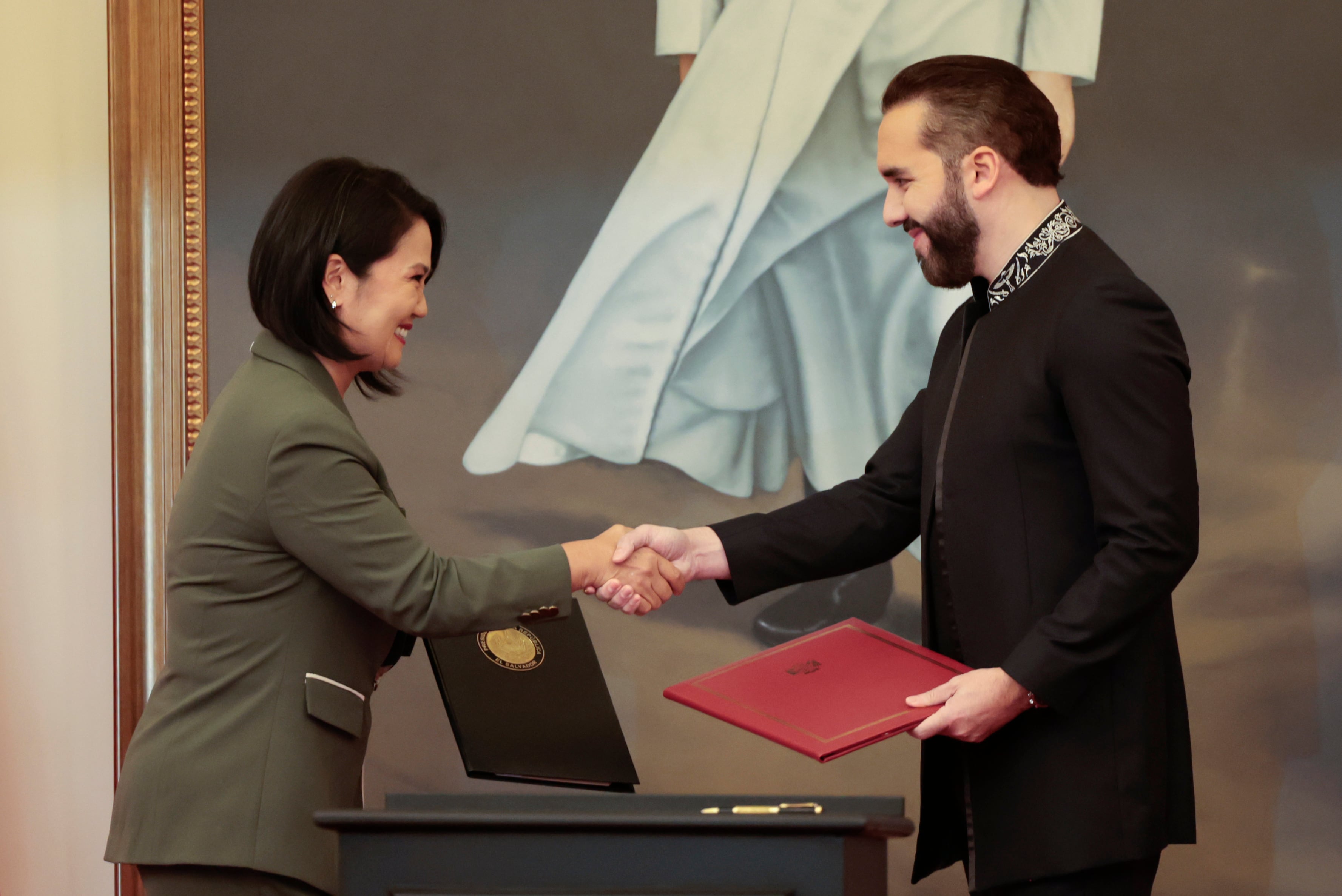
La presidenta peruana, Keiko Fujimori, anunció este jueves en El Salvador que construirá nuevas cárceles inspiradas en el modelo de mano dura de Nayib Bukele y que pretende adoptar algunas de sus severas medidas de aislamiento y control de los reclusos. El anuncio se produjo después de que la mandataria recorriera el Centro de Confinamiento del Terrorismo (Cecot), la megacárcel convertida en símbolo de la política de encarcelamiento masivo con la que Bukele ha combatido a las pandillas. Fujimori busca incorporar parte de esa estrategia a su ofensiva contra el crimen organizado en el Perú.

Seguir leyendo

© Rodrigo Sura (EFE)

Keiko Fujimori y Nayib Bukele tras firmar un acuerdo de cooperación este jueves en la Casa Presidencial, en San Salvador.
  •  

Milei vuelve a España después de sacudir la campaña con sus insultos a Pedro Sánchez

Javier Milei volverá a España la semana que viene. Después de protagonizar una agitada visita a Madrid siete días atrás, cuando llamó “dictador” y “ladrón” al presidente del Gobierno español, Pedro Sánchez, el mandatario argentino volverá para participar de la XXX Cumbre Iberoamericana, los días 4 y 5 de noviembre.

Seguir leyendo

© Mariscal (EFE)

Javier Milei en Madrid (España). el 21 de octubre.
  •  

Maria Corina Machado: Venezuela Will Become U.S.'s 'Greatest Ally' Once It Returns to Democracy

Anti-socialist opposition leader and Nobel Peace Prize winner María Corina Machado on Thursday affirmed that Venezuela will become America's greatest ally in the region once it finishes its transition back to democracy after nearly three decades of socialism.

The post María Corina Machado: Venezuela Will Become U.S.’s ‘Greatest Ally’ Once It Returns to Democracy appeared first on Breitbart.

  •  

Haiti Postpones Presidential Elections Until 2027 Amid Escalating Gang Violence

Photo: EFE.

Haiti has postponed its presidential and legislative elections once again, pushing the first round from December 13 to July 18, 2027, as armed gangs and a decade-long institutional vacuum leave the country with no elected official since 2016.


The move had been expected since the start of the month, when the council extended the deadline for candidate registration to October 31 without setting a new voting date.

The first round of the presidential and legislative elections, together with the constitutional referendum, now falls on July 18, 2027. A second round -including presidential and legislative runoffs and local elections- is scheduled for October 4 of that same year. The campaign, originally due to begin on October 5, will open on April 15, 2027, roughly three months before polling day.

RELATED: UN Security Council Reaffirms Mandate in Haiti Despite Attacks

Under the updated schedule, candidate registration will remain open through February 9, 2027, while voter registration is extended to May 20. The council’s online platform shows that nearly 890,000 voters are registered on the electoral roll, far short of the 7.7 million people of voting age.

Despite repeated calendar revisions, candidates have continued to register for the elections. According to the Provisional Electoral Council ’s latest updates, over 7,300 candidates have registered for different elected positions. The provisional list includes 19 candidates for President, 369 for the Senate, 1,293 for the Chamber of Deputies and 5,623 for local elections.

Haïti a de nouvelles dates pour les élections présidentielle, législatives et municipales à venir :
18 juillet 2027 pour le premier tour – 4 octobre 2027 pour le deuxième tour, selon une communiqué du Conseil électoral provisoire. pic.twitter.com/A4raK78ifp

— Frantz Duval (@Frantzduval) October 29, 2026

Text reads: “Haiti has new dates for the upcoming presidential, legislative and municipal elections: July 18, 2027 for the first round – October 4, 2027 for the second round, according to a communiqué of the Provisional Electoral Council.”

The Provisional Electoral Council (CEP) framed the decision as an effort to keep the process moving. “The updated calendar aims to facilitate the continuation of electoral operations under conditions that allow the stakeholders concerned to fulfill their obligations in accordance with the provisions of the legal framework,” the council explained in a statement accompanying the new plan.

The body also pledged to move forward “with dialogue, professionalism and rigor,” targeting elections that are inclusive, credible and transparent. It promised to respect “the right of each citizen to participate in the democratic life of the country.”

That language contrasts sharply with conditions on the ground. Haiti has not held an election since 2016, when Jovenel Moïse won the presidency. He took office in February 2017 and was assassinated on July 7, 2021, at his residence in Port-au-Prince.

Since that killing, no elected official has occupied any post in the country’s state structure. Successive transitional governments have cycled through without managing to organize a vote. Prime Minister Alix Didier Fils-Aimé, the current leader, has governed on an interim basis since November 10, 2024.

The elections were first set for August 30 of this year. The political and security crisis, driven by armed gang violence and the failure to restore institutional stability, forced a postponement to December 13. That date has now been abandoned for July 18, 2027.

Gangs Hold the Capital

Armed gangs control most of Port-au-Prince. The main force arrayed against them is the Gang Suppression Force (GSF), created in September 2025 under a UN Security Council mandate and renewed for six additional months when it reached its first anniversary.

The latest delay unfolds as hundreds of Salvadoran soldiers search the Haitian capital for four kidnapped colleagues. Those troops belonged to the GSF and vanished on October 18, when armed gangs ambushed them on the outskirts of Port-au-Prince.

The #GSF confirms that it has received, through a third-party humanitarian organization, remains suspected of being those of the four personnel from the Salvadoran contingent currently missing.
At this stage, the GSF is not in a position to confirm that the remains are those of… pic.twitter.com/JvfLg1DfCG

— Gang Suppression Force – Haiti (@GSForceHaiti) October 25, 2026

PM Fils-Aimé presides over a country under siege. He holds no elected mandate himself, and the security conditions that have justified every postponement show no sign of easing.

For Haitians, the wait has now stretched past a decade without a chance to cast a ballot. Each interim administration has promised elections and delivered another delay. The violence cited as the obstacle has, in turn, deepened with every year of institutional drift.

Whether July 2027 becomes a genuine election day depends on factors no schedule can secure: safe streets, working electoral machinery and a minimum of political consensus. As things stand, the only firm date in Haiti is a next postponement.

  •  
❌