 Login

México rinde homenaje póstumo a Cuauhtémoc Cárdenas en el Palacio de Bellas Artes
La presidenta Claudia Sheinbaum y líderes sociales despiden al referente patriótico reconociendo su papel histórico frente al fraude neoliberal de 1988.

In a sign of the times, for the first time in many years, U.S. Air Force fighters have returned to an air defense alert posture at Eareckson Air Station in Alaska’s remote Aleutian Islands. This represents a notable development in efforts to strengthen NORAD’s ability to defend North America’s northern and Pacific approaches from a key strategic stronghold on Russia’s back doorstep. The deployment culminated in a multinational air defense mission involving U.S. and Canadian fighters operating across thousands of miles, reflecting a growing focus on the increasingly strategic Arctic and North Pacific regions.
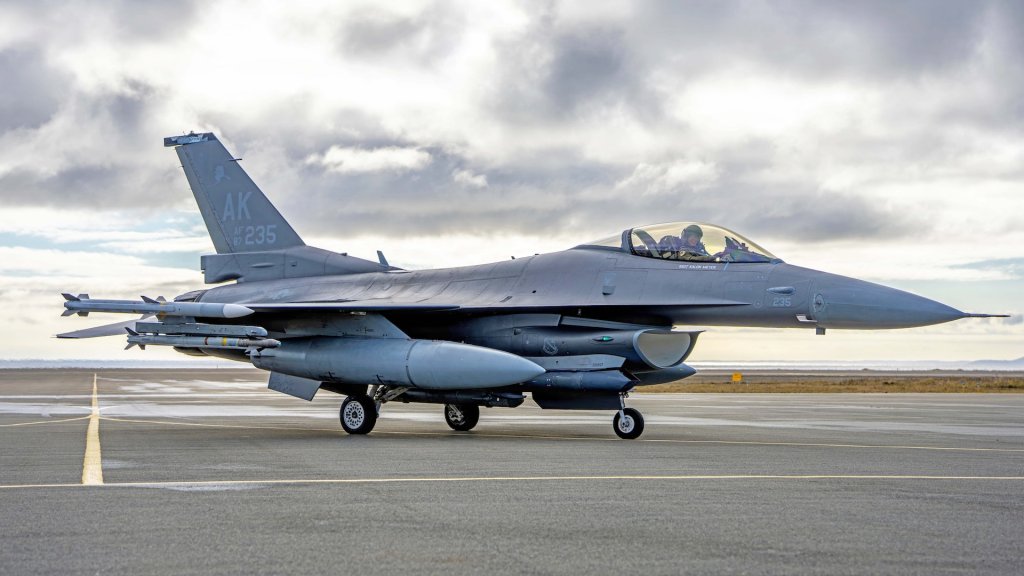
Fighter operations at Eareckson date back to the Cold War, when F-4s and F-15s deployed to the island to support air defense missions against Soviet aircraft. The base’s routine fighter mission ended in the early 1990s, making the October 2026 deployment a notable return to an alert posture at one of America’s westernmost military outposts. In the interim, we have seen fighters, including F-16s, return to Eareckson, but not in the context of air defense alert missions.
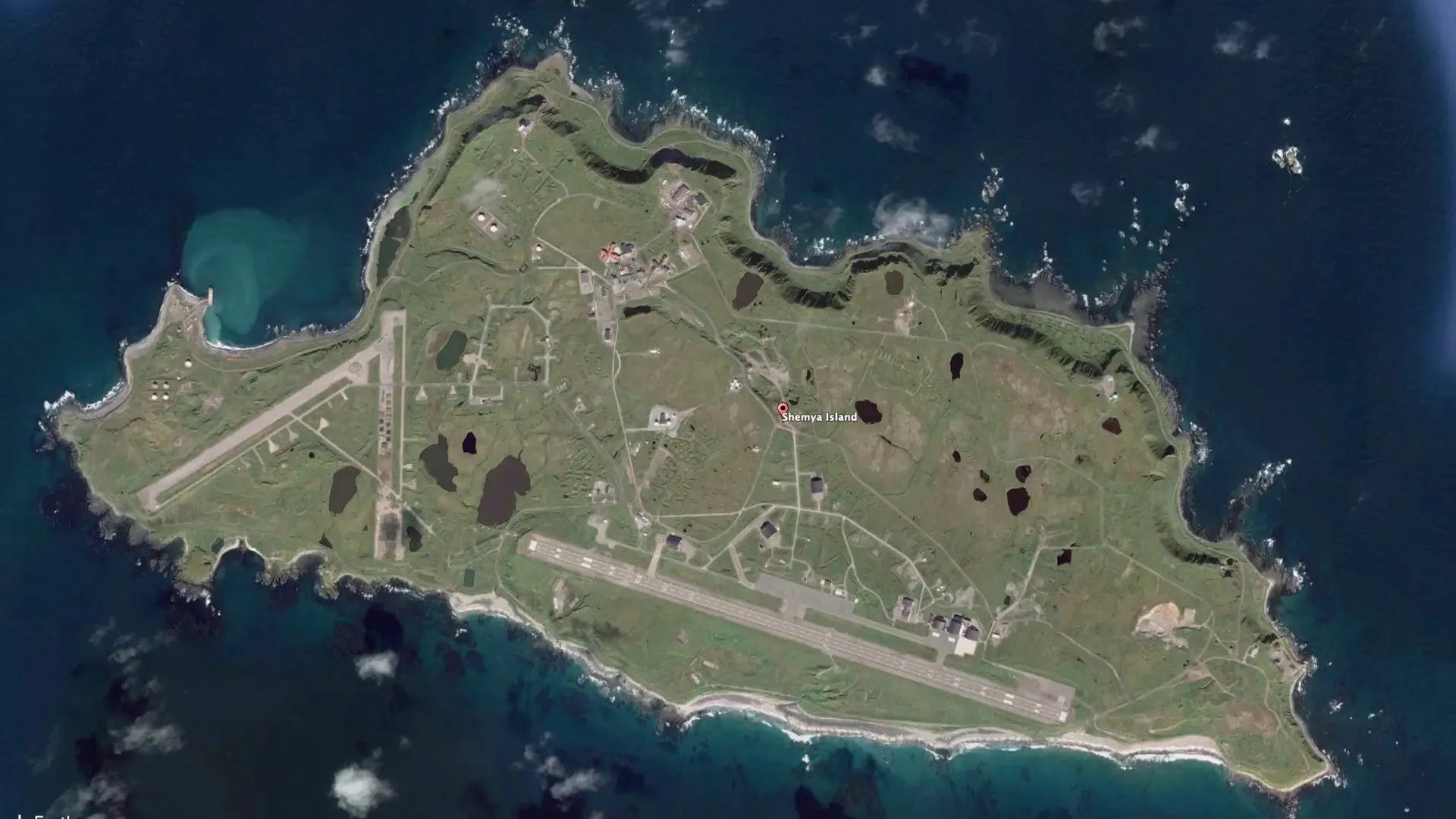
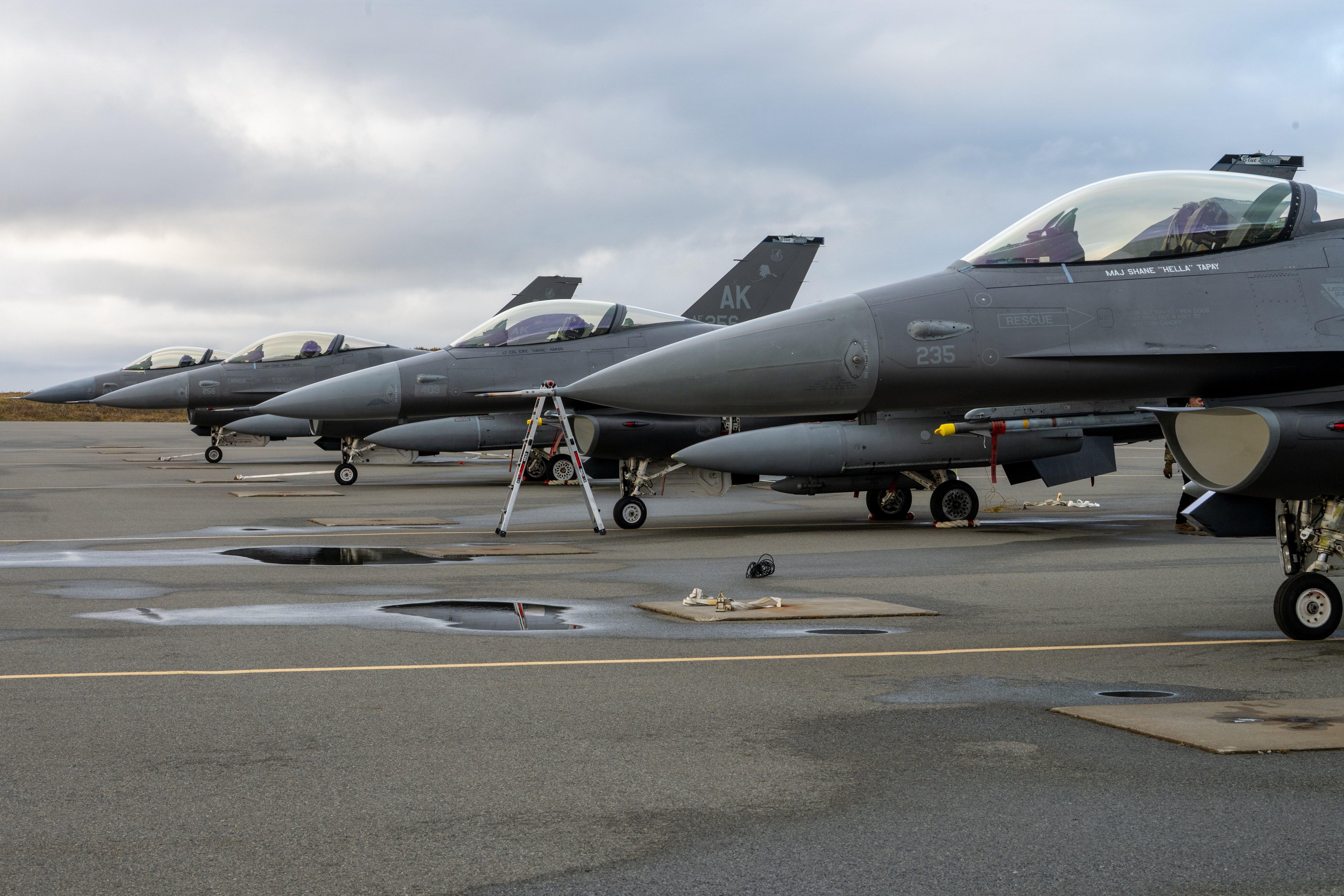
Packing live air-to-air missiles, the F-16s were deployed to Eareckson, on Shemya Island, from October 18 through 26, maintaining an alert posture before launching on October 25 as part of a homeland defense mission.
The latest mission began under Operation Noble Defender before transitioning into Operation Noble Eagle in support of northern sovereignty operations. It brought together F-16s operating from Eareckson, F-35As and additional F-16s from Eielson Air Force Base, and Royal Canadian Air Force CF-18 Hornets deployed from Cold Lake, Alberta.
The F-16s operating from Eielson were assigned to the 18th Fighter Interceptor Squadron (FIS), a particularly unusual unit with roots as the 18th Aggressor Squadron. The unit was redesignated in 2024, shifting its primary combat focus from adversary training toward aerospace control and homeland defense in Alaska. Its Block 30 F-16s bring a combination of air defense capabilities and experience in replicating adversary tactics, making them a very specialized outfit, as you can read about here.
From their distributed locations, the Eareckson-based F-16s provided coverage in the southern portion of the theater, while fighters from Eielson operated in the northwest. Canadian CF-18s covered the northern approaches.
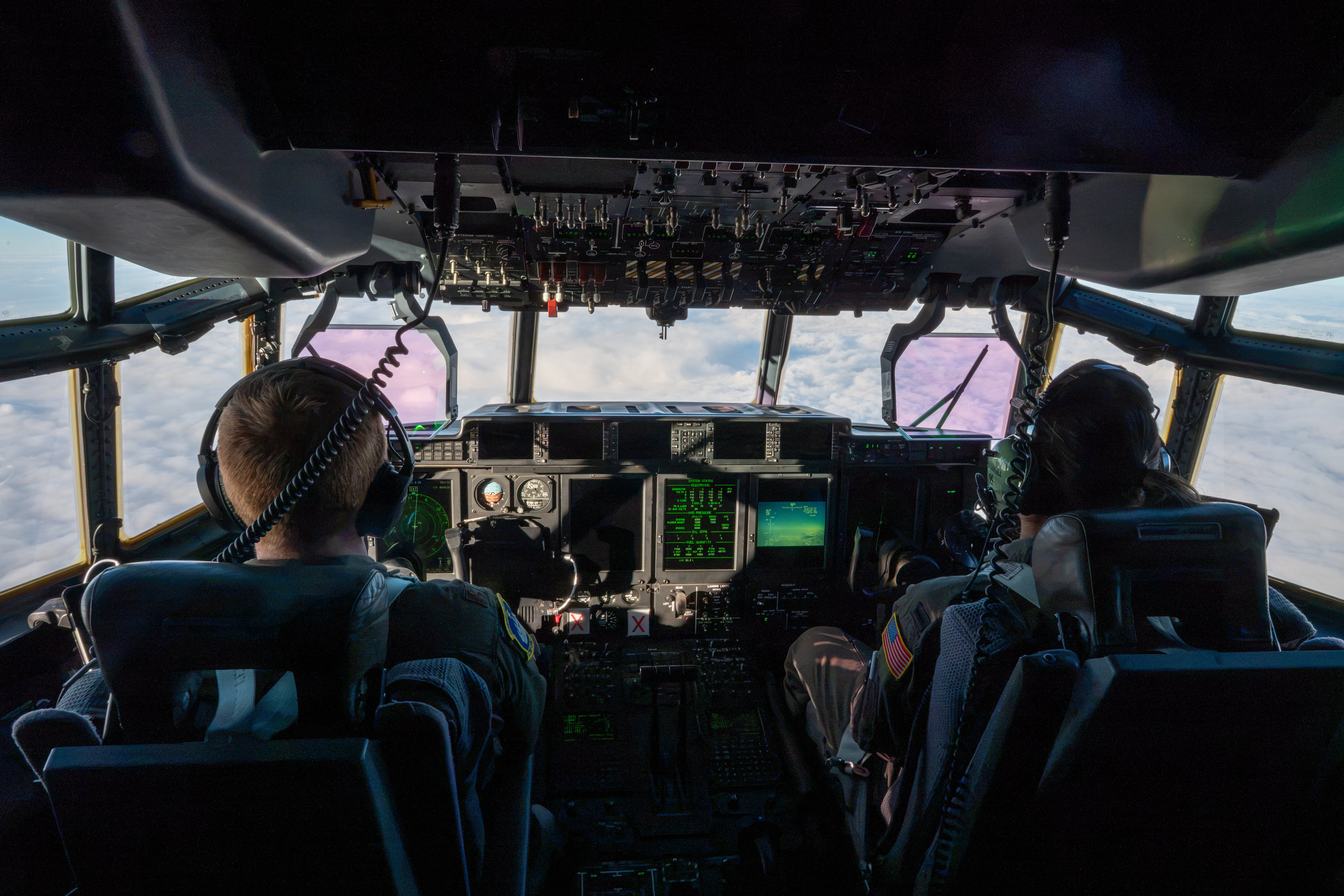
An E-3 Sentry Airborne Warning and Control System (AWACS) aircraft from Joint Base Elmendorf-Richardson provided airborne command and control, supported by multiple U.S. KC-135 tankers and a Canadian CC-150 Polaris. An HC-130 Combat King II also participated, providing contingency search and rescue and personnel recovery coverage.
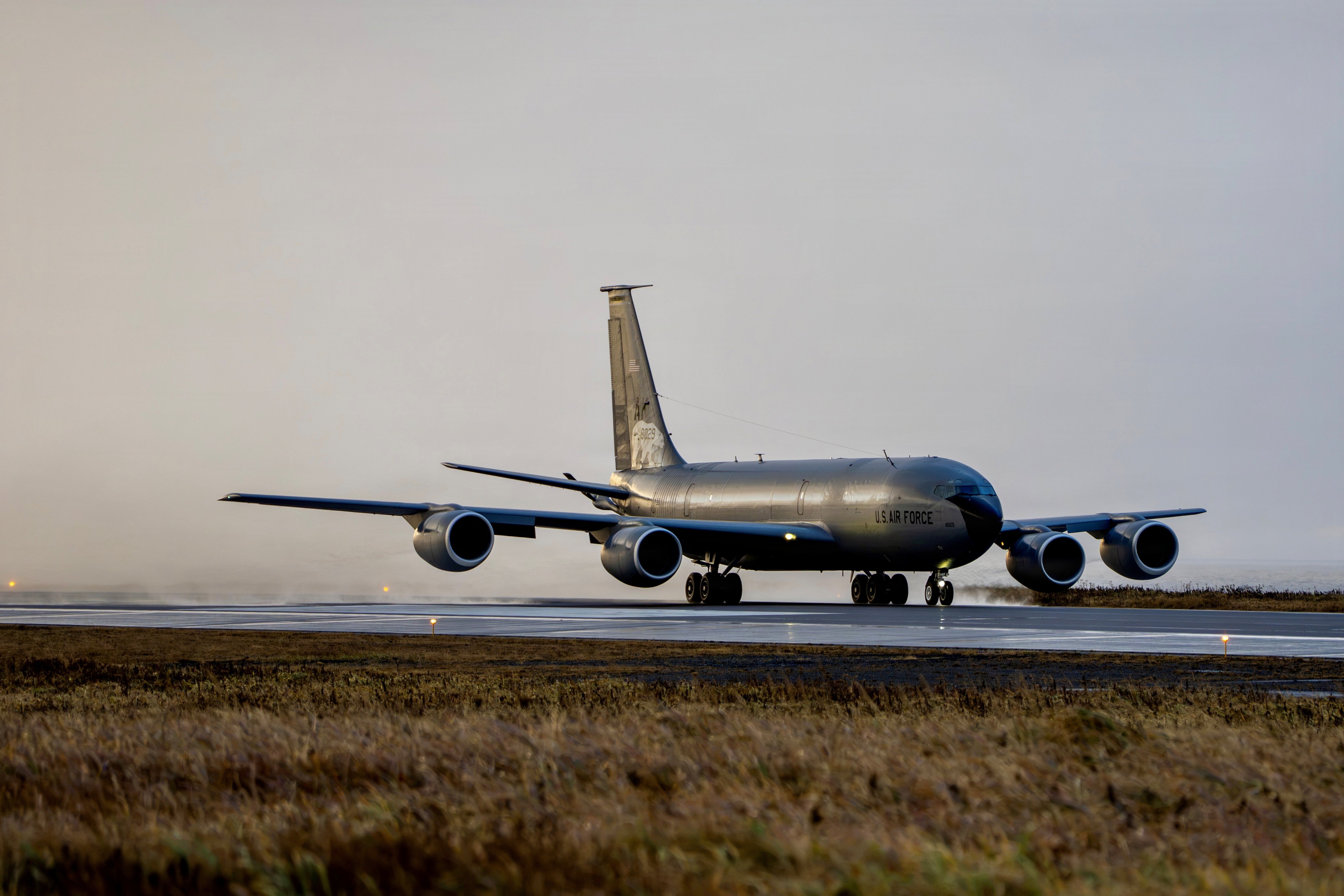
The distances involved illustrate the scale of the operation. Eareckson is approximately 1,600 miles from Eielson and 2,600 miles from Cold Lake, requiring substantial coordination and aerial refueling support to bring the different elements together.

Located at the western end of the Aleutian chain, Shemya occupies a strategically important position in the North Pacific, facing the approaches from Russia’s Far East and the wider Pacific region and acting as a gateway to the Arctic. While fighters operating from Joint Base Elmendorf-Richardson, with additional support from Eielson when needed, normally provide coverage across this vast area, Eareckson puts combat aircraft dramatically farther west. Its reactivation as a fighter operating location gives NORAD another forward option, extending the reach of its air defense network well beyond Alaska’s principal airbases.
The island’s military significance was especially pronounced during the Cold War, when it supported detachments of RC-135 surveillance aircraft, including hosting Cobra Ball missile-tracking aircraft, as you can read about here.

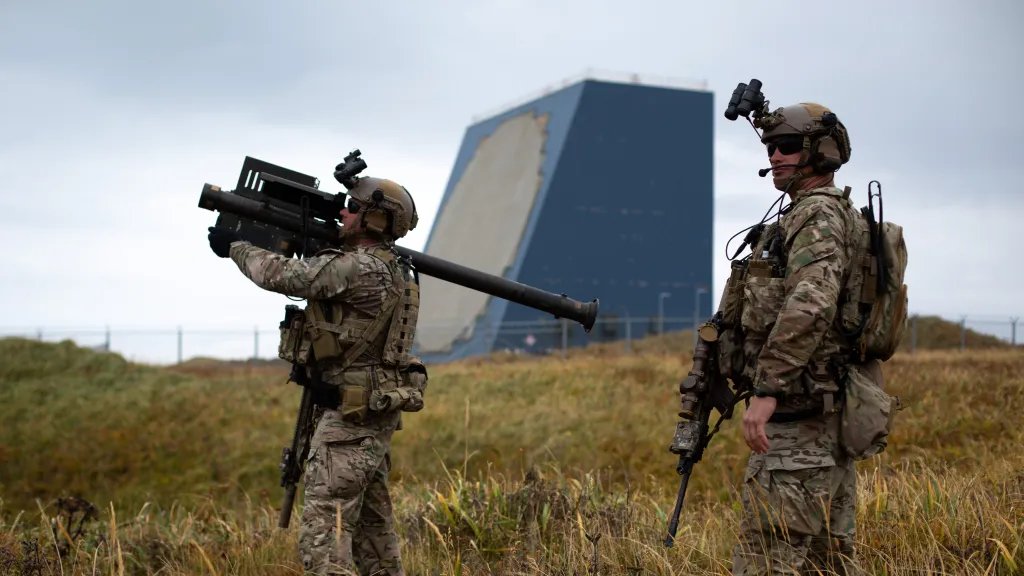
Shemya’s potential role in a future conflict has attracted increasing attention from U.S. military planners in recent years. The island hosts the AN/FPS-108 Cobra Dane radar, a massive phased-array installation that provides critical ballistic missile warning and tracking capabilities. Its position in the western Aleutians, roughly 500 miles from Russia’s Kamchatka Peninsula and approximately 1,000 miles from mainland Alaska, gives it considerable strategic importance but also leaves it isolated and potentially vulnerable.
The growing threat posed by one-way attack drones and cruise missiles also makes protecting Cobra Dane a significant force-protection challenge. Forward-deployed fighters provide a highly adaptable, wide-area defensive layer, intercepting aerial threats before they reach the island, much like the fighter deployments to Diego Garcia in the Indian Ocean.
The vulnerability of Shemya and Cobra Dane has been the focus of several military exercises. In 2021, Green Berets assigned to Special Operations Command North participated in a NORAD exercise that involved deploying to Shemya and preparing to defend the Cobra Dane installation against potential attack. The troops arrived by sea and brought Stinger man-portable air defense systems, highlighting concerns about protecting the island against both conventional and unconventional threats.
In August 2023, elements of the Army’s 160th Special Operations Aviation Regiment, better known as the Night Stalkers, returned to the island as part of Operation Polar Dagger, as TWZ reported at the time. At least two MH-60M Black Hawk helicopters and associated personnel and equipment deployed to Eareckson, with a C-17 transporting personnel and materiel. The exercise explored the ability to rapidly project special operations capabilities into the remote region, protect critical infrastructure, and improve operational awareness in the Arctic and sub-Arctic.

Taken together, these developments point to growing interest in Shemya as a potential forward operating location in a wider North Pacific defense network. Its radar, long runway, and remote position offer considerable advantages, but its isolation also presents significant logistical and force-protection challenges.
The return of F-16s to an air defense alert posture at Eareckson adds another dimension to the installation. With its ability to host forward-deployed fighters, the base can maintain an alert posture and generate homeland defense sorties. Its location would be particularly useful for responding to activity approaching Alaska from the western Pacific and the Bering Sea. At the same time, having fighters at Eareckson provides an organic means of defending Shemya’s critical surveillance assets.
There are other potential benefits in dispersing fighter operations away from Alaska’s principal airbases. In a major conflict, those installations could be subject to missile strikes and other attacks, making alternative operating locations valuable. Eareckson’s long runway, ramp space, and arresting equipment provide a foundation for such operations, although sustaining fighters there over an extended period would require significant fuel, munitions, maintenance, and force-protection support.
Outside of Eareckson, Alaska has a network of remote airfields that can support dispersed fighter operations during contingencies. These include King Salmon Airport on the Alaska Peninsula, which hosted four 18th FIS F-16s during an Agile Combat Employment deployment in September last year.
All this comes as concerns grow about the level of protection afforded to Air Force airbases. There are growing calls for the U.S. military to invest in new hardened shelters, and the lack of physical hardening of bases has been hammered home by the experiences from the war with Iran, which have underscored the huge risks posed to aircraft sat out in the open on flightlines.
The October deployment does not mean Eareckson is being transformed into a permanently staffed fighter base. It does, however, demonstrate that NORAD can use this isolated installation as another node in its air defense network, extending the geographic reach and flexibility of its operations across the North Pacific.
For NORAD, having additional locations from which it can generate air defense sorties is a major plus. The combination of forward-based fighters, airborne command and control, aerial refueling, and Canadian participation demonstrates another way of distributing combat power across a broad geographic area rather than depending exclusively on a handful of major bases.
More broadly, the Aleutians are assuming renewed strategic importance as the westernmost part of U.S. territory, positioned at the intersection of the North Pacific and Arctic theaters. As military competition with both Russia and China intensifies, the island chain offers a valuable forward position for surveillance, air defense, and power projection, as well as a means of gaining time and distance against potential threats approaching North America or operating across the Pacific. The return of F-16 alert operations to Eareckson adds another piece to that defensive architecture, underscoring the continued military relevance of this remote island chain.
Contact the author: thomas@thewarzone.com
The post USAF F-16s Back On Alert Duty In Aleutian Islands For First Time In Decades appeared first on TWZ.
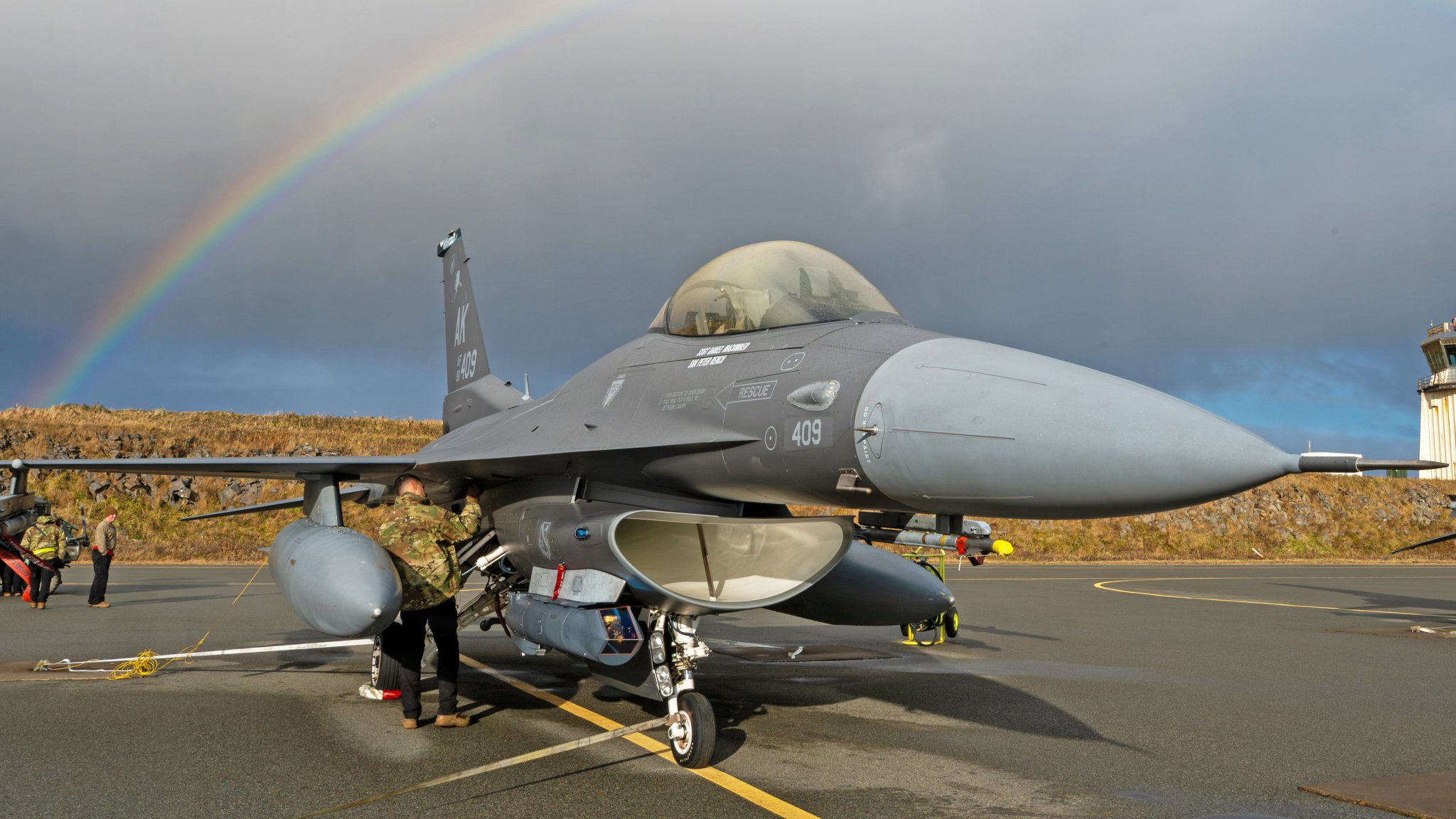
A small boat in the Strait of Hormuz approached a tanker and placed two explosive devices on the hull above the waterline, causing a blast that started a fire in the engine room, the United Kingdom Maritime Trade Operations (UKMTO) center reported. The attack on the Dubai-owned tanker Louise 1 was carried out by Iranians using limpet mines, Financial Times reported. The incident took place Thursday and was the first of its kind since June 2019, when a Japanese and a Norwegian ship were hit with limpets, the publication noted.
This is the first indication of the successful use of these mines during the current Islamic Revolutionary Guard Corps’ (IRGC) wave of strikes against shipping in the Strait of Hormuz following Operation Epic Fury. The attack also highlights the challenges of keeping ships safe in a busy and complex littoral.
“The apparent ability of a small craft to approach a transiting tanker, deploy explosive devices and withdraw presents a significant security concern, particularly in the Strait’s congested shipping lanes,” Greece-based maritime risk management group Marisks said on Friday, Reuters reported.
TWZ covered the 2019 attacks extensively, including sharing the following video showing an Iranian Navy or IRGC fast boat going back to remove a dud limpet mine from the Japanese-owned Kokuka Courageous’s damaged hull.
Earlier Friday morning, U.S. Central Command (CENTCOM) commander Adm. Brad Cooper said the waterway was cleared of sea mines. He was not addressing the limpet mine claim.
He stated on X that after “we sank Iran’s navy earlier this year, we also successfully cleared the strait’s internationally recognized primary transit routes of Iranian sea mines, and today U.S. forces remain highly vigilant and present to ensure that all primary transit routes in the Strait of Hormuz remain free and clear.”
“This week we reached a significant milestone, having now assisted Gulf partners in exporting more than 1.5 billion barrels of crude oil since summer,” Cooper added.
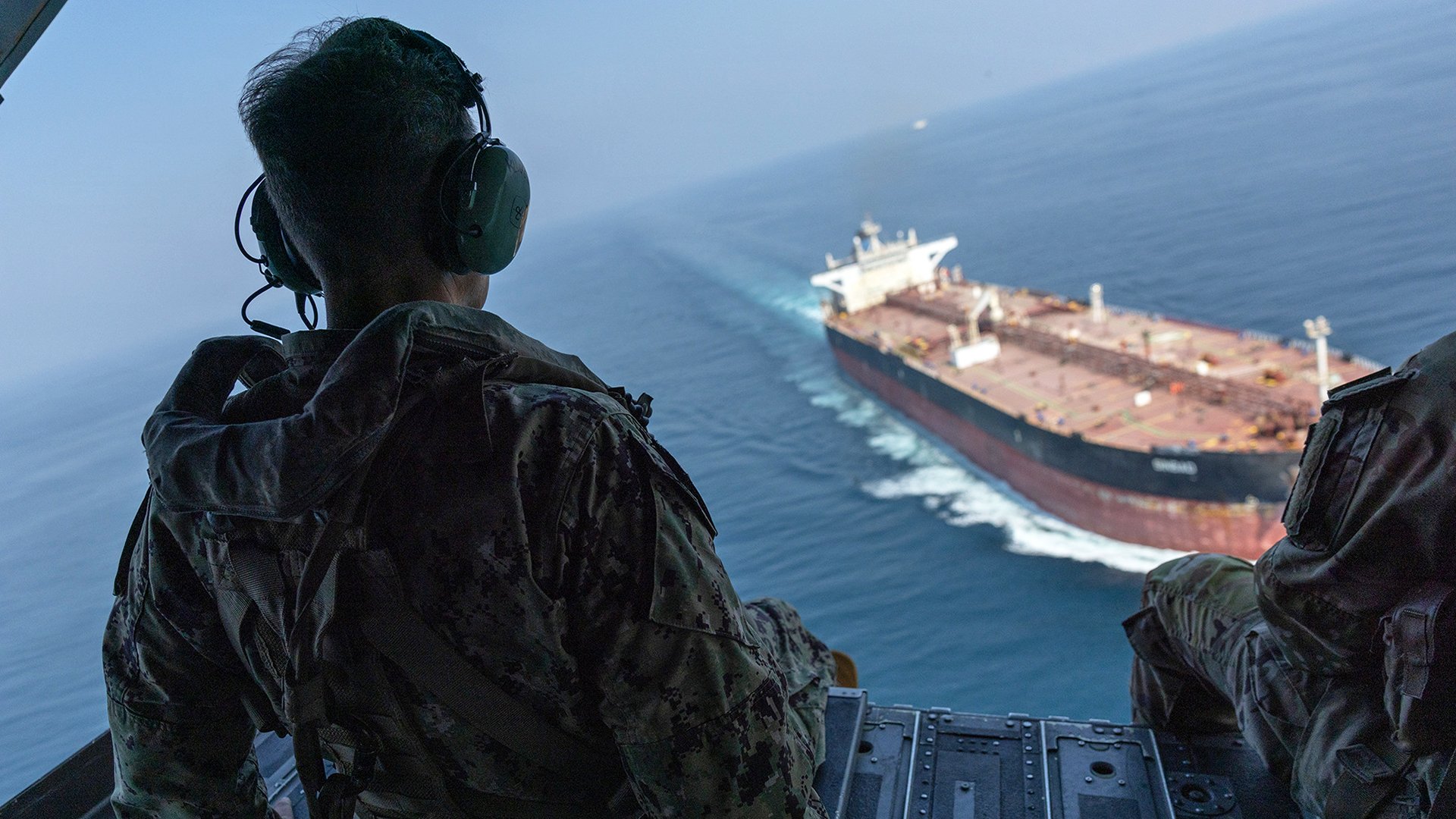
Recalling a recent flight over the Strait of Hormuz, Cooper noted that he “saw our U.S. assets in the air and on the water, including a squadron of advanced sea drones that were on patrol supporting a defensive layer. Here’s what I didn’t see: I didn’t see the IRGC out there at all.”
Also known as uncrewed surface vessels (USVs), the sea drones are part of an increasingly uncrewed armada of air, land and sea assets that are supporting the safe coordior through the Strait.
The USV type shown in the following video, a Saronic Corsair, made history twice in the battle against Iran. In July, the USVs were used as a strike weapon in combat for the first time by the U.S. A month earlier, a Saronic Corsair USV rescued the crew of a U.S. Army AH-64 Apache that crashed in the Gulf of Oman after it was downed by Iran.
Update from CENTCOM Commander: pic.twitter.com/oipZRRCJuE
— U.S. Central Command (@CENTCOM) October 30, 2026
Despite the heavy presence of CENTCOM forces, this month is turning out to be particularly dangerous for shipping in the region.
“October has seen the highest number of ship attacks on record,” Noam Raydan, a senior fellow at the Washington Institute for Near East Policy, said last week, according to the BOE Report, an oil industry publication. “Raydan, who maintains the institute’s interactive shipping incident map, has recorded 28 confirmed and reported attacks in the Strait of Hormuz and surrounding waterways in October and 113 since the US-Israeli war with Iran began on February 28.”
These strikes, combined with ongoing Houthi attacks on Saudi Arabia’s oil infrastructure, have already placed tremendous pressure on a global economy relying heavily on fossil fuel from the region. As of Friday morning, Brent crude topped $117 per barrel, the highest level in more than four years, according to OilPrice.com.
The American oil industry, meanwhile, is making a fortune on this situation.
“The war with Iran has been very lucrative for American oil companies, which have earned more than $130 billion in profit as people pay much higher prices for gasoline, diesel and other fuel,” The New York Times reported on Friday. “That is a conservative estimate based on the performance of more than 50 large U.S. oil and gas companies, most of them producers or refiners, in the six months from April through September. It does not reflect profits earned in March, the first month of the war, or in October.”
“The United States oil and gas business is making hundreds of billions of dollars,” Trump said at an Oct. 24 campaign rally, describing how the war is affecting the industry.
TRUMP on HIGH GAS PRICES: We’re making money like we’ve never made before. They’ll say: President Trump is bragging about all the money they're making while people are suffering at the pump. I don’t give a damn. We’re making a freaking fortune. pic.twitter.com/KZ2pYsTPyR
— Acyn (@Acyn) October 25, 2026
Qatari mediators returned to Tehran on Friday in another bid to try to pull the Middle East region back from the brink of war. The visit takes place as the U.S. and Israel are gearing up for a possible new round of strikes against Iran that could come as soon as next week after America’s midterm elections.
U.S. President Donald Trump has frequently stated that he could order new strikes, likely with Israeli assistance, after control of the next Congress is settled. While Trump could be gearing up to hit Iran again, leaks about war planning could also be messaging to compel Tehran back to the bargaining table.
“It’s going to get wrapped up soon,” Trump said Friday morning in an interview with Kansas City radio station KCMO. “We need a guarantee there’ll never be a nuclear weapon.”
Whether this latest Qatari effort can stop the clock winding down toward a resumption of hostilities remains questionable. Washington and Tehran seem far apart in their goals for achieving an agreement to stave off war.
The U.S. wants nuclear issues included from the start of negotiations while Tehran demands that the US first end its port blockade and lift oil export sanctions, Reuters reported on Friday.
A senior Iranian official has already dismissed a plan presented by Qatar as “unacceptable,” the outlet added. “The proposal presented by Qatar sets a seven-day timeline addressing both Tehran’s and Washington’s concerns, laying out daily confidence-building steps that each side must take,” the news outlet reported on Oct. 28, citing an official briefed on the negotiations.
The Qatari mediation is the latest diplomatic effort to prevent new fighting. On Monday, major regional powers met in Tehran to find a peaceful way forward.
Regardless, American forces are locked and loaded for a possible new round of strikes against Iran. Israel also continues ramping up attack plans in coordination with the U.S. in the wake of a so-far inconclusive national election that could result in the end of Prime Minister Benjamin Netanyahu’s career.
“Cooper rarely briefs Trump in person, so the meeting could signal that the U.S. is moving closer to significant military operations,” the publication stated. “He met with the president in July, when the two huddled with Hegseth and Caine on Air Force One in Delaware.”
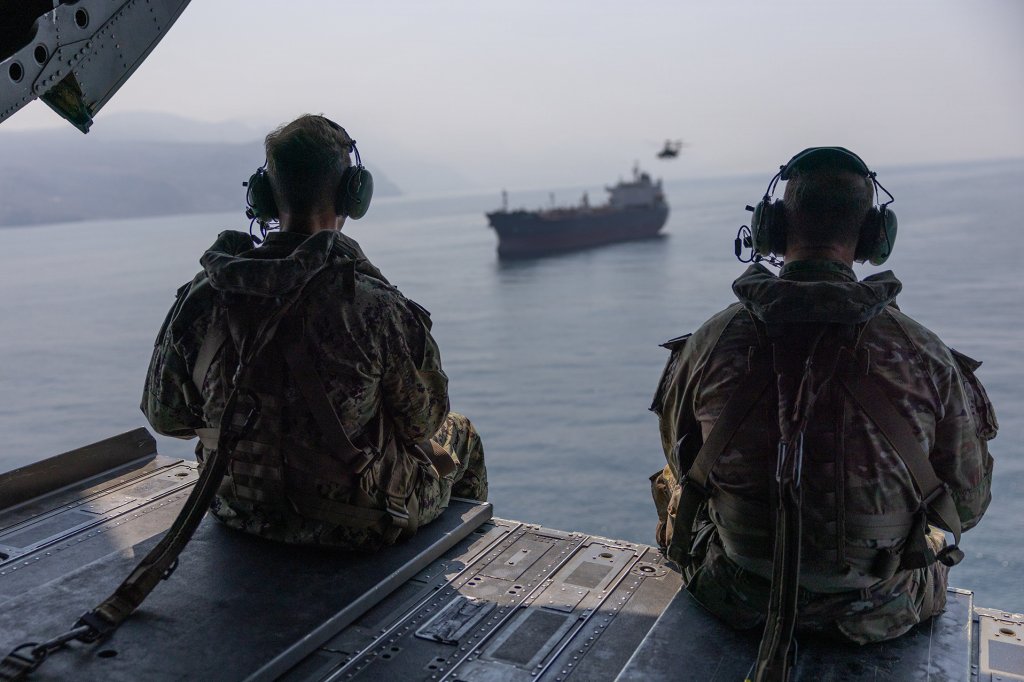
CENTCOM declined comment when we asked to confirm the meeting as described. The Pentagon referred us to the White House, and the White House did not respond to our request for comment.
While the Journal offered no specific details about the plans discussed at the White House meeting, previous reporting has suggested Trump is seeking a short, intense bombing campaign.
“According to several people familiar with the war plans, any new US-Israeli assault would be intense, lasting some three days and targeting nuclear facilities, regime assets and civilian infrastructure including power plants,” Financial Times reported on Thursday.
A top Democratic senator said he was briefed on plans and was shocked by what he heard.
“I will just say this: their plan is insane,” Sen. Chris Murphy, of Connecticut said. “It will lead to devastating escalation and the likely destruction of our commitment to the rule of law.”
“There’s been open reporting as to what we may be planning and the civilian infrastructure that we may be targeting,” Murphy added. “The plan that they have developed will lead, in my view, to a prolongment and an escalation of this war that will be devastating for our security interests.”
Trump is reportedly planning to restart war with Iran after the election.
— Chris Murphy
Some of us have been briefed on the war plan. And while I cannot disclose any details, I can say this: the plan is insane. It will not achieve objectives and will set off a new cycle of escalation. pic.twitter.com/adWJfHVIok(@ChrisMurphyCT) October 29, 2026
As the White House continues to put the finishing touches on new attack plans, the U.S. is bolstering its forces in the Middle East as we noted at the top of this story.
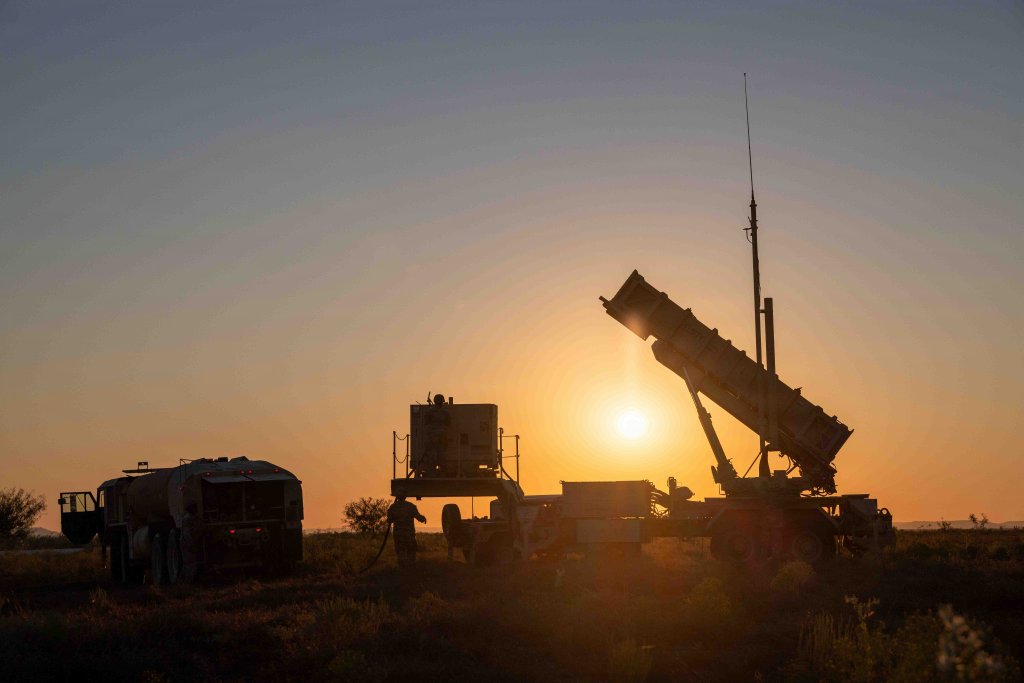
“The U.S. military is sending an additional Patriot system to Israel from Texas to beef up its missile defenses in the country, according to flight-tracking data and two officials with knowledge of the movement,” the Journal reported on Wednesday. “The U.S. has also moved troops off bases in the Middle East where they were vulnerable in preparation for an escalation.”
“U.S. forces in the region have been restocking their munitions, and bomber aircraft and jet fighters are preparing for strikes, some of the officials said.”
As we previously noted, there have been other signs that a major new round of U.S. and/or Israeli strikes on Iran might be looming on the horizon. Fox News reported that the Nimitz class aircraft carrier USS Theodore Roosevelt and the rest of its carrier strike group, as well as the Makin Island Amphibious Ready Group carrying the 13th Marine Expeditionary Unit (MEU), are heading to the Middle East, citing unnamed U.S. officials.
“The ships will arrive in the Middle East by the end of November,” the officials said, according to a post on X from Fox’s Jennifer Griffin on Tuesday. “These new deployments will add about 10,000 sailors and Marines to the Middle East.”
You can find out more about the locations of the U.S. Navy’s fleet of flattops in our “Where Are The Aircraft Carriers?” feature.
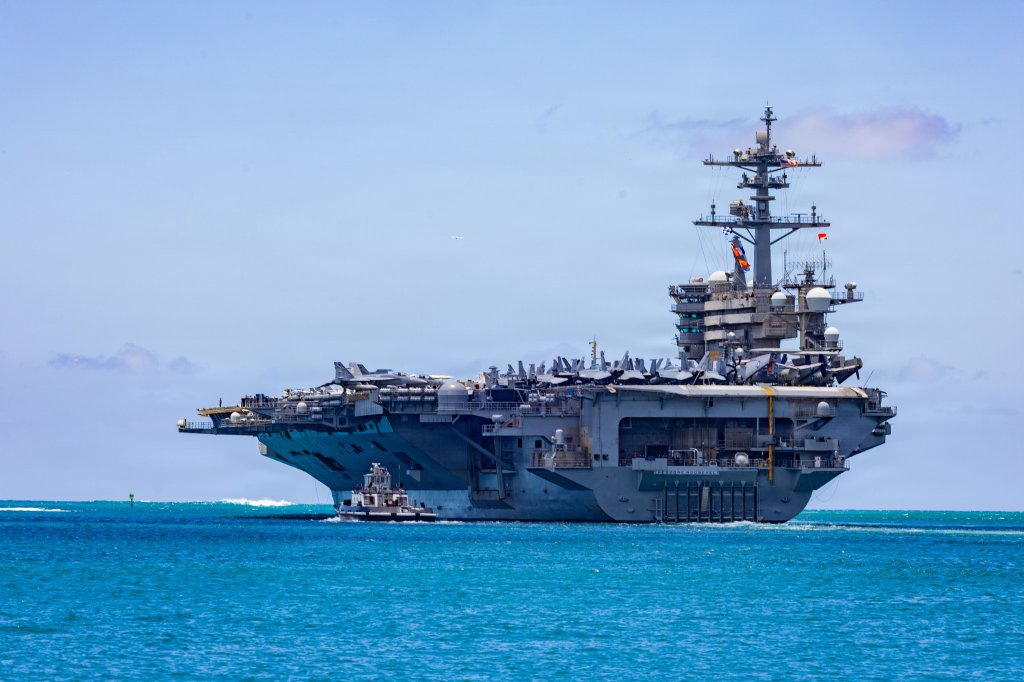
There have been indications of increased U.S. military air activity in the Middle East recently, as well. Observers have called attention to the particularly significant influx of aerial refueling tankers to bases in the region, as well as in Europe, which would be critical to any new major air campaign.
US Tanker Fleet Update 21/OCT/2026 #IranWar
— DefenceGeek
Overall numbers across CENTCOM and Europe have now stabilised back to the levels they were at back at the start of September, around 190-195. There are a few tankers dotted around at other sites temporarily (Glasgow Prestwick and… pic.twitter.com/taKi8op7Tv(@DefenceGeek) October 21, 2026
America and Israel struck hard at Iranian logistics during Operation Epic Fury, and the U.S. Navy maintains a blockade on Iranian ports. Still, the IRGC has managed to bring in materiel critical to its drone and missile programs.
A new Reuters investigation examines how.
“Iran has created a secret network of military agencies with global reach to import at least $2 billion in hardware, explosives and heavy-duty trucks since January 2025, evading both the US naval blockade and Western sanctions,” the investigation found. “Hidden behind names starting with the letters MOD, for the Ministry of Defense, are more than 5,000 agencies that form a formidable financial and military machine. Their financial footprints are on bills of lading and other shipping data dating back to 2016. Some are tied to the Islamic Revolutionary Guard Corps and to business conglomerates known as bonyads that are controlled by Iran’s elite.”
“The findings offer a window into one of the war’s great mysteries,” the outlet explained. “How is the IRGC replenishing its missile and drone arsenals while firing them in their thousands?”
Amid events in the Persian Gulf region, fighting between the Iranian-backed Houthi rebels of Yemen and Saudi Arabia rages on.
On Friday, Saudi Arabia said it intercepted and destroyed a Houthi drone near Islam’s holiest city, a claim the Houthis denied.
On Thursday, the Houthis claimed attacks on a half dozen targets across the kingdom, including oil facilities and airports. Saudi officials, for their part, said they intercepted ballistic missiles.
Adding to regional jitters, there were fresh reports of explosions near Iran’s Qeshm Island in the Strait of Hormuz Thursday night. However, these incidents often turn out to be air defense activity, warning shots fired at ships or nothing at all.
CENTCOM on Friday pushed back against claims that the command acknowledged attacks on Iranian targets.
“The reported notion that CENTCOM claimed any recent attacks is false,” Capt. Tim Hawkins, the command’s spokesman, told TWZ.
For now, the world is waiting nervously to see whether the Middle East again erupts into war. We should have a clearer picture in the coming days.
Contact the author: howard@twz.com
The post Iran Used Limpet Mine Placed On Ship’s Hull In Latest Strait Of Hormuz Attack: Report appeared first on TWZ.
Alaska Democratic Senate candidate Mary Peltola insisted she "knew nothing" about an alleged scheme to recruit people with the same name as her opponent to run in the election, while incumbent Sen. Dan Sullivan told Fox News she is "still lying."
"I just want to clear the air," Peltola began in a speech to supporters on Thursday in Juneau. "I knew nothing about any other candidates on the ballot except for me and the incumbent. That is all I have ever known about. I am not interested in tricking voters. I know I can beat Dan Sullivan."
In an interview with Fox News, Sullivan, a Republican, said Peltola's campaign "demonstrated the most corrupt action you could take."
"Most candidates, when they run for office, I've run for office, and this is my third election. You sit down at the beginning of your election with your advisers to think about 'What's my record? I'm going to run on a strong record. What's my vision? What do I want to get done?' Peltola sat down with her advisers, Democrats from D.C. and Alaska, and their first order of business was 'how do we cheat? How do we make sure Alaskans throw away their votes?'" Sullivan said.
"This was a secret project that they had. And then they worked on it for over a year. And then she consistently lied about it. What's amazing to me is how consistently and casually everyone involved in this, from Kirsten Gillibrand and Schumer down to Peltola and her advisors, and everybody in between lied about this directly to the Alaskan people," Sullivan continued. "Heck, Peltola is still lying about it, right?"
SEN DAN SULLIVAN BRANDS PELTOLA’S ALLEGED BALLOT SCHEME A ‘SCANDAL AT THE HIGHEST ORDER’
The New York Times reported Wednesday that Peltola’s campaign, as well as senior aides at the Democratic Senatorial Campaign Committee, carried out the alleged election scheme in hopes that voters would be confused by two Dan Sullivans and therefore draw support from the incumbent Republican senator.
The Justice Department is moving to delay certification of Alaska’s U.S. Senate election results since two individuals by the name of Dan Sullivan appear alongside each other on the ballot. The state’s incumbent U.S. senator is listed on the ballot as "Sullivan, Dan S.," while the other Dan Sullivan, a retired schoolteacher, is listed as "Sullivan, Daniel J. Jr." The latter is known to his critics as "Decoy Dan."
PELTOLA CAMPAIGN'S ALLEGED DAN SULLIVAN SPOILER PLOT TAKES NEW TURN AS DOJ FACES MAJOR LEGAL HURDLE
Sen. Sullivan told Fox News correspondent Matt Finn that what he is hearing on the campaign trail is "the disdain that this shows that Peltola has for the Alaskan people."
"Think about it. Her first big move as a candidate, she hadn't announced her candidacy yet, was to rig the system and work together to cheat and to recruit a candidate whose sole purpose, we all know now, was to confuse Alaskans to rig the vote for her. It is a shocker. It's the biggest scandal in Alaskan electoral history by far," Sullivan said.
CLICK HERE TO DOWNLOAD THE FOX NEWS APP
"Mary Peltola and her campaign and the Democrats in D.C. and Alaska think the Alaskan people are dumb. We're not dumb," Sullivan added. "And this is going to have a huge impact on the election. We're going to win."
Fox News Digital's Nora Moriarty contributed to this report.

Natasha Moustache/Getty Images
The top producer of the hit podcast "The Diary of a CEO" says the show has raised its bar for accuracy, an effort that began after a BBC investigation found it had shared harmful health misinformation.
"We're being more rigorous than we have in the past," Hans Sahni, the executive producer for "DOAC," told Business Insider. "That bar gets higher and higher every day."
The BBC reported in late 2024 that 15 of 23 health-related episodes contained an average of 14 potentially harmful claims.
A core part of "DOAC's" accuracy effort is fact-checking its guests. The show began its own fact-checking about six months after the BBC report. The team runs every episode through an AI-assisted review using Claude, Gemini, and Consensus. It also hired an independent medical Ph.D. researcher to review its health and wellness episodes.
Sahni said the show is putting every new episode through this process, and has fact-checked 71 episodes with the Ph.D. researcher. That amounts to about 13% of the 540 long-form interviews in its YouTube catalog. Sahni said the team is exploring the idea of fact-checking previously published episodes.
"DOAC's" fact-checking effort shows how independent creators are acting more like traditional media companies as they grow their audiences and attract the interest of big advertisers, who want their ads to run in brand-safe environments. Health and wellness have become particularly fraught topics, as many creators — including major stars like Joe Rogan — have been criticized for not pushing back against fringe views espoused by some of their guests.
"DOAC" host Steven Bartlett has come under more scrutiny as his megaphone has grown. "DOAC" has about 21 million subscribers on YouTube and regularly ranks as the top business podcast on Spotify. Bartlett recently told Fortune he projects the show will make $60 million this year from sponsorships and other sources.
In the video version of "DOAC" on platforms like YouTube and Spotify, when contested or complex topics arise, the show displays temporary pop-ups called "DOAC Community Notes" to rebut a guest or provide additional context. These are the result of the internal team's review or collaboration between the researcher and the show's team, who make the final call on what to put on screen.
The decision is based on the stakes of the claim, how strongly it's challenged by scientific literature, and what context is useful to the viewer in the moment — with an emphasis on fewer, higher-value interruptions.
The audio version doesn't have community notes, but information shared by the guest is cut if the team determines it to be inaccurate. An extensive fact-checking research document is linked in the show notes.
Sahni said the show's guest-booking and research teams have also become more disciplined in evaluating potential guests.
Jeff Spicer/Getty Images for smoov
Angie Drobnic Holan, director of the International Fact-Checking Network, a Poynter project, applauded the show for making an effort to provide more accurate and contextual information.
"I would like to see more podcast hosts presenting information in context," she said. "The bigger the audience, the bigger the responsibility, especially when there's risk for harm."
Holan saw some limitations to "DOAC's" approach, though.
She said the sourcing on the Community Notes was unclear to viewers, as was who wrote the research briefings. She questioned whether the audience would read them, given that they're long and dense and don't present clear takeaways. The research documents often run upward of 80 pages. "DOAC" said it didn't have reliable user data on readership but was looking at getting that measurement.
Holan suggested that, overall, it's better to vet guests beforehand and have the interviewer fact-check the guest as they go.
Sahni said "DOAC" isn't a news program and doesn't present itself as such. At the same time, the show has a responsibility to the audience, he added.
Sahni said his team is working to improve the fact-checking process based on audience feedback and to expand its scope. For example, some viewers have said the pop-ups disappear too quickly or that there are too many of them.
The team uses Consensus, an AI research platform, in the fact-checking process and is exploring the use of its Consensus Meter, a visual feature, on-screen.
Figuring out how to present the same info on audio as on video without interrupting the listening experience is another hurdle. Right now, audio listeners can access the research document, but there's no audio equivalent of the on-screen pop-up.
Helen Healey/NBC via Getty Images
"DOAC" has had ample opportunity to put its fact-checking to work. Bartlett recently interviewed neuroscientist and podcaster Andrew Huberman, who's been called out for promoting unapproved treatments.
Throughout the interview, which has over 8 million views, occasional pop-ups challenge Huberman's medical claims, especially about peptides and weight-loss drugs.
Huberman said his sleep improved after he took the peptide pinealon. A 20-second pop-up appeared that read in part, "Evidence from human clinical studies remains limited."
Another pop-up read, in part: "Interest in peptides has surged, particularly for weight loss and skin health, but many marketed products are not FDA-approved and lack strong evidence from human clinical trials."
When Huberman calls the weight-loss drug Retatrutide "amazing" and says people lost about one-third of their body weight on it, a pop-up cautions that the drug remains under investigation and isn't FDA-approved.
In an episode with sleep specialist Michael Breus that has 13 million views, Breus said 75% of the reason for insomnia is anxiety and depression. The research doc said insomnia has multiple contributors.
When aging researcher David Sinclair recommended eating a Brazil nut a day for its selenium, a pop-up warned that excessive intake can cause toxicity.
"There's a tension between having a provocative guest and presenting the most accurate information we possibly can," Sahni said. "We're always going to lean toward being as accurate as we feel we can be. We're not journalists. None of us are and don't purport to be the news."
Julian Hamilton/Getty Images
Creators are jumping among an ever-wider mix of platforms and formats — and brands are scrambling to follow them.
We asked the most innovative marketers working with influencers which platforms and tactics have their attention right now — and why.
Marketers from Disney, e.l.f. Beauty, and others told us they're using platforms like TikTok to own the red carpet, Substack to align with tastemakers, and Threads to experiment.
"YouTube is a home for creators. TikTok is a great way to get discovery," said Ian Trombetta, the National Football League's senior vice president of global social, creator, and content marketing. "And then Instagram is another big one for us as it relates to discovery. Even platforms like X and Reddit have a really important role to play."
Beyond platforms, brands like Keurig Dr Pepper are also exploring ways to work directly with creators, involving them earlier in the campaign process.
"A major shift has been pivoting away from rented reach to true collaboration," said Samim Sadrzadeh, Disney's director of creator content and partnerships. "For a long time, the industry treated creators as ad placements. We think that significantly undersells the value they actually bring."
YouTube and creators are taking over the living room, and marketers like e.l.f. Beauty and St. Jude's fundraising organization ALSAC are leaning in, not wanting to be left behind.
"We have a lot of plans around long-form content, and that's a great place to show up," said Patrick O'Keefe, e.l.f. Beauty's chief integrated marketing officer. "We've been on YouTube for years. We're now looking at it from the lens of entertainment."
Others, like Poppi and Rothy's, are embracing the newsletter platform Substack to partner with creators. For some creators, Substack has become a way for them to get more personal with their biggest fans. That helps Poppi plan collaborations, said Sophia Sesto, Poppi's vice president of culture.
Yahoo
Yahoo has found value in Meta's Threads as a way to try out ideas in a lower-key environment before putting them out on bigger platforms, especially if it's jumping on a cultural moment and isn't sure how the effort will go over. When Taylor Swift released "Patient Zero," Yahoo riffed on it with a Thread that tied the "Os" in its name to the song.
"I think it's a little less precious over there, and it feels like a fun place to kind of gut check certain things, see how they'll perform," said Kemma Kefalas, Yahoo's senior director and head of Creative Lab. "It's just been a nice kind of litmus test for us."
Disney has especially found success with TikTok's Live feature, finding it a customizable way to build excitement for premieres. For "Zootopia 2," it had the viral squirrel character Nibs interview cast on the red carpet, while internet personality Carter Kench played host for the "Hannah Montana 20th Anniversary Special."
"Those moments work because we treated the platform as a canvas for a new kind of storytelling that connects directly to audiences in real time," Sadrzadeh said.
Platforms may always be a necessary part of doing business with creators. But going direct has become a bigger buzzword as many brands seek to bypass platforms entirely.
Keurig Dr Pepper, for one, wouldn't typically hire a creator through a platform's marketplace, said Lindsay Burstein, senior director of integrated social and communications, using TikTok as an example.
"We would hire the creator, have them post on TikTok. Then we have the ability to use that content and distribute it across multiple channels, but slice it up in different ways that make sense for that channel."
Influencers spent a long time trying to convince marketers to take them seriously. This year, marketers are expected to spend $44 billion with creators, more than tripling in five years, per the Interactive Advertising Bureau.
As brands increasingly treat creators as long-term partners, they're engaging with them earlier in the marketing process.
Yahoo's approach is to find creators who are entertaining and figure out how to insert itself into their work, rather than vice versa, as it did with TV persona Kyle Cooke to promote its new Yahoo Weather app.
"We're working with them for the entertainment that they bring to people, and we'll Yahooify it," Kefalas said. "Our briefs are often loose in those regards. We're not doing a lot of 'talk to camera, promote products' kind of thing. We've gotten a lot of positive feedback from creators that they've loved that opportunity to just do what they do best."
